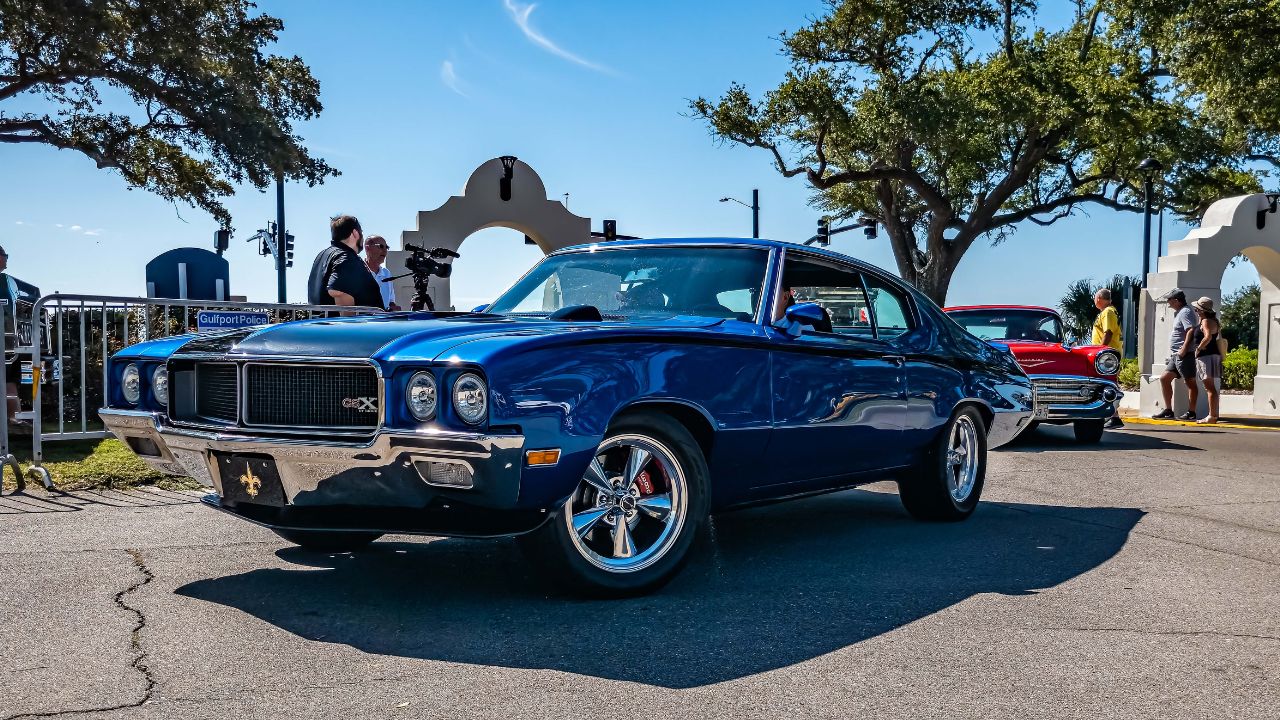
Buick’s Gran Sport badge became a serious statement during the muscle-car era, especially when big-displacement V8s met relatively understated Buick styling. Some versions delivered enough performance to make them formidable at the drag strip, while others became restricted by changing racing rules or class requirements. These 7 Gran Sport-era Buicks show how seriously the brand pursued straight-line performance.
Buick Skylark Gran Sport
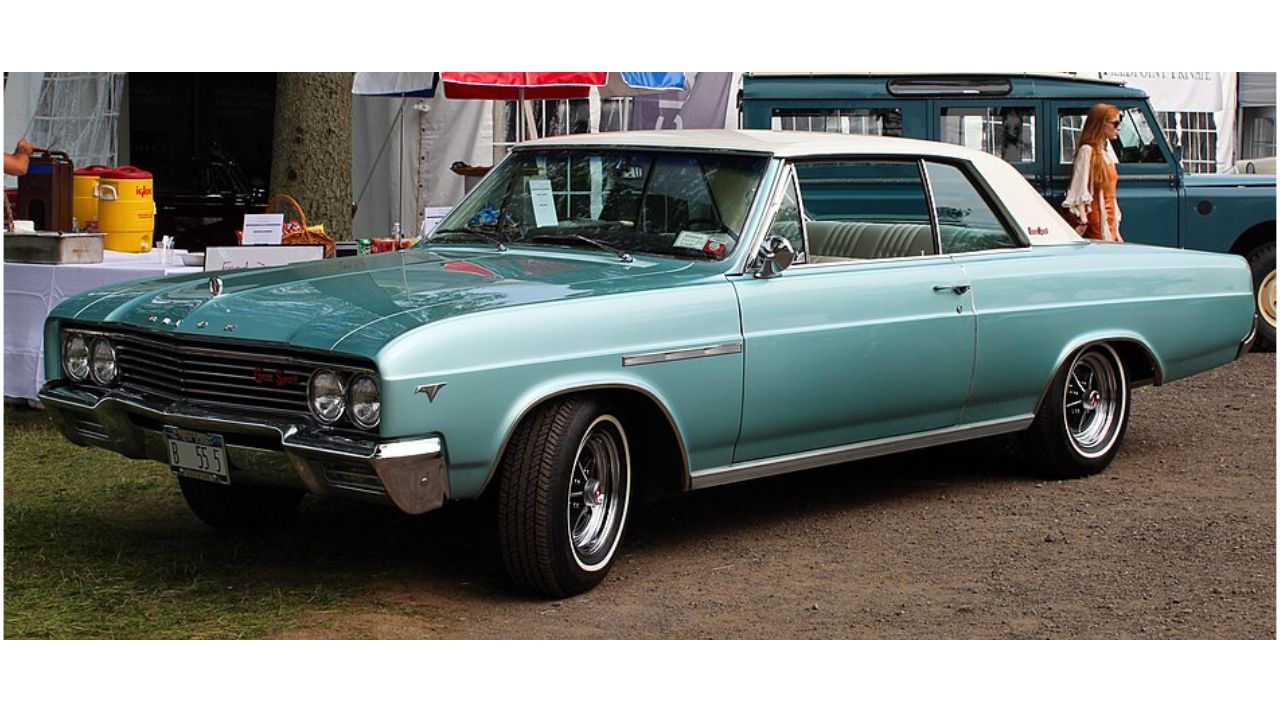
The Buick Skylark Gran Sport introduced Buick’s performance ambitions to a wider audience during the 1960s. Its available big-block V8 delivered substantial torque, giving the relatively compact Buick impressive acceleration. The combination of luxury-car refinement and muscle-car performance made it unusual among its rivals. With the right equipment and a strong launch, a Gran Sport could become a serious contender at the drag strip.
Buick Gran Sport 400
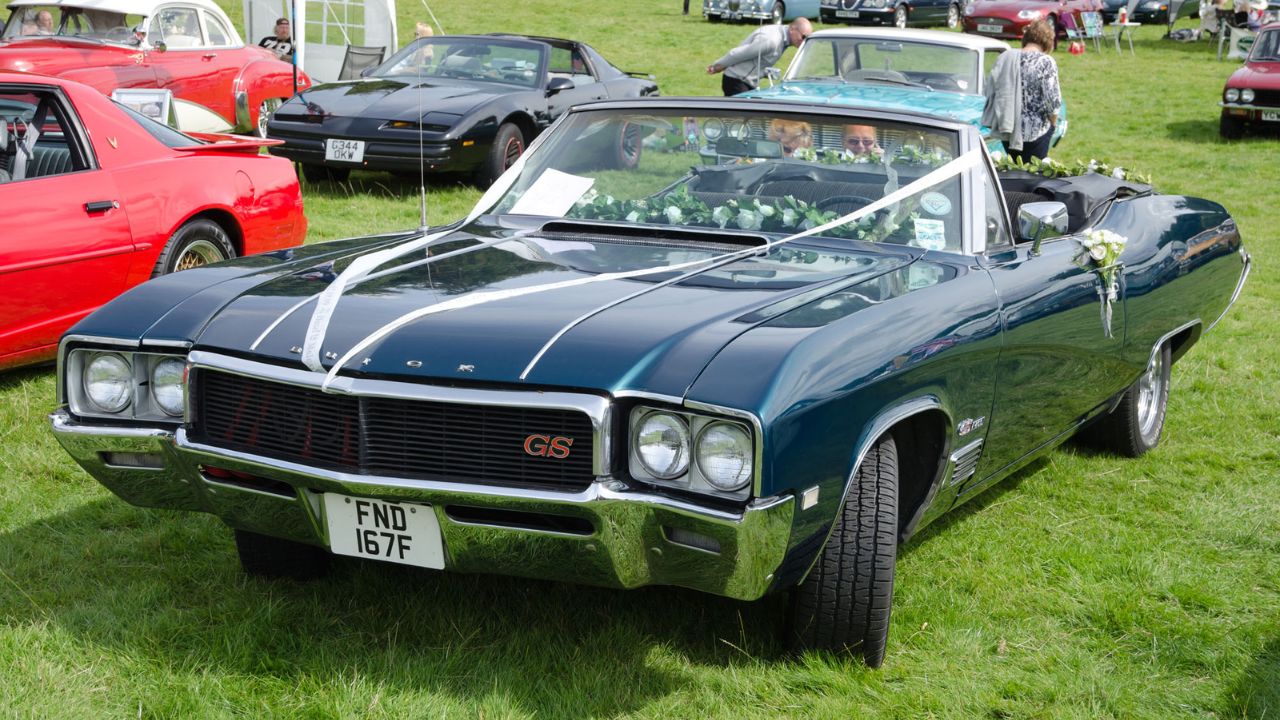
The Gran Sport 400 became one of Buick’s most recognizable muscle cars, combining a 400-cubic-inch V8 with a relatively compact intermediate body. Strong low-end torque made it especially effective in straight-line acceleration, while available performance equipment helped maximize its potential. Buick positioned it as a genuine performance machine rather than merely a sporty appearance package. Today, clean examples remain highly desirable among Buick collectors.
Buick GS California
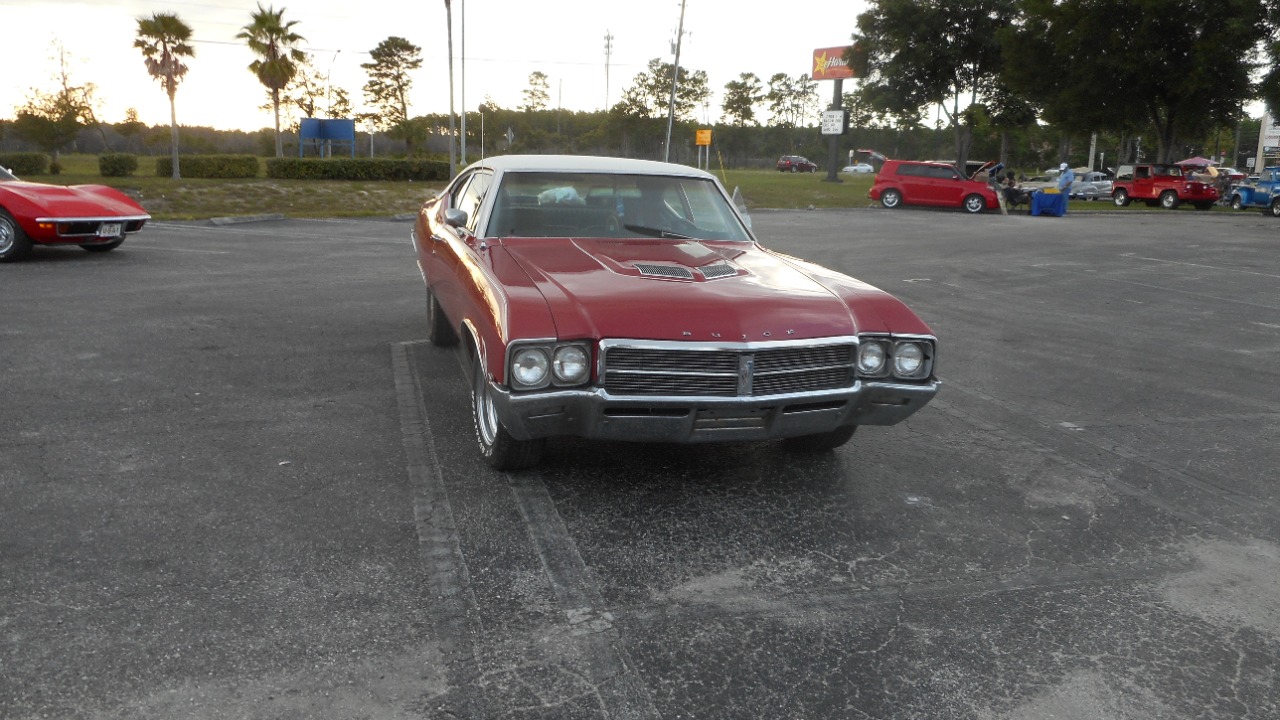
The Buick GS California was created as a performance-oriented package for buyers who wanted Gran Sport character with a distinctive identity. It combined the GS platform with special trim and a strong V8 powertrain. Buick’s torque-heavy approach gave the car impressive street performance without requiring exotic technology. Its relatively limited production also makes surviving examples especially interesting to collectors who appreciate overlooked muscle cars.
Buick GS 350
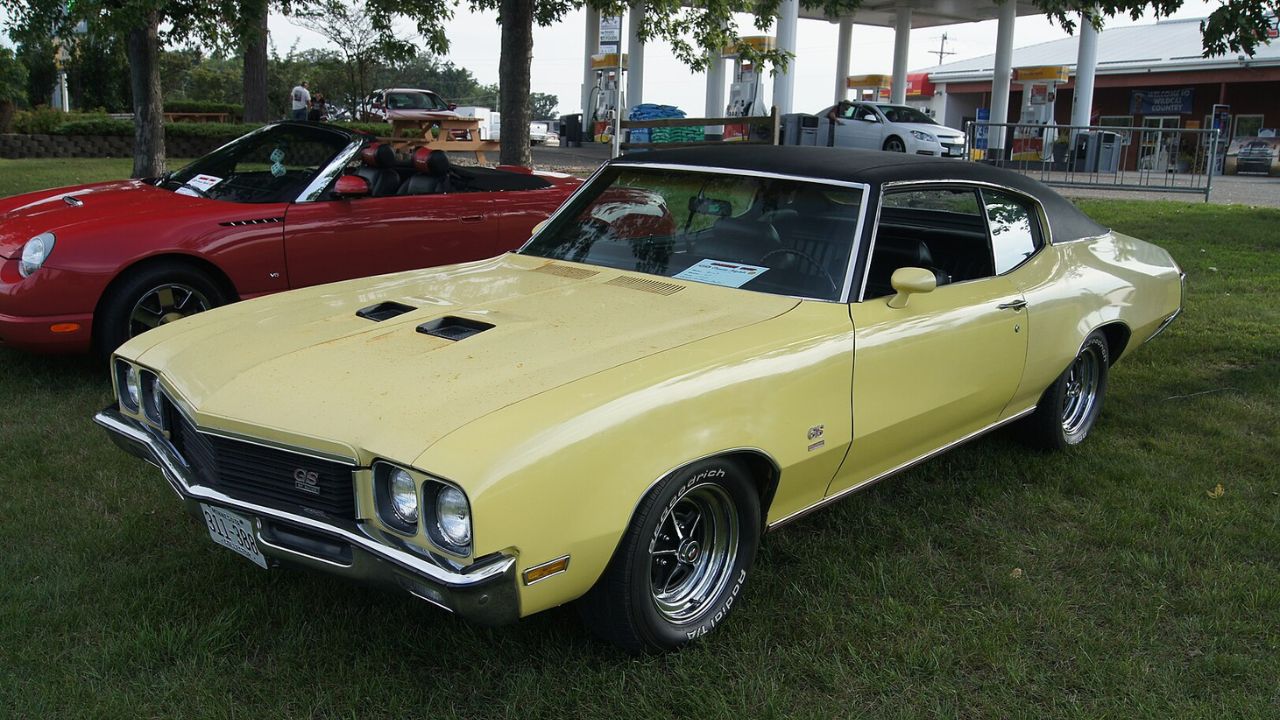
The Buick GS 350 showed that Buick could produce a strong performer without relying entirely on its largest engine. Its 350 V8 provided useful torque and responsive acceleration in a package that remained comfortable enough for everyday driving. The model represented a more accessible path into Buick’s performance lineup. Today, well-preserved examples are appreciated for delivering classic GS styling without the cost of the rarest big-engine versions.
Buick GS 455
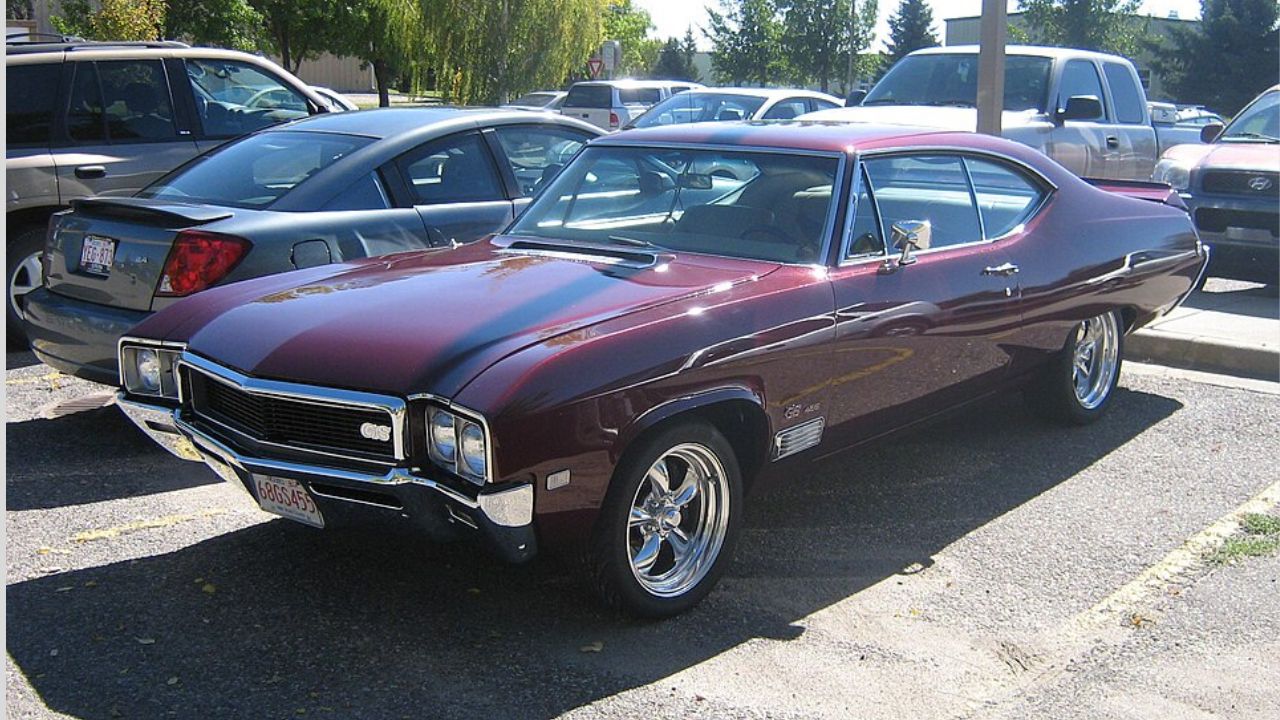
The Buick GS 455 pushed the Gran Sport formula into serious big-block muscle-car territory. Its 455-cubic-inch V8 produced enormous torque, giving the car brutal straight-line acceleration for its time. Buick’s emphasis on torque made the GS 455 particularly effective away from a stoplight or on a drag strip. Factory performance equipment could make these cars genuinely formidable competitors, especially when properly prepared.
Buick GSX
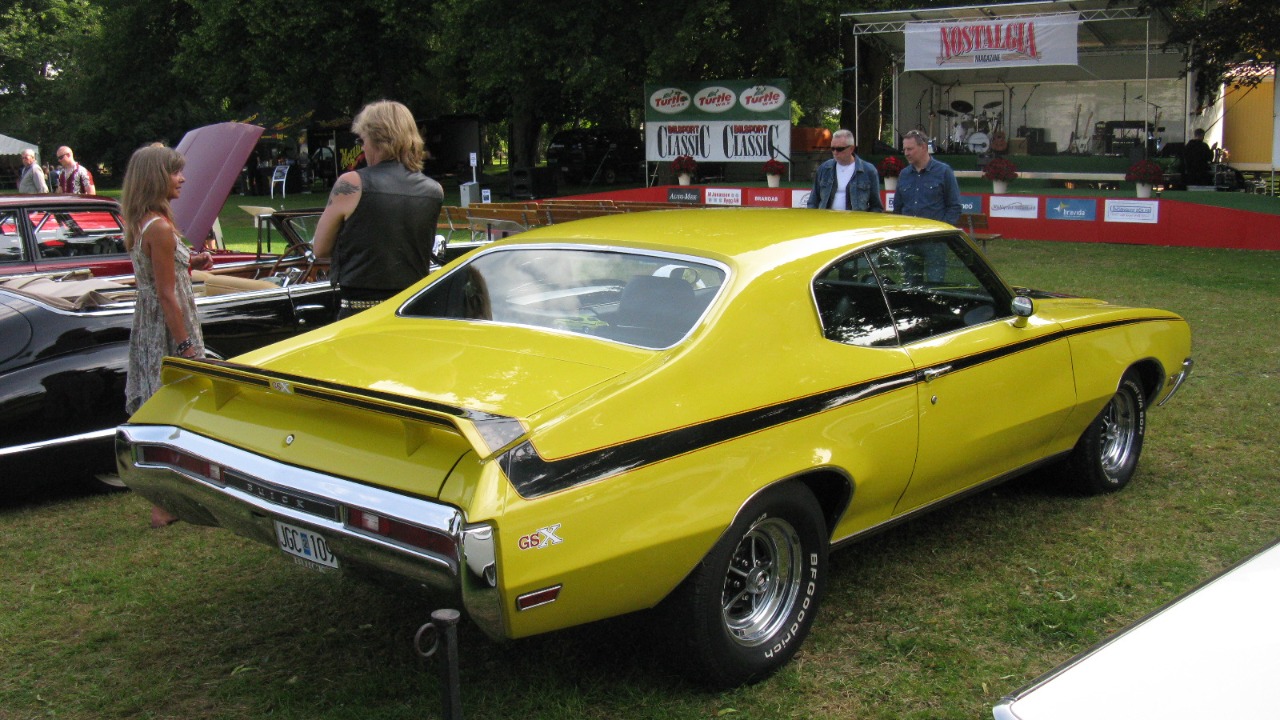
The Buick GSX took the Gran Sport concept to its most aggressive visual and performance-oriented form. Bold graphics, distinctive spoilers, hood-mounted tachometer options, and powerful V8 engines separated it from ordinary Buick intermediates. The GSX Stage 1 was especially potent, combining the 455 with a high-performance engine package. Its rarity and performance have made the GSX one of the most collectible Buick muscle cars.
Buick GSX Stage 1
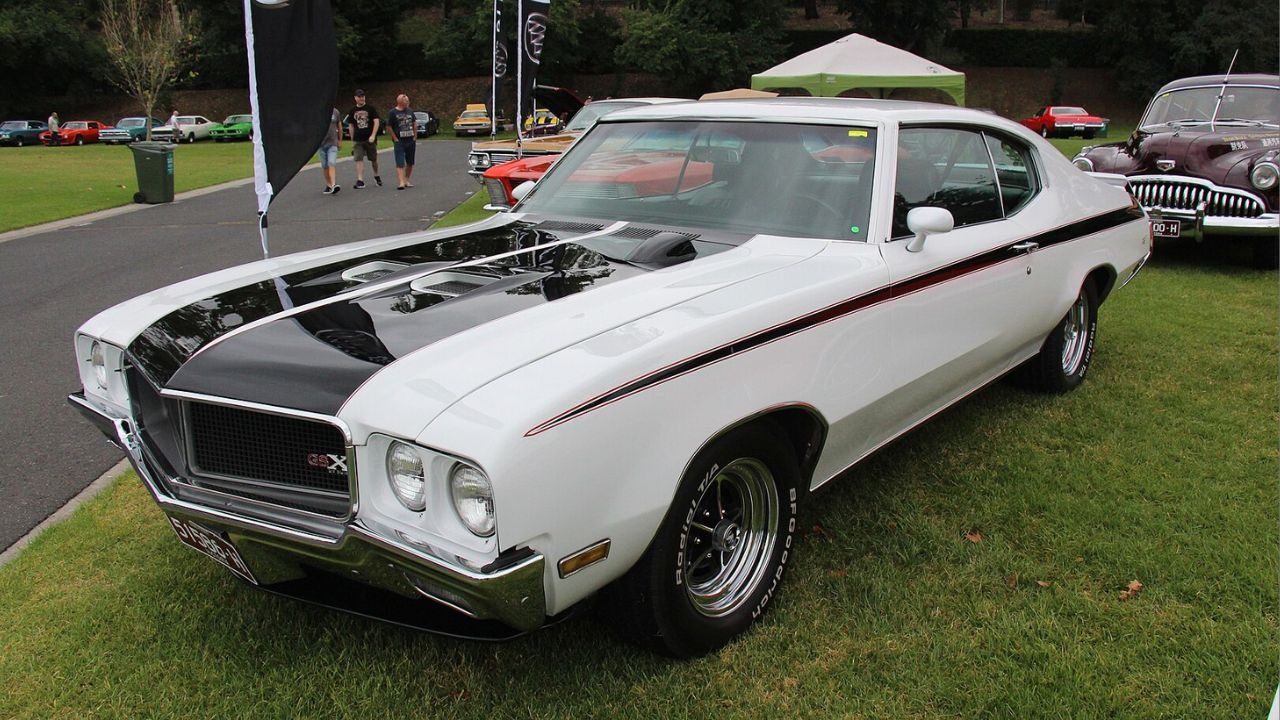
The Buick GSX Stage 1 represented the ultimate expression of Buick’s torque-focused muscle-car philosophy. Its specially prepared 455 produced massive low-speed pulling power, making the car exceptionally quick for a large, comfortable intermediate. The Stage 1’s performance reputation has only grown with time. Today, documented examples are highly sought after because they combine genuine factory performance with relatively limited production.
More from Fast Lane Only
- Unboxing the WWII Jeep in a Crate
- 15 rare Chevys collectors are quietly buying
- 10 underrated V8s still worth hunting down
- Police notice this before you even roll window down
*Research for this article included AI assistance, with all final content reviewed by human editors.