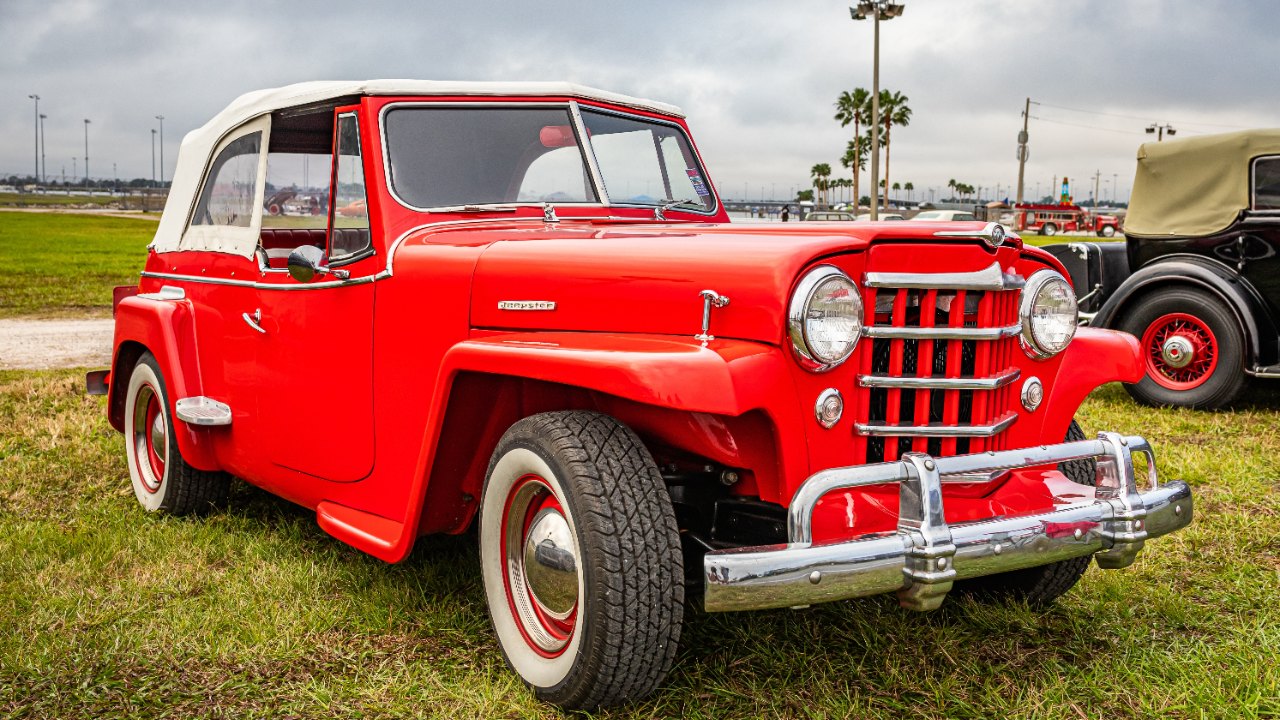
Willys is usually associated with one vehicle: the Jeep. That reputation is understandable, but it leaves out a surprisingly large part of the company’s history. Long before and after the wartime Jeep became famous, Willys-Overland built everything from sleeve-valve luxury cars and tiny economy models to unusual sedans, coupes, hardtops, station wagons and even cars that were sold under the Overland name.
Some of these vehicles were produced for only a year or two. Others were offered in small numbers or during periods when Willys was struggling financially, making surviving examples exceptionally difficult to find today. A few were completely overshadowed by the Jeep that made the company famous. These are 18 of the Willys models that can leave even knowledgeable enthusiasts wondering what they are looking at.
1917 Willys-Knight 88-8
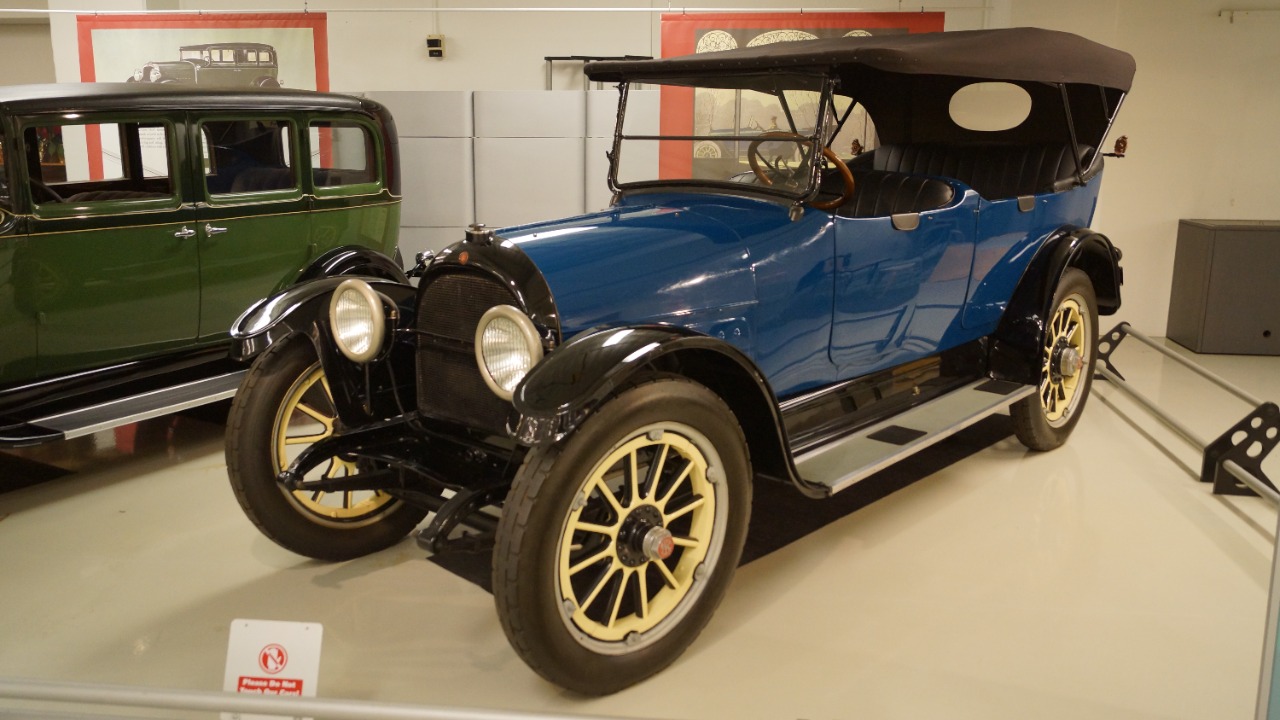
The Willys-Knight 88-8 is about as far removed from the familiar Jeep image as a Willys product can get. Introduced during the 1917 model year, it used a Knight sleeve-valve V8, an unusual engine design that operated without conventional poppet valves. The 88-8 was part of Willys’ ambitious attempt to move into the more prestigious end of the American automobile market, and the company continued offering the sleeve-valve V8 through 1919. The sleeve-valve arrangement was remarkably different from the engines that would eventually dominate American production, making these cars fascinating to anyone interested in early engineering. Today, the 88-8 is difficult to encounter simply because it belongs to an era when Willys was building sophisticated passenger cars decades before the company became synonymous with four-wheel-drive utility vehicles.
1926 Willys-Knight 70
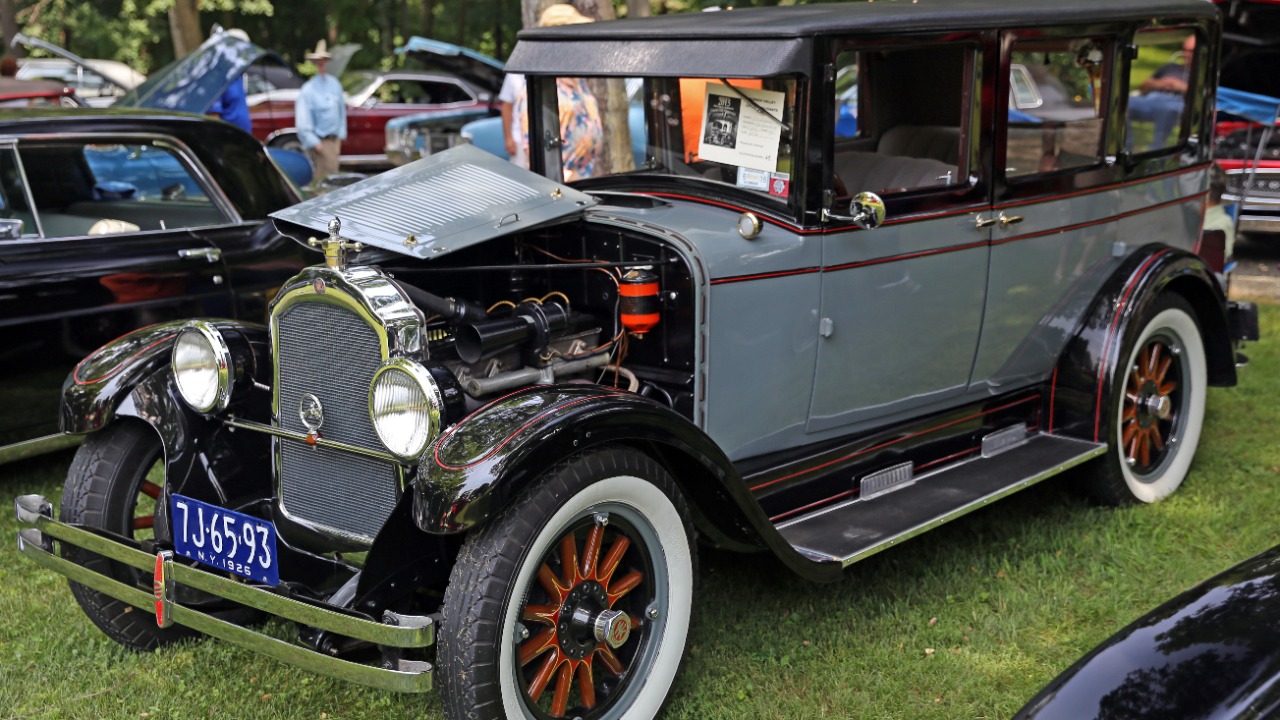
By the middle of the 1920s, Willys-Knight had developed into a substantial passenger-car range, and the Model 70 was one of its six-cylinder offerings. The 70 and later 70A and 70B versions used Knight sleeve-valve technology and occupied a very different market position from the inexpensive Willys cars that would eventually become the company’s mainstay. The Willys-Knight range itself ran from 1914 into the early 1930s, with numerous model designations and engine combinations along the way. That makes a surviving Model 70 especially interesting because it represents a completely different side of the company. There was nothing Jeep-like about it. It was a substantial American automobile built around unusual engine technology, and most modern enthusiasts have probably never encountered one outside a museum or an old factory photograph.
Whippet 98A
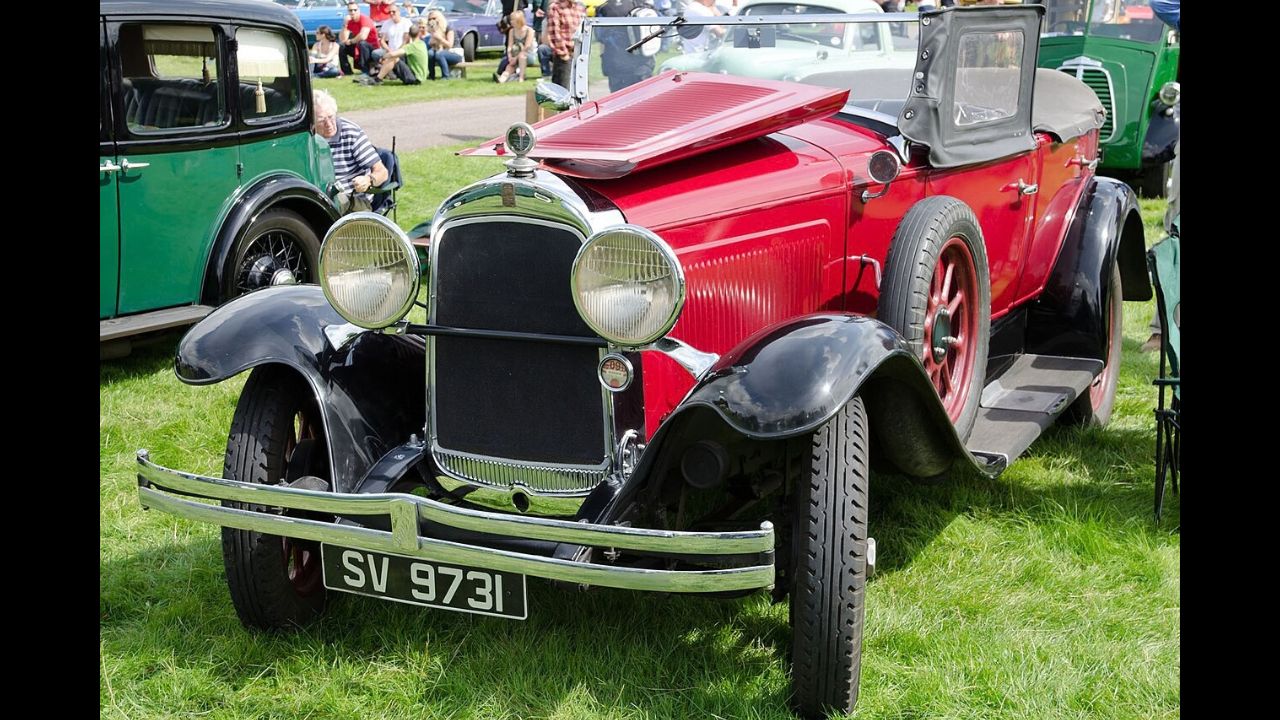
If the Whippet 96A represented the small four-cylinder end of the range, the Whippet 98A added a six-cylinder option while keeping the same basic philosophy. The 98A appeared for 1929 and used a longer wheelbase than the four-cylinder Whippet, along with a six-cylinder engine producing around 50 horsepower. Willys-Overland positioned it as a reasonably affordable car that could offer more performance and refinement than the smaller Whippet. Production ran into 1930, but only a relatively small portion of the total 98A production was built during its final year. Its replacement was the Willys 98B, which appeared in 1930 and continued the company’s six-cylinder development. Today, the 98A is overshadowed by better-known cars from the same era, making an intact example particularly difficult to encounter outside serious prewar collections.
Willys Six-90
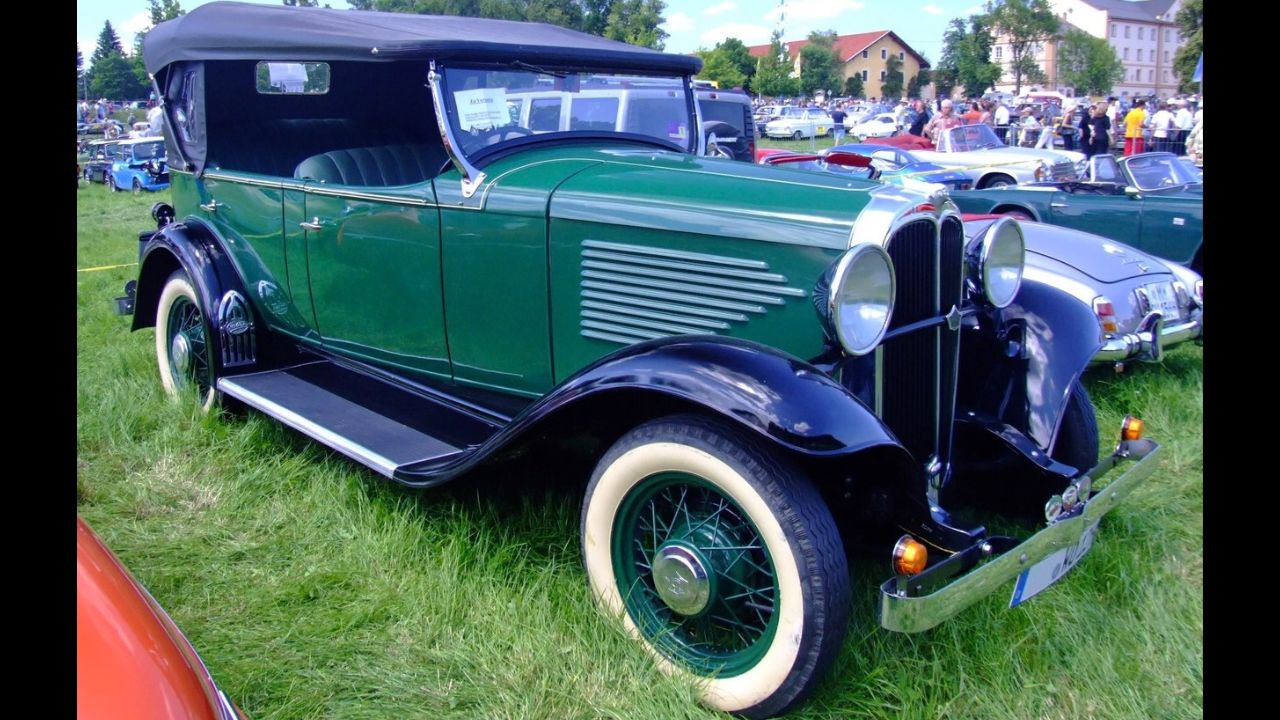
The Willys Six-90 was another example of how broad the company’s passenger-car lineup had become before the Jeep era completely changed its identity. Sold in the early 1930s, the Six-90 used a six-cylinder engine and was positioned above the smaller four-cylinder Willys models. It arrived during one of the most difficult periods in American automotive history, when manufacturers were desperately trying to offer buyers more value while keeping production costs under control. The Six-90 was also part of the company’s effort to maintain a broader passenger-car lineup after the Willys-Knight program was winding down. Very few people associate Willys with conventional six-cylinder sedans from this era, which makes the Six-90 an easy car to overlook. Surviving examples are rare enough that even photographs can seem unfamiliar to enthusiasts who know Willys primarily through Jeeps and wartime vehicles.
Willys Rural
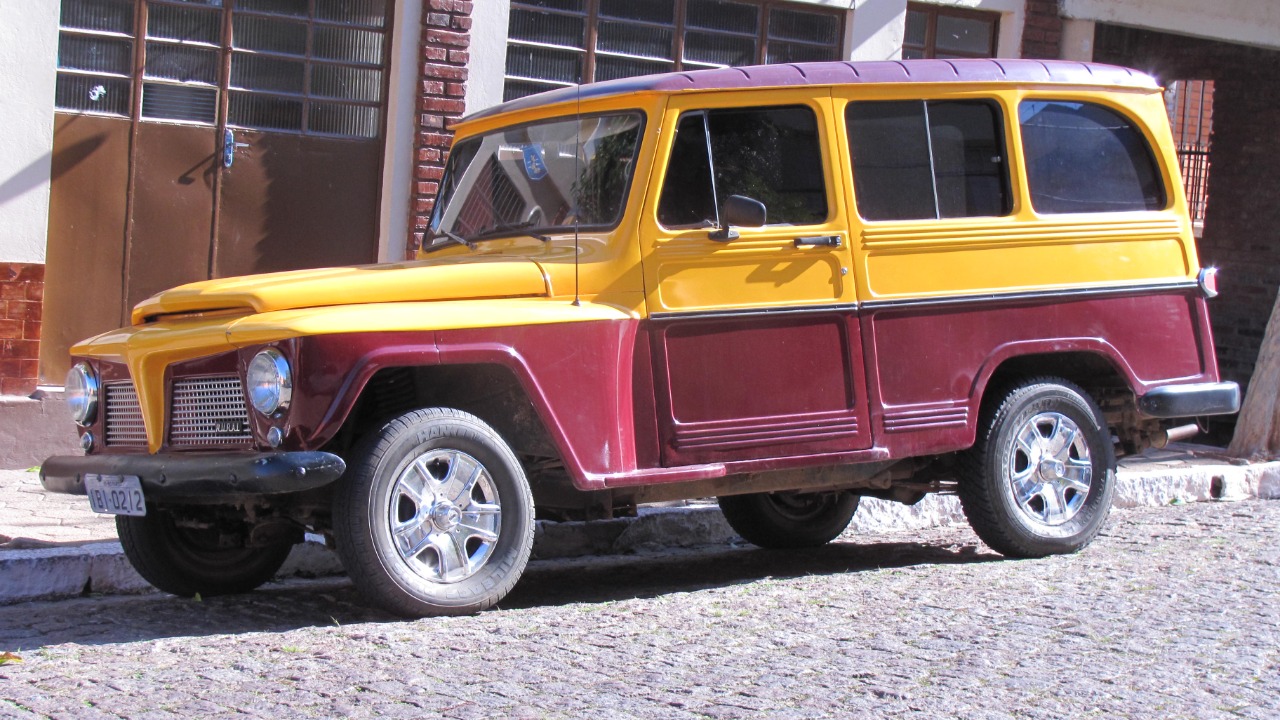
The Brazilian Willys Rural is one of those vehicles that can look completely unfamiliar to an American enthusiast while being instantly recognizable to collectors in Brazil. Based on the Willys Jeep Station Wagon, the Brazilian version eventually received a distinctive redesign in 1960 that gave it a much more local identity. It was offered with four-wheel drive and became an important family and utility vehicle in Brazil, where rough roads and long distances made rugged transportation particularly valuable. The Rural remained in production for decades, eventually continuing under Ford after Ford acquired Willys-Overland do Brasil. The Brazilian version therefore evolved far beyond the American station wagon that inspired it. It is not rare in the same way as a Willys Quad, but outside Brazil it is obscure enough that many Willys enthusiasts have never seen one in person.
Willys Jeep Pickup
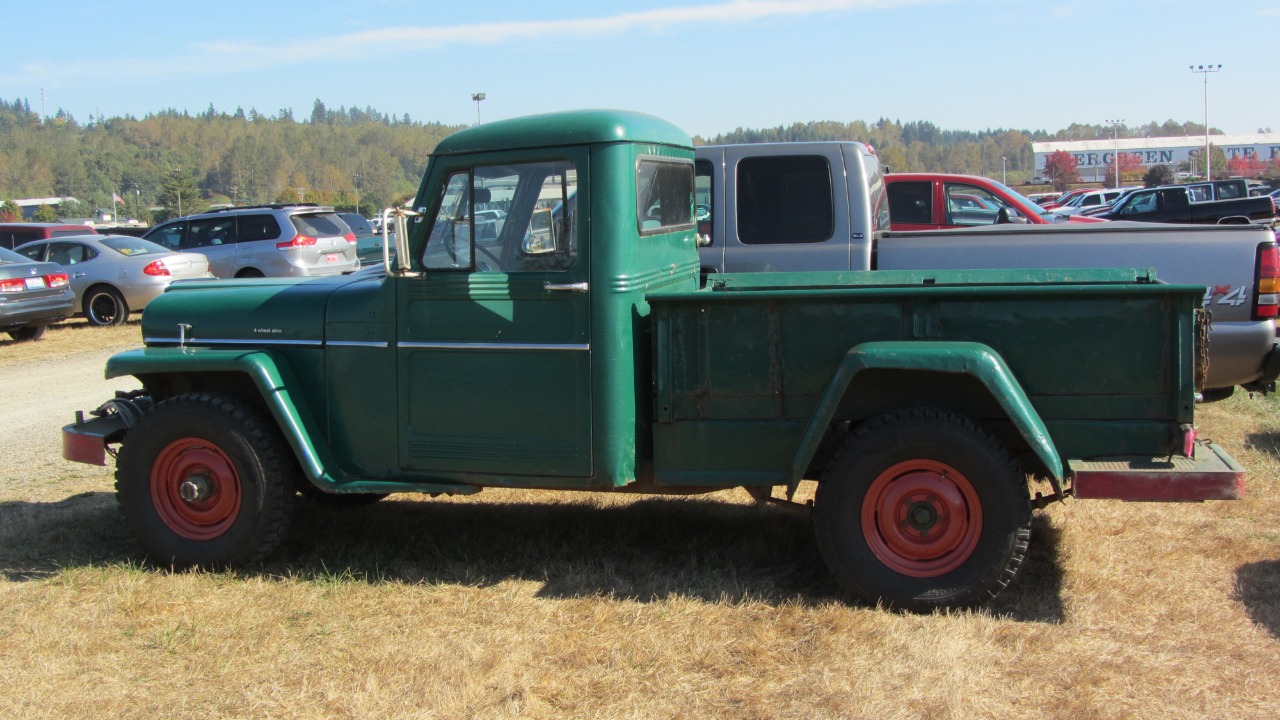
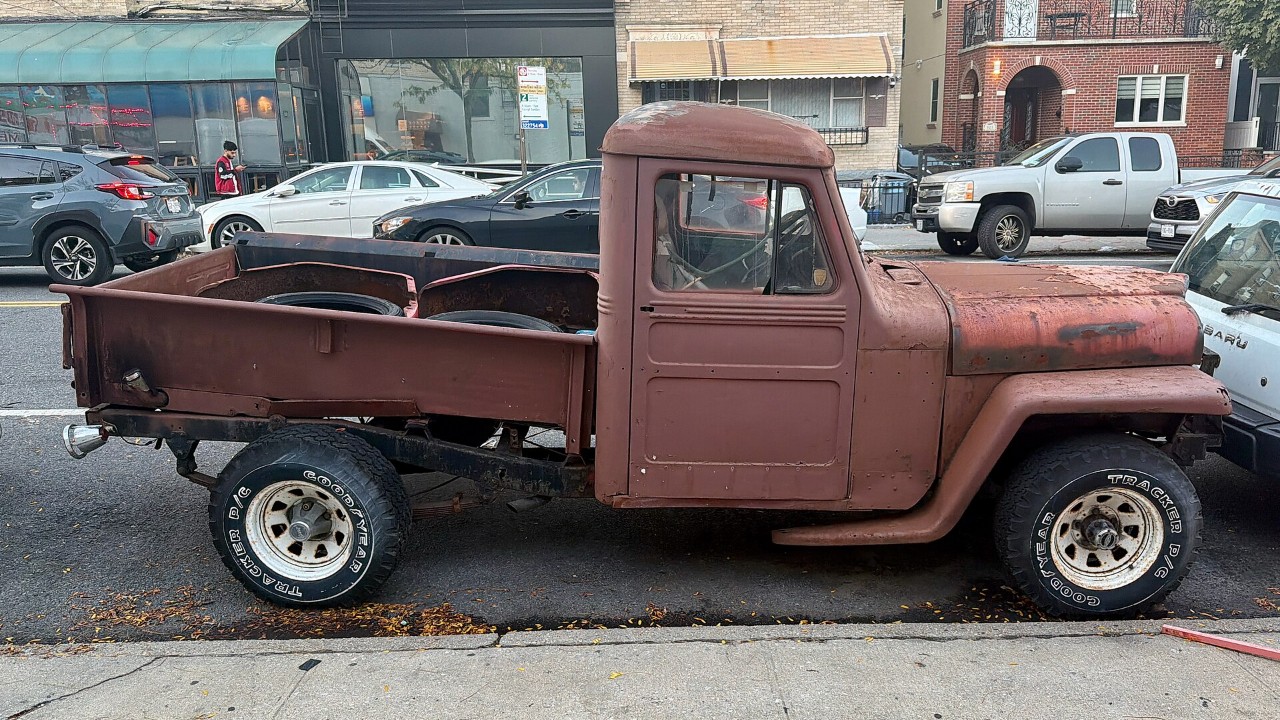
The Willys Jeep Pickup is another vehicle that gets overlooked because it sits in the shadow of the company’s famous Jeep. Introduced after World War II, it combined the mechanical toughness of the Jeep family with a conventional pickup body, creating a practical work truck for farmers, contractors and commercial users. The Brazilian version became particularly important and eventually developed its own identity and long production life. In Brazil, the pickup was introduced in 1961 and became closely related to the Rural, with local versions offering both two-wheel and four-wheel drive. After Ford acquired Willys’ Brazilian operation, the truck continued under the F-75 name. That international history means there are Willys pickups that look quite different depending on where they were sold. In the United States, an original Willys Jeep Pickup is already unusual enough, while the Brazilian versions are even less familiar to American collectors.
Willys Dauphine

The Willys Dauphine is another reminder that the company had an important international life far beyond the American Jeep market. In Brazil, Willys-Overland produced the Renault Dauphine under license beginning in 1959. The small rear-engined car was completely different from the rugged four-wheel-drive products that made the company famous in North America. Willys produced 23,887 Brazilian Dauphines before the model was replaced by other versions of the same basic design. Its small size and rear-engine layout suited the developing Brazilian passenger-car market, while the Willys connection gave the company a way to expand beyond utility vehicles. Today, a Brazilian-built Willys Dauphine can be especially surprising to someone familiar only with American Willys products. It also helped establish a broader passenger-car operation that eventually produced the Gordini and other Renault-based models.
1937 Willys Model 37
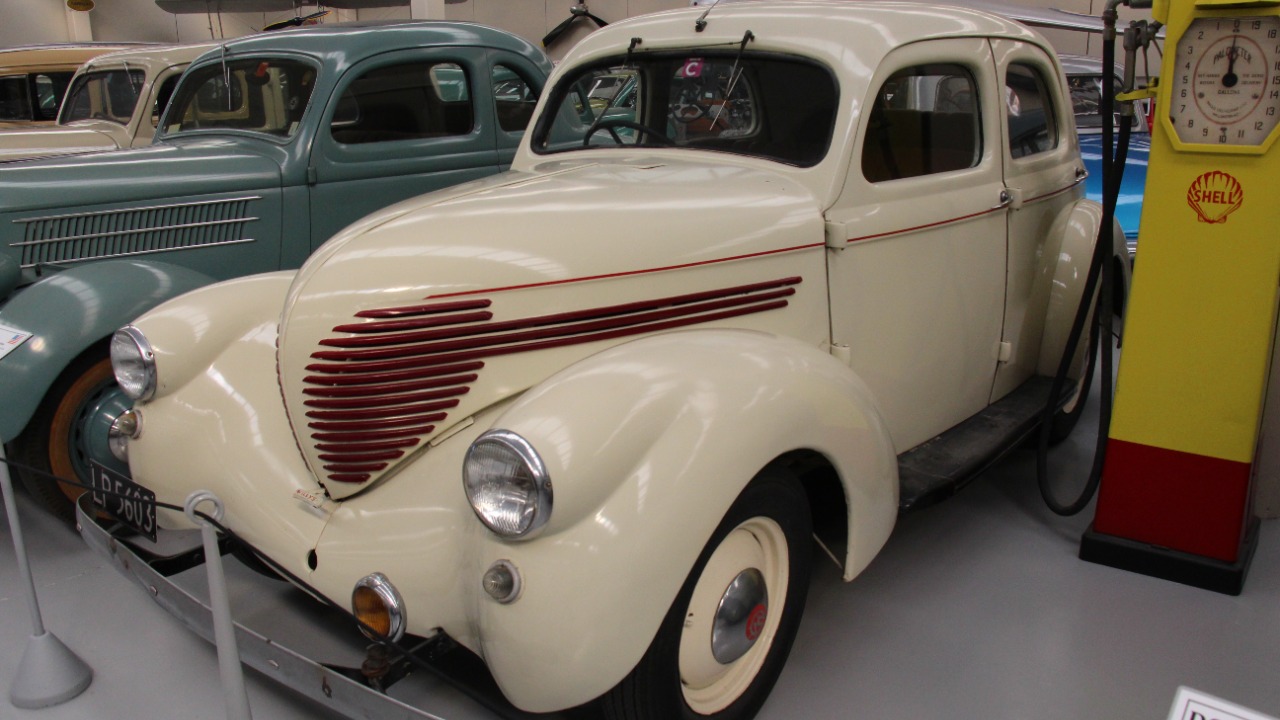
The Model 37 was essentially Willys’ next step after the 77, but it looked considerably more modern for 1937. The body was restyled with an integrated hood and grille, while the car retained the compact 100-inch wheelbase and four-cylinder power that had become central to Willys’ passenger-car strategy. What makes the Model 37 especially interesting is how many different body-building traditions surrounded it. Australian examples, for instance, could receive bodies from companies such as Holden and T.J. Richards, resulting in cars that can look quite different from their American counterparts. The Model 37 also appeared in sedan and utility forms, adding another layer to its already unusual history. Today, finding an original American Model 37 is difficult enough, while one of the overseas-bodied versions is considerably more unusual.
Willys Quad
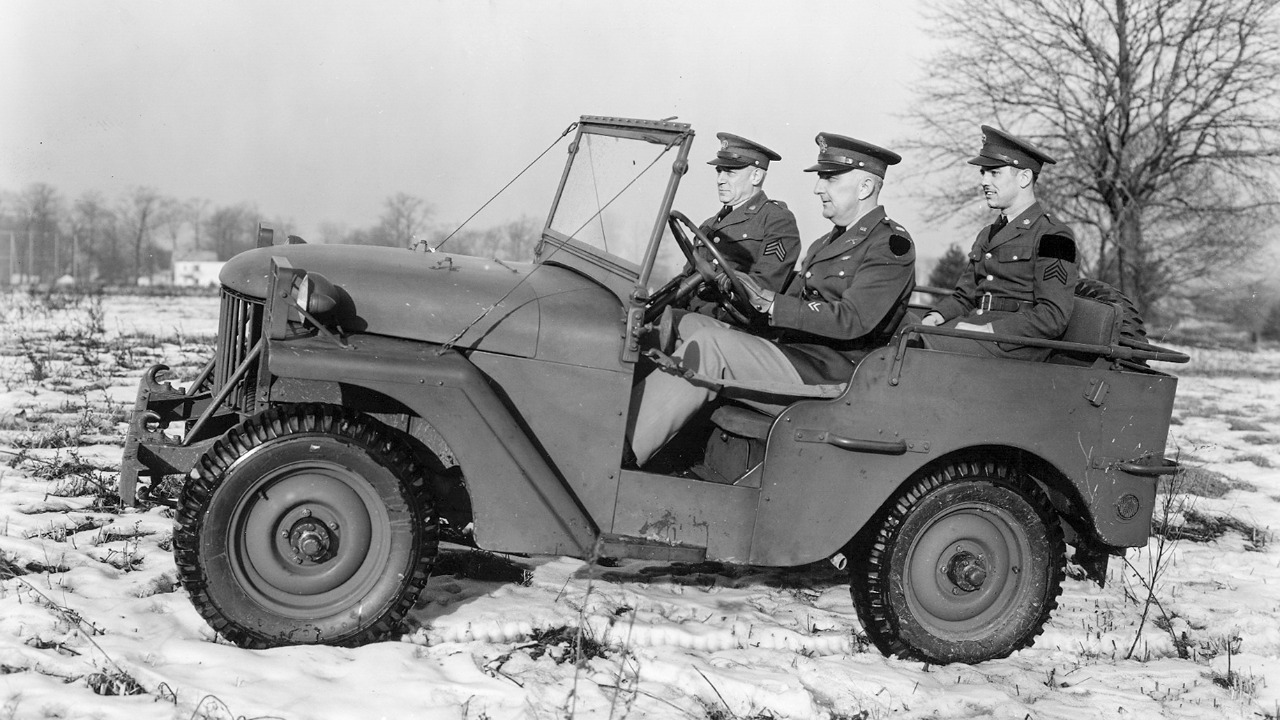
The Willys Quad was where one of the most important chapters in Willys history began, but almost nobody gets to see one today. Built in 1940 as Willys-Overland’s entry for the U.S. Army’s lightweight reconnaissance vehicle competition, the Quad was an early attempt to create the machine that would eventually become the standardized World War II Jeep. Willys delivered its prototype to the Army in November 1940, and only two Quads were built. That alone makes the model dramatically different from the thousands of later MB Jeeps that survive today. The Quad also had a distinctive appearance and engineering layout that separated it from the production Jeep, making it especially interesting to military vehicle historians. Seeing one in person is essentially seeing the beginning of the Willys Jeep story rather than the familiar finished product.
Overland Model 39
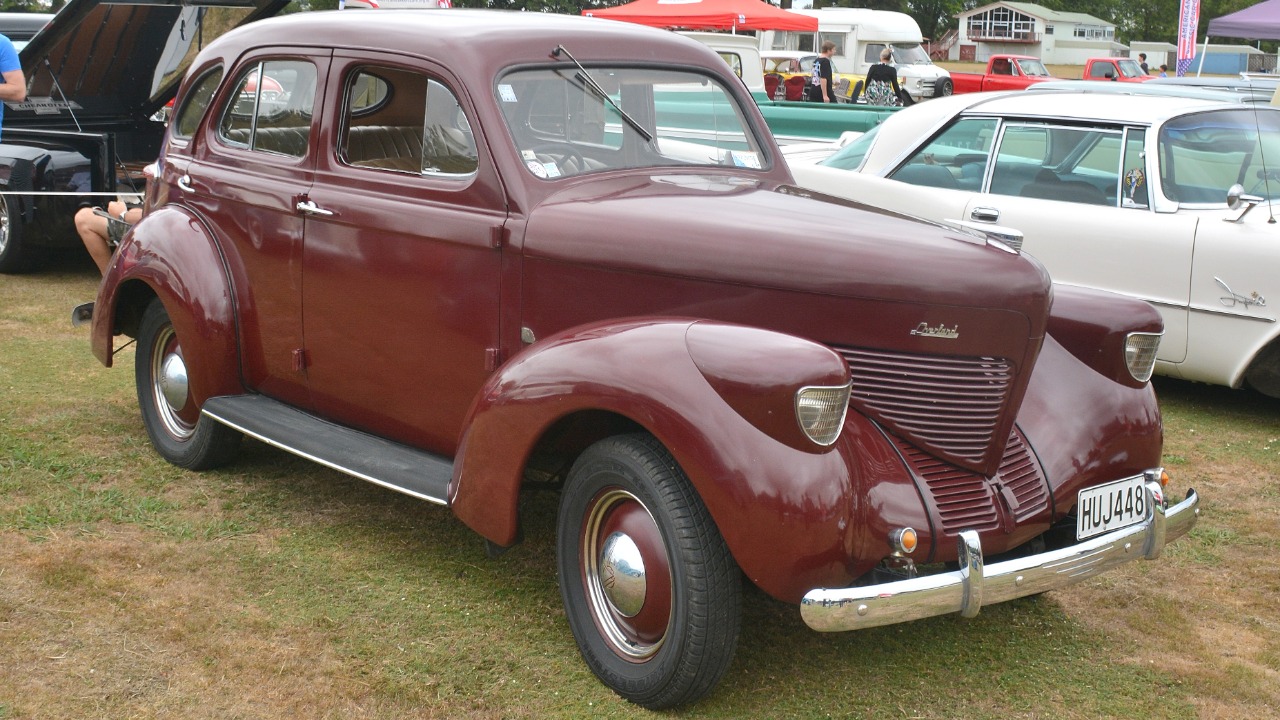
The Overland name briefly returned to the marketplace for 1939, producing one of the most easily overlooked cars in Willys history. The Model 39 was related to the company’s compact passenger-car program but received its own identity, a 102-inch wheelbase, hydraulic brakes, and a more powerful engine than the contemporary Willys model. The decision to revive the Overland badge was somewhat unusual because customers had become more accustomed to seeing Willys used on the company’s higher-priced cars. The Model 39 was also available in several body styles and was sold in markets outside the United States, where local body builders produced versions that looked quite different from American examples. Today, an original Overland 39 is an extremely uncommon sight, particularly because the badge disappeared again after this brief return.
Willys M170
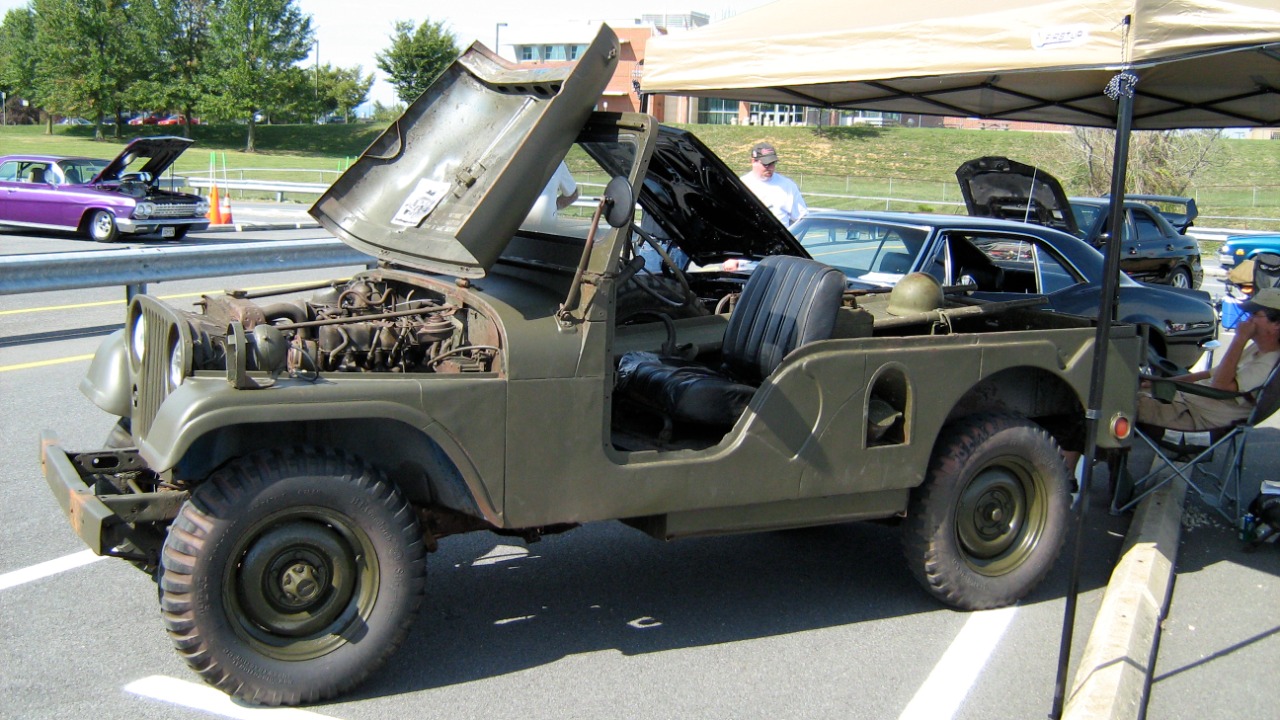
The Willys M170 is easy to overlook because it looks like a stretched Jeep at first glance, but that longer body was the whole point. Developed as a military ambulance and personnel carrier, the M170 was based on the M38A1 family but used a significantly extended wheelbase and body. The extra length created room for carrying wounded personnel and additional equipment, making it much more useful for medical evacuation duties than an ordinary short-wheelbase Jeep. Production numbers were far lower than those of the standard civilian CJ models, and the M170 remained a specialized military machine rather than something commonly seen on civilian roads. Its proportions immediately give it away to experienced Jeep collectors, but to most people it simply looks like an unusually long Jeep. That combination of familiar styling and genuinely uncommon configuration makes the M170 one of the more interesting rare Willys vehicles.
Willys-Overland Jeepster
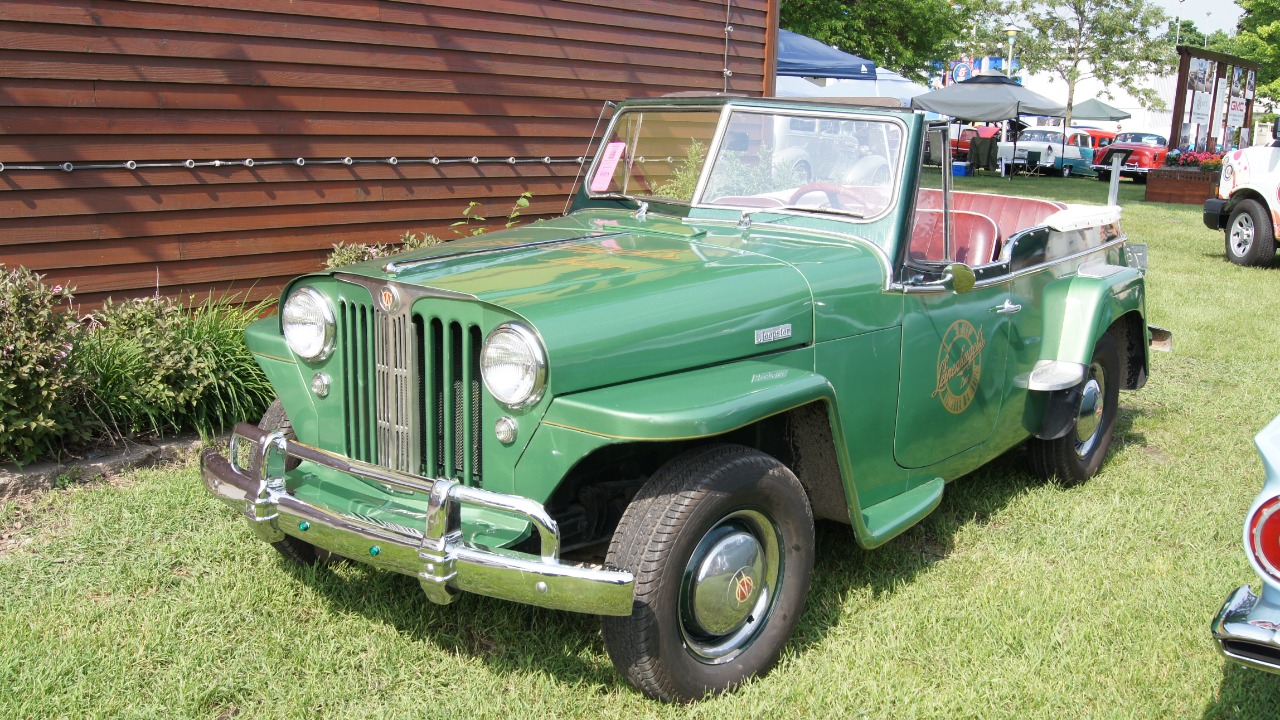
The Jeepster was one of Willys’ boldest attempts to prove that the company could build something other than a basic utility vehicle. Introduced in 1948, the Jeepster combined Jeep-derived mechanical hardware with an open roadster-style body, giving it a completely different personality from the CJ. It was intended to attract civilian buyers who wanted something stylish and recreational, and it became one of the last traditional American phaetons produced by a major automaker. The Jeepster remained in production through 1951, but total production was only 19,132 cars, which is tiny compared with the numbers associated with later Jeep models. Today, an original Jeepster can look surprisingly unfamiliar, especially to people who know Willys mainly through military Jeeps. Its combination of upright bodywork, open-air driving and Jeep engineering makes it one of the company’s most distinctive postwar creations.
Willys Americar 441
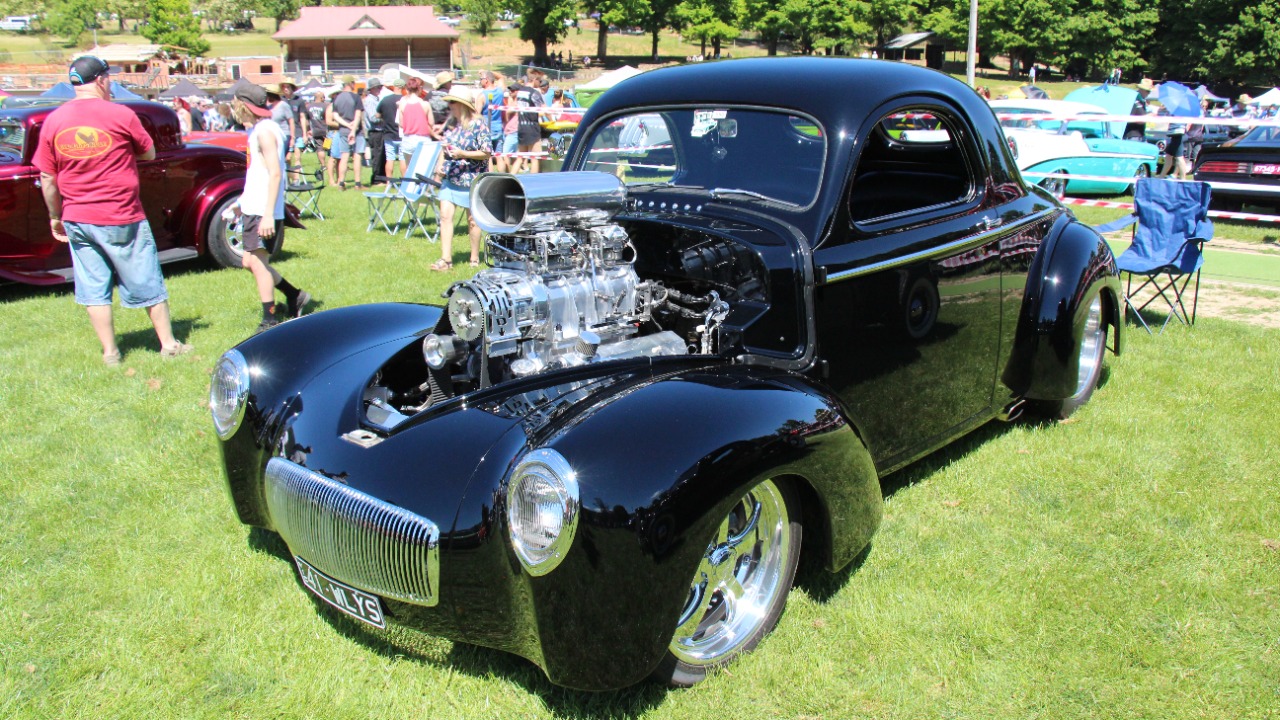
The Willys Americar 441 arrived in 1941 with one of the most memorable names ever attached to a Willys automobile. Despite its patriotic branding, it was essentially a continuation of the company’s compact passenger-car formula, using a four-cylinder engine and a 104-inch wheelbase. The Americar was available just as the American automotive industry was moving rapidly toward wartime production, which gave this model a very short window in which to establish itself. The car also benefited from Willys’ lightweight engineering, making it an interesting alternative to the much larger automobiles dominating American roads. The 441 was followed by the 442 for 1942, after which civilian passenger-car production effectively disappeared under wartime priorities. Today, an original Americar is one of the clearest ways to see what Willys was building immediately before the Jeep became its defining product.
Willys Interlagos
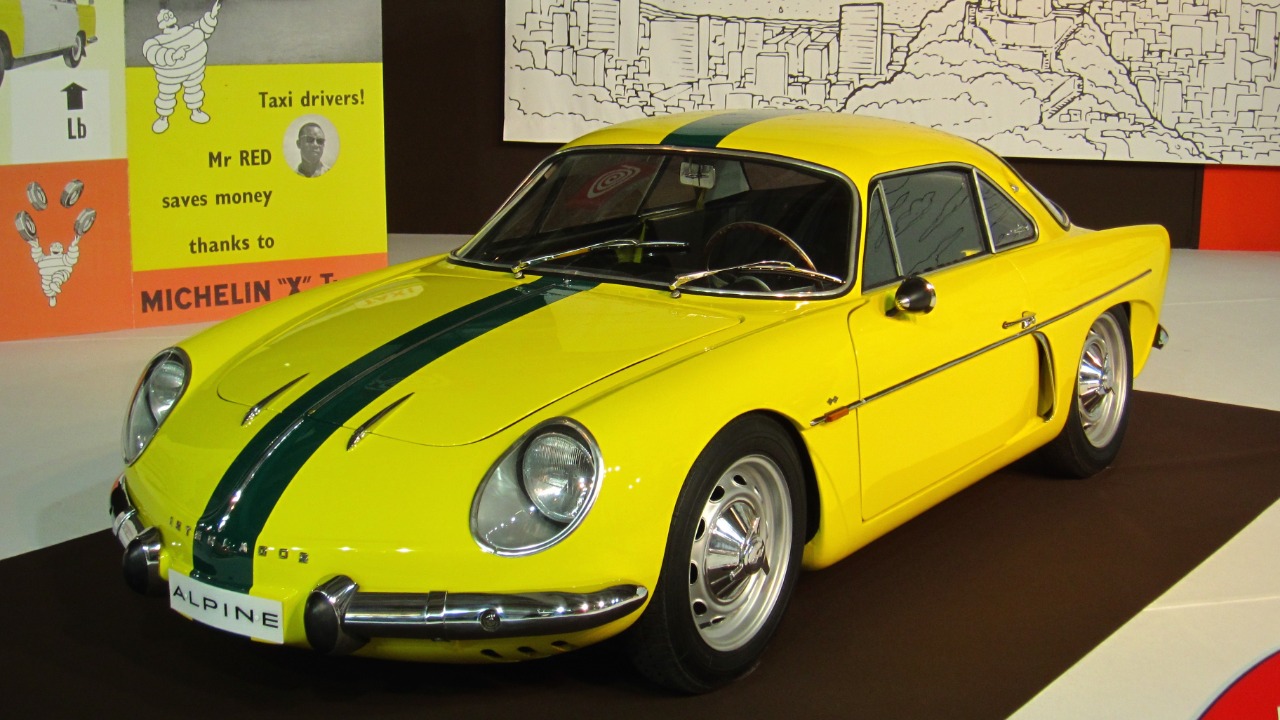
The Willys Interlagos is one of the biggest surprises in the company’s history because it looks nothing like the Jeeps that made the Willys name famous. Built in Brazil under license from Renault and based on the Alpine A108, the Interlagos was a small fiberglass-bodied sports car produced from 1961 to 1966. Just 822 were built, making it an exceptionally uncommon Willys today. The car was offered in several body styles and gave Brazilian enthusiasts access to a lightweight European-style sports car at a time when the country’s automotive industry was still developing. Its connection to Willys is easy to miss if you only know the company through American Jeeps. Yet the Interlagos carried the Willys name and represents the ambitious international side of the company during the 1960s. Seeing one today would be a rare encounter even among fans of classic Brazilian automobiles.
Willys 77
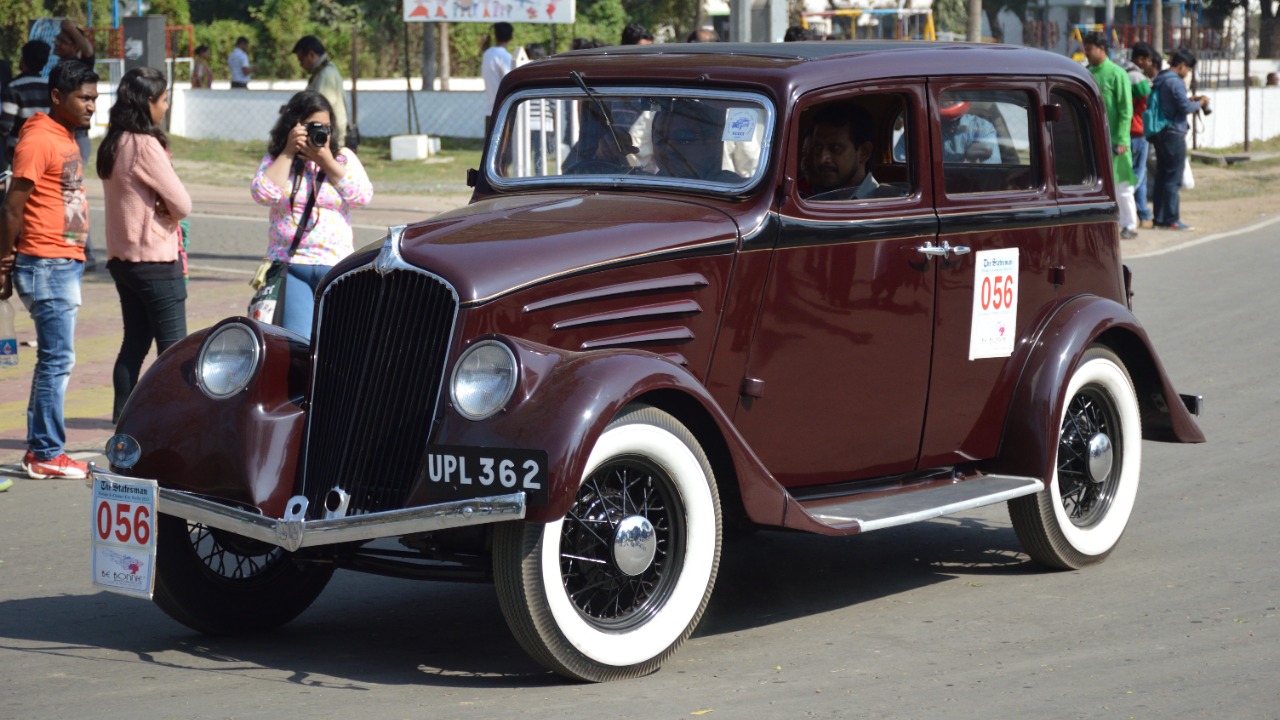
The Willys 77 was one of the most important cars in the company’s recovery during the 1930s, yet it is now remarkably unfamiliar outside specialist circles. Introduced in 1933, the compact 77 used a four-cylinder engine and a 100-inch wheelbase, with the lightweight design helping it deliver useful performance without the size and expense of larger American cars. The model continued through 1936 and was updated along the way, eventually gaining improvements such as revised engine mounting and other chassis changes. Its basic four-cylinder architecture would also live on in later Willys products. The 77 was not a glamorous automobile, but that is exactly what makes it important. It represented Willys getting back to basics after years of financial trouble and expensive engineering experiments. Today, an original 77 sedan or coupe is rare enough to stop even experienced prewar-car fans in their tracks.
Willys Itamaraty Executivo

The Itamaraty Executivo may be the rarest road-going Willys most people have never heard of. Built in Brazil as a luxurious limousine based on the Willys Itamaraty, the Executivo was developed for high-level transportation and featured considerably more equipment and interior space than the standard sedan. Production was largely handcrafted, and only 27 examples were built, including two prototypes. The car offered features that were exceptionally luxurious for its Brazilian market, including air conditioning, leather seating and elaborate interior appointments. It was even associated with presidential transportation, giving the model a role far removed from the rough Jeep image normally attached to Willys. Because so few were produced, surviving examples are extraordinarily scarce. The Itamaraty Executivo also shows how far Willys’ Brazilian operation had moved from the company’s original American utility-car identity.
Willys Gordini
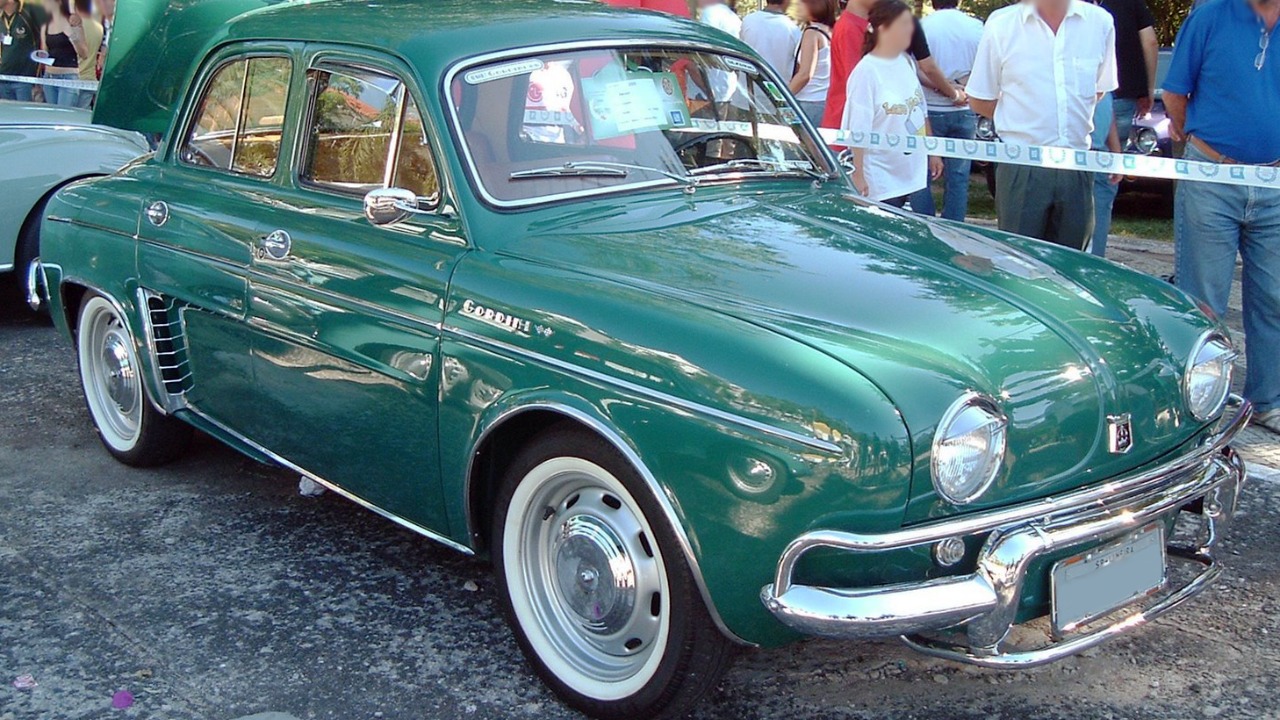
The Willys Gordini was the sportier Brazilian evolution of the Dauphine, and it is one of the more unexpected vehicles ever to wear a Willys badge. Produced in Brazil from 1962 through 1968, the Gordini used the basic rear-engine architecture of the Renault Dauphine but received more performance-oriented development for the Brazilian market. More than 41,000 were produced, so it was never as impossibly scarce as the Interlagos or Itamaraty Executivo. Outside Brazil, however, it remains an obscure piece of Willys history. The Gordini is particularly interesting because it shows how Willys-Overland was using international partnerships to build a passenger-car portfolio while its American operations increasingly concentrated on Jeeps. In period Brazil, the Gordini became a recognizable performance-oriented small car, but today the Willys badge on its nose can seem almost impossible to reconcile with the company’s wartime reputation.
1955 Willys Bermuda

The 1955 Willys Bermuda was the final U.S.-market Willys passenger car and one of the strangest. It was a two-door hardtop with a 226-cubic-inch six-cylinder engine, three-speed manual transmission, independent front suspension and a distinctive 1950s appearance. The Savoy Automobile Museum records production of 2,156 Bermudas, making the model genuinely scarce today. The Bermuda was also the most expensive Willys passenger car of its time, yet it was marketed as the least expensive hardtop in America. Willys simply could not compete with the huge styling and marketing budgets of the major manufacturers, and civilian passenger-car production ended that year. That gives the Bermuda an important place in Willys history. It is the closing chapter of the company’s American passenger-car experiment, and seeing one today is considerably less likely than seeing the Jeep models that eventually replaced everything else in the public’s memory.
More from Fast Lane Only
- Unboxing the WWII Jeep in a Crate
- 15 rare Chevys collectors are quietly buying
- 10 underrated V8s still worth hunting down
- Police notice this before you even roll window down
*Research for this article included AI assistance, with all final content reviewed by human editors.