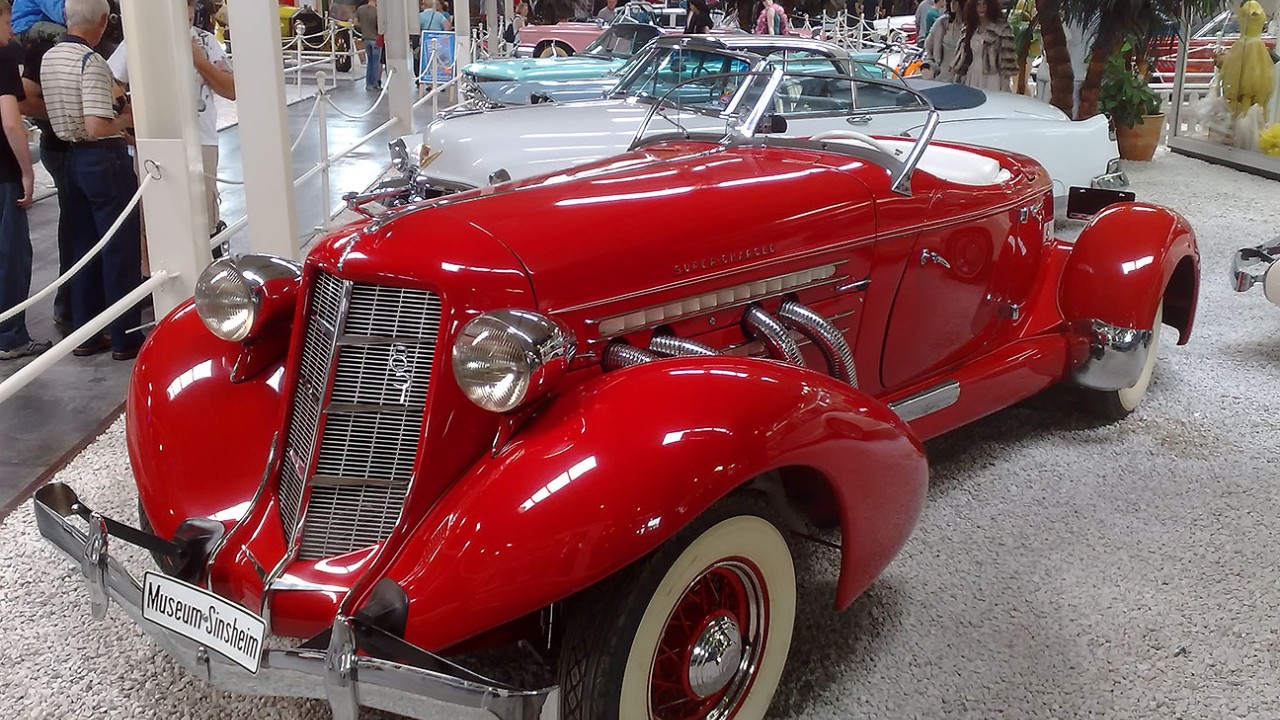
Long before modern superchargers became common, a handful of makers sold supercharged cars to the public. A belt- or gear-driven blower pushes extra air into the engine, so it can burn more fuel and make more power. Between 1929 and 1957, that idea reached showrooms in Britain, Germany and the United States.
Here are eight of those cars in date order, from Bentley’s racing-bred 4½ Litre to a Studebaker sold as a family sports car. Each entry carries the figures its source supports, and nothing more.
1. 1929 Bentley 4½ Litre “Blower”
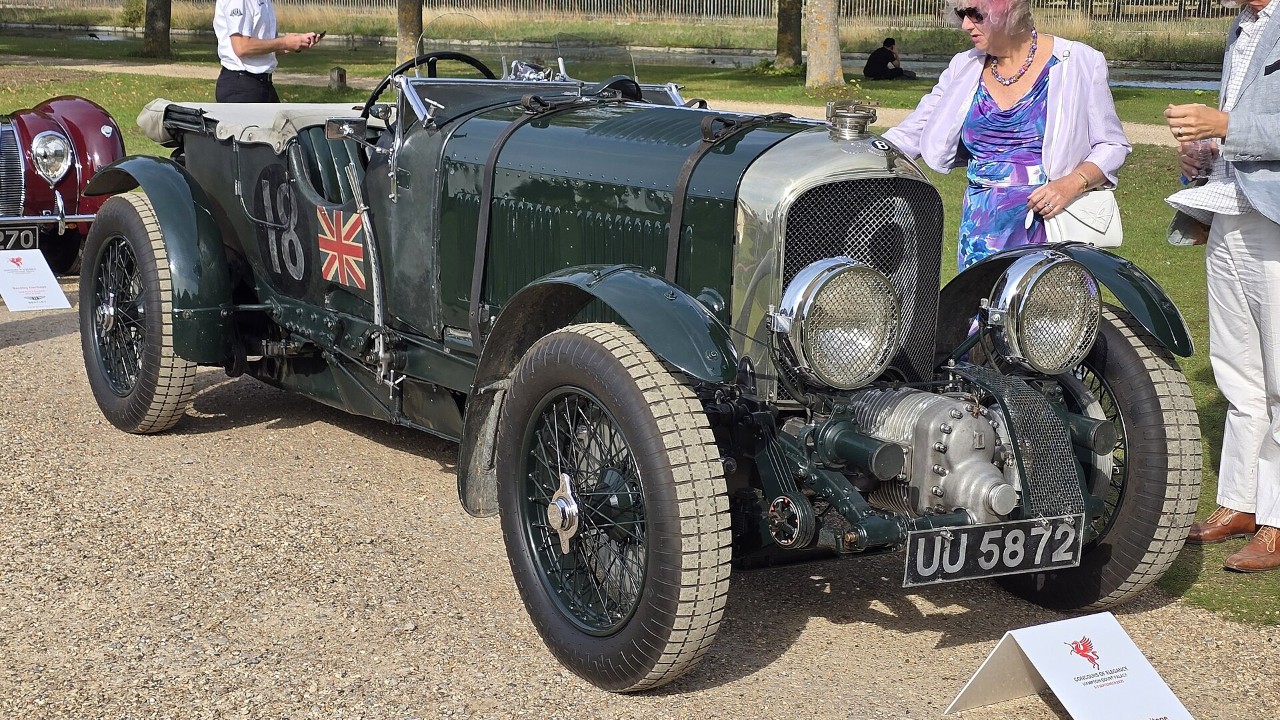
The Blower Bentley began as a racing project, but the rules put it on the road. Sir Tim Birkin, one of the “Bentley Boys,” was impressed by engineer Amherst Villiers and his new supercharger. Birkin then persuaded Bentley chairman Woolf Barnato to approve supercharged racing cars.
To race them, Bentley also needed road cars. According to Bentley’s own heritage page, the company built 50 homologation cars for the road. Driven Car Guide adds that the road car first appeared at the Olympia Motor Exhibition in London in October 1929. With 9½ lb of boost at 3,500 rpm, it says, the supercharged 4½ Litre made 175 bhp.
2. 1930s Duesenberg SJ
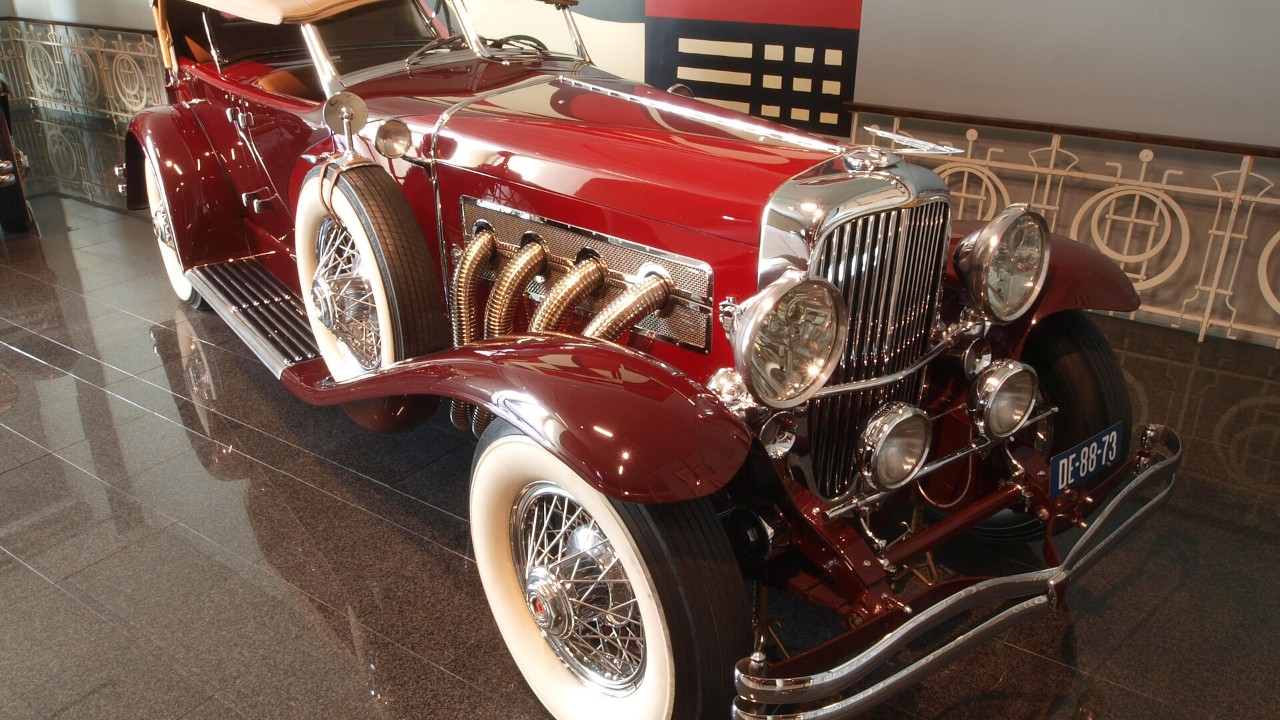
The SJ was Duesenberg’s Model J with a mechanical supercharger added. The engine was a Lycoming straight-eight with double overhead cams and four valves per cylinder. In fact, the museum calls Fred Duesenberg’s engine design race-inspired.
The American Heritage Museum lists the SJ engine at 420 cubic inches and 320 hp. It also says the car could top 100 mph in second gear and reach 125 to 130 mph in third. The museum’s own 1932 car served as Fred Duesenberg’s personal test car. Sadly, he died from complications after an accident in it.
3. 1934 Graham Supercharged Custom Eight
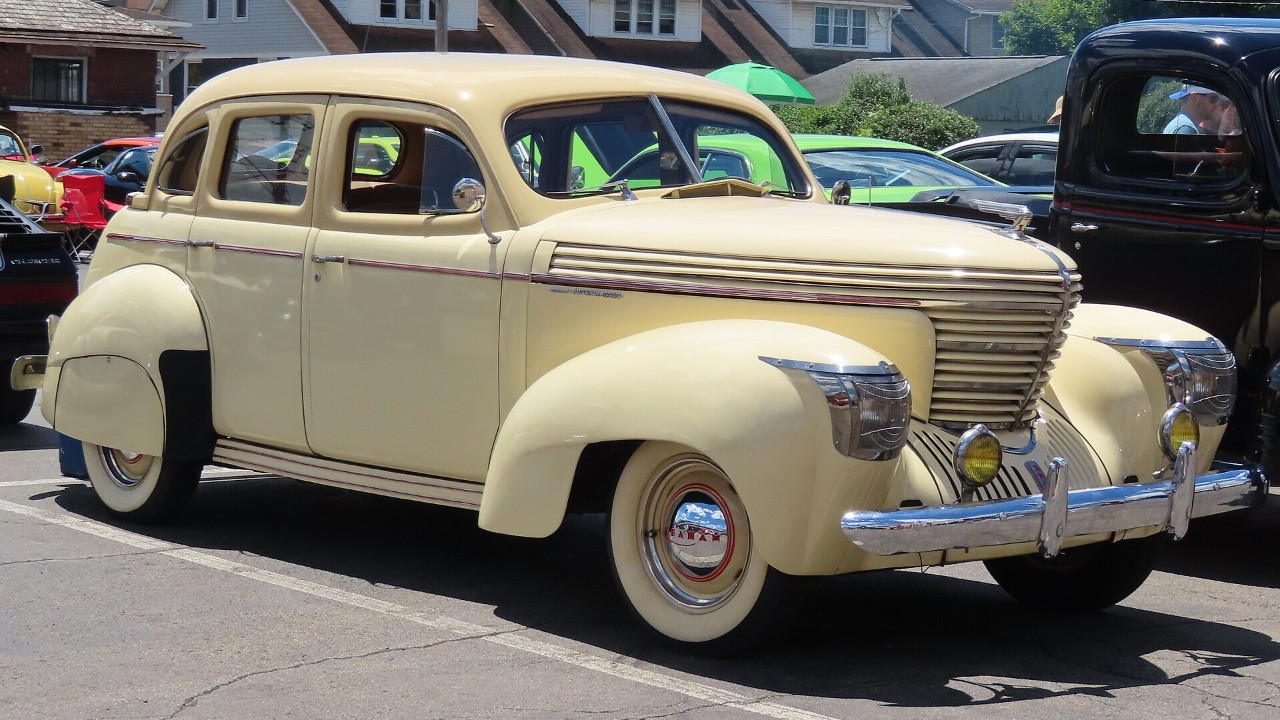
Graham took the blower out of the luxury class and into the middle of the market. Its engine was a conventional L-head straight-eight of 265.4 cubic inches. Then Graham bolted on a supercharger designed by Kishline.
As Mac’s Motor City Garage explains, the centrifugal blower followed the layout Schwitzer-Cummins built for Duesenberg and Auburn. A cone worm gearbox drove it from the back of the water pump, and its 7.5-inch impeller spun at 23,000 rpm. The result was 135 hp at 4,000 rpm, while the smaller unblown eight made 95 hp. Mac’s also credits Graham with building more supercharged cars than anyone in the 1930s.
4. 1935 Auburn 851 Supercharged Speedster
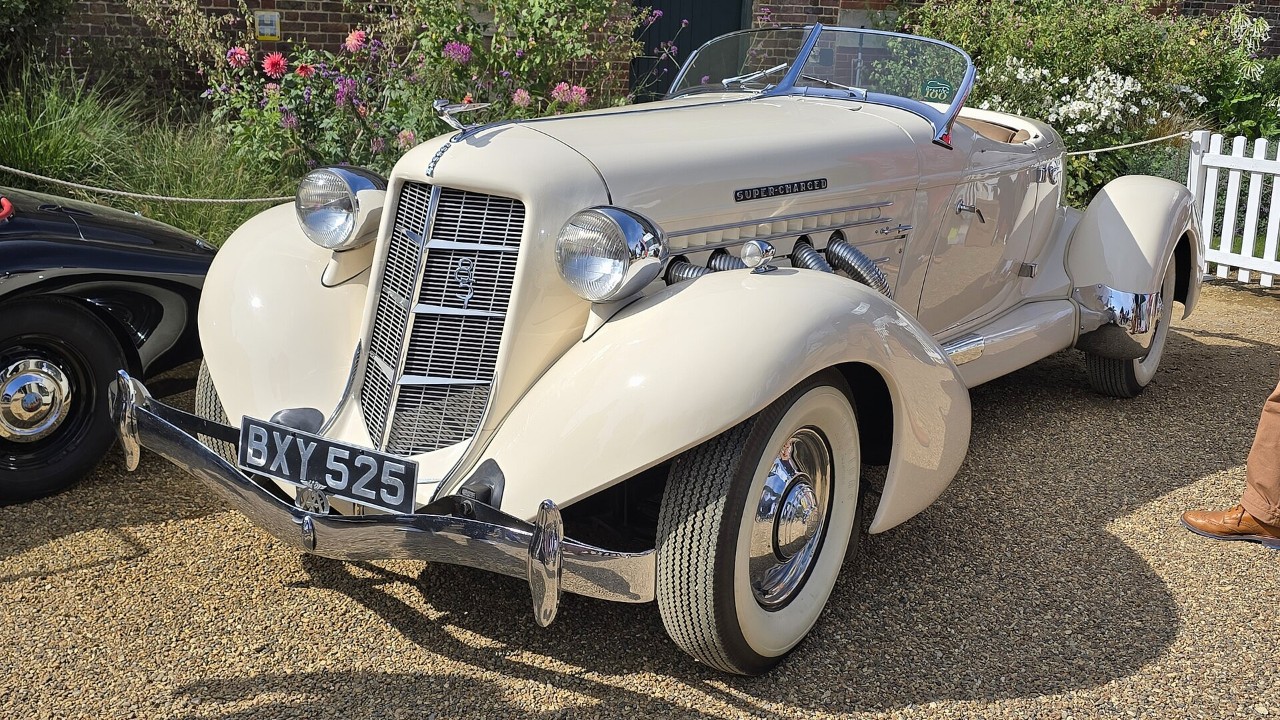
Auburn’s blower came from the same Schwitzer-Cummins family that Mac’s mentions for Duesenberg. Gordon Buehrig designed the 1935–1936 speedsters. Under the hood sat a 280-cubic-inch L-head straight-eight.
RM Sotheby’s says a Schwitzer-Cummins centrifugal supercharger raised output from 115 to 150 bhp. Better still, the car carried a factory dash plaque certifying that it had been driven at 100.8 mph before shipment. The plaque was signed by David “Ab” Jenkins, according to the auction house.
5. 1936 Mercedes-Benz 540 K
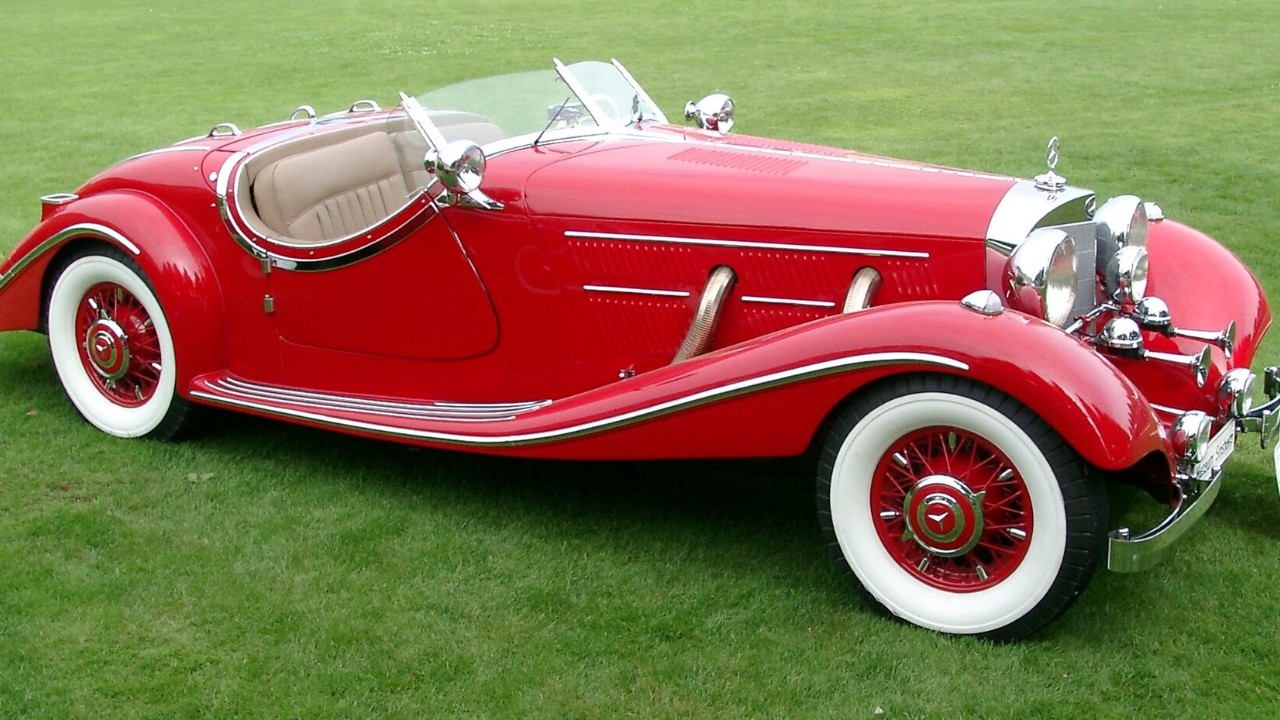
Mercedes-Benz followed its supercharged 500 K with a bigger car. The 540 K grew the earlier 500 K’s engine to 5.4 litres. It made its official debut at the Paris Motor Show in October 1936.
The Mercedes-Benz public archive gives the output as 115 hp, or 180 hp with the compressor working. It also counts 419 chassis with the 5.4-litre engine. The blower did not run all the time, either. Instead, Conceptcarz says it engaged manually or when the driver floored the throttle.
6. 1937 Cord 812 Supercharged
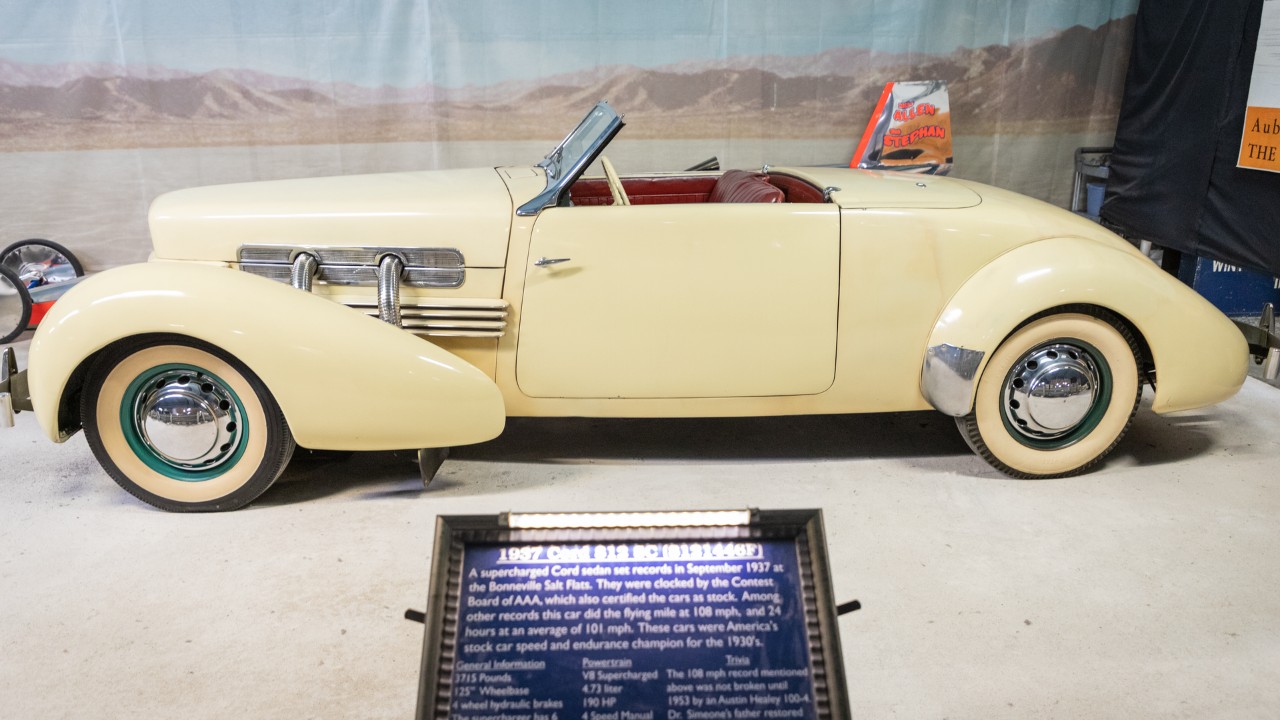
The Cord brought a supercharger to a front-wheel-drive car. Cord’s 810 of 1935 kept front-wheel drive and added a V8, and the 812 followed in 1937. Once again, Gordon Buehrig designed the body.
According to RM Sotheby’s, the 812 used a 288.6-cubic-inch Lycoming V8 with an optional Schwitzer-Cummins centrifugal supercharger. Cord rated the blown engine at 170 bhp. However, the auction house notes that Cord historians put the true output at roughly 186 to 195 bhp.
7. 1954 Kaiser Manhattan
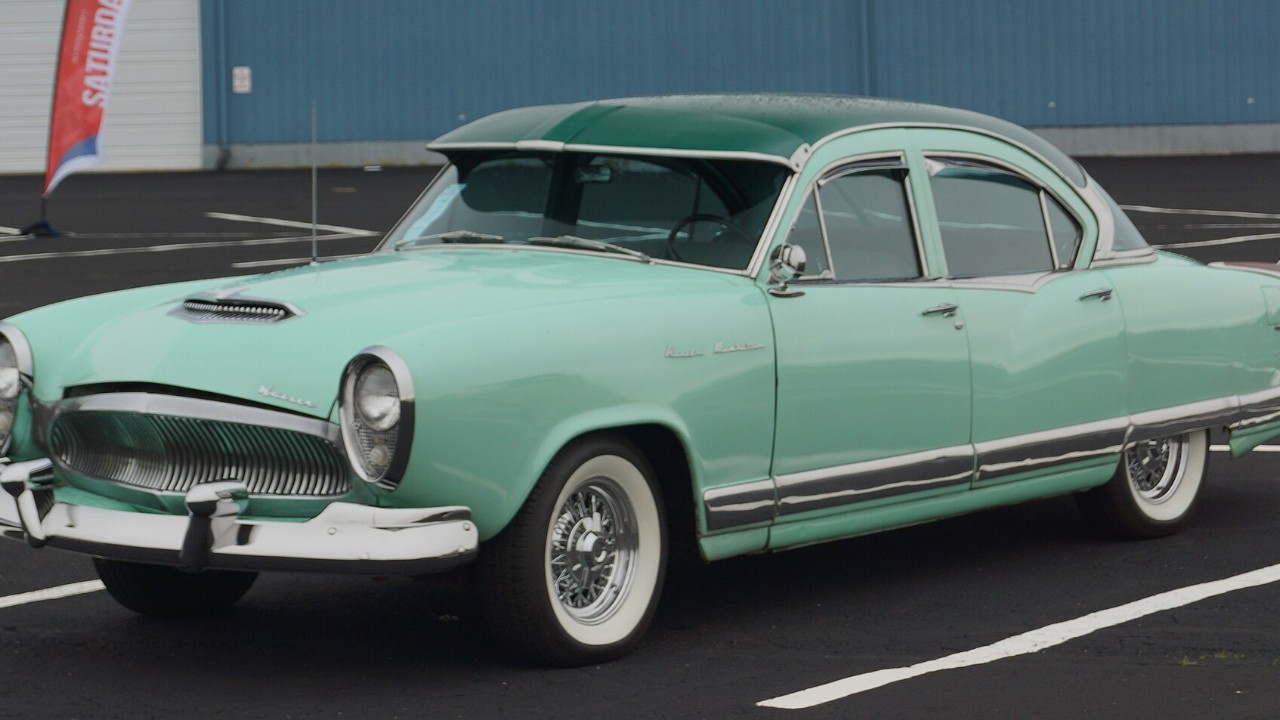
Kaiser reached for a supercharger because it could not afford a V8. From 1947 to 1955, the company relied on a long-stroke Continental flathead six of 226.2 cubic inches.
So for 1954, says AutoRestorer, Kaiser turned to a McCulloch centrifugal supercharger. It came standard on the Manhattan and raised output from 118 to 140 hp. On the other hand, the magazine notes that owners sometimes just disconnected the belt when the blower got noisy.
8. 1957 Studebaker Golden Hawk
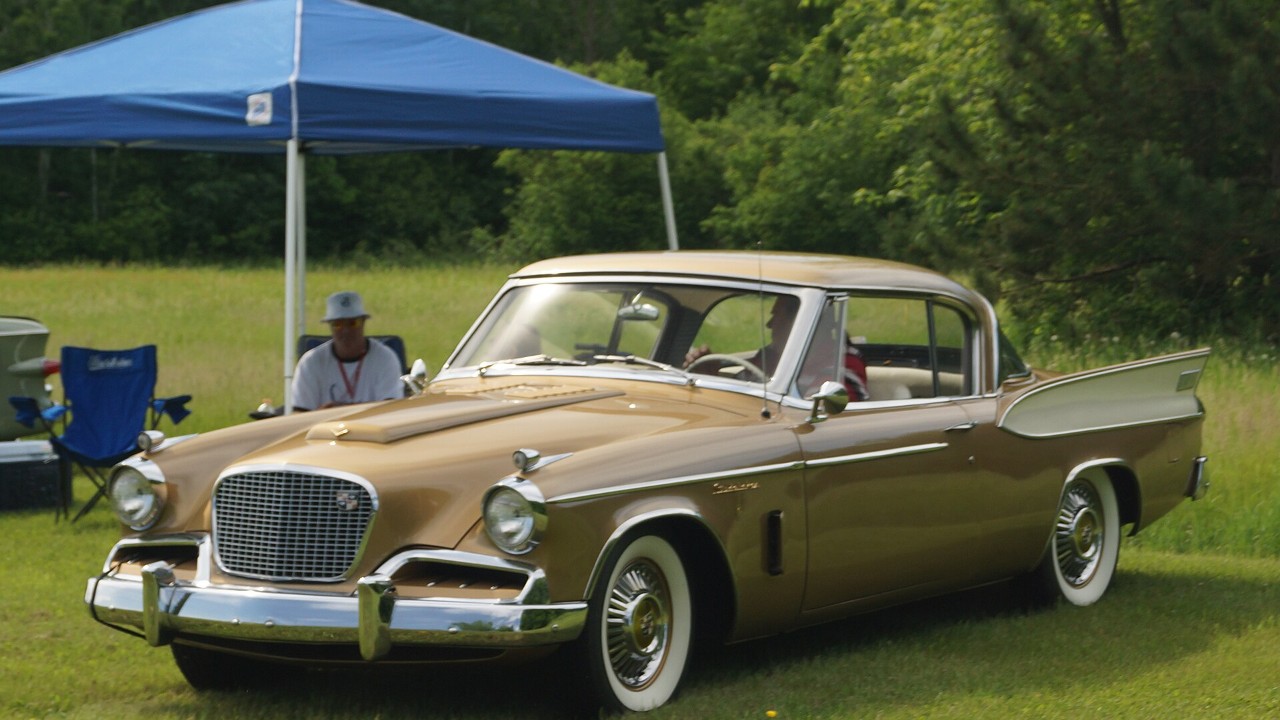
Studebaker gave its Hawk a supercharged V8 of its own. For 1957, the Golden Hawk dropped the 1956 car’s 352 Packard V8 for Studebaker’s own engine. That engine was a 289-cubic-inch overhead-valve V8 with a McCulloch supercharger.
The Savoy Automobile Museum lists 275 hp at 4,800 rpm and a top speed of 117 mph. It also gives the original price as $3,182. Studebaker marketed the car as a “family sports car,” and it built 4,356 Golden Hawks for 1957, according to the museum.
More from Fast Lane Only
- Unboxing the WWII Jeep in a Crate
- 15 rare Chevys collectors are quietly buying
- 10 underrated V8s still worth hunting down
- Police notice this before you even roll window down
This article was created with the help of AI and was reviewed and edited by Fast Lane Only editors before publication.