Cadillac has never been shy about building large, powerful automobiles. Across several decades, the brand repeatedly produced cars with enormous engines, substantial dimensions, and performance that seemed excessive compared with what most drivers actually needed. From multi-cylinder flagships to giant personal luxury coupes, these Cadillacs showed just how far American luxury-car engineering could go when there were few limits on size and power.
Cadillac V-16
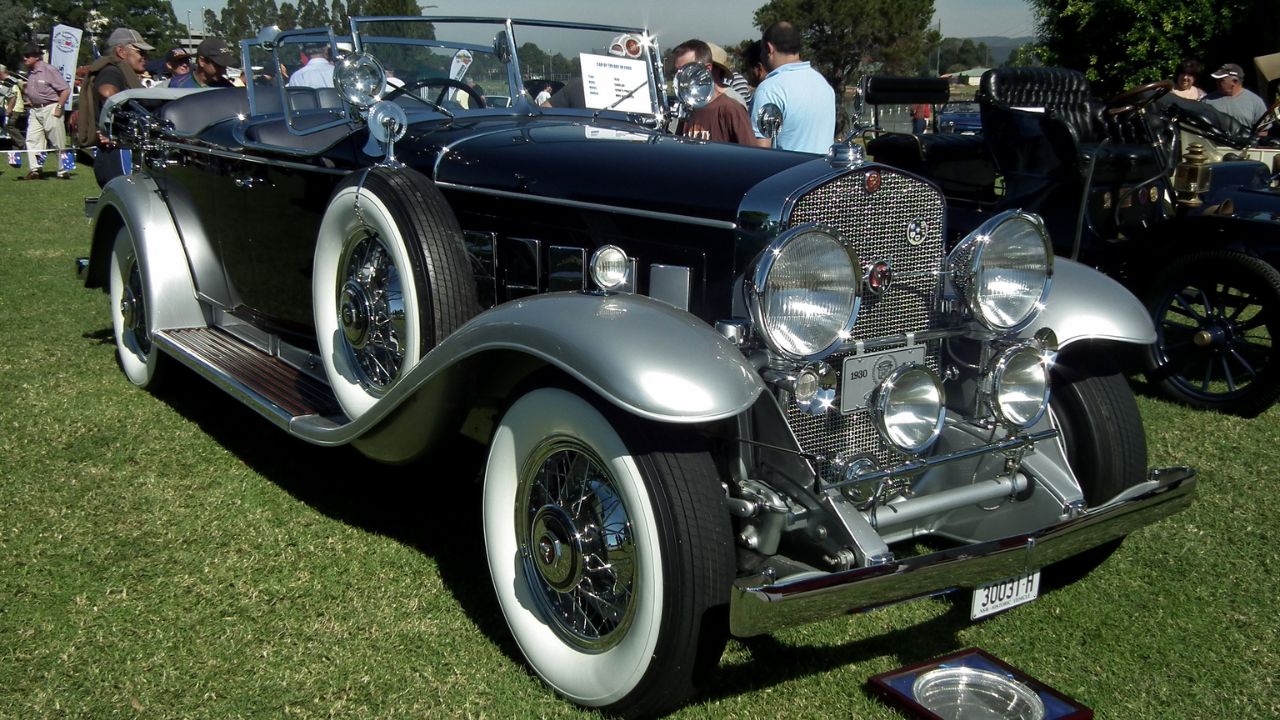
The Cadillac V-16 arrived at the beginning of the 1930s as an extraordinary statement of American automotive ambition. Its 452-cubic-inch V-16 produced 165 horsepower, while the car itself could exceed 80 mph depending on gearing and body style. Cadillac also engineered the engine for exceptional smoothness, making its performance feel remarkably effortless. The V-16 was less about outright speed than combining enormous power with refinement, but its sixteen-cylinder layout made it one of the most extravagant production cars of its era.
Cadillac Series 90
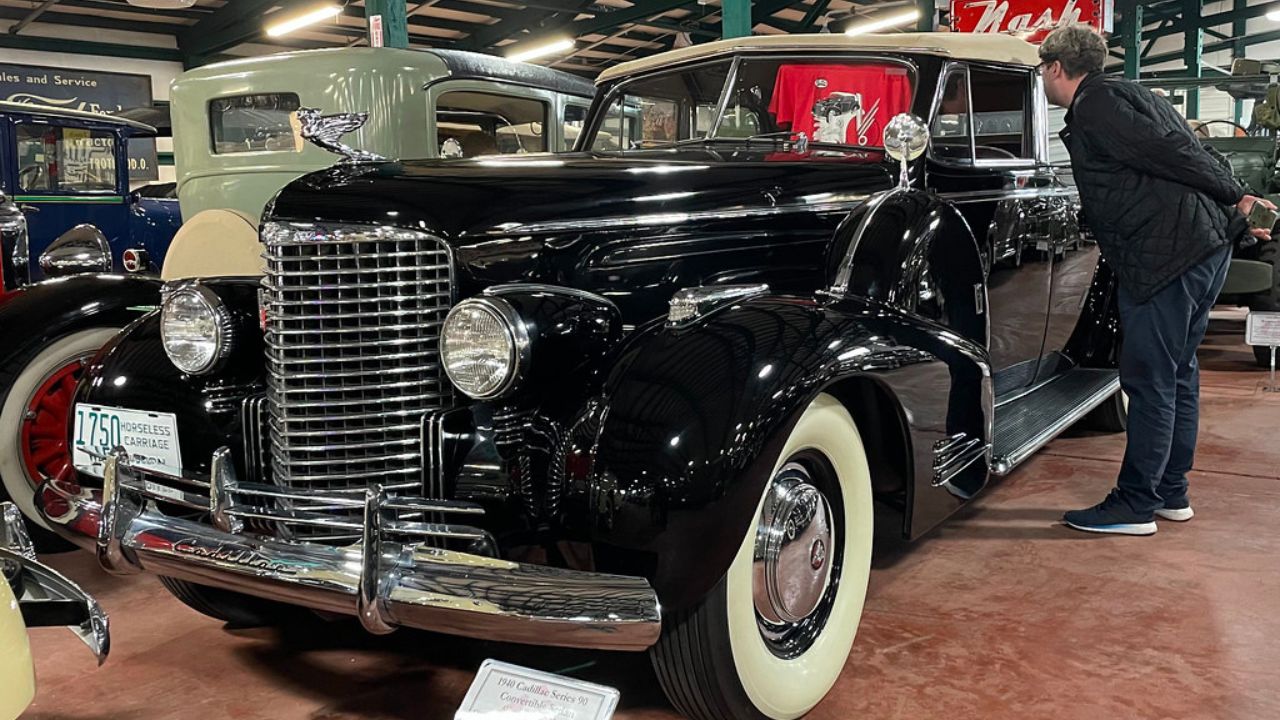
The Series 90 carried Cadillac’s V-16 concept into the later 1930s and received a completely redesigned version of the engine. The new 431-cubic-inch unit was physically smaller and lighter while retaining 185 horsepower. The car could exceed 100 mph, which was remarkable for such a large luxury automobile. Cadillac was essentially demonstrating that a massive flagship could combine effortless acceleration with high-speed cruising, long before performance became a major selling point for luxury sedans.
Cadillac Series 62
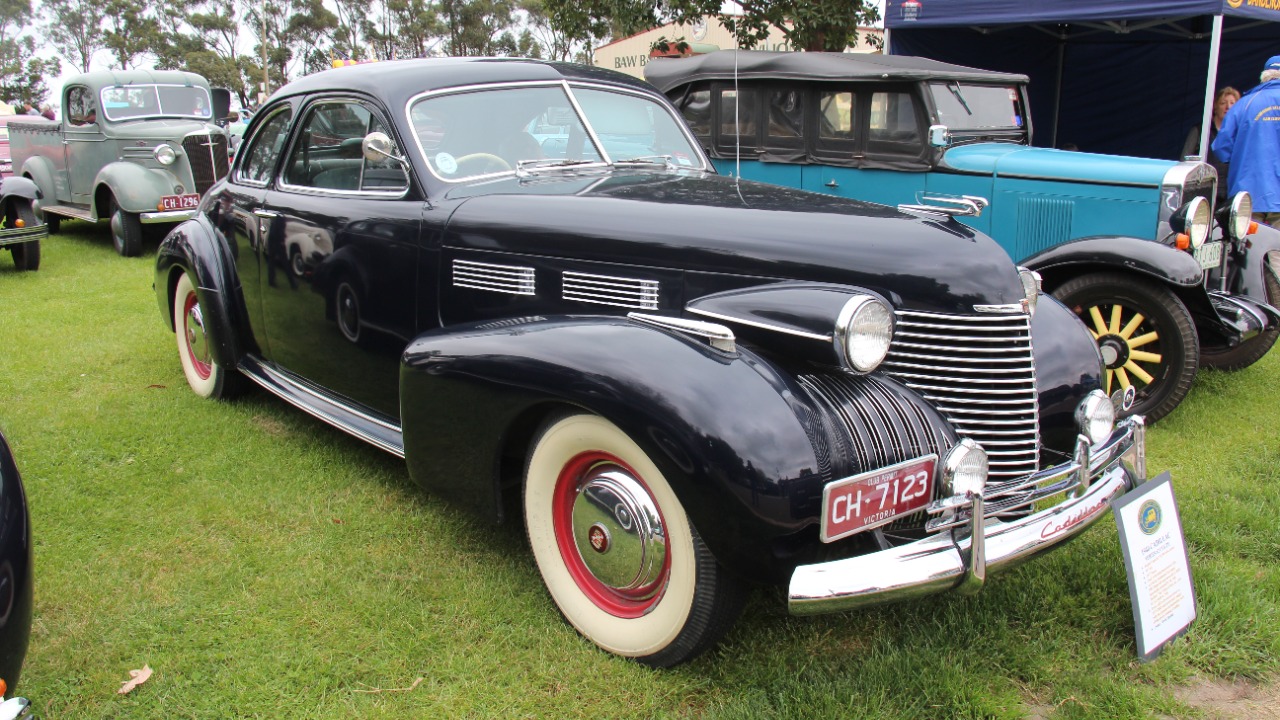
The Series 62 became one of Cadillac’s most recognizable postwar models and grew increasingly powerful as the years passed. By the late 1950s, Cadillac was installing large-displacement V8s into cars that were already enormous by modern standards. The combination of substantial curb weight, abundant torque, and increasingly dramatic styling created a road presence that few competitors could match. The Series 62 represented an era when Cadillac buyers expected effortless power to be part of the luxury experience.
Cadillac Eldorado
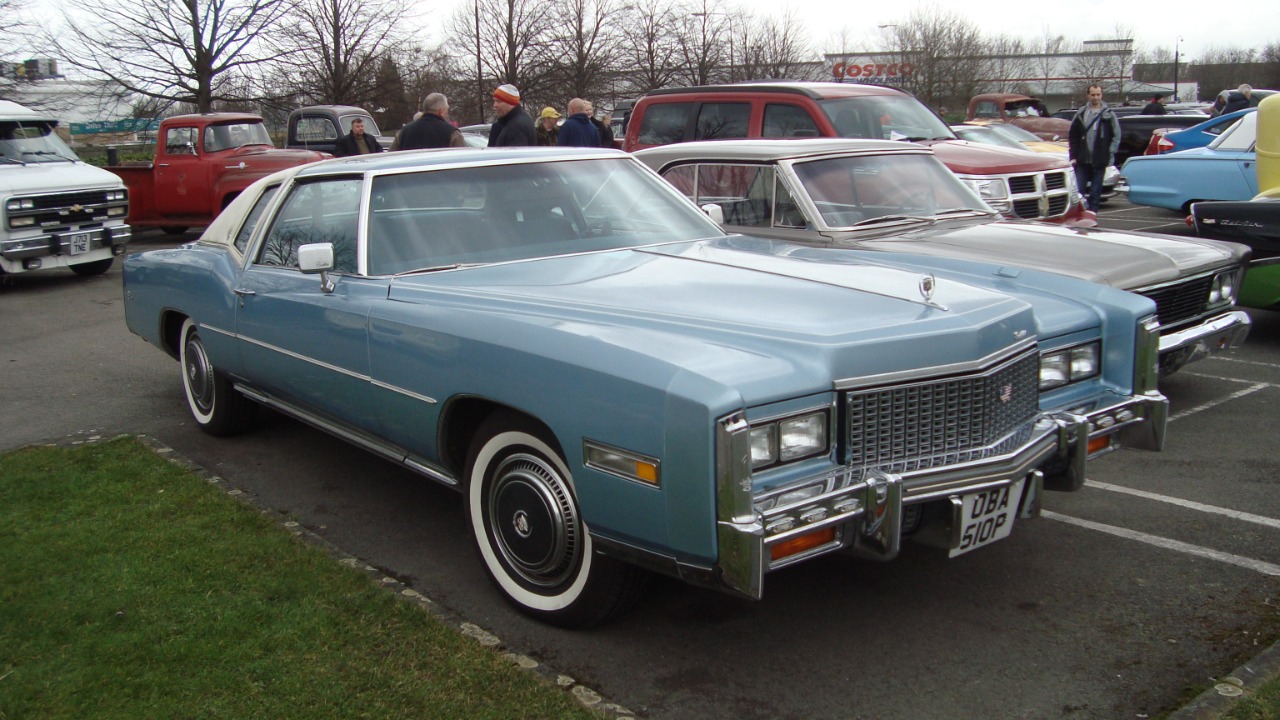
The Eldorado was created as Cadillac’s personal luxury flagship, and it quickly became one of the brand’s most extravagant cars. Early versions combined large V8s with exclusive styling, while later generations became increasingly powerful and technologically ambitious. The 1967 Eldorado was particularly significant because it switched to front-wheel drive, allowing Cadillac to package a large V8 in an unusually different configuration. Later versions would receive even larger engines, making the Eldorado one of Cadillac’s defining high-power models.
Cadillac Fleetwood

The Fleetwood name became associated with Cadillac’s highest levels of luxury, but these cars also carried the enormous power expected from the brand. Large V8s provided substantial torque for effortless highway cruising, while the cars themselves offered enormous cabins and imposing dimensions. During the 1960s and 1970s, Fleetwood models became symbols of American excess, combining luxury equipment with engines that were far larger than what was necessary for ordinary transportation.
Cadillac Sixty Special
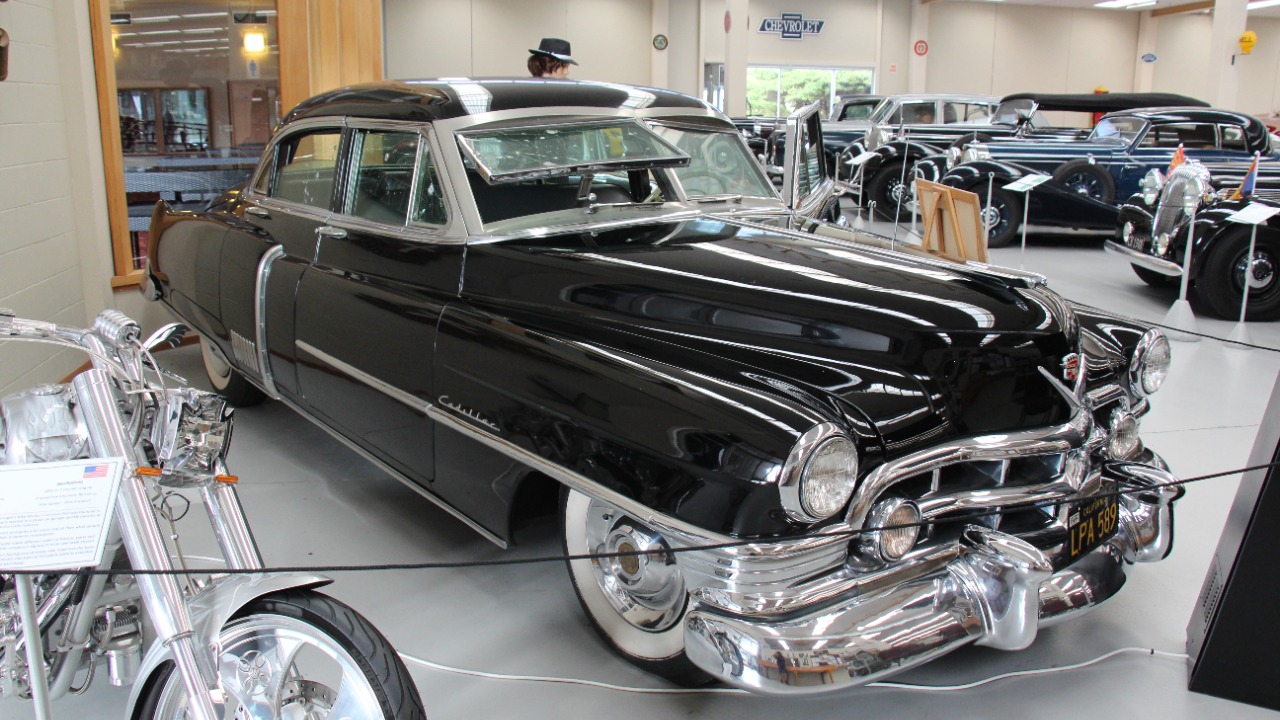
The Sixty Special occupied an important position in Cadillac history because it helped define the modern American luxury car. Its styling was influential, but its power was equally impressive as Cadillac’s engines grew larger. Later generations became substantial machines with smooth V8 power and enormous road presence. The Sixty Special demonstrated that Cadillac could make a luxury sedan feel powerful without turning it into a conventional performance car. Its strength was effortless acceleration rather than aggressive driving.
Cadillac Coupe de Ville

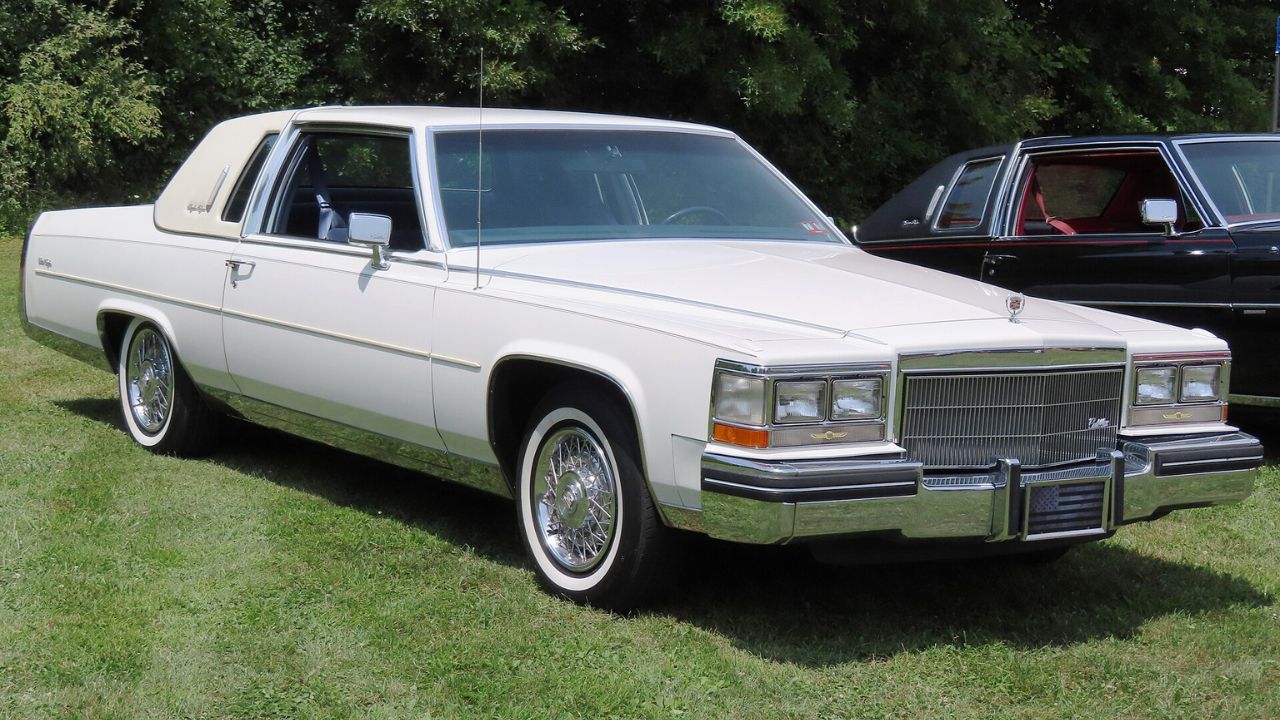
The Coupe de Ville became one of Cadillac’s most recognizable personal luxury cars and grew into an enormous machine during the peak years of American automotive excess. Large V8 engines gave it effortless acceleration despite its considerable size and weight. By the late 1960s and early 1970s, the combination of a huge engine and a long, wide body had become almost a Cadillac trademark. The Coupe de Ville represented the idea that luxury and sheer mechanical scale could go together.
Cadillac Sedan de Ville
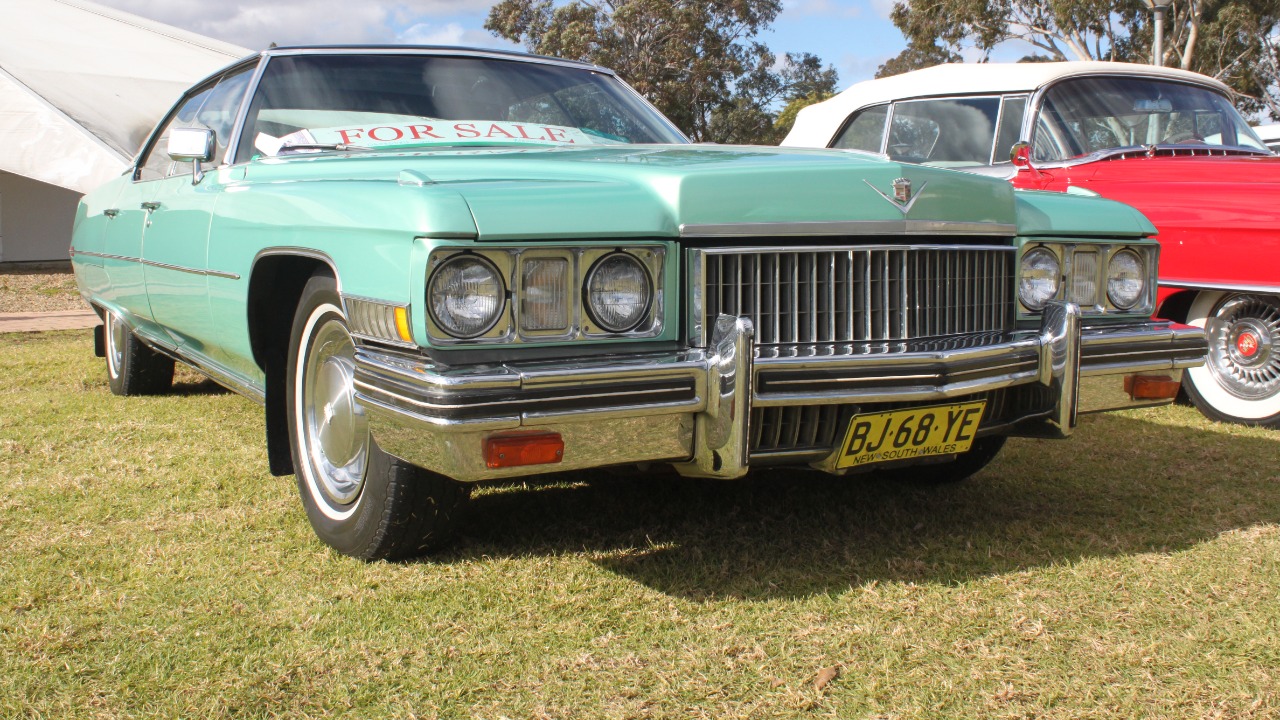
The Sedan de Ville offered the same basic formula as the Coupe but in a practical four-door body. That meant families could enjoy Cadillac’s enormous V8 power without giving up rear-seat space. The car became especially impressive during the years when Cadillac’s engine displacements reached extraordinary levels. Its power was delivered in a smooth, quiet manner, making the car feel more like a private highway cruiser than a traditional performance vehicle.
Cadillac Calais
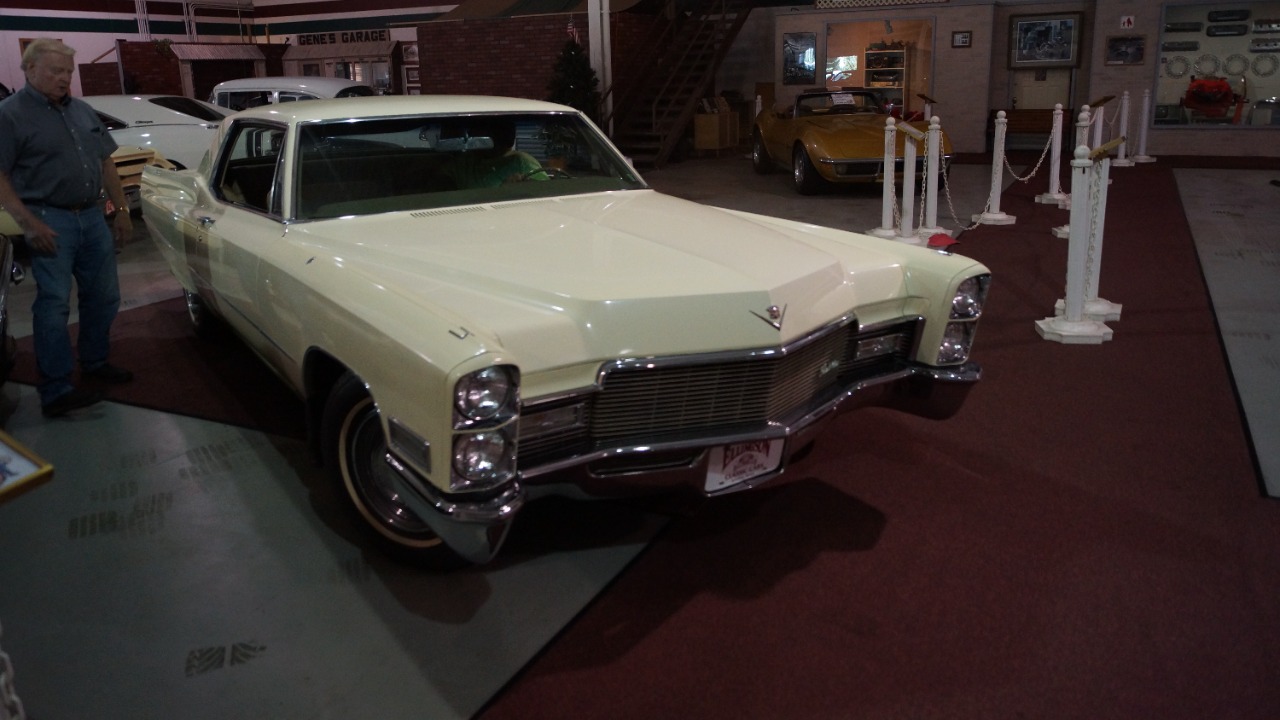
The Calais was positioned below the more expensive Cadillac lines, but that did not mean it was small or underpowered. It offered the same basic full-size Cadillac character, including large V8 power and substantial dimensions. The car was an interesting example of how far Cadillac’s idea of standard luxury extended. Even the entry-level full-size models could have more displacement and road presence than many of the performance cars sold by other manufacturers.
Cadillac DeVille Convertible
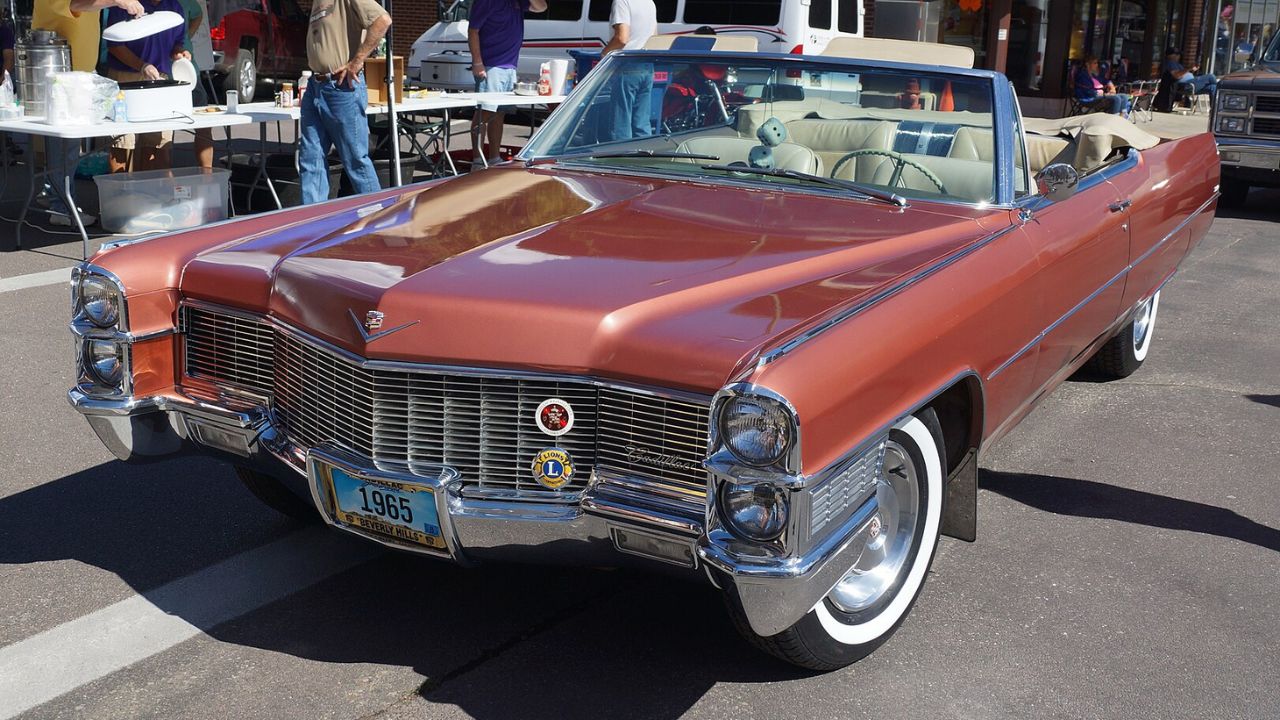
The DeVille Convertible combined Cadillac’s enormous V8 power with the open-air body style that defined American luxury during the 1960s. Its sheer size made it dramatically different from compact European convertibles, while the smooth power delivery made cruising effortless. The convertible version also carried the visual drama of Cadillac’s styling to an extreme. With acres of chrome, a long hood, and a large V8 underneath, it was a remarkably extravagant way to travel.
Cadillac Eldorado Biarritz
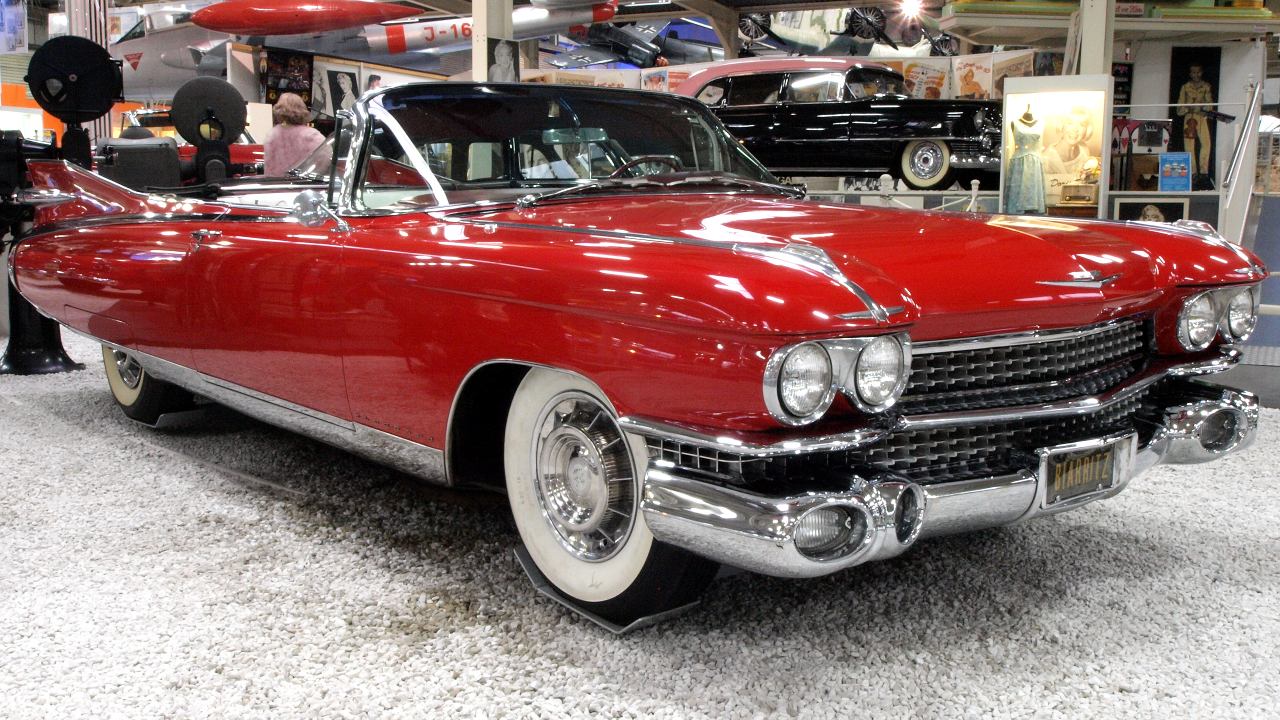
The Eldorado Biarritz was one of Cadillac’s most elaborate personal luxury cars. Its convertible body, extensive brightwork, and powerful V8 created a combination of performance and visual excess that few cars could match. Cadillac treated the Biarritz as a showcase model, giving it distinctive trim and a level of presentation above ordinary production cars. Its large engine was not there to create sports-car handling; instead, it delivered the effortless thrust expected from an expensive American flagship.
Cadillac Series 75
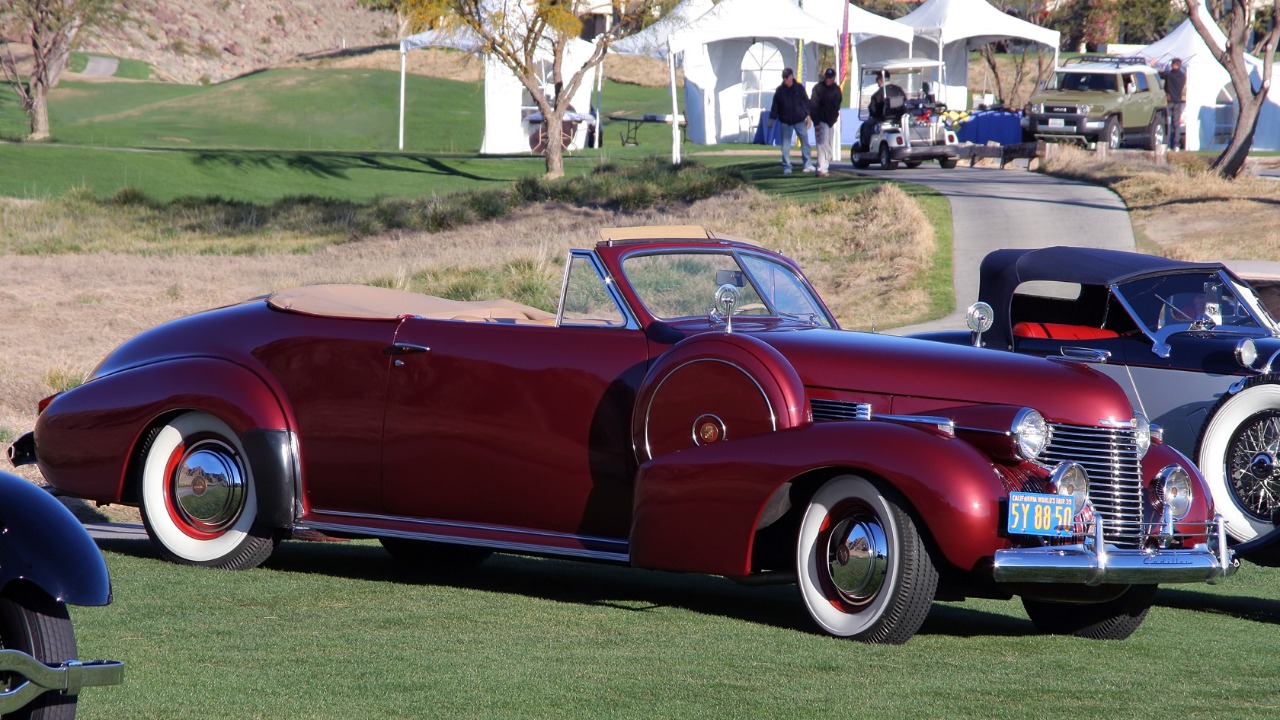
The Series 75 was Cadillac’s limousine-oriented model, and its enormous proportions gave it an imposing presence. Despite being designed primarily for luxury transportation, it was equipped with substantial V8 power that allowed the heavy car to move with surprising ease. Chauffeurs and passengers benefited from the smoothness, while owners enjoyed the prestige associated with Cadillac’s largest sedan. The Series 75 demonstrated that even a formal limousine could have far more power than its basic purpose required.
Cadillac Fleetwood Brougham

The Fleetwood Brougham became one of the most recognizable full-size American luxury cars of the 1970s. Its long body, formal roofline, spacious interior, and powerful V8 made it a rolling symbol of traditional Cadillac luxury. Even as emissions and fuel-economy concerns began changing the industry, the Brougham retained much of the old Cadillac character. Its size and smooth power delivery made it feel increasingly unusual as smaller cars became more common.
Cadillac Seville

The Seville represented a major change in Cadillac thinking. Instead of building another enormous luxury sedan, Cadillac created a smaller, more efficient model aimed at buyers who wanted Cadillac prestige in a more manageable package. Yet the car remained surprisingly substantial in performance and equipment. Its arrival showed that Cadillac could adapt its traditional luxury formula without abandoning power, comfort, or distinctive styling. It became an important bridge between the huge cars of the 1970s and the more efficient luxury vehicles that followed.
Cadillac Allanté
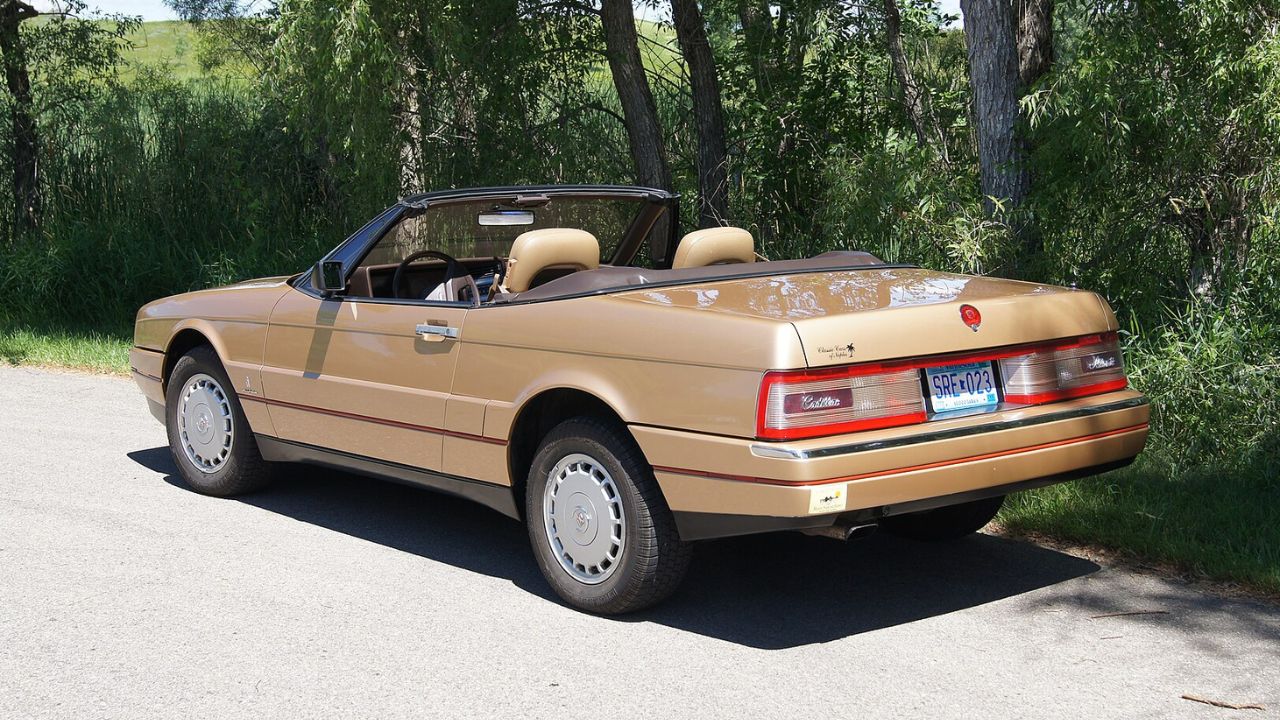
The Allanté was Cadillac’s attempt to challenge European luxury roadsters with a stylish two-seat convertible. Its Italian-designed body, sophisticated equipment, and V8 power gave Cadillac a very different performance image. The car was substantially more compact than the traditional Cadillac land yachts, yet it retained the brand’s emphasis on luxury and smooth power. The Allanté demonstrated that Cadillac could build a personal performance-oriented car rather than relying entirely on large sedans and coupes.
Cadillac CTS-V
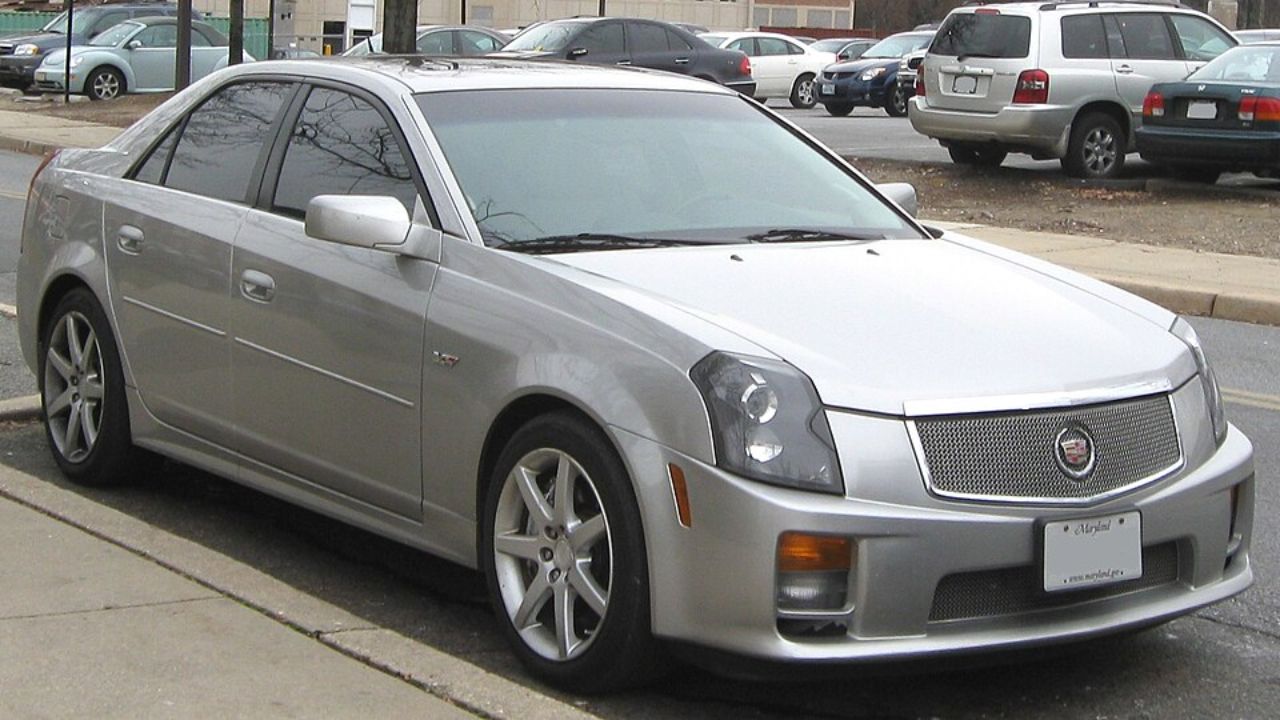
The CTS-V marked a dramatic shift in Cadillac’s performance philosophy. Instead of relying solely on effortless V8 torque in a luxury sedan, Cadillac developed a genuine high-performance car with serious chassis and braking upgrades. Later generations became particularly powerful, combining supercharged V8 engines with rear-wheel drive and aggressive suspension tuning. The CTS-V proved that Cadillac could compete directly with established German performance sedans while maintaining its own American identity.
Cadillac XLR-V
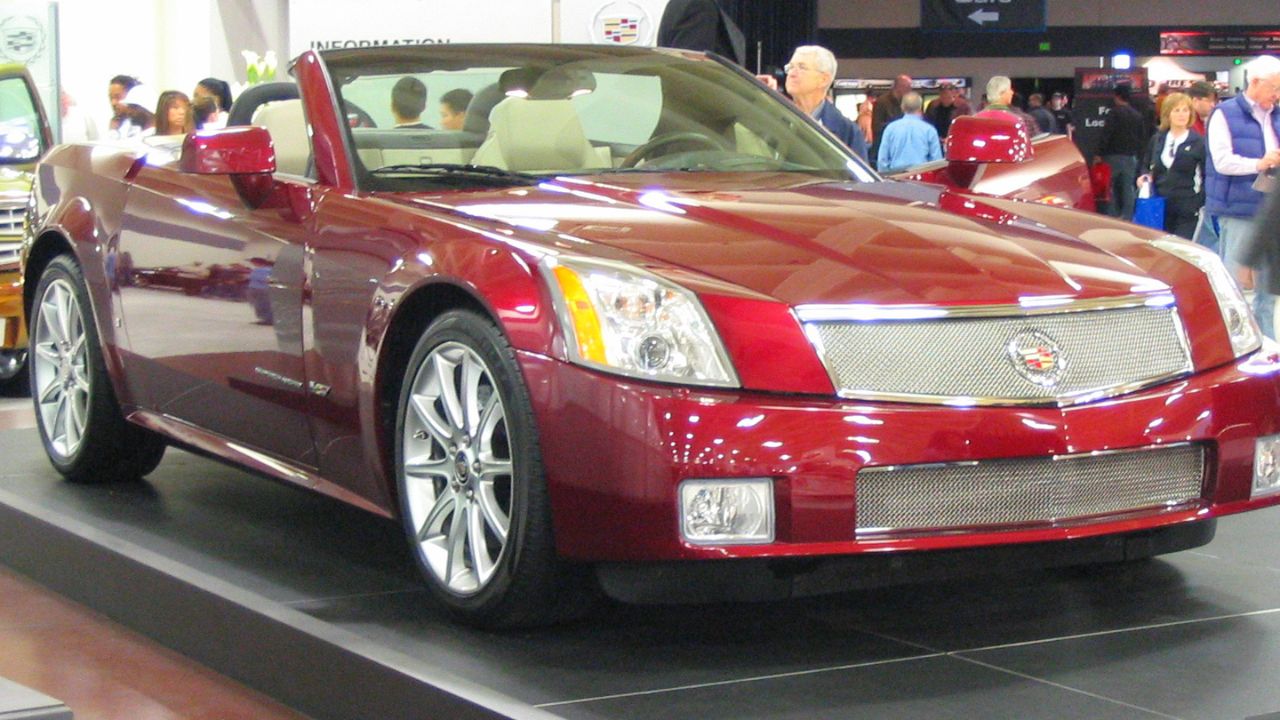
The XLR-V took Cadillac’s luxury roadster concept and added substantially more performance. Based on the XLR, it featured a supercharged V8 and a chassis designed to support the additional power. The combination of a retractable hardtop, rear-wheel drive, and forced-induction V8 made it one of Cadillac’s most unusual performance cars. Its limited production also makes it far less familiar than the company’s larger sedans and SUVs.
Cadillac CTS-V Wagon

The CTS-V Wagon was one of Cadillac’s strangest and most memorable performance cars. It combined the practicality of a station wagon with the hardware of a serious performance sedan, including a supercharged V8 and rear-wheel drive. That combination was unusual even among European manufacturers, let alone American luxury brands. The result was a family-friendly vehicle with enough performance to attract enthusiasts. It remains one of the clearest examples of Cadillac thinking beyond traditional luxury-car formulas.
Cadillac Escalade-V
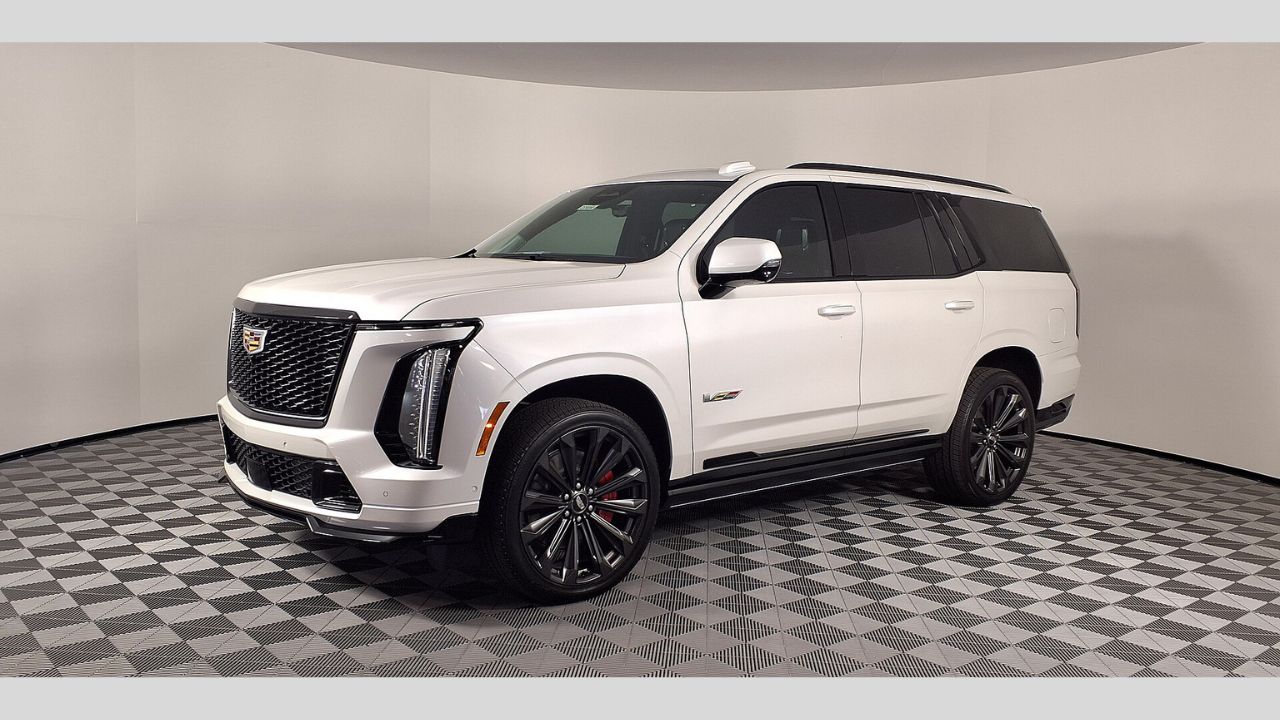
The Escalade-V brought Cadillac’s high-performance philosophy into its full-size luxury SUV lineup. Instead of treating the Escalade solely as a comfortable luxury hauler, Cadillac gave it a supercharged V8 and substantial performance hardware. The result is an enormous SUV with acceleration that would have seemed extraordinary in earlier generations. It represents the latest expression of Cadillac’s long-running willingness to combine luxury, size, and serious power in a single vehicle.
More from Fast Lane Only
- Unboxing the WWII Jeep in a Crate
- 15 rare Chevys collectors are quietly buying
- 10 underrated V8s still worth hunting down
- Police notice this before you even roll window down
*Research for this article included AI assistance, with all final content reviewed by human editors.