Few cars have connected with enthusiasts quite like a good roadster. These lightweight two-seaters made driving feel personal, whether they came from a British garage, a Japanese automaker, or a German sports-car factory. From simple classics that inspired generations of home mechanics to modern machines that introduced a new audience to open-air performance, these roadsters helped shape how enthusiasts think about driving.
Mazda MX-5 Miata
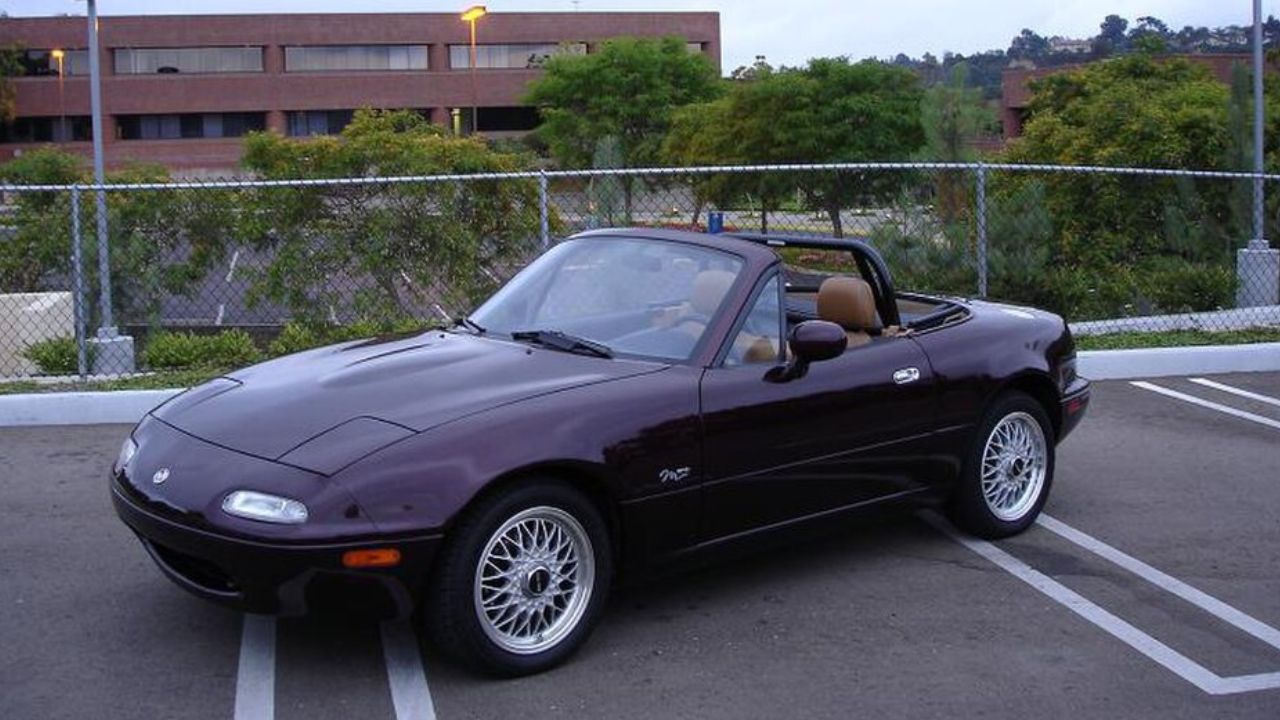
The Mazda MX-5 Miata arrived when affordable two-seat roadsters had become increasingly rare, and it quickly helped revive the formula for a new generation. Instead of chasing huge power, Mazda focused on low weight, rear-wheel drive, simple controls, and balanced handling. That approach made the Miata approachable for newcomers while giving experienced drivers plenty to enjoy. Its success was enormous, with more than a million sold over its history, making it one of the most influential enthusiast cars of the modern era.
Honda S2000
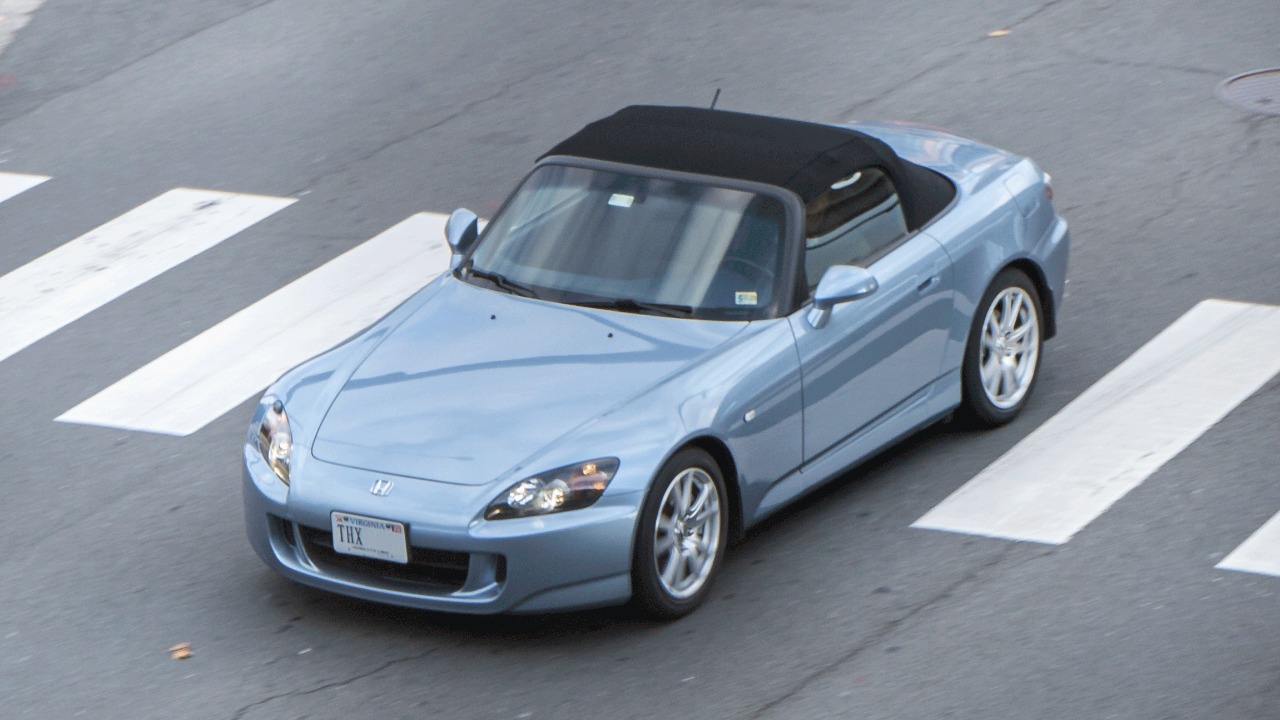
The Honda S2000 became a favorite among enthusiasts who wanted a roadster that felt intensely focused without becoming exotic. Its high-revving four-cylinder engine, six-speed manual transmission, rear-wheel drive, and precise chassis created a combination that rewarded committed drivers. The engine’s ability to reach extremely high rpm became one of the car’s defining traits. For many enthusiasts who grew up around Japanese performance cars in the late 1990s and 2000s, the S2000 became an instant benchmark for what a modern roadster could be.
BMW Z3
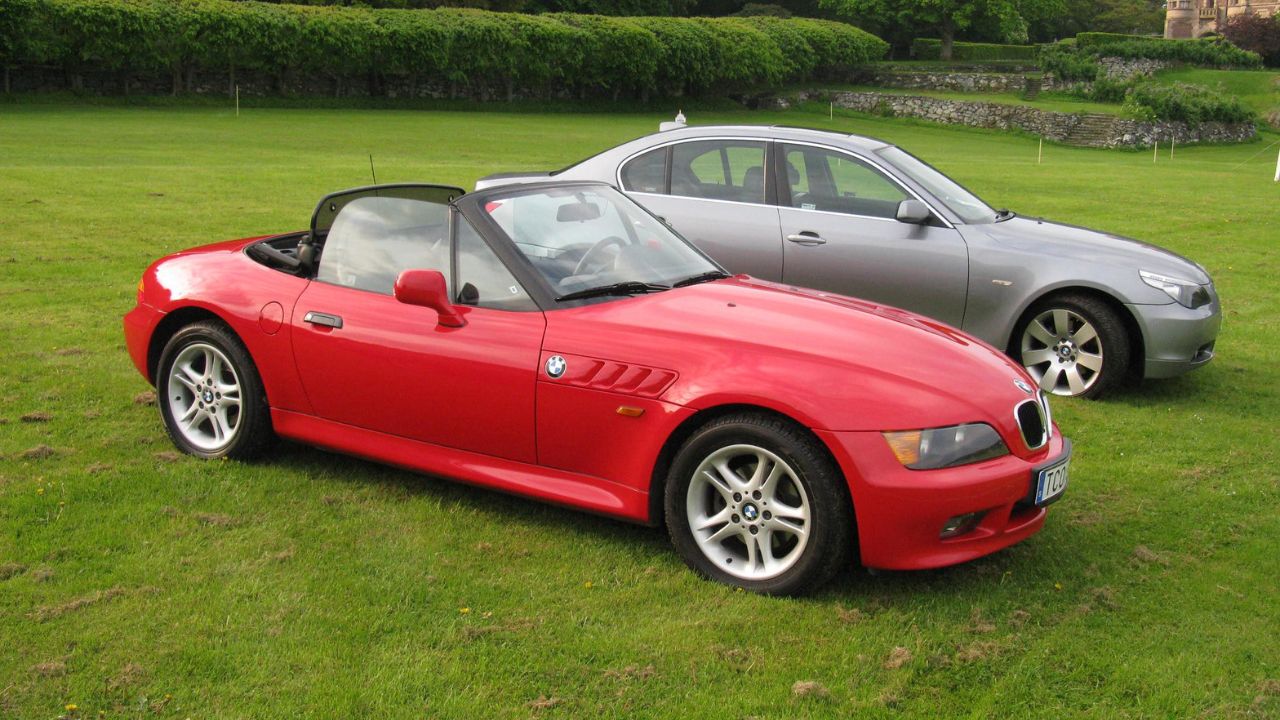
The BMW Z3 introduced a huge number of enthusiasts to the idea of owning a relatively accessible German roadster. Its appearance in GoldenEye gave it instant cultural recognition, while rear-wheel drive and available inline-six engines gave it credibility with driving enthusiasts. The Z3 combined classic long-hood roadster proportions with the comfort and technology expected from a modern BMW. It also arrived during the 1990s roadster revival, when several manufacturers were once again discovering that buyers wanted small, open sports cars.
Porsche Boxster

The Porsche Boxster changed the idea of who could realistically own a Porsche sports car. Introduced in the 1990s, it used a mid-engine layout and offered a lower-cost entry into the brand’s sports-car range. Its balance, steering, braking, and handling made it much more than a cheaper alternative to the 911. The first-generation Boxster became an important part of Porsche’s modern history and helped bring a new generation of enthusiasts into the brand.
Triumph Spitfire
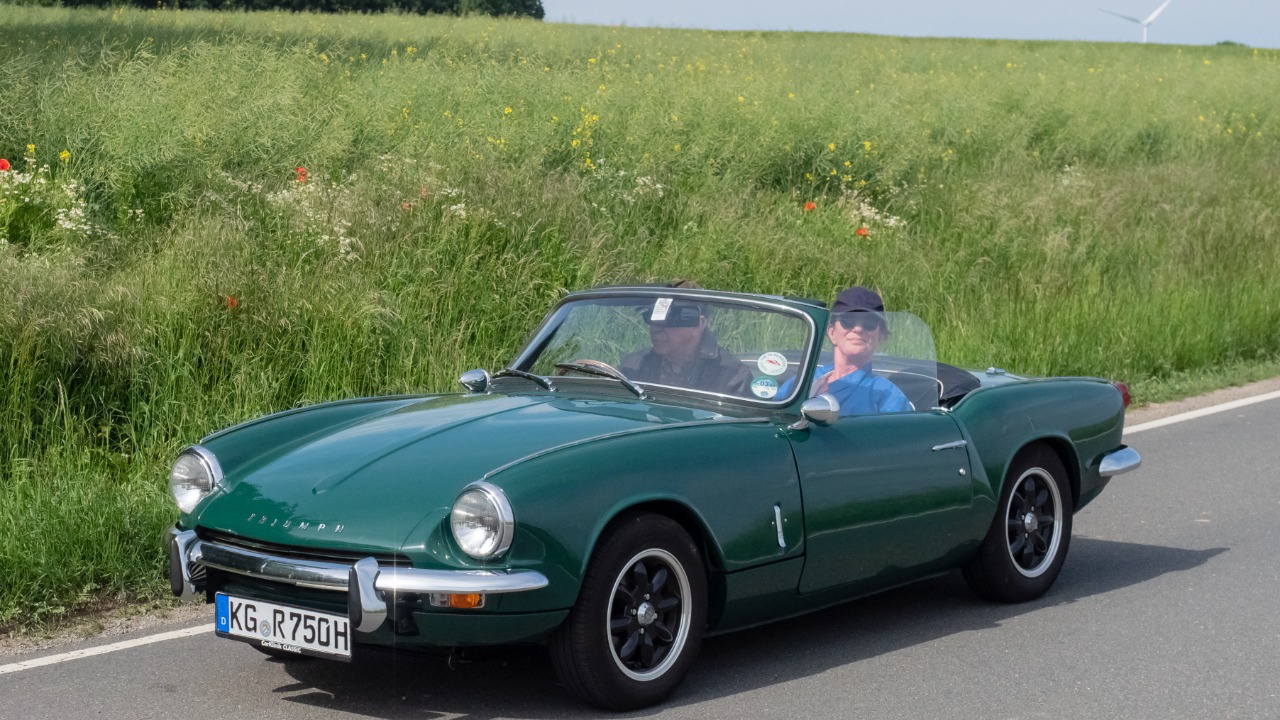
The Triumph Spitfire made the lightweight British roadster accessible to a much broader audience. Its compact dimensions, simple mechanical layout, and affordable character made it particularly attractive to enthusiasts who wanted an inexpensive way into sports-car ownership. The Spitfire was never about overwhelming power. Instead, it emphasized lightness, open-air driving, and involvement. Thousands of enthusiasts learned about basic sports-car maintenance through these cars, helping establish the Spitfire as an important part of classic British motoring culture.
MG MGB
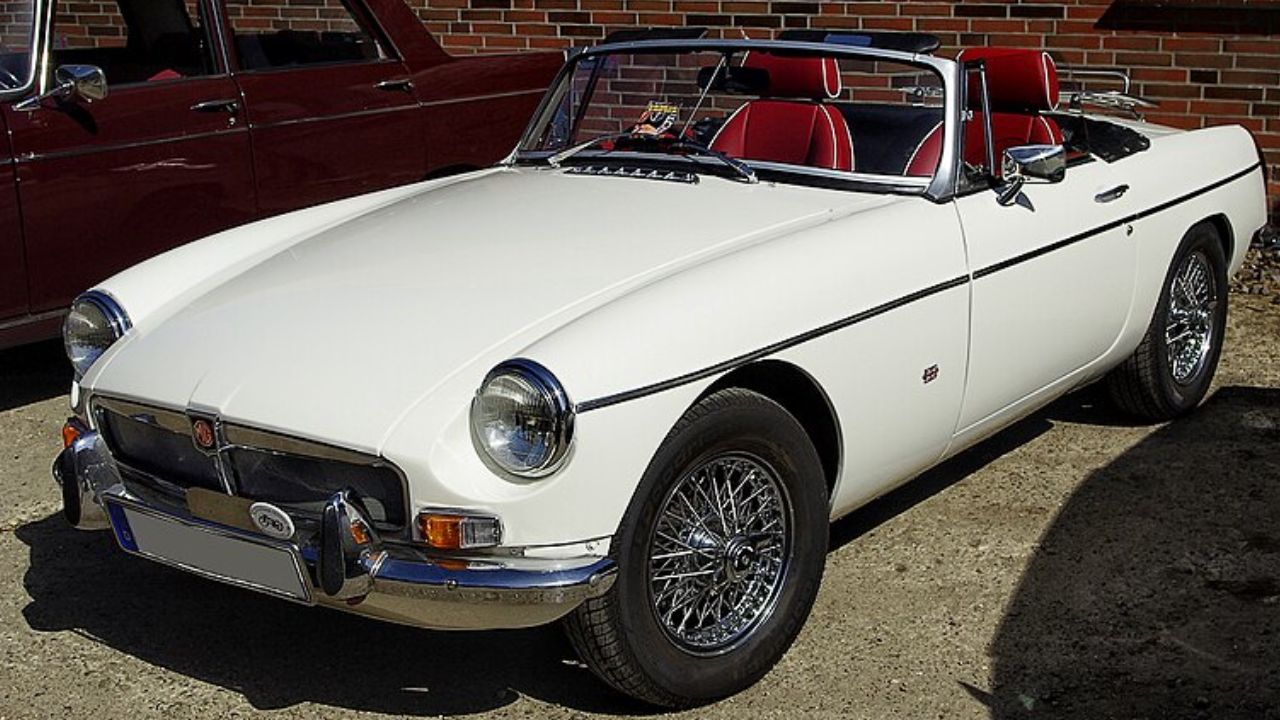
The MGB became one of the defining British roadsters of the 1960s and 1970s. It offered a relatively simple mechanical package, classic styling, and enough performance to make ordinary roads entertaining. The car’s popularity also meant parts and enthusiast support became widely available, helping many examples survive long after production ended. For generations of hobbyists, an MGB was more than an old convertible. It was often an affordable introduction to collecting, restoration, weekend driving, and learning how a classic sports car worked.
Triumph TR6

The Triumph TR6 brought a more muscular character to the traditional British roadster formula. Its straight-six engine, rear-wheel drive, manual transmission, and unmistakable styling gave it an appealing combination of character and performance. The TR6 became especially popular among enthusiasts who wanted something more substantial than smaller British sports cars without moving into expensive European machinery. Today, it remains one of the most recognizable classic Triumphs and continues to attract owners who enjoy the mechanical personality of older sports cars.
Fiat 124 Spider
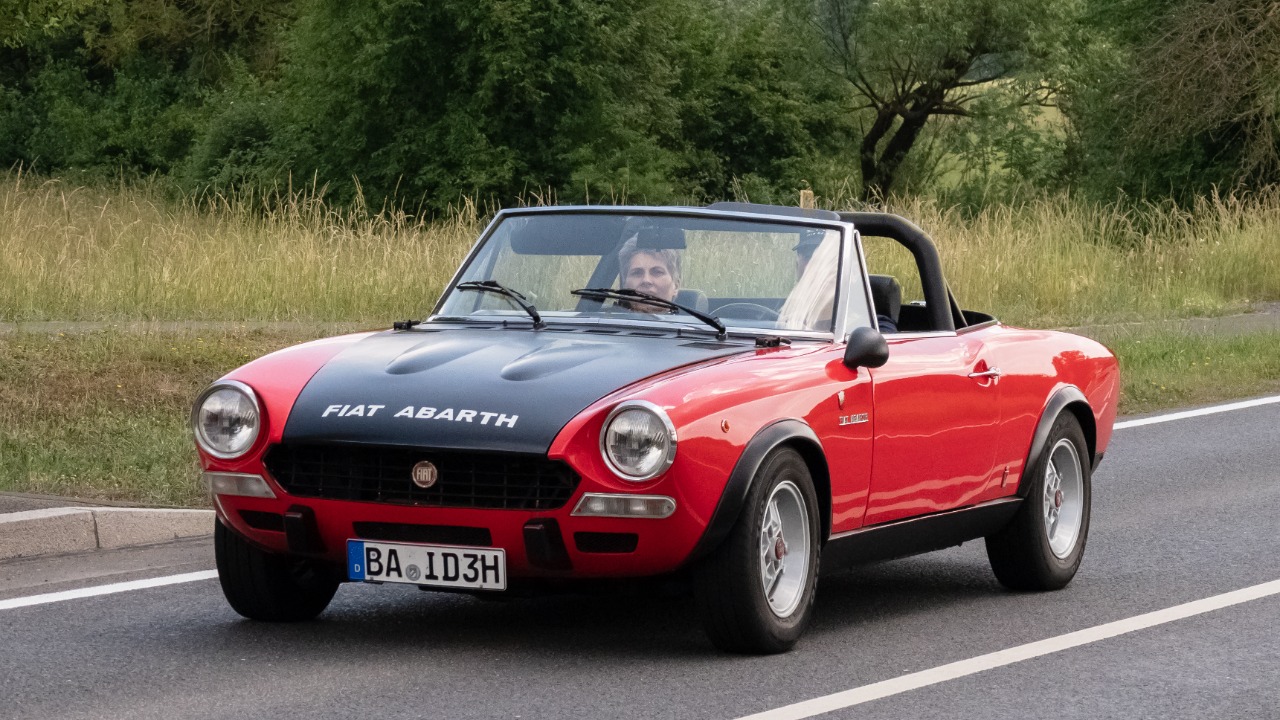
The Fiat 124 Spider offered a distinctly Italian interpretation of the affordable roadster. Its elegant Pininfarina styling helped it stand apart from British competitors, while its compact dimensions and four-cylinder engine kept the driving experience approachable. The 124 Spider also developed a strong following among enthusiasts who appreciated its combination of style and mechanical simplicity. It became particularly important to the affordable European roadster market and remains a familiar choice among collectors looking for something different from the more common British alternatives.
Alfa Romeo Spider
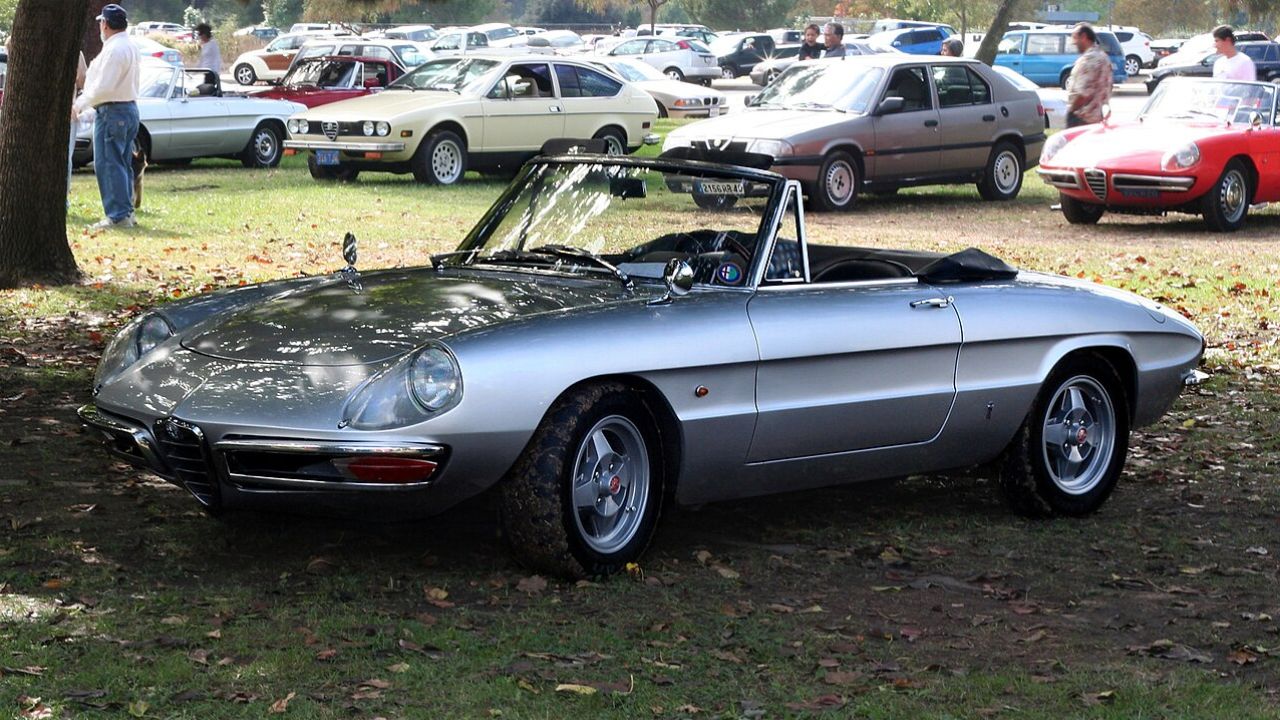
The Alfa Romeo Spider became one of the most recognizable Italian roadsters of its era. Its sleek shape, compact proportions, rear-wheel-drive layout, and spirited engines gave it an unmistakable personality. The Spider also gained wider cultural recognition through its appearance in The Graduate, helping turn it into an automotive icon beyond the enthusiast world. For many drivers, the car represented the romantic side of sports-car ownership, combining Italian styling with an engaging driving experience and a distinctly different character from British and German roadsters.
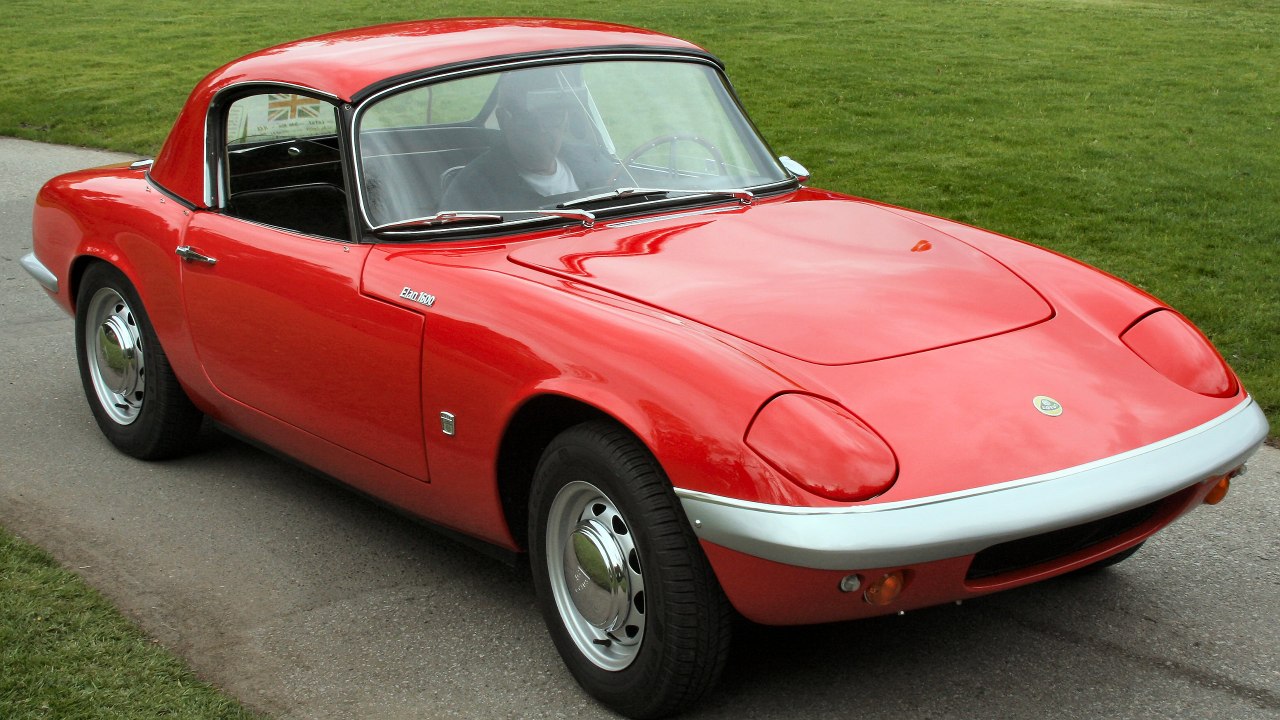
Lotus Elan
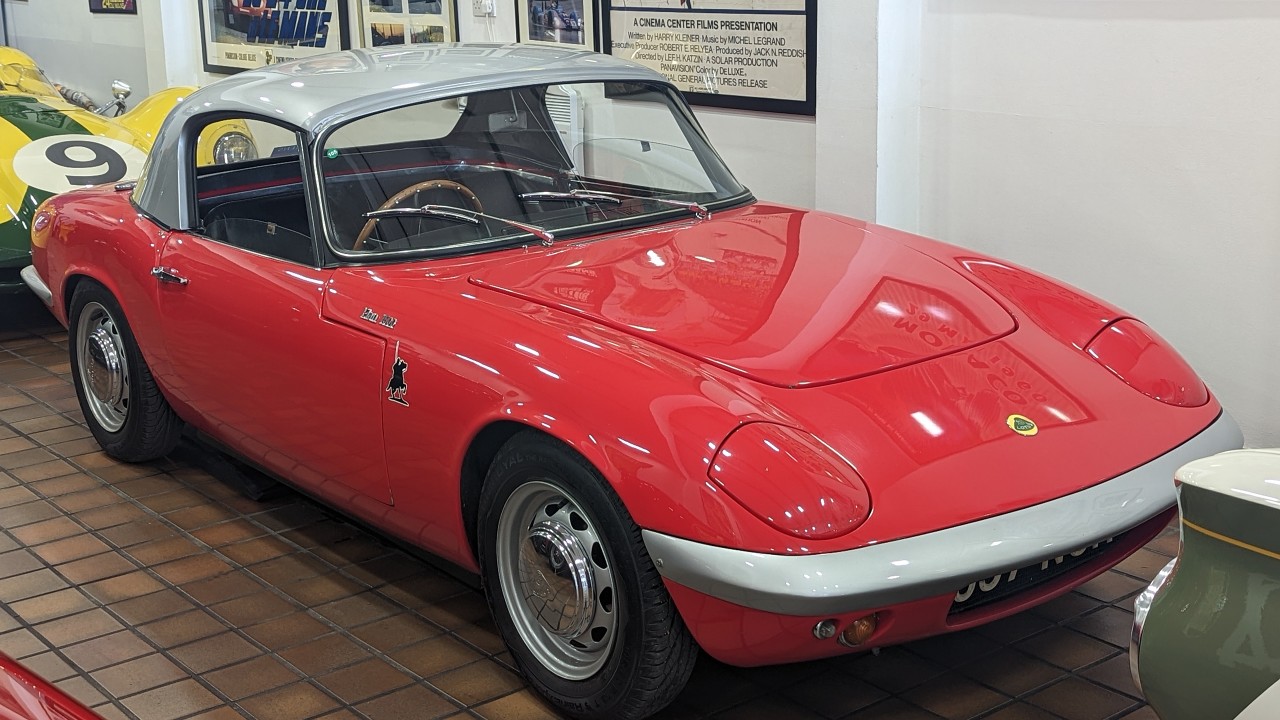
The Lotus Elan demonstrated just how much performance could come from keeping a sports car small and light. Colin Chapman’s emphasis on low weight shaped virtually every aspect of the car, from its compact body to its responsive chassis. The result was a roadster that did not need huge horsepower to feel exciting. The Elan became particularly influential because its basic philosophy helped inspire later lightweight sports cars, including the Mazda MX-5. It remains one of the clearest examples of the idea that less weight can matter more than more power.
Mercedes-Benz SLK

The Mercedes-Benz SLK brought the roadster concept into a more modern and luxurious environment during the 1990s. Its retractable hardtop was a major talking point, allowing owners to switch between an open car and a closed coupe-like configuration. The SLK also helped make the premium compact roadster fashionable again alongside cars such as the BMW Z3 and Porsche Boxster. For enthusiasts coming of age during that period, it represented a new interpretation of the two-seat sports car that combined performance with everyday comfort.
Audi TT Roadster
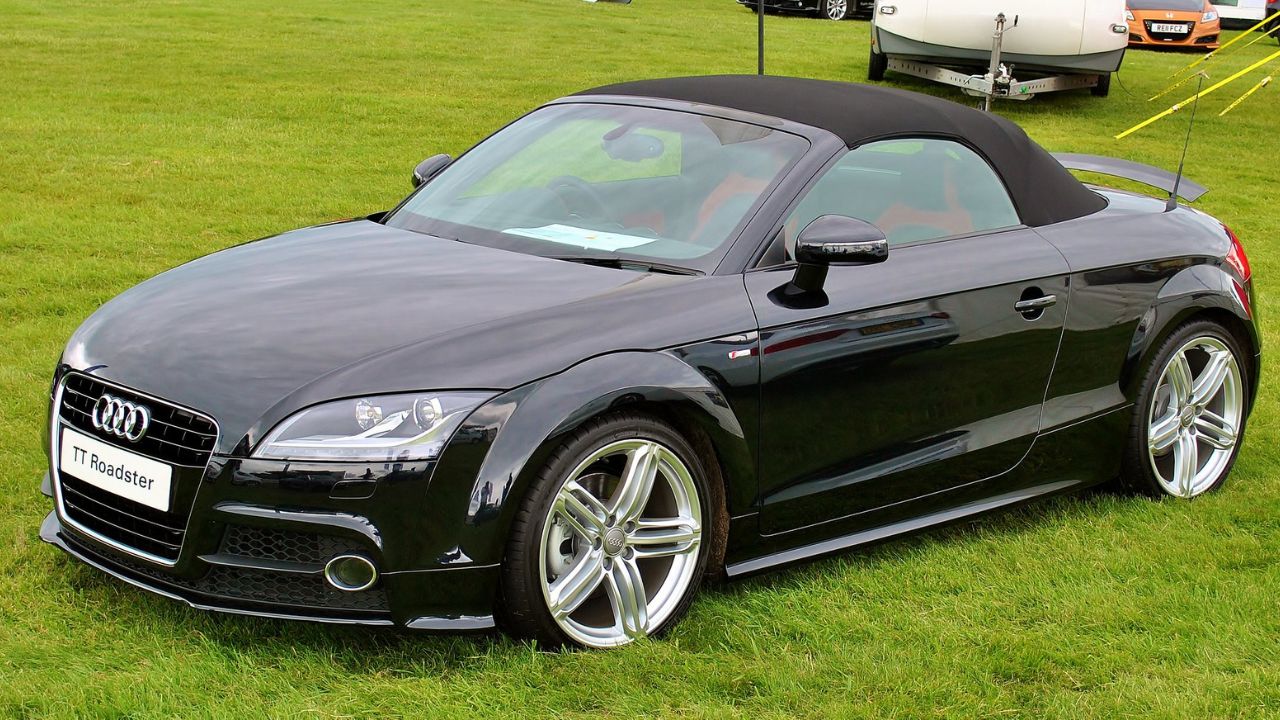
The Audi TT Roadster brought a completely different visual language to the roadster market. Its rounded styling, compact dimensions, and distinctive interior made it immediately recognizable when it appeared in the late 1990s. Although its engineering differed from traditional rear-wheel-drive roadsters, the TT attracted a new group of enthusiasts who cared as much about design and individuality as outright performance. It became one of the defining sports cars of its era and helped establish Audi as a serious player in the lifestyle-oriented performance market.
Toyota MR2 Spyder
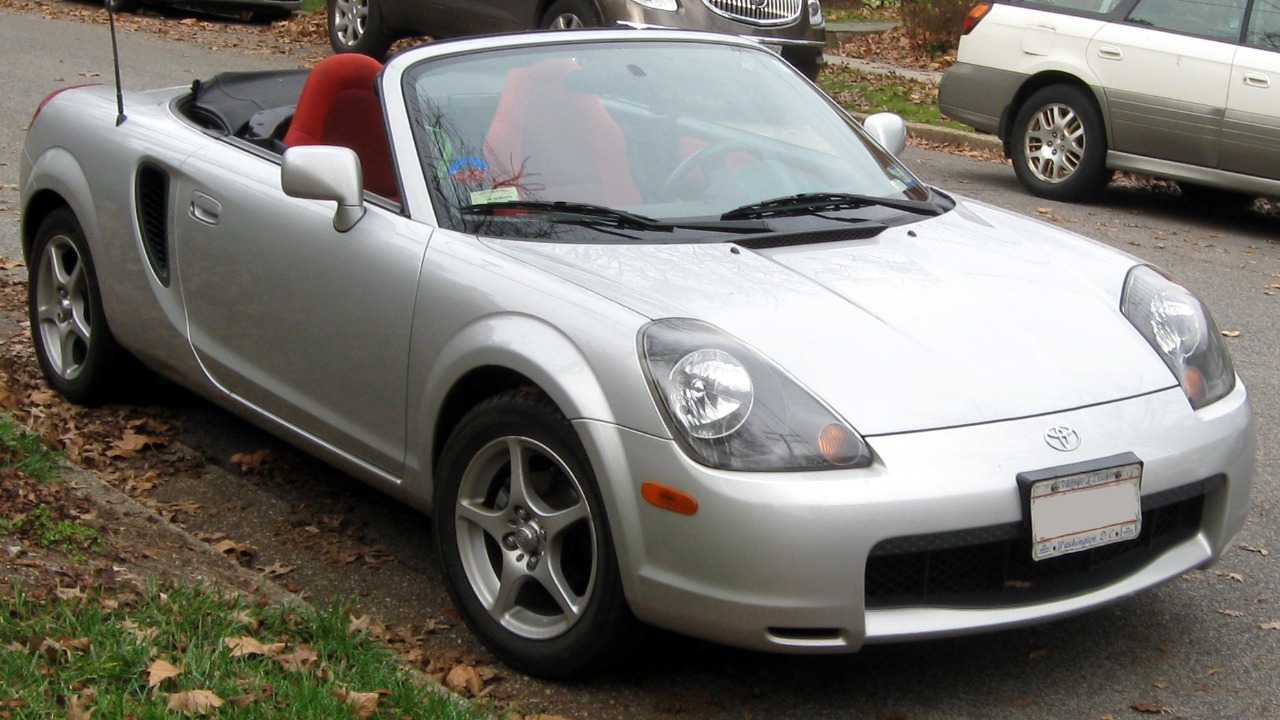
The Toyota MR2 Spyder returned to the lightweight two-seat formula with a compact mid-engine layout and a strong emphasis on agility. Its small dimensions made it easy to place on narrow roads, while the mid-engine configuration gave it a distinctly different balance from front-engine roadsters. Toyota deliberately kept the car relatively light rather than turning it into a high-powered sports machine. For enthusiasts who valued momentum, steering feel, and simplicity, the MR2 Spyder offered a compelling alternative to the larger and more powerful roadsters of its time.
Pontiac Solstice
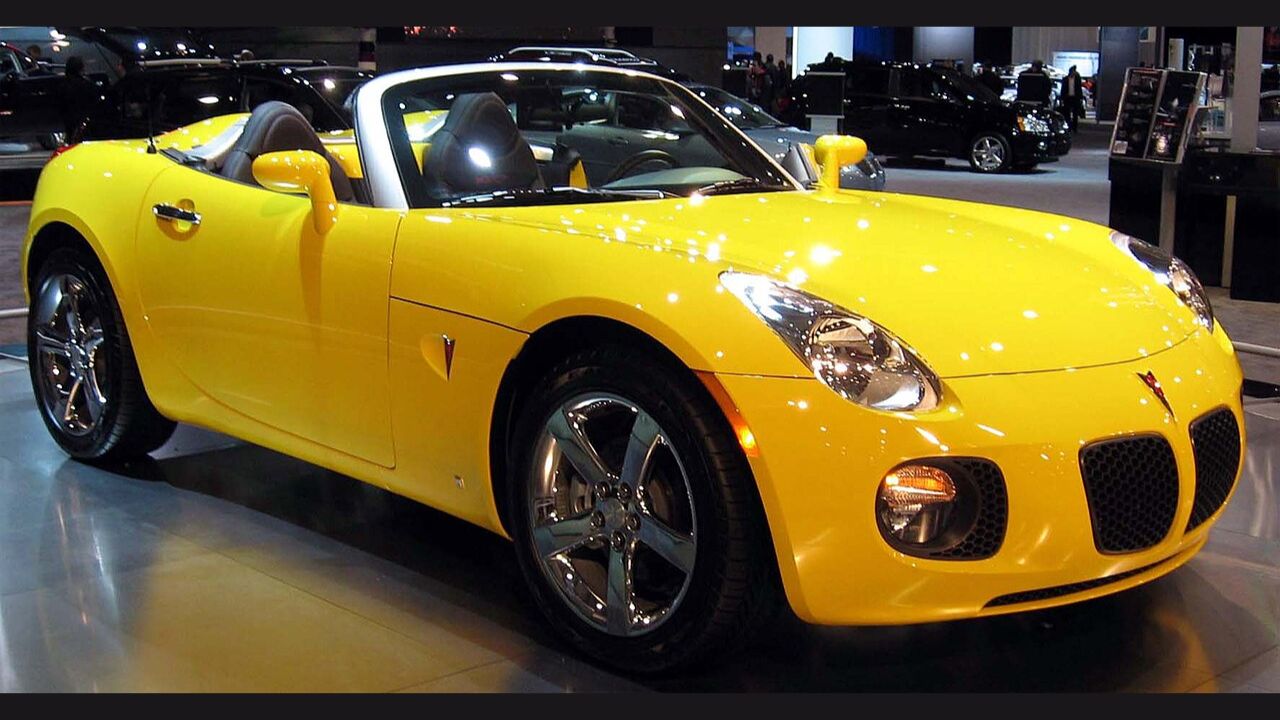
The Pontiac Solstice helped bring American manufacturers back into the small-roadster conversation during the 2000s. Its dramatic styling made it stand out immediately, while rear-wheel drive and a compact two-seat layout gave it genuine enthusiast appeal. The Solstice was also relatively unusual because it came from a mainstream American brand better known for larger cars. It attracted buyers who wanted something more distinctive than an ordinary convertible and became part of the brief revival of affordable American sports cars during that period.
Saturn Sky
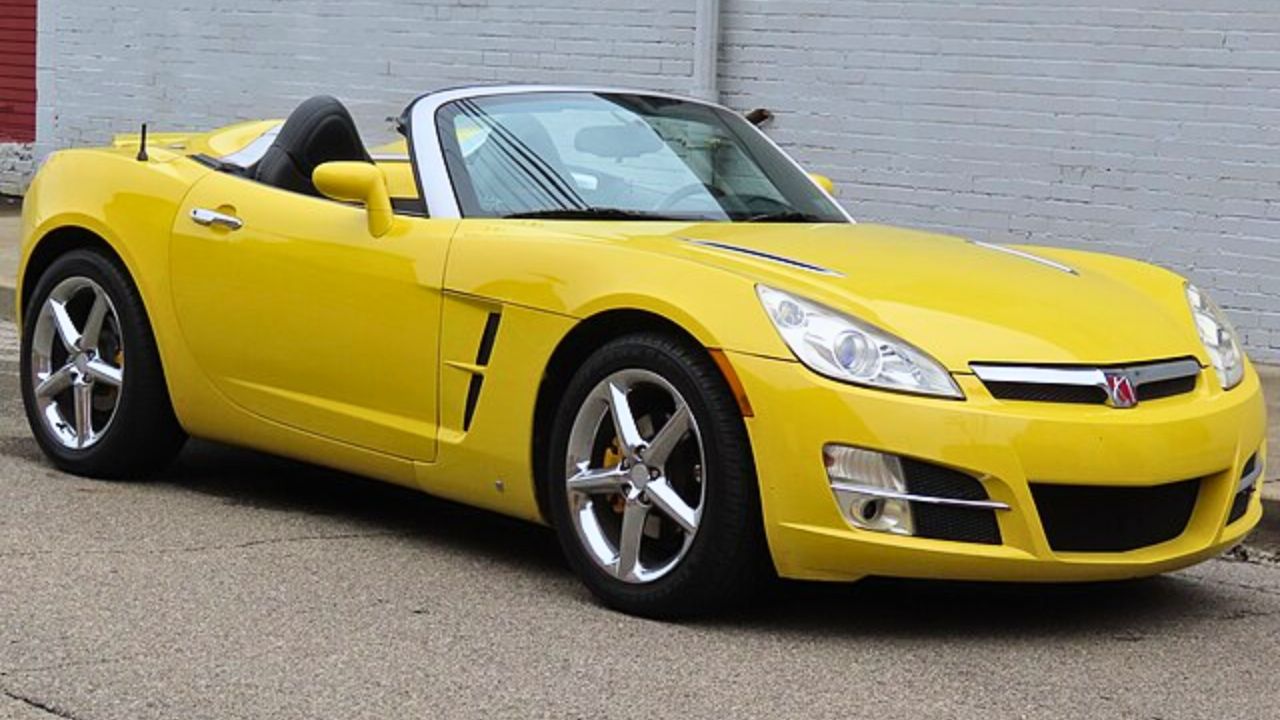
The Saturn Sky shared its basic architecture with the Pontiac Solstice but developed a distinctly different personality through its styling. Its sharp bodywork and low driving position gave it a more aggressive appearance, while rear-wheel drive kept the enthusiast connection intact. The Sky was available in regular and turbocharged forms, giving buyers different levels of performance. Although its production run was short, the car developed a following among enthusiasts who appreciated its unusual combination of American engineering, dramatic styling, and genuine two-seat sports-car proportions.
Mercedes-Benz 190 SL
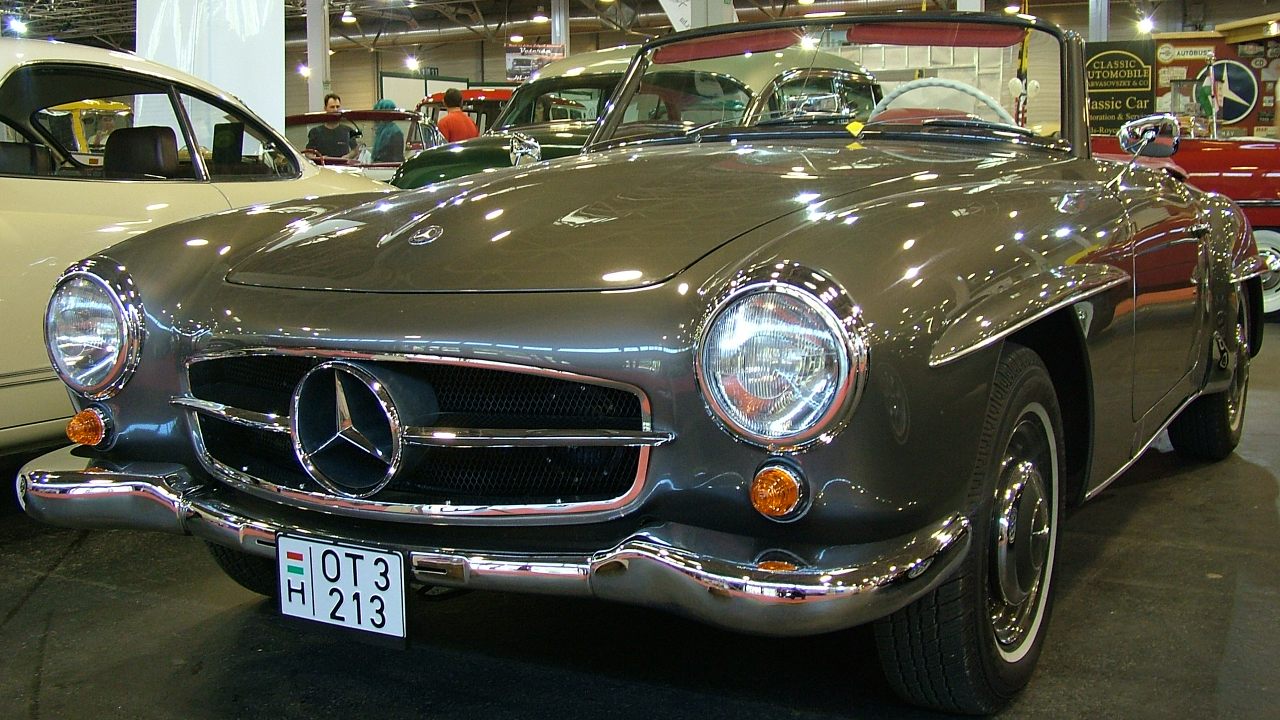
The Mercedes-Benz 190 SL brought a more accessible interpretation of the company’s prestigious sports-car image during the 1950s. It was not intended to replicate the extreme nature of the 300 SL, but it offered elegant styling, two-seat proportions, and open-air touring in a more approachable package. The 190 SL became an important part of Mercedes-Benz’s roadster history and helped establish the idea that an open two-seat car could combine sporting character with luxury and refinement.
BMW Z4
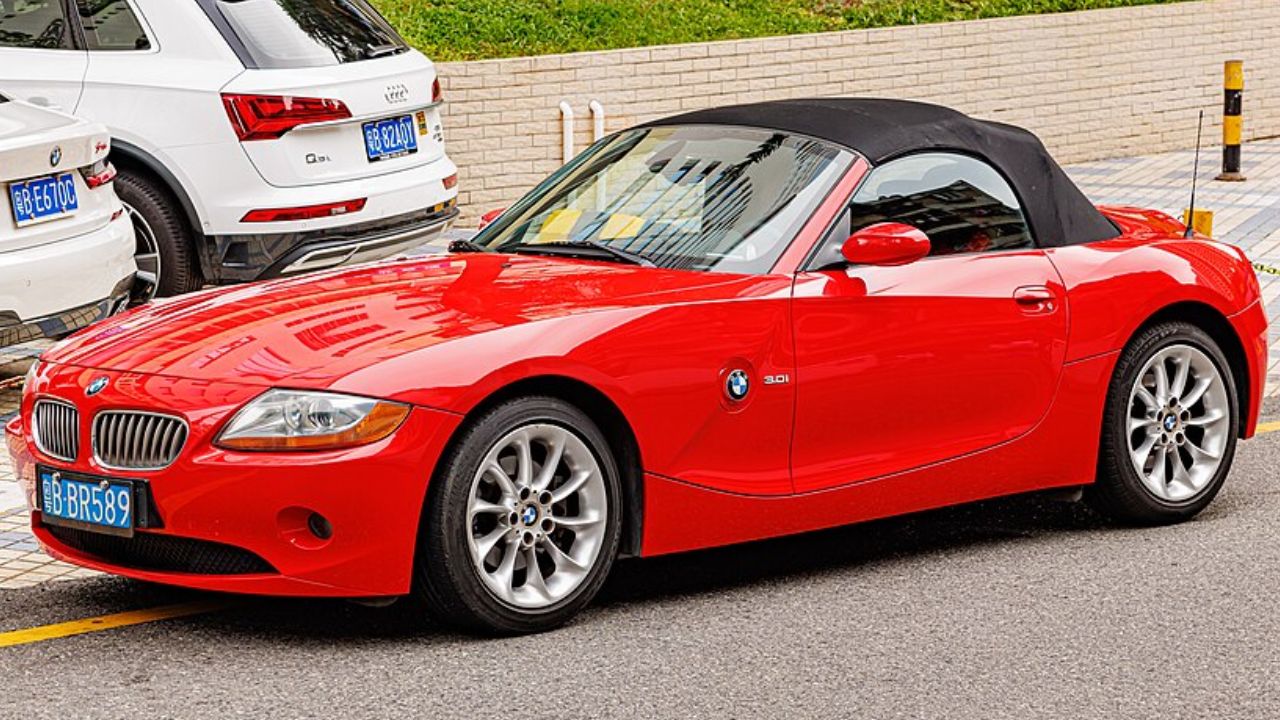
The BMW Z4 carried the roadster formula into the 2000s with sharper styling, modern technology, and a range of strong engines. It followed the successful Z3 but gave the concept a more aggressive and contemporary character. Rear-wheel drive remained central to the experience, while available six-cylinder engines gave enthusiasts plenty of performance. The Z4 also showed how the traditional roadster could evolve without abandoning its basic appeal: two seats, an open cockpit, and a direct connection between driver and road.
Porsche 718 Boxster
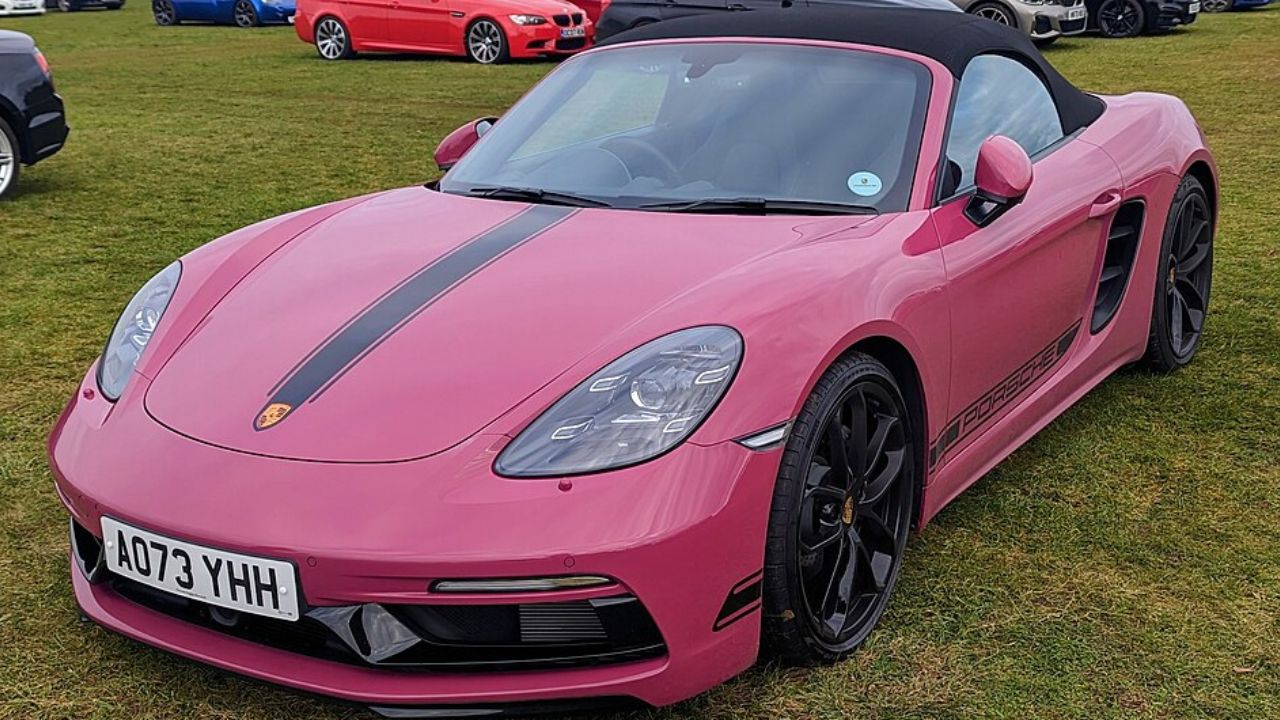
The Porsche 718 Boxster continued the formula established by the original Boxster while moving the roadster into a more modern performance category. Its mid-engine layout remained central to the car’s character, providing a balanced platform for enthusiastic driving. Later versions also introduced turbocharged four-cylinder engines and more powerful six-cylinder variants. For a generation of enthusiasts, the Boxster became proof that a relatively compact open sports car could offer sophisticated engineering and serious performance without becoming impractical.
Nissan 350Z Roadster
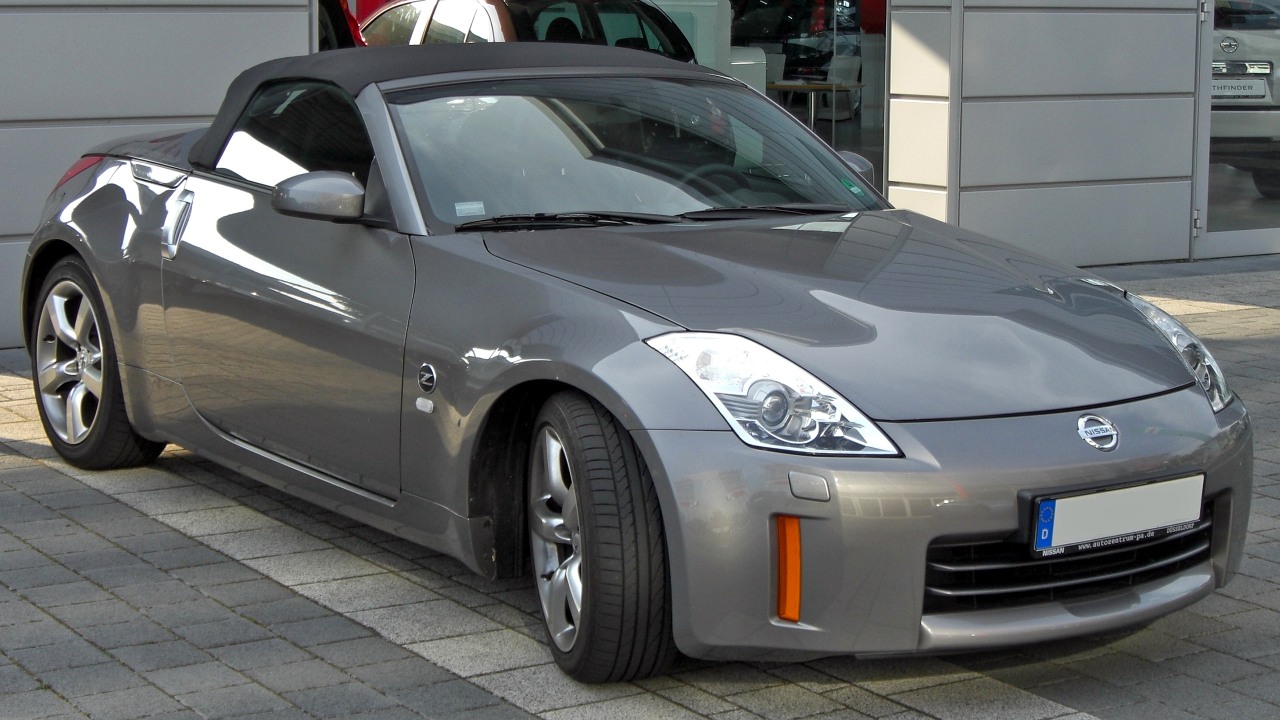
The Nissan 350Z Roadster brought a muscular Japanese interpretation to the modern roadster market. Based on the 350Z sports car, it paired a strong V6 engine with rear-wheel drive and an open-top body. Unlike many lightweight roadsters, it was larger and more powerful, giving it a different personality while retaining the two-seat enthusiast formula. Its combination of accessible performance, manual transmission availability, and distinctive styling made the 350Z Roadster an important part of the Japanese performance scene during the 2000s.
Chevrolet Corvette Convertible
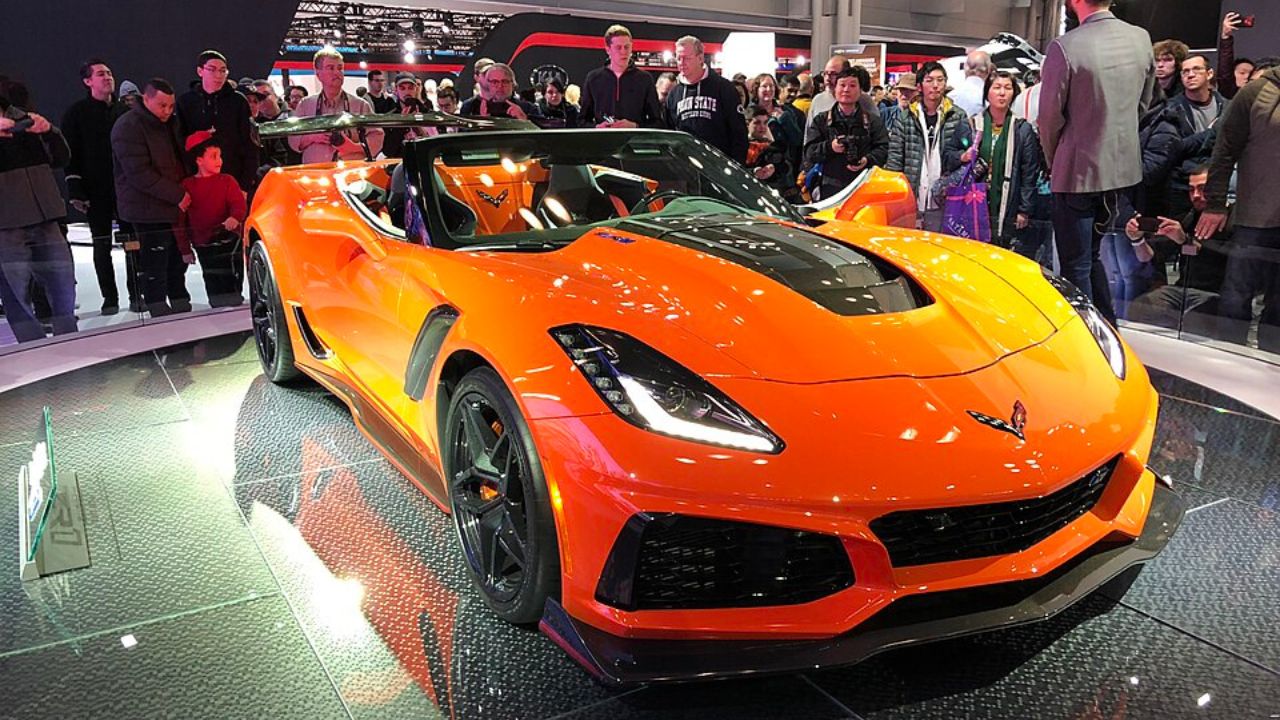
The Corvette Convertible helped establish the American roadster tradition on a much larger scale than the typical lightweight European sports car. From the early Corvette onward, the open-top version became an important part of the model’s identity. It combined a two-seat cabin with powerful engines and increasingly sophisticated chassis technology, giving American enthusiasts a homegrown alternative to European sports cars. The Corvette’s long history also meant multiple generations of enthusiasts could grow up with an open Corvette as an aspirational performance car.
More from Fast Lane Only
- Unboxing the WWII Jeep in a Crate
- 15 rare Chevys collectors are quietly buying
- 10 underrated V8s still worth hunting down
- Police notice this before you even roll window down
*Research for this article included AI assistance, with all final content reviewed by human editors.