Chevrolet has produced plenty of familiar classics, but a few took ideas in directions that seemed unusual when they were new. These cars experimented with compact packaging, new materials, front-wheel drive, alternative power, advanced electronics, and styling that looked like it belonged in a later decade. Some became successful, while others took years for the rest of the industry to catch up.
Chevrolet Nomad

The Chevrolet Nomad took the station wagon in a surprisingly stylish direction. Instead of looking purely like a family hauler, it borrowed the sleek roofline and hardtop styling associated with Chevrolet’s sportier cars. The result was a wagon with genuine visual presence that blurred the line between practicality and performance. Its combination of two-door styling and useful cargo space was unusual for the period and helped establish the Nomad as one of Chevrolet’s most distinctive 1950s designs.
Chevrolet Cameo Carrier
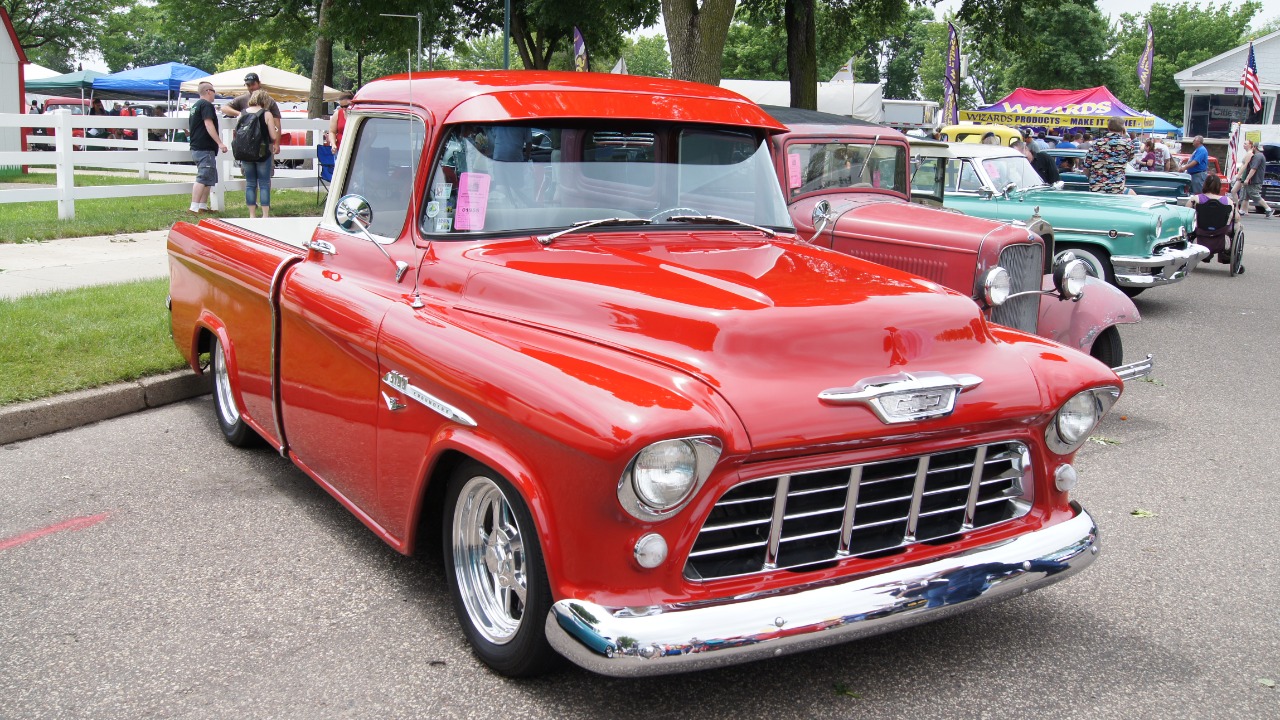
The Chevrolet Cameo Carrier brought a surprisingly sophisticated look to the pickup truck. Its smooth rear fenders, integrated bodywork, and car-inspired styling made it look much more modern than conventional work trucks of the period. It showed that a pickup did not have to look purely utilitarian to be useful. The Cameo also helped influence the development of later personal pickups, making it an important step toward the increasingly stylish trucks that eventually became mainstream.
Chevrolet Corvette
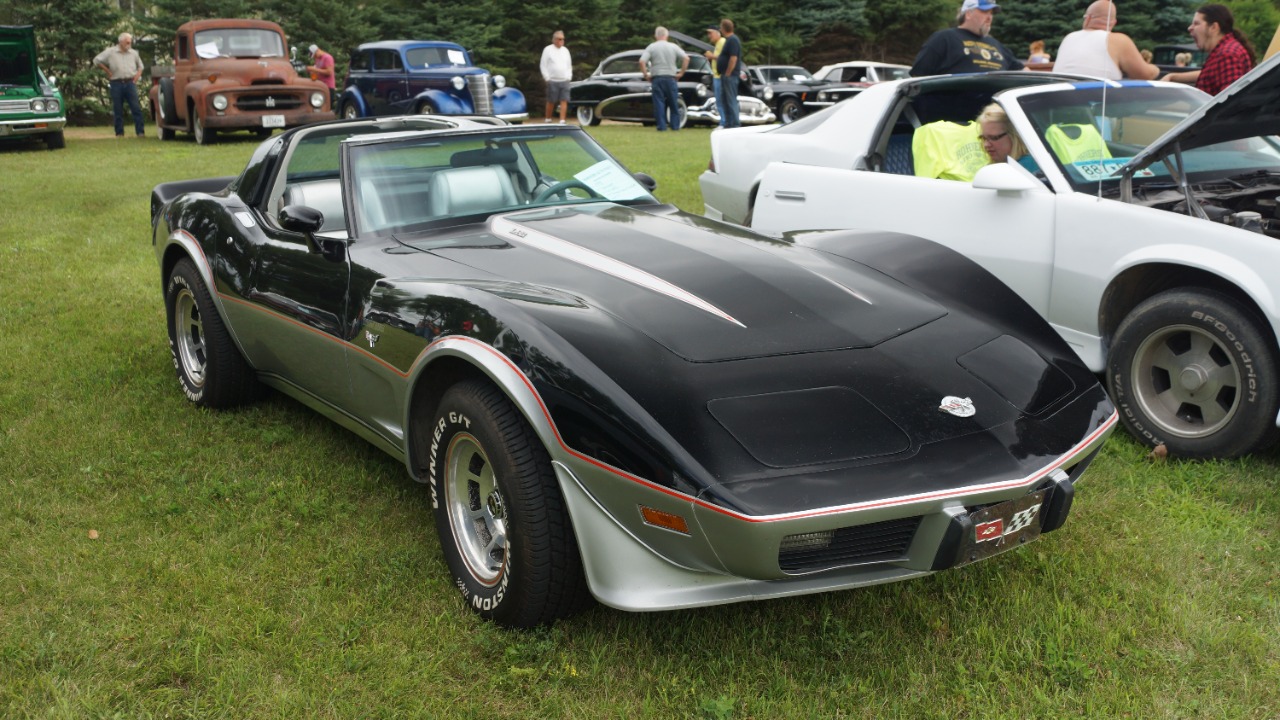
The original Corvette was Chevrolet’s boldest attempt to create an American sports car, using a lightweight fiberglass body rather than traditional steel construction. Its dedicated chassis and two-seat layout also separated it from ordinary Chevrolet passenger cars. The early version was not immediately a performance legend, but the basic concept gave Chevrolet a platform that could evolve rapidly. The Corvette eventually became one of the company’s most important examples of American engineering moving beyond conventional Detroit formulas.
Chevrolet Corvair
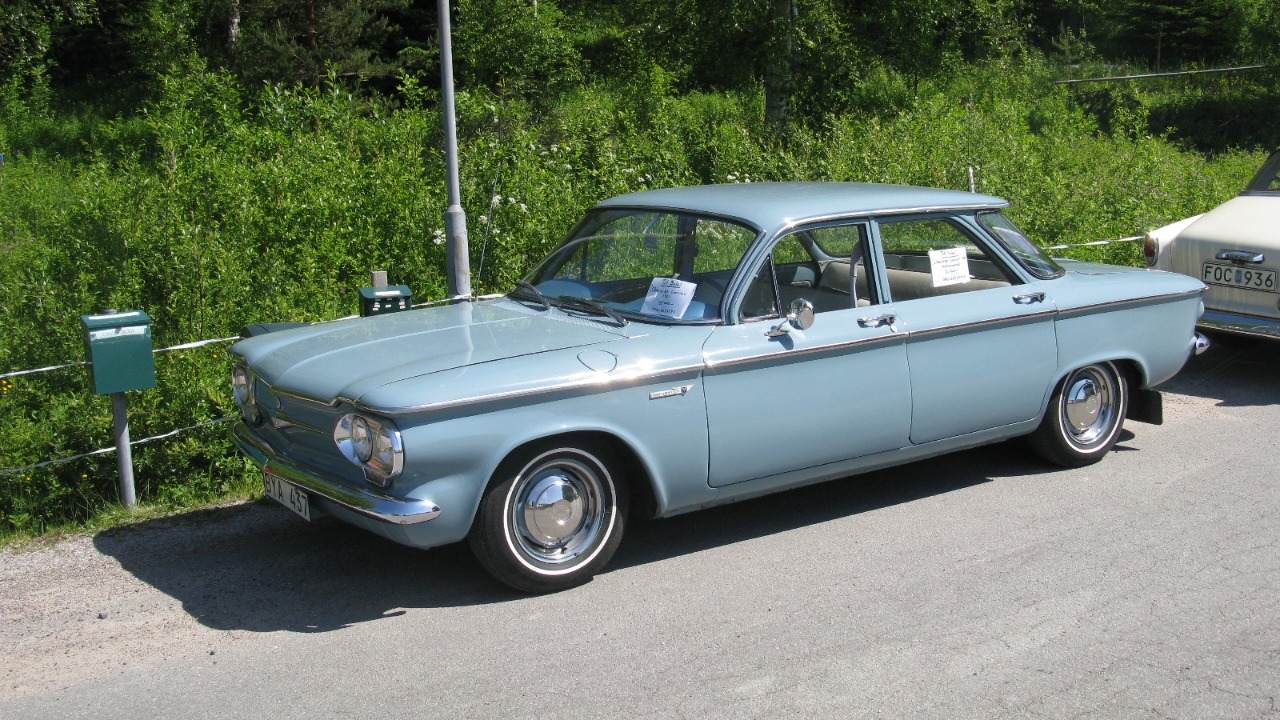
The Corvair was perhaps Chevrolet’s most radical mass-produced car of the early 1960s. Instead of using the conventional front-engine layout common among American cars, it placed an air-cooled flat-six engine at the rear and used independent suspension. Its compact, lightweight engineering was a major departure from the large chrome-heavy cars surrounding it. Chevrolet was effectively experimenting with a distinctly European-style approach to American mass production, making the Corvair one of the company’s most genuinely unconventional cars.
Chevrolet Corvair Monza
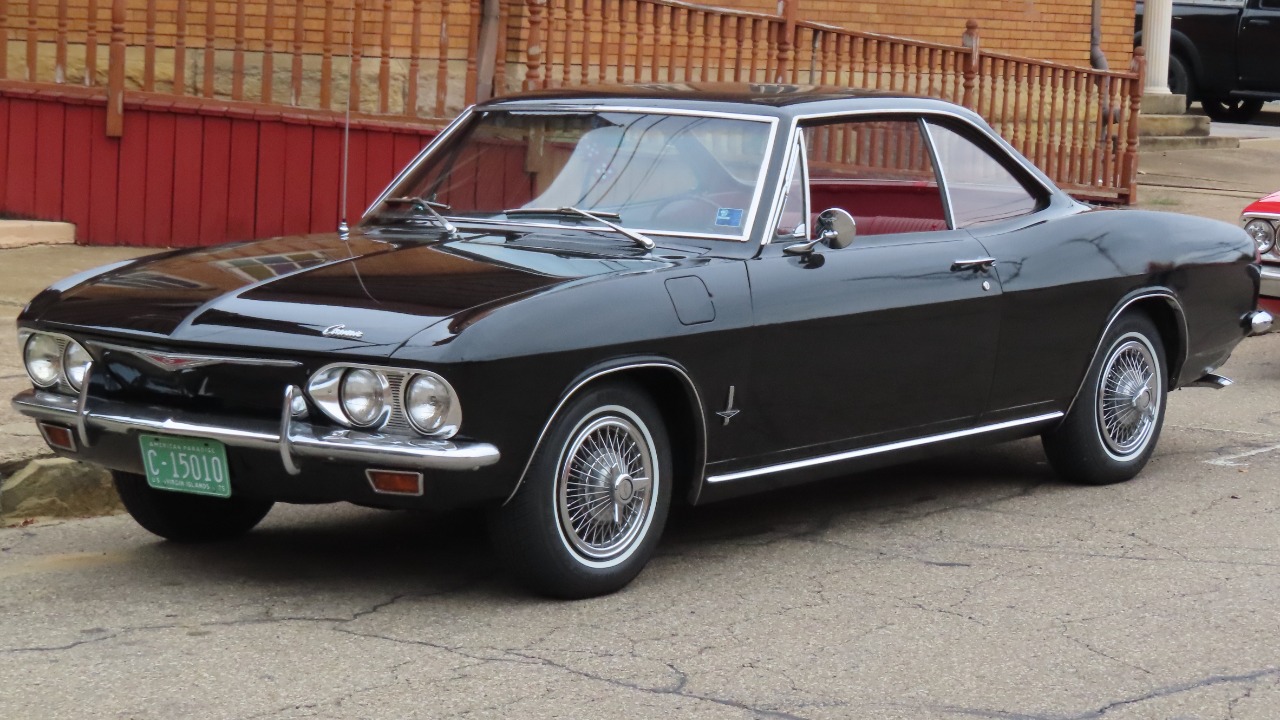
The Corvair Monza transformed Chevrolet’s unusual compact into something much sportier. With bucket seats, a more performance-oriented character, and distinctive styling, it demonstrated that an American compact could appeal to buyers who wanted something more exciting than basic transportation. The Monza helped give the Corvair a broader identity and showed that compact cars could combine efficiency, individuality, and performance. Its success also encouraged Chevrolet to explore even more ambitious Corvair-based designs.
Chevrolet Monza
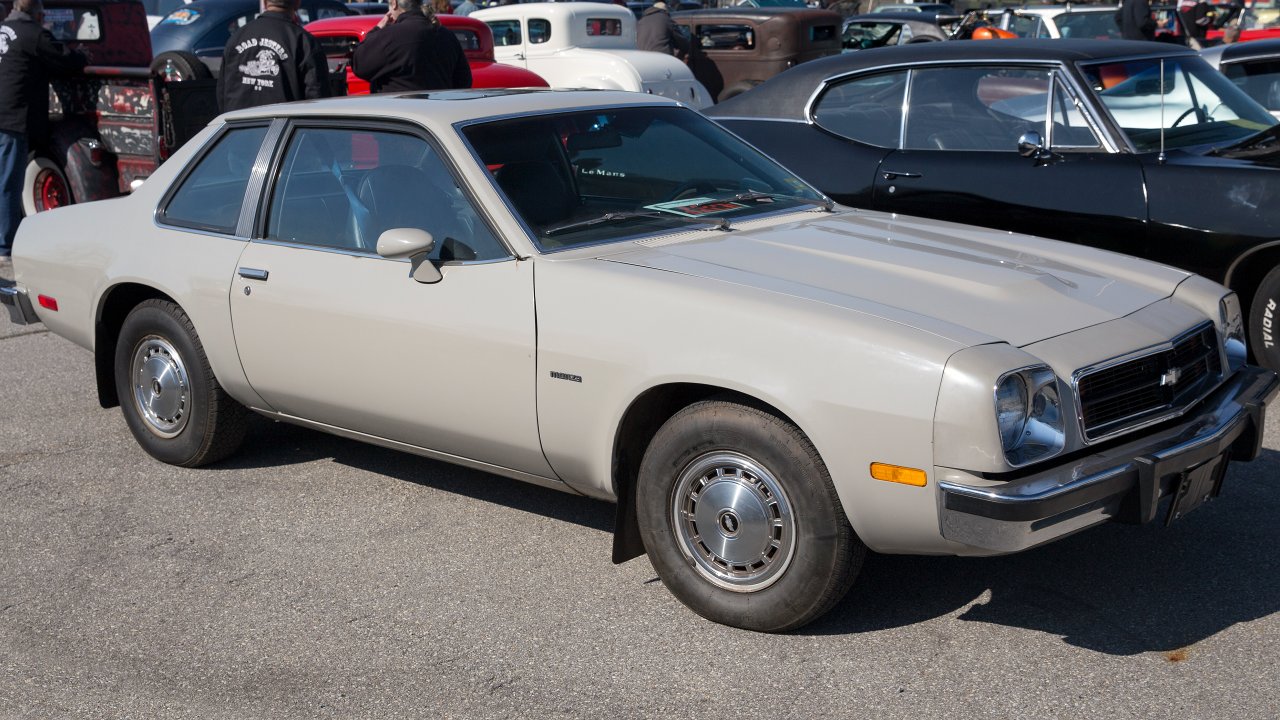
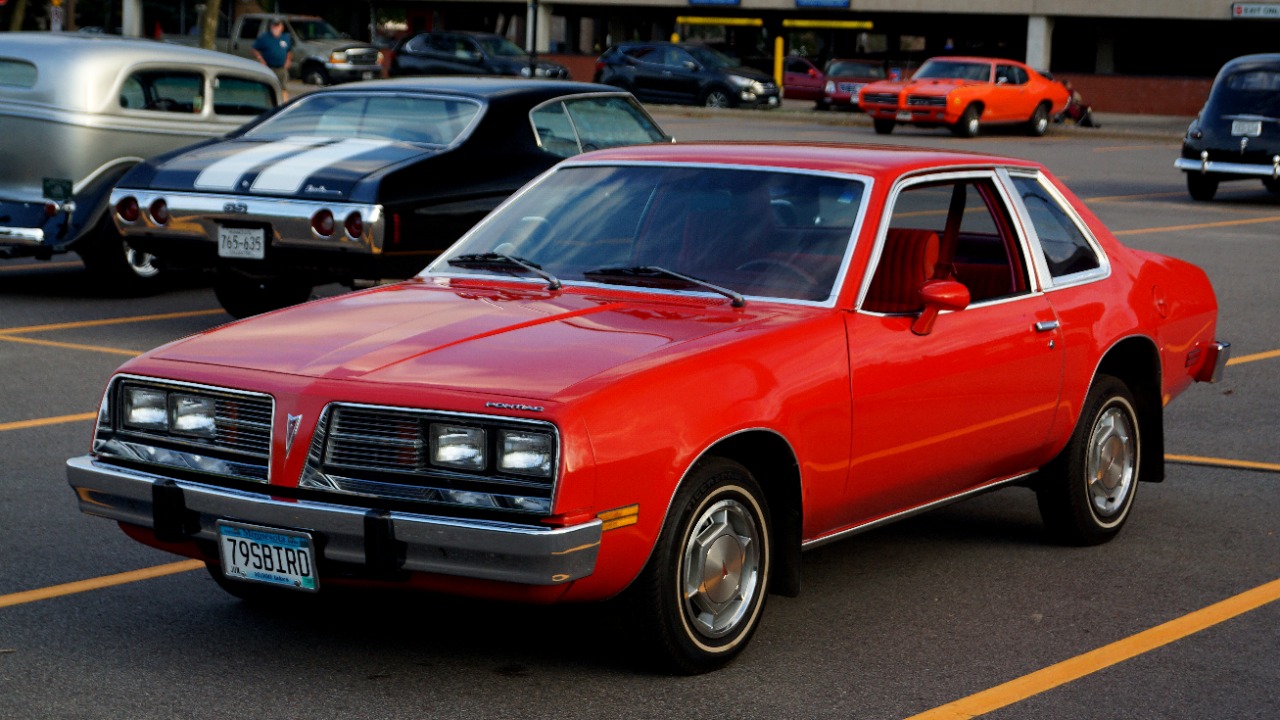
The Chevrolet Monza was an interesting example of Chevrolet adapting quickly to changing market conditions. Its sporty fastback design gave the compact coupe a more European flavor, while its platform could accommodate several different powertrain approaches. Chevrolet even explored rotary-engine applications during the Monza’s development era. Although the production car ultimately followed more conventional mechanical paths, its styling and packaging showed how rapidly Chevrolet was experimenting with smaller, sportier vehicles during the 1970s.
Chevrolet Vega
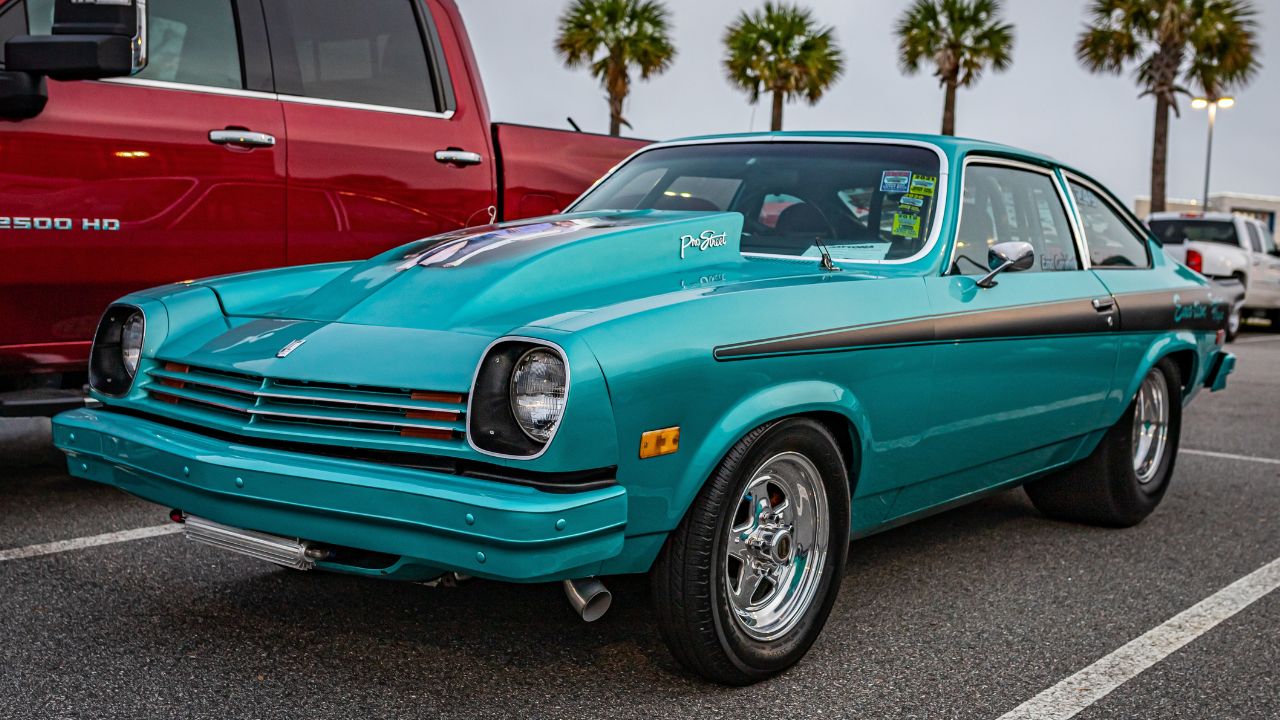
The Chevrolet Vega was designed around a compact, lightweight philosophy at a time when American manufacturers were beginning to face pressure from smaller imported cars. Its aluminum engine block was particularly ambitious, while its compact dimensions and lightweight body reflected a changing approach to American car design. The Vega had well-known durability problems, but its engineering ideas were significant. It represented Chevrolet’s attempt to move away from the traditional heavy American formula before downsized and efficiency-focused cars became unavoidable.
Chevrolet Chevette

The Chevrolet Chevette represented another major shift toward smaller, more efficient transportation. It was part of GM’s global T-car program and brought a much more compact rear-wheel-drive formula to American buyers. Its simple layout made it inexpensive to operate and relatively easy to maintain. The Chevette was hardly futuristic in appearance, but its size and economy reflected where the American market was heading. It showed Chevrolet adapting to a world where small cars could no longer be ignored.
Chevrolet Citation
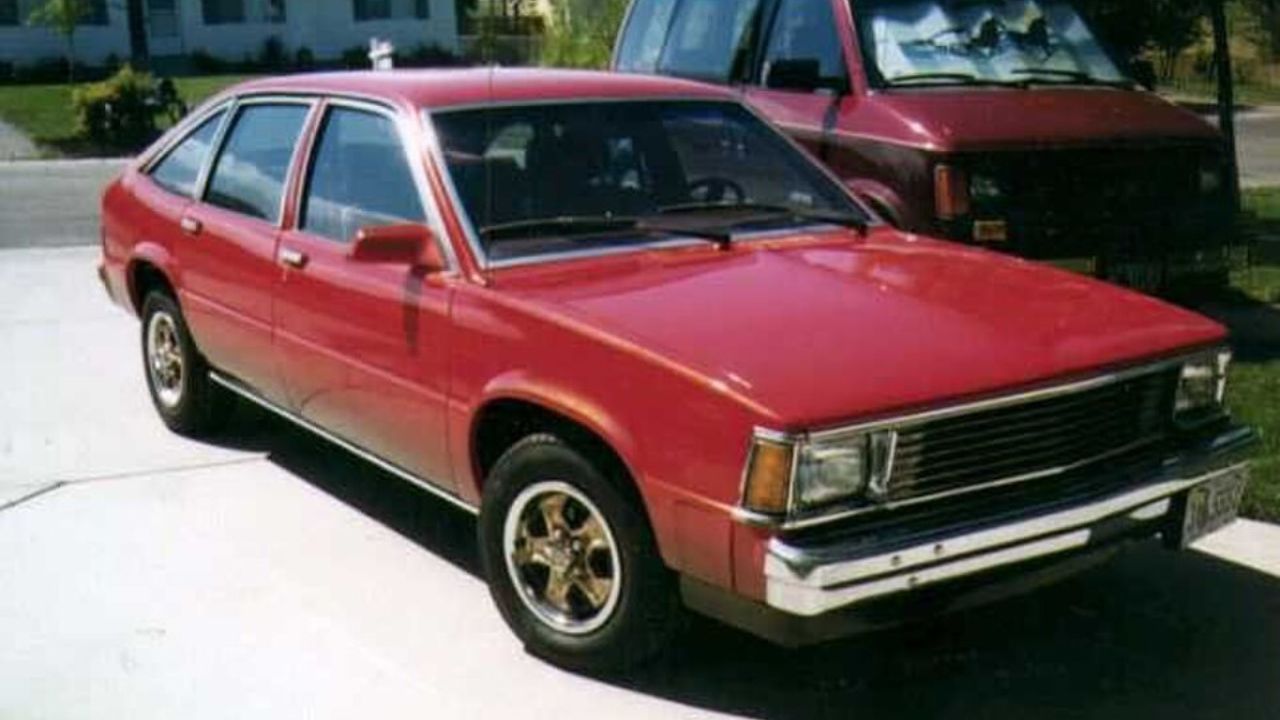
The Chevrolet Citation was a major departure from Chevrolet’s traditional approach to compact cars. It used front-wheel drive and a transverse engine layout, allowing the company to offer substantially more interior space without making the exterior especially large. This packaging concept would become standard across much of the industry. Although the Citation’s reputation suffered from quality and reliability issues, its basic architecture represented the future direction of mainstream American cars.
Chevrolet Citation X-11
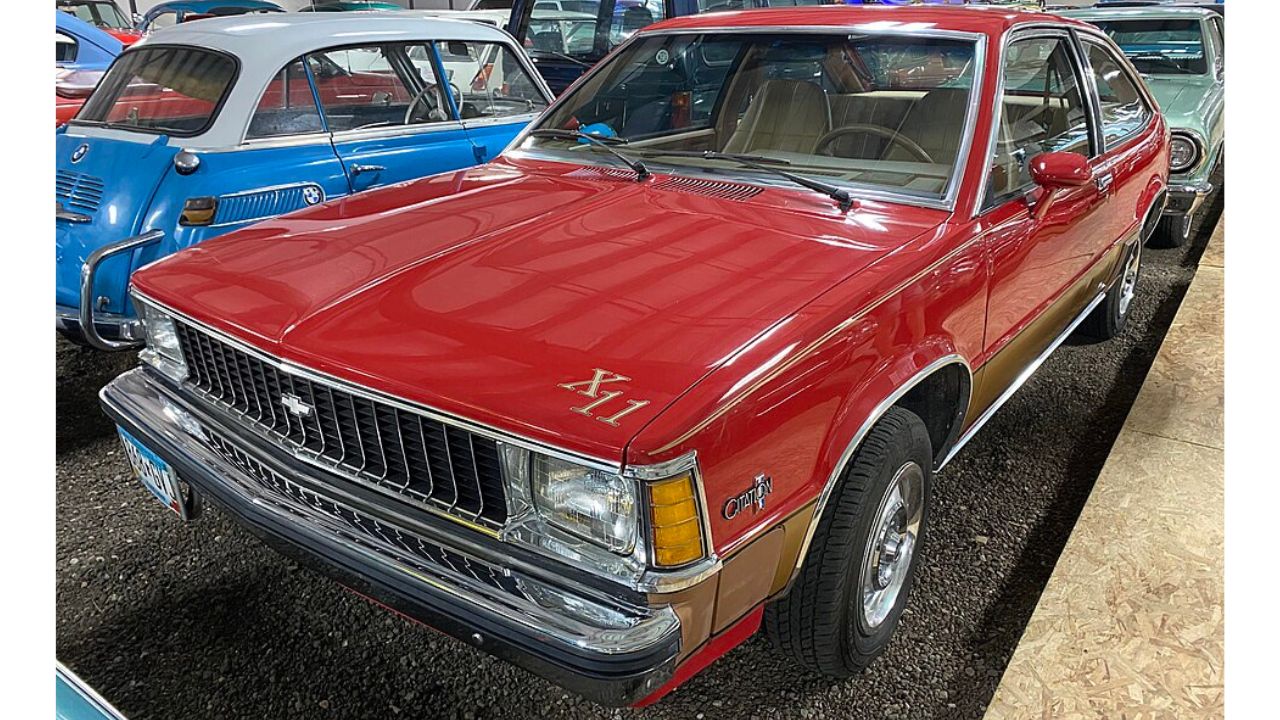
The Citation X-11 demonstrated how a practical front-wheel-drive compact could be turned into a surprisingly serious performance car. Chevrolet gave it a more powerful engine, sportier suspension tuning, quicker steering, and distinctive exterior details. More importantly, it showed that performance did not necessarily require a large rear-wheel-drive V8 coupe. The idea of combining compact dimensions, front-wheel drive, and genuine sporting ability became increasingly common in later decades.
Chevrolet S-10 Blazer
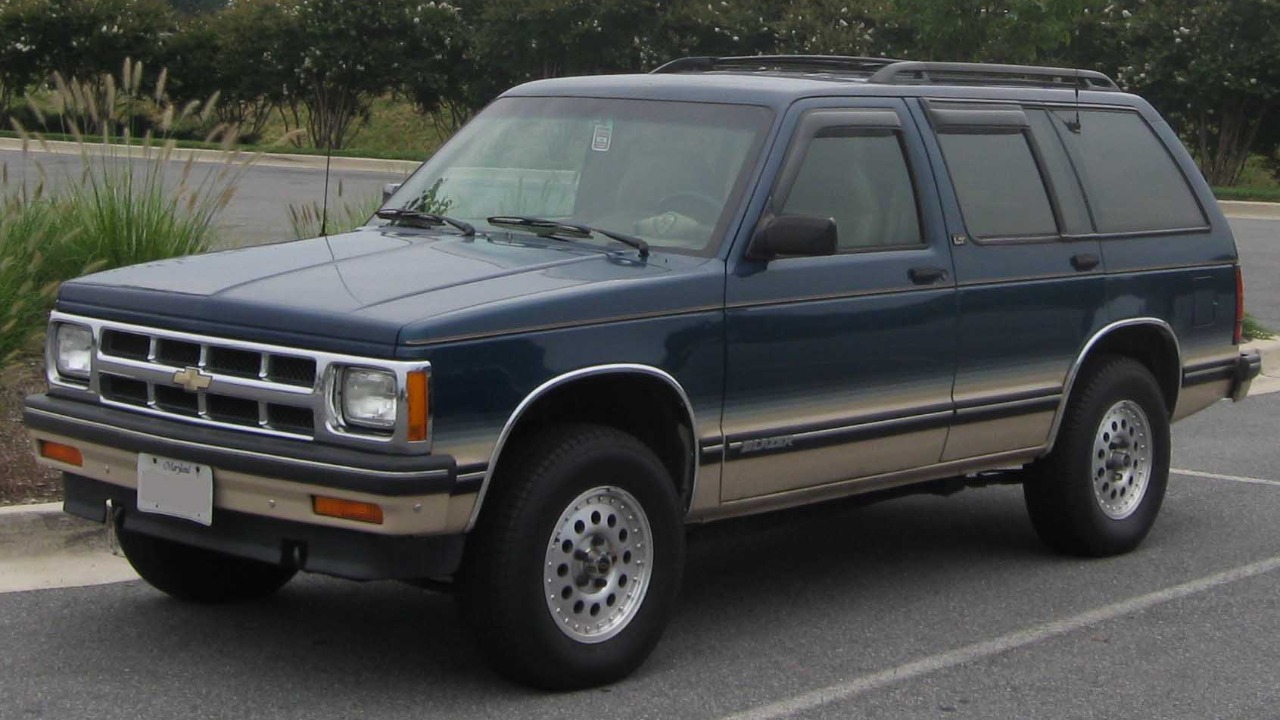
The S-10 Blazer helped bring sport-utility vehicles into a smaller and more manageable package. Instead of requiring buyers to choose a huge truck-based SUV, Chevrolet offered a compact vehicle that could handle everyday driving while retaining useful utility and four-wheel-drive capability. The formula proved extremely influential. Compact SUVs would eventually become one of the industry’s biggest categories, but the S-10 Blazer was already demonstrating the appeal of the idea decades earlier.
Chevrolet Astro

The Chevrolet Astro brought a different approach to the American van market. It was smaller than traditional full-size vans while still offering substantial interior space, making it useful for families and businesses alike. Its truck-based architecture also gave it more versatility than many car-derived minivans. The Astro occupied an interesting middle ground between a conventional van and a passenger vehicle, anticipating the wide range of multipurpose vehicles that would later dominate family transportation.
Chevrolet Lumina APV
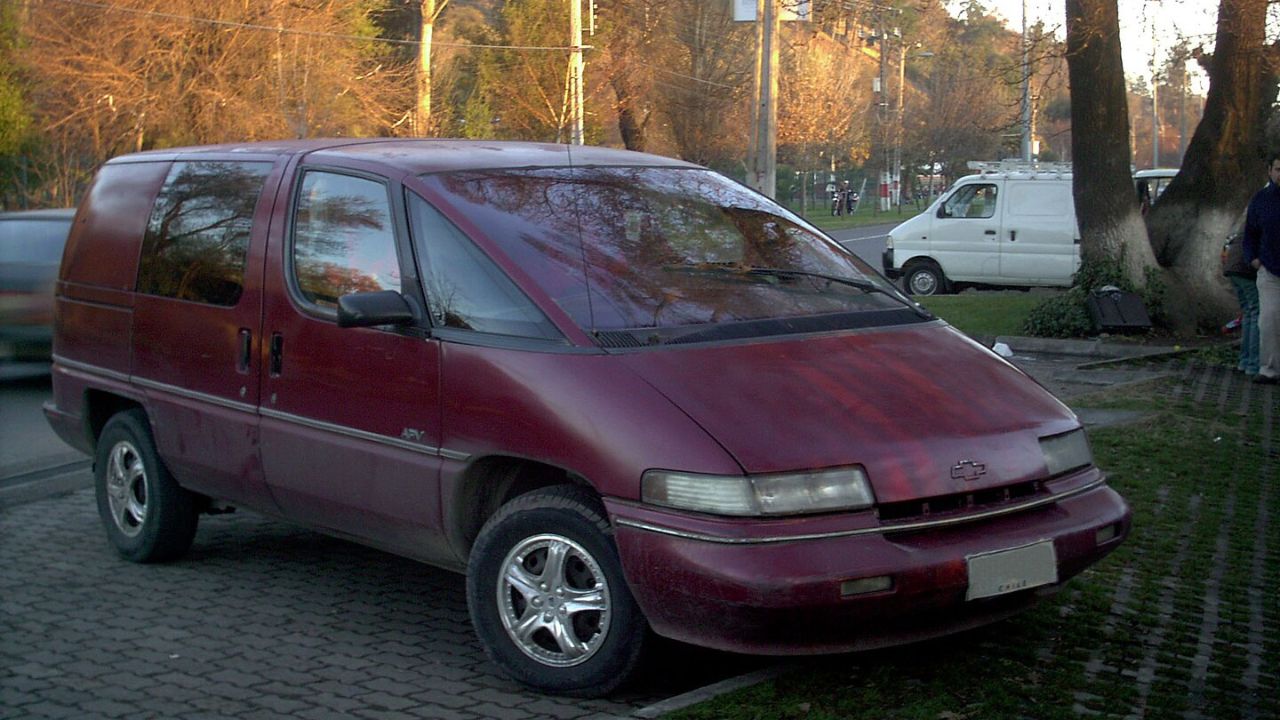
The Lumina APV looked almost futuristic when it arrived. Its sharply sloped windshield, tall body, and unusual proportions were unlike the traditional boxy vans that had dominated the market. Chevrolet used lightweight composite body panels and a front-wheel-drive platform, giving the van a spacious interior without requiring a conventional rear-drive layout. Its styling proved controversial, but the basic concept anticipated the increasingly aerodynamic and car-like minivans that followed.
Chevrolet El Camino
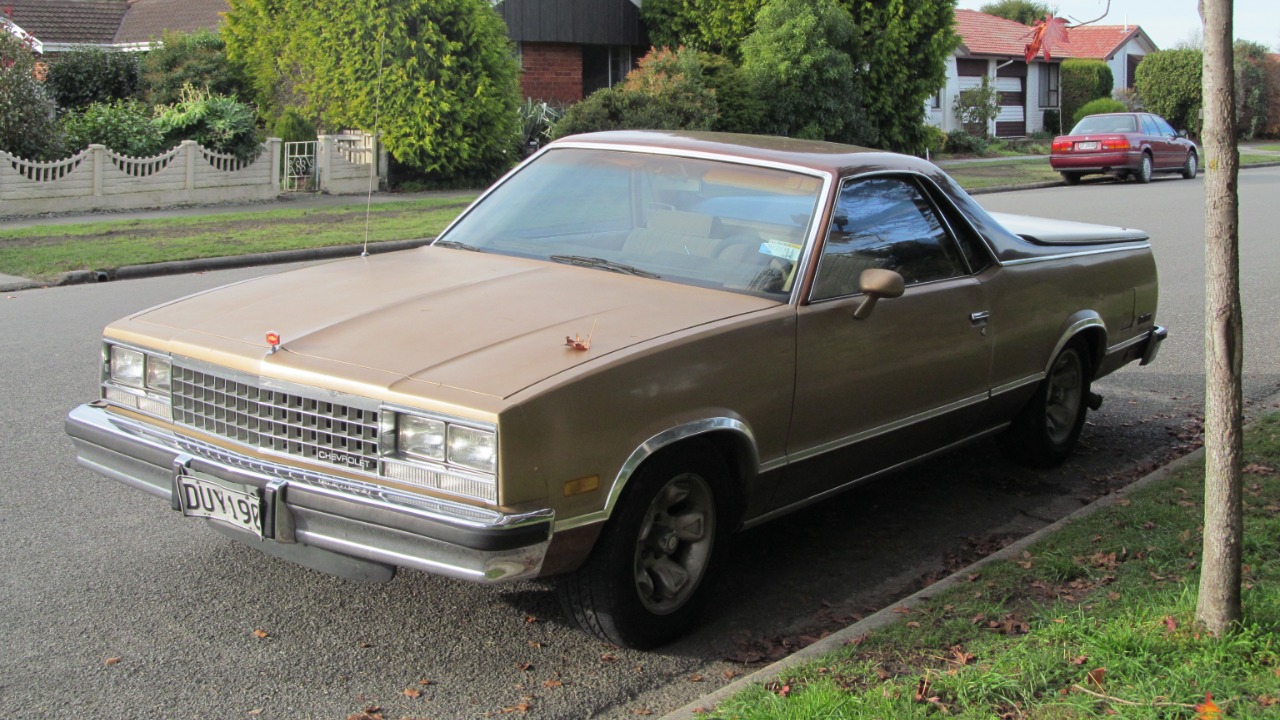
The El Camino blurred the boundary between passenger car and pickup long before that idea became fashionable. It offered a car-like front cabin and driving experience combined with an open cargo bed, creating a vehicle that could serve both personal and practical purposes. Chevrolet’s approach was unusual enough to develop a devoted following. The idea of combining lifestyle appeal with useful cargo capability would eventually become common across several segments, but the El Camino was doing it decades earlier.
Chevrolet Camaro

The first-generation Camaro arrived as Chevrolet’s answer to the growing popularity of compact sporty cars. Its relatively compact dimensions compared with full-size American performance cars made it more maneuverable, while the wide range of engines and configurations allowed buyers to choose everything from economical transportation to serious performance. The Camaro helped establish the pony-car formula as a major part of Chevrolet’s identity. Its influence extended well beyond the original generation.
Chevrolet Corvette Sting Ray
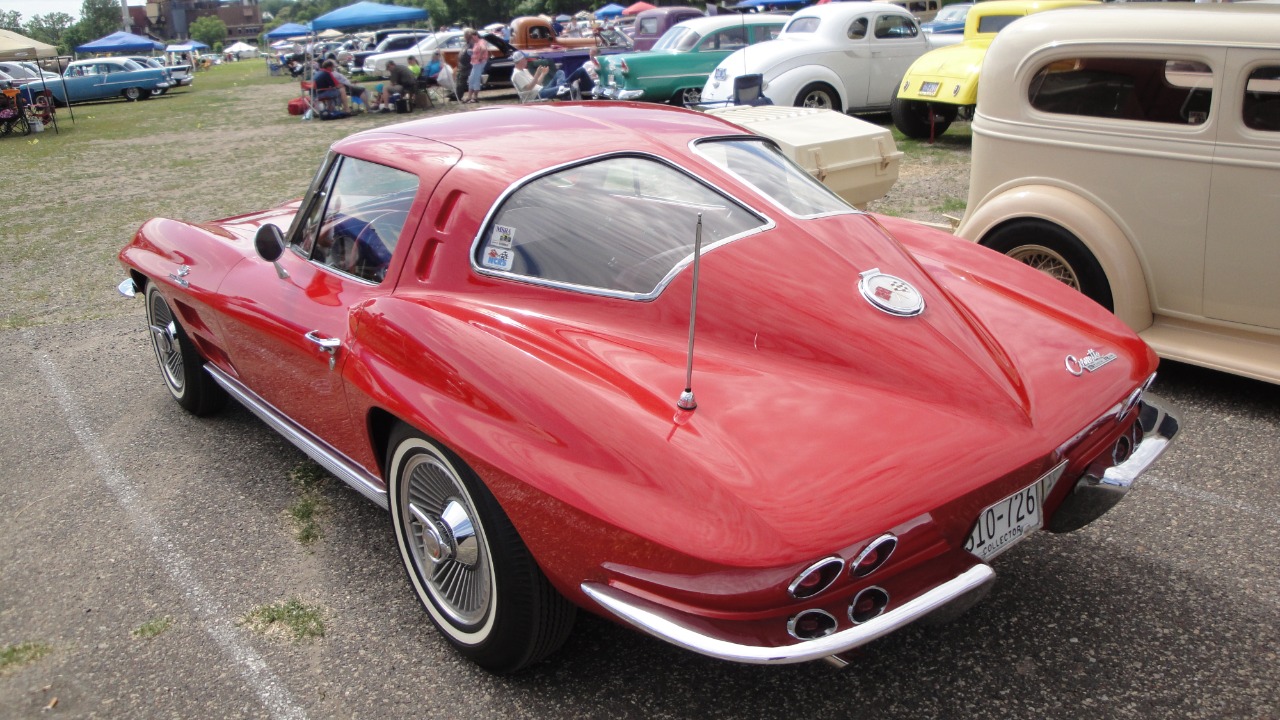
The second-generation Corvette Sting Ray pushed Chevrolet’s sports-car design into a new era. Its independent rear suspension represented a major engineering improvement, while the split-window fastback gave the coupe an unmistakable appearance. The car combined American V8 power with a much more sophisticated chassis than many domestic performance cars of the period. Its design and engineering made the Sting Ray look and feel like a glimpse of where the Corvette could go next.
Chevrolet Aerovette
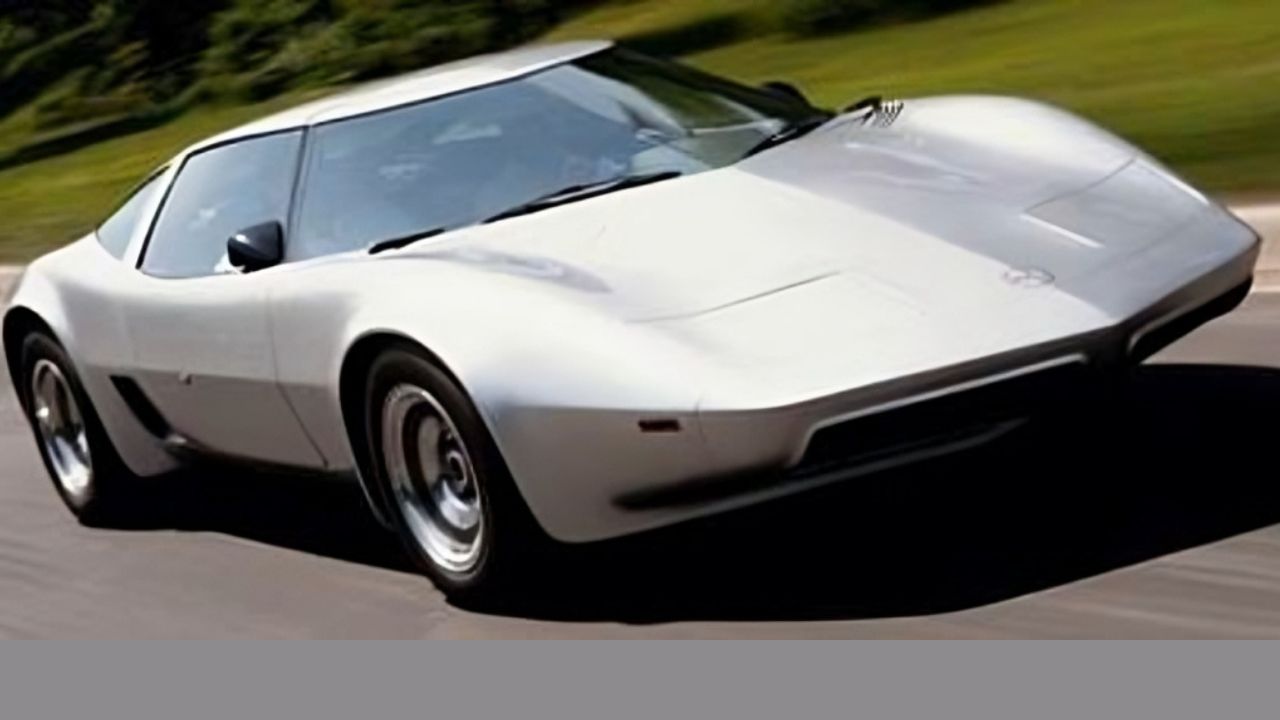
The Aerovette was never a production car, but it demonstrated just how far Chevrolet’s engineers were willing to look into the future. The concept explored a mid-engine layout years before that arrangement became reality on a production Corvette. It also experimented with rotary-engine technology, gullwing doors, aerodynamic bodywork, and a digital instrument display. Chevrolet ultimately abandoned the rotary program, but the Aerovette remained an important preview of ideas that would eventually appear in later sports cars.
Chevrolet Impala
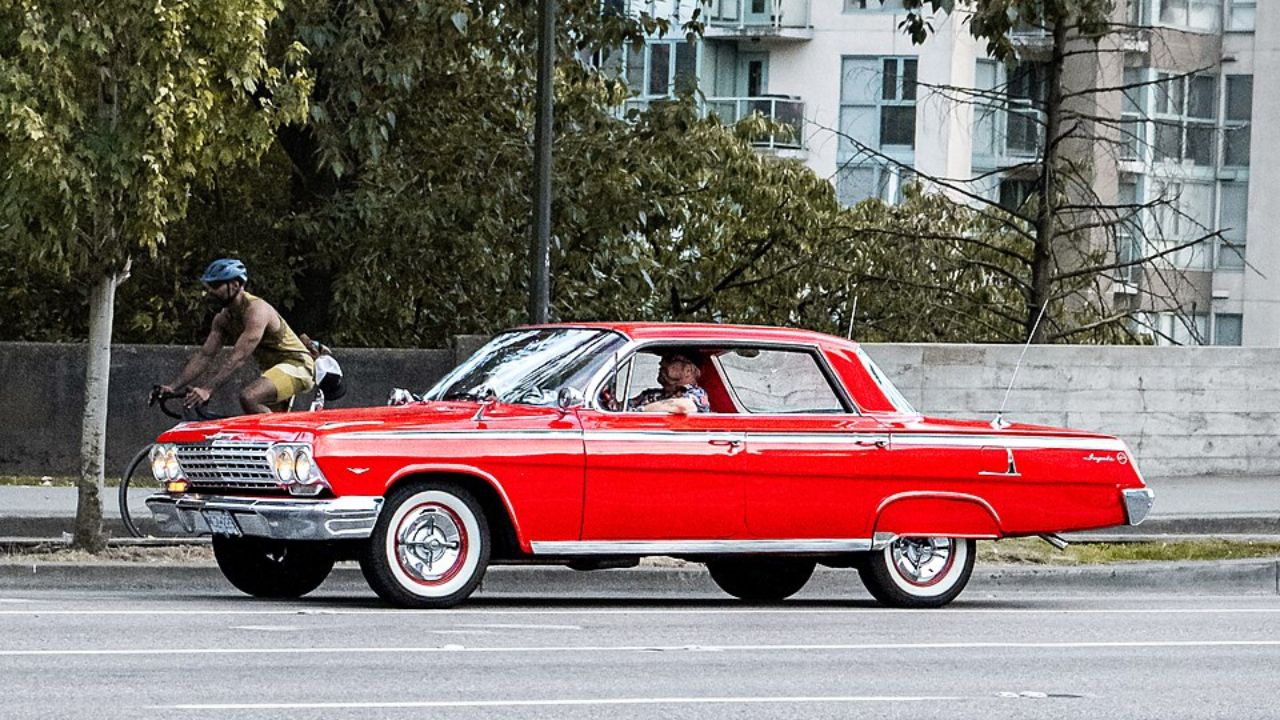
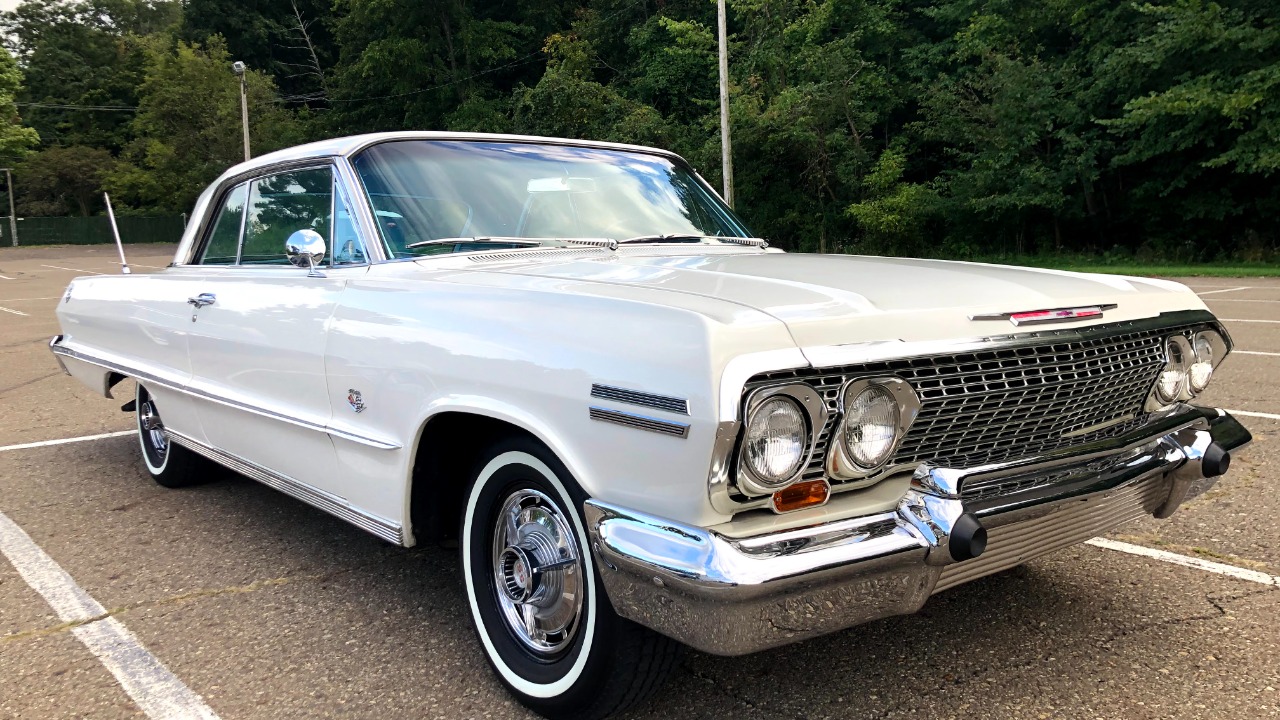
The Chevrolet Impala helped move the American full-size car toward a more carefully packaged and aspirational design. When it arrived, Chevrolet positioned it as a stylish flagship within its regular passenger-car range, combining dramatic styling with increasingly sophisticated equipment. The model became enormously successful, but its importance was not simply sales volume. It demonstrated how a mainstream Chevrolet could combine family practicality, strong performance options, and a premium-looking presentation without becoming a separate luxury brand.
Chevrolet Volt

The Chevrolet Volt was one of the clearest examples of Chevrolet looking beyond the traditional gasoline car. Its extended-range electric drivetrain allowed the vehicle to operate electrically while retaining a gasoline engine for longer trips, addressing concerns about limited range during the early modern EV era. Its aerodynamic development and dedicated battery and power-control systems represented a substantial engineering effort. The Volt’s technology was sufficiently unconventional that SAE International described it as one of the most technologically innovative vehicles of its period.
More from Fast Lane Only
- Unboxing the WWII Jeep in a Crate
- 15 rare Chevys collectors are quietly buying
- 10 underrated V8s still worth hunting down
- Police notice this before you even roll window down
*Research for this article included AI assistance, with all final content reviewed by human editors.