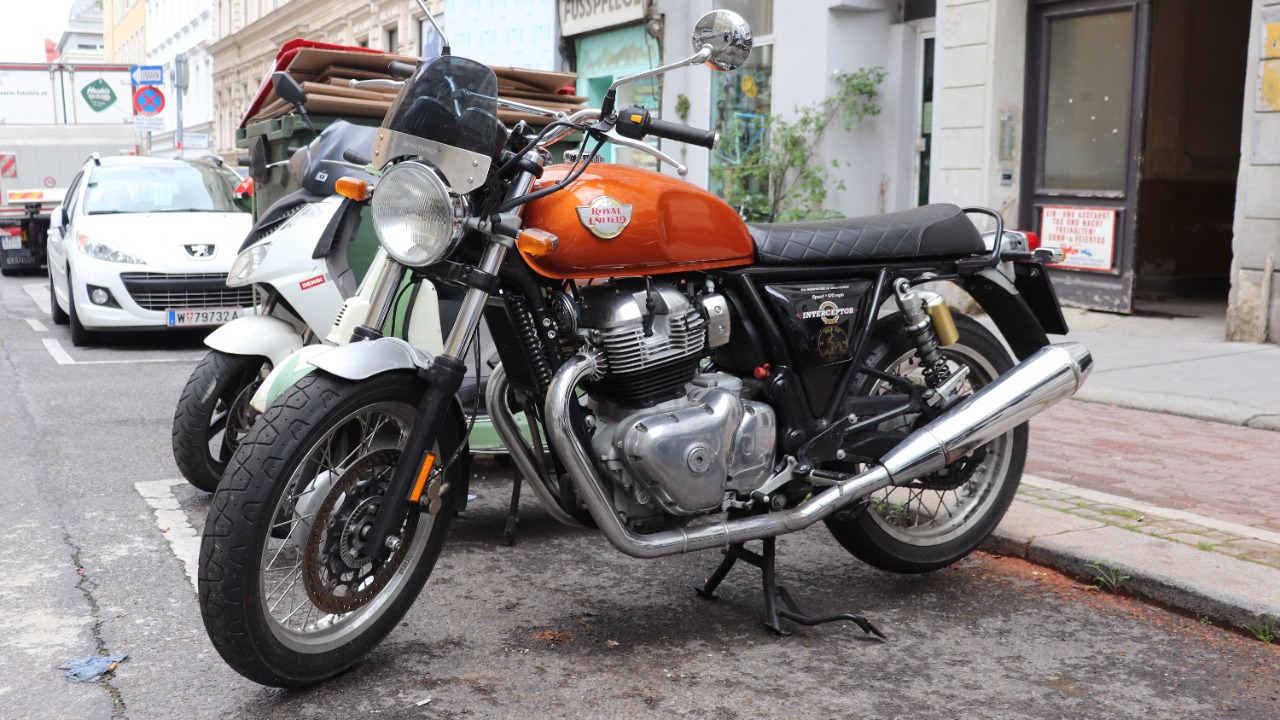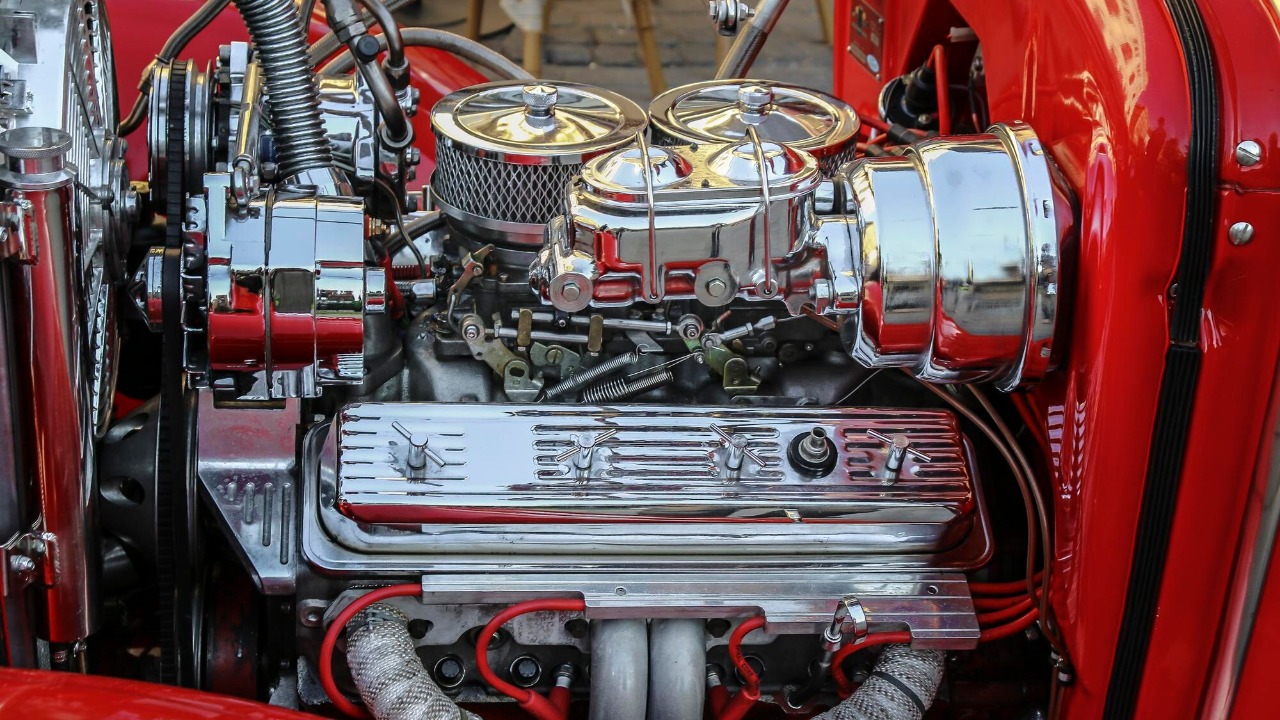
Some engines are valuable because they are famous, while others become desirable because fewer survive every year. Collectors have started paying closer attention to engines that once seemed ordinary, rare factory combinations, and legendary powerplants that defined important eras. These are 19 engines quietly becoming prized pieces of automotive history.
426 Hemi
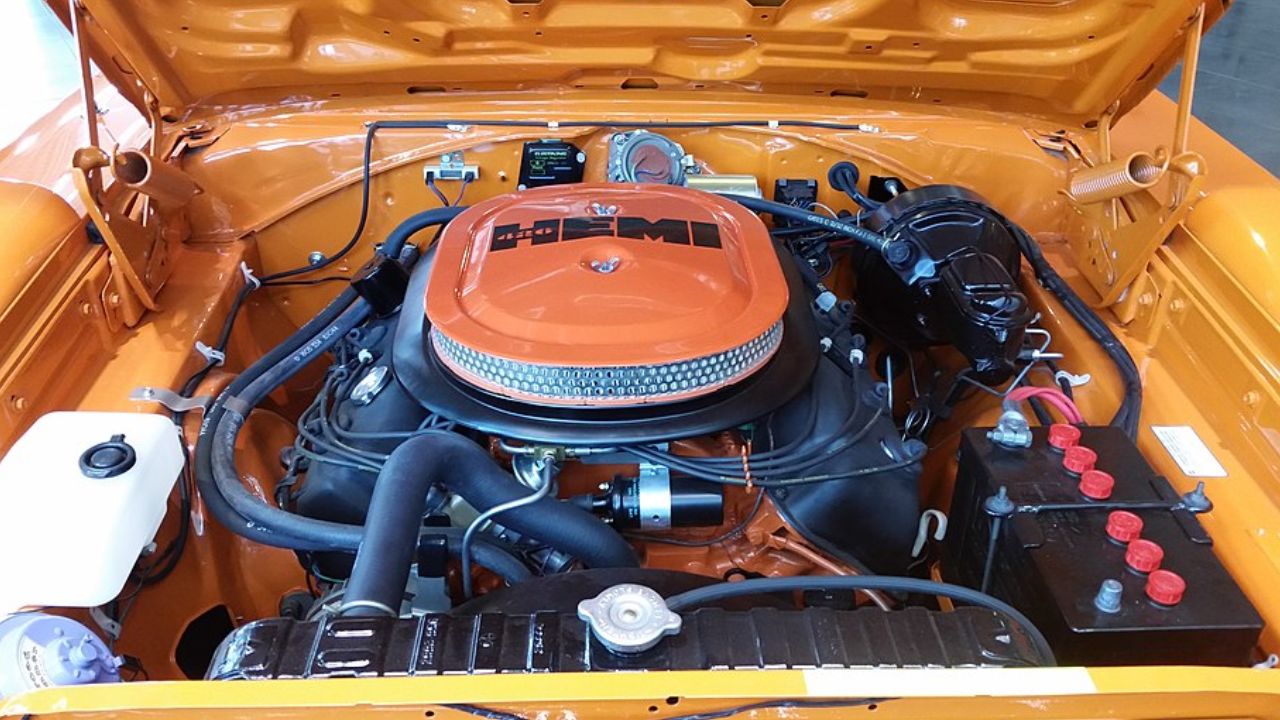
The 426 Hemi remains one of the most desirable American performance engines ever built. Its hemispherical combustion chambers, impressive power potential, and connection to Chrysler’s muscle-car era make it highly collectible. Original examples, especially correctly dated engines with desirable factory specifications, can command serious attention from enthusiasts restoring classic Mopars.
440 Six Pack
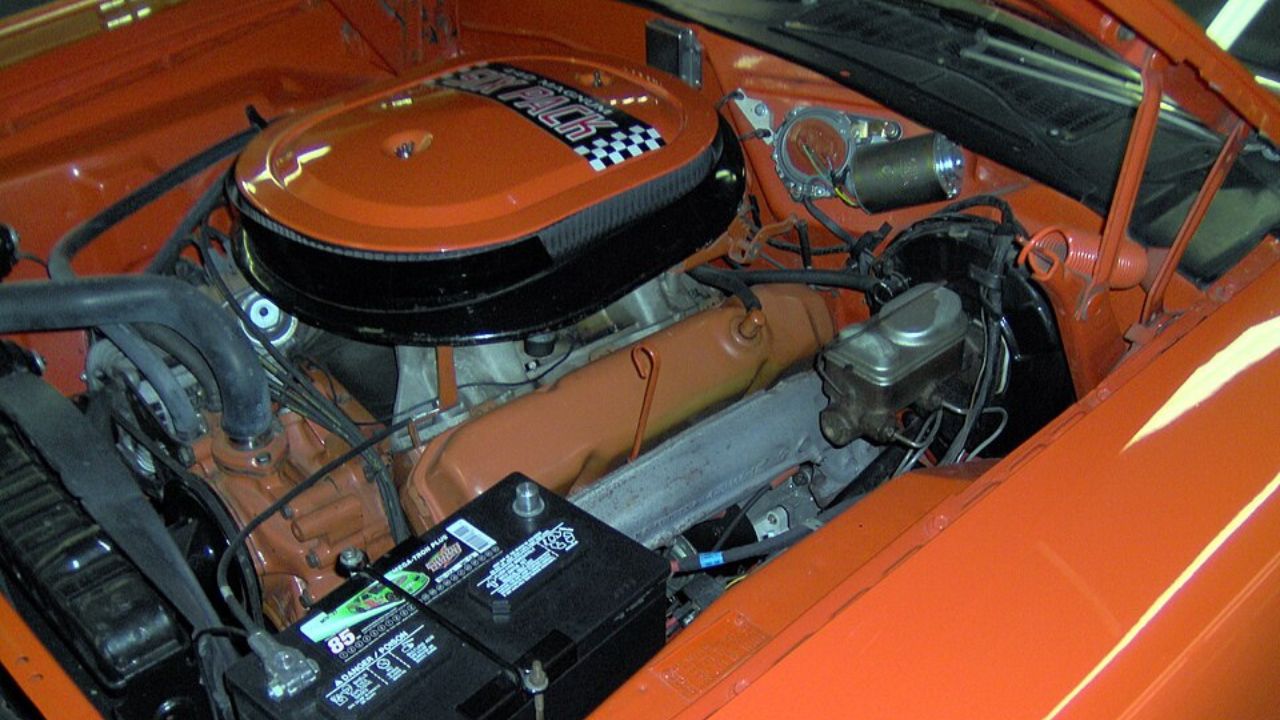
The 440 Six Pack combined Chrysler’s big-block displacement with a trio of two-barrel carburetors. It offered enormous torque and became closely associated with high-performance Mopars such as the Road Runner and Super Bee. Complete, correctly equipped examples are increasingly difficult to find, encouraging collectors to preserve them rather than modify them.
340 Six Pack
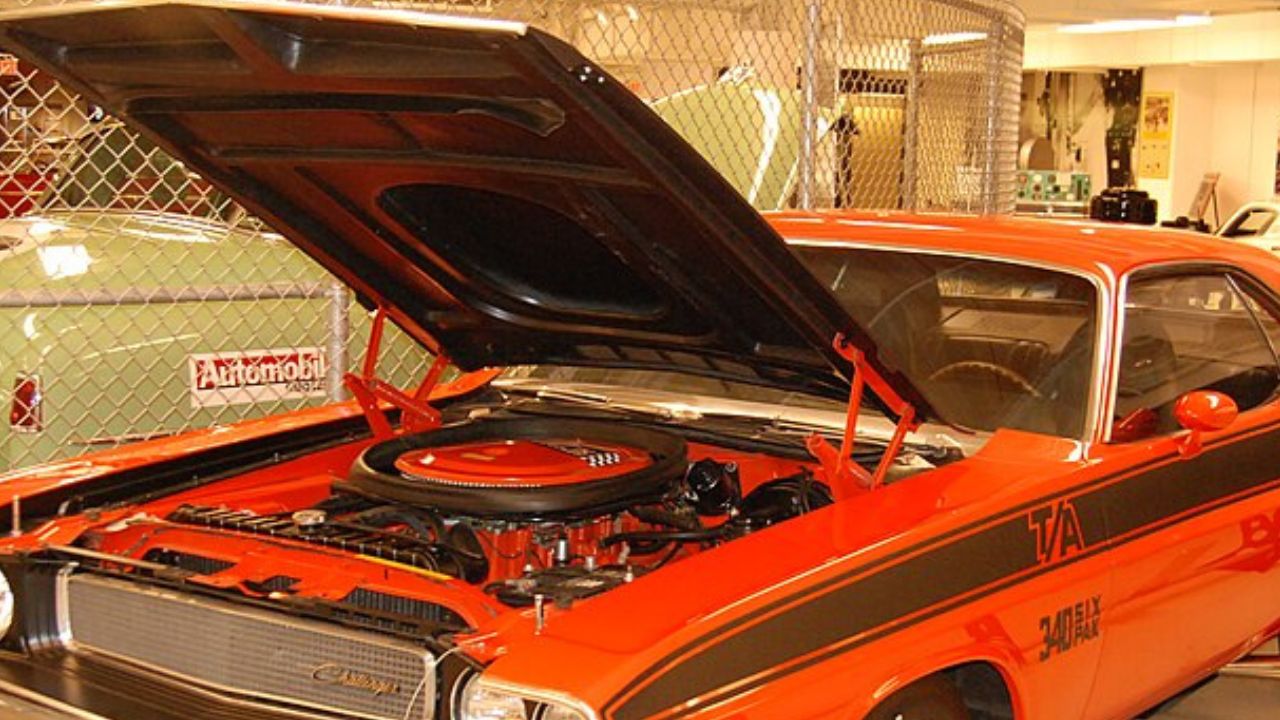
The 340 Six Pack, also known as the 340 Six Barrel in Plymouth applications, was a special high-performance small-block. Produced for a limited period, it used three two-barrel carburetors to improve breathing and performance. Its rarity, compact dimensions, and strong connection to early-1970s Mopar performance make original examples particularly interesting to collectors.
Ford 427 SOHC
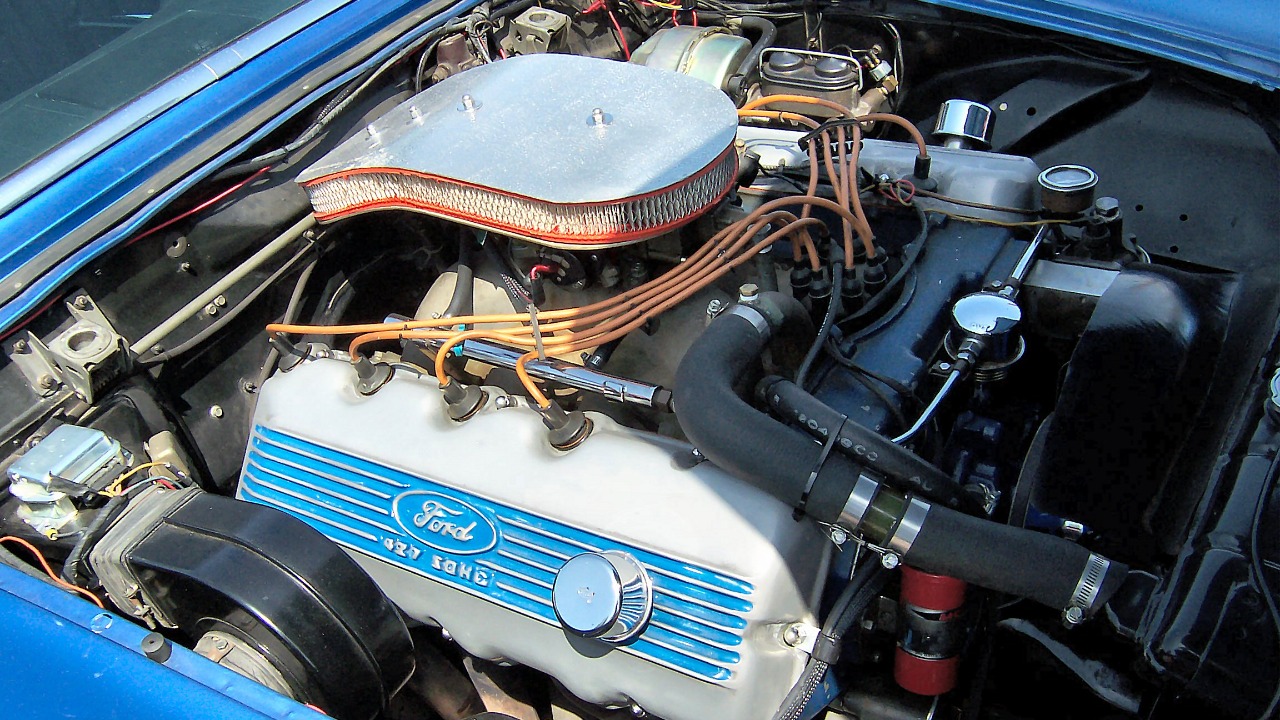
Ford’s 427 SOHC was one of the wildest American racing engines of the 1960s. Its single-overhead-camshaft design was created primarily for competition and NASCAR applications. Very few genuine examples exist today, and their historical importance makes them far more than simple old engines. They are pieces of Ford racing history.
Ford 427 FE

The 427 FE became legendary through Ford’s racing programs and powerful street applications. It powered famous machines including the Shelby Cobra and Ford Galaxie-based competition cars. Original 427 blocks, heads, and complete engines are highly desirable because many were used hard in competition, leaving comparatively few authentic examples for collectors today.
Ford 289 Hi-Po
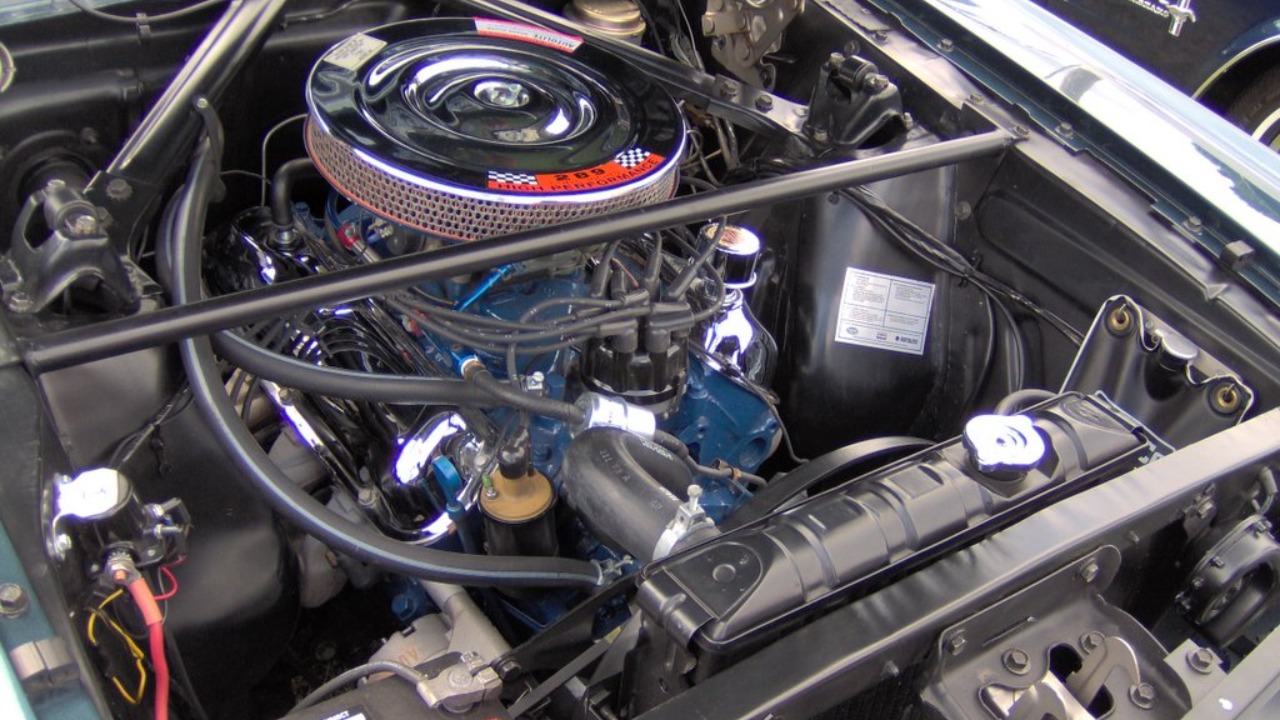
The 289 High Performance engine gave the early Mustang a serious performance advantage without requiring massive displacement. With solid-lifter heads, stronger internal components, and a higher-revving character, it became a favorite among Ford enthusiasts. Original Hi-Po engines are increasingly valuable because finding one that remains complete and correctly equipped is difficult.
Ford 351 Cleveland 4V
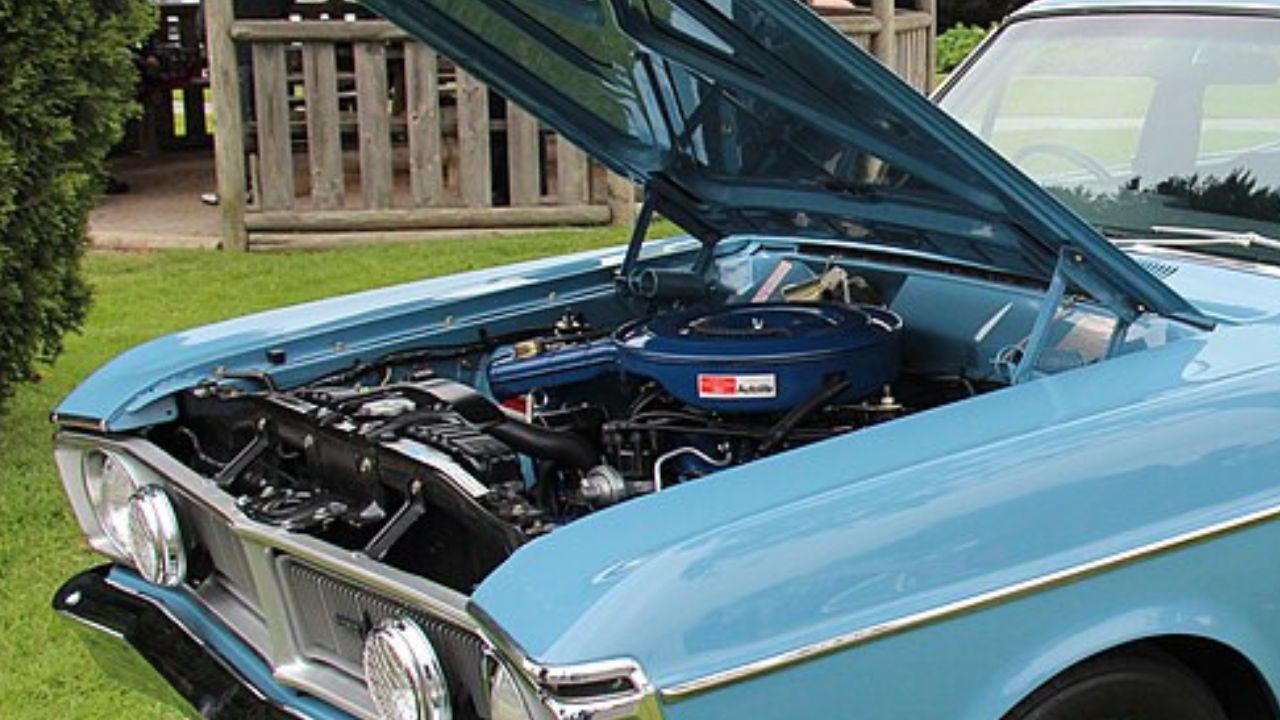
The 351 Cleveland 4V is remembered for its large-port cylinder heads and strong high-rpm breathing ability. It became one of Ford’s most recognizable performance small-blocks during the muscle-car era. Collectors particularly value original 4V versions because the desirable heads and blocks are increasingly sought after for authentic restorations and period-correct builds.
Pontiac 455 Super Duty
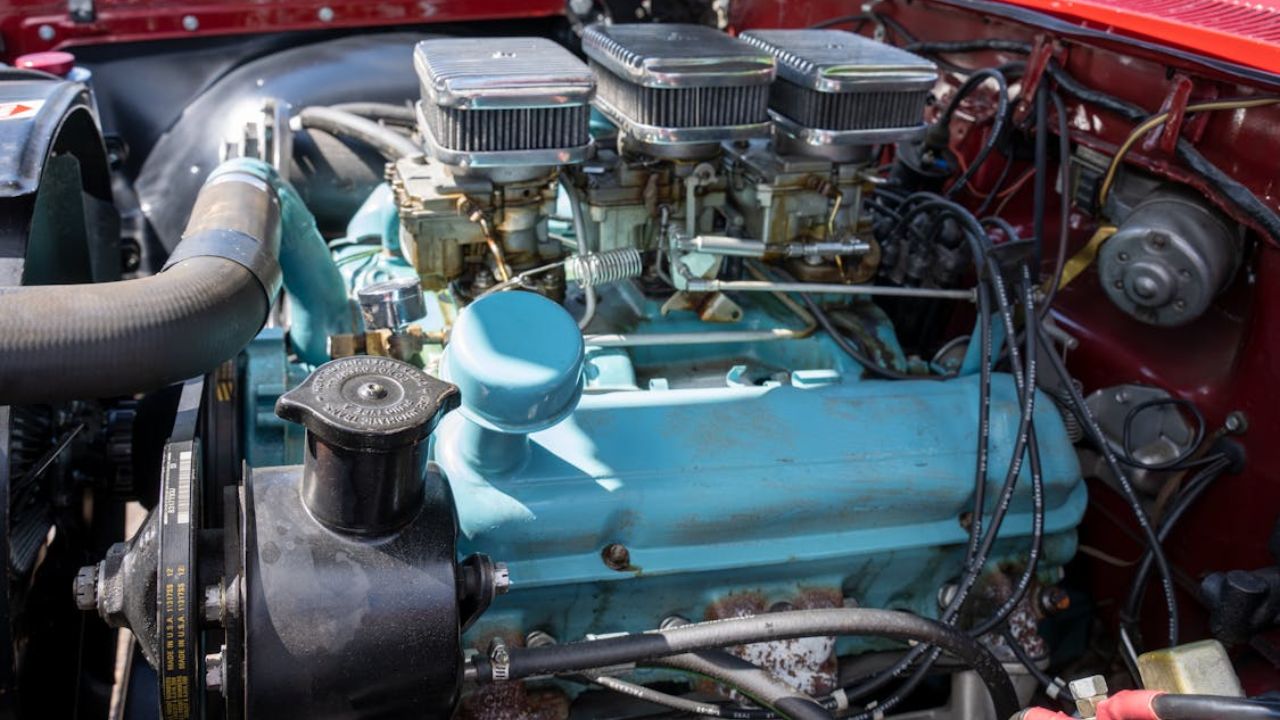
Pontiac’s 455 Super Duty arrived when the traditional muscle-car era was already fading. Despite tightening emissions requirements, Pontiac developed a formidable performance engine with heavy-duty components and impressive torque. Its limited production and late-muscle-car status have made genuine Super Duty engines extremely collectible among Pontiac enthusiasts.
Buick 455 Stage 1
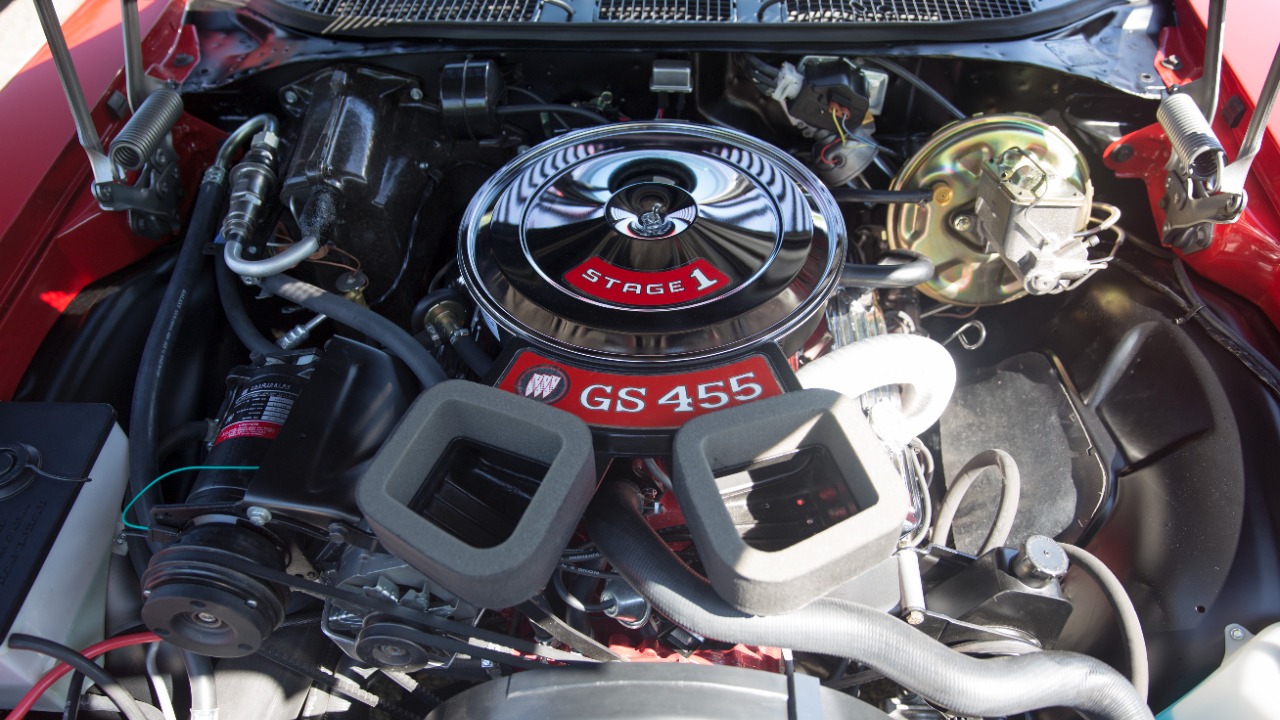
Buick’s 455 Stage 1 was built to deliver huge torque while maintaining the refined character associated with Buick. It powered cars such as the GS 455 and GSX during the muscle-car era. Genuine Stage 1 engines are increasingly sought after because they represent one of Buick’s most important factory performance combinations.
Chevrolet 409
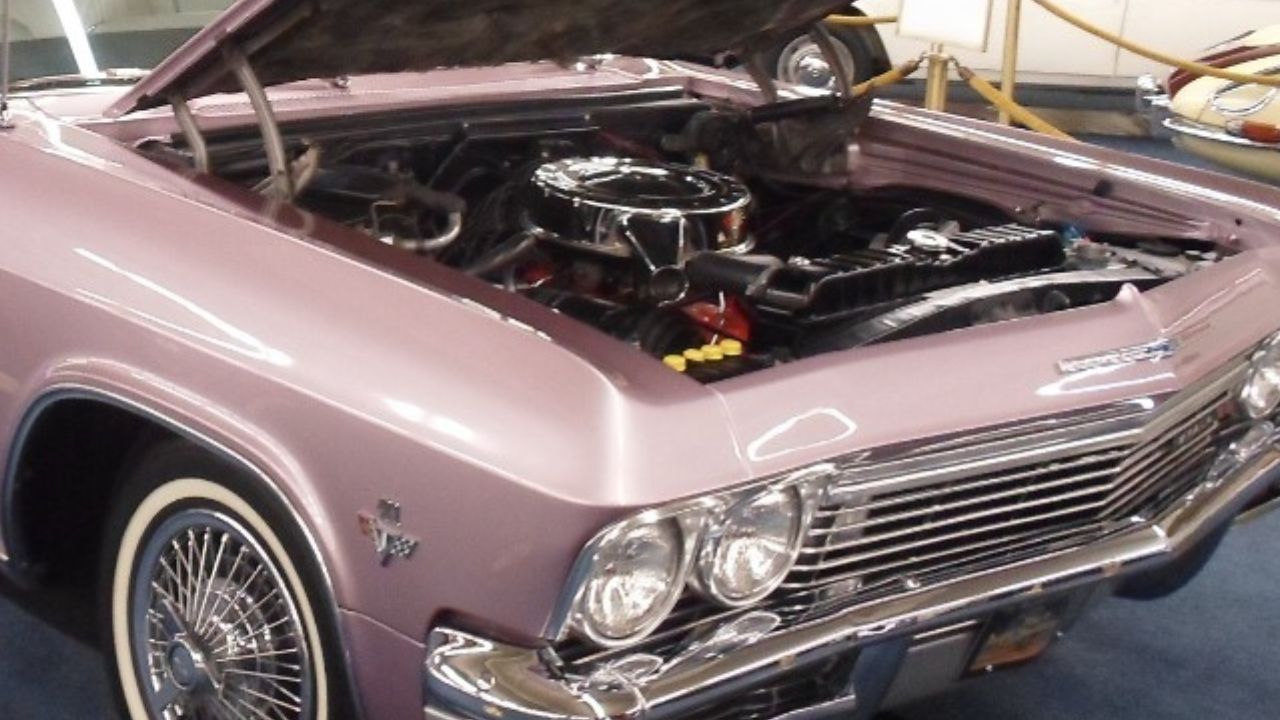
The Chevrolet 409 became famous through its unusual appearance and strong performance in the early 1960s. It powered full-size Chevrolets before the company shifted toward later big-block designs. Its cultural significance, limited availability in desirable configurations, and connection to early Chevrolet performance have made original 409 engines increasingly attractive to collectors.
Chevrolet 427 L88

The Chevrolet 427 L88 was essentially a competition engine offered through Chevrolet’s performance program. It featured high-performance components and was designed for serious racing rather than ordinary street use. Because production numbers were extremely low, authentic L88 engines are among the most valuable Chevrolet big-blocks and are carefully preserved whenever they can be verified.
Chevrolet 302 Z/28
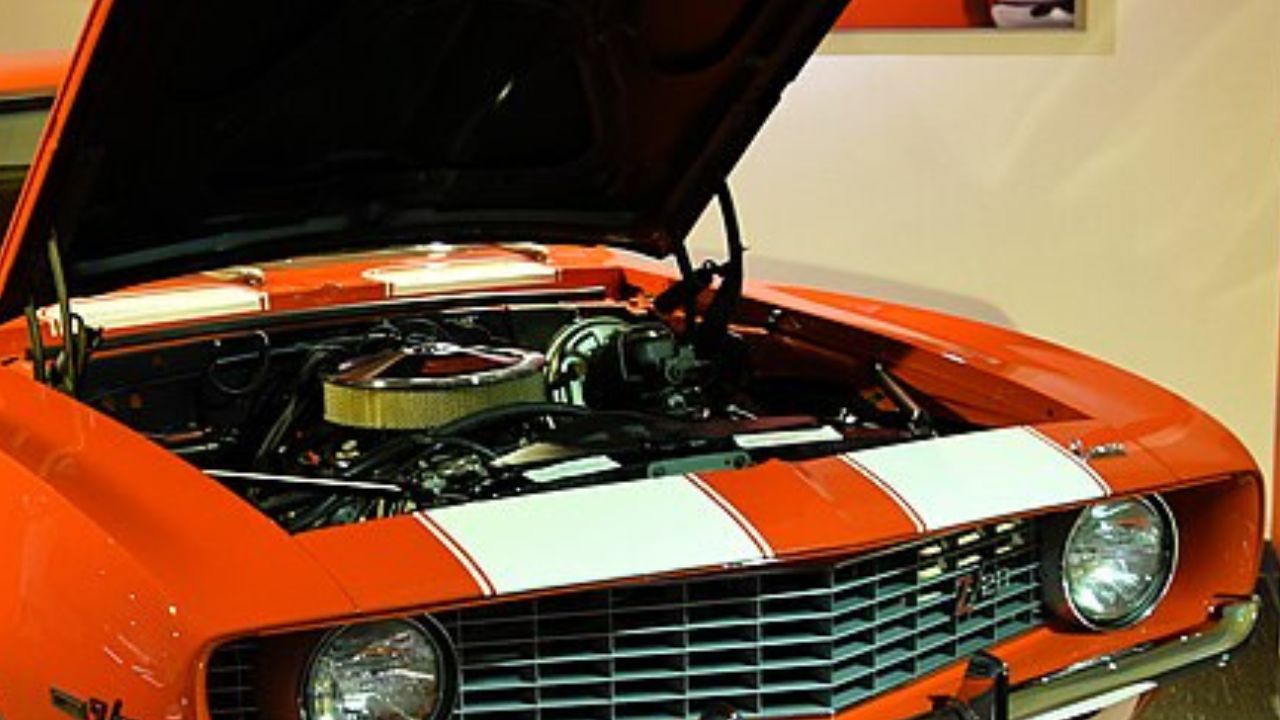
The Chevrolet 302 used in early Camaro Z/28 models was created to meet racing requirements that limited engine displacement. It combined a relatively small displacement with a high-revving personality and strong performance components. Original 302 engines are highly prized because they are closely tied to the first-generation Z/28 and its racing heritage.
Chevrolet LS6 454
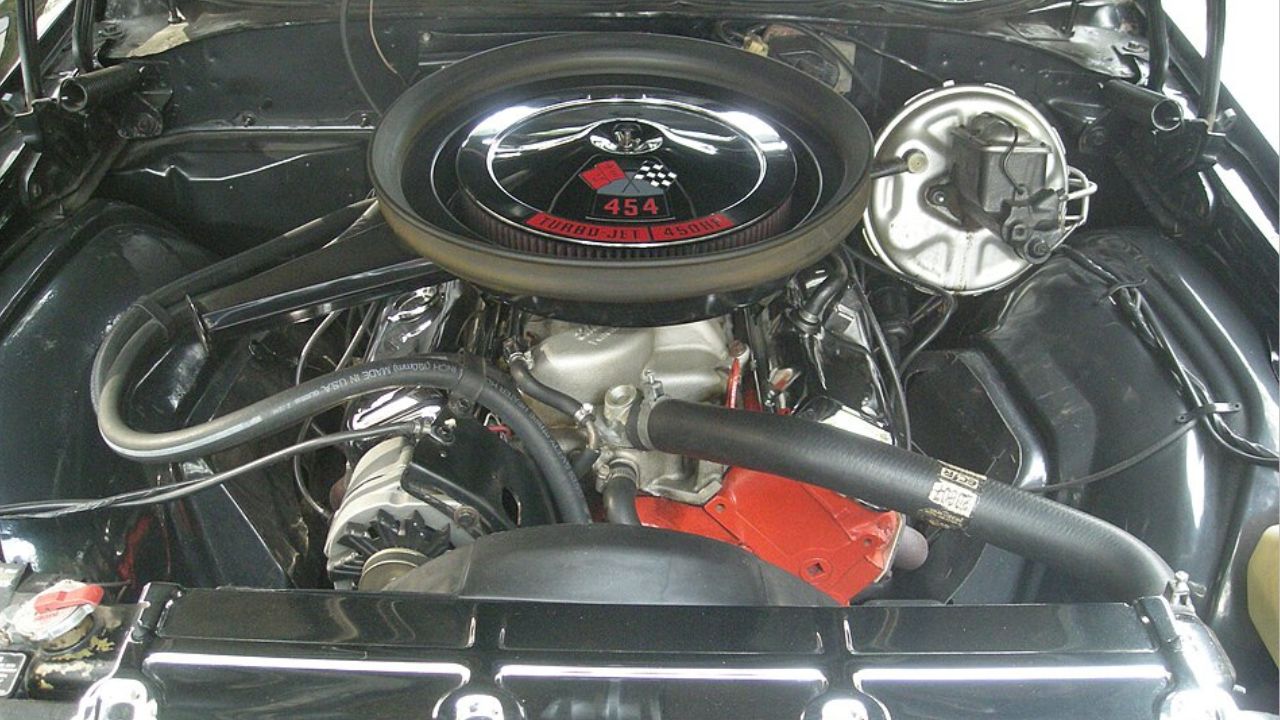
The LS6 454 represented the peak of Chevrolet’s big-block street performance during the muscle-car era. Rated at 450 horsepower for 1970, it powered the Chevelle SS 454 and became legendary for its combination of displacement and power. Original LS6 engines remain highly desirable, particularly when their factory components remain intact.
Chrysler 340
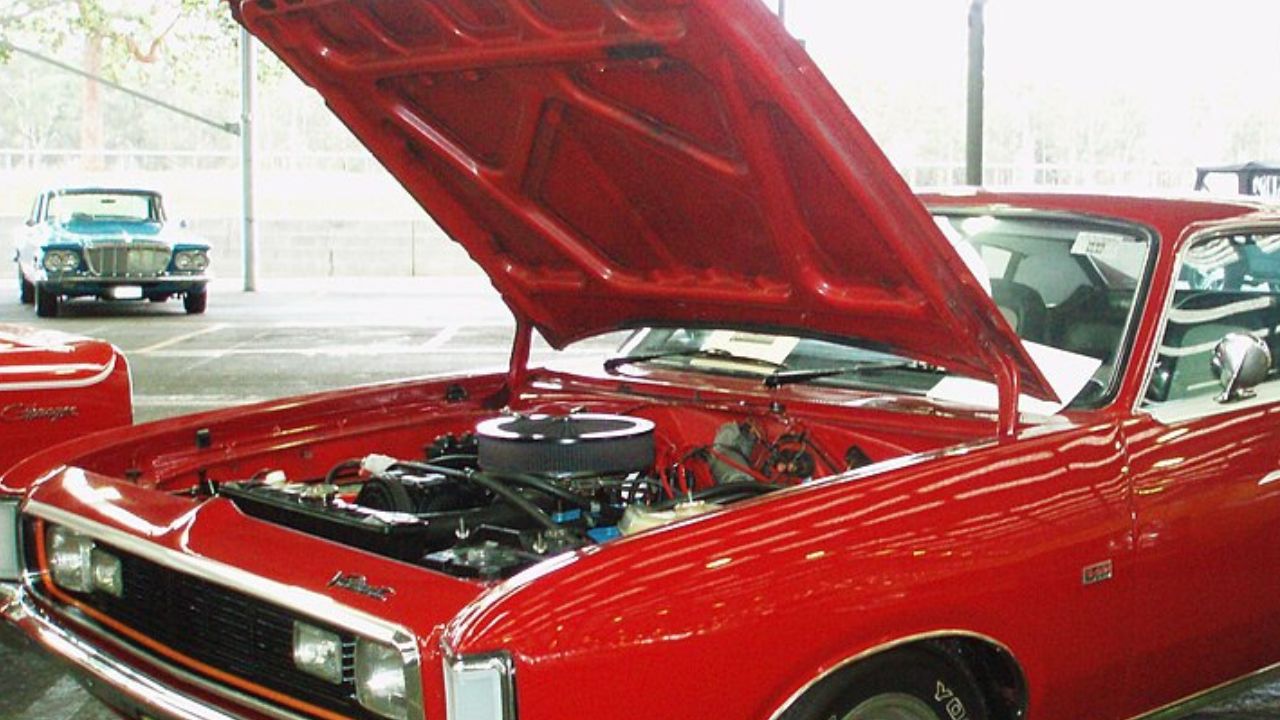
The Chrysler 340 became one of the most respected small-block Mopar engines of the muscle-car period. It delivered strong performance without the weight of Chrysler’s largest big-blocks. Its popularity in cars such as the Dodge Challenger, Plymouth Duster, and Barracuda has helped make correct original engines increasingly important to restoration-focused collectors.
AMC 401

AMC’s 401 V8 never achieved the mainstream recognition of Chevrolet or Ford engines, but that rarity is part of its appeal today. It powered performance-oriented AMC vehicles including the Javelin, AMX, and Jeep applications. Collectors interested in unusual American powerplants increasingly seek original 401 blocks and complete engine assemblies.
Pontiac 400 Ram Air IV
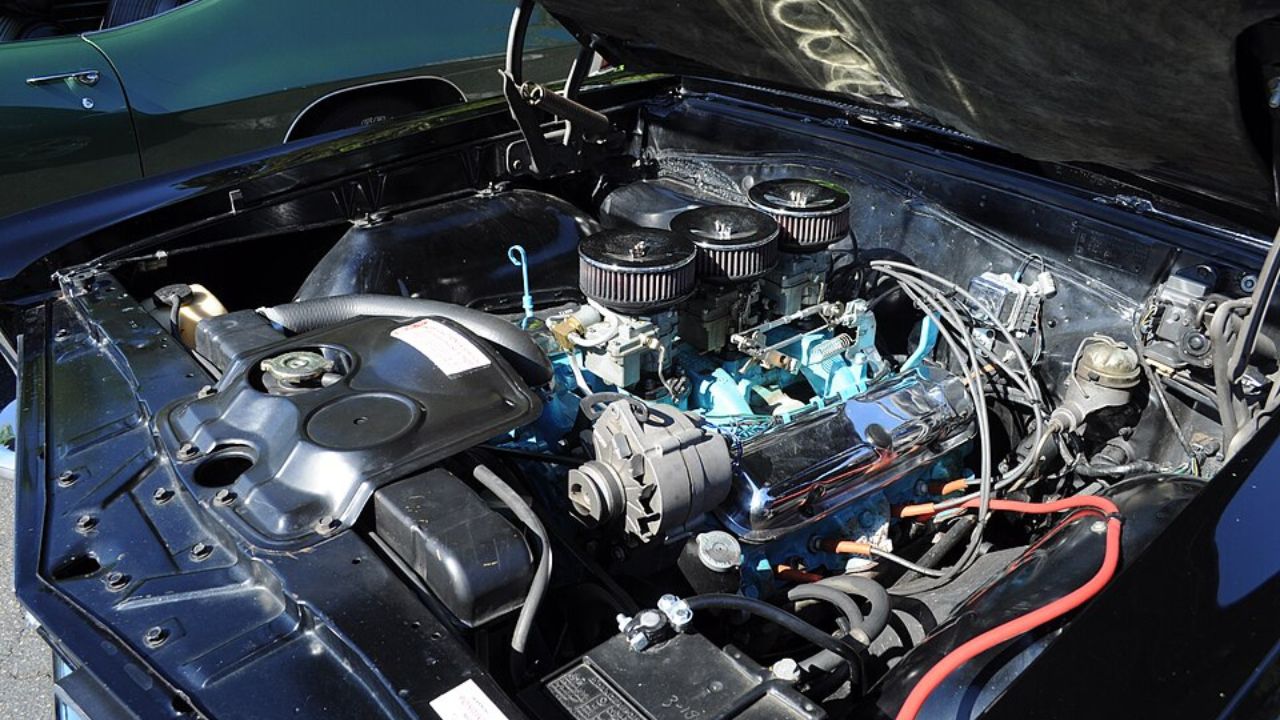
The Pontiac 400 Ram Air IV was one of the most advanced factory Pontiac performance engines of its era. It featured specialized cylinder heads, aggressive camshaft specifications, and improved breathing. Because relatively few were produced, authentic Ram Air IV engines are extremely desirable and can be worth preserving even outside their original cars.
Ford Boss 302
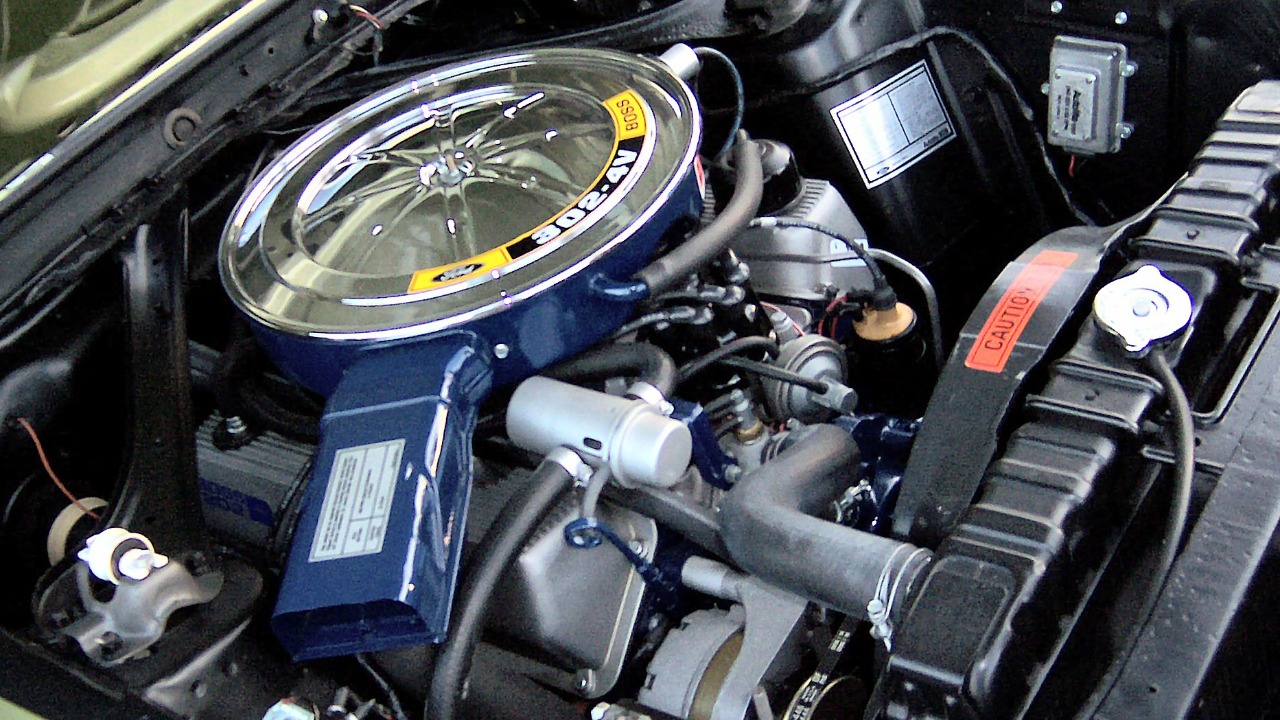
The Boss 302 was developed with performance and racing in mind, combining a 302-cubic-inch bottom end with specialized Cleveland-style cylinder heads. It became the heart of the 1969–70 Boss 302 Mustang. Original engines are now prized by collectors because recreations are common, while genuinely documented factory components are much harder to find.
Ford Boss 429
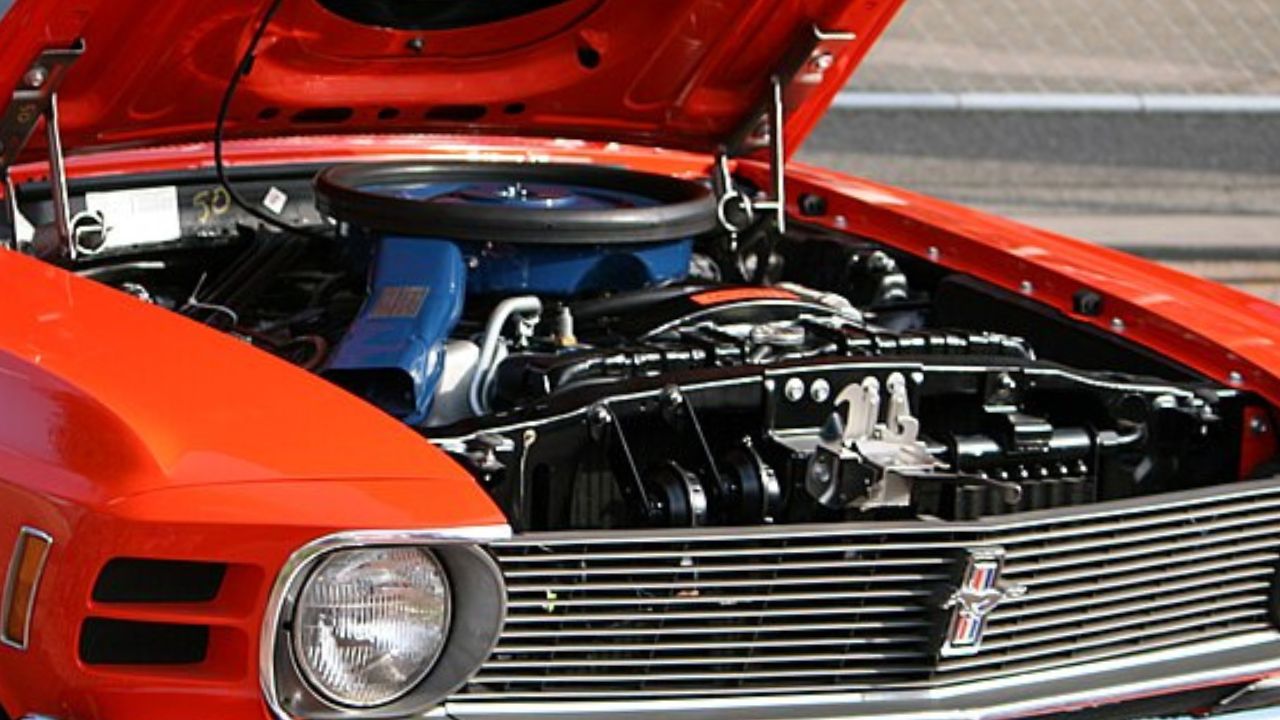
The Boss 429 is one of Ford’s most famous homologation engines. Built to allow Ford’s 429 engine to compete in NASCAR, it required substantial engineering changes to fit inside the Mustang. Production numbers were very low, making genuine Boss 429 engines exceptionally collectible and often more valuable than heavily modified replacements.
Toyota 2JZ-GTE
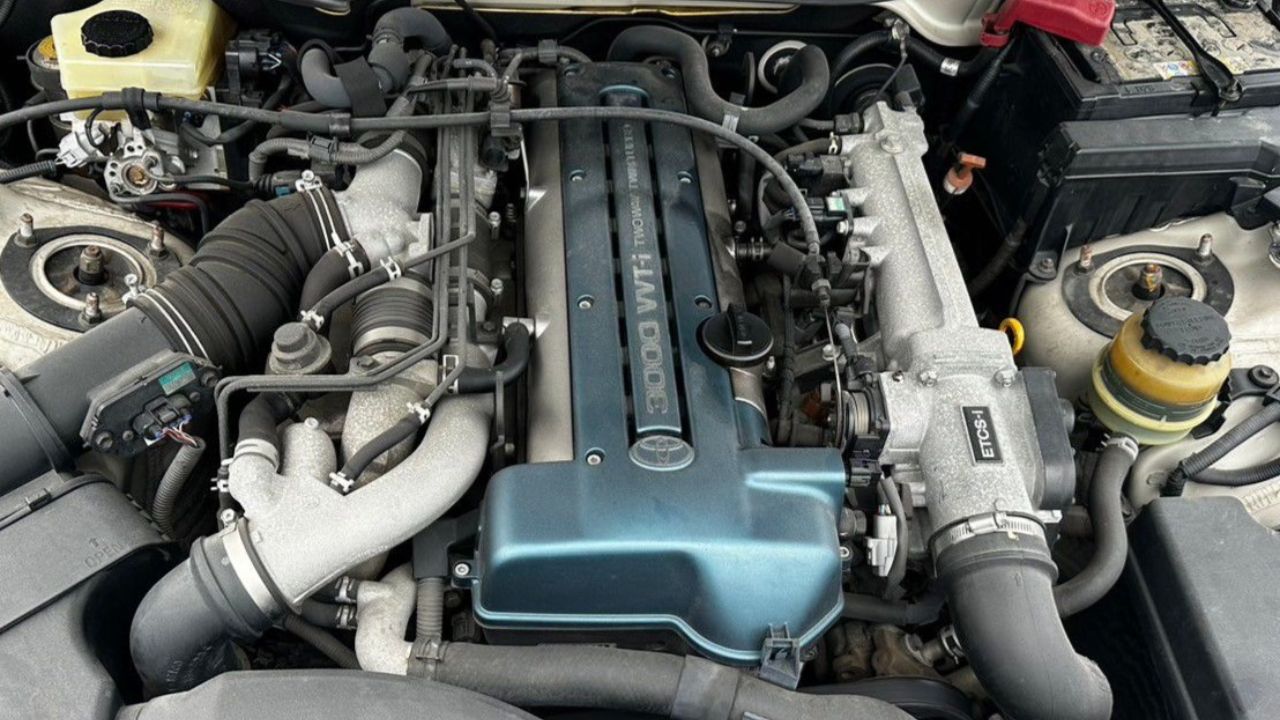
The Toyota 2JZ-GTE has become one of the most recognizable Japanese performance engines in the world. Its strong iron block, robust construction, and enormous aftermarket support made it famous among tuners. As original examples of the Supra Turbo become harder to find, complete unmodified 2JZ-GTE engines are increasingly being kept by collectors.
More from Fast Lane Only
- Unboxing the WWII Jeep in a Crate
- 15 rare Chevys collectors are quietly buying
- 10 underrated V8s still worth hunting down
- Police notice this before you even roll window down
*Research for this article included AI assistance, with all final content reviewed by human editors.