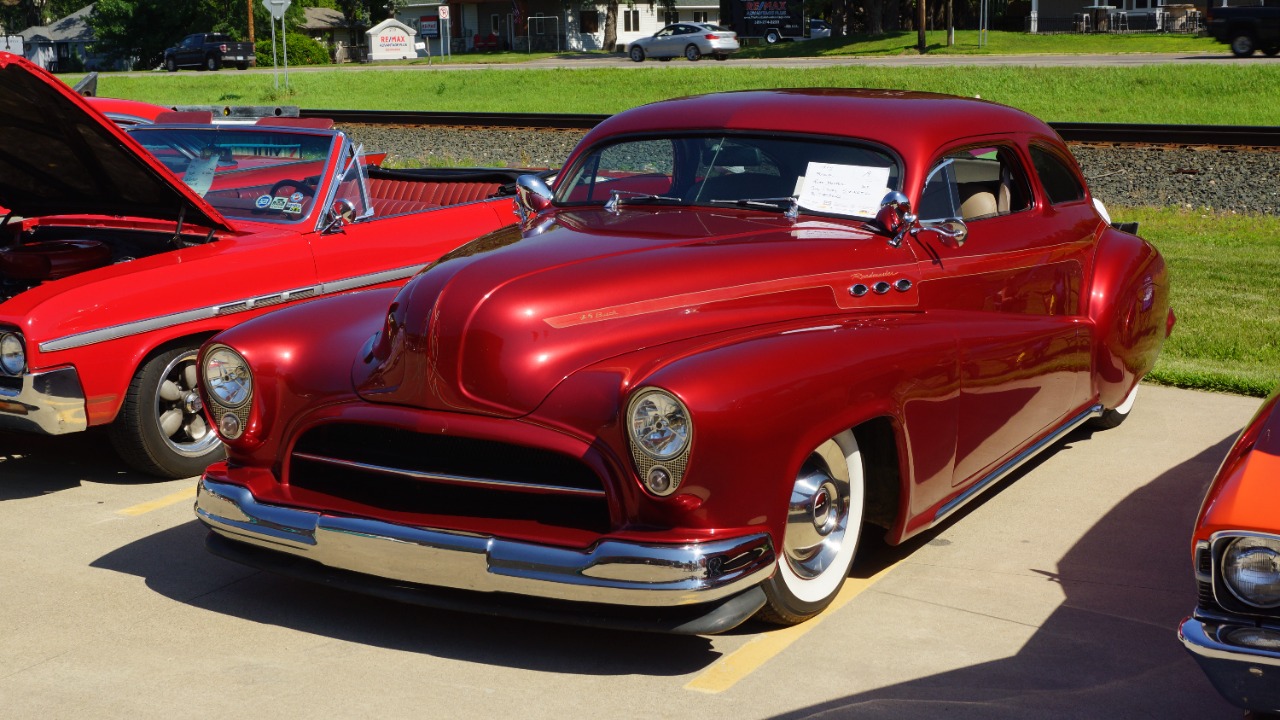
The 1940s produced cars that introduced styling, engineering, and practical ideas that continued for decades. Some became performance icons, while others influenced family cars, luxury vehicles, and utility machines. These 20 specific models still feel relevant because their designs and ideas can be recognized in many vehicles on the road today.
Lincoln Zephyr
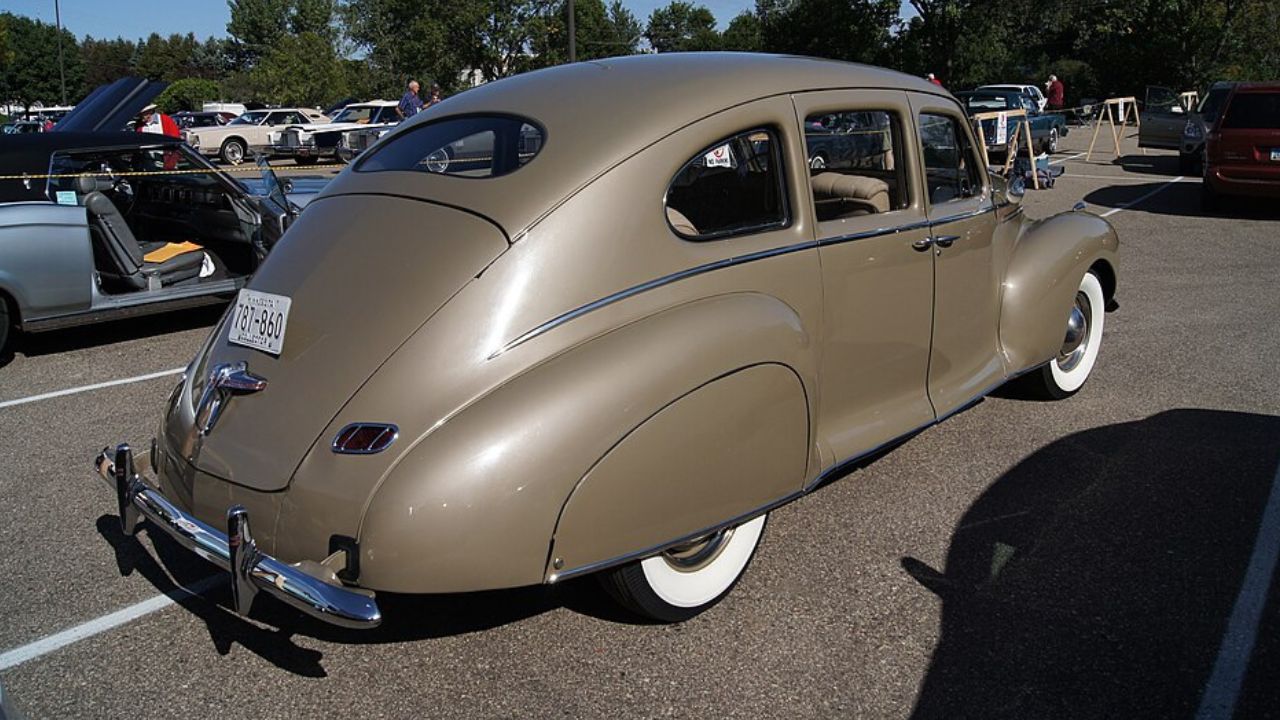
The Lincoln Zephyr brought aerodynamic styling and V12 power together in a package that looked advanced for its time. Its smooth body reduced the boxy appearance common on many older cars. The Zephyr remains relevant because modern manufacturers still use aerodynamic shapes to improve efficiency, stability, and overall vehicle performance.
Buick Special
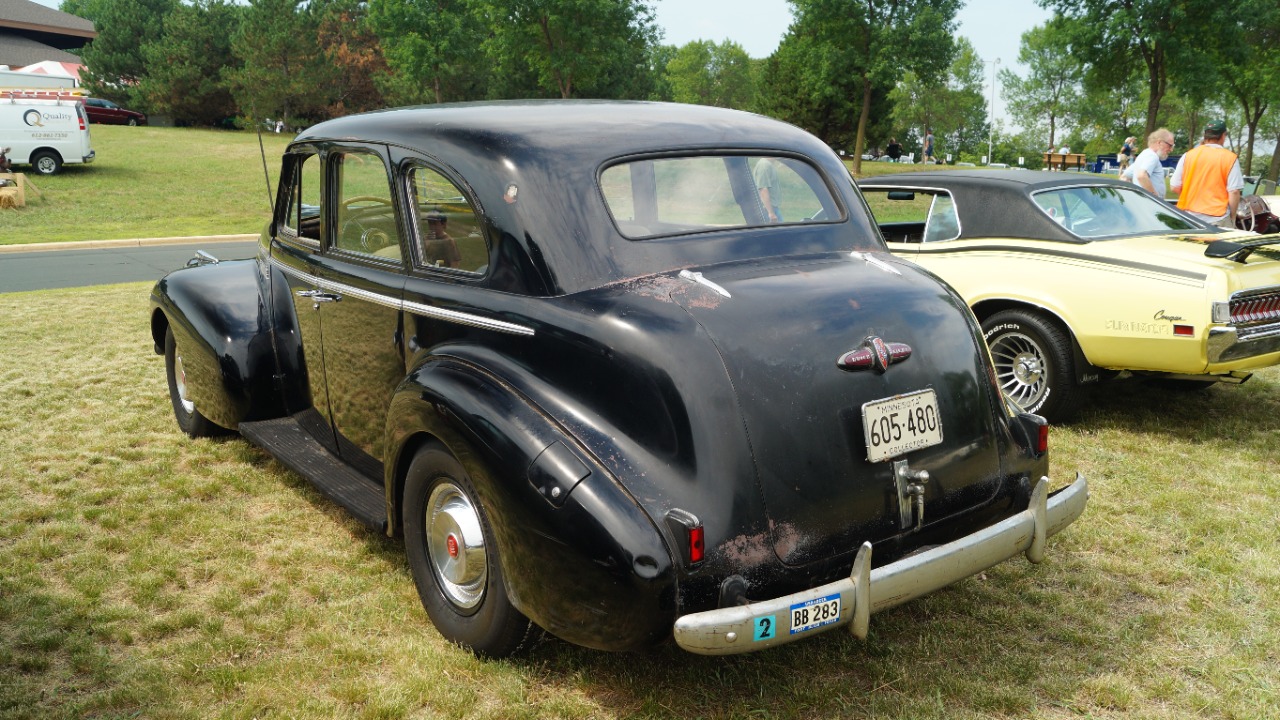
The Buick Special offered a comfortable driving experience without the enormous size of Buick’s most expensive models. Its straight-eight engine provided smooth power, while its practical dimensions made it easier to live with. That combination of comfort, performance, and reasonable size remains important in modern vehicles designed for everyday driving.
Packard 120
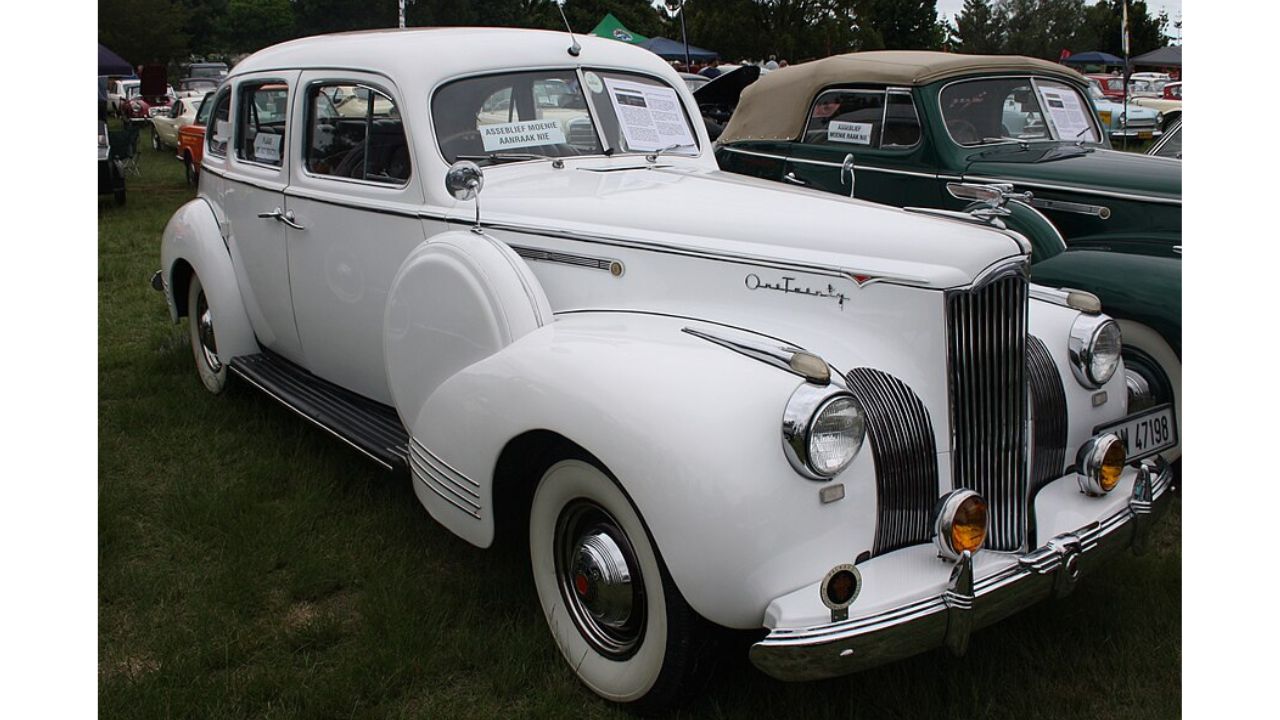
The Packard 120 gave buyers access to Packard’s reputation for quality without requiring the price of its largest luxury cars. Its straight-eight engine provided smooth performance, while its styling remained elegant. The idea of offering a more accessible model under a premium brand remains common today across luxury manufacturers.
Pontiac Torpedo
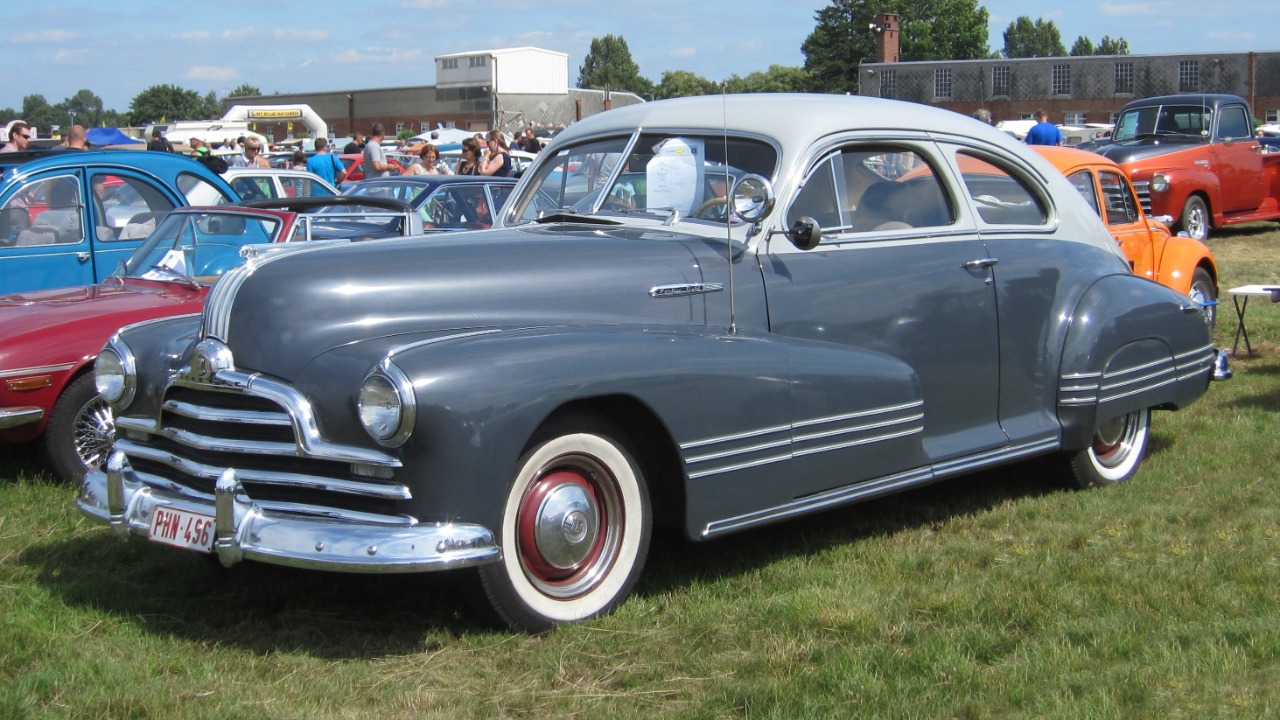
The Pontiac Torpedo featured a wide, streamlined body that represented a major change from older upright automobile designs. It offered plenty of passenger space while using smoother body lines. The model remains relevant because modern cars continue to balance aerodynamic styling with interior room and everyday practicality.
Buick Roadmaster
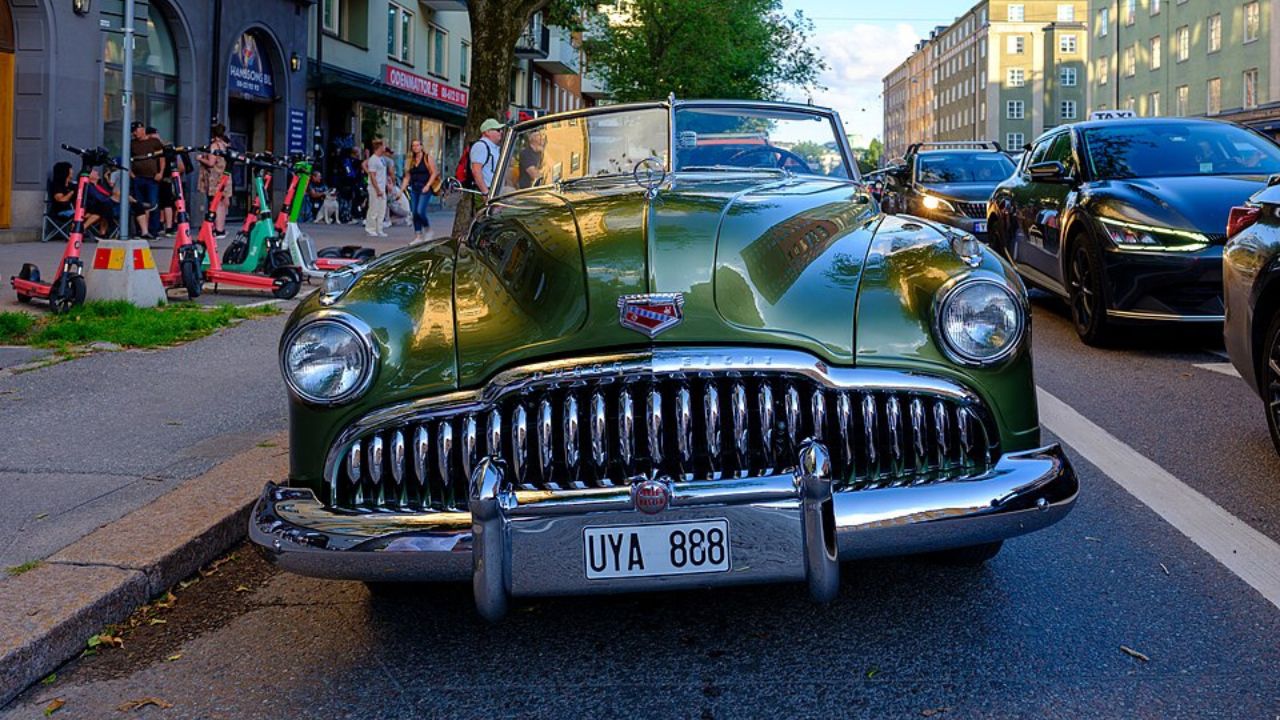
The Buick Roadmaster combined a powerful straight-eight engine with a large, comfortable body. It was designed for drivers who wanted strong performance without giving up a refined interior. The same formula continues in modern luxury vehicles, where powerful engines are paired with comfortable cabins for long-distance driving.
Cadillac Series 61
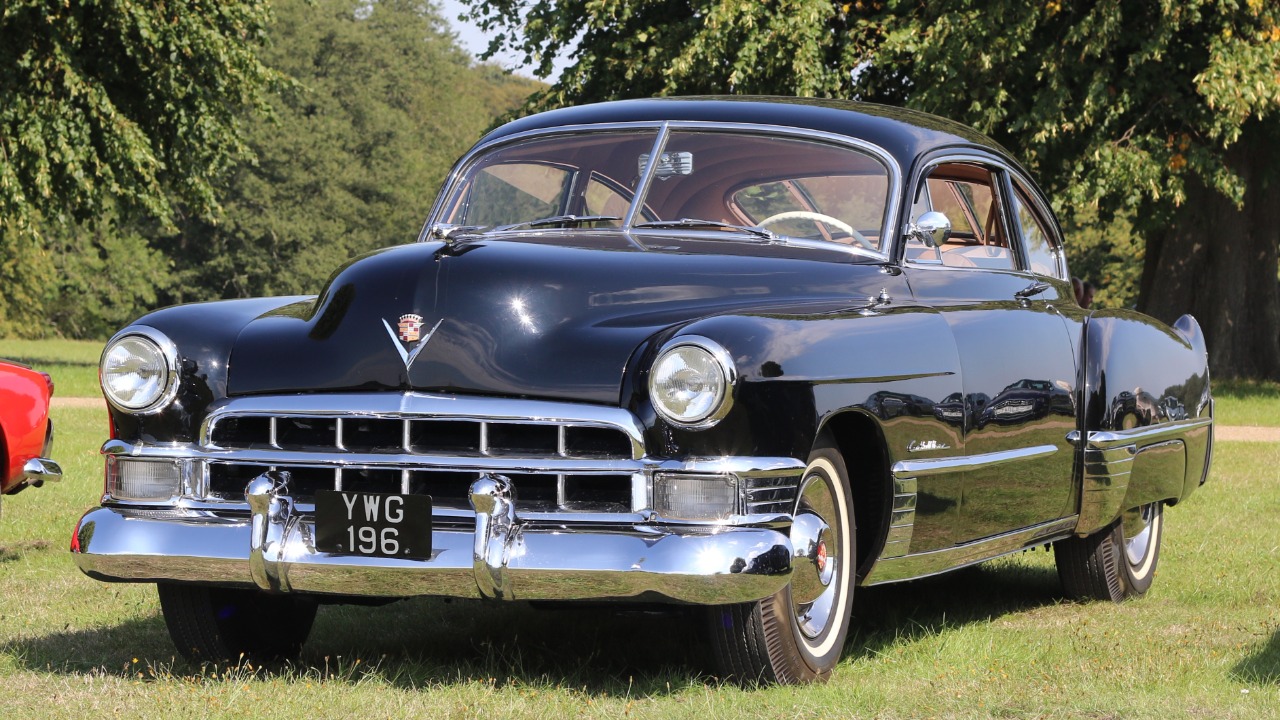
The Cadillac Series 61 brought Cadillac’s luxury image to a slightly more accessible model. Its V8 engine provided strong performance, while its spacious body delivered the comfort expected from the brand. The model represents the same strategy used by modern luxury manufacturers that offer different vehicle sizes and price levels.
Chrysler Saratoga
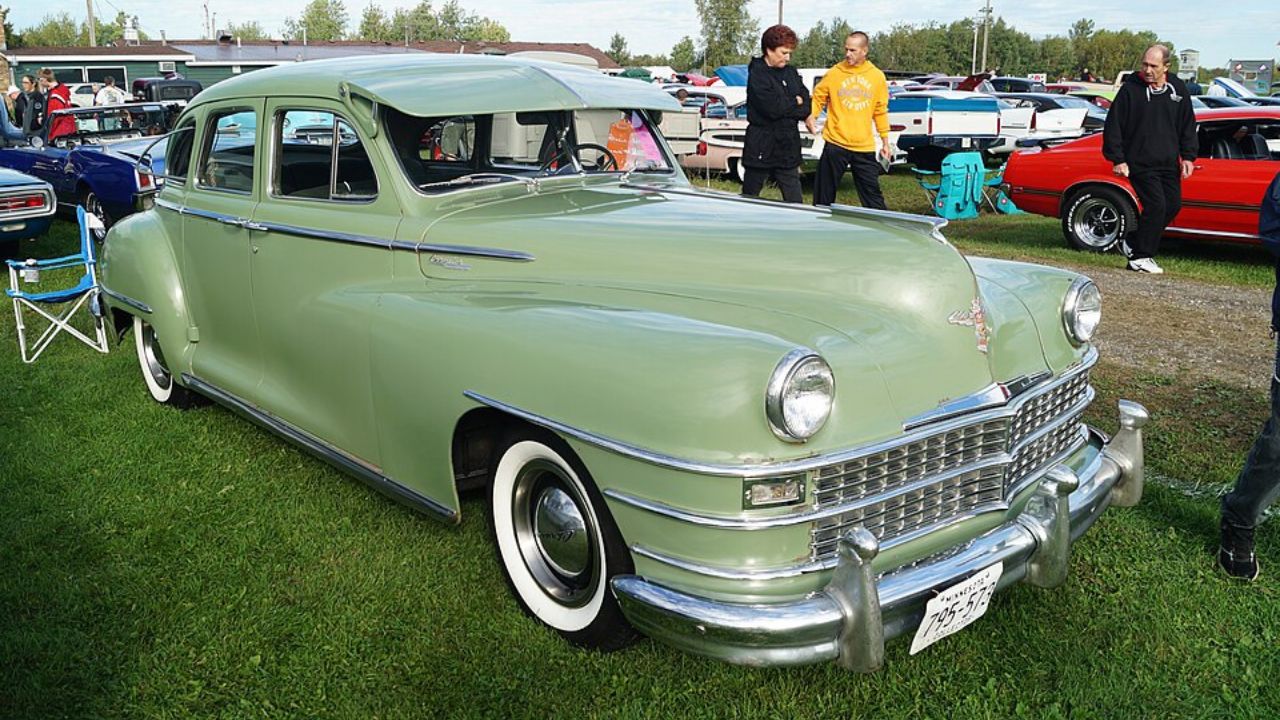
The Chrysler Saratoga offered strong straight-eight performance while sitting below the company’s most expensive models. It combined comfortable seating, attractive styling, and useful power. Its position between mainstream and luxury transportation remains familiar today, as many manufacturers offer vehicles designed to provide premium features without reaching flagship-car prices.
Ford Deluxe
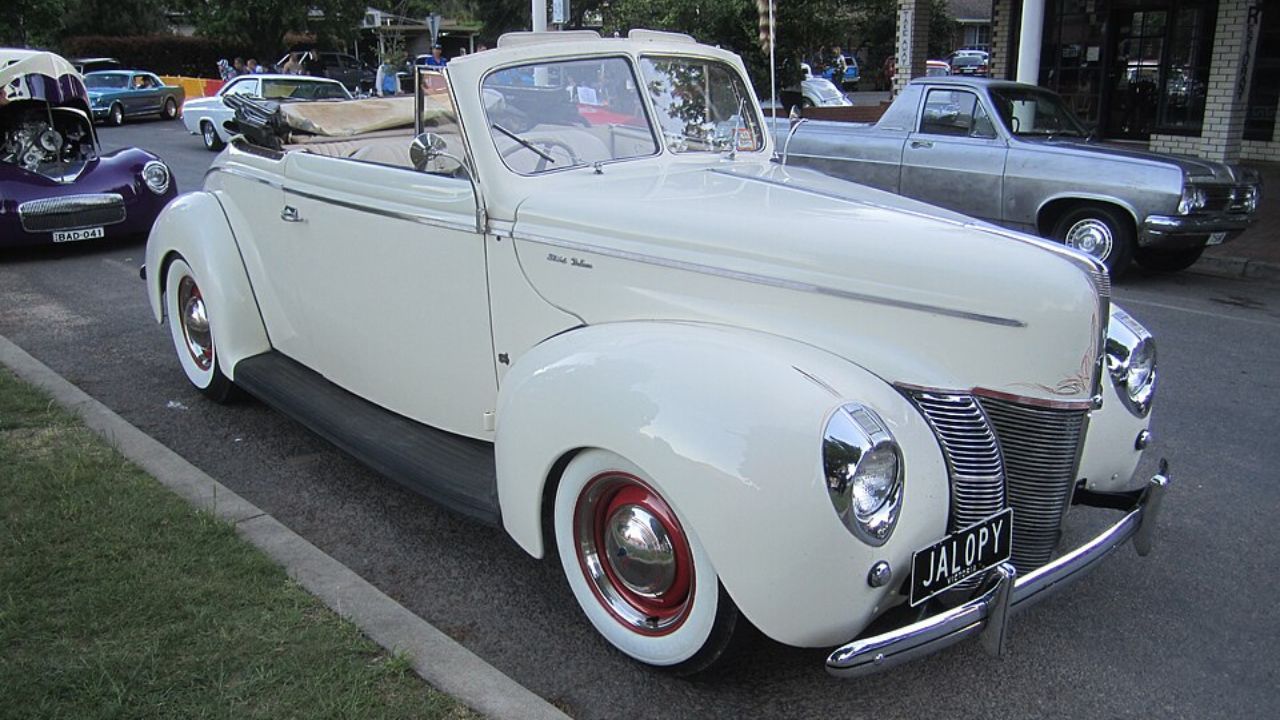
The Ford Deluxe combined simple mechanical construction with a dependable V8 engine and attractive styling. Its affordable nature made it useful as everyday transportation, while enthusiasts later appreciated its performance potential. That combination remains relevant because modern cars can serve as both practical transportation and platforms for personalization.
DeSoto Custom
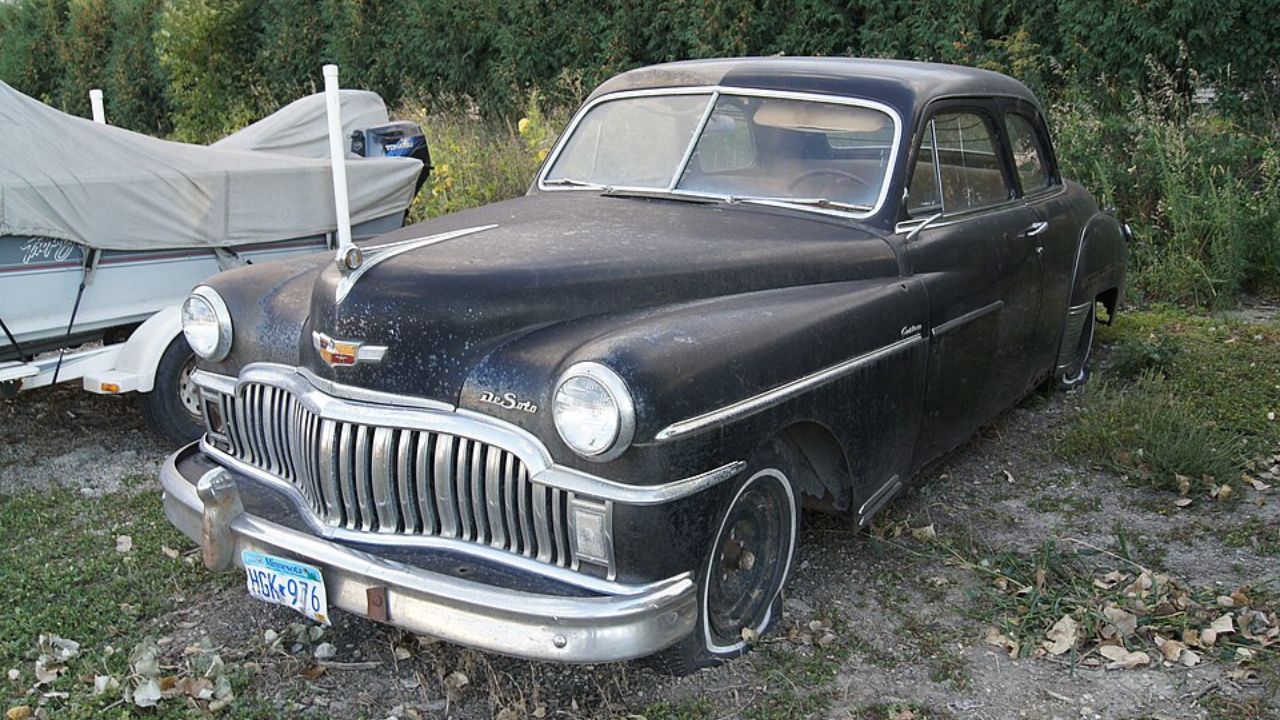
The DeSoto Custom provided comfortable transportation with a straightforward mechanical layout and practical six-cylinder power. It occupied the middle of Chrysler’s brand structure, giving buyers more refinement without reaching full luxury territory. That middle-market approach remains common today, with vehicles positioned between basic transportation and premium models.
Buick Super
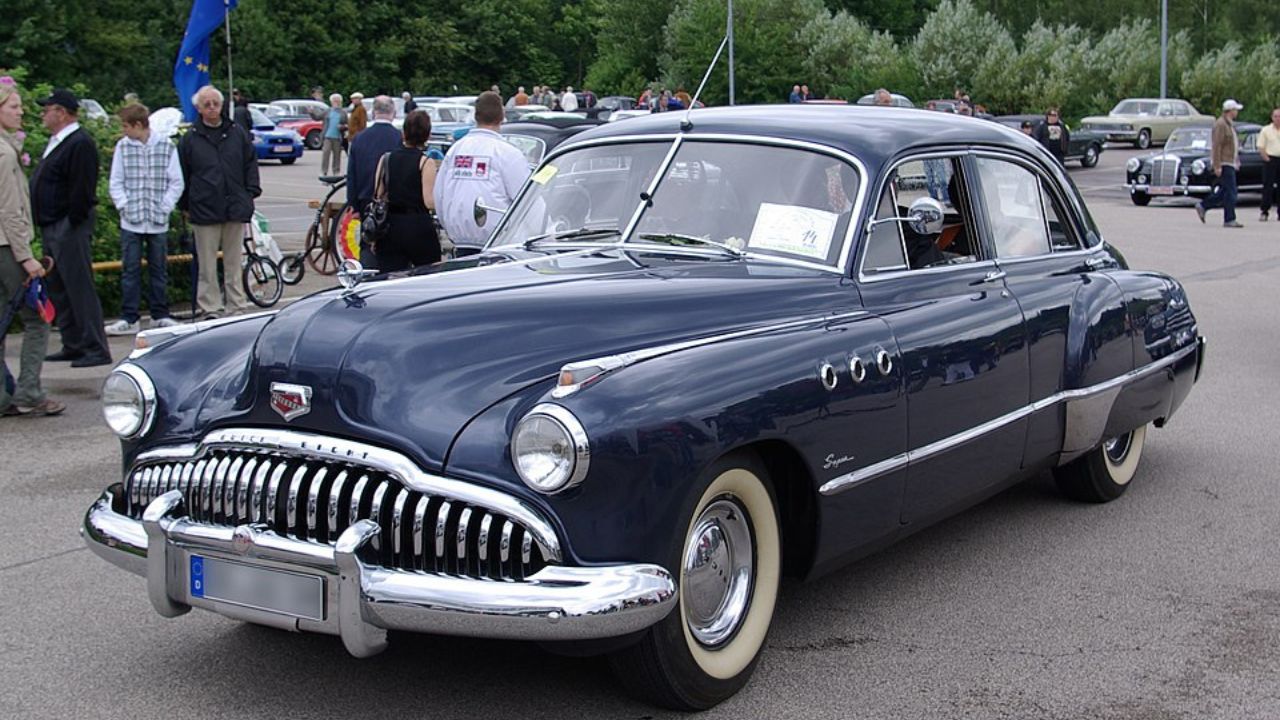
The Buick Super was designed around smooth performance, generous passenger space, and a comfortable driving experience. Its straight-eight engine gave it effortless power for its size. The basic idea remains relevant because modern full-size and luxury vehicles continue to emphasize quiet performance, spacious interiors, and comfortable long-distance driving.
Chrysler New Yorker
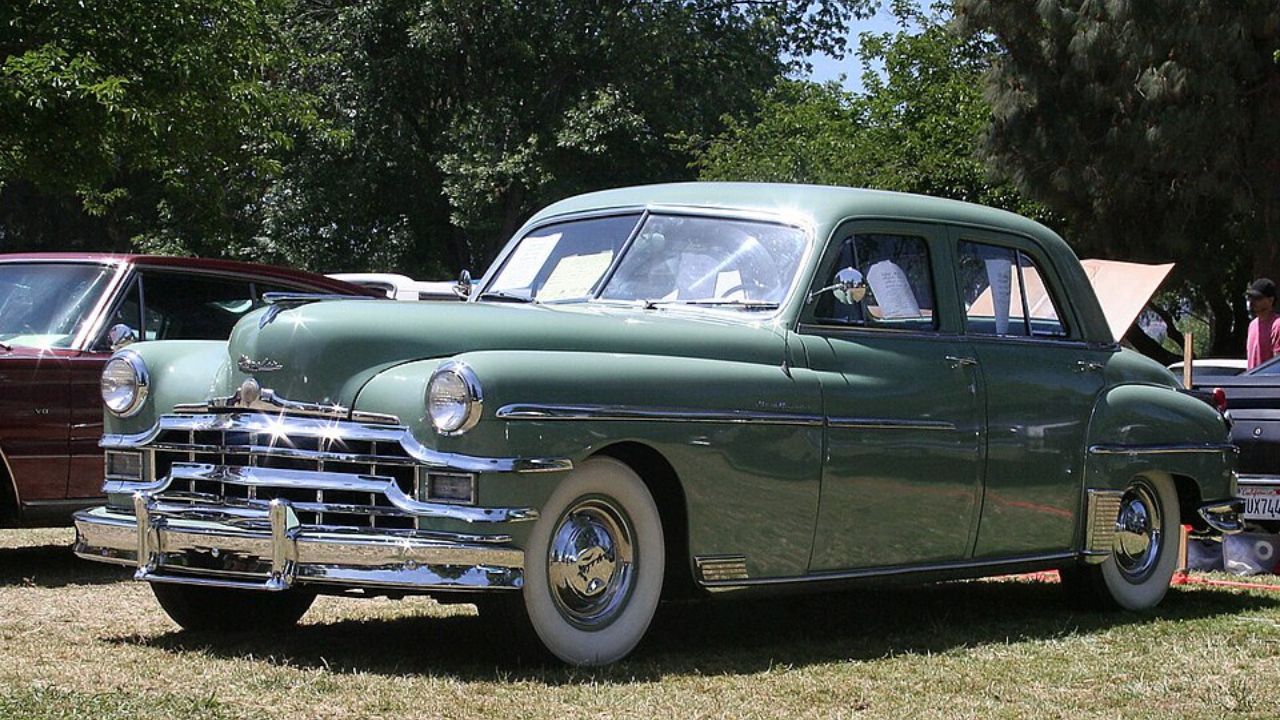
The Chrysler New Yorker combined upscale styling with a spacious interior and strong straight-eight power. It was positioned as a premium automobile for buyers who wanted comfort and performance. Its role is similar to modern near-luxury vehicles that provide high levels of equipment and refinement without competing directly with the most expensive brands.
Pontiac Streamliner
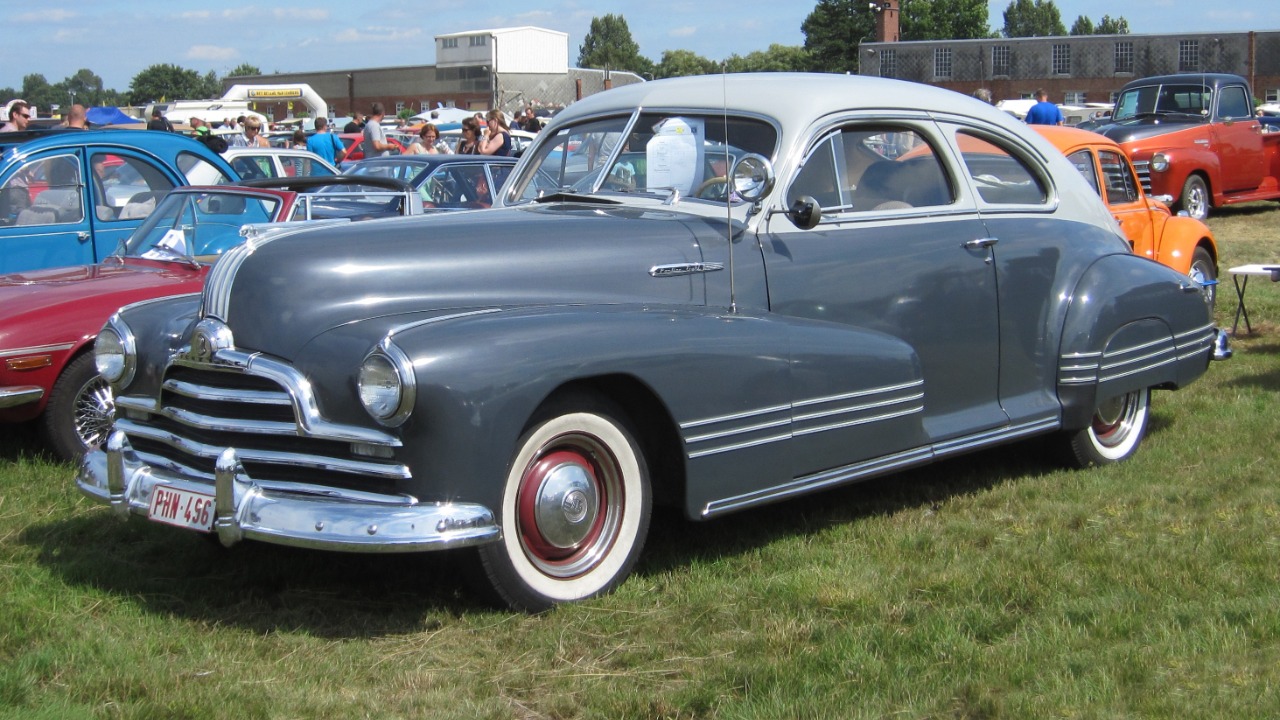
The Pontiac Streamliner used flowing bodywork to give a large American car a more modern appearance. Its spacious interior made it practical for families, while its straight-eight engine provided smooth performance. The model remains relevant because modern vehicles still rely on streamlined designs to combine attractive styling, passenger space, and aerodynamic efficiency.
Mercury Eight
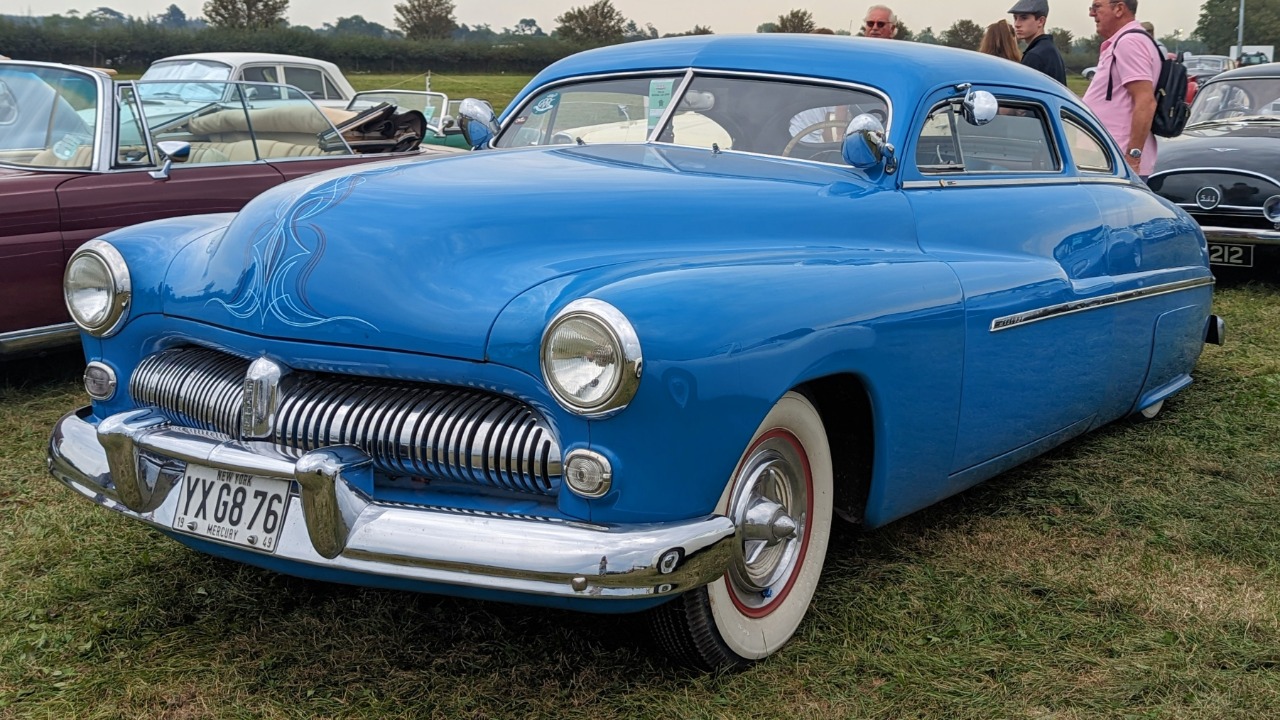
The Mercury Eight offered more performance than a typical Ford while remaining less expensive than many luxury automobiles. Its V8 engine and distinctive styling later made it popular with hot rodders. The model remains relevant because the combination of affordable performance and customization potential continues to attract modern car enthusiasts.
Lincoln Continental
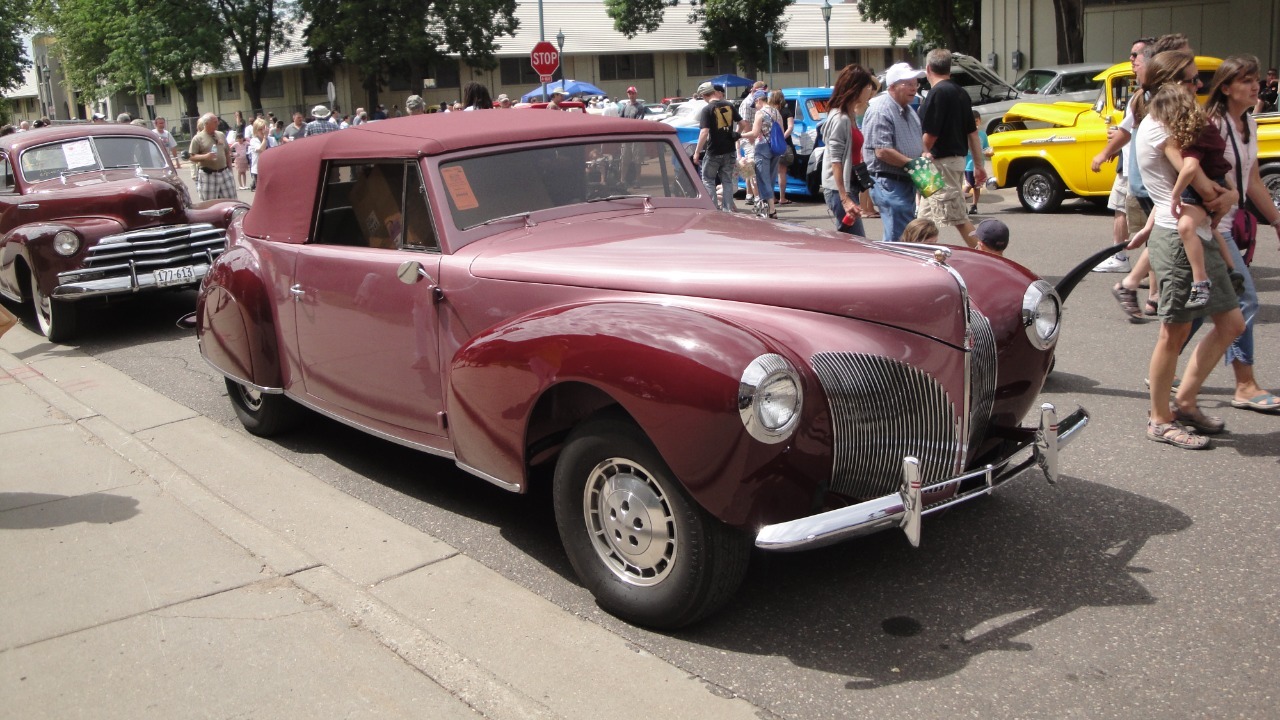
The Lincoln Continental combined elegant styling, strong V12 performance, and a comfortable interior. It became one of America’s most recognizable luxury cars. Its focus on combining performance with comfort remains relevant today, especially among premium grand touring vehicles designed to provide strong highway performance without sacrificing passenger comfort.
Cadillac Series 62
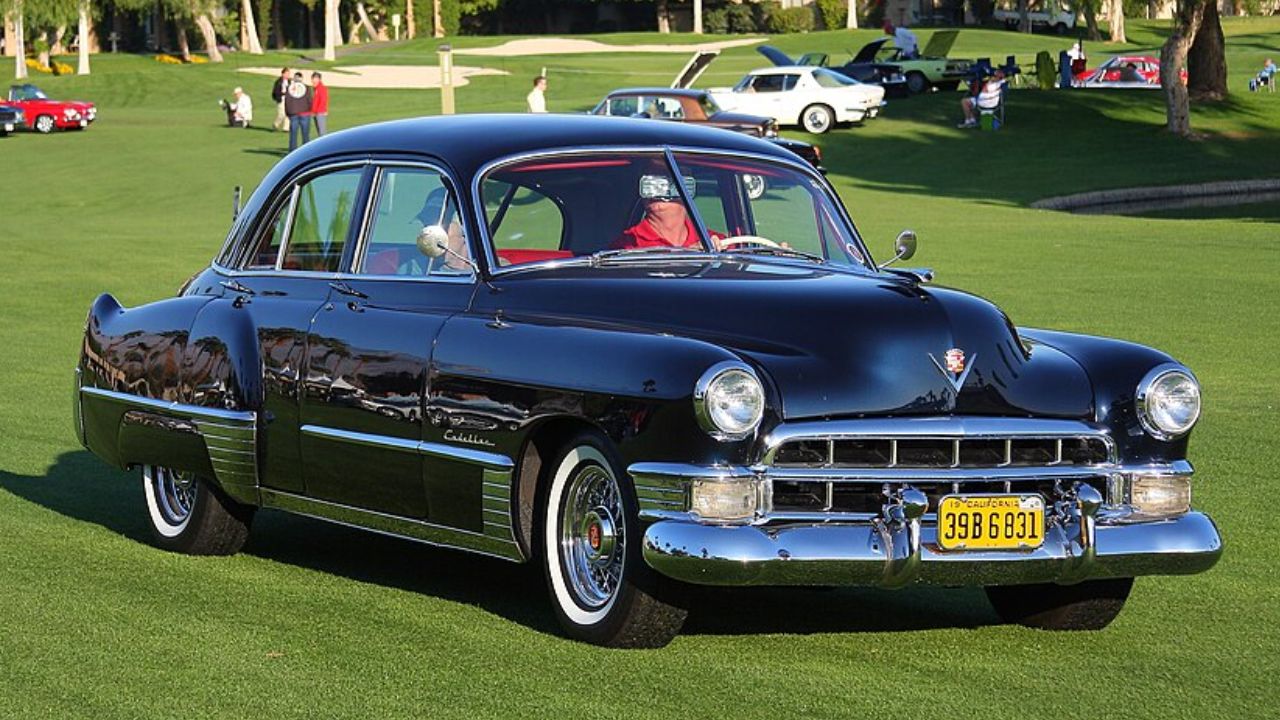
The Cadillac Series 62 represented American luxury with a large body, powerful engine, and spacious interior. It demonstrated how styling and comfort could become major selling points alongside mechanical performance. Modern luxury vehicles continue to follow this formula by combining strong power, distinctive design, advanced equipment, and high levels of passenger comfort.
Hudson Commodore
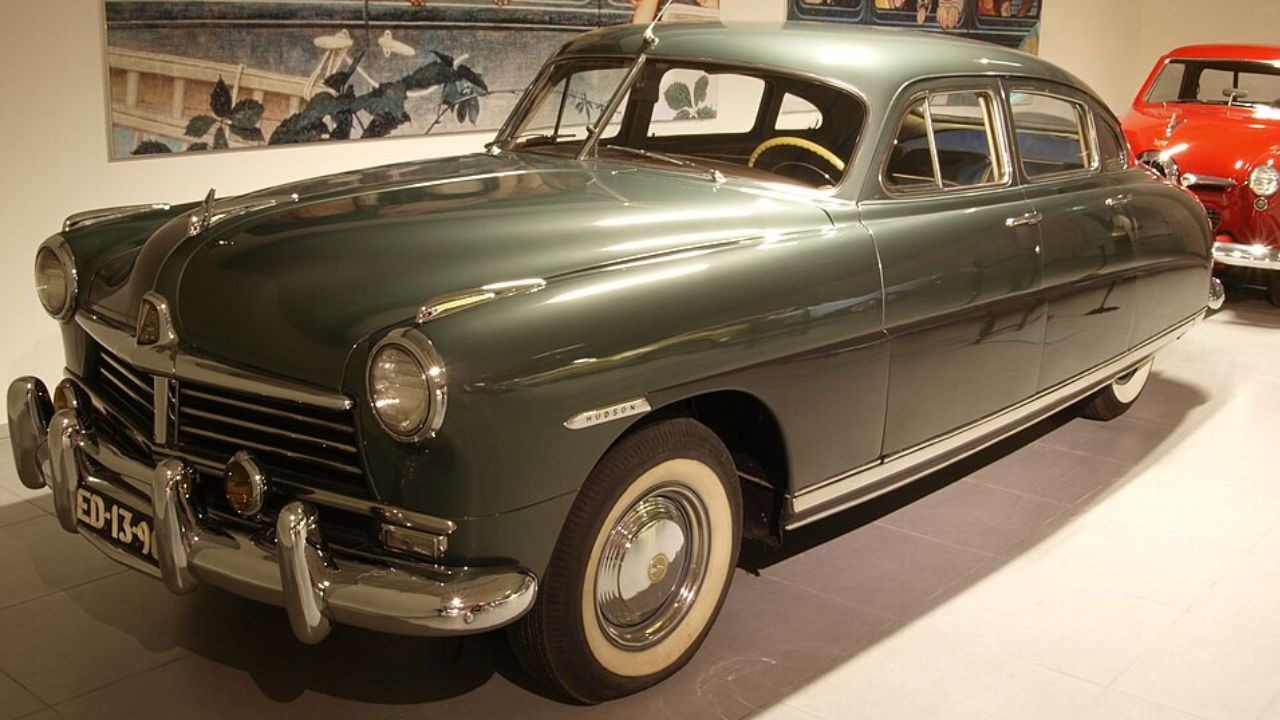
The Hudson Commodore stood out through its comfortable interior, smooth performance, and distinctive engineering. Hudson paid close attention to passenger space and overall packaging, ideas that remain important today. Modern automakers still work to maximize cabin room while keeping exterior dimensions and weight under control.
Tucker 48
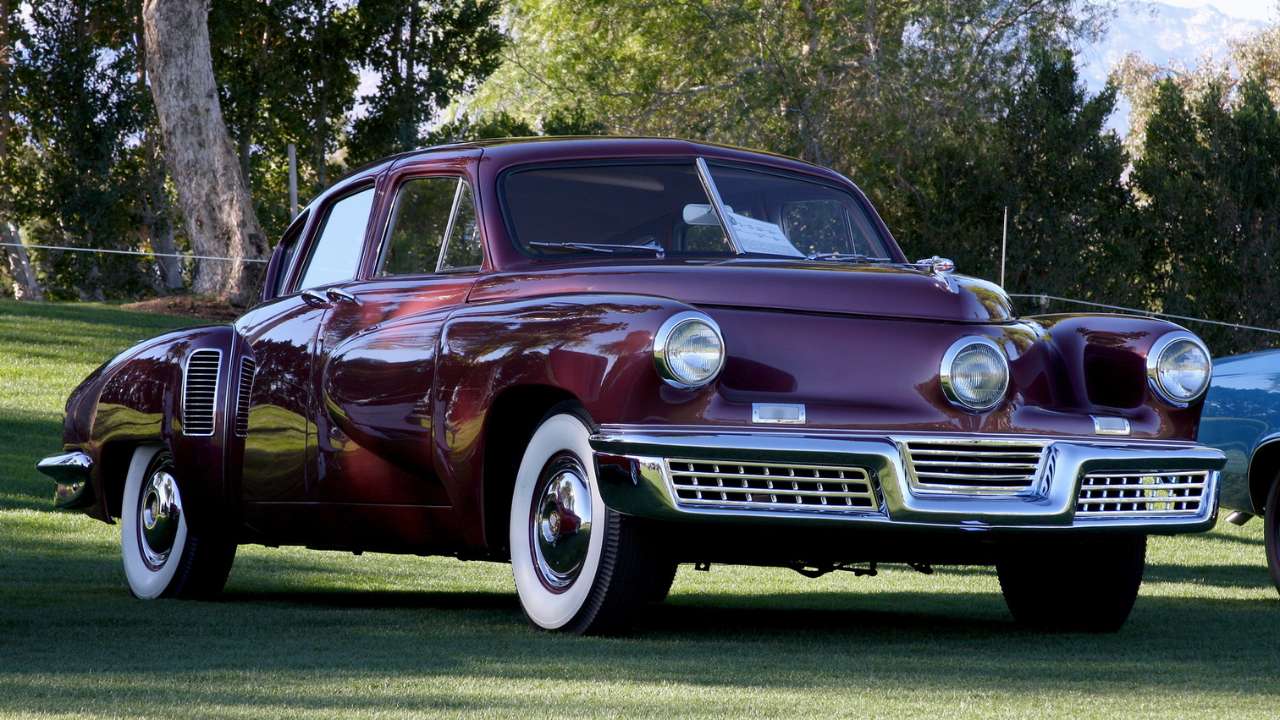
The Tucker 48 was an unusually innovative automobile with a rear-mounted engine, independent suspension, and a central headlight. Its extremely limited production made it rare almost immediately. The car remains relevant because it showed how unconventional engineering could be used to improve safety, handling, and packaging.
Land Rover Series I
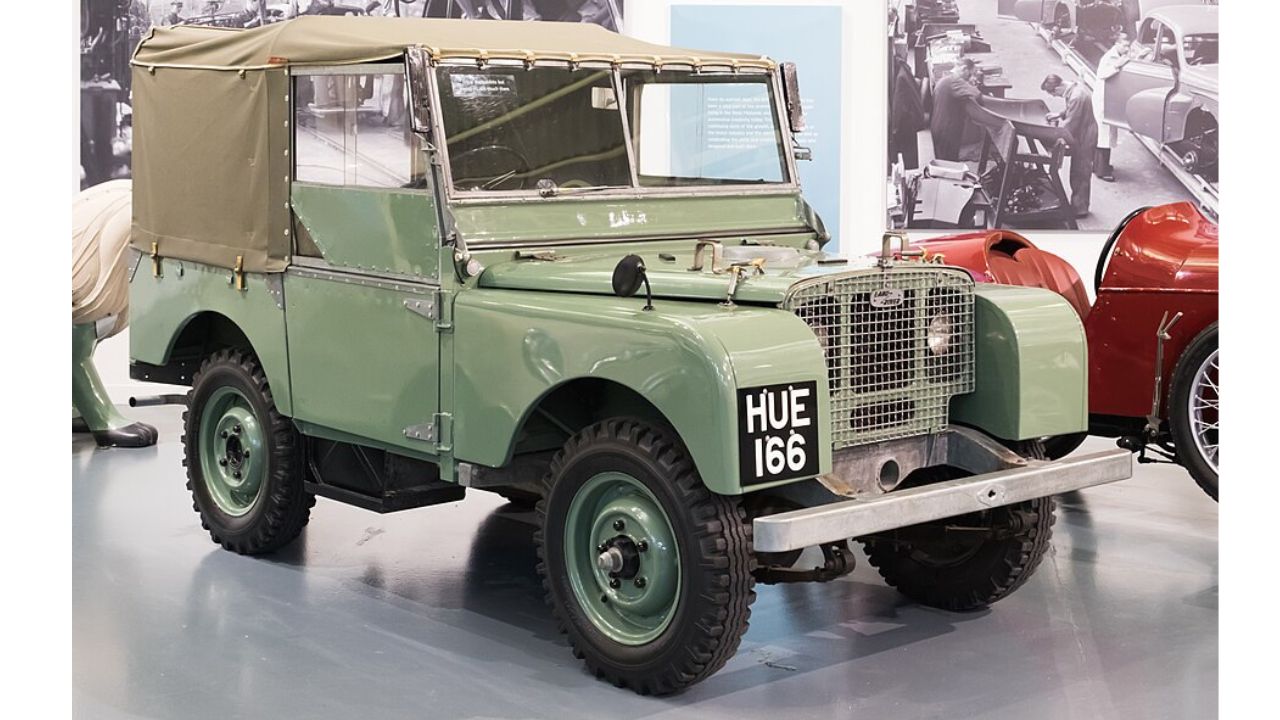
The Land Rover Series I established a practical formula for combining passenger transportation with serious off-road ability. Its compact dimensions, four-wheel drive, and simple construction made it useful for work and difficult terrain. Modern SUVs and off-road vehicles continue to use the same basic combination of utility, traction, and versatility.
Porsche 356
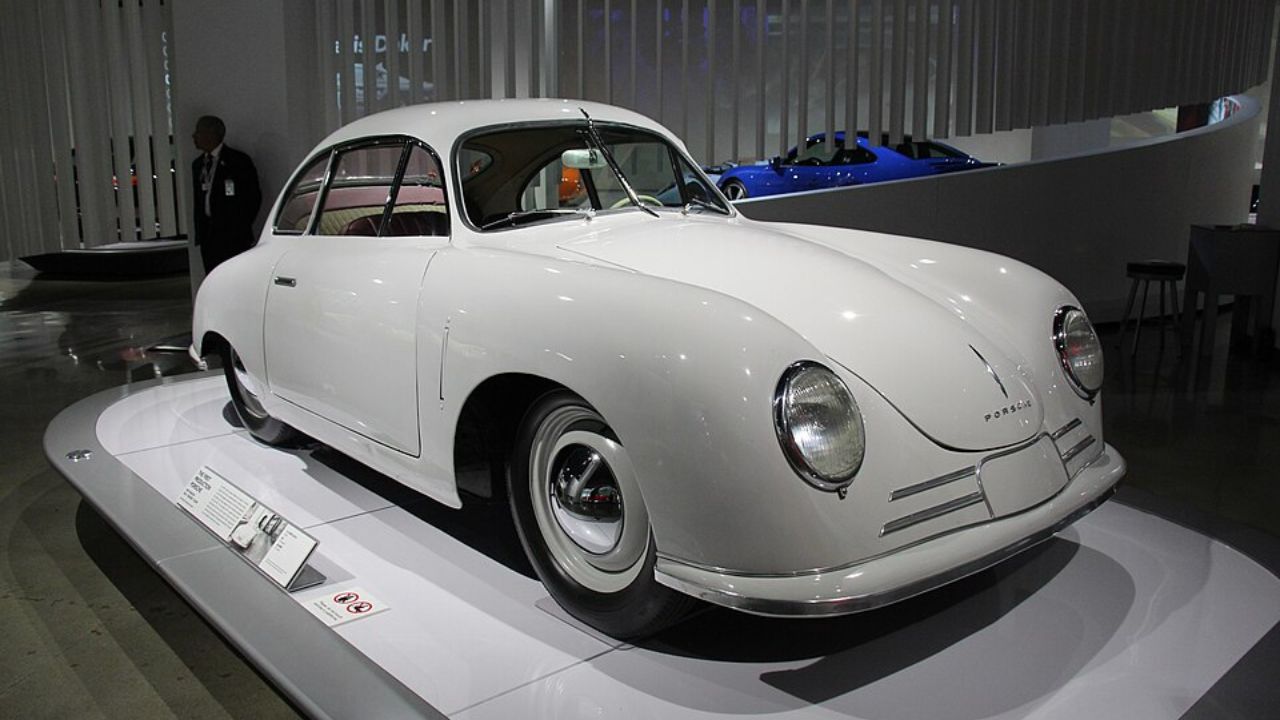
The Porsche 356 established a lightweight sports-car formula centered on compact dimensions, a rear-mounted engine, and responsive handling. Its design philosophy became a major part of Porsche’s identity. Modern sports cars still emphasize low weight, strong power-to-weight ratios, balanced handling, and driver involvement in much the same way.
Chevrolet 3100
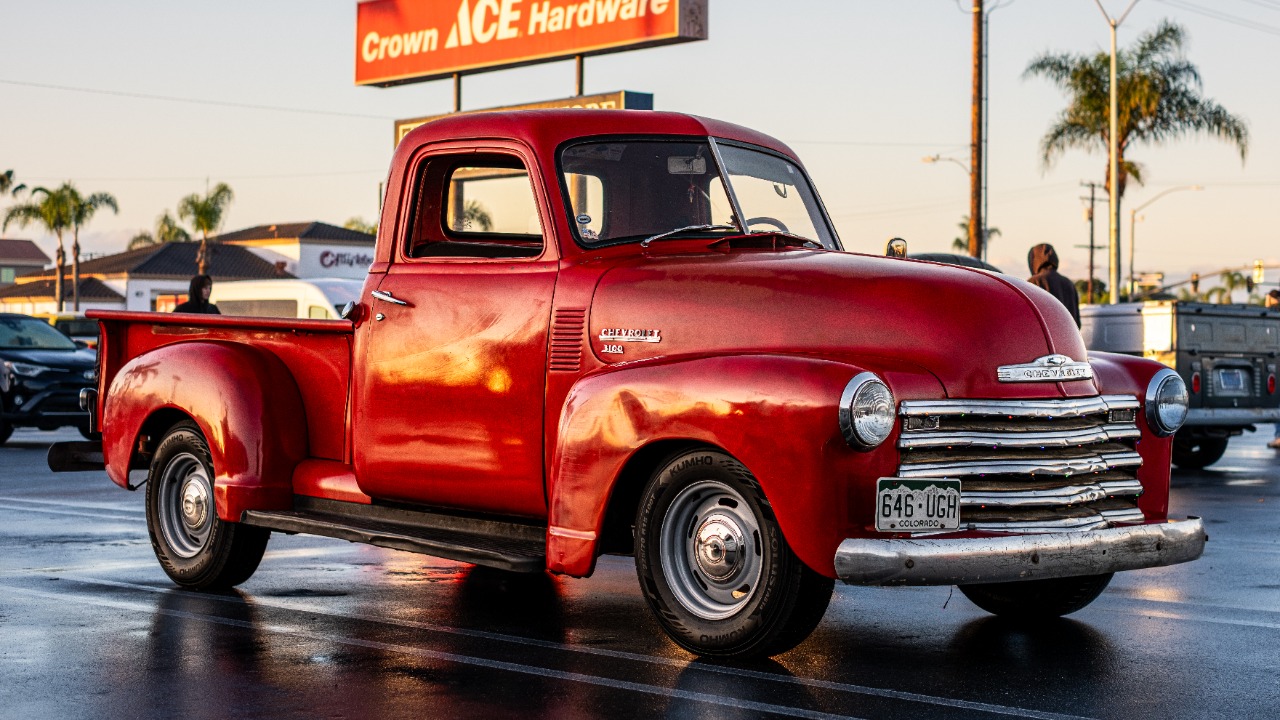
The Chevrolet 3100 became a highly practical pickup with a useful cargo bed and straightforward mechanical design. It was built primarily for work but also became popular as everyday transportation. The basic pickup formula remains almost unchanged today, with modern trucks still combining passenger comfort with hauling, towing, and utility.
More from Fast Lane Only
- Unboxing the WWII Jeep in a Crate
- 15 rare Chevys collectors are quietly buying
- 10 underrated V8s still worth hunting down
- Police notice this before you even roll window down
*Research for this article included AI assistance, with all final content reviewed by human editors.