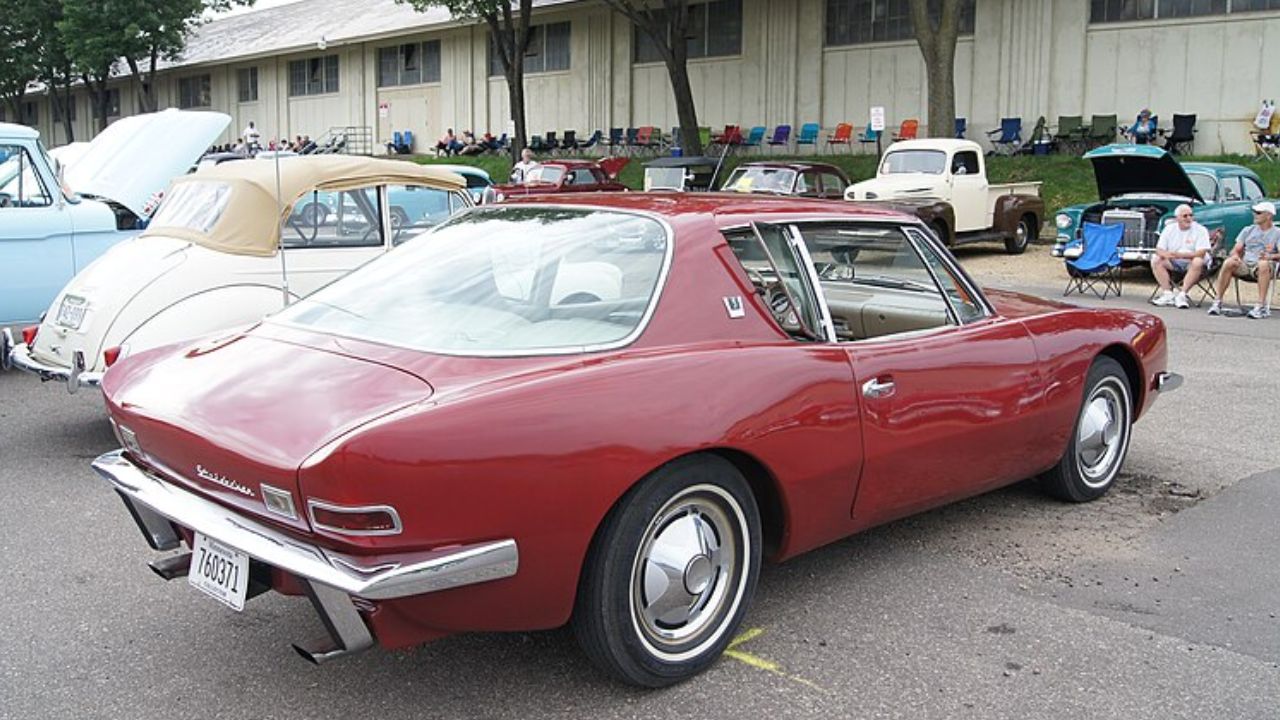
Studebaker built cars that often took a different approach from the larger American manufacturers. Some used simple mechanical layouts, while others introduced clever engineering and durable engines. These 20 Studebaker models remain respected because they were built with solid components, practical designs, and mechanical ideas that still interest experienced mechanics and collectors today.
Studebaker Champion
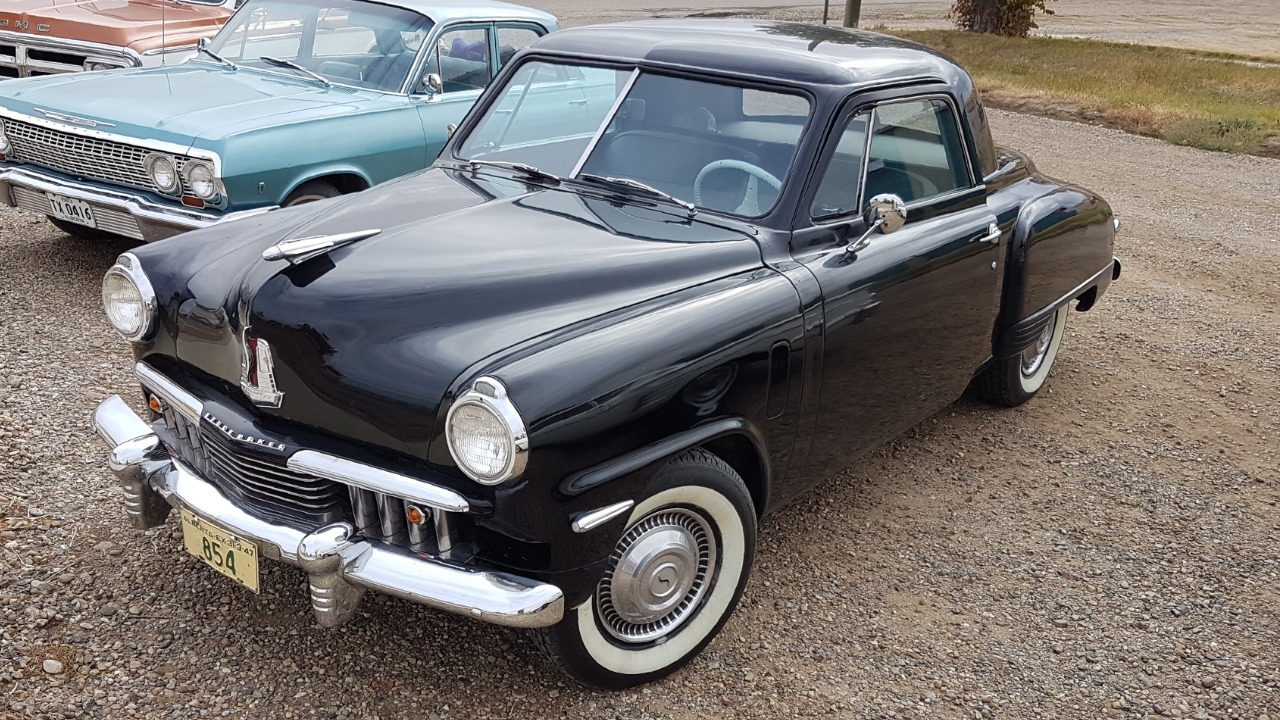
The Studebaker Champion earned a reputation for economical operation and dependable six-cylinder power. Its relatively compact design made it easier to handle than many larger American cars of the period. Mechanics appreciate the Champion because its straightforward construction makes it an interesting example of Studebaker’s practical approach to automobile engineering.
Studebaker Commander
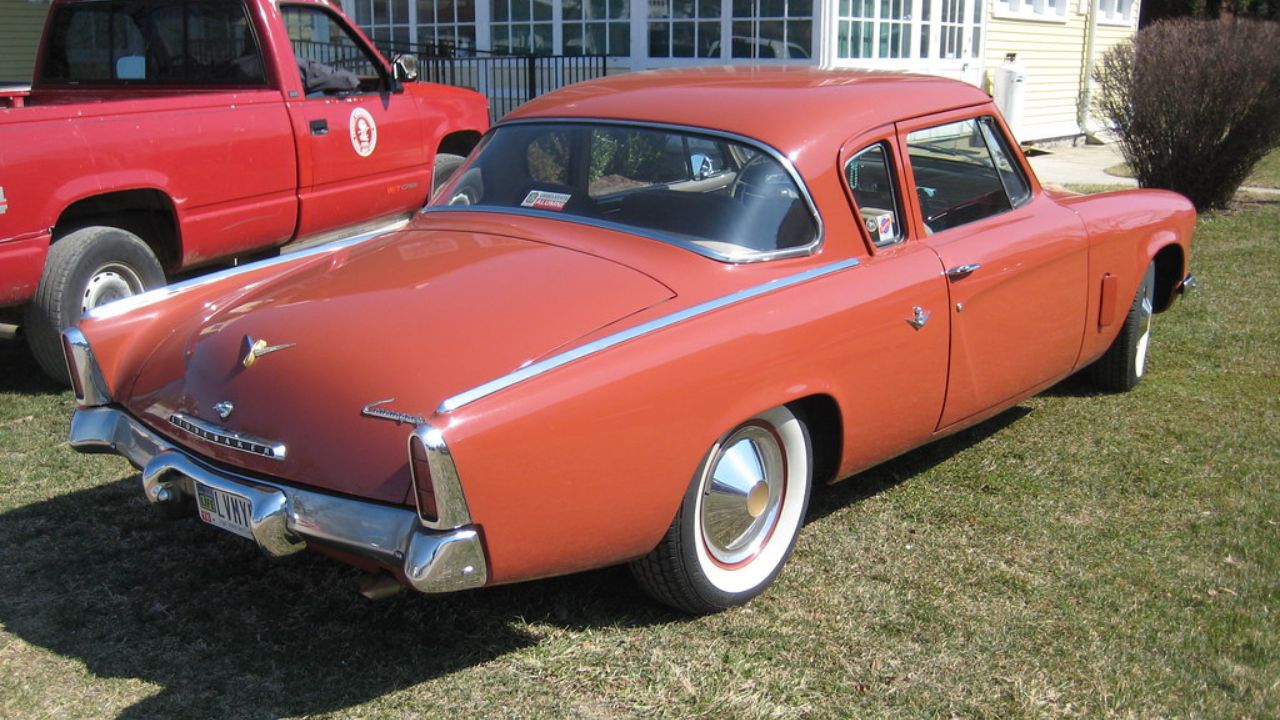
The Studebaker Commander combined a comfortable body with stronger engine performance than the smaller Champion. Its straight-six and later V8 engines gave it useful power without making the car unnecessarily complicated. The Commander’s solid mechanical foundation and distinctive engineering make it a model that still attracts attention from enthusiasts who appreciate older American cars.
Studebaker President
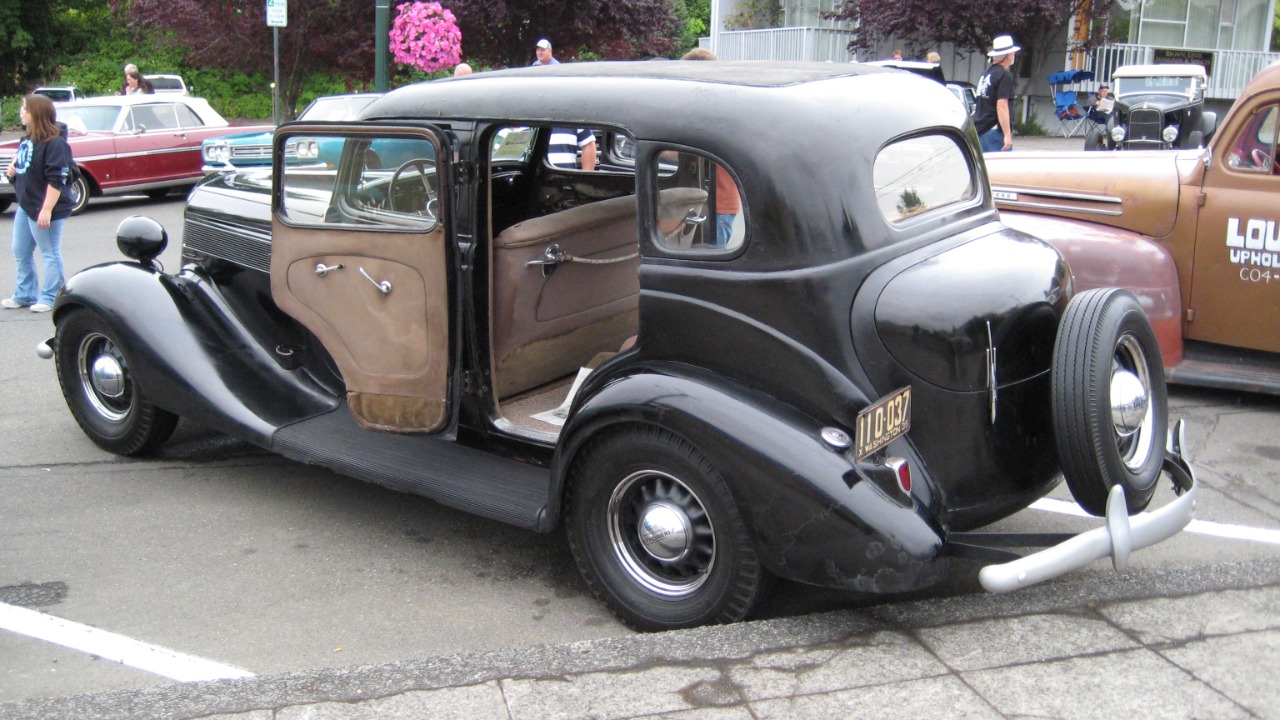
The Studebaker President was the company’s flagship automobile and emphasized comfort, quality, and strong performance. Its larger engines gave it plenty of power, while Studebaker’s construction methods made it feel different from typical Detroit products. Mechanics respect the President for showing how an independent manufacturer could compete with much larger automakers.
Studebaker Land Cruiser
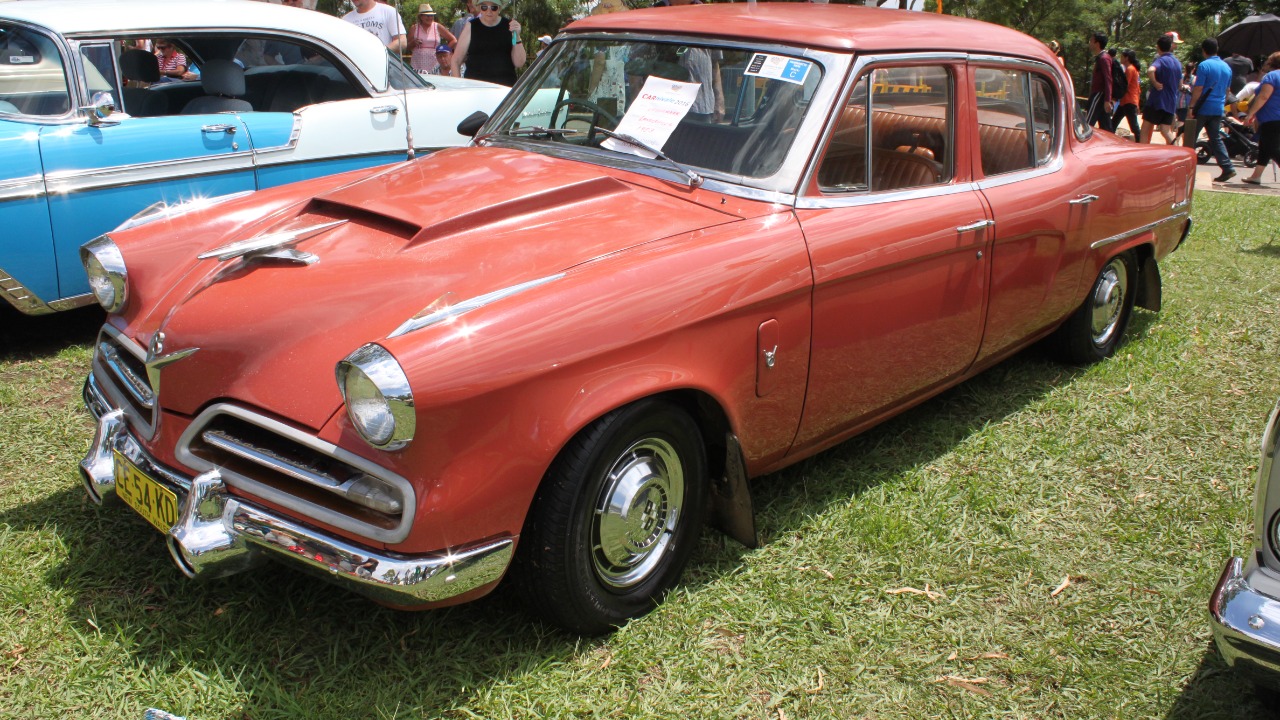
The Studebaker Land Cruiser was designed around comfort and long-distance travel. It featured a spacious cabin and smooth power while using Studebaker’s distinctive body engineering. The model demonstrated how the company could provide luxury without simply copying its larger competitors. Its practical construction still makes it interesting to experienced collectors and mechanics.
Studebaker Skyway
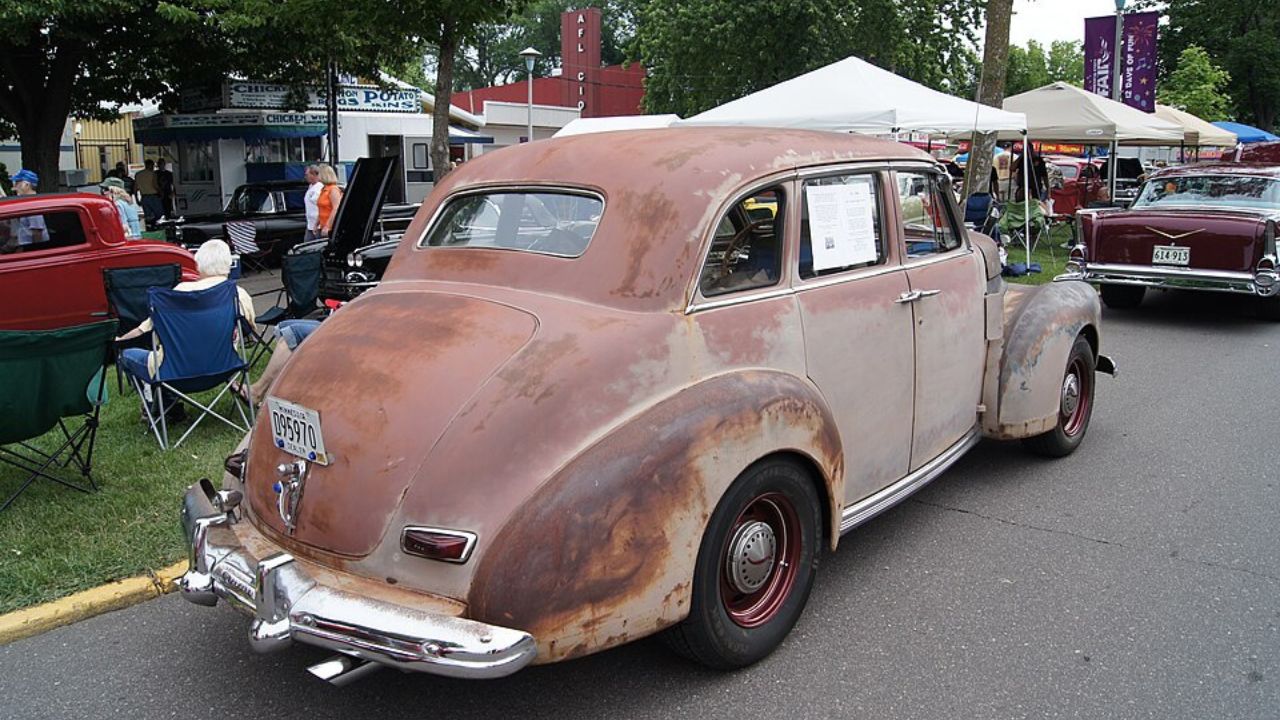
The Studebaker Skyway introduced a cleaner postwar appearance while retaining relatively straightforward mechanical components. Its streamlined body made it look modern without abandoning conventional rear-wheel-drive engineering. Mechanics appreciate cars like the Skyway because they combine interesting styling with mechanical systems that are much easier to understand than those found in many later vehicles.
Studebaker Starlight Coupe
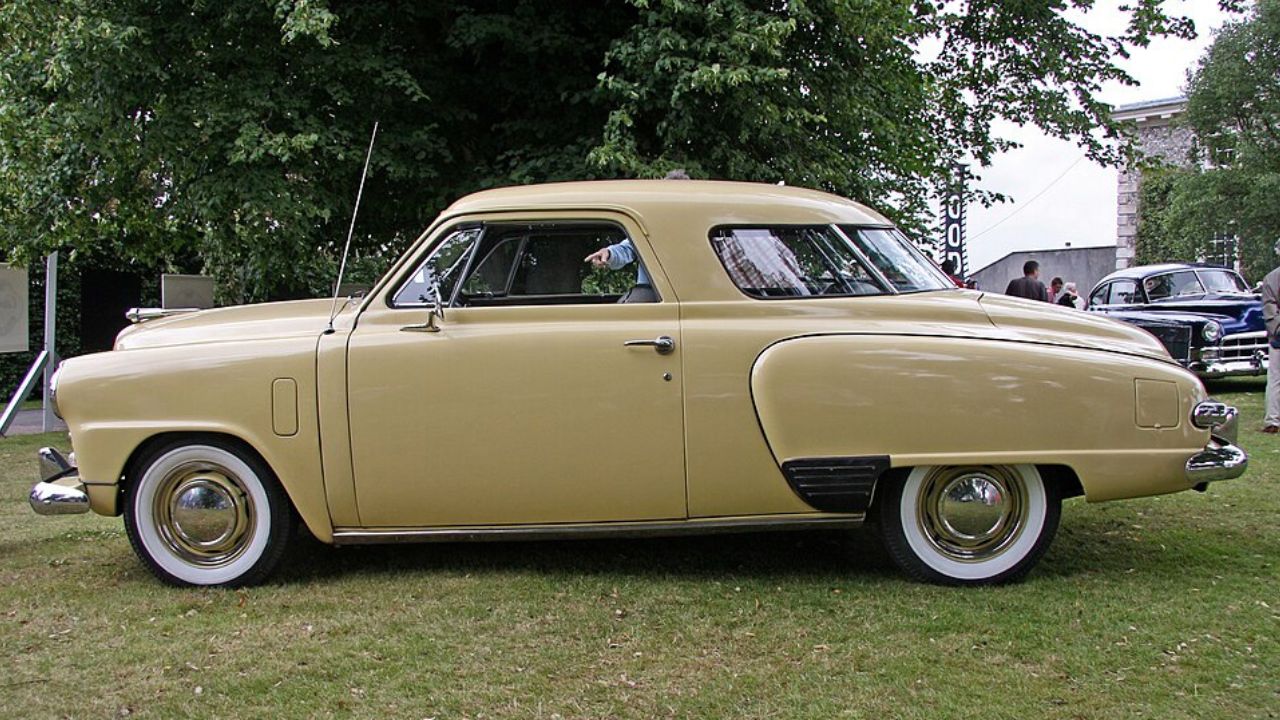
The Studebaker Starlight Coupe became famous for its unusual wraparound rear-window design. Beneath the distinctive body was a conventional mechanical layout that made the car practical to maintain. Its combination of simple engineering and innovative styling showed Studebaker’s willingness to take risks, making it a favorite among collectors and restoration enthusiasts.
Studebaker Starliner

The Studebaker Starliner featured one of the company’s most attractive postwar body designs. Its low roofline and clean proportions gave it a surprisingly modern appearance. The car also used conventional mechanical components that could be serviced without highly specialized equipment. That combination of styling and accessibility helps explain its lasting appeal.
Studebaker Champion Regal

The Studebaker Champion Regal offered extra equipment and refinement while retaining the dependable mechanical foundation of the Champion. Its six-cylinder engine was economical and relatively simple to service. The Regal remains interesting to mechanics because it demonstrates how Studebaker could improve comfort and appearance without abandoning a practical mechanical design.
Studebaker Golden Hawk
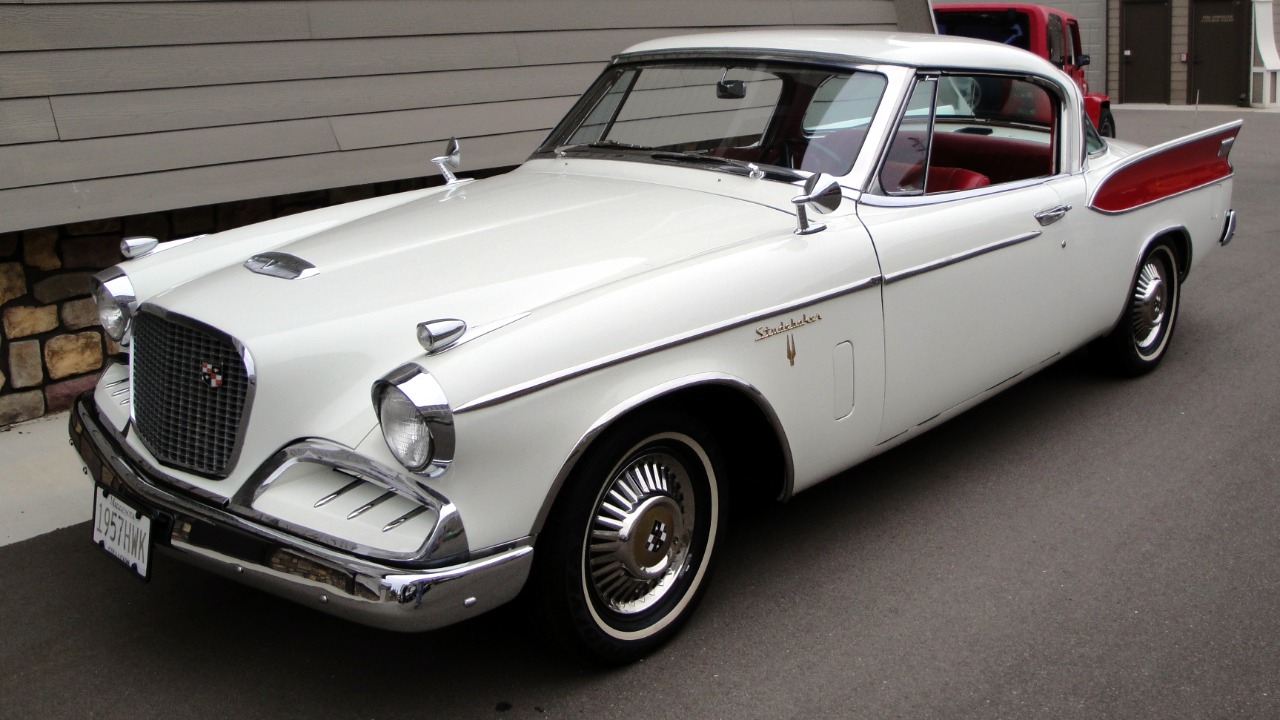
The Studebaker Golden Hawk combined a compact body with a powerful V8 engine, creating a surprisingly quick personal-performance car. Its supercharged versions became especially famous among enthusiasts. Mechanics respect the Golden Hawk because Studebaker managed to fit serious performance into a relatively small package, creating a car that remains mechanically fascinating today.
Studebaker Silver Hawk

The Studebaker Silver Hawk offered sporty styling with a range of reliable Studebaker engines. Its straightforward rear-wheel-drive layout made it easier to understand and maintain than many later performance cars. The model also provided a useful platform for enthusiasts interested in classic American engineering without dealing with the complexity found in newer vehicles.
Studebaker Flight Hawk
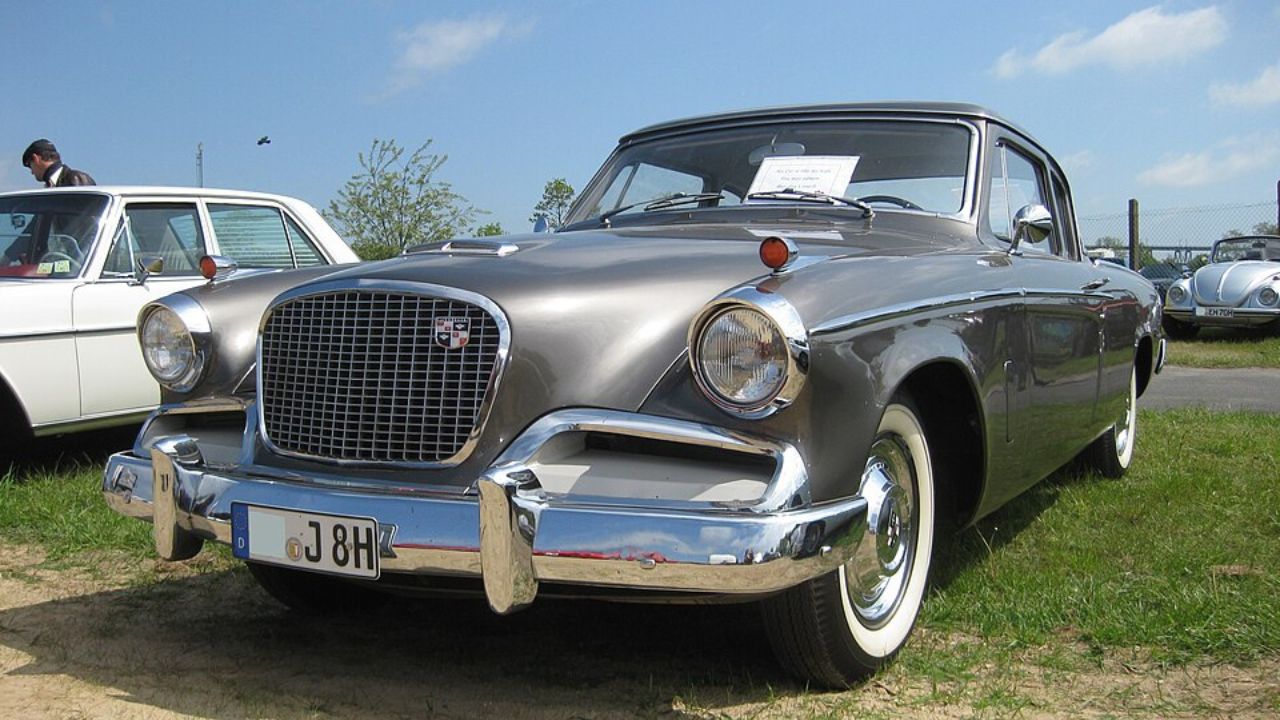
The Studebaker Flight Hawk used a smaller six-cylinder engine while retaining the sporty Hawk body style. It provided attractive styling without requiring the fuel consumption of the larger V8 models. Mechanics can appreciate its relatively simple drivetrain and accessible engineering, making it an interesting example of efficient performance from an independent American manufacturer.
Studebaker Power Hawk
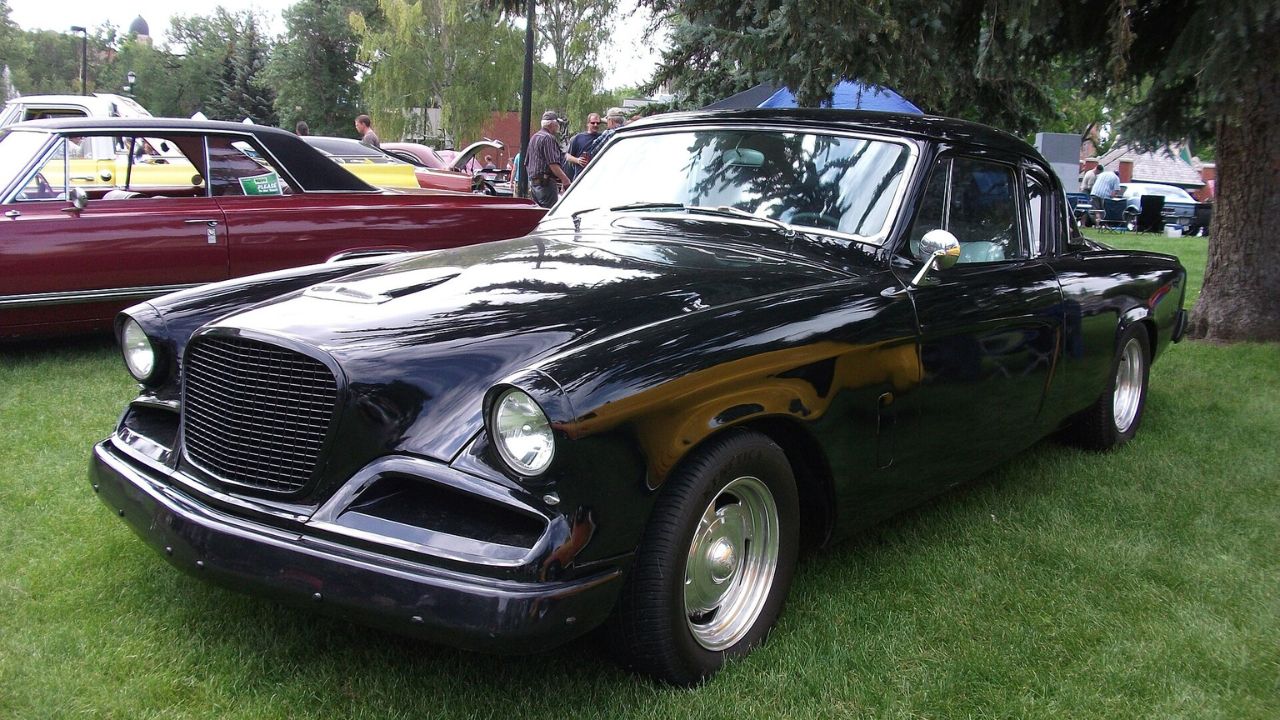
The Studebaker Power Hawk combined sporty styling with Studebaker’s reliable V8 power. It offered a practical middle ground between the smaller six-cylinder Hawks and more powerful Golden Hawk models. Its conventional drivetrain made it serviceable by experienced mechanics, while its unusual place in Studebaker history gives it strong appeal among enthusiasts.
Studebaker Scotsman
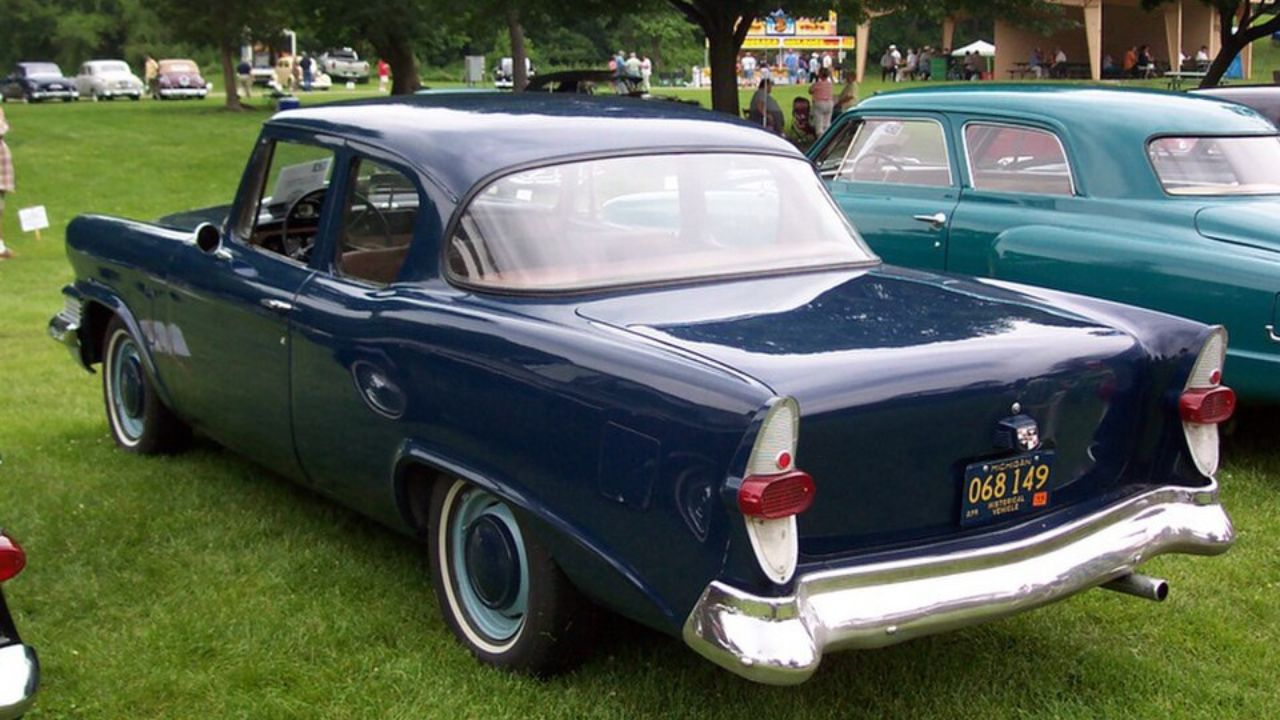
The Studebaker Scotsman was built around a simple idea: provide inexpensive transportation without unnecessary equipment. It used basic mechanical components and avoided many luxury features. That simplicity is exactly what makes the Scotsman interesting to mechanics. It represents an era when repairing a vehicle often meant understanding straightforward mechanical systems rather than complicated electronic controls.
Studebaker Hawk
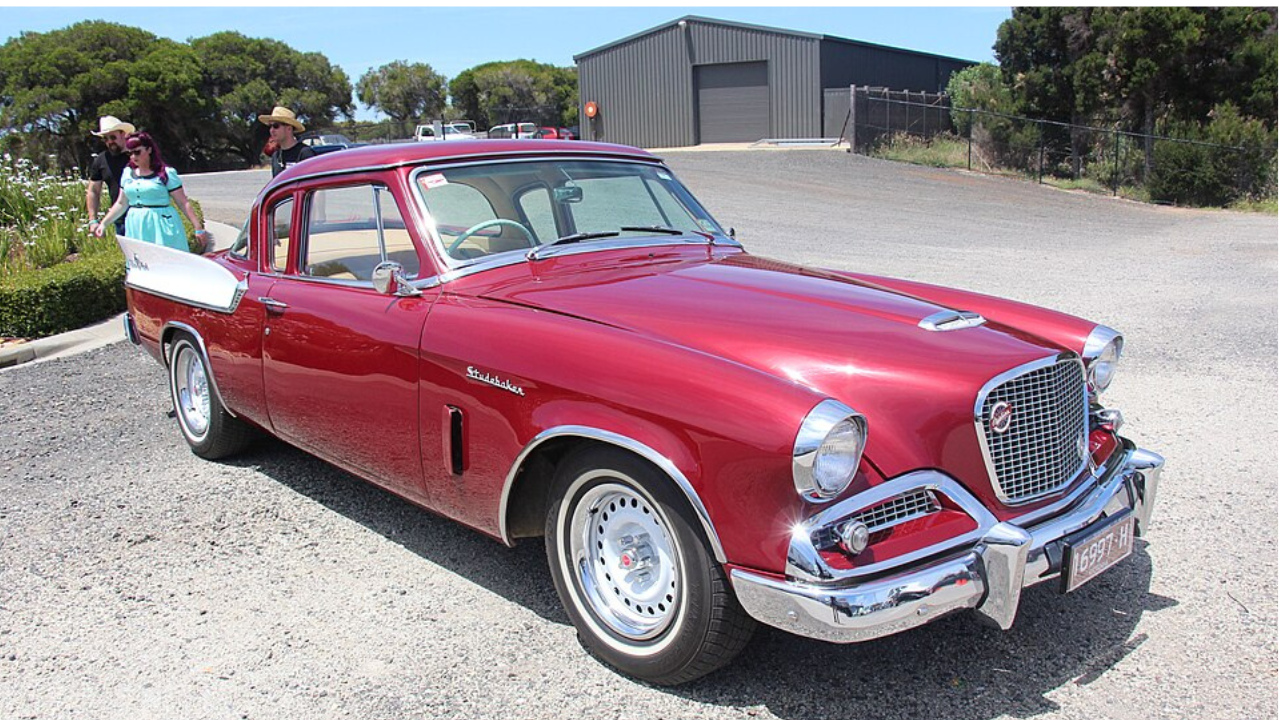
The Studebaker Hawk became one of the company’s best-known sporty cars. It combined attractive styling with strong V8 options and a conventional drivetrain. The mechanical layout remained relatively accessible, while the performance potential gave enthusiasts plenty to work with. The Hawk’s balance of style, simplicity, and power helps maintain its reputation among classic-car mechanics.
Studebaker Avanti
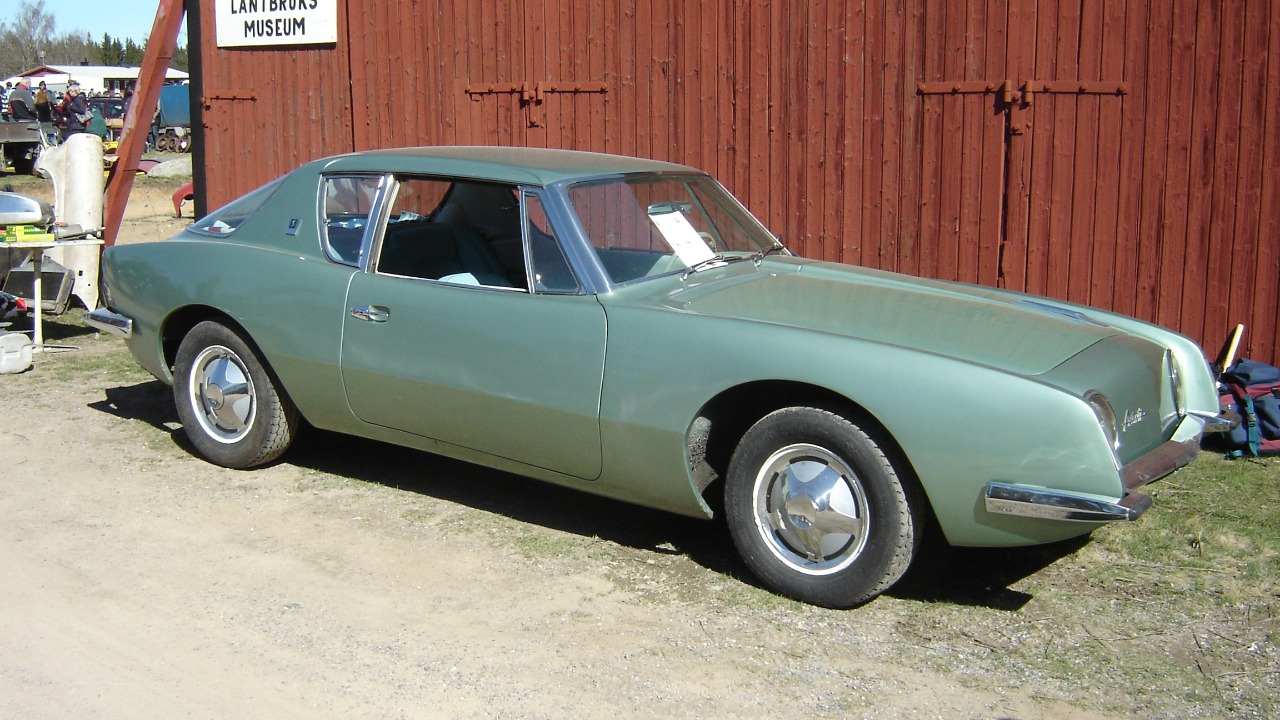
The Studebaker Avanti was radically different from most American cars of its time. Its fiberglass body, aerodynamic shape, and powerful V8 options made it technologically interesting. The supercharged versions were particularly impressive. Mechanics respect the Avanti because it combined advanced body design with serious performance while coming from a manufacturer operating with far fewer resources than Detroit’s giants.
Studebaker Lark
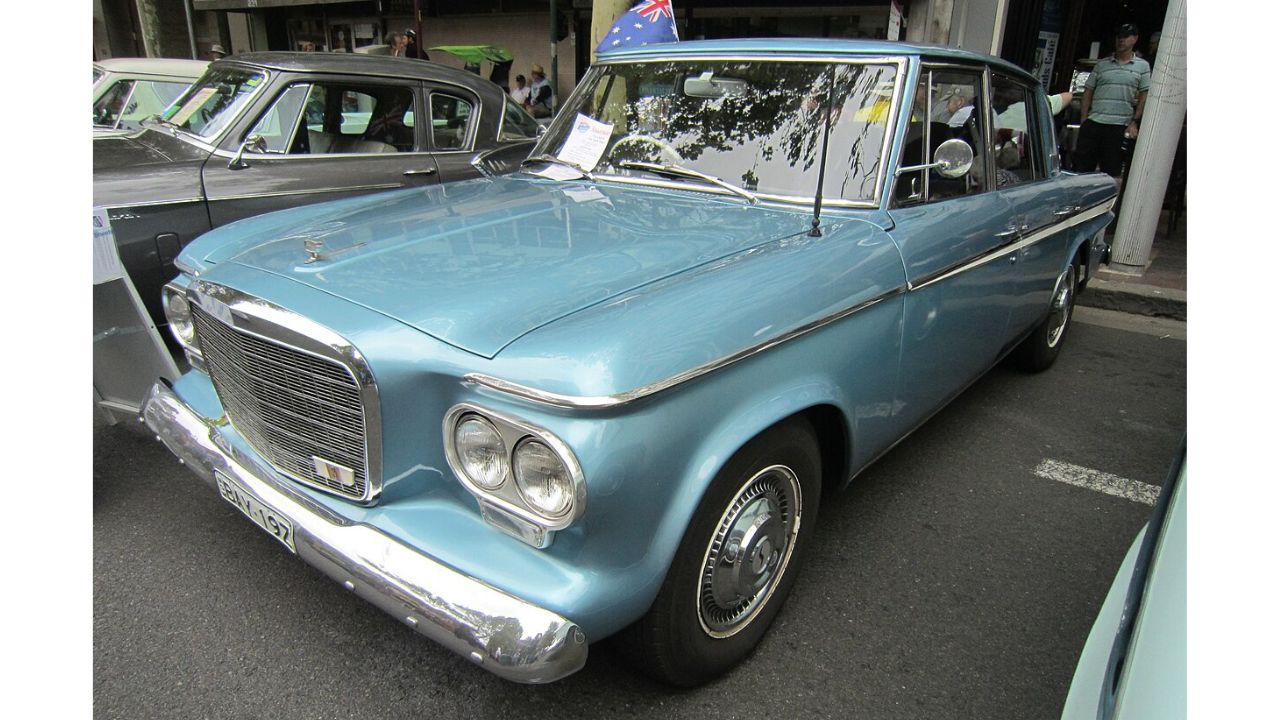
The Studebaker Lark was a compact car that helped the company respond to growing demand for smaller, more economical vehicles. Its simple construction and range of engines made it practical for everyday use. The Lark remains respected because Studebaker recognized the value of compact transportation before many larger American manufacturers fully embraced the idea.
Studebaker Daytona
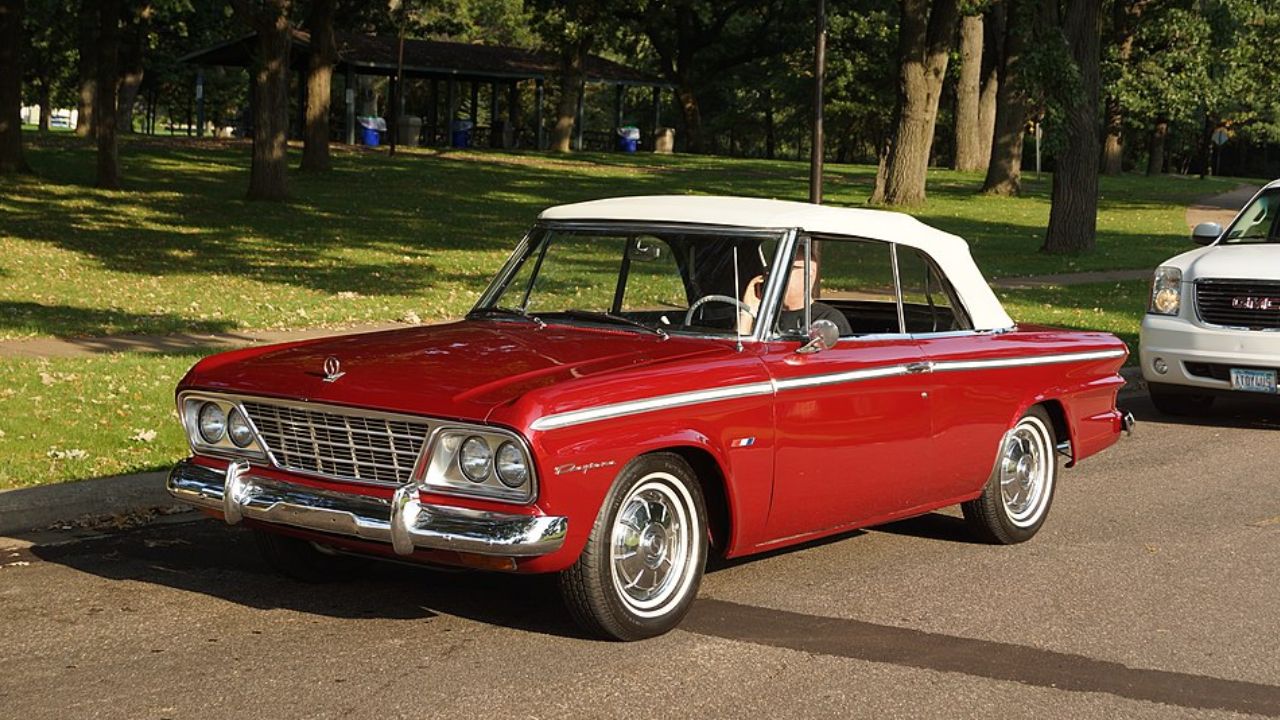
The Studebaker Daytona offered sporty styling and comfortable equipment while using the company’s proven mechanical components. It was available with both six-cylinder and V8 power depending on configuration. Its conventional drivetrain made maintenance relatively approachable, while its distinctive design ensured that it would remain recognizable among classic-car enthusiasts.
Studebaker Wagonaire

The Studebaker Wagonaire was one of the company’s most unusual practical vehicles. Its sliding roof section above the cargo area allowed tall objects to be carried more easily. The concept was remarkably useful and anticipated ideas later seen in flexible SUVs and crossover vehicles. Its clever packaging remains one of Studebaker’s most respected engineering features.
Studebaker Transtar
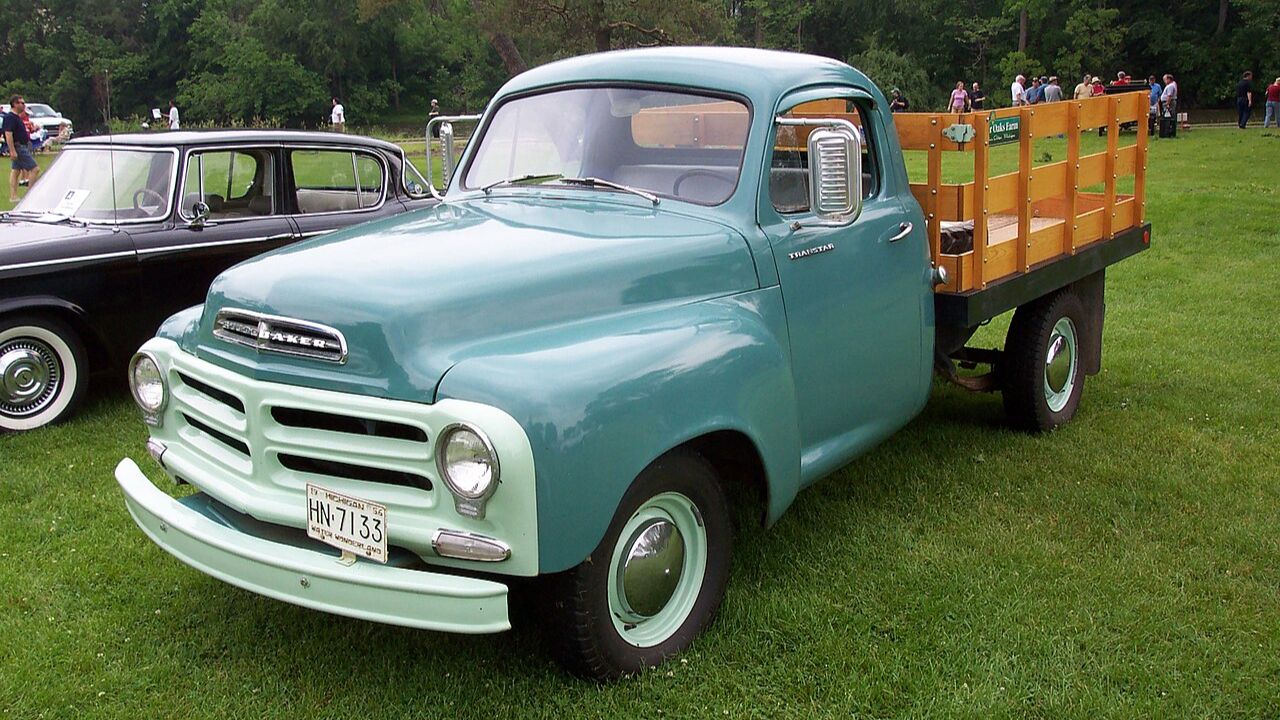
The Studebaker Transtar was a practical pickup built around straightforward truck engineering. It offered useful cargo capacity, durable construction, and conventional mechanical components. Mechanics appreciate older trucks like the Transtar because their systems are generally easier to diagnose and repair than modern electronically controlled pickups. It also demonstrates Studebaker’s experience in practical commercial vehicles.
Studebaker Champ
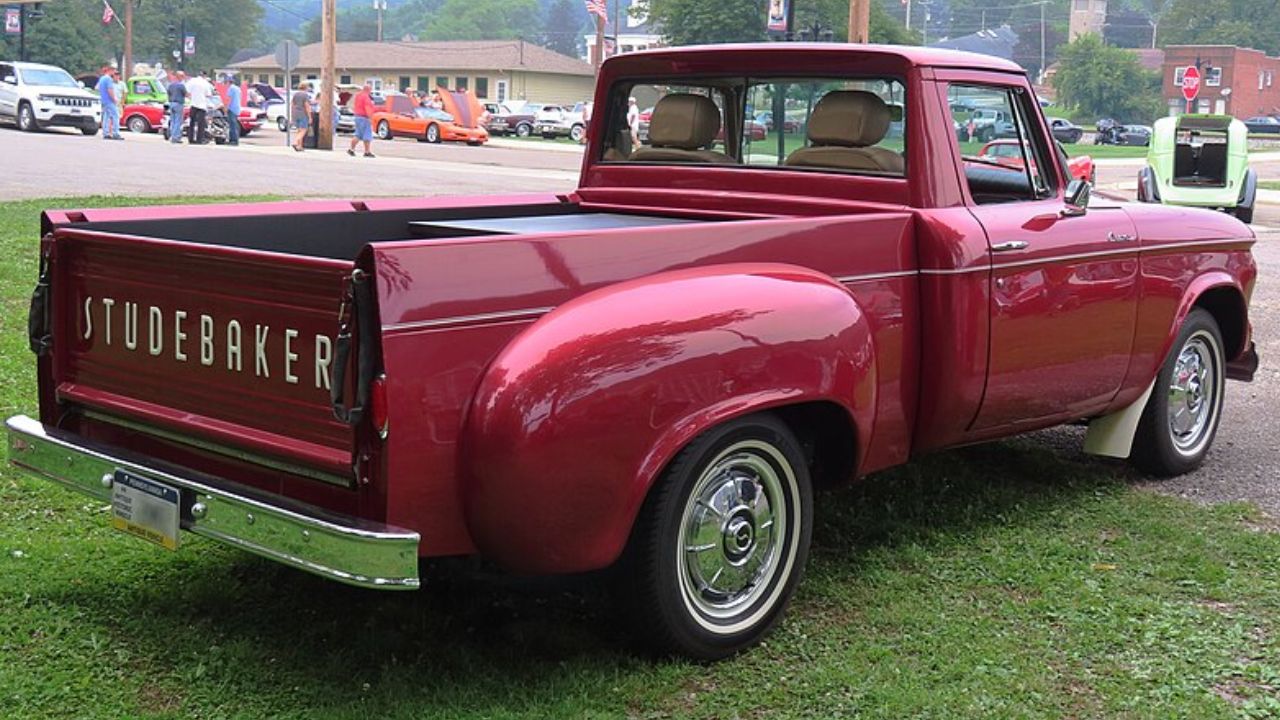
The Studebaker Champ combined a comfortable cab with a useful pickup bed and a range of proven engines. Its truck chassis was designed for practical work while giving drivers a more car-like environment. Mechanics still appreciate the Champ because it used familiar mechanical systems and offered a good balance between durability, serviceability, and everyday usefulness.
More from Fast Lane Only
- Unboxing the WWII Jeep in a Crate
- 15 rare Chevys collectors are quietly buying
- 10 underrated V8s still worth hunting down
- Police notice this before you even roll window down
*Research for this article included AI assistance, with all final content reviewed by human editors.