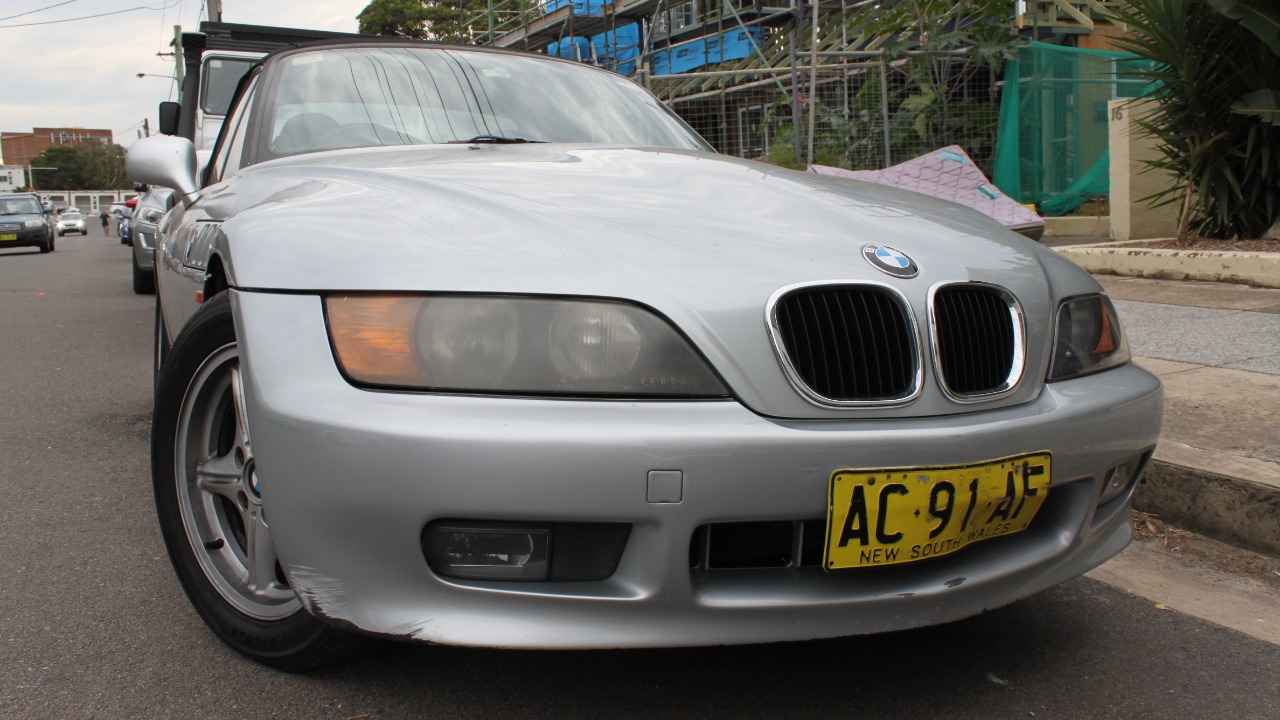
Roadsters have always offered something different from ordinary cars: two seats, an open roof, rear-wheel drive, and a driving experience centered on the road. Without the weight and complexity of larger cars, many roadsters became favorites among enthusiasts who value steering feel, balance, and simplicity. These 19 roadsters remain highly sought after by pure driving fans.
Mazda MX-5 Miata
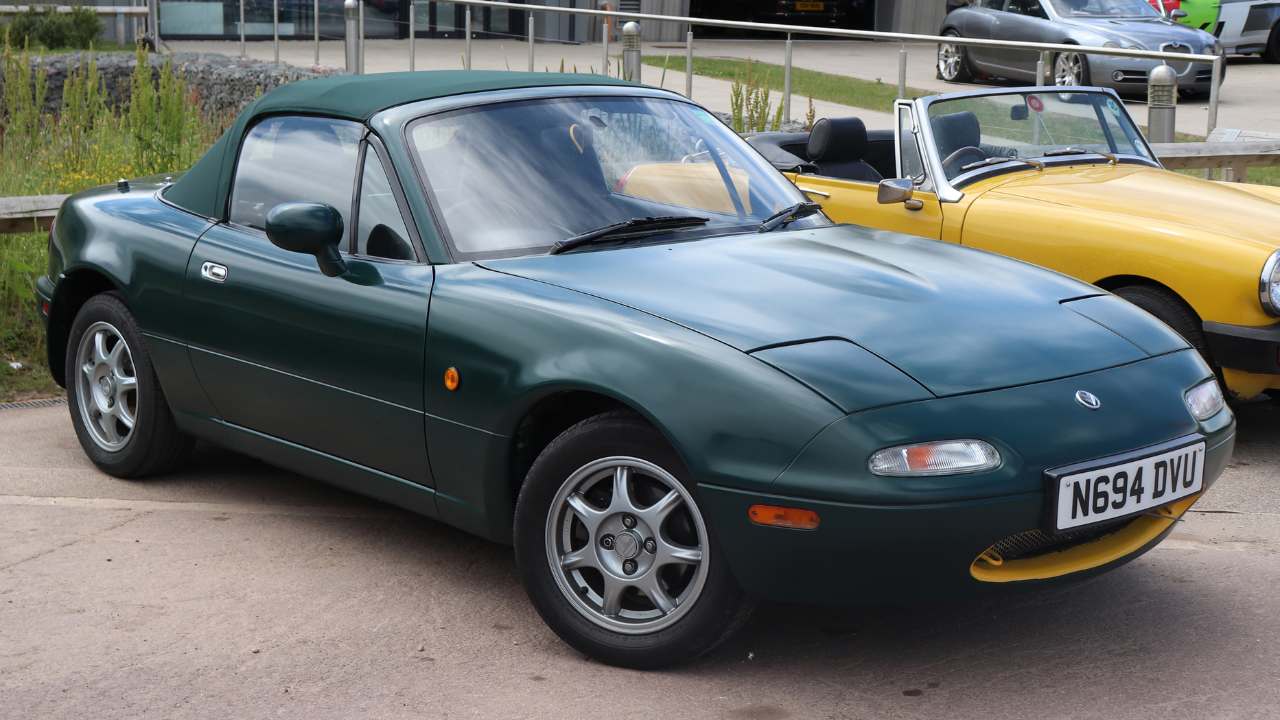
The Mazda MX-5 Miata became a modern icon by returning to the simple two-seat roadster formula. Its lightweight construction, rear-wheel-drive layout, and responsive handling made it enjoyable without requiring huge horsepower. The Miata’s popularity also created a massive enthusiast community, ensuring strong parts availability and making it one of the easiest classic-style roadsters to enjoy.
Honda S2000
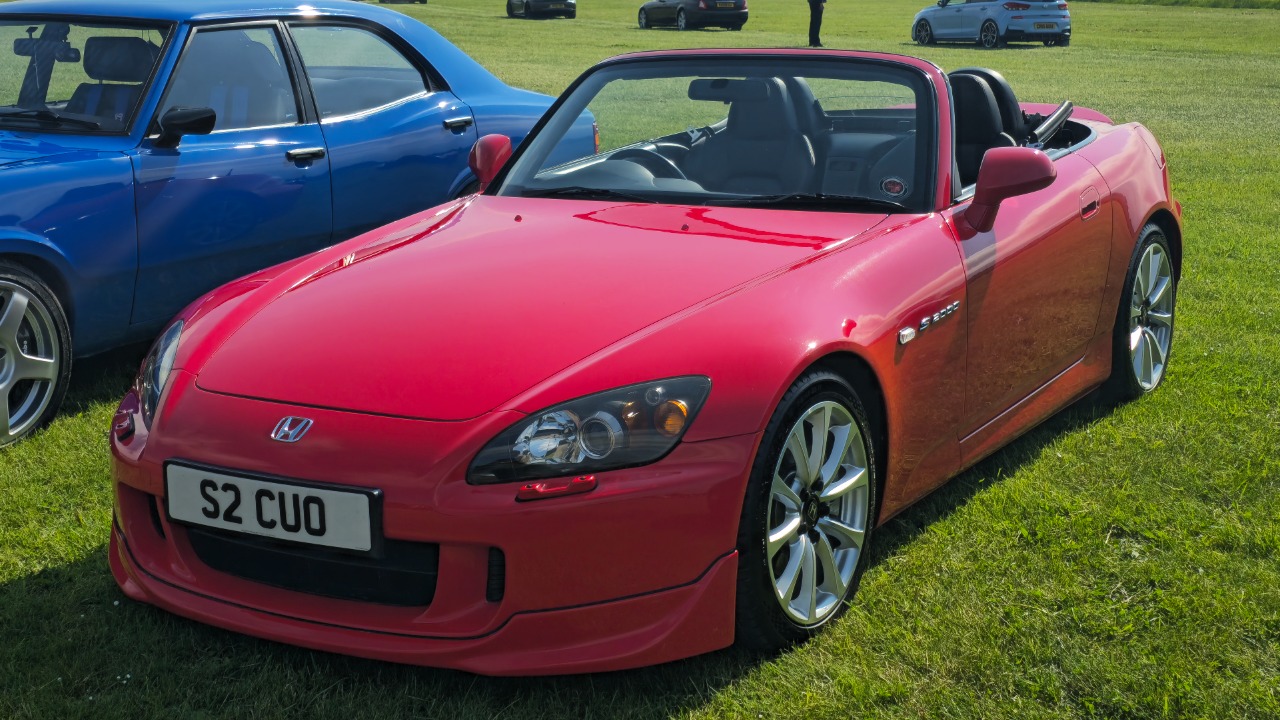
The Honda S2000 earned its reputation through a high-revving four-cylinder engine and an exceptionally engaging chassis. Its precise six-speed manual transmission and rear-wheel-drive layout made every drive feel special. Rather than relying on brute force, the S2000 rewarded drivers who enjoyed working through the rev range and exploring its sharp handling.
BMW Z3
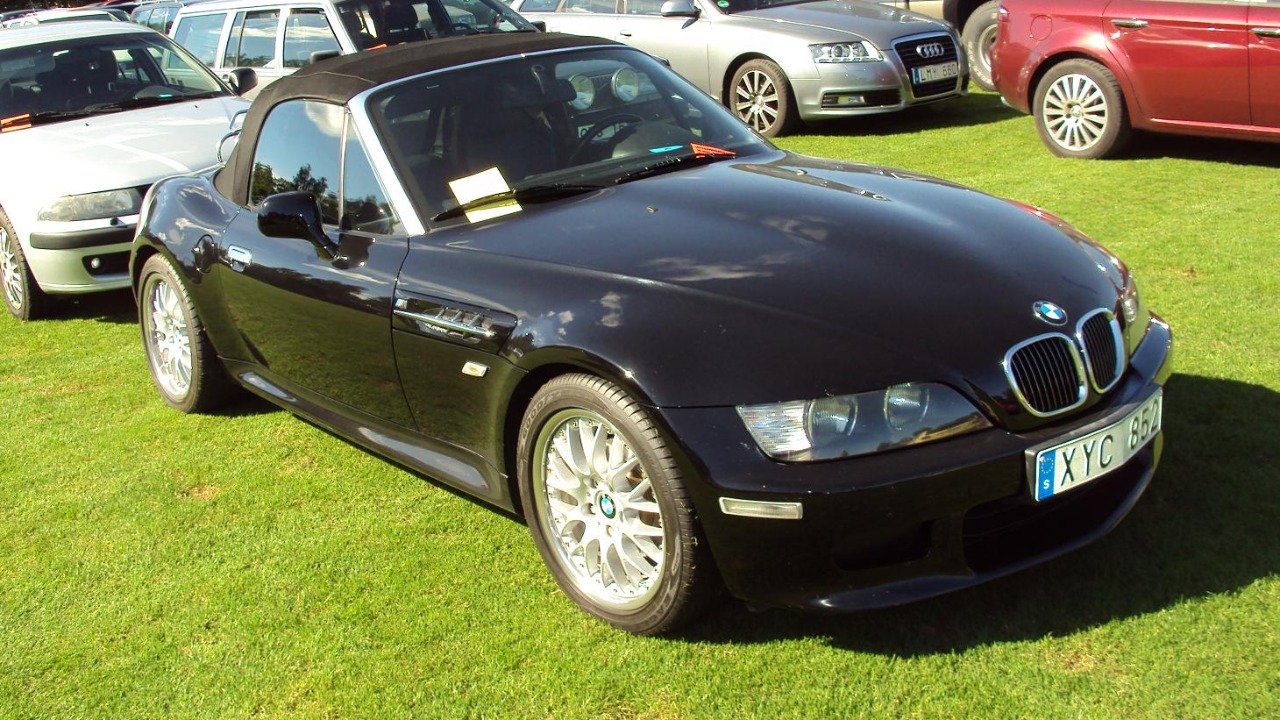
The BMW Z3 brought traditional roadster proportions together with BMW’s rear-wheel-drive driving character. Its long hood, short rear deck, and two-seat cabin gave it the classic sports-car appearance enthusiasts wanted. Six-cylinder versions added stronger performance, while the simple open-top layout made the Z3 an appealing choice for drivers seeking an old-school roadster experience.
BMW Z4

The BMW Z4 evolved the company’s roadster formula with more power, greater refinement, and sharper technology. Early versions retained the classic long-hood proportions while offering a range of strong engines. Manual-transmission examples are particularly interesting to driving enthusiasts because they provide a more direct connection between the driver and the car.
Porsche Boxster
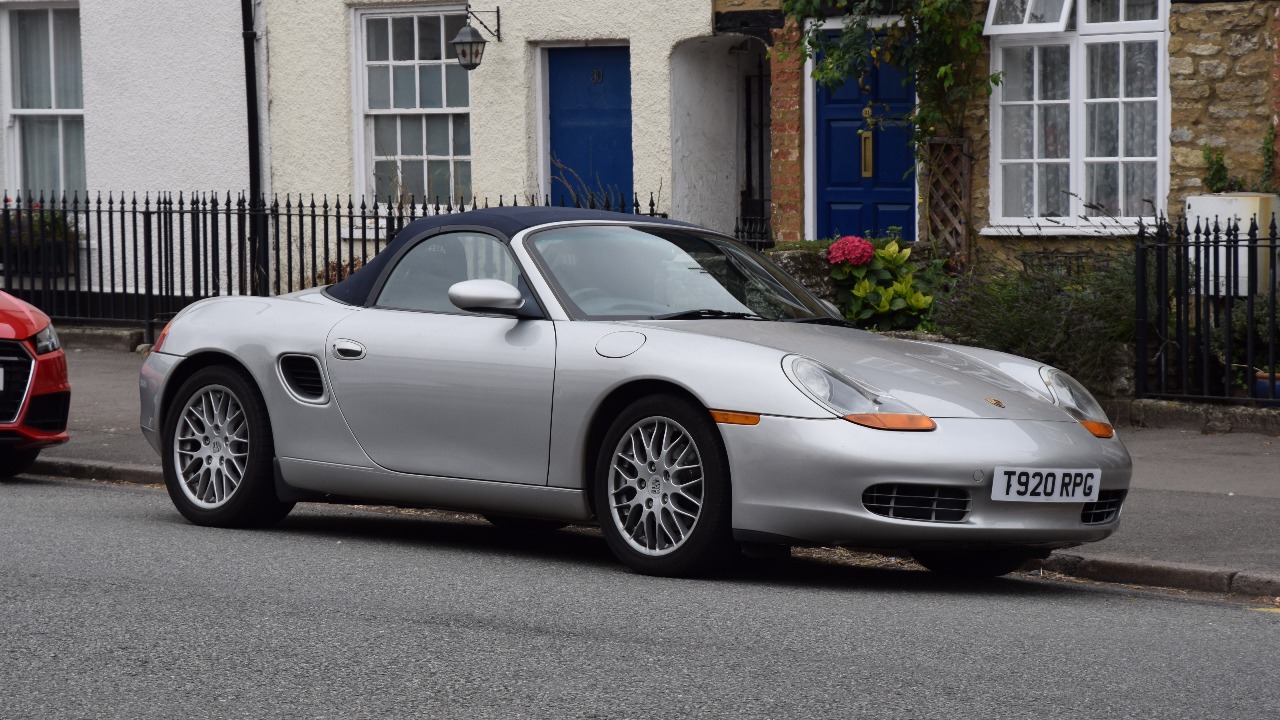
The Porsche Boxster proved that a smaller roadster could deliver genuine sports-car performance. Its mid-engine layout provides a balanced chassis, while the flat-six engines used in many generations produce a distinctive soundtrack. The Boxster has become a favorite among enthusiasts who want Porsche handling and steering without moving into the company’s larger and more expensive models.
Toyota MR2 Spyder
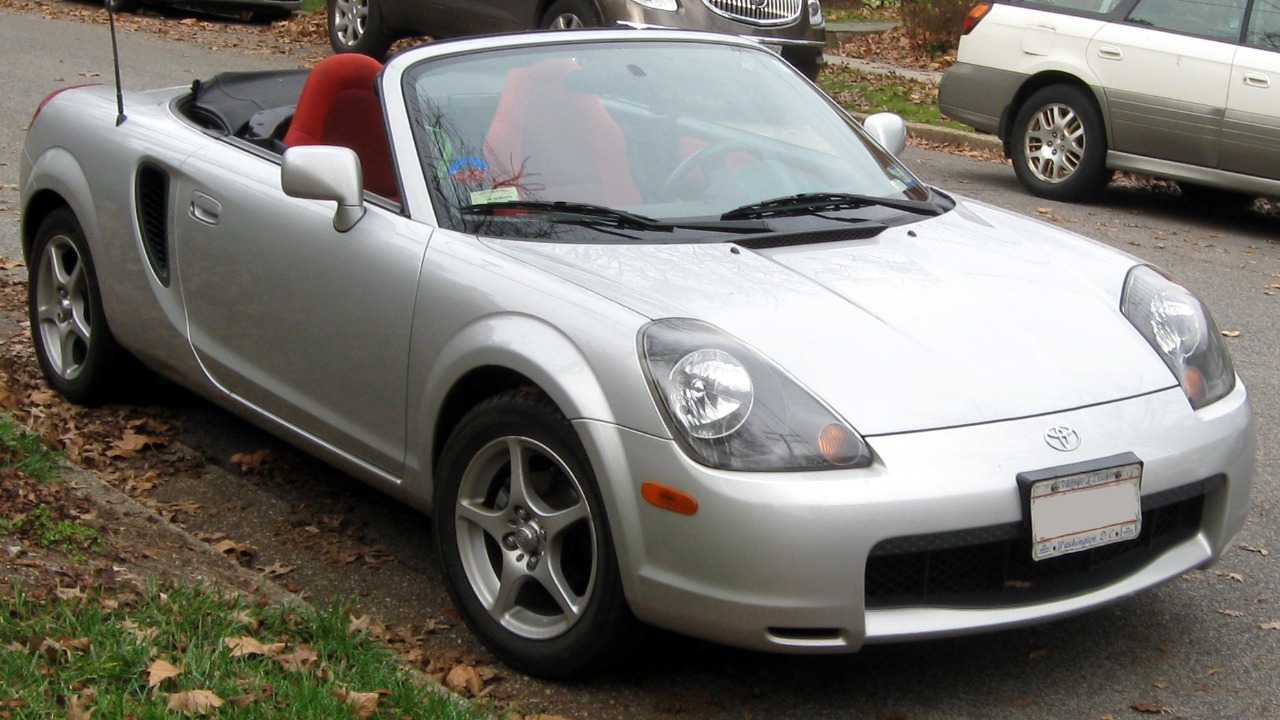
The Toyota MR2 Spyder focused heavily on lightweight performance. Its mid-engine layout placed the mass near the center of the car, giving it responsive handling and a playful character. The modest engine output encouraged drivers to maintain momentum rather than simply accelerate down straights, making it appealing to enthusiasts who value chassis balance.
Fiat Barchetta
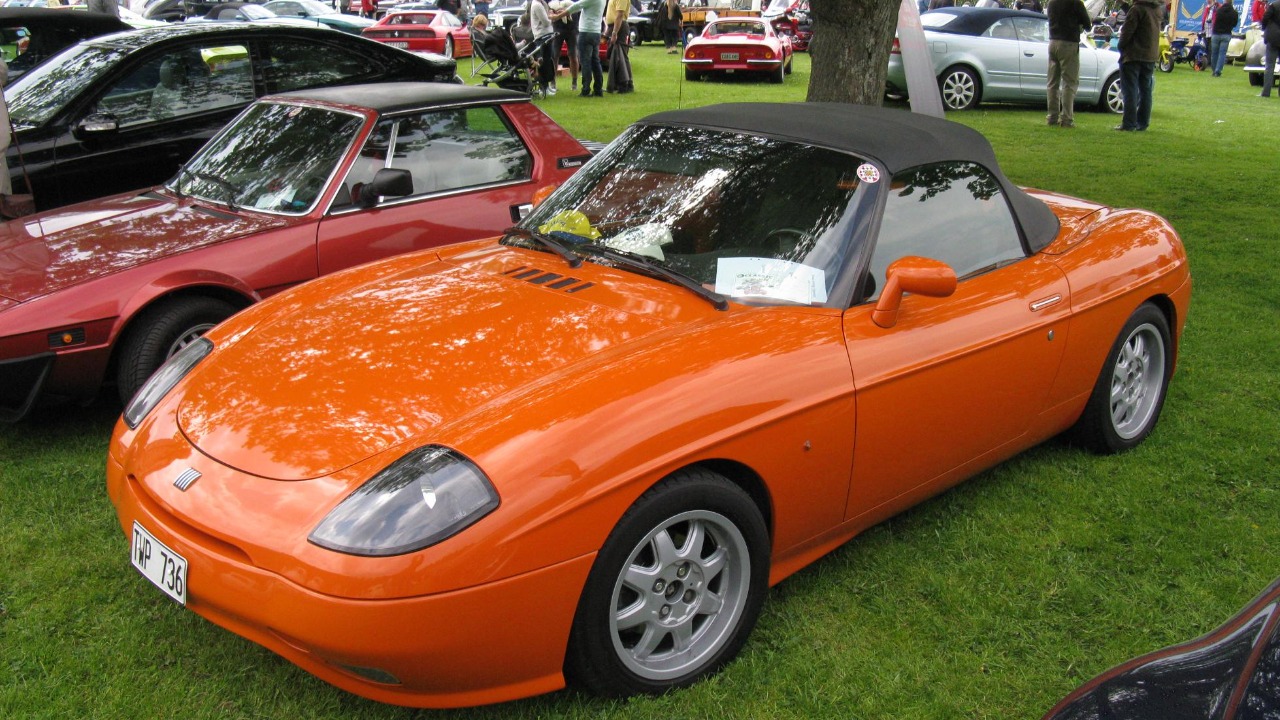
The Fiat Barchetta brought Italian styling and front-wheel-drive roadster packaging together in a small, distinctive car. Its rounded bodywork and compact proportions gave it plenty of personality. While its layout differed from traditional rear-wheel-drive roadsters, its light weight and open-top design made it an interesting choice for enthusiasts looking for something less conventional.
Alfa Romeo Spider
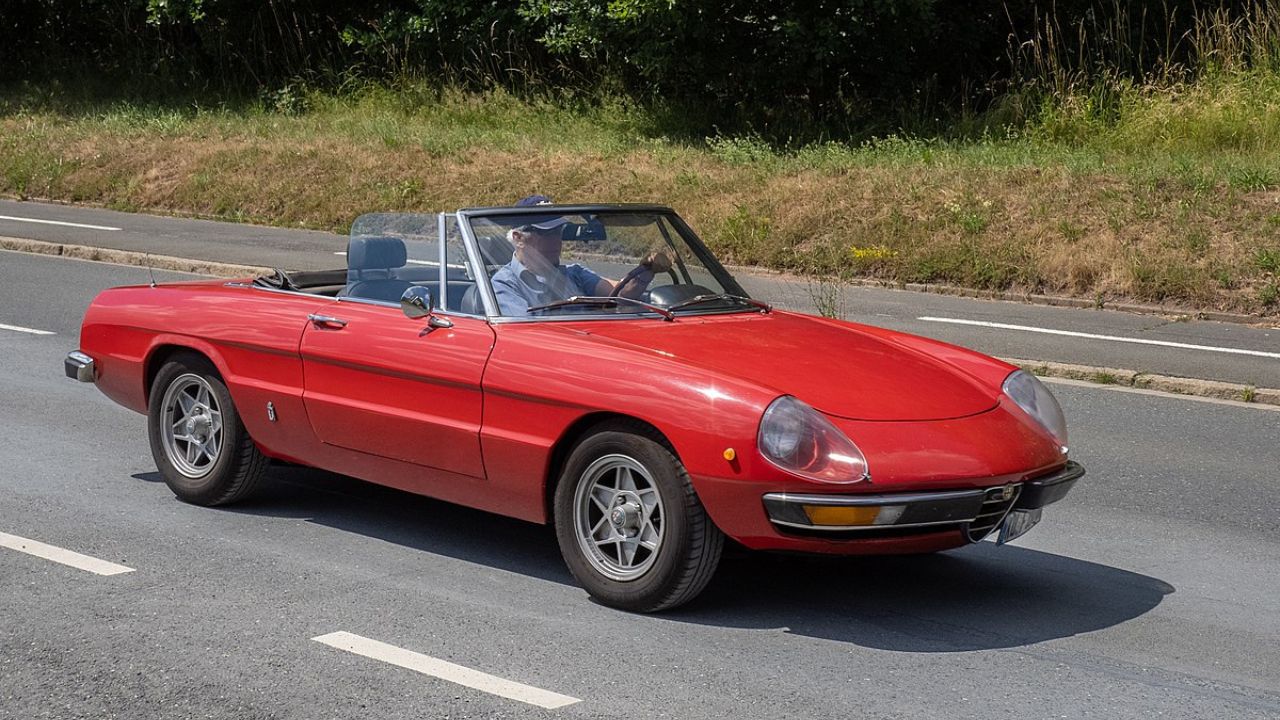
The Alfa Romeo Spider became one of the most recognizable Italian roadsters. Its elegant shape, open cabin, and distinctive engine character gave it an identity that went beyond outright performance. Driving fans appreciate the Spider for the sense of occasion it provides, especially on winding roads where its classic character becomes part of the experience.
Triumph Spitfire
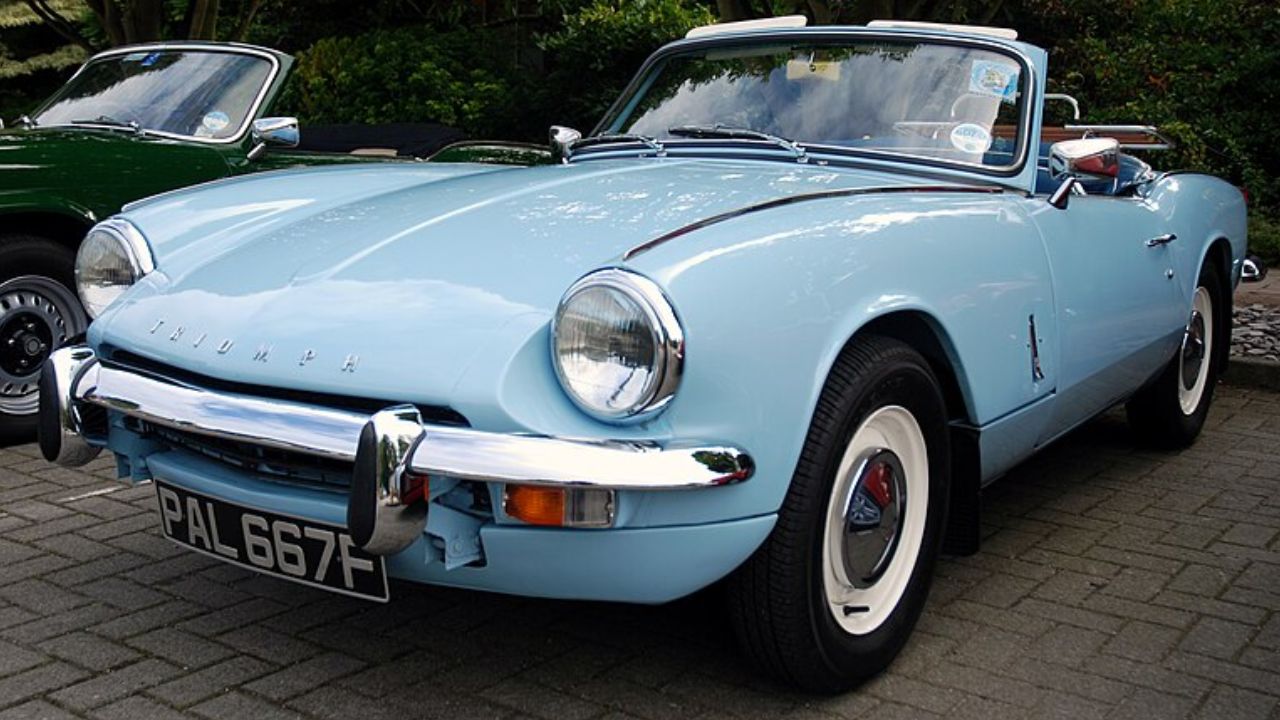
The Triumph Spitfire offered affordable British roadster fun in a compact package. Its lightweight construction and simple mechanical layout made it approachable for enthusiasts who enjoy working on their own cars. Modest power was never the main attraction; instead, the Spitfire delivered an engaging driving experience through its small dimensions and open-air character.
Triumph TR6
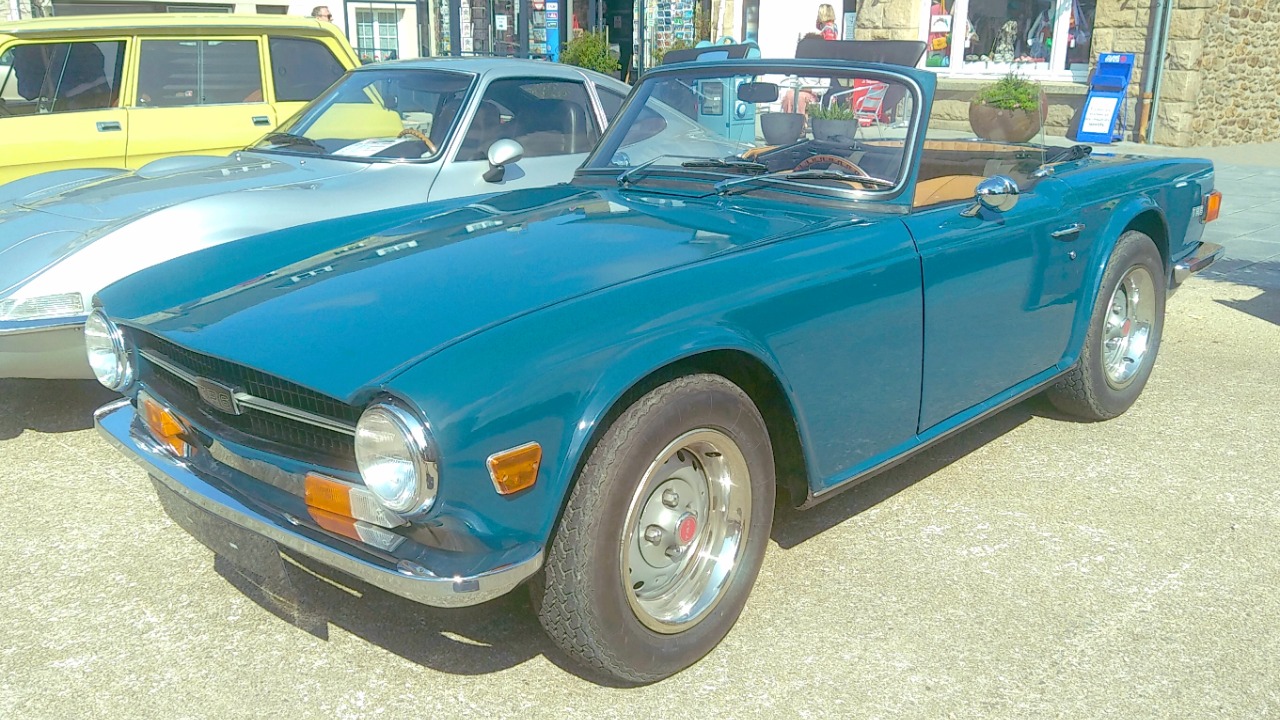
The Triumph TR6 combined classic British roadster styling with a stronger six-cylinder engine. Its traditional rear-wheel-drive layout, manual transmission, and straightforward construction gave drivers a direct connection with the car. The TR6 remains attractive to enthusiasts who want the mechanical feel and character associated with vintage British sports cars.
MG MGB
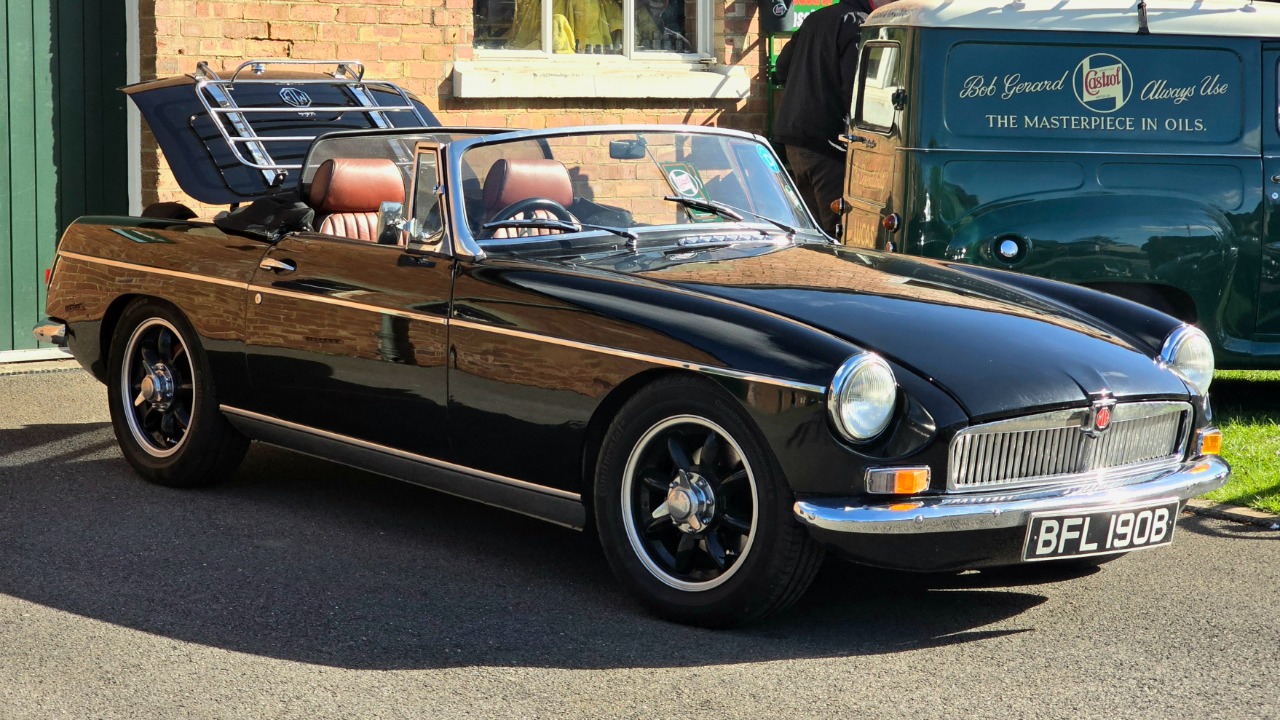
The MG MGB became one of Britain’s most successful and recognizable roadsters. Its compact dimensions, simple mechanical design, and traditional rear-wheel-drive layout made it approachable for everyday enthusiasts. The large production numbers also helped create strong parts and restoration support, allowing many examples to remain active in the classic-car community.
Austin-Healey Sprite
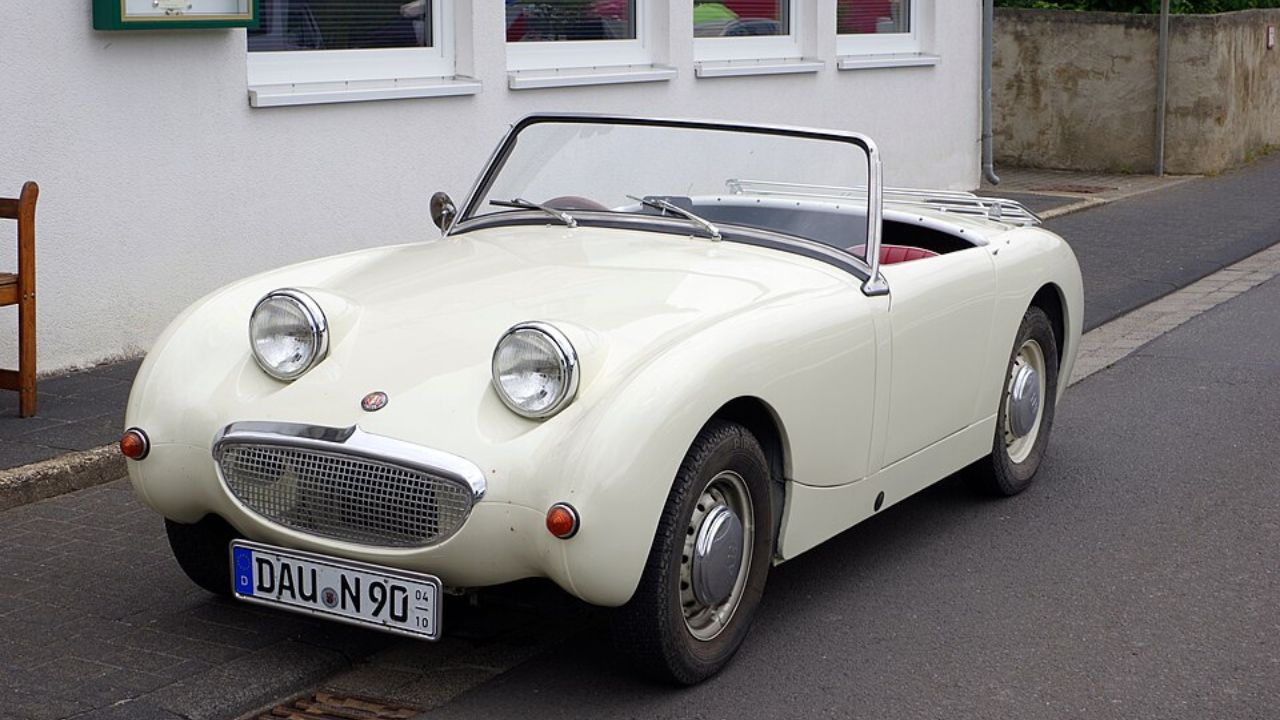
The Austin-Healey Sprite was built around a simple idea: make a small, lightweight sports car that was fun to drive. Its tiny dimensions and low weight gave it an entertaining character even without a powerful engine. The Sprite’s uncomplicated design also makes it appealing to enthusiasts who enjoy maintaining and restoring older British sports cars.
Lotus Elise
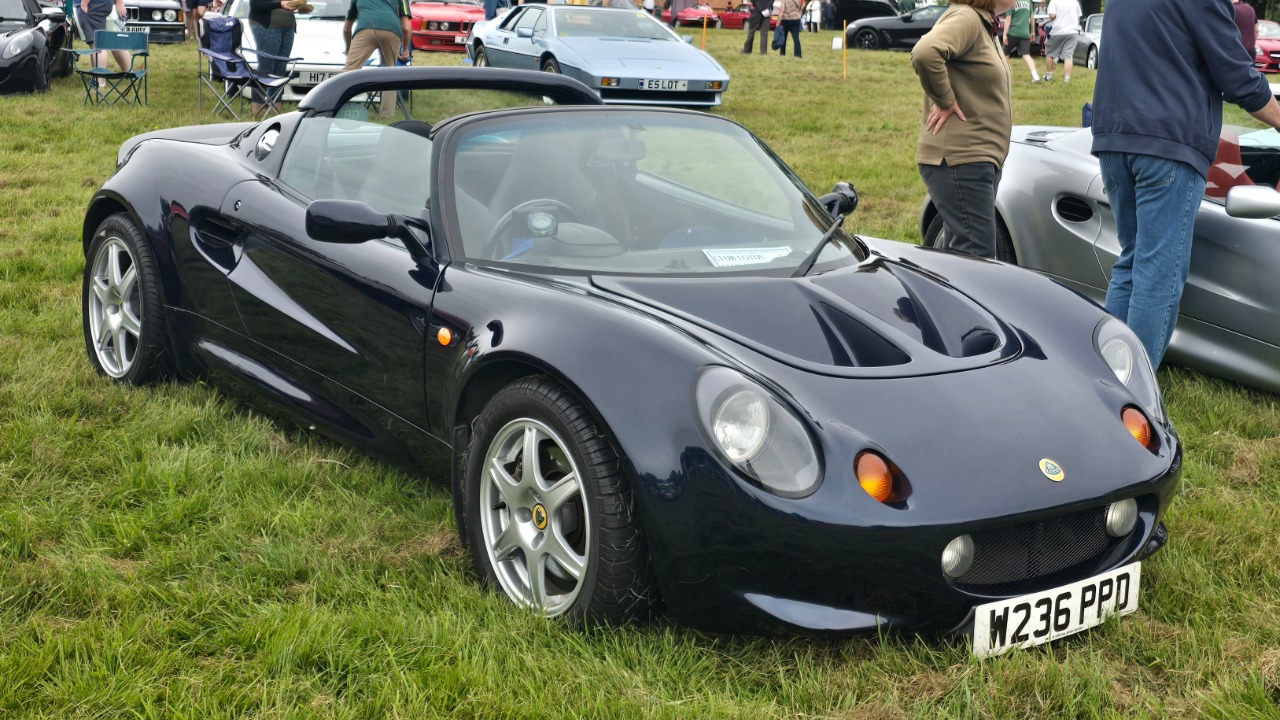
The Lotus Elise took lightweight engineering to an extreme. Its low weight, responsive steering, and minimalist interior created a driving experience focused almost entirely on handling. Instead of adding luxury equipment and power, Lotus concentrated on reducing mass. That philosophy made the Elise one of the most distinctive modern roadsters for enthusiasts who prioritize feedback over comfort.
Caterham Seven
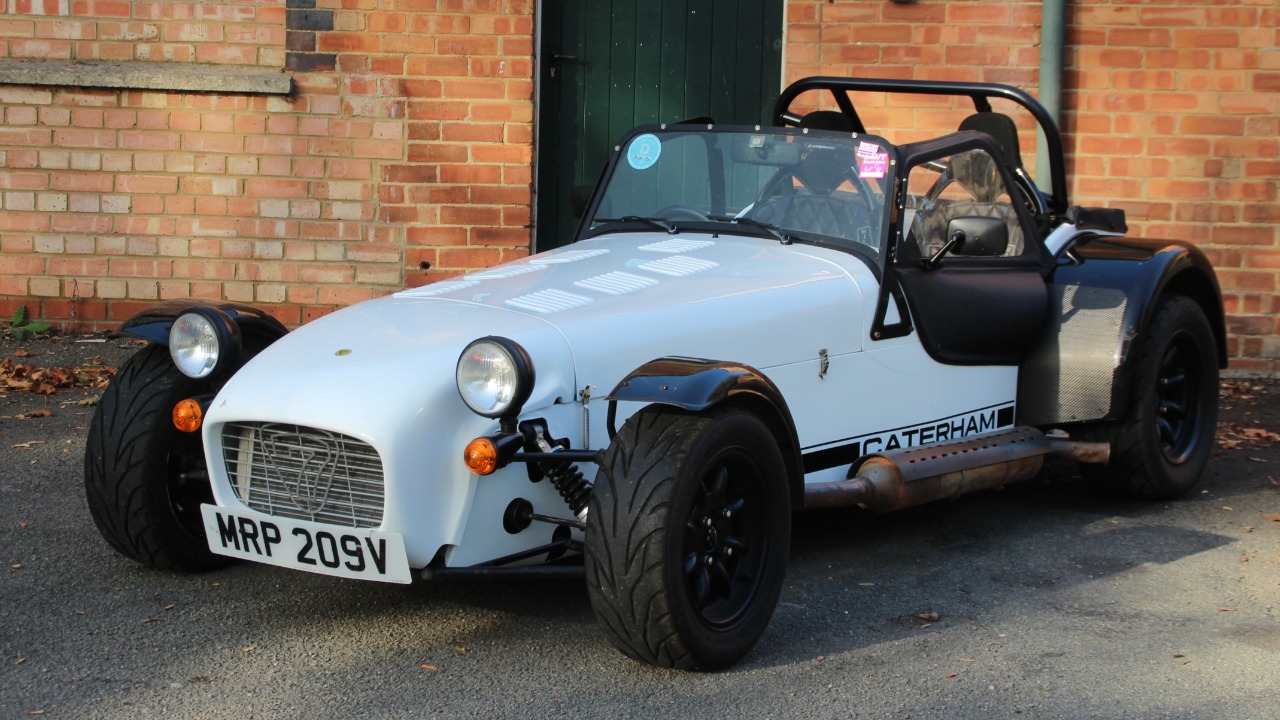
The Caterham Seven is essentially a road-going expression of lightweight sports-car engineering. Its open cockpit, minimal bodywork, low weight, and rear-wheel drive create an extremely direct driving experience. With little separating the driver from the mechanical components, the Seven offers the kind of raw road connection that modern performance cars rarely provide.
AC Cobra
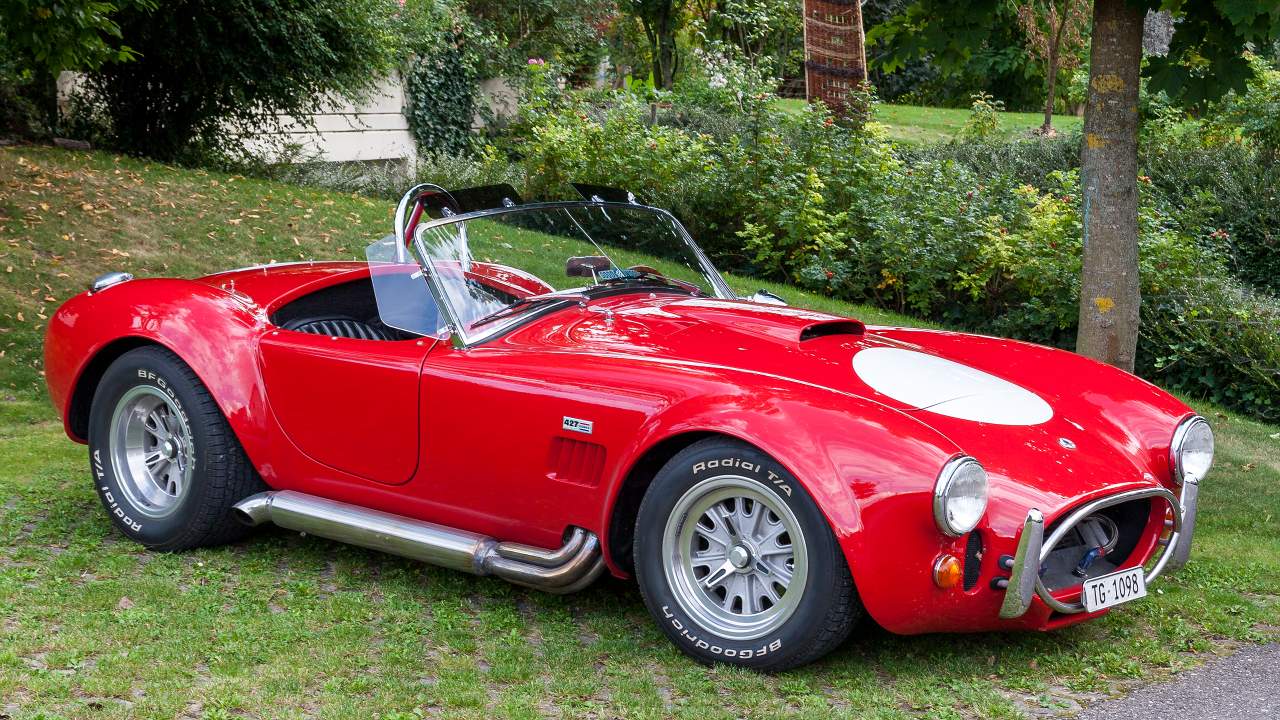
The AC Cobra combined a lightweight British sports-car chassis with powerful American V8 engines. The result was a compact roadster with extraordinary performance and an unmistakable appearance. Genuine examples are extremely valuable and rare, but the Cobra’s influence remains enormous among enthusiasts who admire simple construction combined with serious engine power.
Morgan Plus 4
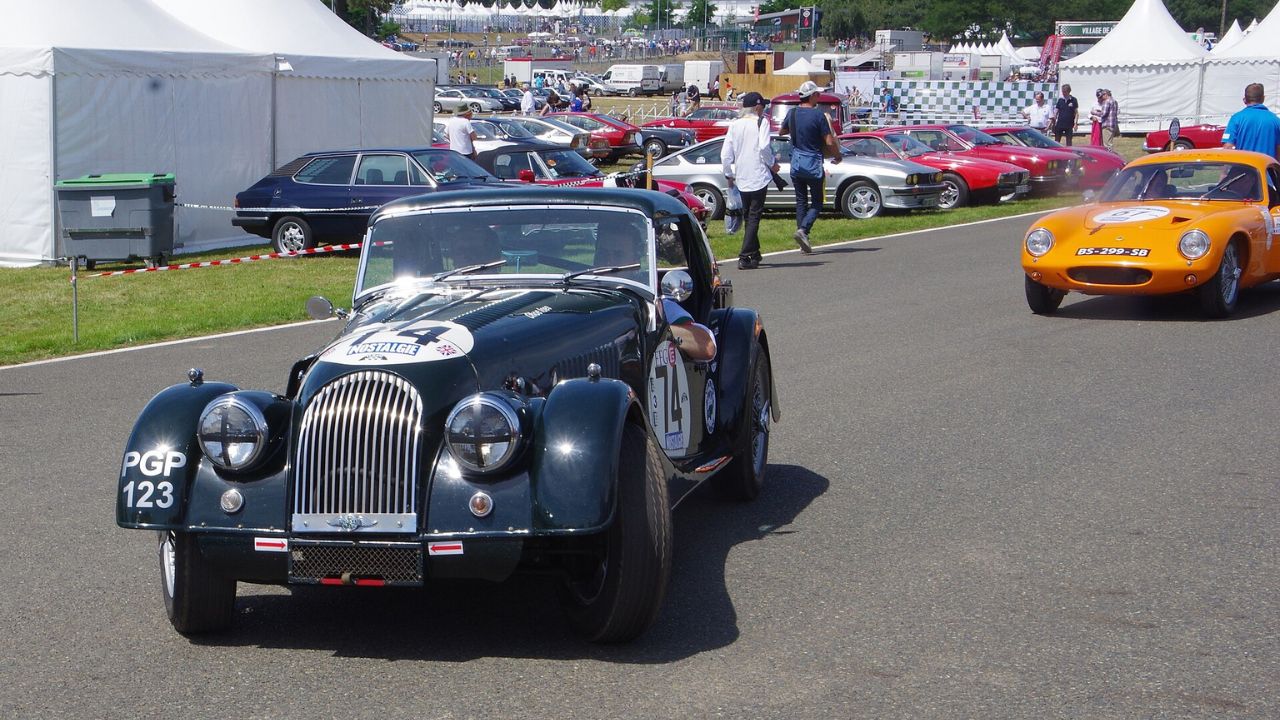
The Morgan Plus 4 preserved an unusually traditional approach to roadster construction. Its classic styling, open cockpit, and lightweight chassis give it a driving character unlike most modern sports cars. Morgan’s long-running design philosophy makes the Plus 4 particularly appealing to enthusiasts who want a roadster that feels connected to the earliest traditions of British sports-car design.
Datsun 2000 Roadster
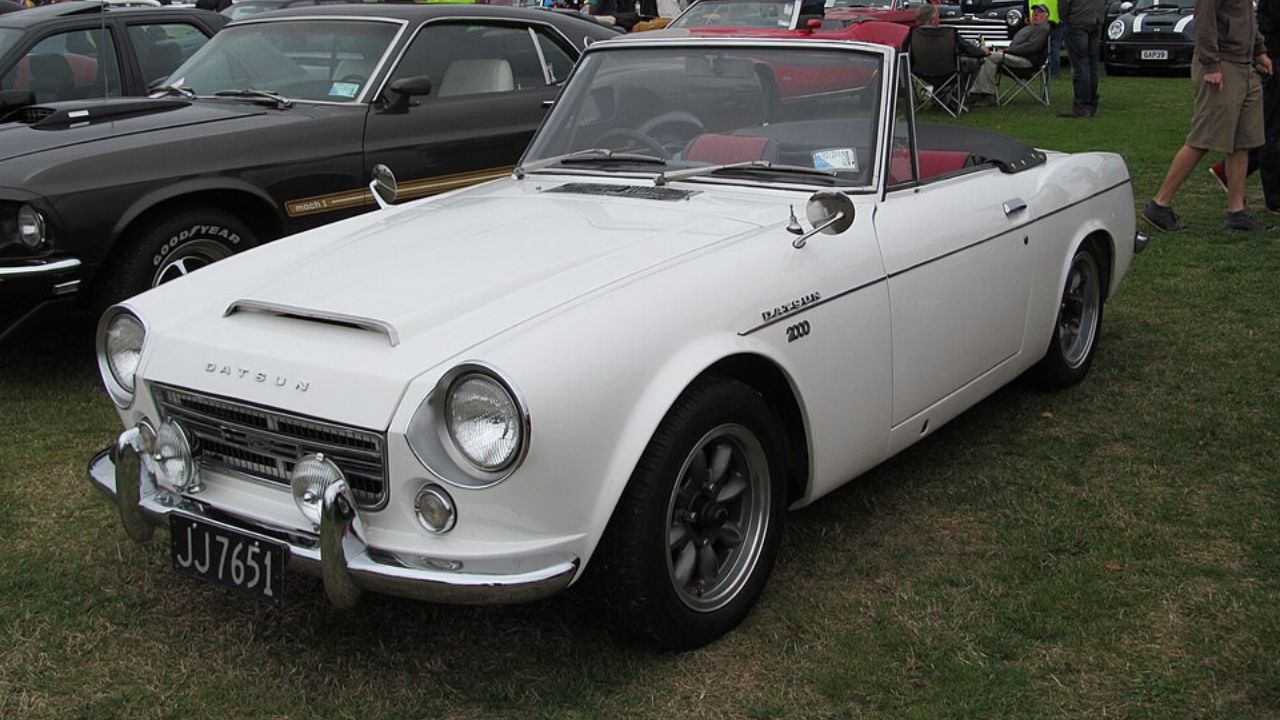
The Datsun 2000 Roadster helped establish Japanese sports cars as serious alternatives to British roadsters. Its four-cylinder engine, manual transmission, and rear-wheel-drive layout provided a more performance-focused experience than its modest appearance suggested. Today, it remains interesting to enthusiasts looking for a lightweight Japanese roadster with genuine vintage character.
Pontiac Solstice
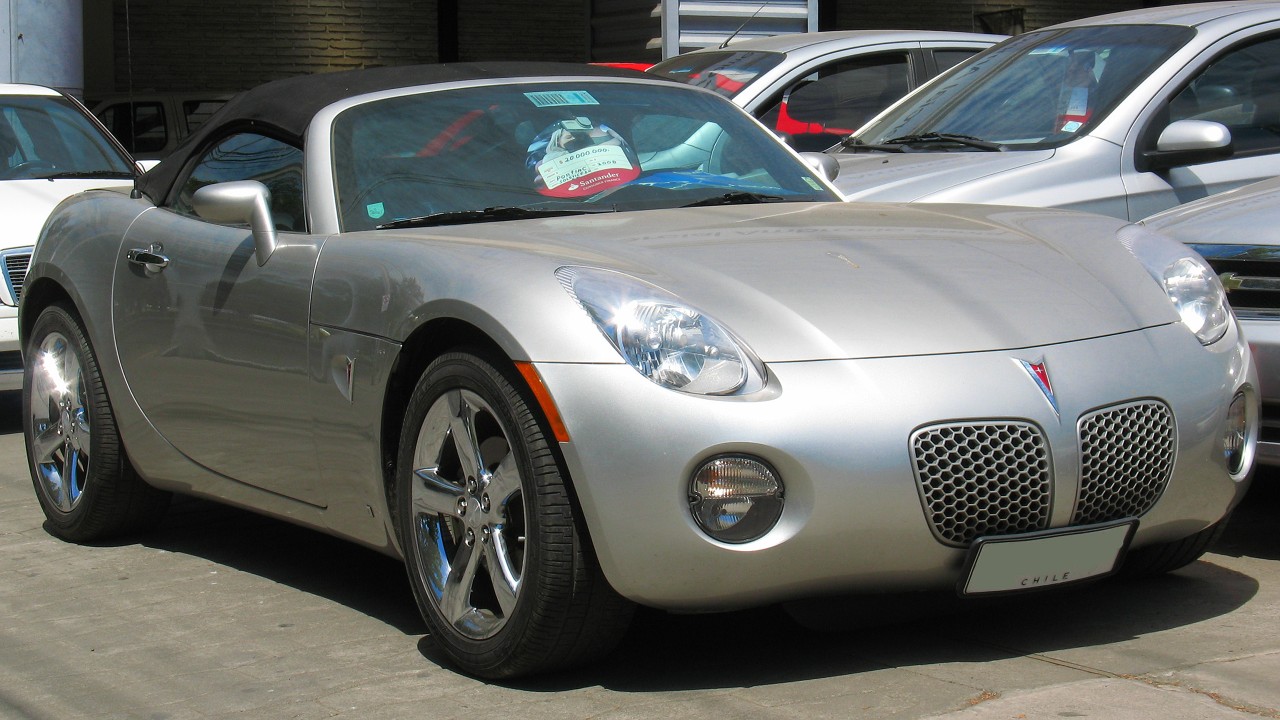
The Pontiac Solstice gave American enthusiasts a compact two-seat roadster with rear-wheel drive and distinctive styling. Its long hood and short rear deck captured the traditional sports-car appearance, while available performance versions added more power. Because Pontiac disappeared soon after the Solstice arrived, surviving examples have gained additional significance among enthusiasts.
Nissan 370Z Roadster
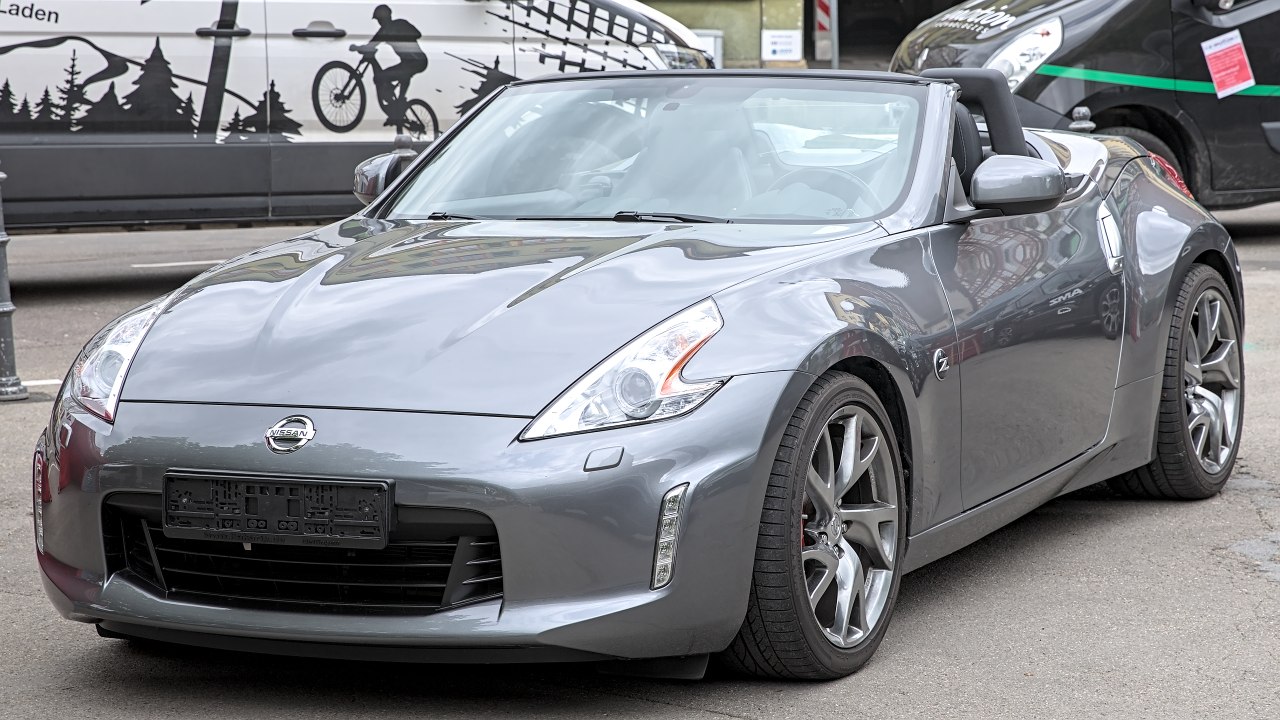
The Nissan 370Z Roadster combined a naturally aspirated V6 with rear-wheel drive and an available manual transmission. Its relatively compact body and strong engine gave it a more traditional sports-car feel than many contemporary luxury convertibles. For driving fans who still want substantial engine performance without moving into an exotic car, the 370Z remains an appealing roadster.
More from Fast Lane Only
- Unboxing the WWII Jeep in a Crate
- 15 rare Chevys collectors are quietly buying
- 10 underrated V8s still worth hunting down
- Police notice this before you even roll window down
*Research for this article included AI assistance, with all final content reviewed by human editors.