Packard built its reputation on engineering, craftsmanship, and durability long before the company disappeared from the American automotive market. From powerful straight-eights to sturdy postwar sedans, many Packards were built with substantial materials and mechanical designs intended to last. These ten models represent some of the most durable and interesting Packards ever produced, proving why surviving examples can still command attention decades later.
Packard Hawk

The Packard Hawk was a rare performance-oriented Packard introduced for 1958, during the company’s final year of automobile production. Based on the Studebaker Hawk, it featured distinctive styling and a supercharged V8 that gave it considerably more performance than traditional Packards. Only a limited number were produced, making surviving examples especially difficult to find. Its unusual combination of Packard branding, Studebaker engineering, and supercharged power makes it one of the company’s most uncommon cars.
Packard Super Eight
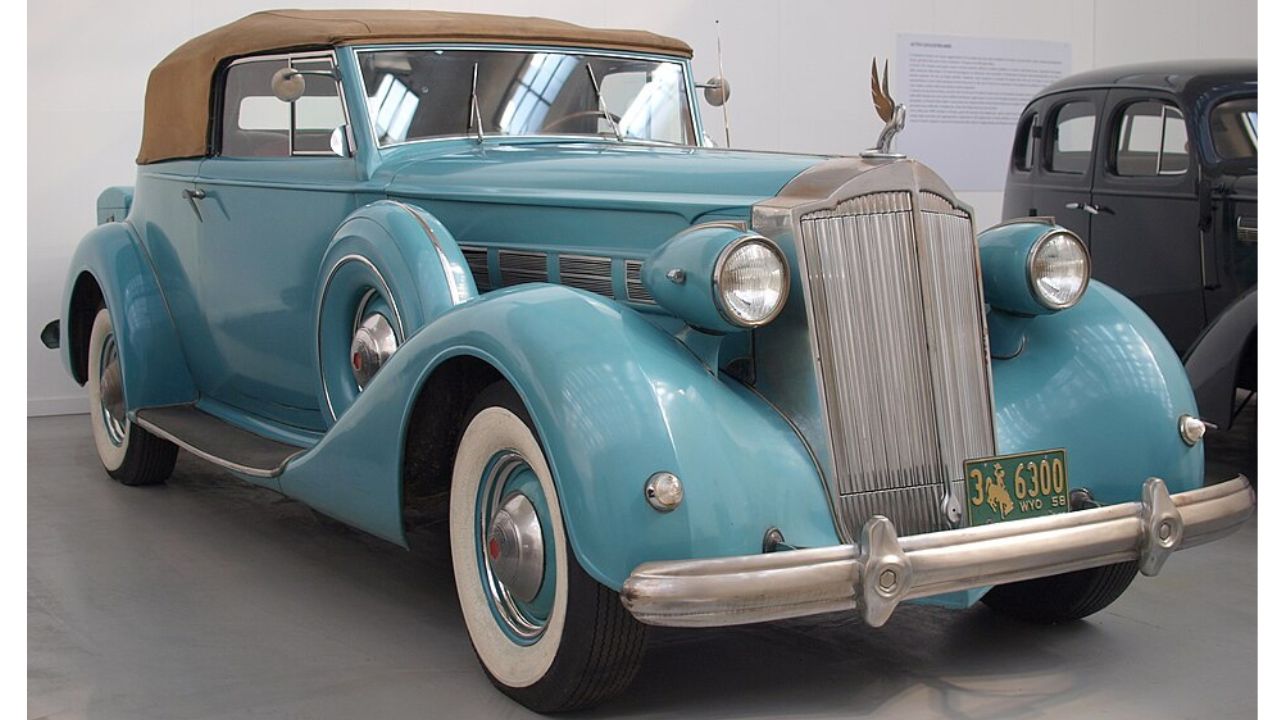
The Packard Super Eight represented the company’s traditional approach to luxury engineering, combining substantial construction with a powerful inline-eight engine. It became one of the backbone models of Packard’s Classic Era, when the company was widely regarded for reliability and engineering excellence. The Super Eight’s durable mechanical design and smooth power delivery helped establish the reputation that made Packard one of America’s premier luxury manufacturers.
Packard Twelve
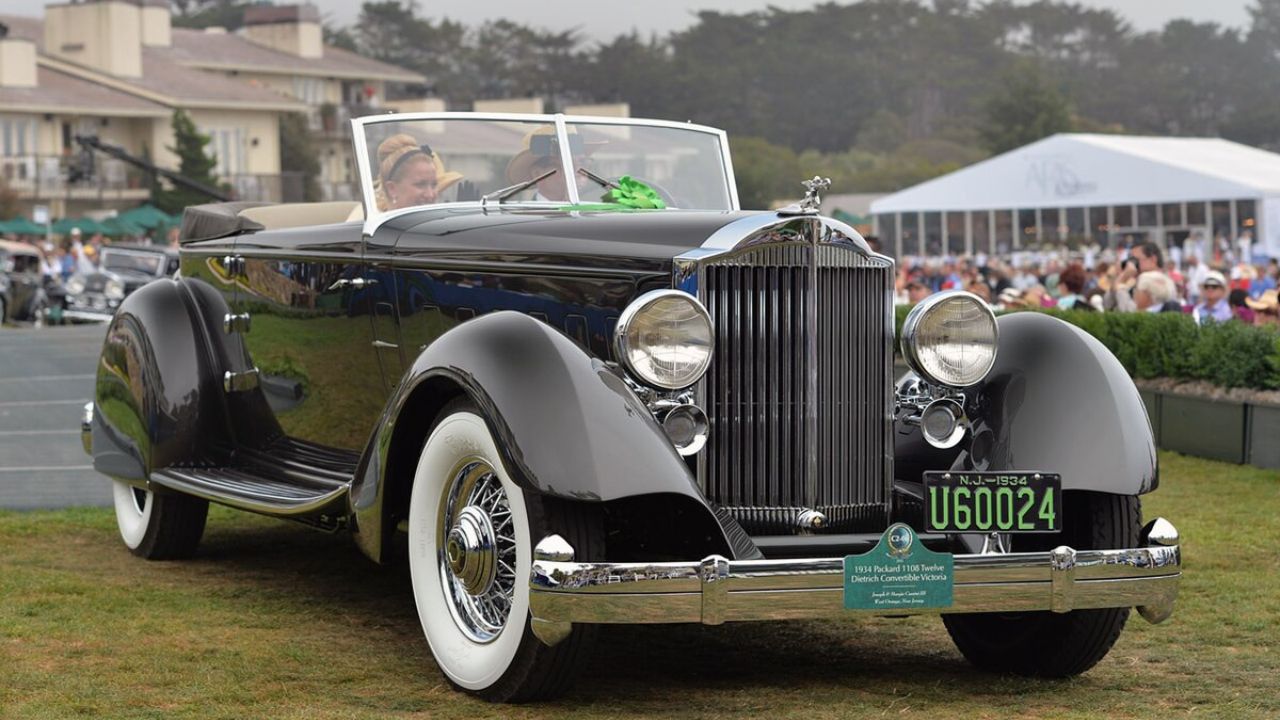
The Packard Twelve was built as the company’s ultimate expression of luxury and mechanical refinement. Its V12 engine provided remarkably smooth power, while the chassis and construction reflected Packard’s emphasis on quality. Production numbers were relatively low, with only about 5,700 built during its eight-year run. Surviving examples demonstrate how substantial Packard’s flagship automobiles were during the Classic Era.
Packard 400
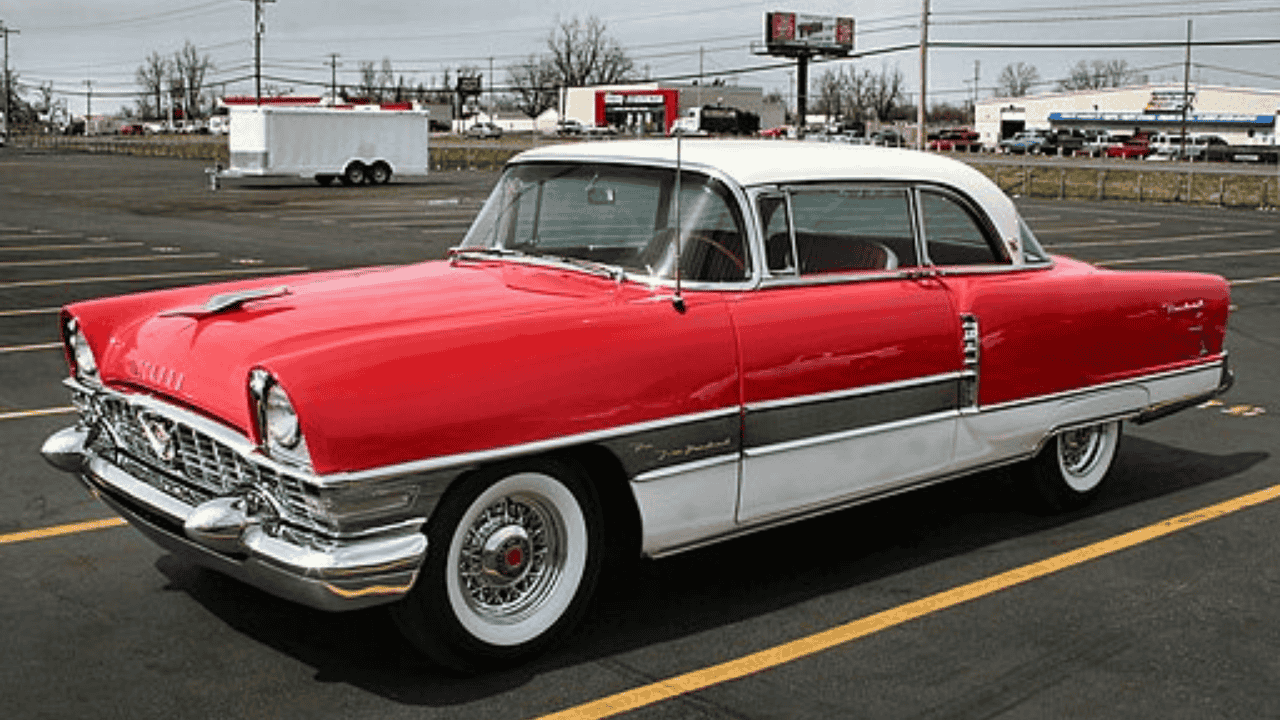
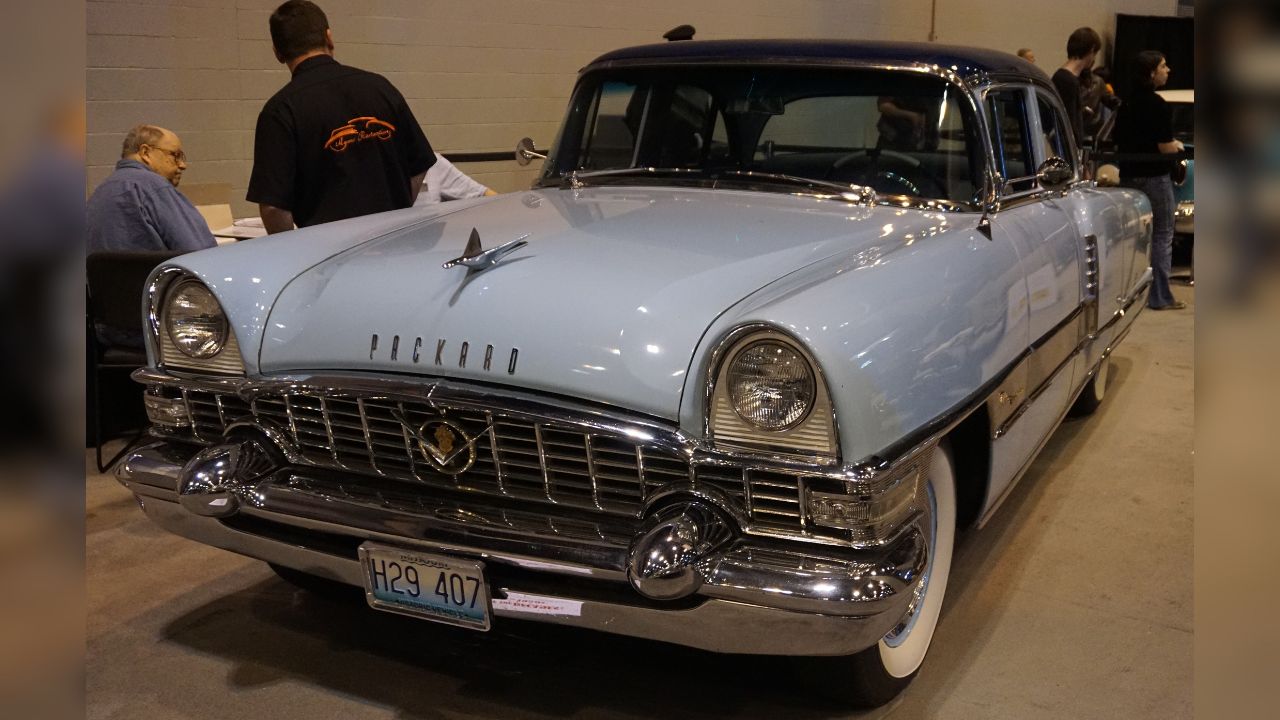
The Packard 400 was one of Packard’s prestigious senior models for 1955 and 1956, combining a powerful V8 engine with a substantial body and luxurious interior. The two-door hardtop represented Packard’s effort to compete with America’s established luxury manufacturers during the company’s final years as an independent automaker. Its robust construction, smooth power delivery, and high level of equipment made it a comfortable long-distance automobile. Today, surviving Packard 400s are uncommon reminders of Packard’s final years.
Packard Clipper
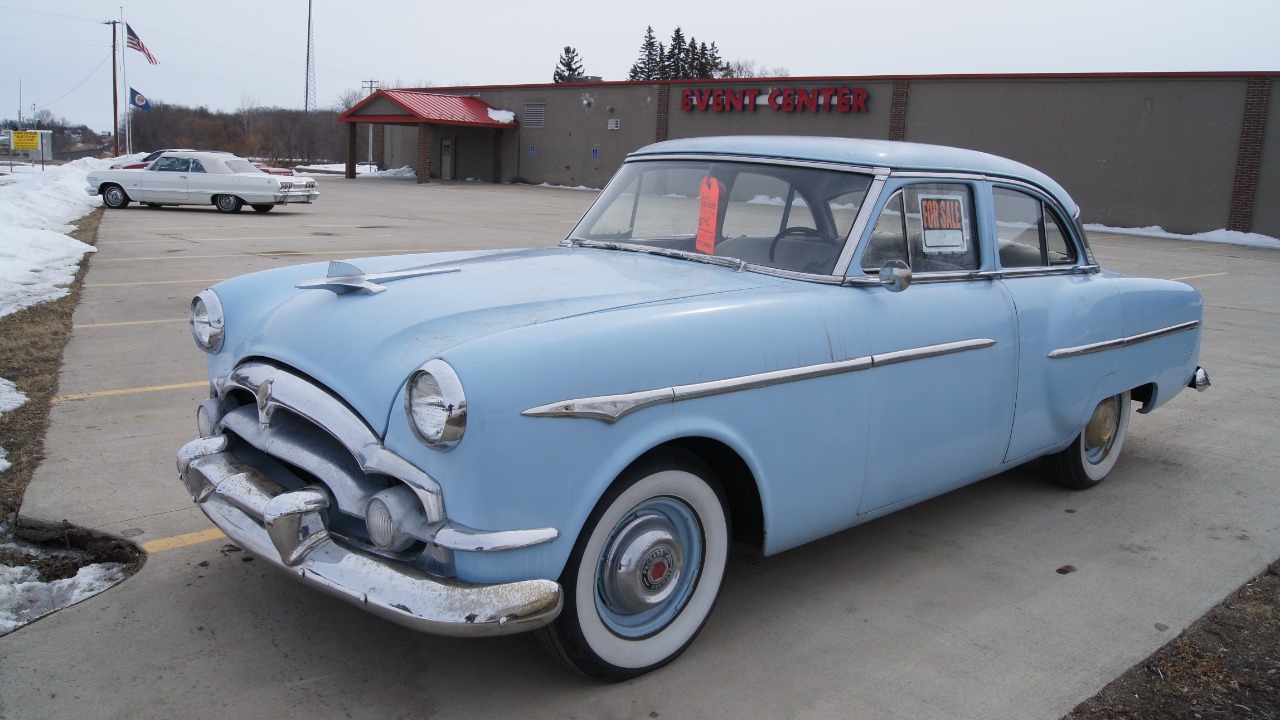
The Packard Clipper brought a more modern design to the company while retaining Packard’s emphasis on solid engineering. Introduced before World War II and continued after the war, the Clipper became an important part of Packard’s lineup. Its streamlined body concealed a robust mechanical package, and postwar versions helped Packard remain competitive during a period when the company was struggling to modernize its product range.
Packard Custom Super Eight
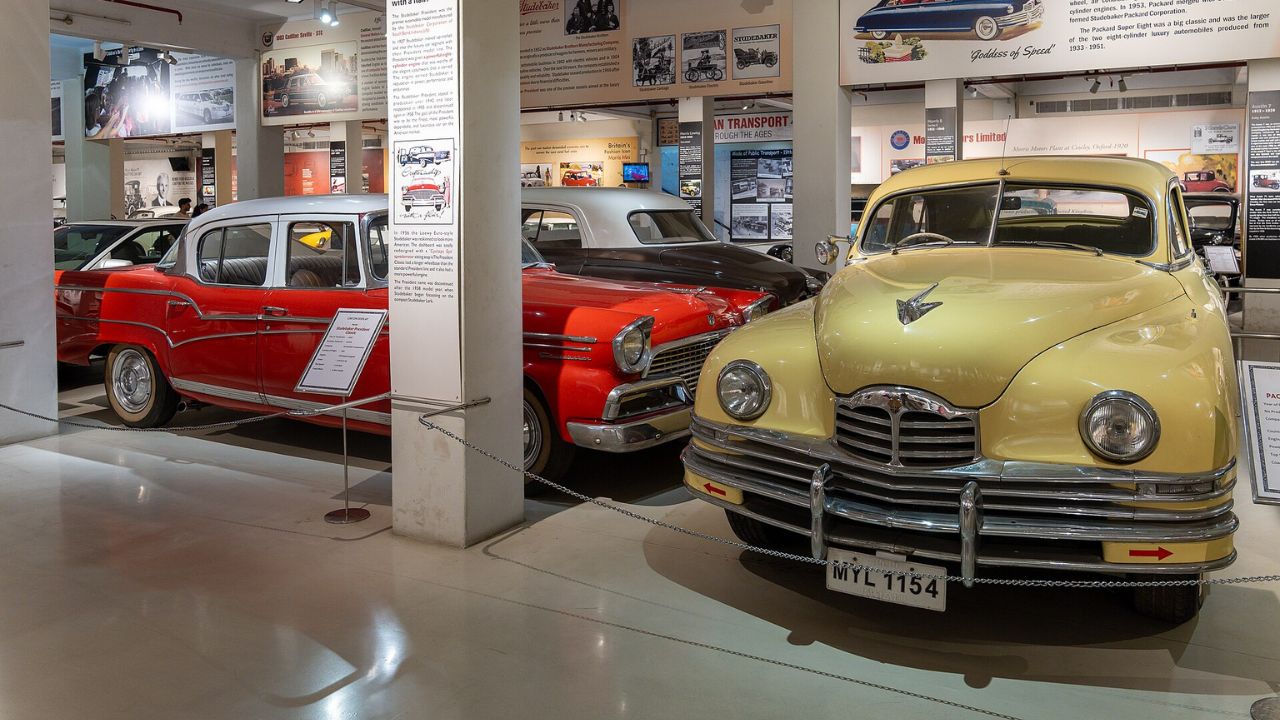
The Packard Custom Super Eight represented the upper end of Packard’s traditional luxury cars during the 1940s. Its 356-cubic-inch inline-eight produced substantial power for its era, while the large chassis was engineered for smooth long-distance travel. Available in several substantial body styles, including limousines and town cars, the Custom Super Eight reflected Packard’s reputation for craftsmanship and heavy-duty construction.
Packard 200
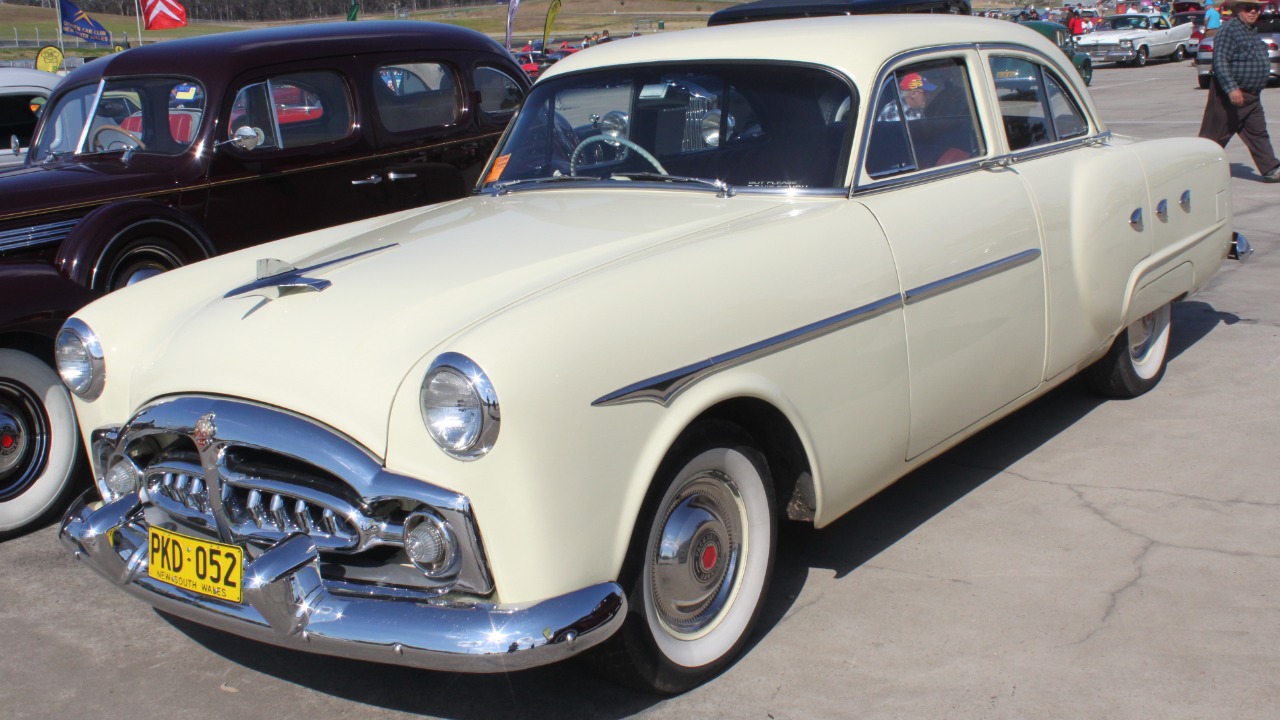
The Packard 200 was one of the company’s more affordable models during the early 1950s, but it still benefited from Packard’s established engineering traditions. The redesigned 1951 model used a 288-cubic-inch inline-eight and was available in several body styles. Although positioned below the senior Packards, the 200 remained a substantial American automobile built around a durable conventional drivetrain.
Packard Patrician

The Packard Patrician became the company’s flagship sedan when the lineup was redesigned for 1951. Its 327-cubic-inch inline-eight provided smooth power, while the large sedan emphasized comfort and traditional Packard craftsmanship. The Patrician remained in production through 1956, making it one of the longest-running senior Packard nameplates of the postwar era.
Packard Caribbean
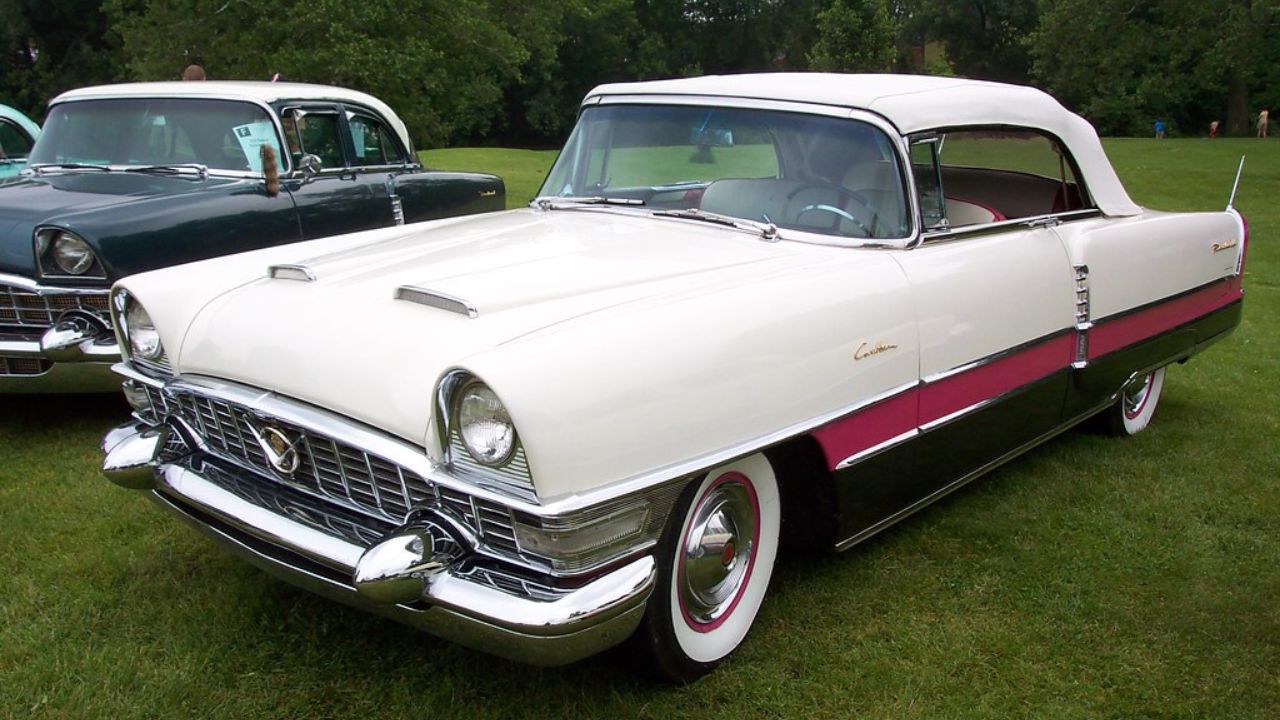
The Packard Caribbean was Packard’s glamorous flagship convertible during the 1950s. It combined distinctive styling with increasingly powerful engines, eventually receiving a 374-cubic-inch V8 producing 310 horsepower for 1956. Despite its luxury-focused character, the Caribbean retained the substantial construction associated with Packard. Its limited production also makes surviving examples particularly interesting today.
Packard Super Clipper
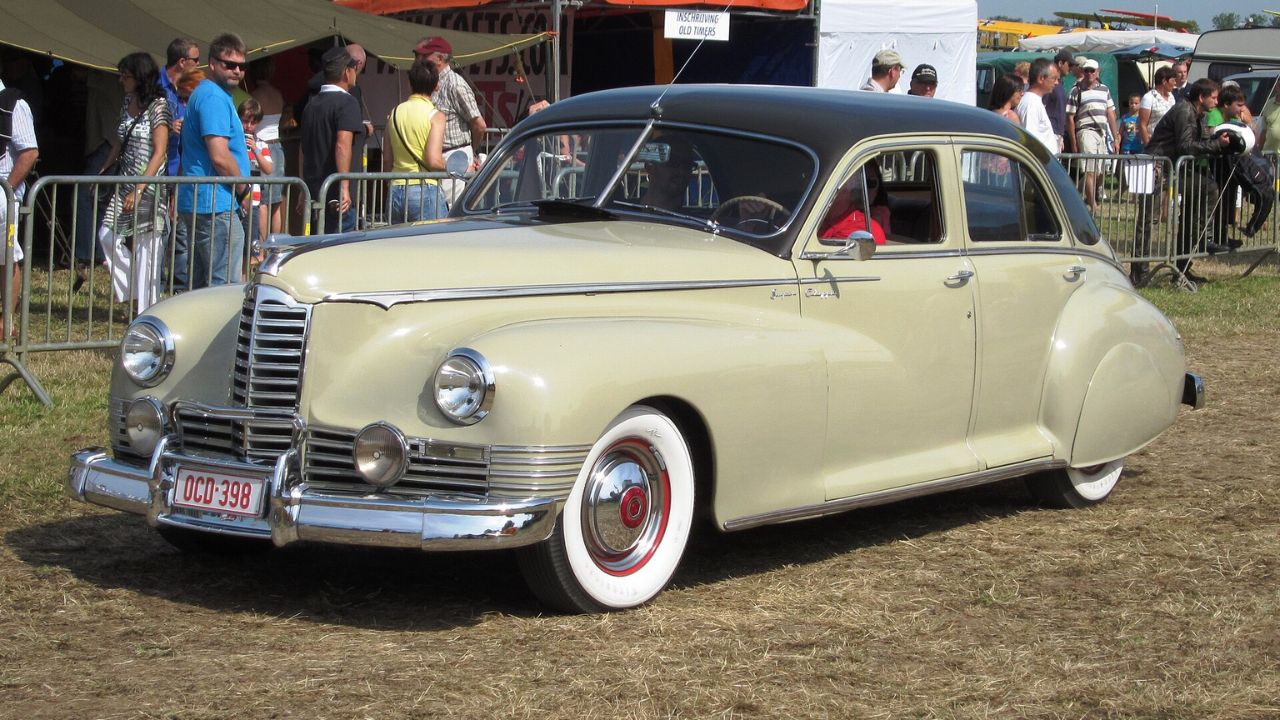
The Packard Super Clipper was a well-equipped postwar luxury car that combined Packard’s smooth inline-eight power with substantial construction. The 1947 model used Packard’s 356-cubic-inch Super Eight engine, giving it strong performance and effortless cruising ability for its era. Its solid chassis, durable drivetrain, and comfortable long-distance character reflected Packard’s reputation for building substantial automobiles. Today, surviving Super Clippers are uncommon reminders of the company’s impressive postwar engineering.
More from Fast Lane Only
- Unboxing the WWII Jeep in a Crate
- 15 rare Chevys collectors are quietly buying
- 10 underrated V8s still worth hunting down
- Police notice this before you even roll window down
*Research for this article included AI assistance, with all final content reviewed by human editors.