Vintage pickups were built around a simple idea: work first, comfort second. Heavy frames, straightforward engines, conventional drivetrains, and repair-friendly mechanicals allowed many of these trucks to survive decades of hauling, farming, towing, and abuse. Some have become prized classics, while others remain quietly useful long after newer trucks have disappeared.
Ford F-100
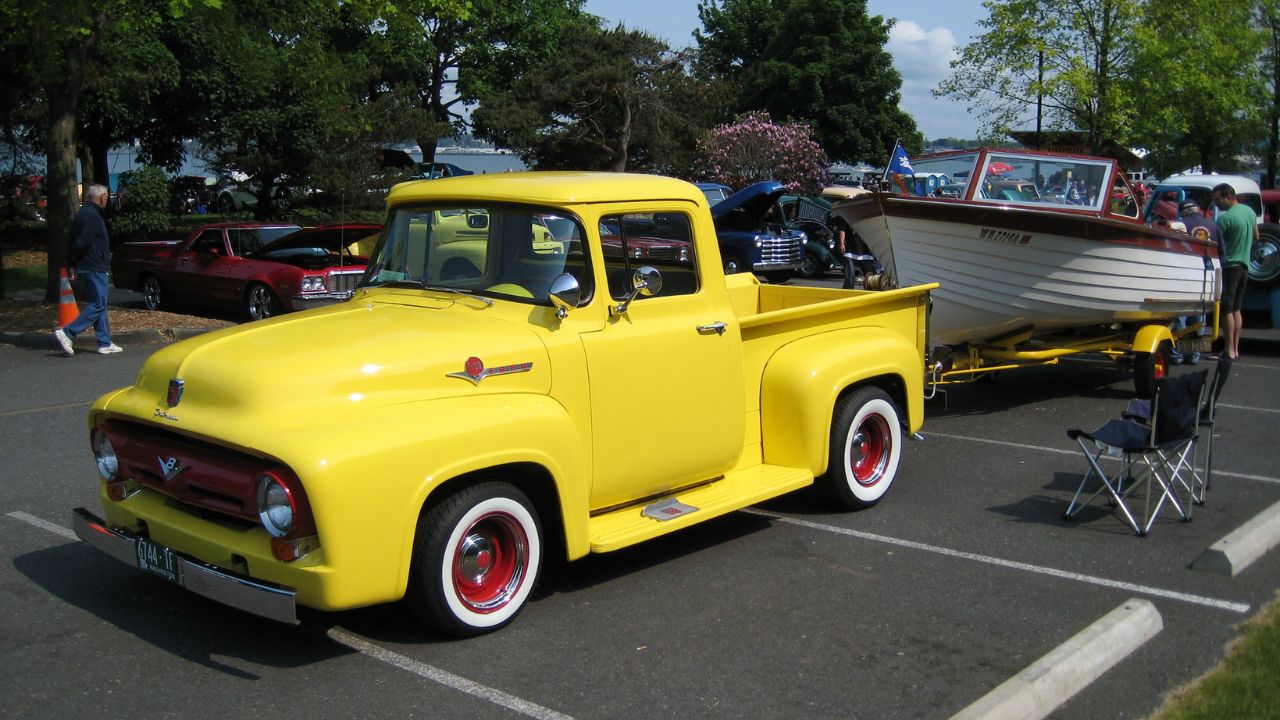
The Ford F-100 became one of America’s defining work trucks because its basic engineering could tolerate years of hard use. Across its many generations, the F-100 offered simple inline-six and V8 engines, sturdy frames, and mechanical components that were familiar to generations of mechanics. Its enormous production numbers also helped keep parts available. Even today, the F-100 remains one of the easiest vintage pickups to restore, repair, or keep working.
Chevrolet C10
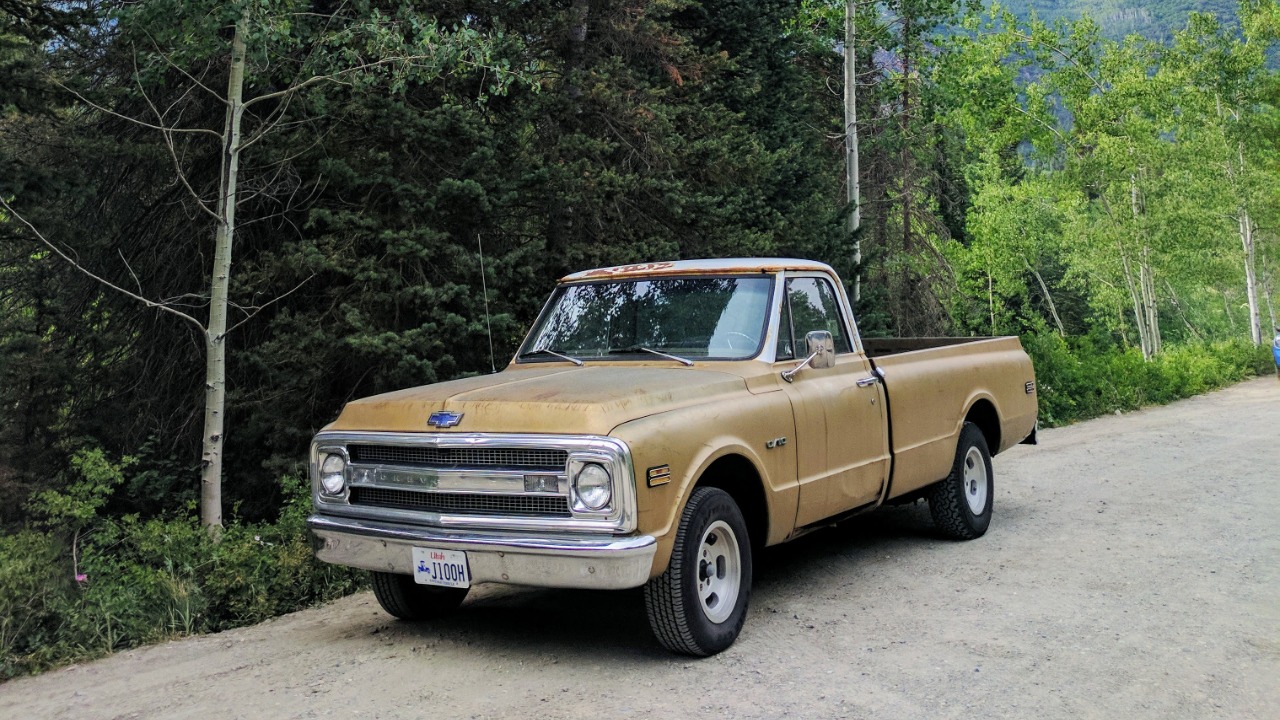
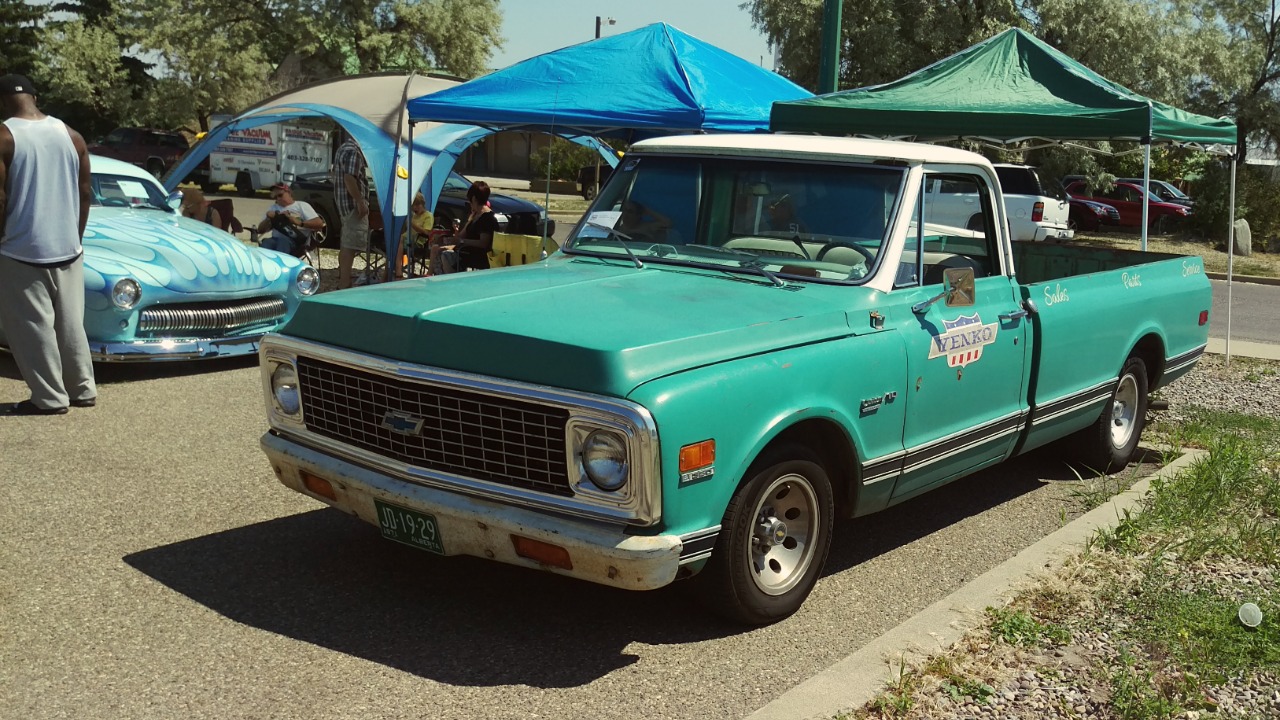
The Chevrolet C10 earned its reputation through simple rear-wheel-drive construction and dependable engines that could be repaired without exotic equipment. Its small-block V8 became particularly popular because parts were plentiful and the basic architecture was easy to understand. Thousands spent their lives hauling tools, equipment, and supplies rather than sitting in garages. Surviving C10s remain popular because their straightforward mechanical design makes them unusually easy to maintain and rebuild.
Dodge D-Series

The Dodge D-Series brought conventional American pickup engineering together with durable V8 power and a sturdy chassis. These trucks were designed for practical work rather than unnecessary complexity, making them familiar sights on farms, construction sites, and job sites. Chrysler’s broad parts network also helped keep older examples running long after production ended. While less common than comparable Ford and Chevrolet pickups, the D-Series has earned a loyal following among vintage-truck enthusiasts.
Toyota Hilux
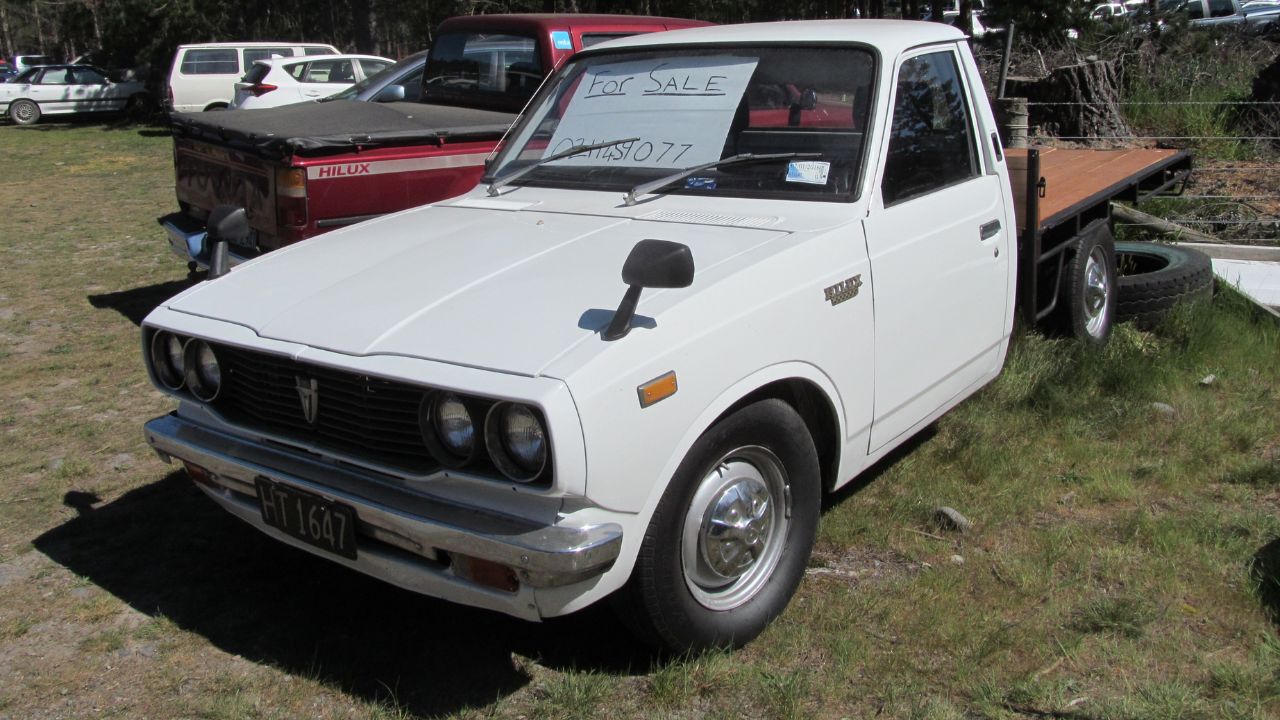
The Toyota Hilux developed one of the strongest durability reputations of any pickup sold around the world. Its sturdy frame, relatively simple drivetrain, and dependable engines allowed it to survive harsh roads and demanding workloads for years. Older diesel versions became particularly respected for their longevity. The Hilux’s reputation became so strong that surviving examples are now sought after by collectors who value ruggedness as much as appearance.
Ford F-250
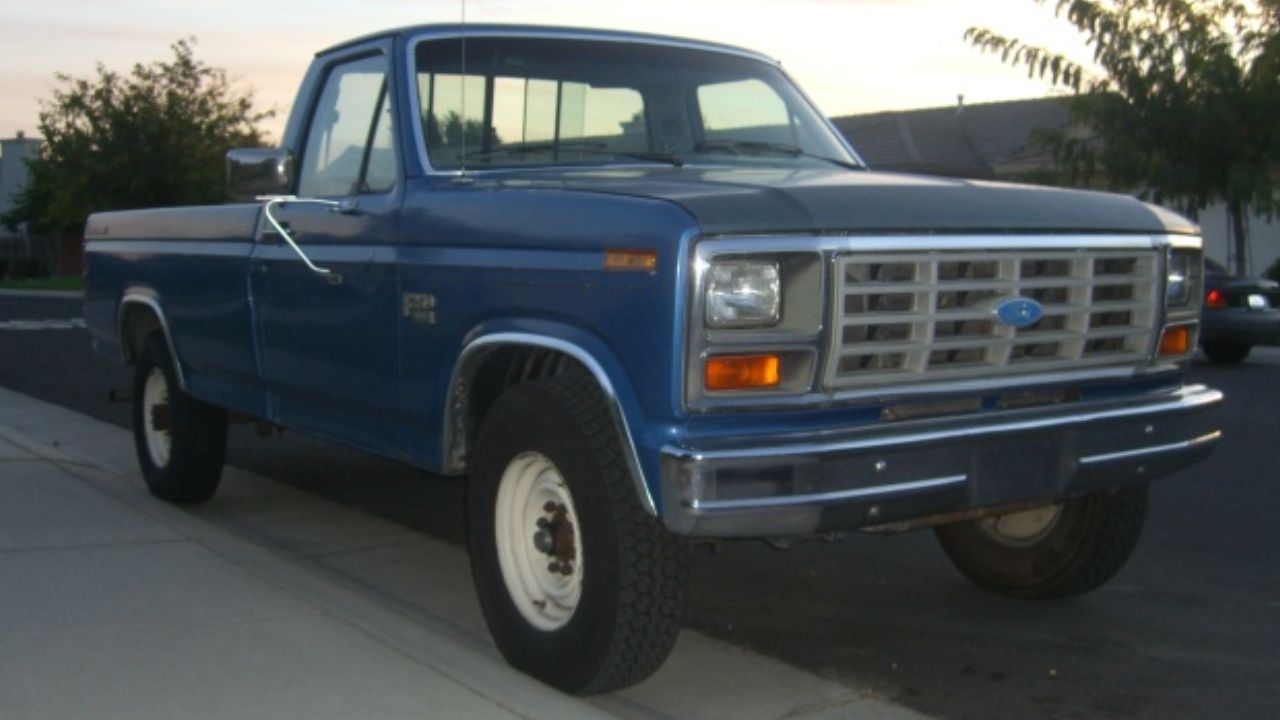
The Ford F-250 was built for owners who needed more capability than a basic half-ton pickup could provide. Heavier-duty suspension components, stronger frames, and larger engines allowed it to handle serious loads for years. Earlier F-250s were also remarkably simple by modern standards, with mechanical systems that could be diagnosed and repaired by ordinary truck mechanics. That combination of strength and simplicity explains why many vintage examples remain highly usable today.
Jeep Gladiator
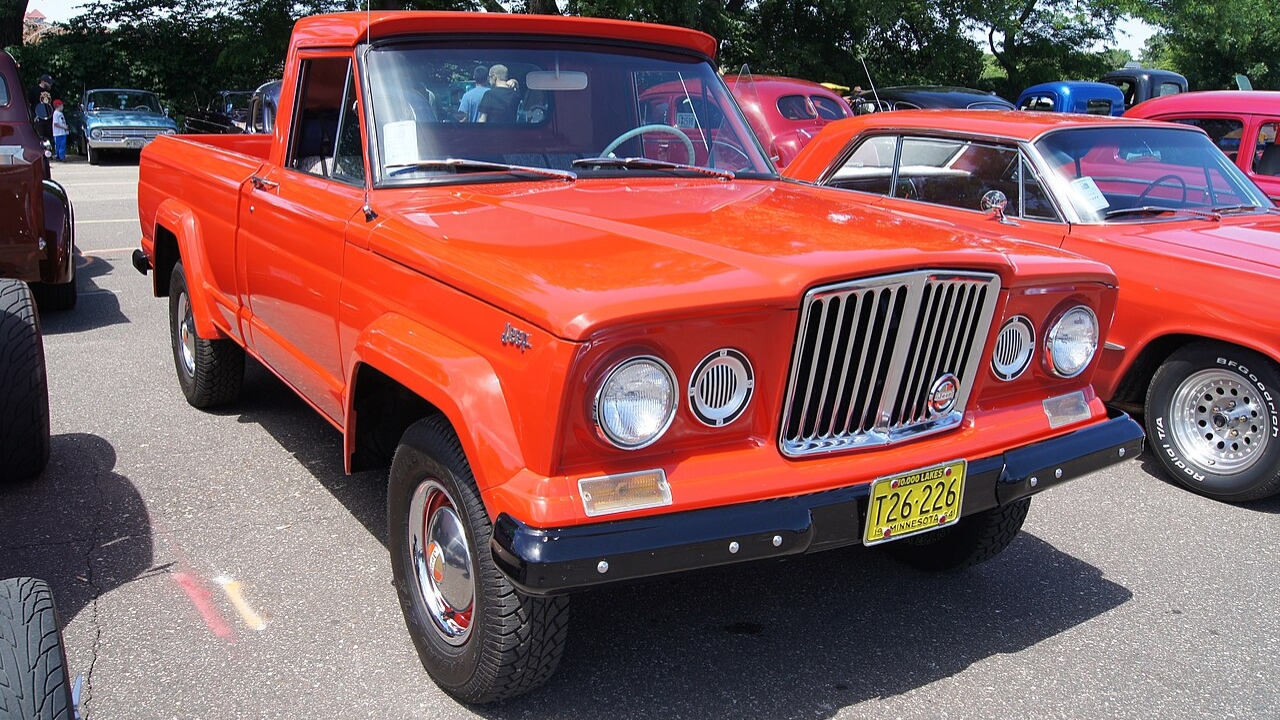
The Jeep Gladiator brought Jeep’s rugged image into the full-size pickup market during the 1960s. Its body-on-frame construction and available four-wheel-drive system made it useful for demanding work away from paved roads. The Gladiator’s mechanical simplicity also helped it survive in environments where complicated equipment would have been difficult to maintain. Today, its distinctive styling and tough reputation make surviving examples particularly interesting to vintage-truck collectors.
Toyota Pickup
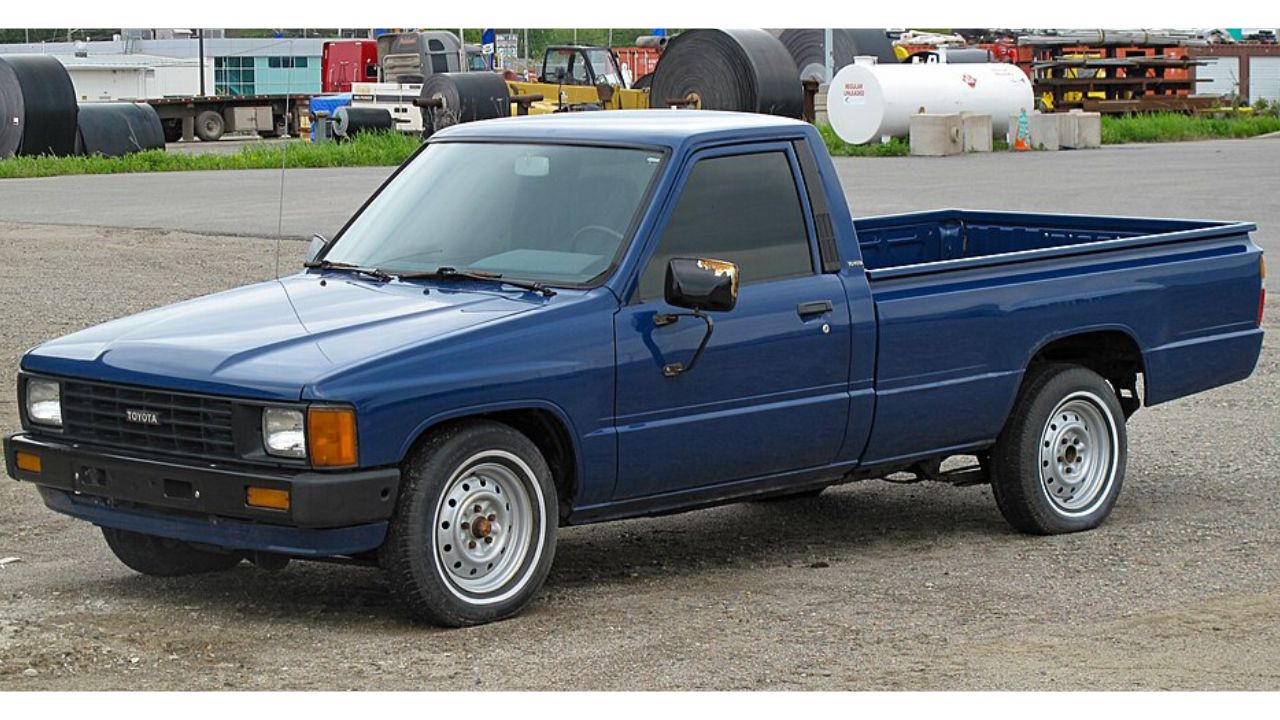
The Toyota Pickup continued the company’s reputation for building compact trucks capable of surviving demanding use. Earlier generations used straightforward engines, rugged drivetrains, and relatively uncomplicated electrical systems, making them easy to maintain compared with many newer vehicles. Their reputation for longevity helped create a strong enthusiast following. Even battered survivors can attract attention today because these trucks demonstrated how far simple engineering could go when durability was the priority.
More from Fast Lane Only
- Unboxing the WWII Jeep in a Crate
- 15 rare Chevys collectors are quietly buying
- 10 underrated V8s still worth hunting down
- Police notice this before you even roll window down
*Research for this article included AI assistance, with all final content reviewed by human editors.