The Packard coupes of the 1950s are a fascinating chapter in automotive history. Known for their innovative designs and unique engineering, these vehicles captured the imagination of car enthusiasts. Here are eight lesser-known facts about these iconic models that may surprise you.
Innovative Design Features
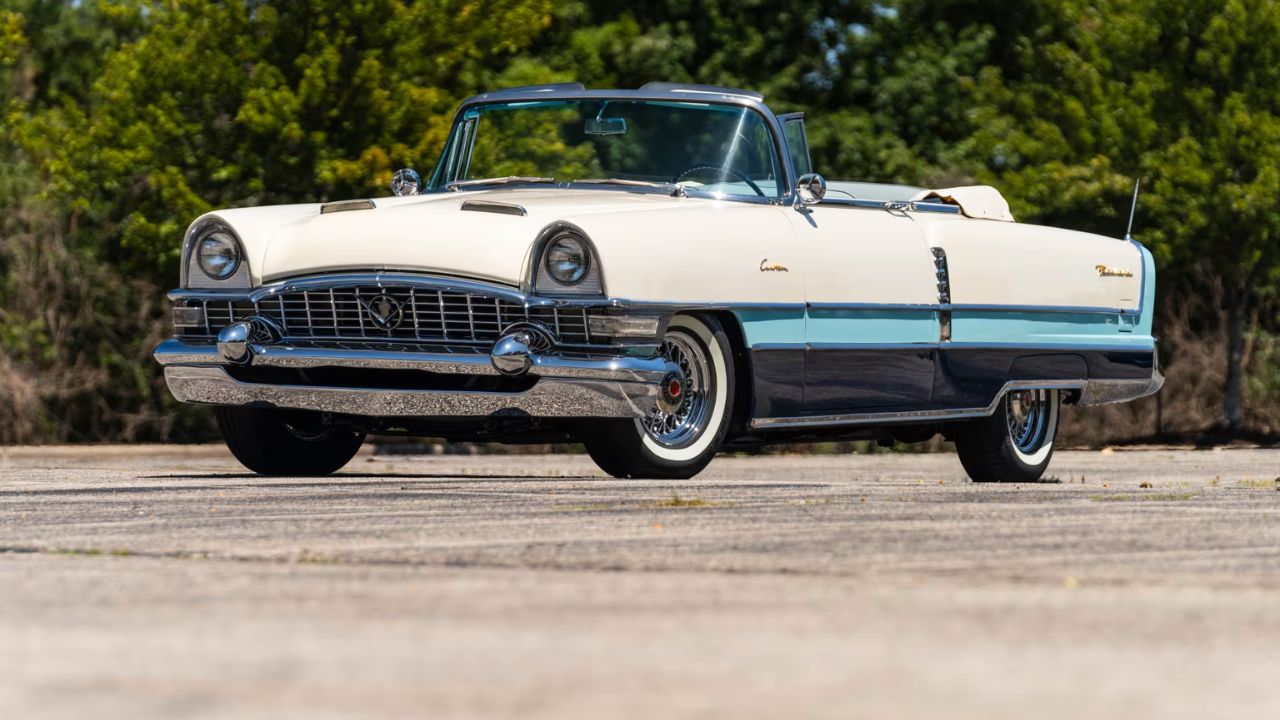
Packard coupes of the 1950s were known for their avant-garde design features. The company introduced sleek lines and distinctive tailfins, setting them apart from other cars of the era. These features not only enhanced the vehicle’s aesthetics but also improved aerodynamics. The interiors were equally impressive, offering luxurious materials and a focus on driver comfort. This commitment to style and functionality showcased Packard’s dedication to innovation in automotive design.
Another notable design feature was the “Torsion-Level” suspension system. This system provided an exceptionally smooth ride, automatically leveling the car when loaded. It was a revolutionary concept that emphasized Packard’s commitment to driver comfort and vehicle stability. This innovation was a significant selling point and contributed to the brand’s reputation for luxury and sophistication.
Unique Engineering Advancements

Packard was at the forefront of engineering advancements in the 1950s. They introduced the Ultramatic transmission, which was one of the first automatic transmissions developed by an independent automaker. This innovation provided drivers with a smoother and more efficient driving experience, setting the stage for future developments in transmission technology.
Additionally, the introduction of the V8 engine in 1955 marked a significant leap in performance. This engine offered increased power and torque, allowing the Packard coupes to compete with other high-performance vehicles of the time. These engineering advancements solidified Packard’s reputation as a leader in automotive technology.
Iconic Model Variations

The 1950s saw the release of several iconic Packard models, each with its unique characteristics. The Packard Caribbean, introduced in 1953, was a limited-production model known for its luxury and style. It featured a distinctive two-tone paint scheme and was equipped with the latest technology of the time, making it a highly sought-after vehicle.
Another notable model was the Packard Patrician, which was the company’s flagship sedan. It was known for its opulent interior and advanced features, such as power windows and seats. These model variations highlighted Packard’s commitment to offering a diverse range of vehicles to suit different customer preferences.
Rare Collector’s Items

Many 1950s Packard coupes are now considered rare collector’s items. Due to their limited production numbers and distinctive designs, these cars have become highly desirable among vintage car enthusiasts. Models like the Packard Caribbean and the Packard Patrician are particularly coveted for their historical significance and rarity.
Collectors appreciate the craftsmanship and attention to detail that went into these vehicles. Restored Packard coupes can command high prices at auctions, reflecting their status as prized possessions in the world of classic cars. Owning a Packard from this era is a testament to an individual’s appreciation for automotive history.
Cultural Impact and Influence

Packard coupes of the 1950s had a significant cultural impact, symbolizing post-war prosperity and luxury. These vehicles were often featured in films and television shows, cementing their place in popular culture. Their distinctive styling and advanced features made them a symbol of success and sophistication during the era.
The influence of Packard’s design and engineering innovations can still be seen in modern luxury vehicles. The brand’s commitment to quality and innovation set a standard that continues to inspire automakers today. The cultural legacy of Packard coupes remains a testament to their enduring appeal.
Celebrity Ownership Stories

During the 1950s, Packard coupes attracted a number of celebrity owners. Hollywood stars and influential figures were drawn to the luxury and prestige associated with the brand. Owning a Packard was seen as a status symbol, reflecting both wealth and taste.
These celebrity connections further enhanced the allure of Packard coupes, making them even more desirable among the general public. The stories of famous Packard owners add an intriguing layer to the brand’s history, highlighting its impact on popular culture and society.
Production Challenges and Changes

The 1950s were a challenging time for Packard, as the company faced stiff competition and financial difficulties. Despite their innovative designs, the brand struggled to maintain its market position. Production changes were necessary to adapt to the evolving automotive industry and consumer demands.
These challenges led to mergers and shifts in production strategies. Despite these efforts, Packard eventually ceased production in 1958. The company’s struggles during this period underscore the difficulties faced by independent automakers in a rapidly changing market.
Legacy in Automotive History

The legacy of 1950s Packard coupes is one of innovation, luxury, and enduring appeal. Despite the brand’s eventual decline, these vehicles remain celebrated for their contributions to automotive design and engineering. Packard’s emphasis on quality and innovation set a standard that continues to influence modern car manufacturers.
Today, automotive enthusiasts and collectors recognize the significance of Packard coupes in the broader context of automotive history. Their impact on design, engineering, and culture ensures that they will remain a beloved part of the classic car community for years to come.
Like Fast Lane Only’s content? Be sure to follow us.
Here’s more from us:
*Created with AI assistance and editor review.