The pursuit of speed has always driven carmakers to push limits, but some of their fastest creations only got a single year in the spotlight. These one-year wonders combined raw power, cutting-edge tech, and often a hefty price tag, only to vanish quickly. Below, we explore eight cars that burned bright for just one model year, diving into their specs, costs, and why they matter in history.
1969 Dodge Charger Daytona

Back in 1969, Dodge built the Charger Daytona to dominate NASCAR. Its 426 Hemi V8 churned out 425 horsepower, hitting 200 mph—wild for the time. With a drag coefficient of 0.28, it was slippery for a muscle car, thanks to that iconic nose cone and massive wing. Only 503 were made, costing about $3,800 new (around $30,000 today). Just 70 got the Hemi, making them rare and coveted today.
NASCAR rules required 500 units for homologation, so Dodge built just enough. The Daytona’s aero design influenced future muscle cars, but it was a one-year deal due to rule changes and costs. Its legend lives on, with pristine examples fetching over $1 million at auctions. This car wasn’t just fast—it redefined what American muscle could do on the track.
1970 Plymouth Superbird

Plymouth’s 1970 Superbird was Dodge’s cousin, also built for NASCAR glory. Its 426 Hemi V8 matched the Daytona’s 425 horsepower, hitting 200 mph with a similar aero setup—pointy nose, huge wing. Priced at $4,300 (about $33,000 today), 1,920 were made, but only 135 had the Hemi. The Superbird’s wild look turned heads, and its performance made it a track beast.
The car was a response to Ford’s dominance in racing, but like the Daytona, it lasted one year due to shifting NASCAR regulations and public taste moving away from aero warriors. Today, Hemi Superbirds can sell for $500,000 or more. Its historical weight comes from its rivalry-fueled design and lasting impact on muscle car culture.
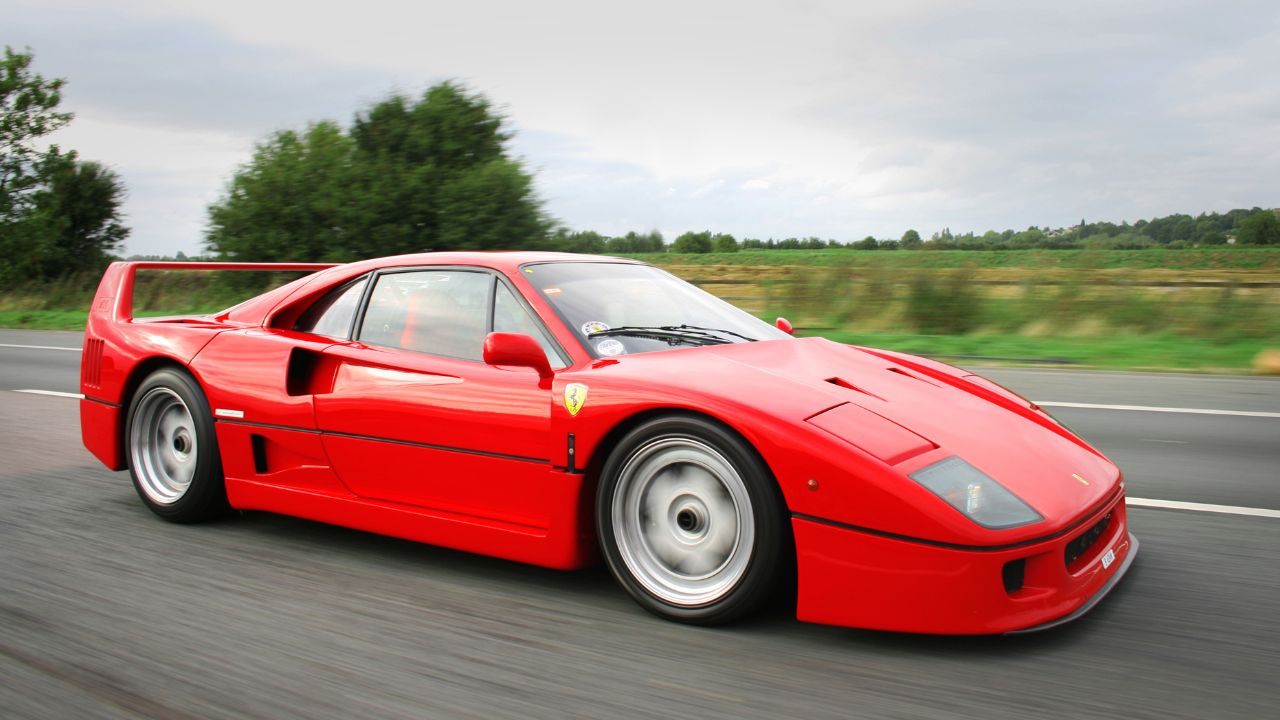
1987 Ferrari F40
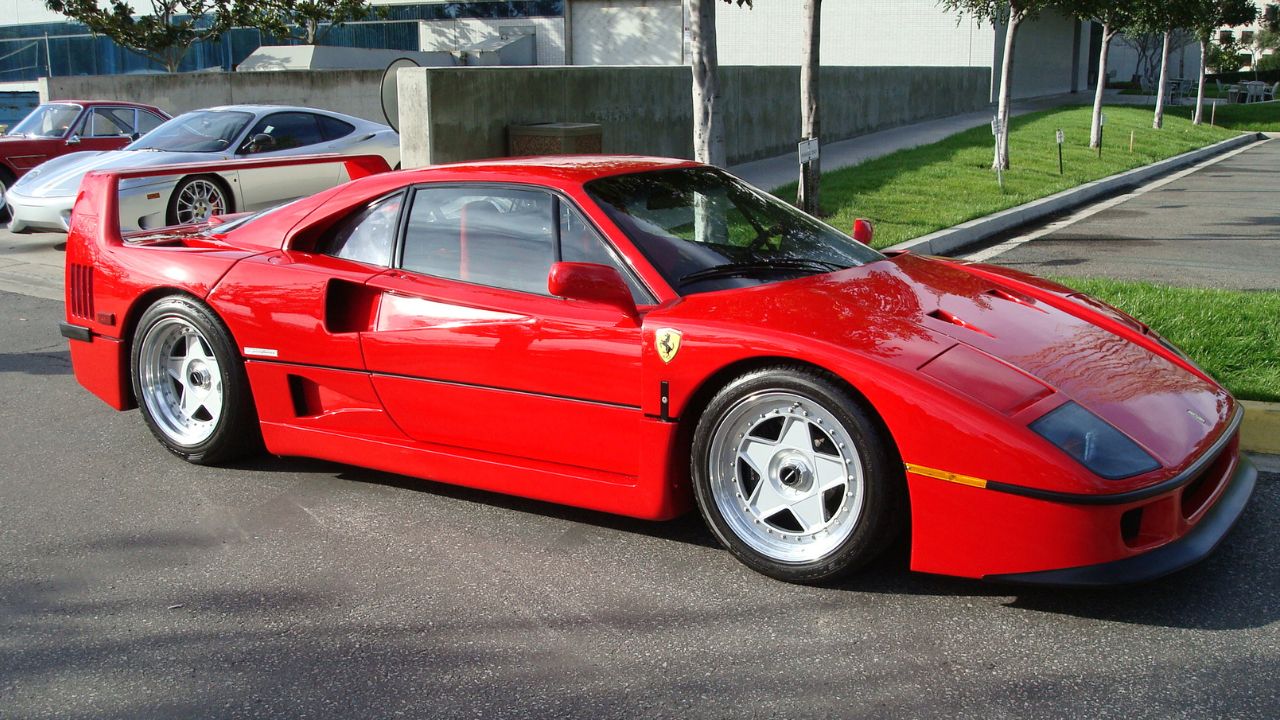
Ferrari’s 1987 F40 was a raw, 478-horsepower machine with a 2.9-liter twin-turbo V8, topping out at 201 mph. It cost $400,000 new (about $1 million today), with 1,315 built. Its lightweight carbon-fiber body, no-frills interior, and manual gearbox made it a driver’s car. The F40 hit 0-60 mph in 4.2 seconds, a big deal for the ‘80s.
Built to celebrate Ferrari’s 40th anniversary, it was the last car Enzo Ferrari oversaw. Its one-year run (in Europe) came from Ferrari’s focus on limited production. The F40’s raw driving feel and record-breaking speed made it a legend, still influencing supercar design. Values now soar past $2 million.
1994 McLaren F1

The 1994 McLaren F1 hit 240.1 mph with its 6.1-liter BMW V12, pumping out 618 horsepower. Priced at $815,000 (about $1.6 million today), only 106 were made. Its carbon-fiber chassis and gold-lined engine bay kept weight at 2,509 pounds, with 0-60 mph in 3.2 seconds. Aerodynamics were so good, wind resistance barely slowed it down.
The F1’s one-year production (for road cars) stemmed from McLaren’s small-scale approach. It won Le Mans in ’95, a street car beating prototypes—a rare feat. Its speed record stood until 2005, and today, F1s fetch $20 million or more. It’s a high-water mark for naturally aspirated cars.
2010 Bugatti Veyron Super Sport
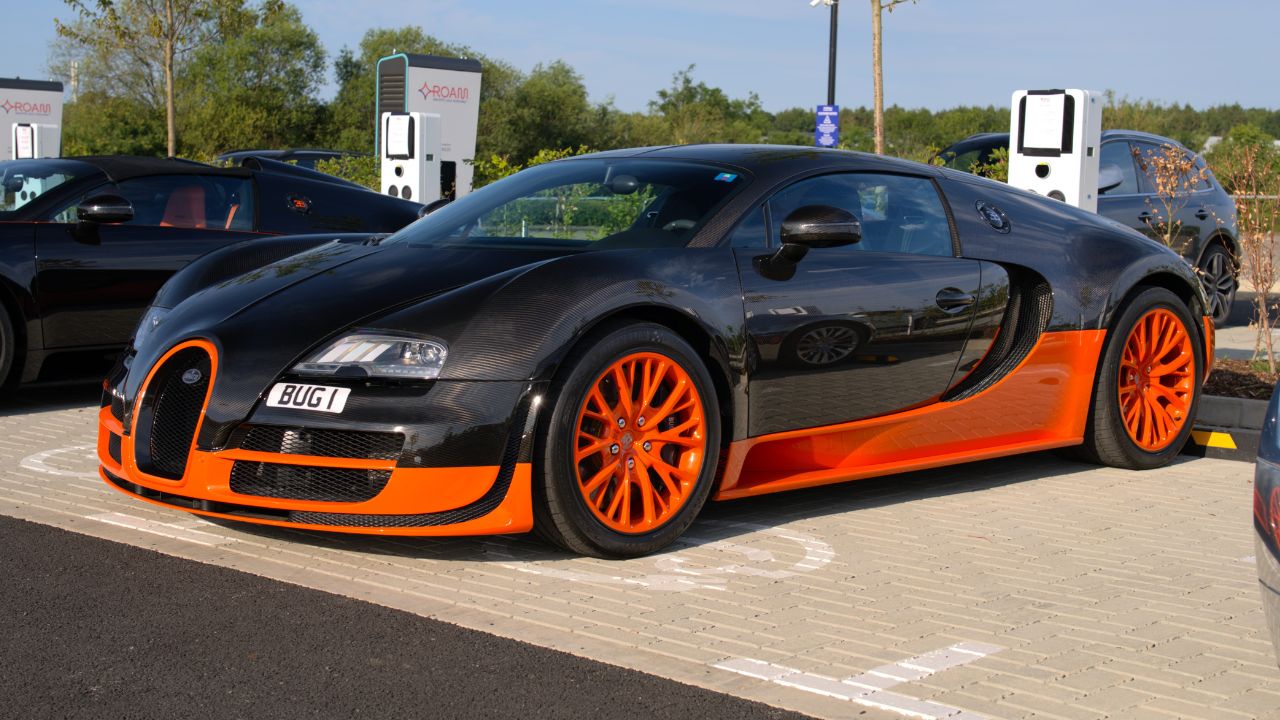
The 2010 Bugatti Veyron Super Sport hit 267.8 mph, powered by an 8.0-liter quad-turbo W16 making 1,184 horsepower. Priced at $2.7 million (about $3.8 million today), only 30 were built. All-wheel drive and a 7-speed dual-clutch gearbox got it to 0-60 mph in 2.4 seconds. Its 1,106 lb-ft of torque was unreal.
Bugatti aimed to reclaim the speed crown, and the Super Sport did it with a verified two-way average. The one-year run was due to its limited edition status. Guinness briefly questioned the record over a deactivated speed limiter but upheld it. These cars now sell for $4 million-plus.
2011 Hennessey Venom GT

Hennessey’s 2011 Venom GT hit 270.4 mph (one-way) with a 7.0-liter twin-turbo V8, pushing 1,244 horsepower. Built on a Lotus Exige chassis, it cost $1.2 million, with just 6 made. At 2,743 pounds, it hit 0-60 mph in 2.7 seconds with a 6-speed manual. Its 1,155 lb-ft of torque was track-ready.
The Venom GT’s one-year run came from Hennessey’s low-volume approach. Its speed claim sparked debate since it wasn’t a two-way average, but it still set a Guinness record for 0-186 mph in 13.63 seconds. Values hover around $1.5 million today.
2022 Pininfarina Battista
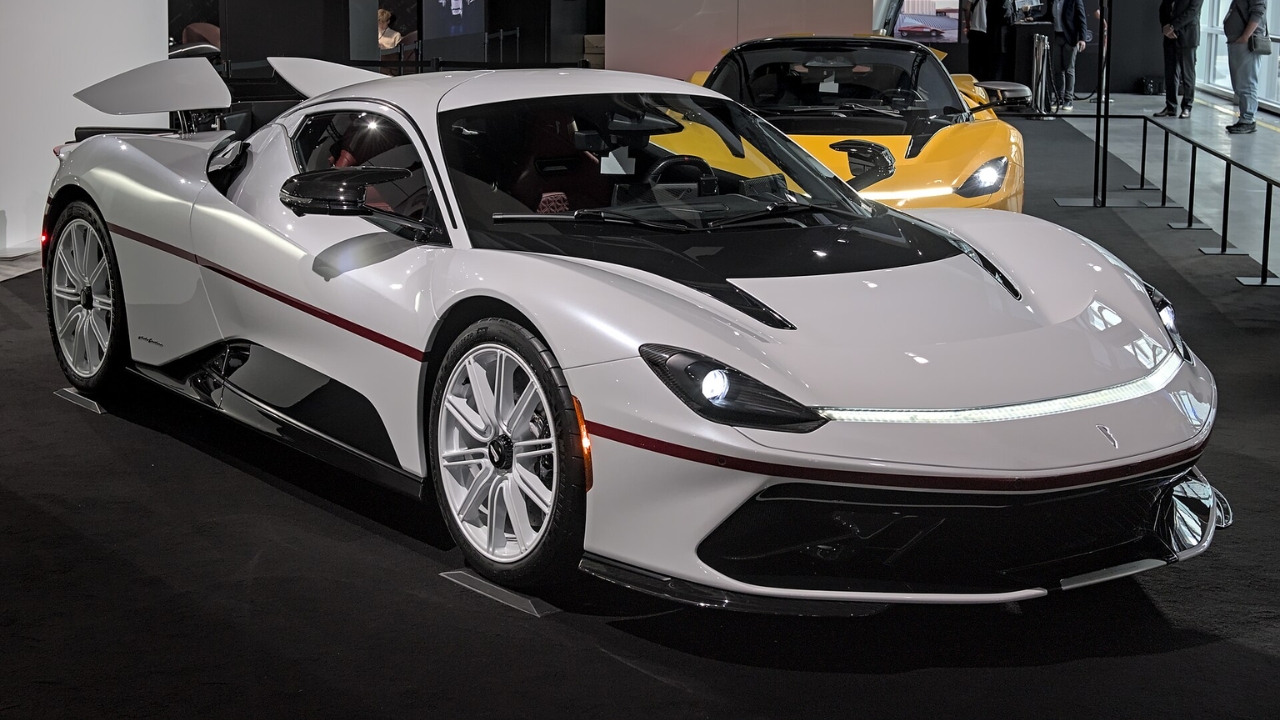
The Pininfarina Battista, an electric hypercar launched in 2022, hits 217 mph with 1,900 horsepower from four electric motors. Priced at $2.2-$2.5 million, only 150 units were planned. Its carbon-fiber monocoque keeps weight at 4,500 pounds, with 0-60 mph in 1.79 seconds. Torque is 1,741 lb-ft, a true rocket.
Pininfarina’s first standalone car, the Battista’s limited 150-unit run set an EV benchmark, rivaling gas-powered giants. Special editions near $3 million, and its Rimac-derived tech shapes EV performance.
2020 SSC Tuatara

The 2020 SSC Tuatara reached 282.9 mph (verified) with a 5.9-liter twin-turbo V8, producing 1,750 horsepower on E85. Costing $1.9 million, 100 were planned. At 2,750 pounds, it hit 0-60 mph in 2.5 seconds via a 7-speed automated manual. Its 0.279 drag coefficient helped it cut through air.
A controversial 331-mph claim in 2020 was debunked, but the verified run cemented its place. The one-year production was due to SSC’s focus on exclusivity. Prices now top $2 million, and it’s a symbol of American hypercar ambition.
Like Fast Lane Only’s content? Be sure to follow us.
Here’s more from us:
*Created with AI assistance and editor review.