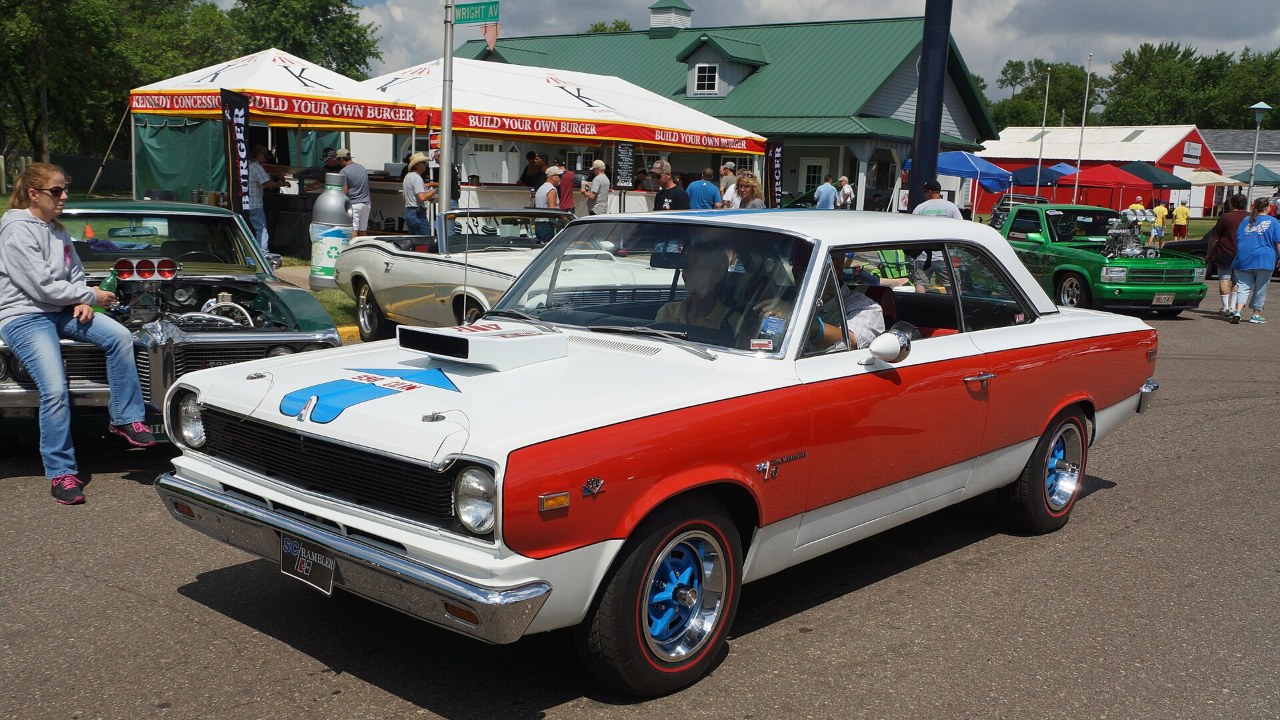
The 1957 Chevrolet 210 Two-Door was a mid-tier model that packed serious muscle under its unassuming look. Overshadowed by the flashier Bel Air, it delivered raw performance and affordability. Below, we unpack ten facts about the 210, diving into its specs, costs, and historical context to show why this sleeper deserves a second look for those who know their cars.
Potent 283 V8 option

The 1957 Chevy 210 offered a 283-cubic-inch V8, pumping out up to 283 horsepower with fuel injection. It hit 0-60 mph in 7.2 seconds, with 305 lb-ft of torque. About 10,000 got the V8, priced at $2,300 (around $25,000 today). Engine production costs were $350 per unit.
The 283 was a game-changer, offering near-Corvette power in a family car. Its one-year fuel-injection setup faded as carburetors took over, but it set a performance benchmark, now valued at $40,000-$60,000.
Affordable performance

Priced at $2,100 (about $23,000 today), the 210 was cheaper than the Bel Air but shared its V8 options. Its base 235-cubic-inch inline-six made 140 horsepower, while the V8 added $100. Assembly costs were $800 per car, with 150,000 210s built. A 3-speed manual was standard.
Its low cost made it a hit with hot rodders. The 1958 redesign shifted focus to luxury, but the ‘57 210’s value makes it a collector’s favorite today.
Fuel injection debut
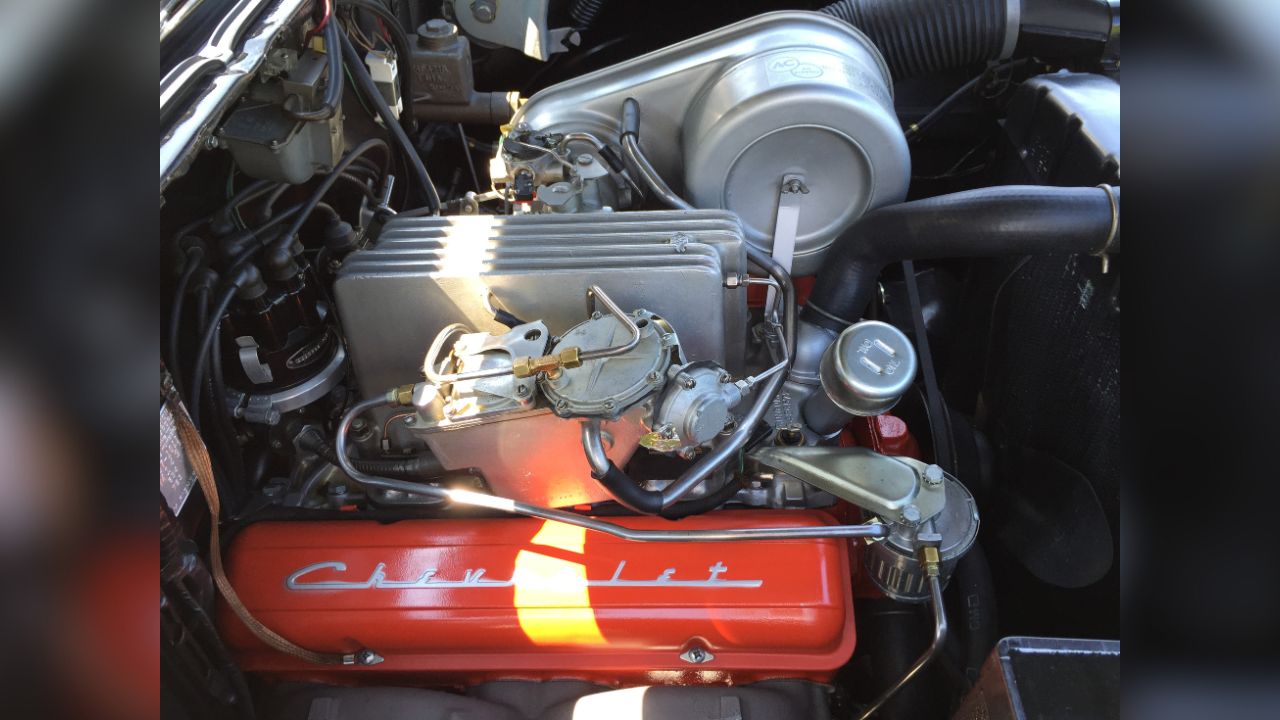
The 1957 210’s optional Rochester fuel injection, dubbed “Ramjet,” delivered 283 horsepower, a 1:1 cubic-inch-to-horsepower ratio. Costing $484 extra (about $5,300 today), it added $200 to production costs. Only 1,500 210s got it, hitting a top speed of 120 mph with a 4-speed manual.
This system was cutting-edge but complex, dropped in 1958 for simpler carbs. Its rarity drives values, with fuel-injected 210s fetching $50,000-$80,000 at auctions.
Lightweight design

At 3,200 pounds, the 210 was 200 pounds lighter than the Bel Air, thanks to simpler trim. Its 115-inch wheelbase and steel unibody cost $400 to produce. The 283 V8 with a 4-speed manual hit 0-60 mph in 7 seconds, outpacing heavier rivals.
This agility made it a dragstrip star, especially with V8 upgrades. The 1958 models gained weight, diluting the ‘57’s edge. Restored 210s now sell for $30,000-$50,000.
Drag racing legacy

The 210’s 283 V8 ran quarter-miles in 15.5 seconds at 90 mph, a budget hot rod dream. Tuned versions hit 100 mph, with mods costing $200-$500. Priced at $2,300 with the V8, it undercut rivals like the Pontiac Chieftain by $500. About 5,000 were race-prepped.
Its dragstrip success influenced muscle cars like the GTO. The ‘57’s specific V8 tuning ended in 1958, but its racing cred endures, boosting collector interest.
NASCAR success

The 1957 210 won races in NASCAR’s Grand National series, with drivers like Buck Baker leveraging its 283 V8. It hit 120 mph on tracks, costing $2,500 race-ready (about $27,000 today). Race prep added $600 to the $2,100 base price. Around 2,000 were modified.
Its light weight and power gave it an edge over bulkier rivals. The 1958 redesign slowed its track dominance, making the ‘57 a one-year racing star.
Two-door appeal

The 210 Two-Door’s sleek hardtop design, with a 115-inch wheelbase, cost $100 in styling per car. Priced at $2,200 (about $24,000 today), it sold 70,000 units. Its 283 V8 and 3-speed manual hit 0-60 mph in 7.5 seconds, blending style and speed.
Its sporty look drew younger buyers, rivaling Ford’s Thunderbird. The 1958 model’s bulkier styling overshadowed the ‘57’s charm, now valued at $35,000-$55,000 restored.
Versatile transmission options

The 210 offered a 3-speed manual standard, with a 4-speed manual or 2-speed Powerglide automatic optional. The 4-speed, costing $188 extra (about $2,000 today), paired with the 283 V8 for 0-60 mph in 7 seconds. Transmission production costs were $150 per unit.
The manual’s crisp shifts appealed to performance drivers. In 1958, automatics gained favor, phasing out the ‘57’s unique setup. Manuals remain prized, adding $5,000 to collector values.
Cultural impact

The 1957 210 starred in films and car shows, its clean lines and V8 power symbolizing the era’s optimism. Priced at $2,100, it sold 150,000 units, with 20,000 V8 models. Its $800 assembly cost kept it affordable, rivaling Chrysler’s pricier 300C.
Its everyman appeal made it a cultural icon, though overshadowed by the Bel Air. The ‘57’s distinct design drives values to $30,000-$60,000, a nod to its lasting fame.
Collector value today

A restored 1957 210 Two-Door with the 283 V8 fetches $40,000-$60,000, with fuel-injected models hitting $80,000. Only 10,000 V8s survive from 150,000 built. Its $2,300 original price (about $25,000 today) and $350 engine cost made it a bargain.
Its rarity and performance keep it sought-after, especially manuals. The ‘57’s one-year styling and V8 combo make it a standout, rivaling pricier Bel Airs in collector circles.
Like Fast Lane Only’s content? Be sure to follow us.
Here’s more from us:
*Created with AI assistance and editor review.