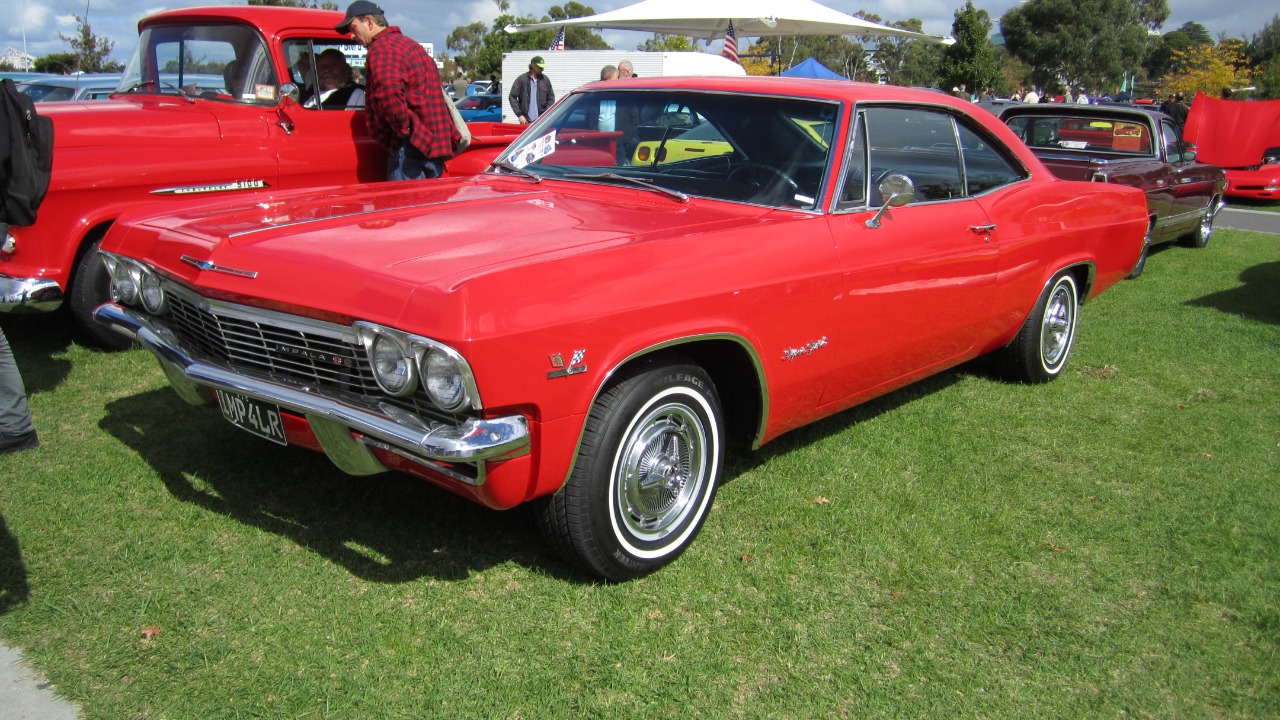
Collectors treat the 1965 Impala SS 409 as a turning point, where Chevrolet muscle met changing tastes and regulations. Values now reflect that crossroads status, with strong prices for correct cars and a clear premium for the rare 409 configuration. Buyers who understand production numbers, option mixes, and recent sales data can separate truly scarce Super Sports from the wider Impala crowd.
Why the 1965 Impala SS 409 sits in a tiny production niche
Rarity for the 1965 Impala SS 409 starts with simple math, not nostalgia. Chevrolet sold huge volumes of full size cars, yet the big block options split sharply between the outgoing W engine and the new Mark IV design. Only 2,828 409s were made, that’s only . 2%, while Over 57,000 396s were made, so the 409 specification instantly entered low volume territory compared with the newer 396 optioned cars.
That imbalance matters because the 1965 model year closed the book on the great W block 409, 340 horsepower era. Enthusiasts now view that final run as the last stand for early sixties big block character before the more modern 396 took over. The SS package layered sportier trim and performance cues on top of that already scarce drivetrain, so a genuine Super Sport 409 now represents a very small slice of total Impala output.
How factory options and numbers matching status shape value
Condition and originality now drive the sharpest price swings for these cars. Collectors pay close attention to numbers matching drivetrains, correct trim codes, and documented equipment, because those details separate investment grade examples from driver level builds. A documented Super Sport that still carries its original 409, four speed gearbox, and correct rear axle ratio will usually command a clear premium over a similar car with swapped components.
One auctioned 1965 CHEVROLET IMPALA SS 409 2 DOOR HARDTOP illustrated that hierarchy, because that numbers matching 409 SS with a 4-speed, posi-traction, red line tires, air conditioning, power brakes and power steering showed how a fully optioned car can stack desirable features in one package, and the listing also noted the Engine upgraded to 425hp, which further sharpened its appeal for buyers who want both authenticity and performance upgrades in a single chassis. That kind of specification, with factory style hardware and period correct enhancements, often lands near the top of the value range for the model.
Market benchmarks, price ranges, and recent sales signals
Valuation guides now give shoppers a structured way to gauge where a specific SS 409 should land. Condition based charts for the 1965 Chevrolet Impala SS show how prices climb from driver quality examples into high grade restorations, with clear breaks between each tier that reflect originality and equipment. Those structured ranges help owners understand whether an asking price aligns with broader market behavior rather than isolated auction spikes.
Online sales data also fills in the picture for real world transactions. One detailed record for a 1965 Chevrolet Impala SS 409 notes that What is it Worth, and explains that There are 30 comps for this 1965 Chevrolet Impala SS 409 indicating a price range from $23,345 – $85,567, which shows how wide the spread can run between a tired project and a show ready car. Broader tracking for the 1965 Chevrolet Impala Market lists individual results, including a Chevrolet Impala SS, Modified, 1k mi TMU, Automatic, LHD, Las Vegas sale that brought $63,000 on Nov 9, 2025, so buyers can see how specification and mileage influence outcomes even when the car carries custom touches rather than strict originality.
Why the 409 engine commands a rarity premium
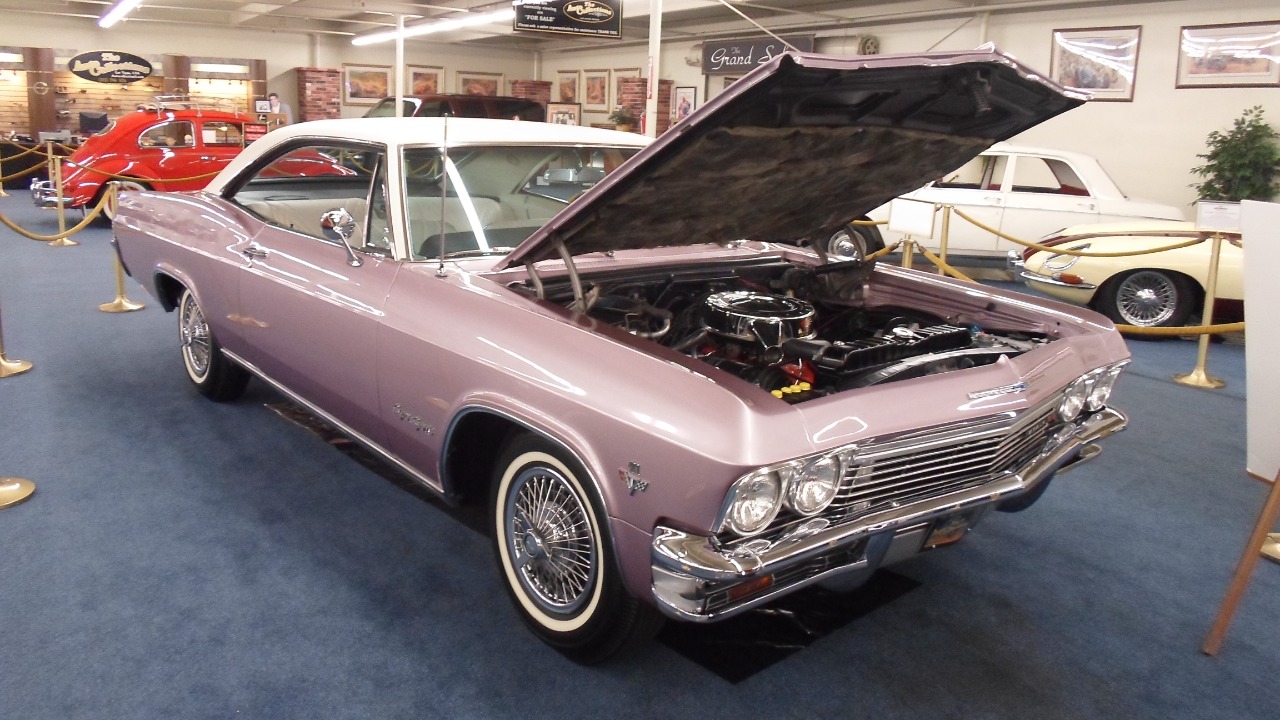
Engine choice now acts as the single strongest value lever for many 1965 Impala SS buyers. The 409 configuration carries both historical weight and numerical scarcity, so collectors often treat it as the most desirable big block for that year despite the higher production 396. That preference shows up in auction catalog language, private sale listings, and enthusiast coverage that consistently highlight the 409 badge.
One feature on a 1965 Impala SS fitted with a rare 409 engine described how Chevrolet ended the year with more than 1 million units sold to customers in the United States, yet the GM brand still built only a tiny fraction of those cars with the 409 option, which underlines how few Super Sports combined that engine with the sporty trim package. A closer look at that same car notes that the engine under the hood is a 409ci unit and that the numbers match, and the report also tracked live bidding that had already reached $20,900 a few minutes ago, which shows how quickly interest can climb when a documented 409 SS appears on the open market.
Color, body style, and special order details that influence collectability
Beyond the engine bay, visual specification now plays a growing role in how collectors rank 1965 Super Sports. Unique paint codes, unusual interior combinations, and rare body styles can all push a car higher within the already small 409 subset. Buyers who want something that stands out at shows often chase those one year or low volume colors even when they could buy a more common shade for less money.
One long term owner described how a one-year-only color and 409 V-8 helped a 1965 Impala SS stand apart, and recalled hearing comments like “That’s not really a ’65 Chevy color, is it,” which shows how that unusual hue still surprises people decades later and confirms that During the years of ownership the car remained part of a very special group of Chevrolets that mix rare paint and drivetrain codes. Another detailed profile of a 1965 Chevrolet Impala 409 Wagon explained that According to the seller, you’re looking at an unrestored survivor that remains so clean it could also qualify as a fully fledged showpiece, and that kind of original long roof configuration with a 409 under the hood now attracts buyers who want both practicality and rarity in a single vintage Chevrolet.
How broader Impala trends frame SS 409 prices today
Rarity alone does not set the market, because overall interest in 1965 Impalas also shapes what collectors will pay for the top tier cars. The model currently enjoys steady demand as a gateway into full size sixties performance, with buyers ranging from first time classic owners to seasoned muscle car collectors. That broad appeal supports values for base cars and Super Sports alike, which in turn stabilizes pricing for the scarce 409 specification.
One detailed 1965 Impala buyer’s guide notes that As of this writing, the average sale price is around $40,000 and highlights that some recent 65 Impala sales on Hemmings.com include both high spec builds and more modest drivers, which shows how the model covers a wide budget range while still trending upward overall. Aggregated listings for the 1965 Impala on a major market tracker further illustrate that spread, since the Chevrolet Impala entries for that year include everything from sedans to convertibles with varied drivetrains, and that diversity helps explain why the SS 409, sitting at the top of the performance ladder, now commands a clear premium over the broader field.
Practical tips for shoppers chasing a 1965 Impala SS 409
Buyers who want a 1965 Impala SS 409 now face a market that rewards preparation and documentation. The first step involves confirming that a candidate car actually left the factory as a Super Sport with a 409, rather than a later clone built from a standard Impala shell. That verification usually requires decoding the VIN, checking engine and transmission stampings, and comparing trim tags with period reference material.
Valuation tools for the 1965 Chevrolet Impala SS help shoppers translate that research into realistic price expectations, because those guides tie condition ratings to dollar ranges that reflect recent sales. Broader sales tracking for the 1965 Impala lineup also gives context, since the year specific Chevrolet Impala data shows how non SS and non 409 cars trade, which helps buyers see how much extra they pay for the rare combination of Super Sport trim and 409 power compared with more common configurations.