The 1966 Chevrolet Impala SS 427 sits at a crossroads of big-block power and full-size comfort that still intrigues enthusiasts. Collectors now view this model as a bridge between early muscle experimentation and the sharper performance focus that followed, which shapes both its driving reputation and its market value today.
Interest in the 1966 SS 427 has grown as buyers look beyond the usual mid-size icons and rediscover full-size performance Chevrolets. That shift highlights how the car’s real-world performance, rarity, and documentation now matter as much as raw horsepower numbers when collectors decide what to pay.
Big-block performance in a full-size package
The 1966 Impala SS 427 delivered serious power in a body that still prioritized space and comfort. Chevrolet offered the 427 cubic inch V8 in two main versions, with the L36 rated at 390 horsepower and the hotter L72 rated at 425 horsepower, which placed the car firmly in muscle territory for its time. Buyers could pair those engines with a four-speed manual or automatic transmission, and the SS package added bucket seats, console, and performance-oriented trim that signaled intent even before the driver touched the throttle. Period road tests noted strong straight-line acceleration, especially with the 425 horsepower L72, although the car’s size and weight limited its agility compared with smaller Chevelle and Nova models, which shaped its reputation as a fast cruiser rather than a track weapon.
Performance depended heavily on how buyers originally ordered the car, and that detail now matters to collectors. Cars with the 425 horsepower L72, four-speed manual, and performance axle ratios deliver the most dramatic acceleration and command the strongest interest. Examples equipped with the 390 horsepower L36 and automatic transmission still provide robust torque and relaxed highway manners, which appeals to drivers who value comfort and long-distance usability. Factory documentation that confirms the original engine and drivetrain now plays a central role in establishing both performance credibility and collector value, since many Impalas received engine swaps or modifications over the decades, which complicates verification for buyers who want authentic big-block power.
How the SS 427 compares with other 1960s muscle Chevrolets
The 1966 Impala SS 427 competes for attention with smaller, more famous Chevrolet muscle cars from the same era. Enthusiasts often gravitate toward Chevelle SS 396 and later Camaro SS models, which offer lighter weight and a more overt performance image. Those cars usually deliver quicker quarter-mile times and sharper handling, which shaped the traditional muscle car narrative. The Impala SS 427 instead combines big-block power with a longer wheelbase and more interior space, which gives it a different mission. That character makes the car attractive to collectors who want muscle-era performance without sacrificing rear-seat comfort or trunk space, especially for highway driving and events that involve passengers.
Market perception reflects that contrast. Chevelle and Camaro models with similar or lower horsepower often bring higher prices because they fit the classic muscle template and attract a broader pool of bidders. The Impala SS 427 usually trails those icons in headline auction results, yet it offers comparable power and a more distinctive presence on the road. That relative discount can appeal to buyers who prioritize engine size and period style over maximum track performance. As more enthusiasts look for alternatives to the most heavily publicized nameplates, the SS 427’s blend of size, comfort, and big-block torque gains fresh attention, especially among collectors who already own smaller muscle cars and want something different for longer drives.
Production numbers, rarity, and documentation
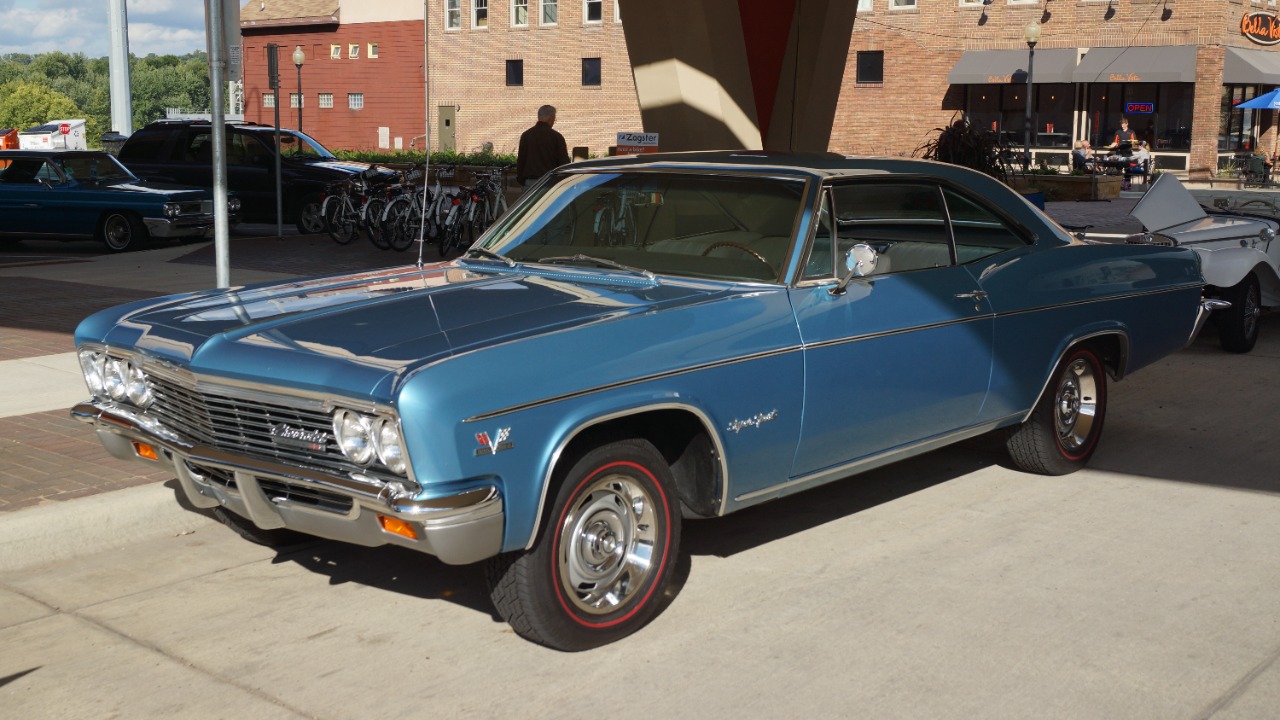
Rarity plays a major role in how the 1966 Impala SS 427 performs in the collector market. Chevrolet built far fewer SS 427 cars than small-block Impalas, and the 425 horsepower L72 version accounted for only a fraction of that total. Surviving examples with original drivetrains and intact SS trim now represent a small slice of overall 1966 Impala production. That scarcity increases interest among serious collectors, especially when the car retains factory paint colors, interior materials, and correct engine components. Cars that left the factory with the L72 engine and four-speed transmission sit at the top of the desirability scale, while L36 automatic cars still attract buyers who value drivability over maximum rarity.
Documentation now separates top-tier cars from driver-quality examples. Original build sheets, Protect-O-Plate warranty tags, and matching engine stampings help confirm that a car started life as a genuine SS 427 rather than a later clone. Collectors pay close attention to engine codes, casting dates, and trim tags to verify authenticity, since many standard Impalas received SS badges and big-block swaps during the muscle car boom. Cars with complete paperwork and verified drivetrains usually command a premium, while undocumented examples face more scrutiny and often sell at a discount. That dynamic encourages owners to preserve or recover factory records, which can significantly influence both appraisal values and buyer confidence during private sales or auctions.
Driving experience and real-world performance today
The 1966 Impala SS 427 delivers a driving experience that feels different from smaller muscle cars, even when the power ratings look similar on paper. The big-block engine produces abundant low-end torque, which lets the car surge forward with minimal throttle and relaxed gear changes. On modern roads, that character suits highway cruising and long-distance travel, where the car can maintain speed effortlessly and pass slower traffic without drama. The full-size chassis and long wheelbase provide a stable ride, while the SS interior offers supportive bucket seats and a driver-focused layout that still feels purposeful. Owners who maintain original suspension and steering components often describe a blend of comfort and control that reflects the car’s dual role as both family transport and performance machine.
Real-world performance now depends heavily on condition and maintenance choices. Many surviving cars receive upgrades such as modern radial tires, improved brake components, and subtle suspension tweaks that enhance safety and handling without altering the car’s character. Those changes help the Impala cope with contemporary traffic and higher highway speeds, while still preserving the feel of a 1960s big-block Chevrolet. Enthusiasts who keep factory drum brakes and bias-ply style tires accept longer stopping distances and more body roll, which can limit aggressive driving. As a result, most owners treat the SS 427 as a powerful cruiser rather than a track car, using its torque and presence for weekend drives, shows, and club events instead of drag strip competition.
Collector interest, values, and future outlook
Collector interest in the 1966 Impala SS 427 has strengthened as the broader muscle car market matures. Buyers who once focused only on Chevelle and Camaro models now look at full-size performance Chevrolets as a way to stand out at shows and events. Auction data and private sales indicate that well-documented SS 427 cars, especially those with the 425 horsepower L72 and four-speed transmission, can command strong prices relative to other full-size models from the period. Driver-quality examples with the 390 horsepower L36 and automatic transmission usually trade at more accessible levels, which opens the door for enthusiasts who want big-block power without paying top-tier muscle car premiums. Condition, originality, and color combinations all influence final numbers, with factory-correct restorations and desirable hues drawing the most attention.
The future outlook for the 1966 SS 427 depends on how the next wave of collectors values full-size performance cars. Younger enthusiasts often appreciate usability and comfort alongside horsepower, which favors cars that can handle longer trips and family outings. The Impala’s spacious interior and smooth ride give it an advantage in that respect, while the 427 engine satisfies the desire for authentic muscle-era power. As the most famous nameplates continue to climb in price, more buyers may view the SS 427 as a relative bargain that still offers strong performance and distinctive styling. That trend could support gradual value growth, especially for documented L72 cars and high-quality restorations, while keeping driver-grade examples within reach for enthusiasts who want to experience big-block Chevrolet power without entering the highest price brackets.