
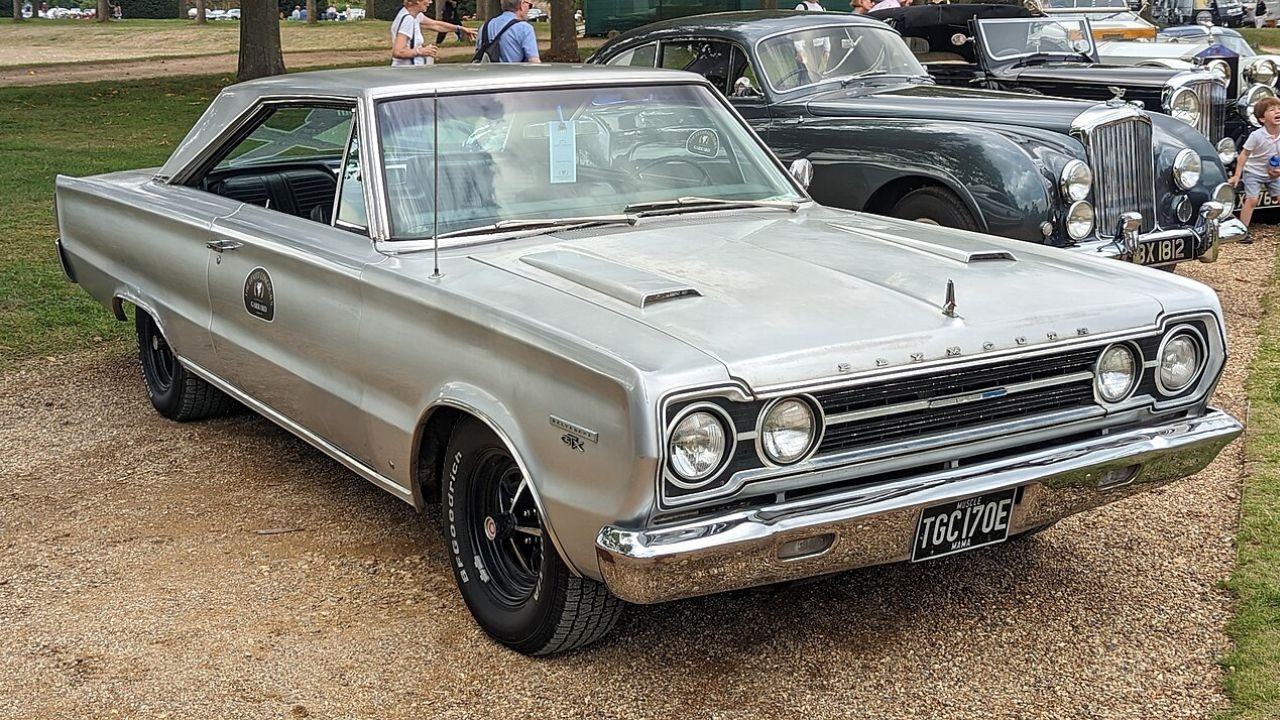
The 1967 Plymouth GTX 440 still commands attention from collectors who care about both straight line speed and long term value. I see a car that pairs serious performance with a pricing curve that now rivals some blue chip muscle rivals. The outlook for this “gentleman’s muscle car” hinges on how buyers weigh originality, condition, and documented history against a market that keeps rewarding rare, well preserved examples.
Big block performance that still feels modern
Performance defines the 1967 Plymouth GTX 440 more than any trim badge or stripe package. Plymouth offered the GTX with a 440 V8 as standard, and that big block gave the car the kind of torque that still feels urgent in modern traffic. The engine displaced 440 cubic inches, or a quoted 7.2-liter capacity, and used a four barrel carburetor that delivered strong mid range pull rather than peaky top end power. I view that combination as central to the car’s enduring appeal, because it lets drivers enjoy the engine without wringing it out on every shift.
Context matters when judging that performance today. Enthusiasts earlier in the muscle era often chased quarter mile times at the expense of comfort, but the 1967 Plymouth GTX The model tried to balance both sides of the equation. Reporting on the Plymouth GTX The car highlights how the brand marketed it as a refined alternative to stripped out street racers, while still delivering serious acceleration from the 440 Super Commando. I see that positioning as a key reason values now track upward, because buyers get both comfort and speed in one package.
Chassis, design, and the “gentleman’s muscle car” brief
Under the skin, the 1967 GTX relied on proven hardware that still gives the car a planted feel on modern roads. The Specifications list a 116.0 inch wheelbase and a curb Weight of 3,545 pounds, figures that place it squarely in midsize territory for the era. I find that footprint important, because it gives the car enough stability for highway cruising while still allowing relatively quick turn in on back roads. The same Specifications also note a Number built of 12,115, which already hints at future collectability, since production never reached mass market volumes.
Styling and trim choices reinforced the upscale intent. The GTX sat on the Belvedere platform, and period descriptions state that it Based on that Based architecture, the GTX featured unique trim, a blacked out grille, simulated hood scoops, and special badging that signaled performance without resorting to cartoonish graphics. I read that design brief as a deliberate attempt to court older buyers who wanted muscle without teenage flash. That positioning still resonates with collectors who prefer subtle aggression over loud stripes and spoilers.
From original sticker to current valuations
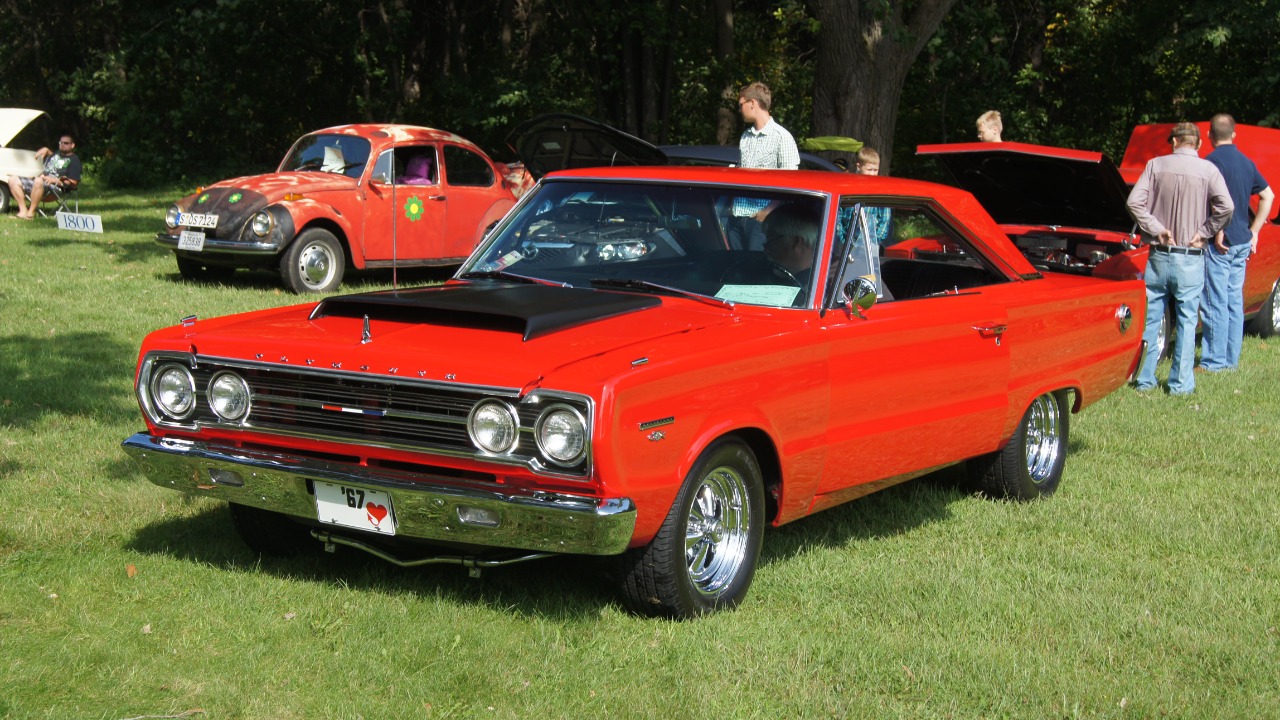
Pricing always shapes how I judge a classic car’s investment case, and the GTX story starts with a surprisingly modest original sticker. Period data lists a Base price of $3,178, which bought buyers the Standard Engine and a well equipped interior relative to other midsize coupes. That figure looks almost quaint today, but it sets a baseline for understanding how far the market has moved. The Number built of 12,115 units also means supply remains finite, especially once I factor in attrition from decades of hard use and modifications.
Modern valuation tools now give a clearer picture of what collectors pay for surviving examples. The Common Questions section on one pricing guide asks How much a 1967 Plymouth GTX is worth, and the answer stresses that condition, originality, and documentation drive the spread between driver quality and concours level cars. I see that nuance reflected in the Plymouth GTX valuation charts, which show wide bands between fair, good, and excellent grades. That range tells me buyers still reward top tier restorations and unrestored survivors with significant premiums over average examples.
Auction signals and market momentum
Recent auction results suggest that the market now treats the 1967 GTX as a serious collectible rather than a budget alternative. One sale recorded an Automatic, LHD car in Las Vegas, Nevada, USA that brought $176,000 at a major event held on Nov 15, 2025. I view that figure as a watershed moment, because it places the GTX in the same conversation as more widely hyped muscle icons. The fact that the car used an automatic transmission rather than a four speed also hints that buyers now prioritize condition and provenance over pure driver engagement.
Price guides that track retail transactions echo that upward drift. The 1967 Plymouth GTX 2 Door Hardtop 440 entry lists Pricing and Values for different conditions, and notes that Prices shown represent what buyers can expect to pay in the current market. I read the Pricing and Values data as confirmation that private sales and dealer listings now follow the same trajectory as headline auctions, even if individual cars still trade below six figure territory. That alignment between retail and auction numbers usually signals a maturing market rather than a short lived spike.
Collector sentiment and long term outlook
Sentiment among enthusiasts now tilts strongly in favor of the GTX as a long term hold. One detailed overview published on Sep 9, 2025 states that There is great investment value in the model, particularly when cars retain original motors and drivetrains. I interpret that assessment as a clear endorsement of the GTX as a solid investment for a collector who prioritizes authenticity over radical modification. The same piece notes that the GTX name still carries weight among Mopar fans, which supports the idea that demand will not evaporate once the current wave of nostalgia cools.
Real world builds also show how owners now treat these cars as canvases for careful personalization rather than disposable drag toys. A feature dated Jun 14, 2023 follows a garage built 1967 Plymouth GTX 440 that the owner tailored for visceral driving, drawing inspiration from Saloon Racers and period NASCAR machines like the Galaxie. I see that Jun build as evidence that the platform still invites creative interpretations without erasing its core identity. When owners invest that much time and money into one chassis, they usually signal confidence that values will at least hold steady.
Why the 1967 GTX 440 should keep appreciating
Looking ahead, I expect the 1967 GTX 440 to keep climbing in value, though not in a straight line. The combination of limited production, strong performance, and a comfortable interior gives the car a broad appeal that spans generations. The market already treats the Plymouth GTX as a “gentleman’s muscle car,” and that positioning helps it stand apart from more common nameplates. I see that differentiation as crucial in a crowded collector landscape where buyers increasingly chase unique stories rather than just big horsepower numbers.
Investment focused commentary reinforces that view. Analysts who track classic muscle note that the GTX offers great investment value when cars retain original motors, and they describe the GTX as a solid investment for a collector who wants both enjoyment and appreciation potential. That perspective aligns with the There assessment that originality and documentation now drive premiums. I read those signals, combined with rising auction Prices and detailed valuation tools, as a strong case that the 1967 GTX 440 will remain a sought after asset for enthusiasts who value both performance and price stability.
More from Fast Lane Only:






Leave a Reply