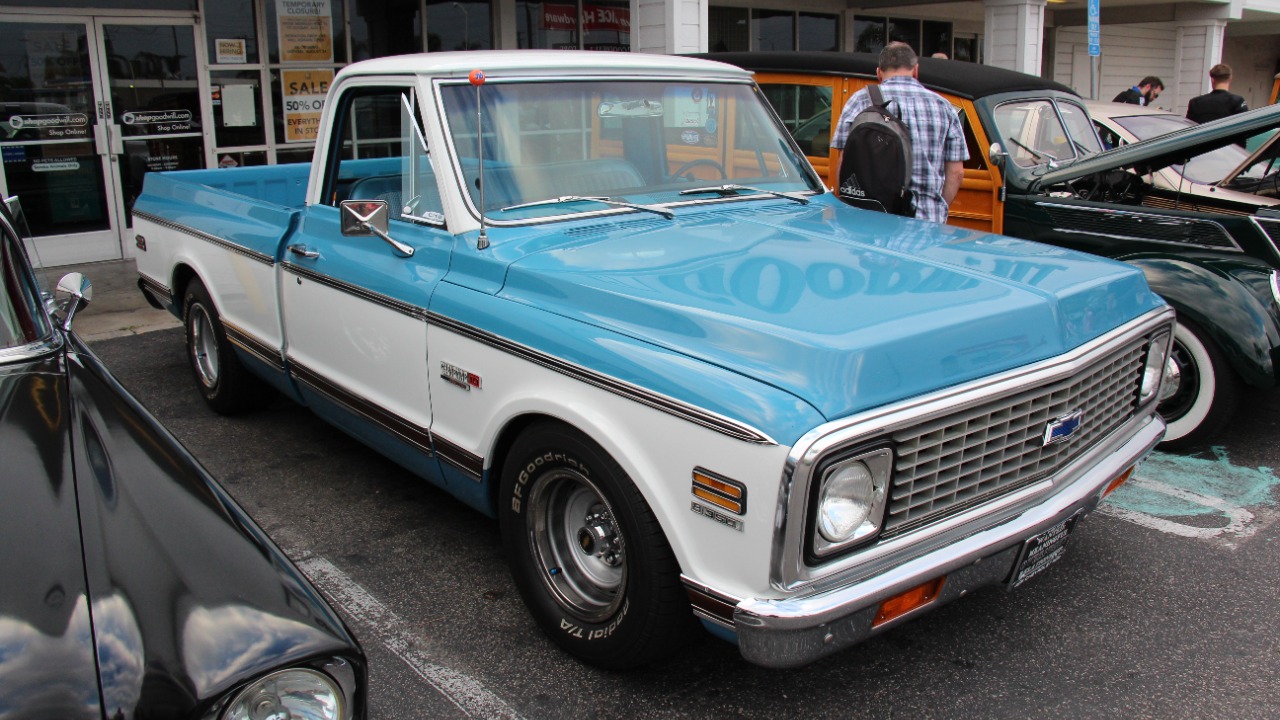
The C10 Cheyenne Super arrived as Chevrolet’s answer to buyers who wanted real truck capability with near luxury comfort. Collectors now treat the short run of these high-spec pickups as a bellwether for the broader classic truck market, with values that reward originality and correct trim more than ever.
Understanding when Chevrolet built the Cheyenne Super, what set it apart, and how recent sales track helps buyers separate true investment-grade trucks from dressed up workhorses. The story stretches from showroom positioning in the early 1970s to six figure style auction moments and a maturing price curve that now favors well documented examples.
How the Cheyenne Super package emerged from Chevy’s trim ladder
Chevrolet did not stumble into the Cheyenne Super nameplate, the company built it on a decade of trim experimentation. The first generation C10 used a mix of appearance and comfort upgrades that Chevrolet grouped under the label Custom Appearance Equipment, which signaled that buyers could dress a work truck with bright trim and nicer interiors. That early strategy laid the groundwork for a hierarchy that later placed Cheyenne and Cheyenne Super at the top of the half ton lineup.
Chevrolet then used the Cheyenne badge to mark premium content on second generation C10 models, and the Cheyenne Super package pushed that idea further with richer upholstery, extra brightwork, and more comfort features. The trim structure let Chevrolet sell a basic work oriented C10 while also courting buyers who wanted a pickup that felt closer to a personal luxury car. That approach turned the Cheyenne Super into a halo configuration that still signals top specification to collectors today.
Why 1972 became the reference year for Cheyenne Super fans
Enthusiasts often single out 1972 as the sweet spot for the Cheyenne Super because the model combined mature styling with a fully developed options list. The final year of that body style delivered refined details, strong small block and big block choices, and interiors that looked more like upscale sedans than farm equipment. Collectors now treat a clean 1972 truck as a benchmark when they judge earlier or later C10 builds.
Writers earlier this year described the Chevrolet Cheyenne Super from that year as a Timeless American Classic and highlighted how it remains one of the most sought after pickups among collectors and enthusiasts alike. That reputation reflects both the truck’s original market position and the way the design has aged, with square body lines and period correct trim that now feel iconic rather than dated. The 1972 Cheyenne Super therefore anchors many restoration projects and often sets the tone for price discussions across the C10 spectrum.
Documented sales that shaped Cheyenne Super value expectations
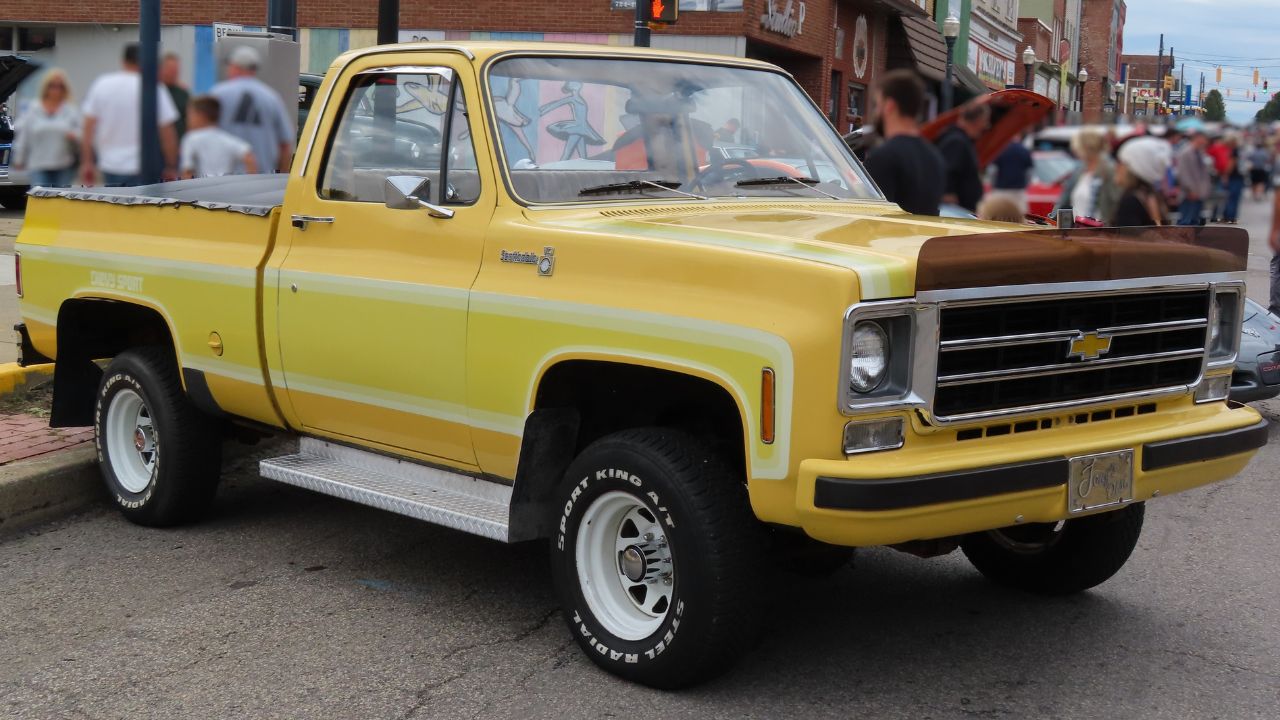
Serious collectors watch individual auction results because standout sales can reset expectations for the entire segment. One high profile example came when a 1972 C10 Cheyenne Super, listed as Lot F198, sold for $60,950 including buyer’s premium at Mecum’s Spring Classic auction in Indianapolis on Jun 30, 2013. That figure showed that buyers would pay strong money for a well presented, correctly optioned truck long before classic pickups became mainstream darlings.
Valuation tools now track a broader range of sales to give context around those headline numbers. One reference for a related half ton model lists Past sales that include a 1971 Chevrolet K10 1/2 Ton that Sold for $57,750 in North America on Nov 12, 2025 through Bring a Trailer, alongside another 1970 Chev sale at $16,200. Those figures show how condition, specification, and provenance can swing values dramatically even within the same general family of Chevrolet half ton trucks.
Current price ranges for 1972 Cheyenne Super trucks
Buyers who shop for a 1972 Cheyenne Super today face a market that has matured beyond occasional headline auctions. Aggregated data for a 1972 Chevrolet C10 Cheyenne Super shows that What it is Worth now comes from There being 30 comps that indicate a price range from $20,067 to $46,039. That spread captures everything from driver quality trucks to very clean examples that stop short of concours level presentation.
A closely related dataset for a 1972 Chevrolet Cheyenne Super Pickup also notes that What it is Worth comes from There being 30 comps, with a price range from $19,984 to $45,956. Those nearly overlapping bands suggest that the market now values Cheyenne Super pickups within a fairly tight corridor once condition and originality align. Shoppers can therefore use those ranges as a sanity check when they encounter asking prices that drift far above or below the documented norms.
How collectors judge originality, trim, and long term potential
Collectors do not treat every Cheyenne Super as equal, even when trucks share the same model year. Buyers scrutinize whether a truck left the factory with the Cheyenne Super package or gained its trim later through reproduction parts. They also look closely at paint codes, interior materials, and drivetrain combinations to confirm that the truck still reflects its original build sheet rather than a modern reinterpretation.
Market behavior around the Cheyenne Super shows that originality and correct trim often matter more than raw performance upgrades. A truck that still carries its period correct Cheyenne Super badging, brightwork, and interior appointments will usually command a premium over a restomod that sacrifices those details for modern components. Collectors who understand how Chevrolet structured the Cheyenne and Cheyenne Super hierarchy, starting with early Chevy Custom Appearance Equipment, can spot authentic survivors more quickly and negotiate with greater confidence.
Why the Cheyenne Super still anchors the classic truck conversation
Enthusiasts continue to rally around the Cheyenne Super because it captures a turning point in American truck culture. The model bridged the gap between bare bones work rigs and the modern idea of a pickup as a daily driver with comfort and style. That dual identity helps the truck appeal both to nostalgia driven buyers and to younger collectors who want a usable classic.
Recent commentary that framed the 1972 Cheyenne Super as a Timeless American Classic and highlighted its enduring popularity among collectors and enthusiasts alike reflects that broad appeal. As long as documented sales such as the $60,950 Mecum result and valuation ranges from $19,984 up to $57,750 continue to support strong demand, the Cheyenne Super will likely remain a reference point for anyone tracking classic truck values and long term potential.