As the antitrust fight between 23XI Racing, Front Row Motorsports and NASCAR plays out in federal court, an old flashpoint involving Chase Elliott has quietly become one of the most revealing pieces of evidence. What once looked like a one-off concern about a star driver moonlighting in another series is now being framed as proof of how tightly NASCAR tries to control its ecosystem. The resurfaced incident is giving new weight to Michael Jordan’s claim that the sanctioning body behaves less like a league and more like a monopoly guarding every inch of its turf.
At stake is not just who wins a courtroom battle, but how much freedom teams and drivers will have to build their brands, chase outside opportunities and shape the future of stock car racing. The way NASCAR reacted when Elliott ran a stylized No. 9 in SRX, and how that reaction is being dissected in the Jordan case, goes to the heart of whether the sport is run as an open marketplace or a closed shop.
How a Chase Elliott cameo turned into a legal headache
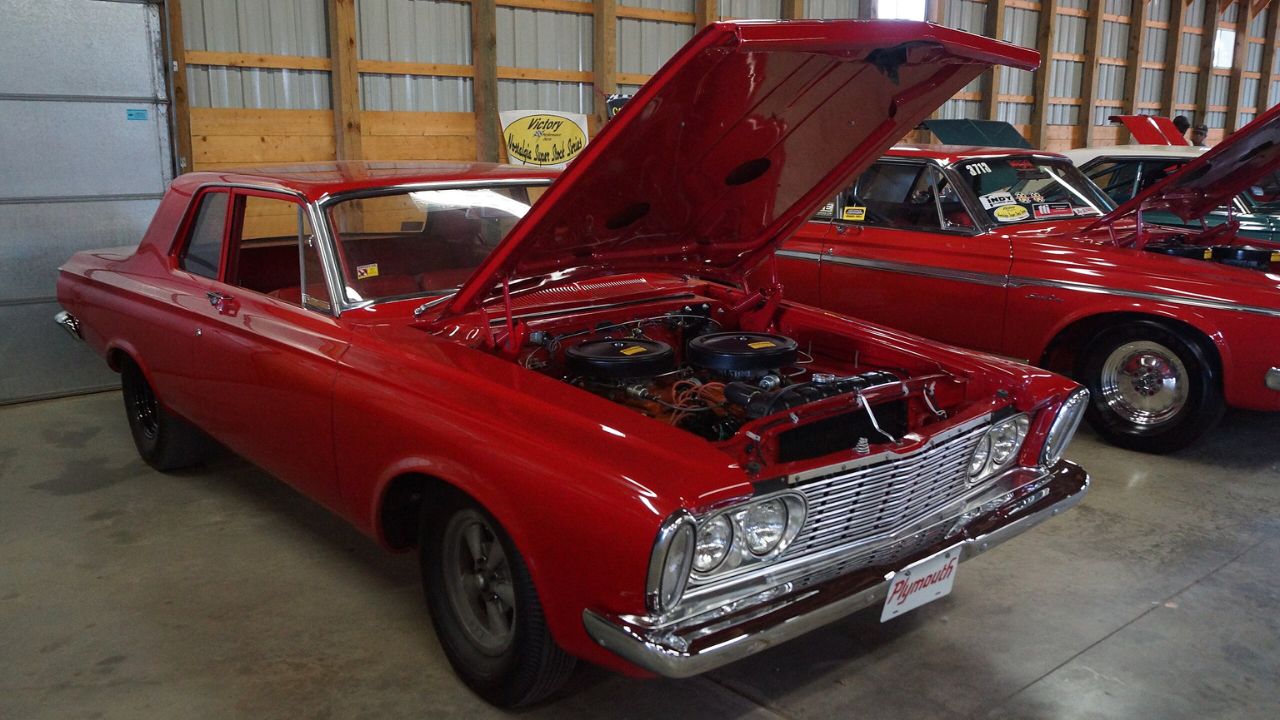
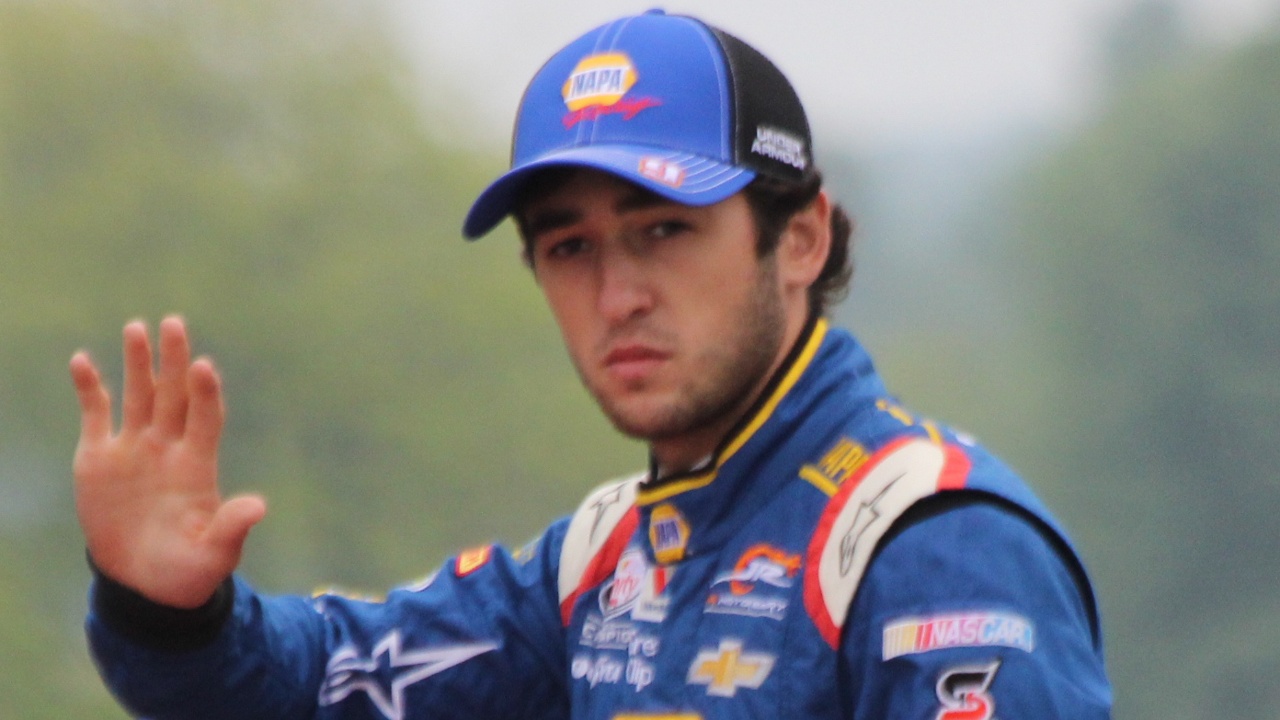
The turning point came when Chase Elliott showed up in SRX, driving a car that carried a stylized version of his familiar No. 9. On its face, it was a feel-good crossover, a Cup Series star dropping into a short-field series that markets itself on nostalgia and personality. Inside NASCAR headquarters, however, the appearance triggered alarm about how closely SRX cars and branding might resemble the look and feel of the stock cars that run under NASCAR’s banner, and whether that blurred line could erode the value of NASCAR’s own product. According to testimony described in trial coverage, NASCAR executives grew concerned with SRX after Elliott’s race in the series, particularly because of the way the No. 9 was presented and how that might confuse fans or sponsors who associate that number with NASCAR competition.
That concern did not stay in the realm of private grumbling. In court, NASCAR president Steve O’Donnell has been cited as a key figure in internal discussions about SRX and the Elliott appearance, with questioning focused on whether the sanctioning body saw the rival series as a direct threat. Reporting on the trial describes how NASCAR officials scrutinized the stylized No. 9 and the broader SRX package, treating the combination of a Cup star, a familiar number and a similar-looking car as a potential encroachment on NASCAR’s intellectual property and market position. The Chase Elliott cameo, once a novelty, is now being used by 23XI and Front Row to argue that NASCAR reacts aggressively whenever another series edges too close to its drivers, its numbers or its visual identity.
The Coca Cola 600 incident and NASCAR’s control over drivers
The Elliott episode in SRX is not the only time his name has intersected with questions about NASCAR’s authority. Earlier in his career, Chase Elliott was suspended for one race after an incident in the Coca Cola 600, a decision that highlighted how firmly the sanctioning body polices driver behavior and discipline. The penalty, which sidelined one of the sport’s most popular figures for a single event, underscored that even a marquee name is not immune when NASCAR decides a line has been crossed. The fact that the race in question was the Coca Cola 600, one of the crown jewels on the schedule, only amplified the message that the league’s rules and enforcement power reach into its biggest stages.
In the current antitrust case, that history matters because it illustrates a pattern of centralized control. When I look at the way NASCAR handled the Coca Cola 600 suspension, I see a governing body that expects drivers to operate almost entirely on its terms, with limited tolerance for conduct it deems damaging to the brand or the competition. Plaintiffs in the Jordan case are not directly challenging that specific suspension, but they are pointing to the broader environment in which NASCAR can bench a star like Elliott for a race, scrutinize his number in SRX and, at the same time, dictate where and how teams and drivers can race outside the Cup schedule. The Coca Cola 600 decision becomes part of a larger mosaic that 23XI and Front Row say reflects an organization that wields its authority not just for safety or fairness, but to reinforce its market dominance.
Inside the 23XI and Front Row antitrust challenge
At the core of the lawsuit brought by 23XI Racing and Front Row Motorsports is the allegation that NASCAR uses monopoly power to suppress competition and lock in its own business model. The teams argue that NASCAR’s control over race sanctions, media rights and key commercial terms leaves them with little leverage, even as they shoulder the costs of fielding cars and building brands. They contend that the structure violates antitrust law because it prevents alternative series or formats from gaining a foothold and limits the ability of teams to seek better deals for services and sponsorships. In their telling, the Chase Elliott SRX moment is not an isolated overreaction, but a symptom of a system designed to keep all meaningful stock car racing activity under NASCAR’s umbrella.
One of the most significant claims centers on NASCAR’s ownership or control of the majority of racetracks on the national schedule. According to detailed reporting on the case, 23XI and Front Row say that by owning or effectively controlling most of the venues that matter, NASCAR can make sure that non-NASCAR events are not held at those tracks, or are limited in ways that protect the Cup Series. That alleged chokehold on facilities, combined with NASCAR’s role as both regulator and commercial rights holder, is what the teams describe as a classic antitrust problem. They argue that the same mindset that saw SRX and the stylized No. 9 as a threat also drives policies that restrict rival series from accessing tracks, sponsors and television windows, leaving NASCAR as the only game that truly counts.
Michael Jordan’s testimony and the monopoly argument
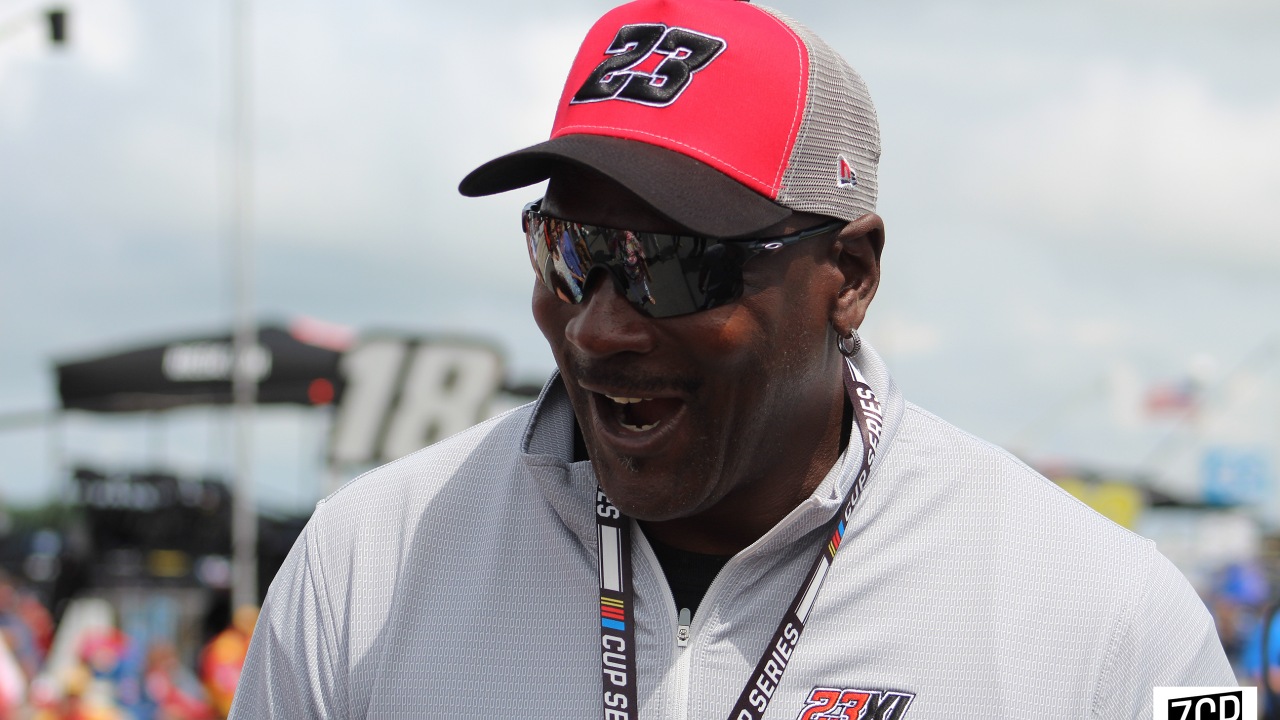
Michael Jordan’s presence in the courtroom has elevated the case from an inside-baseball dispute to a broader referendum on how modern sports leagues should operate. As an NBA legend and co-owner of 23XI, Jordan has testified that NASCAR behaves like a monopoly, using its power to dictate terms to teams rather than partnering with them as co-investors in the sport. His argument is that while leagues need centralized governance, there is a line between organizing competition and using control to squeeze out rivals and limit the upside for participants. When Jordan describes NASCAR as acting like a monopoly, he is tying his personal credibility and business experience to the claim that the current model is out of step with how major sports should share value.
Jordan’s testimony has also sharpened the focus on how NASCAR treats outside opportunities for teams and drivers. In his view, the reaction to Chase Elliott’s SRX appearance, and the broader concern about SRX as a competing product, show that NASCAR is not just protecting safety or competitive integrity. Instead, he suggests, the sanctioning body is trying to ensure that no other series can offer a comparable platform for stars, sponsors or fans. That perspective aligns with the legal theory advanced by 23XI and Front Row, which frames NASCAR’s decisions about track access, scheduling and branding as part of a coordinated effort to keep all meaningful stock car racing under one corporate roof. Jordan’s role in the case gives that theory a powerful public face, one that resonates beyond the garage area.
SRX as a perceived threat and what it reveals about NASCAR’s model
The way NASCAR reacted to SRX after Chase Elliott’s appearance has become one of the clearest windows into how the sanctioning body views competition. Trial coverage describes how, in cross-examination, Steve O’Donnell was pressed on internal discussions that treated SRX as a direct rival once Elliott and his stylized No. 9 showed up. The phrase that NASCAR “Saw SRX As” a “Threat After Chase Elliott” “Appearance” captures the essence of that concern, with executives worried that SRX cars and branding were too similar to those of NASCAR, and that fans might see the upstart series as a comparable alternative. That fear, plaintiffs argue, is what drove NASCAR to scrutinize SRX more closely and to consider how to limit its growth.
From an antitrust perspective, the SRX episode is important because it connects the dots between NASCAR’s market power and its real-world decisions. If a single driver’s cameo in another series can trigger high-level anxiety about brand confusion and competitive threat, it suggests a marketplace where one entity is used to operating without serious rivals. The plaintiffs say that mindset explains why NASCAR structures track agreements and sanctioning rules in ways that make it difficult for non-NASCAR events to gain traction. In that light, the Chase Elliott incident is not just a footnote, but a case study in how a dominant organization responds when someone tests the boundaries of its control.
What the case could mean for teams, drivers and fans
However the court rules, the Jordan case is forcing NASCAR to confront questions about how much control is too much in a modern sports business. If 23XI and Front Row succeed, teams could gain more freedom to participate in non-NASCAR events, negotiate different commercial terms and push for a structure that looks more like franchising, with shared governance and clearer long-term rights. That could open the door for more crossovers like Chase Elliott’s SRX run, but with less fear that a stylized number or similar-looking car will trigger legal or commercial blowback. For drivers, a ruling against NASCAR might mean greater leverage to build their own brands across multiple platforms, rather than being tethered almost exclusively to one series.
If NASCAR prevails, the immediate structure of the sport is likely to remain intact, but the scrutiny will not simply vanish. The detailed reporting on how NASCAR handled SRX, the Coca Cola 600 suspension and the broader antitrust allegations has already exposed the inner workings of a system that many fans and even some insiders only dimly understood. I see the resurfaced Chase Elliott incident as a reminder that small moments can carry big implications when they reveal how power is exercised behind the scenes. Whether the court ultimately agrees with Michael Jordan that NASCAR acts like a monopoly, the debate over that stylized No. 9 in SRX has already reshaped how the sport talks about control, competition and the future of stock car racing.