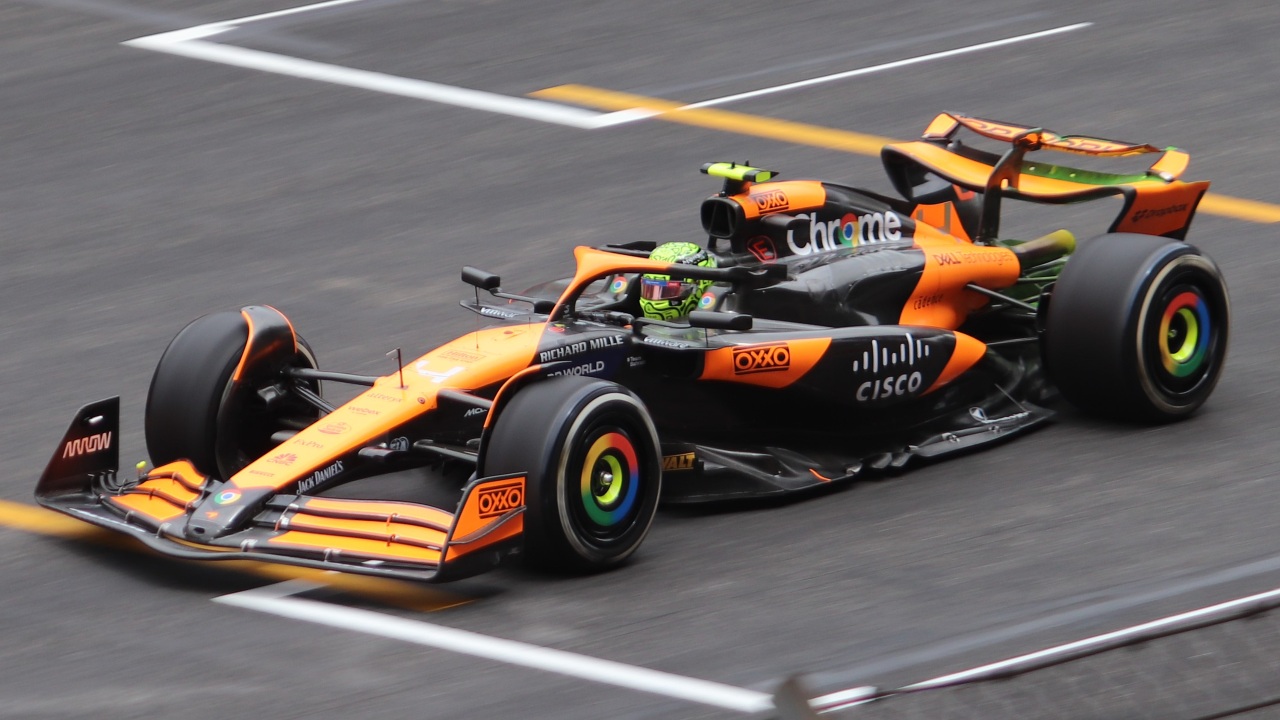
Lando Norris did not wait long to turn his first Formula 1 world title into a statement of intent. Only hours after sealing the championship in Abu Dhabi, the McLaren driver confirmed he will switch to car No. 1 for the 2026 season, a symbolic move that signals he plans to defend his crown rather than treat it as a one-off peak. The decision capped an emotional night that stretched from the podium to the paddock and into his personal life, where celebrations with family and partner underscored how far he has come.
The night Norris finally became world champion
The scale of what Norris achieved in Abu Dhabi is easy to underestimate if you only look at the race result. Max Verstappen won the grand prix, yet the championship swung decisively to Lando Norris, who did enough across the season and in the finale to secure the points he needed at Yas Marina Circuit in Abu Dhabi. The title was confirmed at the end of a tense race in which Norris managed risk, tyre life, and track position with the composure of a veteran, not a first-time contender, which is why the moment he stepped out of the car, the paddock treated him as the sport’s new benchmark rather than a surprise winner, according to detailed accounts of the Abu Dhabi finale.
What followed was not the swagger of a driver who believed he was owed this outcome, but the release of someone who had carried the weight of expectation for years. In the immediate aftermath of being crowned champion, Norris broke down in tears and later said he had done it “my way,” a phrase that captured both his stubborn self-belief and the unconventional path he took to the top. That emotional reaction, shared widely through clips and posts linked to Adam Norris, reinforced how personal this title was, not just a professional milestone but a vindication of the choices he and his inner circle made as he rose through the ranks.
“My way” and the family behind the champion
When Norris said he did it “my way,” he was not only talking about driving style or racecraft. He was pointing to a support system that has been unusually visible and candid, starting with his father, Adam Norris, who has spoken openly about the pressures and realities of chasing a Formula 1 dream. The emotional scenes shared around the championship, including Adam’s reflections on his son’s journey in the context of Formula 1 championships, showed a family that has been deeply invested in the process, not just the outcome. That backdrop helps explain why the title celebrations felt less like a sudden breakthrough and more like the culmination of a long, carefully managed climb.
In that light, Norris’s tears were not a sign of shock but of relief that the sacrifices had finally translated into the sport’s biggest prize. The phrase “my way” also hinted at how he has balanced modern driver expectations, from relentless media scrutiny to social media exposure, with a determination to remain recognisably himself. The fact that those closest to him, including Adam Norris, chose to share raw, unfiltered moments from the aftermath of Abu Dhabi underlines how central authenticity is to the new champion’s identity, and why his first major decision as title holder, the number he will carry, feels like a carefully considered extension of that ethos rather than a marketing gimmick.
The decision to take car No. 1 in 2026
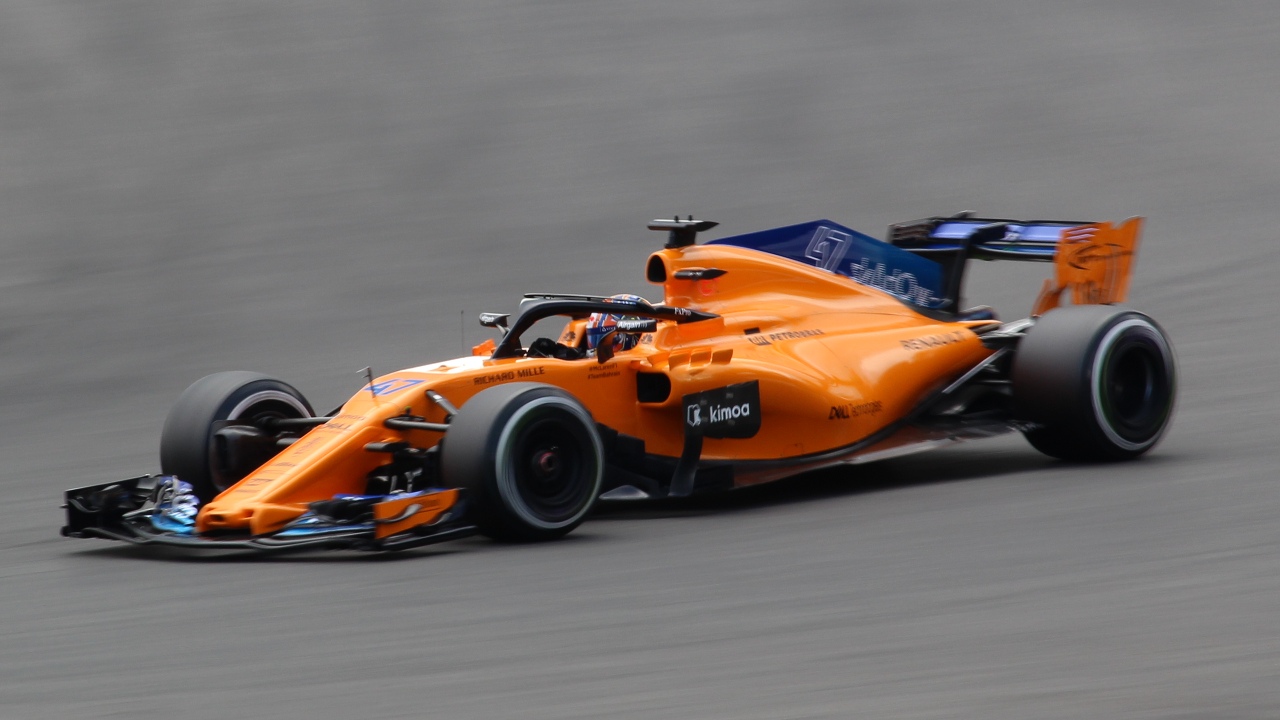
The most striking competitive message from Norris in the hours after his coronation was his choice to abandon his long-held race number and adopt No. 1 for 2026. Since 2014, Formula 1 drivers have been allowed to select a permanent number for their careers, with the reigning champion given the option to switch to No. 1 for as long as they hold the title. Norris has now confirmed he will exercise that right, following the path previously taken by Max Verstappen, who used the same number after his own championships. Reporting on the decision notes that he moved quickly, with the choice coming just a day after he became champion, as detailed in coverage of why the new F1 champ is taking Verstappen’s number.
Norris has framed the switch as a collective badge of honour rather than a personal vanity plate. He has spoken about how the No. 1 on the car is not only for him but for “all my mechanics, my engineers, everyone that is part of McLaren,” who now get to see their work recognised every time the car rolls out of the garage. That sentiment is echoed in reports that describe him as a “new world champion” who will drive as No. 1 in 2026 and quote him explaining that the number is a way for the entire team to share in the acknowledgment of what they have achieved together, as highlighted in analysis of the number-one decision. In a sport where drivers often talk about “we” but brand around “me,” Norris’s reasoning stands out as a deliberate attempt to align his personal symbol with the people who helped put him in that position.
What No. 1 says about Norris, McLaren and the Verstappen era
Choosing No. 1 is also a statement about how Norris sees himself in the competitive hierarchy that has been shaped for years by Max Verstappen. By taking the same number Verstappen used as champion, Norris is not trying to erase the Dutchman’s legacy, but he is clearly signalling that the balance of power has shifted. The Abu Dhabi finale, where Verstappen won the race but Norris secured the title, crystallised that transition: Verstappen still has the raw speed to dominate individual Sundays, yet the season-long consistency and execution now belong to the new champion, as the championship report makes clear.
For McLaren, the No. 1 on the car is both a reward and a responsibility. It confirms that the team has climbed back to the front of the grid after years of rebuilding, and it raises expectations that they will stay there. Norris’s insistence that the number reflects the entire organisation, from mechanics to engineers, fits with a broader narrative of a group that has rebuilt its identity around a young driver and a long-term project. The fact that he moved so quickly to claim No. 1, as detailed in coverage of drivers choosing their numbers, suggests he is not interested in easing into the role of champion. He wants the pressure, the target on his back, and the visual reminder that every rival on the grid is now chasing him.
The personal side of a title-winning weekend
Amid the technical debriefs and strategic talk, the human side of Norris’s breakthrough weekend has resonated strongly with fans. His relationship with Portuguese model Magui Corceiro, who has been a regular presence around the paddock, came into sharper focus as the celebrations unfolded. Coverage of how his girlfriend reacted to the championship described a partner who was visibly proud and emotionally invested, reinforcing the sense that Norris’s success is shared not only with his team and family but also with the person who has been alongside him through the highs and lows of the season.
That personal dimension matters because it rounds out the picture of a champion who is not trying to project invulnerability. The same weekend that delivered the professional high of a first world title also showcased the private support network that helps him handle the scrutiny and strain of Formula 1. Reports that “it was not a bad weekend” for Norris, with a world championship and celebrations with Magui Corceiro, underline how intertwined his personal and professional lives have become in the public eye, as reflected in the coverage of that title weekend. For a driver who has built a following on authenticity, letting fans see those moments is part of the same “my way” philosophy that guided him to the top step of the sport.