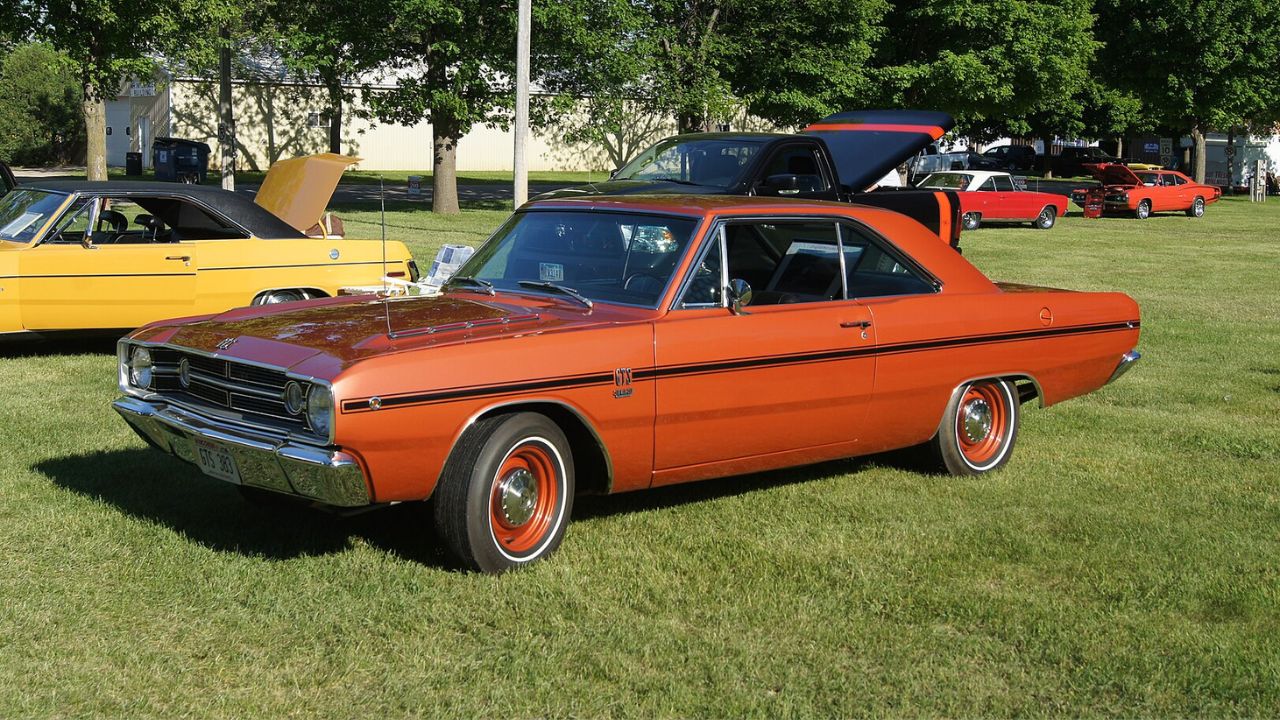
Collectors still argue about which 1968 Dart GTS delivers the smarter buy, the high winding 340 or the big block 383. Both versions mix compact dimensions with serious power, yet the market now rewards them for very different reasons that go beyond simple horsepower bragging rights.
Values today reflect a blend of rarity, drivability, and nostalgia, so the preferred choice often depends on how an owner plans to use the car. Enthusiasts who chase originality, period racing lore, or personal memories of lost cars tend to line up behind one engine or the other, and that split shapes auction prices and private sales.
How the 1968 Dart GTS 340 and 383 fit into Mopar history
Context matters for collectors, and the 1968 Dart GTS arrived as part of a broader performance push from Dodge. With its standard 340-cid V 8, the Dart GTS joined Dodge in the new Scat Pack performance group, which framed the compact body as a serious muscle contender rather than an economy car, according to a period profile of the Dart GTS from Jan 8, 2007 that highlighted the 68 model year and its 340-cid engine. That positioning gave the small block version a clear identity as the nimble member of the Mopar performance family, something collectors still prize when they want a car that feels quick and responsive on modern roads.
Big block fans point to the 383 powered Dart GTS as the more extreme expression of the same idea, since it packed larger displacement into the same compact shell. One owner recalled that he HAD a real 1968 383 four speed Dart GTS, describing it as one of only 92 built and explaining that he Thought he had to buy a scale model because the original car meant so much to him, in a post dated Jan 22, 2025 that underscored how the 383 and the Dart GTS badge still carry emotional weight for Jan and other enthusiasts who remember these cars from new, with the figures 383 and 92 now central to the way collectors talk about rarity and desirability in this niche segment, as seen in a detailed discussion of a Dart GTS model and its 340 auto counterpart.
Production numbers, rarity, and how scarcity shapes demand
Rarity often drives collector preference, and the 383 Dart GTS holds a clear edge on that front. The owner who HAD the real 1968 383 four speed Dart GTS stressed that his car was one of 92 built, a figure that has become a touchstone for big block fans who argue that such low production makes the 383 cars blue chip collectibles, and his Jan 22, 2025 comments about that specific Dart GTS show how a single number like 92 can anchor a car’s legend among serious buyers who chase the rarest combinations of engine and transmission in the Mopar world, as highlighted in the same 383 focused discussion.
Small block cars, by contrast, were built in far greater numbers, which makes them more accessible but slightly less exclusive. Reporting on the broader 1968 Dart GTS range notes that Dodge manufactured 8,745 Dart GTS cars, with a mix of automatics and 991 four speeds, a production footprint that tilts heavily toward 340 powered examples and gives collectors a deeper pool of cars to choose from, as one detailed feature on these cars explained while describing how a driver took a Dart GTS up to a buck twenty and reacted with a simple “Wow” after feeling how the car pulled at speed, a story that also underscored how the model count of 8,745 shapes the market for these cars, according to a breakdown of Dodge manufactured 8,745 Dart GTS’s.
Performance character: nimble 340 versus brutal 383
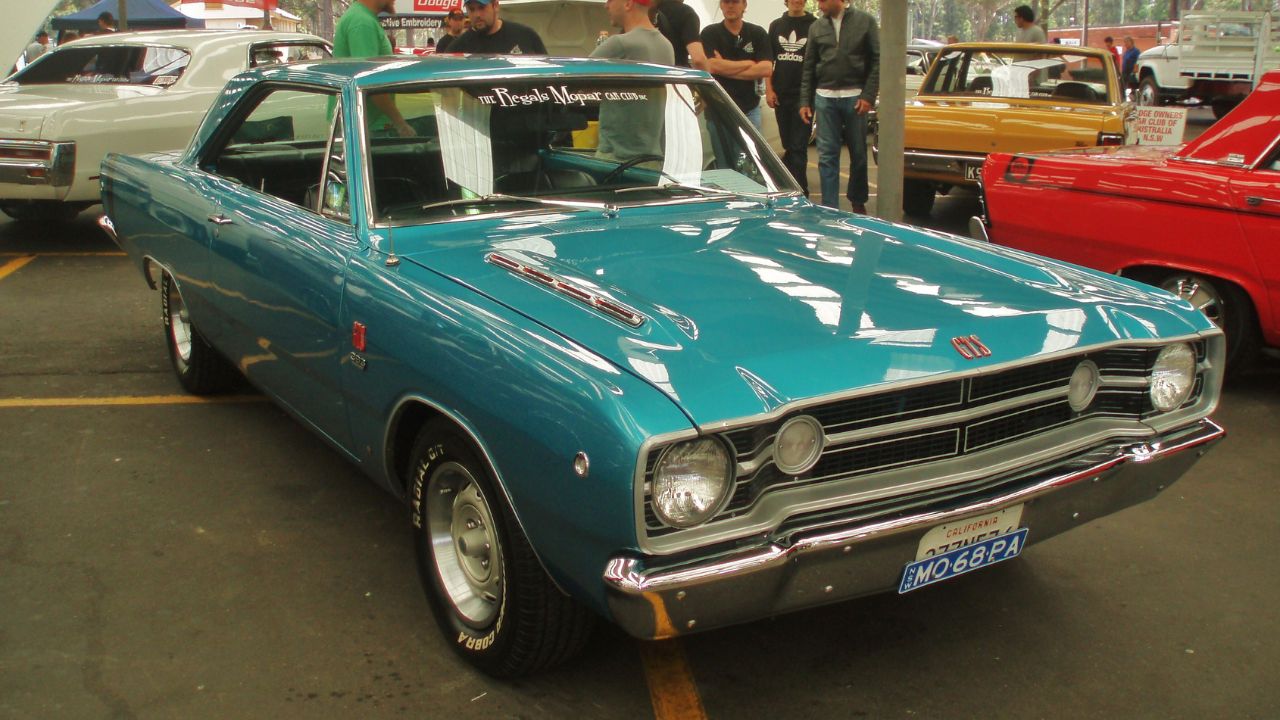
Performance character, not just raw numbers, often decides which engine collectors prefer. The 340 powered Dart GTS earned a reputation as the more balanced package, with the 340-cid V 8 giving the compact body strong acceleration without overwhelming the front end, and period testing described the 340 as the nimbler choice even when larger engines could run slightly quicker in a straight line, a contrast that still resonates with buyers who want a car that feels light on its feet, as detailed in a Jan 8, 2007 profile of the Dart GTS that placed the 68 model and its 340-cid engine at the heart of Dodge performance thinking inside the Scat Pack.
Big block 383 cars deliver a different kind of thrill, trading some agility for straight line punch and a more aggressive soundtrack. Enthusiasts who remember driving these cars often describe them in visceral terms, and one account of a Dart GTS owner who worked on his car and then took it up to the connector, pushing it to about a buck twenty before reacting with that single word “Wow”, captures how the extra torque can make the car feel wild at highway speeds, a sensation that still draws collectors who want the most dramatic experience possible from a compact muscle car, as recounted in a feature that also noted how the Dart GTS felt a little sportier than some larger Mopar offerings and stayed pretty cool even in near stock form, according to a detailed story on that Wow inducing run.
Nostalgia, regret, and the emotional pull of each engine
Collector preference rarely comes down to spreadsheets alone, and nostalgia often tips the scales between 340 and 383 cars. One enthusiast named Jan looked back on a 1969 Dodge Dart GTS and described it as a compact muscle car with serious performance credentials, a memory shared in a Jan 22, 2025 post that framed the Dart GTS as a rival to bigger muscle machines and hinted at lingering regret over letting such a car go, a feeling that many buyers now try to fix by hunting down similar cars decades later, as seen in a discussion of the Dodge Dart GTS and its compact muscle image.
Memories of specific engines also shape what collectors chase, especially when a car once owned slips away. The owner who HAD the real 1968 383 four speed Dart GTS, one of 92 built, explained that he Thought he had to buy a detailed model because the original car meant so much to him, a small act that reveals how deeply the 383 combination can lodge in someone’s identity and how that attachment can drive demand for surviving cars, as his Jan 22, 2025 comments about the Dart GTS and its 383 engine show in the same Jan dated exchange.
Which engine today’s collectors actually favor
Market behavior suggests that collectors split into two broad camps, each drawn to a different mix of traits. Buyers who want to drive their cars regularly often lean toward the 340 powered Dart GTS, since the 340-cid engine keeps weight off the nose, works well with power steering and modern fuel, and ties directly to the Scat Pack heritage that Dodge promoted for the 68 model year, a combination that makes these cars feel usable and authentic without demanding the compromises of a heavier big block, as outlined in the Jan 8, 2007 profile of the Dart GTS and its Dodge performance role.
Investors and rarity hunters, by contrast, often chase the 383 cars, especially four speed examples, because the production figure of 92 for that specific combination gives them a clear scarcity story to tell at shows and auctions. Stories of owners who HAD such cars and still feel their pull decades later, along with accounts of drivers who pushed Dart GTS models to a buck twenty and came away saying “Wow”, reinforce the idea that the 383 cars deliver a more intense experience that can command a premium when the right buyer appears, as reflected in the production breakdown of 8,745 Dart GTS cars and the vivid driving impressions that continue to circulate in enthusiast circles, according to the detailed feature that chronicled those runs and the 991 four-speeds that help define the most sought after cars.