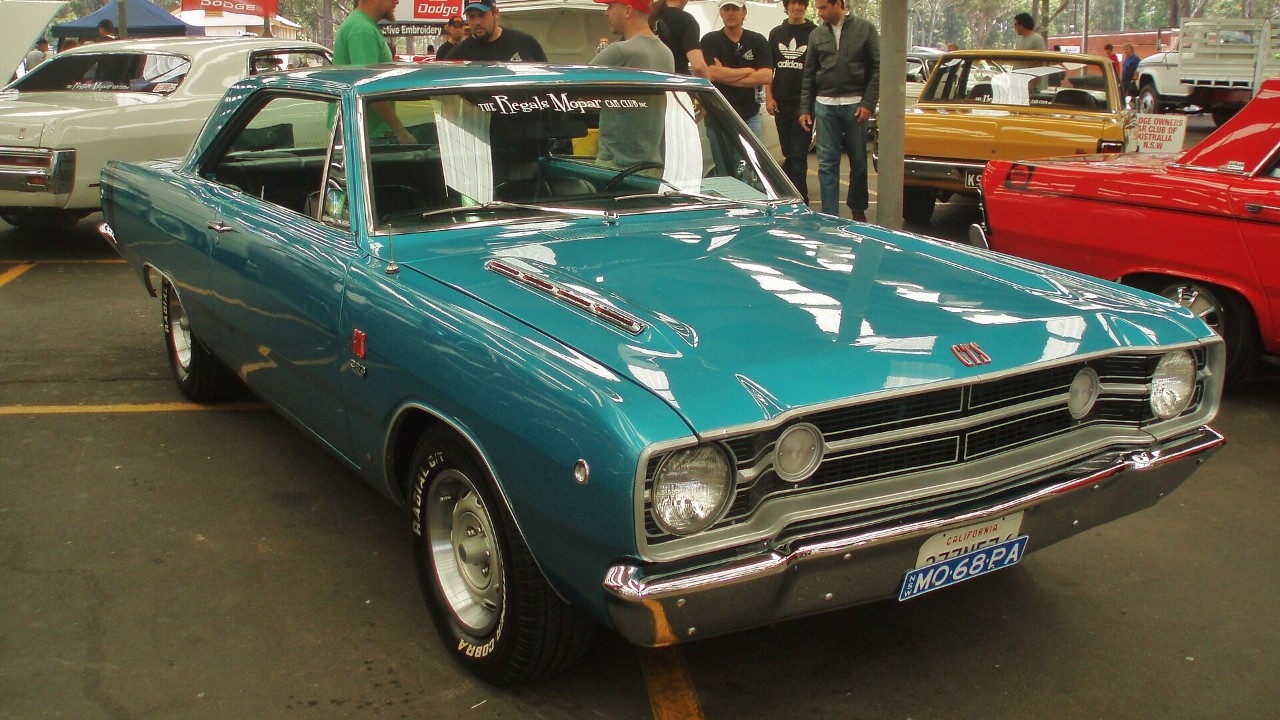
The 1967 Dodge Coronet R/T sits at a sweet spot in the muscle car world, where usable performance meets rising collectability. I see it as a bridge between bare‑bones street bruisers and the more polished big‑block machines that followed, which helps explain its steady appeal with both drivers and investors.
Today the car’s value rests on more than nostalgia. Its factory power, limited production flavors, and connection to Mopar’s late‑sixties performance push give the 1967 Coronet R/T a clear identity in a crowded market of B‑body Dodges and Plymouths.
Big‑block performance that still feels honest
The Coronet R/T arrived as Dodge’s statement that performance could be both brutal and civilized. Every R/T carried a 440 cubic inch Magnum V8 as standard equipment, which gave buyers serious power without stepping into race‑only territory. That engine delivered strong torque across the rev range, so the car pulled hard from low speeds and stayed eager well past typical highway limits.
Factory literature rated the 440 Magnum at 375 horsepower, which placed the R/T among the quicker showroom cars of its day. Period tests showed quarter‑mile times that comfortably undercut many mid‑size rivals, helped by the car’s relatively straightforward suspension and stout driveline. Collectors now look for cars that still retain the correct big‑block hardware, since original‑spec engines and intake setups support both authenticity and value, a point reinforced by detailed valuation guides.
Rarity, options, and the Hemi halo
Production numbers for the 1967 Coronet R/T stayed modest compared with later muscle icons, which helps its collectability today. Dodge built the model in both hardtop and convertible form, but open cars remained a small slice of total output. Surviving convertibles now command a clear premium, especially when they retain original drivetrains and high‑impact colors documented by factory records.
The optional 426 Hemi gave the R/T a halo that still drives auction headlines. Only a small fraction of buyers paid for the dual‑quad Hemi upgrade, which pushed output to a factory‑rated 425 horsepower and required heavy‑duty internals throughout the car. Modern price data shows that genuine Hemi R/Ts sit in a different league from 440 cars, with top‑condition examples trading for several times the value of comparable big‑block models, as recent auction results and price indexes confirm.
How the market prices a 1967 Coronet R/T today
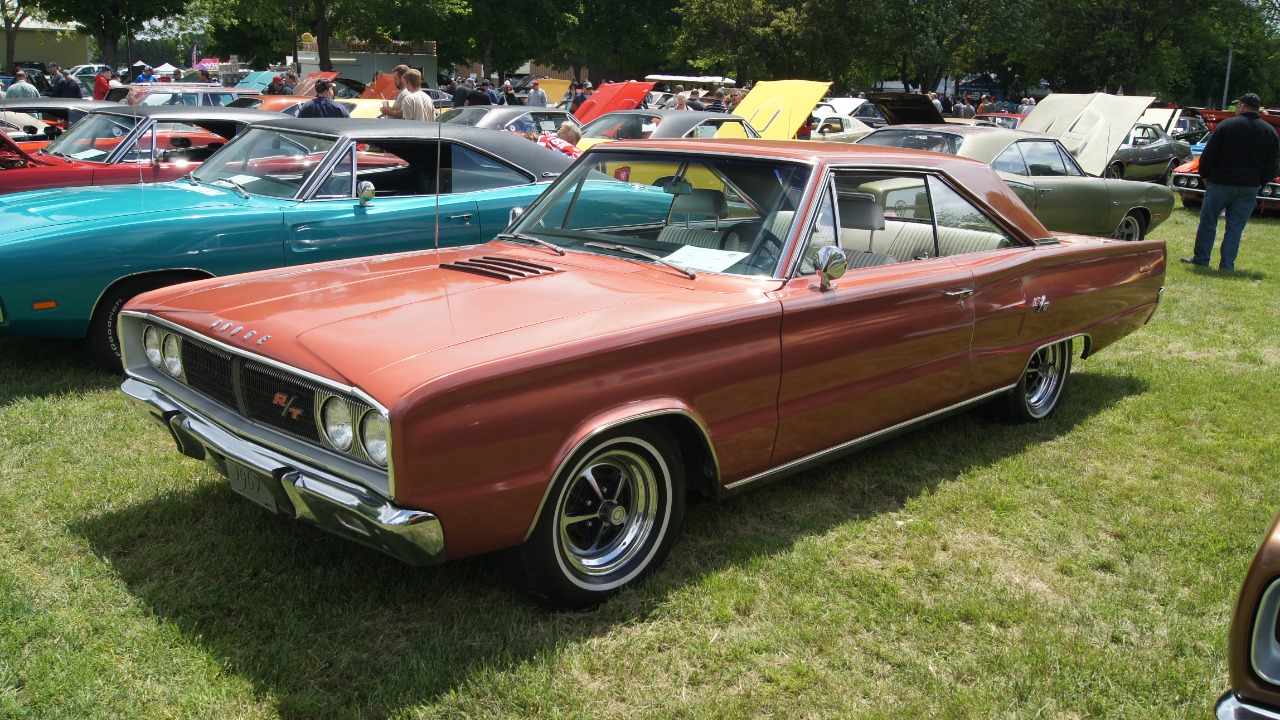
Current price guides place the 1967 Coronet R/T in a middle band of the Mopar hierarchy, above many small‑block cars but below the most hyped late‑sixties models. A well‑kept 440 hardtop in driver condition often tracks near the cost of a new performance sedan, while high‑grade restorations climb sharply from there. Condition, originality, and documentation create wide spreads, so two similar‑looking cars can differ by tens of thousands of dollars.
Recent sales show that buyers pay a clear premium for numbers‑matching drivetrains, original sheet metal, and factory performance options such as four‑speed gearboxes and Track Pak‑style axle ratios. Data from recent listings and insurance valuations indicates that strong 440 cars have appreciated steadily over the past decade, while Hemi examples have moved more sharply, especially when they carry rare color and trim combinations.
Driving experience versus modern expectations
On the road, a 1967 Coronet R/T feels rawer than its numbers suggest, which many owners see as part of the charm. The 440’s torque arrives early, so the car surges forward with little effort, yet the chassis still reflects mid‑sixties engineering. Steering feels slower than modern performance cars, and drum brakes on many examples demand more distance and attention, especially in traffic.
Enthusiasts who drive their cars regularly often upgrade consumables while keeping the core hardware original. Period‑correct disc brake conversions, modern radial tires, and improved shock absorbers can sharpen safety and comfort without erasing the car’s character. Market data shows that tasteful, reversible upgrades rarely hurt values for driver‑grade cars, although top‑tier collectors still pay more for untouched components, a trend visible in detailed buyer guides and auction catalogs.
What serious buyers look for now
Shoppers who treat the 1967 Coronet R/T as both a toy and an asset focus first on documentation. Factory broadcast sheets, fender tags, and original sales paperwork help confirm that a car left the line as a true R/T rather than a later clone. I see strong demand for cars that pair this paperwork with consistent ownership history, since that combination reduces the risk of hidden modifications or title issues.
Condition still matters more than any single option, but certain features reliably attract attention. Four‑speed cars, especially those with console shifters, tend to sell faster than automatics. Desirable colors, such as bright reds and deep blues, also support higher prices when they match original codes. Recent auction listings and market snapshots show that buyers will pay extra for these combinations even when mechanical condition matches more common cars.