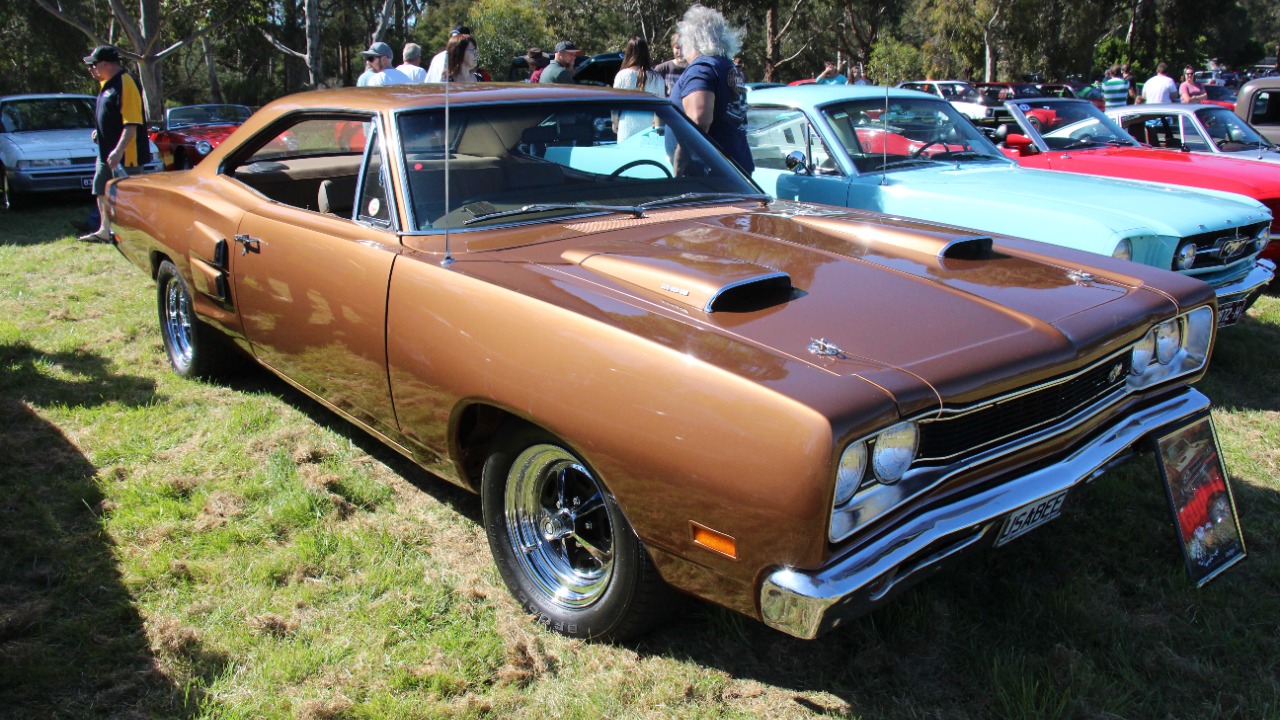
Collectors now treat the 1969 Dodge Super Bee as a bellwether for late‑sixties muscle values, and the Six Pack and Hemi versions sit at the center of that story. Buyers weigh raw performance, rarity, and auction history as they decide whether the triple‑carb 440 or the legendary 426 Hemi offers better long‑term value.
Market data shows a clear split between these two halo drivetrains, yet recent sales also reveal some surprising overlaps that challenge old assumptions about which car should command the bigger premium.
How the 1969 Super Bee line set up today’s value gap
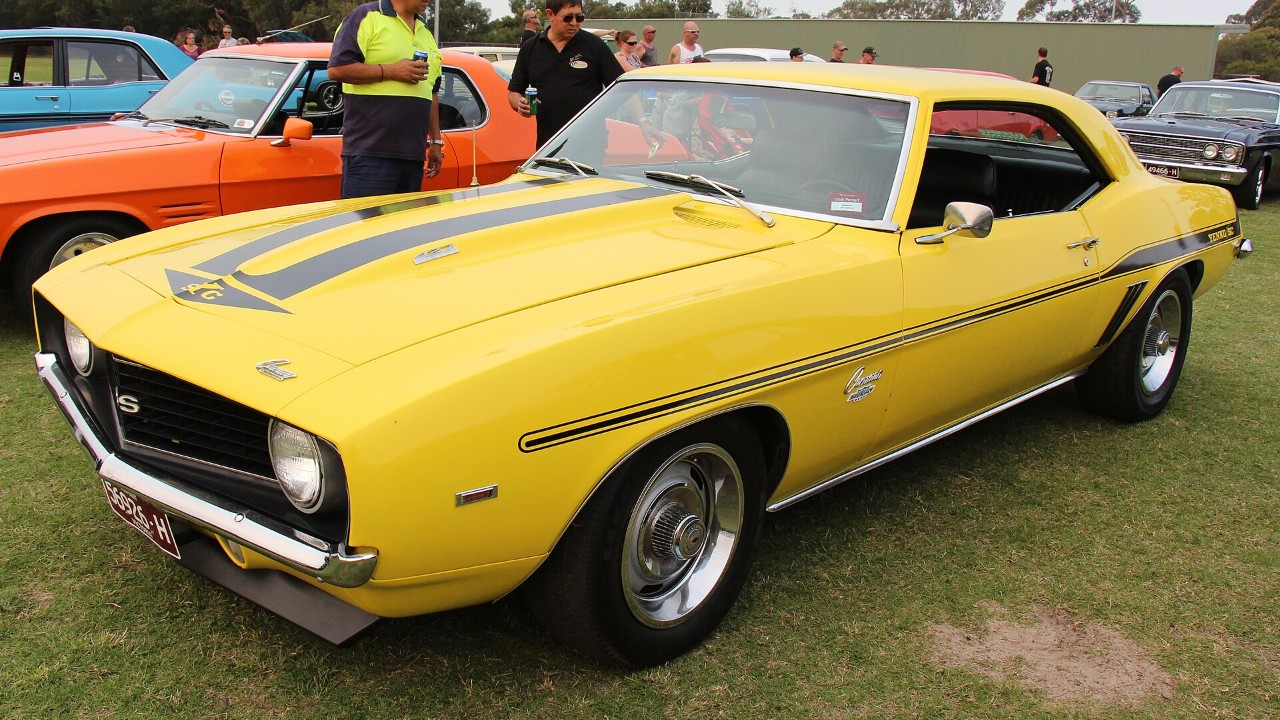
The 1969 Super Bee started as a budget bruiser, and that origin still shapes values. Dodge based the car on the Coronet, stripped weight and frills, and built a package that delivered serious speed for working‑class buyers. The standard engine used a 335 horsepower 383 V8, and that entry point still anchors the price ladder for the more exotic Six Pack and Hemi versions.
Buyers who study the full range see how the basic Coronet Super Bee with its 335 rated horses and 383 cubic inches still trades as the accessible gateway into the nameplate. That lower baseline lets the rarer performance options stand out, because collectors can see exactly how much extra money the market assigns to each step up the ladder.
Six Pack A12: performance bargain and rising star
Investors now treat the 440 Six Pack A12 as the value play in the Super Bee hierarchy. The car delivered brutal straight‑line performance with its triple two‑barrel carburetors and heavy‑duty hardware, yet it carried a lower sticker than the Hemi when new. That positioning still influences prices, because many buyers see the Six Pack as the smarter way to get near‑Hemi speed without paying the full Hemi premium.
Price guides show that a strong Six Pack example often costs less than a comparable Hemi, even though the gap has narrowed. One detailed valuation notes that a good 440 car can sit around the mid‑five‑figure range, while a similar Hemi stretches well into six figures. The same analysis points out that a solid 383 car sets the baseline, and that a good Six Pack can approach that figure while still undercutting the Hemi. That relationship appears in one breakdown where the price for a good example of the hotter car is double that of the 383, listed at $60,600, while a comparable Six Pack will cost just $54,500, and that spread keeps many buyers focused on the 383 and Six Pack pairing.
Hemi Super Bee: blue‑chip rarity and auction benchmark
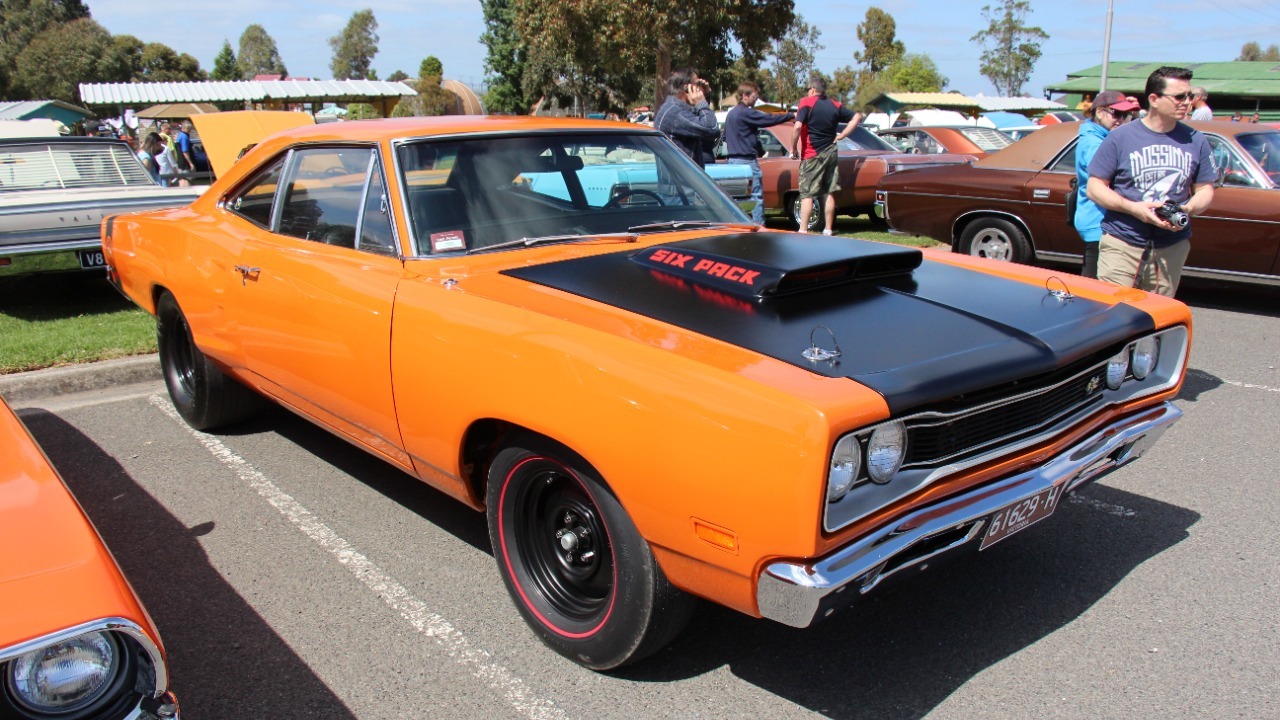
The 426 Hemi Super Bee still sits at the top of the value pyramid, because collectors chase rarity and mythology as much as raw numbers. Production stayed low, insurance costs ran high, and many buyers chose cheaper engines, which left the Hemi cars thin on the ground. That scarcity now drives headline prices and turns each documented sale into a reference point for the entire Super Bee market.
Recent auction records underline that status. One listing from a major sale house shows a 1969 Dodge Coronet HEMI Super Bee listed under All Auctions, Page 4 of 10, with Lot # ST0075.1 and a Sale Price of $195,000. That figure sets a clear benchmark for top‑flight Hemi cars and reminds buyers that documented examples with correct drivetrains still command serious money.
Context from the broader 1969 muscle field
Market behavior around the Super Bee does not exist in a vacuum, and cross‑shopping with other 1969 muscle icons helps explain current trends. Enthusiasts often compare the A12 Six Pack with other stripped, track‑focused packages from the same era, because buyers in that segment tend to value performance per dollar over luxury. That mindset keeps interest strong in the more affordable Super Bee variants, even as Hemi prices climb.
Performance historians also place the A12 alongside top‑tier rivals like the Pontiac GTO Judge Ram Air IV, which carried a 375-horsepower rating and chased similar buyers. One detailed feature on the A12, published on Aug 10, 2025, frames the car as a Super Cheap Super Bee and notes how top‑performance ’69 muscle cars like the Pontiac GTO Judge Ram Air IV and the 426 Hemi engine option shaped expectations. That comparison helps explain why some collectors now see the Six Pack as the sweet spot, because it delivers period‑correct performance without the full Hemi tax.
Where values for Six Pack and Hemi Super Bees appear to be heading
Recent pricing patterns suggest that both Six Pack and Hemi Super Bees continue to track upward, but the slope differs. Hemi cars behave like blue‑chip stocks, with fewer sales and bigger jumps when a documented example hits the market. Six Pack cars change hands more often, which creates a thicker data set and steadier appreciation that appeals to buyers who want both enjoyment and investment potential.
Analysts who watch the segment point to the way the 383 cars still define the floor. The standard 335 horsepower 383 V8 keeps the entry point accessible, and that structure lets the market assign clear premiums to the hotter options. One valuation breakdown on Oct 2, 2024, highlights how the Oct Coronet Super Bee with its 335 and 383 figures still underpins the entire ladder, while another Oct 2, 2024, snapshot shows the 383 and $60,600 relationship that frames the Six Pack and Hemi premiums. Together, those data points indicate that the Six Pack likely continues to close the gap from below, while the Hemi remains the aspirational peak for collectors who want the rarest badge on the decklid.