American truck makers once built pickups with a very different idea of longevity. These were machines expected to haul equipment, work farms, tow heavy loads, and survive years of hard use without much more than basic maintenance. From simple workhorses to heavy-duty four-wheel-drive rigs, these trucks earned reputations for staying useful long after newer vehicles had moved on.
Chevrolet Advance Design
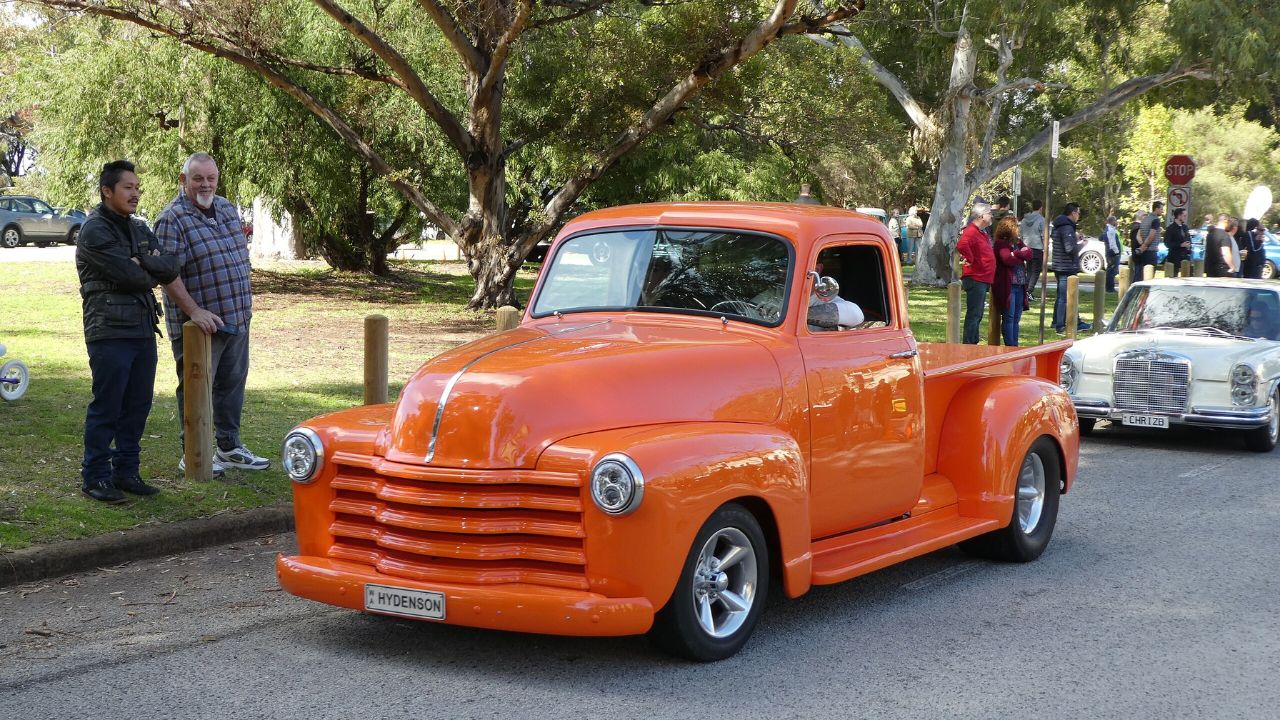
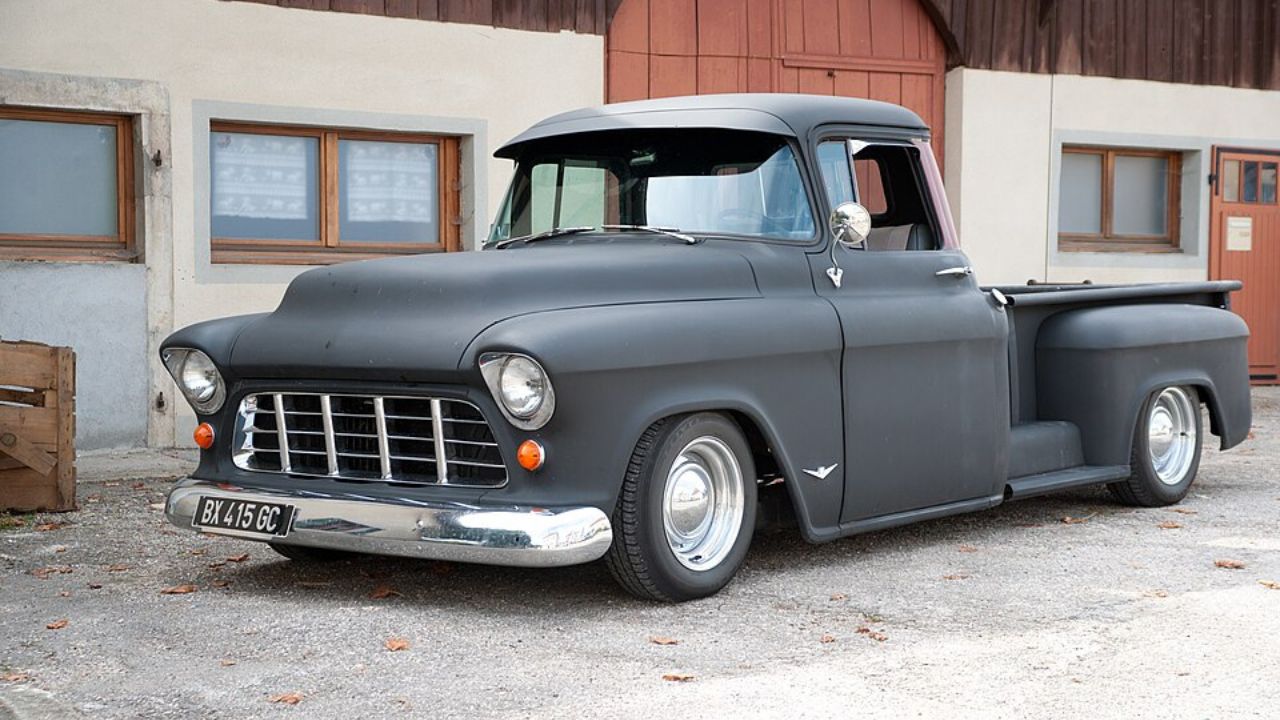
The Advance Design trucks arrived with a straightforward mission to handle everyday work without unnecessary complexity. Their sturdy frames, simple mechanical systems, and practical layouts made them popular with farmers, contractors, and small businesses. Many were used hard for decades, often long after their original owners had moved on. Today, the Advance Design trucks remain popular because their construction is easy to understand and relatively easy to maintain. Their rounded styling also makes them instantly recognizable.
Ford F-1
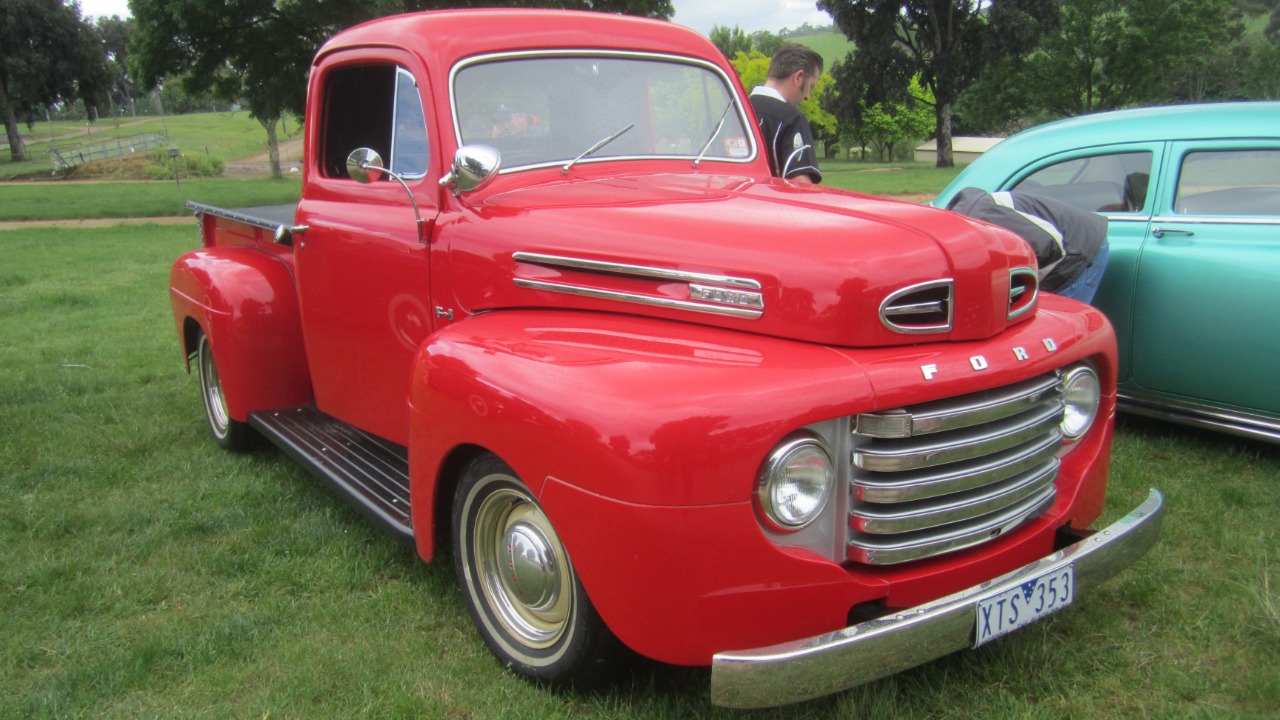
The F-1 helped establish the F-Series as one of America’s most important truck families. Its basic construction reflected a time when pickups were expected to be working vehicles first and personal transportation second. The chassis was straightforward, the mechanical components were accessible, and the truck could be configured for a wide range of jobs. Surviving examples are now prized as classics, but the original trucks earned their reputation by spending their lives doing actual work.
Dodge Power Wagon

The Power Wagon was built around the idea that a truck should be capable far beyond ordinary roads. Its four-wheel-drive system, sturdy chassis, and heavy-duty construction made it useful for farms, construction sites, forestry work, and remote locations. Dodge adapted lessons from military vehicles into a civilian truck that could handle demanding conditions. Its reputation for toughness helped make the Power Wagon one of the most recognizable heavy-duty American trucks of the postwar era.
GMC 100
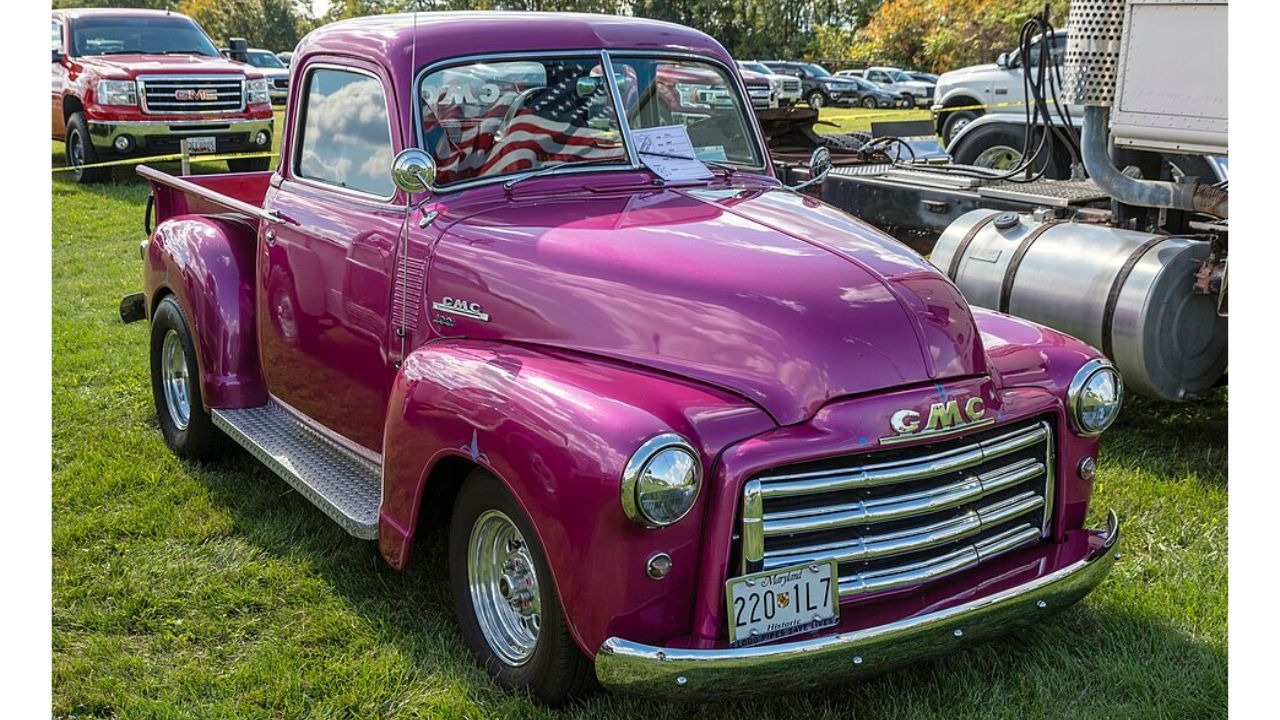
The GMC 100 was closely related to Chevrolet’s light-duty pickups but carried its own identity and mechanical options. It was designed as a practical working truck rather than a lifestyle vehicle, with a simple cab, useful cargo bed, and sturdy chassis. These trucks were commonly found doing everything from farm work to local deliveries. Their uncomplicated construction is a major reason restored examples remain appealing to people who appreciate old-fashioned mechanical simplicity.
Chevrolet Task Force
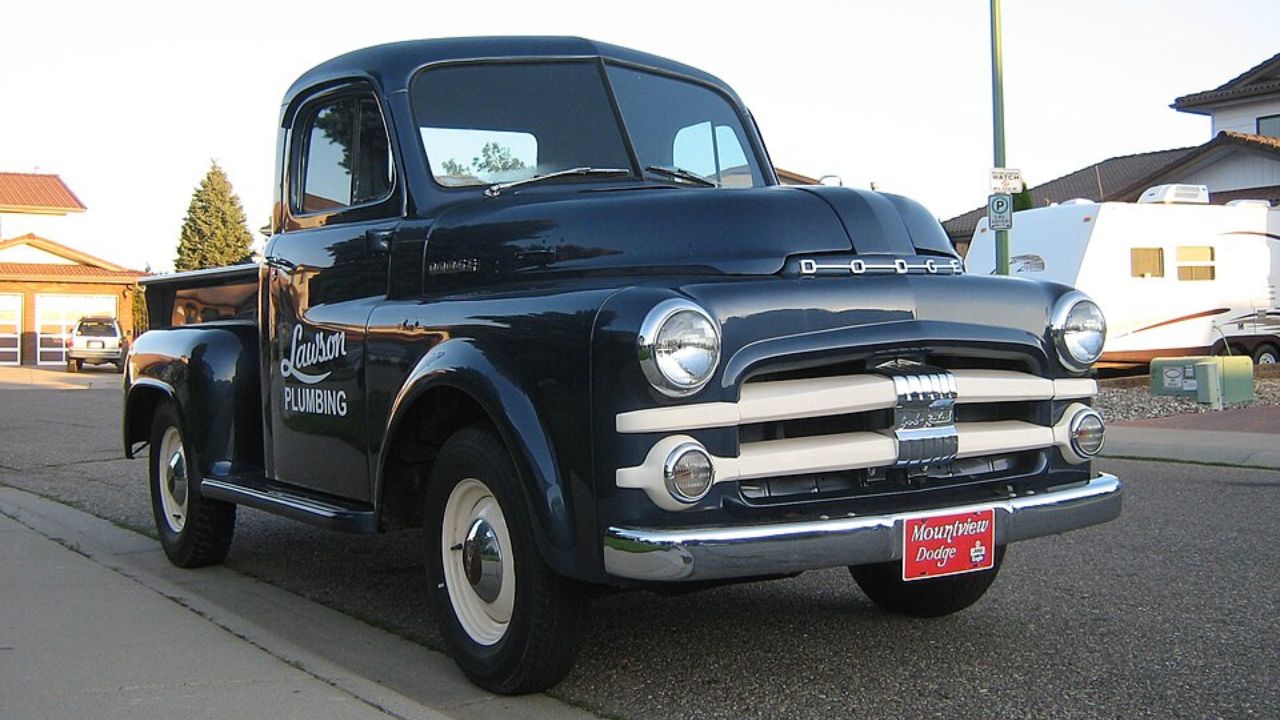
The Task Force series represented Chevrolet’s next step in pickup design, but the emphasis on hard work remained obvious. The trucks featured stronger styling, improved comfort, and practical engineering without abandoning their basic workhorse character. Their ladder frames and conventional drivetrains were designed for straightforward service. Today, Task Force pickups are among the most recognizable classic American trucks, and their combination of durability and attractive styling has kept them popular with collectors.
Ford F-250
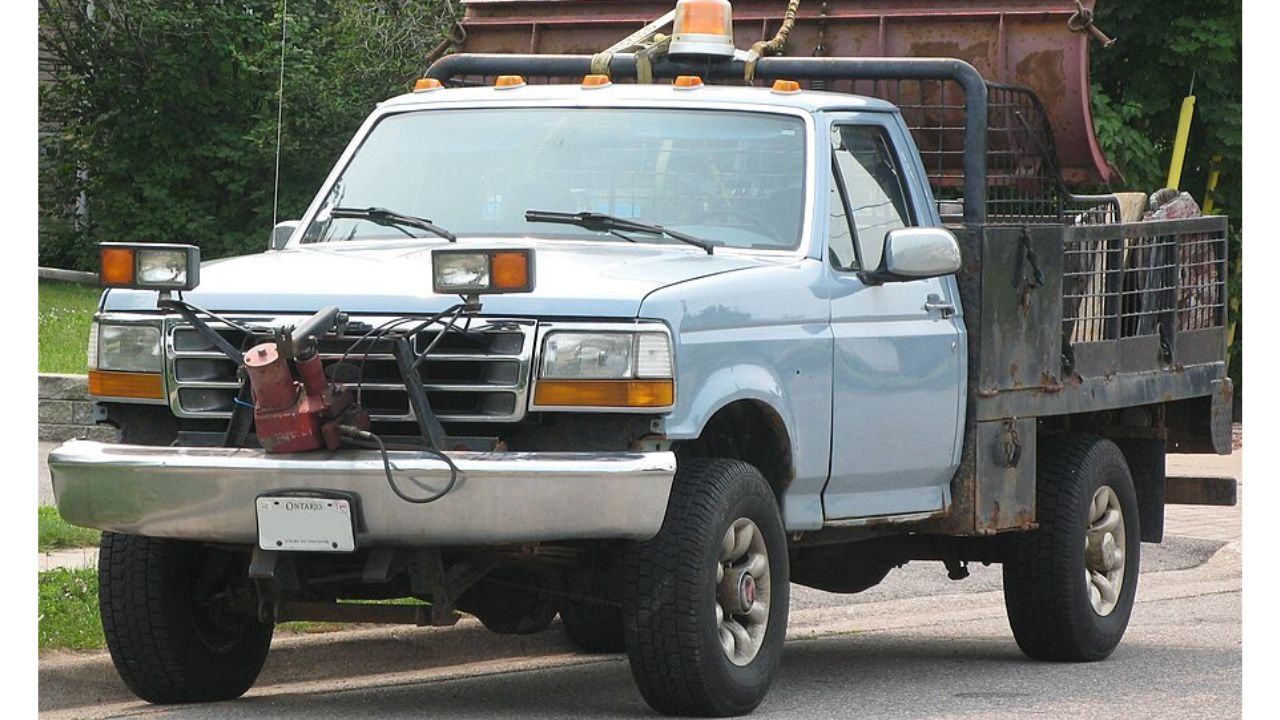
The F-250 occupied an important space between ordinary light-duty pickups and heavier commercial trucks. It was built for owners who needed more carrying and towing capability without stepping into a much larger truck. Strong frames, heavy-duty suspension components, and durable drivetrains gave it the ability to handle demanding work. Many examples spent years hauling trailers, equipment, and materials. The F-250’s reputation grew because it was designed around capability rather than unnecessary complexity.
Chevrolet K20
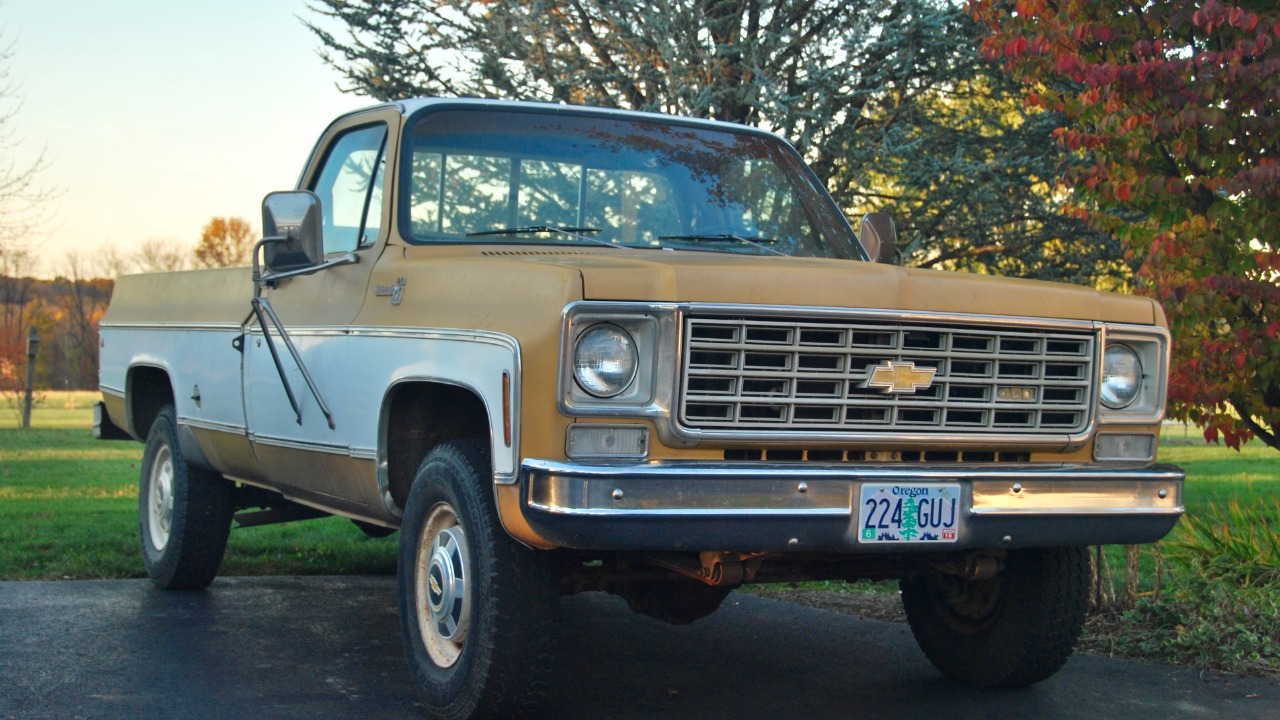
The K20 brought four-wheel drive to Chevrolet’s heavy-duty pickup lineup and became a favorite among people who needed a truck for difficult terrain and serious work. Its rugged chassis and conventional mechanical layout made it well suited to farms, ranches, construction sites, and off-road use. Unlike modern pickups loaded with electronics, older K20s could be diagnosed and repaired with relatively basic equipment. Their combination of strength and simplicity has kept them useful long after their original working lives.
Ford F-350
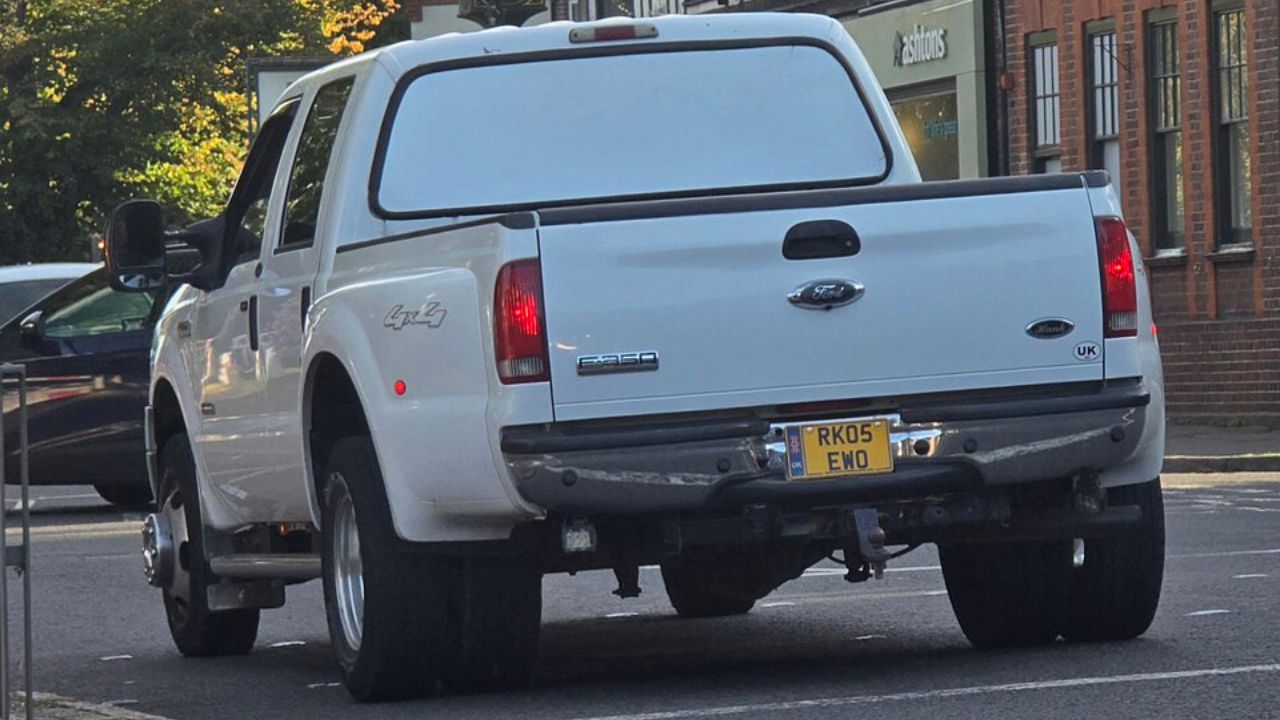
The F-350 was designed for buyers who demanded more from a pickup than a typical half-ton could provide. Its heavier frame, suspension, axles, and braking components made it suitable for serious hauling and towing. Many examples spent their lives pulling trailers or carrying heavy equipment rather than sitting in a driveway. That hard-working background is part of the reason surviving F-350s still have such a strong reputation among people who value old-school truck engineering.
GMC 2500
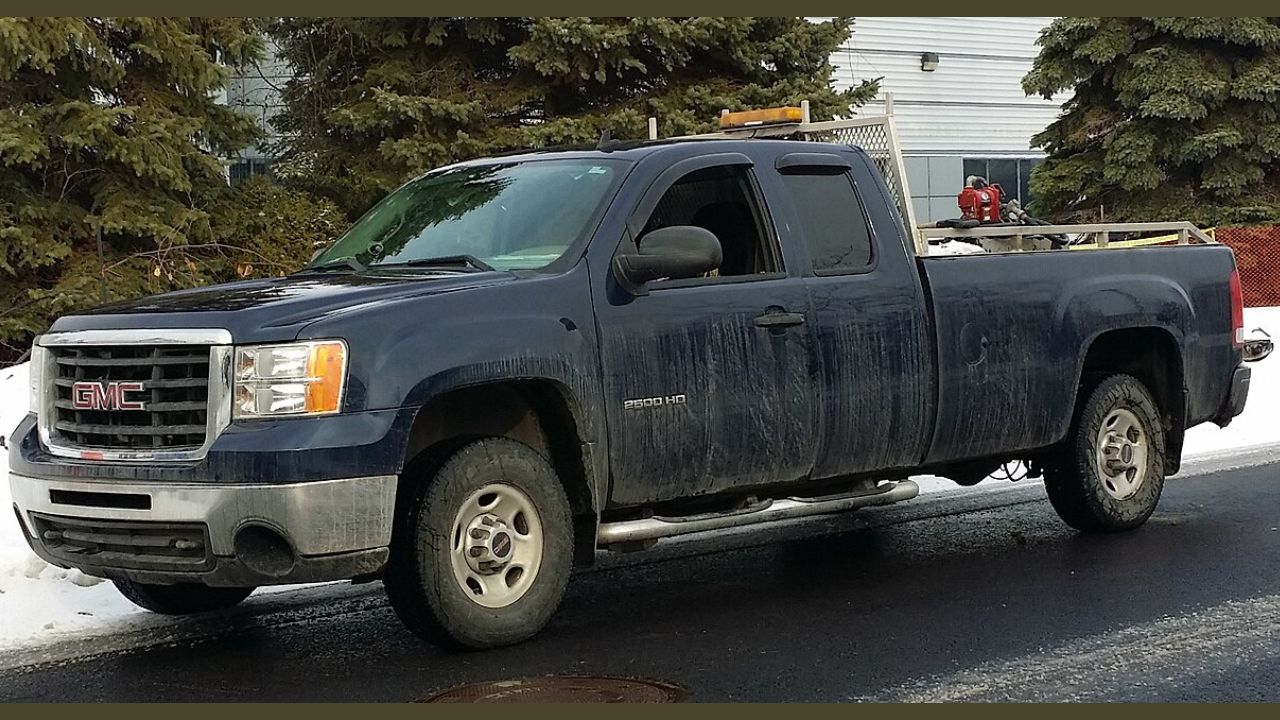
The GMC 2500 has long occupied the heavy-duty side of the pickup market, giving buyers additional capability without moving into full commercial-truck territory. Earlier generations were relatively simple machines, built around sturdy frames and conventional drivetrains. They were frequently used for construction, agriculture, towing, and other demanding jobs. The trucks were not especially refined by modern standards, but their straightforward design made them practical to keep running for years.
Dodge D-Series
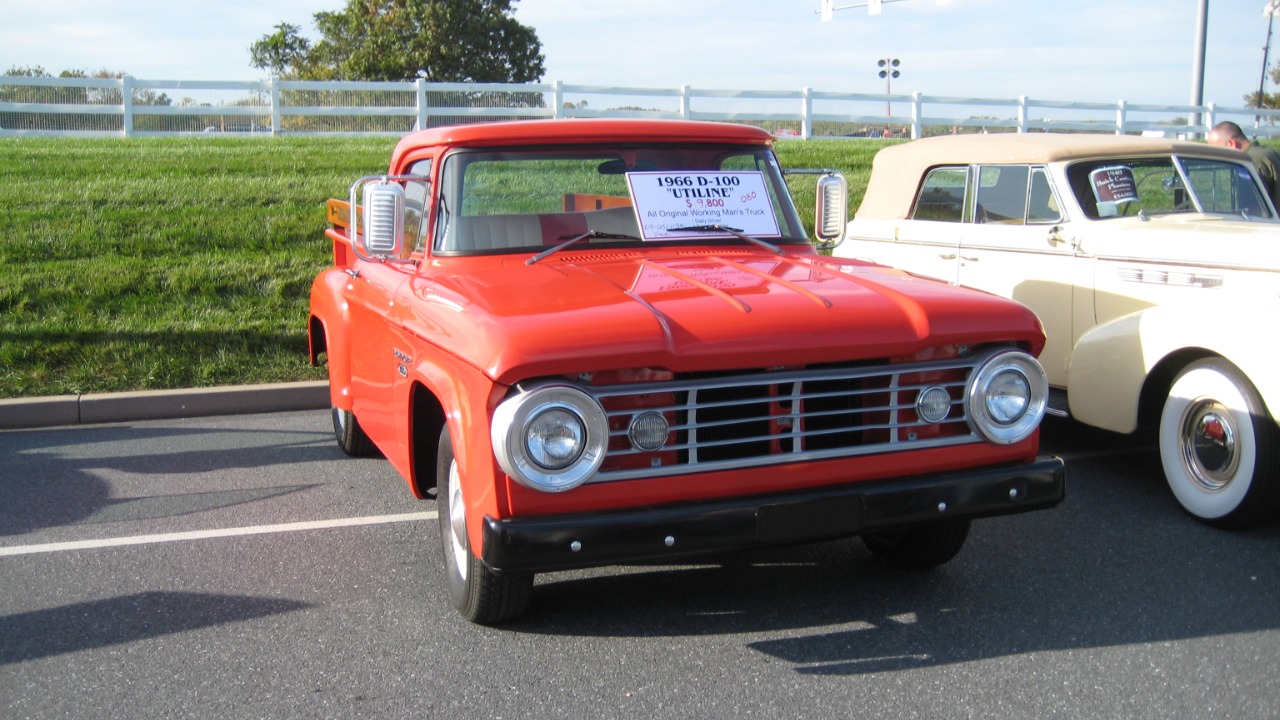
The Dodge D-Series covered a wide range of pickups and became one of the company’s longest-running truck families. Its sturdy construction and broad selection of engines allowed it to serve everyone from casual truck owners to serious workers. Later versions developed a reputation for substantial towing and hauling capability. Because the mechanical layout remained relatively conventional, many repairs could be handled without the specialized diagnostic equipment required by newer trucks.
Chevrolet C30

The C30 was built for owners who needed a pickup capable of carrying serious weight. Its heavier-duty chassis and suspension separated it from lighter Chevrolet models, making it popular for commercial work, farms, and towing. These trucks were often subjected to years of hard use, yet their basic mechanical design made them relatively straightforward to maintain. A clean surviving C30 still looks like what it was intended to be: a serious working machine.
Ford F-600

The F-600 moved beyond the typical pickup into medium-duty territory while retaining a familiar Ford truck appearance. It was built for jobs where a regular pickup simply was not enough, including hauling heavy equipment and commercial loads. Its larger chassis and heavy-duty components gave it considerable working capacity. These trucks were rarely treated gently, which makes surviving examples especially interesting today. Their design reflects an era when durability was considered part of the basic job description.
International Harvester 1100

International Harvester built trucks with the same practical mindset it brought to agricultural equipment, and the 1100 reflected that philosophy. The pickup was designed for straightforward work, with sturdy construction and a relatively uncomplicated mechanical layout. It was particularly appealing to rural buyers who wanted something useful around the farm. International never had the production volume of Ford or Chevrolet, but its trucks developed a loyal following because of their distinctly work-oriented character.
International Harvester 1200
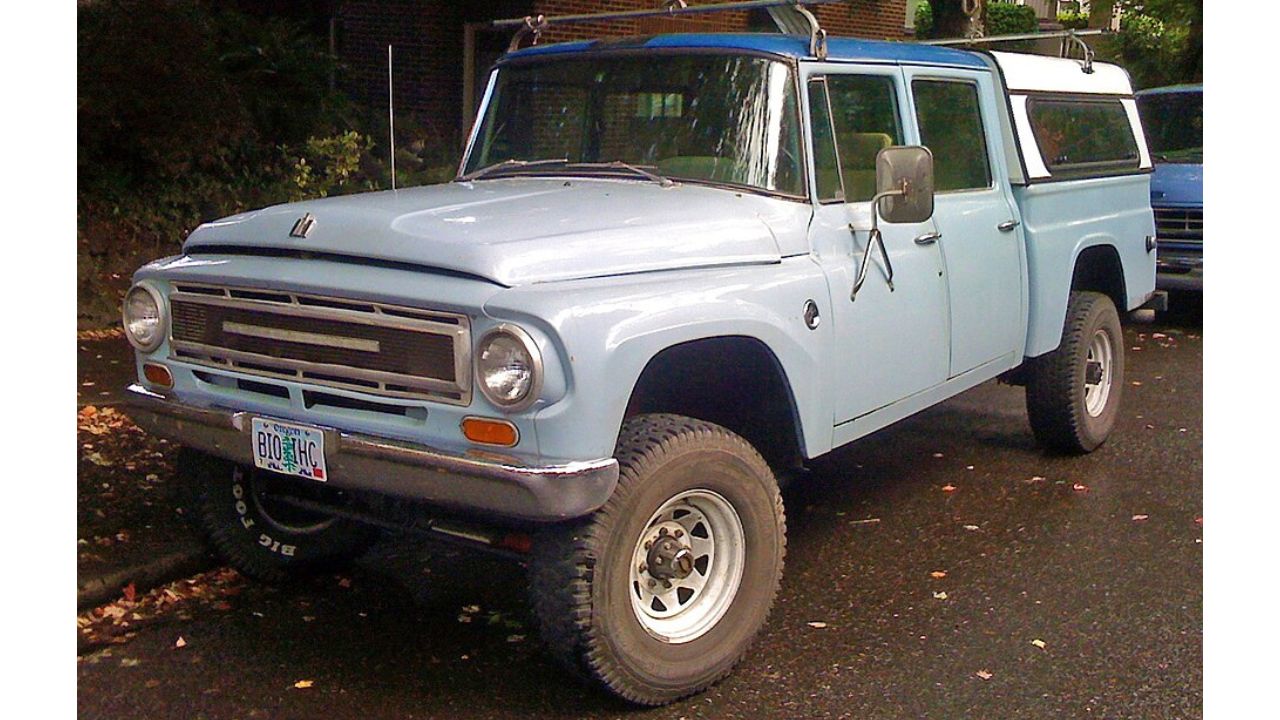
The 1200 was a heavier-duty member of International Harvester’s light-truck range, giving buyers additional capacity without requiring a full commercial truck. Its strong chassis and conventional drivetrain made it suitable for hauling, towing, and agricultural work. International trucks often looked more utilitarian than their Detroit competitors, but that was part of their appeal. The 1200 was built to be useful, repairable, and dependable rather than fashionable.
Jeep Gladiator
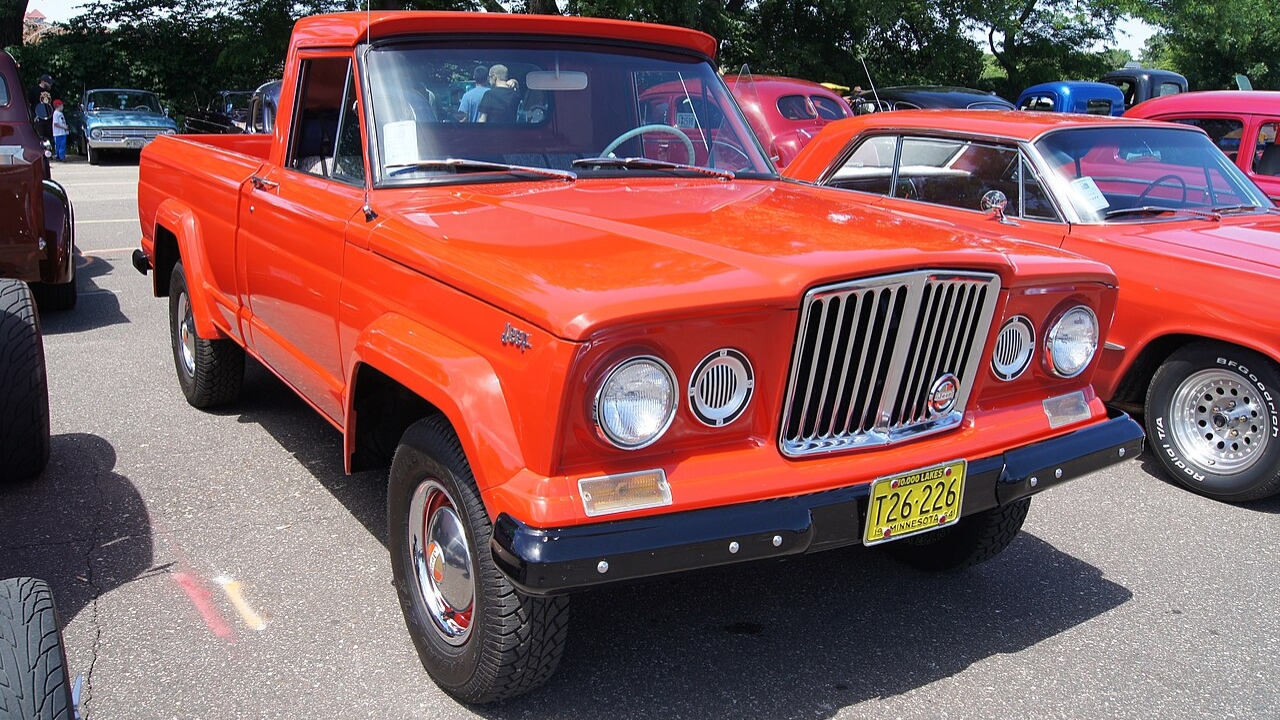
The original Jeep Gladiator brought four-wheel-drive capability and Jeep’s rugged engineering into the pickup market. Its body-on-frame construction and available four-wheel-drive systems made it useful for owners who needed a truck capable of handling rough terrain. The Gladiator also shared engineering with other Jeep products, giving it a strong off-road foundation. Its unusual combination of pickup practicality and Jeep capability makes it one of the more interesting American trucks from its era.
Chevrolet Apache
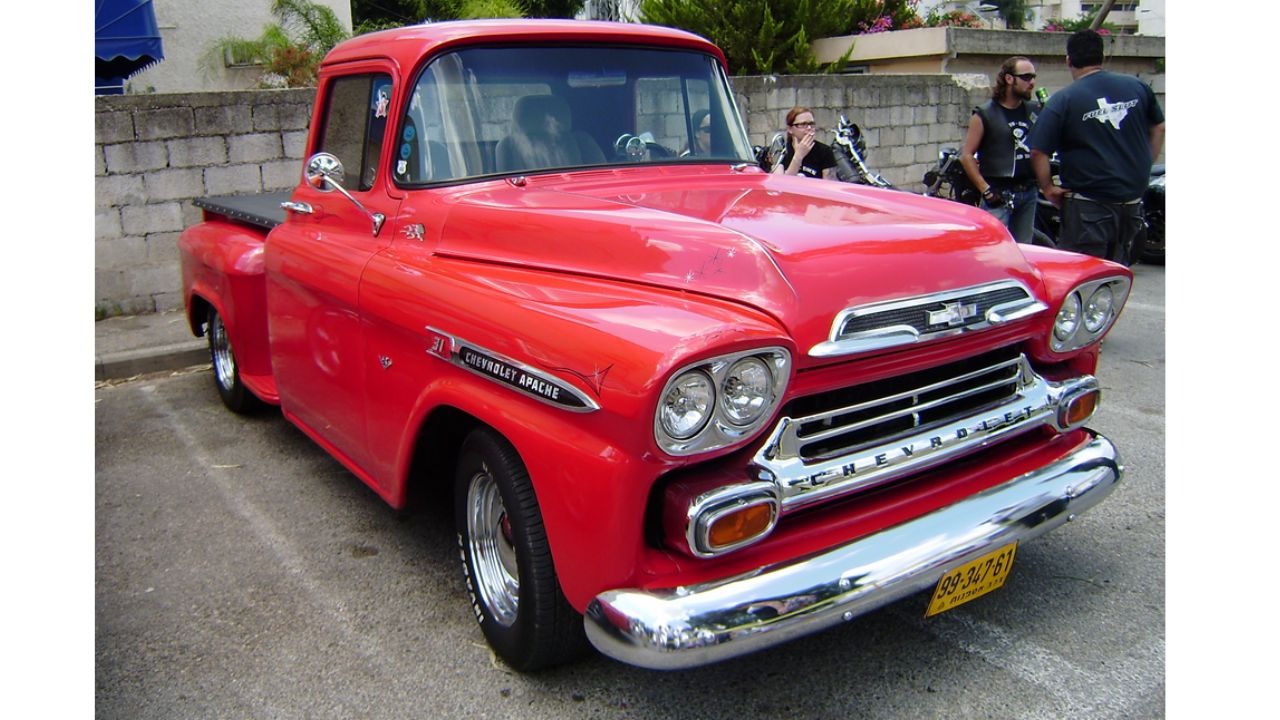
The Apache name became associated with Chevrolet’s Task Force-era pickups and helped give the trucks a distinctive identity. Beneath the chrome and stylish grille was a conventional work truck built around straightforward mechanical components. The Apache could serve as a farm truck, delivery vehicle, or general-purpose pickup. Its simple engineering helped these trucks survive years of use, while the styling has made them particularly desirable among classic truck enthusiasts today.
Ford Ranchero
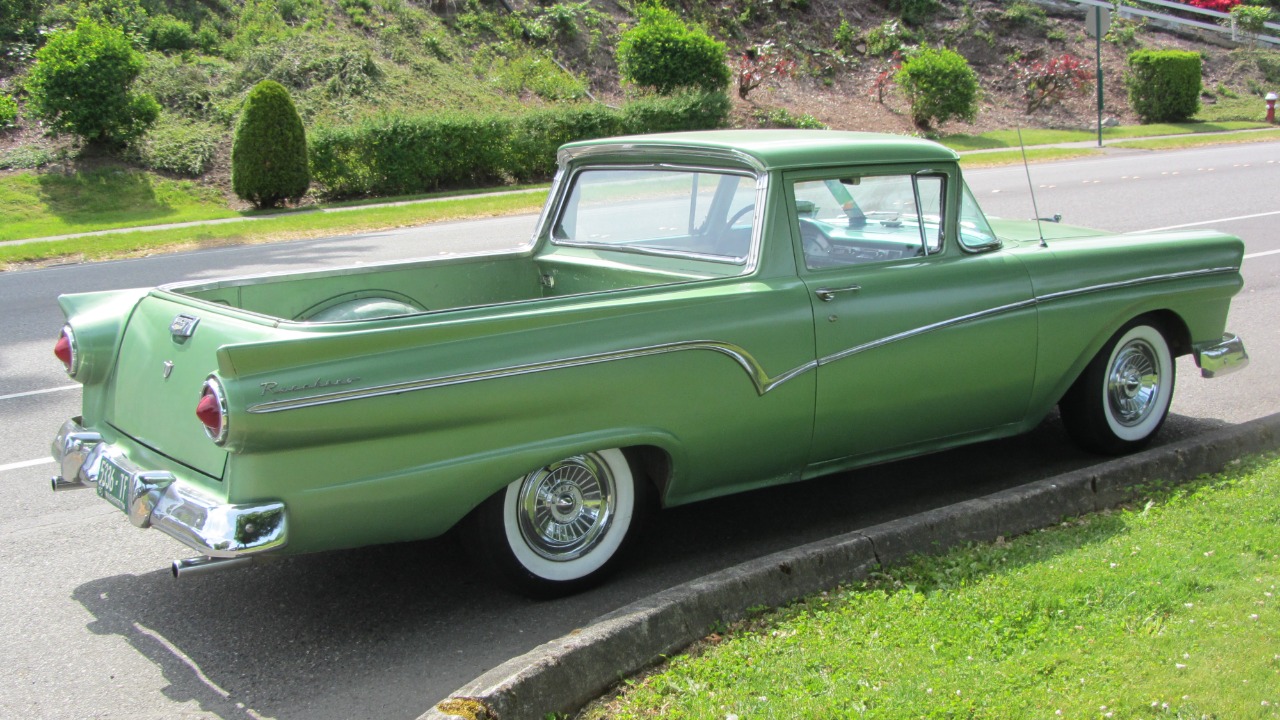
The Ranchero was not a conventional pickup, but it filled a useful space between passenger cars and trucks. Ford combined a car-based platform with an open cargo bed, creating a vehicle that could handle lighter hauling while remaining comfortable on the road. The Ranchero evolved considerably over the years, but its basic concept remained useful. It also demonstrated how manufacturers could adapt existing platforms to create practical vehicles without developing an entirely new truck.
Chevrolet El Camino
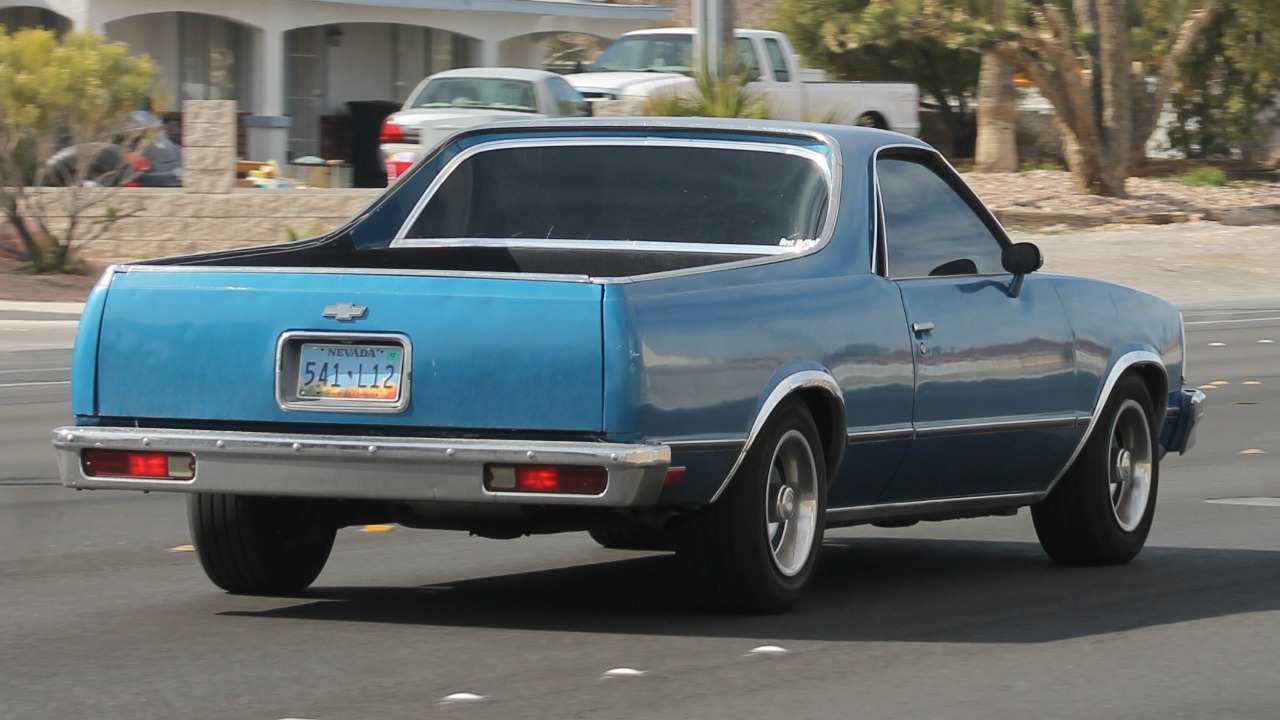
The El Camino followed a similar car-and-truck formula and became one of Chevrolet’s most recognizable utility vehicles. Its combination of passenger-car comfort and open cargo space gave it a unique appeal to tradespeople, small businesses, and buyers who did not need a full-size pickup. Later versions also gained serious performance options. Although it was lighter than a traditional work truck, its simple construction and versatility helped many examples remain useful for decades.
GMC Sprint
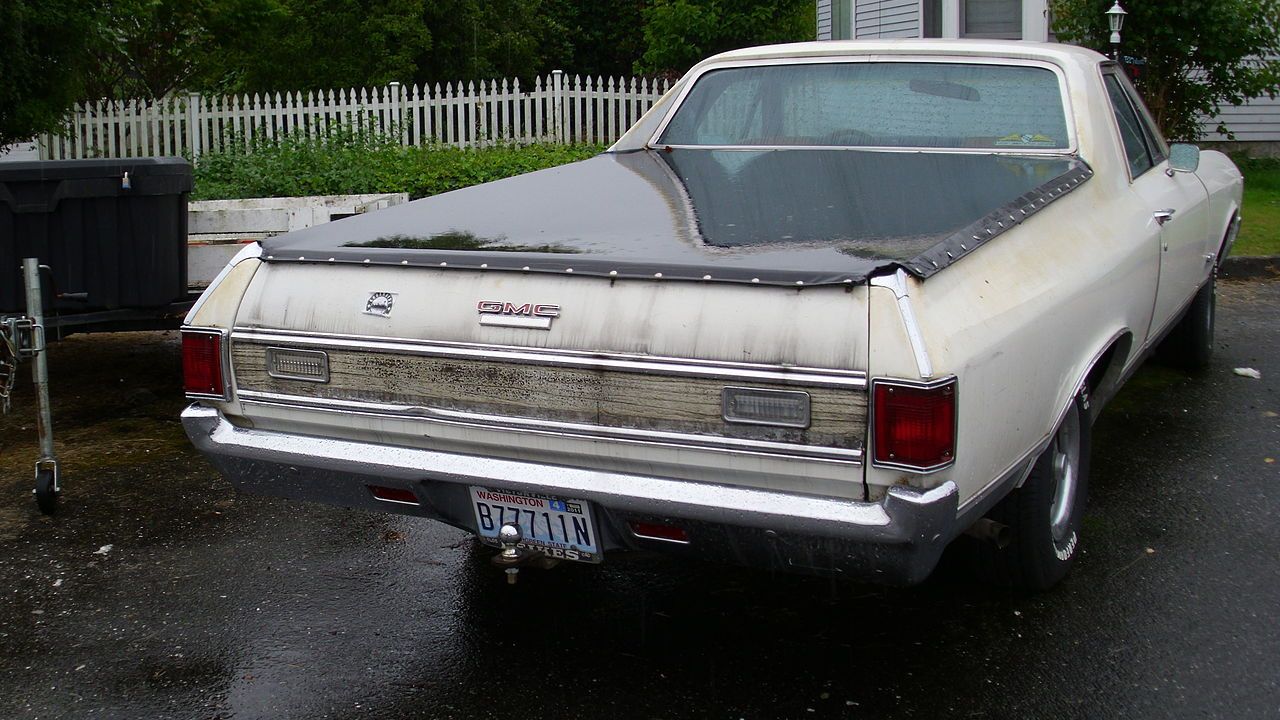
The GMC Sprint was the brand’s answer to the growing popularity of car-based utility vehicles. It combined a relatively comfortable passenger-car interior with a useful cargo bed and offered several engine choices over its production run. The Sprint was not designed for the same heavy-duty jobs as a GMC 2500, but its straightforward construction made it useful for lighter work. Its unusual shape and limited production also make surviving examples much less common today.
Chevrolet S-10
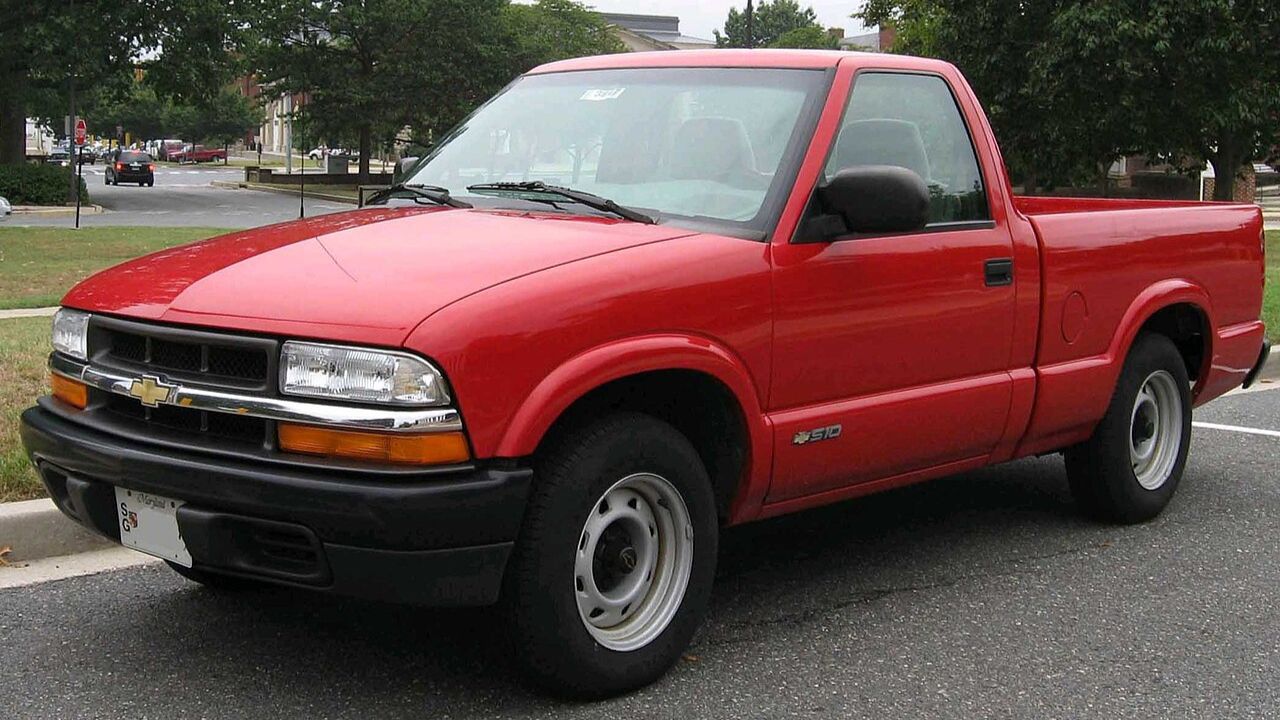
The S-10 brought compact dimensions to Chevrolet’s pickup lineup at a time when smaller trucks were becoming increasingly useful. Its relatively simple construction, rear-wheel-drive layout on many versions, and available four-wheel drive made it versatile without the bulk of a full-size pickup. Thousands were used as daily work trucks, delivery vehicles, and utility rigs. The S-10’s straightforward design helped establish the compact pickup as a lasting part of the American truck market.
More from Fast Lane Only
- Unboxing the WWII Jeep in a Crate
- 15 rare Chevys collectors are quietly buying
- 10 underrated V8s still worth hunting down
- Police notice this before you even roll window down
*Research for this article included AI assistance, with all final content reviewed by human editors.