Classic motorcycles are everywhere in pictures, magazines, museums, and online auctions, but seeing some of them in person is a completely different story. A few famous classics survived in large enough numbers to remain regular sights at bike shows, while others were built in such small quantities that even serious enthusiasts can go years without encountering one.
That makes the lesser-known machines especially interesting. Some came from famous manufacturers experimenting with unusual engines, some were expensive machines that never sold in large numbers, and others simply arrived at the wrong time. From forgotten British singles to exotic Italian multi-cylinder bikes, these are 20 classic motorcycles that many enthusiasts know by name but may never actually see parked in front of them.
Brough Superior SS80
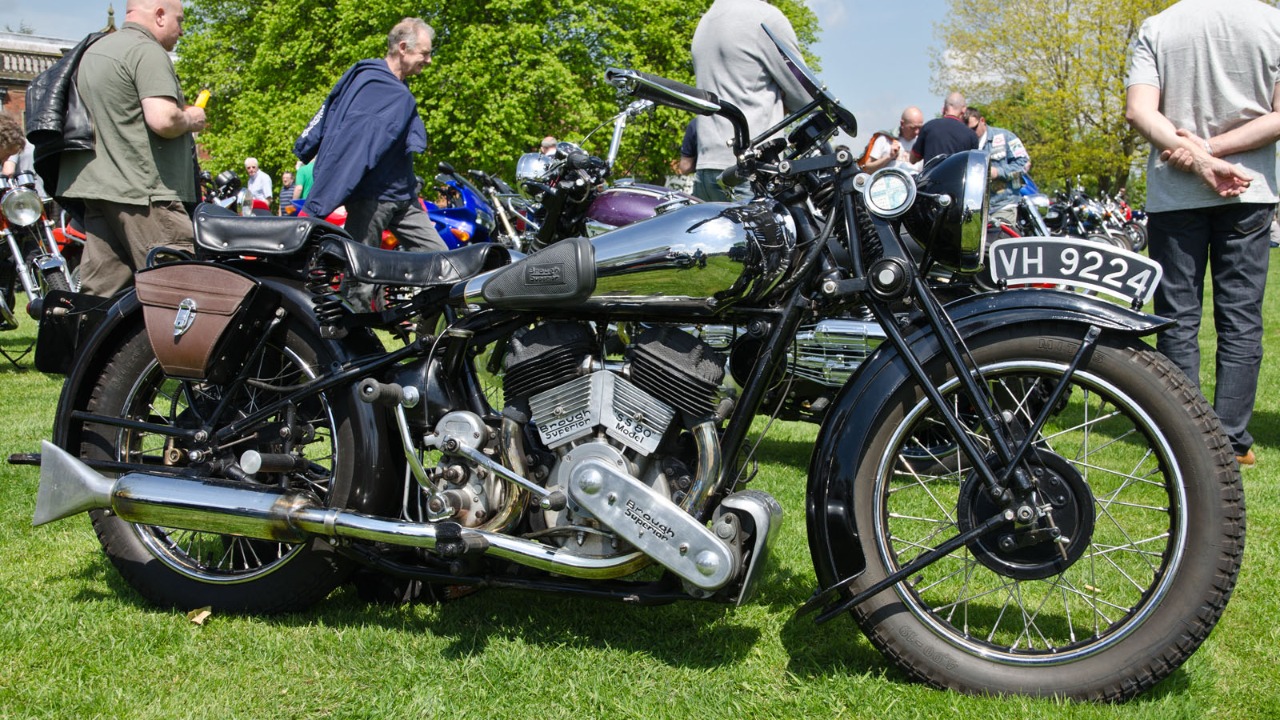
The Brough Superior SS80 belongs to an era when a motorcycle could be treated almost like a bespoke luxury product. Introduced in the 1920s, it combined a powerful V-twin engine with high-quality components and carefully finished construction, earning George Brough’s machines a reputation that went far beyond ordinary transportation. The SS80 name referred to its intended 80 mph capability, which was remarkable for its time. What makes seeing one today so unusual is not simply age. These were expensive motorcycles when new, and surviving examples are now highly prized pieces of motorcycle history. Most people will recognize the Brough Superior name from photographs or stories about George Brough and his famous machines, but actually encountering an original SS80 at a show or gathering is a much rarer experience.
Vincent Black Lightning
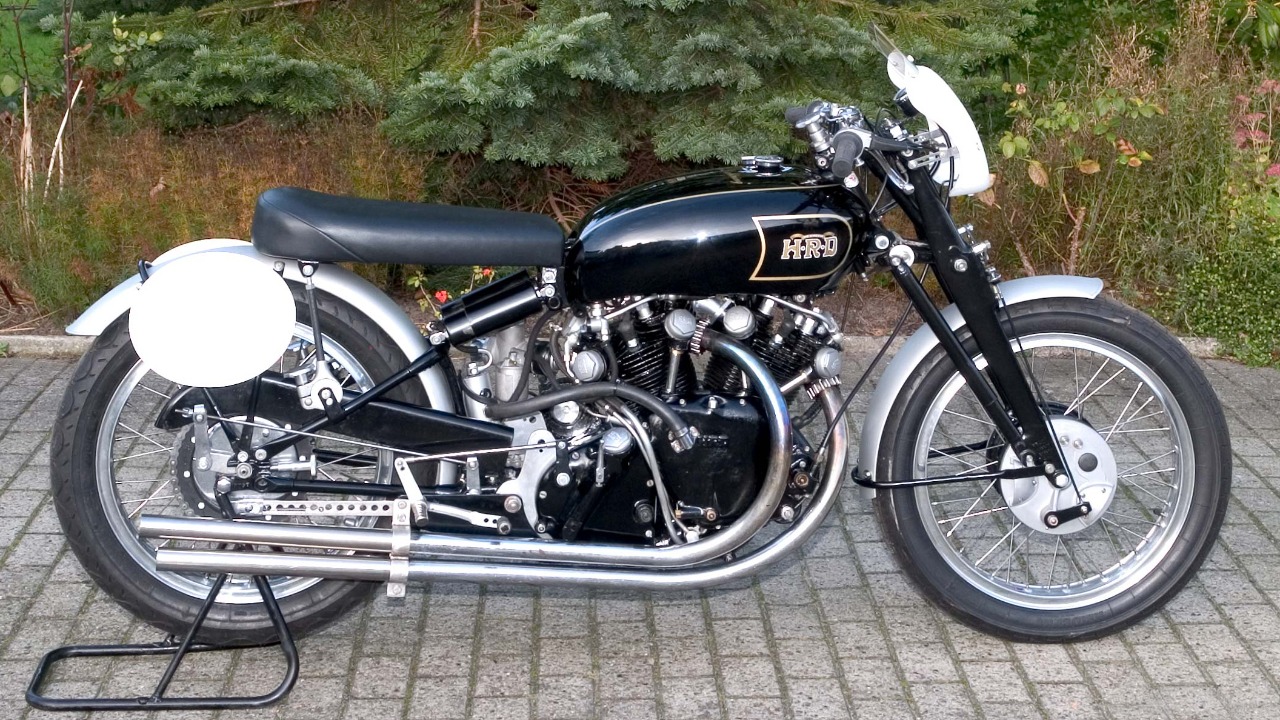
The Vincent Black Shadow is the better-known name, but the Black Lightning sits in an entirely different category of rarity. Developed as a high-performance version of Vincent’s legendary V-twin, the Black Lightning received lighter components, higher compression, racing-style equipment, and other changes aimed at extracting maximum performance. Only a very small number were produced, which explains why original examples are seldom seen outside major collections, specialist events, or significant auctions. The motorcycle also carries the unmistakable Vincent character, with its unusual frame arrangement and enormous 998cc V-twin dominating the machine. Plenty of enthusiasts can identify a Black Lightning from a photograph, but seeing a genuine one in person is something else entirely. Many riders could attend motorcycle shows for decades without having one roll through the gates.
Ariel Square Four
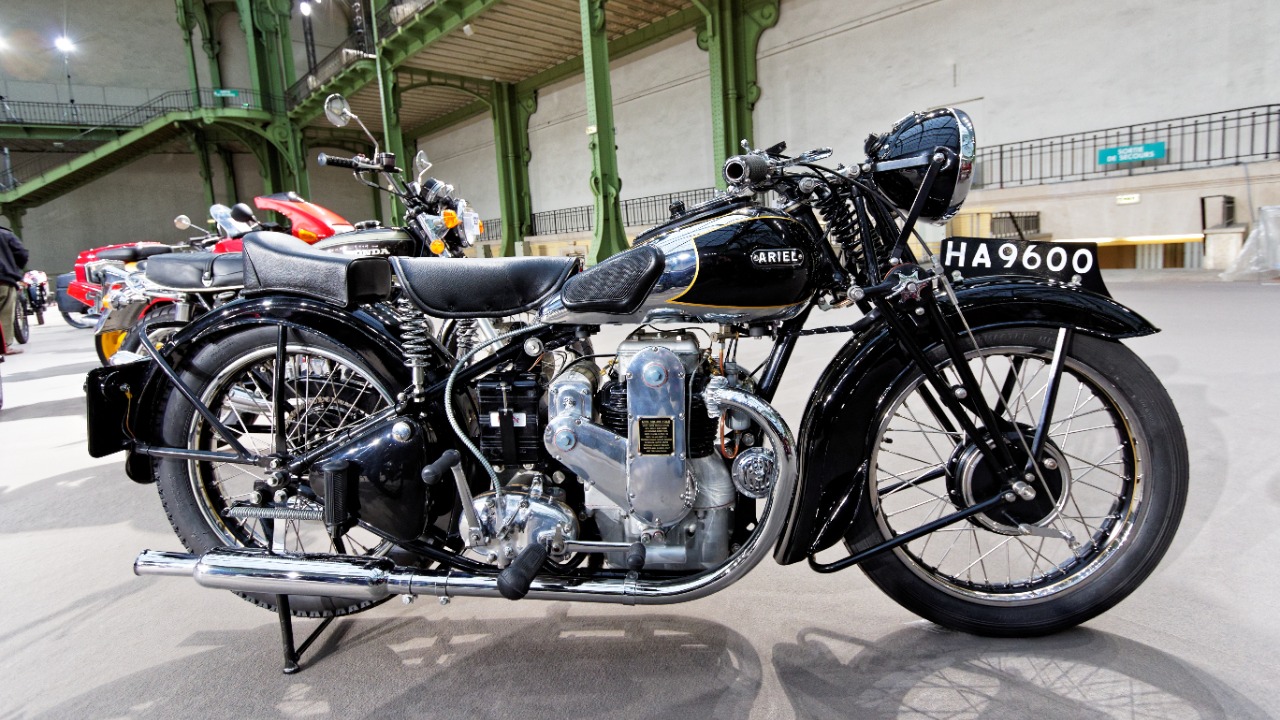
The Ariel Square Four looks like someone tried to solve a motorcycle-engine puzzle in three dimensions. Its four-cylinder engine used a compact arrangement that placed the cylinders in a square configuration, giving Ariel a distinctive alternative to the more conventional singles and twins dominating British motorcycling. The design went through several stages of development, eventually becoming a much larger and more capable motorcycle than the original concept. Today, the Square Four is remembered largely by enthusiasts interested in unusual British engineering rather than by the wider motorcycle crowd. That is part of its appeal. An original example does not resemble the typical British classic parked beside a row of Triumphs and BSAs. The engine itself is usually the first thing that attracts attention, and once you see the compact four-cylinder layout, it becomes obvious why the model has remained such an intriguing piece of motorcycle history.
Velocette LE

Few motorcycles look as different from traditional British motorcycles as the Velocette LE. Developed after World War II, the LE was a small, enclosed machine with a water-cooled flat-twin engine, shaft drive, and extensive bodywork. It looked more like a compact utility vehicle than the exposed-engine motorcycles most British riders were accustomed to. The design was practical and sophisticated, and the LE became particularly associated with police use in Britain. That connection helped give it a long working life, but surviving examples are still far less common than the better-known Velocette Venom or Thruxton. Seeing one in person can be surprisingly memorable because it does not immediately fit the visual image many people have of a classic British motorcycle. Its covered engine and unusual proportions make it stand out almost anywhere.
BSA B50
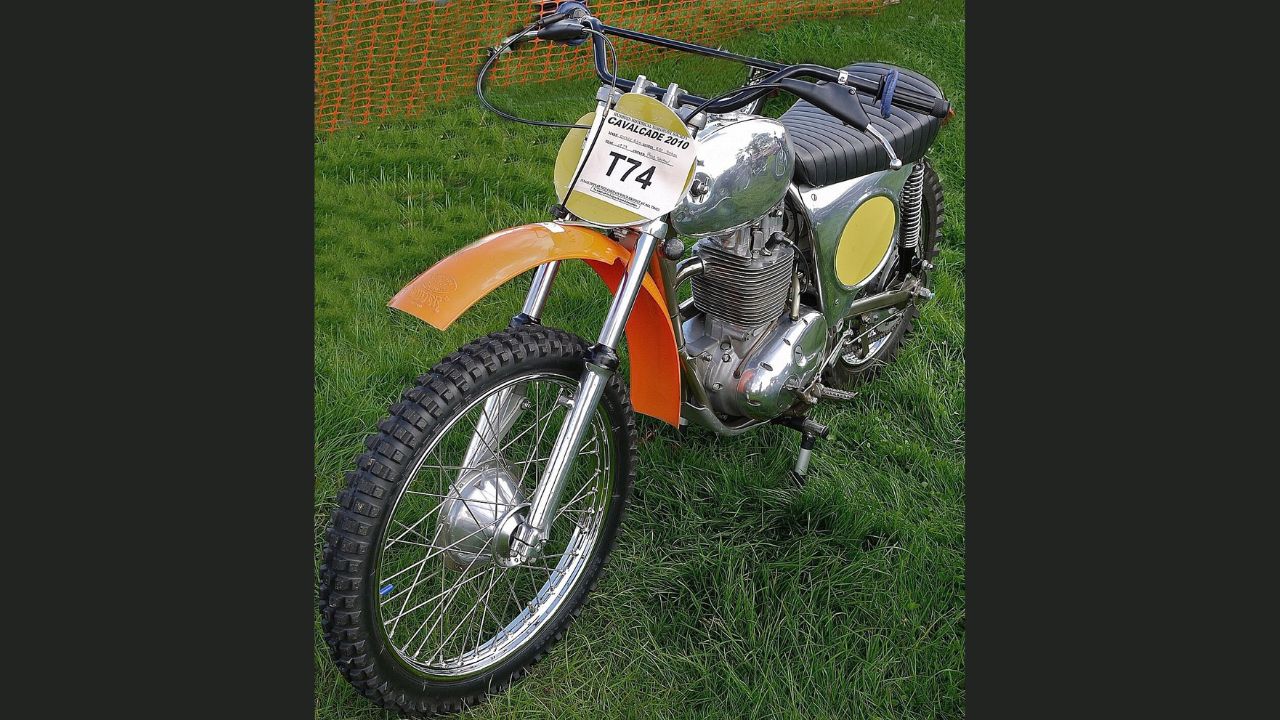
The BSA B50 arrived during one of the most difficult periods in British motorcycle manufacturing. It was a 500cc single-cylinder motorcycle that represented the final development of BSA’s long-running big-single tradition, arriving just as Japanese manufacturers were changing expectations for performance, refinement, and reliability. The B50 was relatively light and mechanically straightforward, but its timing could hardly have been worse. BSA’s industrial problems meant the model never received the opportunity to establish the kind of long production history enjoyed by earlier Gold Stars. Today, a genuine B50 is considerably less familiar than a Gold Star or Rocket Gold Star, even though it represents an important final chapter in BSA’s story. Seeing one at a motorcycle gathering usually means you’ve wandered beyond the usual collection of British classics and into much deeper enthusiast territory.
Royal Enfield Interceptor 750
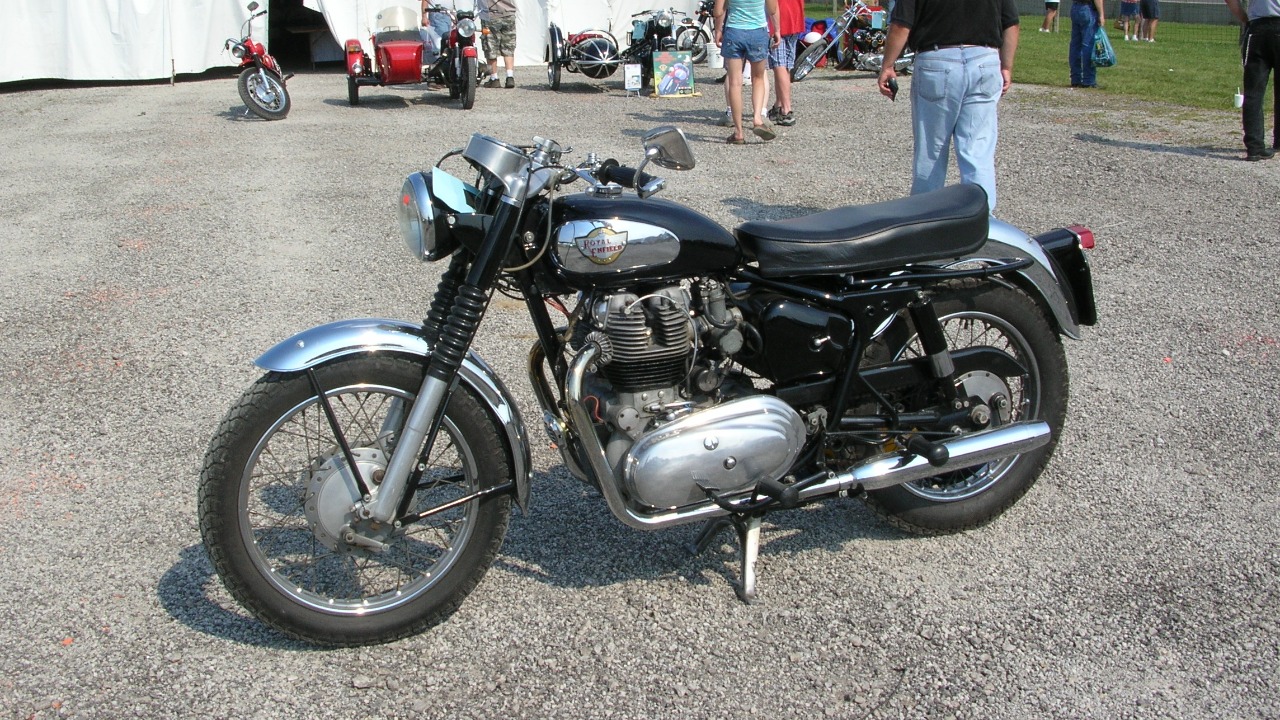
The Royal Enfield Interceptor 750 is one of those motorcycles that can surprise people who think they already know the Royal Enfield story. Developed with the American market in mind, the 750 Interceptor was a substantial parallel-twin motorcycle built during the final years of Royal Enfield’s original British production. It offered considerably more performance than the smaller Royal Enfields most people associate with the company. Production numbers were not enormous, and the motorcycle’s history became tangled with Royal Enfield’s eventual decline in Britain. As a result, surviving examples are much harder to encounter than more famous British twins. The Interceptor 750 also has an interesting international story because it was aimed heavily at riders outside Britain. A clean original machine can therefore feel like a missing link between classic British motorcycles and the rapidly changing American market of the 1960s.
Laverda SFC

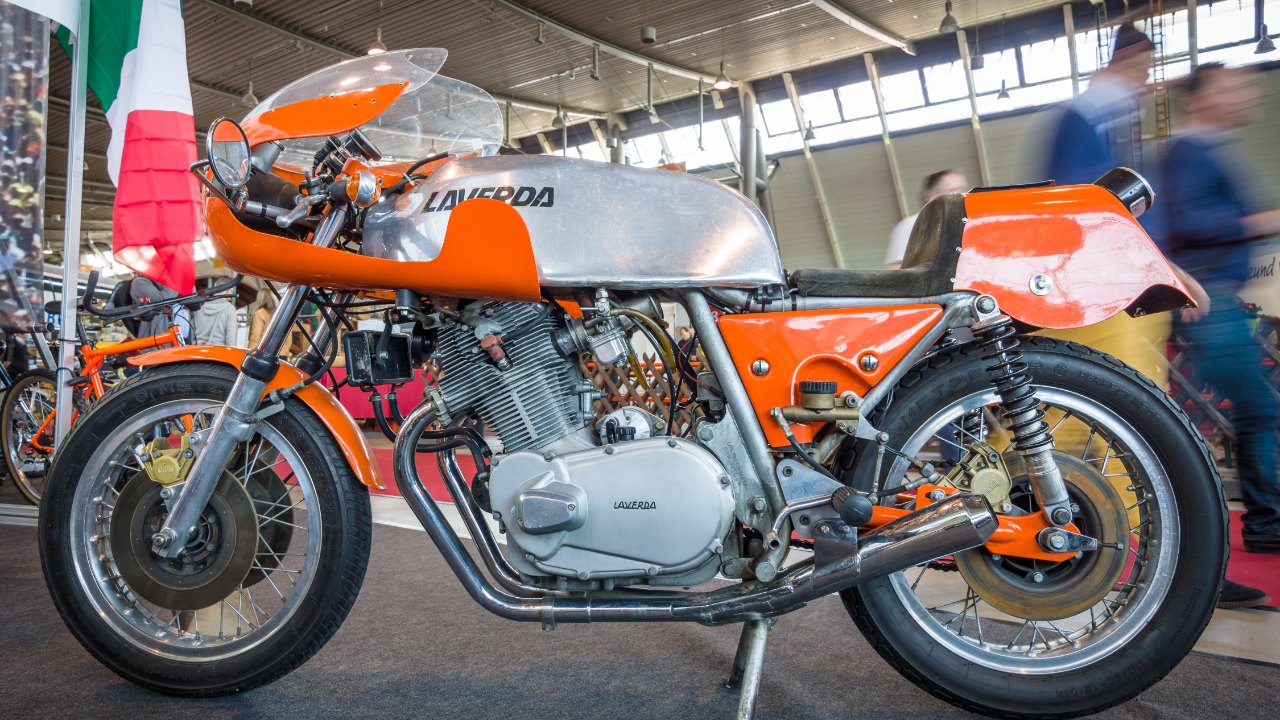
Laverda’s SFC was never intended to be an ordinary motorcycle, and that is one reason it has become such a difficult machine to encounter. Based on Laverda’s 750cc twin-cylinder platform, the SFC was developed with competition in mind and featured changes designed to make it more suitable for serious racing. The model became closely associated with endurance racing, where Laverda was able to demonstrate the strength of its big twin. Factory production remained very limited, with only a few hundred genuine examples built over the model’s production life. Many were also used as intended and raced, meaning that surviving original machines are especially significant. The SFC has the kind of appearance that immediately tells experienced enthusiasts it is not simply a modified street bike. If one turns up at a classic gathering, it is likely to attract attention from people who know exactly what they are looking at.
Benelli 750 Sei

The Benelli 750 Sei is one of the strangest answers to the question of how many cylinders a motorcycle really needs. Introduced in the 1970s, it used a 747cc inline-six engine, making it one of the first production motorcycles to bring six-cylinder power to the road. The engine was the star of the show, with a distinctive exhaust arrangement and a sound that separated the Sei from almost every other motorcycle of the period. Benelli was never able to match the global production scale of Honda, Yamaha, or Suzuki, so the 750 Sei remained an unusual sight even when it was relatively new. Today, surviving examples are far from common. It is also a motorcycle that photographs cannot fully explain. The width of the engine, the six exhaust headers, and the overall presence of the machine become much more impressive once you are standing beside one.
Moto Morini 3½ Sport
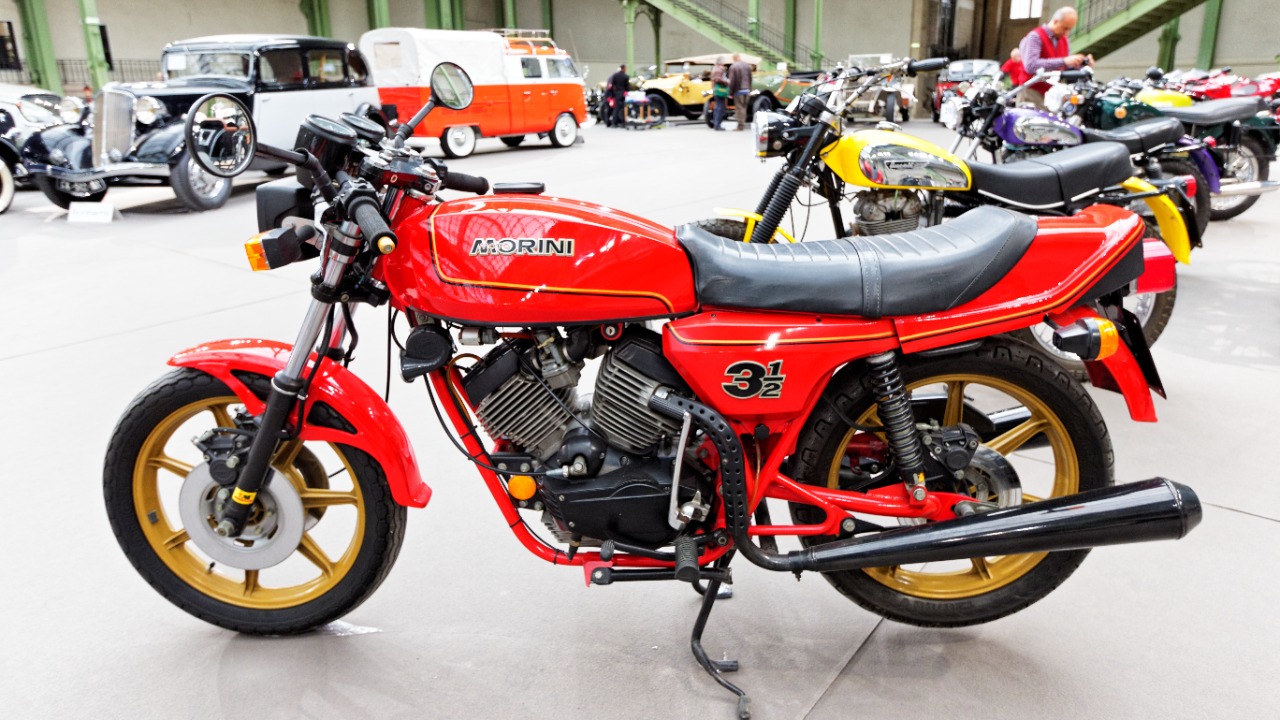
The Moto Morini 3½ Sport proves that a classic motorcycle does not need a huge engine to become special. Built around a compact 344cc V-twin, the 3½ combined relatively small displacement with a sporty chassis and distinctive Italian engineering. The model became particularly respected among riders who appreciated lightweight handling rather than simply chasing engine size. Moto Morini itself was never as common internationally as Ducati or Moto Guzzi, and that limited the number of these motorcycles that reached many countries. The result is a classic that remains recognizable to specialists but can be almost invisible to casual motorcycle enthusiasts. The 3½ Sport also has an appealing combination of simplicity and sophistication. Its narrow engine, compact proportions, and unmistakably Italian details make it look completely different from the larger Japanese motorcycles that dominated the same period.
Ducati 750 Sport
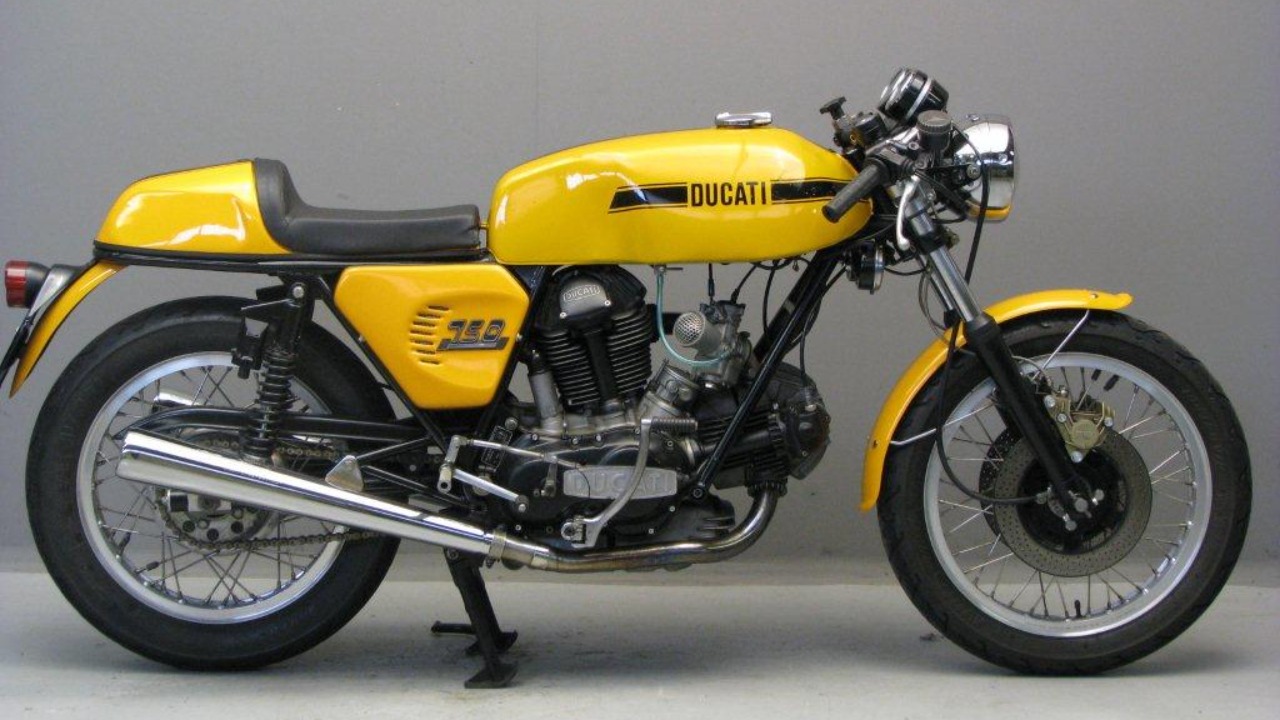
Before Ducati’s later superbikes became household names among motorcycle enthusiasts, the company produced machines such as the 750 Sport that helped establish its sporting reputation. The early 750 Sport combined Ducati’s 90-degree V-twin layout with desmodromic valve control and a relatively light chassis, creating a motorcycle that looked serious without relying on massive displacement. Genuine early examples are now difficult to find, especially motorcycles that retain their original specifications instead of having been modified or restored into something different. That scarcity is one reason the 750 Sport can be much easier to recognize in a book than in the real world. It is also a motorcycle whose details reward close inspection. The frame, tank, engine, controls, and period racing influence all tell a story about Ducati’s transition from a small Italian manufacturer into one of the world’s best-known sporting motorcycle brands.
Suzuki RE5
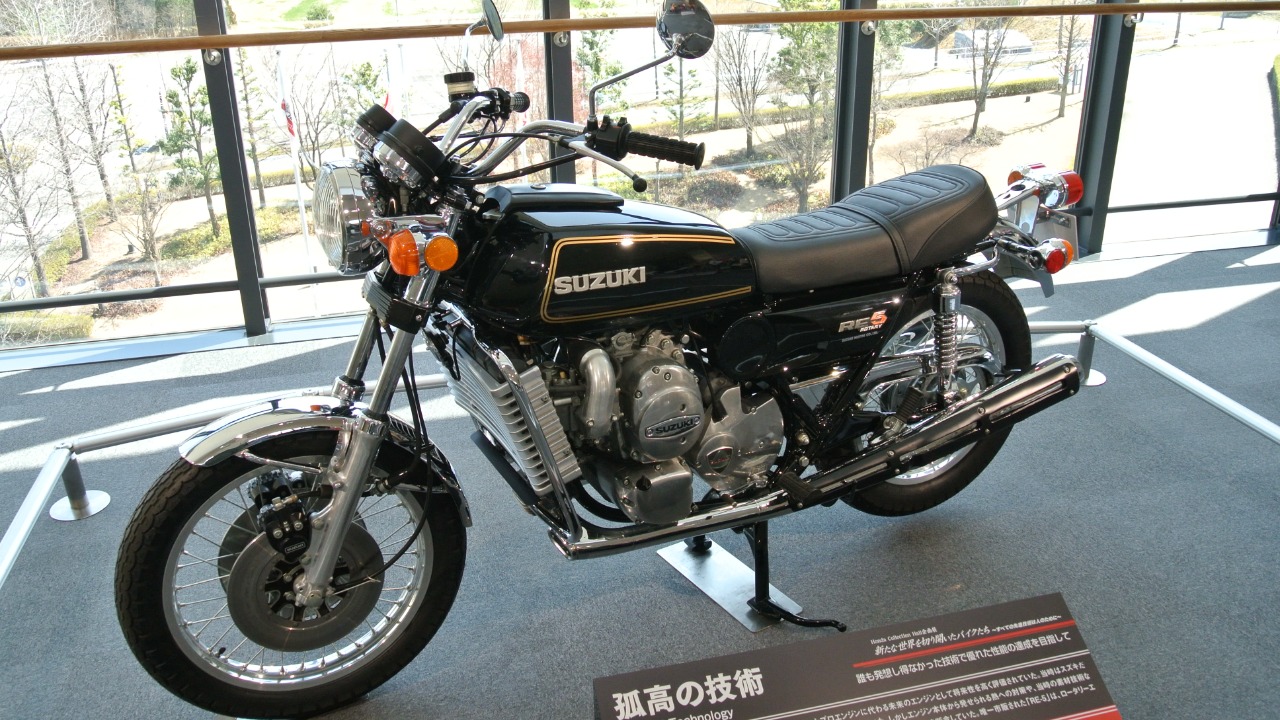
The Suzuki RE5 is probably one of the most unusual motorcycles ever produced by a major Japanese manufacturer. Instead of using a conventional piston engine, Suzuki fitted a Wankel rotary engine, creating a motorcycle that looked fairly traditional while hiding something completely different beneath the tank. The rotary produced exceptionally smooth power delivery, but the RE5 arrived during a period when buyers were becoming increasingly cautious about unusual mechanical ideas and manufacturers were dealing with stricter emissions requirements. Suzuki eventually abandoned the rotary approach for its road motorcycles. That makes surviving RE5s especially interesting today. Even riders who have seen photographs can be surprised by the details of the machine, particularly its instrumentation and the distinctive exhaust arrangement associated with the rotary engine. Finding a genuine, well-preserved RE5 is considerably harder than finding a conventional Suzuki from the same era.
Kawasaki Z1-R
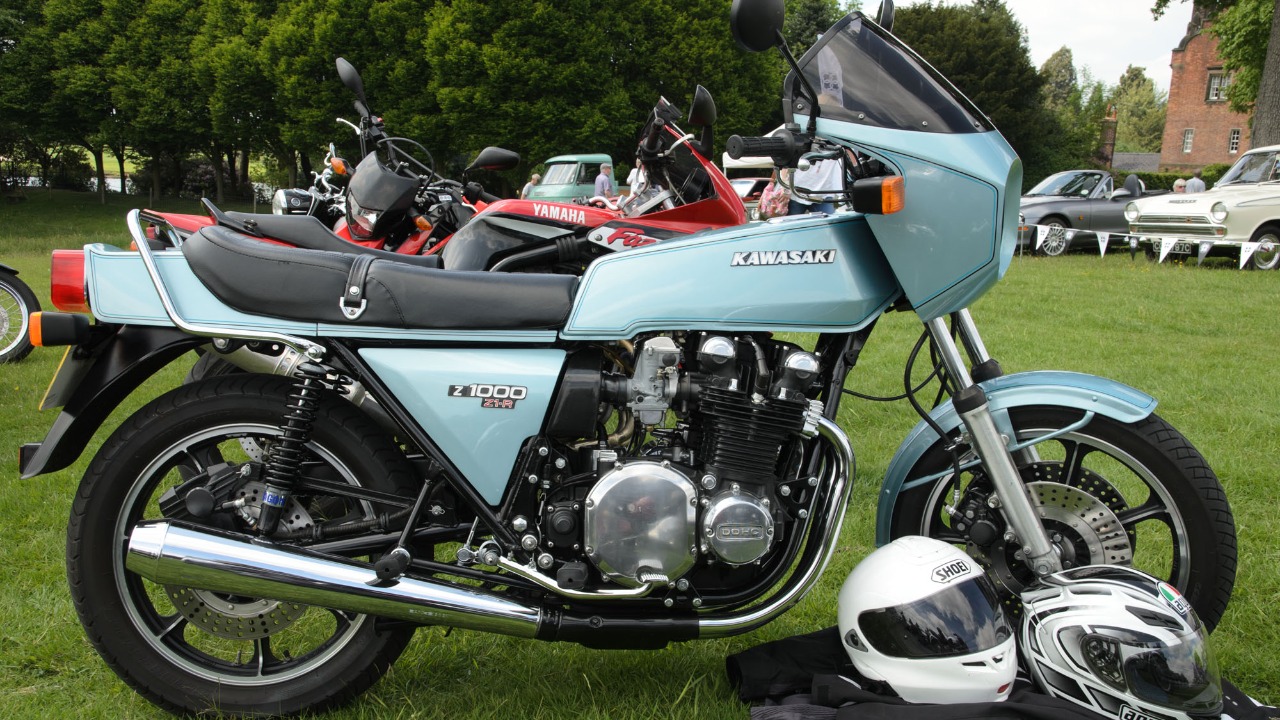
The Kawasaki Z1-R took the already dramatic Z1 formula and pushed it toward a sharper, more aggressive style. Introduced at the end of the 1970s, it featured a distinctive bikini-style fairing, angular bodywork, and the familiar Kawasaki inline-four engine. The Z1-R had a relatively short production life, which makes surviving original examples much less common than the regular Z1 and later Z1000. It is also a motorcycle that has been heavily modified over the decades, particularly by owners who wanted to turn these big Japanese bikes into café racers or performance machines. That means seeing an untouched Z1-R can be considerably harder than seeing a modified one. The original combination of angular bodywork, period graphics, and big air-cooled engine gives the bike a very specific late-1970s character that photographs do not completely capture.
Honda CBX1000

The Honda CBX1000 is not obscure because nobody knows what it is. Quite the opposite. Its six-cylinder engine has made it one of the most recognizable motorcycles of the late 1970s. The problem is that relatively few people have actually stood beside one. Honda’s 1047cc inline-six made the motorcycle unusually wide and visually dramatic, while its exhaust note became one of the defining sounds of Honda’s high-performance era. The CBX was produced for only a few years in its original form, and surviving examples have increasingly become collector motorcycles rather than everyday machines. The six headers running out from the engine make the CBX instantly identifiable when you see one in person. It is also one of those motorcycles that appears much larger and more mechanically complex in real life than it does in photographs.
Honda CX500 Turbo
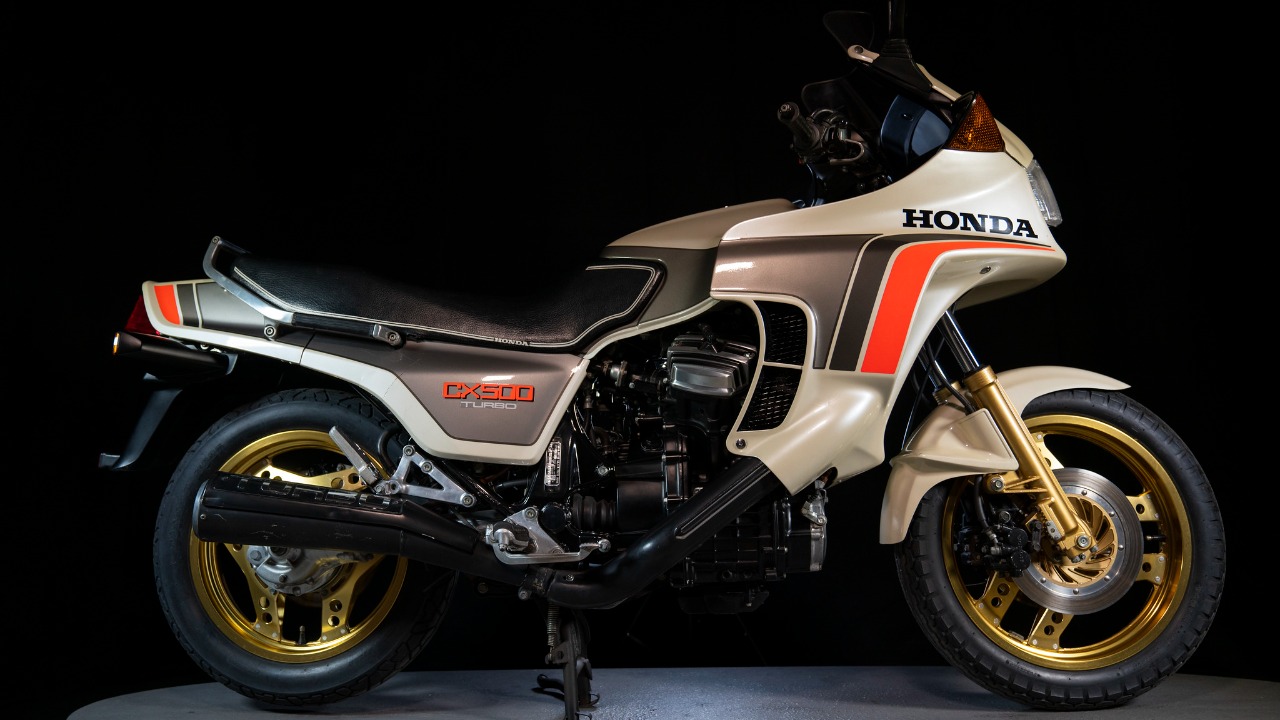
Honda’s CX500 was already unusual because of its liquid-cooled V-twin engine and shaft drive, but the Turbo version pushed the concept into much more exotic territory. Introduced in the early 1980s, the CX500 Turbo used forced induction, electronic fuel injection, and advanced electronics at a time when manufacturers were experimenting aggressively with turbocharged motorcycles. Its unusual combination of technology and styling made it very different from the simpler air-cooled machines that had dominated the previous decade. The Turbo was produced for a relatively short period, and surviving examples are not something most riders encounter during an ordinary weekend ride. It is particularly interesting because it represents a brief moment when turbocharging looked like a possible future for large production motorcycles. Standing next to one reveals just how ambitious Honda’s engineering department was during that period.
Triumph TR5T Trophy Trail

The Triumph TR5T Trophy Trail is a fascinating example of a motorcycle arriving at a difficult time for its manufacturer. Built during the early 1970s, it combined Triumph’s 500cc twin-cylinder engine with a chassis intended for both road and trail riding. That made it very different from the big road-oriented Triumphs most people associate with the company. The model had a short production run, and Triumph’s financial and manufacturing troubles were already becoming serious. Japanese manufacturers were also becoming extremely competitive in the off-road market, making it difficult for a British machine like the Trophy Trail to gain a large following. Today, surviving examples are rare enough to make one a genuine conversation starter. It is a particularly appealing classic for anyone interested in the unusual directions British manufacturers explored before their industry entered its long decline.
Gilera Saturno 500
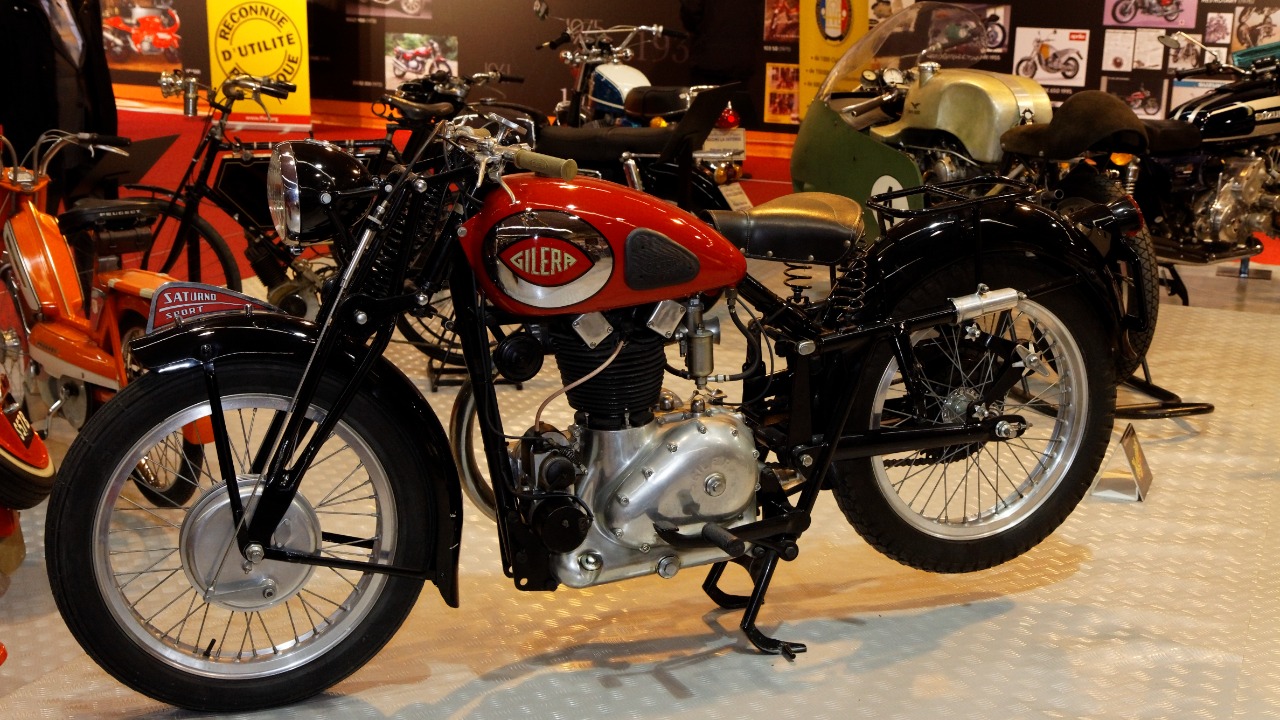
The Gilera Saturno 500 represents an older and much more exotic side of Italian motorcycle engineering. Developed from Gilera’s sporting motorcycle tradition, the Saturno used a large single-cylinder engine and became closely associated with both road and competition versions. Italian manufacturers were capable of producing remarkably sophisticated sporting singles during this period, but many of those machines never achieved the worldwide visibility of later Japanese motorcycles. The Saturno therefore remains far more familiar to European collectors and racing historians than to the average motorcycle enthusiast elsewhere. Its tall single-cylinder engine gives it an unmistakable mechanical character, while the chassis and styling show how seriously Gilera approached performance. Finding one outside a specialist collection is unusual today, and an original machine can tell a much broader story about Italian motorcycle development before multi-cylinder superbikes took over the performance market.
MV Agusta 750S
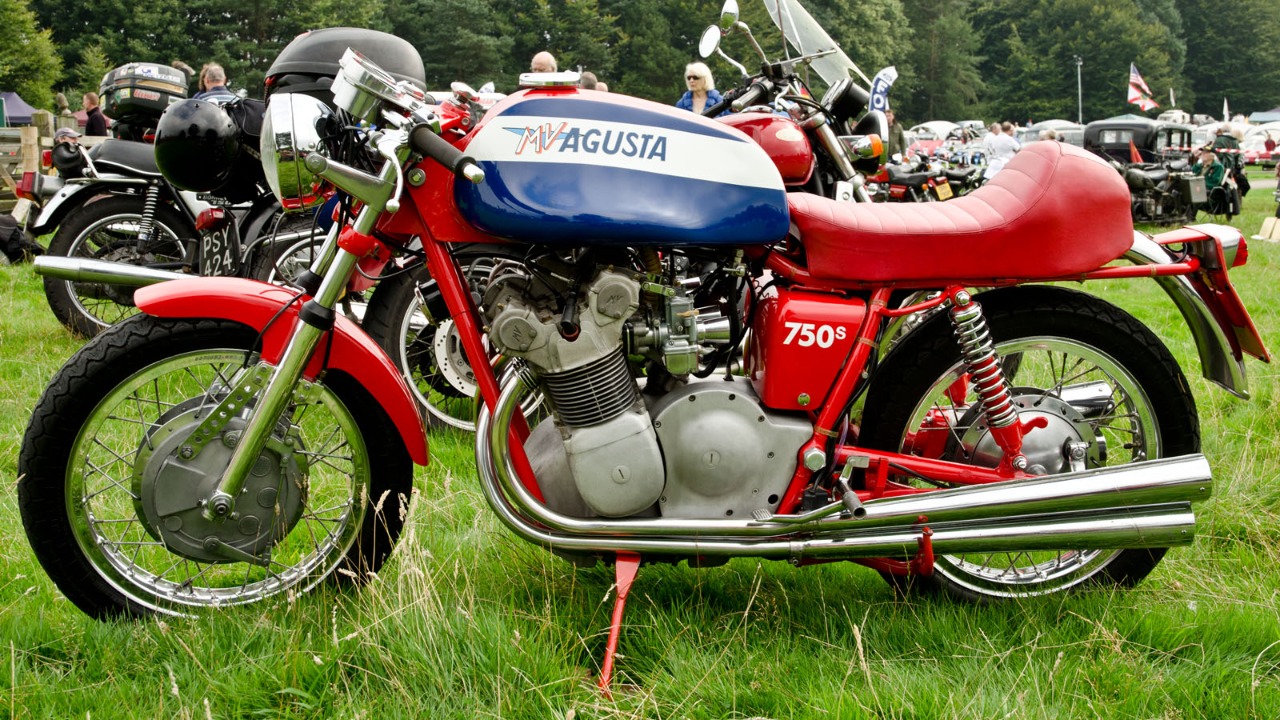
Few classic motorcycles have the same combination of exclusivity and visual drama as the MV Agusta 750S. Built when MV Agusta was still deeply connected to elite European racing, the 750S combined a sophisticated inline-four engine with elegant Italian styling and a level of rarity that most mass-produced motorcycles could never approach. Production numbers were extremely limited, and many examples have spent much of their lives in serious private collections. That makes the 750S a motorcycle most enthusiasts are more likely to encounter in a photograph than parked beside them. Its four-cylinder engine, sculpted tank, and period racing influence give it a presence that becomes much more obvious in person. Even among people who have spent years around classic motorcycles, a genuine 750S can be a once-in-a-lifetime sight.
BSA Rocket Gold Star
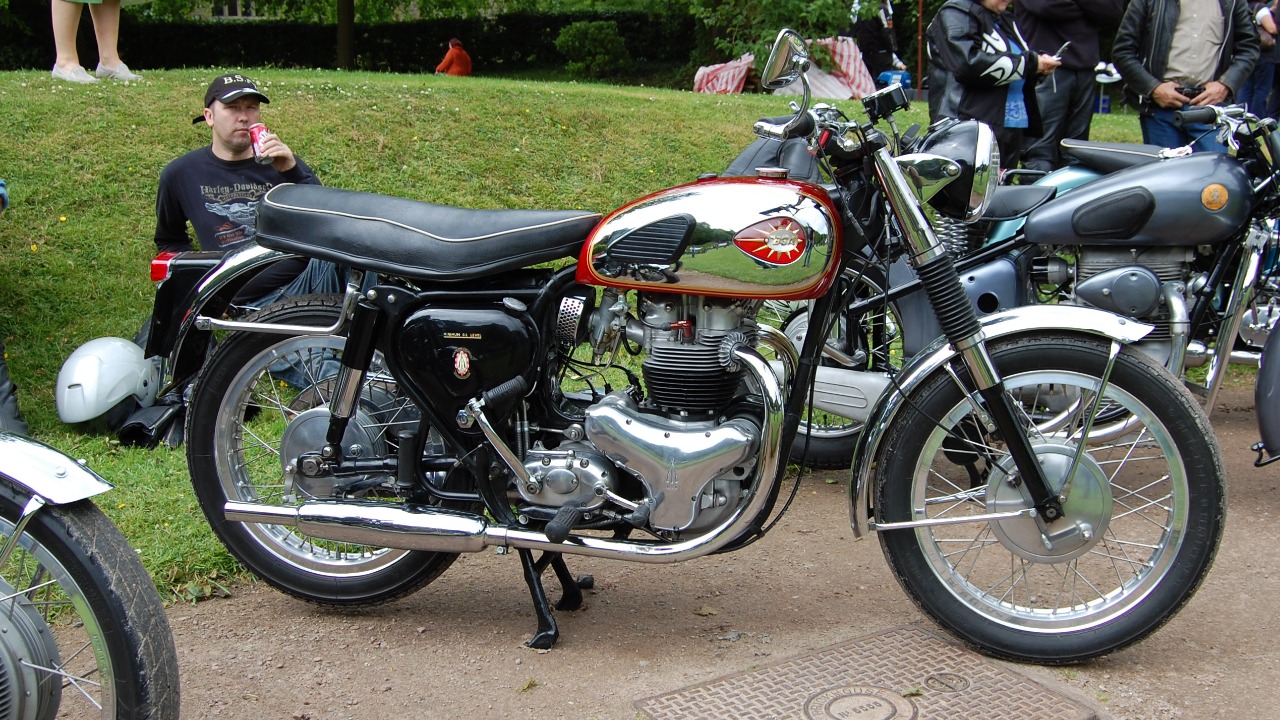
The BSA Rocket Gold Star was produced for only a short period, but it has become one of the most recognizable high-performance British motorcycles of its generation. It combined BSA’s 650cc A10 twin with Gold Star-inspired chassis components, creating a machine with considerably more sporting intent than an ordinary road-going twin. Only 1,584 examples were built during its 1962 and 1963 production run, which is a surprisingly small number for a factory motorcycle. The model is also famous for having been recreated in replica form, meaning that a motorcycle wearing Rocket Gold Star styling is not automatically an original. An authentic example is therefore a particularly interesting sight at a show. Its combination of polished metal, sporting details, and classic British proportions makes it easy to understand why collectors have remained interested in the model for decades.
Ariel Red Hunter
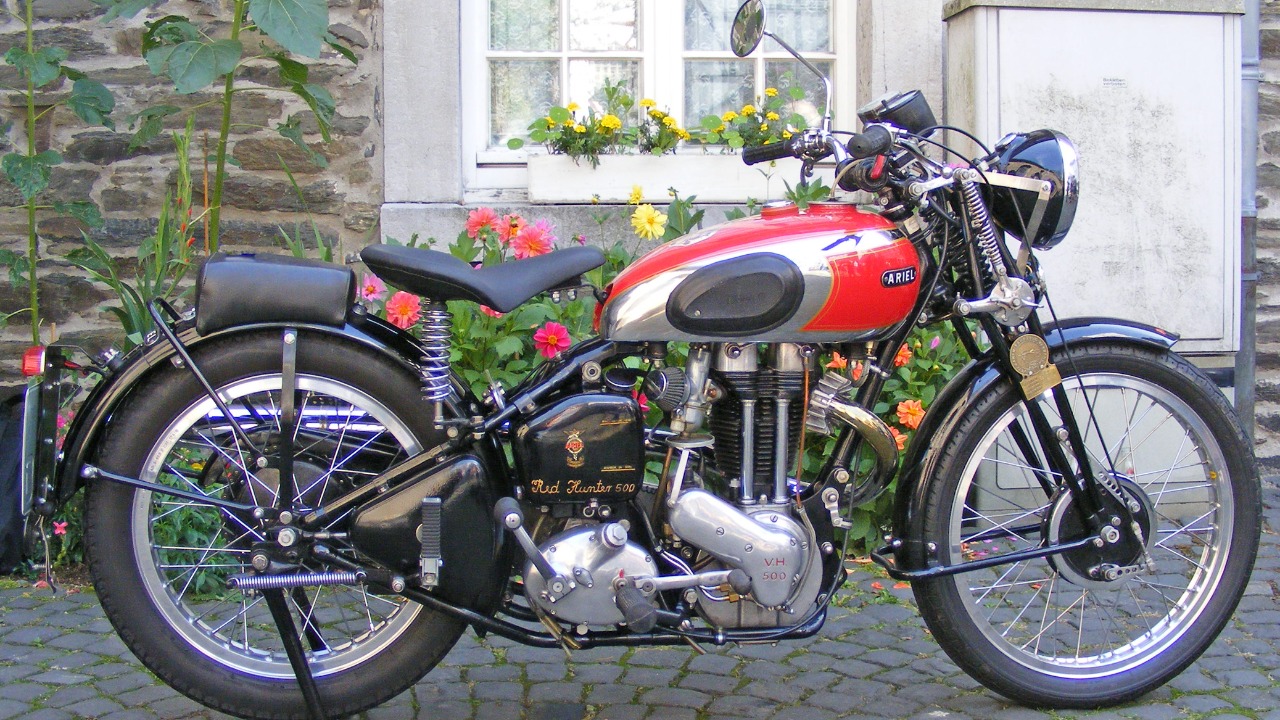
The Ariel Red Hunter was one of the great British sporting motorcycles before the postwar motorcycle industry changed dramatically. Produced in a variety of engine sizes, it became known for its attractive styling and strong road performance while retaining the relatively simple mechanical character expected from a British single. The name lasted for years, but surviving examples are nowhere near as common as the motorcycles from the largest British manufacturers. That makes an original Red Hunter an increasingly unusual sight outside dedicated vintage motorcycle events. The motorcycle is also interesting because it represents a period when a sporting single was a serious road machine rather than an entry-level curiosity. Its combination of a large exposed single-cylinder engine, polished components, and traditional British frame design gives it an unmistakable appearance that immediately places it in another era.
Laverda 750 SF

The Laverda 750 SF was a substantial Italian twin that earned a reputation for toughness while remaining relatively obscure outside specialist motorcycle circles. Its 744cc parallel-twin engine was built around a sturdy design, while the chassis and braking system reflected Laverda’s interest in producing motorcycles capable of serious high-speed riding. The SF name became associated with improved braking, and later versions developed the formula further. Unlike more famous Italian classics, the 750 SF never became a common sight in many parts of the world, particularly outside Europe. That scarcity has helped preserve its appeal among collectors who prefer machines that are less predictable than the usual Ducati and Moto Guzzi choices. A clean original SF is immediately recognizable once you know the details, but for many riders it would be the first Laverda they had ever seen in person.
More from Fast Lane Only
- Unboxing the WWII Jeep in a Crate
- 15 rare Chevys collectors are quietly buying
- 10 underrated V8s still worth hunting down
- Police notice this before you even roll window down
*Research for this article included AI assistance, with all final content reviewed by human editors.