American cars have gone through countless styling trends, but a handful seem almost immune to them. Their proportions, details, and personalities remain recognizable long after their original era has passed. Some were performance icons, others were luxury cruisers or everyday family cars, but each developed a look that still feels right today. These are the classics that never seem to become completely outdated.
Chevrolet Bel Air
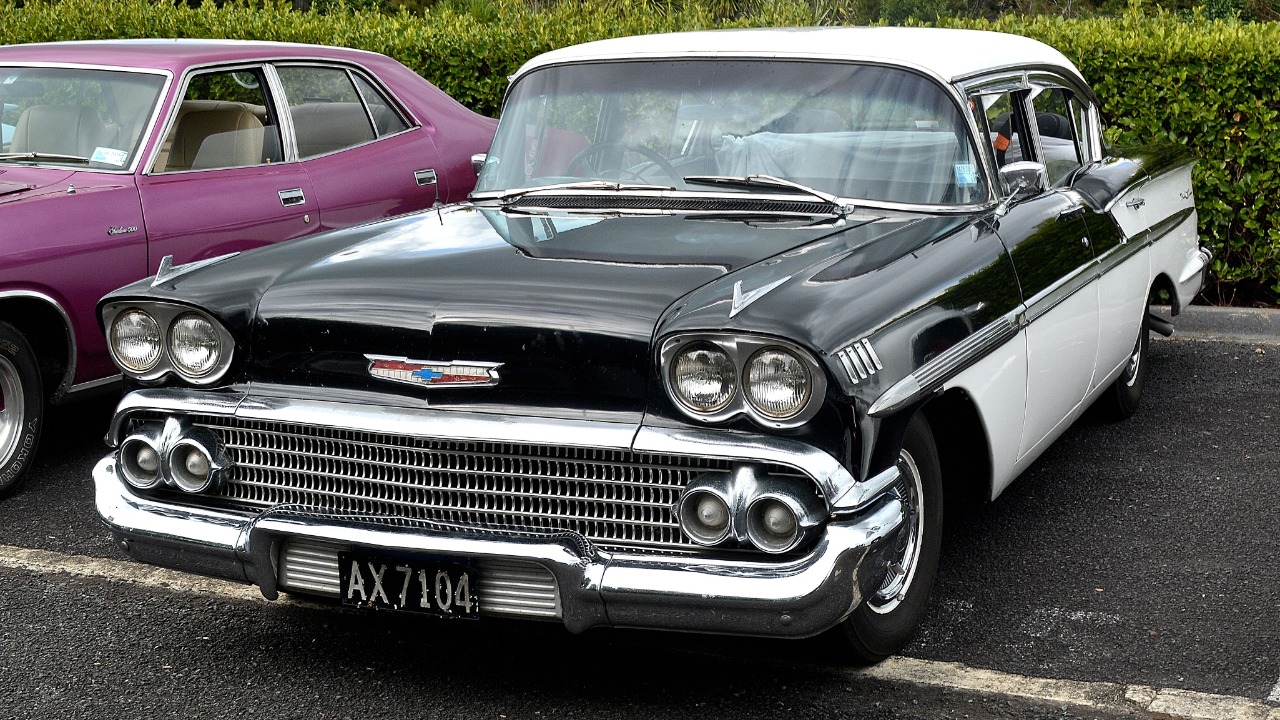
The Bel Air remains one of the clearest symbols of 1950s American car design. Its sweeping body lines, generous chrome, and distinctive tail fins captured the optimism of the era without making the car difficult to recognize. Different generations brought major styling changes, but the most famous versions remain instantly identifiable. The Bel Air also benefited from Chevrolet’s enormous popularity, ensuring that its design became deeply connected with American car culture. Even decades later, a well-preserved example looks like exactly what a classic American car should be.
Ford Mustang
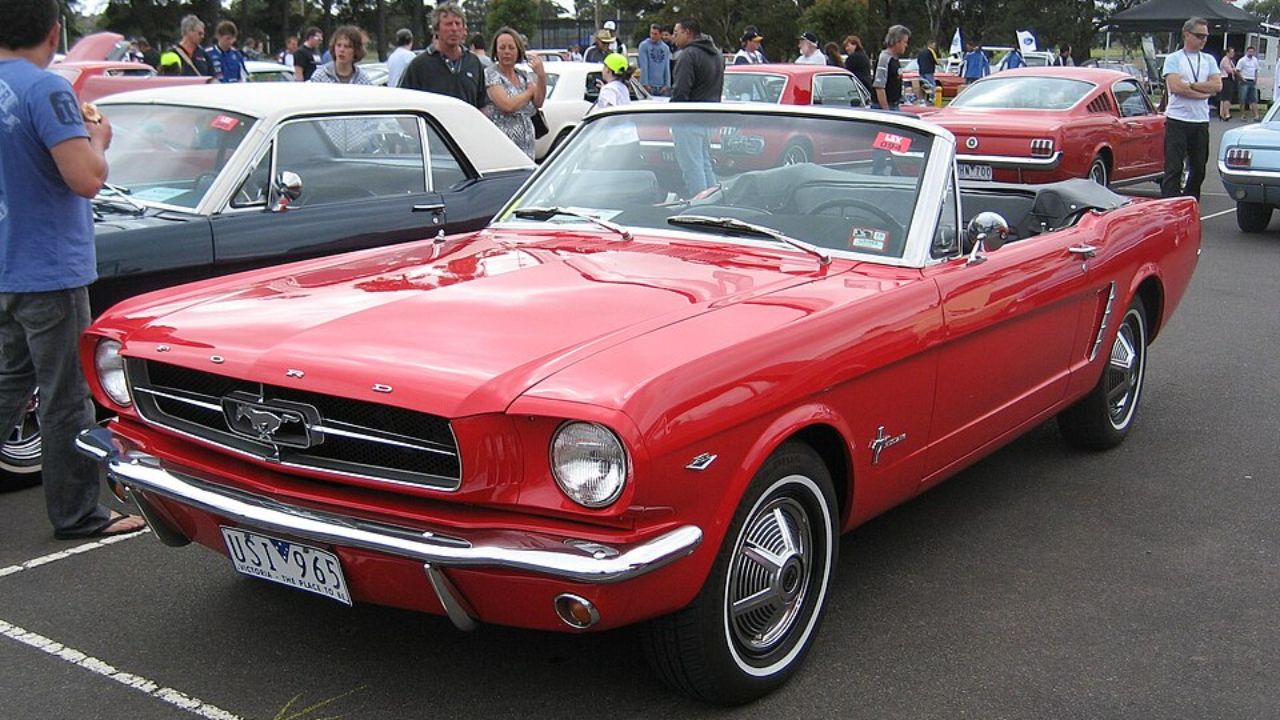
The Mustang established a design formula that still influences the model today. Its long hood, short rear deck, compact dimensions, and sporty proportions gave it an identity that separated it from traditional full-size American cars. Early examples remain especially recognizable because the basic shape was clean rather than excessively complicated. The Mustang also benefited from an enormous range of versions, allowing buyers to choose everything from simple transportation to serious performance. Its ability to evolve without losing its basic visual identity has kept it relevant for generations.
Cadillac Eldorado
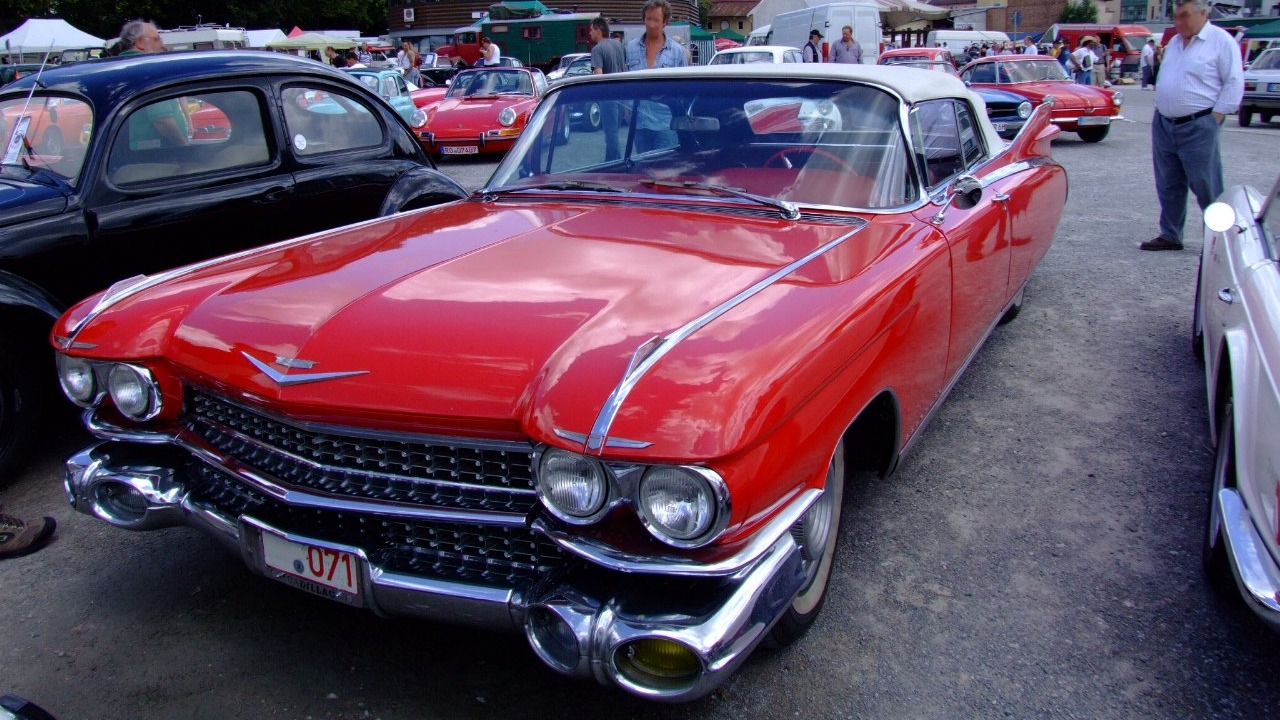
The Eldorado represented Cadillac’s idea of personal luxury at its most distinctive. Across its many generations, the name appeared on cars ranging from elegant convertibles to enormous front-wheel-drive coupes. Some versions were extravagantly decorated, while others relied on cleaner lines and restrained details. What connects them is a strong sense of occasion. The Eldorado never looked like an ordinary car, and that quality has helped its best designs remain desirable even as automotive styling has changed dramatically.
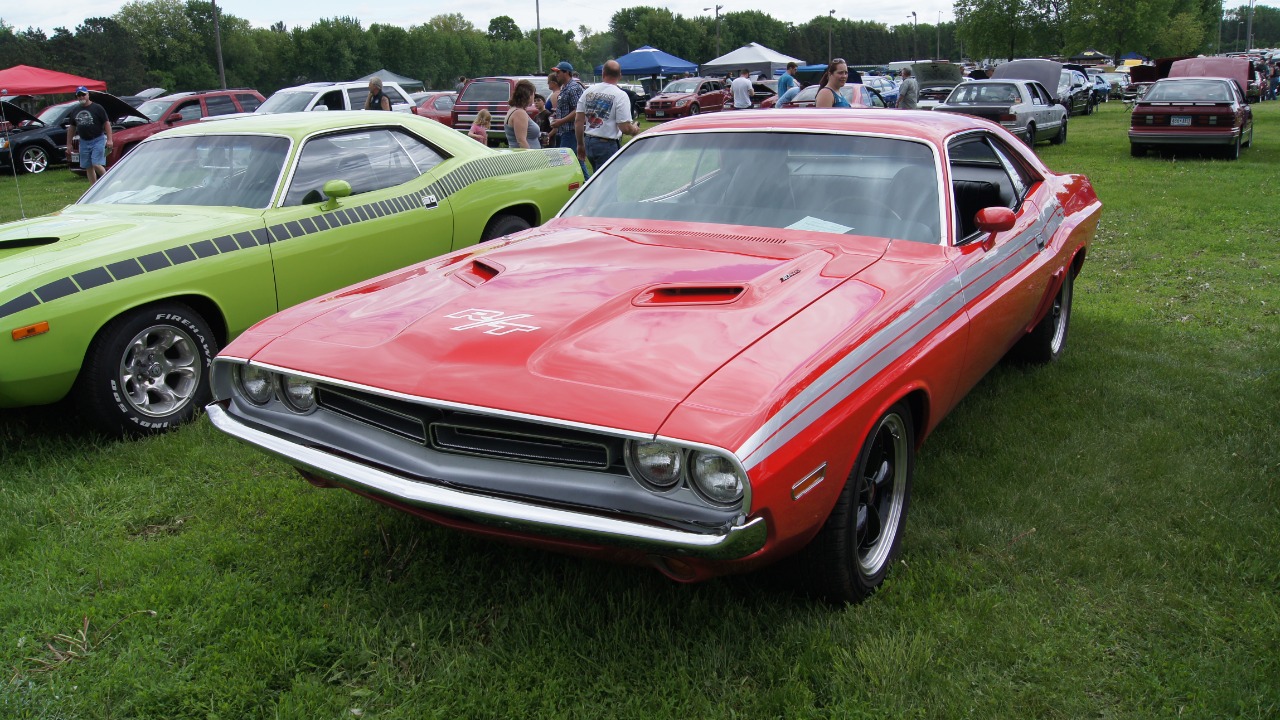
Dodge Challenger
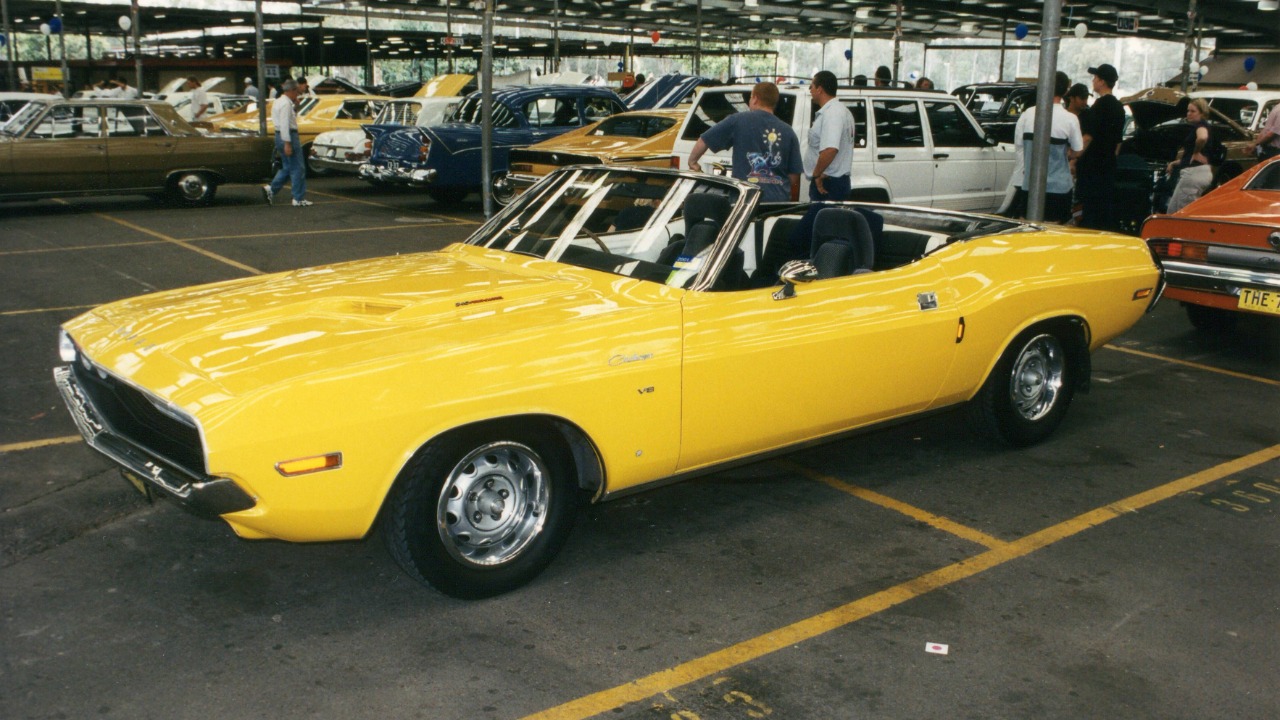
The Challenger arrived during the classic muscle-car era with a broad body, long hood, and strong performance options that immediately gave it a memorable identity. Its styling was muscular without being overly complicated, which helped it age particularly well. The modern revival also reinforced the original design’s cultural importance, bringing renewed attention to earlier examples. A classic Challenger still looks purposeful today because its basic proportions are so easy to understand. It is one of those cars that can be recognized from a distance without needing a badge.
Pontiac GTO
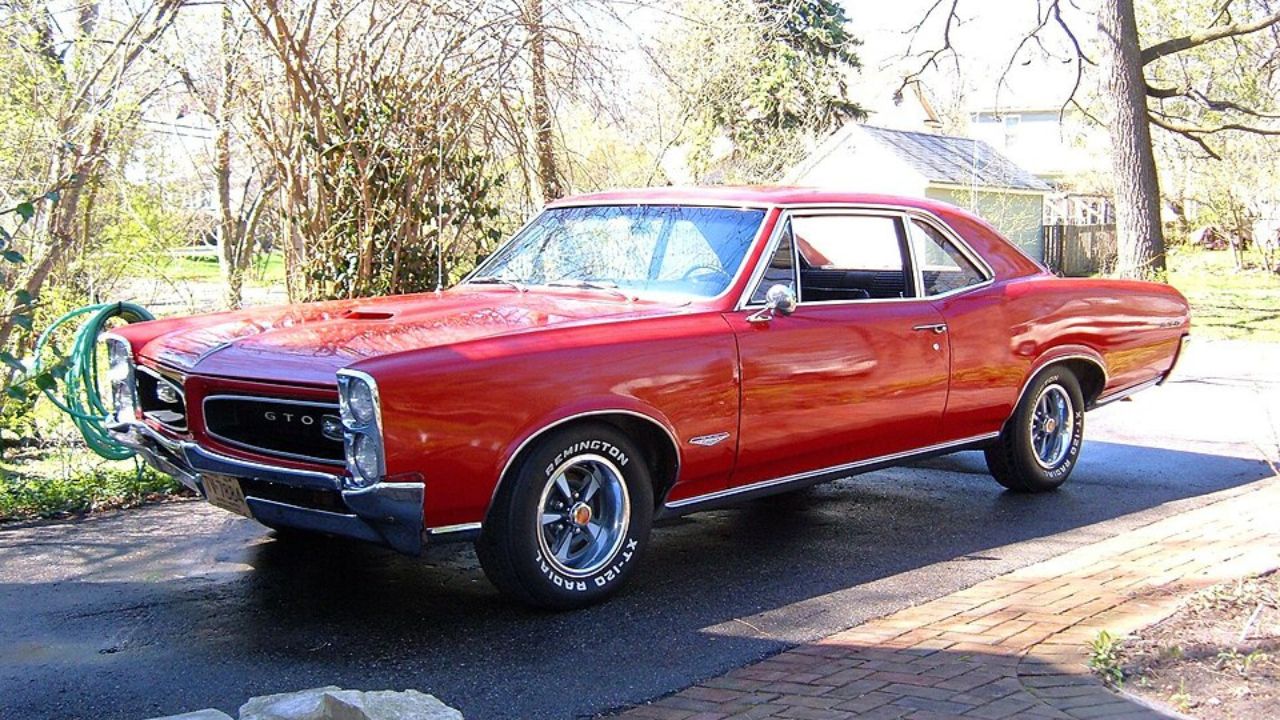
The GTO helped establish the muscle-car formula and gave Pontiac one of the most recognizable performance identities of its era. Its styling evolved across several generations, but the combination of a relatively compact body and large-displacement V8 power remained central to its character. The split grille, hood scoops, and bold badging became especially memorable. Even though the GTO was designed decades ago, its proportions still communicate performance without relying on modern styling tricks.
Chevrolet Corvette Sting Ray
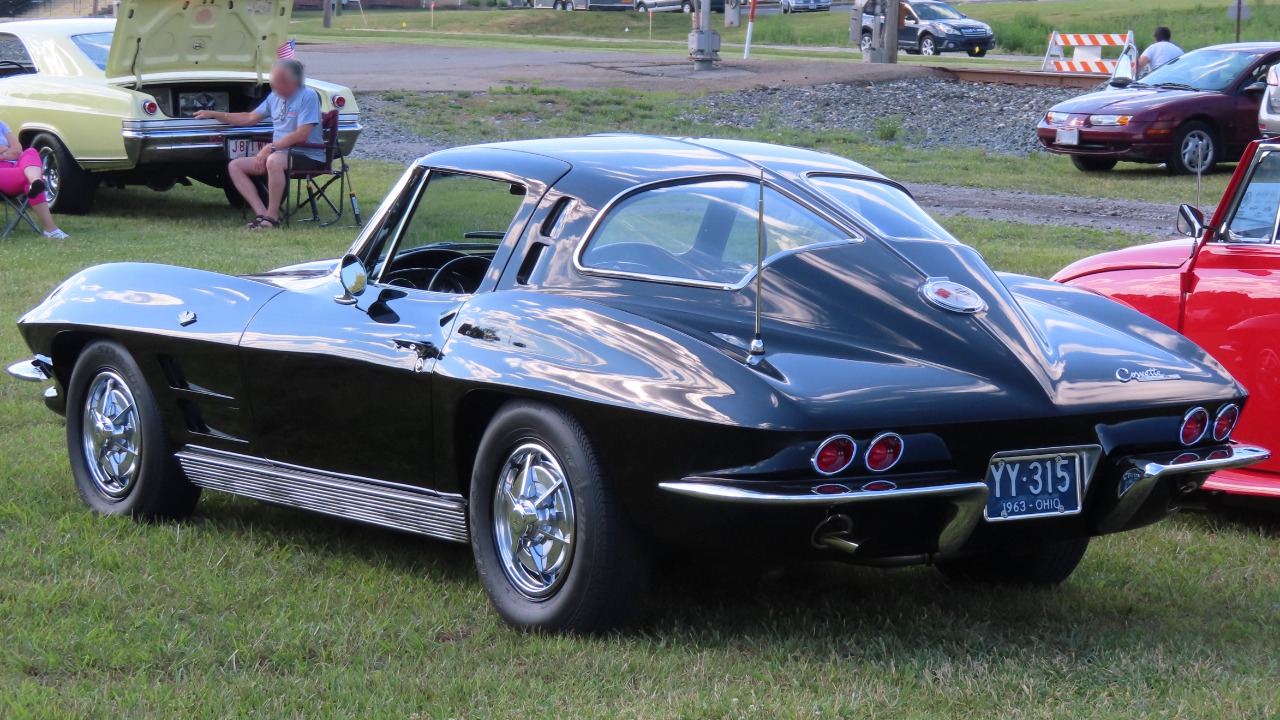
The Sting Ray brought a more sophisticated and sculpted appearance to the Corvette. Its sharply defined body, hidden headlights, split-window design on the early coupe, and dramatic rear treatment made it one of the most distinctive American sports cars of the 1960s. Later versions refined the shape without abandoning its basic character. The design remains influential because it balanced curves and sharp edges in a way that still looks purposeful. Few classic American sports cars have retained such a strong visual identity.
Buick Riviera
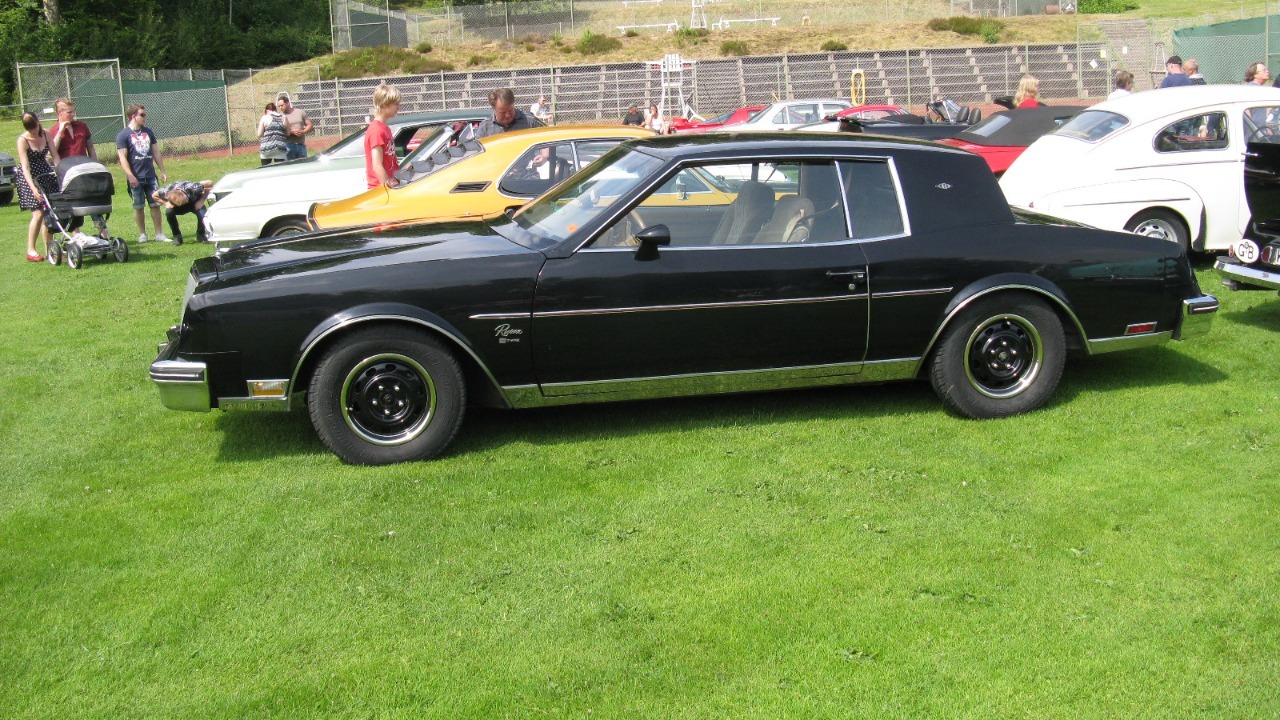
The Riviera showed that American luxury could be elegant without being covered in excessive decoration. Its low roof, long hood, clean body sides, and carefully integrated grille gave it a sophisticated appearance. Early examples in particular have a restrained quality that still looks contemporary. Buick also offered substantial V8 power, giving the Riviera more than enough performance for its role as a personal luxury coupe. Its combination of comfort, proportions, and understated styling has allowed it to age exceptionally well.
Pontiac Firebird

The Firebird developed a strong identity separate from its Camaro sibling, especially as Pontiac increasingly emphasized dramatic styling. Its long hood, low roofline, and available performance equipment gave it a naturally aggressive appearance. Later Trans Am models became particularly famous, but even standard Firebirds have remained visually distinctive. The design changed considerably from generation to generation, yet Pontiac consistently gave the nameplate enough personality to keep it recognizable. That sense of individuality remains a major reason enthusiasts remember it.
Ford Thunderbird
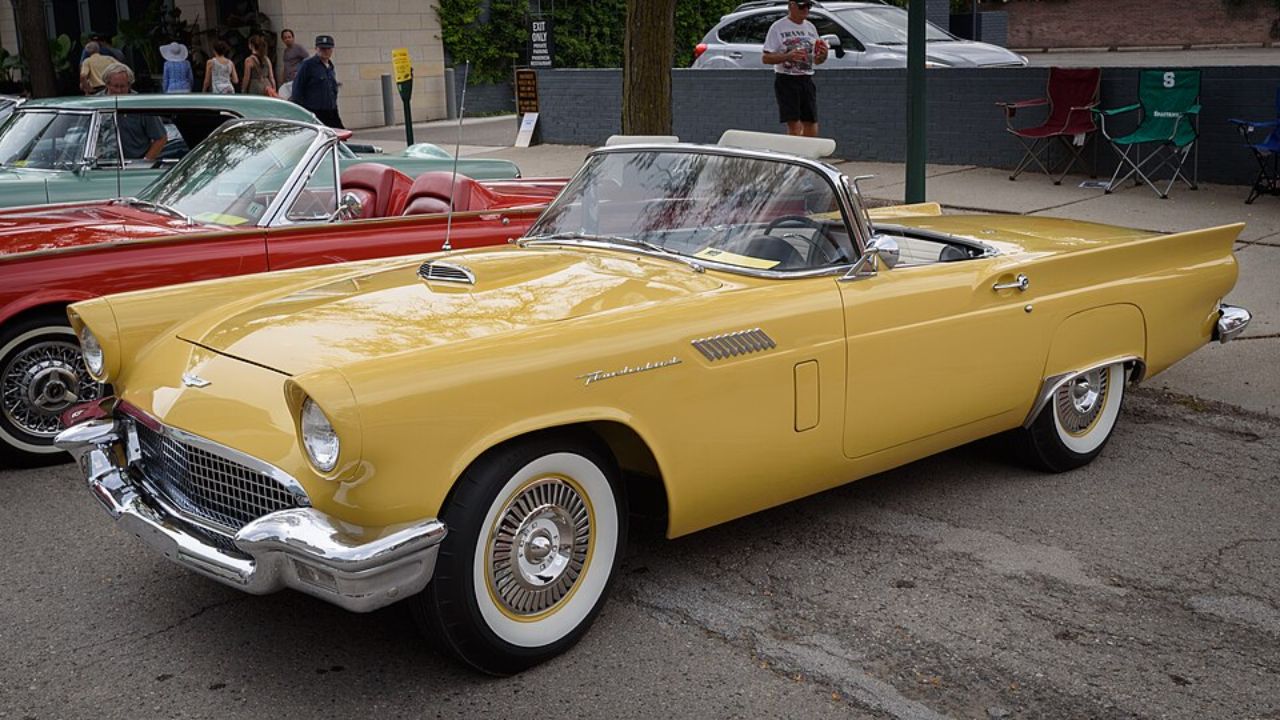
The Thunderbird began as a compact two-seat personal car before evolving into a larger luxury-oriented model. That transformation produced several distinct generations, but the earliest cars remain especially influential. Their rounded bodywork, low profile, and carefully integrated details created a style that was sporty without becoming purely performance-focused. Later Thunderbirds became symbols of American personal luxury. The nameplate’s long history gave it an unusual ability to adapt while retaining a recognizable connection to its past.
Plymouth Barracuda
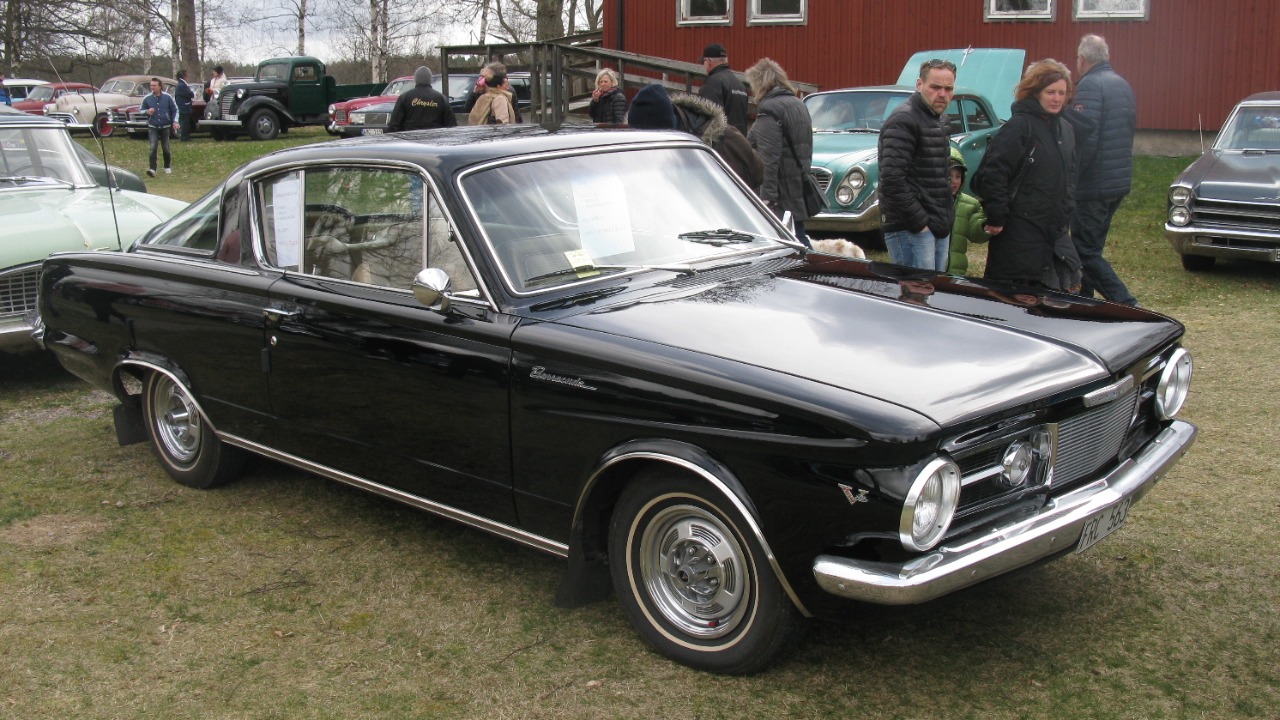
The Barracuda deserves attention for being one of the early American cars to combine compact dimensions with a performance-oriented identity. The original fastback was distinctive, while later generations developed a much more muscular appearance. The second-generation body in particular became one of the most recognizable shapes of the muscle-car era. Its relatively compact proportions helped give it a different visual character from larger American coupes. Even today, a clean Barracuda is difficult to mistake for anything else.
Oldsmobile 442
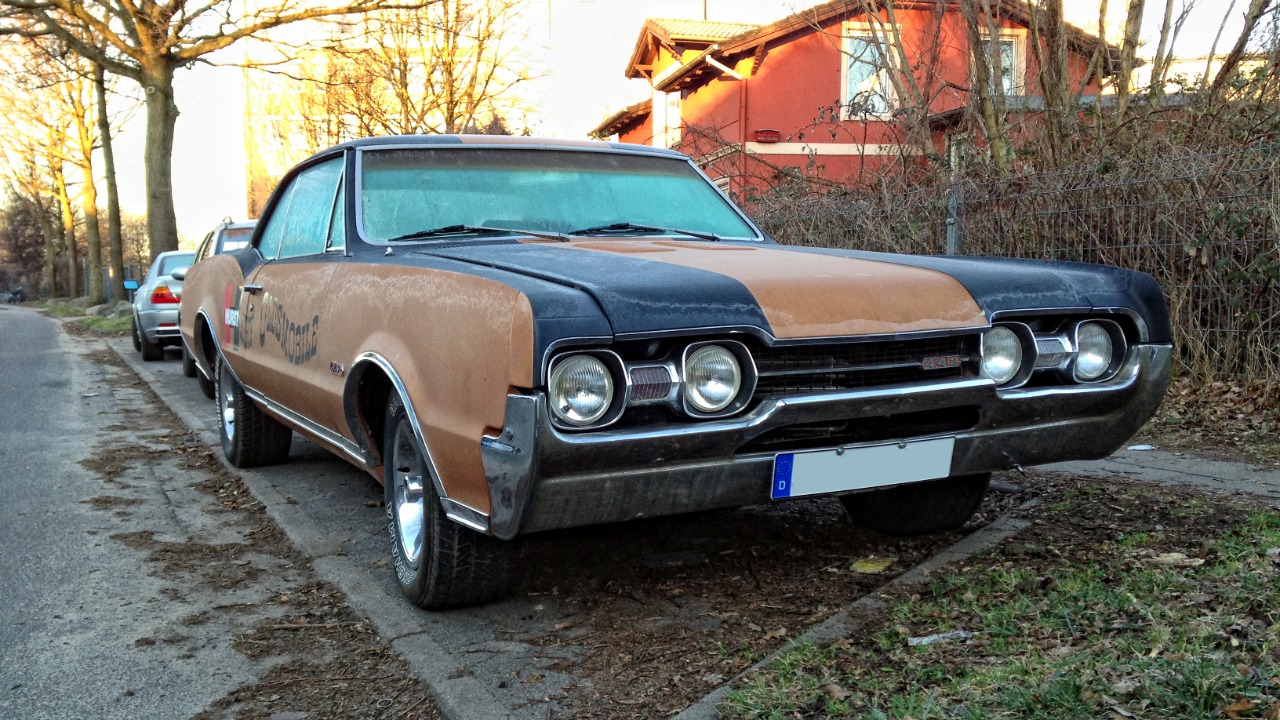
The 442 combined Oldsmobile’s upscale image with serious performance. Its various generations offered different interpretations of the formula, but the most famous versions developed a muscular stance without abandoning the brand’s more refined character. Hood scoops, stripes, badges, and distinctive grilles gave the car enough visual drama while keeping its basic proportions clean. The 442 remains appealing because it occupies a sweet spot between a traditional muscle car and a more sophisticated personal coupe.
Lincoln Continental
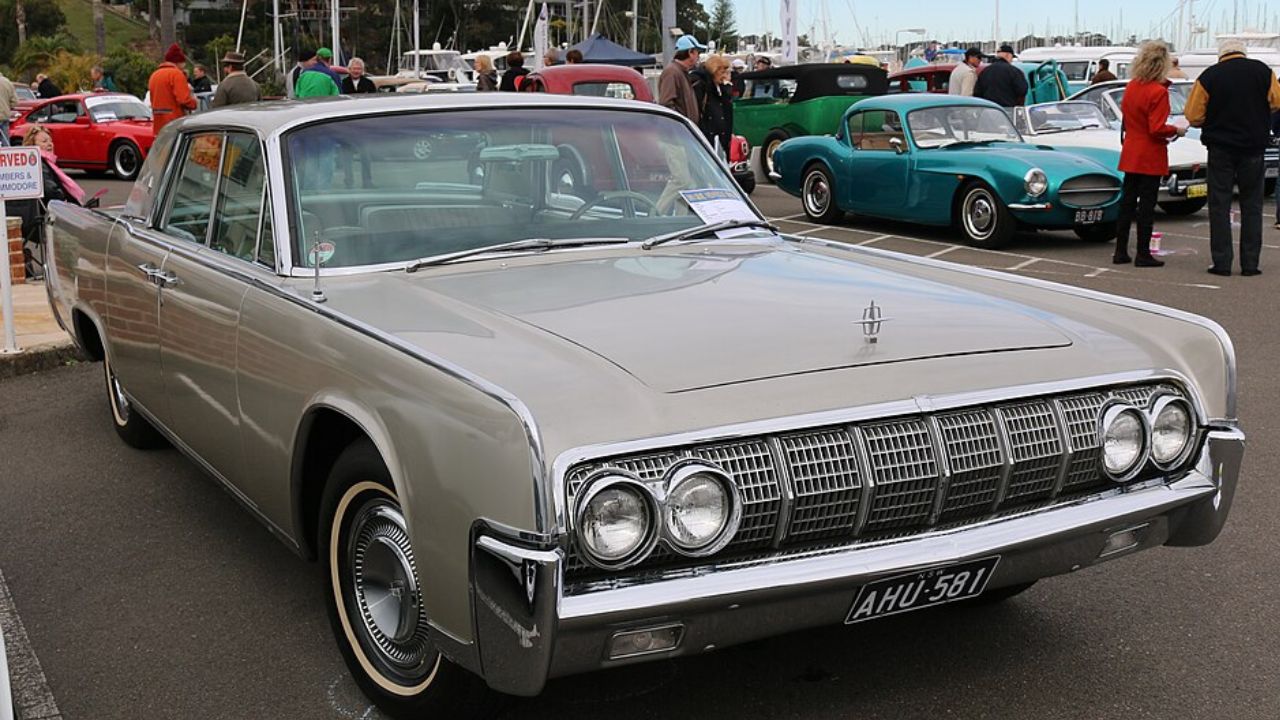
The Continental became one of the most recognizable American luxury cars of the 1960s. Its clean slab-sided body, restrained trim, and distinctive rear-hinged doors gave it a visual identity unlike most competitors. The convertible became particularly famous, but the sedan itself is arguably just as important to the design’s legacy. Unlike many contemporary luxury cars, the Continental did not need excessive ornamentation to look expensive. Its simple proportions and formal character still make it instantly recognizable.
Chrysler 300

CC BY 2.0 / Wiki Commons
The Chrysler 300 helped establish the idea that a large American luxury car could also have genuine performance credentials. Its bold grille, long body, and powerful V8 engines gave it a presence that separated it from ordinary Chrysler sedans. Different generations interpreted the formula differently, but the original letter-series cars remain particularly memorable. The combination of restrained luxury and serious power gives the 300 a character that still feels distinctive among classic American cars.
Plymouth Fury
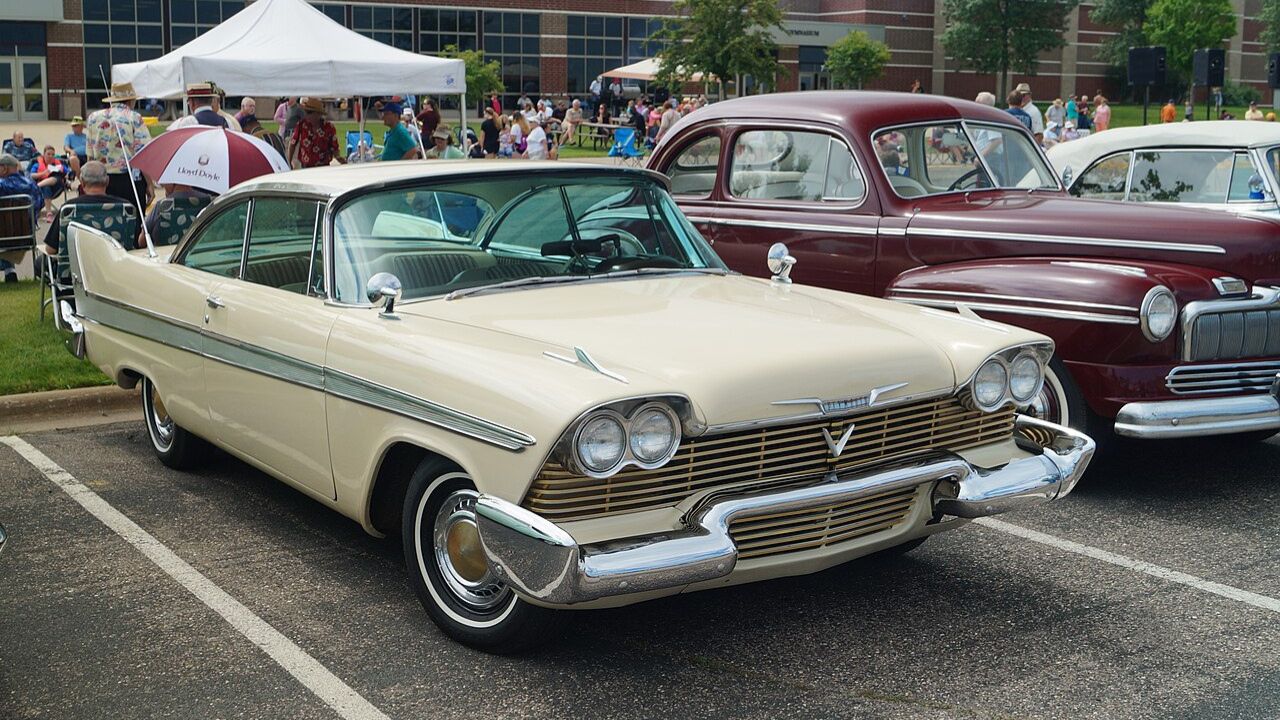
The Fury went through numerous styling phases, ranging from sporty coupes to enormous full-size sedans. Its most dramatic designs captured the excess of mid-century American styling, while later versions became more restrained. The 1958 model gained an additional layer of cultural recognition through its association with the novel and film Christine. Even without that connection, the Fury would remain memorable because of its bold proportions, dramatic details, and unmistakably American character.
Mercury Cougar
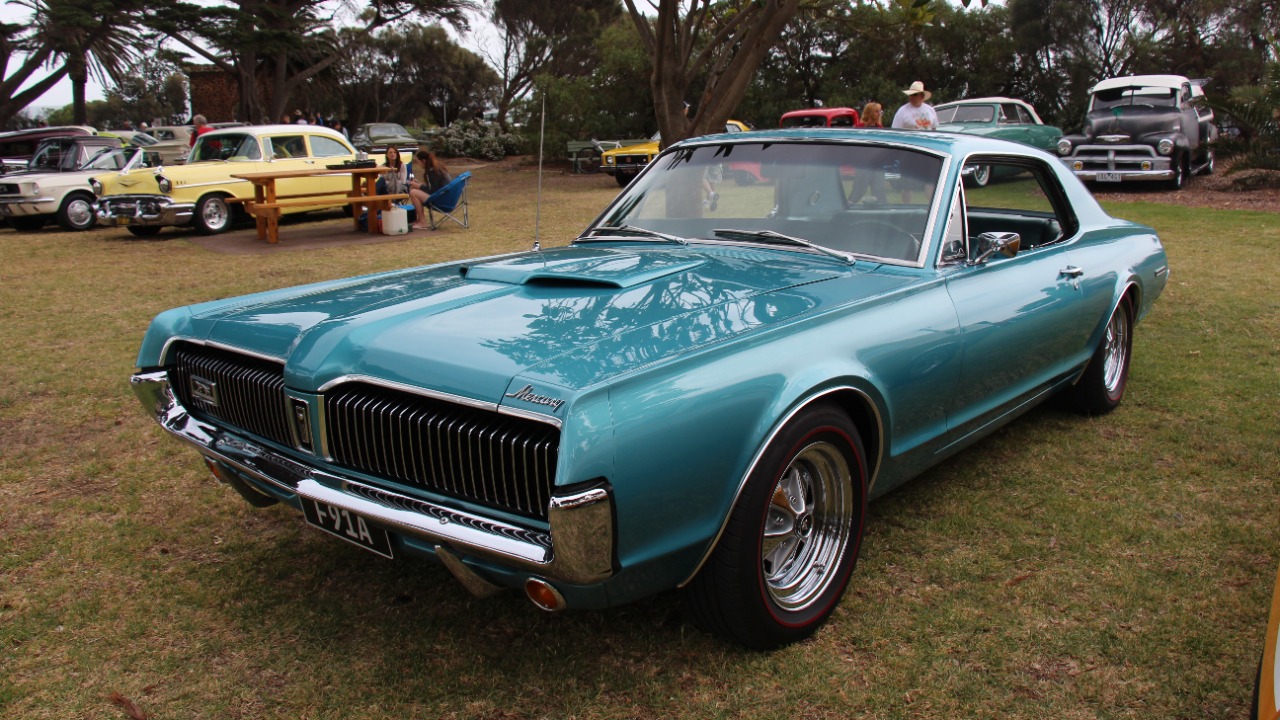
The Cougar gave Mercury a stylish performance coupe that was related to the Mustang but deliberately aimed at a somewhat more refined audience. Its hidden headlights, long hood, formal grille, and elegant body lines created a distinctive appearance. Early Cougars in particular remain attractive because they balance sporty proportions with a more sophisticated personality. The car’s relationship with the Mustang also gave it strong mechanical foundations, but its own styling helped ensure that it developed a separate identity.
Chevrolet Nova
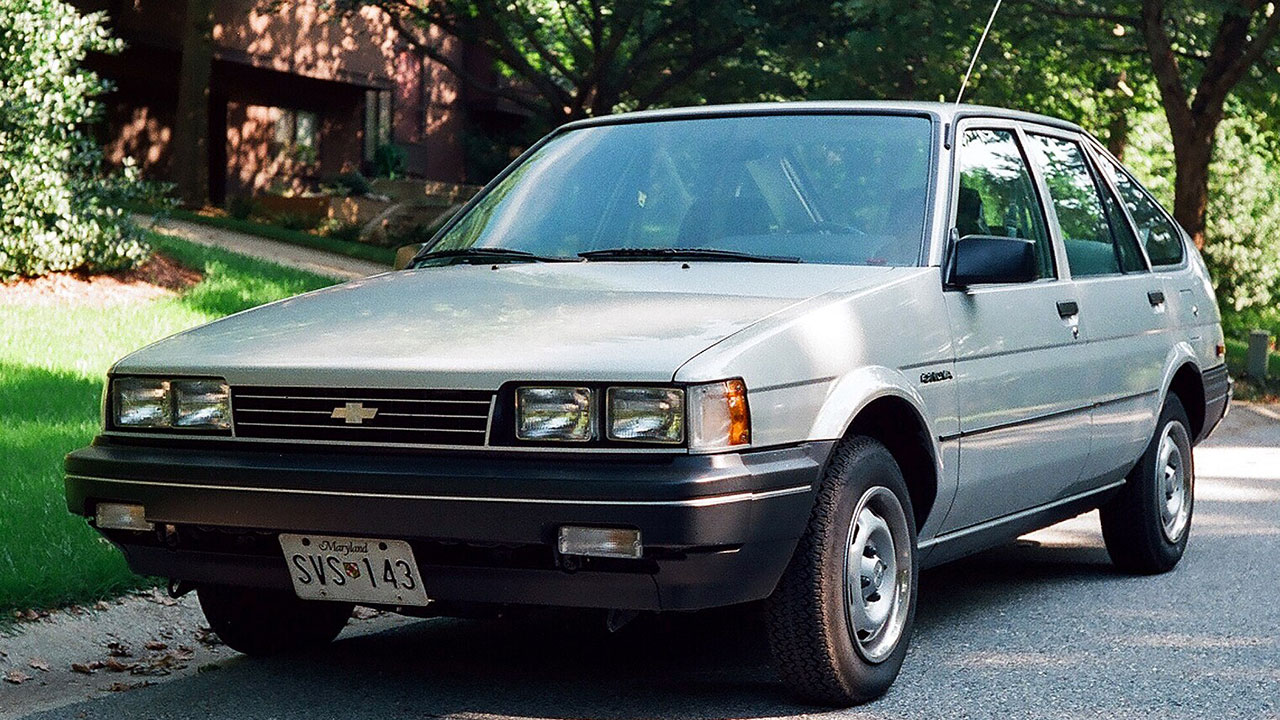
The Nova started as a practical compact but eventually became one of Chevrolet’s more interesting performance platforms. V8-powered versions gave the relatively small body serious muscle-car capability, while the clean styling has aged remarkably well. Unlike some heavily decorated cars from the same period, the Nova’s basic shape is simple and easy to appreciate. That understated character also makes performance versions particularly appealing. The combination of compact proportions and available V8 power gives the Nova a lasting place in American car culture.
Ford Torino
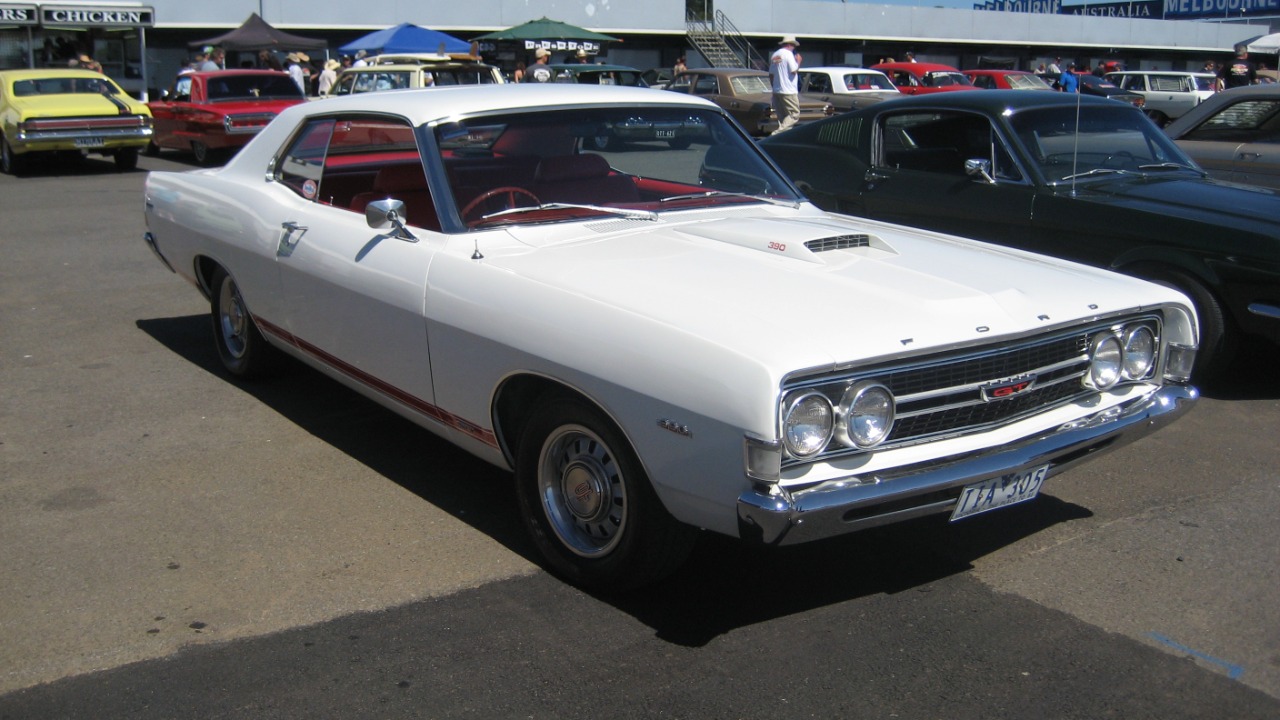
The Torino represented Ford’s move into the increasingly important intermediate performance market. Its body styles ranged from practical sedans to sporty fastbacks, with performance versions adding serious V8 power. The later fastback designs became particularly memorable because of their long, flowing rooflines and muscular stance. The Torino also developed a strong connection with NASCAR, which added another layer to its identity. Today, the best examples still look unmistakably like products of Detroit’s performance era.
Buick Grand National
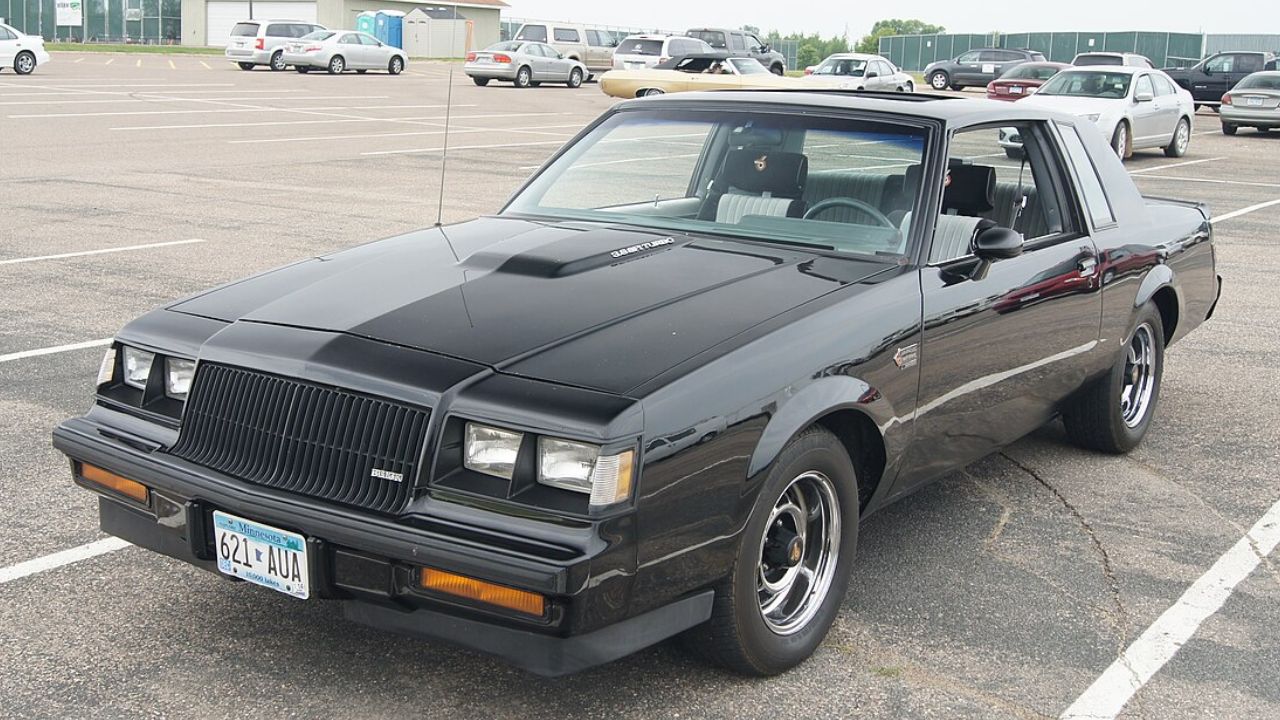
The Grand National proved that a performance car did not need bright colors, chrome, or a massive V8 to make an impression. Its dark appearance and understated body concealed a turbocharged V6 that gave the car serious acceleration. The clean, squared-off styling has aged surprisingly well because it avoids many of the decorative trends associated with the 1980s. The Grand National’s combination of subtle looks and unexpected performance has made it one of the most memorable American performance cars of its generation.
Chevrolet El Camino
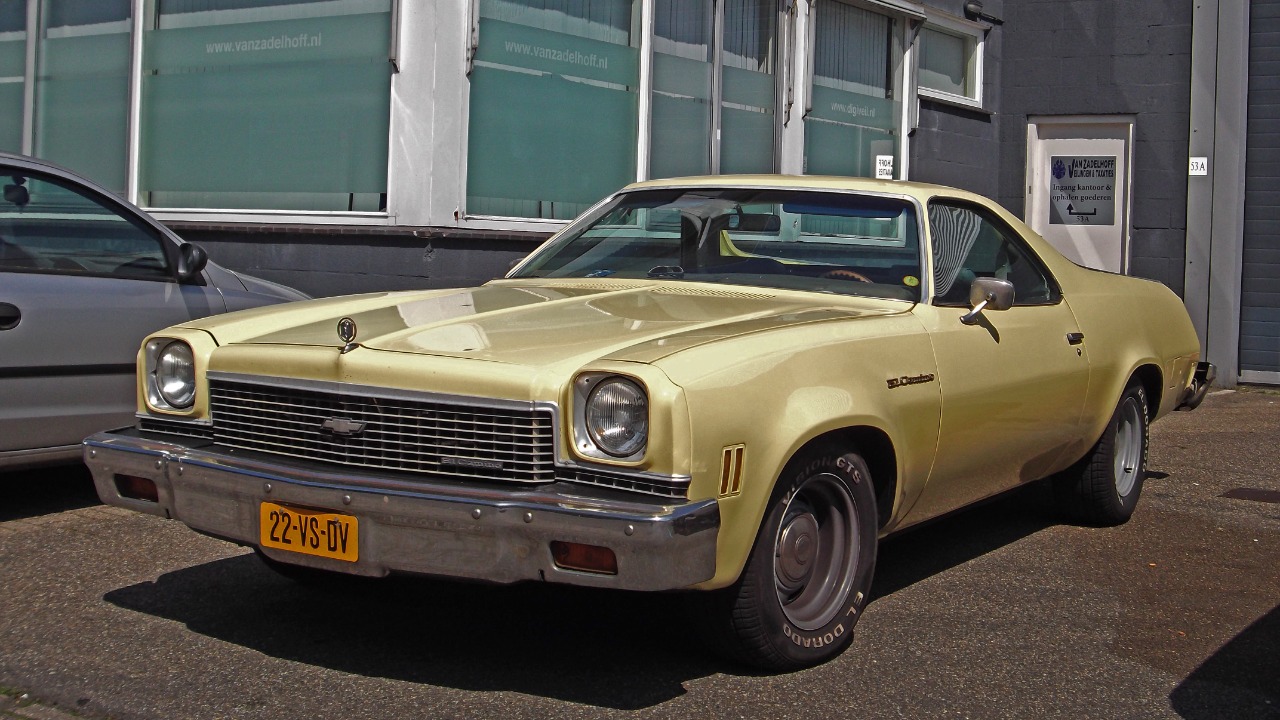
The El Camino never fit neatly into the traditional categories of car or pickup, and that is precisely why its design remains so memorable. Its long hood, low cabin, and open cargo bed created a silhouette that modern vehicles rarely replicate. Performance versions added another dimension, but the basic shape was distinctive even in ordinary configurations. The El Camino’s unusual proportions have allowed it to remain recognizable across decades, making it one of Chevrolet’s most enduringly individual designs.
Studebaker Avanti
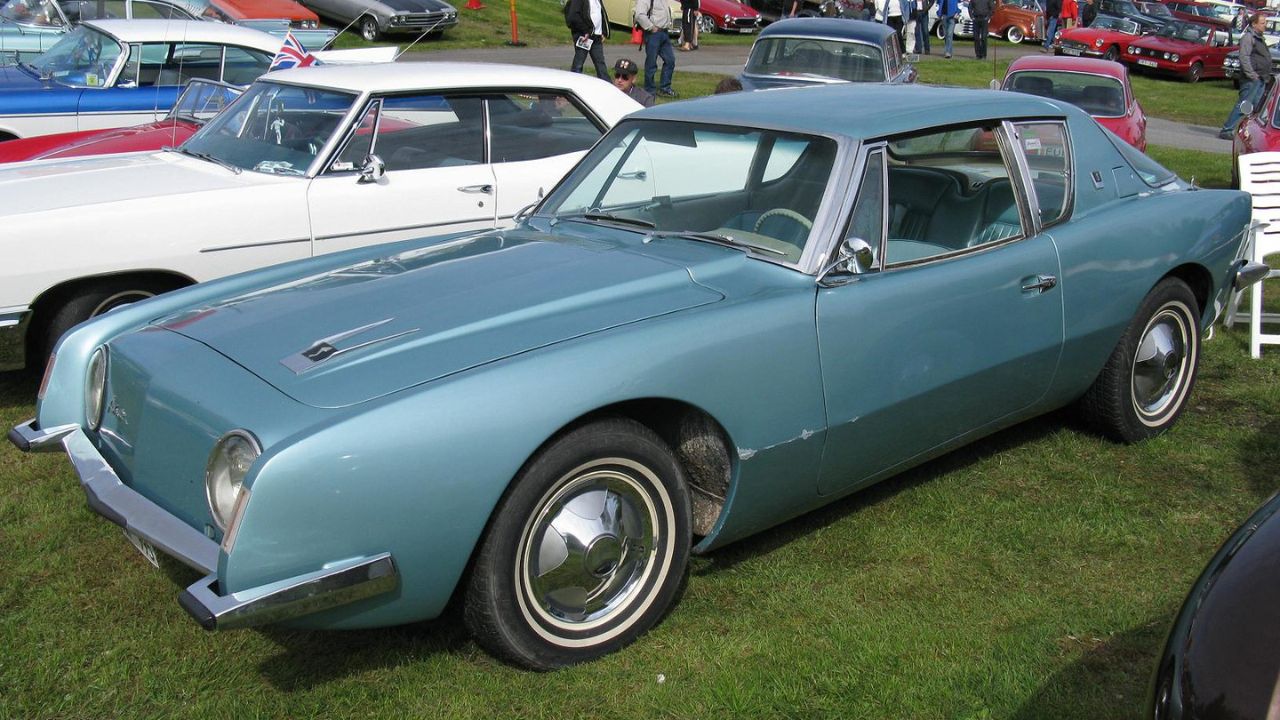
The Avanti was one of the boldest designs to come from an American manufacturer during the early 1960s. Its low nose, sweeping roofline, and almost complete lack of traditional chrome made it look dramatically different from most domestic cars of the period. The fiberglass body also gave it an unusual construction. Despite Studebaker’s eventual decline, the Avanti developed a lasting reputation as a design statement. Its clean lines still look remarkably modern compared with many of its contemporaries.
More from Fast Lane Only
- Unboxing the WWII Jeep in a Crate
- 15 rare Chevys collectors are quietly buying
- 10 underrated V8s still worth hunting down
- Police notice this before you even roll window down
*Research for this article included AI assistance, with all final content reviewed by human editors.