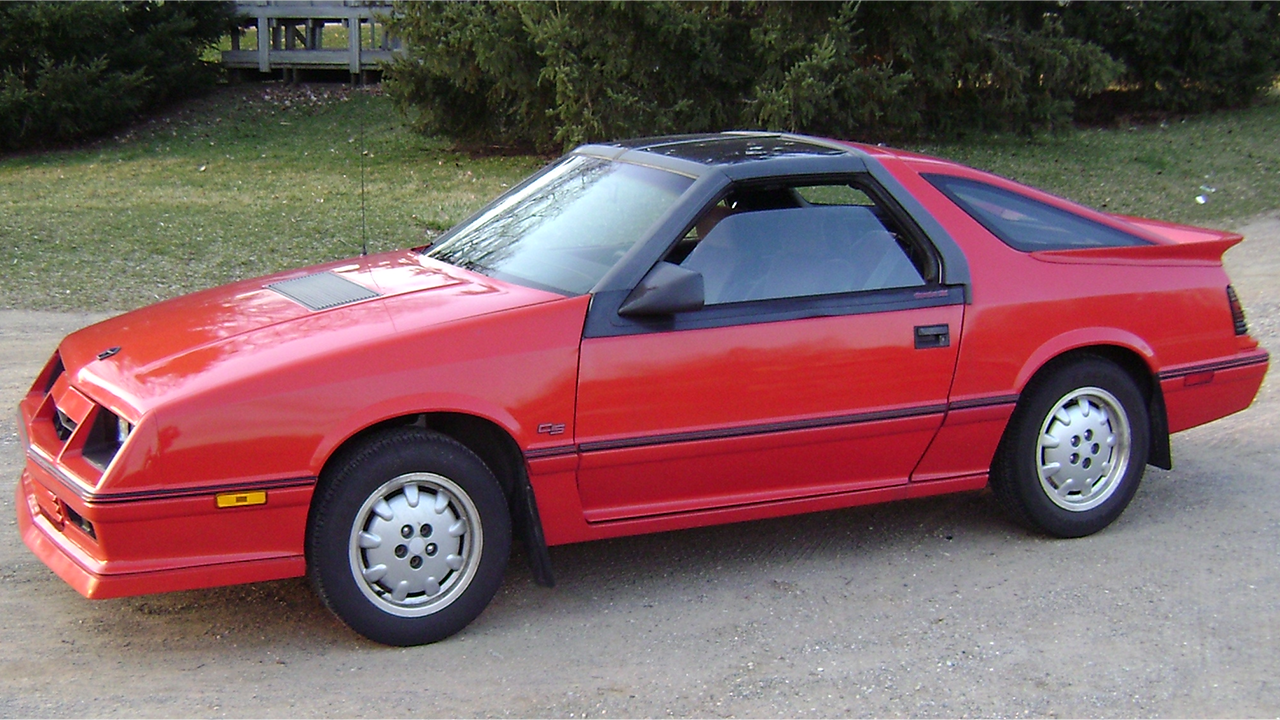
Not every performance car gets the recognition it deserves when it is new. Some arrive at the wrong time, while others are overshadowed by more famous rivals or simply carry a badge buyers never associated with speed. These overlooked machines offered real performance in their day, yet many have faded from the conversation. Looking back, their combination of power, handling, technology, and character makes them worth remembering.
Oldsmobile Jetstar I
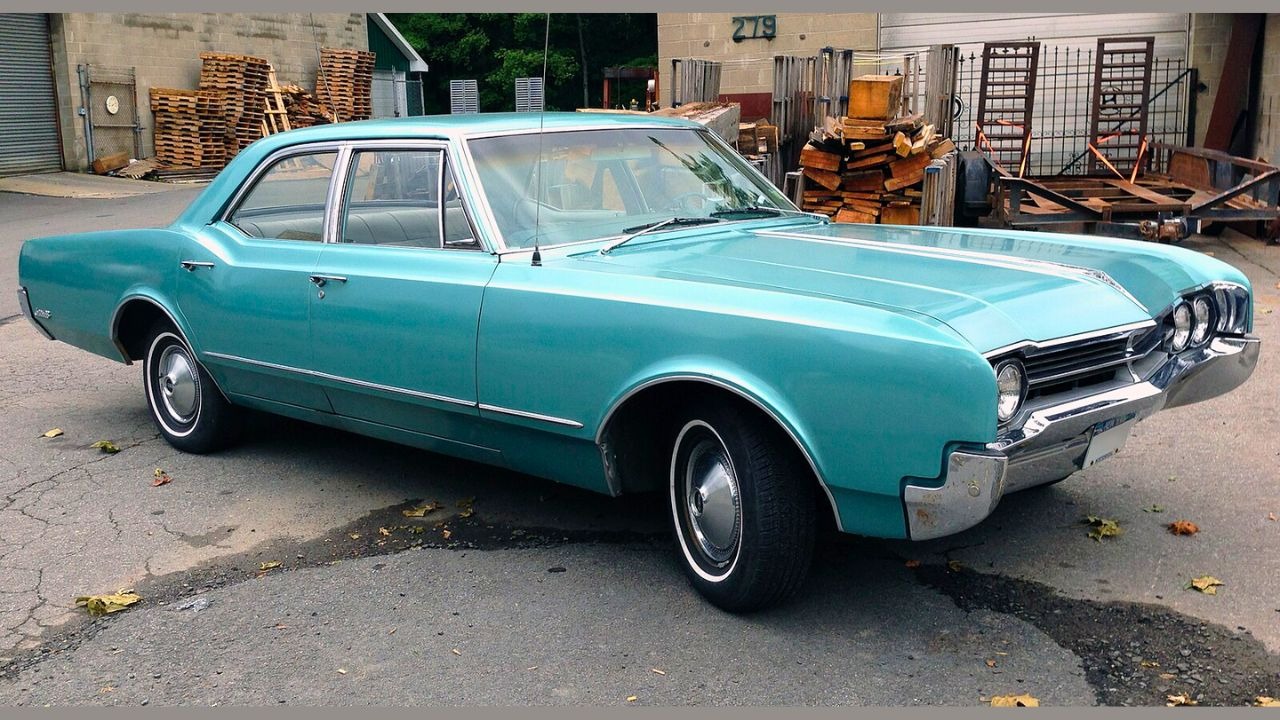
The Jetstar I was one of Oldsmobile’s more interesting performance experiments of the 1960s. Its full-size body hid a relatively lightweight package for the class, while the available 425-cubic-inch V8 delivered serious torque. A four-speed manual was also available, giving the car genuine performance credentials. It never achieved the fame of the 442, but period performance testing showed that the Jetstar I could be surprisingly quick. Today, it remains an excellent example of a big American performance car that slipped through the cracks.
Buick Gran Sport
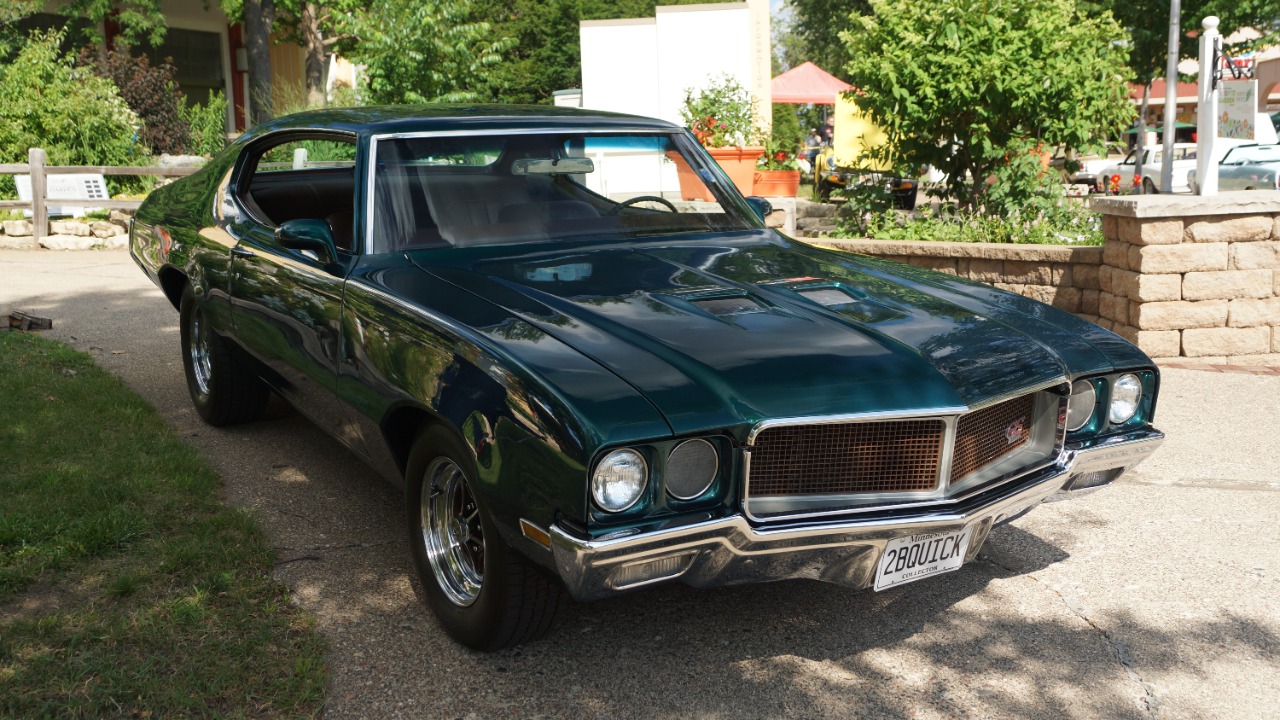
The Buick Gran Sport offered a more understated alternative to the increasingly famous muscle cars of the 1960s. Based on the Skylark, it combined conservative styling with substantial V8 power, allowing buyers to enjoy serious acceleration without driving something that looked overtly aggressive. Later versions became increasingly capable, but the name never achieved the same recognition as the GTO or Chevelle SS. That makes the Gran Sport particularly interesting today. It was a genuine performance Buick that spent much of its life living in the shadow of more famous muscle cars.
Chevrolet Monza
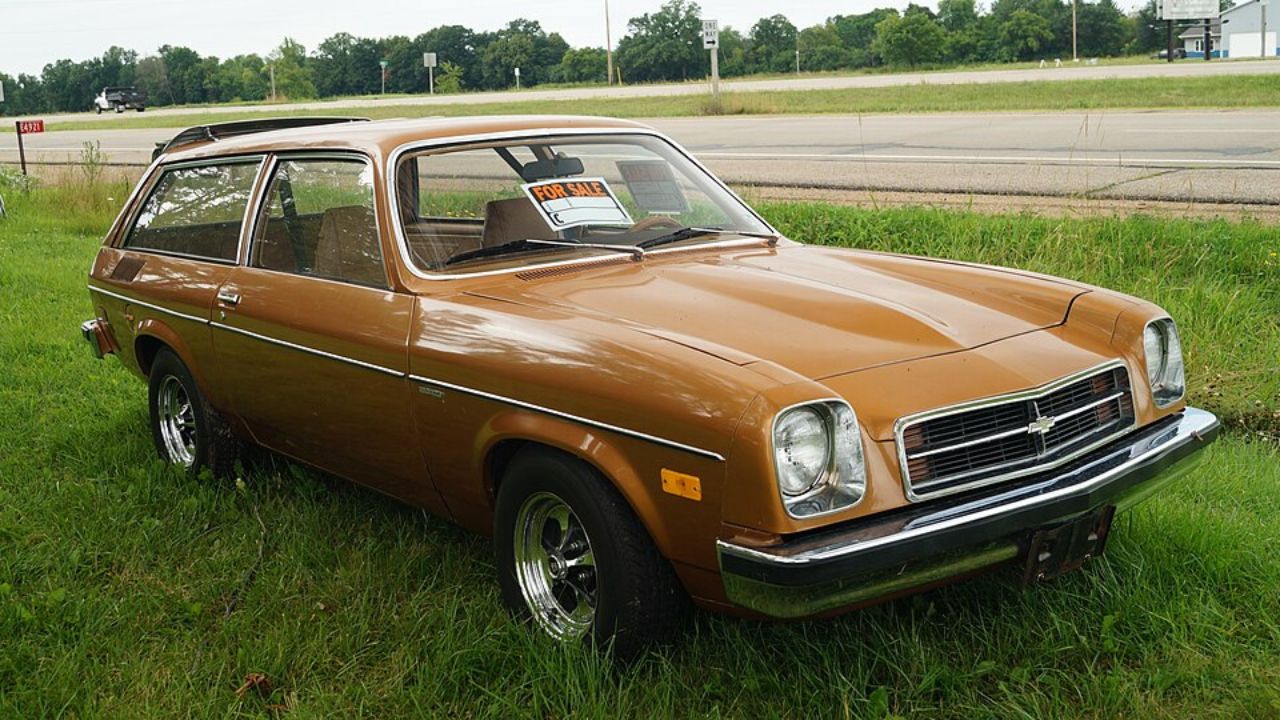
The Monza arrived during a difficult period for American performance cars, but Chevrolet still found ways to give the compact coupe some serious character. Its sleek fastback body looked sporty, while V8 availability made it more interesting than its small dimensions suggested. Performance versions gave enthusiasts another option when traditional muscle cars were becoming increasingly difficult to build. The Monza never became a major collector name, yet its combination of compact styling and available V8 power makes it one of Chevrolet’s more overlooked performance cars.
Ford Probe GT
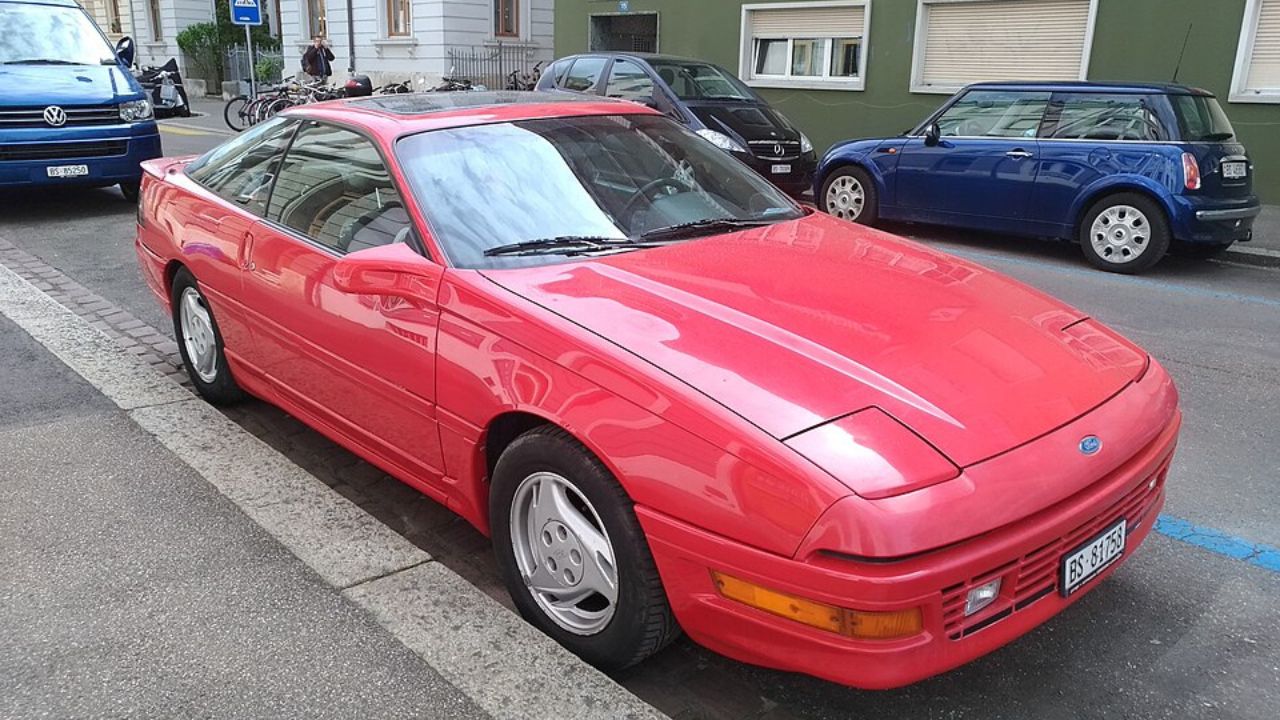
The Probe GT was far more sophisticated than its reputation suggested. Its turbocharged engine, front-wheel-drive layout, independent suspension, and aerodynamic body gave it a distinctly modern character when it arrived. It was not simply another economy coupe with a sporty appearance. The Probe GT could deliver genuine performance while remaining practical enough for everyday use. Unfortunately, the Ford badge and its front-wheel-drive configuration kept it from receiving the same attention as traditional rear-wheel-drive performance cars. Today, clean examples are increasingly unusual.
Pontiac Sunbird Turbo
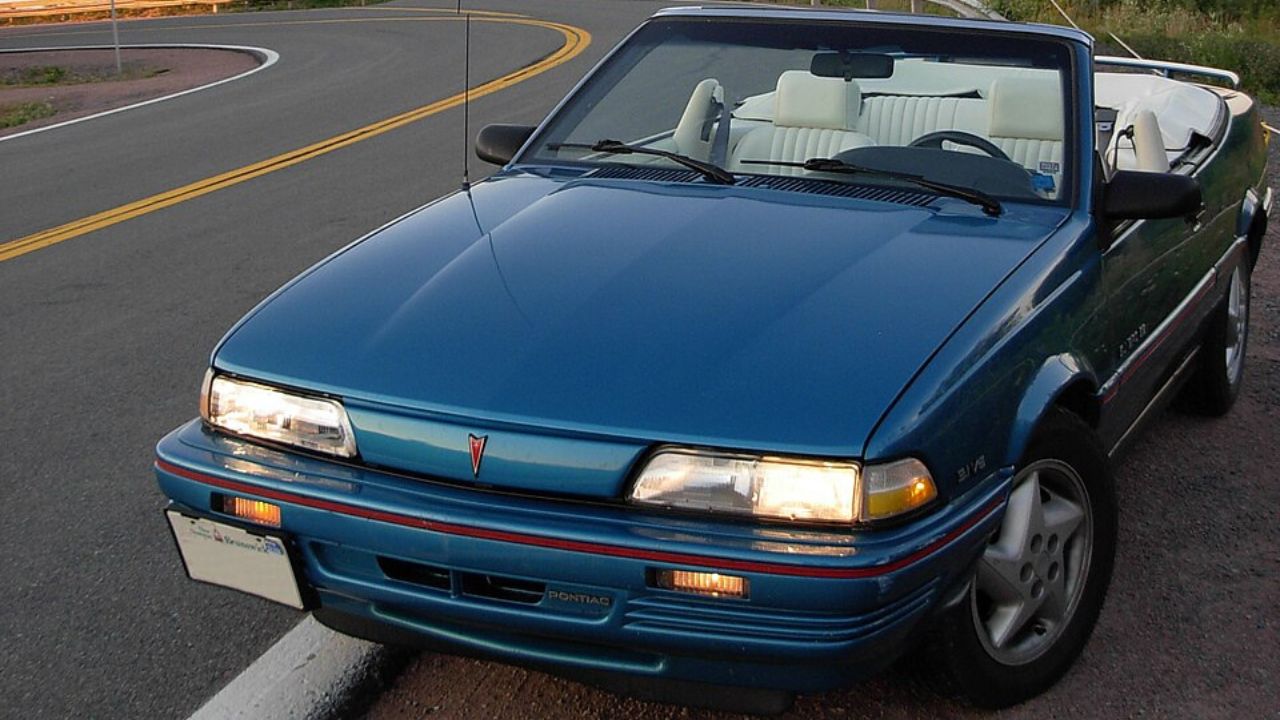
The Sunbird Turbo demonstrated that Pontiac could extract serious performance from a relatively small front-wheel-drive car. Its turbocharged engine gave the compact coupe considerably more punch than its modest appearance suggested. During an era when turbocharging was becoming increasingly important, the Sunbird showed how forced induction could provide strong acceleration without requiring a large-displacement V8. It never developed the following enjoyed by larger Pontiac performance cars, but its combination of small size and turbocharged power makes it an interesting forgotten chapter in the brand’s performance history.
Oldsmobile Cutlass Calais Quad 442
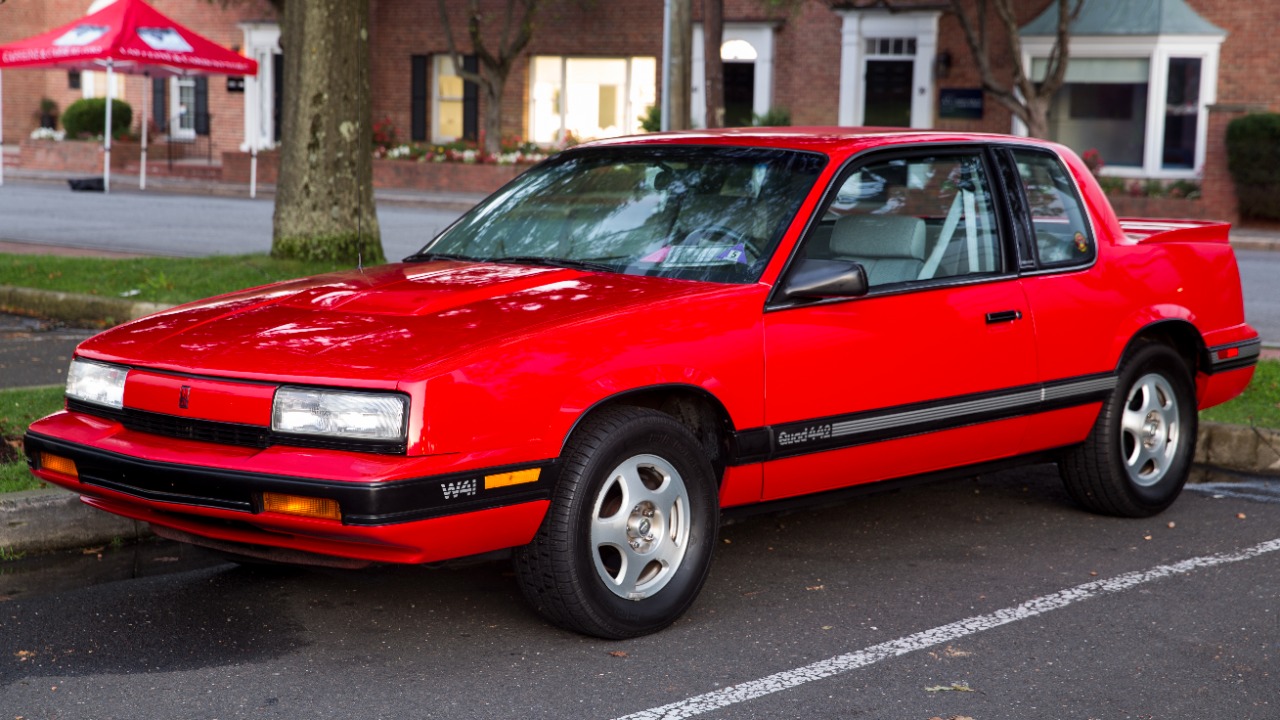
The Quad 442 could hardly have been more different from the classic Oldsmobile 442 that inspired its name. It was a compact front-wheel-drive performance car powered by a high-output four-cylinder engine, and it earned attention in SCCA competition. The car offered sharper handling and a more youthful character than many expected from Oldsmobile. It was easy to overlook because of its modest size and unusual positioning, but it represented an interesting attempt to bring performance to a changing market.
Mercury Capri
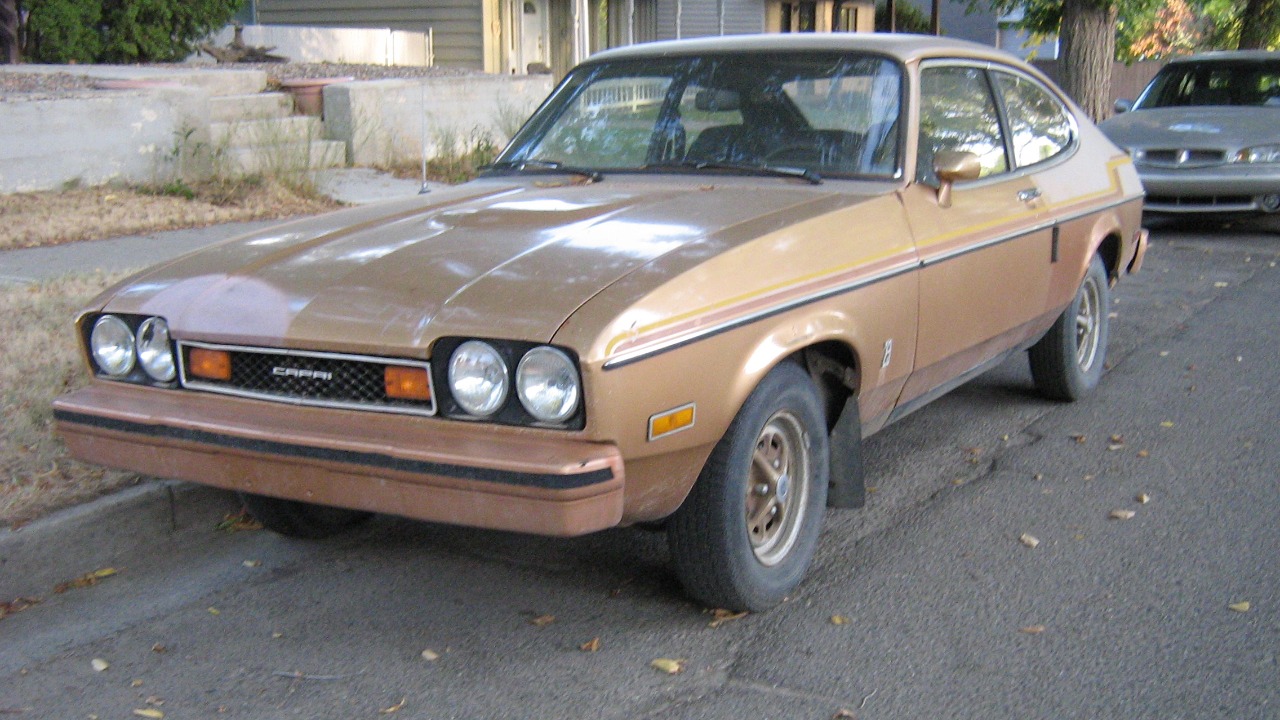
The Capri occupied an unusual position in Mercury’s lineup, offering a compact European-influenced coupe at a time when American buyers were becoming increasingly interested in smaller performance cars. Later versions gained stronger engines and sportier equipment, giving the model more credibility with enthusiasts. The Capri never developed the cultural following of the Mustang, even though the two shared important mechanical connections in some generations. That has left the Capri largely forgotten, despite its appealing proportions and surprisingly capable performance versions.
Dodge Daytona Shelby Z
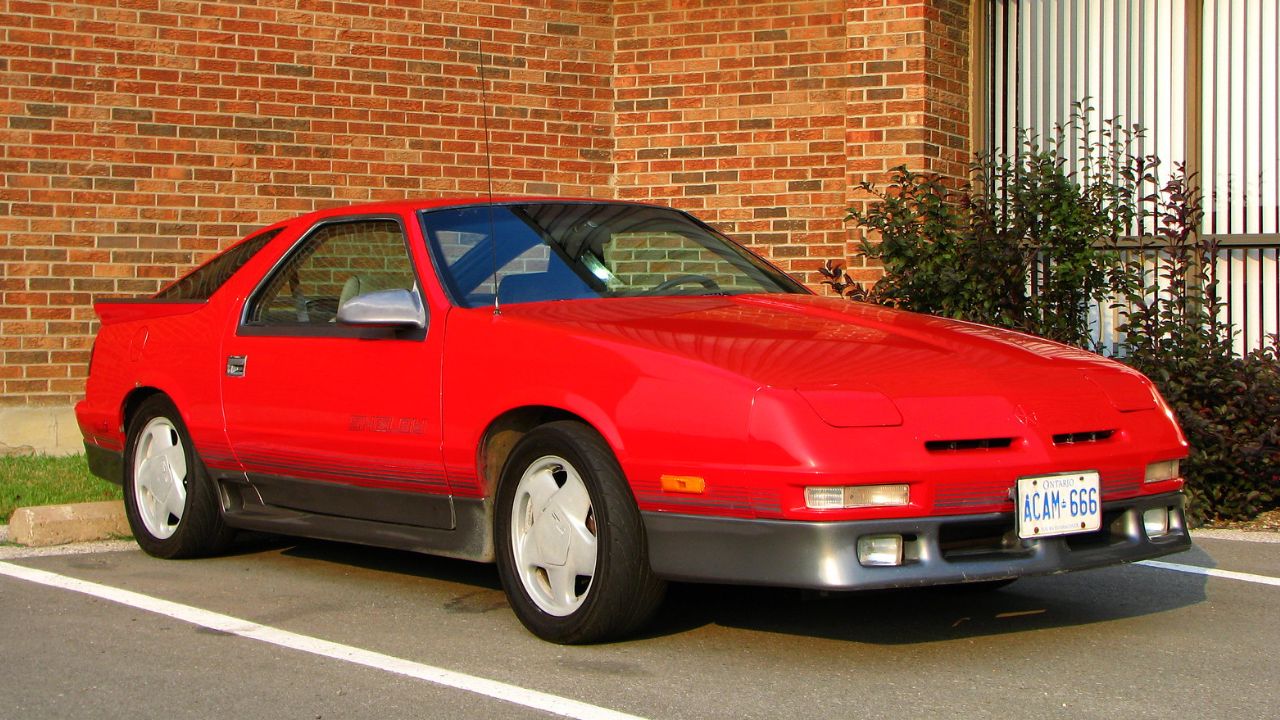
The Daytona Shelby Z showed how much performance could be extracted from a front-wheel-drive platform during the 1980s. Its turbocharged engine, sport suspension, and aerodynamic body made it considerably more serious than the ordinary Daytona. Carroll Shelby’s involvement gave the car additional credibility, but it still struggled to escape the shadow of rear-wheel-drive performance icons. Today, the Shelby Z is an interesting snapshot of the period when American manufacturers were experimenting with turbocharging and front-wheel-drive performance instead of relying exclusively on large V8s.
Ford Taurus SHO
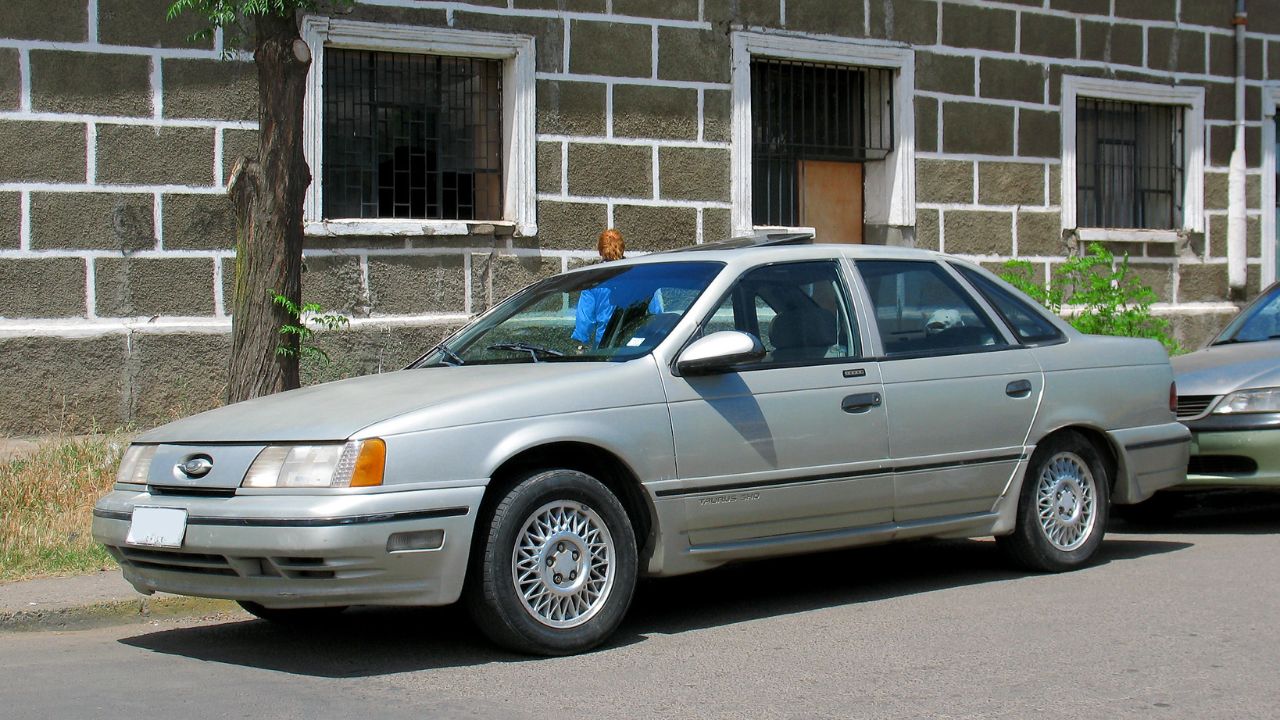
The Taurus SHO was one of Ford’s most surprising performance projects. Instead of dropping a conventional V8 into a family sedan, Ford worked with Yamaha on a high-revving V6 that transformed the ordinary Taurus into something genuinely quick. The SHO combined four-door practicality with a distinctly sporting powertrain, creating a formula that would later become common among performance sedans. Despite its importance, the car is often remembered simply as an unusual Taurus. That undersells how ambitious the original SHO really was.
Buick Regal T-Type
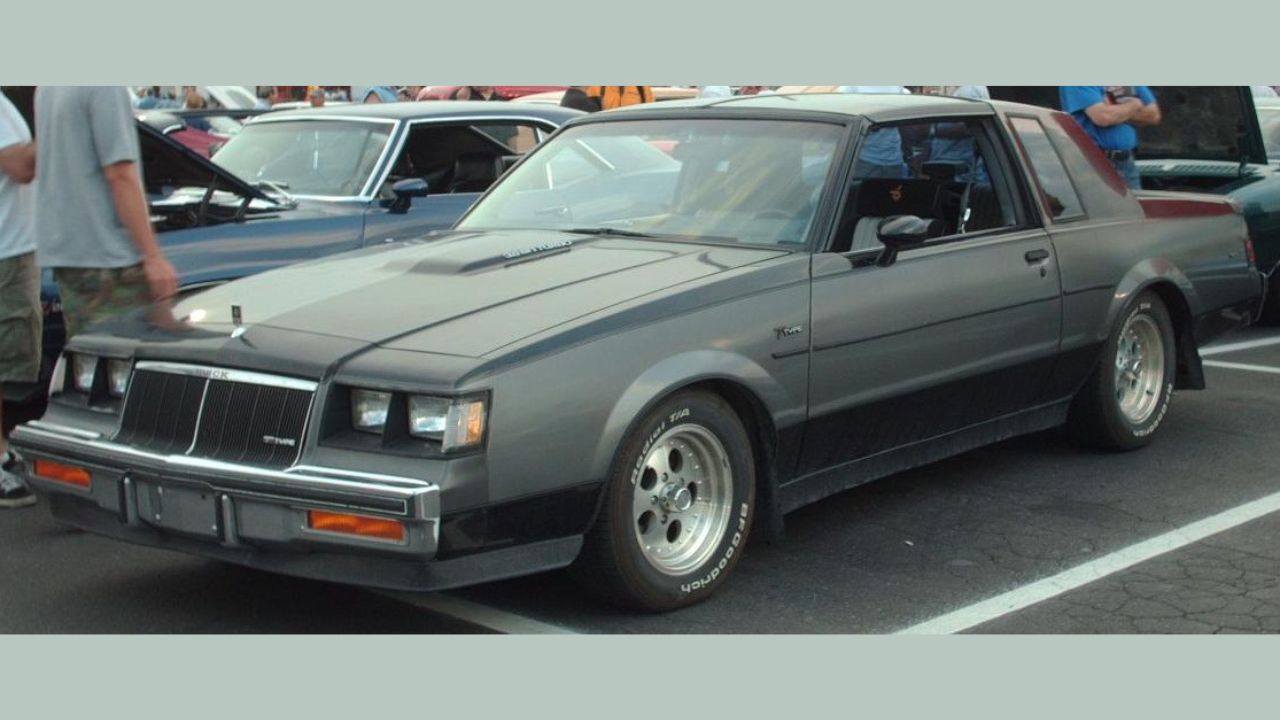
The Regal T-Type gave Buick a performance identity that was easy to miss if you only looked at the conservative bodywork. Turbocharged V6 power transformed the comfortable coupe into a serious performer, and later development eventually led to the legendary Grand National. The T-Type deserves attention in its own right because it helped establish Buick’s turbocharged performance formula. It could look almost ordinary parked beside a muscle car, yet its forced-induction engine gave it considerably more attitude than its understated appearance suggested.
Chevrolet Beretta GTZ
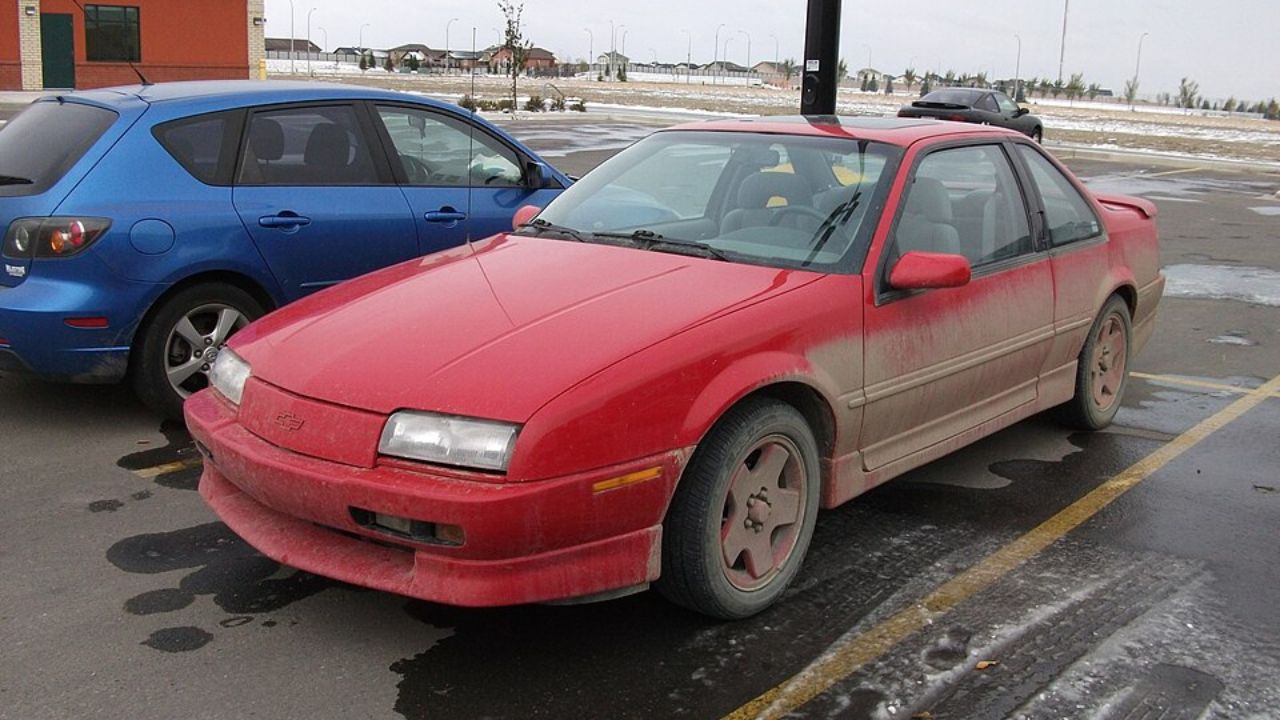
The Beretta GTZ was Chevrolet’s attempt to turn a practical front-wheel-drive coupe into a genuine sport compact. It received a high-output four-cylinder engine, firmer suspension, sportier wheels, and more aggressive styling. The result was a car with considerably more personality than the standard Beretta. It never became a major performance name, partly because the Camaro and Corvette occupied so much of Chevrolet’s enthusiast spotlight. Today, the GTZ is an interesting reminder of the period when American automakers were developing increasingly serious compact performance cars.
Pontiac Grand Prix GTP
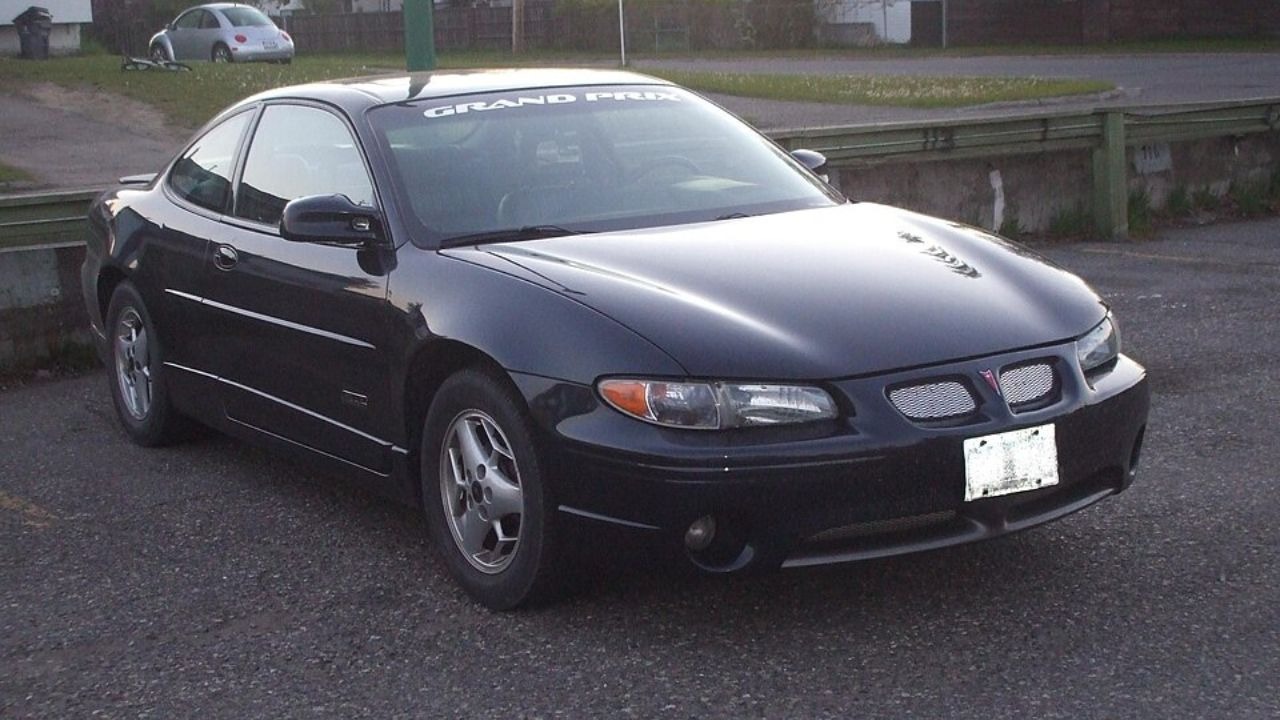
The supercharged Grand Prix GTP offered a clever alternative to traditional American performance. Instead of using a large V8, Pontiac relied on a supercharged V6 that delivered strong acceleration while retaining the practicality of a front-wheel-drive coupe or sedan. The GTP became a familiar sight during the 1990s and early 2000s, but its reputation faded quickly after production ended. Its combination of accessible performance, comfortable interiors, and forced induction makes it worth another look, particularly for enthusiasts interested in overlooked American performance cars.
Ford SVT Contour
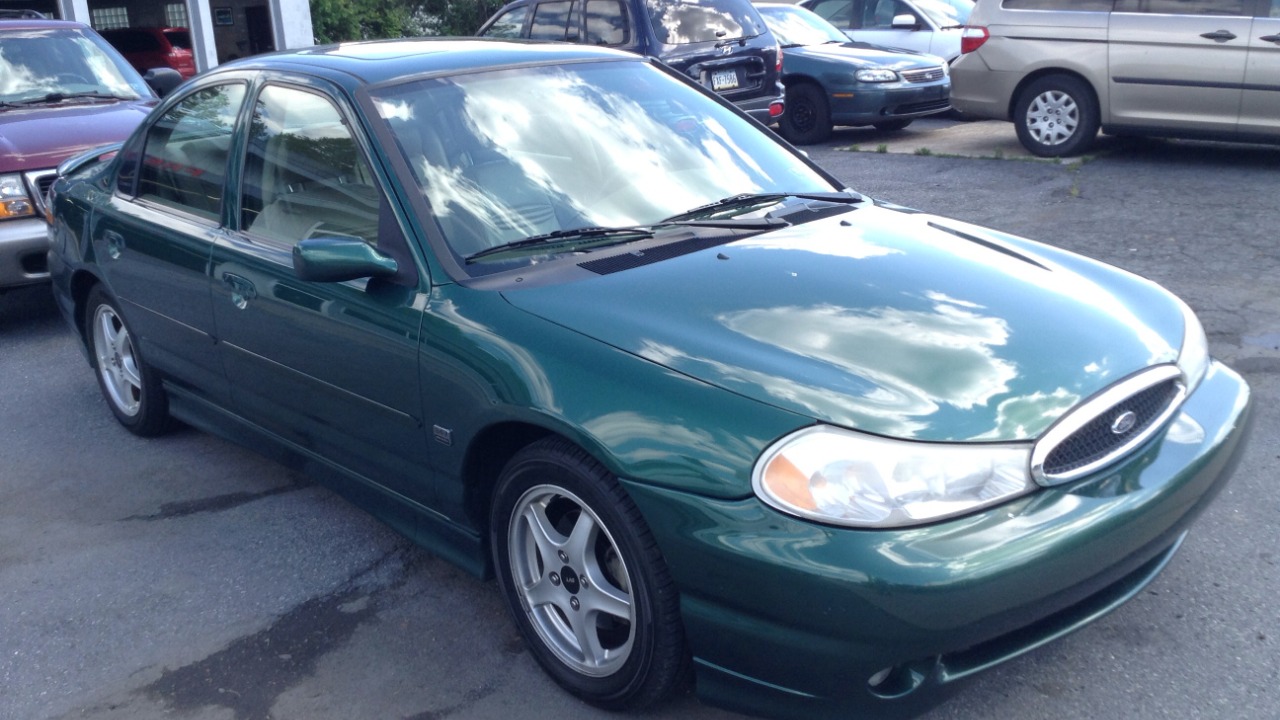
The SVT Contour was one of Ford’s more ambitious attempts to create a genuine sport sedan from an ordinary family platform. It received a high-output V6, a manual transmission, upgraded suspension, and styling changes that gave it a more purposeful character. The car could deliver strong performance while still functioning as a practical four-door. Unfortunately, its compact size and family-sedan origins meant it never received the attention given to larger Ford performance models. Today, it is one of the company’s more intriguing forgotten sport sedans.
Mitsubishi Eclipse GSX
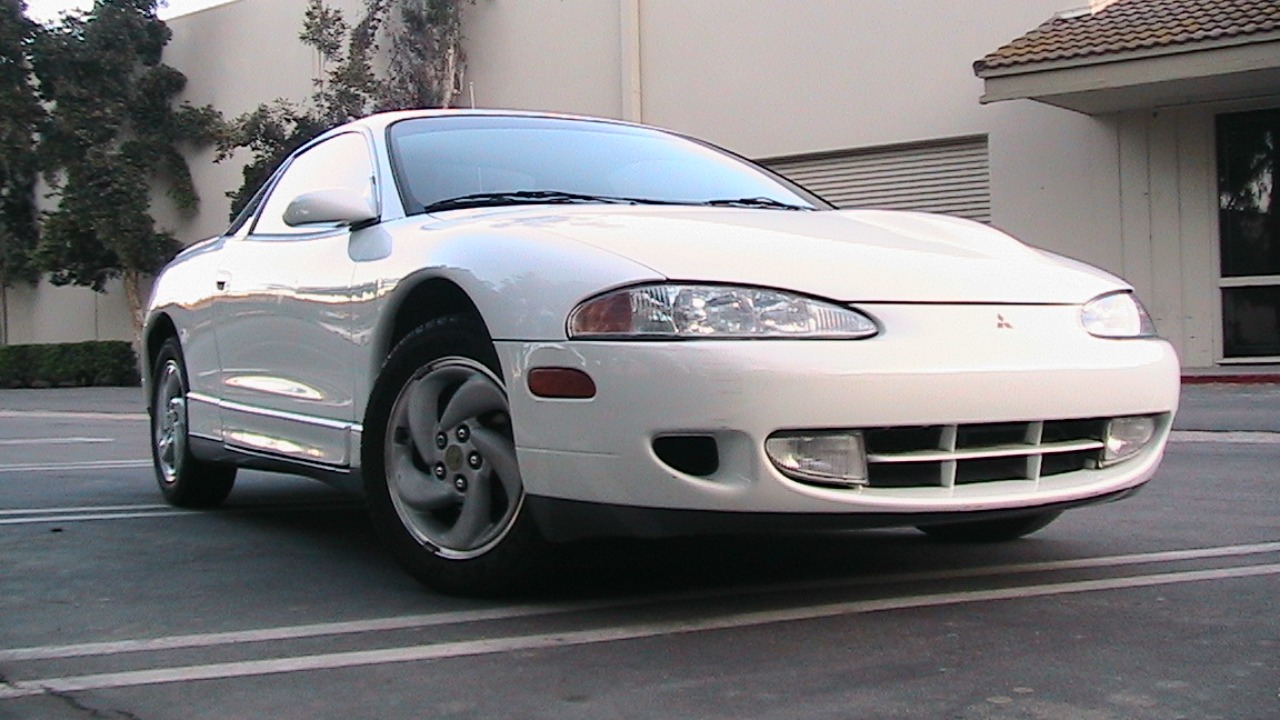
The Eclipse GSX combined turbocharged power, all-wheel drive, and compact dimensions in a package that appealed strongly to enthusiasts who wanted something different from the traditional American sports car. Its turbocharged four-cylinder engine provided plenty of tuning potential, while the all-wheel-drive system gave it impressive traction. The Eclipse eventually became better known through enthusiast culture, but the early GSX remains particularly interesting. It helped establish the formula of a relatively affordable turbocharged coupe with serious performance potential.
Saab 900 Turbo
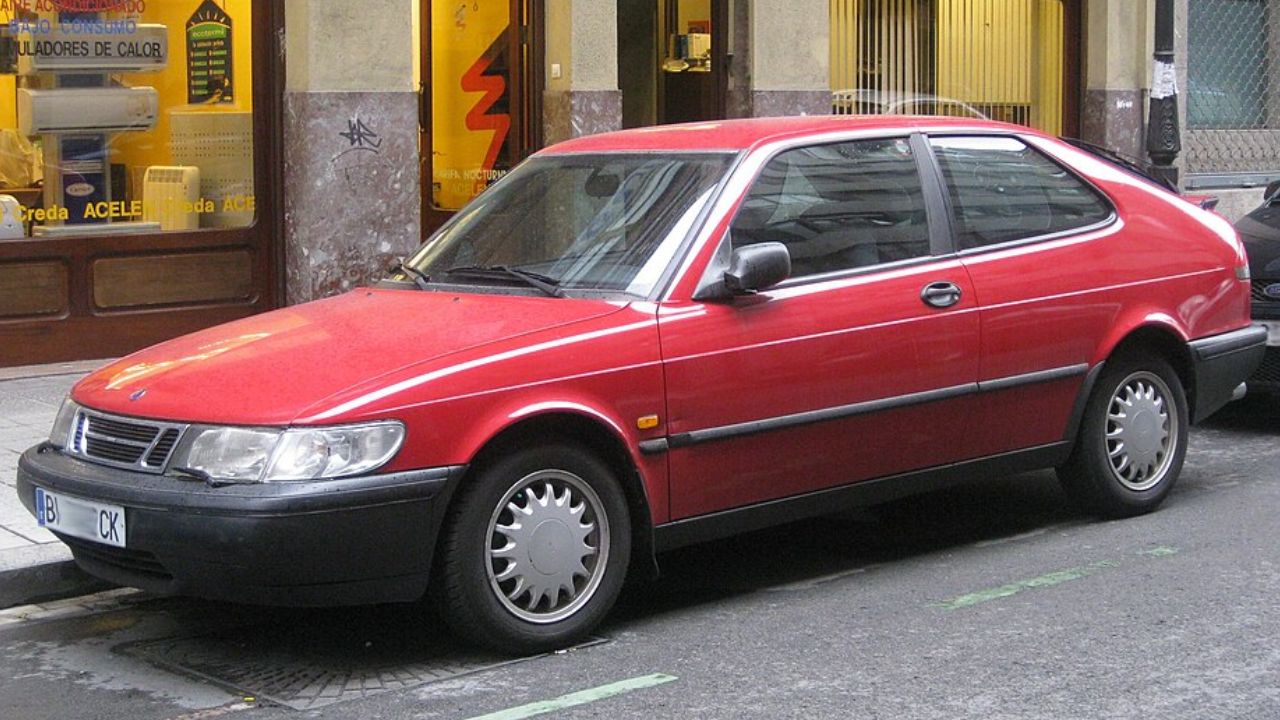
The Saab 900 Turbo was never designed to look like a conventional performance car, and that was part of its charm. Its unusual shape concealed a turbocharged engine, front-wheel-drive chassis, and a distinctive Scandinavian approach to performance. Saab focused on usable power and high-speed stability rather than simply chasing dramatic styling. The result was a fast, practical hatchback that stood apart from mainstream sports coupes. Its unusual engineering and limited presence in today’s market have made surviving examples increasingly fascinating.
Volkswagen Corrado VR6
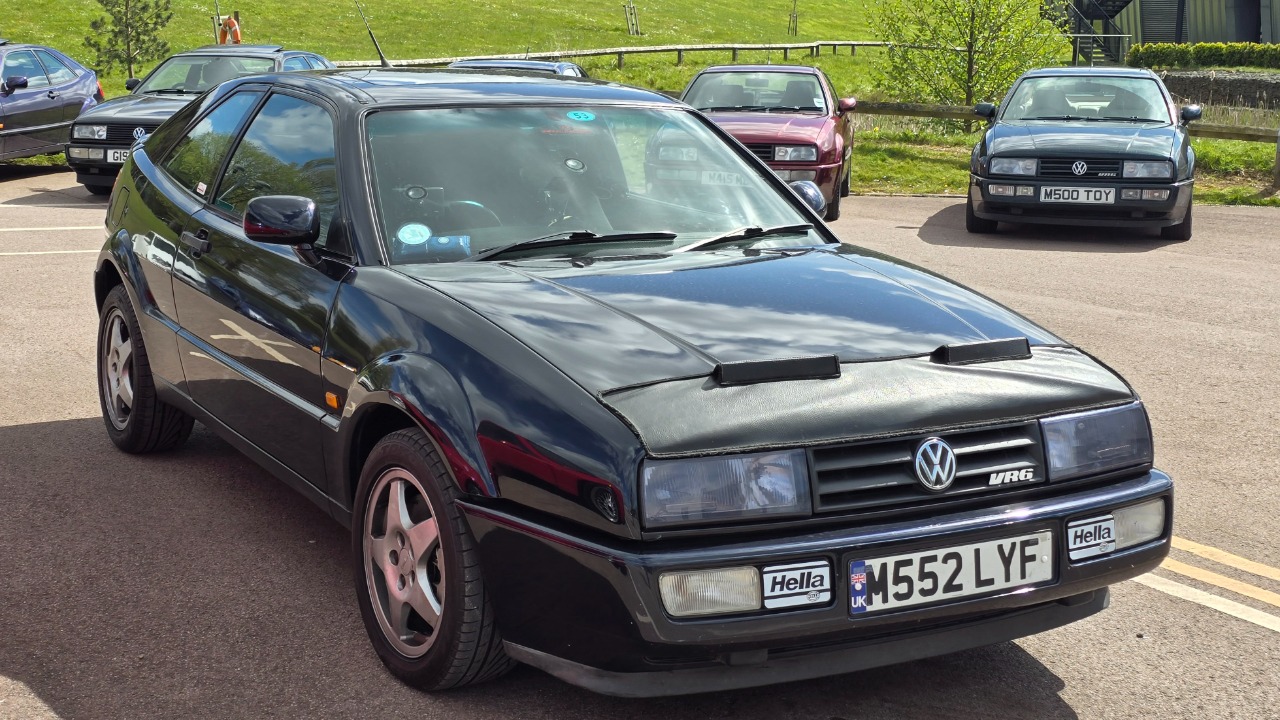
The Corrado VR6 combined a compact coupe body with one of Volkswagen’s most distinctive engines. The narrow-angle six-cylinder provided strong performance while the chassis delivered sophisticated handling for the period. Volkswagen also gave the Corrado features that were unusual for a compact performance car, including an automatically deploying rear spoiler. Despite its capabilities, the car was expensive compared with other Volkswagen products and faced stiff competition from Japanese and European rivals. It eventually developed a cult following, but its original sales never reflected its engineering appeal.
Mazda 323 GTX
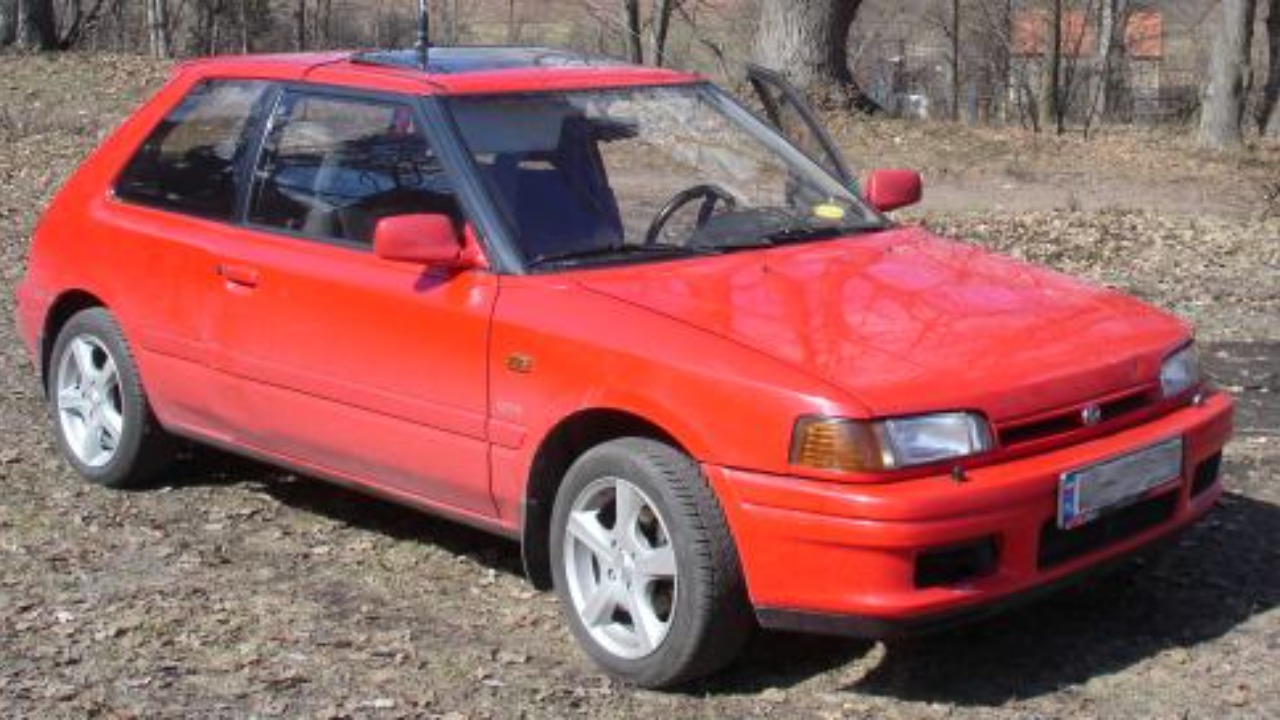
The 323 GTX brought rally-inspired technology to a relatively small road car. Turbocharging and all-wheel drive gave it a serious performance advantage over ordinary compact cars, while its practical hatchback body made it useful beyond weekend driving. The model arrived before the combination of turbocharging and all-wheel drive became common in affordable performance cars. Unfortunately, it remained a niche product and was overshadowed by better-known Japanese performance machines. Today, surviving examples are rare reminders of Mazda’s more adventurous engineering period.
Pontiac G8 GXP
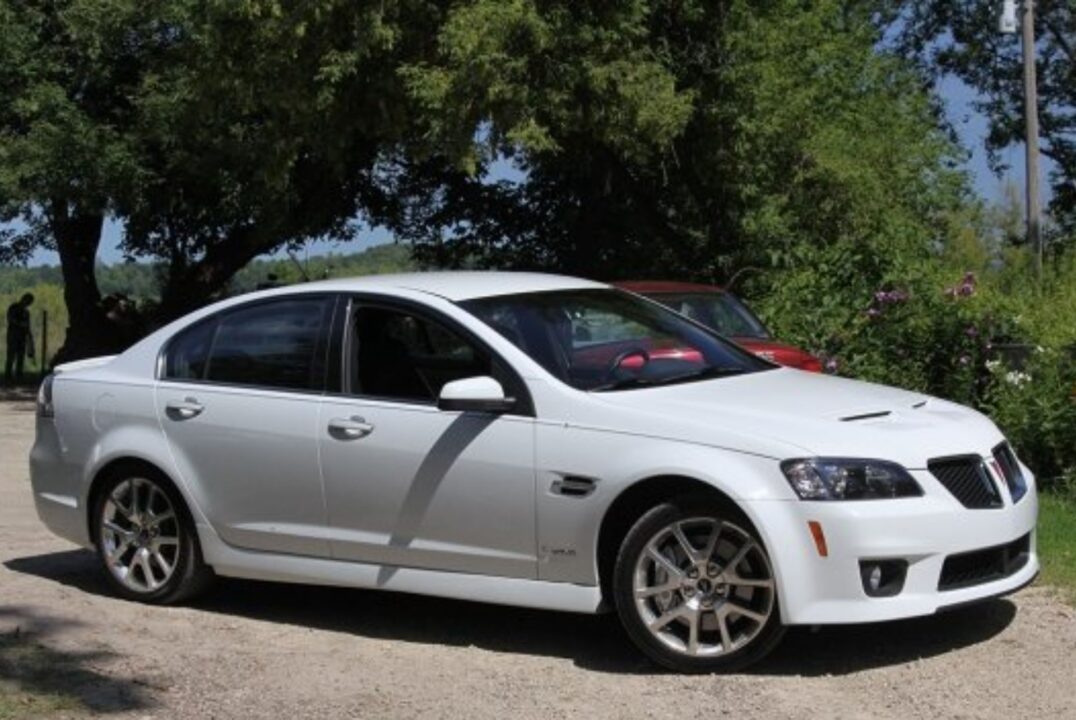
The G8 GXP was almost perfectly positioned to become a major American performance sedan, but its timing could hardly have been worse. It combined rear-wheel drive, a Corvette-related LS3 V8, a limited-slip differential, Brembo brakes, and a manual transmission option. Pontiac was discontinued just as the model arrived, giving the G8 GXP only a brief opportunity to establish itself. Roughly 1,800 GXPs were built, which helps explain why the car became a cult favorite rather than a mainstream success.
Chrysler Crossfire SRT-6
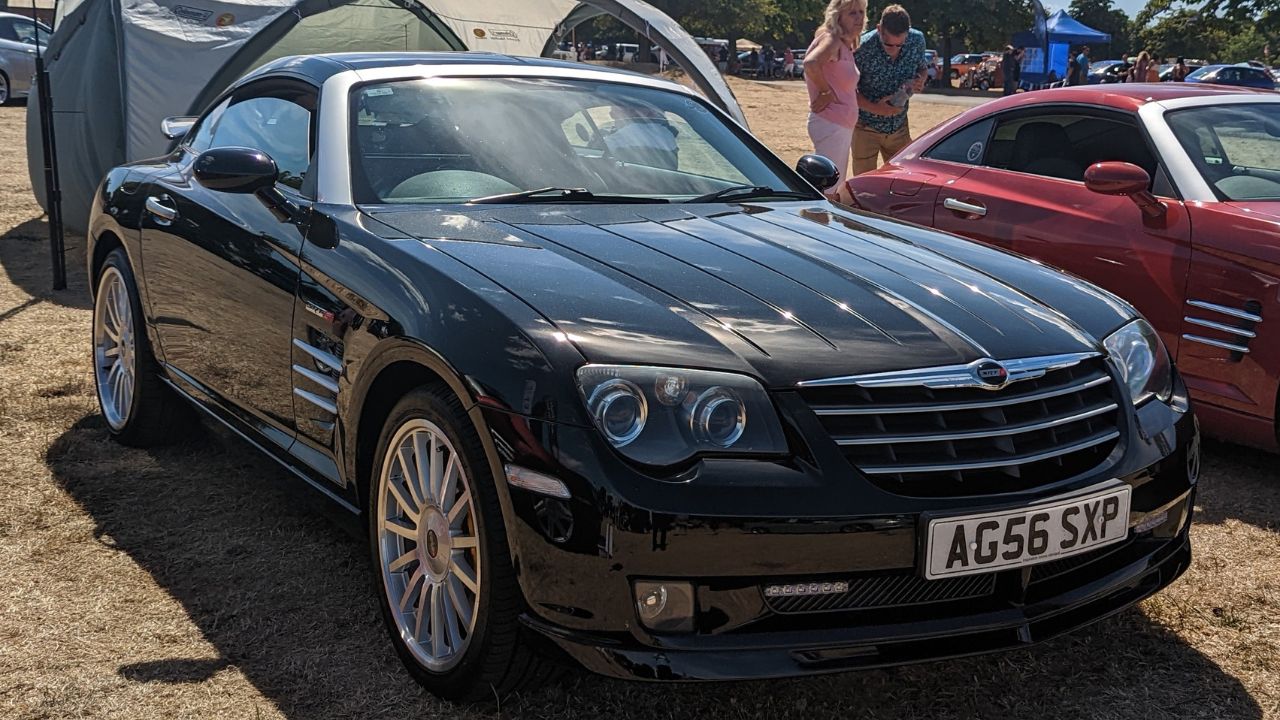
The Crossfire SRT-6 was one of the strangest performance cars in Chrysler’s modern history. Its sleek two-seat body was combined with a supercharged V6, rear-wheel drive, and substantial performance upgrades. The car was closely related to Mercedes-Benz engineering, giving it a mechanical foundation quite different from most Chrysler products. Unfortunately, the Crossfire arrived at a difficult time and never became a major sales success. The SRT-6 version is especially easy to overlook today, despite offering genuine performance and distinctive styling.
Pontiac Solstice GXP
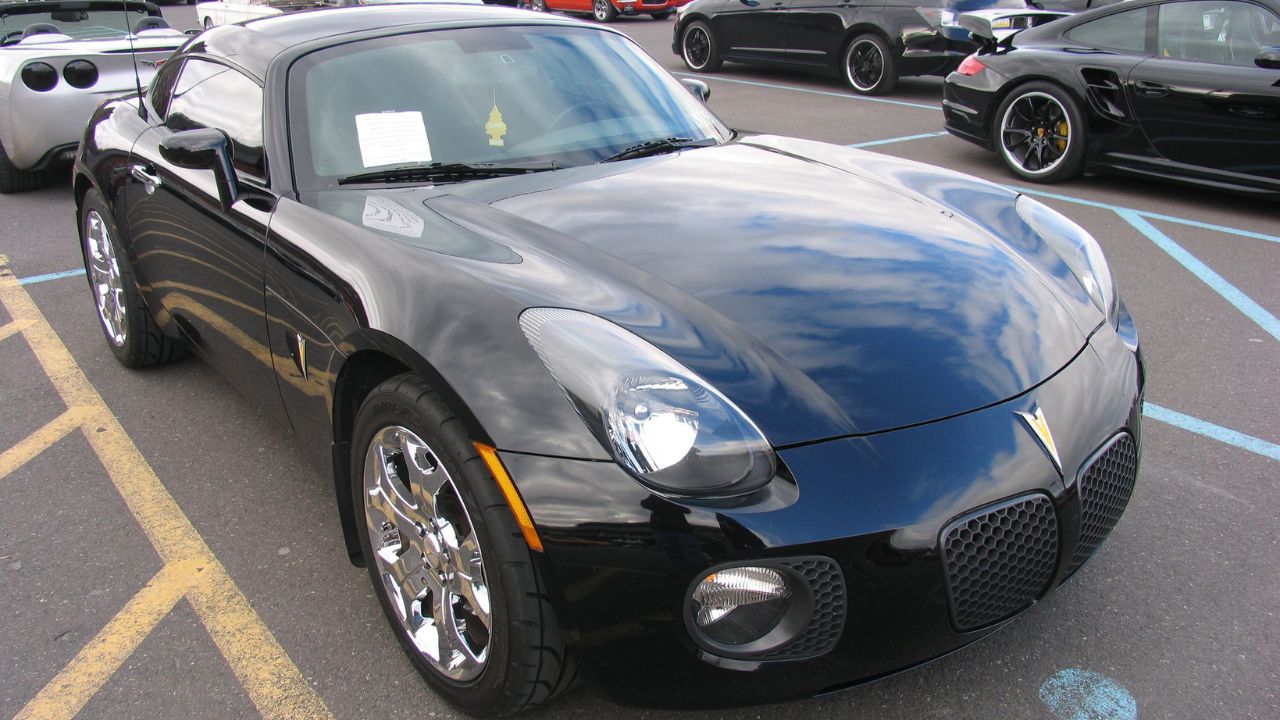
The Solstice GXP gave Pontiac a lightweight rear-wheel-drive roadster with a turbocharged four-cylinder engine. Its styling was one of its strongest features, but the car also offered a surprisingly serious performance package in GXP form. Pontiac was already approaching the end of its existence when the model reached the market, limiting its chance to develop a long-term reputation. The Solstice therefore remains one of those cars that enthusiasts discovered too late. Its compact proportions, rear-wheel drive, and turbocharged power make it particularly appealing today.
More from Fast Lane Only
- Unboxing the WWII Jeep in a Crate
- 15 rare Chevys collectors are quietly buying
- 10 underrated V8s still worth hunting down
- Police notice this before you even roll window down
*Research for this article included AI assistance, with all final content reviewed by human editors.