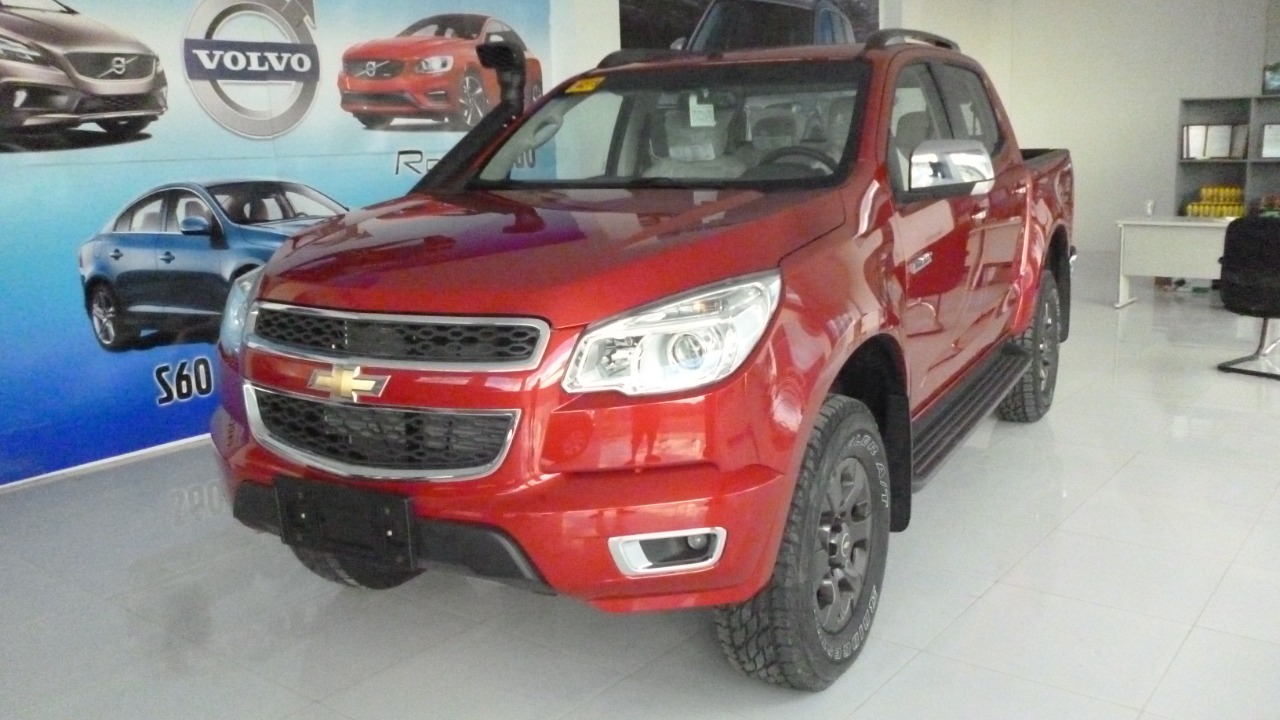
Certain trucks seem to belong to no particular generation. They keep working through changes in ownership, decades of hard use, and thousands of trips that would wear out lesser vehicles. Their appeal comes from sturdy frames, straightforward drivetrains, durable engines, and designs that were made to be repaired rather than discarded. These are the trucks that can become family workhorses, change hands several times, and still have plenty of useful life left.
Toyota Land Cruiser 70 Series
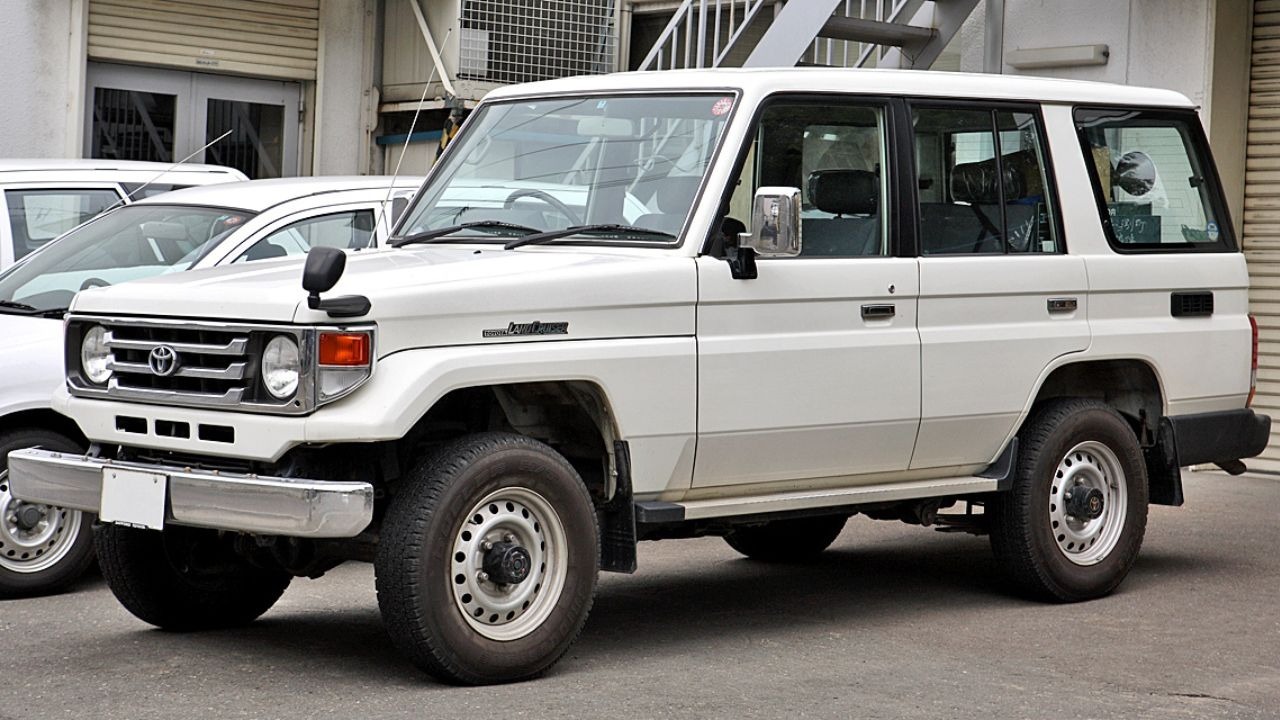
The Land Cruiser 70 Series was designed around the idea that a truck should remain useful in places where repairs and replacement vehicles are not always easy to find. Its body-on-frame construction, solid axles on many versions, and durable diesel engines have helped it become a favorite for demanding work around the world. Some examples spend decades in agricultural, mining, military, or remote-area service. The 70 Series may look old-fashioned, but that simplicity is a major part of its extraordinary longevity.
Isuzu D-Max

The D-Max has earned a reputation for being a practical work truck rather than a lifestyle accessory. Its diesel engines, sturdy chassis, and straightforward pickup configuration make it particularly well suited to heavy daily use. Isuzu’s experience building commercial trucks also influences the way its pickups are engineered. In markets where pickups are expected to work hard every day, older D-Max models can accumulate enormous mileage while remaining useful. Their understated character is part of what makes them so appealing to long-term owners.
Mitsubishi L200

The L200 has spent decades proving that a midsize pickup can combine useful size with genuine durability. Earlier generations were particularly straightforward, with rugged chassis designs and diesel engines developed for demanding conditions. The truck became popular in markets where owners needed one vehicle for work, transportation, and rough roads. Its worldwide presence also means that parts knowledge and mechanical familiarity are widespread. A well-maintained L200 can keep serving long after its original showroom appearance has faded.
Nissan Patrol Pickup

The pickup version of the Patrol combined the rugged mechanical foundation of Nissan’s famous off-roader with an open cargo bed. That made it particularly useful for farms, construction sites, remote communities, and commercial work. Its sturdy chassis and durable engines were designed for environments where reliability mattered more than refinement. These trucks were never as common in some markets as conventional pickups, which makes surviving examples especially interesting. Their basic engineering, however, was built around the same demanding conditions that established the Patrol’s reputation.
Datsun 720

The Datsun 720 arrived when compact pickups were becoming increasingly popular with buyers who wanted useful transportation without the size of a full-size American truck. Its simple mechanical design, compact dimensions, and durable engines made it especially popular as a work vehicle. Many were used hard and maintained inexpensively for years. The 720’s straightforward construction also makes it approachable for owners who prefer older vehicles that can be repaired without extensive electronic equipment. Surviving examples remain popular precisely because the formula was so uncomplicated.
Ford Bronco
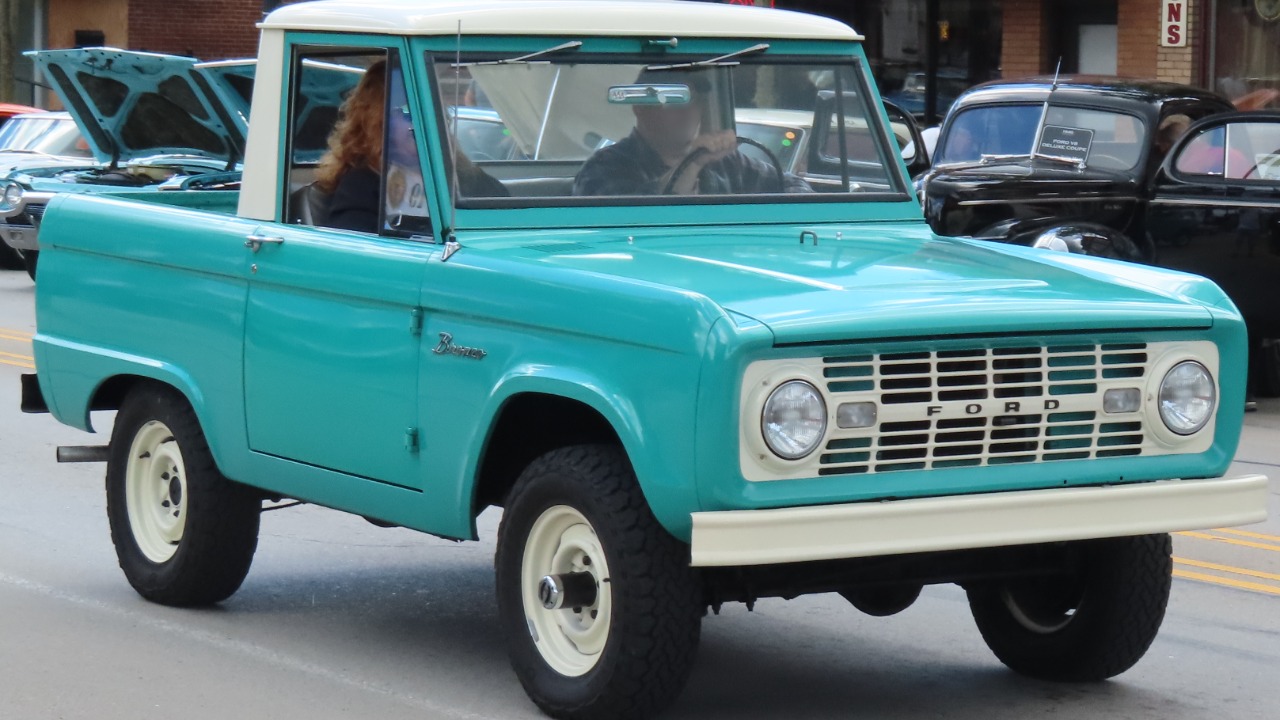
The early Bronco was built as a compact utility vehicle rather than a luxury SUV, and its straightforward construction gave it plenty of working capability. Its short wheelbase, body-on-frame design, and available four-wheel drive made it useful on farms, trails, and job sites. The simple mechanical layout also made repairs relatively approachable. Although restored Broncos are now valuable collector vehicles, many originally spent years being used hard. Their ability to survive that treatment says a great deal about the strength of the basic design.
Jeep J-Series
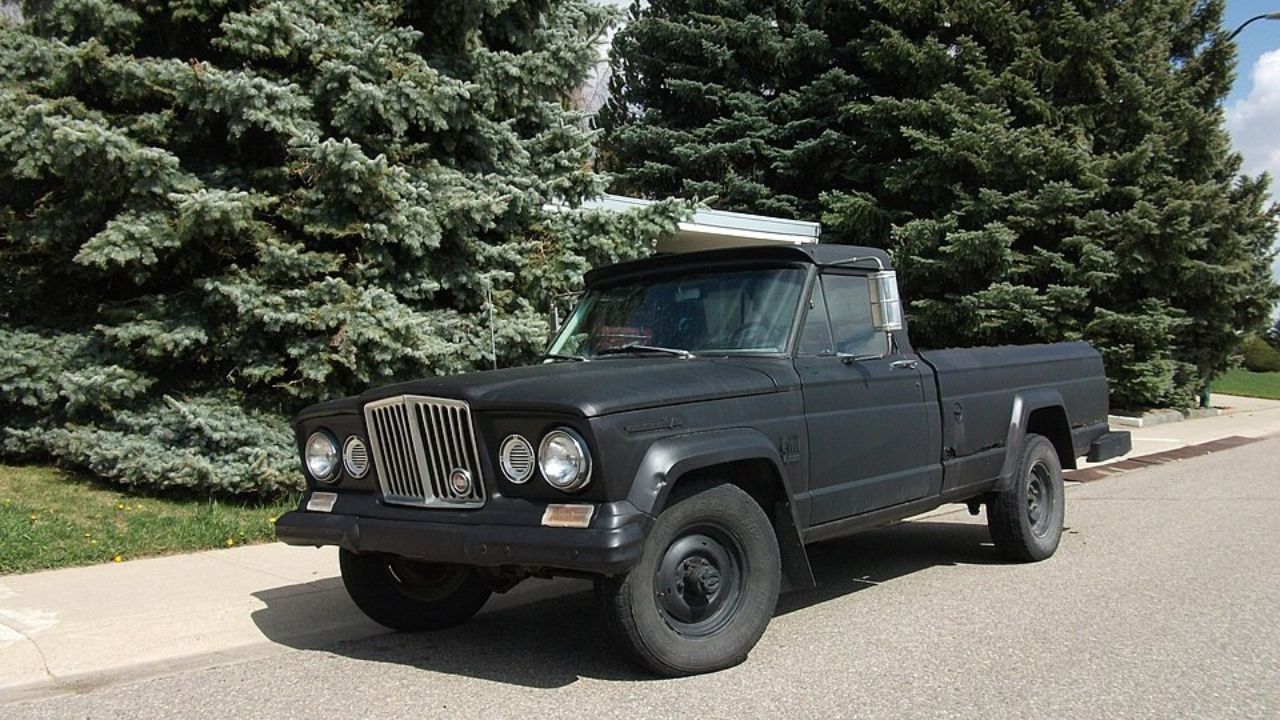
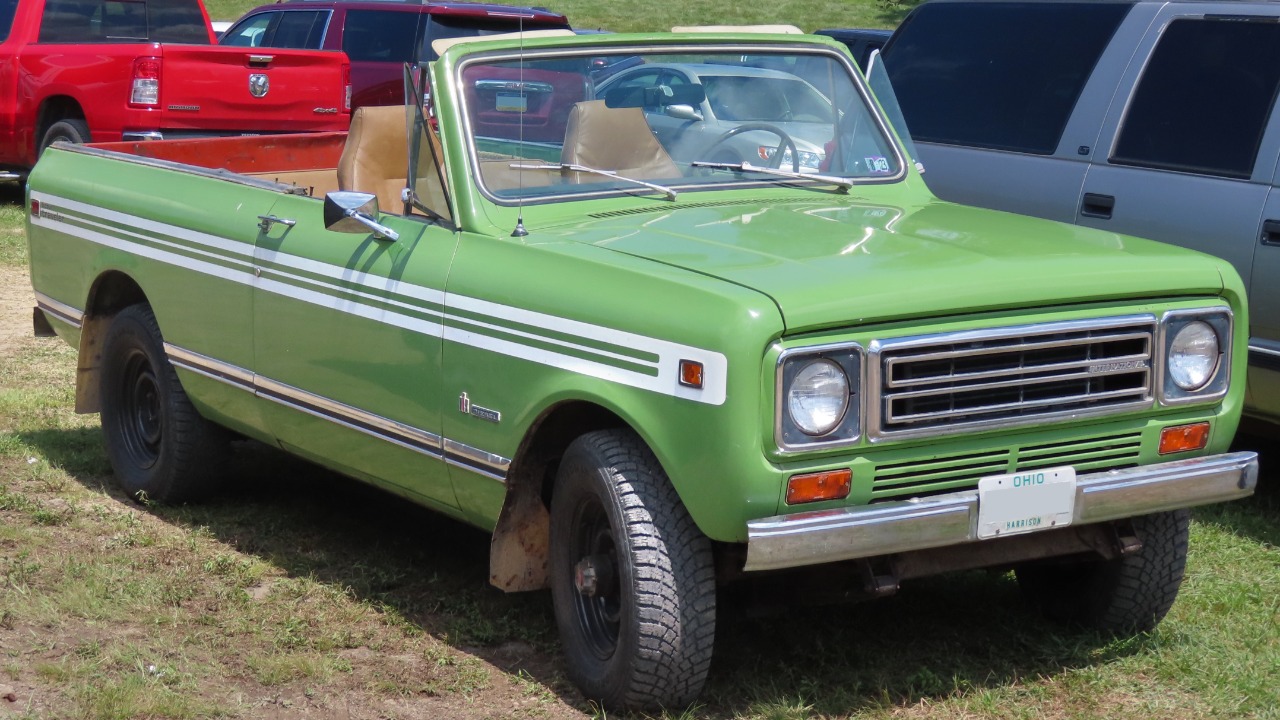
The J-Series pickups carried Jeep’s four-wheel-drive philosophy into a practical truck format. Their rugged frames, solid axles, and available V8 engines made them useful for towing, farming, and off-road work. These trucks were never as common as Ford or Chevrolet pickups, which makes surviving examples increasingly interesting. Their mechanical simplicity also means that many can still be understood and repaired by experienced mechanics. A clean J-Series today is a reminder of when a pickup could be both a work truck and a serious off-road machine.
Dodge D-Series
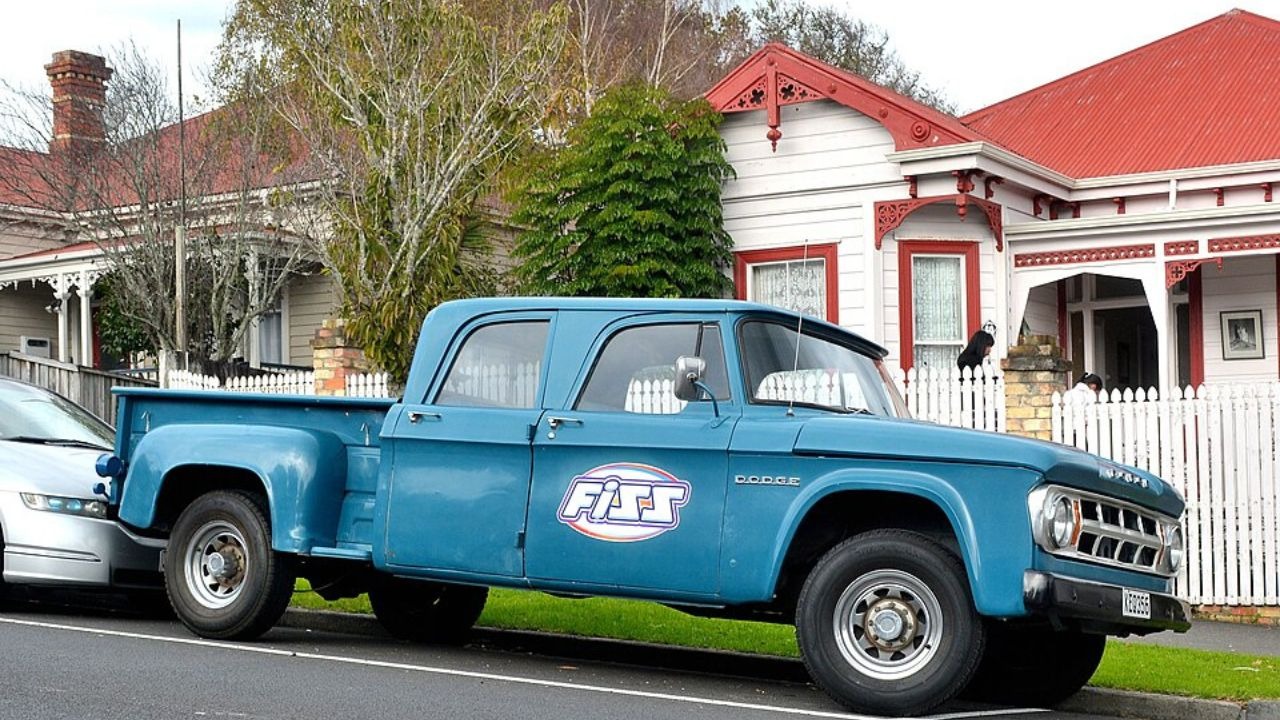
The Dodge D-Series represented decades of straightforward American pickup engineering. These trucks were offered in a wide range of configurations, from basic work pickups to larger versions designed for heavier loads. Their conventional construction made them relatively easy to maintain, while Chrysler offered several proven V8 engines across the lineup. Many spent their lives on farms, construction sites, and small businesses rather than in collections. That working history makes a well-preserved survivor especially impressive today.
GMC Sierra Classic
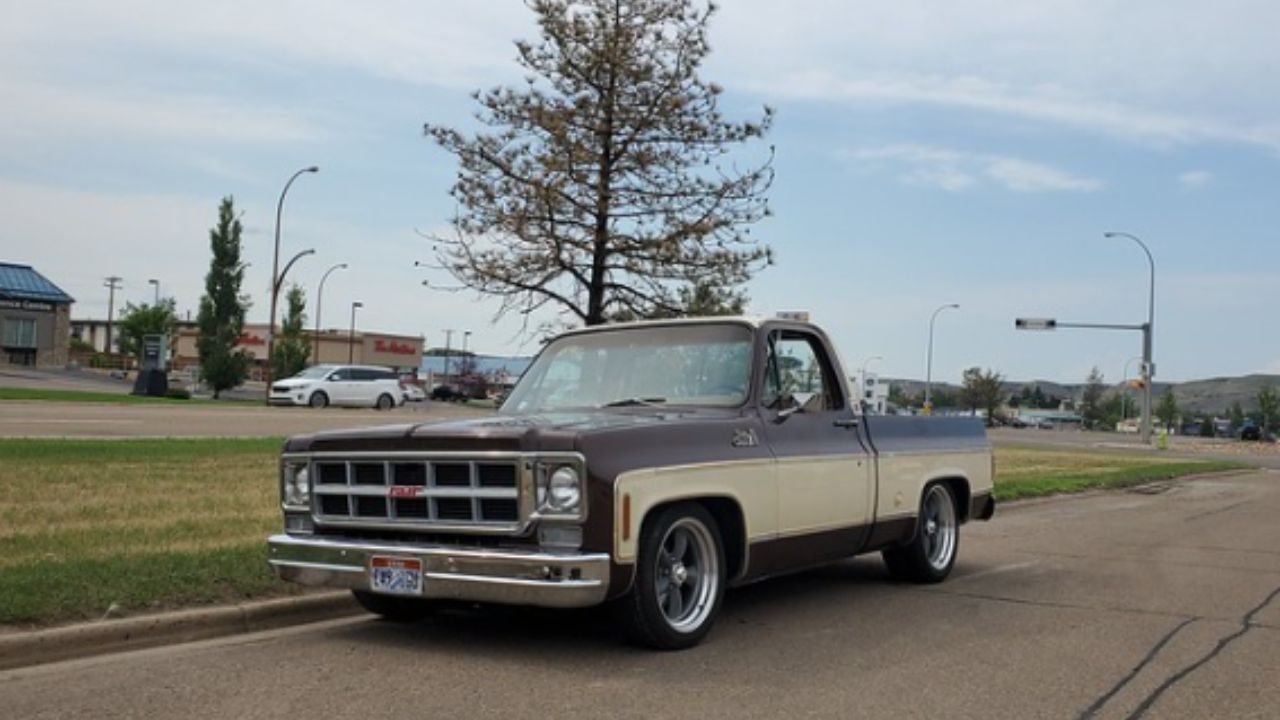
The Sierra Classic represents the kind of full-size pickup that was built around straightforward utility rather than excessive complexity. Closely related to Chevrolet’s C/K trucks, it offered sturdy construction, conventional suspension, and a wide range of engines and configurations. Many were used as everyday work vehicles for decades. Their mechanical familiarity also means that replacement parts and repair knowledge remain widespread. A well-maintained Sierra Classic can still perform ordinary truck duties long after newer pickups have become too complicated for some owners.
Ford F-250 Super Duty
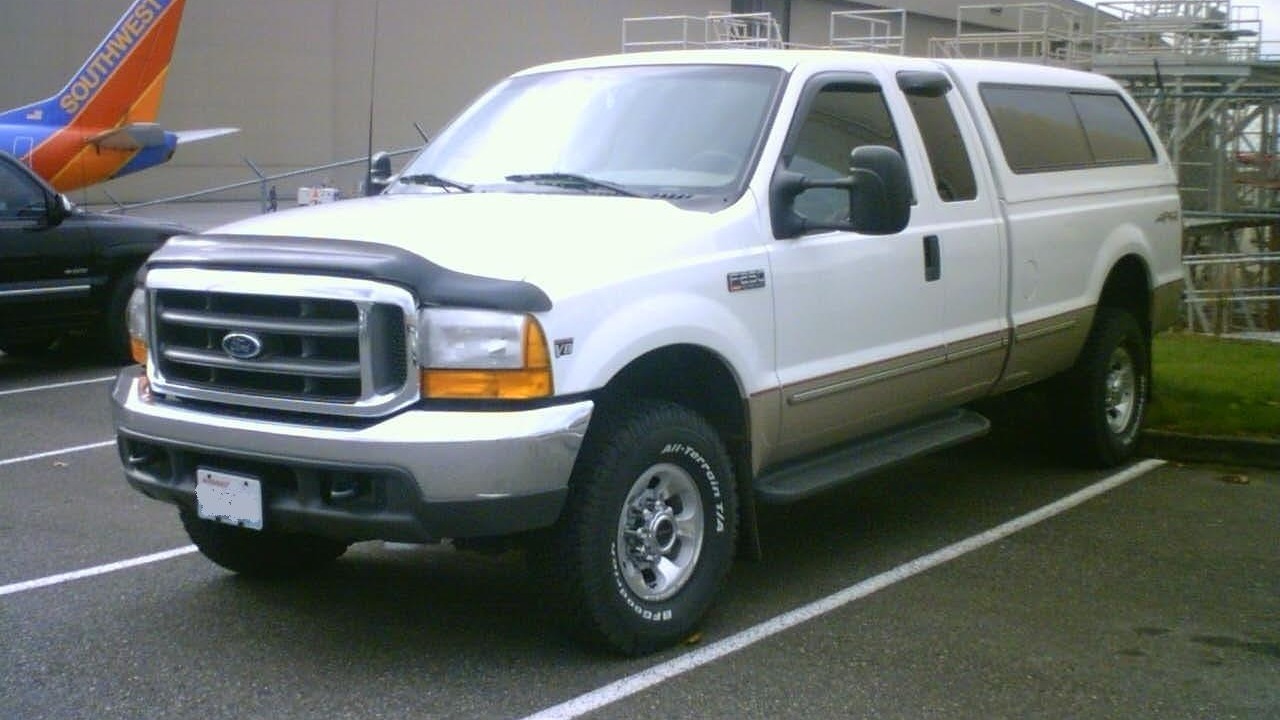
The F-250 has long occupied an important middle ground between ordinary pickups and heavier commercial trucks. Generations of F-250s have been used for towing trailers, hauling equipment, farming, construction, and everyday transportation. Heavy-duty frames, axles, brakes, and suspension components give these trucks considerable reserve capacity. Diesel versions are particularly respected for long-distance work. Their ability to handle demanding loads repeatedly is a major reason older F-250s can remain useful for decades rather than simply being treated as disposable transportation.
Chevrolet Silverado 2500HD
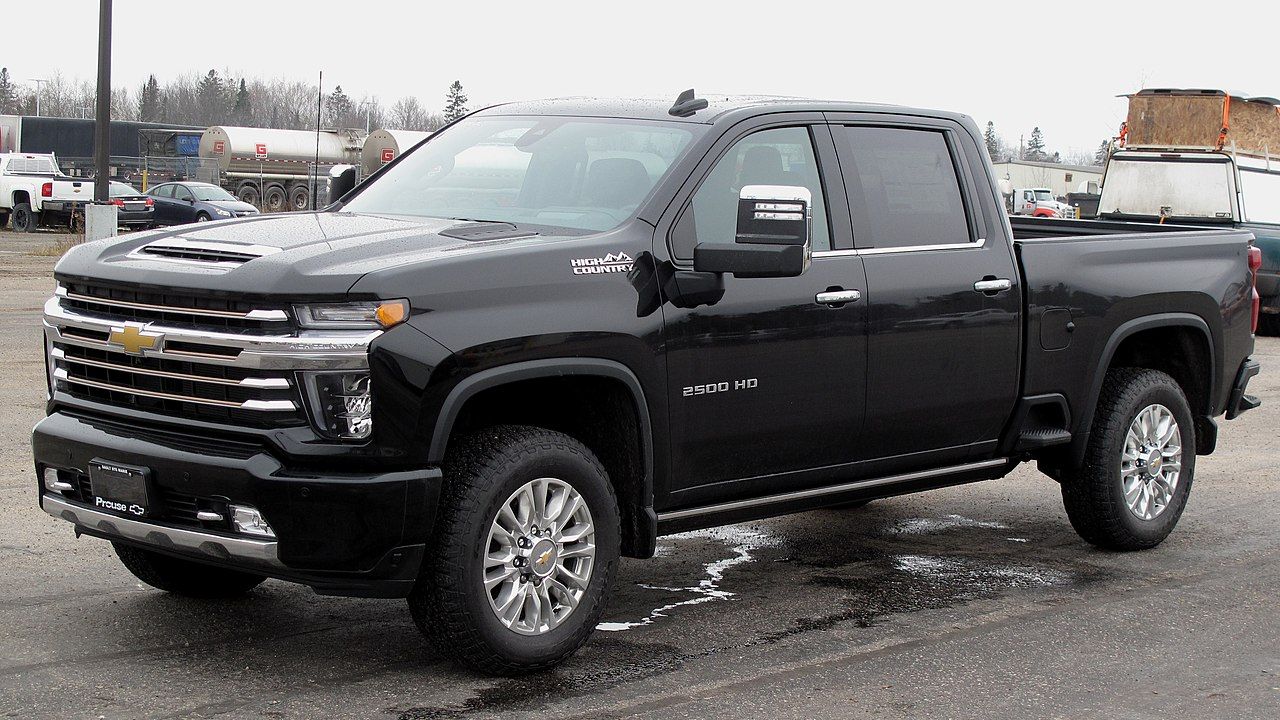
The Silverado 2500HD was designed for owners who expected their pickup to handle more than ordinary commuting. Heavy-duty suspension, stronger frames, and powerful engines give the truck the ability to tow and haul substantial loads for long periods. Diesel versions are particularly well suited to high-mileage work when properly maintained. The model also benefits from Chevrolet’s huge truck parts network. A well-cared-for 2500HD can therefore remain a practical workhorse long after its styling has become dated.
GMC Sierra 3500HD
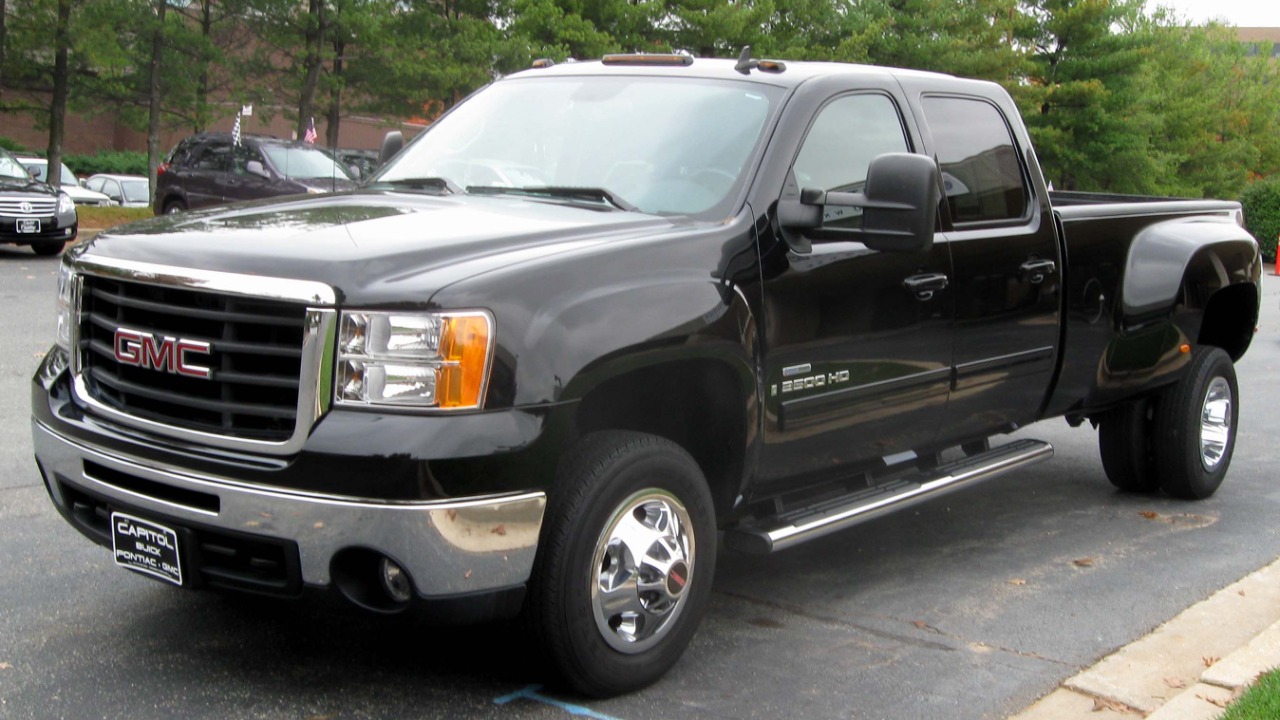
The Sierra 3500HD takes the heavy-duty pickup formula even further. Its stronger chassis and available dual-rear-wheel configuration allow it to handle loads that would be excessive for a light-duty truck. These vehicles often serve in construction, agriculture, towing, and commercial applications where reliability directly affects productivity. That working environment demands durable components rather than delicate engineering. Proper maintenance is still essential, but the basic structure of the 3500HD gives it the kind of reserve strength that can support decades of useful service.
Dodge Ram 3500
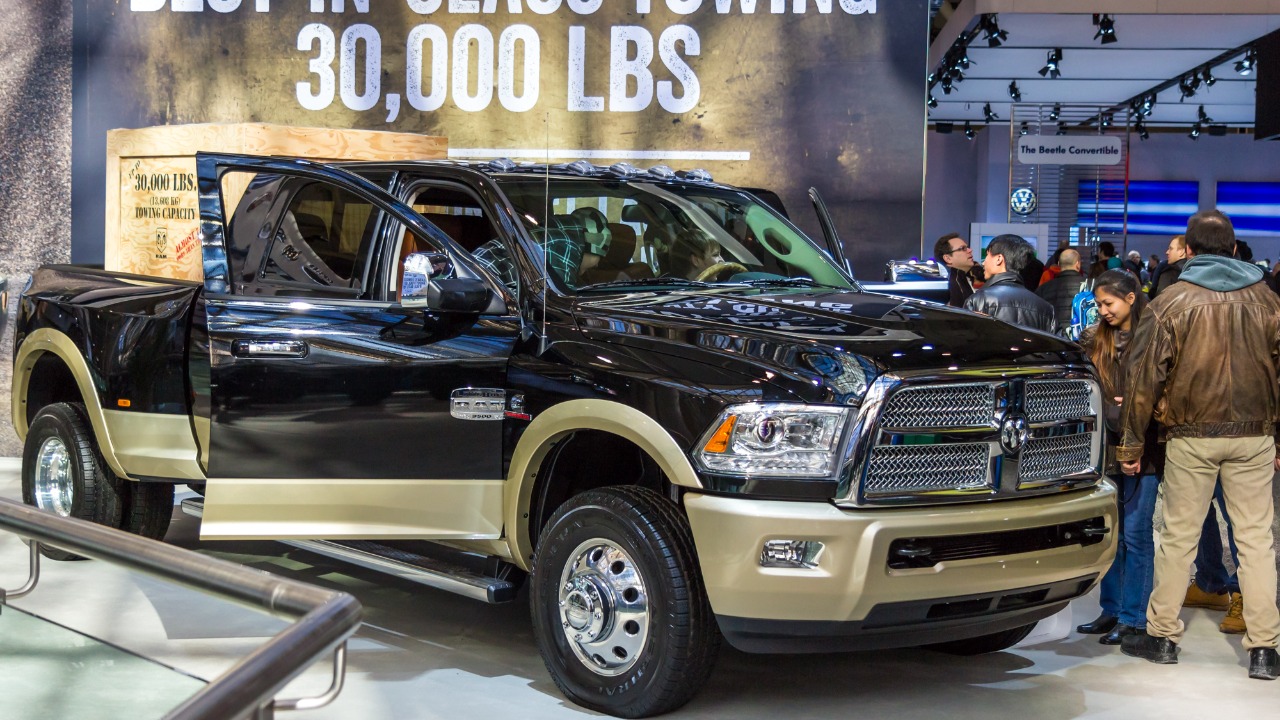
The Ram 3500 was designed for buyers who needed serious towing and hauling ability without stepping into a commercial truck. Heavy-duty suspension, strong frames, and available diesel power make it particularly capable under demanding conditions. Cummins-powered versions have become especially well known among high-mileage truck owners because of the engine’s reputation for durability. The truck’s ability to spend years towing heavy trailers or carrying substantial loads helps explain why well-maintained older examples remain useful long after newer trucks have entered the market.
Ford Ranger
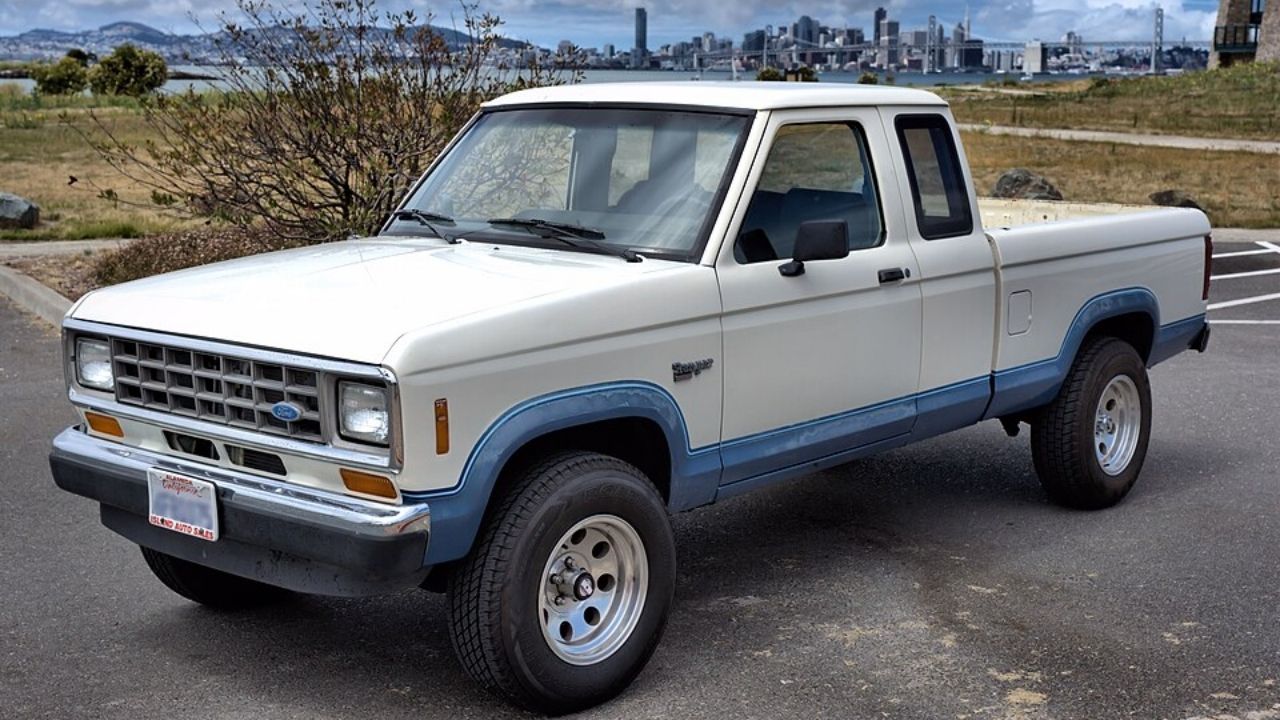
The earlier Ford Ranger demonstrated how much work could be accomplished with a relatively small pickup. Its compact dimensions made it easy to maneuver, while its simple construction helped keep maintenance manageable. Four-cylinder and V6 engines provided enough capability for everyday hauling, and four-wheel-drive versions could handle rough terrain. Many Rangers were treated as inexpensive work transportation rather than valuable vehicles, which makes surviving examples with low mileage increasingly unusual. The basic design, however, was durable enough to keep plenty of them working for years.
Mazda B-Series
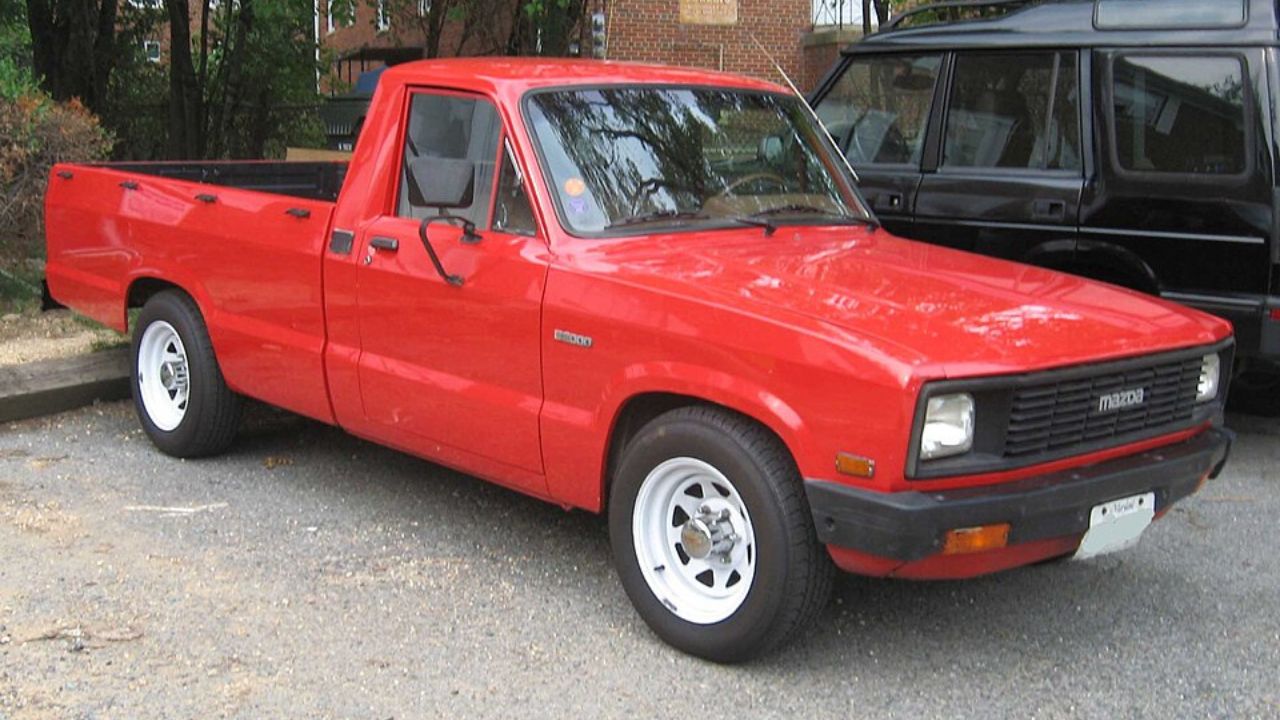
The Mazda B-Series shared much of its basic philosophy with other compact Japanese pickups of the era. It emphasized useful cargo capacity, manageable dimensions, straightforward engines, and relatively simple mechanical systems. Many were used as inexpensive work trucks, particularly by owners who did not need a full-size pickup. Their reputation for dependable service helped them remain useful long after newer compact trucks became more complicated. Today, a clean B-Series can feel like a surviving example of a simpler approach to pickup design.
Toyota T100
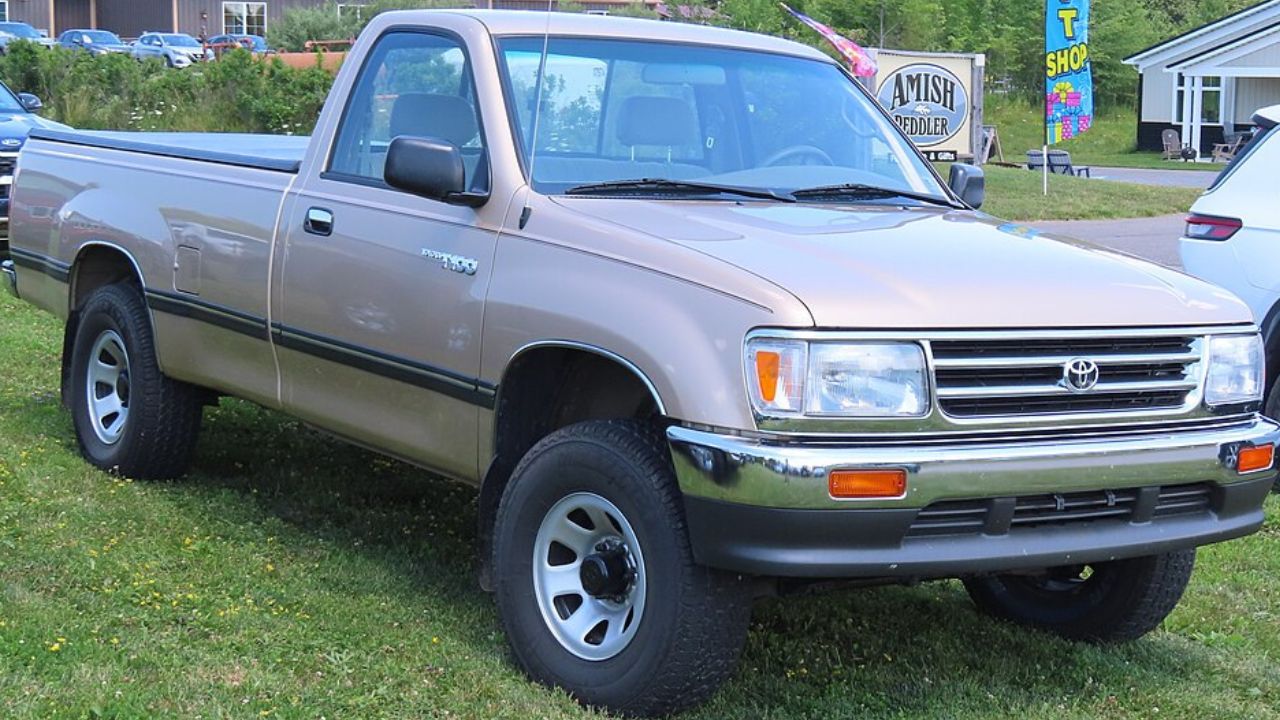
The T100 occupied an unusual place in Toyota’s American truck lineup. It was larger than the Tacoma but smaller than most full-size American pickups, giving buyers a useful middle ground. Its conservative engineering and Toyota’s focus on durability helped it develop a loyal following. The T100 never achieved the sales volume of the F-Series or Silverado, but that did not prevent it from becoming a respected long-term truck. Well-kept examples remain surprisingly capable despite their age.
Nissan Frontier
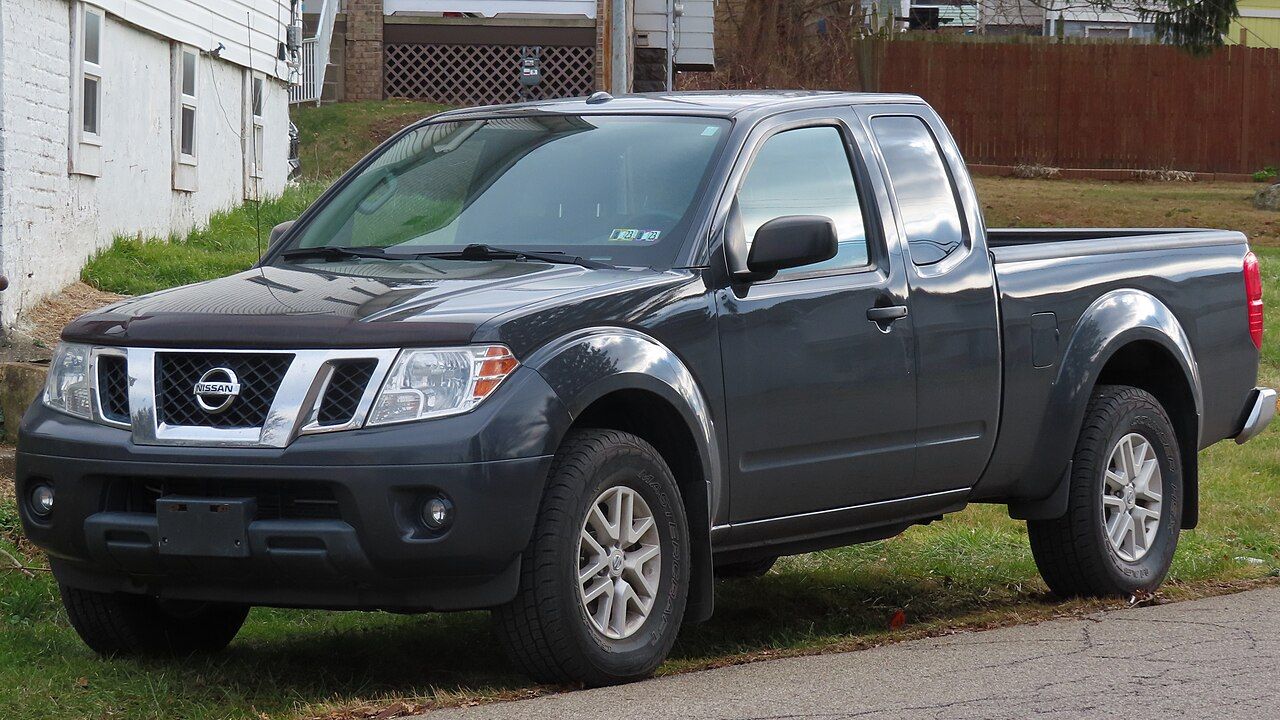
The Frontier has remained one of Nissan’s more traditional pickup offerings, particularly during the long-running generations that emphasized proven mechanical components over constant redesign. Older Frontiers earned a reputation for being useful, straightforward trucks that could handle commuting, hauling, and off-road work. Their relatively compact dimensions also made them practical for owners who did not need a massive full-size pickup. A well-maintained Frontier can remain useful for a remarkably long time, especially when rust and neglected maintenance are kept under control.
Jeep Comanche
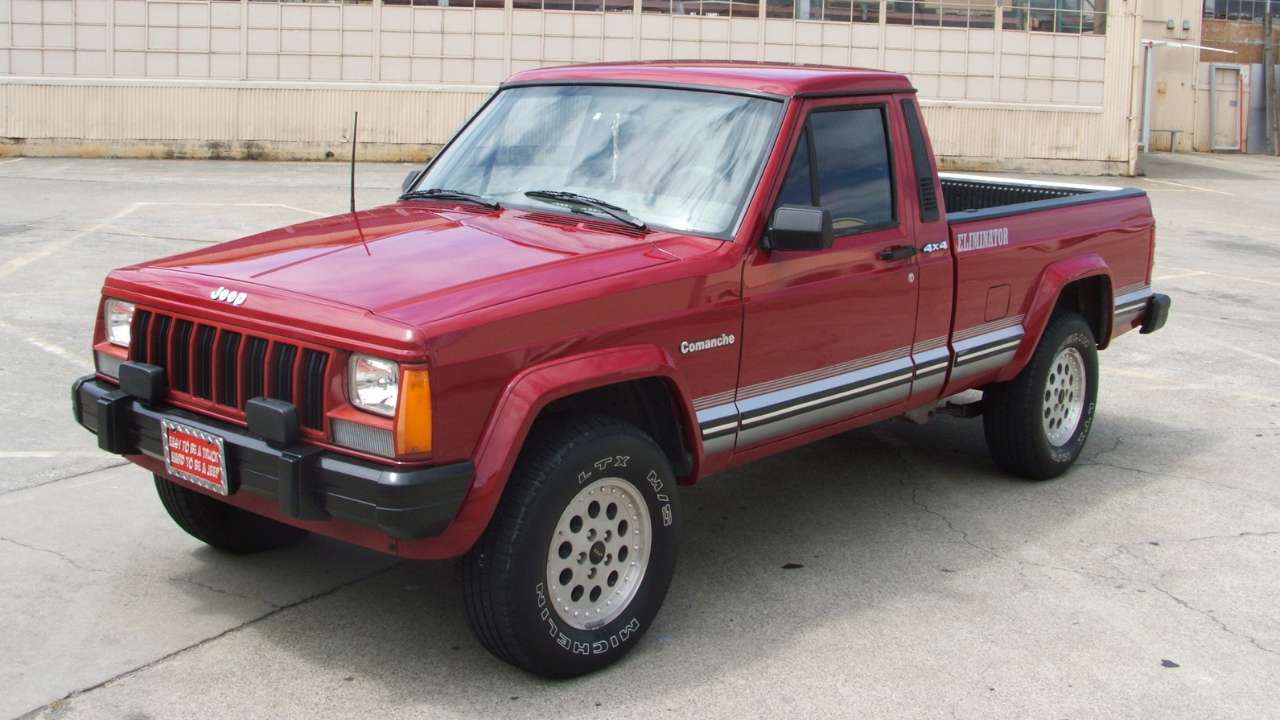
The Comanche combined Jeep’s off-road heritage with the practicality of a compact pickup. Based on the Cherokee platform, it offered a unibody construction unusual for a truck while retaining a capable four-wheel-drive system. The available 4.0-liter inline-six became particularly respected for durability. The Comanche was never produced in enormous numbers, making surviving examples increasingly scarce. Its unusual combination of compact dimensions, Jeep capability, and useful cargo space has made it one of the most interesting American pickups of its era.
Chevrolet Colorado
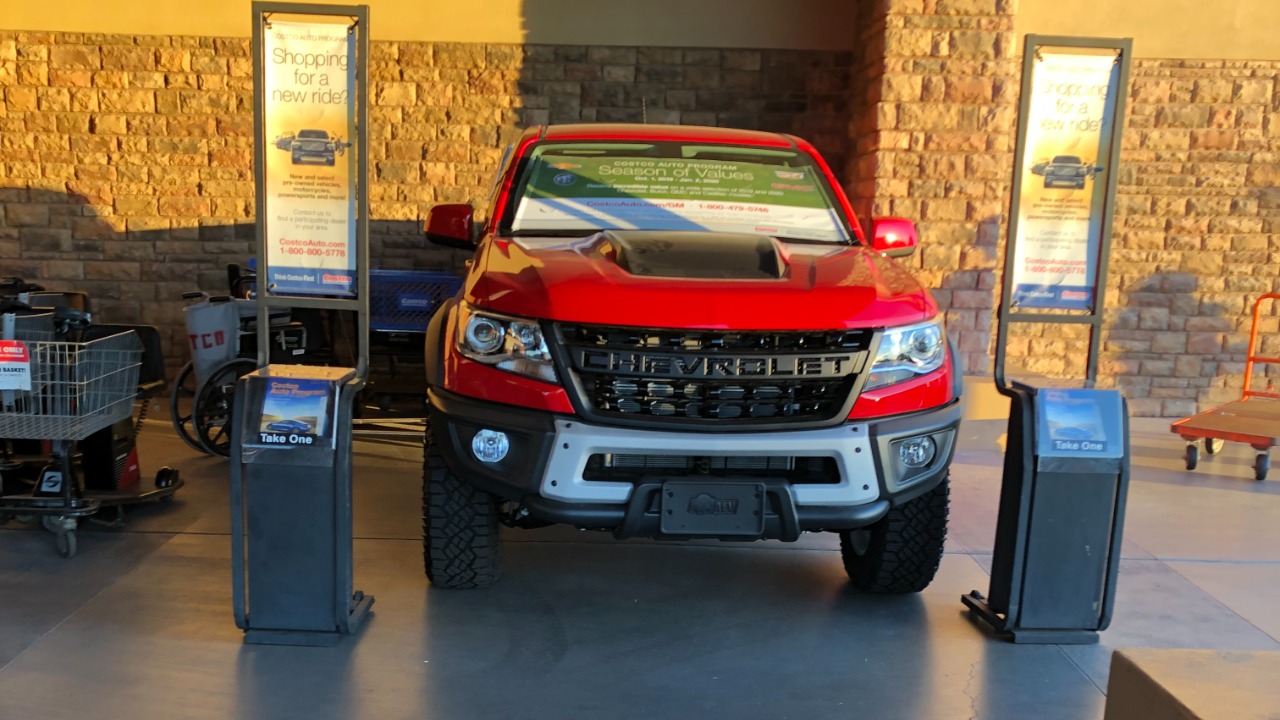
The Colorado helped carry Chevrolet’s midsize pickup formula into a newer generation while offering more modern comfort than older compact trucks. Its body-on-frame construction and available four-wheel-drive systems preserved much of the traditional pickup formula. Later versions also offered diesel power in certain markets, adding another option for owners who valued torque and long-distance work. It may not have the decades-long history of the C/K, but the Colorado has become a durable choice for drivers who want truck capability without full-size dimensions.
More from Fast Lane Only
- Unboxing the WWII Jeep in a Crate
- 15 rare Chevys collectors are quietly buying
- 10 underrated V8s still worth hunting down
- Police notice this before you even roll window down
*Research for this article included AI assistance, with all final content reviewed by human editors.