Some engines have proven to be remarkably resilient, often outlasting the vehicles they were originally designed for. These powertrains have gained a reputation for their durability, performance, and versatility, making them a favorite among enthusiasts and everyday drivers alike. Below is a list of 20 engines that have stood the test of time, showcasing their impact on the automotive landscape.
Volvo B18
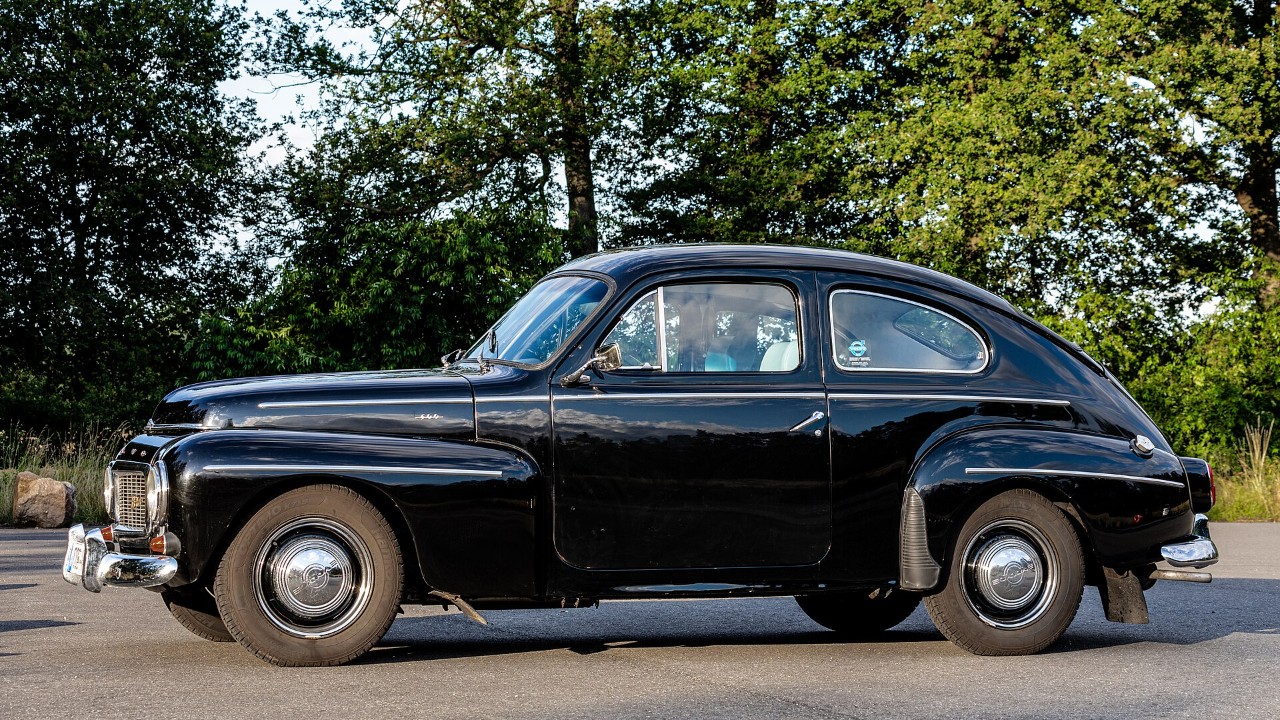
Volvo’s B18 four-cylinder entered production in 1961 and powered the Amazon, PV544, P1800 and Duett through 1968. It displaced 1,778 cc and made 75 to 115 hp depending on the version, with twin SU carburetors on the hottest B18B. Volvo then bored it out to create the 2.0-liter B20, which carried the design into the 140 series and the earliest 240 models.
The engine also worked far from passenger cars. B-series engines drove tractors, boats and the C202 Laplander military truck, which used them until 1981. The best proof of its toughness is Irv Gordon’s 1966 P1800, bought new with a B18. Gordon passed 3 million miles in that car on September 17, 2013, on Alaska’s Seward Highway.
Ford Windsor V8
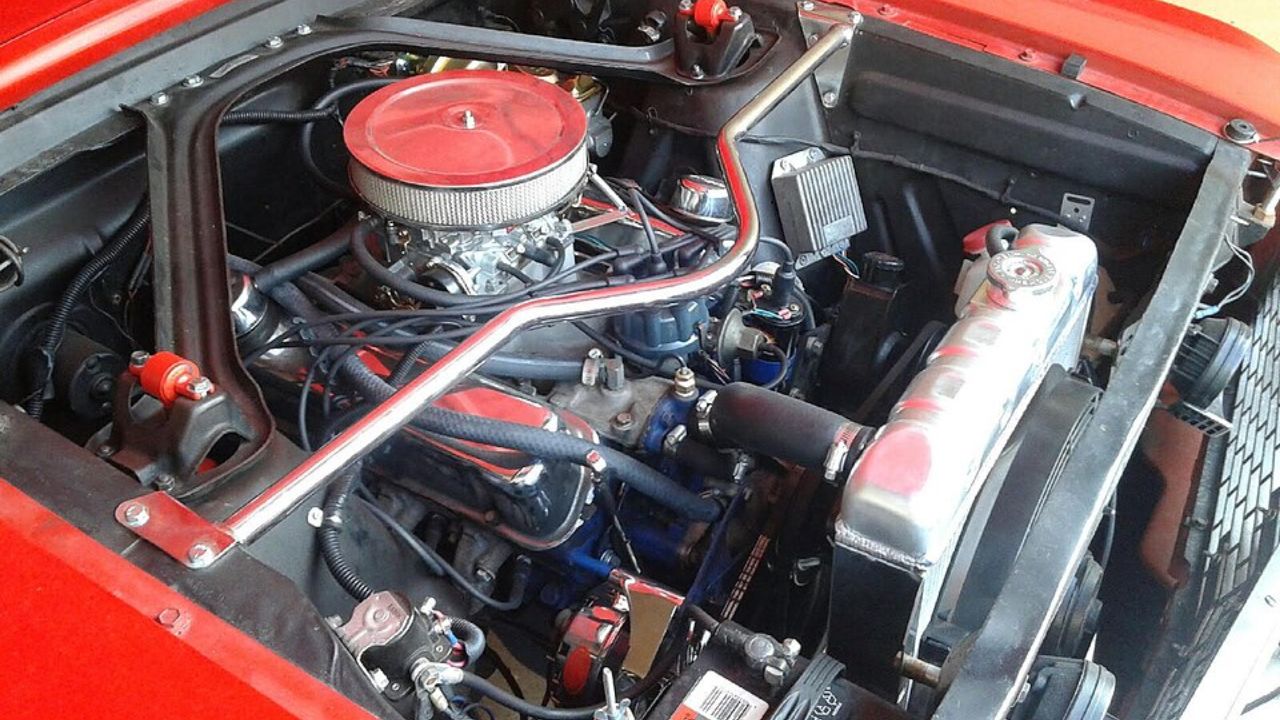
The Ford Windsor V8 engine family, first introduced in 1962, has also made a significant mark in the automotive industry. With its robust design and availability in various displacements, it has powered everything from the Mustang to the F-150. The Windsor’s simple construction allows for easy maintenance and modification, making it a favorite among enthusiasts.
Its reputation for reliability, combined with the strong aftermarket support, has resulted in this engine being a popular choice for various applications beyond its original vehicles. Many restorers and custom builders have utilized the Windsor V8 in projects, ensuring that it remains relevant even as technology evolves.
Volkswagen Air-Cooled Flat-Four
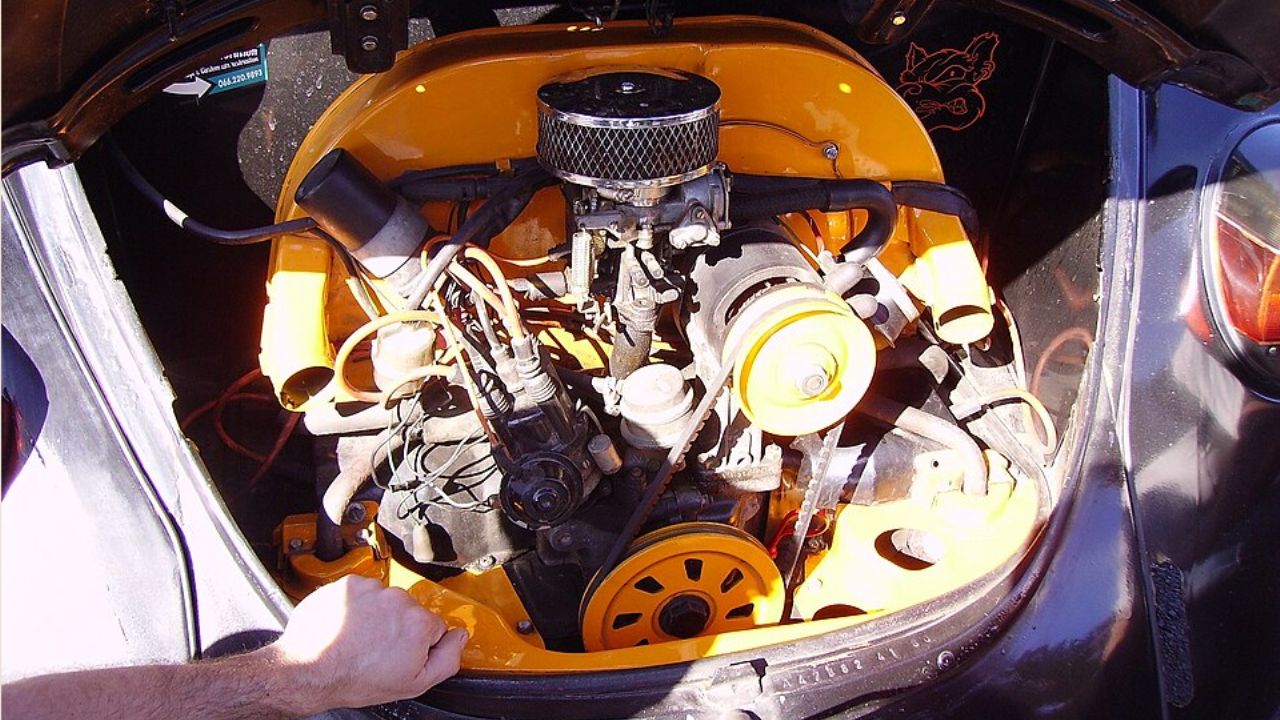
The Volkswagen Air-Cooled Flat-Four engine, known for its simplicity and reliability, powered classic models like the Beetle and Type 2 Bus. Introduced in the 1930s, this engine became a symbol of the automotive revolution. Its air-cooled design eliminated the need for a complex cooling system, making it lightweight and easy to maintain.
Despite being phased out in favor of water-cooled engines, the air-cooled Flat-Four has a devoted following, with many enthusiasts restoring and modifying vintage VW vehicles. Its enduring legacy is demonstrated by the continued popularity of classic Volkswagen models in car shows and events around the globe.
Chevrolet Stovebolt Six

Chevrolet launched its inline-six for 1929, and at first it was the brand’s only engine. The original displaced 194 cubic inches and made 50 hp. Enthusiasts called it the Stovebolt because its slotted fasteners looked like the bolts on wood-burning stoves. Chevrolet never used the name, but it stuck.
The engine outlasted car after car. It grew to 216.5 cubic inches and 85 hp as the 1937 Blue Flame. A special 235-cubic-inch Blue Flame with three carburetors gave the 1953 and 1954 Corvette about 150 hp. Truck versions reached 261 cubic inches in 1954. Chevrolet kept refining the design until 1962, when a modern six that shared architecture with the small-block V8 replaced it.
Jeep 4.0 Inline-Six
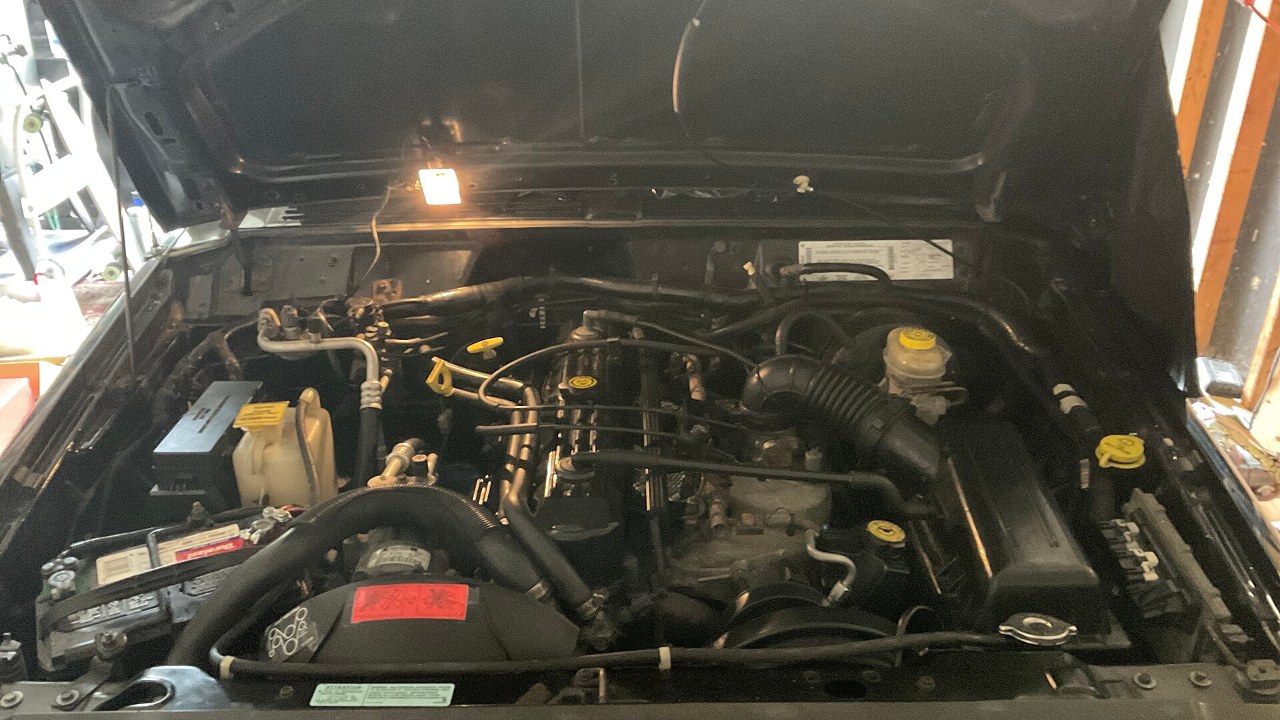
AMC designed the 4.0-liter inline-six, and it debuted for 1987 in the Jeep Cherokee XJ with fuel injection. It made 173 hp, 58 more than the previous year’s XJ. A 1991 update with multi-port fuel injection and new exhaust manifolds raised output to 190 hp and earned most XJs a High Output badge.
The XJ ran for 17 years, and the 4.0 found other homes along the way. It powered the Wrangler from 1991, plus the Comanche pickup, Wagoneer and Grand Cherokee. On June 16, 2001, the five-millionth 4.0 came off the line. Jeep kept building the engine through the 2006 model year, then replaced it with a 3.8-liter V6.
Nissan L28
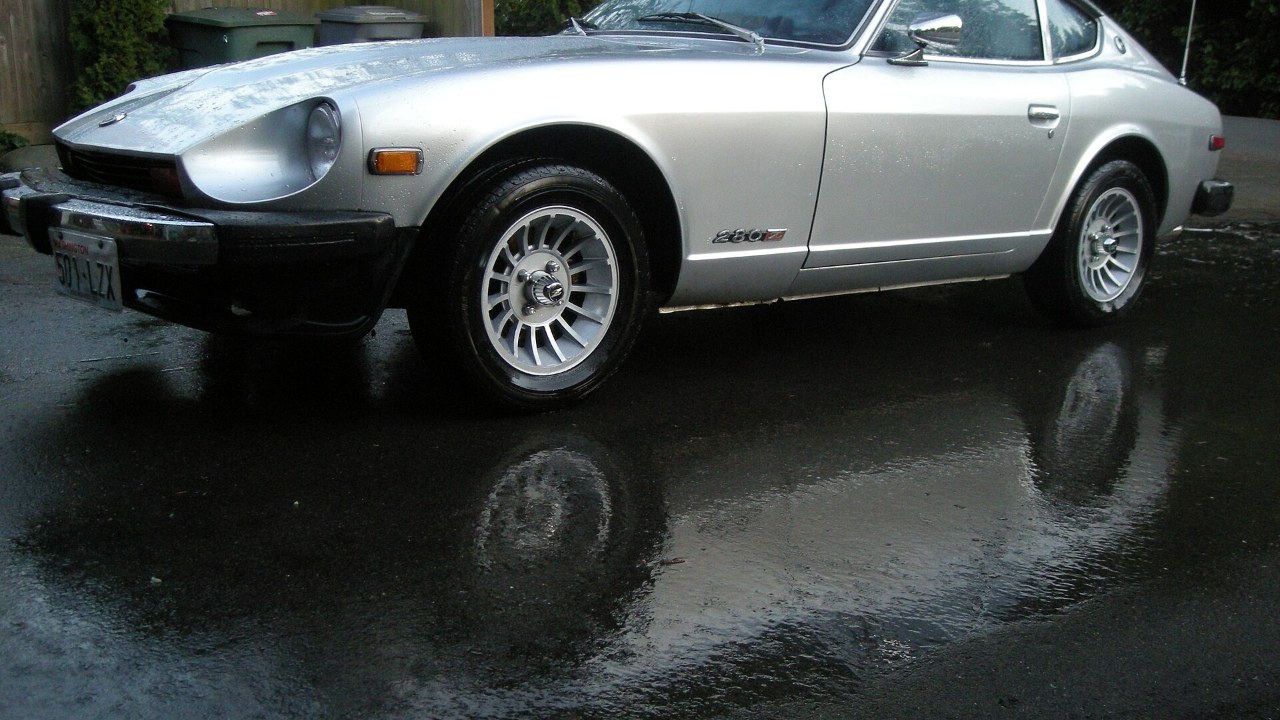
Nissan’s L-series engine family began with the L20 in 1966. Its biggest member, the 2,753 cc L28 inline-six, arrived in the 1975 Datsun 280Z, the car that replaced the 260Z. Bosch L-Jetronic fuel injection came with it and cured the drivability problems of the earlier carbureted cars.
The 280Z gave way to the 280ZX for 1979, but the L28 stayed. In 1981 to 1983 280ZX form, the L28E made 145 hp and the L28ET turbo made 180 hp. Nissan also fitted the L28 to the Patrol off-roader and the Cedric, Gloria and Laurel sedans. Fuel-injected L28E production ran from 1975 to 1984, well past the 280Z it launched in.
Subaru EJ Series
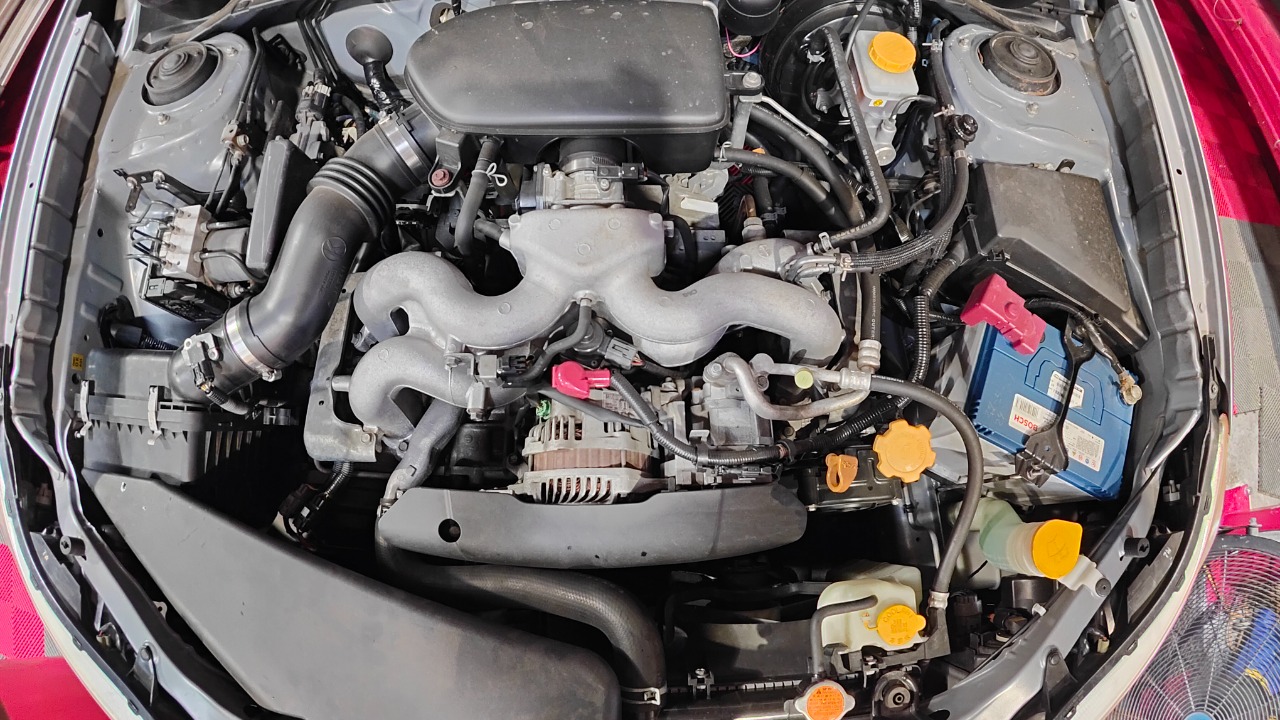
The Subaru EJ Series engines, particularly the EJ20 and EJ25, have been powering Subaru vehicles since the late 1980s. Known for their unique flat-four layout, these engines offer a low center of gravity, which enhances handling dynamics. The EJ Series is celebrated for its durability and all-wheel-drive compatibility, making it a favorite among rally enthusiasts.
As Subaru’s flagship engine series, the EJ engines have been used in various models, from the Impreza to the Legacy. Their ability to deliver consistent performance in challenging conditions has ensured that they remain popular even as newer engines are introduced.
Ford Coyote V8
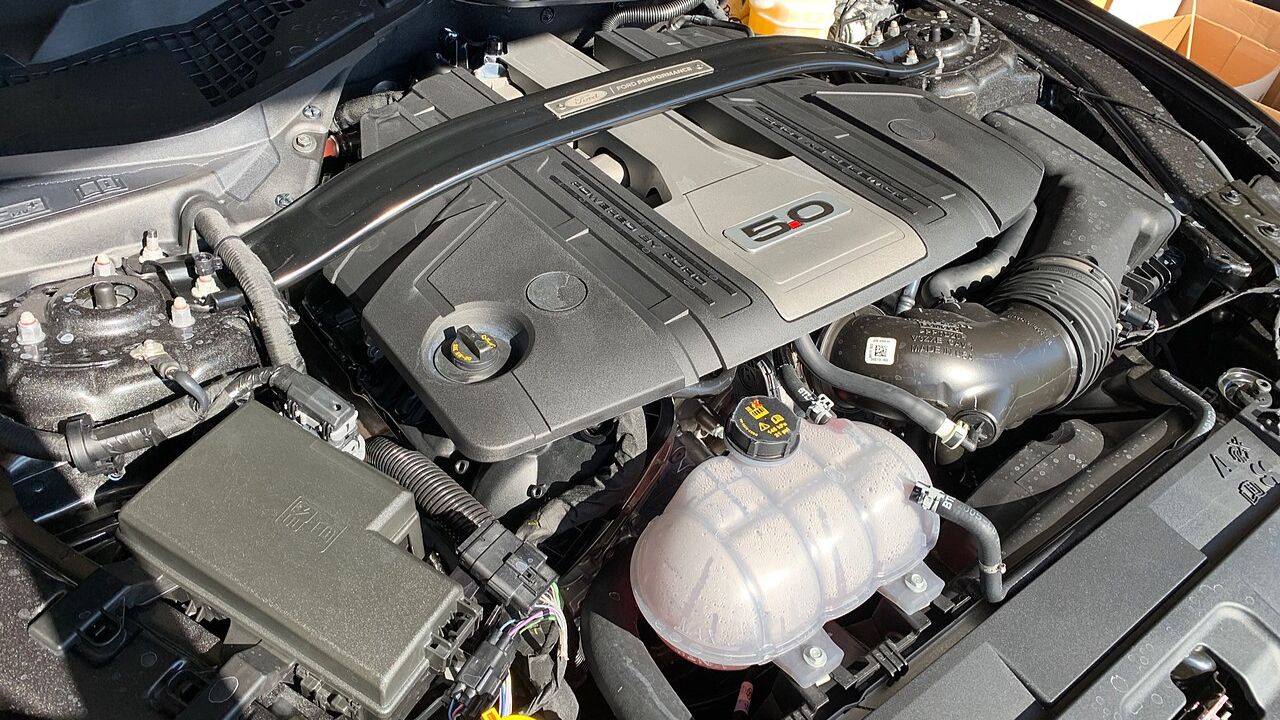
The Ford Coyote V8 engine, introduced in 2011, represents a significant leap in Ford’s engine technology. Found in the Mustang GT and F-150, this engine combines modern engineering with classic V8 performance. With an output of up to 450 horsepower, the Coyote is known for its impressive power and efficiency.
Its robust design has made it a popular choice for performance builds, ensuring the Coyote V8 will outlast many of the vehicles it was originally intended for. The strong aftermarket support and tuning potential of this engine have solidified its place in the performance community.
Mopar 426 HEMI

The Mopar 426 HEMI is a legendary engine that made its debut in the 1960s. Known for its distinctive hemispherical combustion chambers, this V8 engine is famous for its power and performance in both street and racing applications. Used in models like the Dodge Charger and Plymouth Superbird, the 426 HEMI became synonymous with American muscle.
Despite being discontinued after the muscle car era, the 426 HEMI has seen a resurgence in popularity among collectors and restorers. Its storied history and performance capabilities ensure that this engine’s legacy will continue for years to come.
BMW M20 Inline-Six
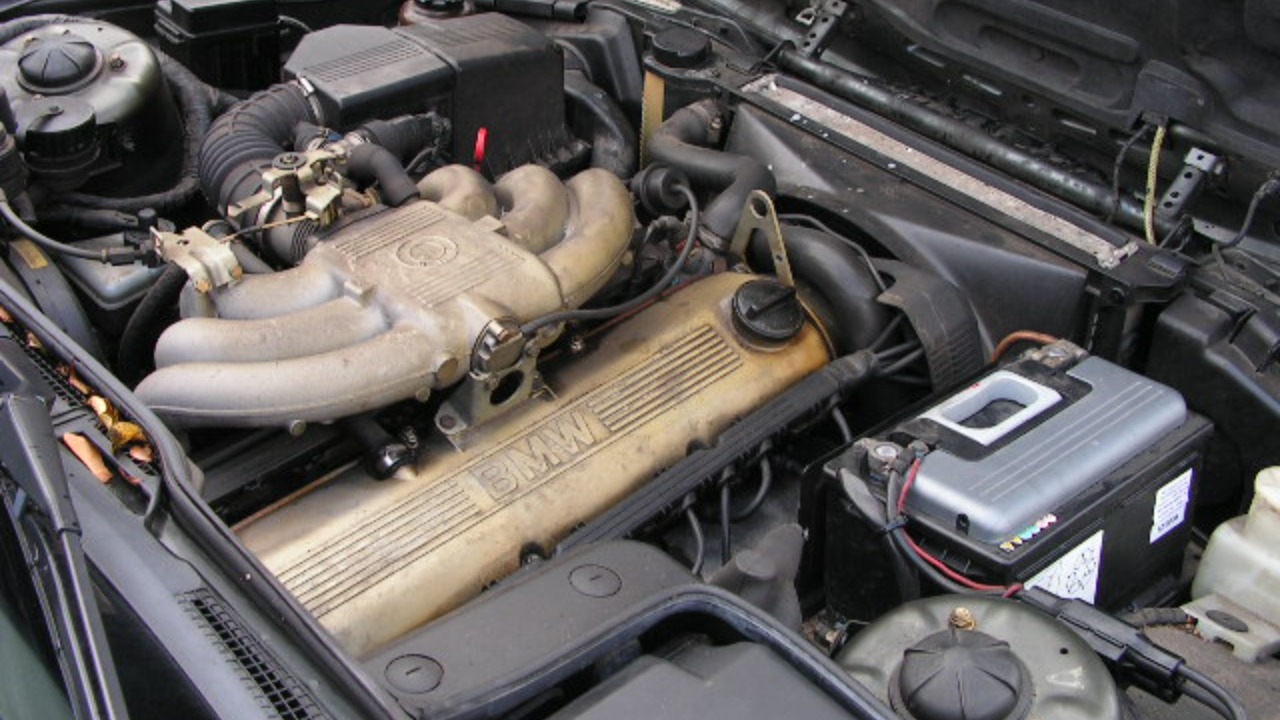
The BMW M20 Inline-Six engine has been a staple in BMW’s lineup since the late 1970s. Known for its smooth power delivery and refined performance, it powered models like the 3 Series and 5 Series. The M20 was praised for its lightweight construction and ability to rev freely, characteristics that contributed to its widespread appeal.
Even after its production ended in the early 1990s, the M20 continues to be a popular choice for enthusiasts looking to restore or modify classic BMWs. Its reputation for reliability and performance means it has outlasted many of the vehicles it was originally fitted to, remaining a favorite in the automotive community.
Mazda Wankel Rotary Engine
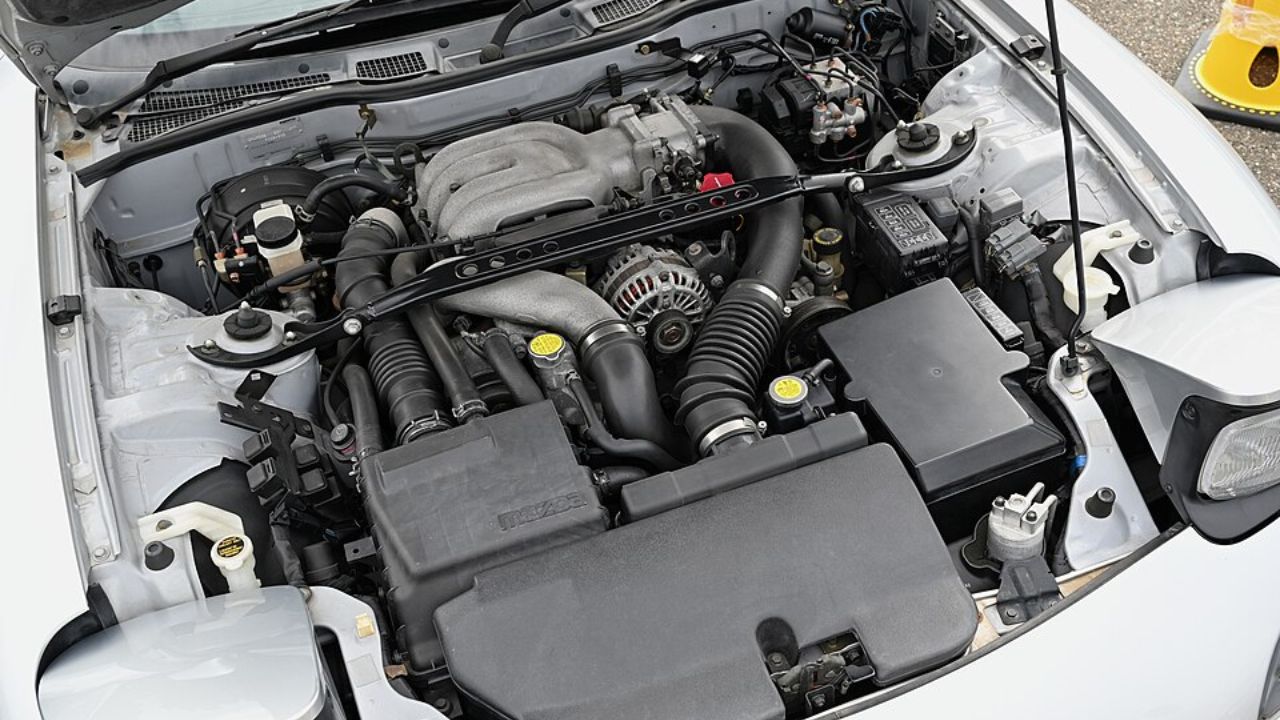
The Mazda Wankel Rotary Engine is known for its unique design and high power-to-weight ratio. First introduced in the 1960s, this engine powered iconic models like the RX-7 and RX-8. The rotary engine’s compact size and smooth operation made it a favorite among enthusiasts, despite its quirks and maintenance requirements.
Even though Mazda has moved towards more traditional engine designs, the Wankel remains a beloved choice for dedicated fans. Its distinctive characteristics and performance capabilities have ensured that it will continue to be celebrated long after the last rotary-powered car rolls off the production line.
Dodge 5.2L Magnum V8
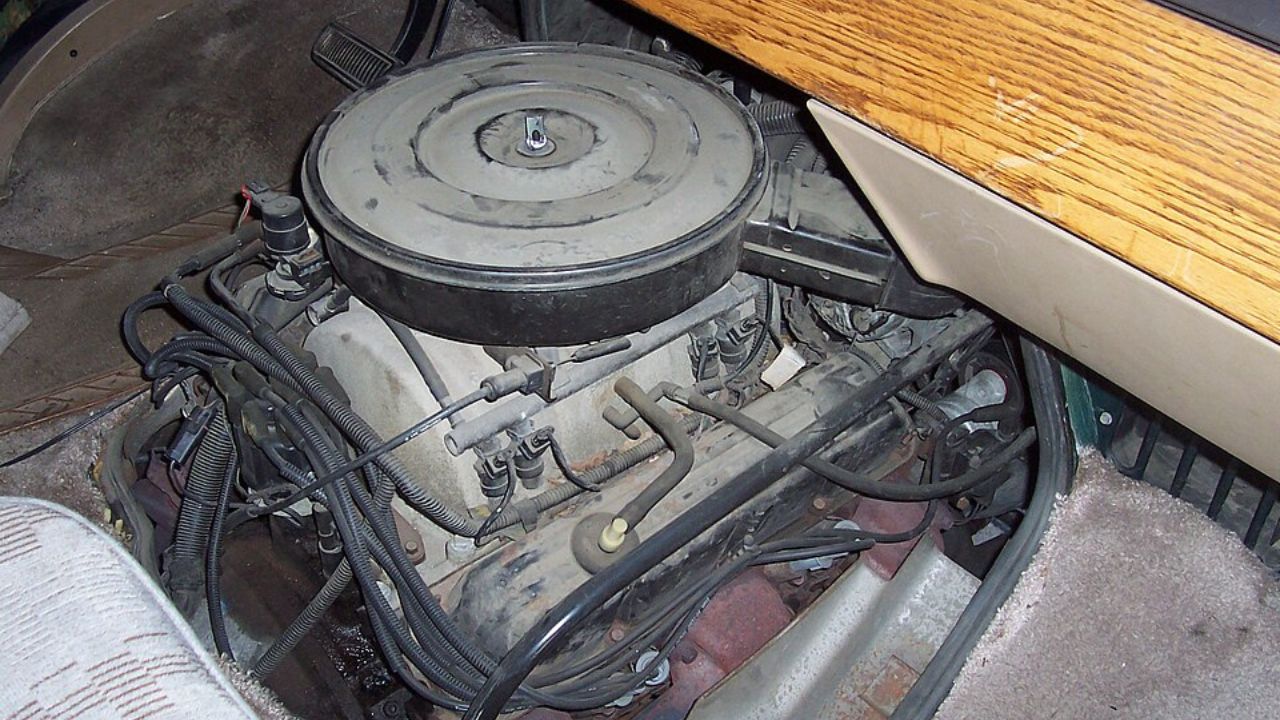
The Dodge 5.2L Magnum V8 engine, introduced in the early 1990s, was a significant update to Dodge’s V8 lineup. Known for its torque and reliability, the Magnum V8 powered a range of vehicles from trucks to performance cars. Its solid construction and ample displacement made it a favorite among those who needed reliable power.
Even years after its production ended, the Magnum V8 continues to be a popular choice for enthusiasts looking to build or restore classic Dodge vehicles. Its versatility and durability have allowed it to outlast many of the cars it originally powered, remaining a relevant option in the automotive landscape.
Mercedes-Benz OM617 Diesel
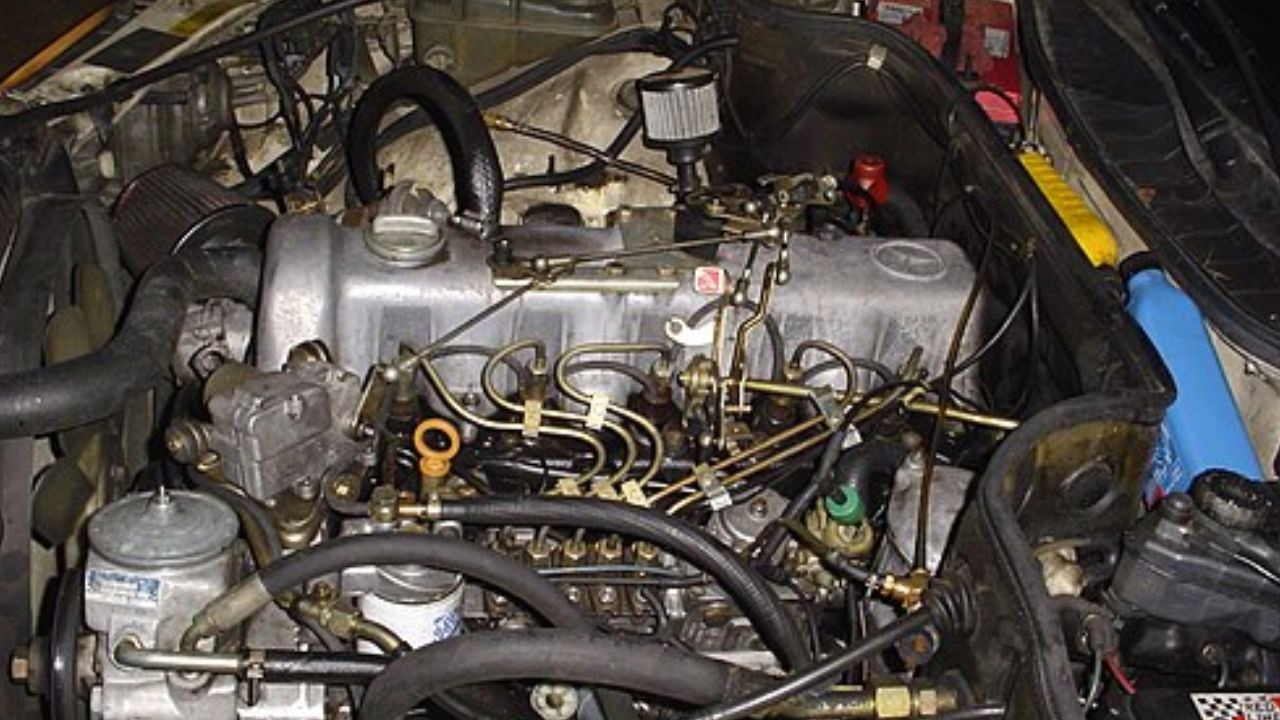
The Mercedes-Benz OM617 Diesel engine is renowned for its durability and longevity. Produced from the late 1970s to the early 1990s, this inline-five diesel engine powered a variety of Mercedes models, including the famous W123. Known for its ability to rack up high mileage with minimal issues, the OM617 became a favorite among those seeking a reliable vehicle.
With many examples still on the road today, the OM617 has proven itself to be a powerhouse of reliability. Its robust design and straightforward mechanics have made it a popular choice for enthusiasts looking to restore or retrofit classic Mercedes-Benz vehicles.
Chevrolet LS Series
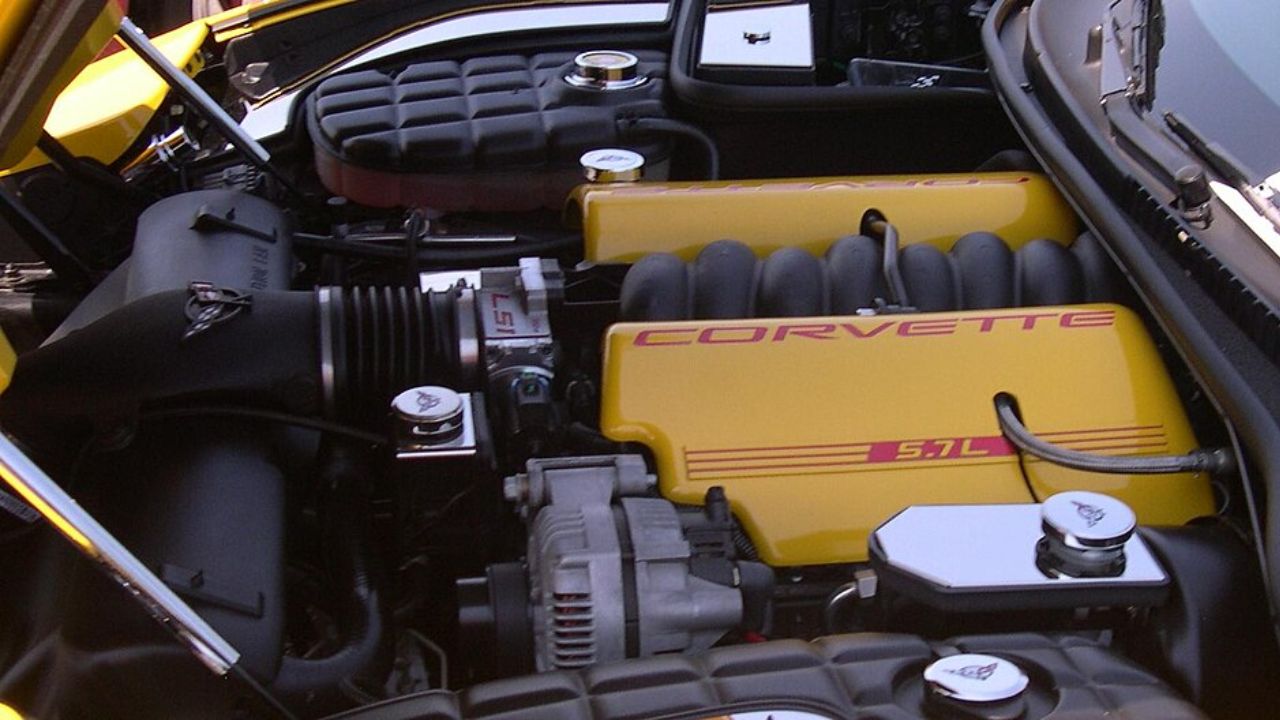
The Chevrolet LS Series engines are among the most popular and versatile powertrains in the automotive world. Introduced in the late 1990s, the LS family has powered a wide range of vehicles, from sports cars to trucks. Its lightweight design and high performance have made it a favorite among both manufacturers and custom builders.
The LS engine’s adaptability has allowed it to be swapped into numerous vehicles, ensuring its relevance long after its original applications. With a vast aftermarket support network, the LS Series remains a go-to choice for performance enthusiasts looking to enhance their vehicles.
Porsche Flat-Six
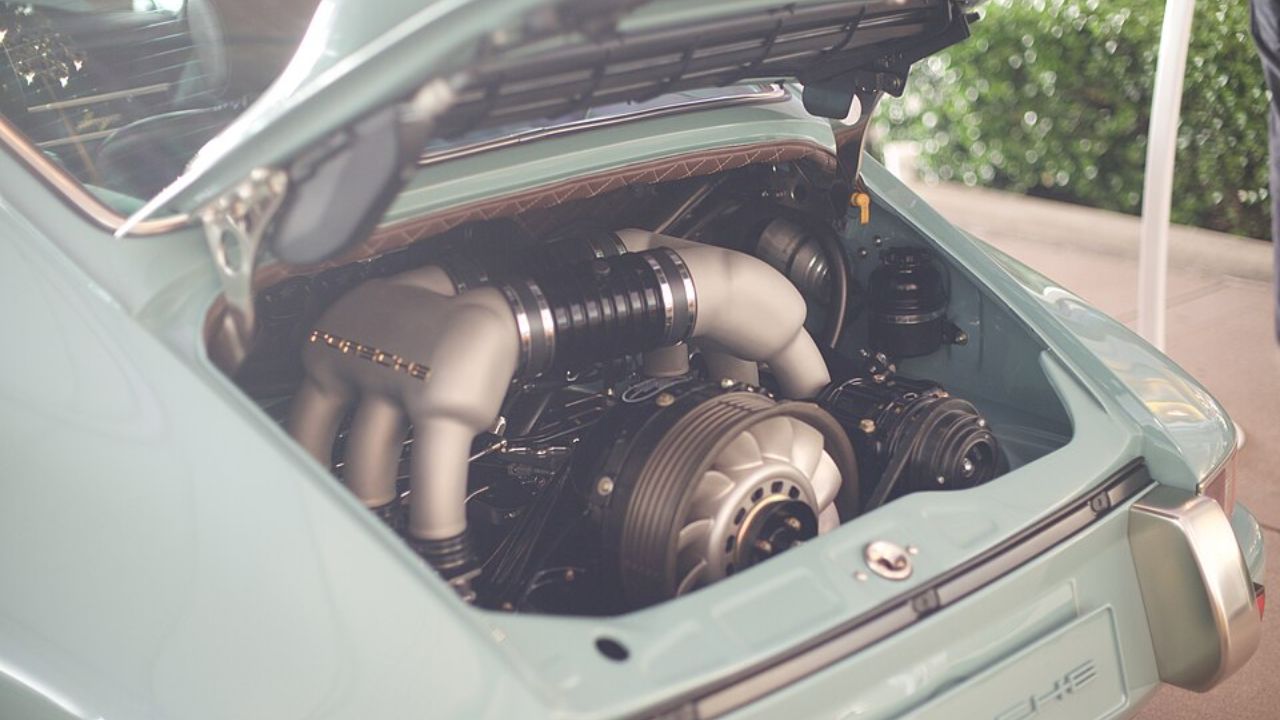
The Porsche Flat-Six engine has defined the brand’s sports cars for decades. First introduced in the 1960s, this engine has powered iconic models such as the 911 and Boxster. Known for its smooth power delivery and distinctive sound, the flat-six has become synonymous with Porsche’s performance ethos.
Despite the introduction of new technologies, the flat-six engine remains a cornerstone of Porsche’s lineup. Its engineering excellence and ability to deliver exhilarating performance have allowed it to outlast many of the vehicles it was originally designed for, solidifying its place in automotive history.
Audi 2.7T V6
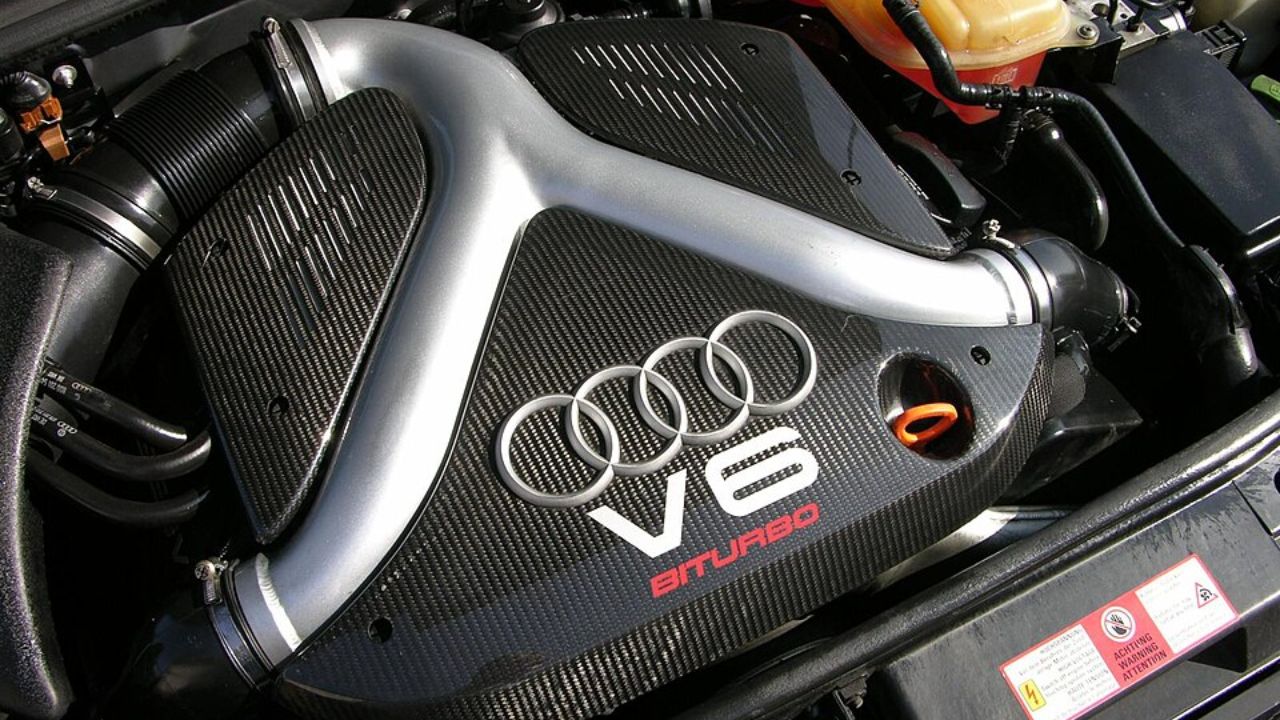
The Audi 2.7T V6 engine, introduced in the late 1990s, is known for its turbocharged performance and smooth operation. It powered models such as the Audi S4 and A6, becoming a favorite among enthusiasts seeking a balance of power and refinement. The 2.7T’s robust construction and tuning potential have made it a popular choice for performance builds.
Even years after its initial debut, the 2.7T continues to be a sought-after engine for those looking to enhance their vehicles. Its ability to deliver substantial power and torque while maintaining reliability has ensured its place in the automotive landscape for years to come.
Jaguar XK Inline-Six
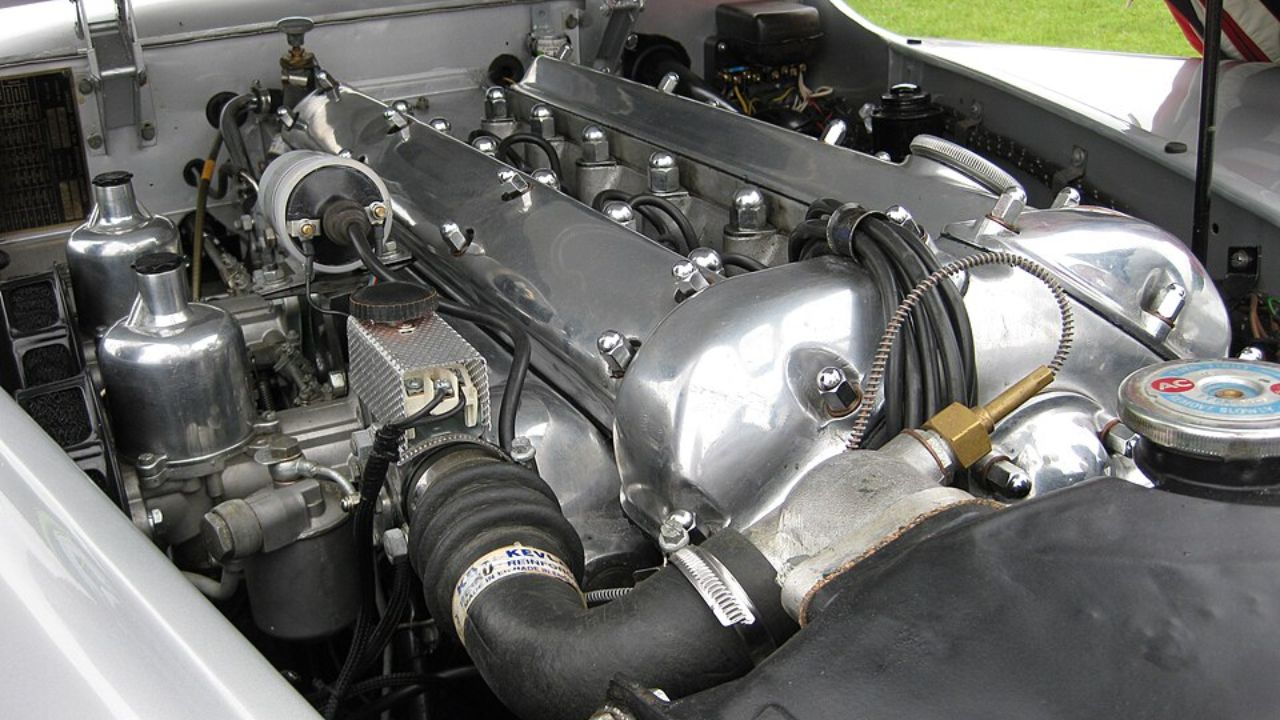
The Jaguar XK Inline-Six engine has a rich history dating back to the 1940s. Known for its smooth operation and elegant design, this engine powered many classic Jaguar models, including the XK120 and XK140. The XK Inline-Six is celebrated for its performance and refined characteristics, which have endeared it to collectors and enthusiasts alike.
Even after its production ended, the XK engine remains a beloved choice for classic car restorers. Its combination of performance, reliability, and historical significance ensures that it continues to be cherished long after its original applications.
Lamborghini V10 (Gallardo)
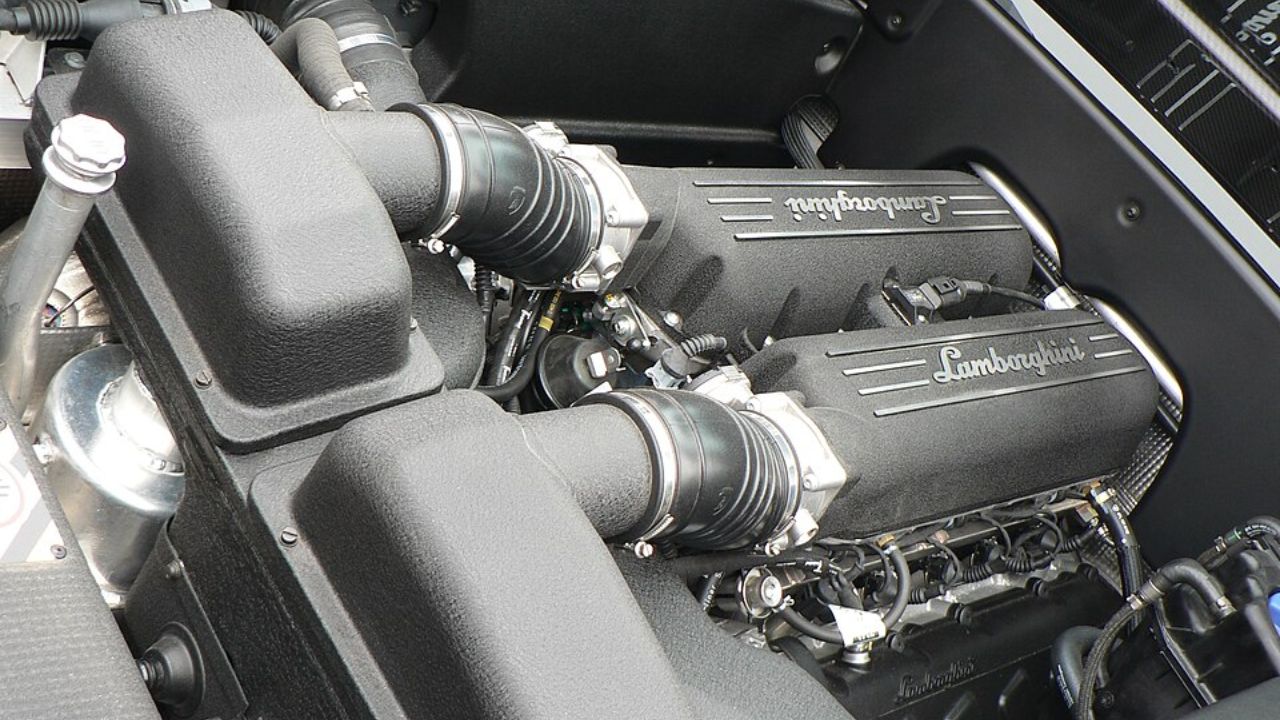
The Lamborghini V10 engine, found in the Gallardo, has made a significant impact in the supercar world since its introduction in the early 2000s. Known for its exhilarating performance and distinctive sound, this engine has powered one of Lamborghini’s best-selling models. The V10 combines power and precision, delivering an engaging driving experience that has captivated enthusiasts.
Even as Lamborghini has moved towards hybrid technologies, the V10 remains a symbol of the brand’s performance heritage. Its ability to deliver thrilling performance and remain reliable has ensured its legacy will endure well beyond its original applications.
Toyota 1JZ-GTE
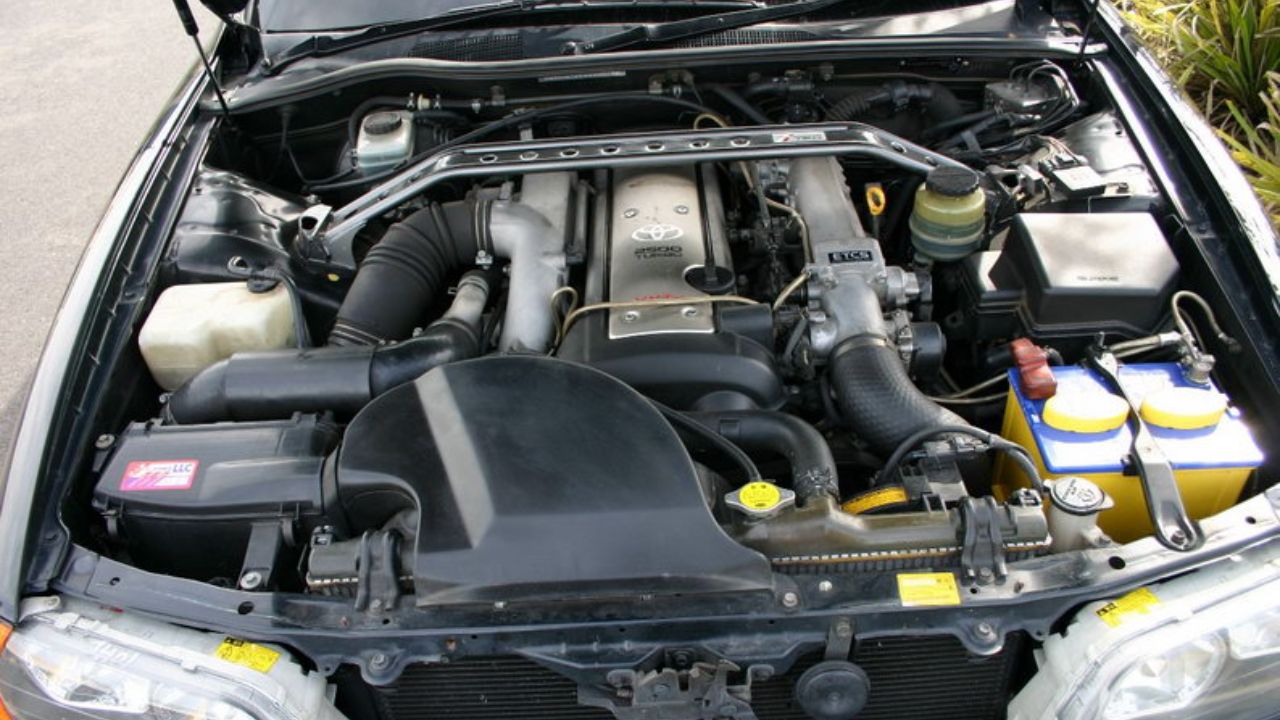
The Toyota 1JZ-GTE engine is renowned for its performance and tuning capabilities, first appearing in the Toyota Supra and Chaser in the 1990s. This inline-six turbocharged engine is known for its durability and impressive power potential, often becoming a favorite in the tuning community. The 1JZ-GTE’s robust design allows for substantial modifications, making it a sought-after choice among enthusiasts.
Even years after the last models equipped with the 1JZ-GTE rolled off the production line, the engine retains its popularity among tuners and builders. Its performance characteristics and reliability have ensured that it will continue to be a prominent choice in the automotive landscape.
Buick 3800 V6
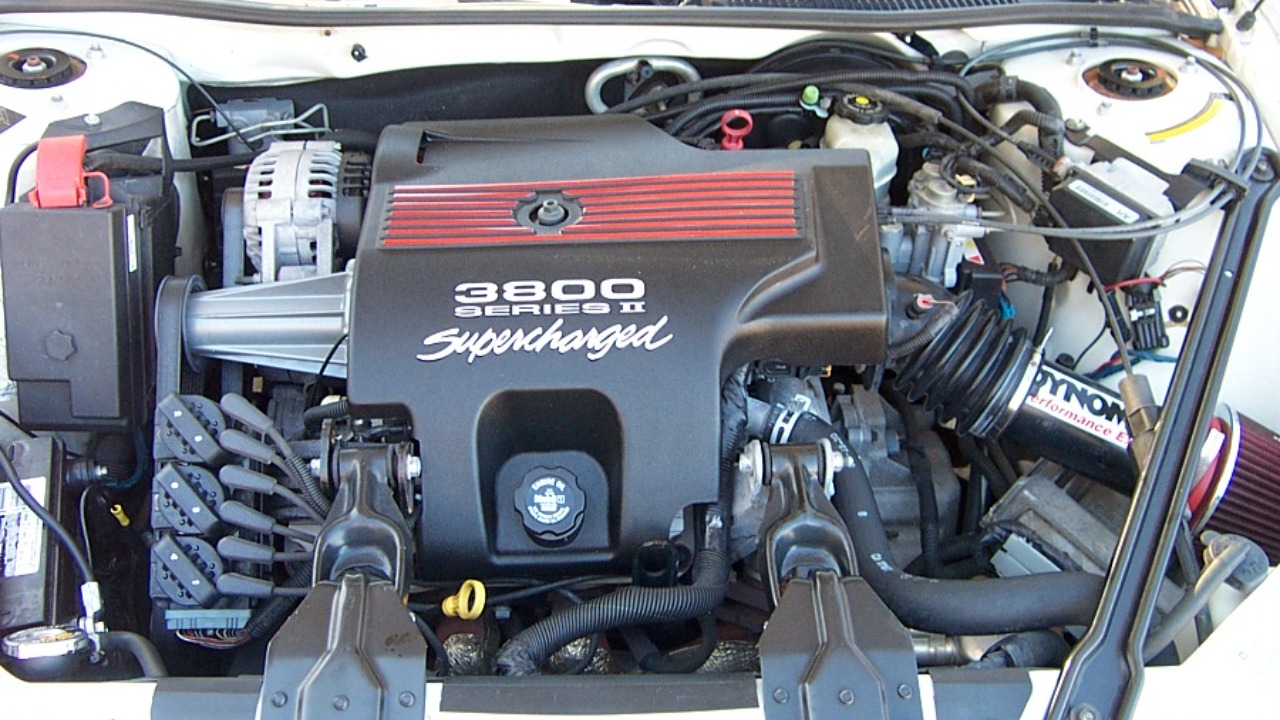
The Buick 3800 V6 engine has enjoyed a long and successful run since its introduction in the 1980s. Known for its smooth operation and reliability, this engine powered various models, including the Regal and LaCrosse. The 3800’s robust design has allowed it to achieve high mileage without significant issues, making it a popular choice among drivers seeking longevity.
Even after its production ended, the 3800 V6 remains a favorite among enthusiasts and restorers, with many examples still on the road today. Its combination of efficiency, performance, and durability has ensured that this engine outlasts many of the vehicles it originally powered.
More from Fast Lane Only