Some factory V8 engines became famous not because they were the most powerful, but because they continued working long after many owners expected them to. From early Chevrolet small-blocks to Ford Windsor engines and Chrysler Hemi V8s, these engines earned reputations for durability, simplicity, and long service.
Chevrolet Small-Block 265
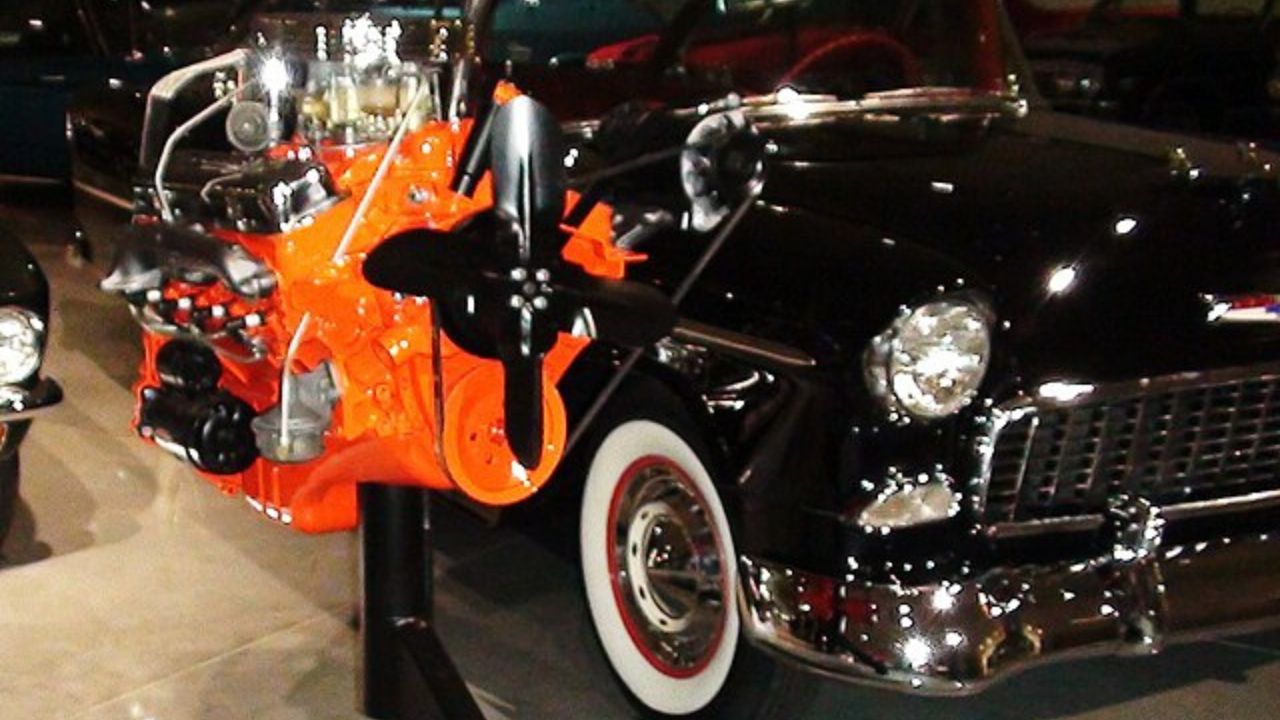
The Chevrolet 265 was the engine that established the small-block V8 architecture that would become one of the most successful in American automotive history. Introduced in 1955, it was compact, lightweight, and relatively simple to maintain. Although later versions became more famous, the 265 created the foundation for an engine family that would remain in production and service for generations.
Chevrolet Small-Block 283
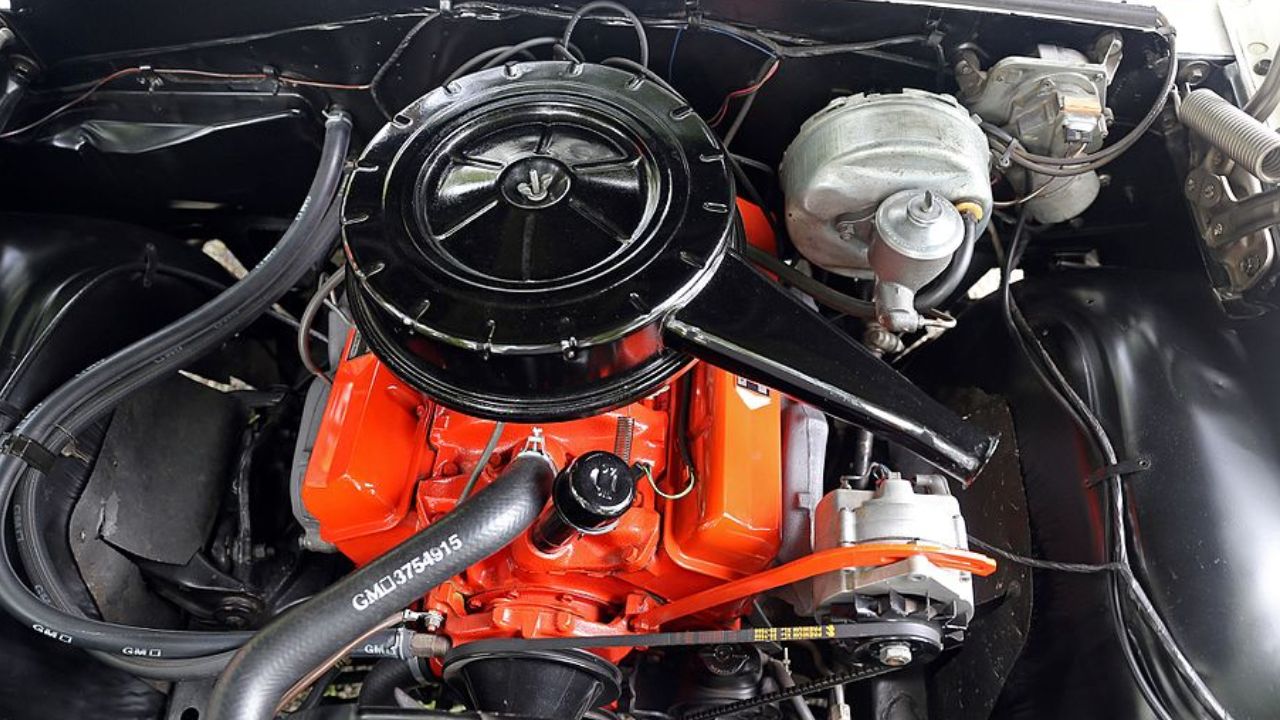
The Chevrolet 283 expanded the small-block formula while maintaining its compact dimensions and straightforward design. It powered everything from ordinary passenger cars to performance-oriented models and Corvettes. Its wide availability and simple mechanical layout made it easy to service, rebuild, and modify. Many examples became long-term survivors because parts and knowledge remained readily available.
Chevrolet Small-Block 327
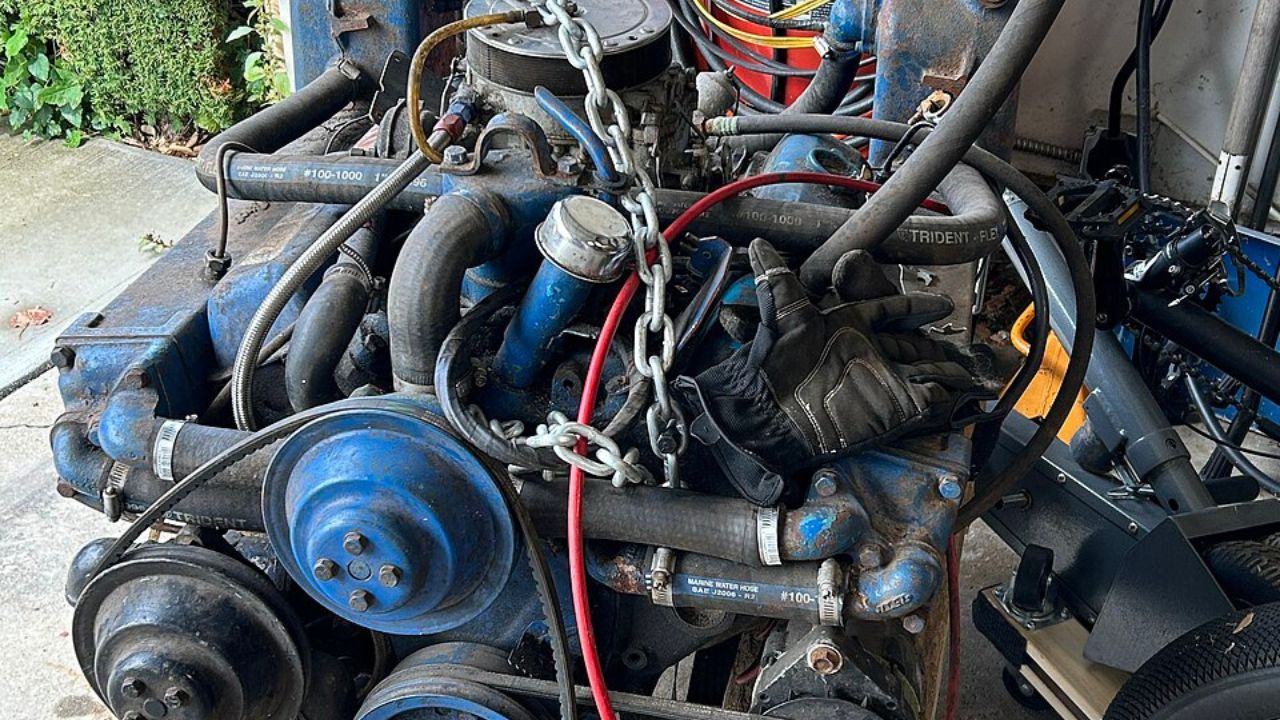
The 327 became one of Chevrolet’s most respected small-block V8s. It offered a useful combination of displacement, high-revving capability, and strong performance, particularly in Corvette applications. Different factory versions produced very different power levels, but the basic architecture remained remarkably adaptable. Its durability and enormous aftermarket support helped keep the 327 relevant long after production ended.
Chevrolet Small-Block 350
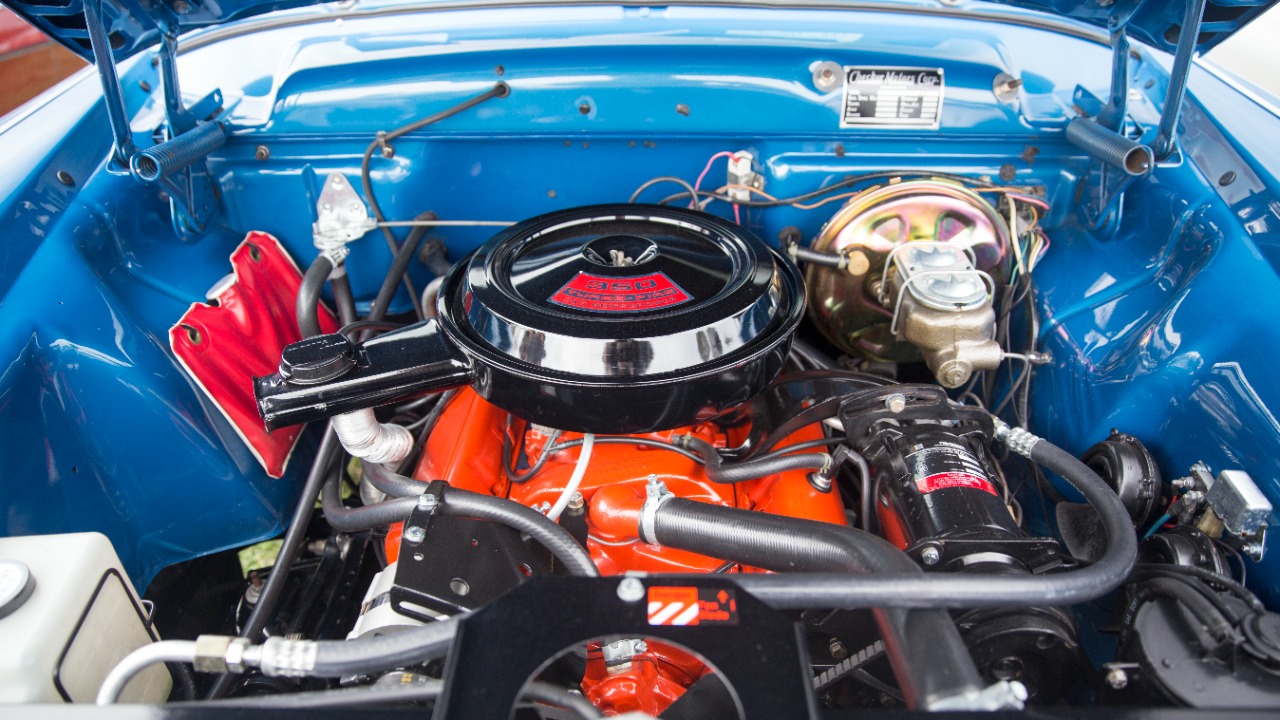
The Chevrolet 350 became one of the most widely produced V8 engines in American automotive history. It powered cars, pickups, vans, boats, and countless modified vehicles. Its simple pushrod design, strong aftermarket support, and enormous parts supply made repairs and rebuilds relatively easy. Even decades after production, the 350 remains one of the easiest classic V8s to keep running.
Chevrolet Small-Block 400
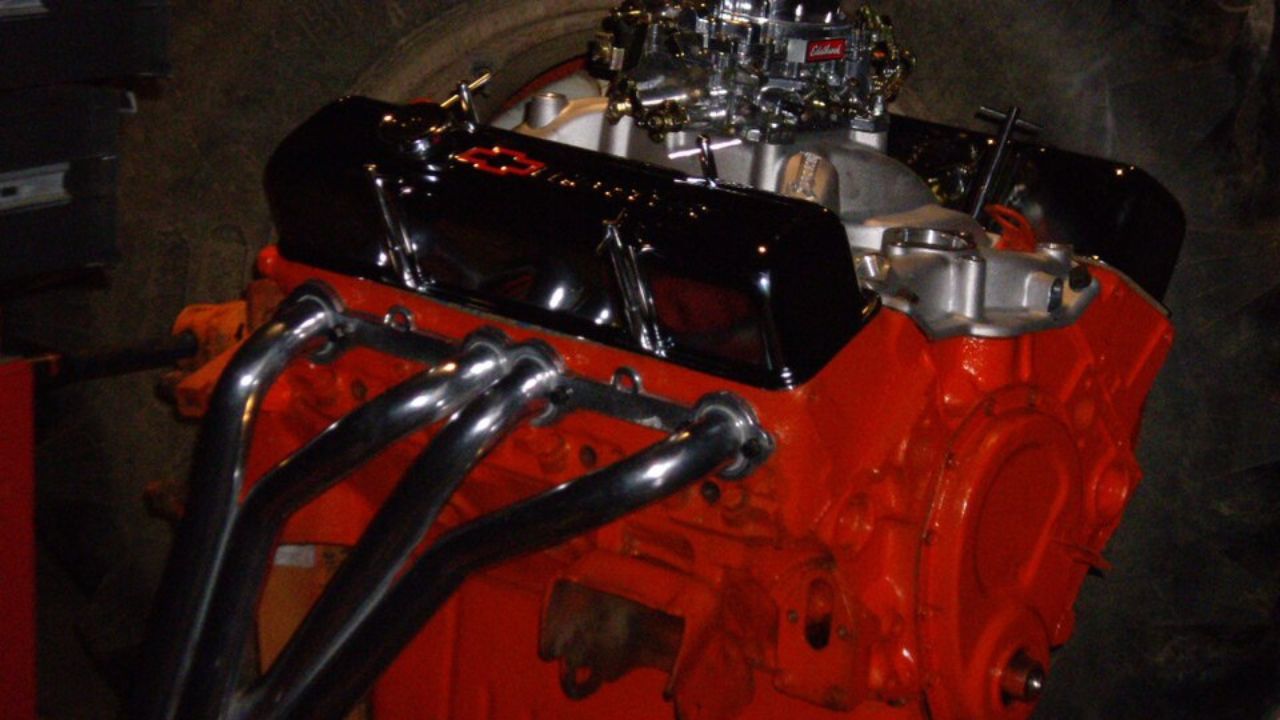
The Chevrolet 400 small-block increased displacement while retaining the familiar compact architecture. Its larger bore and stroke gave it strong low-speed torque, making it useful in full-size cars, trucks, and performance applications. Although less common than the 350, the 400 earned a reputation as a practical torque-producing V8 that could handle demanding street use.
Chevrolet LS1
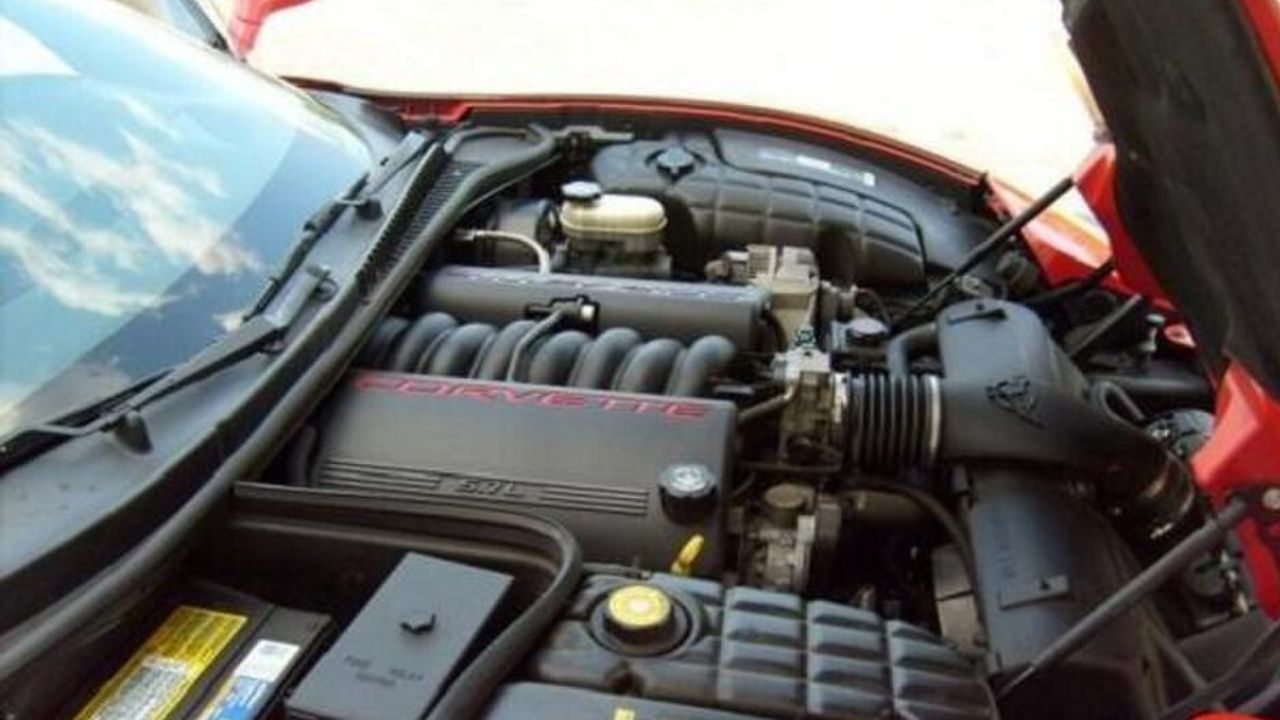
The LS1 represented a major change for Chevrolet’s small-block family. Introduced in the late 1990s, it used an aluminum block, modern fuel injection, and a compact pushrod design. It powered the Corvette, Camaro, and Firebird and became famous for combining strong performance with relatively simple mechanical construction. Its enormous aftermarket also helped many LS1 engines remain in service for years.
Chevrolet LS2
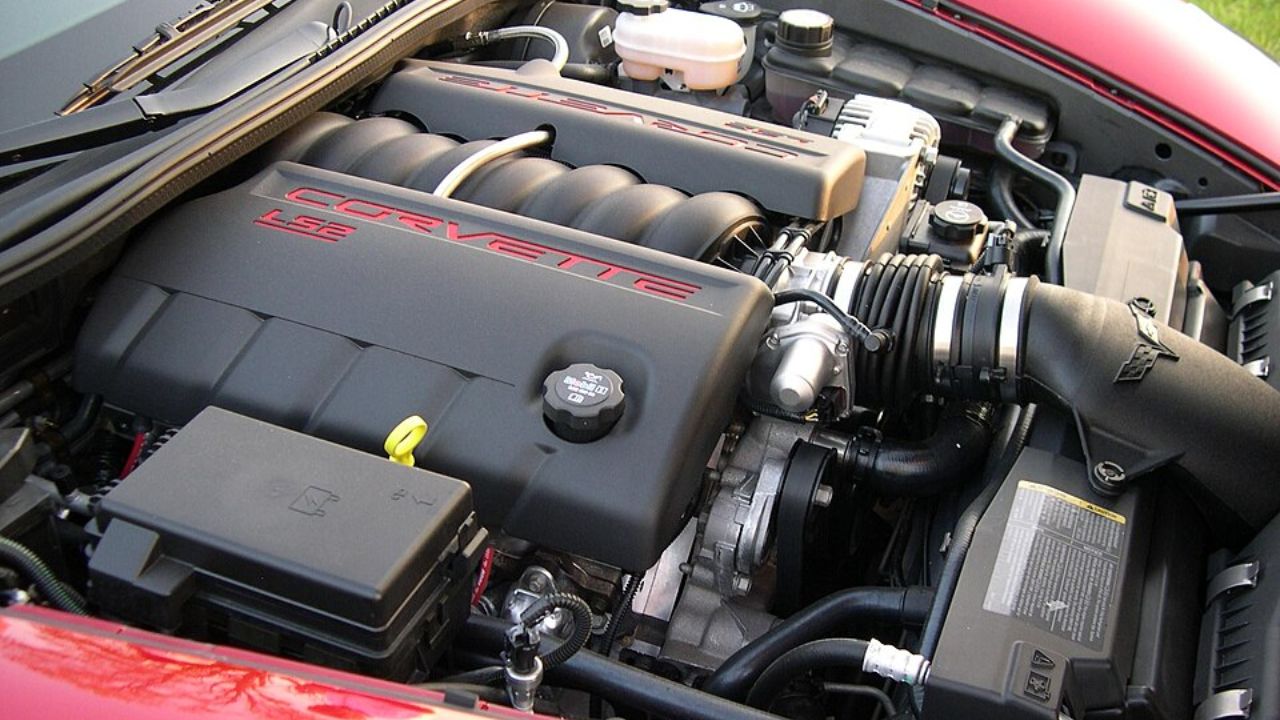
The LS2 increased displacement to 6.0 liters while retaining the compact architecture of the LS family. It powered vehicles including the Corvette, Pontiac GTO, and Chevrolet SSR. Strong factory performance was combined with a relatively simple pushrod valvetrain and aluminum construction. Its flexibility made the LS2 popular for both original applications and later engine swaps.
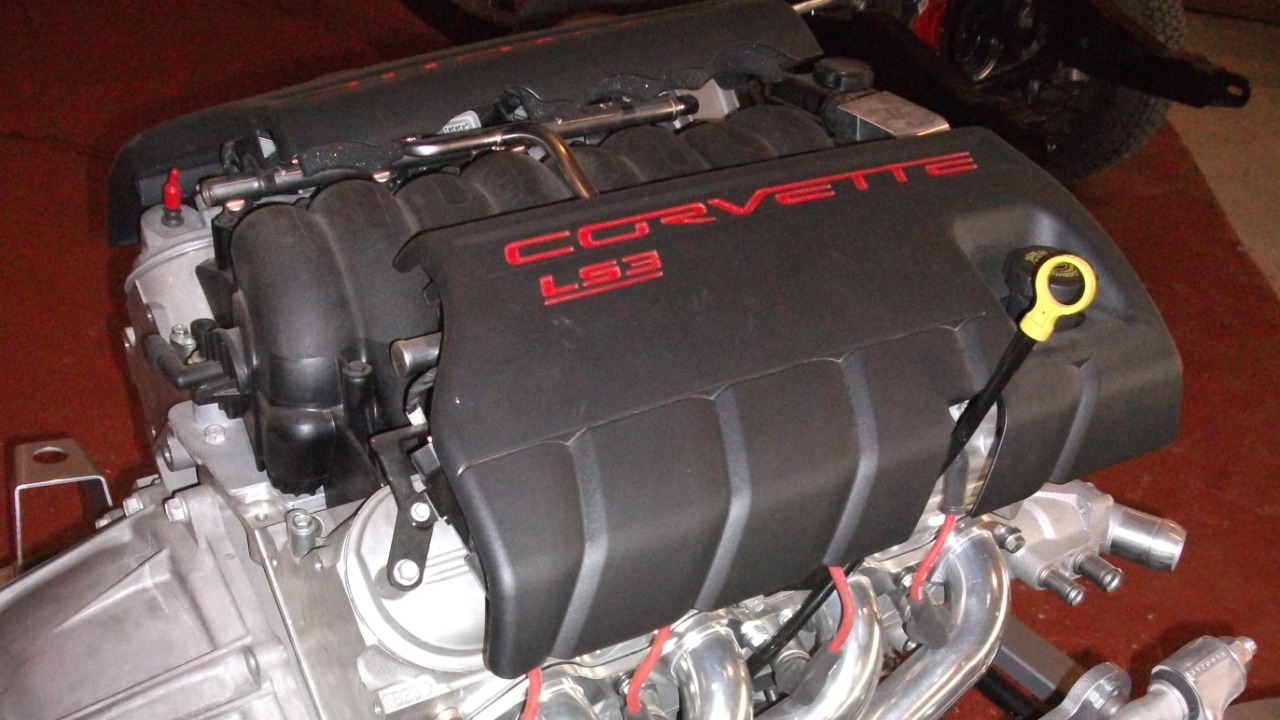
Chevrolet LS3
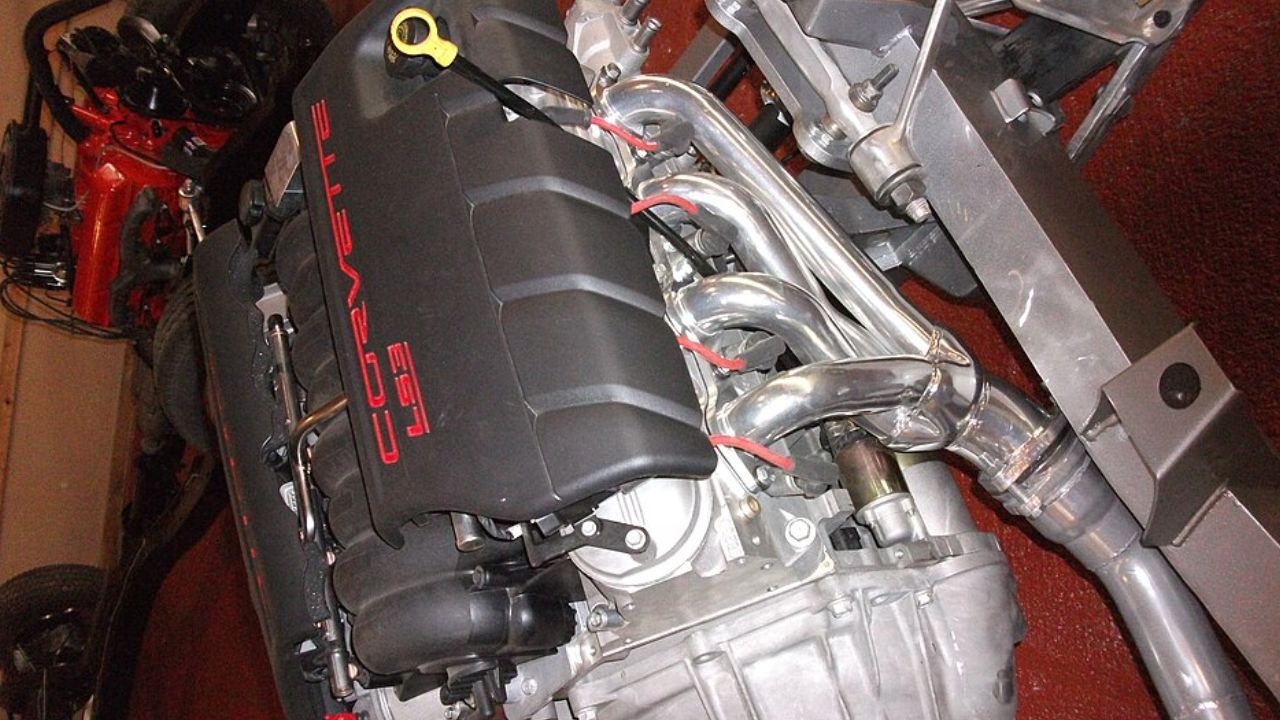
The LS3 became one of the best-known naturally aspirated LS engines. Its 6.2-liter displacement and efficient cylinder heads produced strong power while keeping the basic pushrod layout. It appeared in the Corvette and Camaro and became a popular engine for performance builds. Its combination of power, compact size, and straightforward architecture helped establish the LS3 as a modern classic.
Ford 289 Windsor
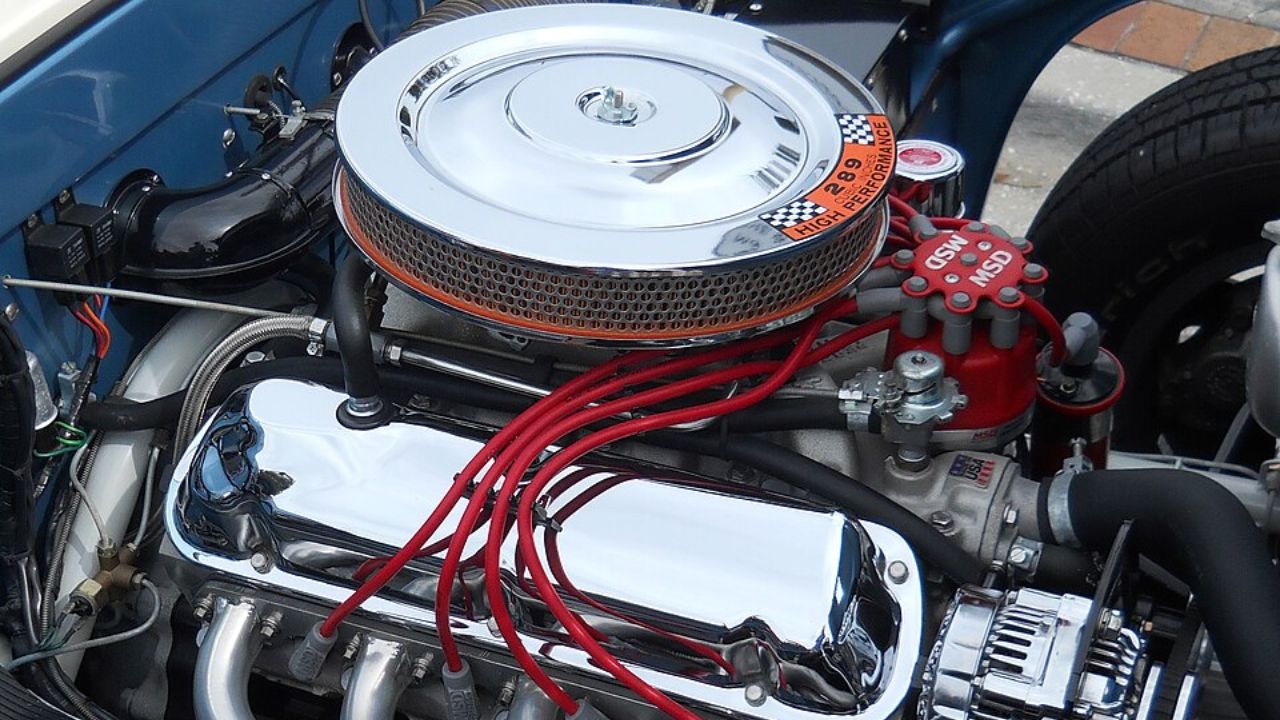
The Ford 289 Windsor became one of the most important small-block V8s of the 1960s. It powered the Mustang and numerous other Ford models, with different versions ranging from mild street engines to high-performance applications. Its compact dimensions and relatively simple construction made it easy to maintain. The 289 also became a favorite among hot rodders and restorers.
Ford 302 Windsor
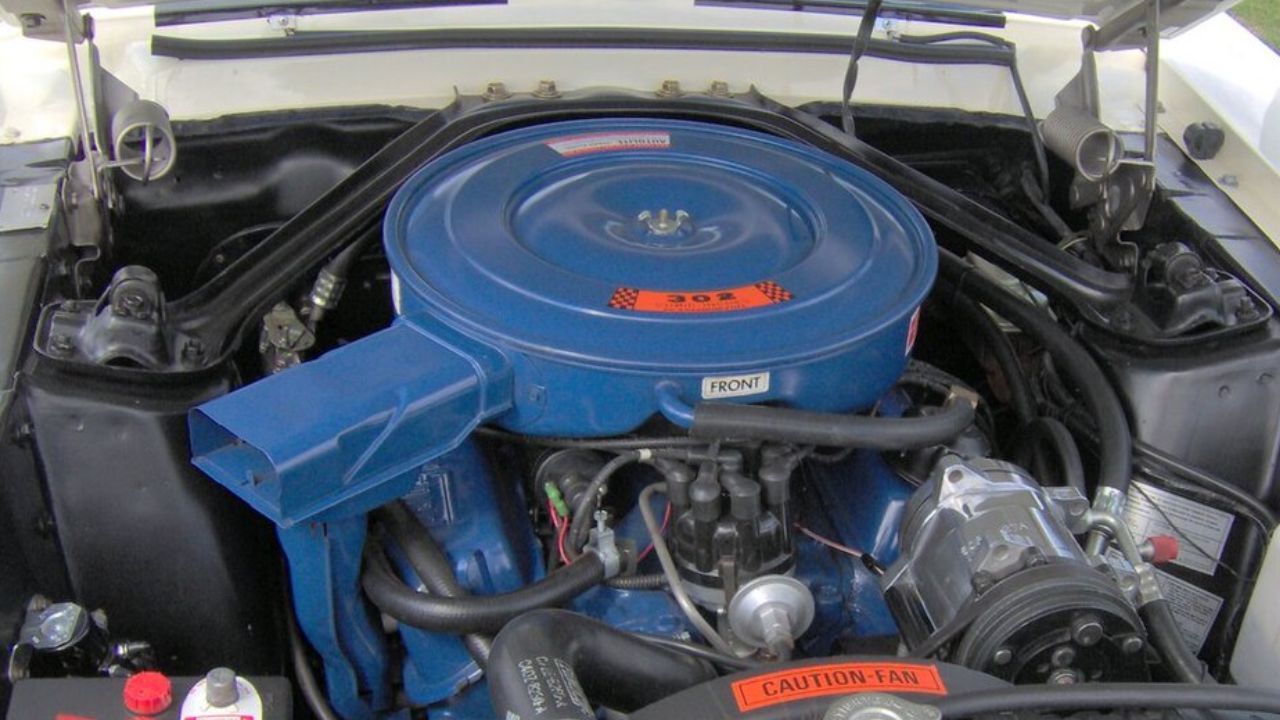
The Ford 302 Windsor became a legendary small-block V8 that remained in production for decades. It powered Mustangs, trucks, passenger cars, and performance vehicles. Its compact size made it useful in many engine bays, while its simple pushrod design made repairs and modifications straightforward. The 302’s massive production numbers also ensured a steady supply of replacement parts.
Ford 351 Windsor
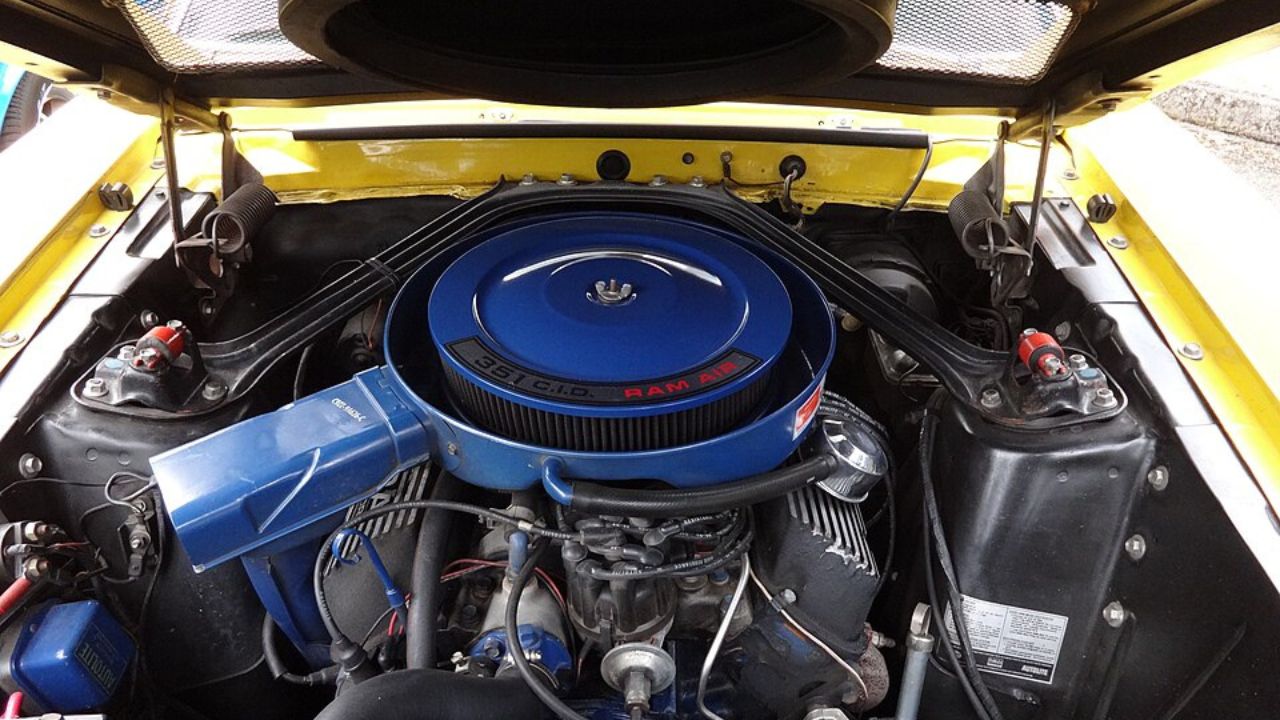
The 351 Windsor combined the compact Windsor architecture with additional displacement and torque. It became a popular choice in Ford passenger cars and trucks and was offered in numerous configurations. Its straightforward construction allowed owners to maintain and rebuild these engines without excessive complexity. Many examples survived through decades of everyday driving, restoration, and performance modifications.
Ford 351 Cleveland
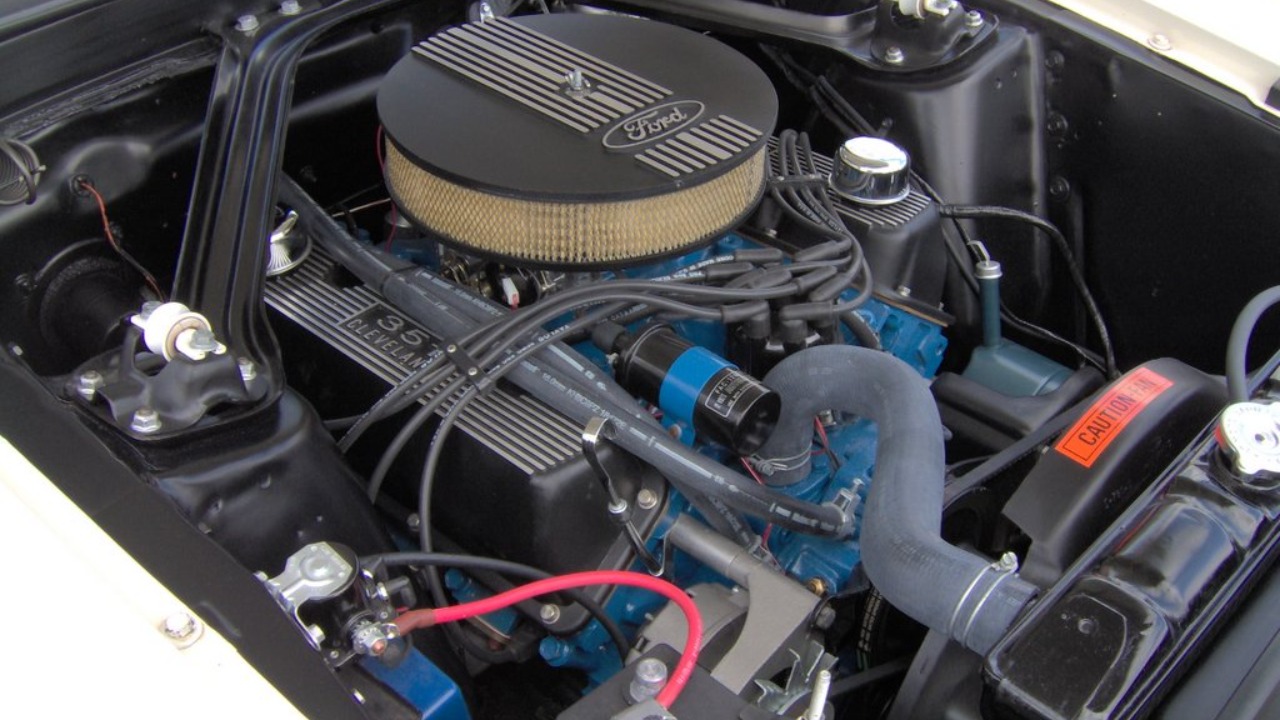
The 351 Cleveland was designed with larger cylinder heads and ports that allowed it to breathe particularly well. Performance versions became famous in Mustangs, Torinos, and other Fords. Despite its performance potential, the basic engine remained a durable conventional V8. Today, the 351 Cleveland remains highly regarded among enthusiasts who appreciate its combination of displacement and cylinder-head design.
Ford 400 Cleveland
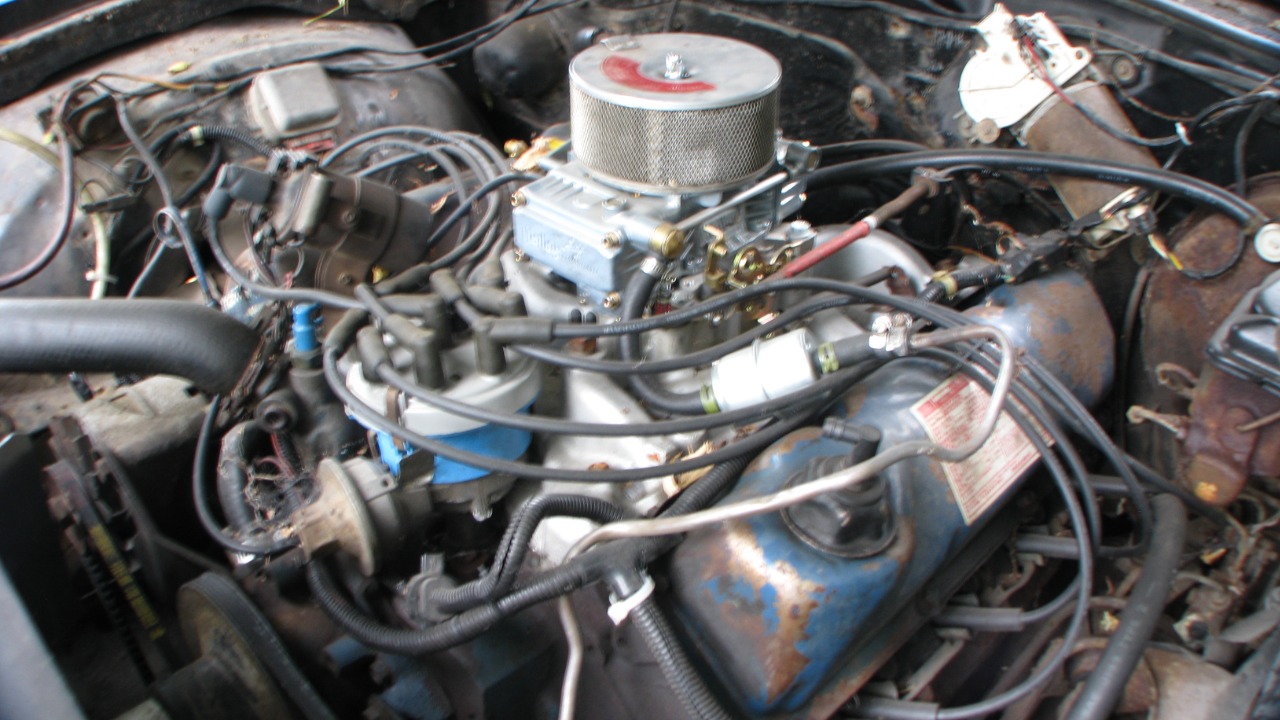
The Ford 400 Cleveland was developed primarily as a torque-focused V8 for larger cars and trucks. Its substantial displacement gave it strong low-speed pulling power, making it well suited to heavier vehicles. Although it did not become as famous as the performance-oriented 351 Cleveland, its basic architecture proved capable of providing dependable service in demanding applications.
Ford 427 FE

The Ford 427 FE became one of the most famous big-block V8s in Ford history. It powered high-performance road cars and racing machines, including legendary competition programs. Strong internal components and several specialized factory configurations gave the 427 enormous performance potential. Its racing reputation eventually made the engine one of the most desirable classic Ford V8s.
Ford 428 Cobra Jet
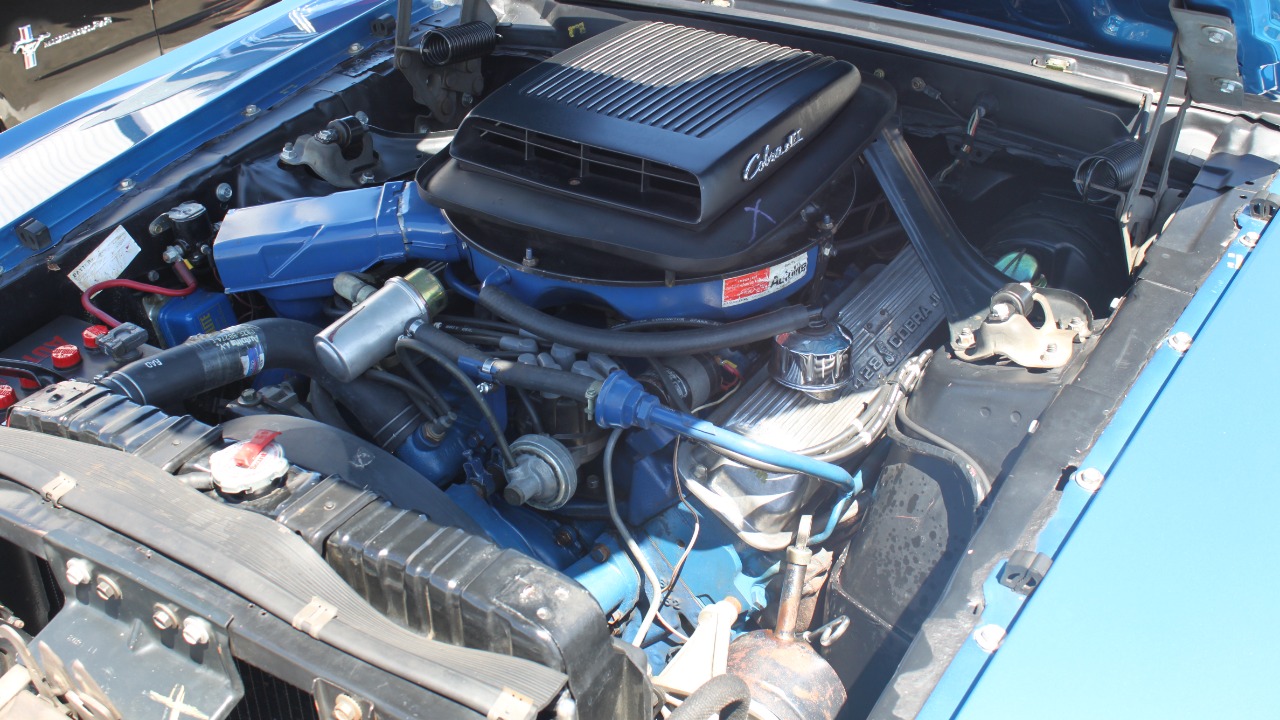
The Ford 428 Cobra Jet was created as a serious factory performance engine. It combined large displacement with specially developed cylinder heads, intake components, and other performance hardware. Used in cars such as the Mustang and Torino, it delivered substantial torque and acceleration. Its factory engineering helped make it one of the most recognizable Ford muscle-era V8s.
Chrysler 331 Hemi
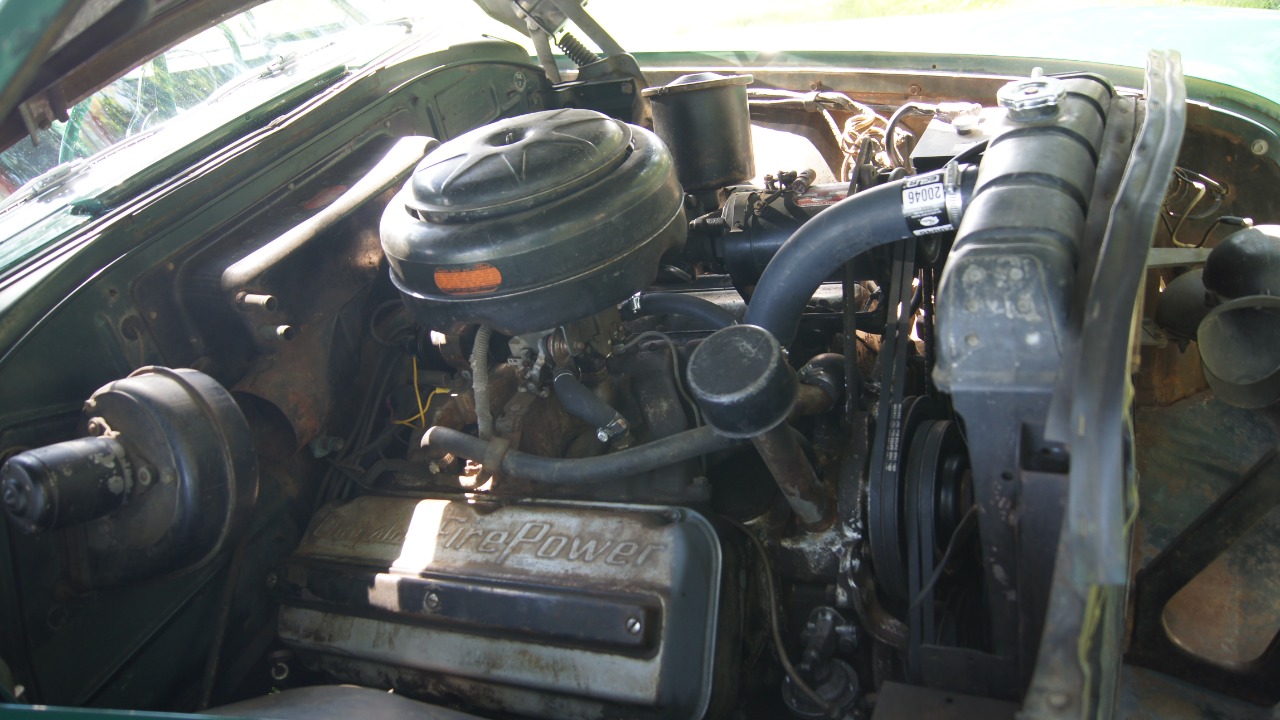
The Chrysler 331 Hemi introduced in the early 1950s became one of the defining early American overhead-valve V8s. Its hemispherical combustion chambers helped Chrysler develop a reputation for advanced V8 engineering. The engine was also popular with hot rodders, who recognized its strong performance potential. Its importance extends beyond durability because it helped establish the Hemi name.
Chrysler 354 Hemi
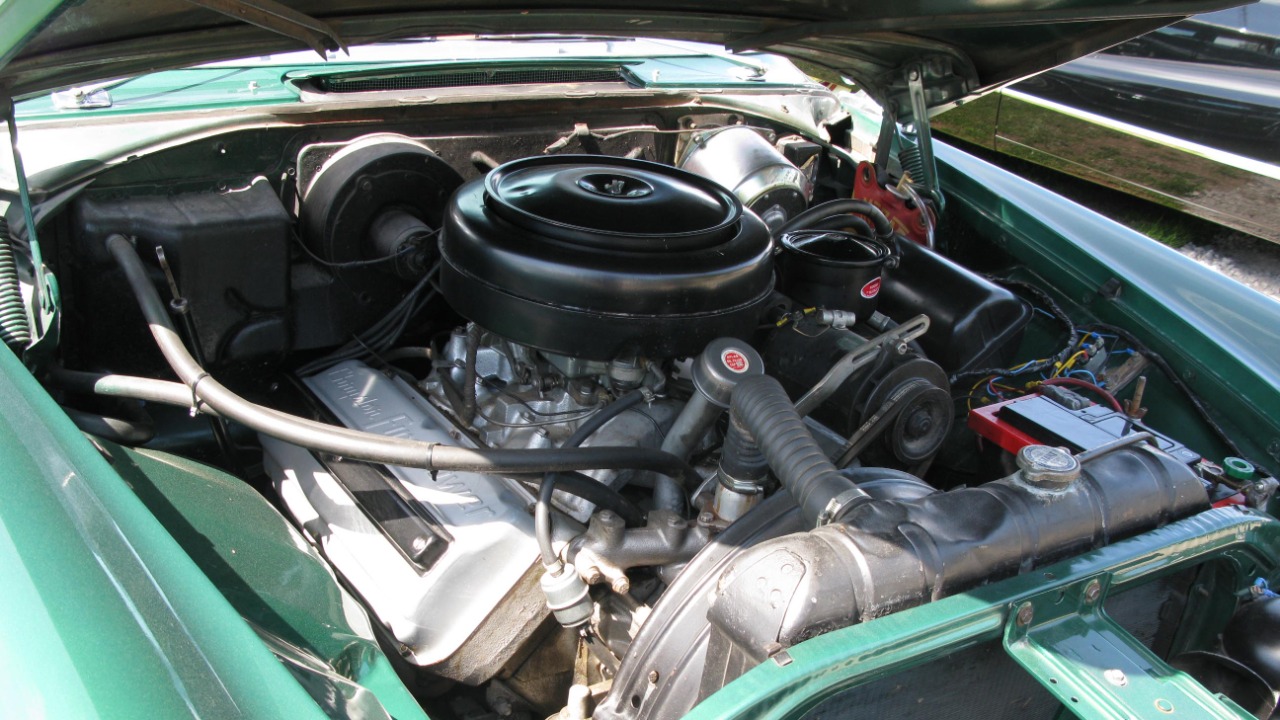
The Chrysler 354 Hemi was a larger development of the company’s early hemispherical V8 architecture. It offered strong factory performance and became particularly popular among drag racers and hot rodders. Its sturdy construction and excellent cylinder-head design made it suitable for high-output builds. Surviving examples remain highly valued because of their place in early American performance history.
Chrysler 392 Hemi

The Chrysler 392 Hemi became one of the most famous engines of the early Hemi era. Its large displacement and hemispherical combustion chambers gave it substantial performance potential. It was used in Chrysler’s larger cars and became particularly important in hot-rodding and drag-racing circles. The 392 name later returned on modern Chrysler performance engines, further extending its legacy.
Chrysler 440 RB
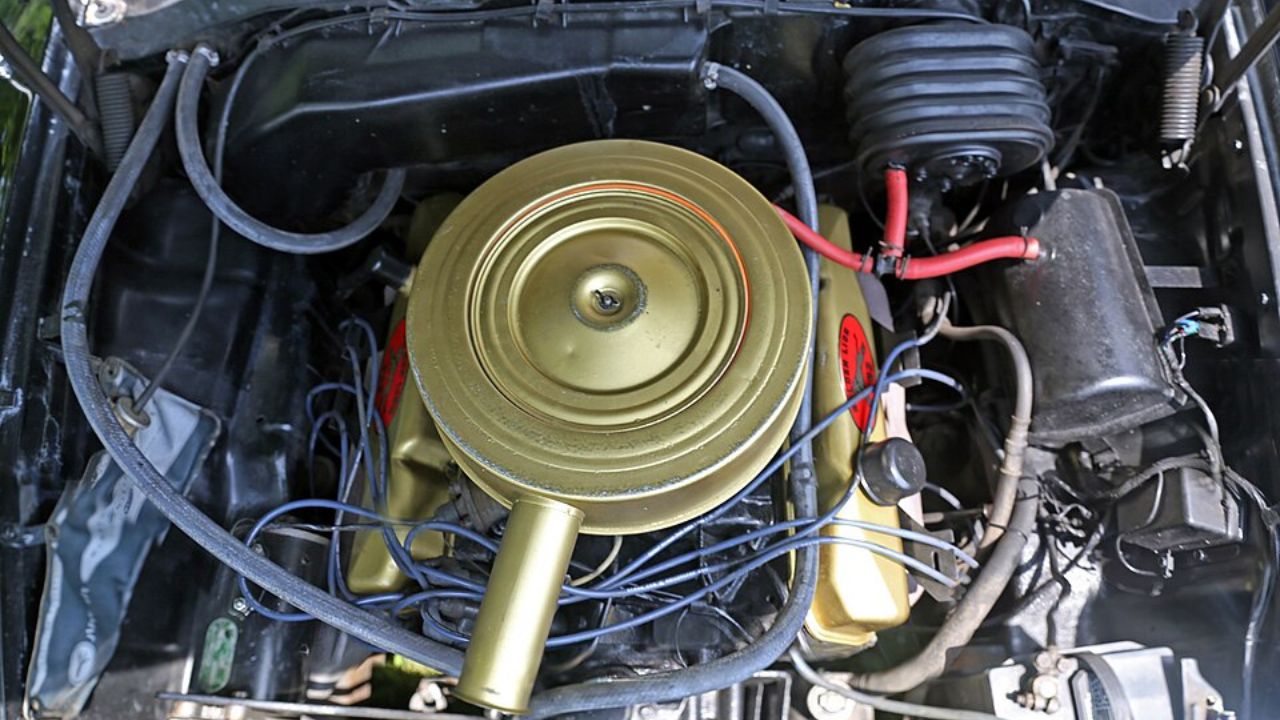
The Chrysler 440 RB became one of the most recognizable big-block V8s of the muscle-car period. Its 440-cubic-inch displacement produced substantial torque and made it useful in everything from full-size Chrysler products to high-performance Dodge and Plymouth models. Factory versions such as the Six Pack demonstrated its performance capability, while ordinary versions became valued for their simplicity and durability.
Chrysler 5.7 Hemi
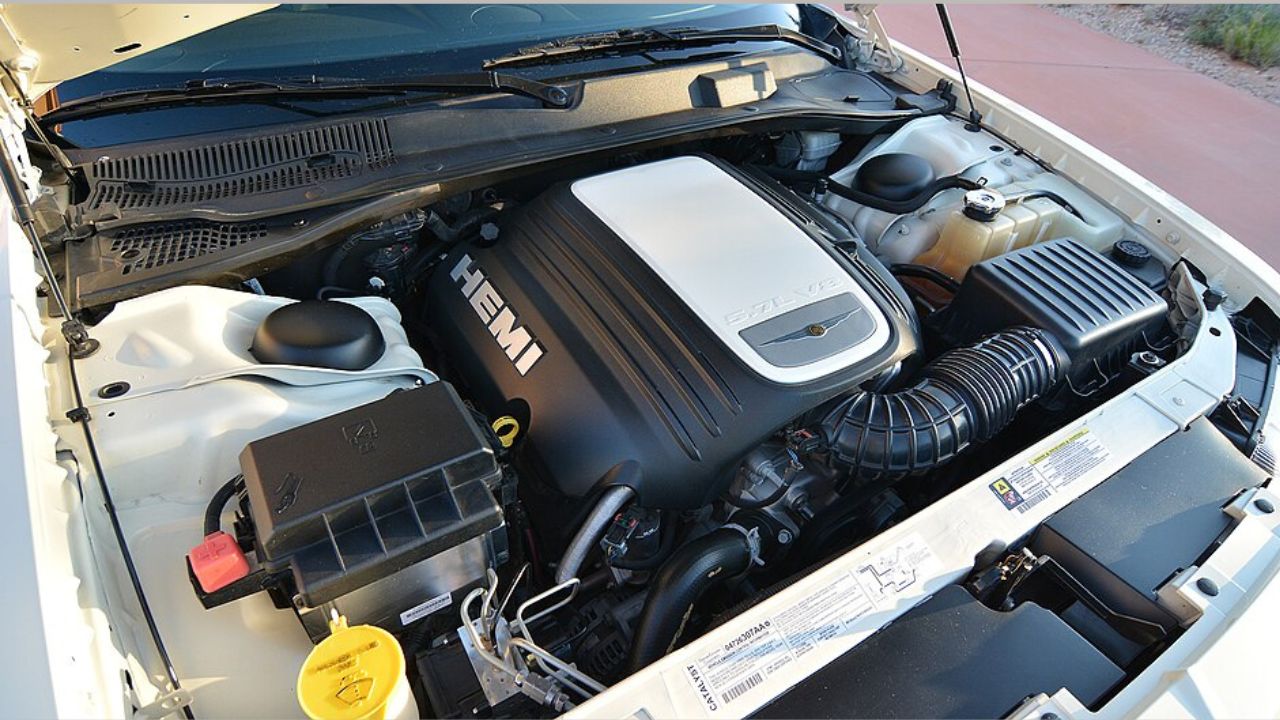
The Chrysler 5.7 Hemi revived the Hemi name for the modern era. Introduced in the early 2000s, it used modern fuel injection, electronic controls, and a pushrod valvetrain while retaining Chrysler’s traditional V8 philosophy. It powered cars, trucks, SUVs, and performance models. Its widespread use helped make the modern Hemi one of the most recognizable factory V8s of its generation.
More from Fast Lane Only
- Unboxing the WWII Jeep in a Crate
- 15 rare Chevys collectors are quietly buying
- 10 underrated V8s still worth hunting down
- Police notice this before you even roll window down
*Research for this article included AI assistance, with all final content reviewed by human editors.