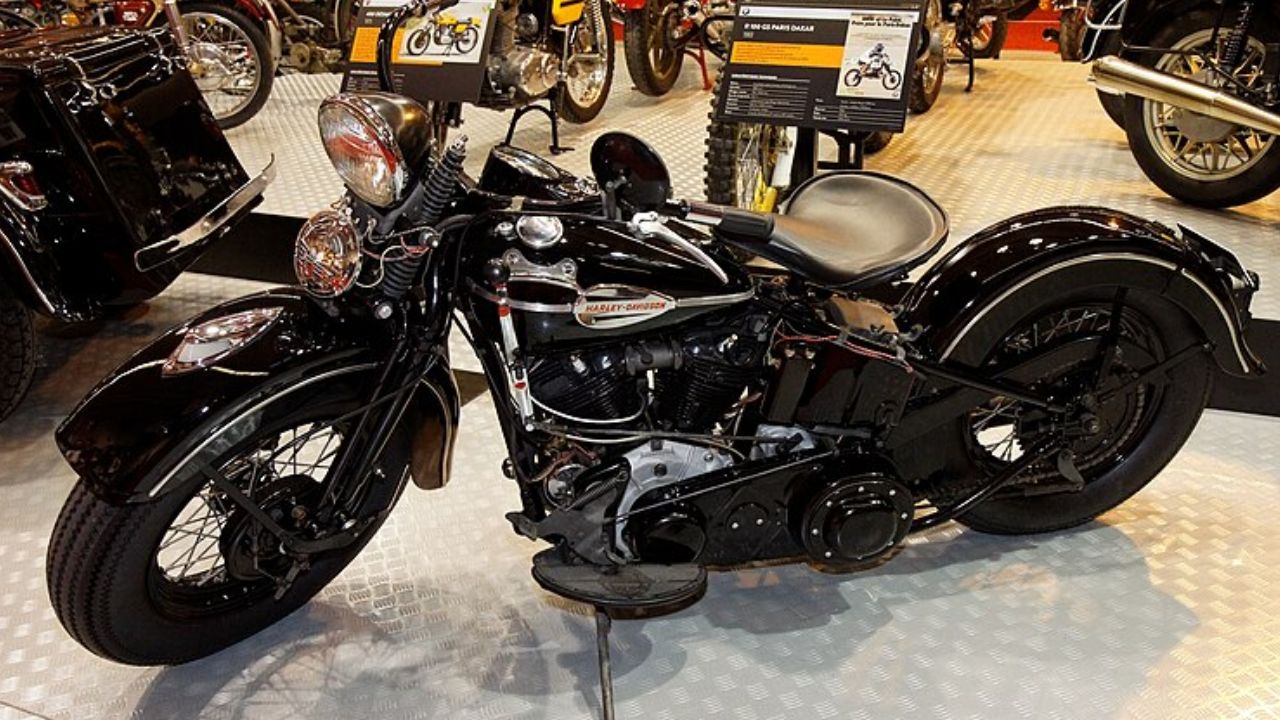
American motorcycle history includes far more than the usual Harley-Davidson and Indian legends. Some motorcycles became icons because of unusual engineering, racing success, distinctive styling, or simply arriving at the right moment. These 18 machines helped shape America’s motorcycle culture and became memorable long after their production ended.
Harley-Davidson Knucklehead
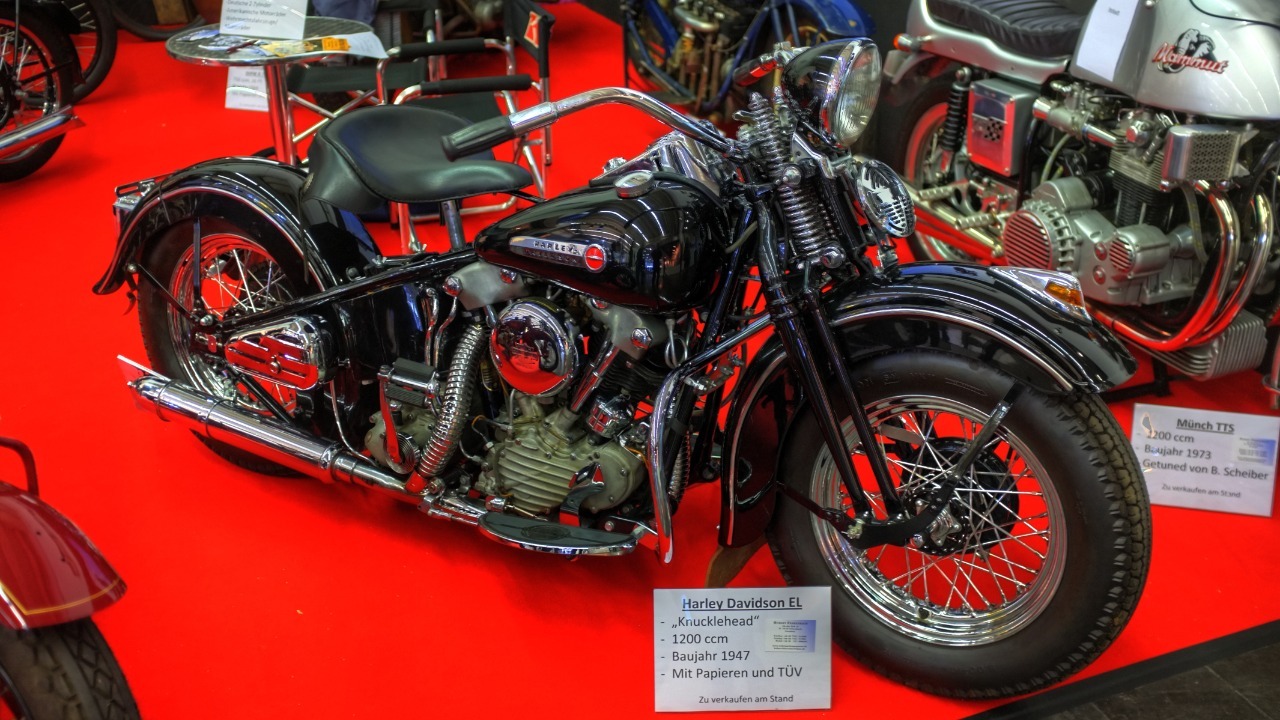
The Harley-Davidson Knucklehead introduced overhead-valve V-twin technology to Harley-Davidson’s lineup in the 1930s. Its distinctive rocker-box covers gave the engine its famous nickname, while the new design provided improved performance over earlier flathead engines. The Knucklehead became an important foundation for later Harley-Davidson V-twins and helped establish the company’s long-running performance and styling formula.
Harley-Davidson Panhead
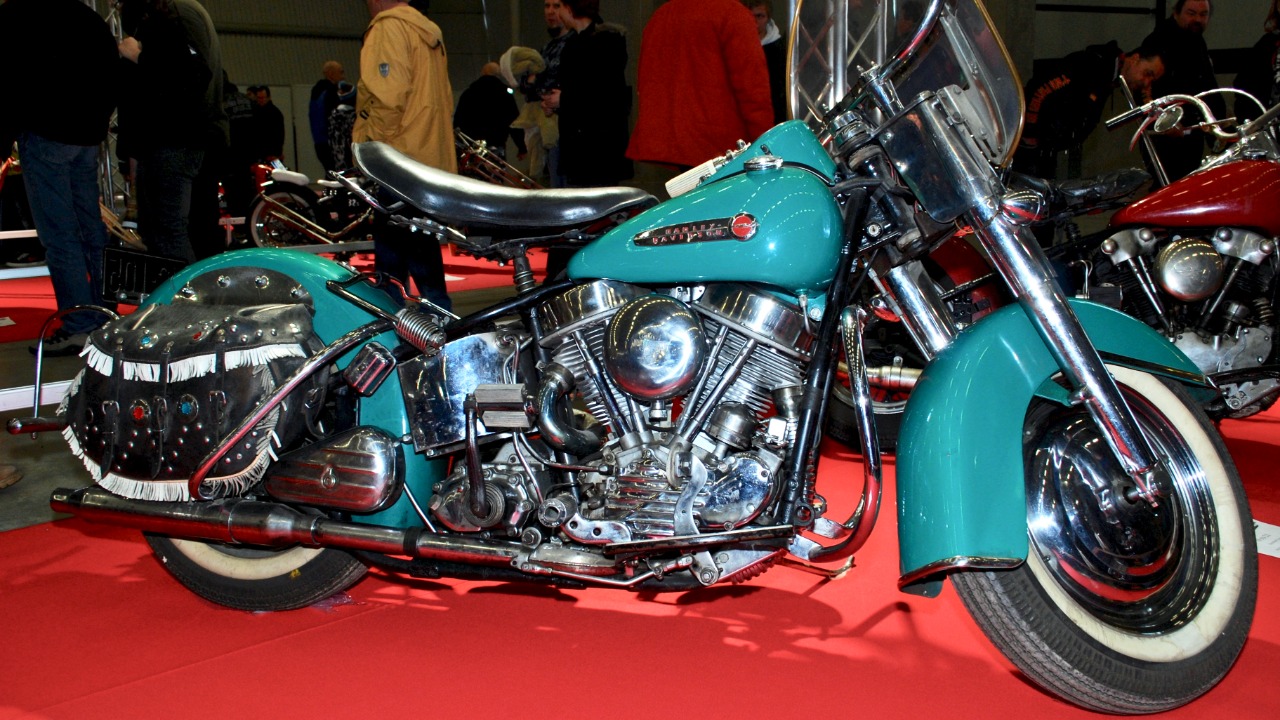
The Harley-Davidson Panhead replaced the Knucklehead and introduced improved cylinder heads along with several mechanical refinements. Its distinctive rocker covers gave the engine its familiar name, while the large V-twin provided strong torque and relaxed cruising ability. The Panhead became one of Harley-Davidson’s defining postwar motorcycles and remains closely associated with the classic American motorcycle era.
Harley-Davidson XLCR
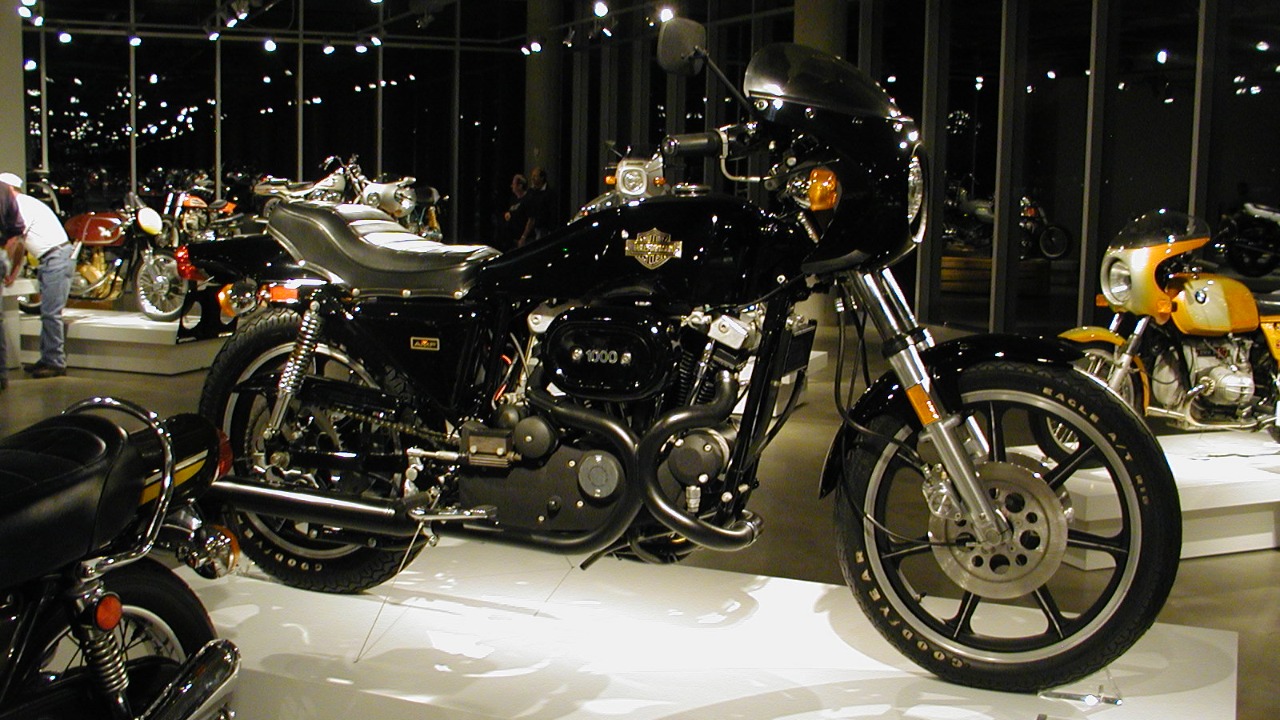
The Harley-Davidson XLCR was an unusual factory custom based on the Sportster. Its black finish, café-racer-inspired styling, cast wheels, and aggressive riding position separated it from traditional Harley-Davidson cruisers. Production lasted only briefly, making surviving examples relatively uncommon. The XLCR eventually became recognized as one of Harley-Davidson’s boldest attempts to build a modern sporting motorcycle during the 1970s.
Harley-Davidson XR-1000
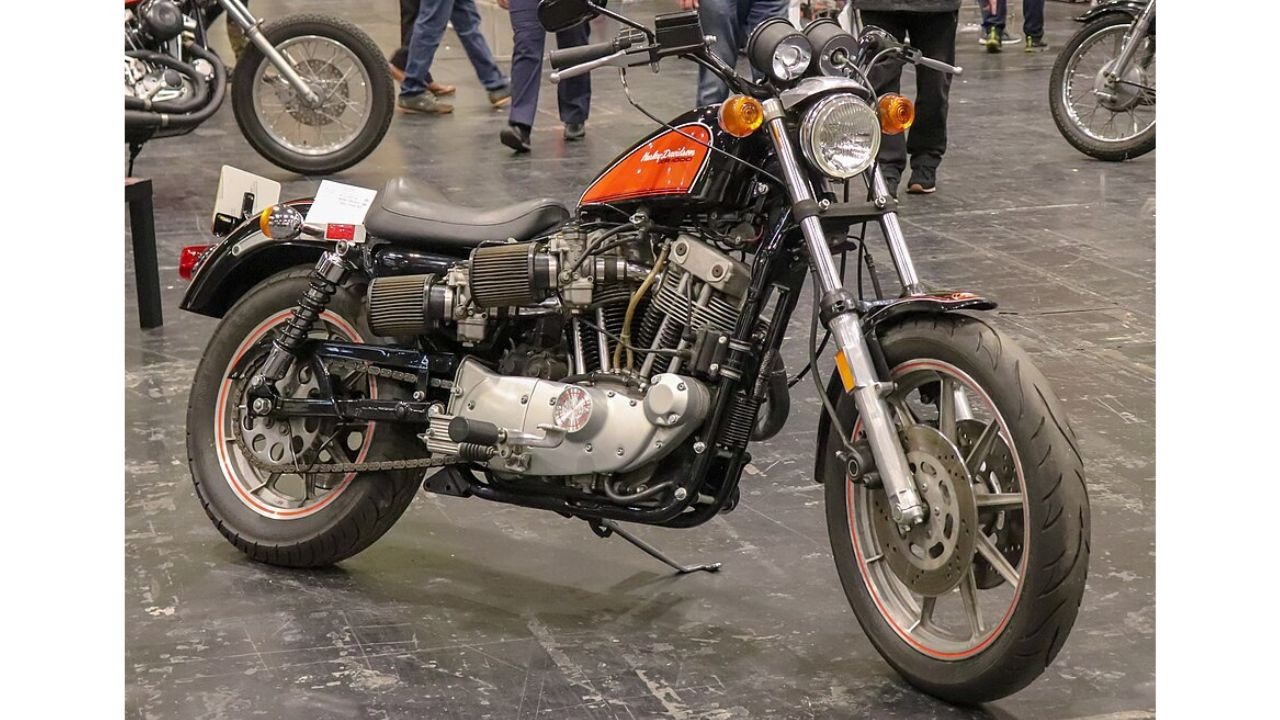
The Harley-Davidson XR-1000 brought technology inspired by Harley-Davidson’s XR-750 racing program to a street motorcycle. Its modified Sportster engine featured performance-oriented cylinder heads and other racing-influenced components. Production was limited, and many examples were modified or ridden hard. The XR-1000 therefore became a distinctive part of Harley-Davidson history, particularly among enthusiasts interested in the company’s unusual factory performance motorcycles.
Harley-Davidson V-Rod
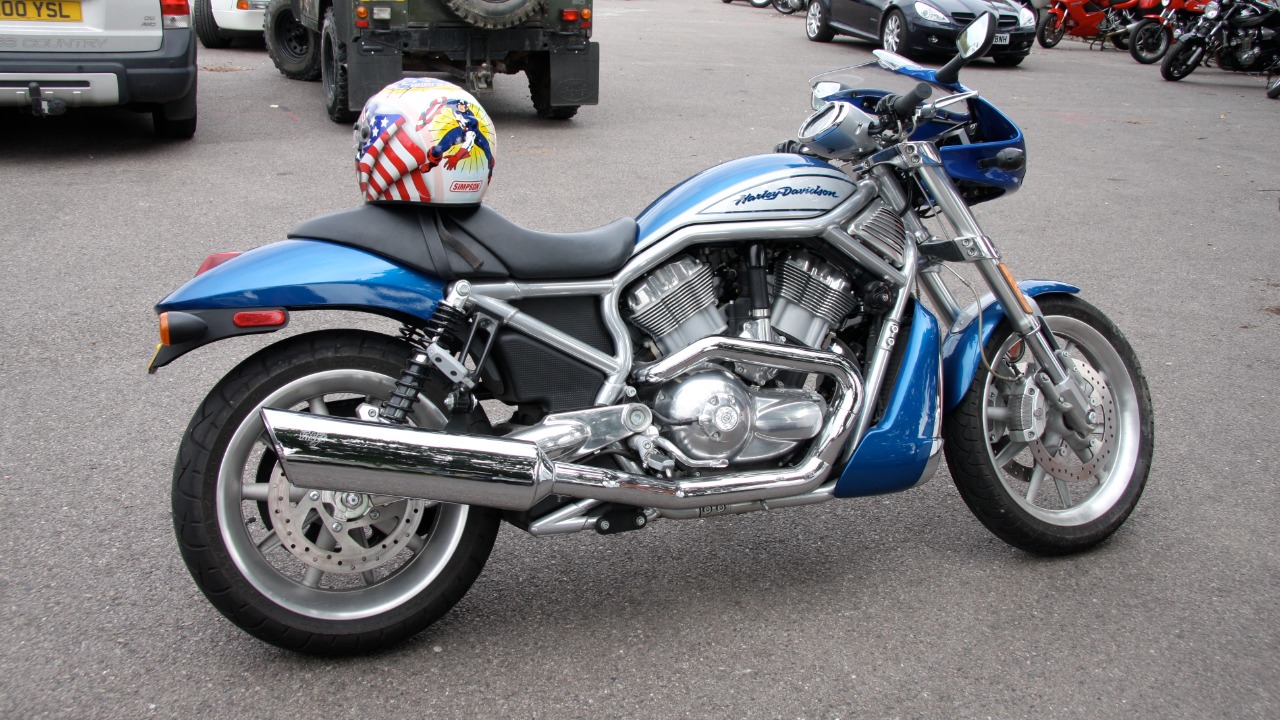
The Harley-Davidson V-Rod represented one of the most dramatic changes in the company’s modern history. Its liquid-cooled Revolution V-twin was developed with Porsche and used overhead camshafts rather than Harley-Davidson’s traditional air-cooled architecture. The V-Rod combined muscular styling with substantially different engineering. It quickly became recognizable as a motorcycle that challenged expectations about what a modern Harley-Davidson could be.
Harley-Davidson XR-750
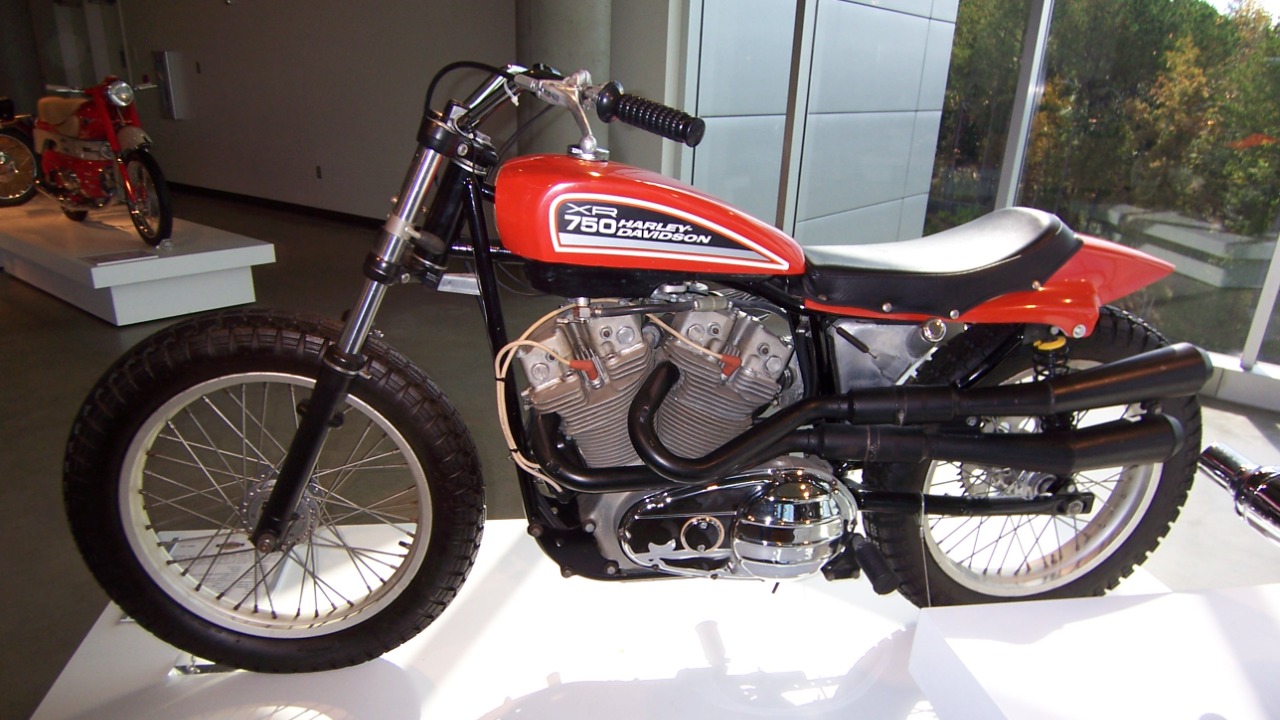
The Harley-Davidson XR-750 became one of America’s most successful racing motorcycles. Developed for flat-track competition, it earned an extraordinary reputation for speed, durability, and competitiveness. Its racing success made the XR-750 a symbol of American motorcycle competition and influenced Harley-Davidson’s performance image for decades. Even though it was primarily a competition machine, its cultural impact extended far beyond the racetrack.
Harley-Davidson XA
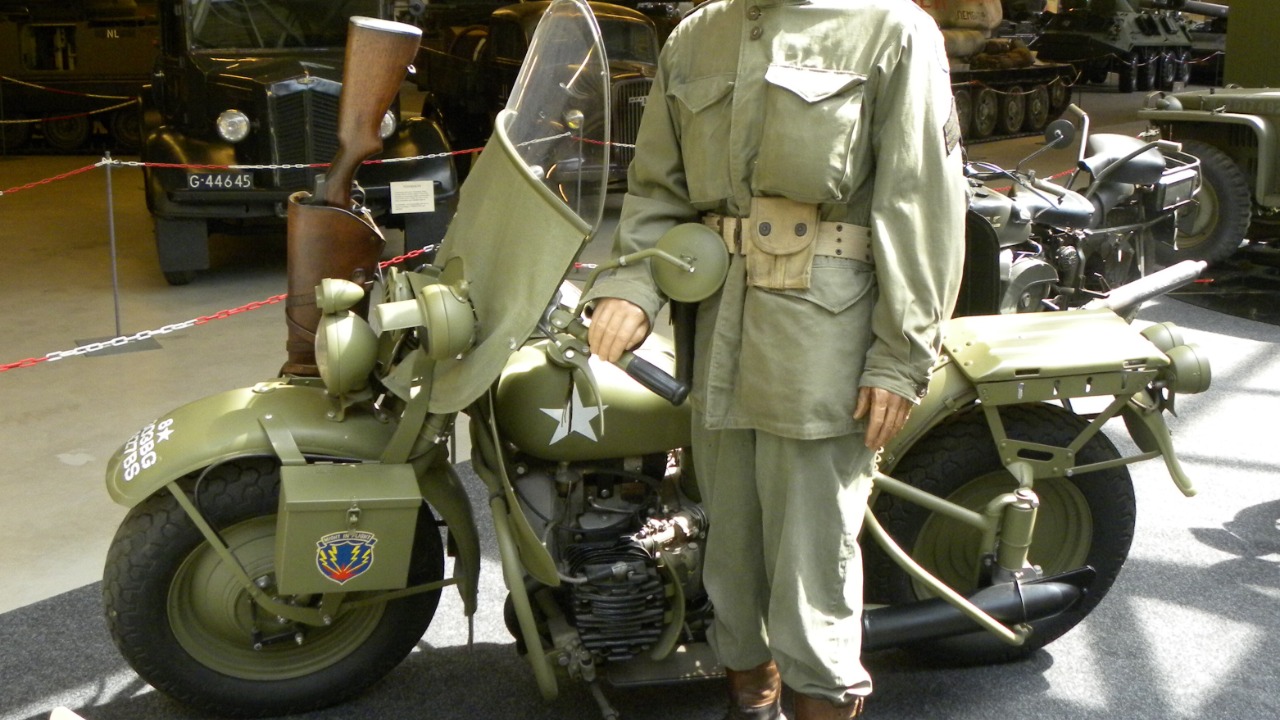
The Harley-Davidson XA was developed during World War II as a military motorcycle and featured a horizontally opposed twin-cylinder engine with shaft drive. Its layout was radically different from Harley-Davidson’s traditional V-twin formula. The project was produced in limited numbers and never became a mainstream civilian motorcycle. Today, surviving XAs are unusual historical machines that demonstrate how far Harley-Davidson once experimented with motorcycle design.
Harley-Davidson WLA
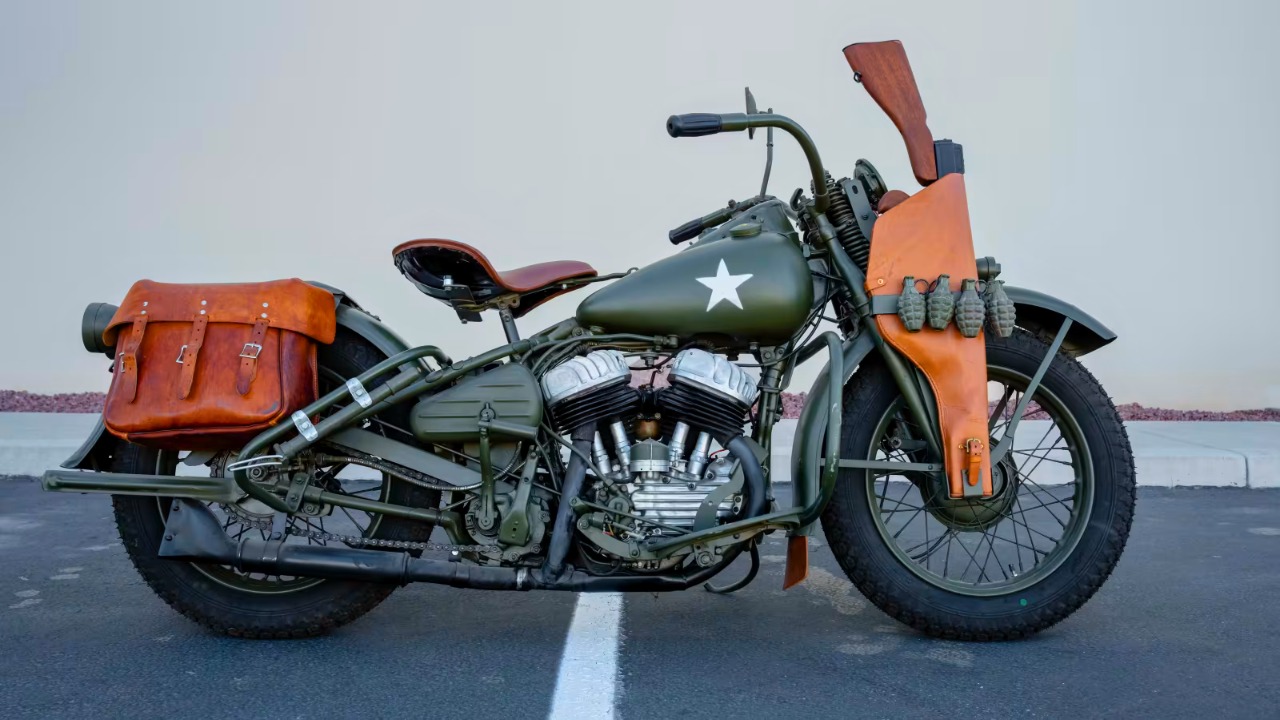
The Harley-Davidson WLA became one of the most recognizable military motorcycles of World War II. Based on the company’s civilian V-twin platform, it was adapted for military service with specialized equipment and simplified components. Thousands were produced for wartime use, and the WLA became strongly associated with American military history. Its distinctive appearance and historical importance have made restored examples popular among collectors.
Indian Scout
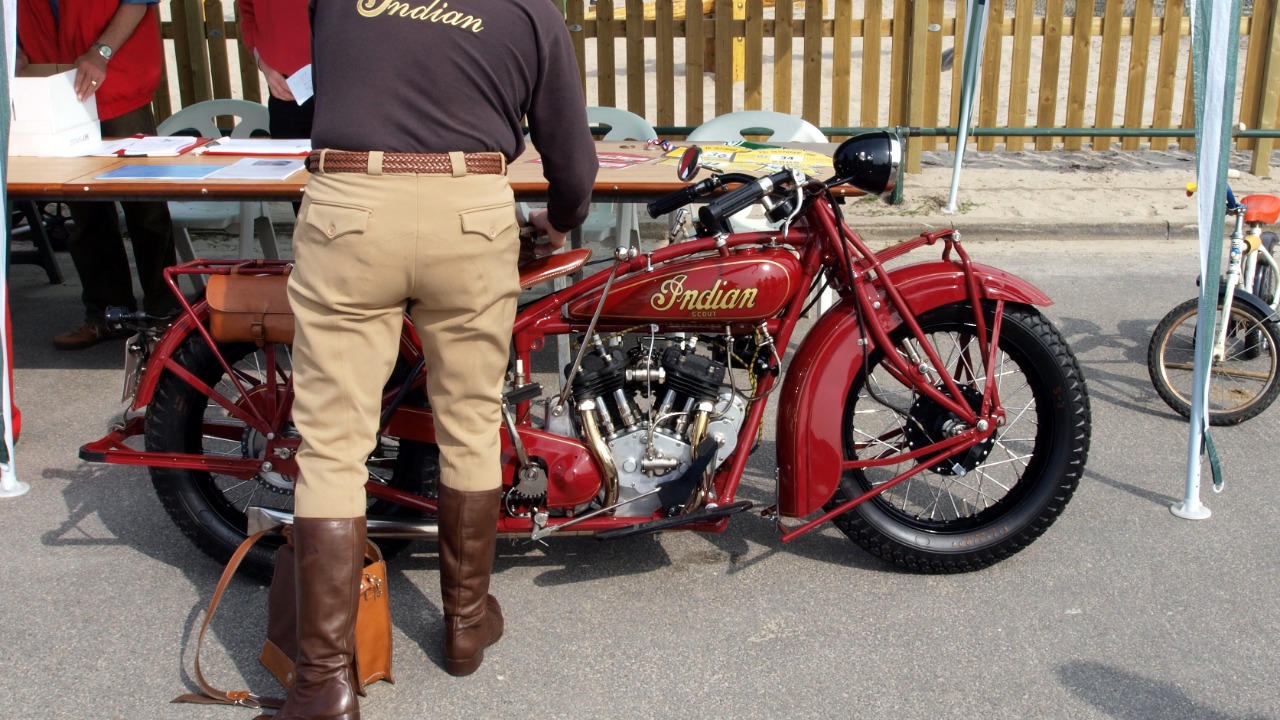
The Indian Scout became one of the most important motorcycles produced by the original Indian Motocycle Company. Its relatively compact dimensions, strong V-twin engine, and balanced handling made it useful for both road riding and competition. Different versions were produced over several decades, but the Scout consistently remained an important part of Indian’s identity. Its long history helped establish it as one of America’s classic motorcycle names.
Indian Chief
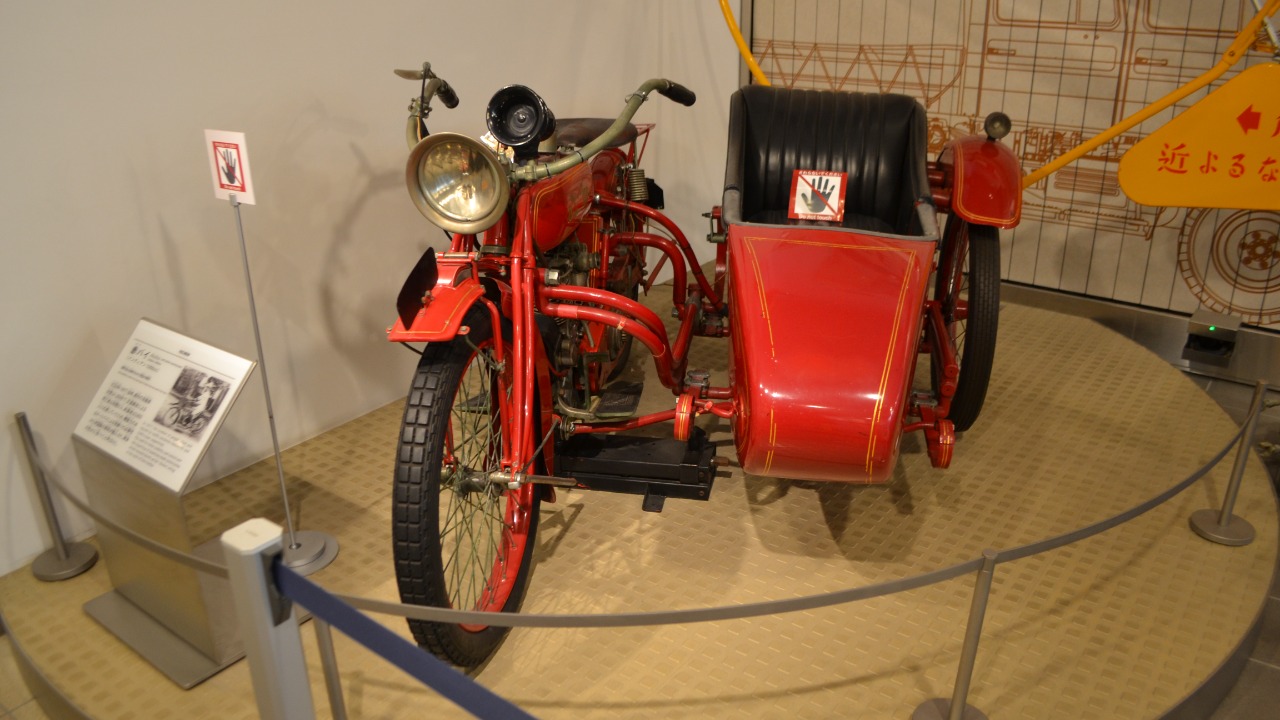
The Indian Chief became the flagship of the original Indian motorcycle company. Its large V-twin engine, substantial frame, and distinctive styling gave it a strong presence on American roads. Chiefs were offered in numerous configurations over the years and became closely associated with long-distance touring. Surviving early Chiefs are particularly significant because they represent one of the most important names in American motorcycle history.
Indian Four

The Indian Four was one of America’s most unusual production motorcycles. Its inline-four engine provided smooth power and a very different character from the company’s V-twin models. The motorcycle was technically sophisticated for its period and became a distinctive alternative to conventional American motorcycles. Production numbers were limited compared with Indian’s more common models, helping surviving examples become particularly interesting to collectors.
Indian Power Plus

The Indian Power Plus introduced an important V-twin engine design that became central to the company’s identity during the 1910s and 1920s. Its side-valve engine architecture was simple and durable, helping Indian compete successfully in the rapidly growing American motorcycle market. The Power Plus name became associated with Indian’s early performance and touring motorcycles and remains an important part of the company’s engineering history.
Indian Sport Scout

The Indian Sport Scout combined a relatively lightweight chassis with Indian’s V-twin power, creating a motorcycle suitable for both street riding and competition. Its balanced design made it popular with riders looking for a more sporting alternative to larger Indian models. The Sport Scout later became important in racing and custom-building circles, helping give the Scout family a lasting place in American motorcycle culture.
Indian 841
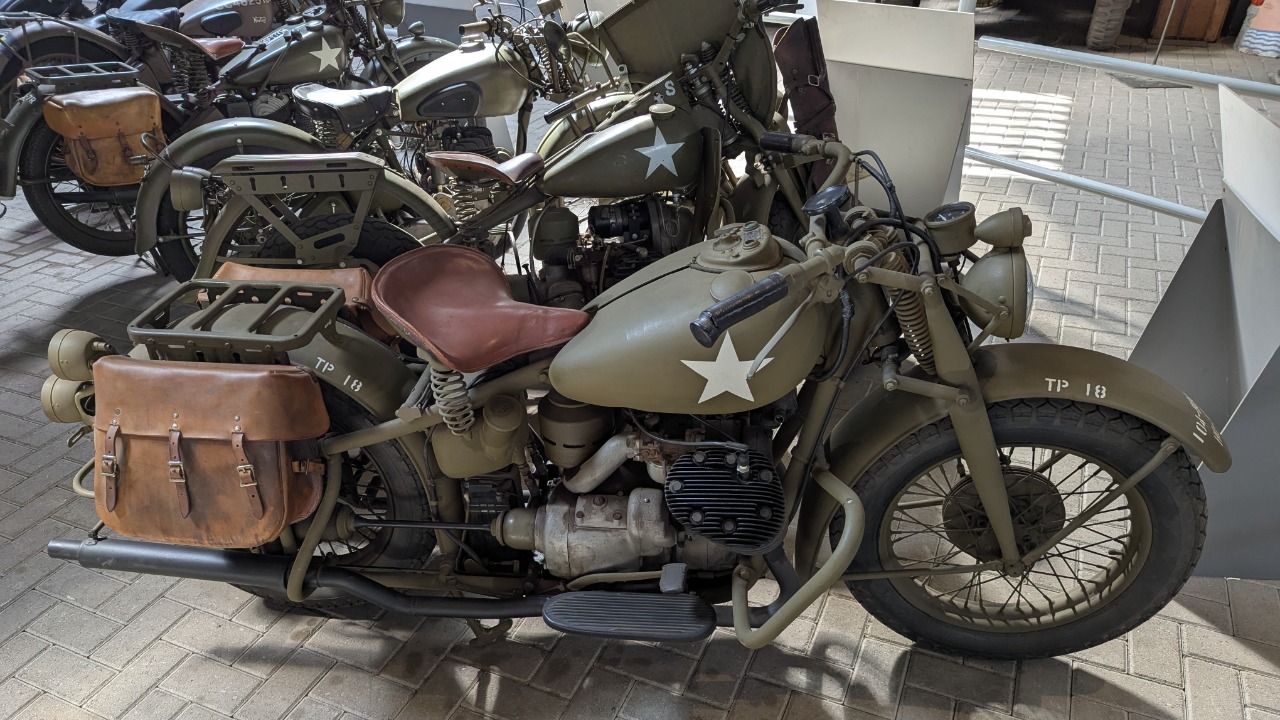
The Indian 841 was an experimental military motorcycle developed during World War II. It used a longitudinally mounted V-twin engine and shaft drive, creating a drivetrain configuration very different from conventional Indian motorcycles. Only a limited number were produced for military evaluation. Its unusual engineering and scarcity have made the 841 one of the most fascinating surviving examples of Indian’s experimental work.
Excelsior Super X

The Excelsior Super X was an advanced American motorcycle introduced during the late 1920s. Its V-twin engine used a 45-degree configuration and was positioned as a competitor to larger Harley-Davidson and Indian motorcycles. The Super X incorporated several modern ideas for its time, but Excelsior eventually withdrew from motorcycle production. Surviving examples are now particularly interesting because the company disappeared before the model could develop further.
Henderson KJ
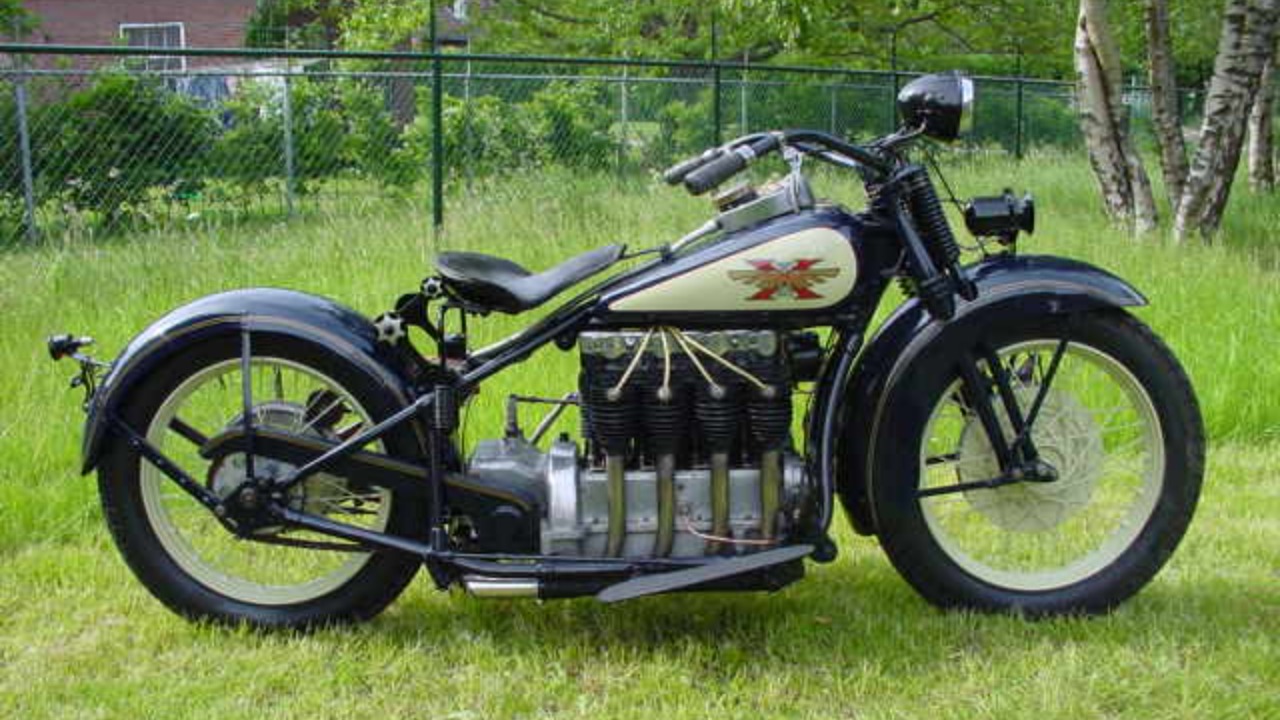
The Henderson KJ represented the final generation of motorcycles from one of America’s most respected four-cylinder manufacturers. Its inline-four engine delivered smooth performance, while the long chassis gave it an unmistakable appearance. Henderson motorcycles were expensive and produced in relatively small numbers. The KJ therefore became an important piece of early American motorcycle history and a highly unusual sight today.
Buell S1 Lightning
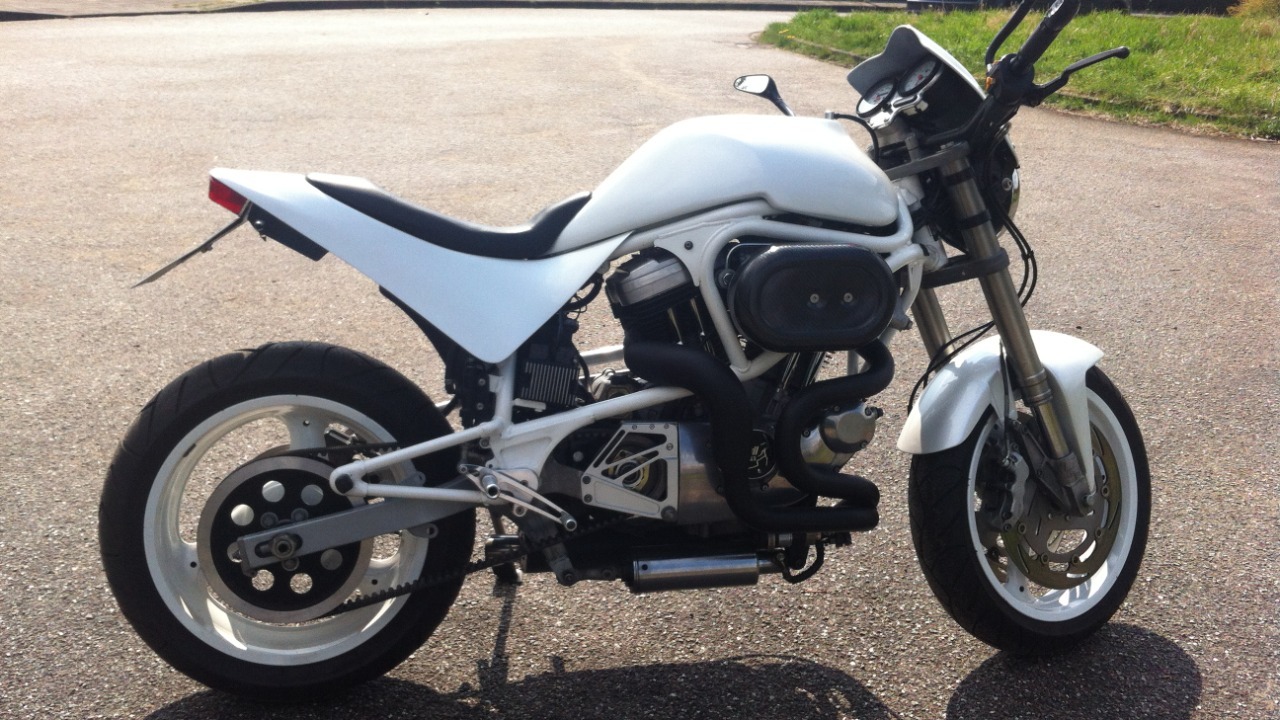
The Buell S1 Lightning brought a very different philosophy to American performance motorcycles. Its compact chassis, air-cooled V-twin, unusual frame-mounted fuel system, and distinctive styling separated it from traditional cruisers. The S1 became one of Buell’s most recognizable motorcycles during the 1990s. Its unconventional engineering helped establish Buell as a company willing to approach American motorcycle performance from a completely different direction.
Buell XB9R Firebolt

The Buell XB9R Firebolt was a lightweight American sport motorcycle built around Buell’s unusual engineering philosophy. Its fuel-in-frame design, perimeter front brake, and compact chassis gave it a distinctive technical identity. The Firebolt demonstrated that an American manufacturer could build a modern sportbike with an unconventional approach to packaging and handling. Its distinctive design has helped it develop a dedicated following among enthusiasts.
More from Fast Lane Only
- Unboxing the WWII Jeep in a Crate
- 15 rare Chevys collectors are quietly buying
- 10 underrated V8s still worth hunting down
- Police notice this before you even roll window down
*Research for this article included AI assistance, with all final content reviewed by human editors.