Pontiac produced some of America’s most memorable performance cars, from early V8-powered coupes to legendary muscle machines. Several combined limited production, distinctive styling, powerful engines, or important engineering features. These Pontiacs stand out because they represent different stages of the brand’s performance history and remain especially interesting to collectors looking for something beyond the usual muscle-car choices.
Pontiac GTO
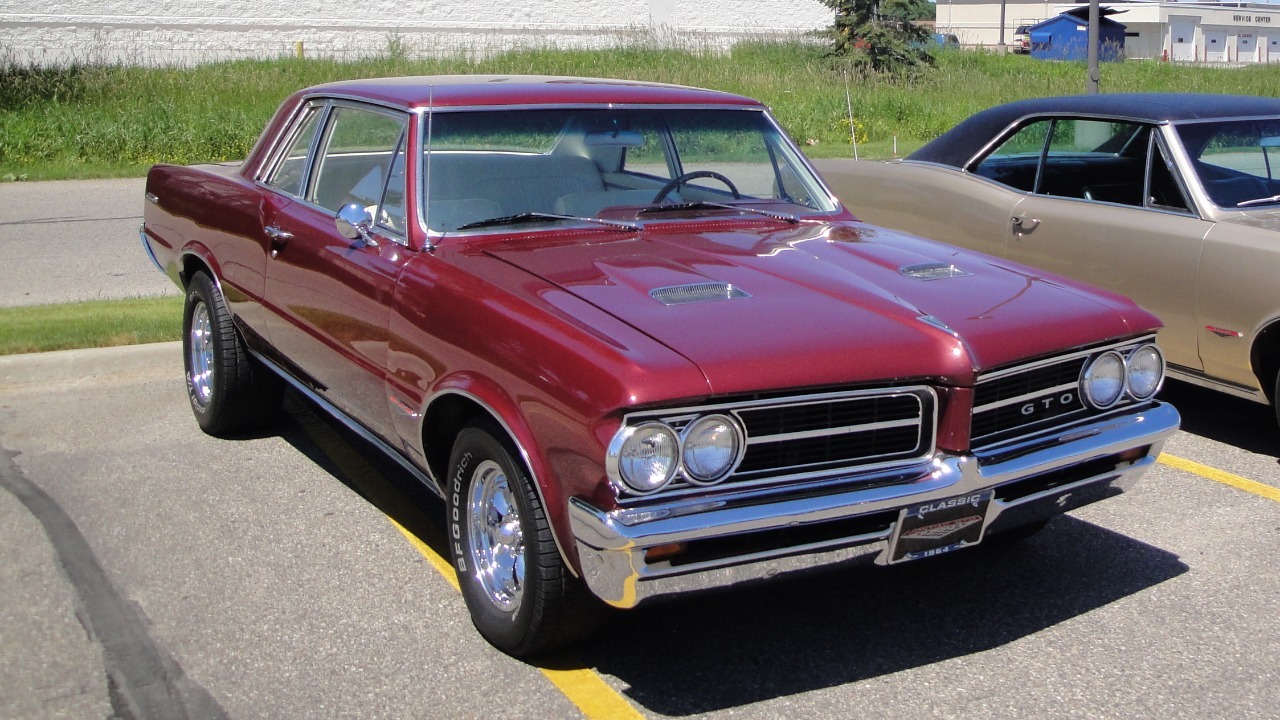
The Pontiac GTO helped establish the American muscle-car formula by putting a large V8 into an intermediate-size car. Its combination of strong acceleration, relatively compact dimensions, and aggressive styling quickly attracted performance buyers. The GTO became one of Pontiac’s defining models and created a legacy that continues to influence collector interest. Early high-performance examples are particularly important because of their role in establishing the muscle-car era.
Pontiac GTO Judge
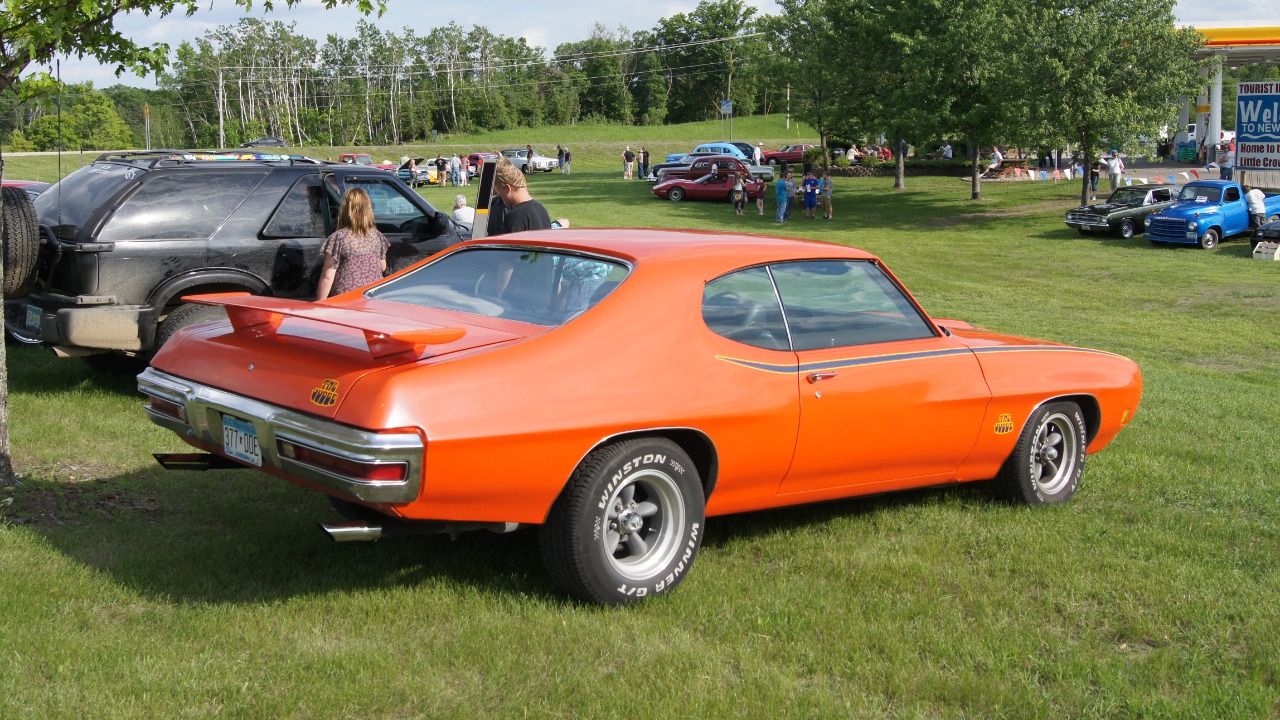
The GTO Judge added distinctive graphics, spoilers, special wheels, and high-performance equipment to Pontiac’s already famous muscle car. It was designed to stand out in a crowded performance market and quickly became one of the most recognizable Pontiacs of the period. Certain engine combinations were produced in relatively small numbers, making well-preserved examples especially interesting to collectors. The Judge remains closely associated with Pontiac’s most famous muscle-car years.
Pontiac Firebird Trans Am
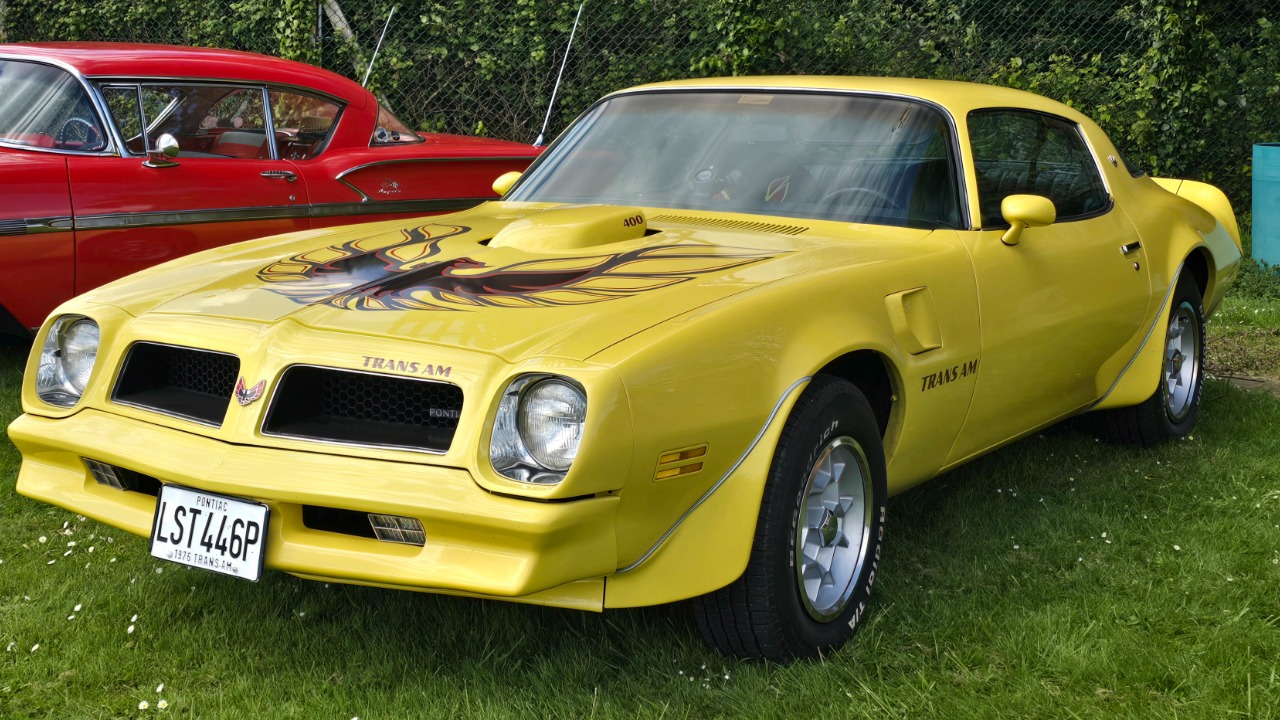
The Firebird Trans Am became Pontiac’s flagship performance model and eventually developed an identity separate from the standard Firebird. Its combination of powerful engines, aggressive styling, suspension upgrades, and distinctive graphics made it one of the most recognizable American performance cars. Different generations brought different engineering approaches, but the Trans Am consistently represented Pontiac’s performance image and remains one of the brand’s best-known collector cars.
Pontiac Grand Prix
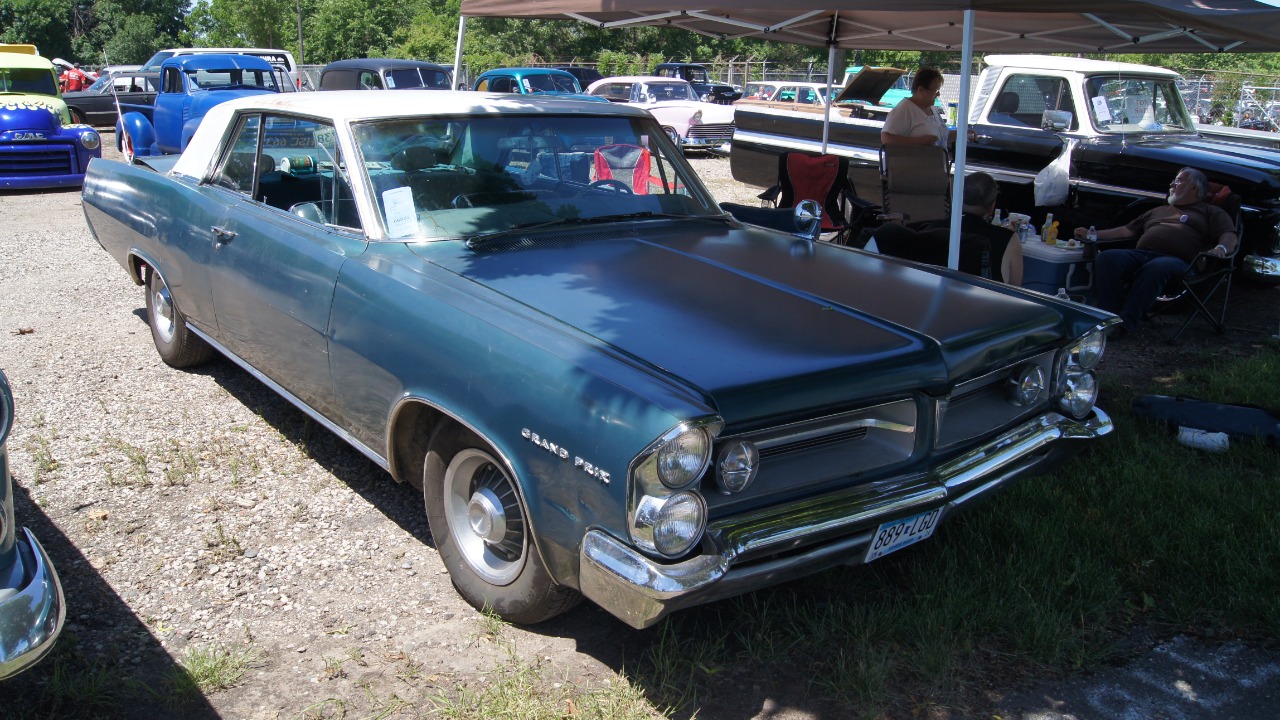
The Grand Prix became one of Pontiac’s defining personal-luxury cars. Long hoods, sporty proportions, comfortable interiors, and large V8 engines gave it a distinctive combination of luxury and performance. Certain high-output versions could deliver serious acceleration while retaining a refined appearance. The Grand Prix is particularly significant because it helped Pontiac compete in the growing personal-luxury market without abandoning the brand’s performance character.
Pontiac Firebird Formula 400

The Firebird Formula 400 offered much of Pontiac’s performance character without relying on the full visual treatment of the Trans Am. Its 400-cubic-inch V8 provided strong acceleration, while the Formula’s cleaner styling appealed to buyers who wanted a more understated muscle car. Certain years and configurations are particularly interesting to collectors because they combine serious performance with less obvious styling.
Pontiac Firebird Formula 455
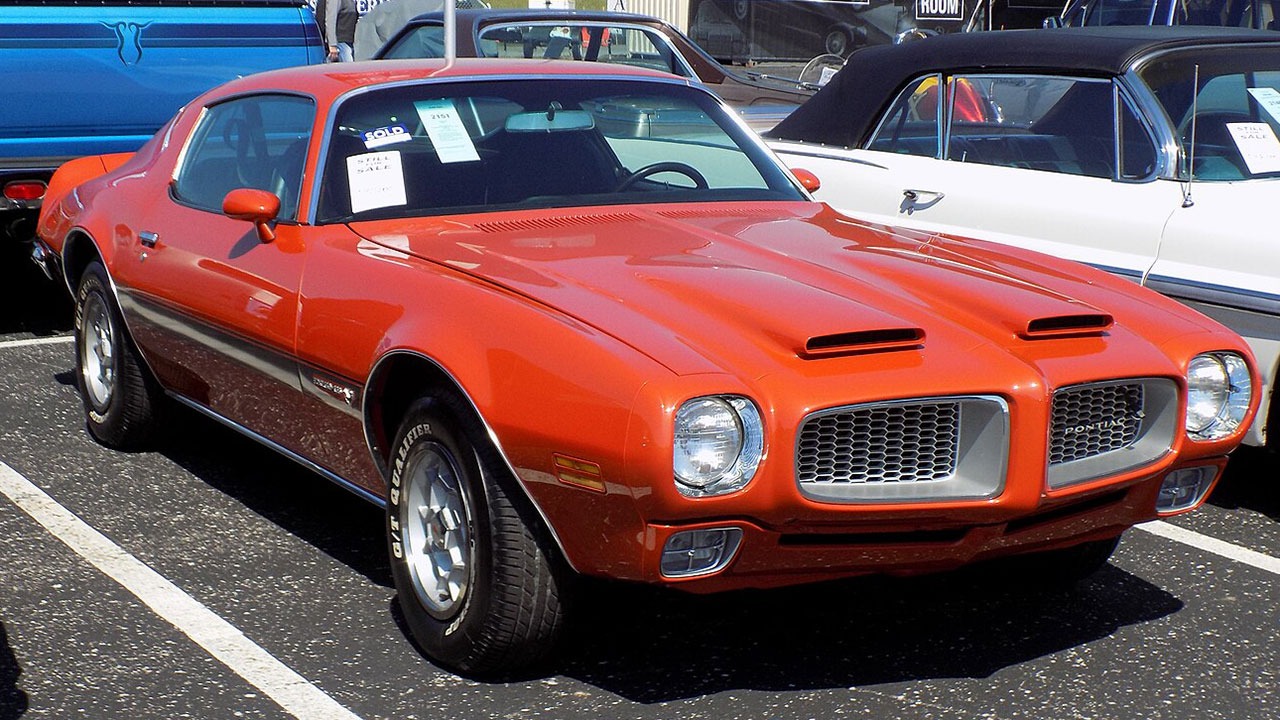
The Formula 455 gave buyers access to Pontiac’s big-displacement V8 in a package that was often less flashy than a Trans Am. Its combination of substantial torque and relatively restrained styling made it an interesting alternative to Pontiac’s better-known performance models. High-performance versions became increasingly uncommon as the muscle-car era declined, which has helped preserve their collector appeal.
Pontiac Chieftain
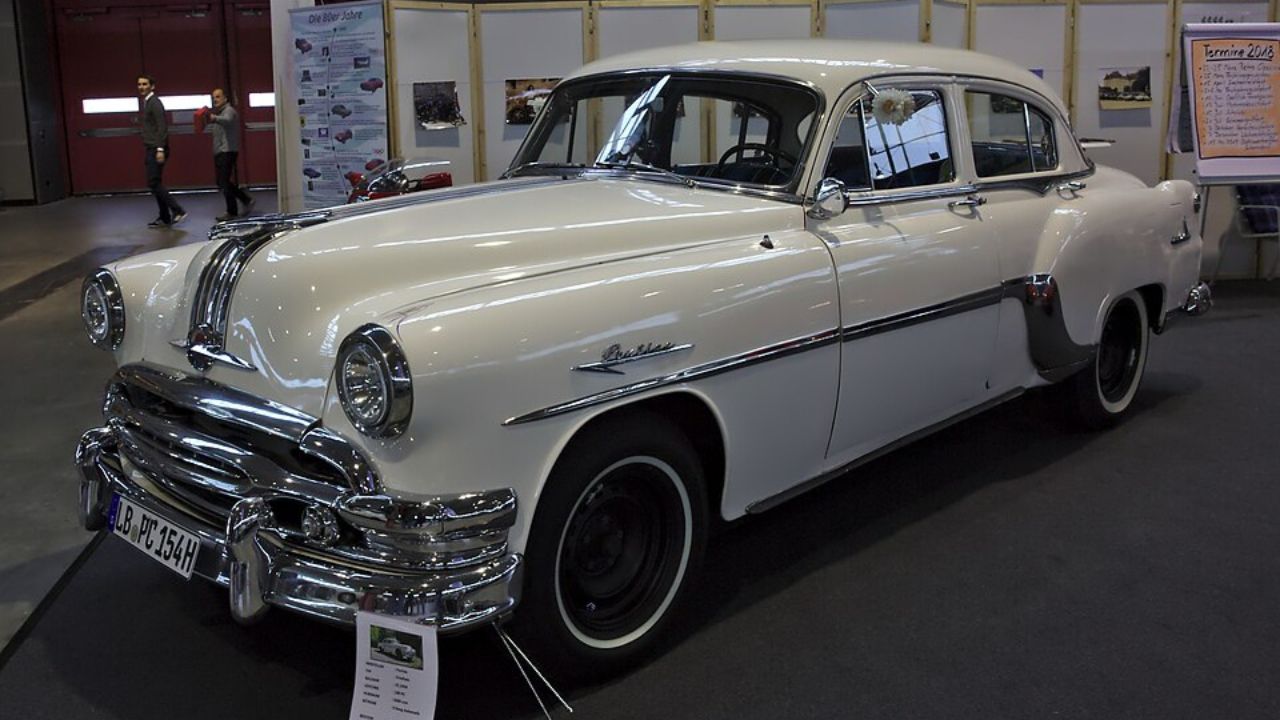
The Pontiac Chieftain helped establish Pontiac’s postwar identity with bold styling and increasingly powerful engines. During the 1950s, it evolved from a straightforward family car into a stylish full-size model with V8 power. Its chrome-heavy design and period-specific details make surviving examples attractive to collectors. Well-preserved Chieftains provide a direct look at Pontiac’s transformation during one of the most important periods in American automotive history.
Pontiac Star Chief
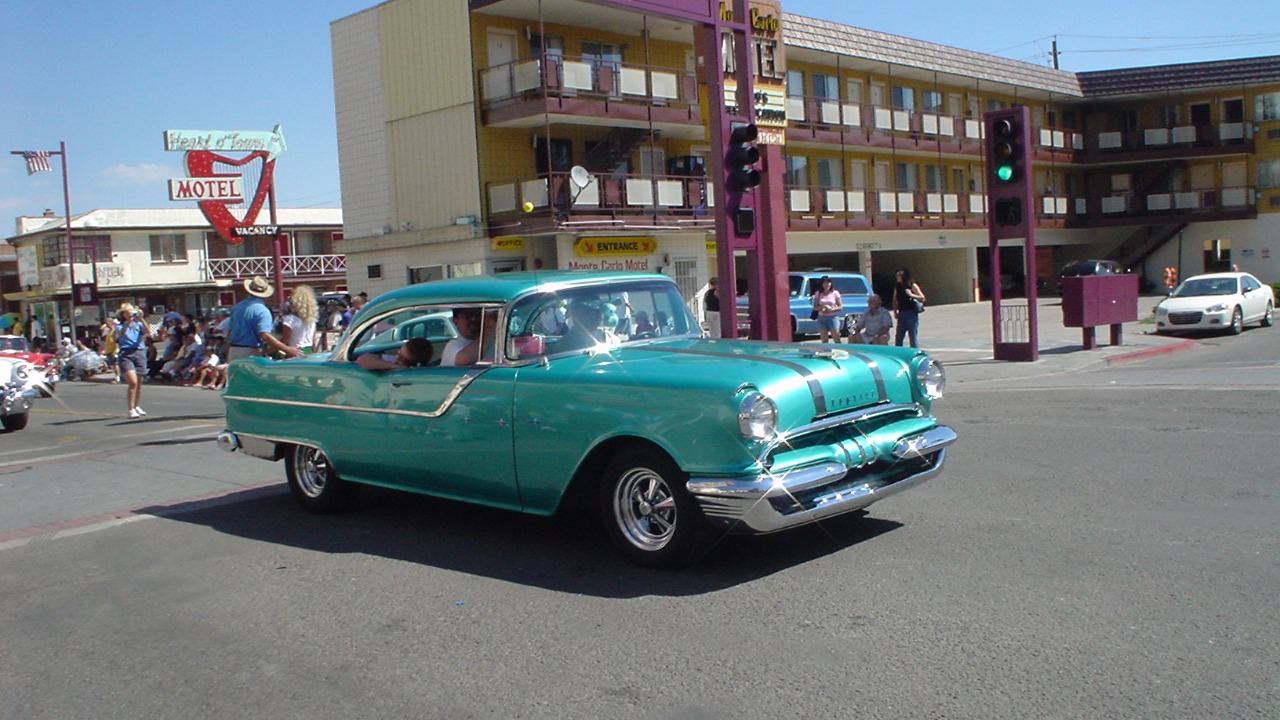
The Star Chief occupied an upscale position in Pontiac’s 1950s lineup and became known for its long body, extensive chrome, and powerful V8 engines. It represented the brand’s growing ambitions in the premium market while retaining Pontiac’s distinctive styling. Certain models featured impressive period equipment and dramatic proportions. Today, original Star Chiefs are valued for their styling and their connection to Pontiac’s rise during the postwar American automotive boom.
Pontiac Firebird
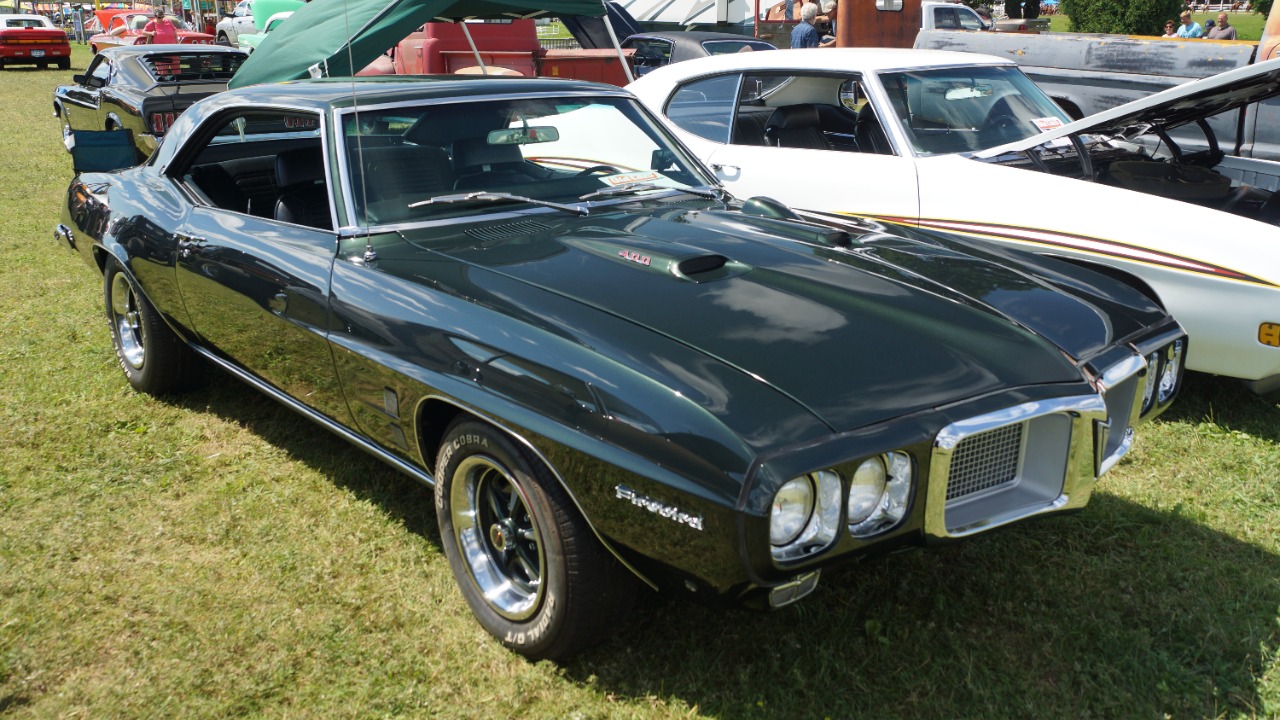
The first-generation Firebird gave Pontiac a direct competitor to the Ford Mustang, Chevrolet Camaro, and other emerging pony cars. Its combination of compact dimensions, rear-wheel drive, and available V8 engines made it an important part of Pontiac’s performance lineup. Different engine packages allowed buyers to choose everything from comfortable cruisers to serious muscle cars. Early Firebirds remain among the most recognizable Pontiacs of the 1960s.
Pontiac Bonneville
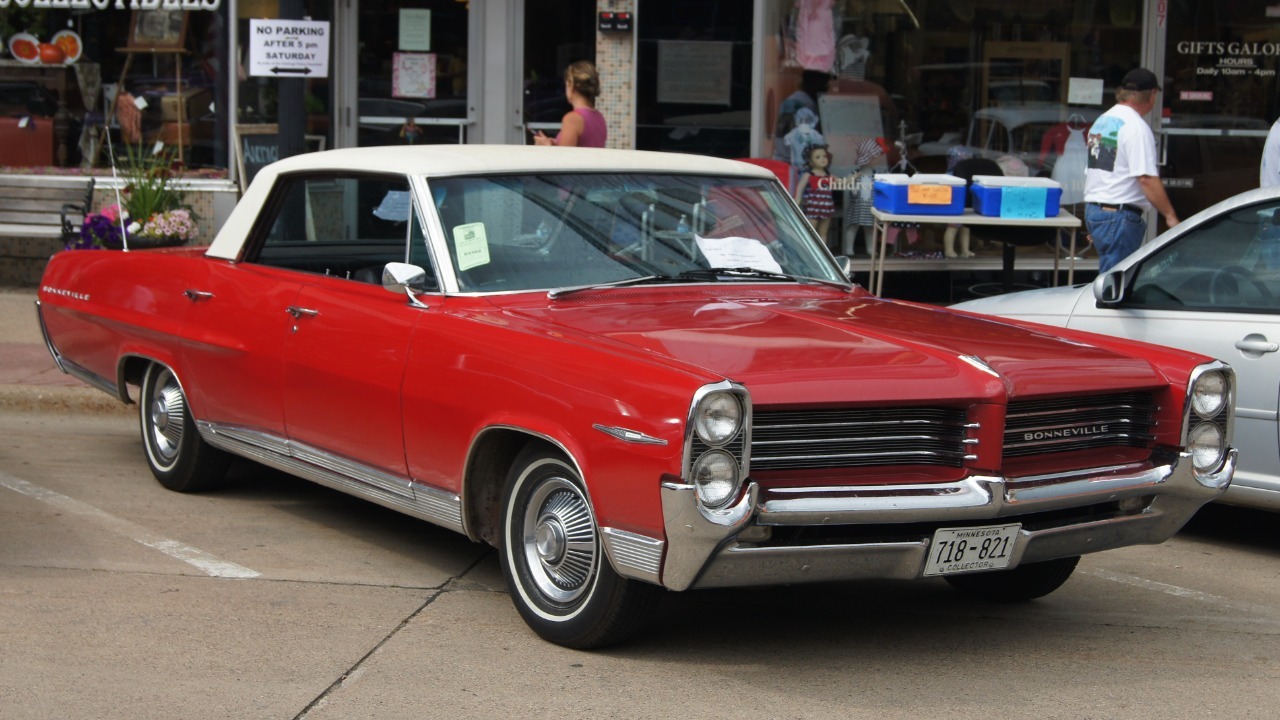
The Bonneville represented Pontiac’s move into the premium full-size market while retaining the brand’s interest in performance. Large V8 engines, distinctive styling, and increasingly sophisticated equipment made it an important part of Pontiac’s lineup. Certain early and high-performance versions have become particularly interesting to collectors because they capture the period when large American cars combined luxury with substantial engine power.
Pontiac 2+2
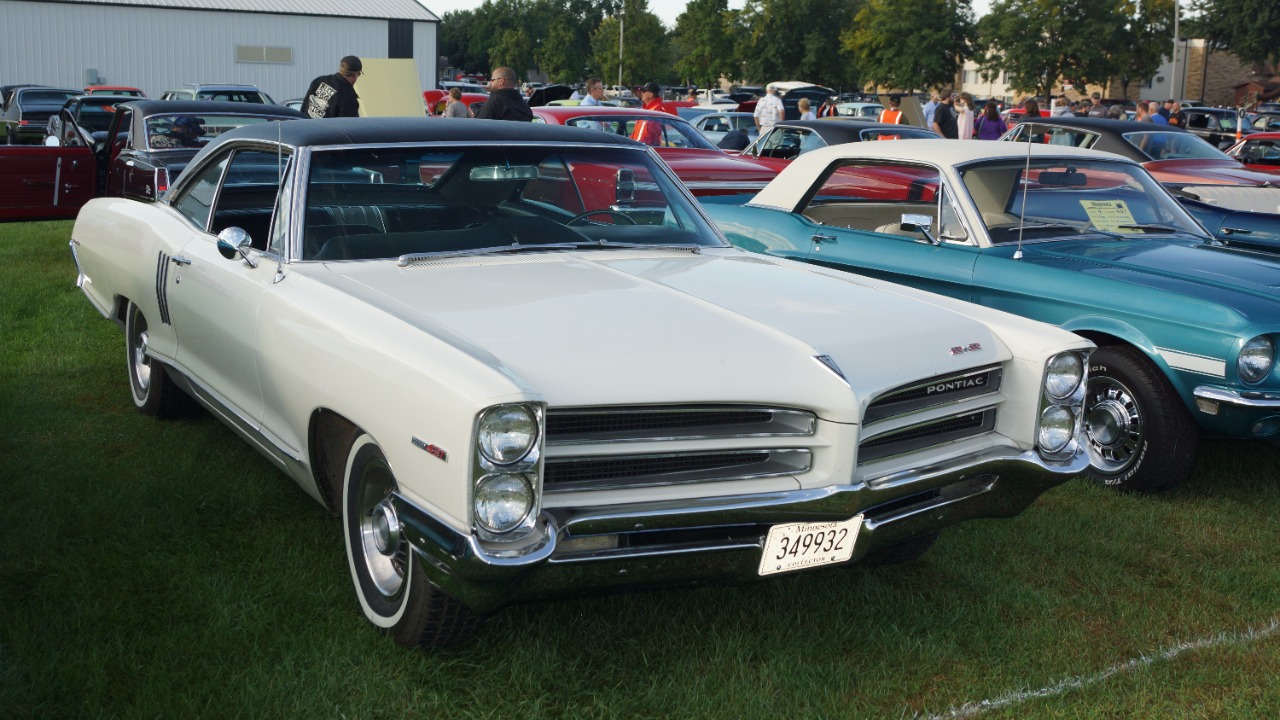
The Pontiac 2+2 gave Pontiac buyers a sporty full-size car with powerful engine options. Available with large-displacement V8s, the 2+2 could deliver impressive performance while retaining the comfort and size of a full-size Pontiac. Its production numbers were much lower than those of mainstream Pontiac models, helping make surviving examples considerably less common. It remains an interesting alternative to more famous muscle cars.
Pontiac Grand Prix 2+2
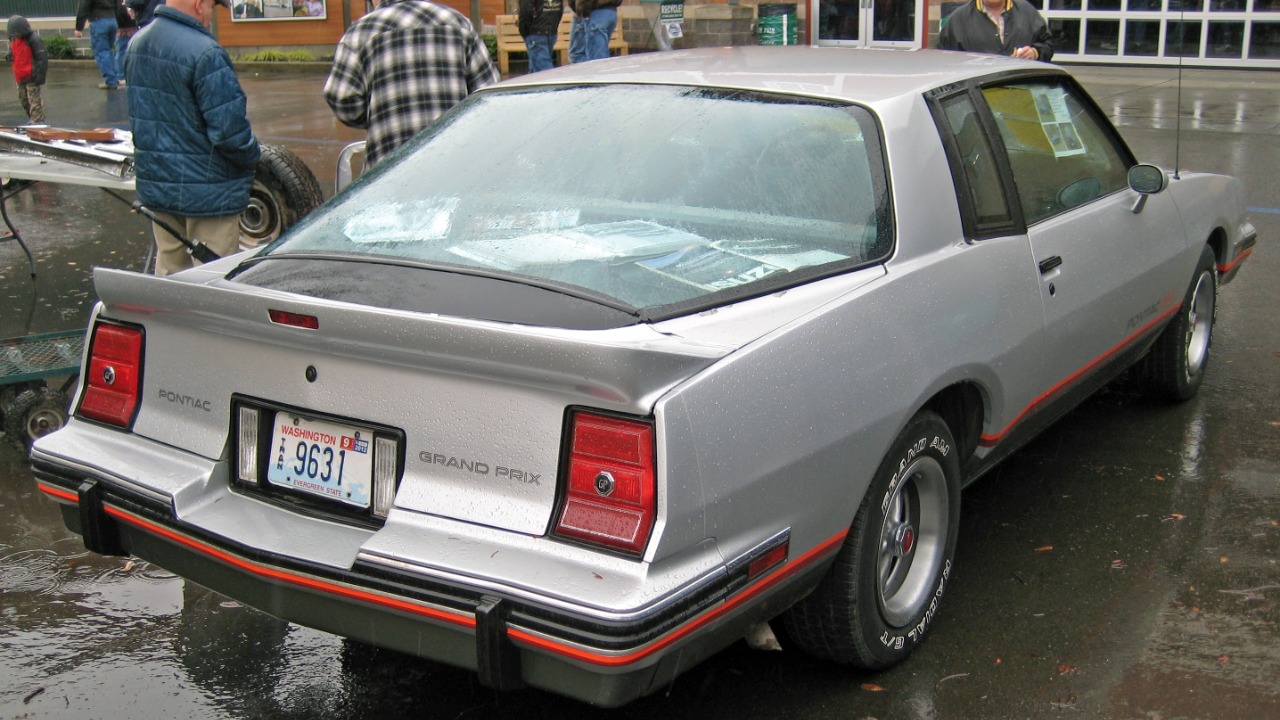
The Pontiac Grand Prix 2+2 was a special aerodynamic version developed around NASCAR homologation requirements. Its unusual nose and aerodynamic body modifications separated it from ordinary Grand Prix models. Production was limited, and the car’s connection to stock-car racing makes it particularly significant. Today, an original Grand Prix 2+2 is an unusual sight and an important piece of Pontiac’s racing-related history.
Pontiac Grand Prix SJ
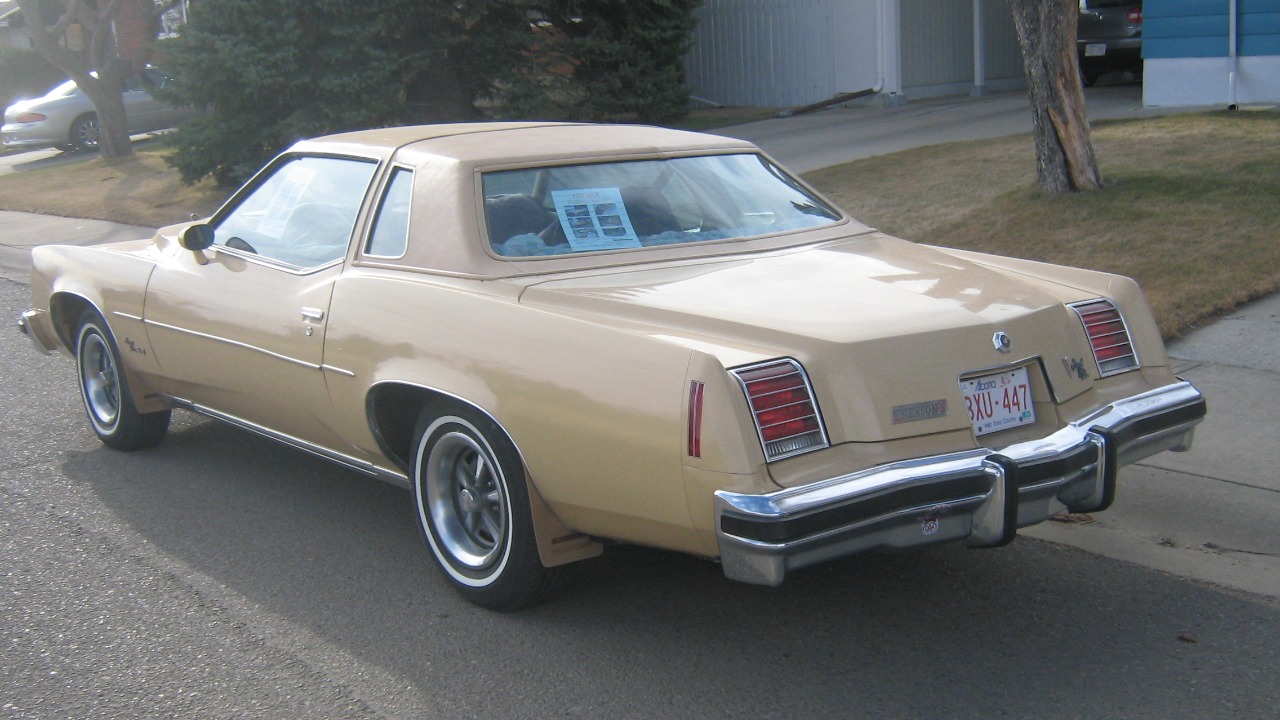
The Grand Prix SJ combined Pontiac’s personal-luxury approach with a large-displacement performance engine. The SJ designation identified higher-performance equipment, including Pontiac’s powerful 455 V8 in relevant years. Its long hood, comfortable interior, and substantial torque created a distinctive combination of luxury and performance. It remains an interesting collector choice because it offers muscle-car power without the appearance of a traditional muscle car.
Pontiac Can Am
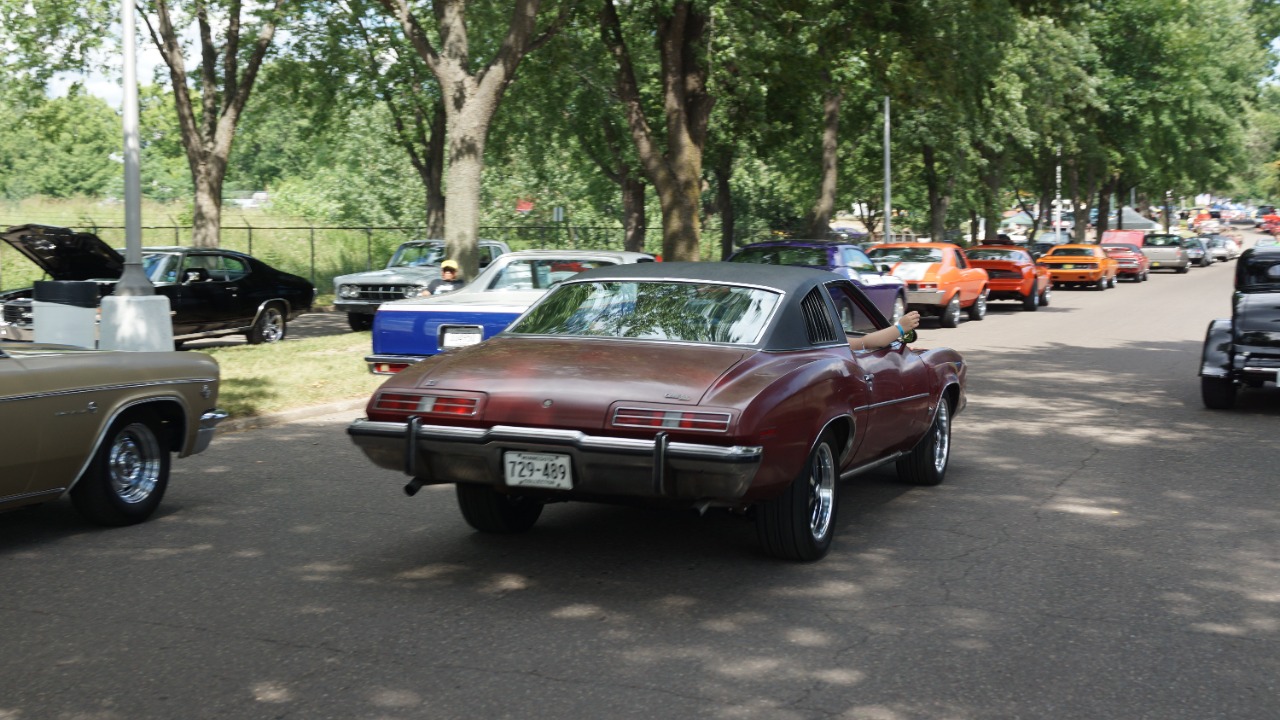
The Pontiac Can Am was a limited-production performance-oriented version of the LeMans-based platform. It featured distinctive bodywork, a rear spoiler, and a powerful V8, giving it a more aggressive appearance than ordinary intermediate Pontiacs. Production was relatively short-lived, making surviving examples uncommon. The Can Am’s unusual combination of practicality and performance has helped it develop a dedicated following among Pontiac enthusiasts.
Pontiac Ventura GTO

The Ventura GTO represented an unusual chapter in Pontiac’s muscle-car history. It combined the compact Ventura body with a GTO-style performance concept, creating a smaller Pontiac with a strong V8 presence. Its limited production and short-lived nature make surviving examples considerably less common than mainstream GTOs. It is particularly interesting to collectors who want a Pontiac performance car that is less familiar than the classic GTO.
Pontiac Tempest LeMans
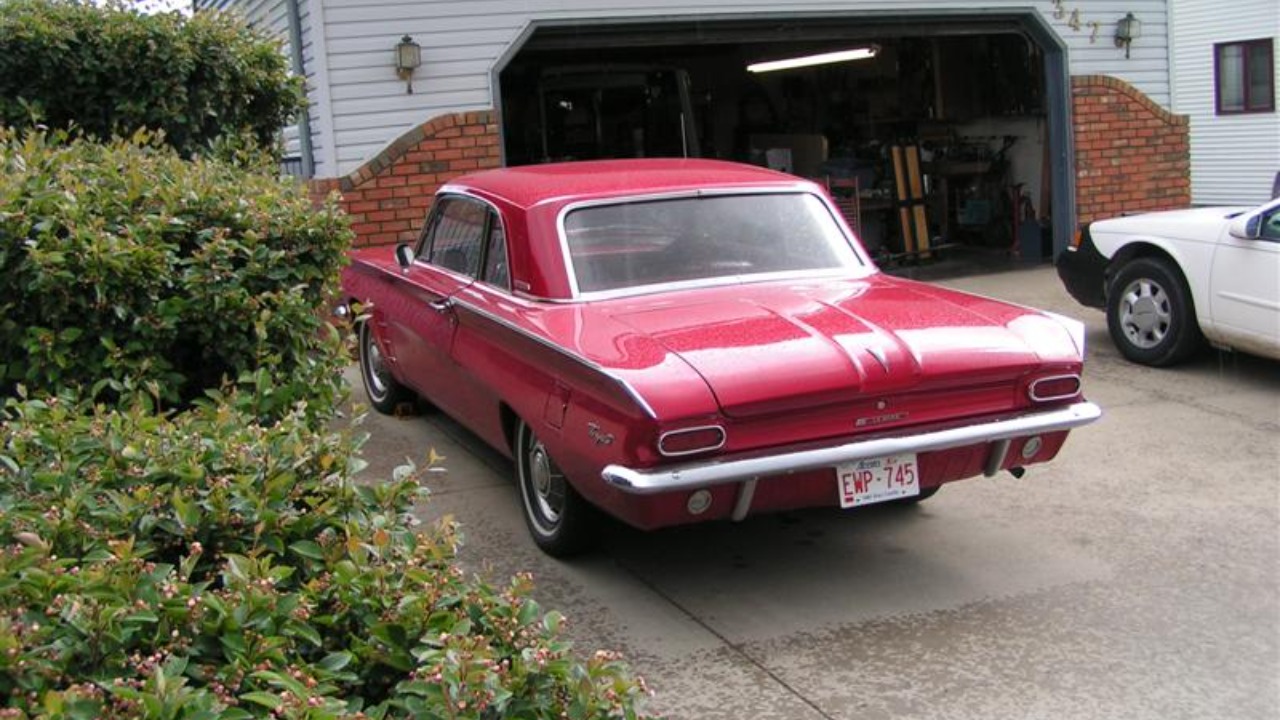
The Tempest LeMans played an important role in Pontiac’s move toward smaller performance-oriented cars. Its compact platform provided the foundation for the GTO, making it historically significant even when equipped with more conventional engines. The LeMans name later became closely associated with Pontiac’s intermediate performance cars. Early examples are interesting to collectors because they show how Pontiac’s compact platform evolved into a muscle-car foundation.
Pontiac Fiero GT

The Fiero GT was one of Pontiac’s most distinctive modern performance-oriented cars. Its mid-engine layout gave it a fundamentally different configuration from Pontiac’s traditional front-engine vehicles. The GT added more aggressive styling and improved performance equipment, making it one of the most recognizable Fieros. Well-preserved examples have become increasingly interesting to collectors because the Fiero represented a rare experiment in affordable American mid-engine sports cars.
Pontiac Firebird Trans Am GTA

The Trans Am GTA represented the performance peak of the third-generation Firebird lineup. It combined aggressive styling with a strong V8, upgraded suspension, and distinctive wheels. The GTA helped restore some of Pontiac’s performance identity during the 1980s and became a memorable American performance coupe of the period. Clean, original examples are particularly interesting because many were modified during their lives.
Pontiac Grand Prix 2+2 Aerocoupe
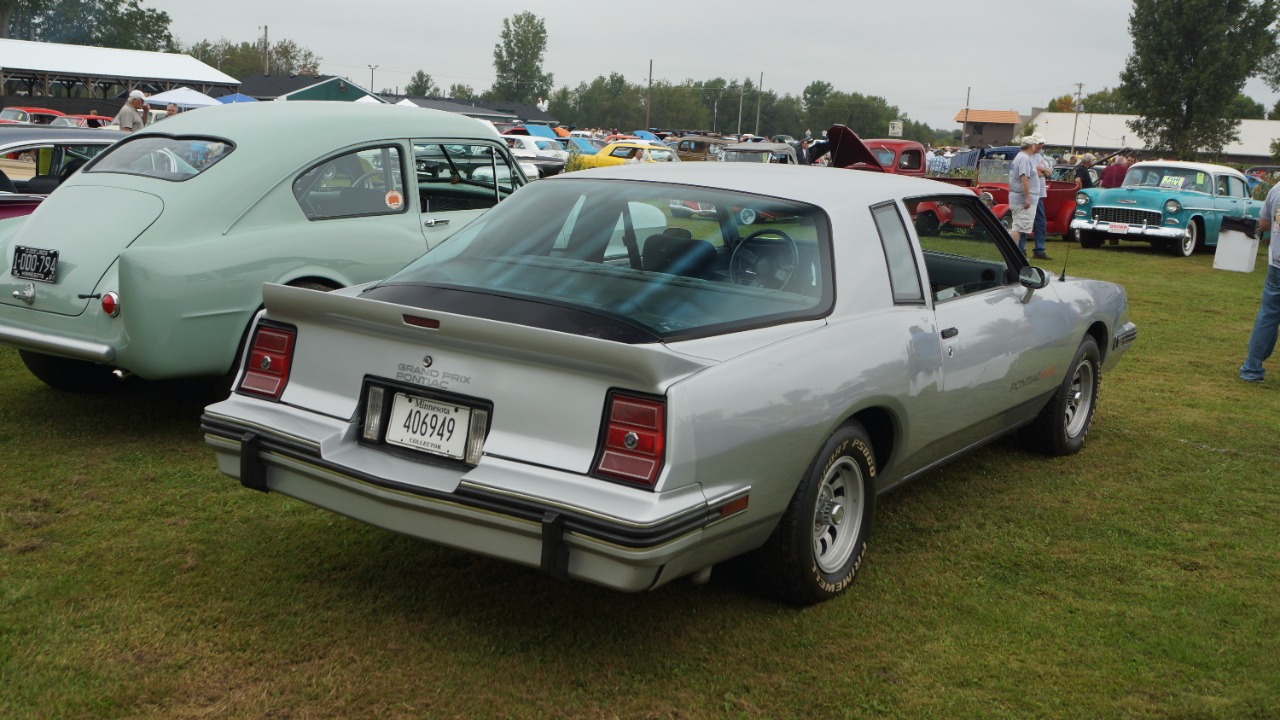
The Grand Prix 2+2 Aerocoupe was built in response to NASCAR homologation requirements and featured a radically sloped rear window. Its unusual shape immediately separated it from standard Grand Prix models. Production was limited, making surviving examples uncommon. The car’s connection to NASCAR competition and its distinctive aerodynamic design give it a special place among Pontiac’s collectible performance models.
Pontiac Solstice GXP
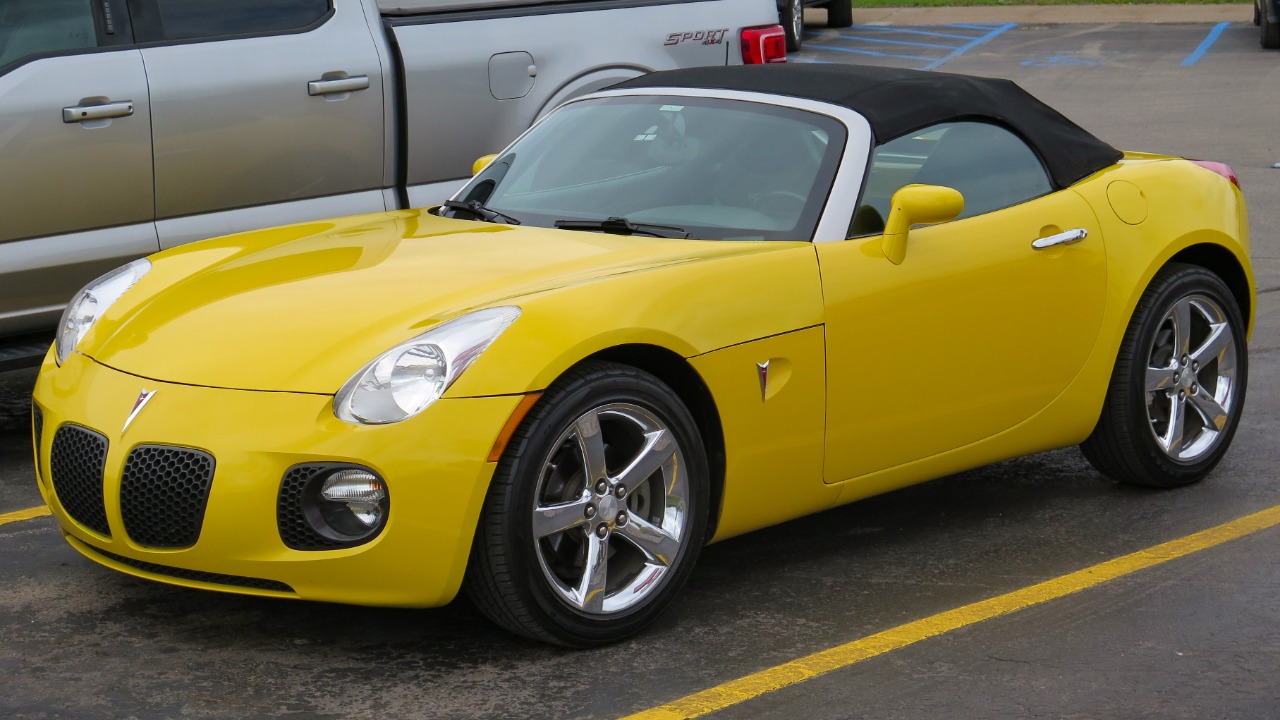
The Solstice GXP represented Pontiac’s late attempt to build a compact American sports car with genuine performance credentials. Its turbocharged four-cylinder engine provided considerably more power than the standard Solstice, while rear-wheel drive and a lightweight roadster body created a more focused driving experience. The GXP arrived near the end of Pontiac’s existence, which has helped make it an interesting modern collectible associated with the brand’s final years.
More from Fast Lane Only
- Unboxing the WWII Jeep in a Crate
- 15 rare Chevys collectors are quietly buying
- 10 underrated V8s still worth hunting down
- Police notice this before you even roll window down
*Research for this article included AI assistance, with all final content reviewed by human editors.