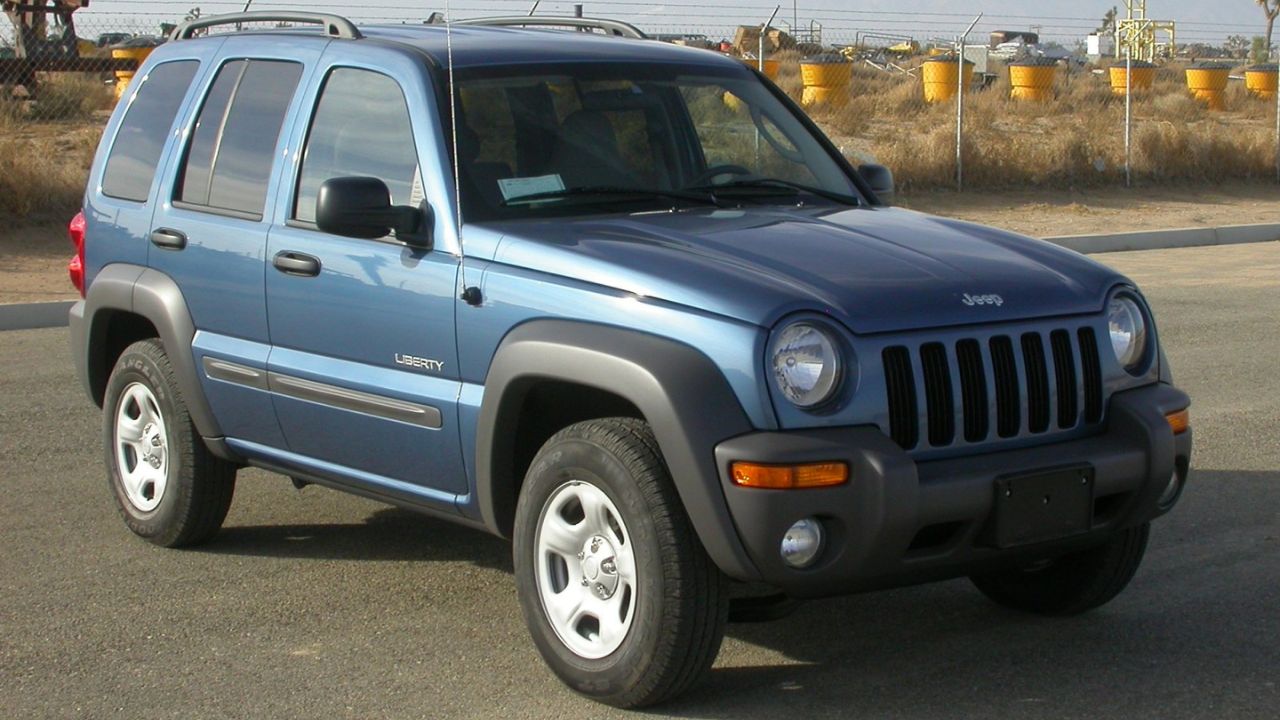
American automakers have occasionally built cars that seemed to arrive from the future. Some introduced unusual technology, others challenged traditional ideas about size and performance, and a few simply looked decades ahead of their competition. Many were overlooked when new, but their ideas became common later. These forgotten American cars were ahead of their time in surprising ways.
Chrysler Airflow
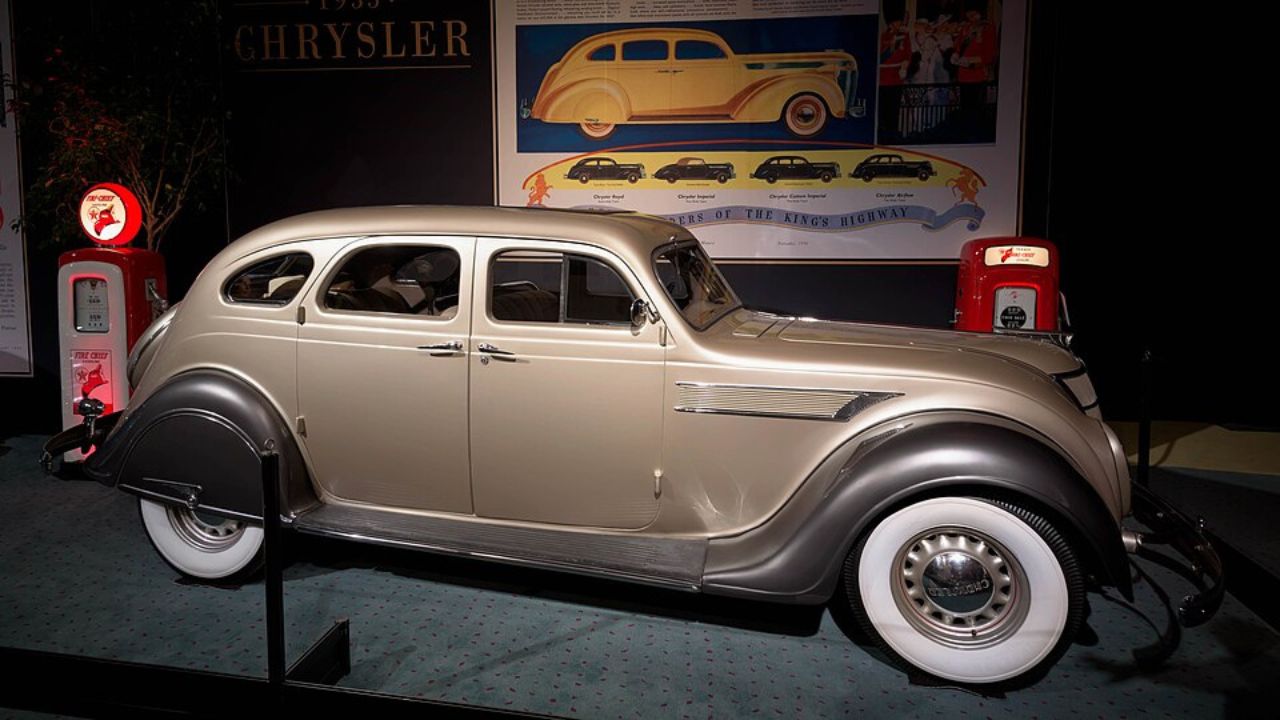
The Chrysler Airflow challenged nearly every styling convention of its day. Its streamlined body was designed around improved aerodynamics rather than simply adding decoration, while the cabin was moved forward for better space and weight distribution. Buyers were not quite ready for such a radical departure, but the Airflow influenced automotive design for decades afterward.
Cord 810
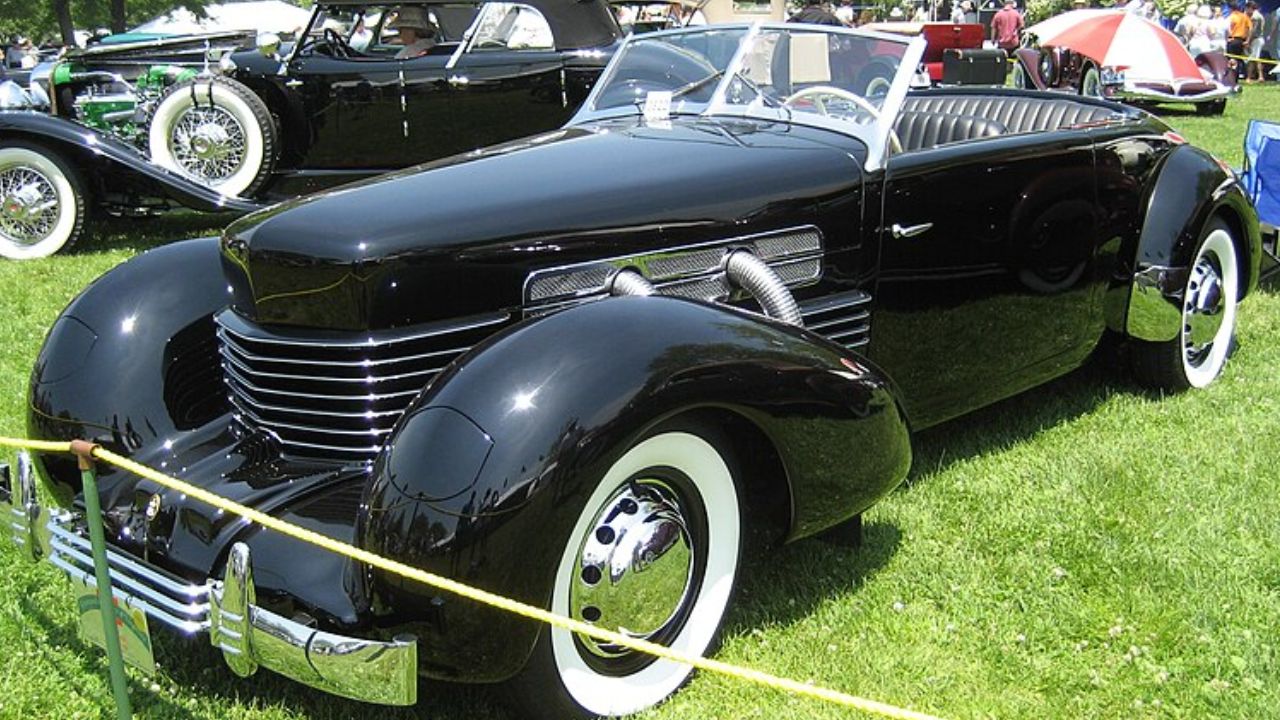
The Cord 810 looked more like a concept car than a production automobile. Its streamlined body, hidden headlights, front-wheel drive, and innovative dashboard made it remarkably advanced for the 1930s. The famous coffin-nose grille gave it an unforgettable appearance. Mechanical problems hurt its reputation, but the design itself was years ahead of most American cars.
Tucker 48
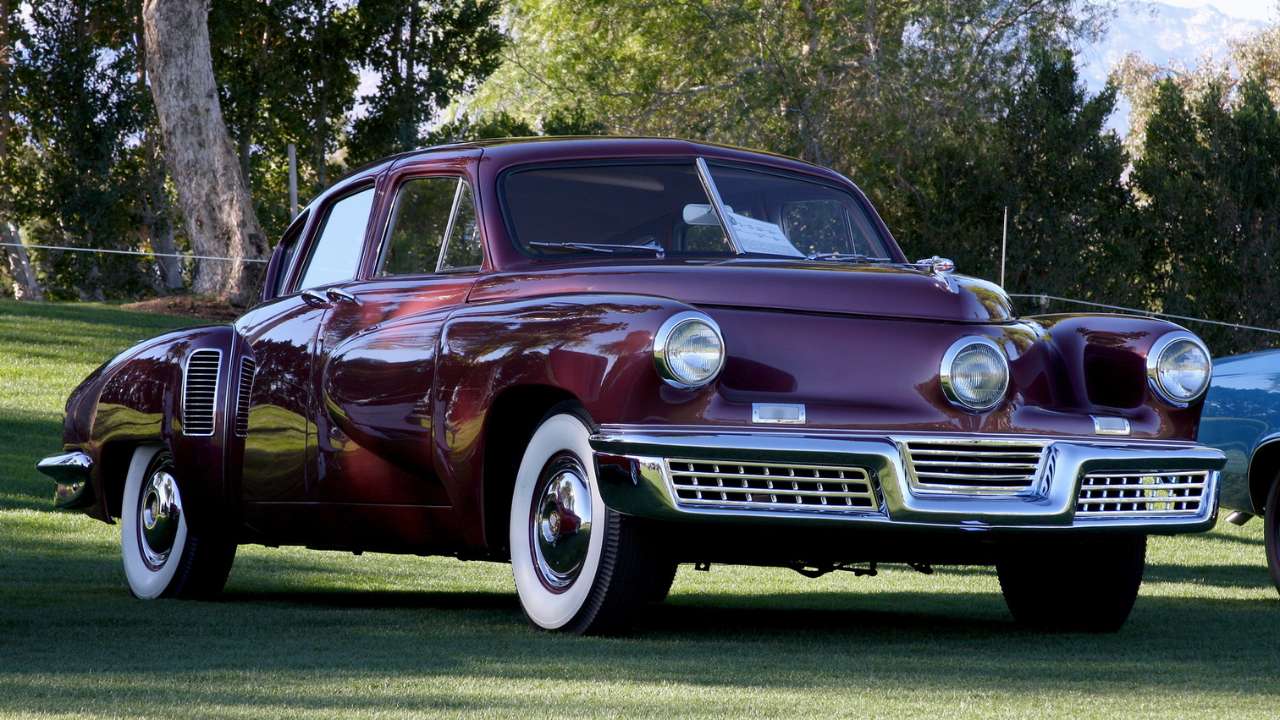
The Tucker 48 was designed around safety and engineering ideas that were unusual for postwar America. Its rear-mounted engine, independent suspension, padded interior, and centrally mounted headlight showed that Preston Tucker wanted to rethink the automobile from the ground up. Production ended almost immediately, leaving the Tucker as one of America’s most famous automotive what-ifs.
Kaiser Darrin
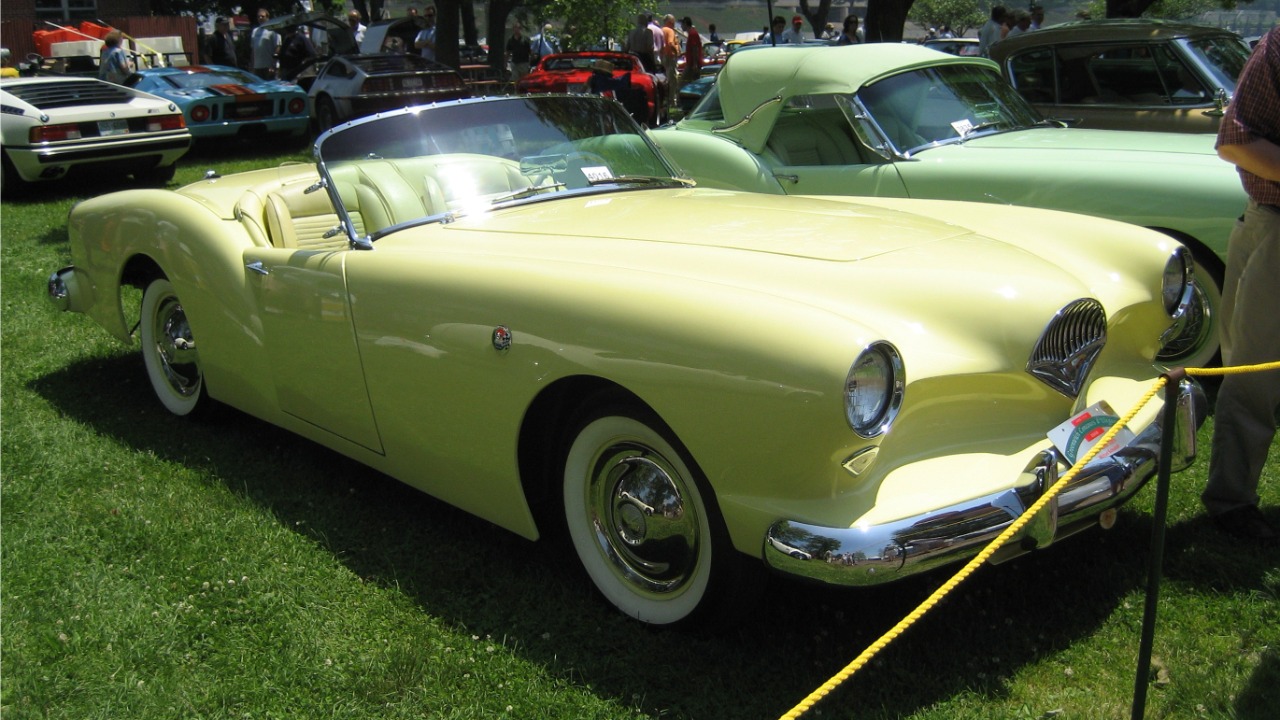
The Kaiser Darrin was a fiberglass-bodied sports car that arrived just as American manufacturers were experimenting with lighter materials. Its unusual sliding doors disappeared into the front fenders, creating one of the strangest door mechanisms ever fitted to a production car. It was stylish and innovative, but the market was not ready for another low-volume American sports car.
Nash Metropolitan
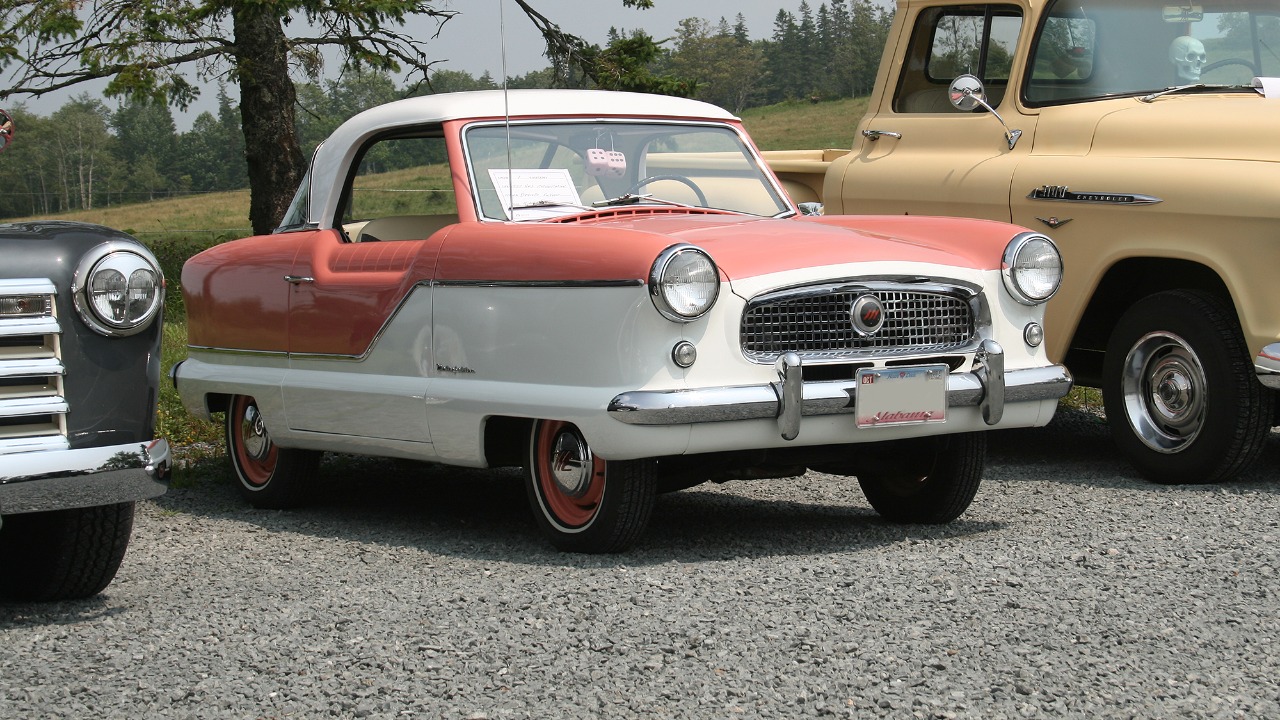
The Nash Metropolitan looked almost tiny compared with the enormous American cars surrounding it. Its compact dimensions and efficient approach anticipated the growing demand for smaller cars, particularly as fuel costs and urban congestion became more important. The Metropolitan was not a conventional American car, and that was precisely what made it so unusual for its time.
Chevrolet Corvair

The Corvair challenged the assumption that an American family car needed a large front-mounted engine. Its rear-mounted, air-cooled flat-six and compact proportions gave Chevrolet something completely different from its traditional full-size cars. The design influenced later compact-car thinking, even though safety controversies eventually overshadowed many of its engineering innovations.
Ford Thunderbird
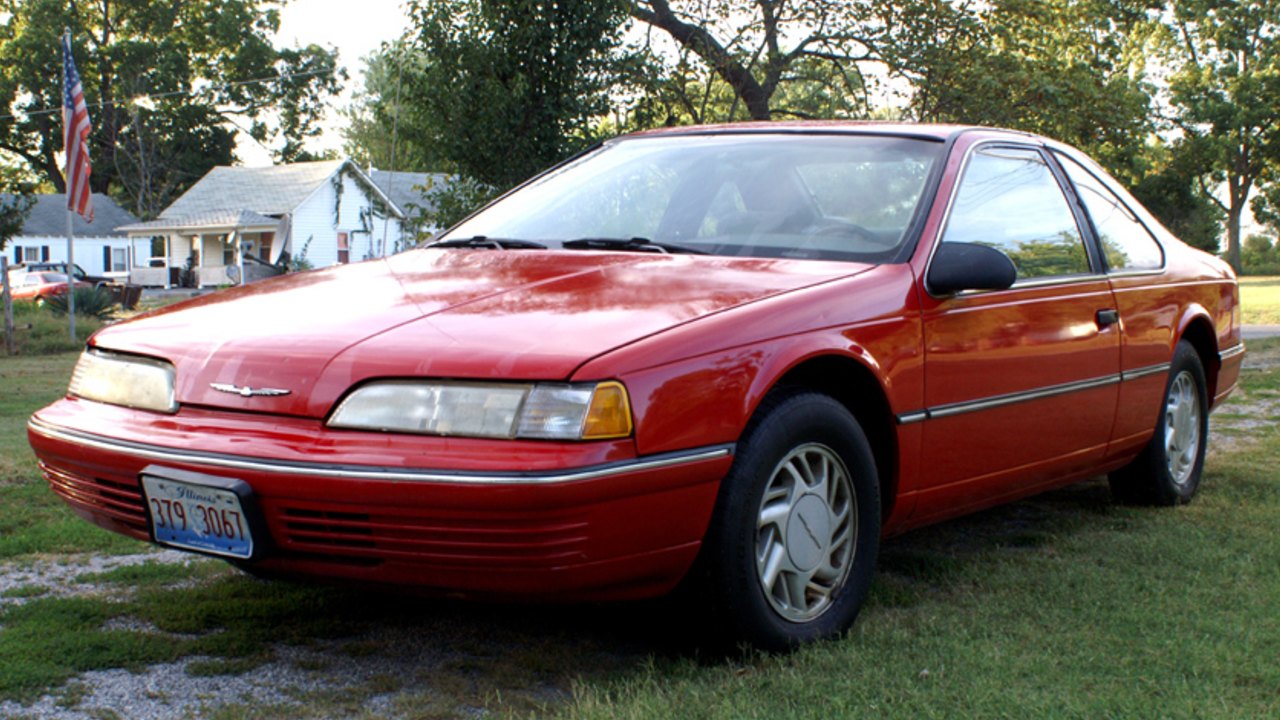
The original Thunderbird helped establish the American personal luxury car while offering a more compact alternative to enormous full-size models. Its two-seat configuration, removable hardtop, and sporty proportions created a new category. Later Thunderbirds became much larger, but the first generation showed how American buyers could be persuaded to want something smaller and more personal.
Studebaker Avanti

The Avanti looked like it came from another decade. Its smooth body lacked the excessive chrome and tailfins common during the early 1960s, while its fiberglass front end and sleek profile gave it an unusually modern appearance. The Avanti also offered serious performance. Studebaker’s financial problems, rather than the design itself, ultimately limited its impact.
Oldsmobile Toronado
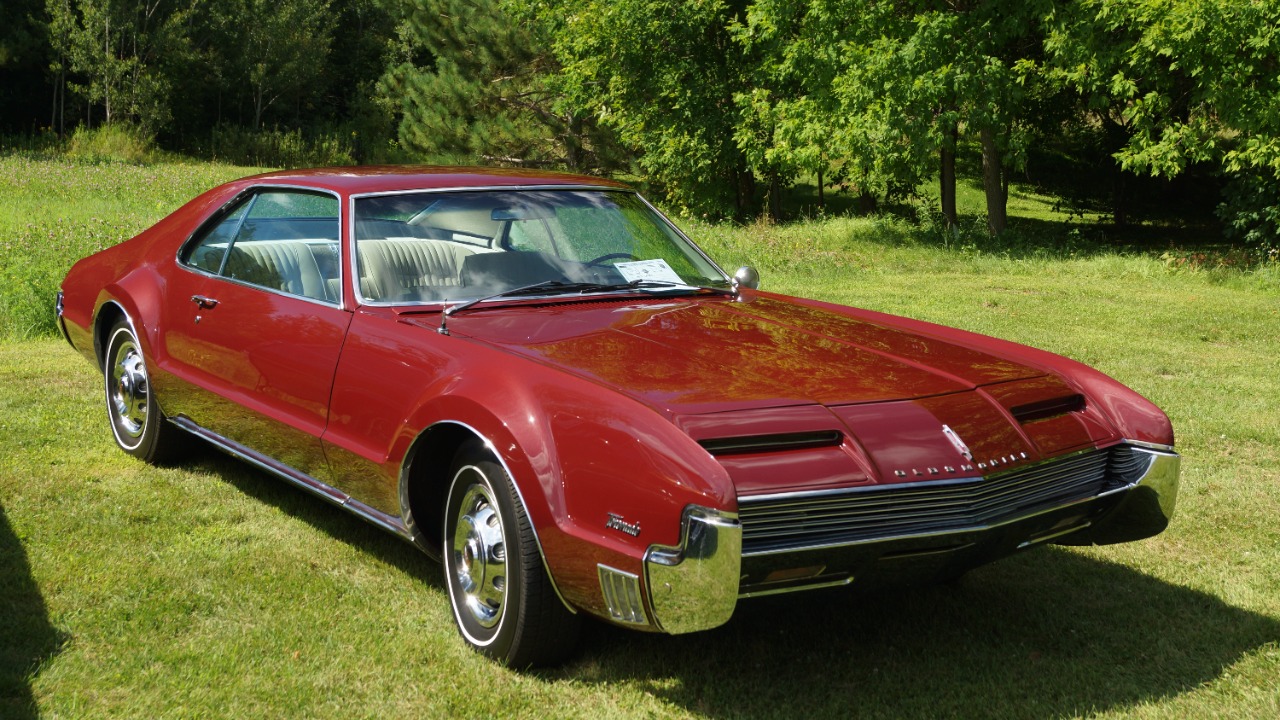
The Toronado brought front-wheel drive to a large American performance-oriented coupe at a time when rear-wheel drive dominated the market. Its hidden headlights, fastback profile, and clean bodywork made it look futuristic, while the drivetrain represented a major engineering departure. It demonstrated that a large American car could use a completely different mechanical layout.
Buick Riviera
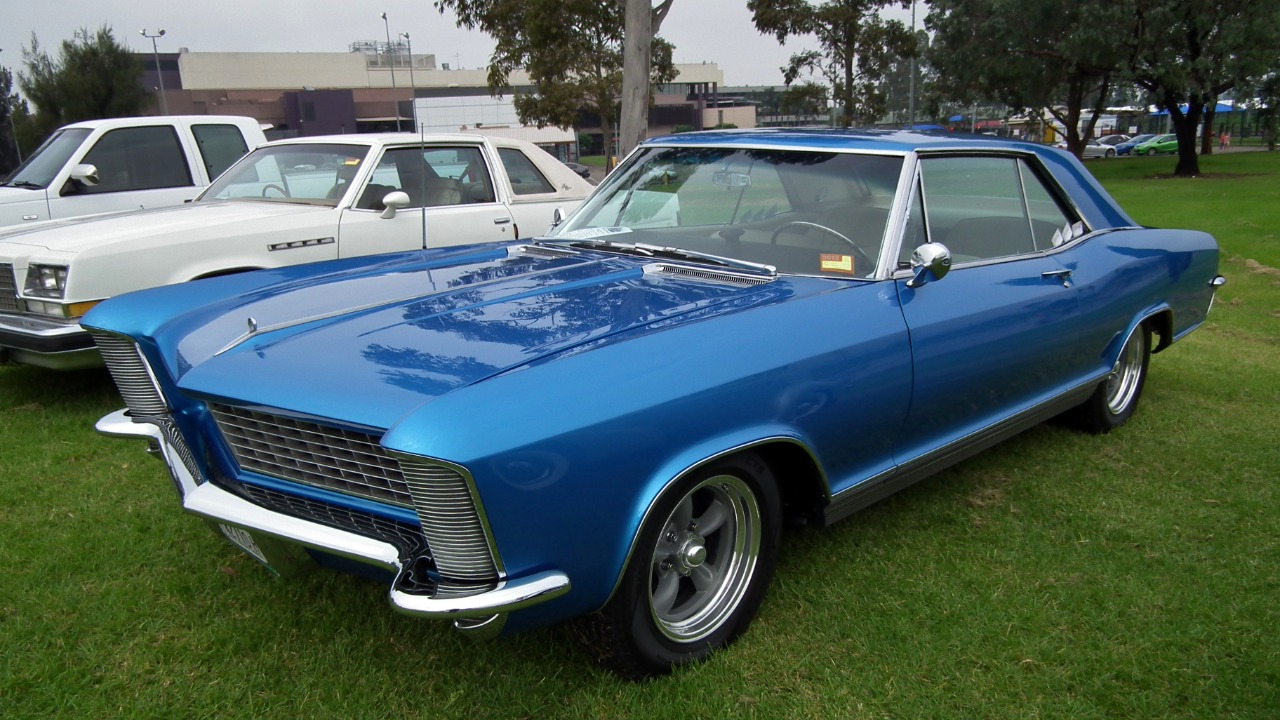
The Riviera introduced a cleaner, more restrained interpretation of American luxury. Its sharp body lines and pillarless hardtop looked sophisticated without relying on enormous tailfins. The design became highly influential, particularly among buyers who wanted luxury without the visual excess of some competing cars. Its combination of elegance and technology made it a landmark Buick.
Pontiac Fiero
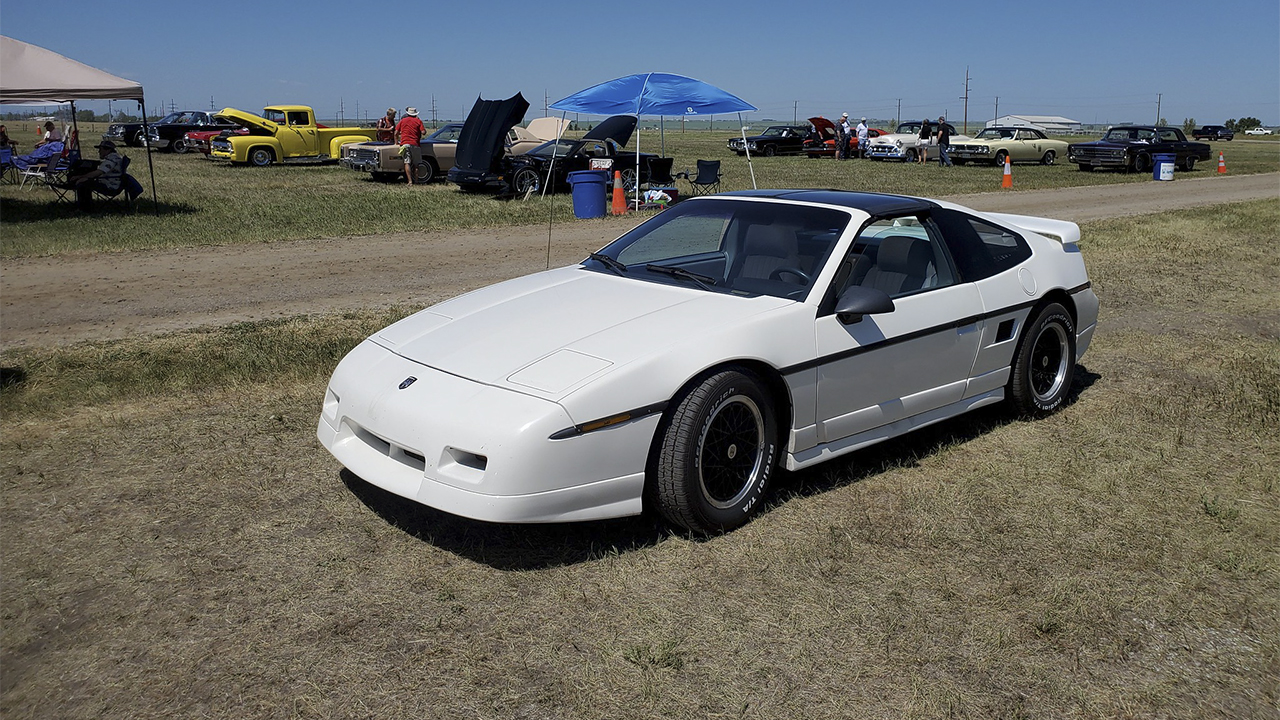
The Fiero was one of America’s earliest serious attempts at a mass-market mid-engine sports car. Its compact proportions and distinctive plastic body panels gave Pontiac something completely different from the traditional front-engine muscle car. Early performance was modest, but the basic concept was remarkably forward-looking. A longer production run might have changed its reputation considerably.
Chevrolet Vega
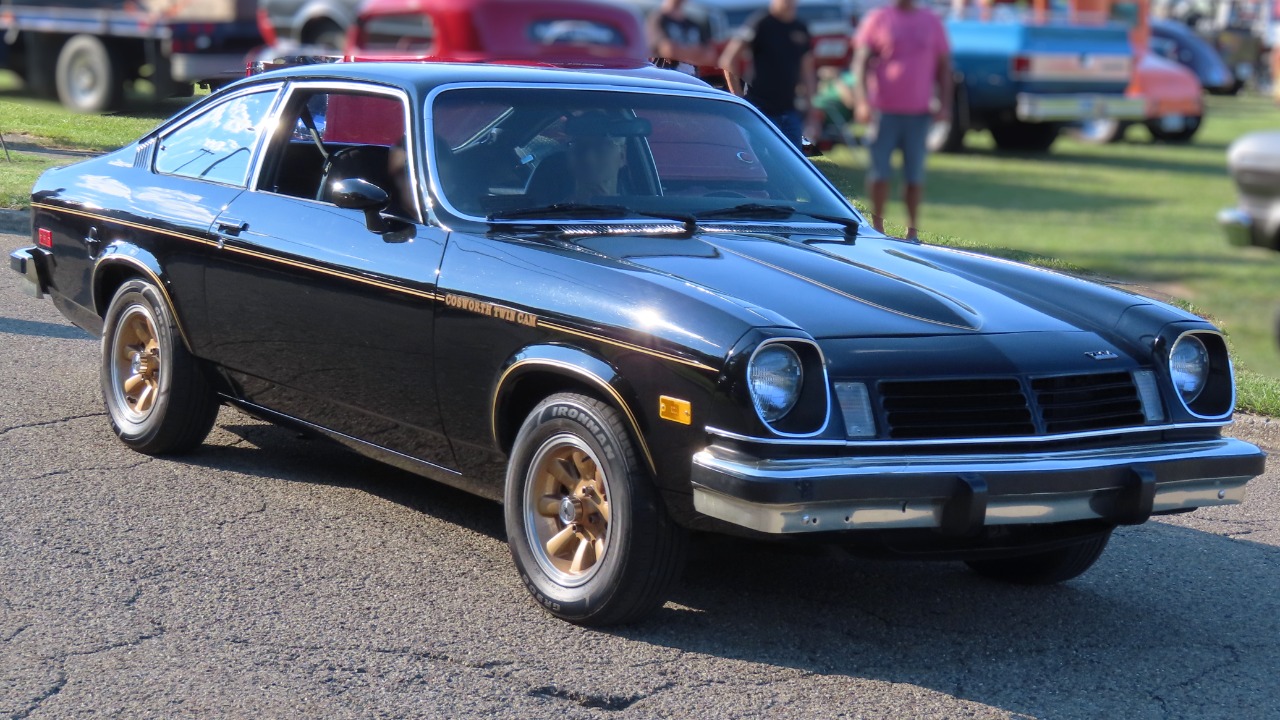
The Vega was intended to bring lightweight construction and compact-car engineering to Chevrolet’s lineup. Its aluminum engine and relatively small dimensions were unusual for an American manufacturer accustomed to large vehicles. Unfortunately, durability problems overshadowed the technical ambition. The Vega remains an interesting example of an idea that was ahead of the company’s ability to execute it reliably.
AMC Pacer
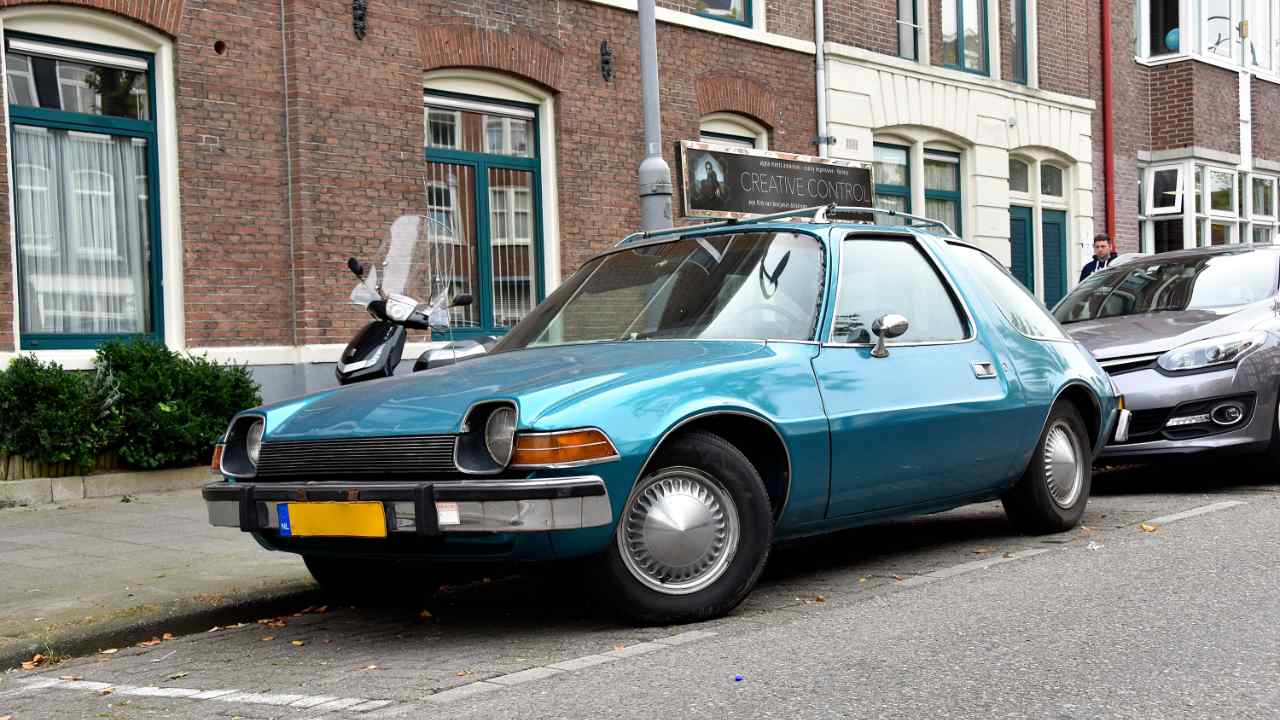
The Pacer looked almost alien when it arrived. Its enormous glass area, compact length, wide body, and unusual proportions were unlike conventional American cars. AMC wanted to create a vehicle with excellent visibility and a spacious interior without making it enormous. Buyers were uncertain about the design, but many of its ideas now seem surprisingly familiar.
AMC Eagle
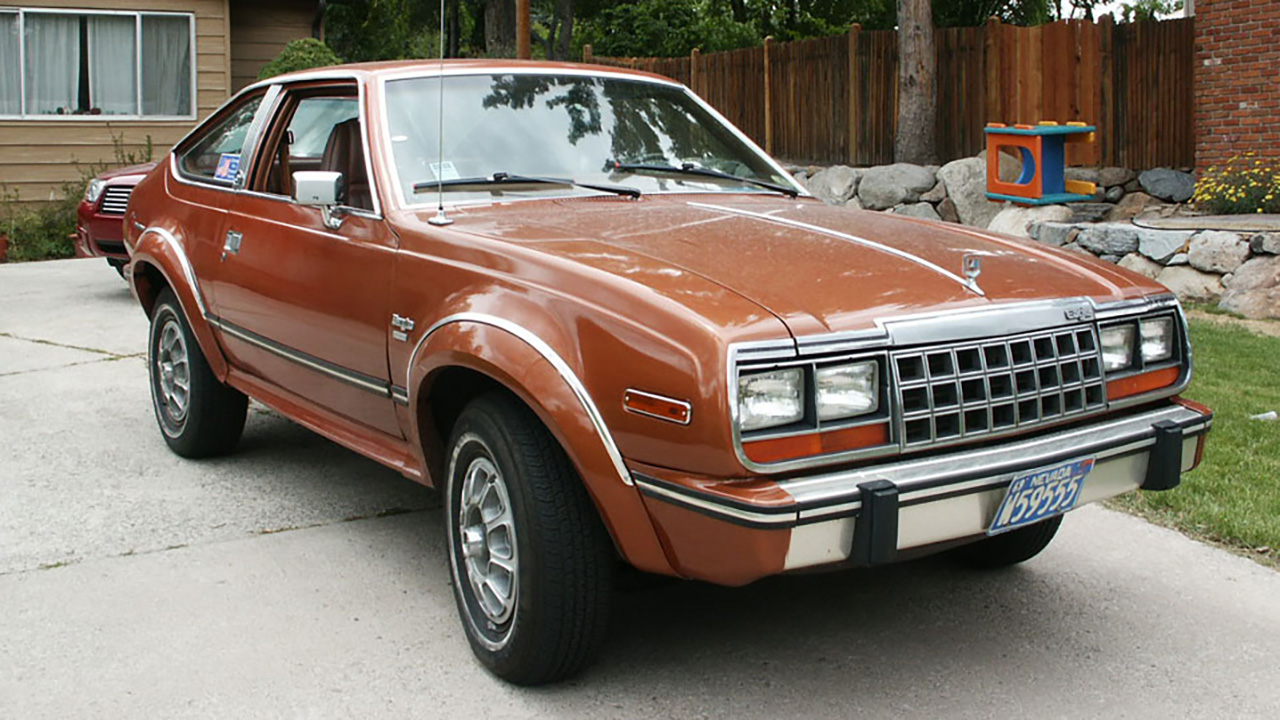
The AMC Eagle effectively anticipated the modern crossover decades before crossovers dominated the market. It combined car-like comfort with four-wheel drive and increased ground clearance, giving buyers a vehicle suited to both paved roads and rough conditions. At the time, the concept seemed unusual. Today, the basic formula is one of the most common vehicle designs on the road.
Buick Reatta
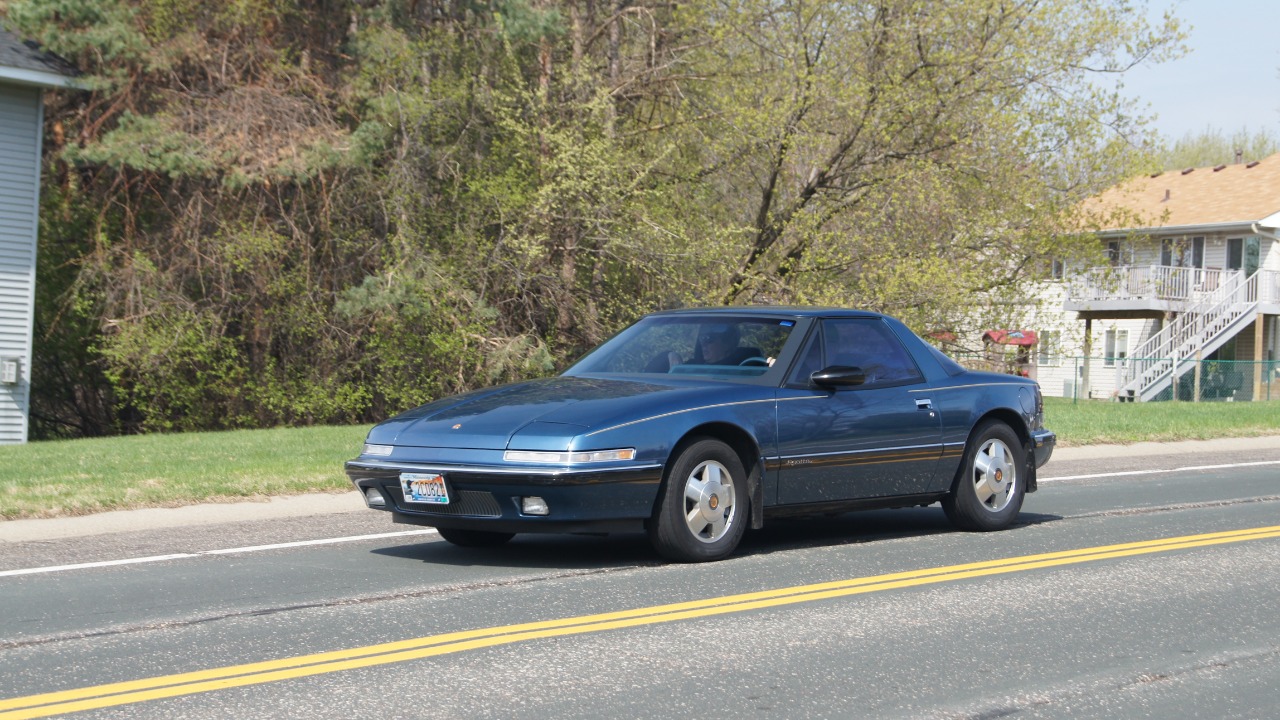
The Reatta showed Buick experimenting with a more technologically sophisticated luxury coupe. Its digital instrumentation, touchscreen interface, and hand-finished production process made it unusual for the late 1980s. The touchscreen in particular attracted attention because similar interfaces would later become commonplace. The Reatta was never a sales sensation, but its technology now looks remarkably familiar.
Oldsmobile Aurora

The Aurora represented a major styling departure for Oldsmobile. Its rounded body, integrated lighting, and clean surfaces moved away from the boxy shapes dominating American showrooms. The car also brought sophisticated engineering and a strong V8 to a luxury-oriented package. Its design influenced Oldsmobile’s later lineup and anticipated the smoother styling of the 1990s.
Cadillac Allanté
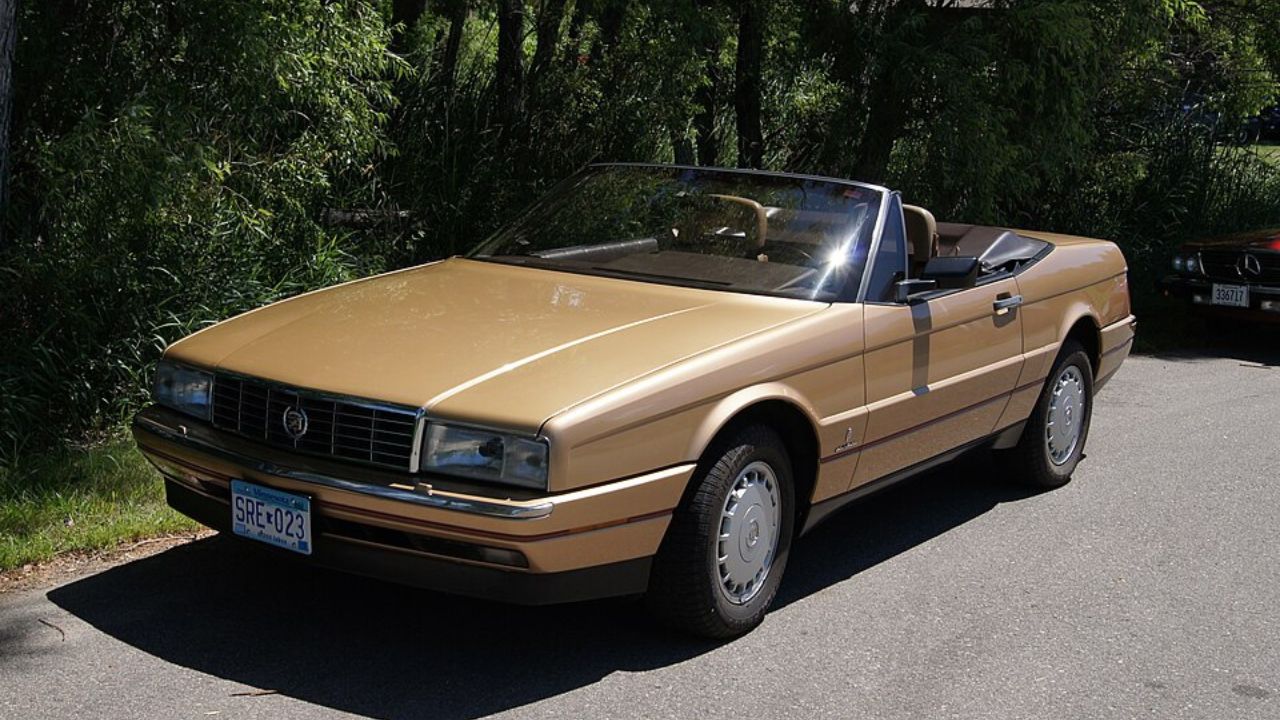
The Allanté was Cadillac’s ambitious attempt to compete with European luxury convertibles. Its Italian-designed body, aluminum components, digital electronics, and sophisticated suspension made it unusually advanced for an American luxury car. Cadillac even developed a unique production process involving overseas body construction. The project was expensive and complicated, but the car demonstrated serious engineering ambition.
Chrysler Prowler
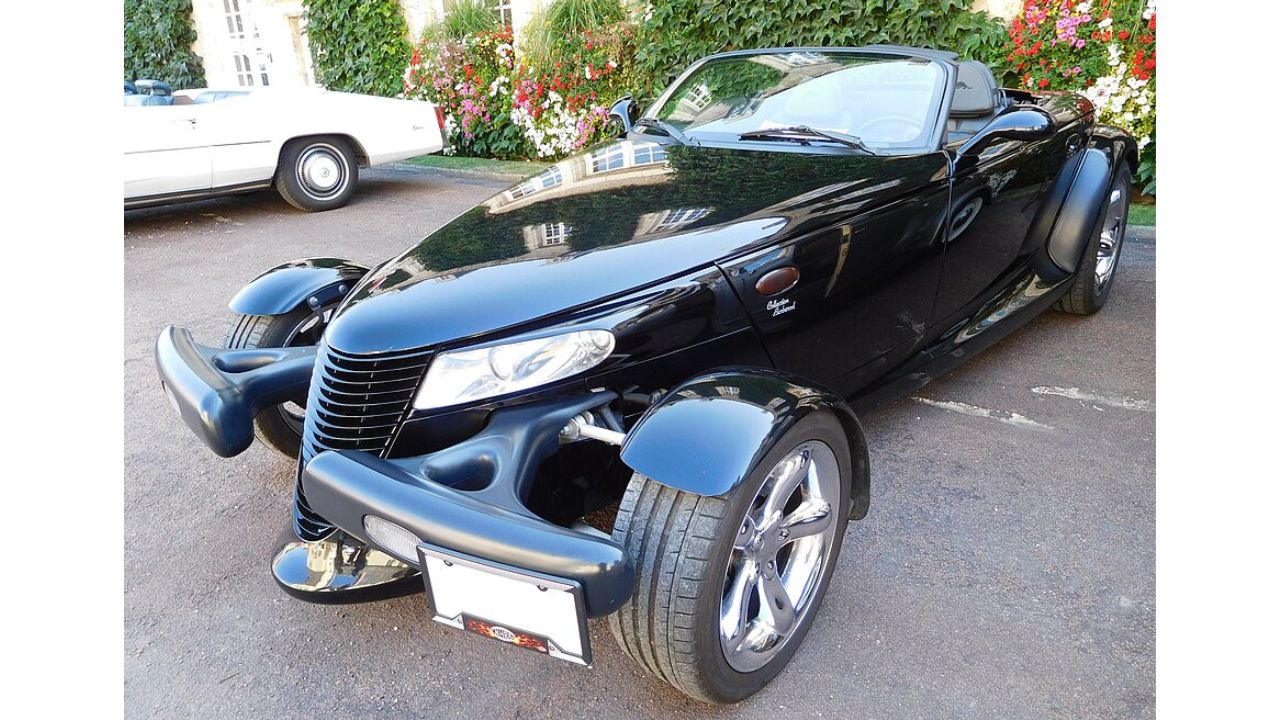
The Prowler looked backward and forward at the same time. Its exposed front suspension and hot-rod-inspired body made it resemble a modern interpretation of a classic custom car, while its lightweight aluminum construction and modern drivetrain brought contemporary engineering underneath. It was too unusual to become a mainstream success, but its concept influenced the way manufacturers approached retro-inspired performance cars.
Chevrolet SSR
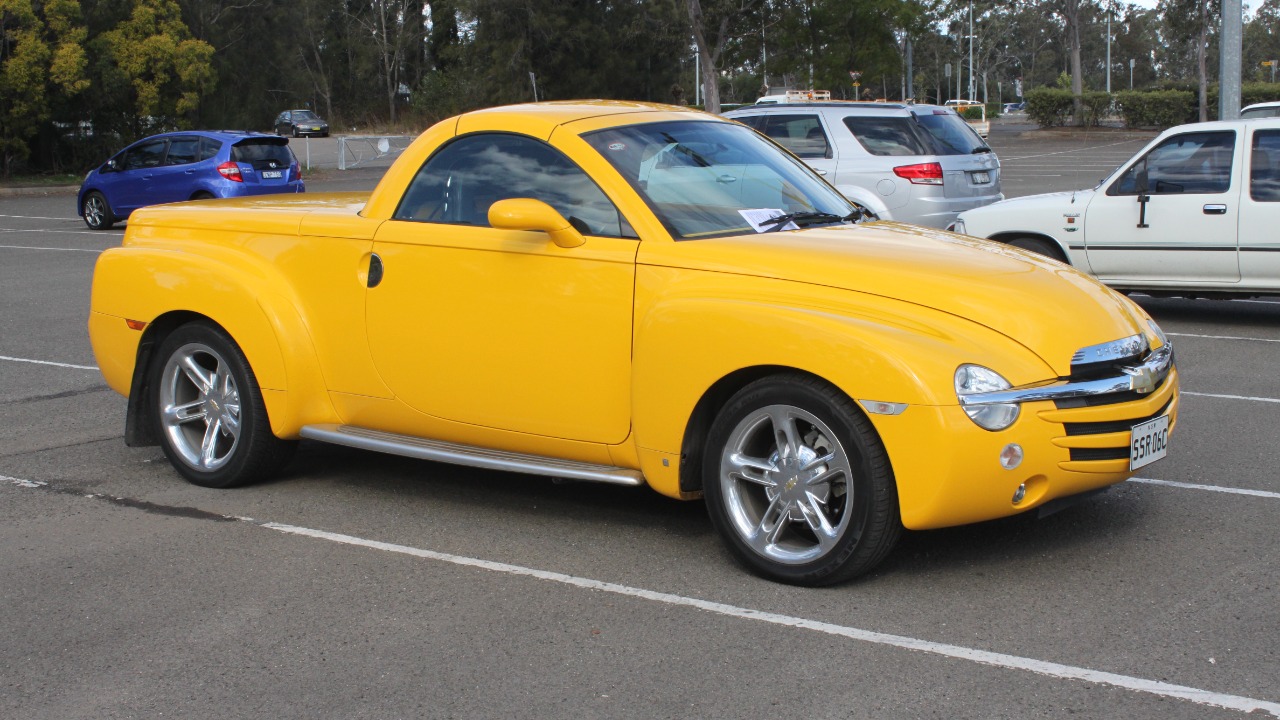
The SSR combined the appearance of a classic pickup with the mechanical foundation of a modern performance vehicle. Its retractable hardtop made it even more unusual, turning the truck bed into part of a convertible-like experience. The design was difficult to categorize, which probably hurt sales. Looking back, though, the SSR anticipated the growing appetite for lifestyle-focused vehicles.
Chrysler Pacifica

The original Pacifica was an early attempt to combine SUV practicality with the comfort and road manners of a car. It offered three-row seating, a relatively sleek profile, and a more premium interior than many traditional SUVs. It arrived before the modern crossover market fully matured. Its basic concept eventually became one of the industry’s dominant formulas.
More from Fast Lane Only
- Unboxing the WWII Jeep in a Crate
- 15 rare Chevys collectors are quietly buying
- 10 underrated V8s still worth hunting down
- Police notice this before you even roll window down
*Research for this article included AI assistance, with all final content reviewed by human editors.