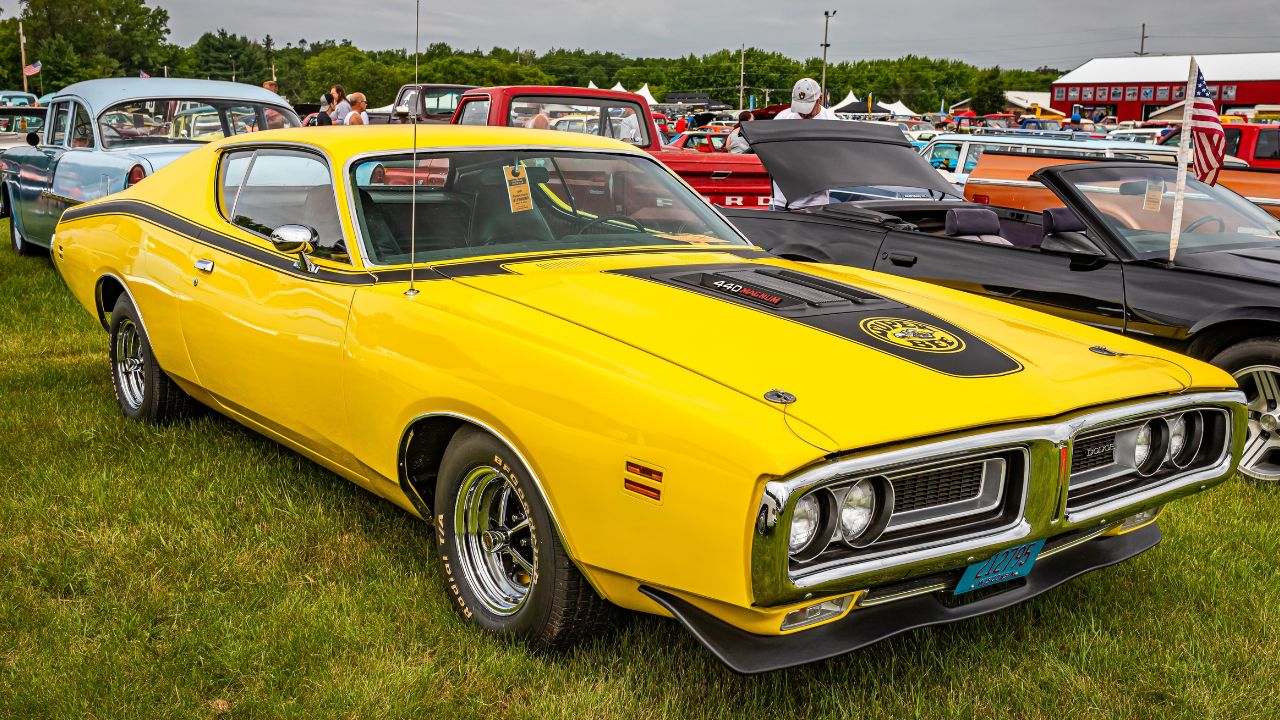
Dodge has never been shy about performance, but some of its most impressive cars have been pushed aside by better-known names. Long before the modern Challenger and Charger became icons, Dodge built sedans, coupes, muscle cars, and family cars that were genuinely competitive in their time. These 20 overlooked Dodges delivered speed, style, practicality, or engineering that made them stand out from the crowd.
Dodge Dart
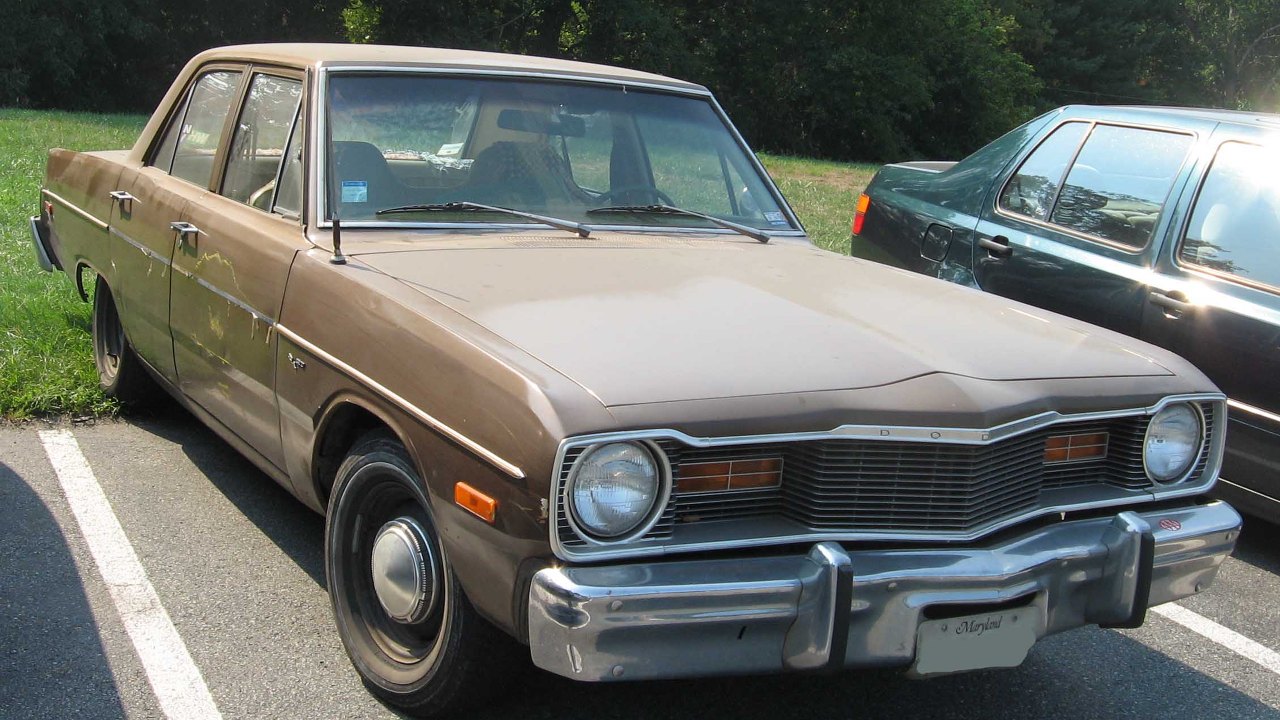
The Dodge Dart became one of the company’s most recognizable compact cars, but certain versions were much more than basic transportation. Available V8 power gave the Dart serious muscle-car potential, while its relatively compact size made it an effective combination of weight and power. Today, the Dart is often remembered as an ordinary family car rather than the capable performer it could be.
Dodge Coronet
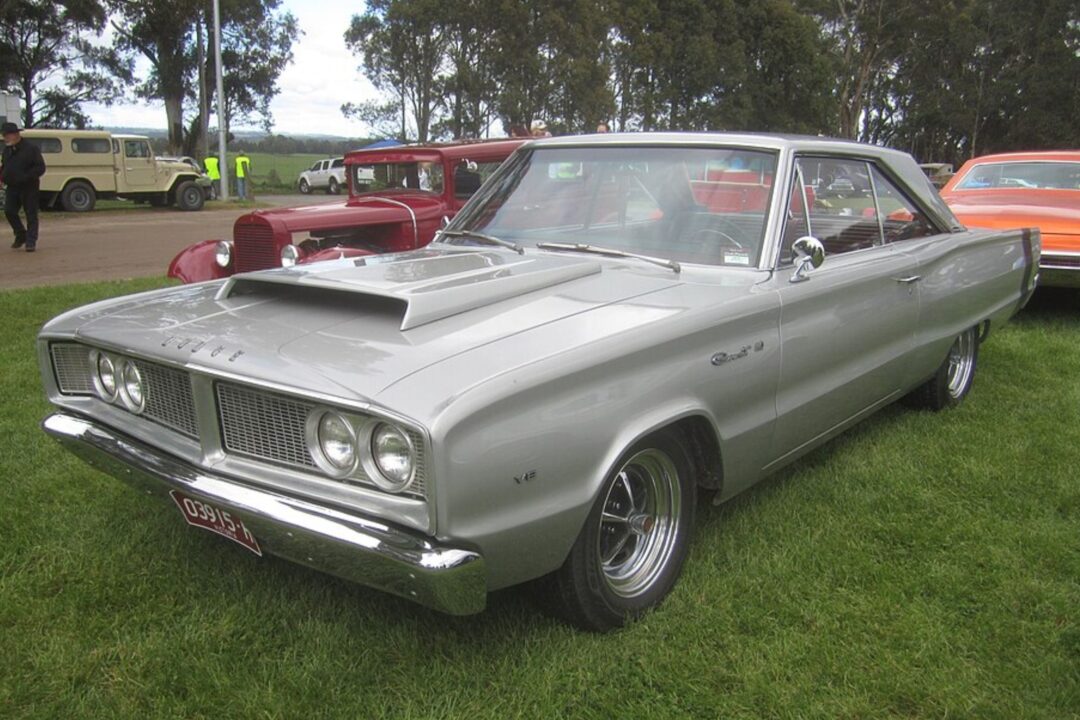
The Coronet served Dodge in several different forms, but its performance versions deserve particular attention. Strong V8s and available high-performance packages turned the ordinary-looking sedan and coupe into serious street machines. The Coronet could deliver impressive acceleration without always advertising its intentions, making it one of Dodge’s better forgotten sleepers from the muscle-car era.
Dodge Polara

The Polara was a large Dodge with plenty of room, chrome, and traditional American styling, but it could also pack substantial V8 power. That combination made it surprisingly quick for such a large car. The Polara has faded from popular memory, yet its ability to combine full-size comfort with strong straight-line performance made it a serious contender in its day.
Dodge Monaco
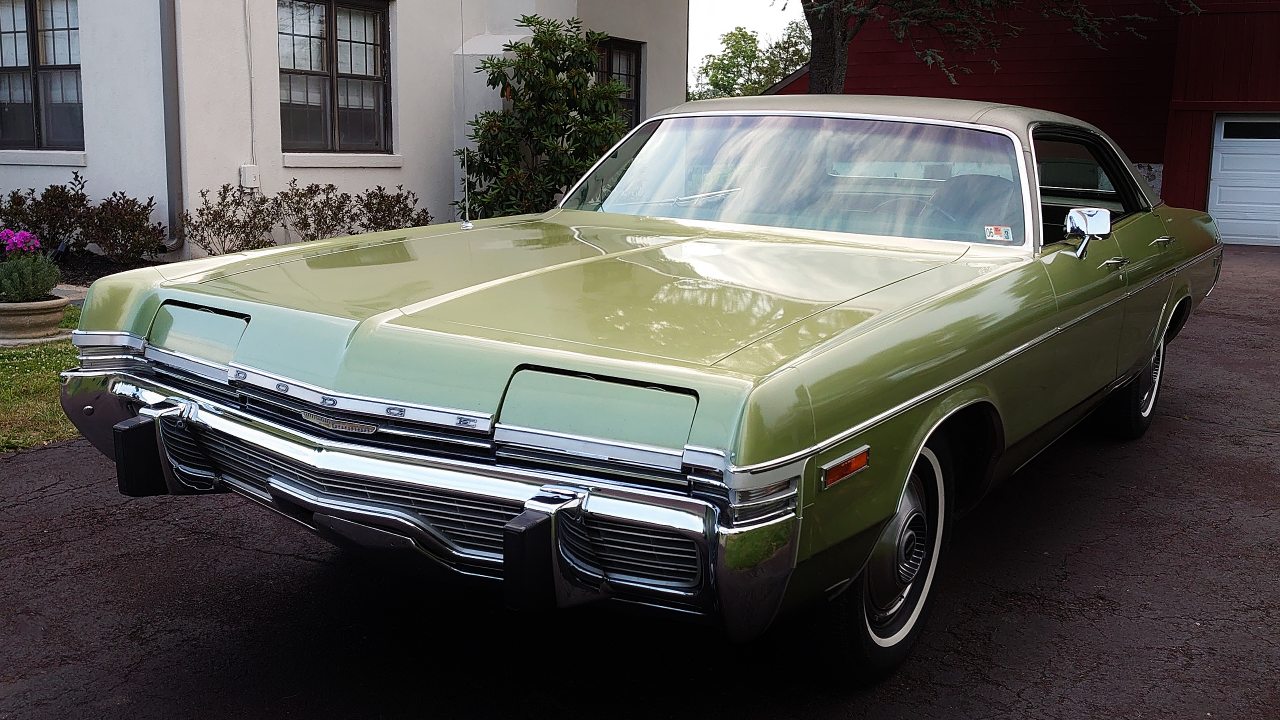
The Monaco was Dodge’s upscale full-size offering and became particularly memorable for its imposing size and powerful engines. It could serve as a comfortable highway cruiser while still delivering strong acceleration. Although later associated with police and movie cars, the Monaco’s broad range and V8 power made it much more than a Hollywood prop.
Dodge 330
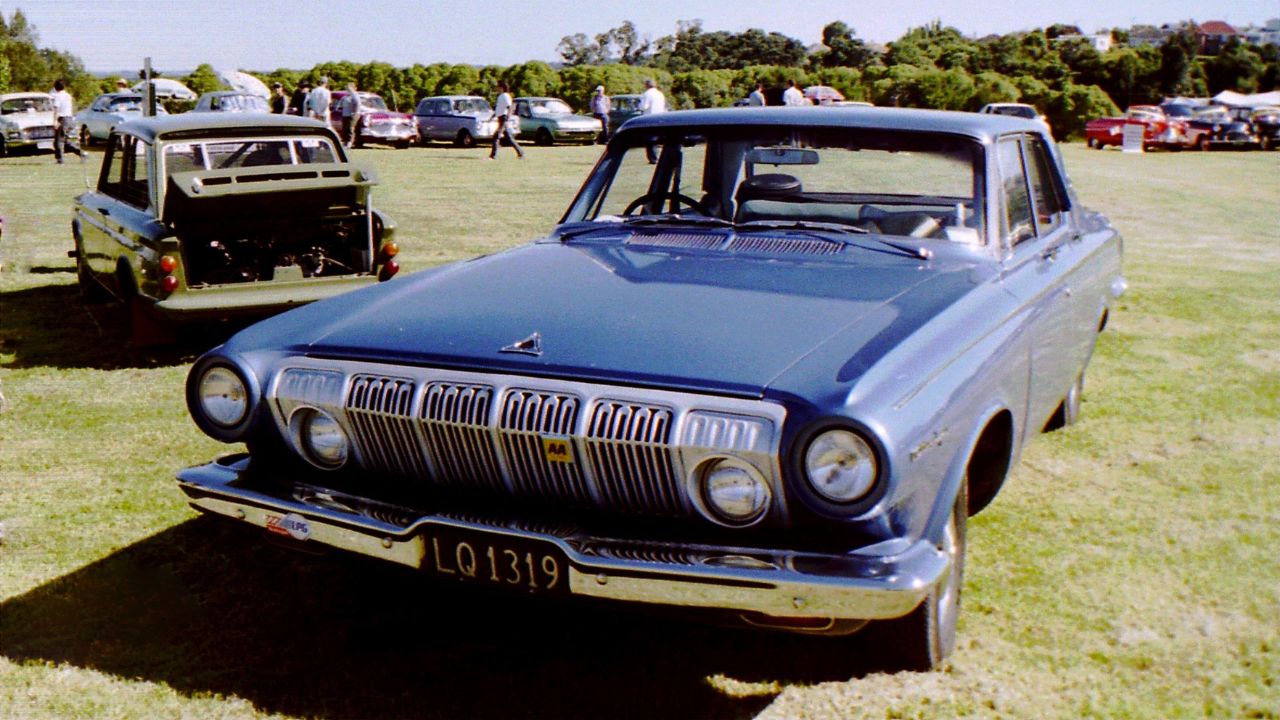
The Dodge 330 was a relatively plain-looking full-size car that could be turned into something considerably quicker. Lightweight configurations and available V8 engines gave performance-minded buyers a strong foundation. Because it lacked the visual drama of more famous muscle cars, the 330 could surprise other drivers. Today, finding a clean example can be considerably harder than expected.
Dodge 440

The Dodge 440 was another full-size model that could hide serious performance underneath ordinary styling. Its available V8 engines gave it plenty of straight-line strength, while the larger body provided a comfortable interior. It wasn’t always marketed as an all-out muscle car, but the right 440 could move with authority and leave more famous cars behind.
Dodge Magnum
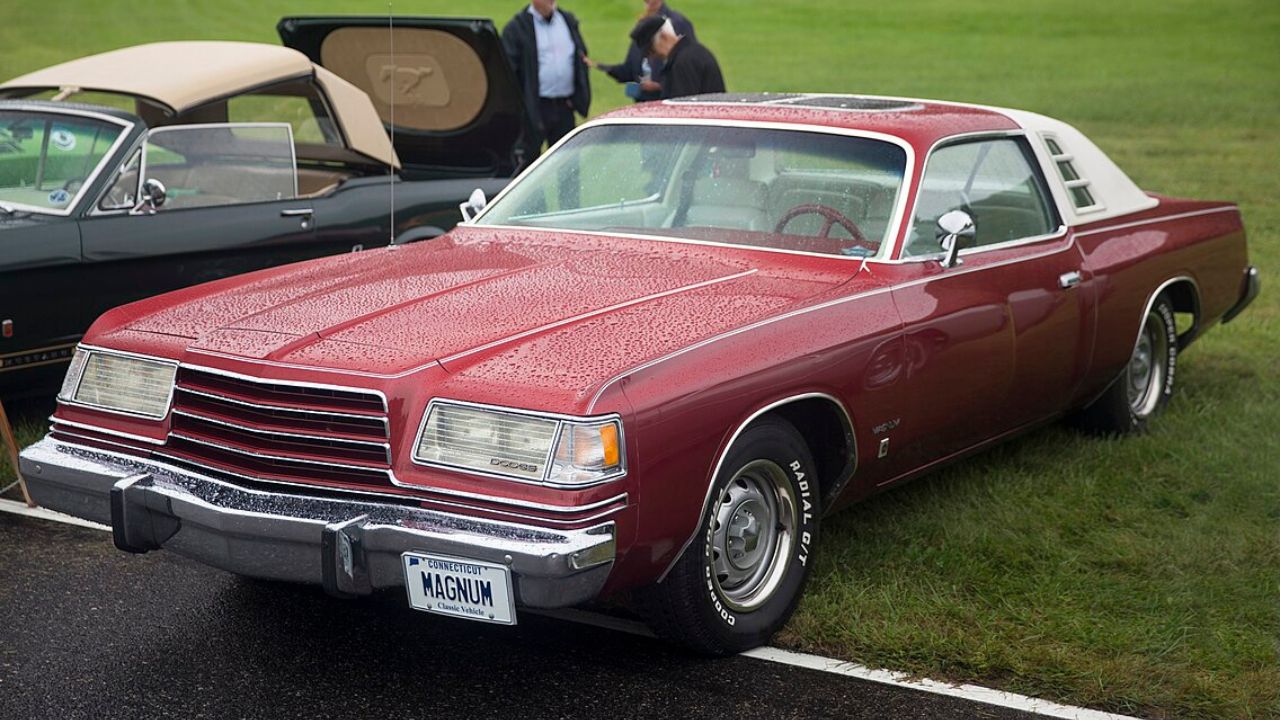
The original Magnum was one of Dodge’s most distinctive coupes. Its long hood, hidden headlights, and muscular proportions gave it plenty of presence, while available V8 engines supplied the performance to match. It never reached the same legendary status as the Charger, but the Magnum was an important part of Dodge’s performance lineup during the 1970s.
Dodge Challenger
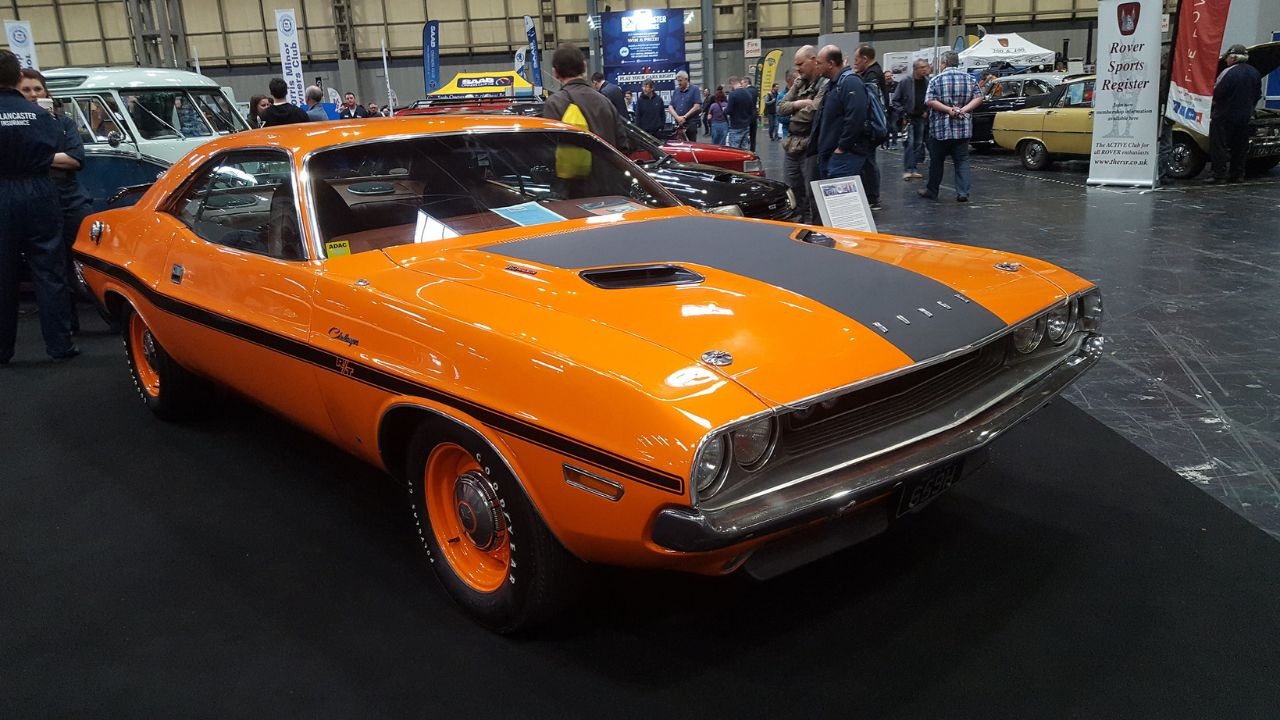
The Challenger is hardly unknown today, but many people overlook how competitive its original versions were when new. Dodge offered the car with a huge selection of engines, from small-block V8s to massive big-blocks. That variety allowed the Challenger to challenge nearly anything in its price range and helped establish its lasting muscle-car reputation.
Dodge Charger
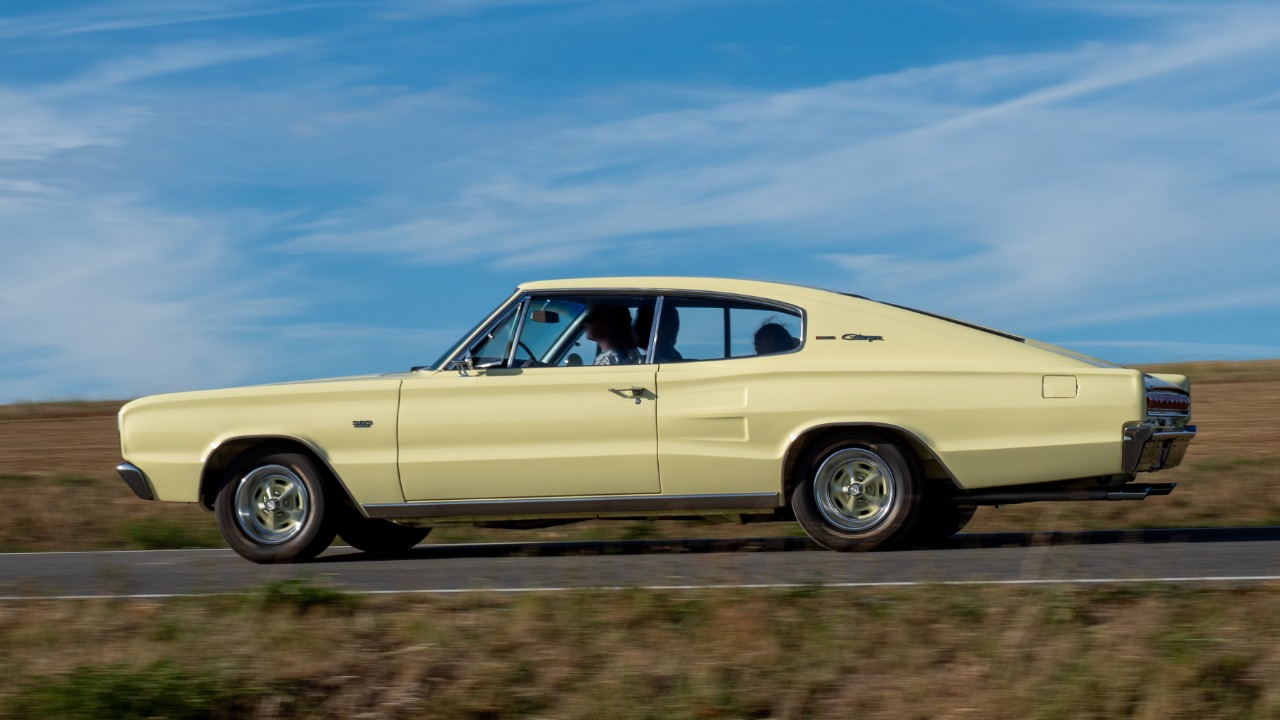
The Charger became one of America’s most famous muscle cars, but its success sometimes overshadows just how advanced its overall package was. Dramatic fastback styling, strong V8s, and a wide range of configurations made it a formidable competitor. Even less-famous Charger versions could deliver serious performance, helping make the nameplate one of Dodge’s biggest successes.
Dodge Super Bee

The Super Bee took Dodge’s intermediate platform and gave it a much more aggressive personality. It was built around the idea of delivering muscle-car performance without unnecessary luxury equipment. Powerful engines and a relatively straightforward package made it a favorite among performance buyers. Its purpose-built attitude helped it stand out in an increasingly crowded muscle-car market.
Dodge Demon
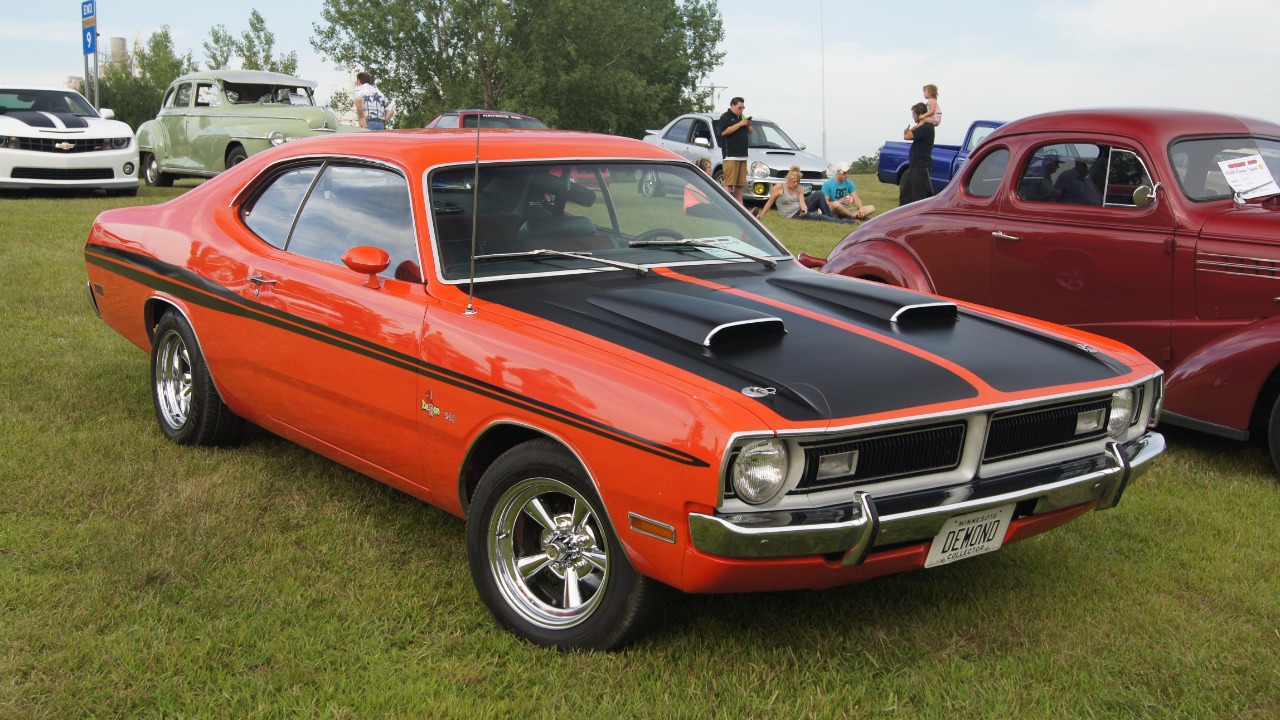
The original Demon gave Dodge a compact, affordable performance car with serious attitude. Available V8 engines transformed the small coupe into a legitimate muscle machine, while its lower price made it accessible to younger buyers. The Demon was never as famous as the Charger or Challenger, but its combination of size, power, and price made it highly competitive.
Dodge Aspen
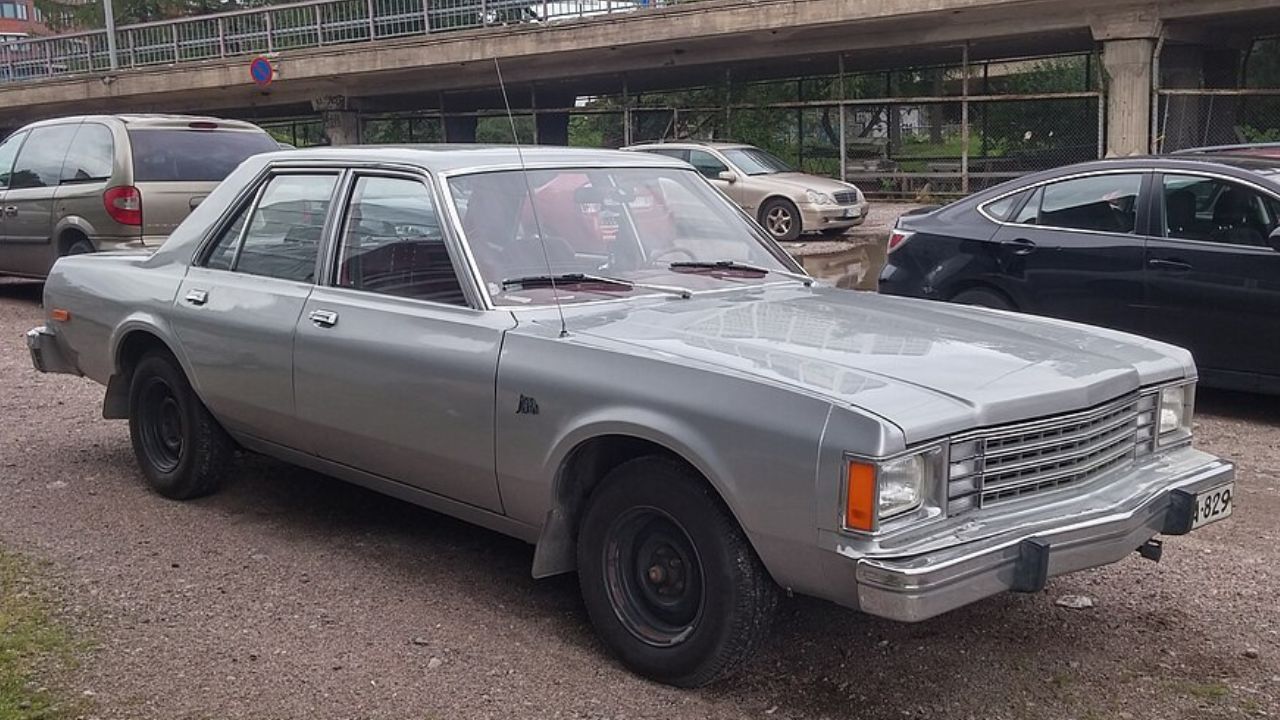
The Aspen arrived during a difficult period for American automakers, but certain versions still offered respectable performance. The available V8 engines gave the compact Dodge more muscle than its conservative styling suggested. While it isn’t remembered as a great Dodge today, performance-oriented versions could deliver an entertaining combination of rear-wheel drive and V8 power.
Dodge Omni
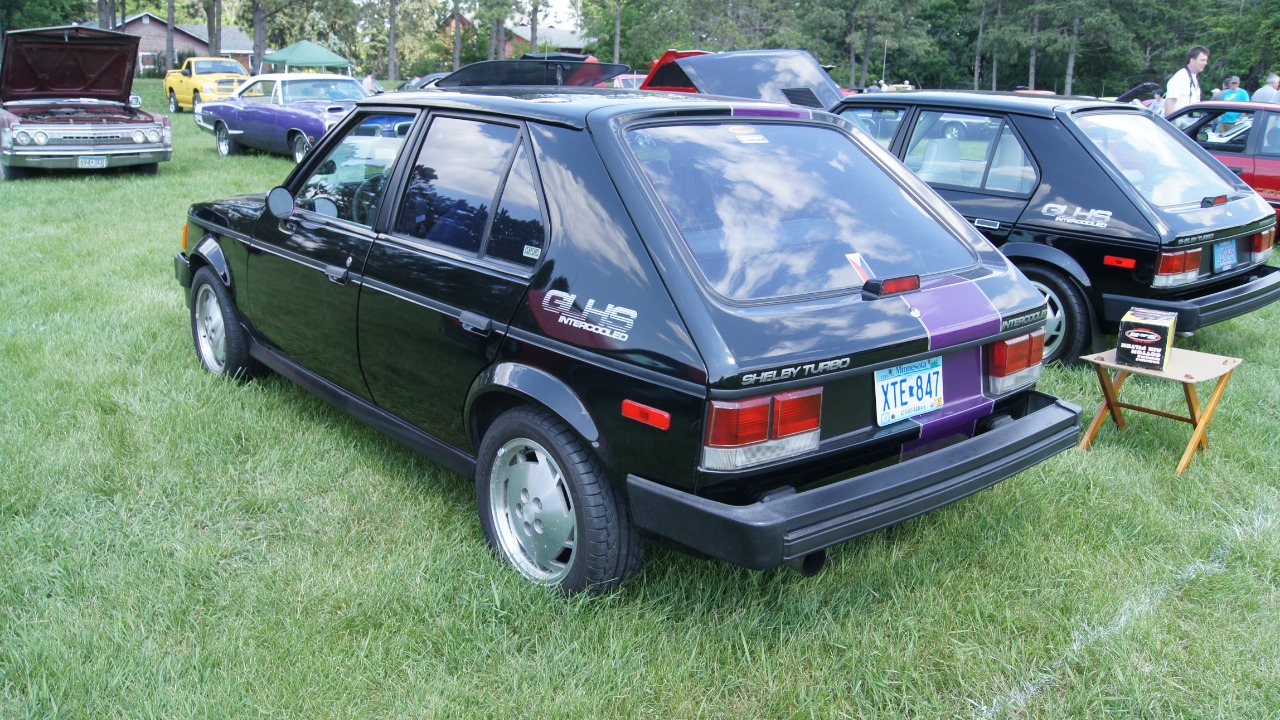
The Omni looked like a basic economy hatchback, but it became unexpectedly important to Dodge’s performance history. The high-performance Omni GLH and GLH-S transformed the humble compact into a quick front-wheel-drive machine. Its lightweight body and turbocharged power made it capable of embarrassing considerably more expensive cars, turning the anonymous Omni into a genuine sleeper.
Dodge Daytona
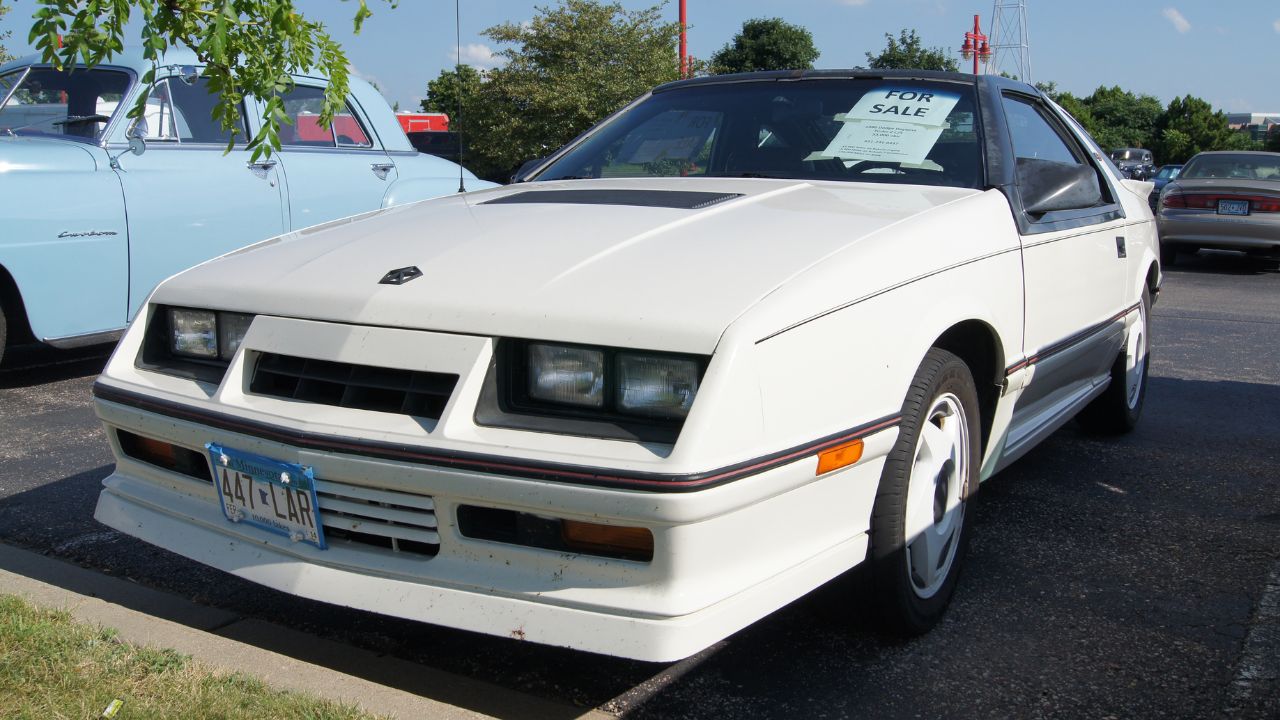
The Dodge Daytona brought aerodynamic styling and turbocharged performance into Dodge’s lineup during the 1980s. Its sleek shape was dramatically different from traditional American coupes, while the available turbo engines gave it genuine pace. It also became famous in racing, helping cement the Daytona name as one of Dodge’s most significant performance badges.
Dodge Shadow
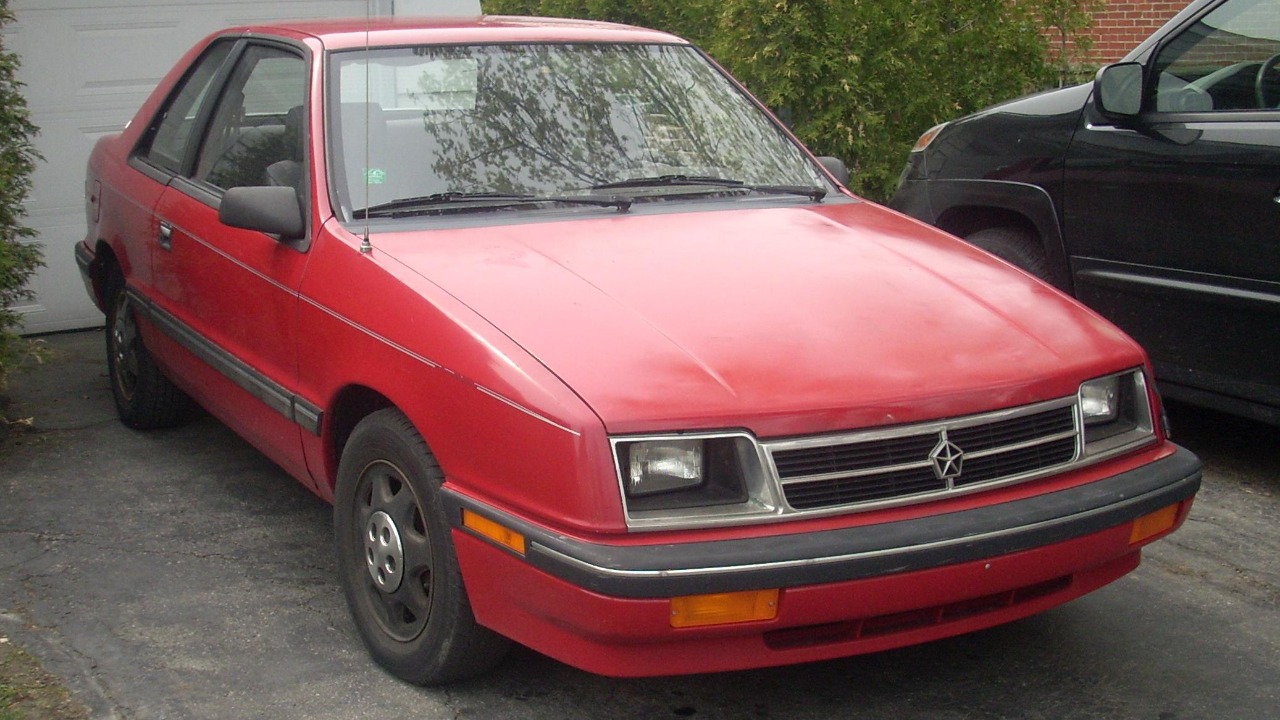
The Shadow was mostly known as inexpensive transportation, but performance versions gave the little Dodge considerably more personality. Turbocharged engines helped transform the compact platform into something surprisingly quick. The car’s ordinary appearance made its performance even more entertaining. It remains one of those forgotten Dodges that can surprise people who only remember the base models.
Dodge Shelby Charger
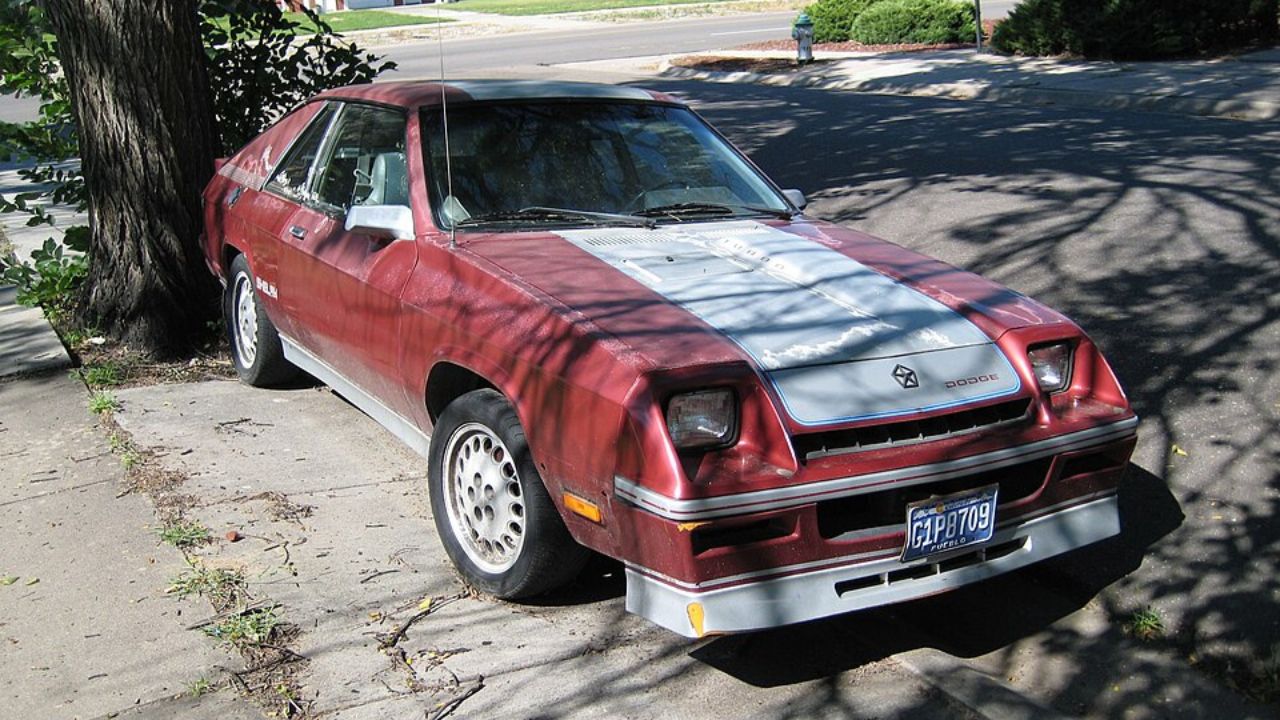
The Shelby Charger added genuine performance credibility to Dodge’s compact lineup. Carroll Shelby’s involvement helped turn the front-wheel-drive coupe into a more focused machine, with upgraded suspension and increased engine output. It arrived during an era when American performance cars were struggling to regain their footing, making the Shelby Charger an important part of Dodge’s comeback.
Dodge Viper
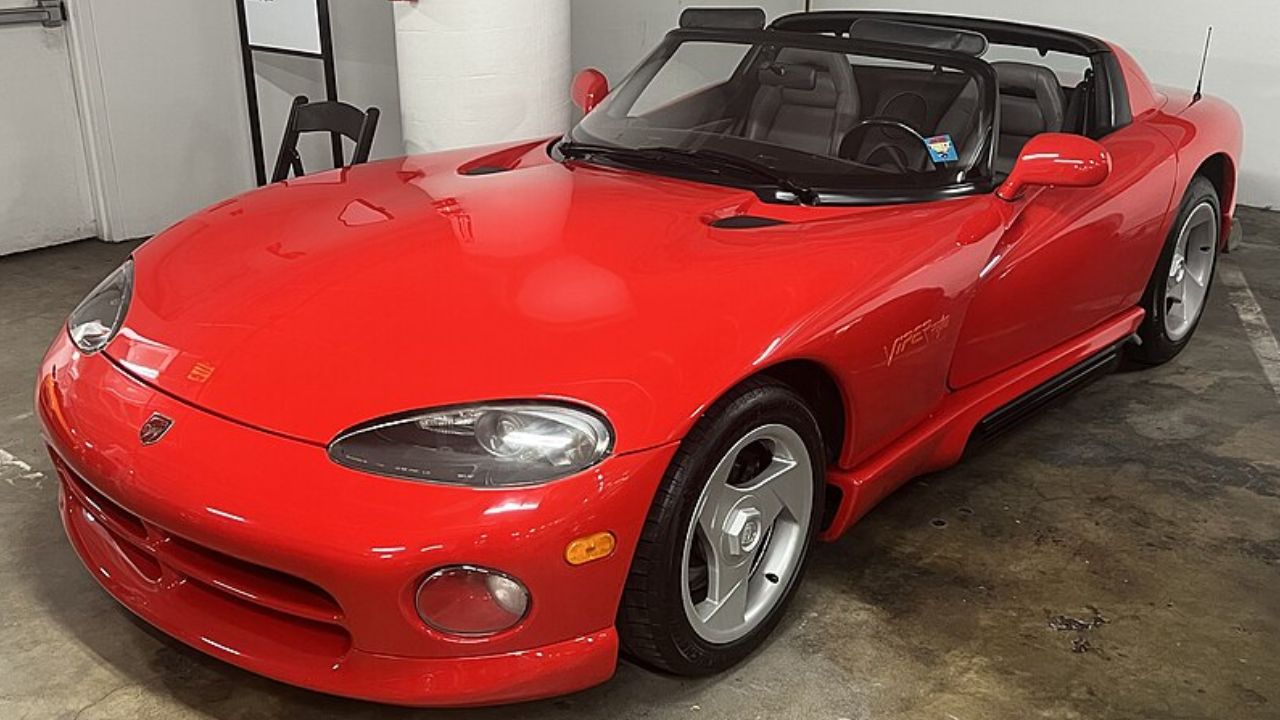
The Viper was anything but ordinary, but it has become surprisingly easy to forget just how disruptive it was when introduced. Its enormous V10, lightweight construction, and minimal driver aids created a brutally direct sports car. Dodge didn’t try to imitate European supercars; it created something distinctly American. Few cars of its era delivered such an uncompromising experience.
Dodge Stealth
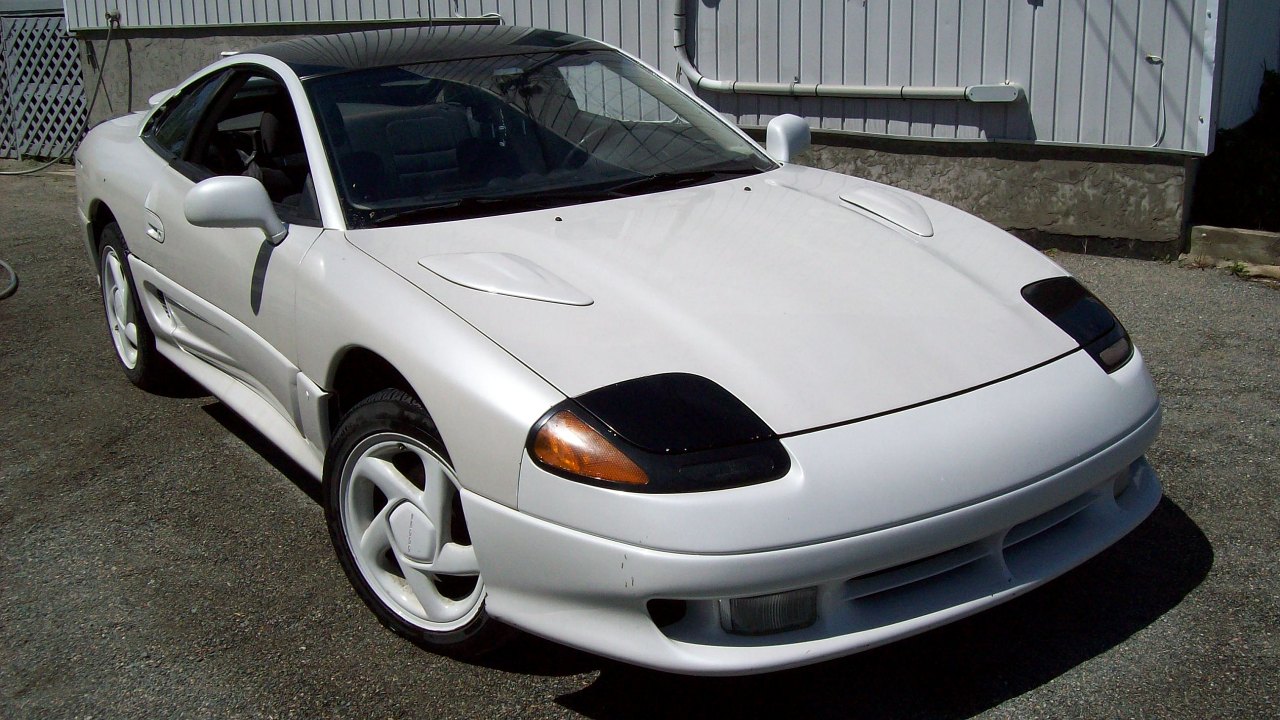
The Dodge Stealth gave American buyers access to a sophisticated Japanese-built sports car wearing Dodge styling. The twin-turbocharged versions offered serious performance, all-wheel drive, and advanced technology that was unusual for the brand at the time. It wasn’t a traditional Dodge, but its performance credentials were undeniable and helped broaden the company’s image.
Dodge Neon SRT-4
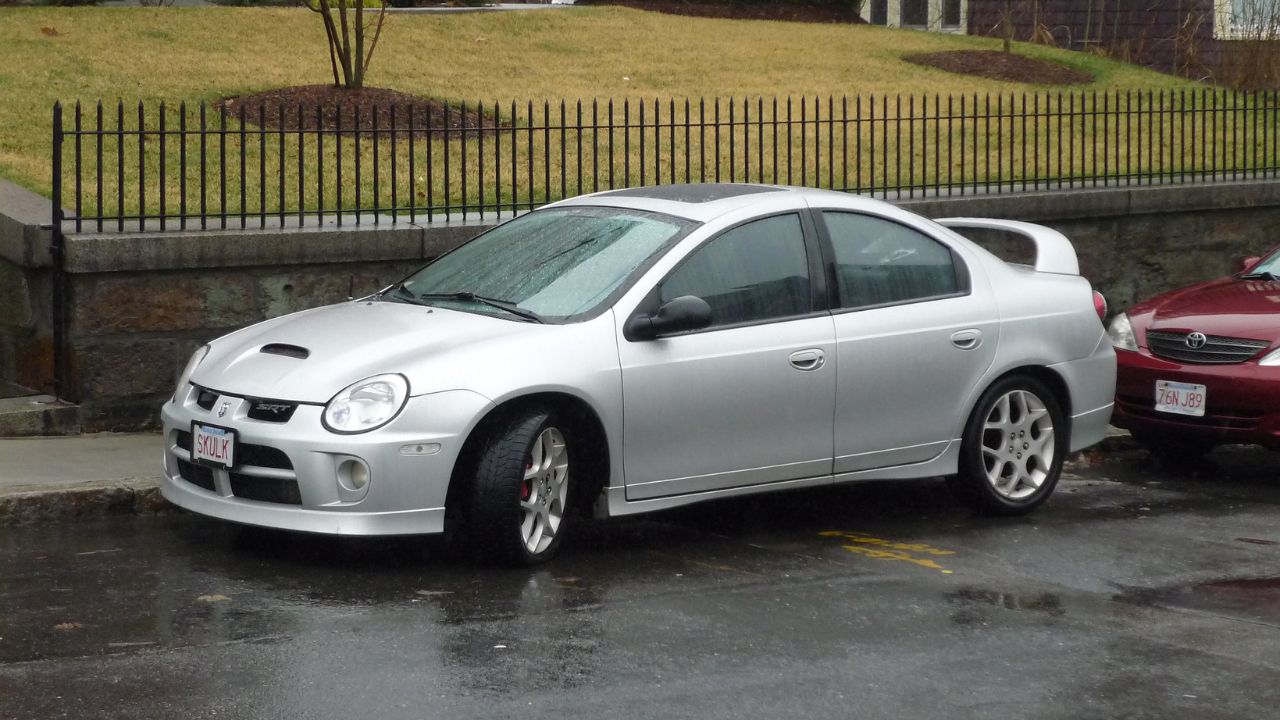
The Neon SRT-4 turned an ordinary compact sedan into a surprisingly serious performance machine. Its turbocharged engine, front-wheel drive, and relatively low weight gave it enough speed to challenge cars costing considerably more. It developed a strong enthusiast following because it offered genuine performance without looking particularly exotic.
Dodge Magnum SRT-8

The Magnum SRT-8 was one of Dodge’s boldest modern experiments. It combined wagon practicality with a powerful Hemi V8, creating a vehicle that could haul people and cargo while still delivering serious acceleration. Its unusual shape divided opinion, but that’s part of its appeal today. Few family-oriented vehicles from the period offered anything quite like it.
More from Fast Lane Only
- Unboxing the WWII Jeep in a Crate
- 15 rare Chevys collectors are quietly buying
- 10 underrated V8s still worth hunting down
- Police notice this before you even roll window down
*Research for this article included AI assistance, with all final content reviewed by human editors.