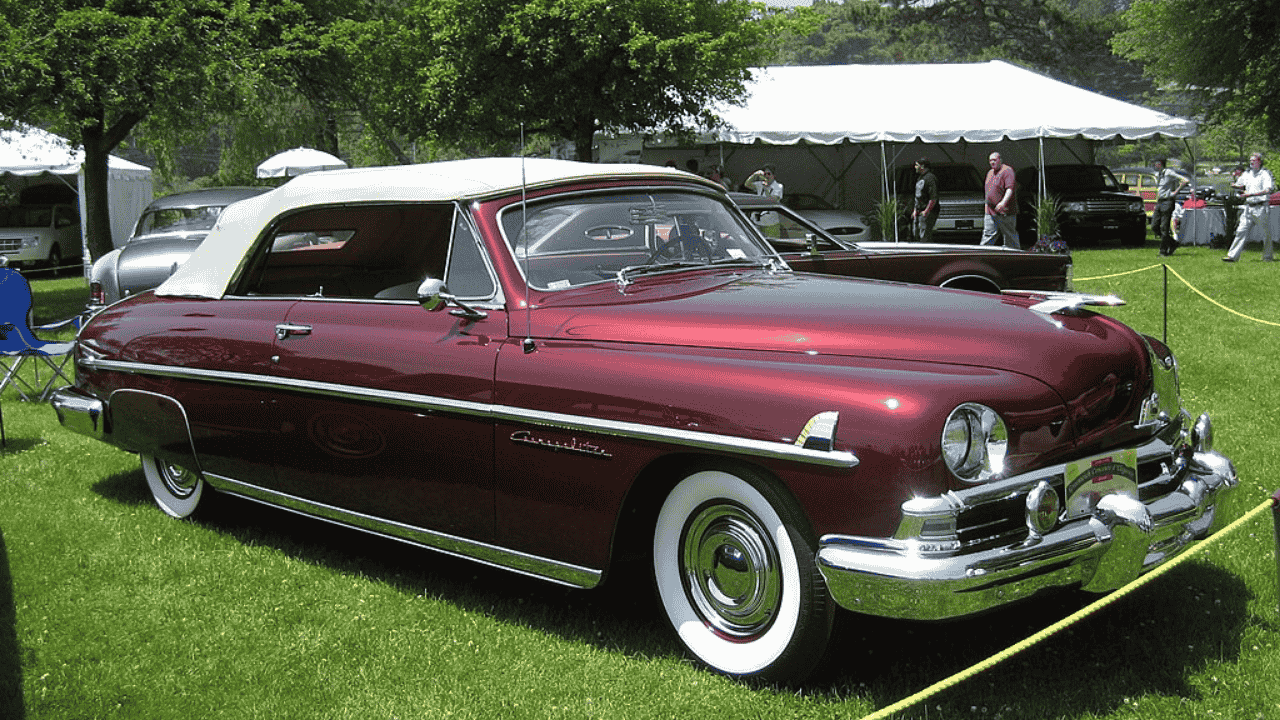
Lincoln has always had a talent for building cars that favor presence over flash. While the Continental and Town Car became the best-known names, plenty of lesser-seen Lincolns offered the same combination of long proportions, formal styling, and impressive interiors. From early luxury cars to overlooked Mark models and unusual limited-production versions, these Lincolns have aged remarkably well. Their rarity only makes their restrained American elegance more interesting today.
Lincoln Model K
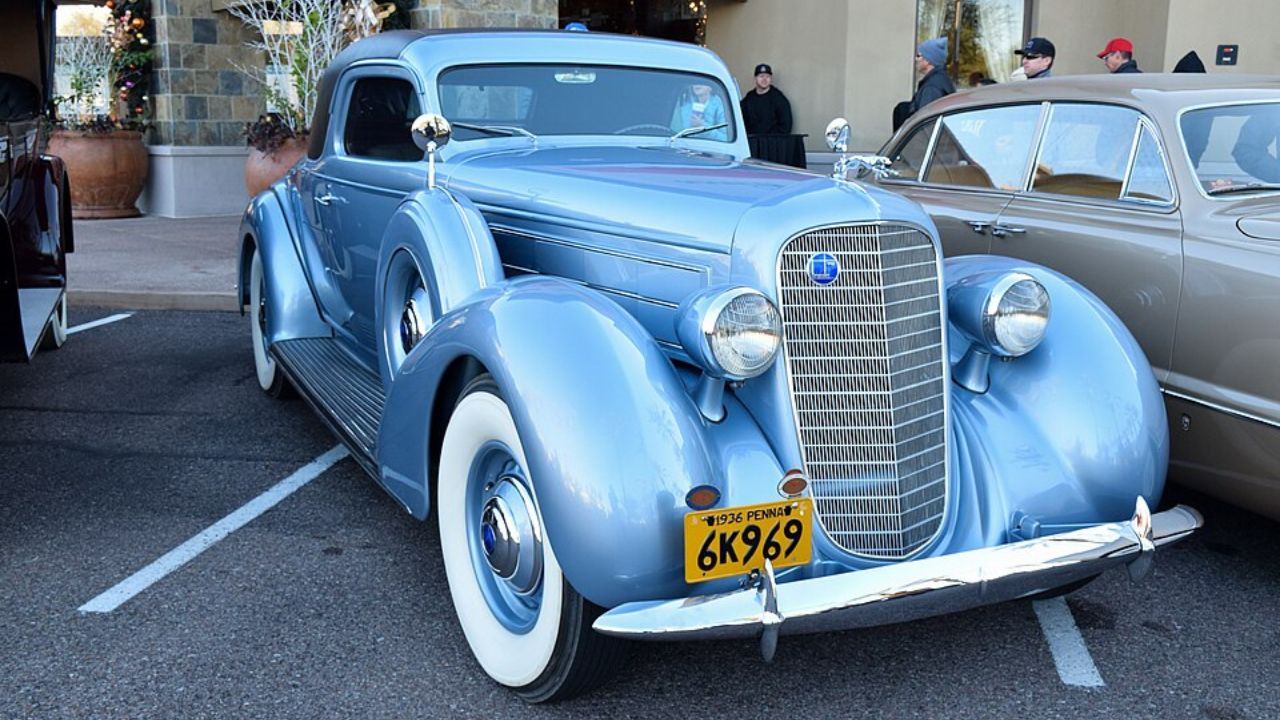
The Model K represented Lincoln luxury at a time when large American cars were becoming symbols of status and craftsmanship. Its imposing proportions, tall grille, and formal bodywork gave it an unmistakable road presence. Many were built in a variety of body styles, including versions created by outside coachbuilders. Surviving examples are now uncommon, particularly those with distinctive custom bodies. The Model K looks every bit like a prestigious automobile from an era when luxury meant physical size, careful detailing, and a commanding presence.
Lincoln Model L
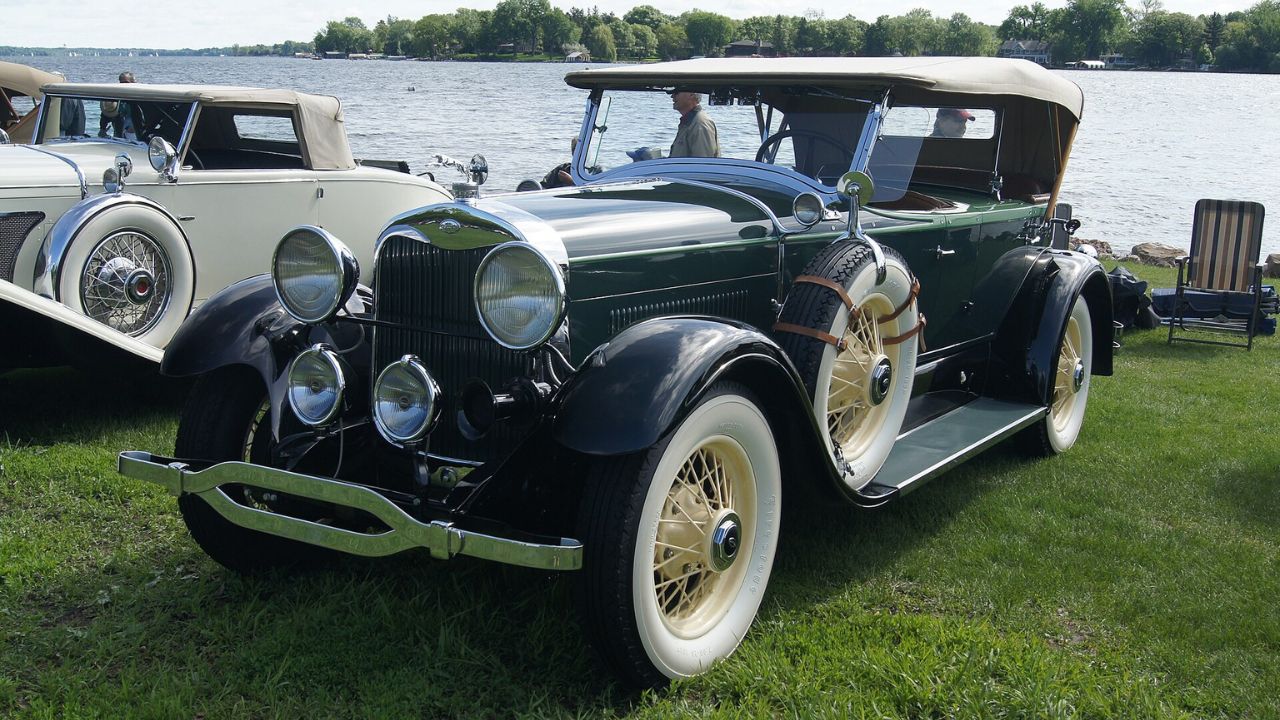
The Model L was the car that established Lincoln as a serious American luxury marque. Its tall radiator, upright proportions, and formal bodywork give it a completely different appearance from later Lincolns, yet the sense of occasion is unmistakable. Coachbuilt examples could be particularly elaborate, with owners choosing different body styles to suit their tastes. Today, a well-preserved Model L looks more like a piece of rolling American design history than an ordinary old automobile.
Lincoln Cosmopolitan
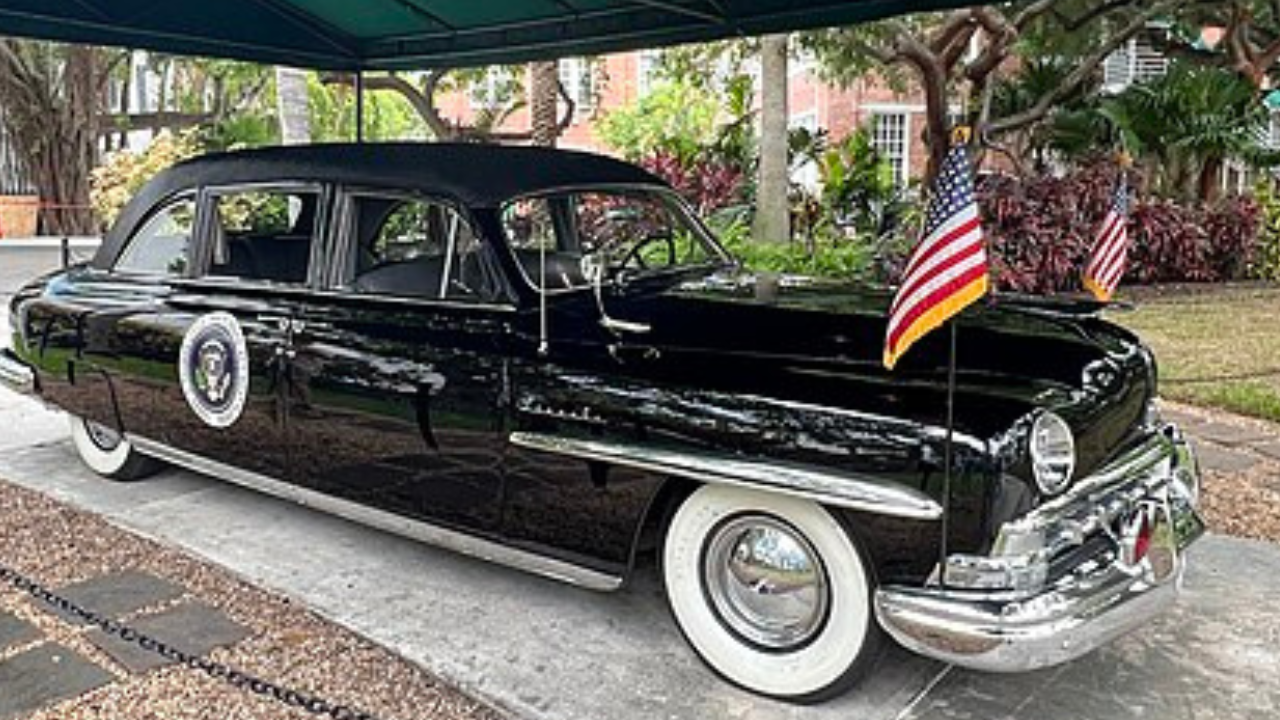
The Cosmopolitan represented Lincoln’s postwar return to the luxury market with a more modern appearance. Its broad body, substantial grille, and carefully shaped fenders gave it the kind of formal presence expected from a premium American sedan. It was available in several body styles, including sedans and convertibles. The Cosmopolitan has become considerably less familiar than later Continental models, which makes a surviving example particularly interesting. Its restrained styling also gives it a timeless quality that still works at classic-car events.
Lincoln Custom
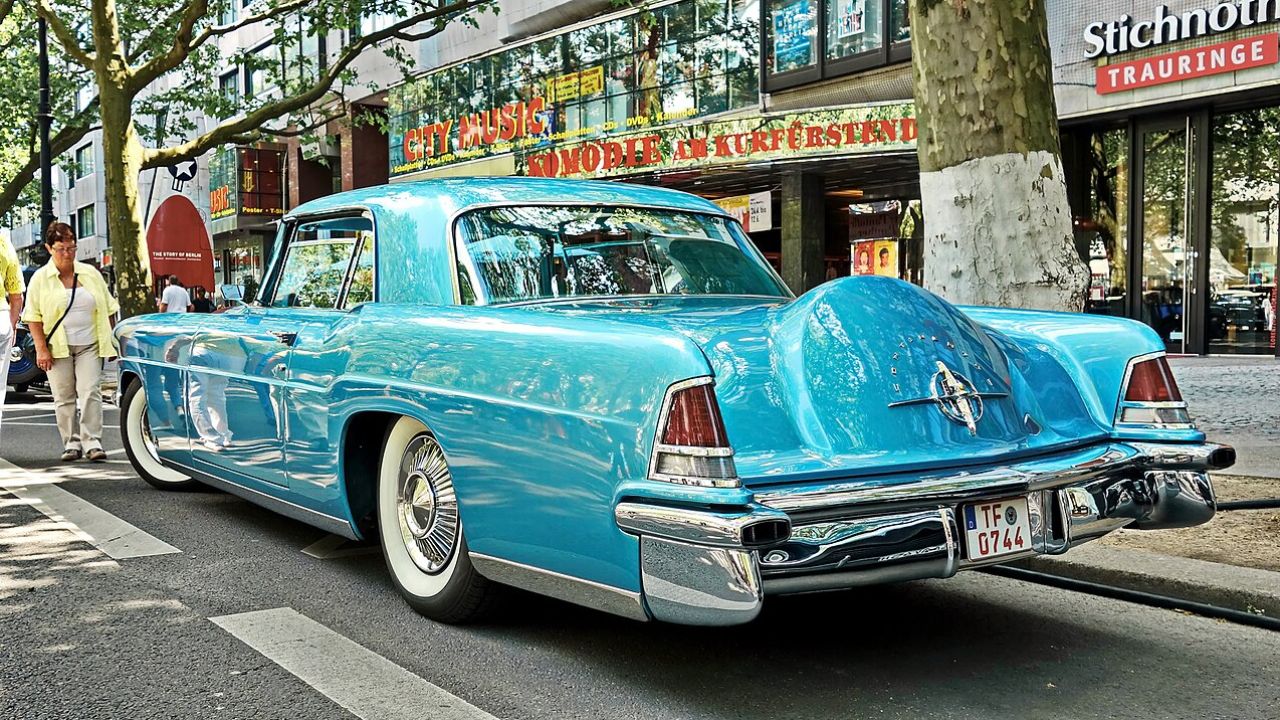
The Lincoln Custom occupied an interesting place in the company’s postwar history. It offered substantial size and traditional luxury without relying entirely on the dramatic styling that would define some later American cars. Available as both a sedan and limousine, it had the proportions associated with executive transportation of its period. Very few people encounter one today, which gives the Custom a genuine rarity factor. Its conservative design also means it has aged with more grace than many similarly sized cars from the same period.
Lincoln Capri
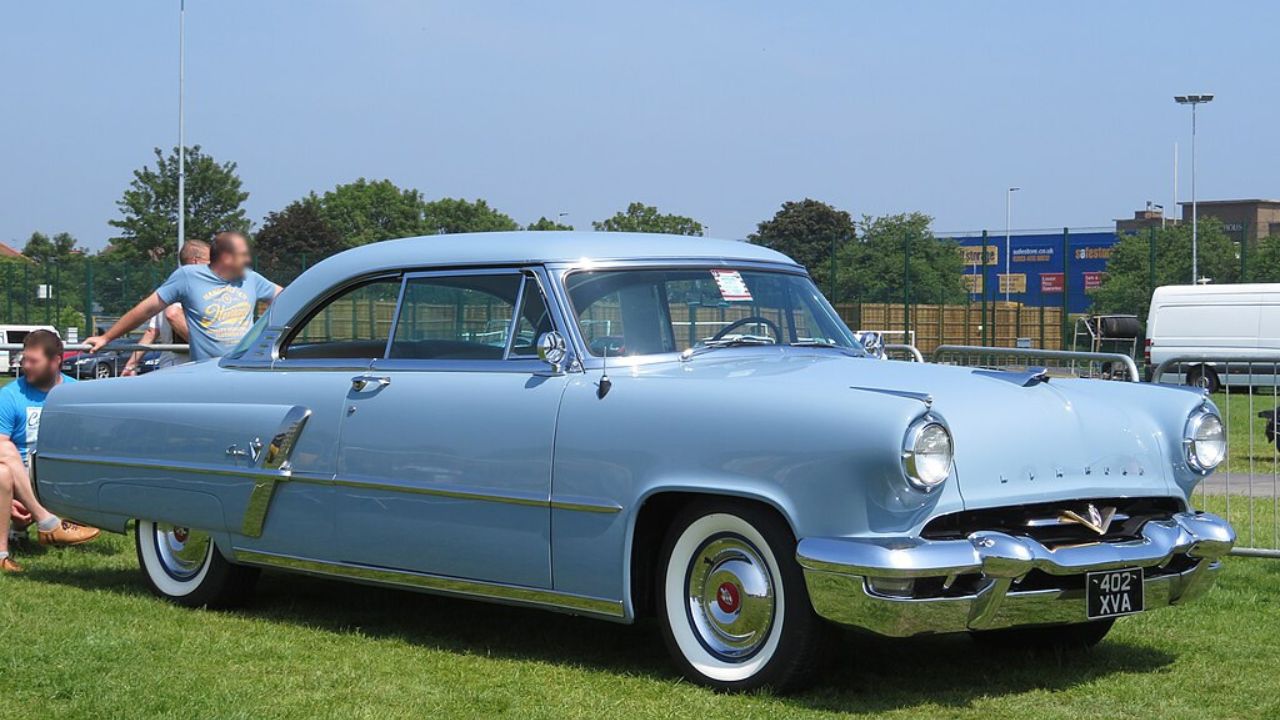
The Capri was Lincoln’s attempt to give its full-size luxury lineup a slightly more personal character. It was offered in coupe and sedan forms, with substantial chrome, broad bodywork, and the kind of carefully finished interior buyers expected from the brand. Although the name has largely disappeared from public memory, surviving examples can be surprisingly attractive. The Capri’s proportions capture the confident look of mid-century American luxury without relying on the exaggerated styling that appeared on some competitors.
Lincoln Continental Mark III

The Continental Mark III brought a more formal personal-luxury approach to Lincoln’s lineup. Its long hood, short rear deck, hidden headlights, and simulated spare-tire trunk treatment gave it an unmistakable profile. The design combined traditional Continental themes with the growing popularity of large luxury coupes. Although Mark III examples are not impossible to find, good original cars have become increasingly interesting to collectors. Its restrained but imposing styling still looks convincingly upscale today.
Lincoln Continental Mark IV
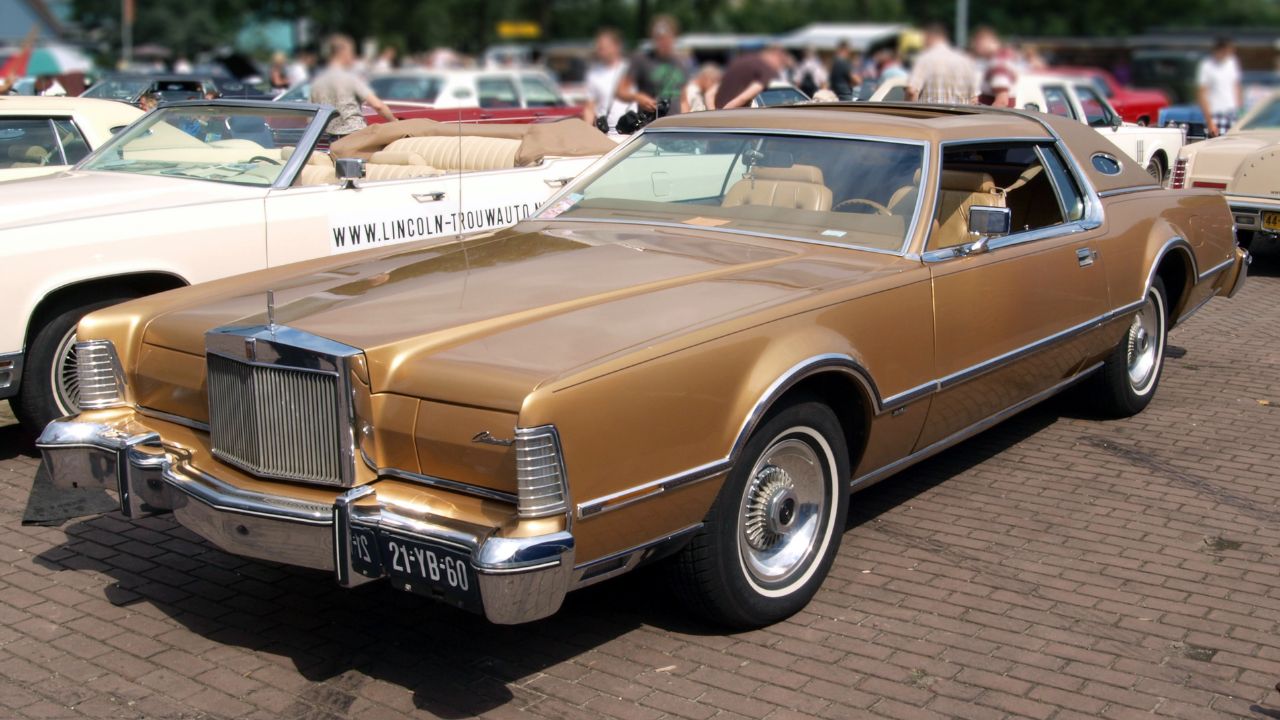
The Mark IV took the personal-luxury formula even further with an enormous body, formal roofline, and highly detailed interior. Its design emphasized comfort and presence rather than outright sportiness, making it a perfect expression of American luxury during the era. Designer Editions later added distinctive combinations of colors and materials. The Mark IV is large by modern standards, but that very size is part of its appeal. A clean example still has the visual authority that made these cars stand out when new.
Lincoln Continental Mark V
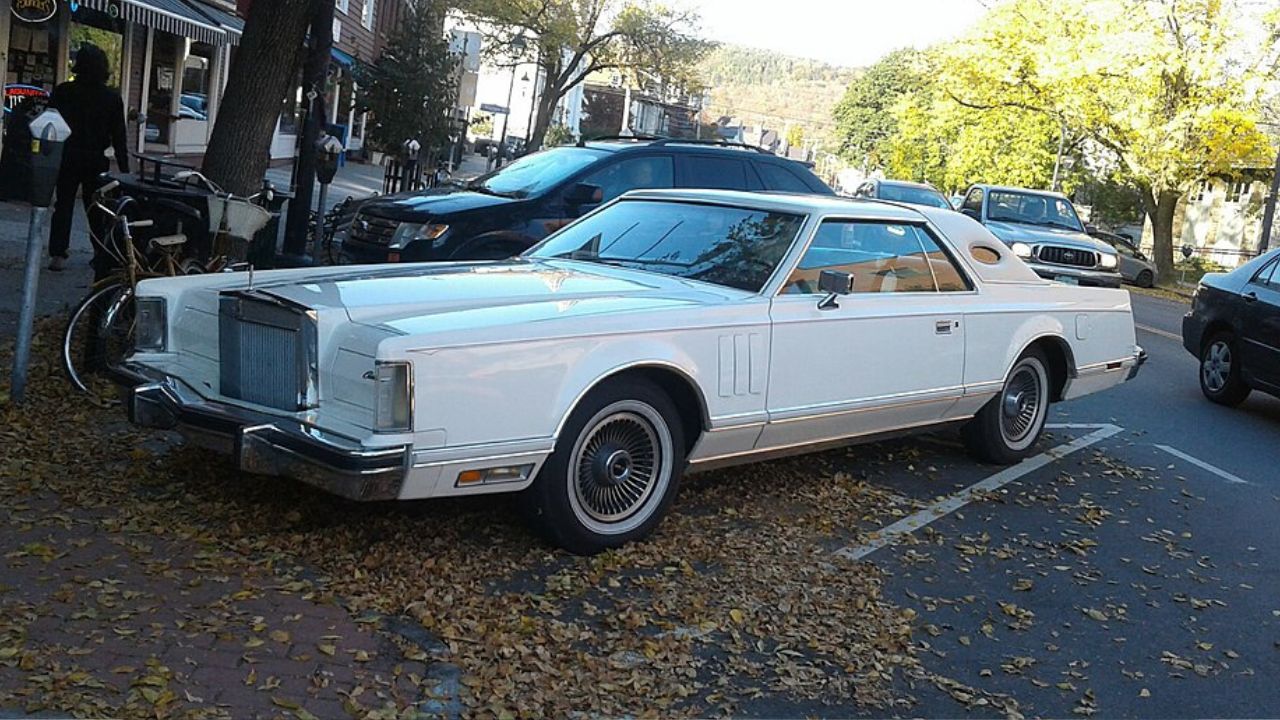
The Mark V continued Lincoln’s enormous personal-luxury coupe tradition while introducing one of the most recognizable designs of the Mark series. Its sharply defined body, long hood, opera windows, and prominent grille gave it an unmistakable identity. Designer Editions made certain examples particularly distinctive. Although many were produced, surviving cars in original condition are becoming harder to encounter. The Mark V also has a wonderfully period-correct elegance that makes it especially appealing to enthusiasts who appreciate late-1970s American luxury.
Lincoln Continental Mark VI
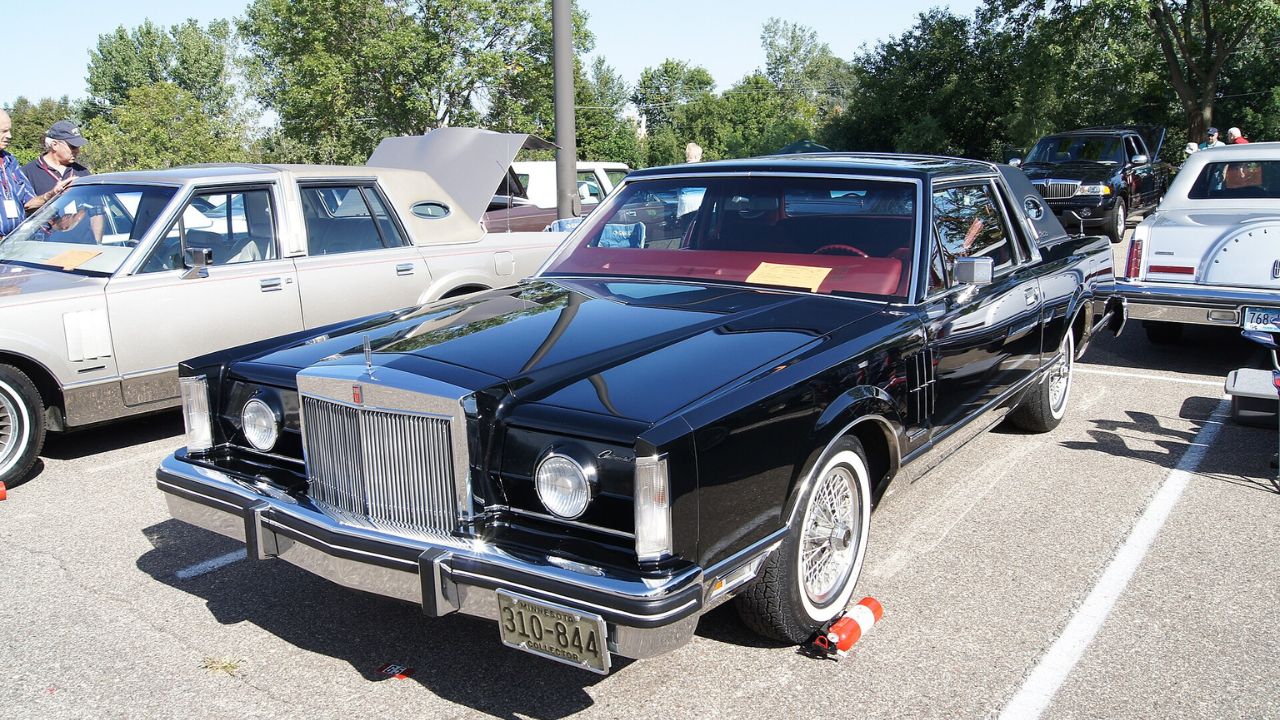
The Mark VI arrived during a period when American luxury cars were becoming smaller, more efficient, and more carefully packaged. Even with its reduced dimensions, it retained many of the visual cues associated with the Mark series, including a formal roofline and long-wheelbase appearance. Designer Editions continued to give buyers distinctive interiors and exterior combinations. Today, the Mark VI occupies an interesting middle ground between traditional land-yacht styling and the more restrained luxury cars that followed.
Lincoln Continental Mark VII
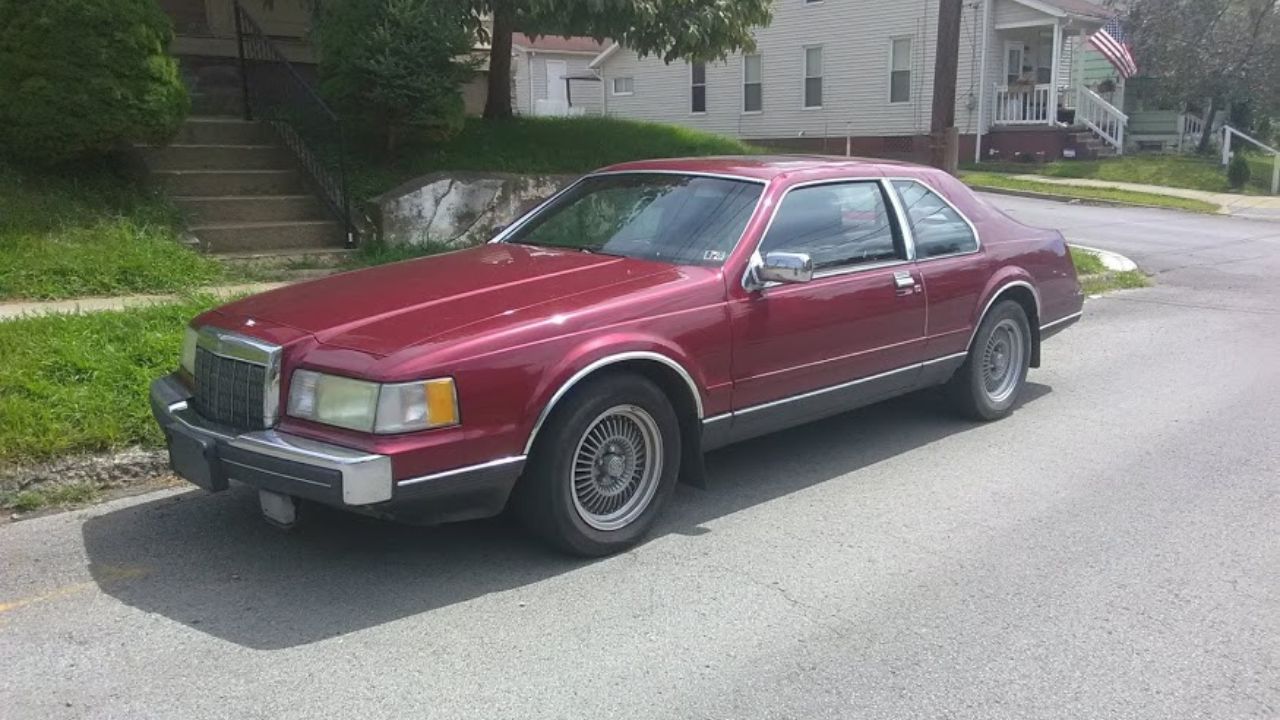
The Mark VII represented a major styling departure for Lincoln. Its sleeker body and aerodynamic shape looked dramatically more modern than the upright Mark models that came before it. Despite the change, Lincoln retained a strong sense of luxury through its formal grille, refined interior, and available high-end trims. Performance-oriented versions later added another dimension to the model’s appeal. Clean examples are not especially common now, making the Mark VII an increasingly interesting reminder of how quickly luxury-car design changed during the 1980s.
Lincoln Mark VIII
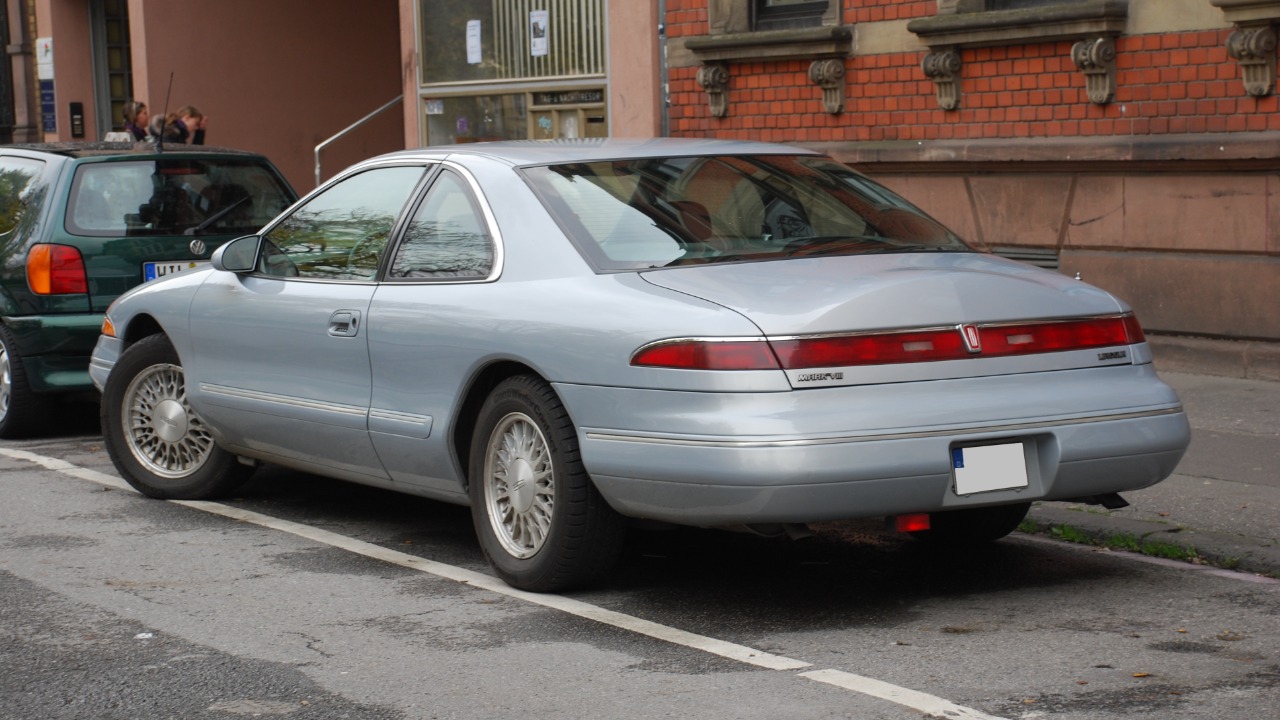
The Mark VIII was one of the final expressions of Lincoln’s traditional personal-luxury coupe. Its smooth bodywork, long proportions, and low stance gave it a much more contemporary appearance than earlier Marks. Underneath, it offered sophisticated technology and a powerful V8. The car never reached the cultural fame of the Mark III or Mark V, but that relative anonymity makes it an intriguing choice today. A well-kept Mark VIII can still look remarkably elegant without appearing stuck in its original era.
Lincoln Versailles
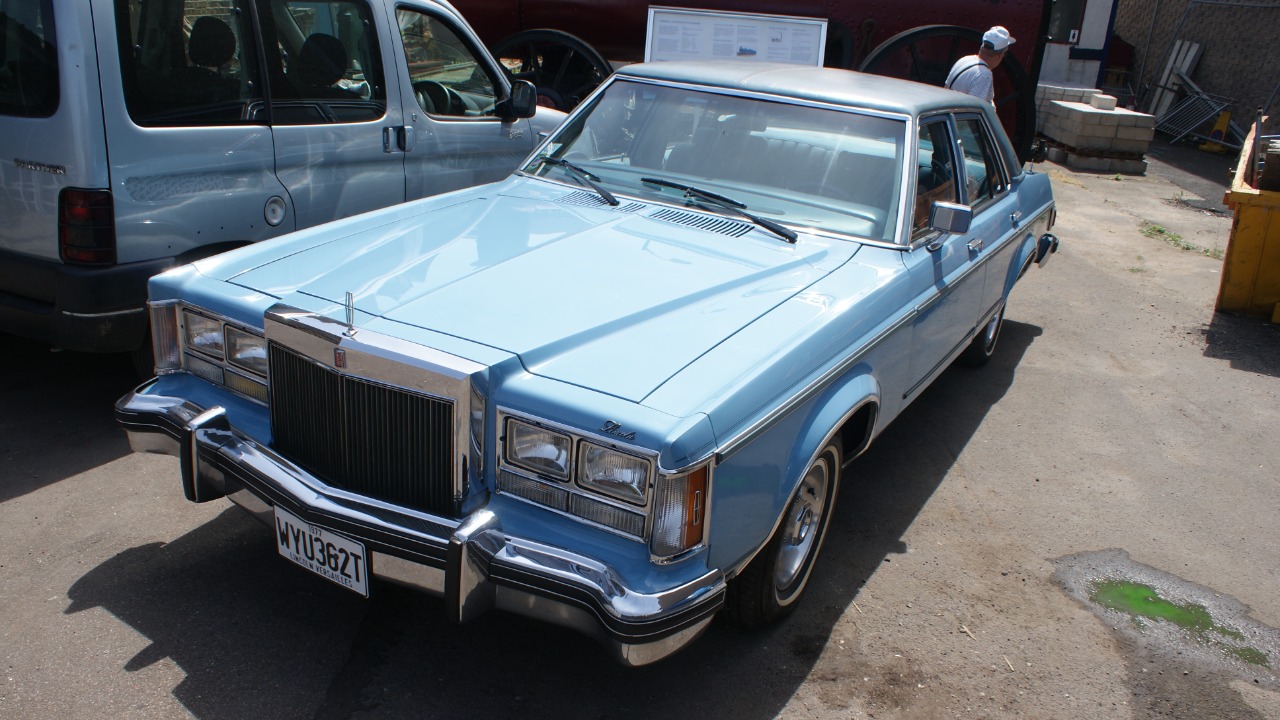
The Versailles was Lincoln’s smaller answer to the growing market for more compact luxury sedans. Based on a smaller platform, it received distinctive Lincoln styling cues, including a formal grille and simulated spare-tire treatment at the rear. Its short production run and modest sales numbers mean relatively few have survived. The Versailles is especially interesting because it demonstrates how Lincoln adapted its traditional luxury identity to changing customer expectations. Its compact proportions also make it easier to appreciate on today’s roads than many larger contemporary Lincolns.
Lincoln Continental Town Car
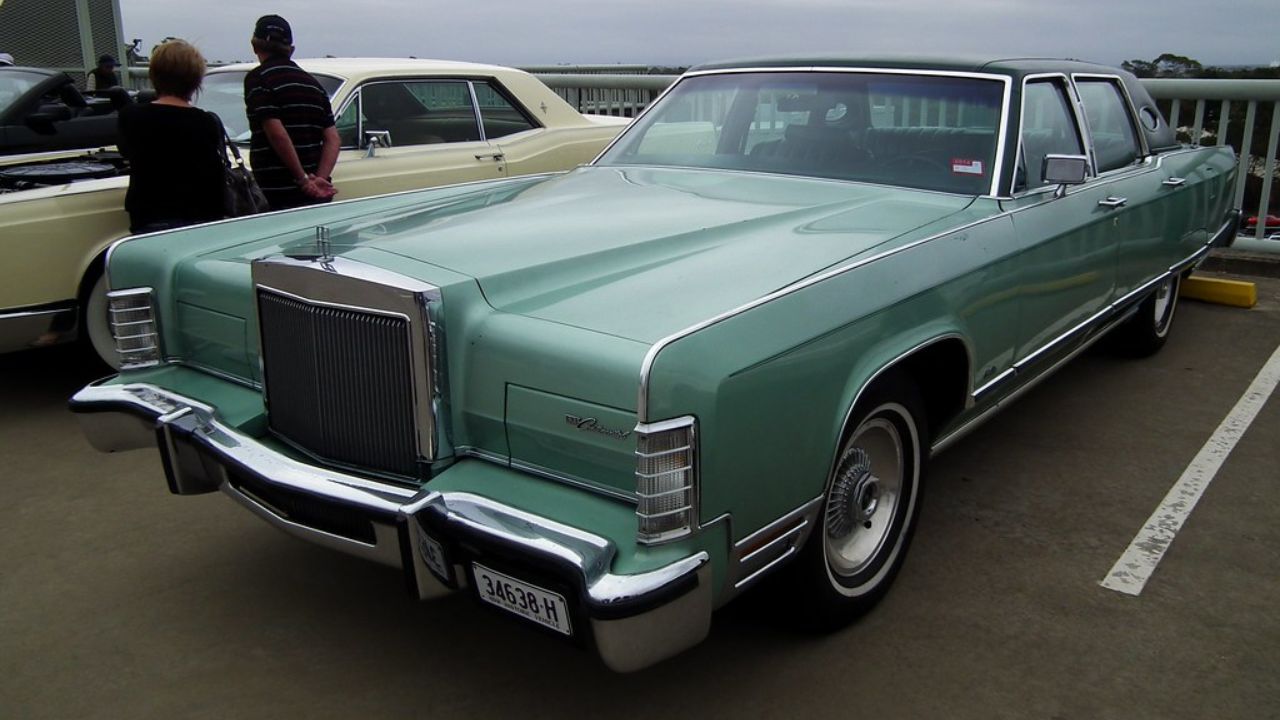
The early Continental Town Car was an exceptionally formal interpretation of the Lincoln formula. Its enclosed rear roofline, smaller rear window, and carefully finished interior were designed to provide a more private and prestigious atmosphere. These cars were produced in extremely limited numbers, making them among the rarest Lincolns of the period. Their formal styling has aged beautifully because the design was never dependent on sporty trends. A surviving example looks more like a private executive car than a conventional family sedan.
Lincoln Continental Limousine
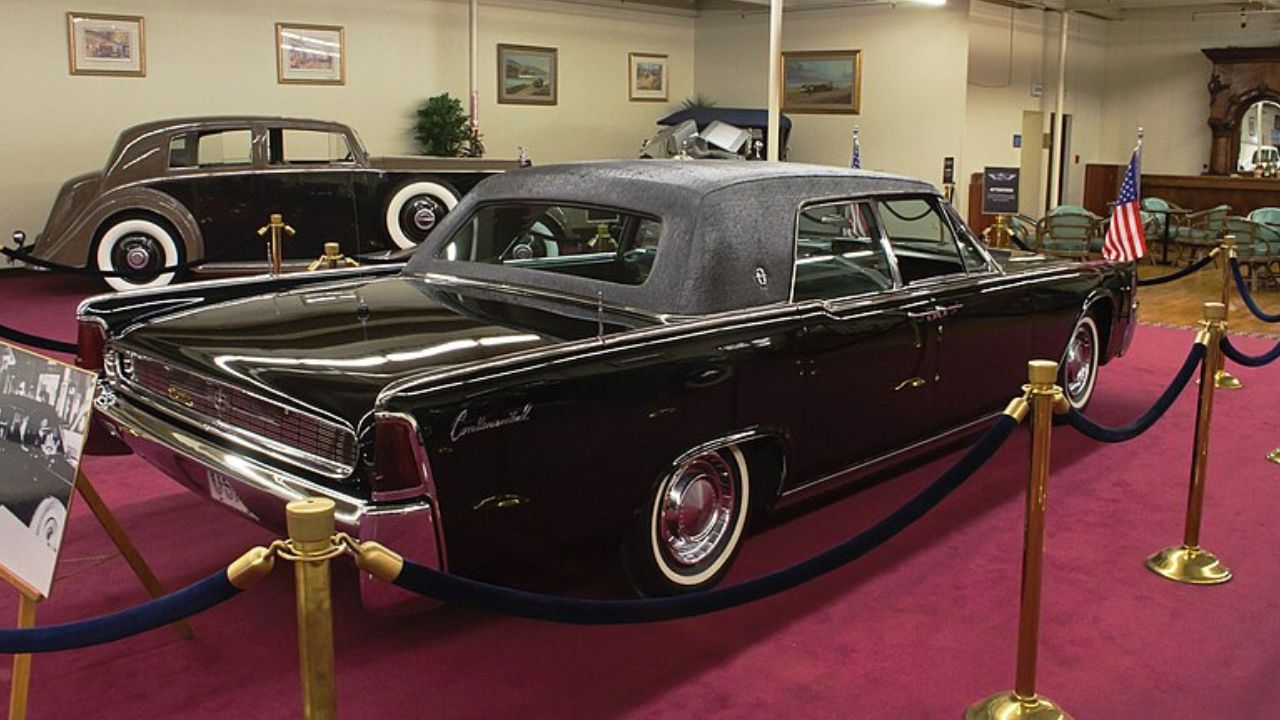
The Continental Limousine took the formal Town Car concept even further. A partition separated the passenger compartment from the driver, emphasizing its role as chauffeur transportation. Only a small number were produced, and all were finished with an unusually formal presentation. That scarcity makes surviving examples particularly significant. The limousine’s long, upright body and carefully finished roofline capture an era when American luxury cars were designed to project importance from every angle. Few modern vehicles carry quite the same sense of occasion.
Lincoln Continental Town Coupe
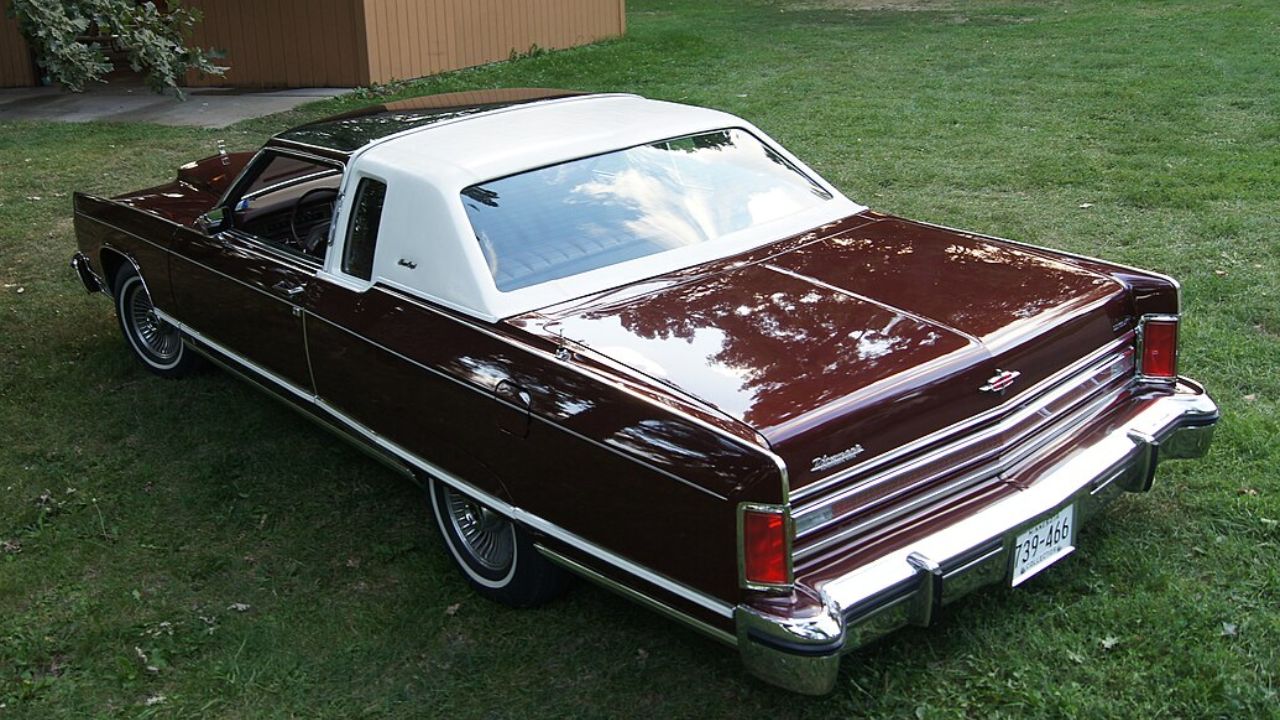
The Town Coupe gave Lincoln’s large Continental a more personal two-door character while maintaining the formal styling associated with the brand. Its long body, squared roofline, and plush interior made it unmistakably American luxury. Unlike the sportier coupes that followed different design philosophies, the Town Coupe was about relaxed cruising and quiet prestige. Well-preserved examples are now much less familiar than the better-known Continental sedans, making this an appealing choice for collectors who want something recognizable without being commonplace.
Lincoln Continental Convertible
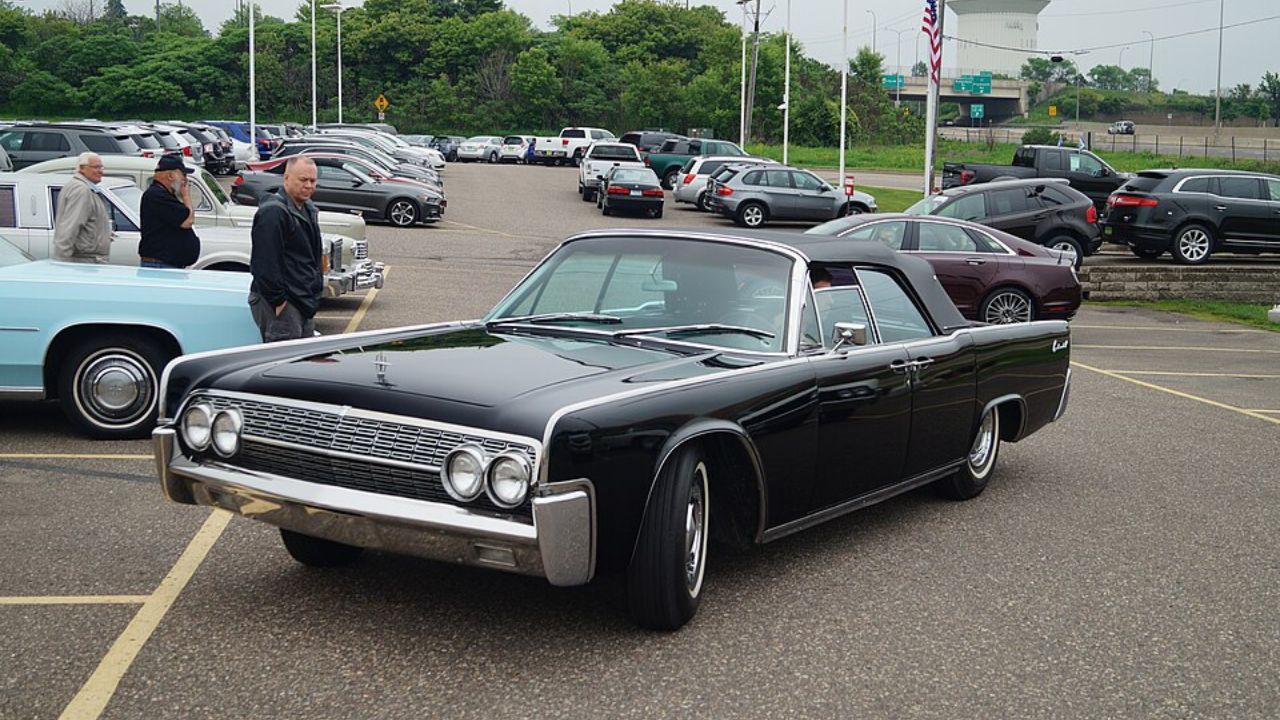
The Continental convertible remains one of the most recognizable open-top American luxury cars ever built, but genuinely well-preserved examples are far from ordinary. Its clean slab-sided body and distinctive rear-hinged doors gave it a profile unlike anything else on the road. The combination of four-door practicality and convertible styling was unusual even when new. Today, the design remains remarkably elegant because it avoided excessive decoration and relied heavily on proportion, symmetry, and the unmistakable presence of the Continental name.
Lincoln Blackwood
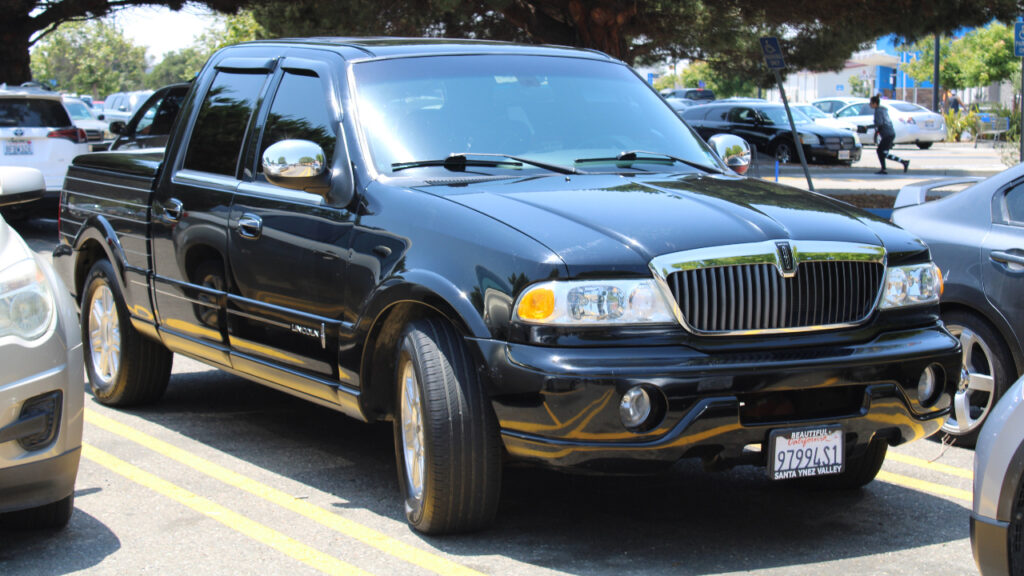
The Blackwood was Lincoln’s brief experiment with the luxury pickup market. Instead of following the rugged appearance of conventional trucks, it received a carefully finished body and a distinctive enclosed cargo area designed to look more like fine furniture than a work bed. Its limited production makes it genuinely unusual today. The Blackwood may not have the traditional proportions of a classic Lincoln, but its combination of polished styling and rarity gives it a unique place in the company’s history.
Lincoln Mark LT
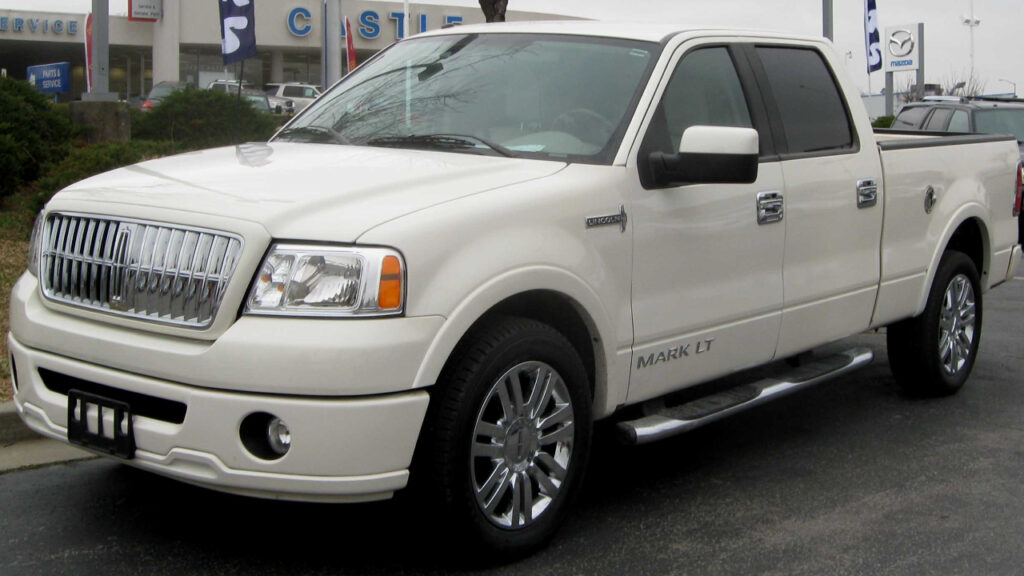
The Mark LT was another attempt to bring Lincoln’s luxury identity into the pickup market. It used a full-size truck foundation but added a more upscale interior, distinctive grille treatment, and chrome-heavy exterior detailing. Production numbers were modest compared with mainstream Ford pickups, particularly in later markets. Today, a clean Mark LT can look surprisingly substantial and refined. It also offers an interesting alternative to the better-known luxury SUVs and sedans associated with the Lincoln name.
Lincoln Continental Signature Series
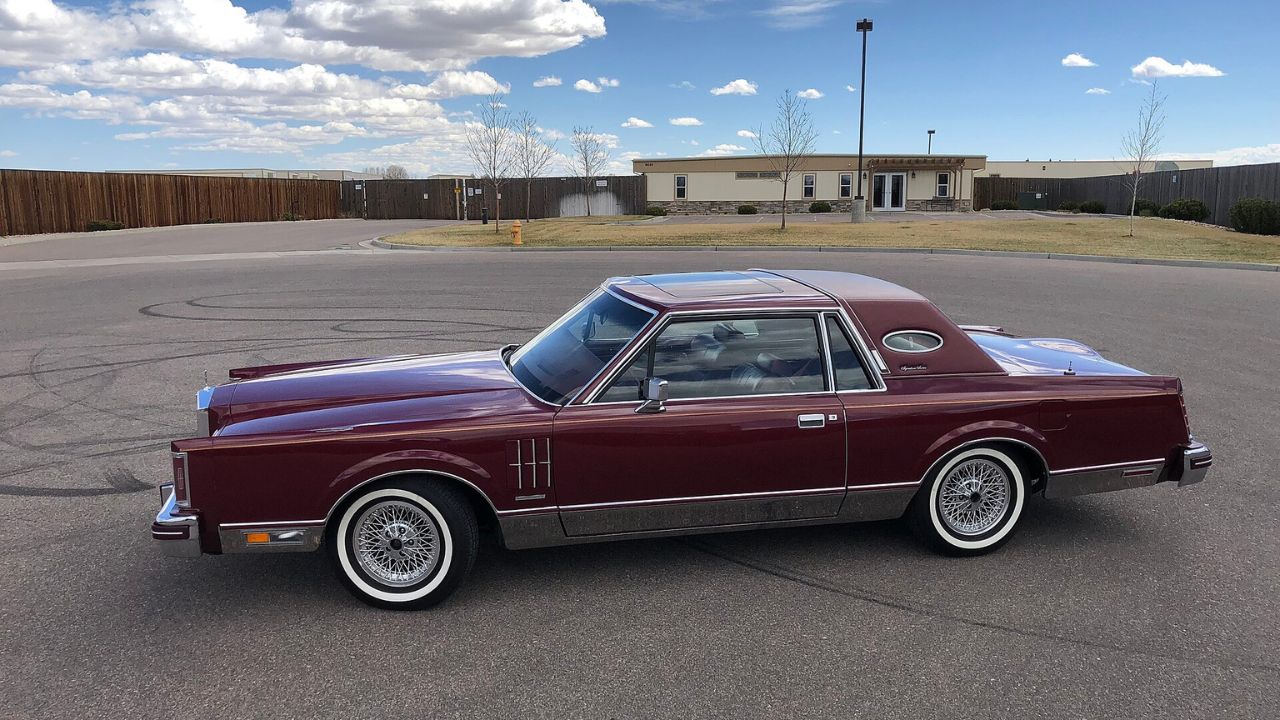
The Signature Series gave the Continental a more upscale appearance without relying on the extreme size and decoration associated with some earlier American luxury cars. Its carefully coordinated trim and formal proportions helped create a quieter kind of prestige. As Continental production moved through changing automotive eras, these better-equipped versions became increasingly interesting to collectors. A well-preserved example still has the understated character that made Lincoln different from brands chasing a more aggressive image.
Lincoln Town Car Cartier Edition
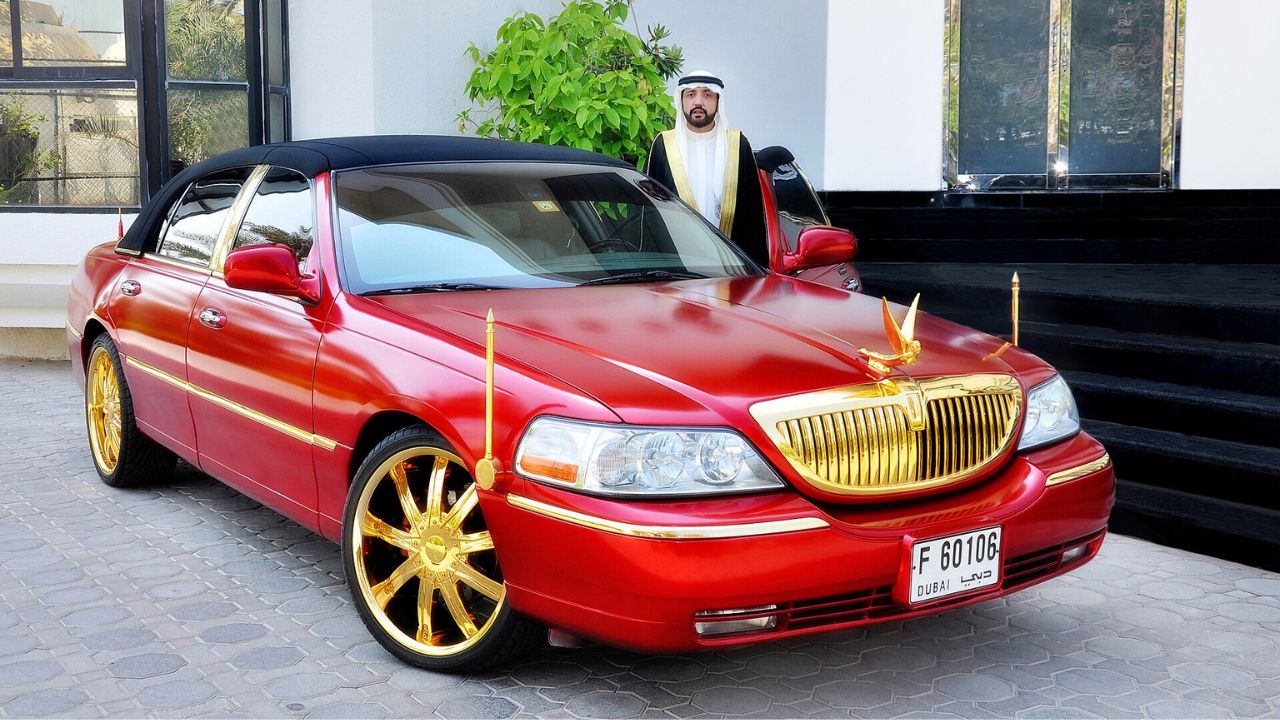
The Cartier Edition turned the already formal Town Car into one of Lincoln’s most recognizable luxury packages. Special trim, coordinated colors, and Cartier branding gave these cars a distinctive identity without radically altering the basic design. While Town Cars themselves were produced in large numbers, certain Cartier-equipped examples have become much harder to find in genuinely original condition. Their upright proportions and restrained detailing also represent a style of American luxury that remains surprisingly convincing decades later.
More from Fast Lane Only
- Unboxing the WWII Jeep in a Crate
- 15 rare Chevys collectors are quietly buying
- 10 underrated V8s still worth hunting down
- Police notice this before you even roll window down
*Research for this article included AI assistance, with all final content reviewed by human editors.