Some trucks are built for more than ordinary commuting. They are engineered with strong frames, durable engines, simple drivetrains, and components designed to handle years of hard work. Even after decades of hauling, towing, farming, and off-road use, certain pickups continue operating reliably. These twenty trucks earned reputations for exceptional toughness and longevity.
Toyota Hilux
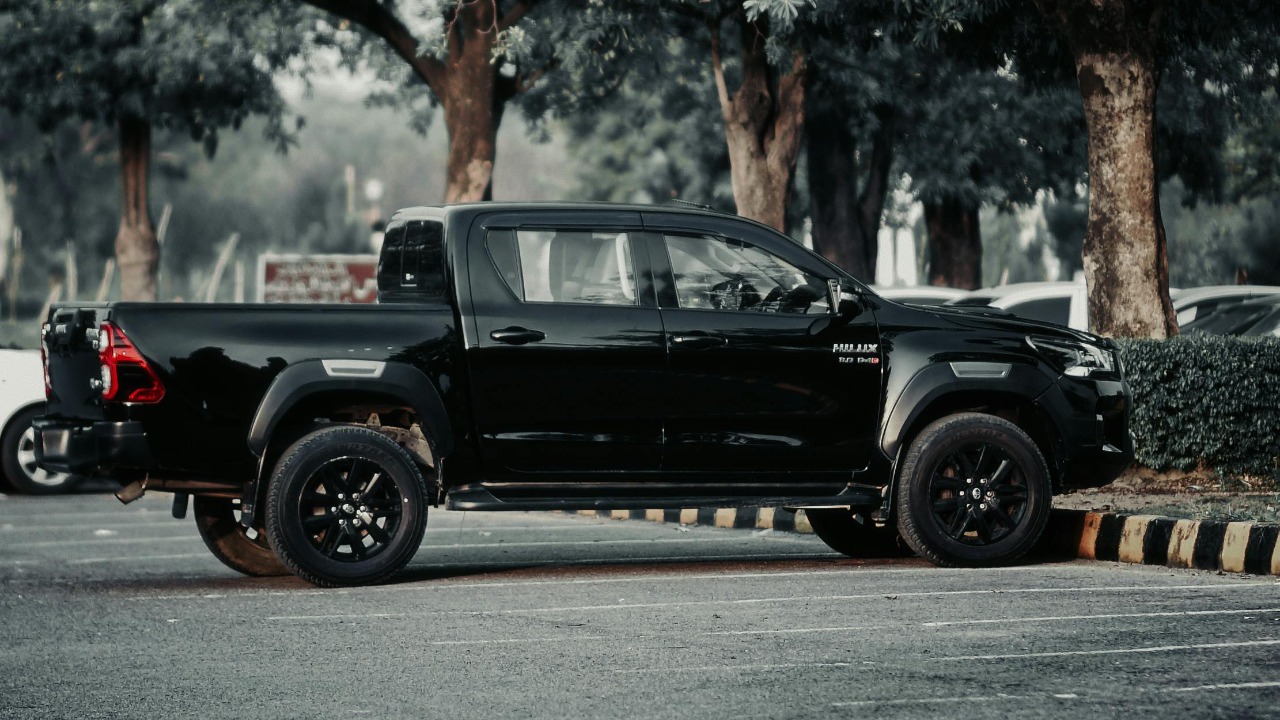
The Toyota Hilux became famous for its ability to survive demanding work, rough roads, and long periods of heavy use. Its reputation comes from strong chassis construction, durable engines, and relatively straightforward mechanical systems. Older Hilux models were especially valued in remote areas where reliability mattered more than comfort or speed. Diesel versions became popular for their torque and longevity, while four-wheel-drive models could handle difficult terrain. Although maintenance remains essential, the Hilux has repeatedly demonstrated why it became one of the world’s best-known work trucks.
Toyota Land Cruiser Pickup
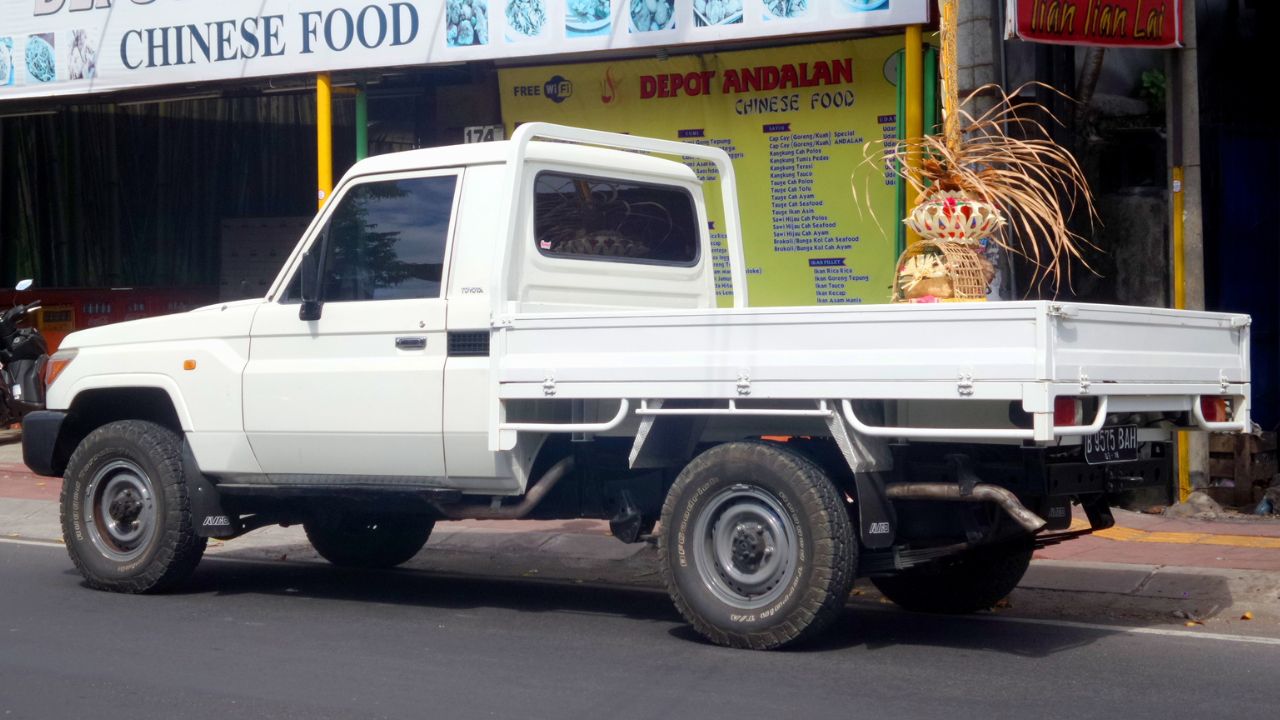
The Toyota Land Cruiser Pickup combines the rugged engineering of the Land Cruiser family with a practical cargo bed. Built for markets where roads can be difficult and repair facilities limited, many versions emphasize durability over luxury. Strong axles, dependable diesel engines, and robust four-wheel-drive systems allow these trucks to handle demanding work. Their simple mechanical character also makes them easier to maintain in remote areas. The pickup’s reputation was built through agriculture, construction, transportation, and off-road use, where vehicles are expected to keep working long after ordinary pickups become expensive to maintain.
Ford F-250
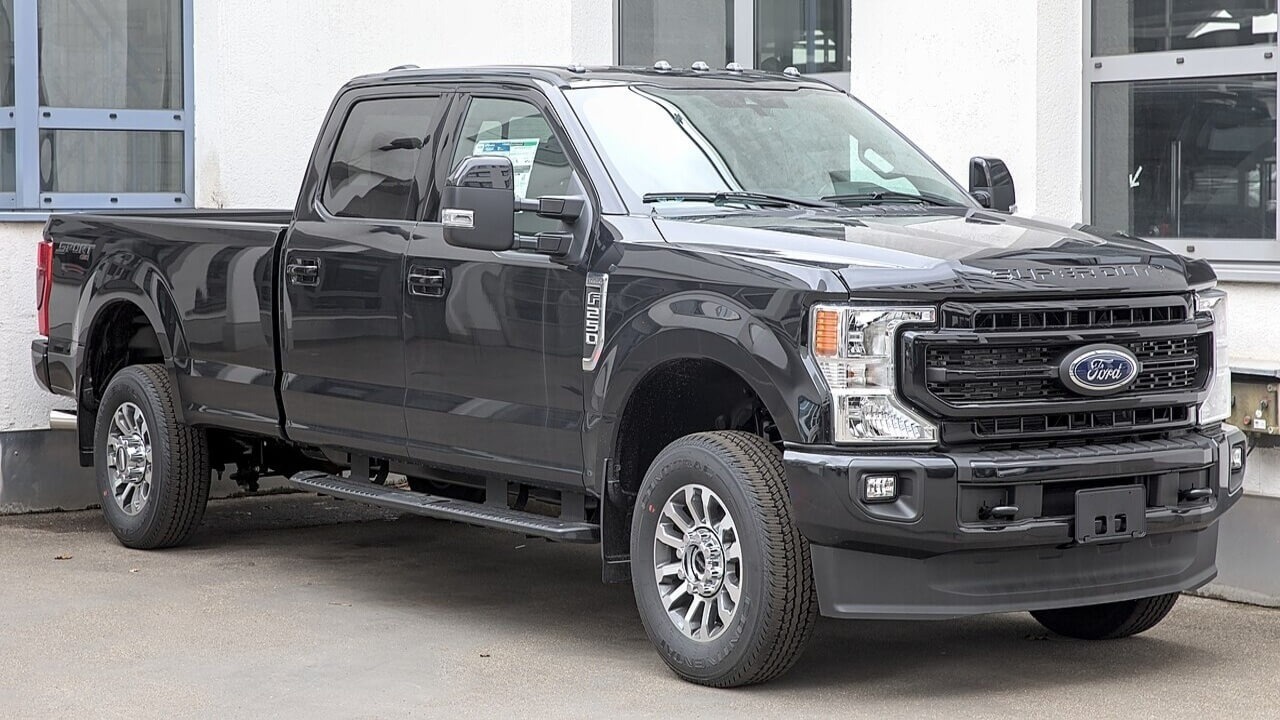
The Ford F-250 has been a staple of heavy-duty American trucking for generations. Its larger frame, suspension, axles, and braking components allow it to handle loads that would overwhelm lighter pickups. Certain generations became particularly respected for their diesel engines, including the 7.3 Power Stroke. Properly maintained examples can accumulate substantial mileage while continuing to tow and haul. The F-250’s durability comes from the entire truck rather than one component. Heavy-duty construction gives it the strength needed for farms, construction sites, trailers, and demanding commercial work.
Ford F-350
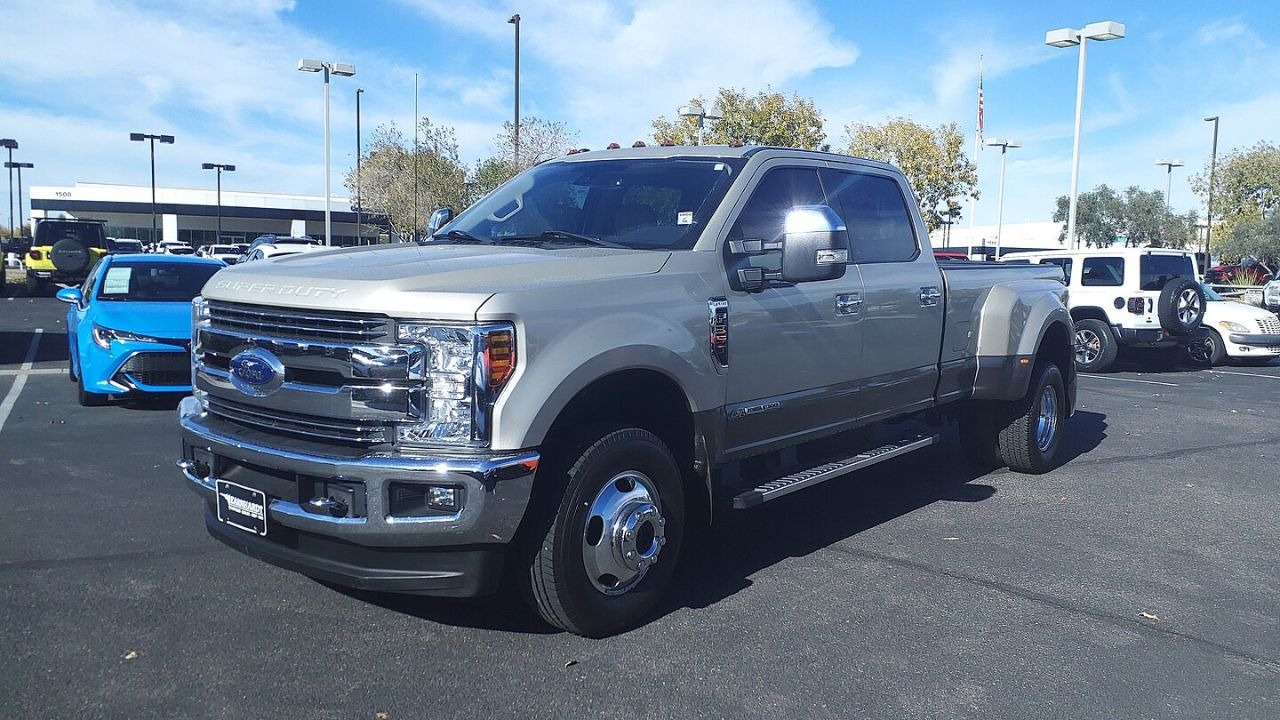
The Ford F-350 sits firmly in the heavy-duty category, with a design intended for serious towing and hauling. Its stronger chassis and available dual-rear-wheel configuration give it considerably greater working capability than ordinary pickups. Diesel-powered versions have become especially popular among contractors and commercial users who need substantial torque. The truck’s durability varies between generations and engine choices, but well-maintained examples can remain useful for decades. Its combination of heavy-duty suspension, strong axles, and powerful engines allows it to continue working under conditions that can quickly wear out lighter trucks.
Chevrolet C/K

The Chevrolet C/K series developed a strong reputation as a straightforward American work truck. Earlier generations used simple body-on-frame construction, traditional engines, and mechanical systems that were relatively easy to repair. Small-block V8s became particularly popular because of their broad availability and straightforward maintenance. Heavy-duty versions were designed for towing, hauling, and commercial work rather than luxury. Rust is a major concern with surviving examples, but mechanically sound trucks can remain useful for decades. Their simple construction is one reason so many continue to appear on farms, work sites, and restoration projects.
GMC Sierra Classic
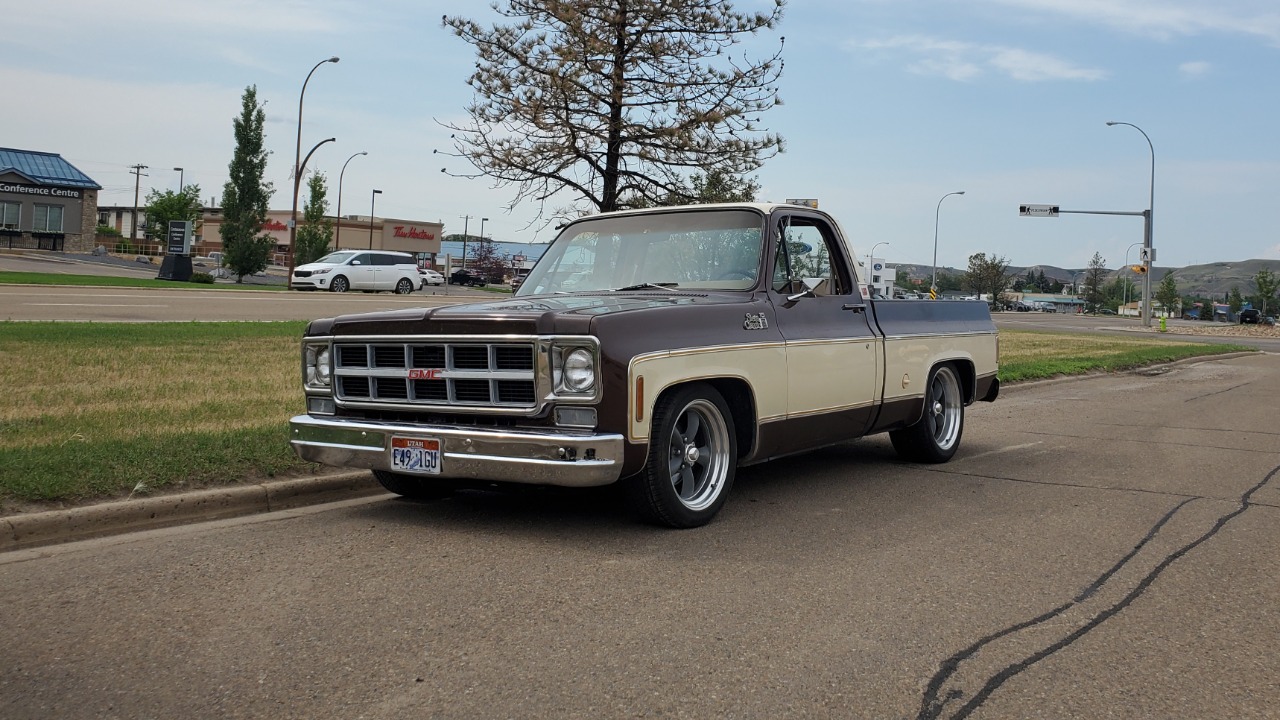
The GMC Sierra Classic represents the old-school approach to pickup construction, emphasizing durability and straightforward mechanical design. Many examples used proven Chevrolet and GMC powertrains, including small-block V8 engines and diesel options. Heavy-duty versions featured stronger suspension and drivetrain components designed for serious workloads. Their interiors and technology are basic compared with modern trucks, but that simplicity can be an advantage when repairs are necessary. Properly maintained examples can continue hauling equipment, towing trailers, and performing farm work decades after they originally left the factory.
Dodge Ram 2500

The Dodge Ram 2500 became particularly well known for its availability with Cummins diesel power. The combination of a heavy-duty chassis and a strong inline-six diesel created a truck capable of substantial towing and hauling. Earlier generations are especially popular among owners who appreciate their mechanical simplicity and torque. The truck’s durability still depends on maintenance, particularly cooling, lubrication, transmission, and suspension care. Nevertheless, a well-maintained Ram 2500 can remain a serious work vehicle long after many lighter-duty pickups have reached the end of their useful lives.
Dodge Ram 3500
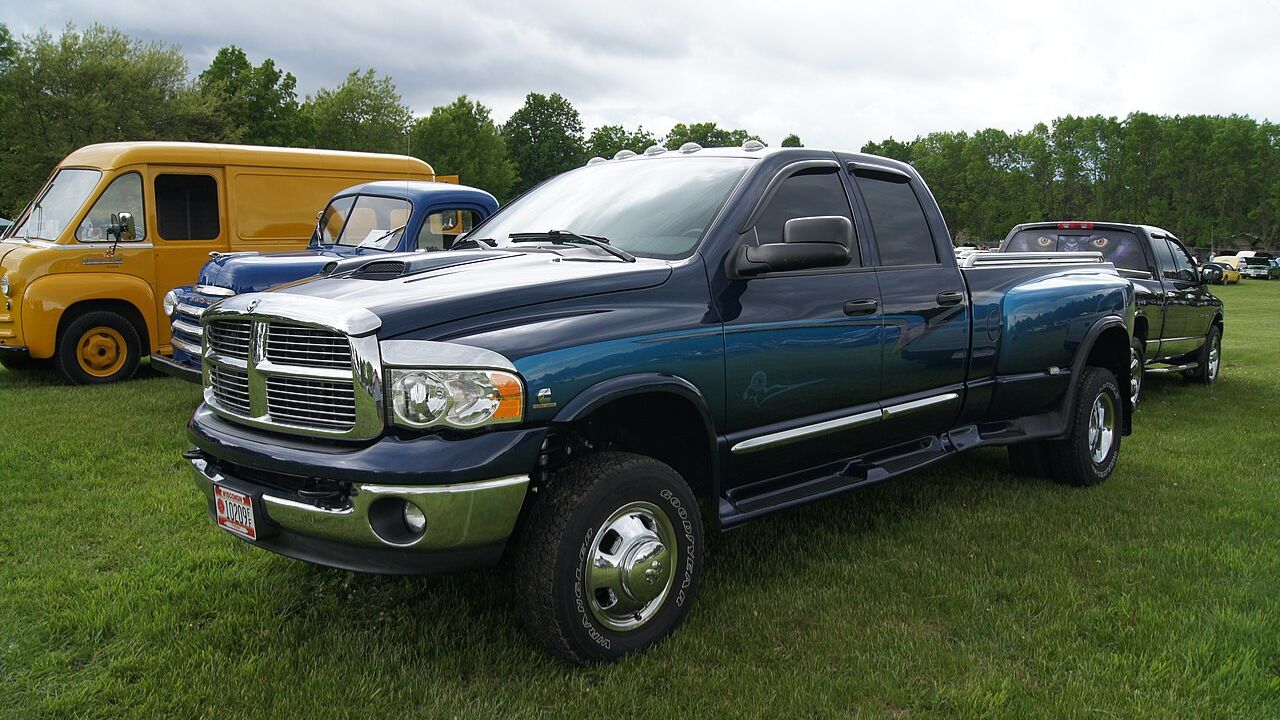
The Dodge Ram 3500 was designed for customers who needed even greater payload and towing capability than the 2500. Its heavy-duty frame, stronger suspension, and available dual-rear-wheel configuration made it suitable for commercial and agricultural work. Cummins-powered versions became especially respected because of their strong low-speed torque and durable diesel architecture. Like any heavy-duty truck, neglected examples can become expensive to repair, but properly maintained ones can accumulate enormous mileage. Their ability to handle repeated heavy loads is a major reason these trucks remain popular in demanding working environments.
Nissan Hardbody
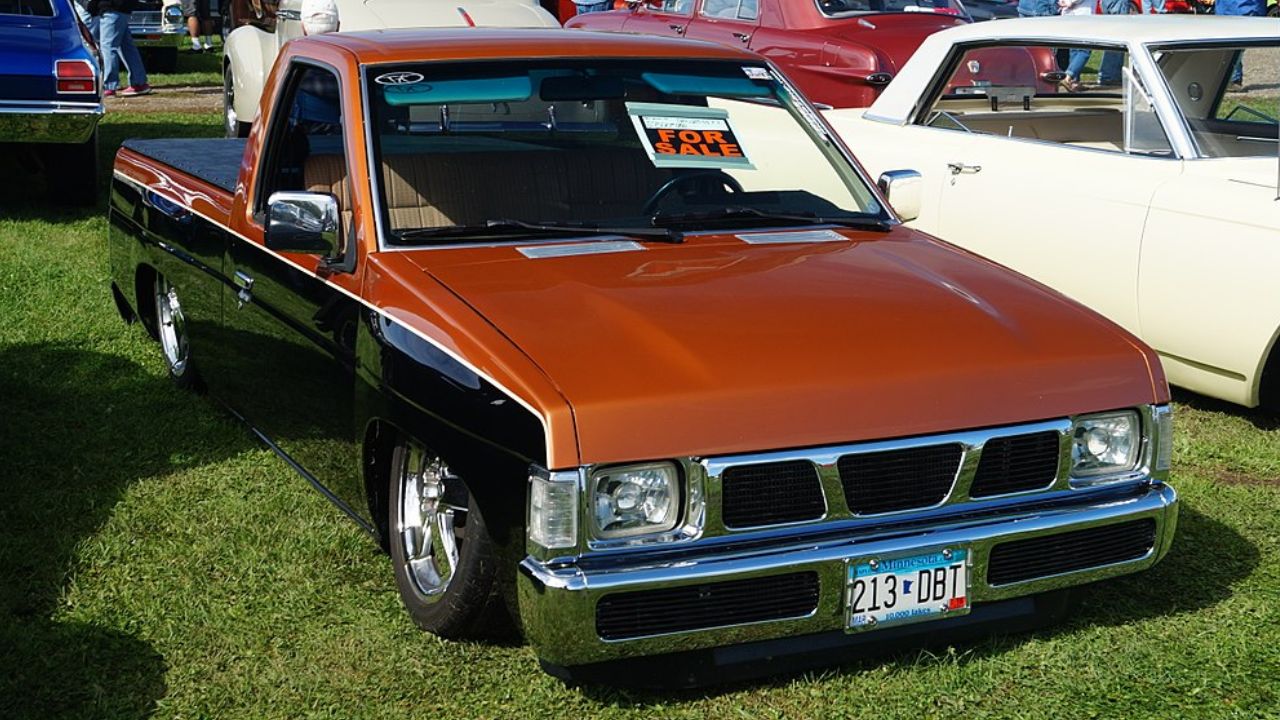
The Nissan Hardbody earned its nickname through a reputation for rugged construction and dependable mechanical components. Its compact size made it easier to maneuver than full-size American pickups, while its body-on-frame design provided useful strength for work and off-road driving. Four-cylinder and V6 engines were offered depending on the market and year. Many examples survived decades of use because the basic mechanical systems were relatively straightforward. Rust can be a significant problem today, but mechanically sound Hardbodies remain popular among owners who want a simple truck capable of handling everyday hauling and rough roads.
Nissan Frontier
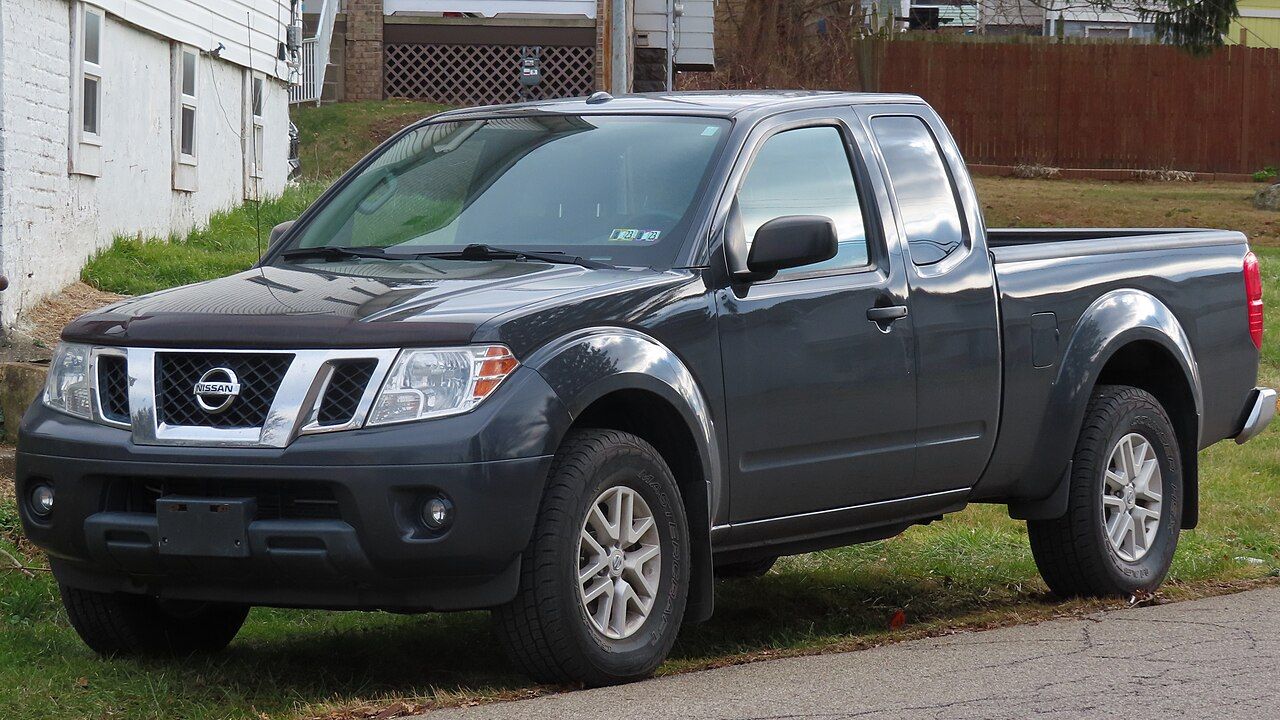
The Nissan Frontier continued the compact and midsize pickup tradition established by earlier Nissan trucks. Its body-on-frame construction and relatively simple mechanical layout made it suitable for work, recreation, and off-road use. Certain generations developed strong reputations for durability when properly maintained. Four-cylinder and V6 engines provided practical power without requiring an enormous drivetrain. The Frontier may not have the massive dimensions of a heavy-duty pickup, but its smaller size can actually reduce complexity and operating costs. Well-maintained examples can remain useful long after newer trucks become expensive to repair.
Ford Ranger
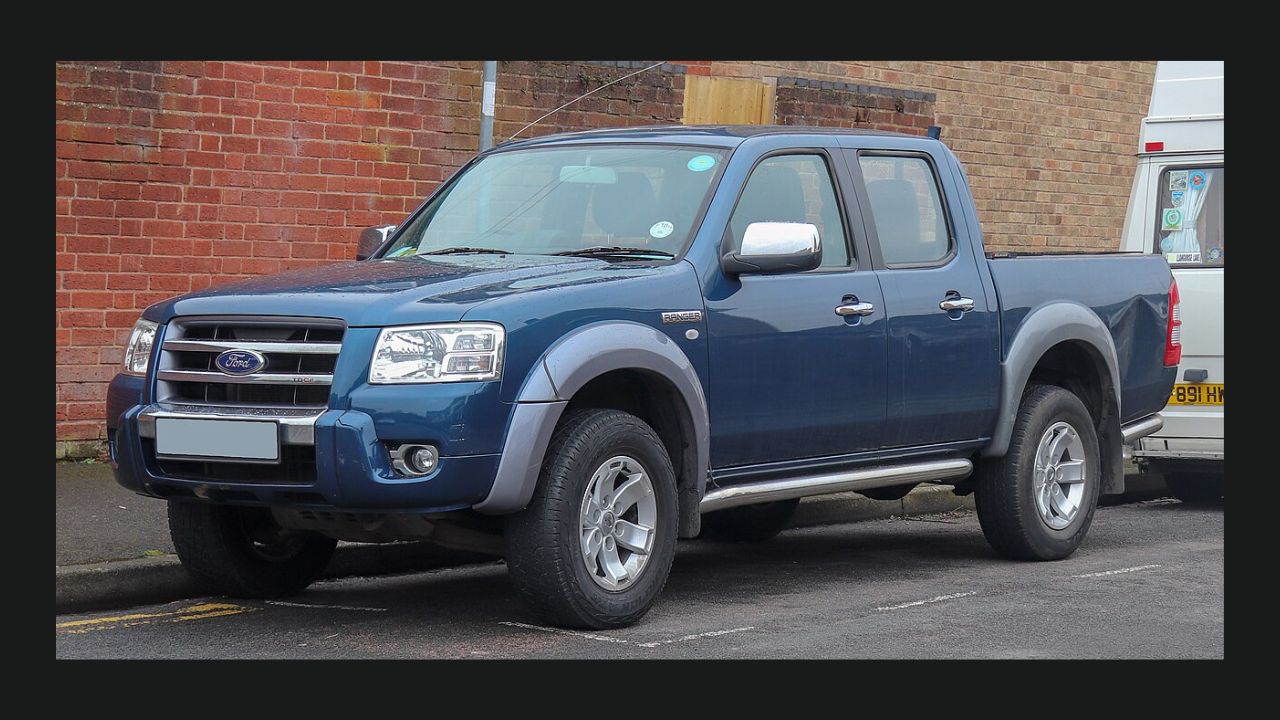
The Ford Ranger has survived several generations because its compact dimensions and straightforward construction make it useful for a wide range of owners. Older Rangers were available with simple four-cylinder engines, V6s, manual transmissions, and four-wheel drive. Their relatively light weight reduces stress on many components compared with larger pickups. Rust and aging suspension parts can become problems on older examples, but the basic drivetrain is often straightforward to repair. Rangers have served as work trucks, farm vehicles, off-road machines, and daily drivers, giving them a surprisingly broad history of hard use.
Toyota Tacoma
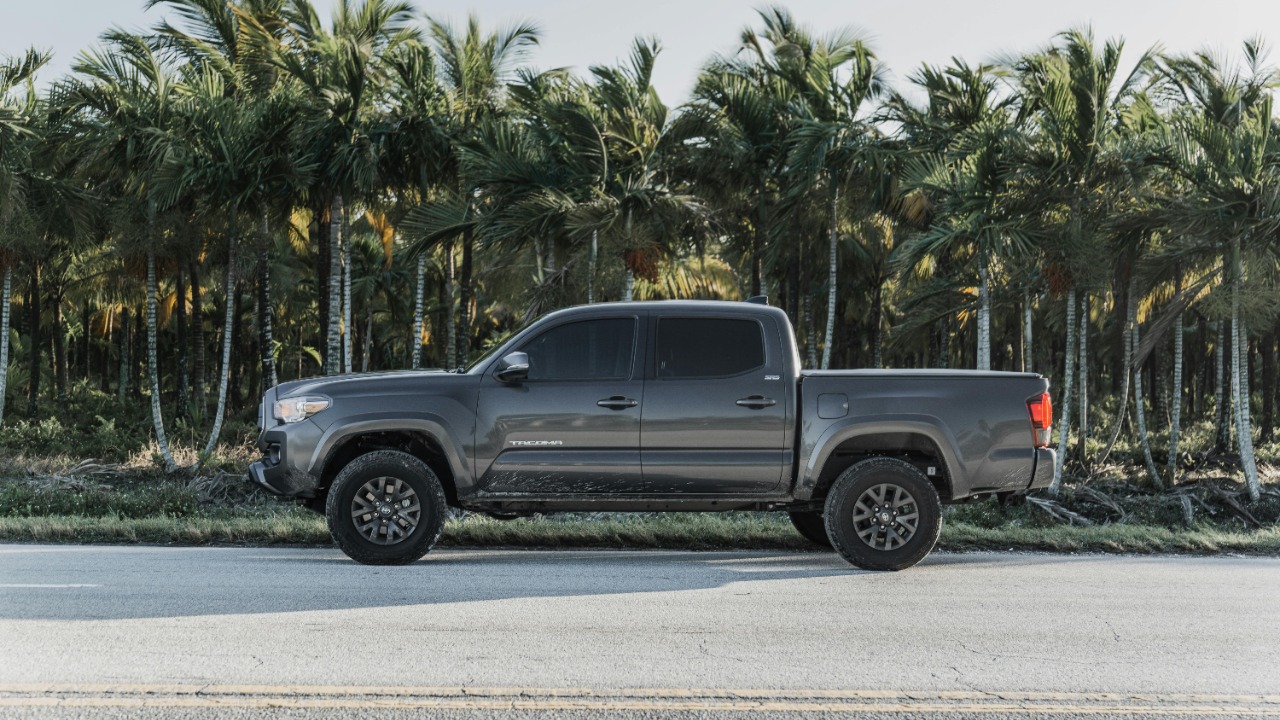
The Toyota Tacoma developed a strong reputation for durability among compact and midsize pickup buyers. Its body-on-frame construction, available four-wheel drive, and proven engines make it suitable for work and off-road driving. Older Tacomas are particularly appreciated for their simple mechanical character and strong aftermarket support. Frame corrosion has affected certain model years, making inspection important when buying used. A solid example that has received proper maintenance can remain dependable for many years. The Tacoma’s combination of manageable size, capable suspension, and durable powertrains has helped it become a long-term favorite.
Ford Super Duty
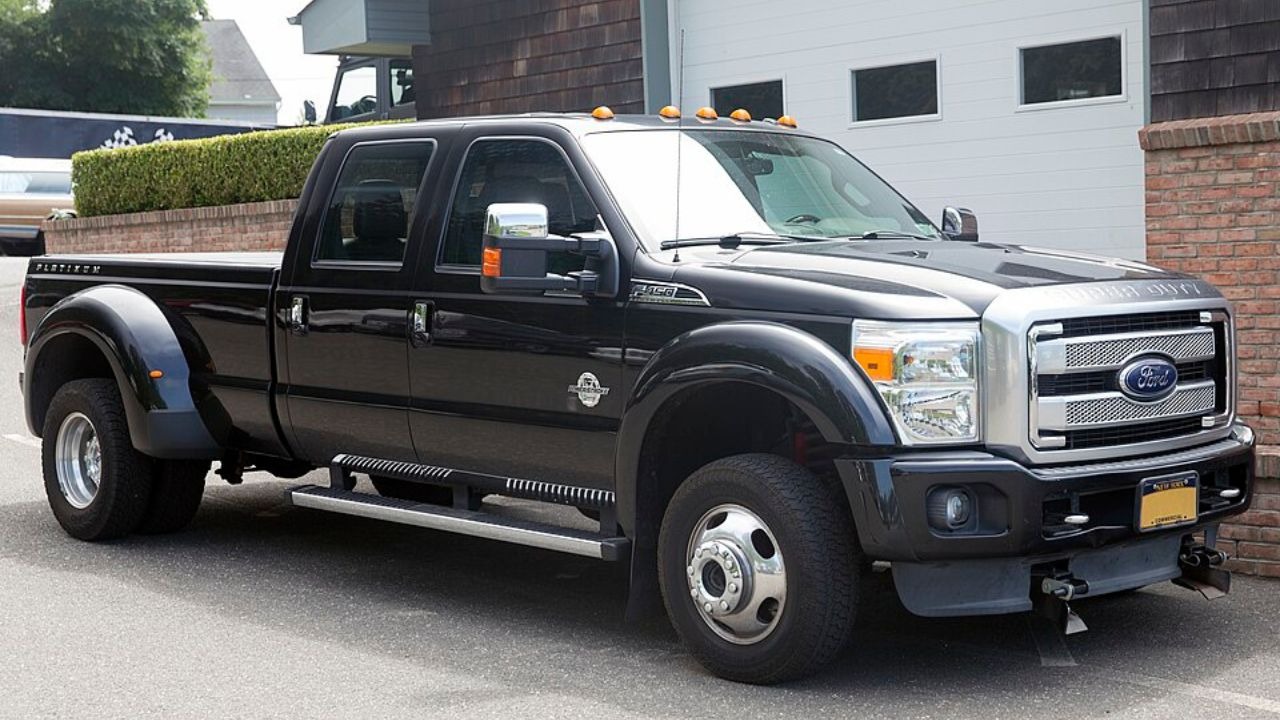
The Ford Super Duty family was created specifically for customers who needed more capability than an ordinary F-Series pickup could provide. Larger frames, stronger axles, heavy-duty suspension systems, and powerful diesel engines made these trucks suitable for towing and commercial work. The 7.3 Power Stroke became particularly respected for its durable design, while later diesel generations offered considerably more power and technology. Age and maintenance history remain important, especially with modern emissions equipment. Still, properly serviced Super Duty trucks are built to withstand workloads that would quickly strain lighter pickups.
Chevrolet Silverado HD
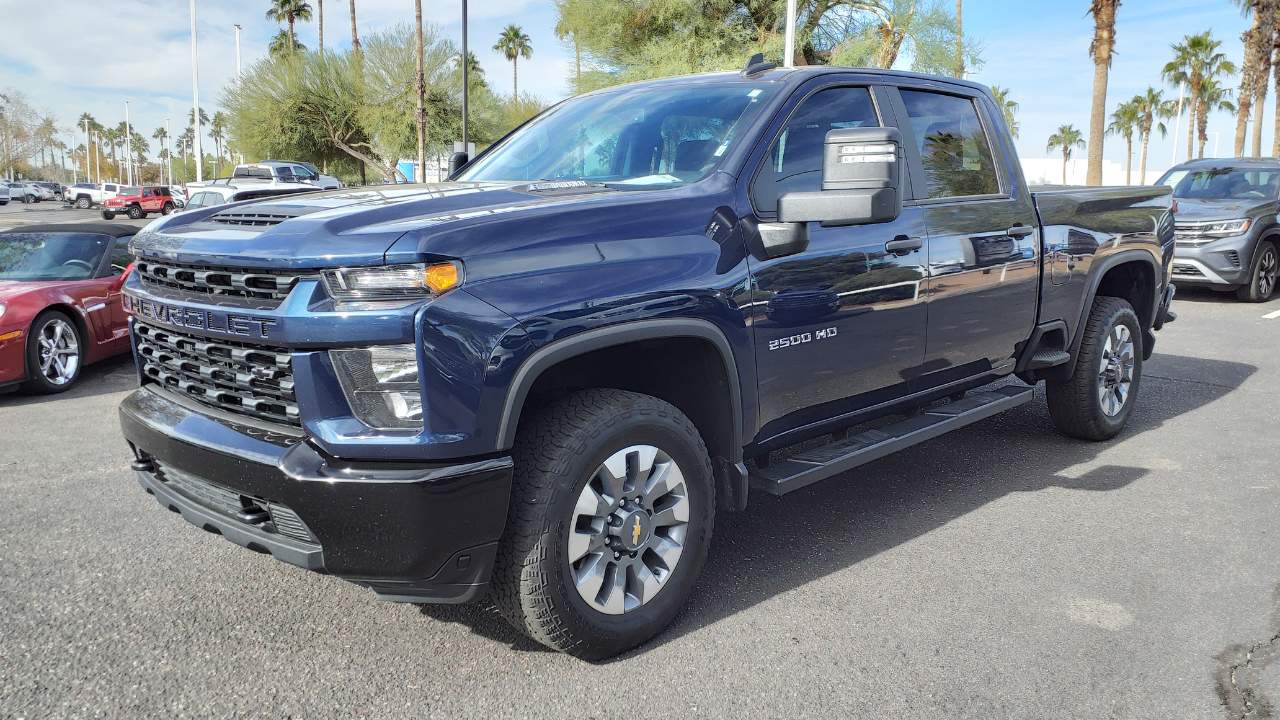
The Chevrolet Silverado HD was engineered around heavy-duty towing and hauling rather than light-duty transportation. Its stronger chassis, larger brakes, heavy-duty suspension, and powerful gasoline or diesel engines allow it to handle substantial loads. Duramax diesel versions became especially popular among owners who regularly tow trailers and equipment. Modern examples include more complex emissions and electronic systems, so maintenance requirements are greater than those of older work trucks. Nevertheless, the fundamental heavy-duty architecture gives the Silverado HD considerable working capability and allows properly maintained examples to remain useful for years.
GMC Sierra HD
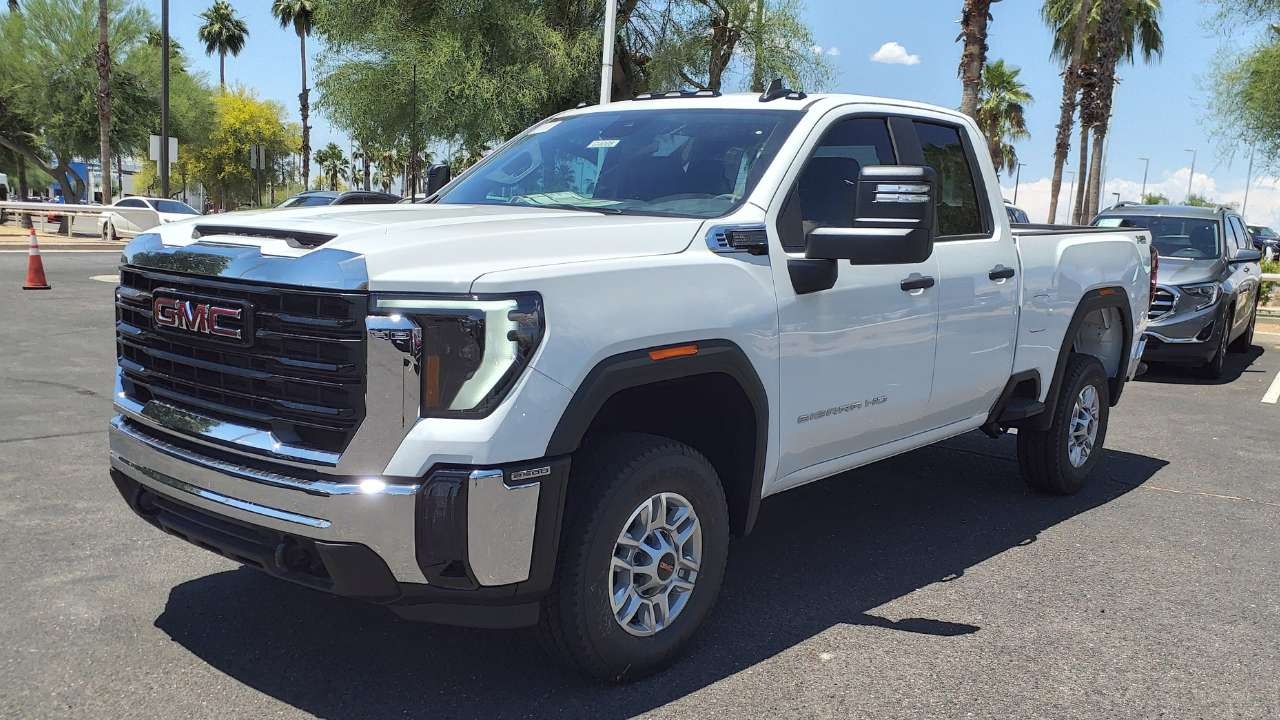
The GMC Sierra HD shares much of its underlying engineering with Chevrolet’s heavy-duty pickup line, but its positioning often emphasizes additional equipment and comfort. Beneath the body, however, it remains a serious work truck with a strong frame, heavy-duty suspension, and substantial towing capacity. Diesel-powered versions provide strong torque for trailers and commercial loads. Proper servicing is especially important on modern models because of their increasingly complex systems. Older and well-maintained examples can nevertheless remain dependable workhorses, particularly when used within their intended towing and payload limits.
International Harvester Scout II Pickup
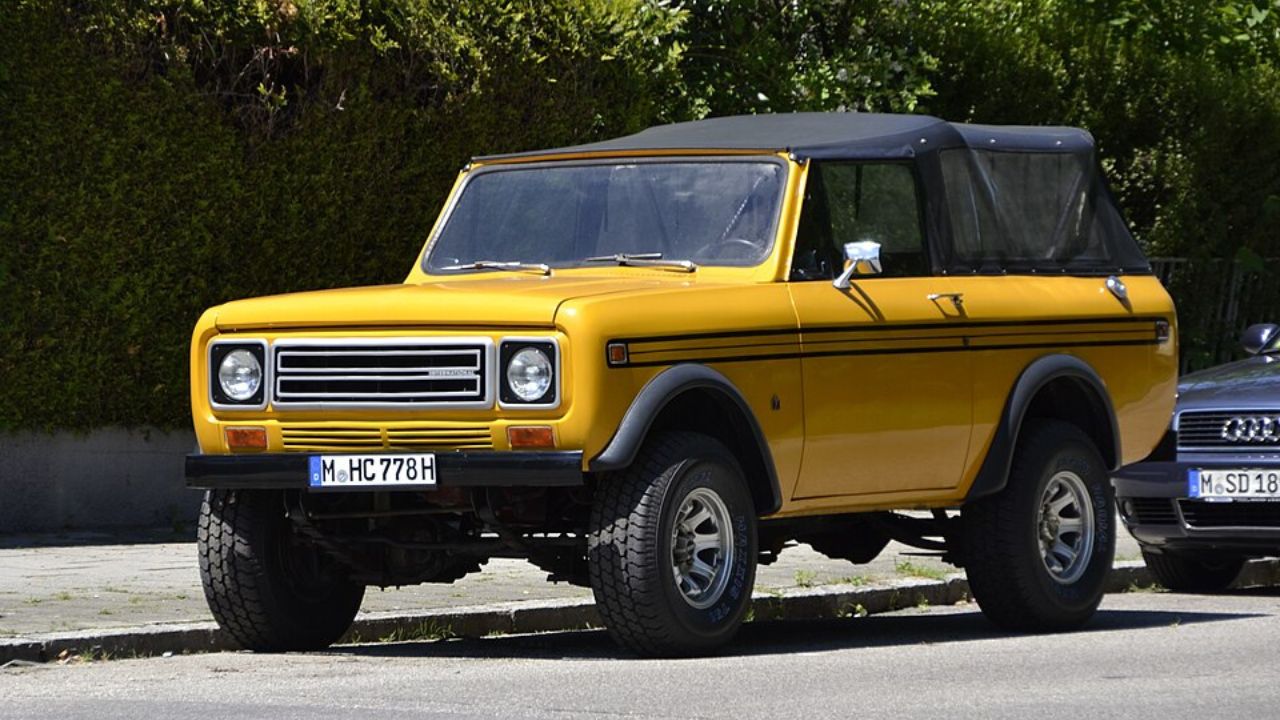
The International Harvester Scout II Pickup was built around a rugged utility concept rather than modern comfort. Its body-on-frame construction, solid axles, and available four-wheel drive made it suitable for farms, ranches, construction sites, and off-road use. The engines were relatively simple compared with modern powerplants, making mechanical repairs more accessible. Age is now the biggest concern, particularly rust and worn suspension components. A properly restored example can still demonstrate the durability that made International Harvester vehicles popular with owners who needed practical transportation in difficult working environments.
Jeep Gladiator
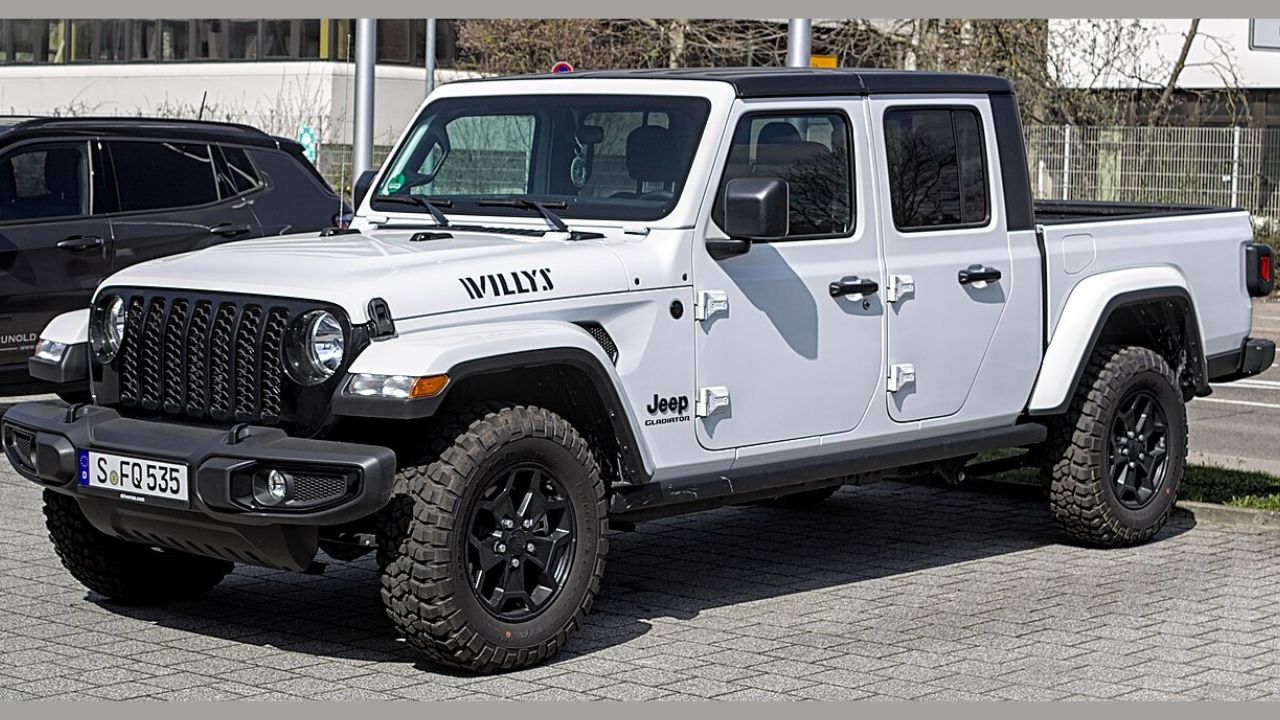
The Jeep Gladiator name has been used for multiple generations of Jeep pickup trucks, with the modern version combining a pickup bed with the Wrangler’s off-road-focused architecture. Its body-on-frame design, solid front axle, and four-wheel-drive systems provide substantial capability on difficult terrain. Modern electronics make it considerably more complicated than older work trucks, so long-term durability depends heavily on maintenance. Nevertheless, its rugged suspension and off-road engineering allow it to handle environments that are demanding for ordinary pickups. It is particularly suited to owners who combine hauling duties with serious off-road use.
Chevrolet Colorado
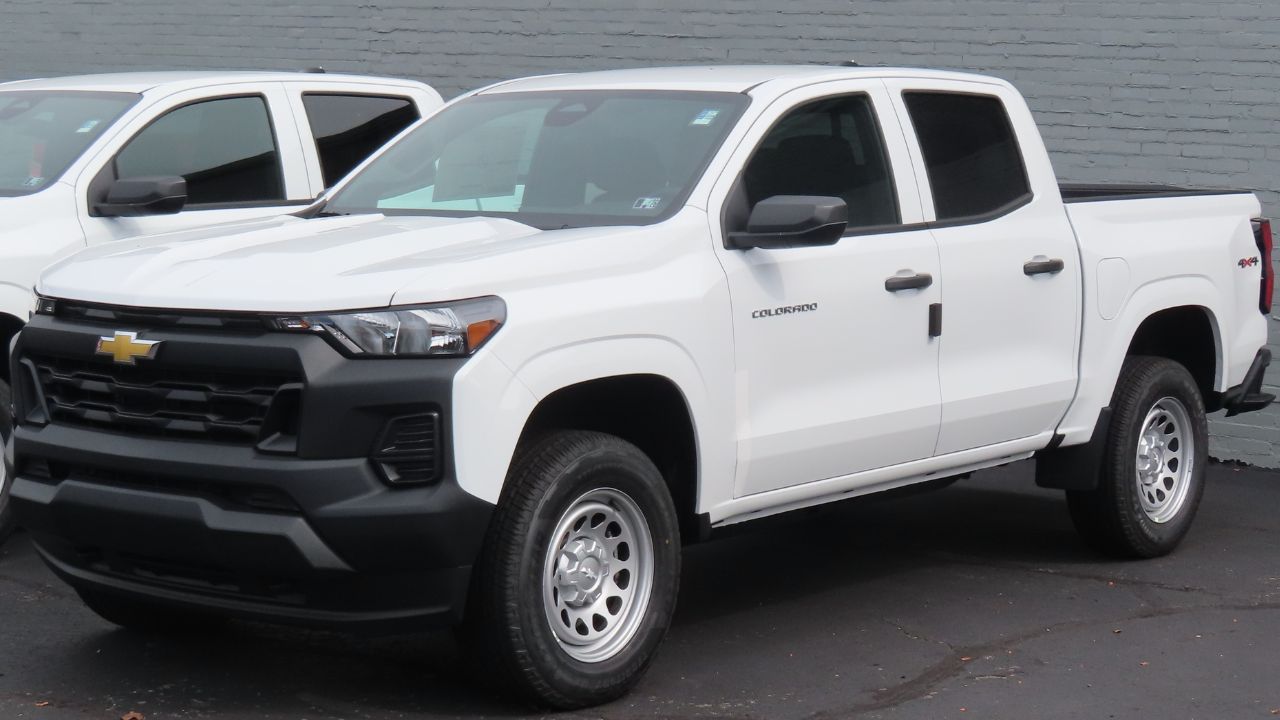
The Chevrolet Colorado provides a smaller alternative to full-size pickups while retaining a body-on-frame construction and useful towing capability. Its different generations have used several gasoline and diesel engines, with durability varying depending on the specific powertrain and maintenance history. The smaller size can be advantageous for owners who do not need the bulk of a heavy-duty truck. Proper servicing of the engine, transmission, cooling system, and suspension is important. A well-maintained Colorado can remain a practical work truck for many years while offering easier maneuverability than larger pickups.
Toyota Tundra
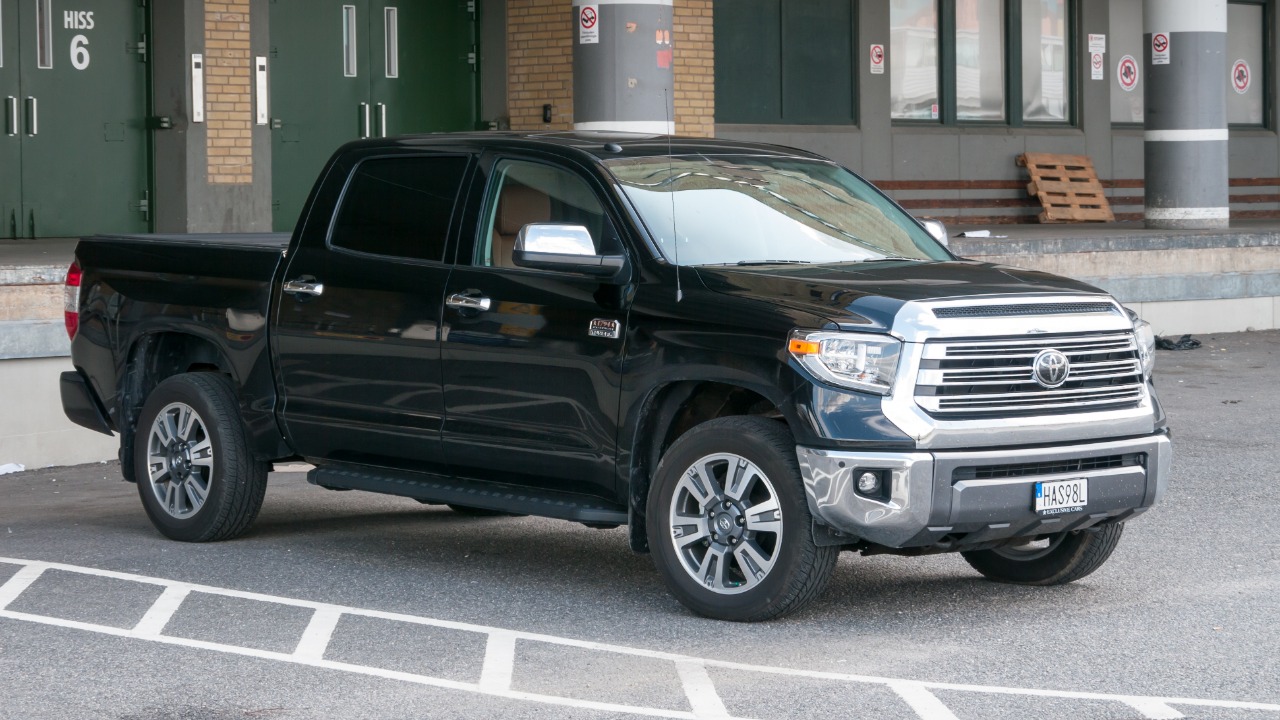
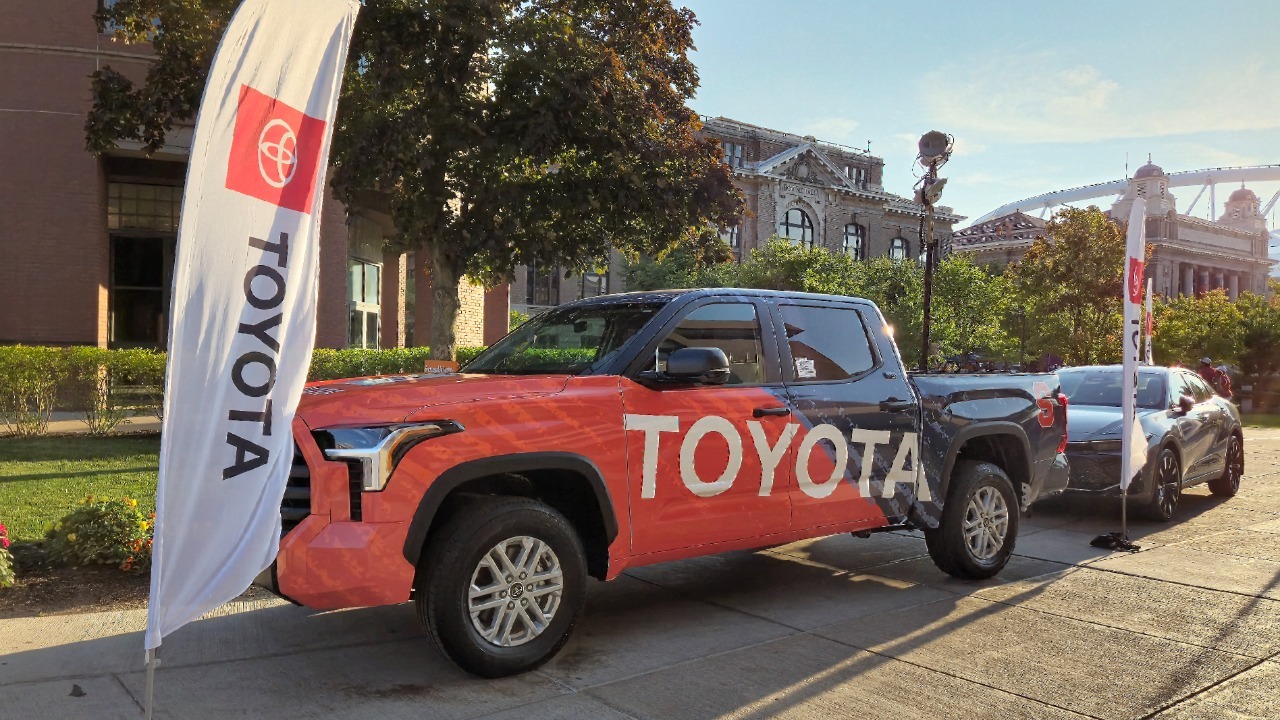
The Toyota Tundra was designed to compete directly in the full-size pickup market while retaining Toyota’s emphasis on long-term durability. Earlier generations used naturally aspirated V8 engines known for smooth power and strong torque. The truck’s body-on-frame construction and substantial drivetrain components made it suitable for towing, hauling, and off-road use. Some specific generations have known mechanical or frame-related concerns, so condition and maintenance history matter greatly today. A well-kept Tundra can nevertheless provide many years of service, particularly when used within its intended towing and payload limits.
Mitsubishi L200
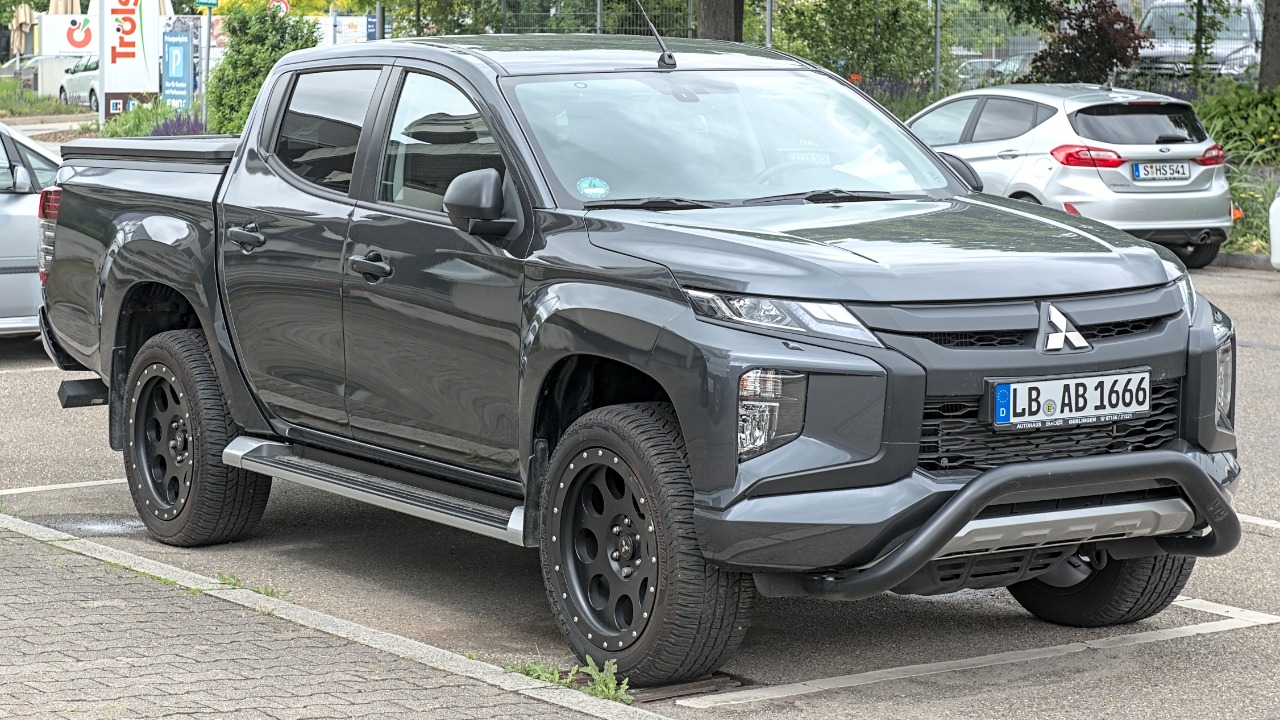
The Mitsubishi L200 became a popular work truck in many international markets because of its combination of compact dimensions, diesel power, and four-wheel-drive capability. Its relatively simple mechanical layout made it suitable for agricultural work, construction, transportation, and rough rural roads. Different generations used different engines and transmissions, so durability varies across the lineup. Still, the L200’s work-oriented design allowed many examples to accumulate substantial mileage. Regular diesel maintenance, including attention to cooling, lubrication, fuel systems, and timing components, is essential for keeping these trucks operating reliably over the long term.
More from Fast Lane Only
- Unboxing the WWII Jeep in a Crate
- 15 rare Chevys collectors are quietly buying
- 10 underrated V8s still worth hunting down
- Police notice this before you even roll window down
*Research for this article included AI assistance, with all final content reviewed by human editors.