American performance cars often get remembered through a small group of famous names, while innovative models disappear from the conversation. Some introduced advanced engines, handling ideas, lightweight construction, or technology before competitors caught up. These forgotten machines deserve another look because their engineering and performance were sometimes surprisingly ahead of their time.
Oldsmobile Rocket 88
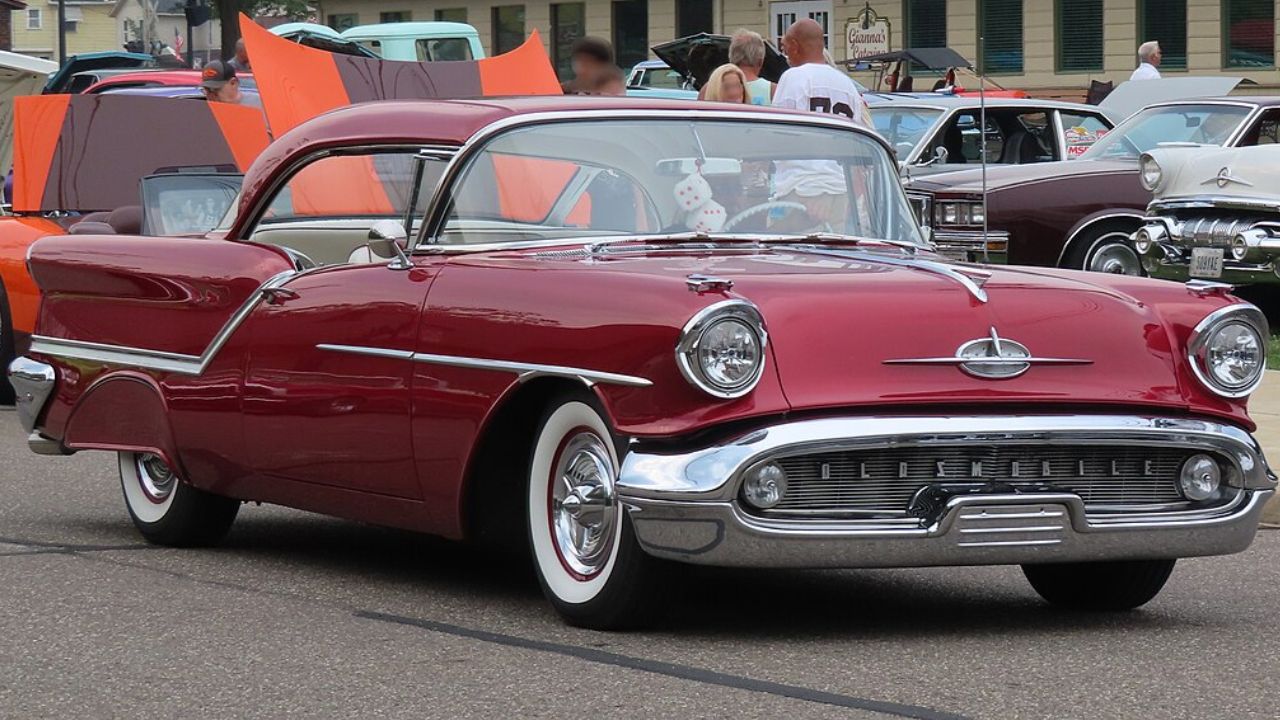
The Oldsmobile Rocket 88 helped establish the formula that would define American performance for decades. Its overhead-valve V8 delivered strong power in a relatively practical package, while the car’s lighter body helped it perform better than its size suggested. It became particularly successful in early stock-car racing, giving Oldsmobile an unexpected performance reputation. Although later muscle cars became more famous, the Rocket 88 demonstrated that a family-oriented American car could combine everyday usability with genuine speed. Its influence can be seen throughout the performance-car boom that followed.
Hudson Hornet
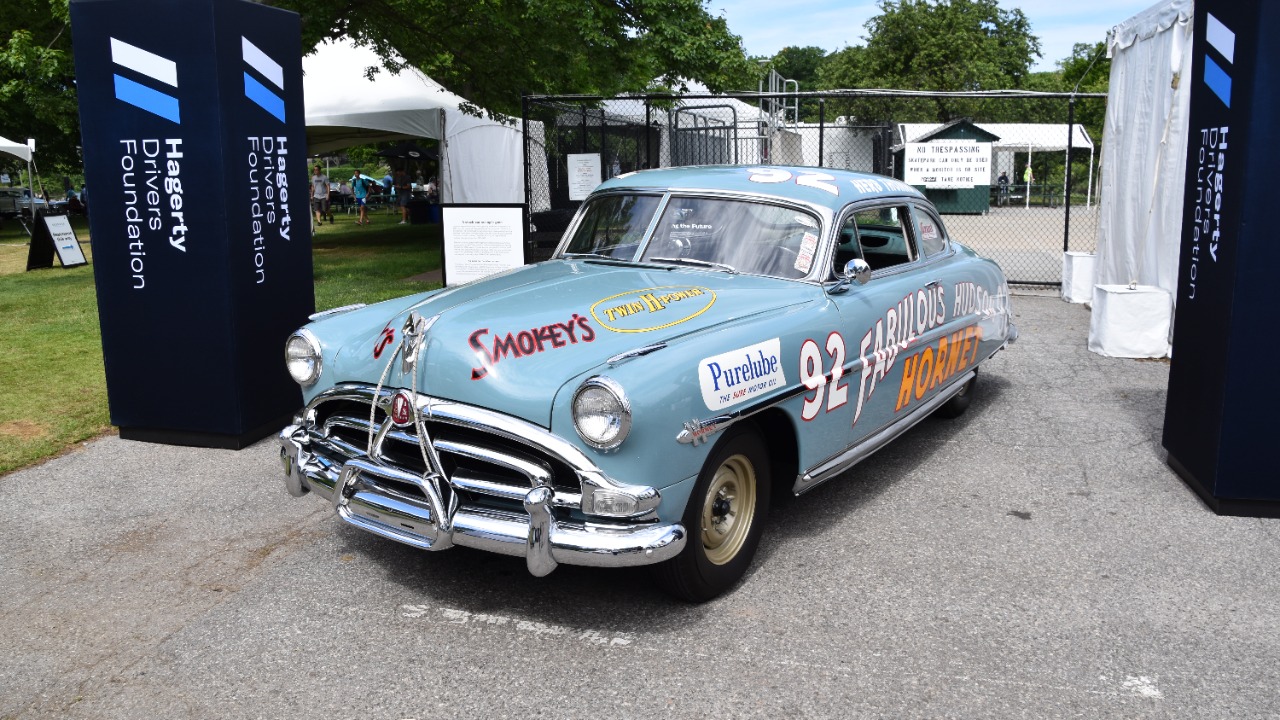
The Hudson Hornet was a remarkably capable American performance car that rarely receives enough attention today. Its low-slung body and innovative “step-down” construction gave it a lower center of gravity than many competitors, while the powerful inline-six engine produced impressive performance. The Hornet became a dominant force in early NASCAR competition, proving that straight-line power was not the only ingredient in a fast American car. Its combination of handling, aerodynamics, and engine performance made it unusually sophisticated for its era. The Hornet helped demonstrate the advantages of integrating chassis design with performance.
Chrysler 300
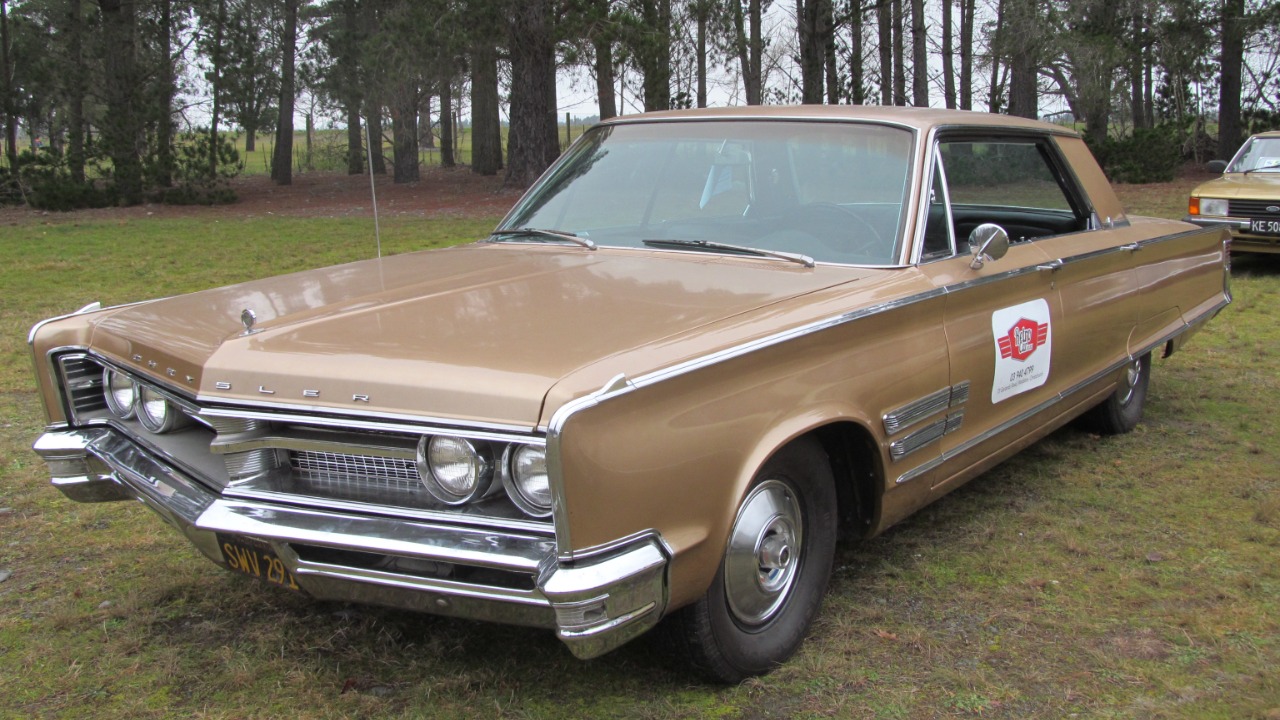
The Chrysler 300 brought serious performance into the luxury-car market with an approach that was unusual for its time. Its powerful Hemi V8, streamlined styling, and comfortable interior created a combination of speed and refinement that many competitors could not easily match. The car was capable of impressive acceleration while remaining suitable for long-distance driving. It also demonstrated how a large American automobile could be engineered around performance rather than simply equipped with a large engine. The original 300 helped establish the concept of the American high-performance luxury car.
Studebaker Golden Hawk
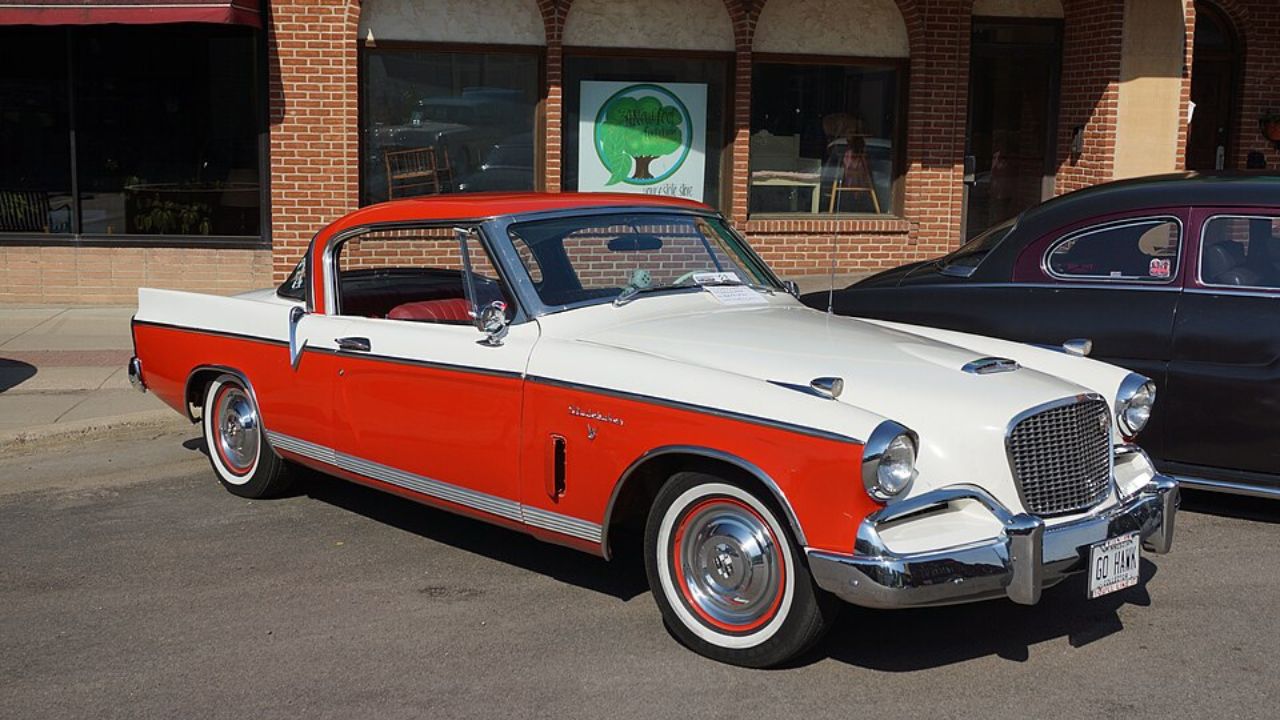
The Studebaker Golden Hawk combined dramatic styling with serious V8 performance at a time when many American manufacturers were still emphasizing size and comfort. Its supercharged engine provided strong acceleration, while its relatively compact dimensions helped it feel more responsive than many larger competitors. Studebaker also gave the Golden Hawk a distinctive appearance that separated it from mainstream Detroit designs. The car was not produced in huge numbers, which contributed to its disappearance from popular memory. Nevertheless, it showed that performance did not necessarily require an enormous full-size American body.
Chevrolet Corvair Monza
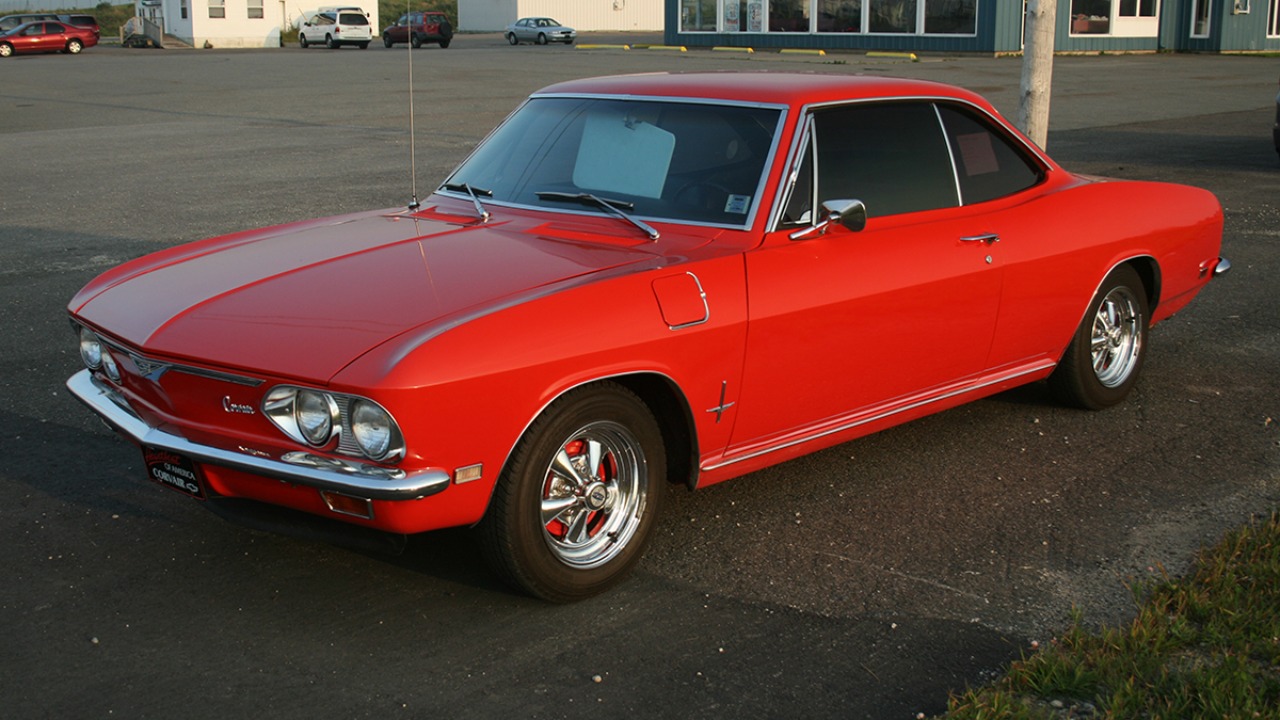
The Chevrolet Corvair Monza represented a very different direction for American performance. Instead of using the traditional front-engine, rear-wheel-drive layout, it placed an air-cooled flat-six engine at the rear. The Monza version added a sportier character and helped prove that an American compact could provide engaging performance without relying on a large V8. Its independent suspension and compact proportions also gave it a distinctive driving personality. Although the Corvair became controversial for reasons beyond performance, the Monza remains an important example of Chevrolet experimenting with an unconventional performance formula.
Pontiac Tempest GTO
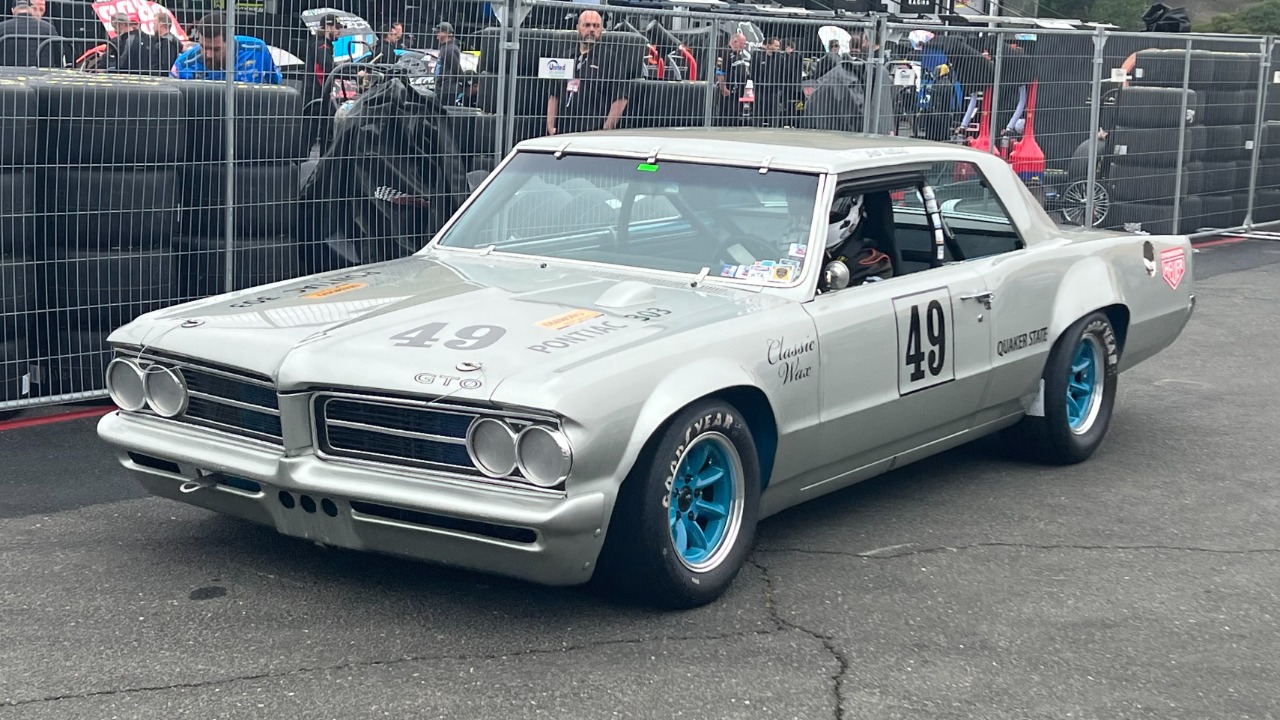
The Pontiac Tempest GTO transformed an ordinary intermediate platform into one of the defining performance cars of the 1960s. Pontiac installed a large V8 and performance equipment into a relatively compact body, creating a formula that became enormously influential. The car demonstrated that buyers wanted serious performance without necessarily purchasing a full-size automobile. Its success helped push other manufacturers toward similar combinations of midsize bodies and powerful engines. While the GTO eventually became famous, its early engineering concept was more revolutionary than its later reputation sometimes suggests.
Oldsmobile 4-4-2
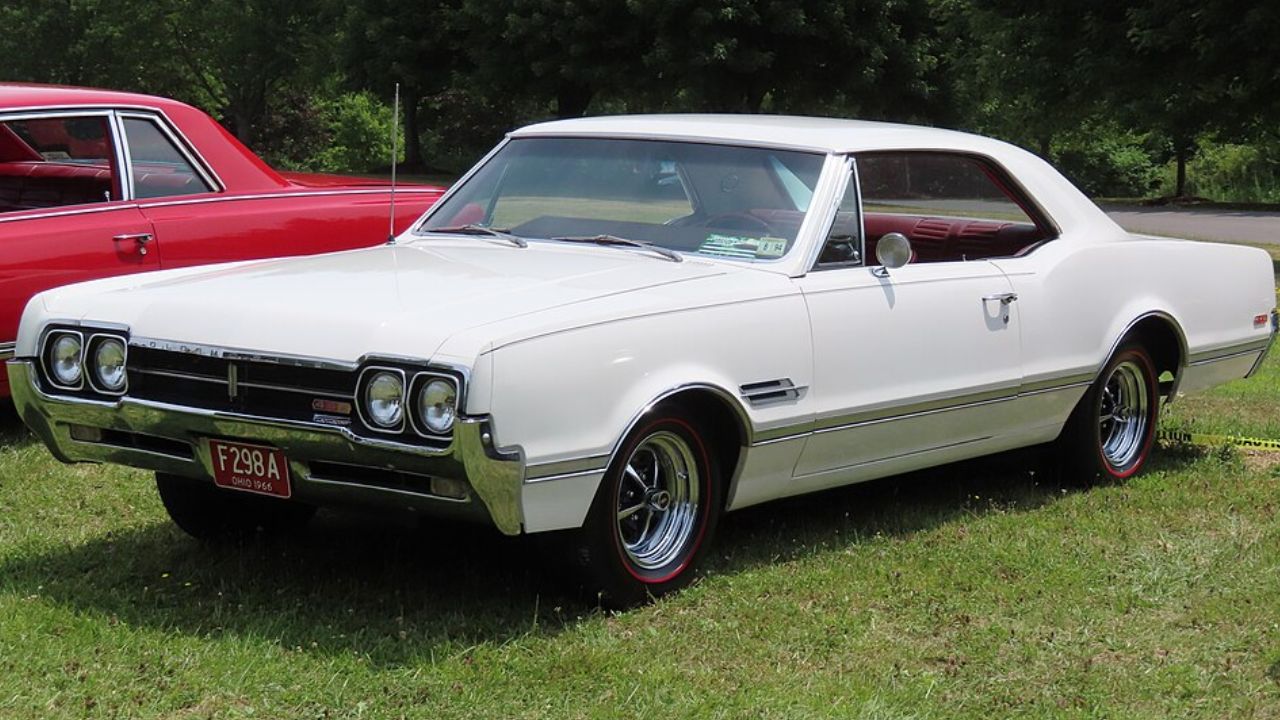
The Oldsmobile 4-4-2 was developed as a performance-oriented alternative within the growing midsize-car market. It combined a strong V8 with upgraded suspension, brakes, and other performance equipment rather than treating engine power as the only priority. That approach made the car more balanced than many ordinary muscle cars. Over time, the 4-4-2 became increasingly powerful and developed a serious street-performance reputation. It deserves attention because Oldsmobile recognized early that a performance package could involve the entire vehicle, not simply a bigger engine under the hood.
Buick GS
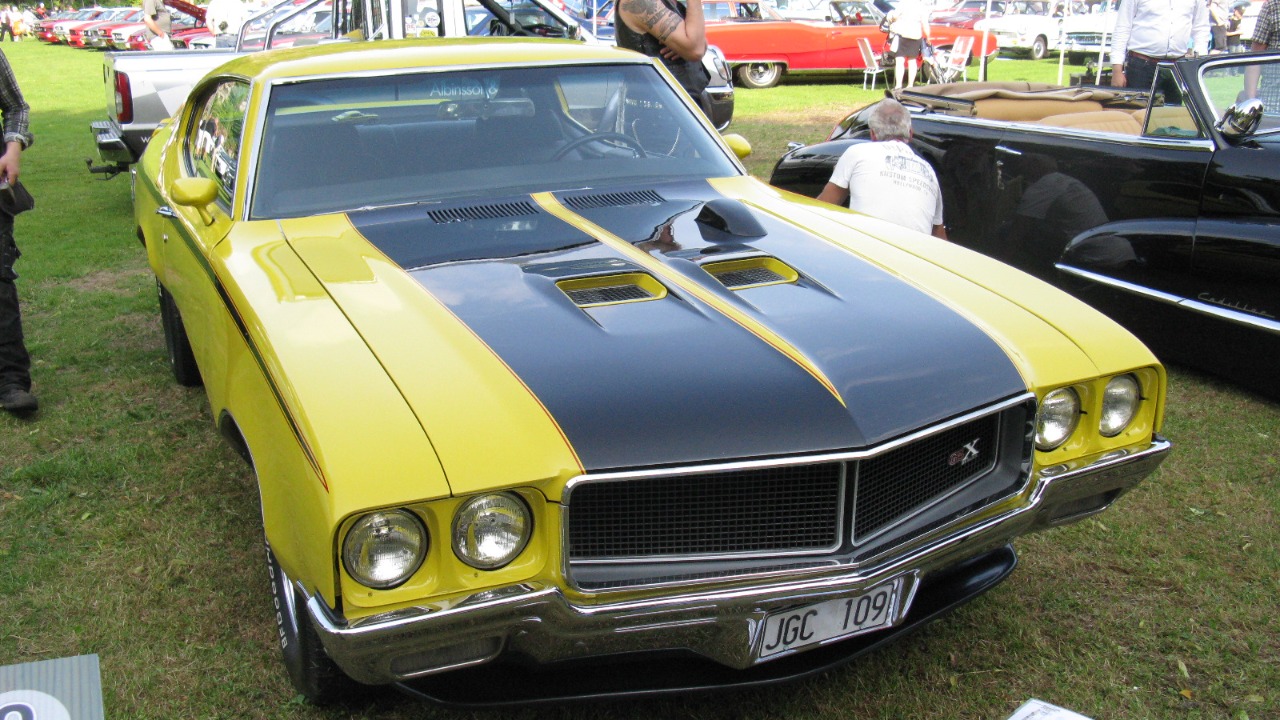
The Buick GS offered a combination of luxury and muscle that distinguished it from many traditional performance cars. Its large-displacement V8s delivered substantial torque, while the comfortable interior made the car suitable for everyday driving. Buick gradually developed stronger versions as the muscle-car market expanded, producing cars capable of serious acceleration without abandoning its upscale identity. The GS is often overshadowed by Chevrolet, Pontiac, and Plymouth models, but its combination of comfort and performance anticipated the modern idea of a powerful grand touring car. It proved performance could coexist with refinement.
AMC Javelin
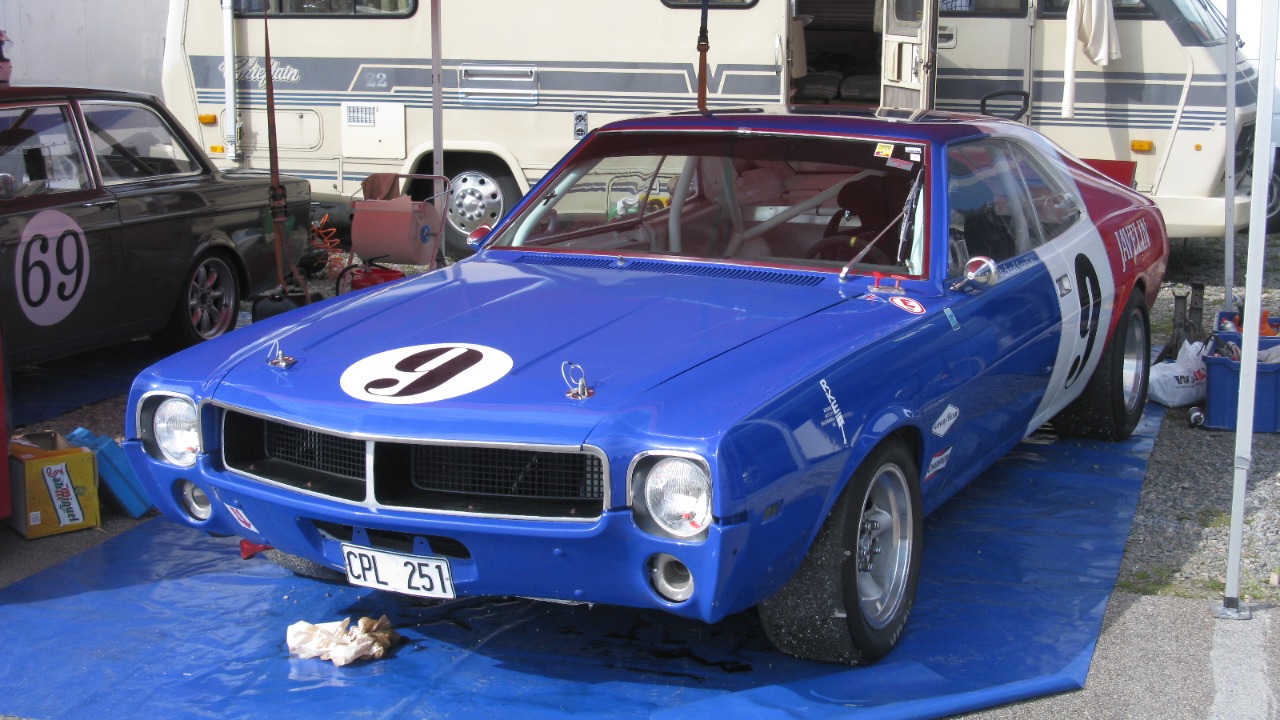
The AMC Javelin entered the pony-car market with distinctive styling and a broad selection of performance options. AMC offered increasingly powerful engines and developed competition versions that demonstrated the platform’s potential. The Javelin also became involved in professional racing, giving AMC an opportunity to challenge much larger manufacturers. Its success was particularly notable because AMC had fewer resources than Detroit’s largest automakers. The Javelin eventually became overshadowed by the Mustang and Camaro, but it provided buyers with a genuine American performance alternative and showed how smaller manufacturers could compete in the segment.
AMC AMX
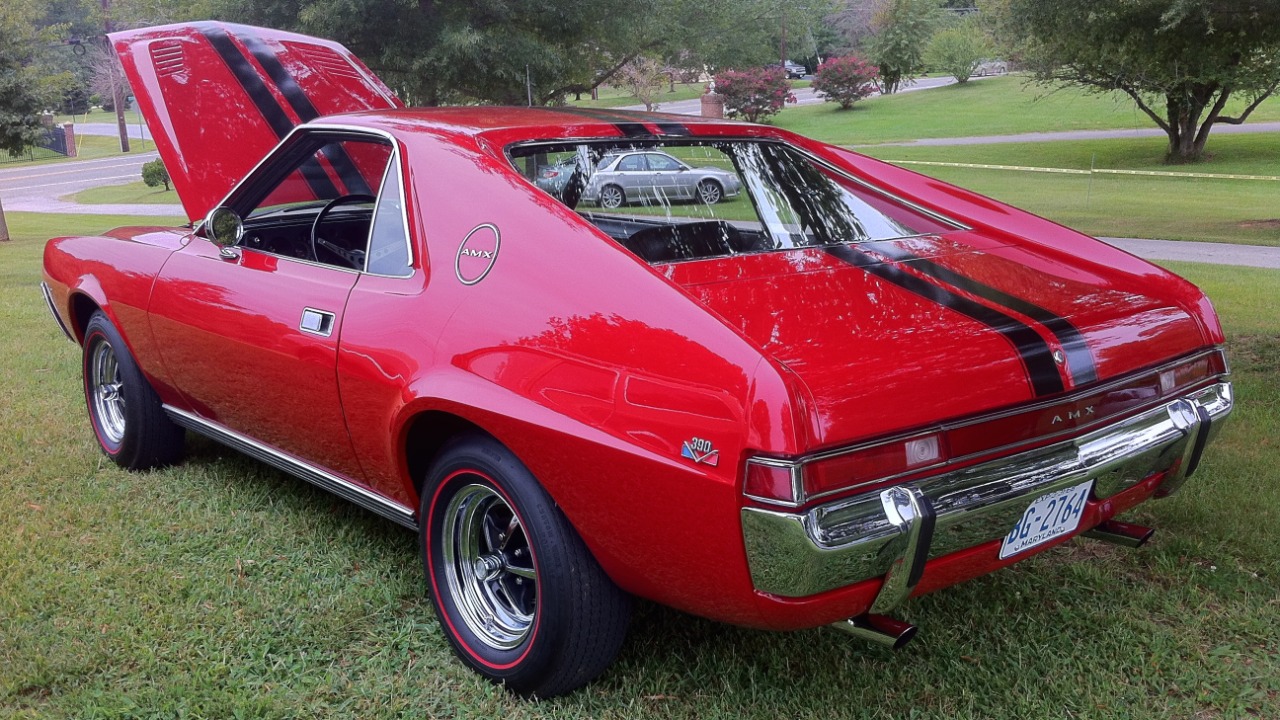
The AMC AMX took the Javelin’s performance formula and shortened it into a two-seat sports car. Its compact dimensions, powerful V8 options, and aggressive styling gave it a character unlike most American performance cars of the period. The AMX was also priced below many traditional two-seat sports cars, making its performance more accessible. Despite its short production run, it demonstrated that American manufacturers could create a relatively compact sports car with serious V8 power. Today, the AMX remains one of the clearest examples of AMC pursuing a performance concept outside the mainstream.
Plymouth Barracuda
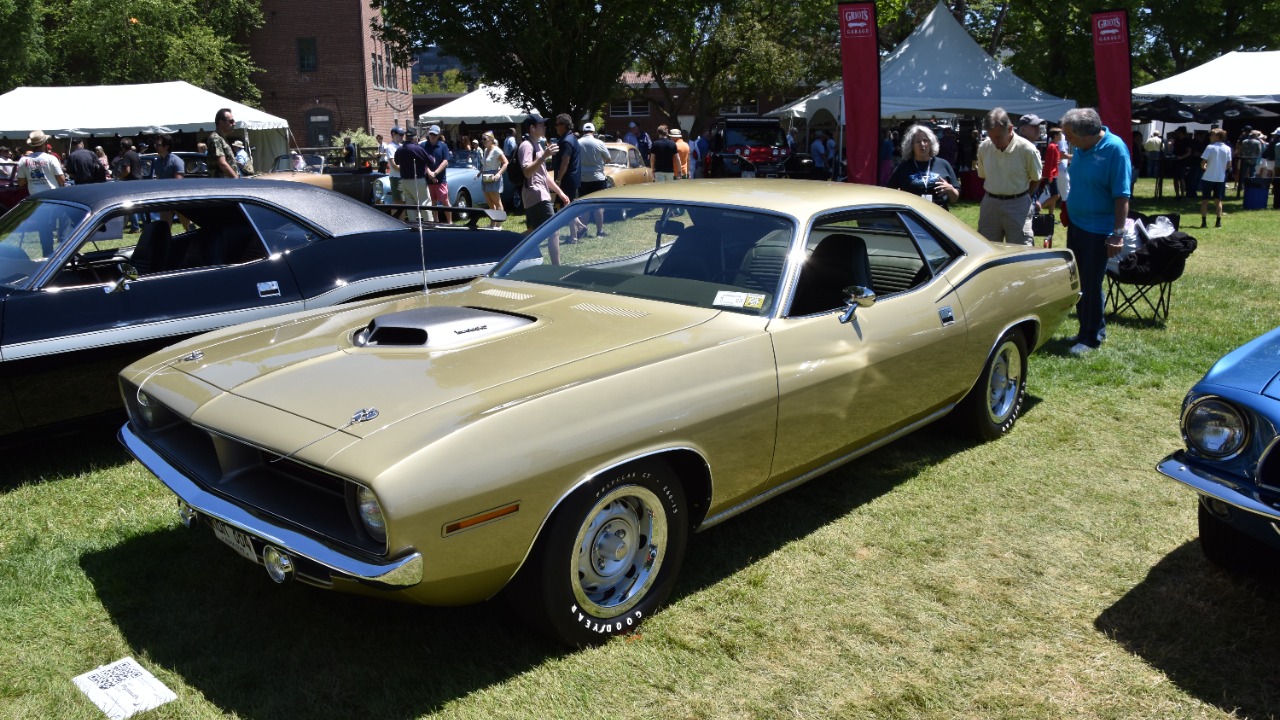
The Plymouth Barracuda arrived before the Mustang and helped establish the American pony-car concept. Its fastback styling, compact dimensions, and available V8 engines gave Plymouth an early entry into the emerging youth-performance market. Later versions became increasingly aggressive, particularly when larger engines became available. The Barracuda eventually developed into a serious muscle car, but its early importance is sometimes forgotten because the Mustang became the dominant symbol of the segment. Plymouth’s original formula demonstrated that sporty styling and V8 performance could be packaged into a smaller and more affordable American car.
Mercury Cougar
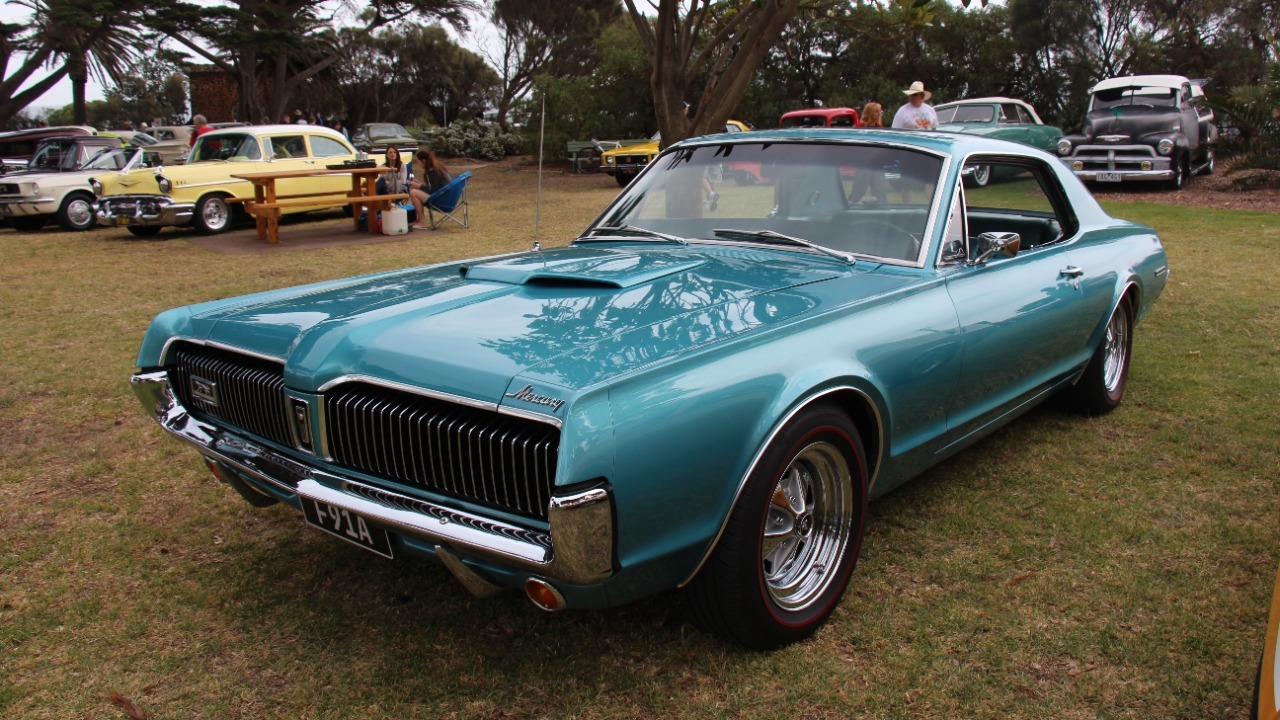
The Mercury Cougar combined pony-car performance with a more sophisticated character than many competitors. Built on a Mustang-related platform, it offered powerful V8 engines, a longer body, and a more upscale interior. Mercury also gave the Cougar equipment aimed at improving its handling and driving experience. The result was a car positioned between a basic sporty coupe and a traditional muscle car. Although the Mustang received far more attention, the Cougar demonstrated that the pony-car formula could be adapted toward comfort and refinement without abandoning performance.
Pontiac Firebird Trans Am
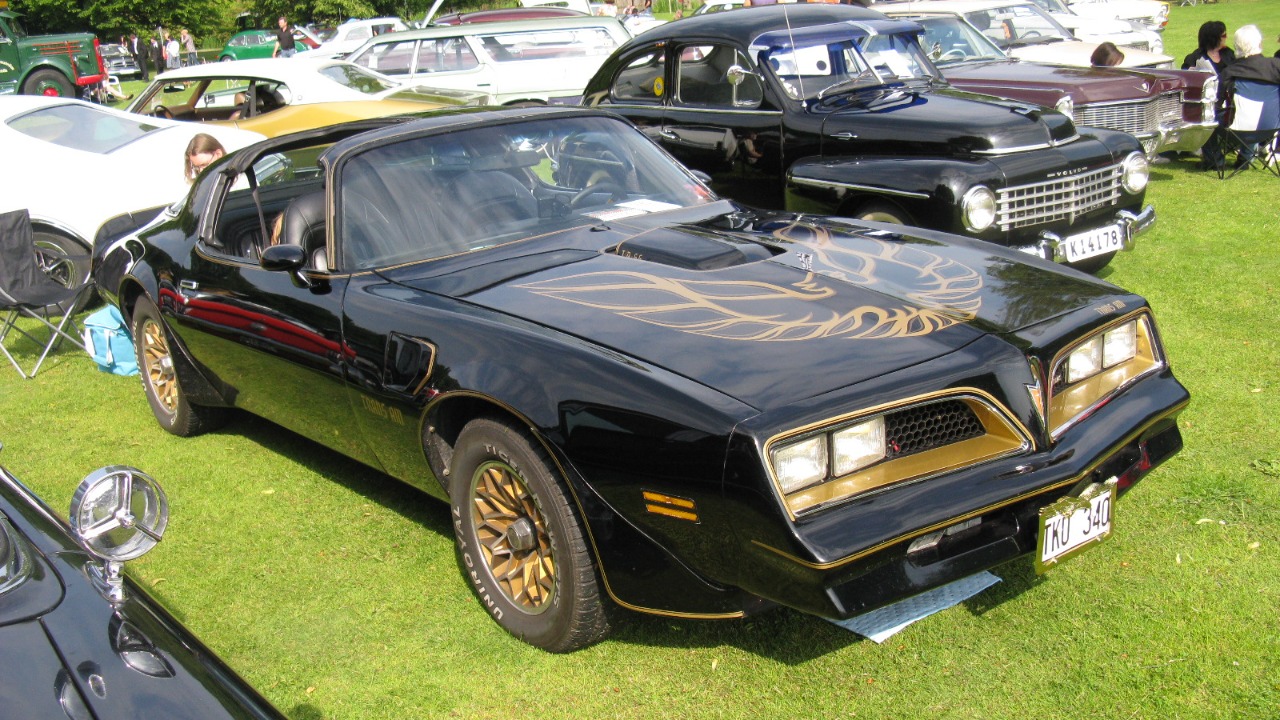
The Pontiac Firebird Trans Am became an important performance name, but its engineering development is sometimes overshadowed by its appearance and pop-culture reputation. The Trans Am combined powerful V8 engines with upgraded suspension, larger brakes, performance tires, and distinctive aerodynamic equipment. Later versions increasingly emphasized handling and high-speed stability, making them more than simple straight-line muscle cars. Pontiac also used the model to showcase special performance packages and engineering improvements. Its ability to combine aggressive styling with chassis development helped establish a different kind of American performance car.
Chevrolet Monte Carlo SS
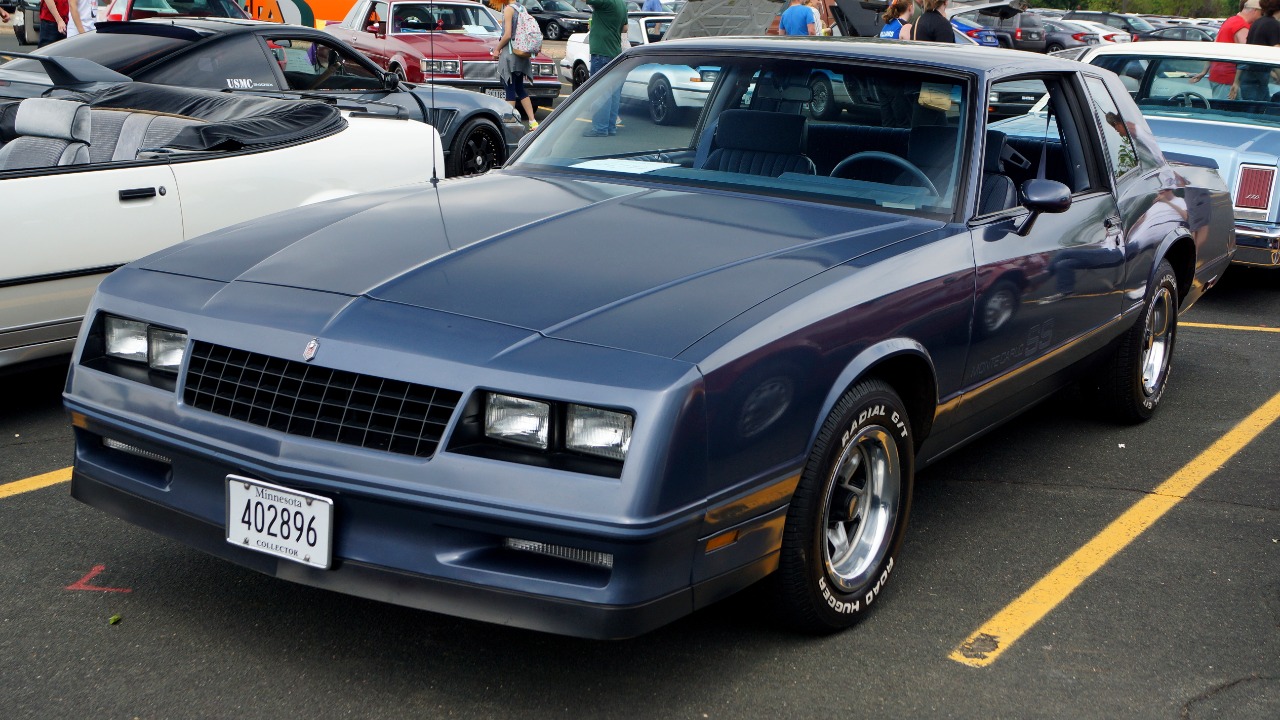
The Chevrolet Monte Carlo SS brought performance into the personal-luxury coupe market. Its aerodynamic body, sportier suspension, and V8 power created a more performance-focused alternative to ordinary Monte Carlos. Later versions became especially interesting because Chevrolet combined front-wheel drive with turbocharged power, demonstrating that American performance engineering was moving beyond the traditional V8 formula. The Monte Carlo SS never achieved the cultural status of the Camaro or Corvette, but certain versions showed how Chevrolet could adapt performance technology to a very different type of car.
Buick Grand National
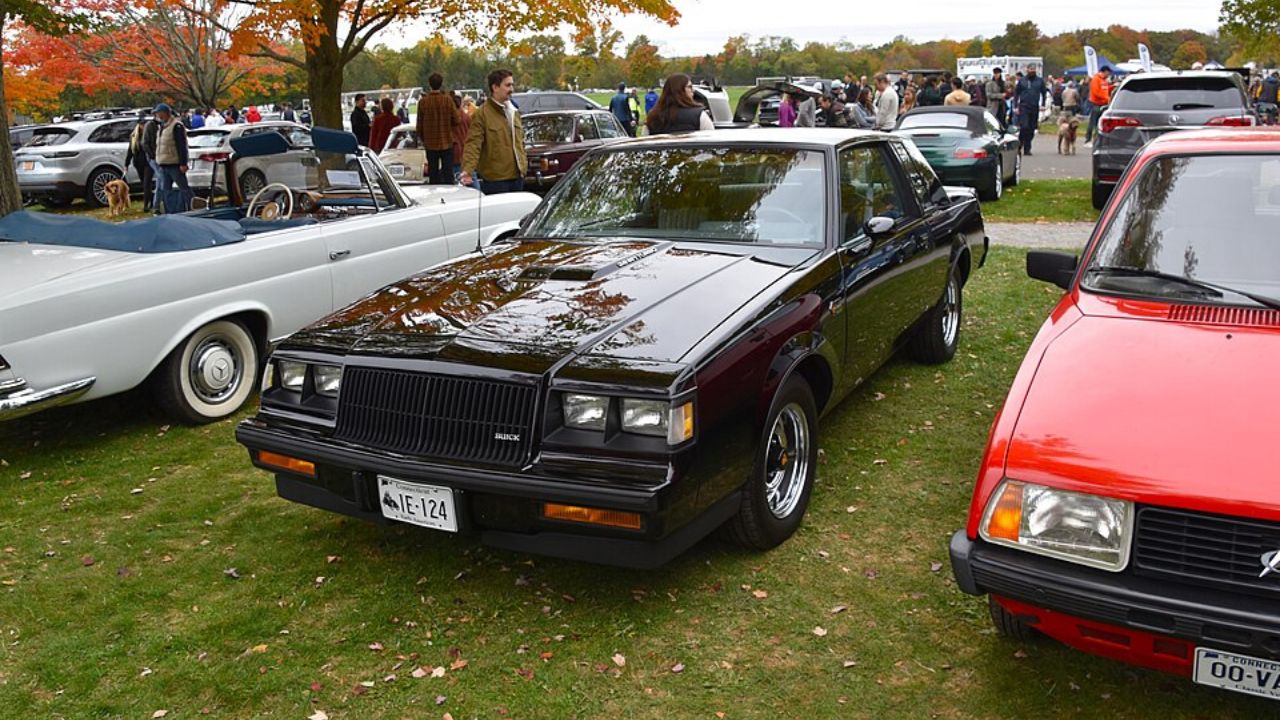
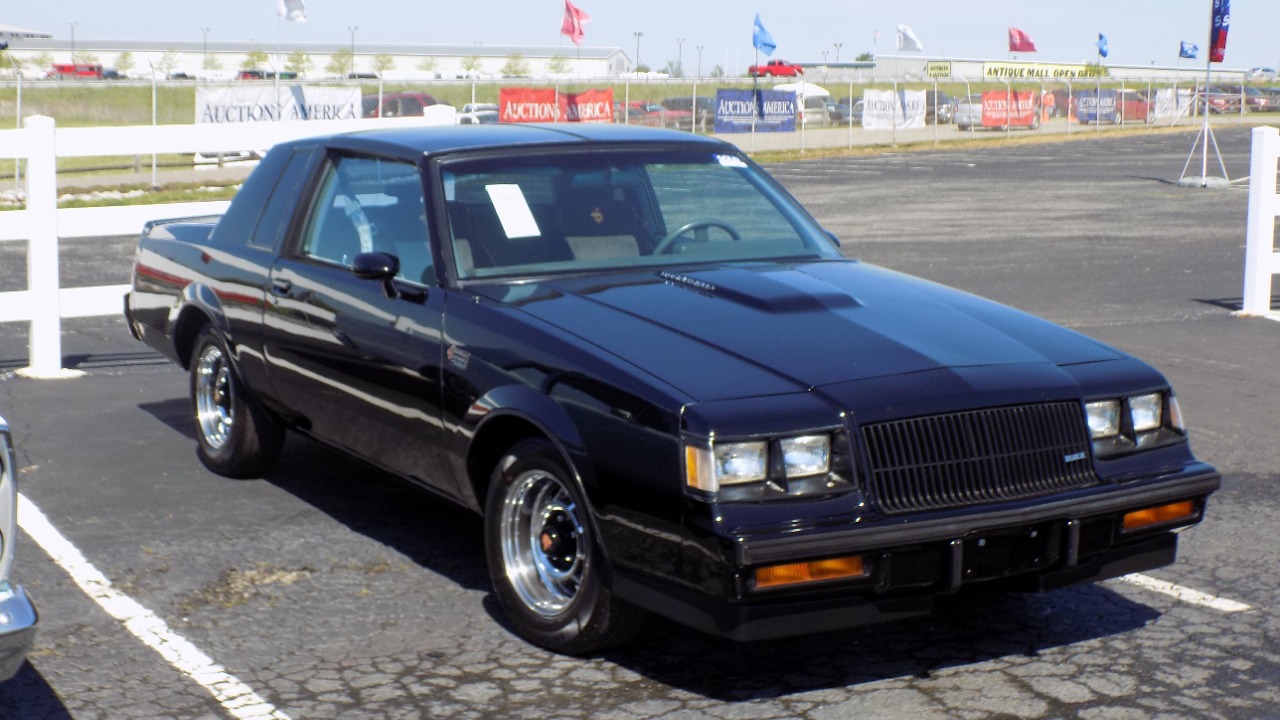
The Buick Grand National challenged the idea that serious American performance required a large naturally aspirated V8. Its turbocharged V6 delivered strong acceleration while the car retained a relatively understated appearance. Later versions became particularly powerful, and the model developed a reputation for surprising larger-displacement performance cars. The Grand National demonstrated the potential of turbocharging in an American production car at a time when forced induction was not yet mainstream in domestic performance vehicles. Its combination of torque, technology, and understated styling made it one of the era’s most distinctive performance machines.
Pontiac Fiero
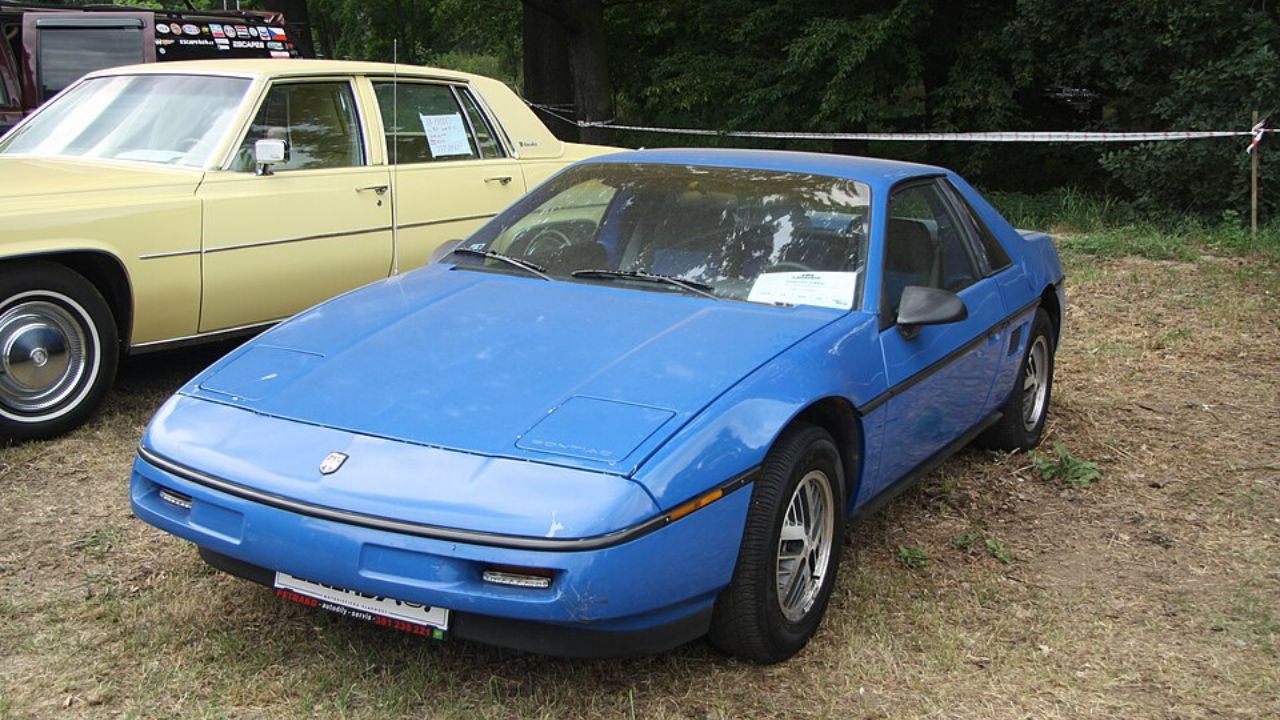
The Pontiac Fiero was an unusual experiment in affordable American sports-car design. Its mid-engine layout was highly unconventional for a mass-market domestic car, while its space-frame construction and composite body panels represented a different approach to production. Early versions were not especially powerful, but Pontiac continued developing the platform and eventually introduced stronger engines and performance-focused variants. The Fiero’s importance comes from its engineering layout rather than outright power. It showed that an American manufacturer could produce a relatively affordable mid-engine sports car long before the configuration became more common in mainstream performance vehicles.
Chevrolet Beretta GTZ
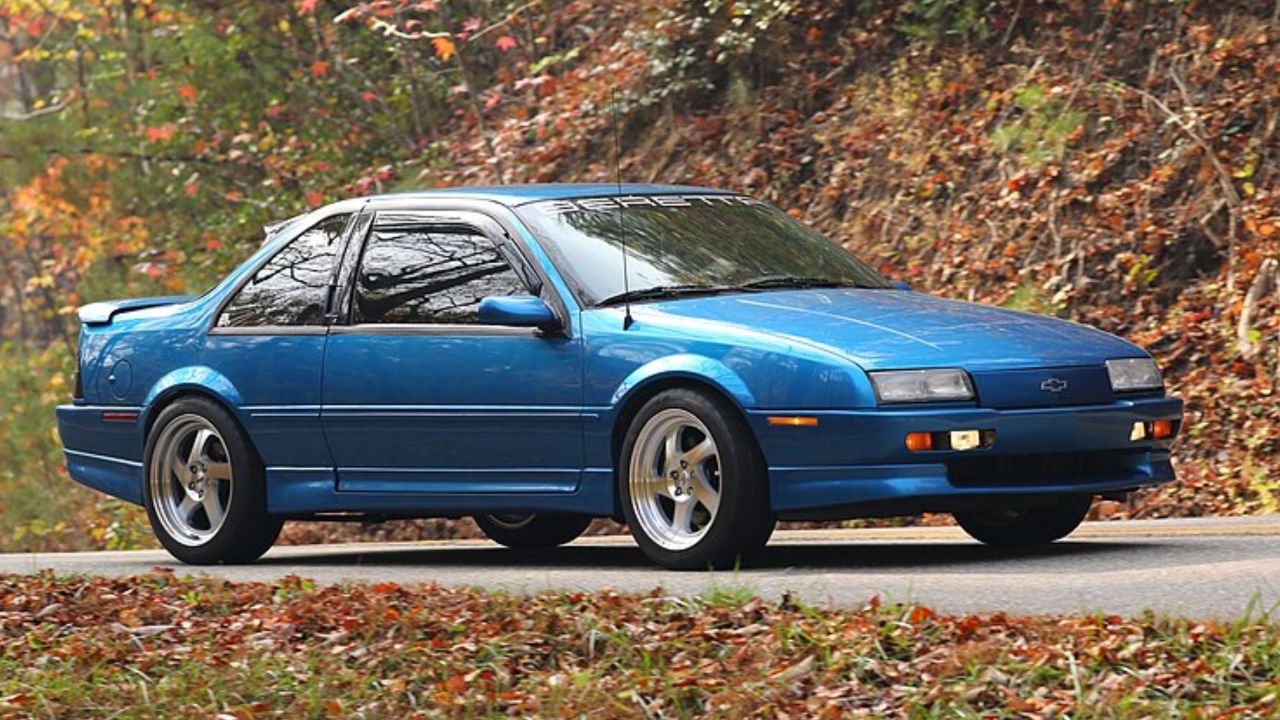
The Chevrolet Beretta GTZ represented an era when American manufacturers were beginning to take compact performance seriously. Its high-revving four-cylinder engine, sport-tuned suspension, and relatively light front-wheel-drive platform gave it a distinctly different character from traditional American muscle cars. The GTZ demonstrated that performance could be built around handling and responsiveness rather than simply displacement. Although it never reached the fame of Chevrolet’s Camaro or Corvette, the Beretta GTZ reflected the industry’s transition toward smaller performance cars during the late twentieth century.
Ford Taurus SHO
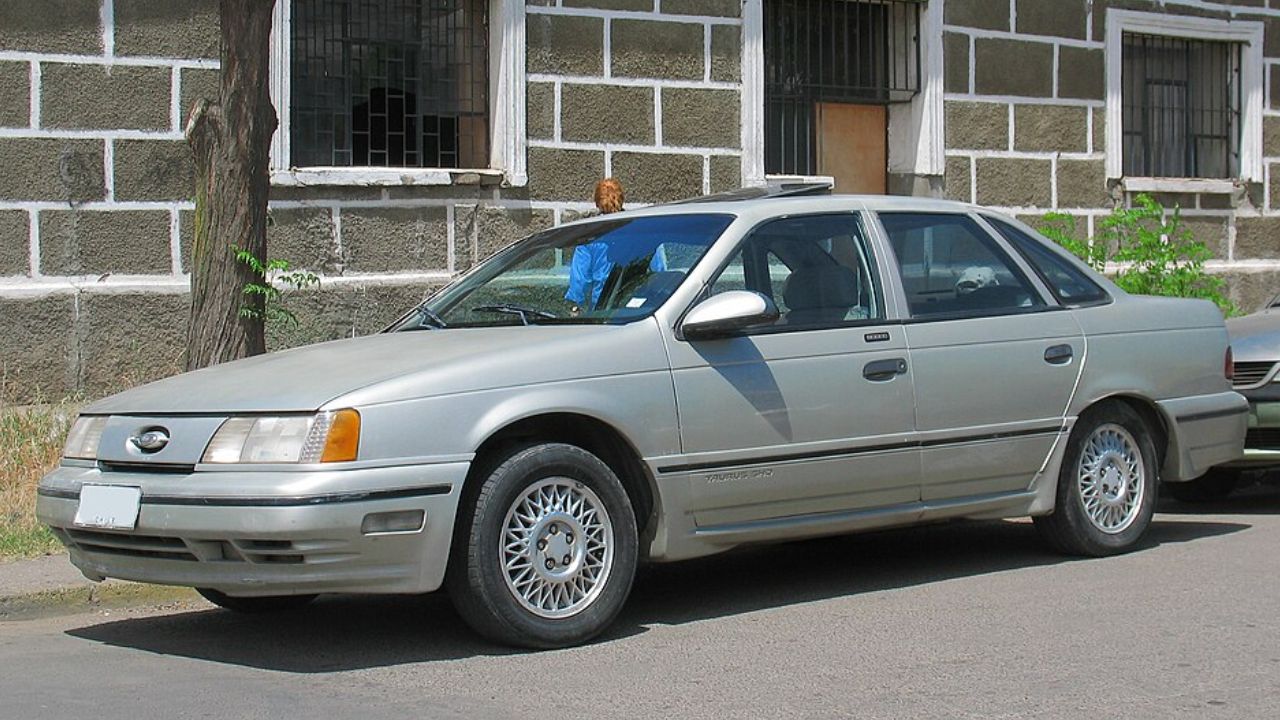
The Ford Taurus SHO was one of the most technically interesting American performance sedans of its period. Its Yamaha-developed V6 gave the family sedan considerably more power than buyers expected, while the front-wheel-drive platform provided a practical everyday layout. Later versions received additional performance improvements, making the SHO a serious sleeper. Ford effectively created a performance sedan without changing the Taurus into an obvious sports car. Its understated appearance allowed it to blend into traffic while delivering performance that was unusual for an ordinary American family sedan.
Dodge Neon SRT-4
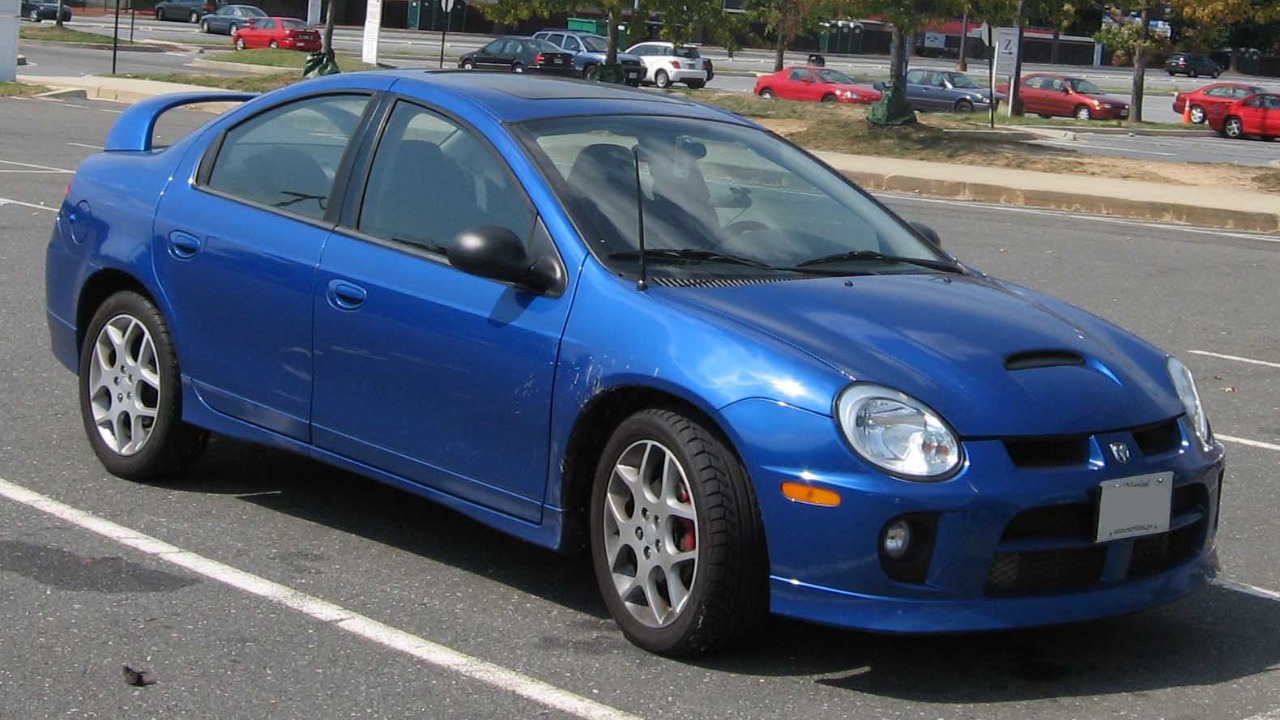
The Dodge Neon SRT-4 showed that Chrysler could build an affordable compact capable of challenging much more expensive performance cars. Its turbocharged four-cylinder engine produced substantial power, while the front-wheel-drive chassis received upgrades designed specifically for performance driving. The SRT-4’s relatively low price made its performance especially notable. It also demonstrated how turbocharging, compact dimensions, and aggressive tuning could create a distinctly modern American performance formula. While it was never as glamorous as a Viper or Challenger, the SRT-4 became an important part of the early-2000s sport-compact era.
Cadillac CTS-V

The Cadillac CTS-V helped change perceptions of what an American luxury sedan could be. Cadillac combined a performance-oriented chassis with a powerful V8 and developed the car to compete directly with established European sport sedans. Later generations became increasingly sophisticated, adding stronger engines, improved suspension technology, and more advanced braking systems. The CTS-V represented a major shift in Cadillac’s performance strategy because it treated handling and chassis engineering as seriously as engine output. Its development helped establish a modern American performance-sedan formula built around both speed and everyday usability.
More from Fast Lane Only
- Unboxing the WWII Jeep in a Crate
- 15 rare Chevys collectors are quietly buying
- 10 underrated V8s still worth hunting down
- Police notice this before you even roll window down
*Research for this article included AI assistance, with all final content reviewed by human editors.