Mopar built far more than the famous 426 Hemi. Across different eras, Chrysler, Dodge, and Plymouth produced engines that surprised drivers with strong torque, impressive horsepower, clever induction systems, or remarkable versatility. From compact small-blocks to enormous big-blocks, these 18 Mopar engines often delivered more performance than their specifications initially suggested.
225 Slant Six
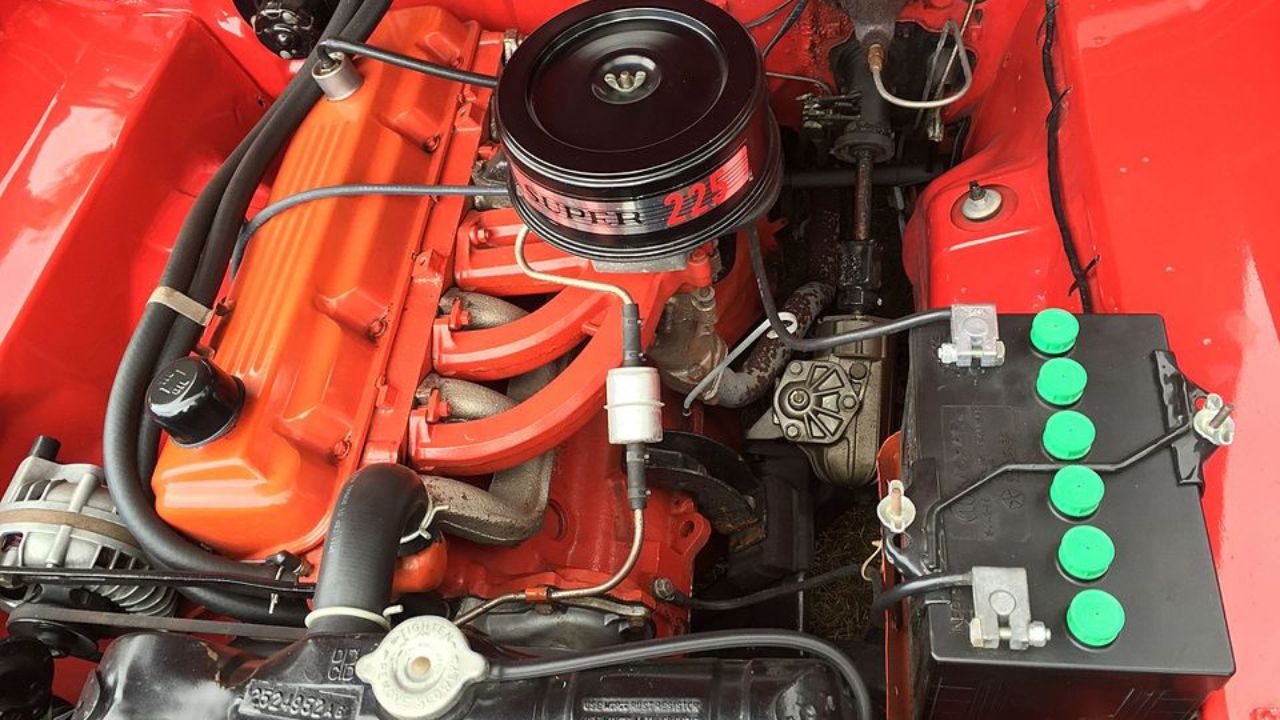
The 225 Slant Six was never intended to compete with Chrysler’s biggest V8s, yet its reputation grew from its remarkable combination of simplicity, torque, and durability. Its distinctive inclined cylinder arrangement allowed Chrysler to create a compact engine with good accessibility and a strong low-speed character. In Dodge trucks, vans, and passenger cars, the engine provided dependable everyday performance while remaining relatively economical. Its modest factory output hides what made it impressive: the ability to keep working under conditions that could challenge more complicated engines.
273 Commando
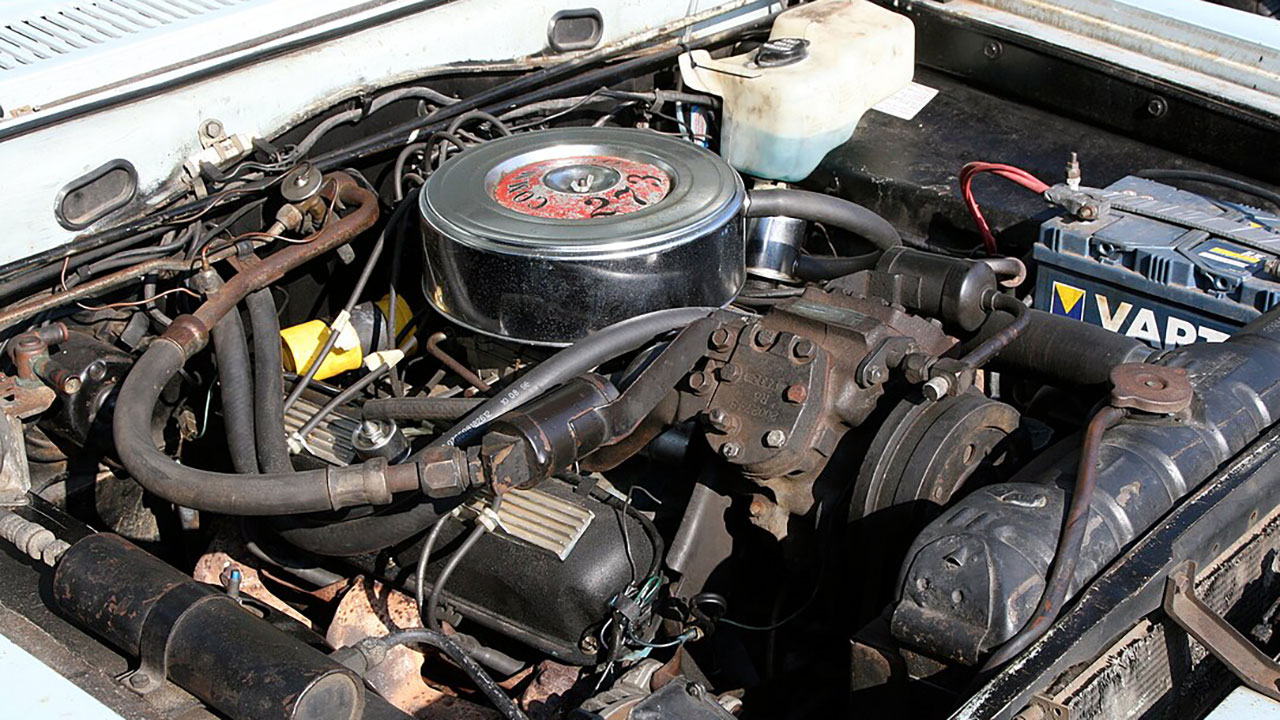
The 273 Commando demonstrated that a relatively small V8 could provide serious performance in a compact package. As part of Chrysler’s early LA-series family, it combined small displacement with a four-barrel carburetor and performance-oriented hardware. The engine was particularly effective in lighter Plymouth and Dodge models, where its compact dimensions and responsive nature made the cars feel considerably quicker than their engine size suggested. The 273 helped establish the LA architecture that later expanded into the 318, 340, and 360, making it an important foundation for Mopar’s small-block performance story.
318 V8
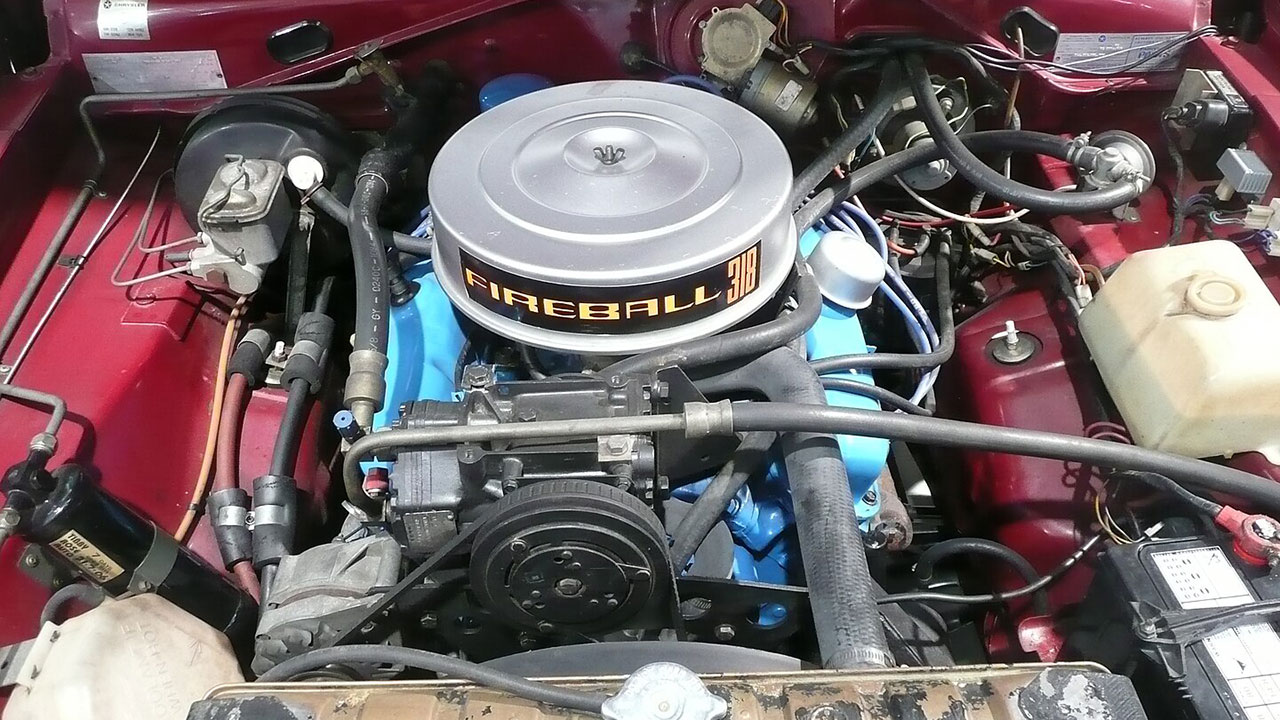
The 318 V8 earned a reputation for being a dependable everyday engine, but its potential went well beyond basic transportation. Its compact LA architecture made it easy to fit into a wide range of Chrysler products, while its relatively simple pushrod design provided an excellent foundation for modifications. Factory versions were not always performance-oriented, yet the engine could respond well to improvements in intake, exhaust, carburetion, and camshaft selection. Its combination of availability, simplicity, and adaptability allowed the 318 to become a surprisingly capable Mopar engine when properly developed.
340 V8
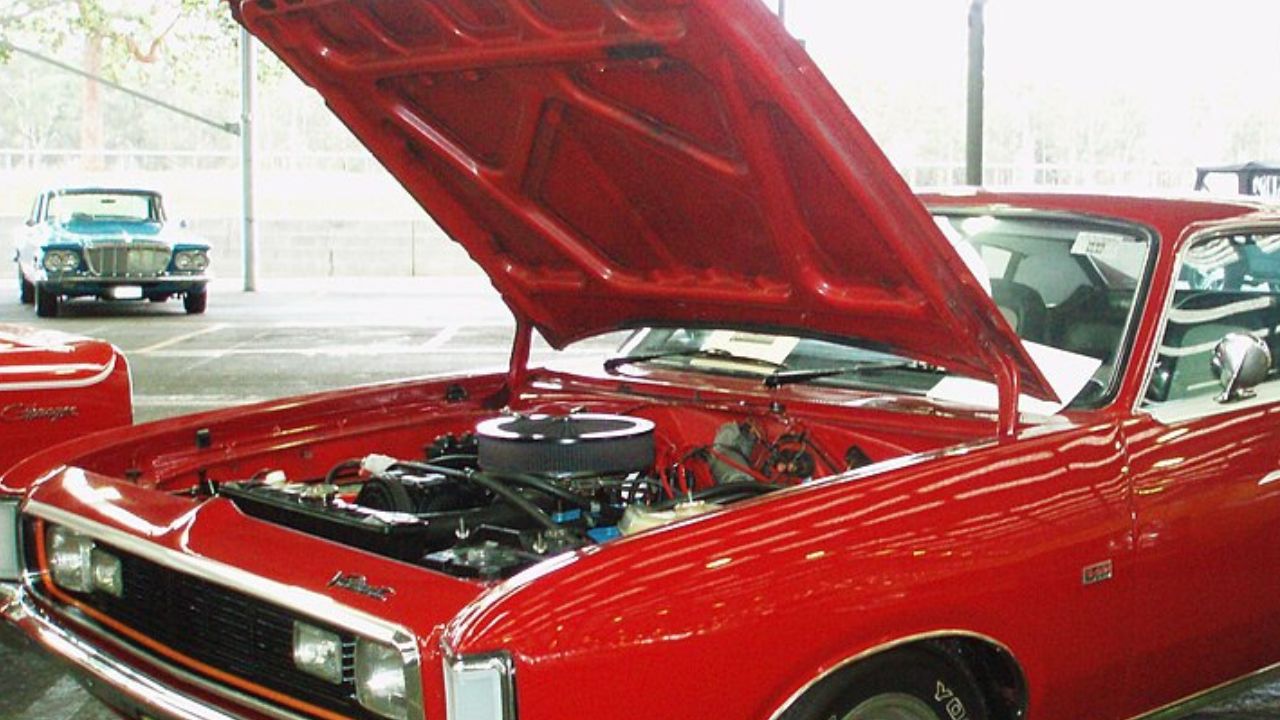
The 340 V8 was specifically developed as a performance-oriented small-block, and its output was impressive considering its relatively compact displacement. Chrysler gave it a performance-focused combination of cylinder heads, carburetion, induction, and valvetrain components. The factory rating of 275 horsepower became particularly notable because period testing sometimes indicated greater real-world output than the official figure suggested. High-performance versions included the Six-Pack and Trans Am-related applications. Unlike larger big-blocks, the 340 offered strong performance without adding as much weight to the front of a smaller car.
360 V8
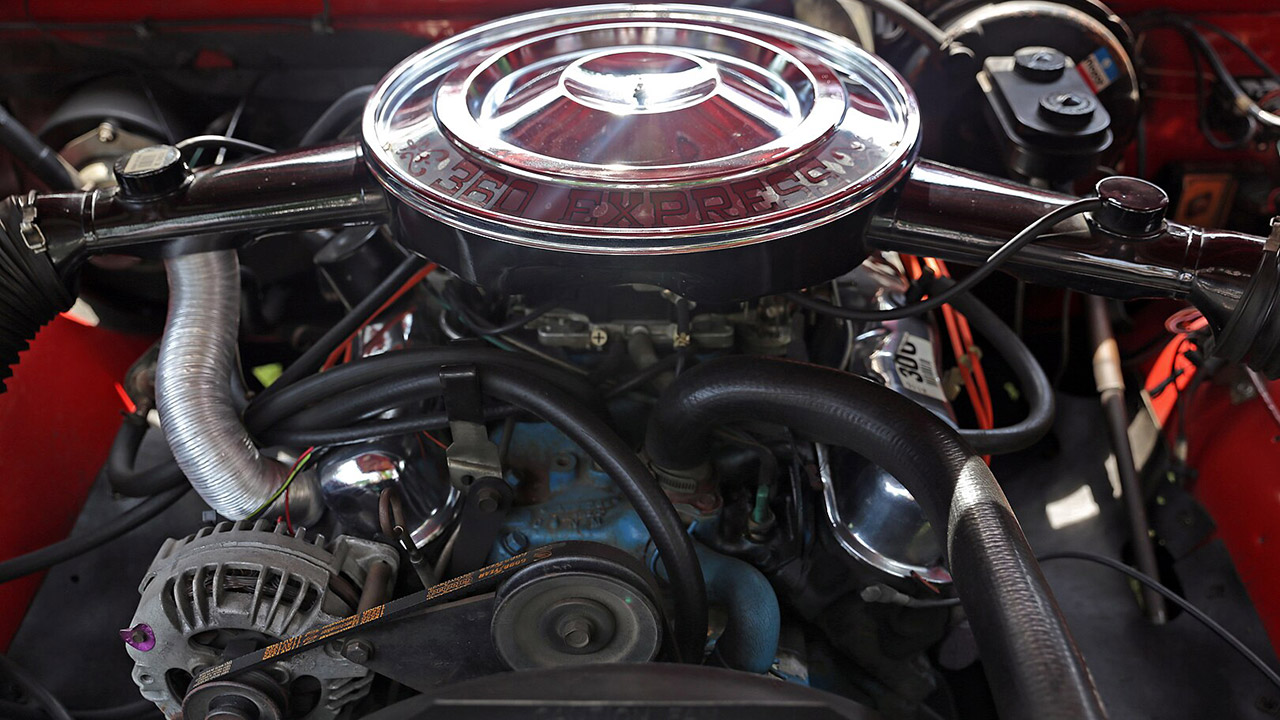
The 360 V8 occupied an interesting position in the Mopar lineup because it combined small-block dimensions with greater displacement than the 340. Its additional cubic inches gave it useful torque, making it particularly effective in trucks and larger passenger cars. Later versions also received fuel injection and other updates that kept the design relevant beyond the classic muscle-car period. The 360 did not always receive the same attention as the 340, but its larger displacement gave builders an excellent starting point for street-performance applications.
383 Magnum
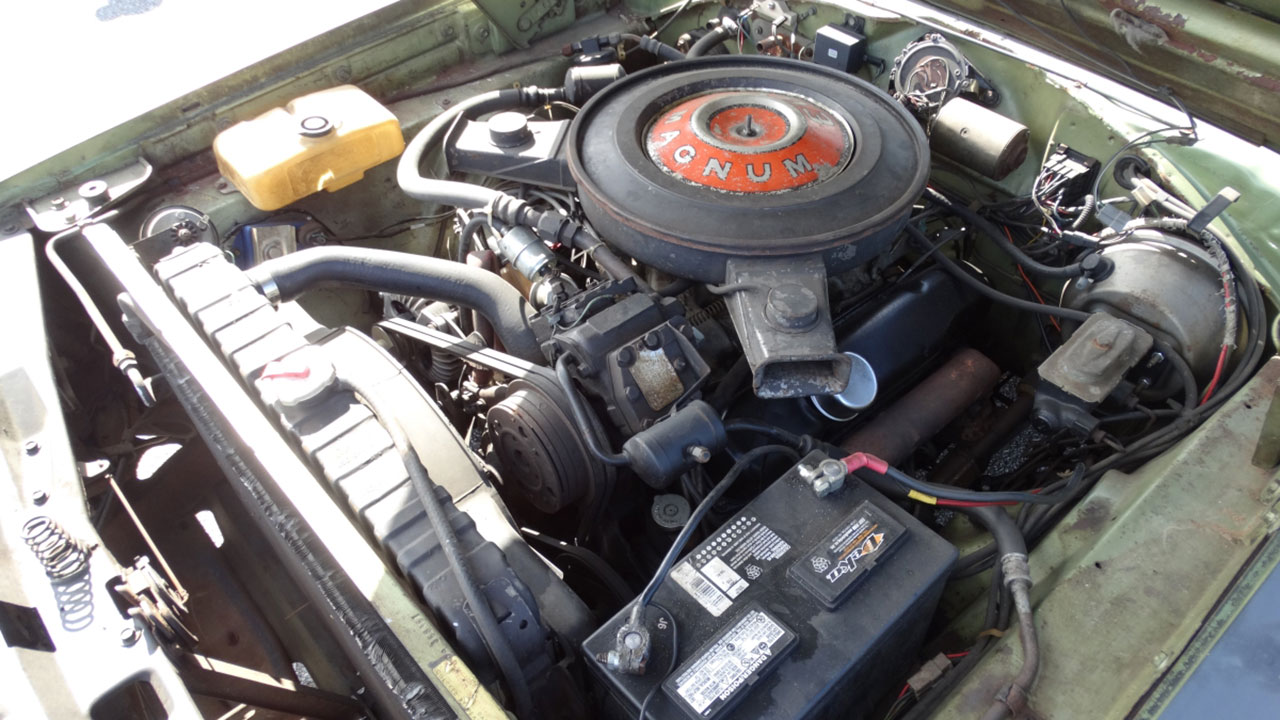
The 383 Magnum was one of Mopar’s most useful combinations of big-block torque and street-friendly performance. It was smaller than the 440 but still provided substantial displacement and strong low-end power. In performance models, four-barrel induction and other upgrades gave the engine considerably more authority than an ordinary family-car V8. The 383 was offered in several performance forms, including Magnum and Commando versions, depending on the vehicle and year. Its broad torque curve made it particularly effective for street driving, where instant response mattered as much as peak horsepower.
400 V8
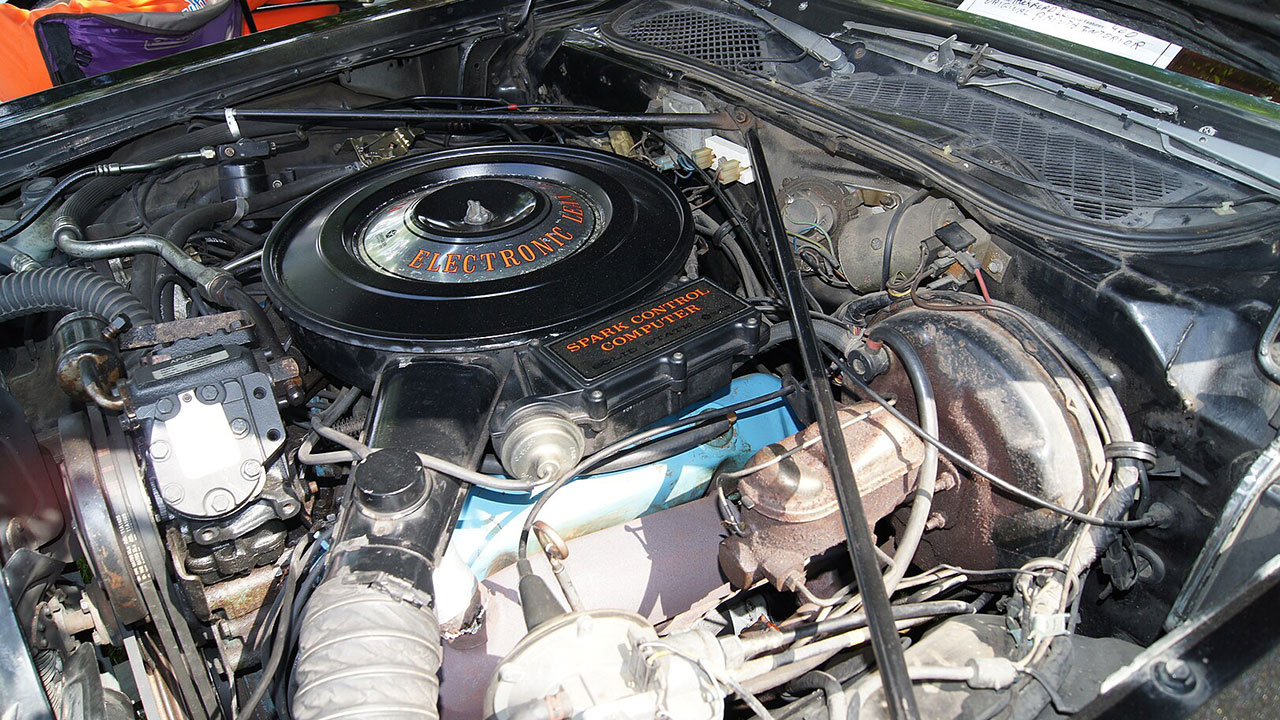
The 400 V8 arrived during a difficult period for American performance, yet its displacement gave it useful potential. As part of Chrysler’s B-series family, it used a shorter-stroke configuration that could produce strong torque while retaining a relatively compact package compared with the larger RB engines. Four-barrel versions remained available even as emissions requirements changed the character of many American V8s. The 400 often receives less attention than the 383 and 440, but its combination of displacement and architecture gave Mopar enthusiasts an effective platform for street builds.
413 Max Wedge
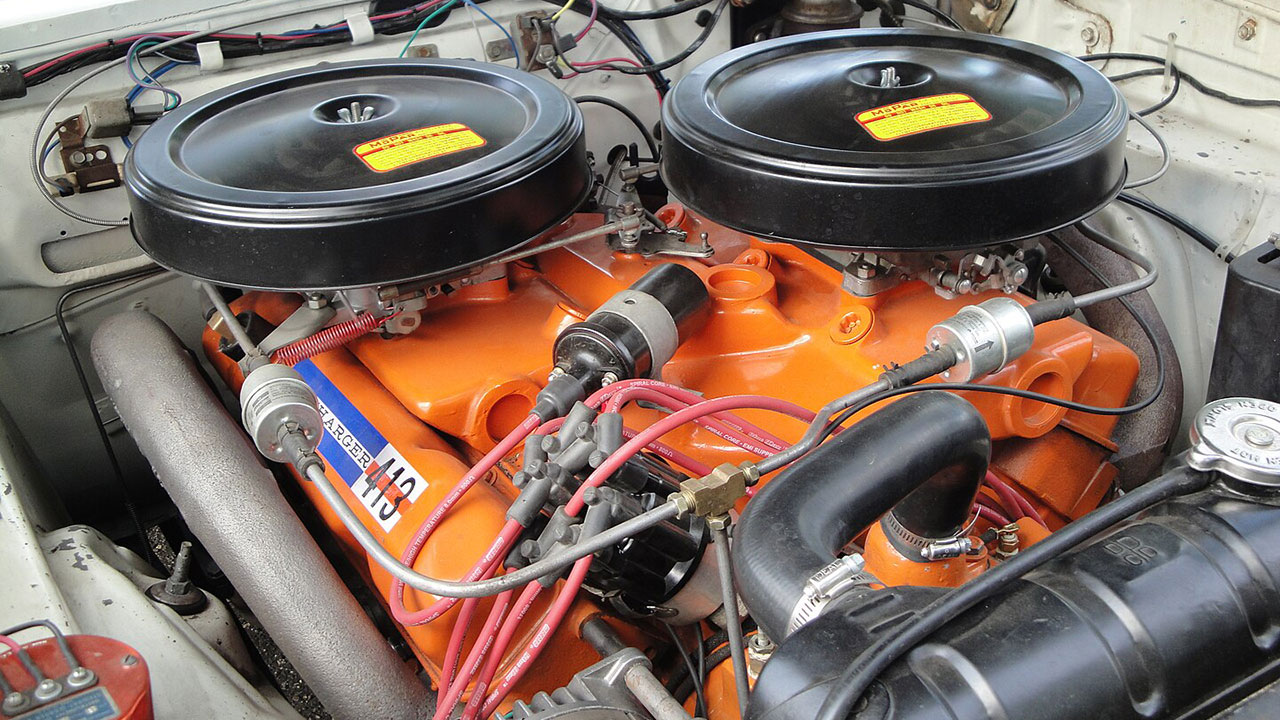
The 413 Max Wedge was a serious demonstration of what Chrysler could achieve with large-displacement engineering and advanced induction. Its ram-air system used carefully designed intake runners to improve high-speed breathing, while high-performance versions received two four-barrel carburetors. The resulting engine was developed with drag racing and high-speed competition in mind. The 1962 version was rated at 420 horsepower, an extraordinary figure for its era. The 413 Max Wedge helped establish Chrysler’s reputation for factory-built performance engines that could compete directly with specialized racing machinery.
426 Max Wedge
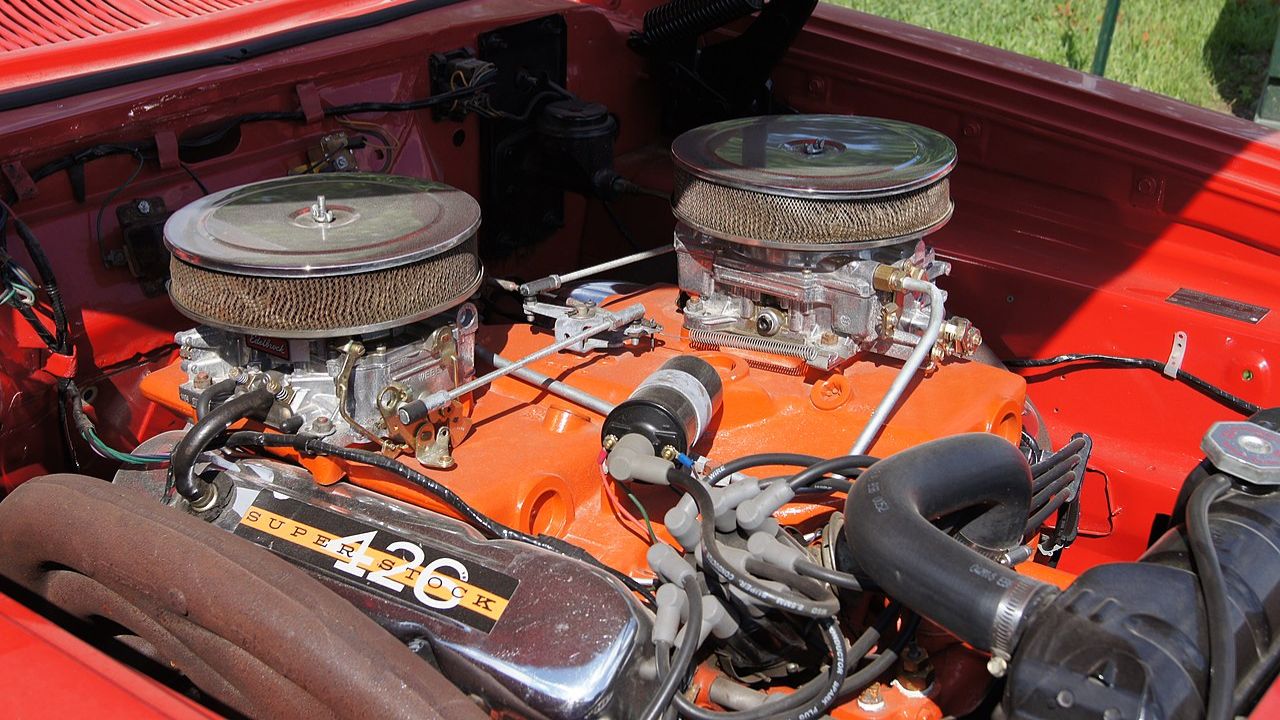
The 426 Max Wedge continued Chrysler’s factory drag-racing development by increasing displacement and refining the high-performance package. With dual four-barrel carburetors and ram induction, it was designed to move large amounts of air at high engine speeds. Factory versions were rated around 425 horsepower, making the engine a formidable choice for Chrysler and Plymouth performance cars. Its competition success helped create the foundation for the later 426 Hemi. The Max Wedge engines demonstrated that Chrysler’s performance program was already extremely serious before the Hemi became the company’s most famous racing engine.
440 Magnum
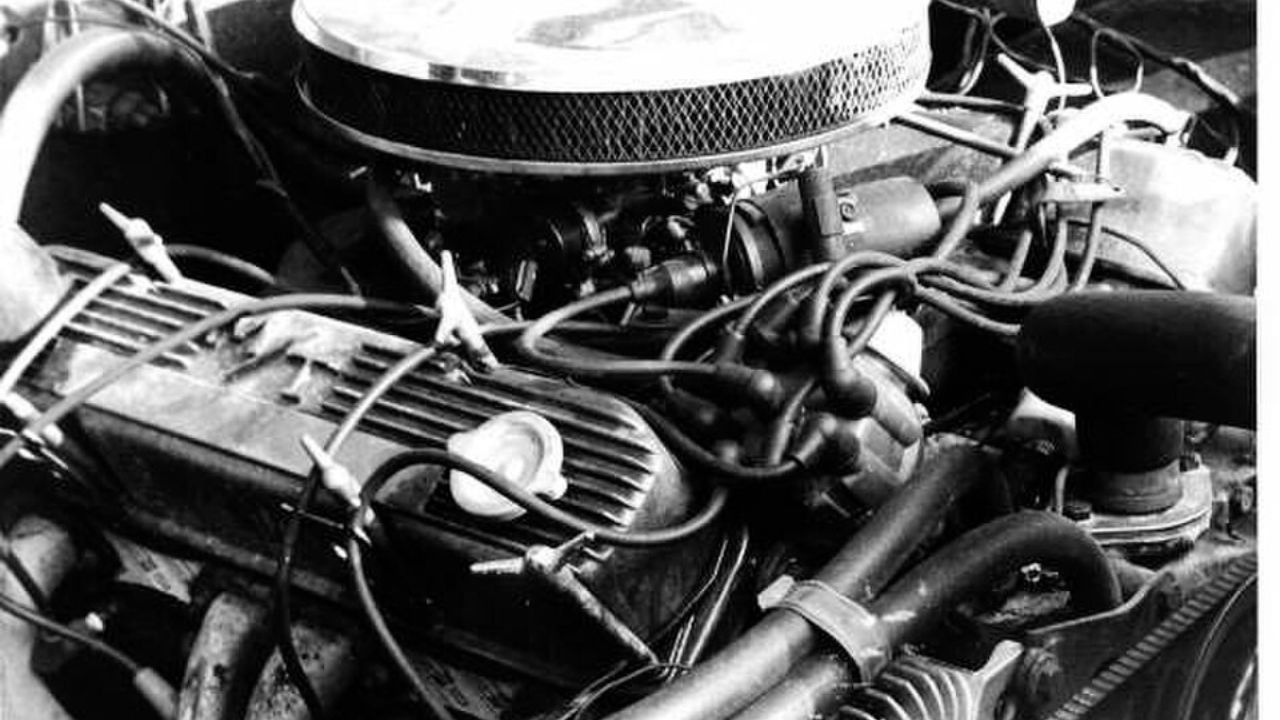
The 440 Magnum became one of the defining Mopar big-blocks because it combined enormous displacement with strong street manners. Its 7.2-liter size produced substantial torque, while the four-barrel carburetor gave performance models strong top-end breathing. Factory ratings reached 375 horsepower and 480 lb-ft in earlier high-performance applications. The engine was used across Dodge, Plymouth, and Chrysler performance models, where its combination of power and drivability made it particularly versatile. It did not need exotic technology to deliver impressive acceleration; displacement and careful engineering did most of the work.
440 Six-Pack
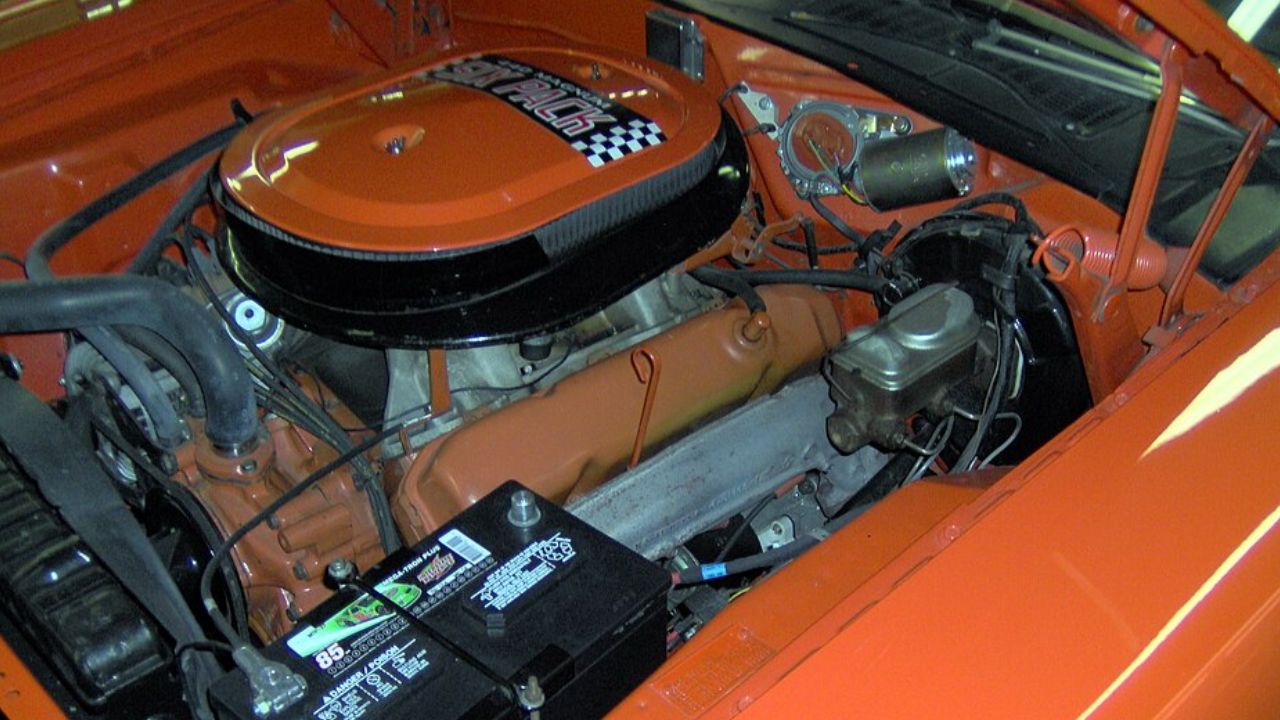
The 440 Six-Pack took the already powerful 440 and added a three-two-barrel carburetor arrangement designed to provide additional airflow under demanding conditions. Factory versions reached 390 horsepower and 490 lb-ft of torque in 1970 applications. That combination gave large Mopar muscle cars exceptional straight-line performance without requiring the expensive 426 Hemi. The induction system also gave the engine a distinctive personality, with the center carburetor handling normal operation while the outer units supplied additional airflow. The 440 Six-Pack became one of Mopar’s most recognizable high-performance engine packages.
426 Hemi
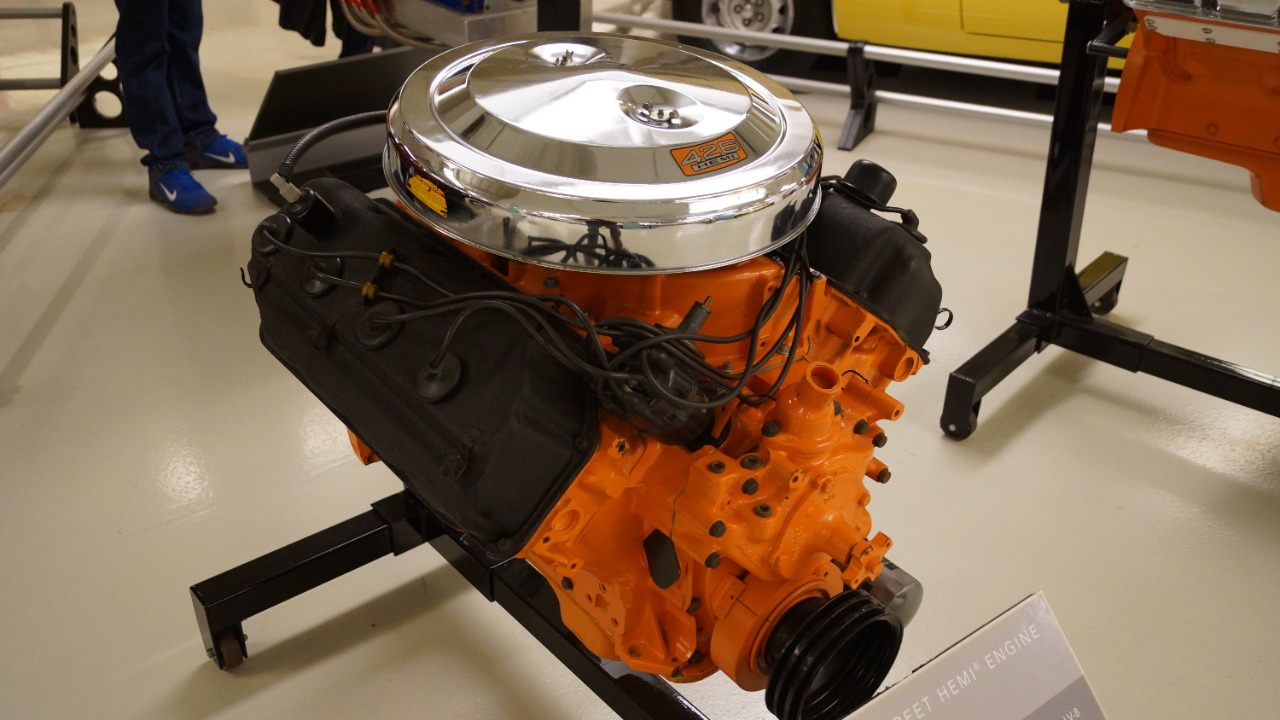
The 426 Hemi became famous for its hemispherical combustion chambers, high-flowing cylinder heads, and extraordinary performance potential. Introduced for production use in the muscle-car era, it was developed from Chrysler’s racing experience and quickly became one of the most formidable factory performance engines available. Its 425-horsepower rating and 490 lb-ft of torque made it extremely competitive, although its high option price limited production. The Hemi was not simply a large V8; its cylinder-head design allowed it to breathe exceptionally well at high engine speeds, contributing to its legendary status.
5.7 Hemi
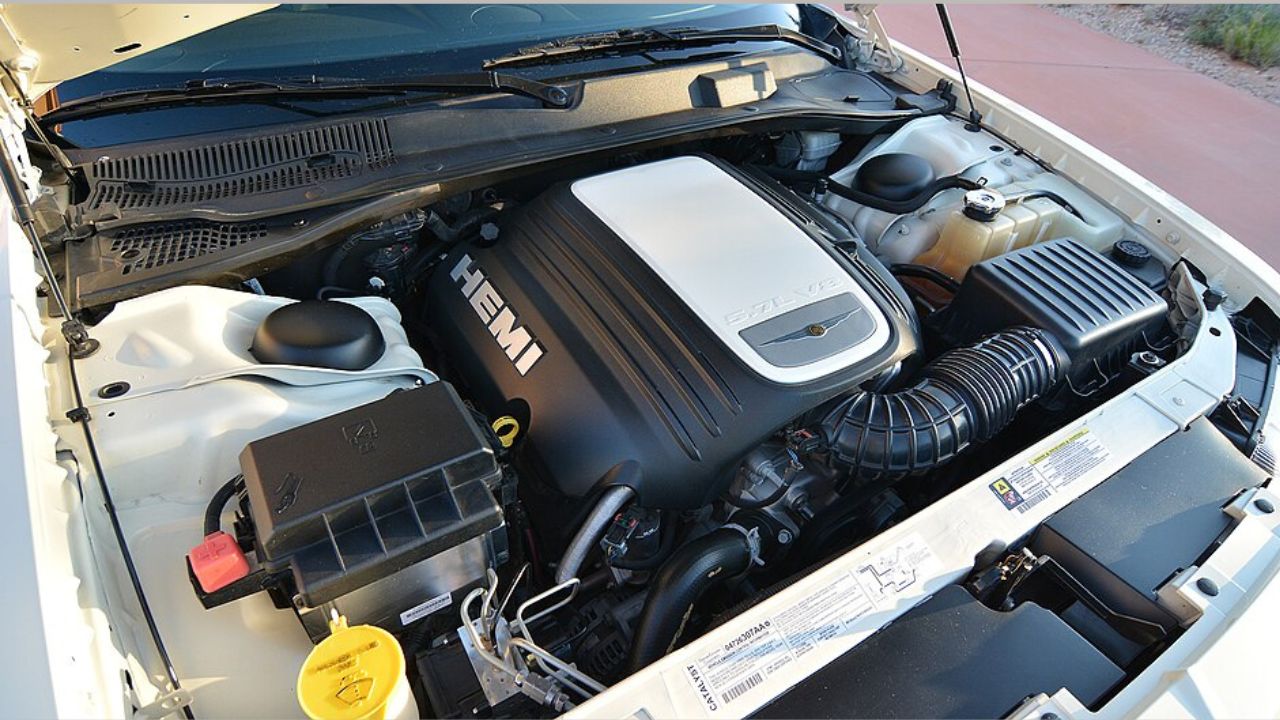
The 5.7 Hemi brought Chrysler’s hemispherical-head concept into the modern era while combining it with electronic fuel injection and contemporary engine management. Introduced in the early 2000s, it became a major engine for Dodge, Chrysler, and Jeep products. Its displacement was much smaller than classic big-blocks, yet modern engineering allowed it to provide strong horsepower and torque while remaining suitable for everyday vehicles. The 5.7 also became an important foundation for later Hemi development. Its combination of traditional architecture and modern technology helped revive the Hemi name for a new generation.
6.1 Hemi
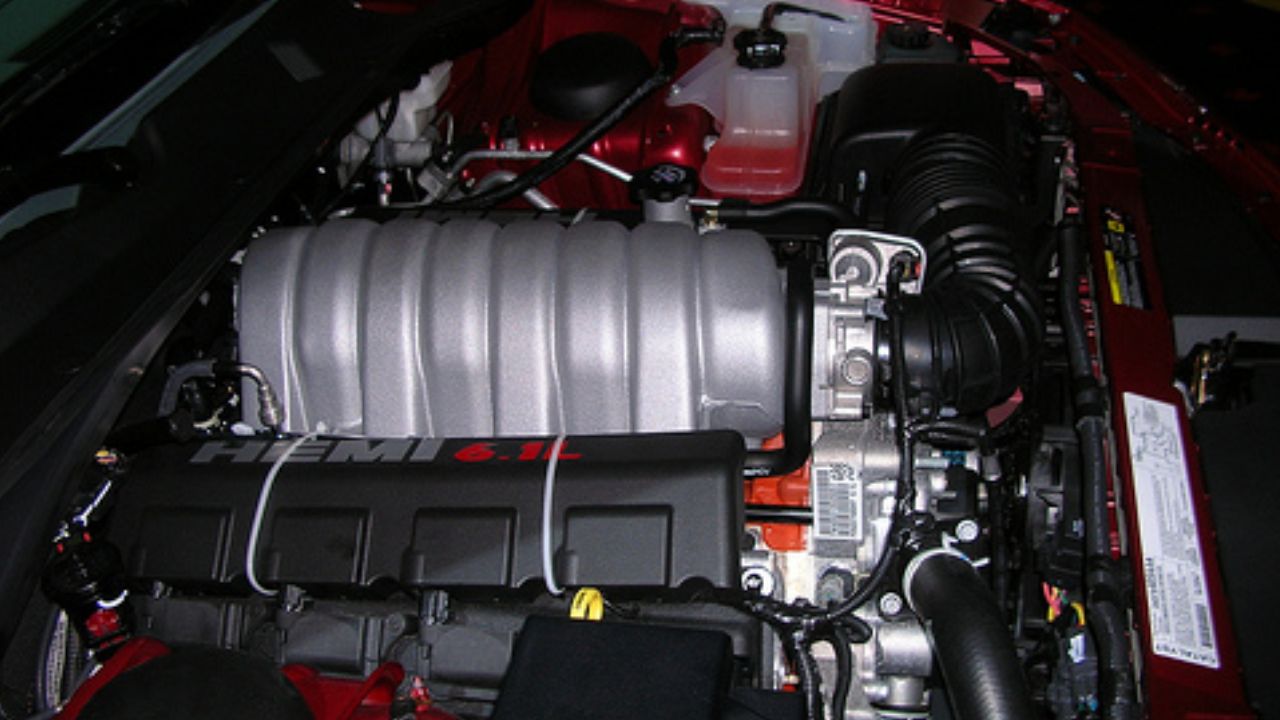
The 6.1 Hemi transformed Chrysler’s modern Hemi into a more serious performance engine. Its larger displacement, higher-flowing cylinder heads, and performance-oriented internal components allowed it to produce substantially more power than the standard 5.7. The engine became closely associated with SRT performance vehicles and gave Dodge and Chrysler a naturally aspirated V8 capable of competing with other modern performance engines. Its importance goes beyond its output because it demonstrated that the modern Hemi architecture could be developed into a dedicated high-performance platform rather than remaining primarily a truck and passenger-car engine.
6.4 Hemi
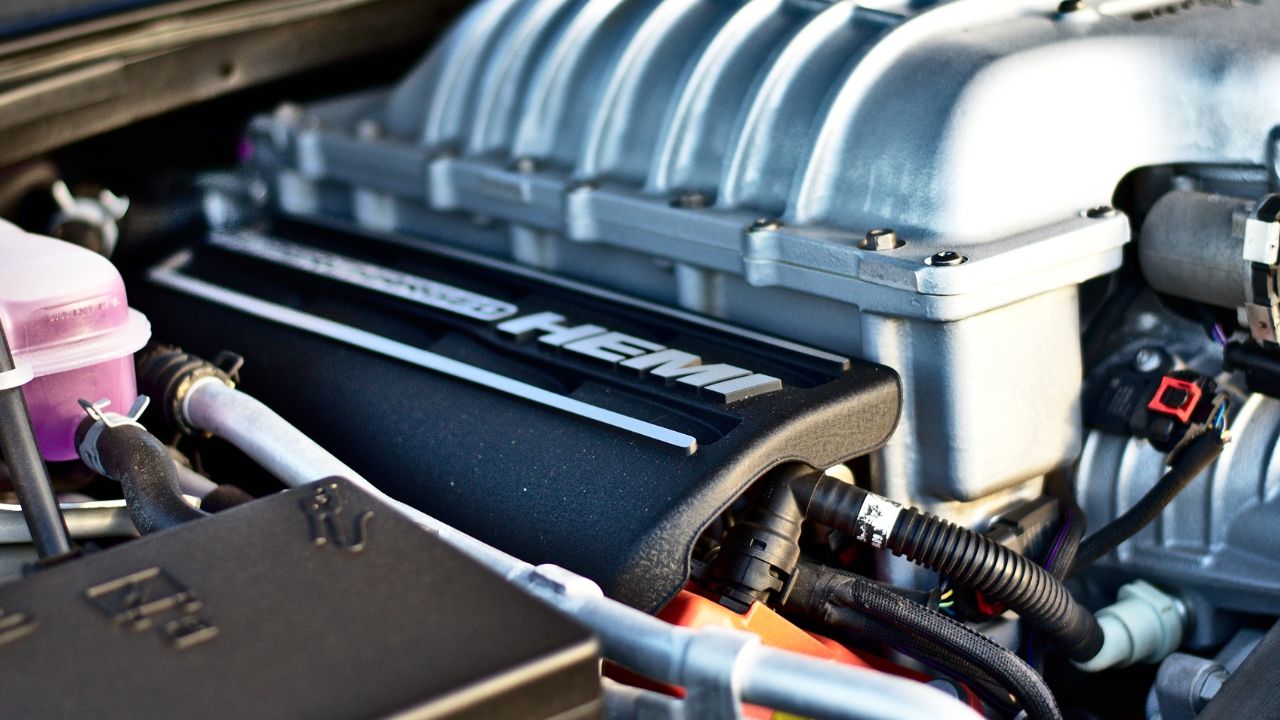
The 6.4 Hemi, also known as the Apache in Chrysler’s engine family, pushed the modern Hemi concept toward larger displacement and stronger performance. Its larger bore and modern cylinder-head design allowed it to produce substantial naturally aspirated power while remaining suitable for production vehicles. The engine became available across several performance-oriented Dodge and Chrysler products. Compared with earlier modern Hemis, the 6.4 offered a useful combination of displacement, breathing capability, and electronic engine management. It demonstrated how Chrysler could continue extracting performance from the pushrod V8 formula decades after the original muscle-car era.
6.2 Hellcat Hemi
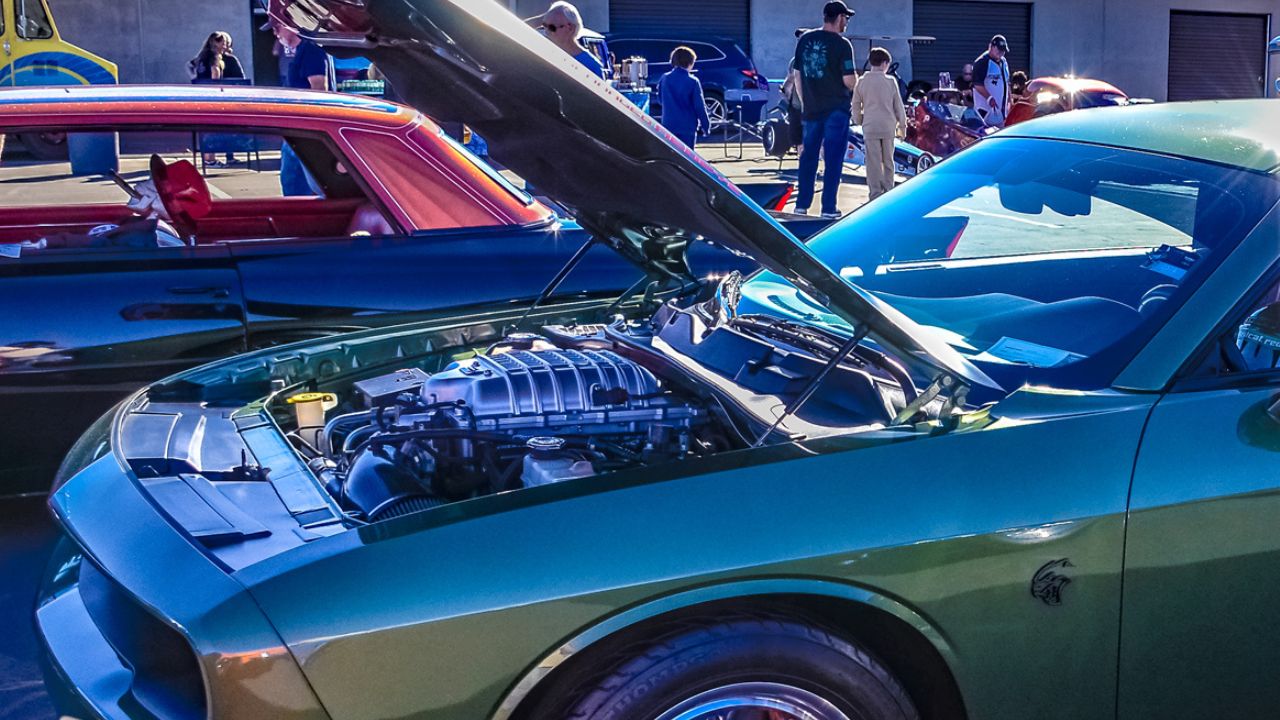
The supercharged 6.2 Hellcat Hemi dramatically changed expectations for a factory Dodge V8. Instead of relying solely on naturally aspirated displacement, Chrysler paired a large Hemi with forced induction to produce extraordinary power from a production engine. The result became one of the most recognizable modern American performance powerplants. Its development required stronger internal components, sophisticated engine management, and extensive attention to cooling and airflow. The Hellcat demonstrated that the modern Hemi architecture could support output far beyond what traditional naturally aspirated muscle-car engines delivered.
Magnum 318 V8
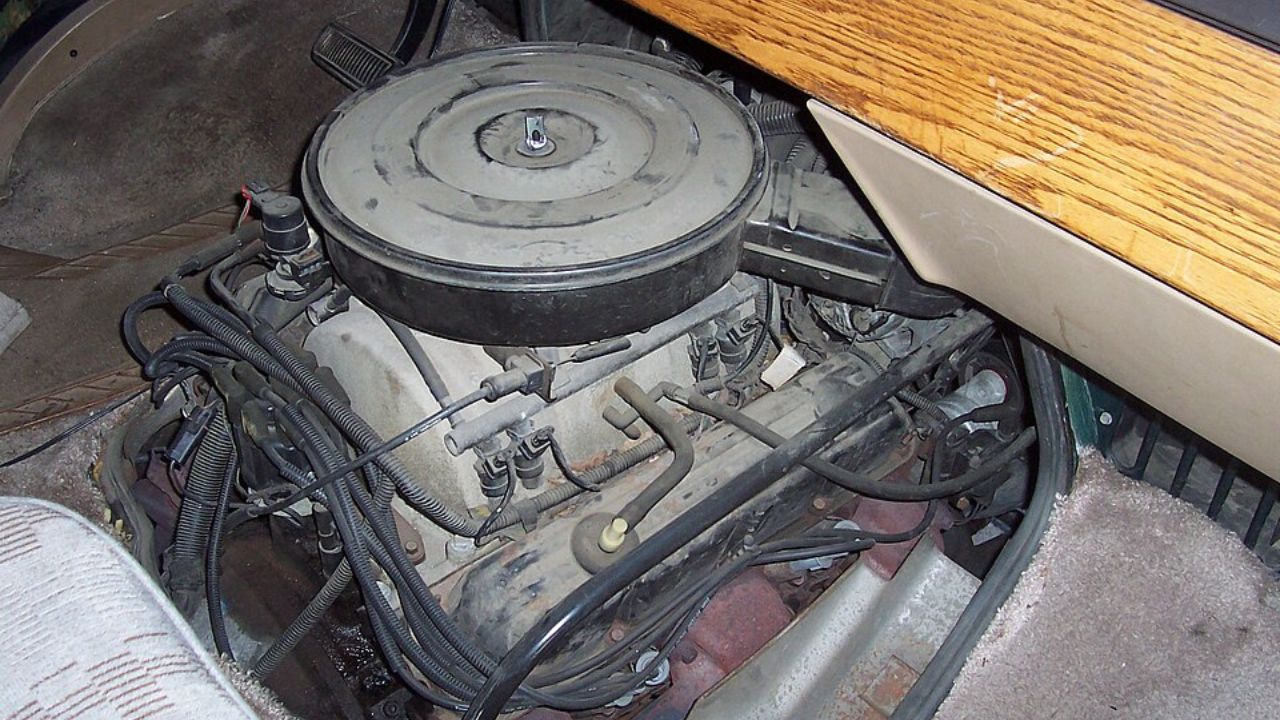
The Magnum 318 retained the familiar 5.2-liter displacement but received important modernization compared with earlier LA versions. Multi-point fuel injection, revised cylinder heads, and updated induction improved both drivability and efficiency. The engine was widely used in Dodge trucks, SUVs, and passenger vehicles, making it one of the most common modern Mopar V8s of its period. While it lacked the headline power of the Hemi engines, its combination of torque, reliability, and everyday usability made it surprisingly capable. It demonstrated that an older engine architecture could remain relevant with thoughtful engineering updates.
Viper V10

The Viper V10 represented one of Mopar’s most ambitious departures from traditional V8 design. Developed from Chrysler’s LA engine family and constructed with aluminum, the engine used ten cylinders to provide enormous displacement and torque. Its relatively simple pushrod architecture contrasted with the exotic performance of the car it powered. The V10 gave the Dodge Viper its distinctive character and helped establish Chrysler as a serious producer of American supercar performance. Its combination of huge displacement, aluminum construction, and straightforward valvetrain design made it unlike almost anything else in the Mopar lineup.
More from Fast Lane Only
- Unboxing the WWII Jeep in a Crate
- 15 rare Chevys collectors are quietly buying
- 10 underrated V8s still worth hunting down
- Police notice this before you even roll window down
*Research for this article included AI assistance, with all final content reviewed by human editors.