There are plenty of old American luxury cars that look impressive because they are enormous, heavily chromed, or covered in styling details. Packard took a different approach for much of its history. Even when its cars were large and expensive, the company generally aimed for a sense of dignity rather than simply piling on decoration. That is a big reason so many Packards still look sophisticated decades after they left the factory.
From the formal cars of the 1920s and 1930s to the streamlined Clippers, the Darrin convertibles and the 1950s Mayfair and Cavalier, Packard produced an unusually broad range of designs. Some were conservative, some were adventurous, and a few were unmistakably extravagant. Yet many still have an effortless presence today that modern luxury cars rarely manage. These 20 Packards show just how well the marque’s sense of style has aged.
1927 Packard Six
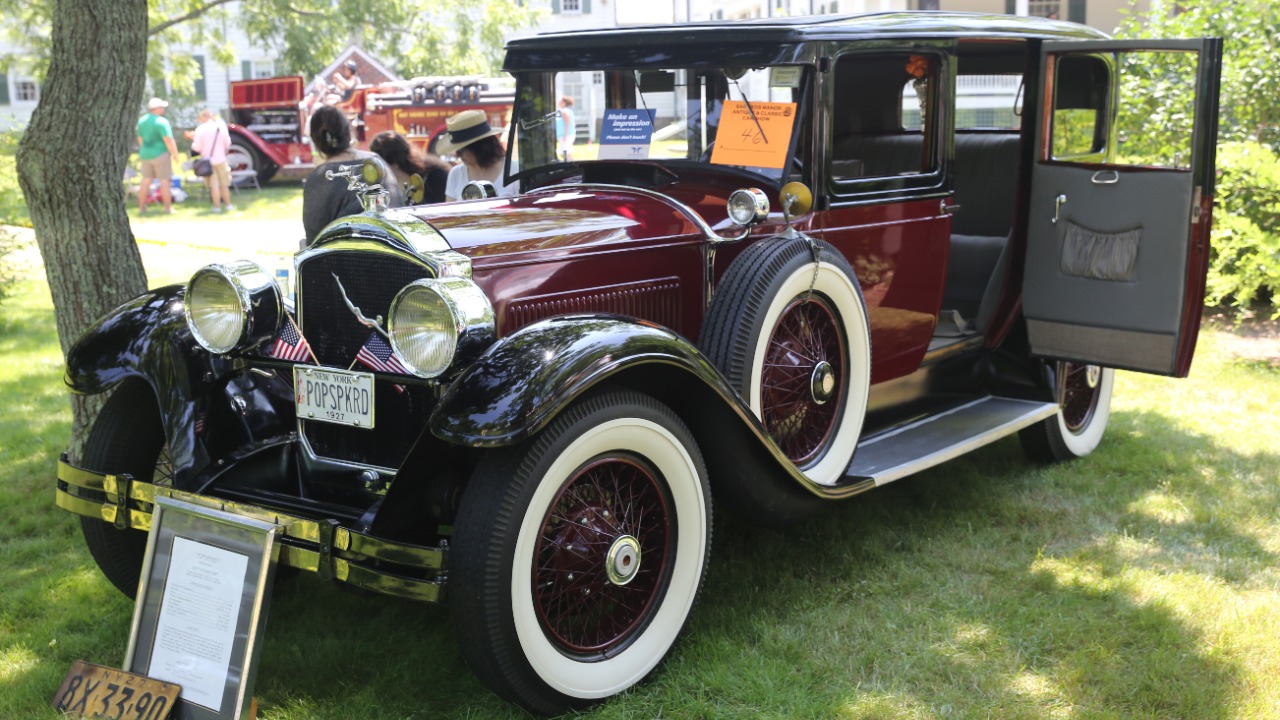
The 1927 Packard Six represents an interesting period when the company was already well established as a luxury manufacturer but had not yet reached the formal grandeur associated with some of its later classics. The Six had a relatively restrained appearance, with flowing fenders, tall proportions, and the kind of upright passenger compartment that immediately dates it to the period. Packard offered the Six in several body styles, including the 426 roadster and 433 sedan, and the Packard Club’s own showroom describes the roadster’s styling as understated elegance.
What makes a car like this appealing today is its balance. It looks unmistakably vintage without appearing awkward or excessively decorated. The long hood, simple radiator shell, narrow running boards, and carefully proportioned body give it a formal character that still works visually. It is a reminder that Packard did not need a massive engine or acres of chrome to make one of its cars look expensive.
1928 Packard Eight
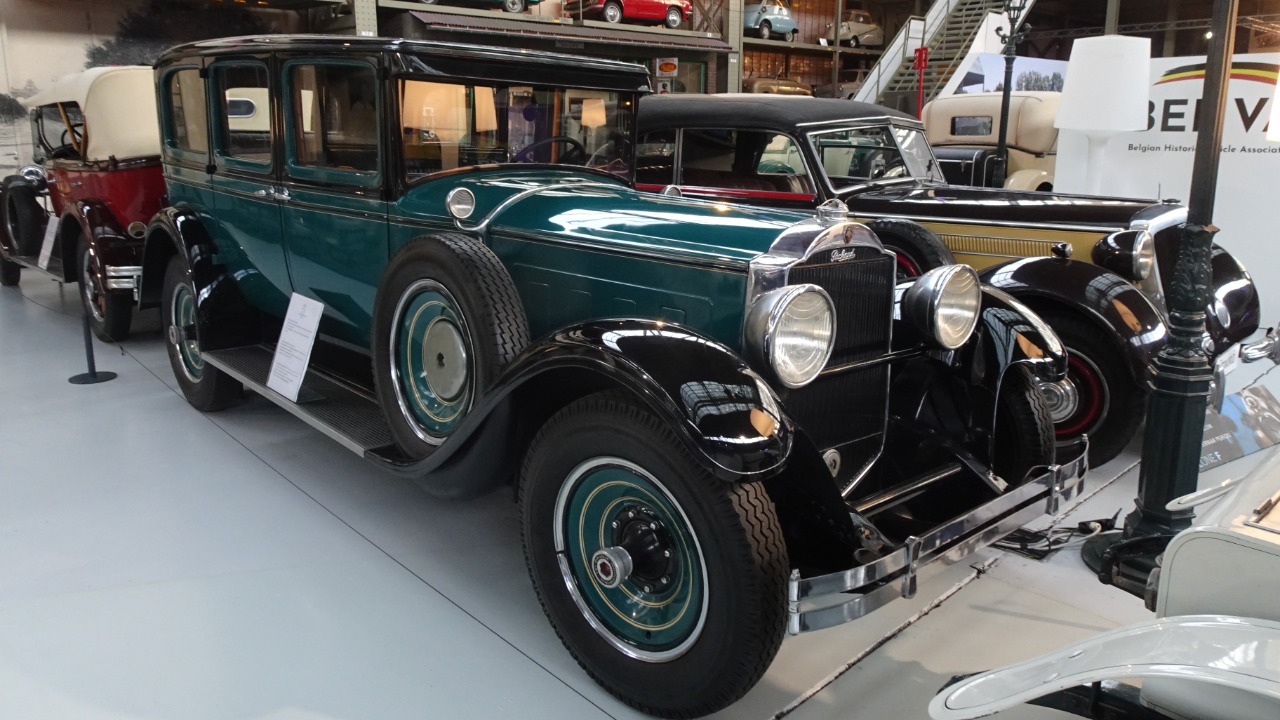
The 1928 Packard Eight belongs to the period when Packard’s straight-eight cars were becoming a defining part of the company’s identity. The Eight was positioned as a serious luxury automobile, and its combination of smooth power and substantial proportions gave it the road presence expected from a high-end American car of the era. Packard’s showroom records include several 1928 Eight body styles, including the 640 series.
Visually, the appeal is in the details rather than any single styling gimmick. The upright grille, sweeping fenders, tall greenhouse, and exposed running boards create a formal shape that has aged surprisingly well. There is something almost architectural about the way these cars were put together. Even today, a well-preserved Eight can look less like an ordinary antique automobile and more like a piece of rolling craftsmanship.
1930 Packard Eight
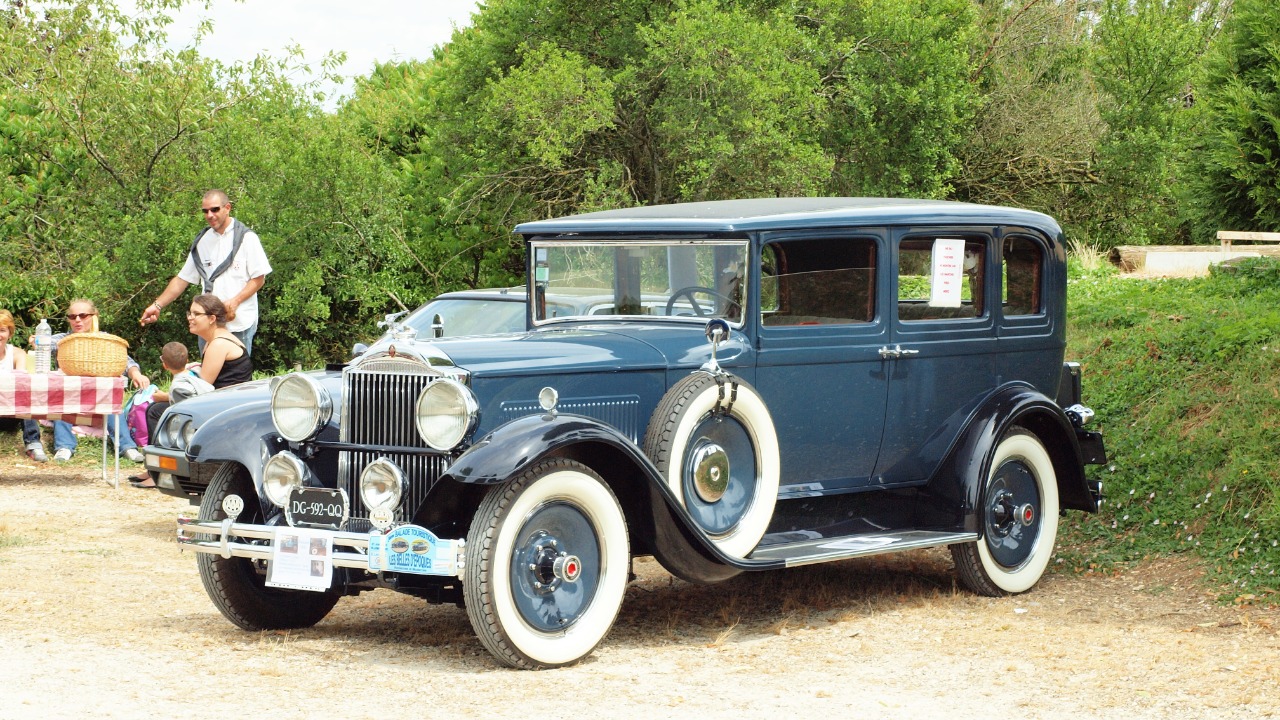
By 1930, Packard had developed the Eight into an automobile that looked every bit as serious as its reputation suggested. The company was producing several body styles on different wheelbases, allowing customers to choose everything from relatively practical closed cars to much more formal coachbuilt automobiles. The period also marked the beginning of a difficult economic environment, yet Packard continued to emphasize quality, craftsmanship, and distinctive styling.
The 1930 Eight has a visual confidence that makes it especially attractive today. Its tall radiator, sweeping fenders, wire wheels, and carefully finished bodywork give it an unmistakable presence without relying on the exaggerated ornamentation that appeared on some luxury cars of the period. It looks substantial but controlled. That restraint is one reason these Packards can still appear elegant at shows rather than simply looking old.
1929 Packard Speedster
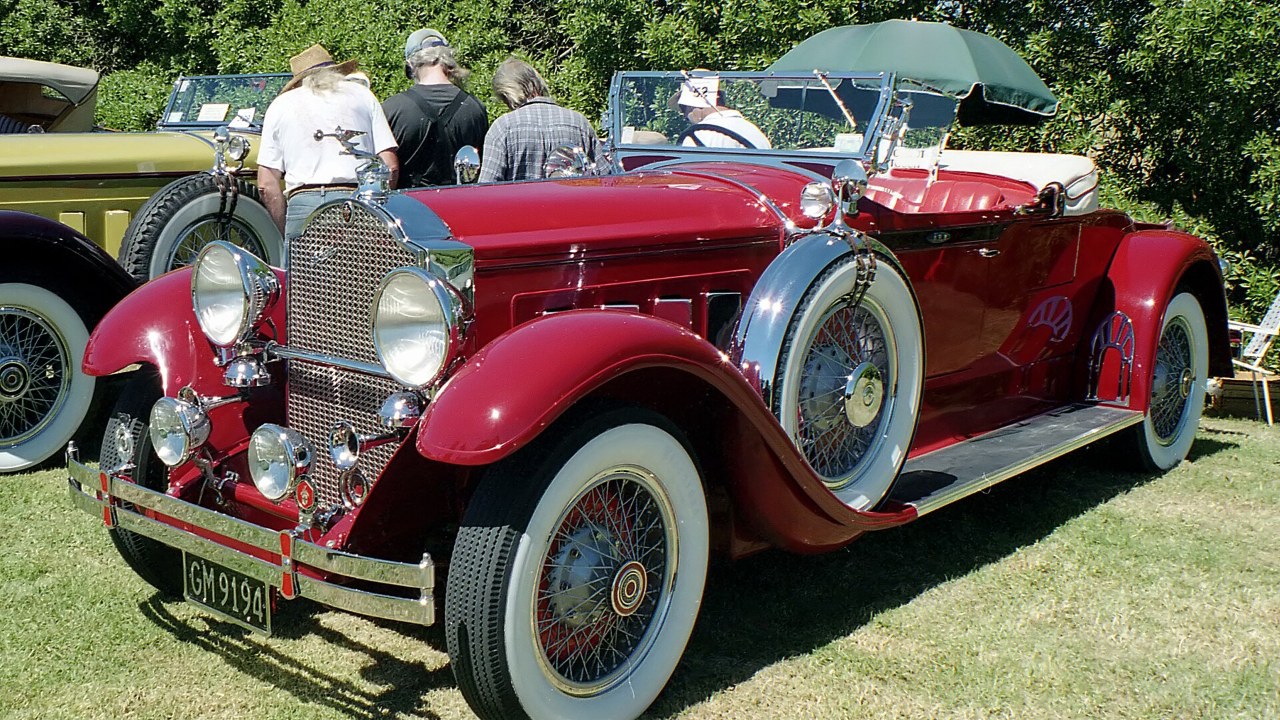
Packard built its name on quiet, dignified luxury, which makes the 1929 Speedster Eight a rare detour into outright performance. It was inspired by a boat-tailed roadster that chief engineer Jesse Vincent built in 1928, and it put the 384-cubic-inch straight-eight, fitted with a high-compression head and a high-lift camshaft, into the shorter Standard Eight chassis on a 126.5-inch wheelbase. Output was 130 hp, enough for a claimed 100 mph. About 70 were built for 1929, each costing roughly twice as much as a Standard Eight.
The elegance comes from proportion. Packard took its Custom Eight roadster body and shortened it by 14 inches, leaving a long hood, a snug cockpit, and a short tail that still look purposeful today. Very few survive, and the Classic Car Club of America recognizes it as a Full Classic. It proves Packard could build something sporting without losing its manners.
1932 Packard Light Eight
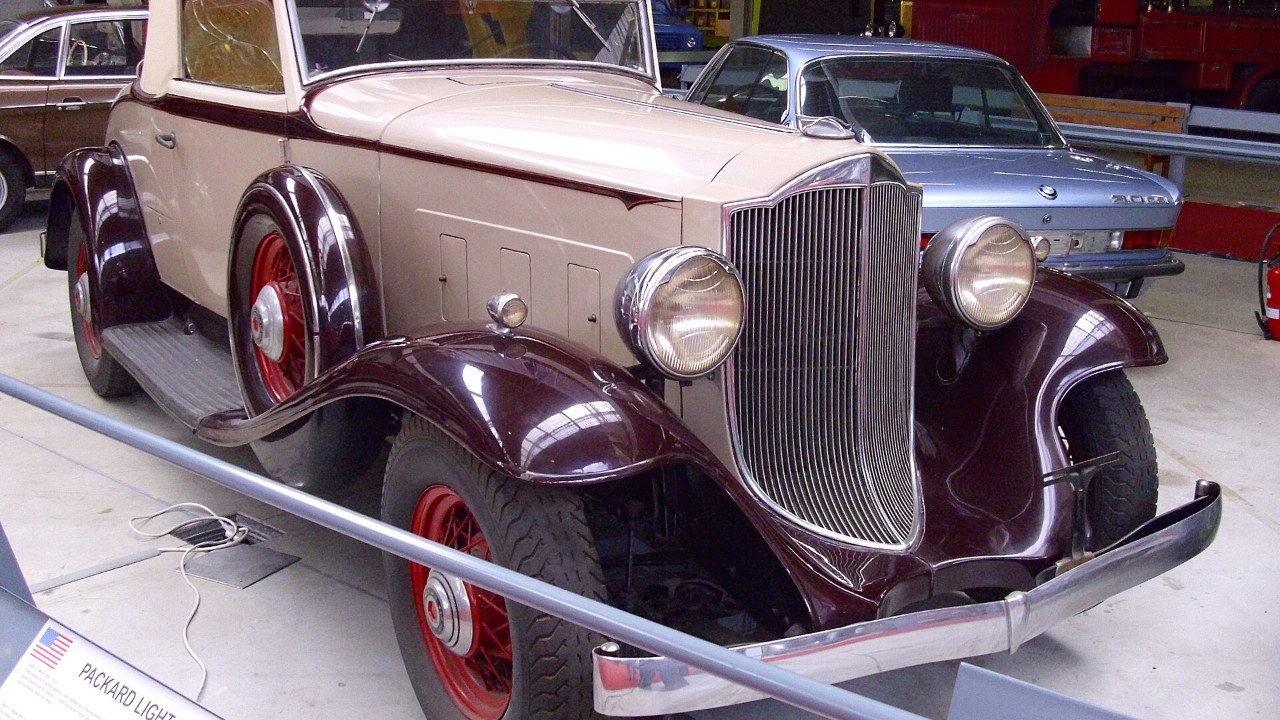
The 1932 Packard Light Eight was the company’s attempt to hold onto buyers as the Depression squeezed the luxury market. Sold for that single model year, it used a 320-cubic-inch L-head straight-eight rated at 110 hp and was priced from $1,795 to $1,940. Built on an X-braced frame, it weighed about 500 pounds less than the Standard Eight, which is where the name came from. Fewer than 7,000 were sold before Packard dropped it.
What keeps the Light Eight in the conversation is its face. The distinctive shovel-nose front end gives it a lower, more purposeful look than other Packards of the period, while the sweeping front fenders keep it graceful. Packard reportedly lost money on every one it sold, but the styling carried over into later models. Today it reads as a compact, confident classic with real presence.
1942 Packard Darrin
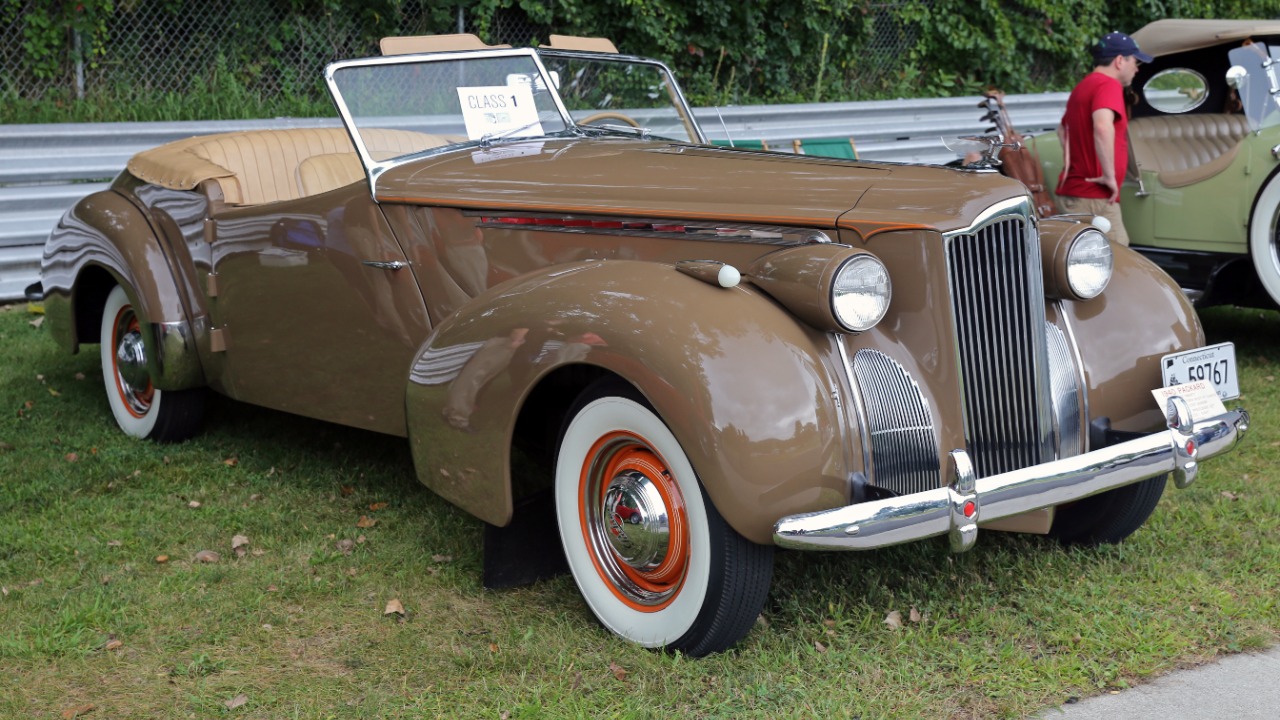
Howard “Dutch” Darrin had already made his name as a coachbuilder in France with Hibbard & Darrin before settling in Hollywood in 1937, where he customized Packards for clients including Clark Gable. Packard brought his Convertible Victoria design into its own lineup on the One-Eighty chassis, and the 1942 version is the rarest of the run, with only 15 built in the final model year before the United States entered World War II. Power came from Packard’s 356-cubic-inch L-head straight-eight.
The Darrin’s appeal is all in its lines. A low body, notched doors, a long hood, and a V-shaped windshield give it a sleek, almost European stance that still looks fresh. The cars were essentially hand-built to individual order, and they are recognized as CCCA Full Classics. One sold at RM Sotheby’s Amelia Island auction in 2018 for $401,000.
1937 Packard One-Twenty
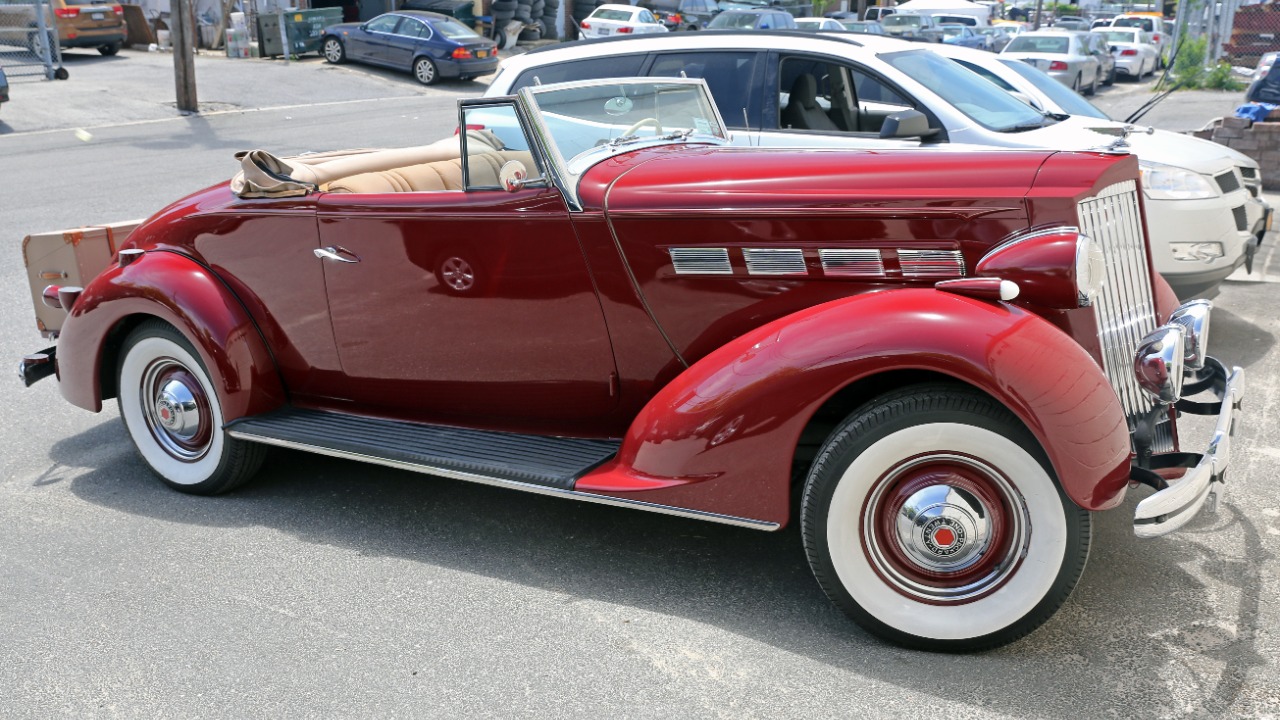
The One-Twenty changed Packard’s future. Introduced in 1935, it brought a Packard straight-eight and much of the marque’s traditional refinement into a lower-priced category at a time when the Great Depression was reshaping the American automobile market. It helped broaden Packard’s customer base while keeping the company’s reputation for quality intact.
By 1937, the One-Twenty had developed into a handsome automobile with smoother body lines and a more contemporary appearance than Packard’s earlier cars. It was not trying to look like a chauffeur-driven limousine, and that makes it especially appealing today. The proportions are easier to appreciate from modern eyes, with a lower visual profile and cleaner surfaces. A well-kept 1937 One-Twenty can look elegant without appearing overly formal, making it one of the Packards that bridges classic luxury and everyday usability.
1940 Packard One-Twenty Convertible Victoria
Few Packards capture the company’s ability to combine elegance with open-air motoring better than the 1940 One-Twenty Convertible Victoria. The One-Twenty had already become an important part of Packard’s lineup, and special convertible bodies gave buyers a more stylish alternative to the standard sedans. America’s Packard Museum specifically lists a 1940 Model 120 Convertible Victoria by Darrin among its classic-era examples.
The Darrin connection makes this particular body style especially interesting. The proportions are low and flowing compared with the more formal Packards of the early 1930s, while the long hood and carefully shaped rear body create a graceful profile. It is the kind of car that looks appropriate parked outside a grand hotel but still feels like something you would want to drive on a sunny afternoon. That versatility is a major part of its lasting appeal.
1950 Packard Super Deluxe Eight
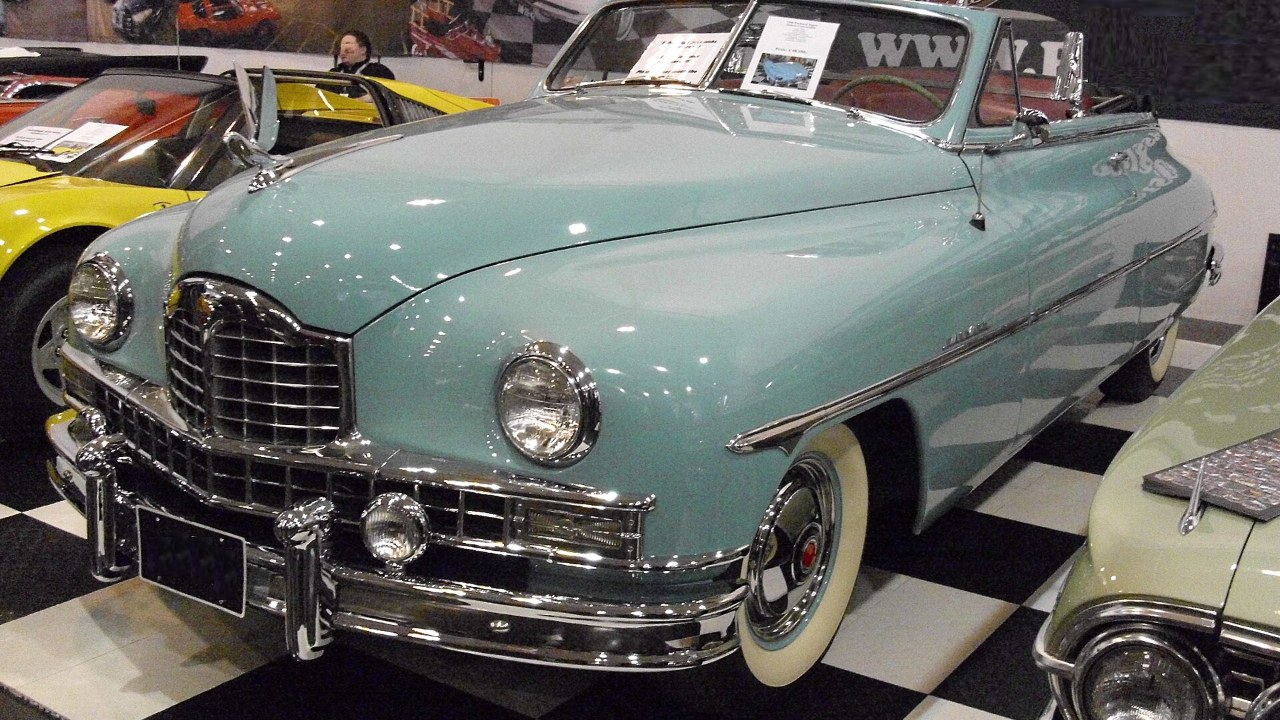
Packard’s rounded postwar body, introduced in 1948, divides opinion, but the 1950 Super Deluxe Eight shows how good that shape could look when it was properly dressed. Part of the Twenty-Third Series that went on sale in May 1949, the Super Deluxe rode a 127-inch wheelbase and used Packard’s 327-cubic-inch L-head straight-eight, a smooth, unhurried engine that suits the car’s relaxed character.
What set the Super Deluxe apart was its detailing. It wore an egg-crate grille, a pelican hood ornament, bullet-style bumper guards, full fender skirts, and extra brightwork. Inside, buyers found an ivory steering wheel, pinstriped wool upholstery, and woodgrain trim across the instrument panel and window frames. Those touches give the heavy, smooth body a real sense of occasion, and the finished car feels like a well-tailored suit rather than a styling experiment.
1947 Packard Custom Super Clipper
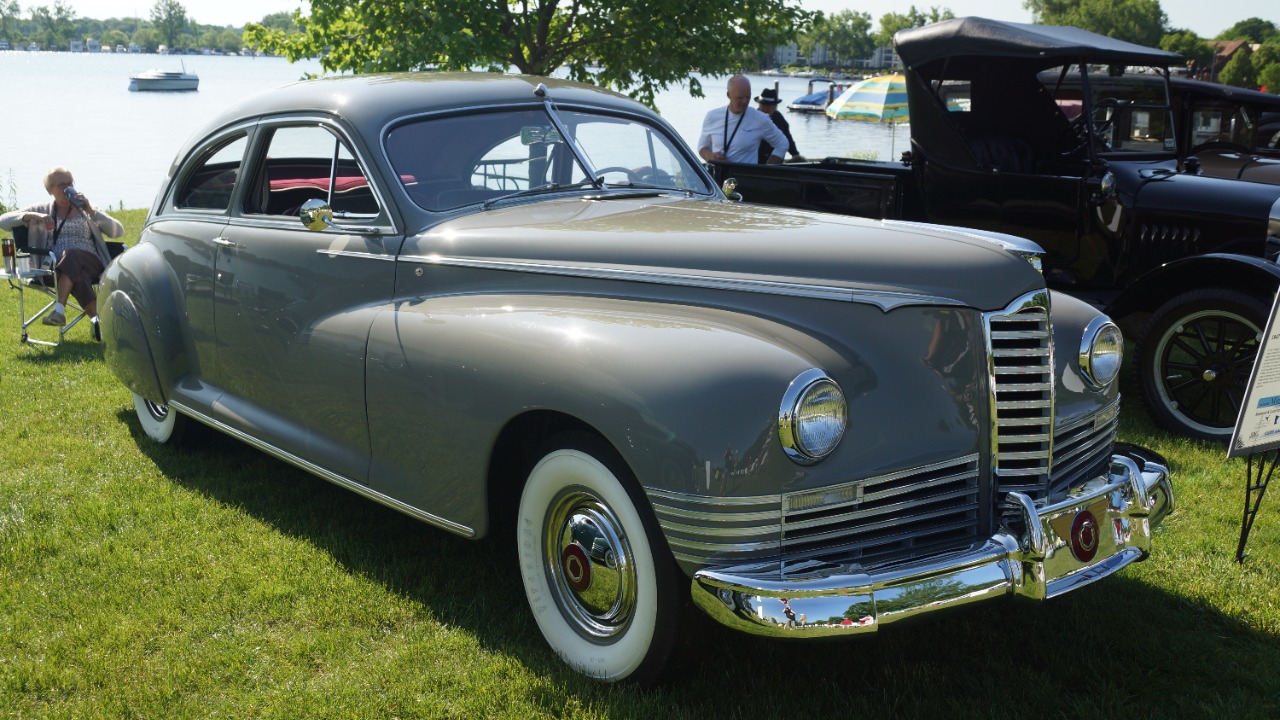
After World War II, Packard returned to civilian production using designs that were heavily related to its prewar cars. Among them was the Custom Super Clipper, a large and beautifully finished automobile that represented the company’s effort to maintain its traditional luxury position in the changing postwar market. Packard Club records include 1947 Custom Super Clipper sedans, while the Packard Motor Foundation describes the postwar Super Clipper as part of the company’s One-Sixty and One-Eighty tradition.
The Custom Super Clipper has an appealing sense of restraint. It is big, formal, and clearly expensive, but the styling is not covered in unnecessary decoration. The rounded bodywork and carefully integrated fenders give it a smooth appearance, while the interior could be finished to a very high standard. Today, it feels like a bridge between the grand prewar Packards and the increasingly modern American luxury cars that followed.
1954 Packard Panther
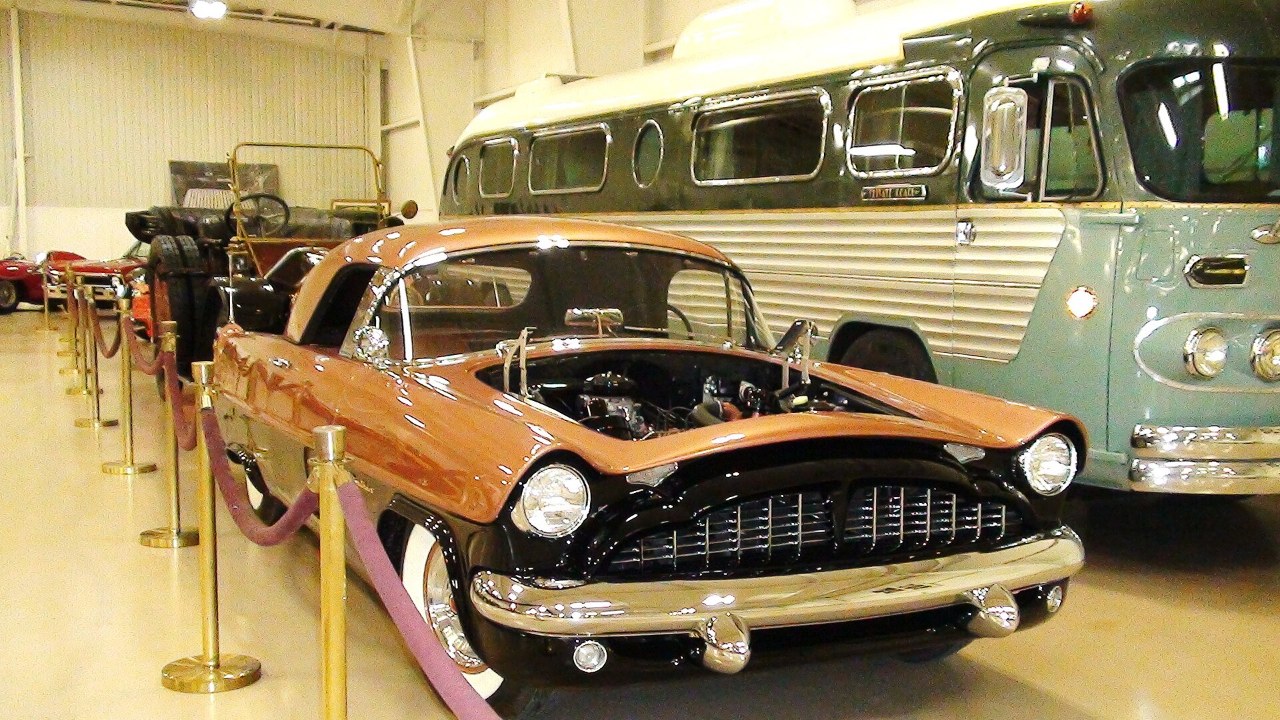
The 1954 Packard Panther was never a showroom model. It was a show car, and only four were built, but it earns a place here because it showed where Packard’s styling could have gone. Designed by Dick Teague, it wore a one-piece fiberglass body built by the Mitchell-Bentley Corporation, mounted on a steel Cavalier frame with a 122-inch wheelbase, and it was powered by Packard’s 359-cubic-inch straight-eight.
The car started out under the name Grey Wolf II, a nod to Packard’s early racer of 1903-04, and one example recorded an official 110.9 mph on the sand at Daytona Beach. Its low, open body and clean, uncluttered flanks still look surprisingly modern next to the chrome-heavy cars of its day. Even as a handful of hand-built machines, the Panther proved Packard could design something sleek and contemporary in its final years as an independent automaker.
1949 Packard Custom Eight Convertible
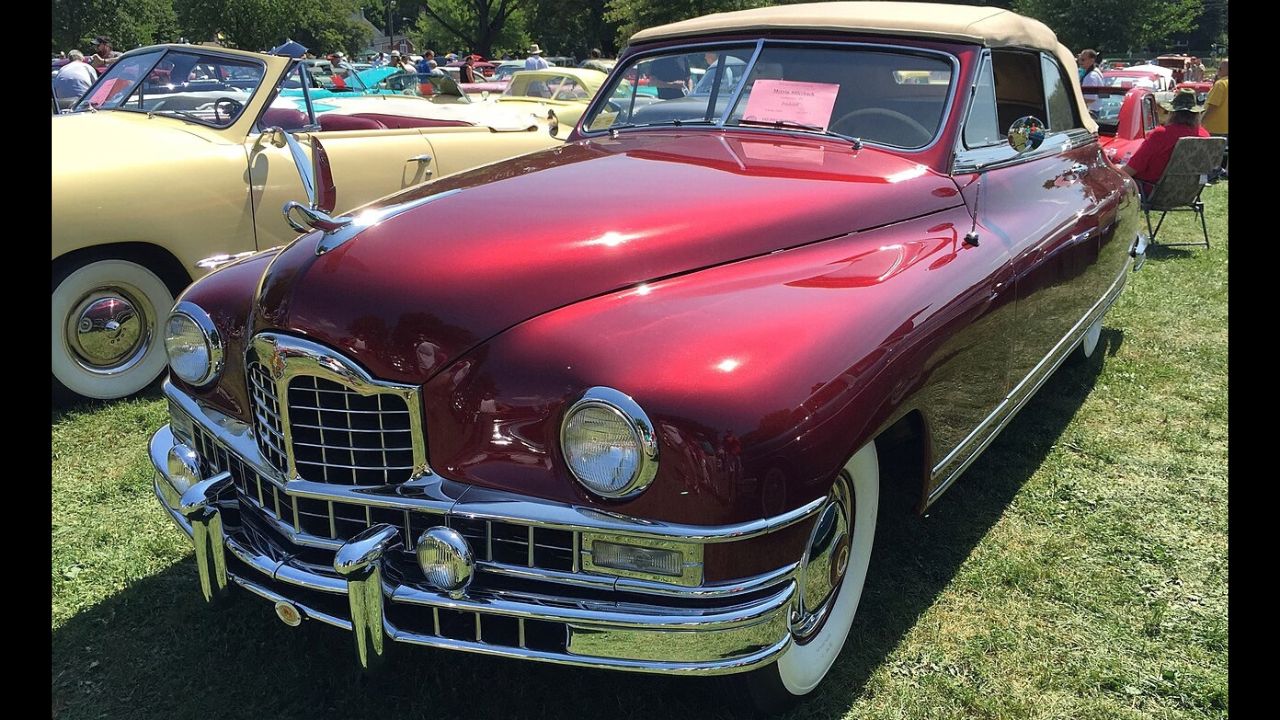
The 1949 Custom Eight Convertible shows Packard trying to combine traditional luxury with the increasingly relaxed character of postwar American motoring. The Custom Eight occupied the upper reaches of the lineup, and convertible versions gave buyers a more fashionable alternative to the company’s formal sedans. Packard Club records document surviving 1949 Custom Eight convertibles, including award-winning examples.
There is something particularly attractive about the way this Packard carries its size. The rounded body sides, wide fenders, substantial grille, and convertible proportions make it look expensive without needing the tail fins that would soon become fashionable elsewhere. The design has a calmness that works well today. It does not scream for attention, yet a restored example is difficult to mistake for anything other than a serious luxury automobile.
1951 Packard 300
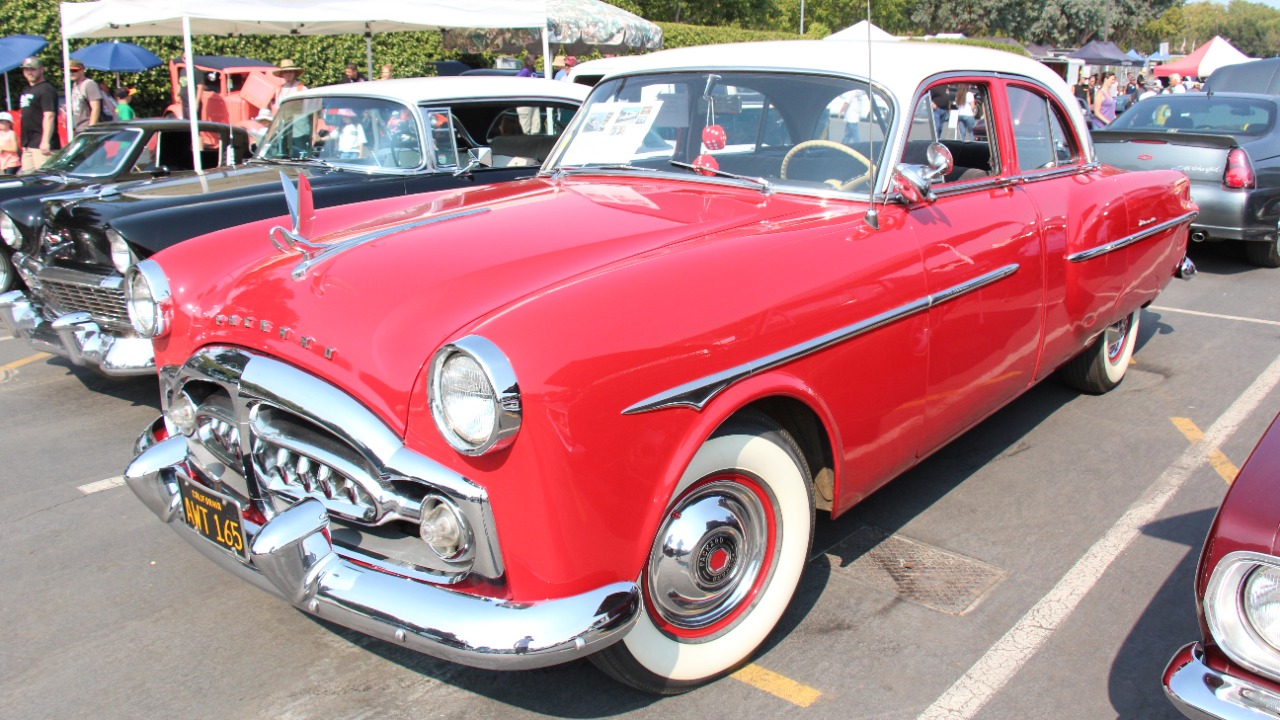
The 1951 Packard 300 arrived with one of the company’s most important redesigns. Packard reorganized its lineup for the new decade, and the 300 sat within the senior range alongside models such as the Patrician and 400. The company was trying to create a cleaner distinction between its various cars while moving away from the rounded postwar designs of the previous three years.
The 1951 car has a particularly clean visual identity. Its grille is wide without being excessive, the body sides are relatively smooth, and the overall shape has a formal quality without the heavy visual mass of some earlier Packards. It also has the advantage of looking unmistakably American while avoiding some of the excess that would characterize later 1950s styling. For someone looking for an elegant Packard rather than a flamboyant one, the 300 remains an intriguing choice.
1952 Packard 250
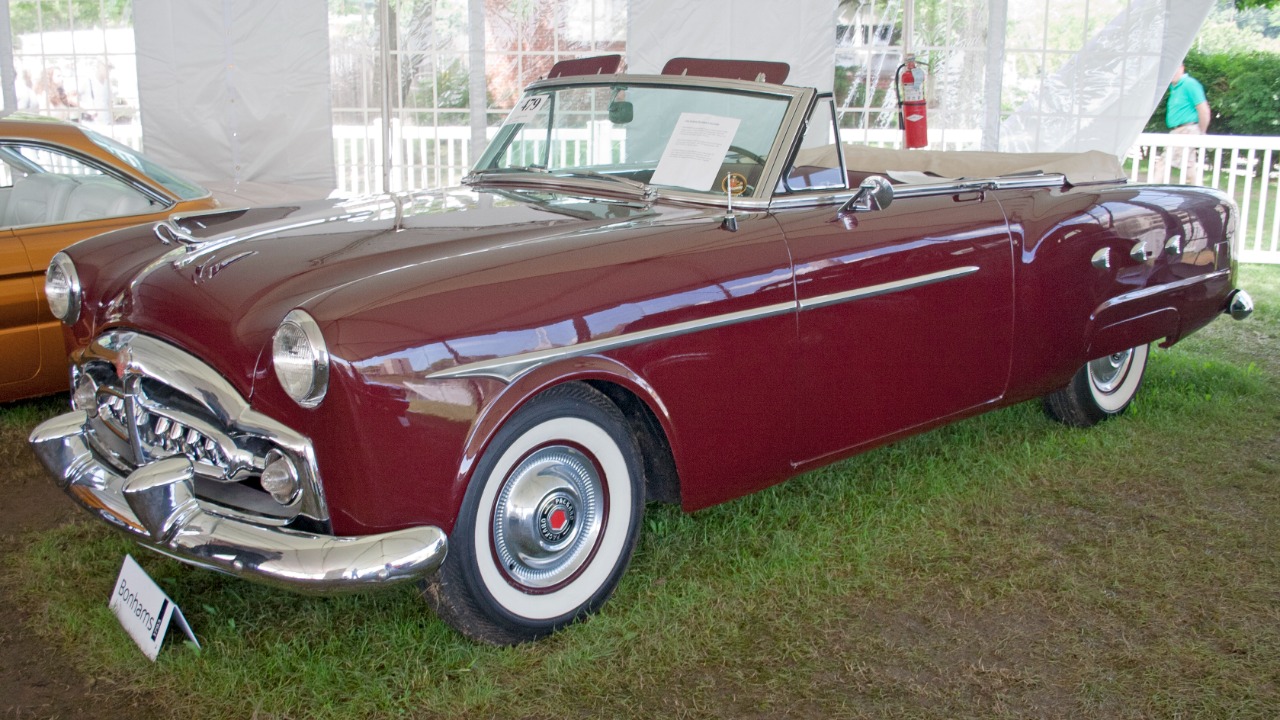
The 1952 Packard 250 was one of the company’s more stylish offerings, particularly when equipped as a convertible or Mayfair hardtop. Packard Club records identify 250 convertibles and Mayfair versions among the company’s cars from this period.
The 250’s appeal comes from the way it combined a relatively clean body with enough brightwork to make the car feel special. The long hood and flowing rear quarters give it the proportions associated with American luxury cars, while the hardtop and convertible configurations eliminate the visual interruption of a traditional center roof pillar. Inside, buyers could expect richer materials and more elaborate trim than on the lower-priced models. Today, the 250 looks like a genuine period luxury car without becoming overwhelmed by the increasingly elaborate styling that was arriving across Detroit.
1956 Packard Executive
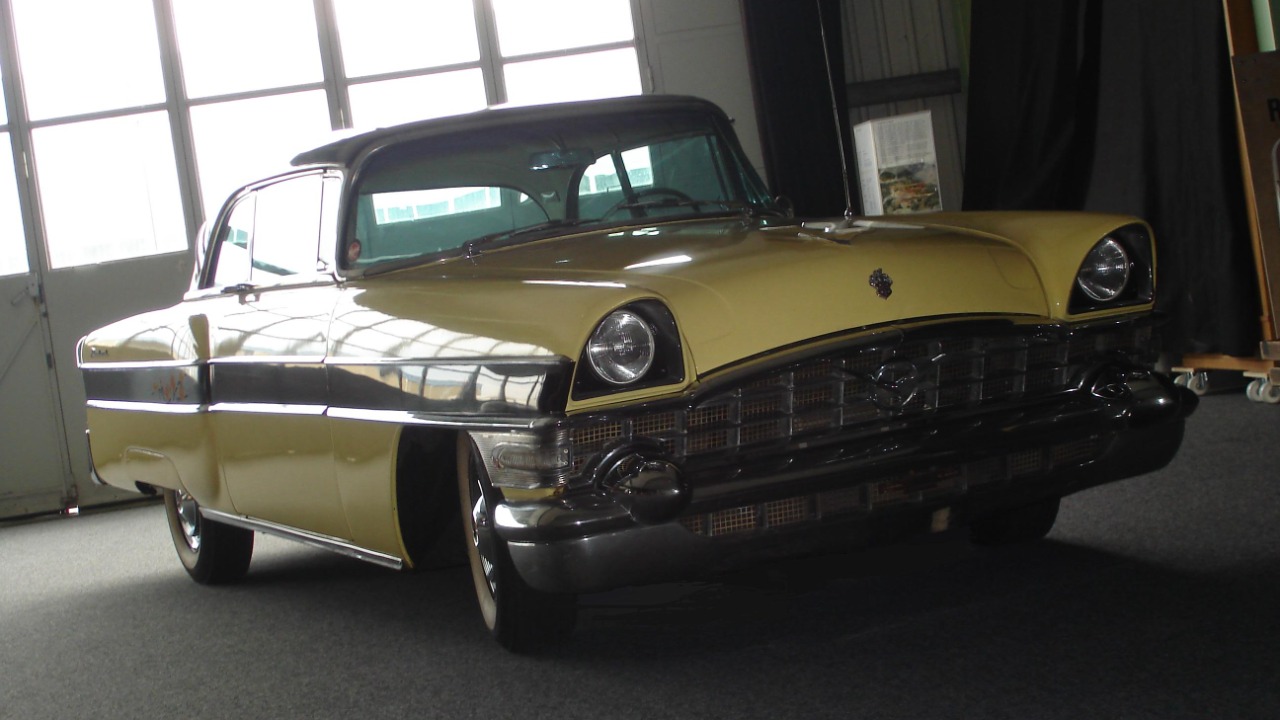
The Packard Executive arrived as a mid-year addition for 1956, created to fill the gap between the Clipper line and the senior Packards. In practice, it was a Clipper body wearing the bigger car’s front fenders, hood, and grille, which gave buyers a genuine Packard face for about $3,500. Power came from a 352-cubic-inch V8 rated at 275 hp, and the Executive was offered as a four-door sedan or a two-door pillarless hardtop.
Fewer than 3,000 were built before Detroit production ended in June 1956, and 1956 is often considered the last year of Packards built fully in Detroit with Packard parts. That rarity adds to its appeal, but the real draw is how gracefully it carries the brand’s final Detroit styling. Torsion-level suspension and a push-button Ultramatic delivered modern comfort, while the restrained trim keeps it looking dignified rather than flashy.
1954 Packard Pacific
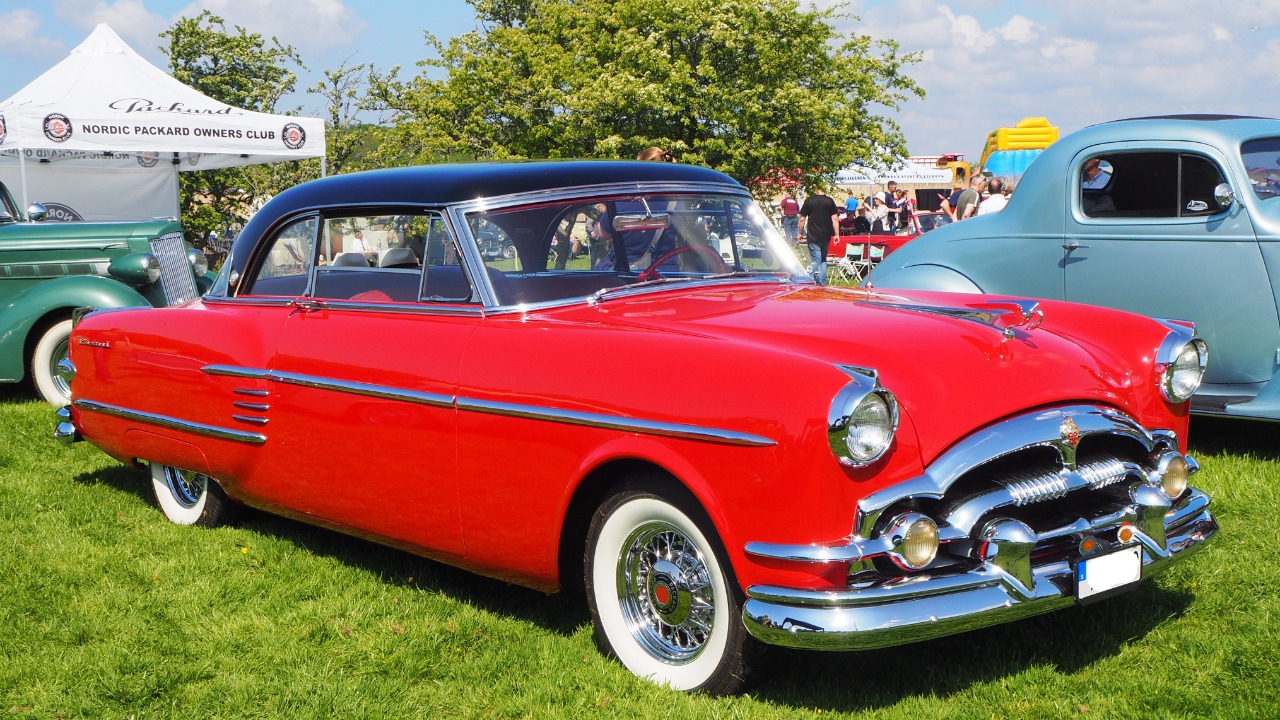
The 1954 Packard Pacific was a two-door hardtop that brought a more personal character to the senior Packard range. Packard introduced the Pacific for 1954 alongside models such as the Caribbean, Cavalier, Patrician, and Clipper lines. Packard Club records also identify the Pacific as one of the company’s senior models for the year.
Its hardtop configuration is a big part of the appeal. Without a conventional center pillar, the side glass creates a long, uninterrupted visual opening that makes the car appear lower and more graceful. The body retains the substantial proportions expected of a Packard, but the overall impression is less formal than a four-door sedan. Today, the Pacific occupies an interesting middle ground between traditional Packard luxury and the more stylish personal cars that would become increasingly important during the 1950s.
1955 Packard Four Hundred
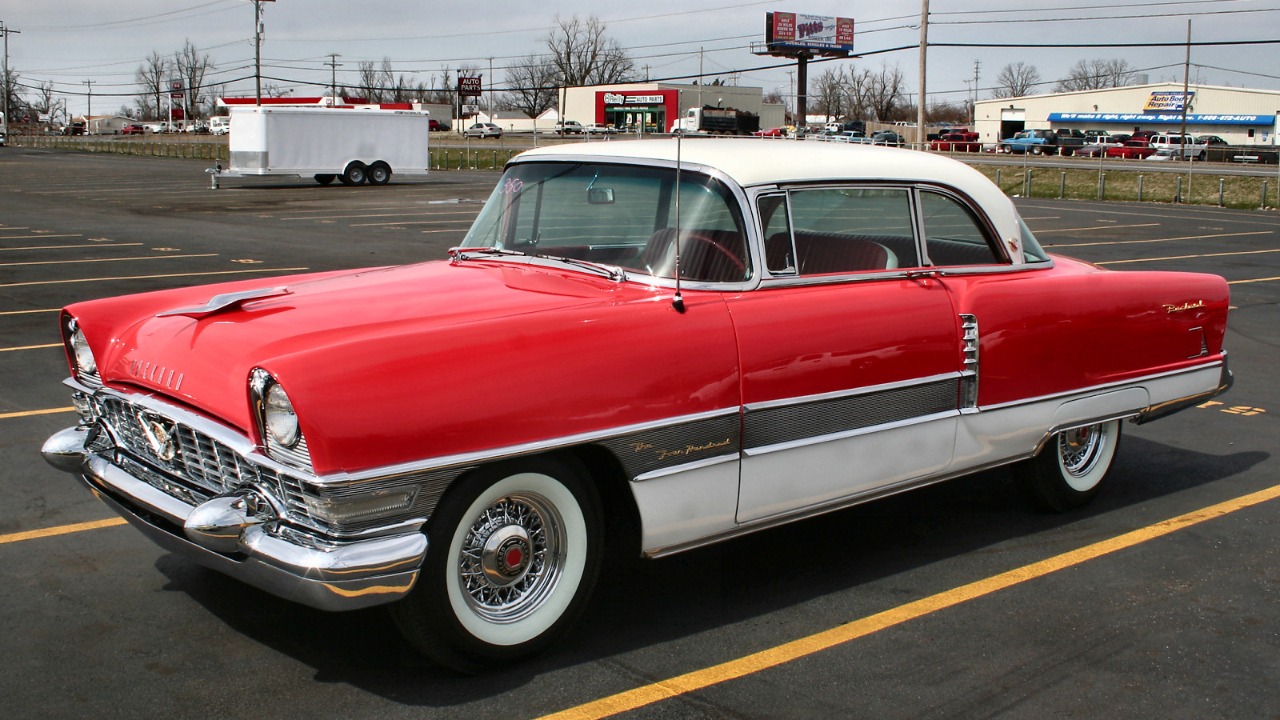
The 1955 Four Hundred marked a major turning point for Packard. The company introduced a new V8 for the model year, and the Four Hundred returned as a senior two-door hardtop. The styling was also significantly more dramatic, with a broad grille, distinctive side trim, and the increasingly expressive design language of mid-1950s America. Packard Club records identify the 1955 Four Hundred as part of the senior lineup.
Despite its more flamboyant character, the Four Hundred still has an elegance that works today. The hardtop roofline gives it a clean silhouette, while the long body and carefully placed trim keep the design visually balanced. It is more decorative than a 1930s Packard, but that is part of its period character. A restored Four Hundred looks like a genuine 1950s luxury car rather than an ordinary sedan wearing extra chrome.
1953 Packard Cavalier
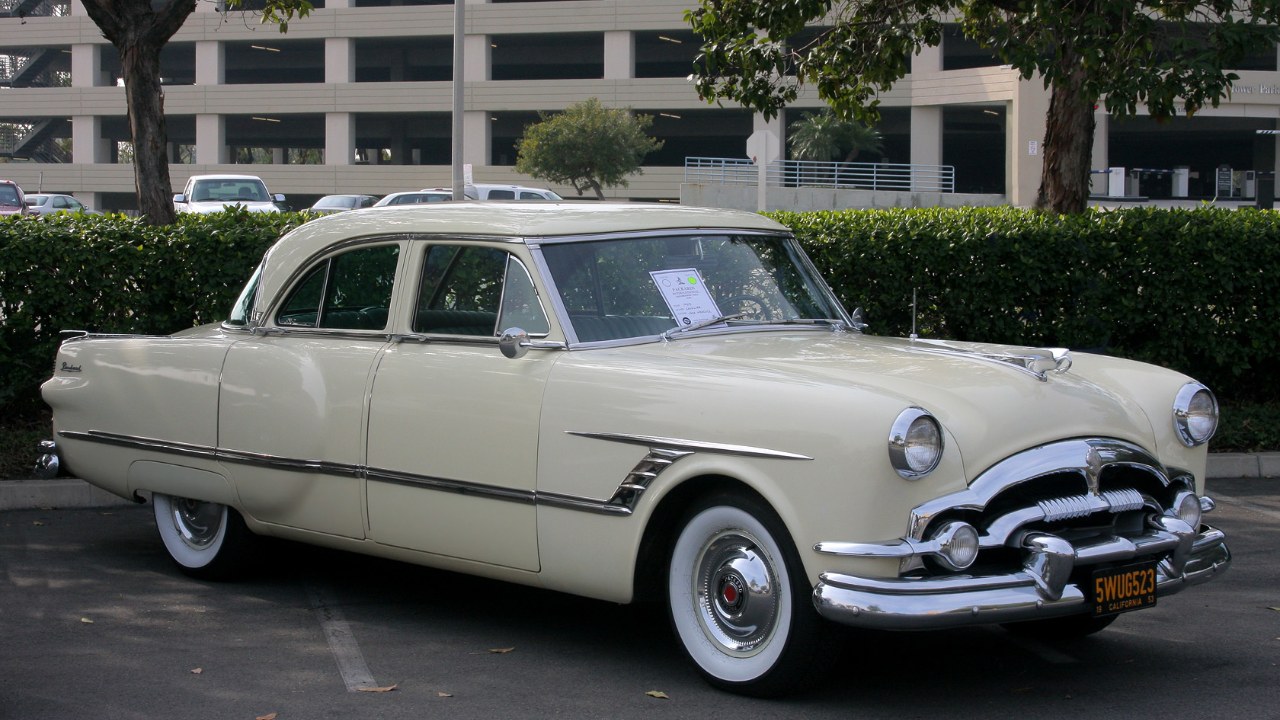
The Cavalier replaced the mid-line Packard 300 for 1953, slotting above the Clipper with a richer interior and more power. Its 327-cubic-inch straight-eight made 180 hp, 20 more than the Clipper’s engine, and while a column-shifted three-speed manual was standard, most buyers chose the optional Ultramatic automatic. Packard built 10,799 Cavalier sedans for 1953, priced at around $3,200.
Its elegance is quieter than the Caribbean’s or the Patrician’s. The Cavalier shares much of its shape with the Clipper, but a unique chrome side spear and upgraded trim give it a more finished look. Late in the model year, Packard even offered air conditioning, a $625 option at the time. A well-kept Cavalier today delivers much of the senior Packard experience in a form that still feels tasteful and understated, which is exactly what made the brand’s best cars so appealing.
1941 Packard One-Eighty
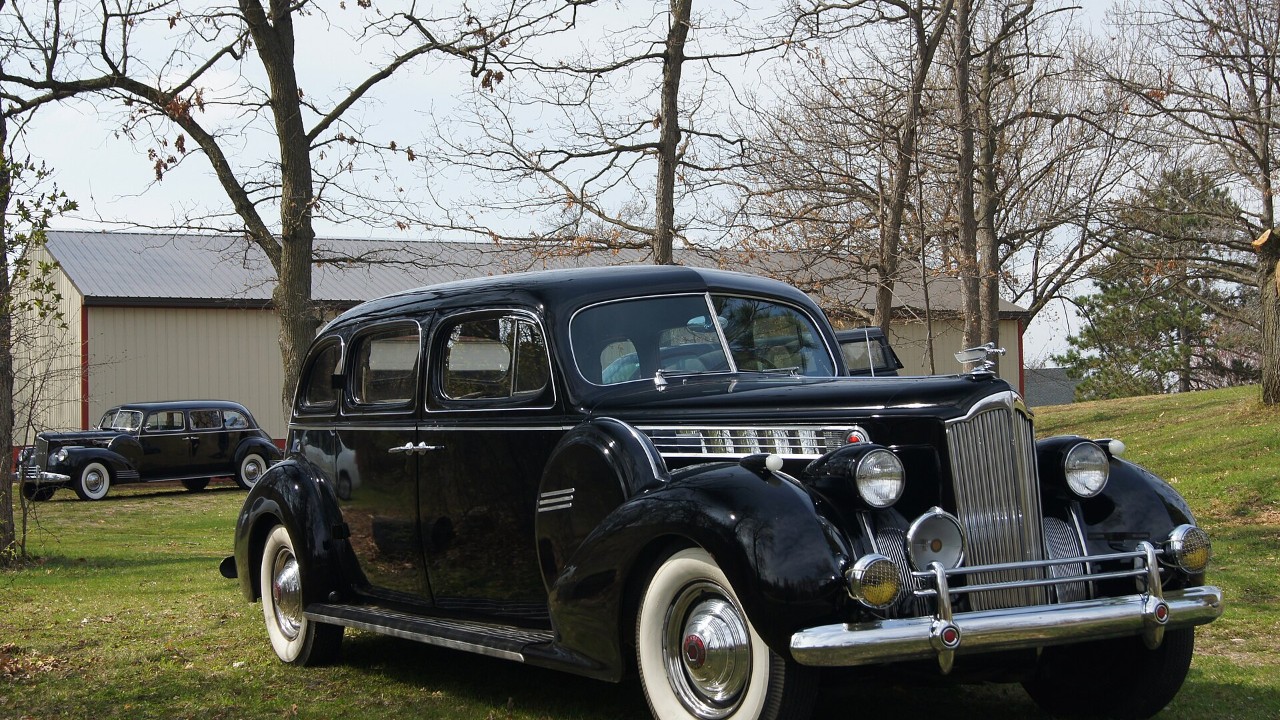
With the Twelve gone after 1939, the Custom Super Eight One-Eighty became Packard’s flagship. For 1941, it used the 356-cubic-inch straight-eight with nine main bearings and hydraulic lifters, rated at 160 hp, and it rode on wheelbases of 127, 138, or 148 inches. Packard built 930 of them that year in eleven body styles, six of them from outside coachbuilders such as LeBaron and Darrin.
New for 1941, the headlights were faired into the front fenders, and running boards were no longer standard, which gave the big bodies a cleaner, more modern profile. Inside, owners found fine fabrics, leather, and wood-trimmed door caps, and some cars were even ordered with factory air conditioning and power windows. The One-Eighty conveys wealth through proportion and craftsmanship rather than ornament, and that is why it still looks so composed today.
1953 Packard Mayfair
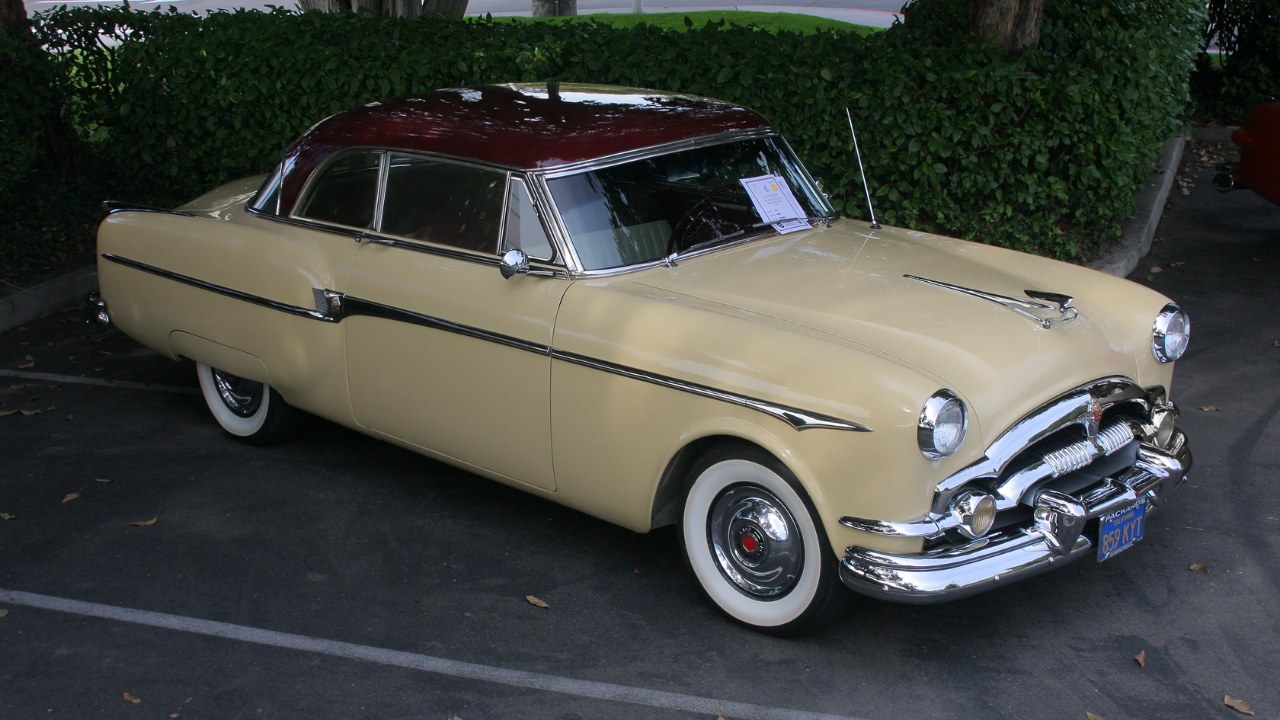
For 1953, the Mayfair hardtop moved into Packard’s senior lineup alongside the Caribbean and the standard convertible, sold under the slogan “America’s New Choice in Fine Cars.” It used the 327-cubic-inch straight-eight rated at 180 hp and 300 lb-ft of torque, with a three-speed manual as standard and the two-speed Ultramatic as an option. Packard built 5,150 Mayfairs that year, with a base price of about $3,275.
The pillarless roofline is the key to its appeal. With the windows down, the Mayfair has an open, airy profile, and the fishtail rear fenders, horizontal taillights, and lightning-bolt side molding give it just enough flair. It was also trimmed more richly inside than the Cavalier. The Pacific replaced it for 1954, which leaves the 1953 Mayfair as a brief but especially stylish chapter in Packard’s final decade.