The 1966 Jensen Interceptor represents a unique convergence of British craftsmanship and American muscle, creating a grand tourer that captivated enthusiasts worldwide. With its striking design and impressive performance, the Interceptor stands as a significant achievement in automotive history, showcasing how two distinct automotive cultures can come together harmoniously.
The Genesis of the Jensen Interceptor
Jensen Motors, founded in 1934, has a legacy steeped in British automotive manufacturing. Initially producing commercial vehicles and car bodies, Jensen gained a reputation for quality craftsmanship. The company transitioned into sports cars during the 1950s, with models like the Jensen 541, but it was the Interceptor, introduced in 1966, that truly marked its evolution into the world of grand touring. The vision behind the Interceptor was clear: to create a luxury vehicle that combined British elegance with American performance.
The design team, led by the influential engineer and designer Eric Neale, drew inspiration from various sources to realize the Interceptor’s potential. The collaboration with Italian designer Carrozzeria Touring resulted in a distinctive shape that married Italian flair with British sensibilities. This combination was not just about aesthetics; it was about creating a vehicle that could redefine the grand tourer segment. The Interceptor was poised to attract a diverse clientele, from affluent professionals to sports car enthusiasts.
Design Features and Aesthetics
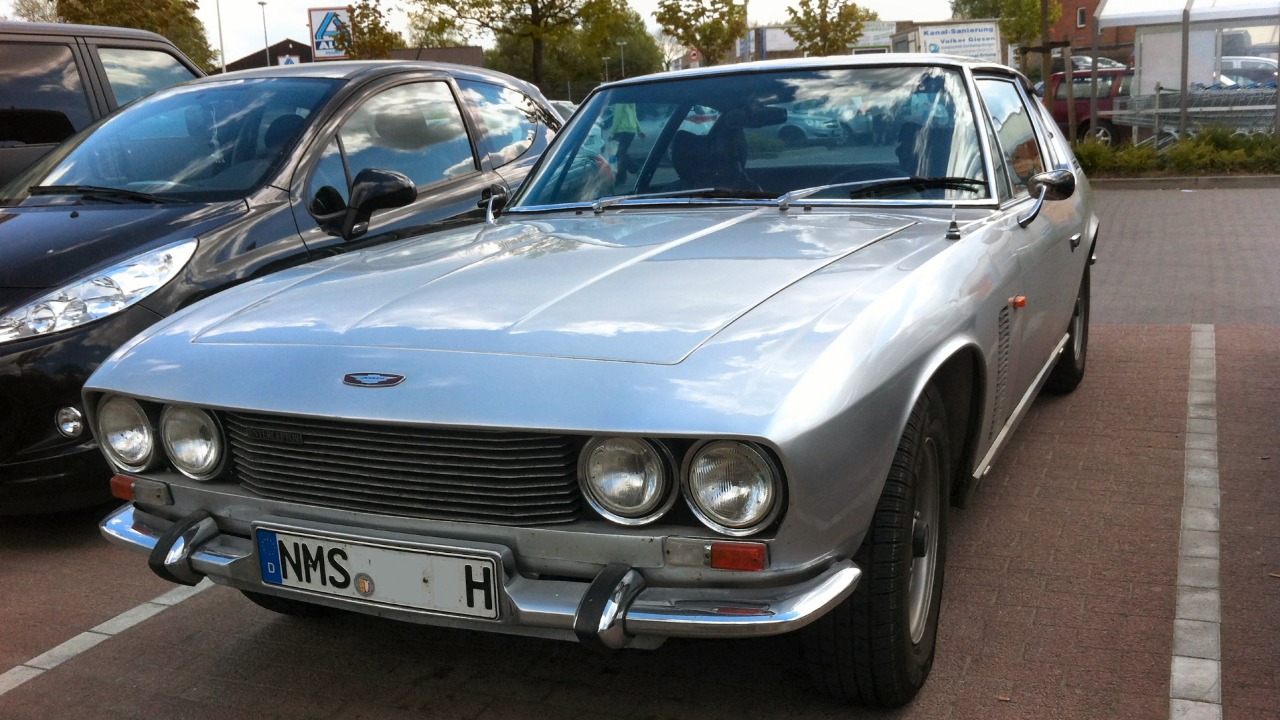
The Jensen Interceptor’s styling is one of its most celebrated features. Its long hood, sloping roofline, and muscular stance were heavily influenced by Italian design, yet retained a distinctly British elegance. The front end, with its bold grille and quad headlights, exuded confidence, while the rear featured an elegant taper that gave the car a sporty yet sophisticated look. This design choice not only made a statement but also aided in aerodynamics, enhancing the performance characteristics of the vehicle.
Inside, the Interceptor offered a luxurious experience that set it apart from its contemporaries. High-quality leather upholstery, wood veneer accents, and a carefully designed dashboard created an inviting atmosphere for both driver and passengers. Features like electric windows and air conditioning were ahead of their time, emphasizing Jensen’s commitment to comfort. The careful consideration of materials and design made the Interceptor a standout in the luxury grand tourer market.
Powertrain and Performance
The choice of a Chrysler 383 cubic inch V8 engine was a pivotal decision for the Jensen Interceptor. This powerhouse engine produced around 325 horsepower, allowing the car to achieve impressive speeds while delivering a thrilling driving experience. The decision to incorporate American muscle into a British sports car not only provided reliable power but also appealed to the growing demand for performance in the luxury segment. The Interceptor could accelerate from 0 to 60 mph in just under seven seconds, a remarkable feat for its time.
In terms of handling, the Interceptor offered a comfortable ride without sacrificing responsiveness. The combination of a robust chassis and independent suspension allowed for excellent cornering capabilities, making it a joy to drive on both winding roads and highways. Compared to European rivals like the Aston Martin DB6 and the Ferrari 330 GT, the Jensen Interceptor delivered comparable performance while offering a distinctly different driving experience, thanks to its American powertrain.
Cultural Impact and Legacy
The Jensen Interceptor quickly carved out a niche in popular culture, appearing in various films and television shows that showcased its unique character. One of its most notable appearances was in the 1971 film “The Persuaders!” starring Roger Moore and Tony Curtis, which helped cement its status as a symbol of luxury and performance. Such visibility contributed to the car’s allure, making it a sought-after model among collectors and enthusiasts alike.
During its production run from 1966 to 1976, the Interceptor received a mixed reception from critics. While some praised its luxurious features and performance, others criticized its weight and handling compared to lighter European sports cars. Nonetheless, the Interceptor’s distinctive character resonated with many, establishing a loyal fan base that continues to appreciate its unique blend of British and American automotive heritage. Today, it remains a significant part of automotive history, often discussed in the context of classic car culture.
The Jensen Interceptor Today
Today, the Jensen Interceptor holds a special place among classic car collectors and enthusiasts. Its rarity and distinctive design make it a prized possession for those who value the intersection of luxury and performance. However, owning an Interceptor comes with challenges, particularly regarding restoration. Finding original parts can be difficult, and the complexity of the vehicle’s systems requires skilled labor for effective restoration. Fortunately, a community of dedicated enthusiasts often shares resources and advice on maintaining these classic vehicles.
The Interceptor’s legacy extends beyond its production years, influencing the narrative of both British sports cars and American muscle. It serves as a reminder of a time when automotive manufacturers were willing to experiment and push boundaries, creating vehicles that appealed to a diverse audience. As the popularity of classic cars continues to rise, the Jensen Interceptor stands out as a symbol of innovation and the successful blending of two automotive worlds.