Muscle cars have long been celebrated for their raw power, aggressive styling, and the thrill of speed. However, several models have slipped through the cracks of automotive history, often overshadowed by more famous counterparts. These forgotten muscle cars not only boast impressive performance figures but also offer a unique glimpse into the golden era of American automotive engineering. Here are seven muscle cars that deserved more attention than they got.
Plymouth Road Runner Superbird
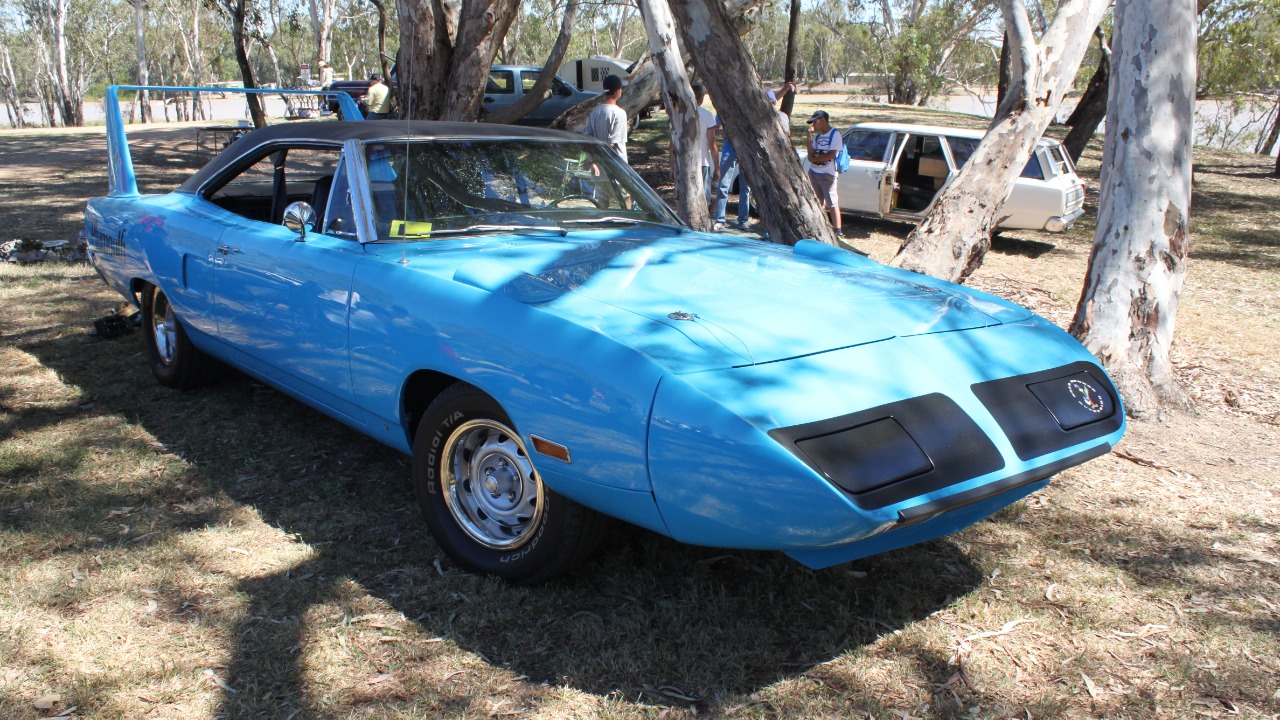
The Plymouth Road Runner Superbird, produced in 1970, is a classic example of aerodynamics meeting muscle. With its distinctive nose and a massive rear wing, this car wasn’t just about looks; it was built for speed. Powered by a 426 HEMI V8 engine, it could reach 0-60 mph in just 5.5 seconds. Many buyers overlooked this model due to its outlandish styling, but it was designed for NASCAR racing, making it incredibly fast on the track. The Superbird’s rarity today only adds to its mystique, with only 1,920 units produced. Collectors and enthusiasts often admire this car for its unique combination of power and design.
Despite being dismissed as a gimmick in its time, the Superbird has gained considerable respect in the collector community and is now recognized as a significant piece of automotive history.
Dodge Coronet Super Bee Six Pack
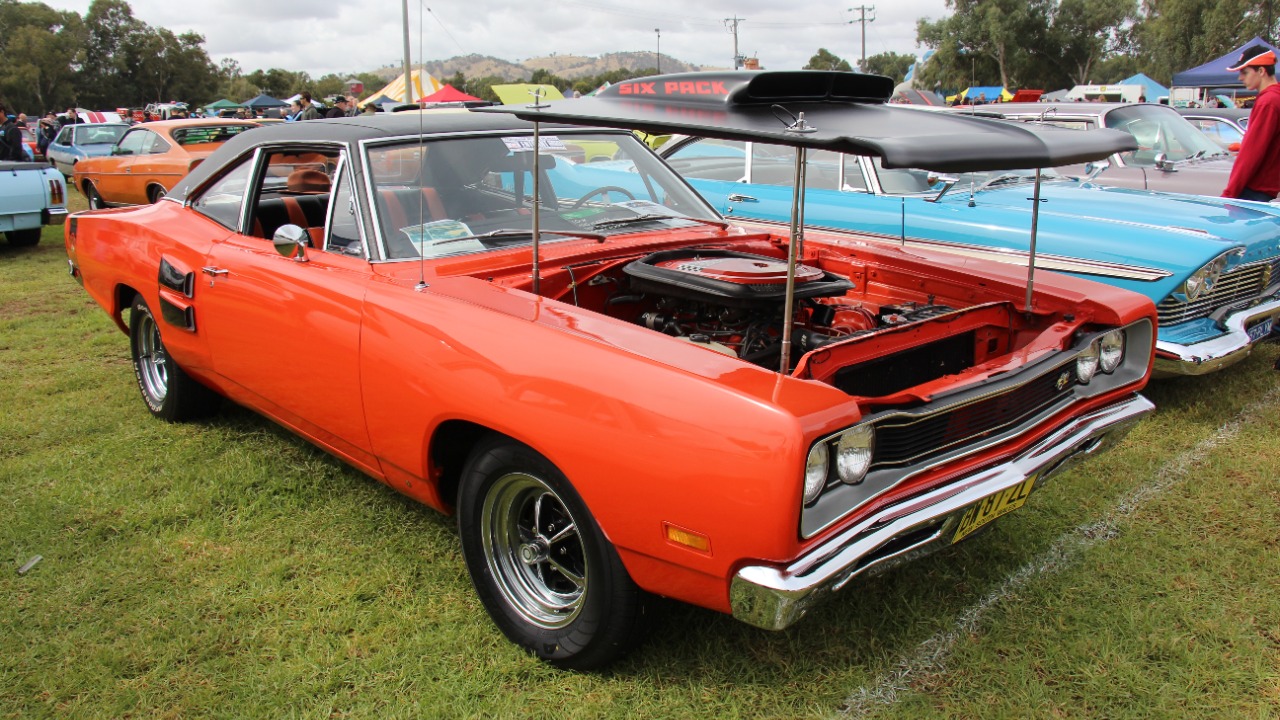
Dodge built the Super Bee as a budget bruiser, and in the middle of the 1969 model year it added the A12 package that made the Coronet-based coupe far quicker than its plain looks suggested. The heart of it was a 440-cubic-inch V8 breathing through three Holley two-barrel carburetors on an Edelbrock aluminum intake, rated at 390 horsepower and 490 lb-ft of torque.
The extras were strictly functional. A flat-black fiberglass hood with a big scoop lifted off the car entirely, and the Six Pack rolled on black steel wheels. Out back sat a Sure-Grip Dana 60 axle with 4.10 gears, hardware chosen for hard launches rather than showroom appeal.
Because it arrived partway through the year and looked stripped, the Six Pack Super Bee never drew the attention that Hemi cars did. Auction documentation puts A12 hardtop production at just 1,487, and survivors with their original drivetrains are now prized by Mopar collectors who appreciate how much muscle Dodge packed into a no-frills coupe.
Mercury Comet Cyclone GT
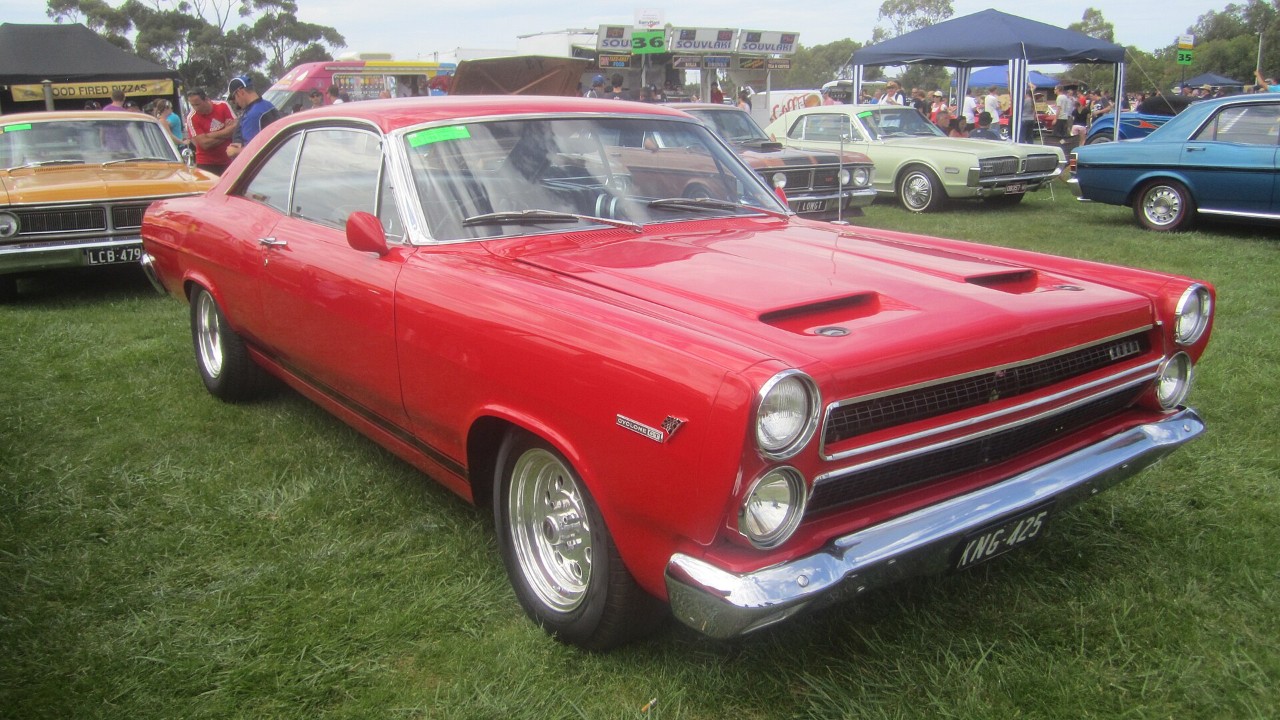
Mercury reworked the Comet for 1966, giving it styling shared with Ford’s Fairlane, and the Cyclone GT sat at the top of the range. Its 390-cubic-inch V8 used a Holley four-barrel and 10.5:1 compression to make 335 horsepower at 4,800 rpm, along with a hefty 427 lb-ft of torque at 3,200 rpm. That was serious big-block muscle in a car many shoppers knew as Mercury’s sensible compact.
The GT signaled its intent with a fiberglass hood wearing twin scoops, but otherwise it looked a lot like any other Comet. That restraint suited Mercury’s upscale image, and it meant plenty of buyers had no idea what was under the hood. A Cyclone GT convertible was still trusted to pace the 1966 Indianapolis 500.
Mercury built 13,812 Cyclone GT hardtops and 2,158 convertibles for 1966, modest totals for the era. The Cyclone name has long been overshadowed by Ford’s Mustang and Torino, which is why the 1966 Cyclone GT remains one of the more approachable ways into a mid-1960s big-block car that was quicker than its reputation.
Plymouth Belvedere GTX
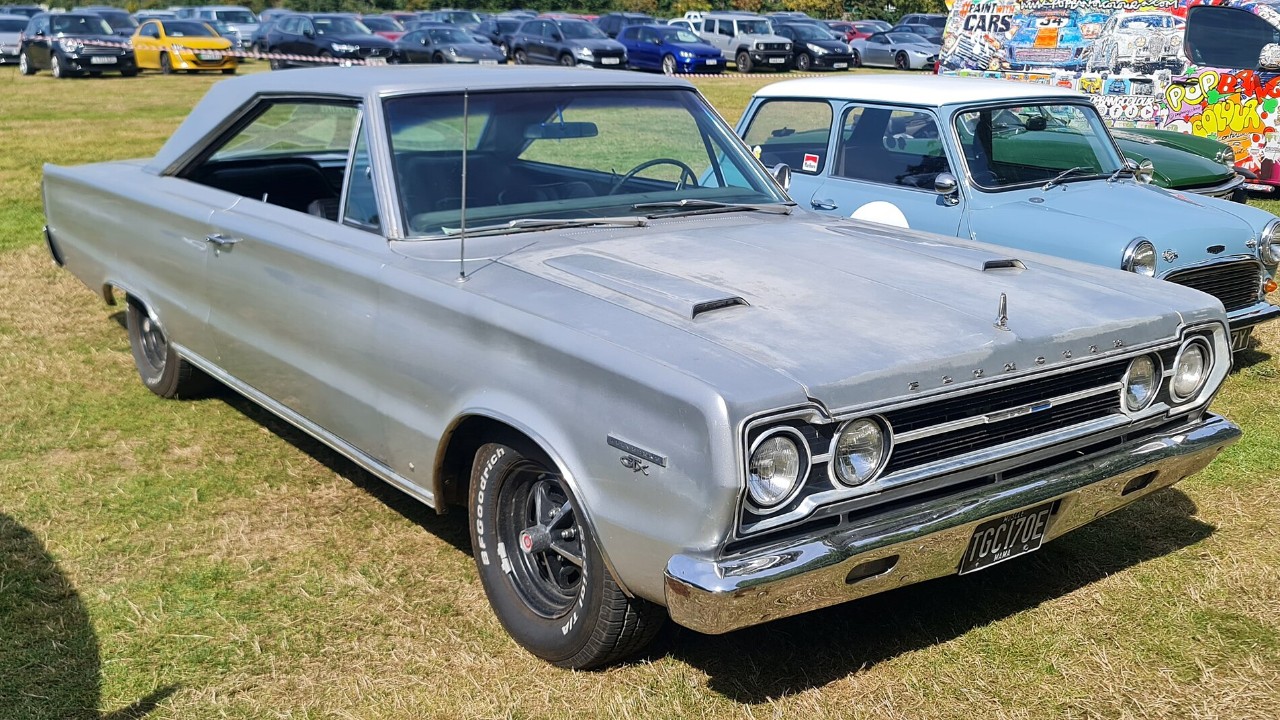
Plymouth introduced the GTX for 1967 as an upscale muscle car built on the mid-size Belvedere, and it came standard with the biggest engine in the lineup. The 440 Super Commando V8 used a single four-barrel and was rated at 375 horsepower and 480 lb-ft of torque. No other Belvedere offered the 440 that year, and a 425-horsepower 426 Hemi was available for $546 more.
Car and Driver tested a 440 GTX at 6.0 seconds to 60 mph and 14.4 seconds in the quarter mile, strong figures for a car that came standard with a TorqueFlite automatic. The Hemi version was quicker still, reaching 60 mph in 4.8 seconds and covering the quarter in 13.5 seconds at 105 mph.
The GTX’s problem was its polish. With vinyl bucket seats, a pit-stop gas cap, and simulated hood scoops, it read as a dressed-up Belvedere rather than a street fighter, and its $3,178 base price was $860 above the cheapest two-door Belvedere. Plymouth sold 11,429 hardtops and only 686 convertibles, and the cheaper Road Runner arrived the next year to grab the spotlight.
Ford Torino Talladega

Ford built the Talladega for one reason: to win on NASCAR’s fastest superspeedways. Starting with the Torino SportsRoof fastback, engineers stretched the nose about six inches with a sloping front end, pulled the grille forward so it sat flush, turned a cut-down Fairlane rear bumper into a front air dam, and reshaped the rocker panels to lower the car about an inch.
Every street Talladega carried the 428 Cobra Jet V8, officially rated at 335 horsepower and 440 lb-ft of torque. That rating was widely considered conservative, a common practice for keeping insurance costs down. Ford credited the reworked nose alone with a five-mph gain in top speed, roughly what an extra 75 horsepower would have delivered.
On the track, it worked. Talladegas won 26 NASCAR races in 1969, and David Pearson took the championship. On the street, though, the cars came only in Wimbledon White, Presidential Blue, or Royal Maroon and looked to most people like Torinos with odd noses. Ford built just 754 of them, and the winged Mopars soon stole the headlines.
Mercury Cyclone GT 428

For 1968, Mercury moved the Cyclone onto the new Torino-based body, and the fastback proved so effective on NASCAR ovals that Cale Yarborough won the 1968 Daytona 500 in a Wood Brothers Cyclone. Engine choices ran as high as a briefly offered 427, but the real prize arrived in April: the 428 Cobra Jet, rated at 335 horsepower.
That number was conservative. Bill Barr, who led development of the 428 Cobra Jet, later said the engine’s true output was about 411 horsepower, and it produced 440 lb-ft of torque through a 735-cfm Holley four-barrel. When magazines tested Cobra Jet Cyclones the following year, Car and Driver and Motor Trend both recorded quarter-mile times under 14 seconds at better than 100 mph.
Mercury’s reputation for comfortable, upscale cars worked against it on the street, and the Cyclone has spent decades in the shadow of the Mustang and Torino. That oversight is exactly why a 428-powered Cyclone GT still counts as one of the better values among big-block Fords of the era.
Plymouth Road Runner 440 Six Barrel
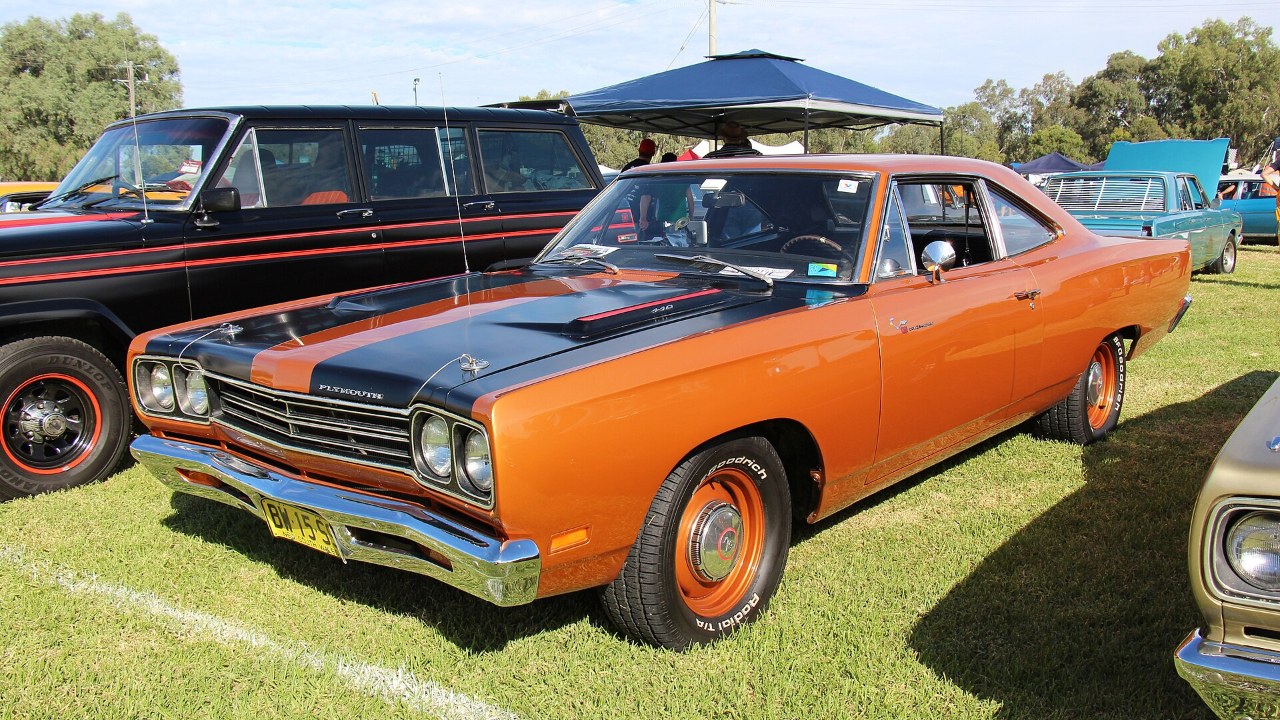
The Road Runner was already Motor Trend’s 1969 Car of the Year when Plymouth added a mid-year option that turned it into a drag-strip weapon. The A12 package, better known as the 440 Six Barrel, put a 440-cubic-inch V8 with three Holley two-barrel carburetors under a flat-black fiberglass hood that lifted off completely, held by four pins and topped with a working scoop.
Plymouth rated the engine at 390 horsepower, and the package included a Sure-Grip rear axle with a 9.75-inch ring gear and 4.10 gears, plus black-painted 15-inch steel wheels on G70 Goodyear Polyglas tires. According to auction documentation, a stock A12 Road Runner could run the quarter mile in 12.91 seconds.
Because the A12 cars arrived late in the model year and looked plain, they were easy to overlook. Plymouth built only 797 A12 hardtops for the U.S. market, split between 422 four-speeds and 375 automatics, and relatively few survive with their original sheetmetal and engines.