Before pickups became rolling luxury suites, they were expected to spend their lives hauling equipment, carrying supplies, working farms, and getting through rough roads. Their appeal came from straightforward engineering, sturdy frames, simple interiors, and mechanical parts designed to be serviced rather than replaced. From American workhorses to compact Japanese trucks, these pickups came from an era when lasting through years of hard use was part of the job.
Ford F-100
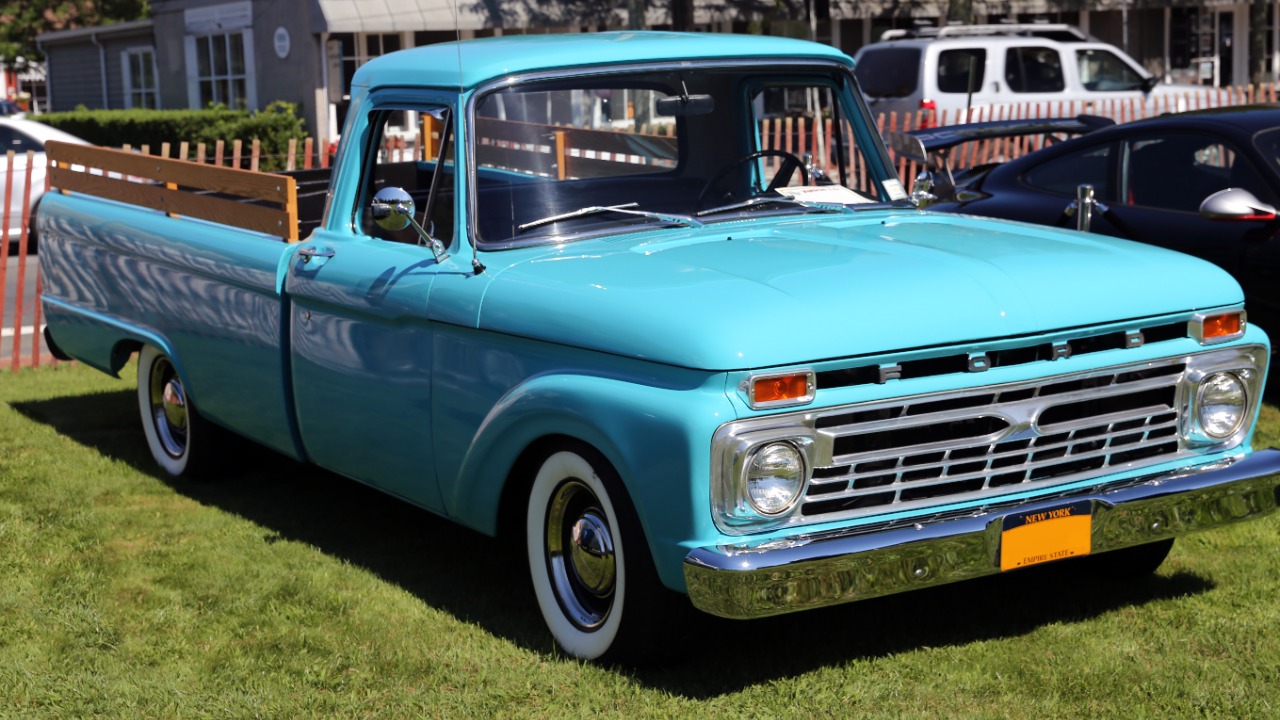
The Ford F-100 became one of America’s defining work pickups by keeping its basic mission simple. Earlier generations emphasized straightforward construction, useful payloads, and easy servicing rather than unnecessary complexity. The F-100 went through several major redesigns, but its reputation as a practical work truck remained consistent. The 1950s and 1960s versions in particular have become favorites with collectors because they combine simple mechanical layouts with unmistakable styling. They were trucks meant to be used, not pampered, which is one reason so many enthusiasts still appreciate them today.
Chevrolet C10
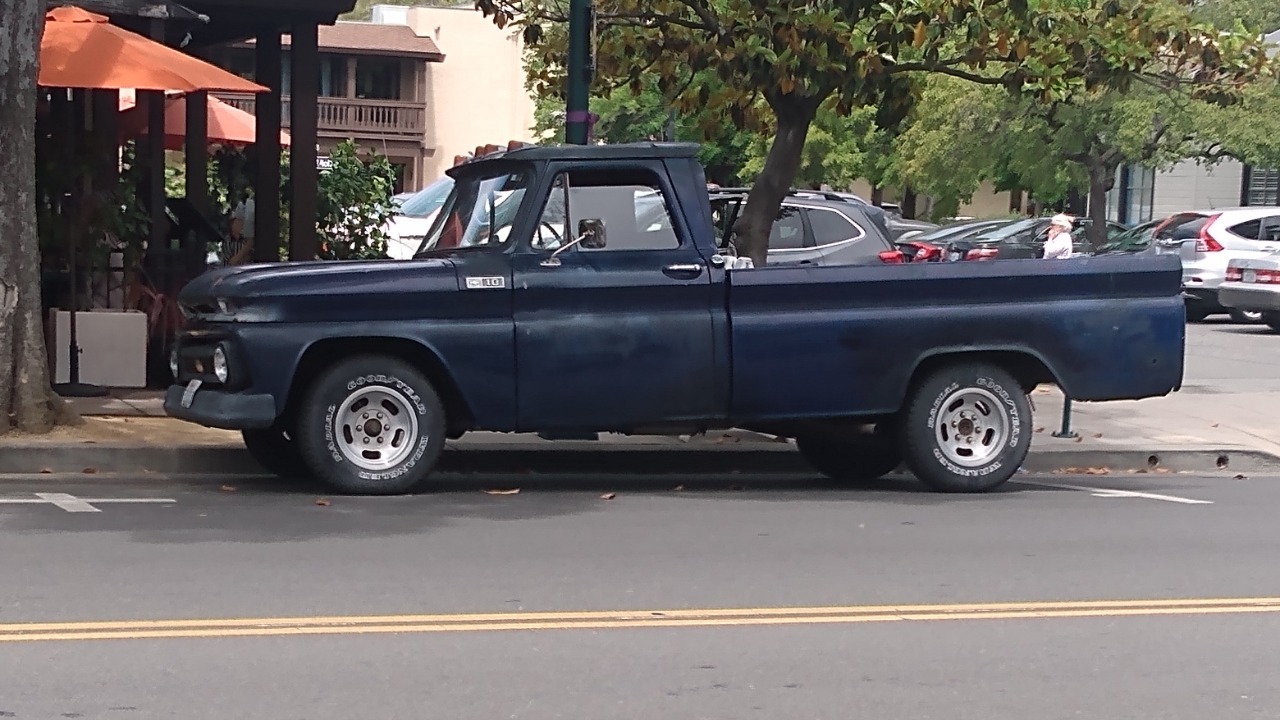
The Chevrolet C10 represented the kind of pickup that could handle daily work without demanding much attention. Its conventional construction made it familiar to farmers, tradespeople, and small businesses, while later generations added more comfort without abandoning the basic truck underneath. The 1967–1972 generation is especially popular today, but the C10 name covers a much broader range of dependable workhorses. These trucks were designed around practical hauling and serviceability, helping explain why surviving examples remain so popular with restorers and classic-truck enthusiasts.
Dodge D-Series

Dodge’s D-Series pickups brought a sturdy approach to the full-size truck market during an era when durability was still a major selling point. The trucks used conventional layouts and offered a wide range of configurations for different types of work. Their boxy styling and substantial construction have aged particularly well, giving surviving examples a distinctly industrial character. A well-kept D-Series can still look ready for a day on a farm or a construction site, which is exactly the environment these trucks were designed to handle.
GMC C/K

The GMC C/K line shared much of its basic engineering with Chevrolet’s pickups but developed its own identity among truck buyers. These were serious working vehicles, available in a broad range of sizes and configurations. Their straightforward construction made them useful for everything from hauling materials to towing equipment. The later square-body generation became especially popular, but earlier GMC pickups also represent an era when trucks were expected to survive demanding work without relying heavily on electronics or complicated systems.
International Harvester C-Series
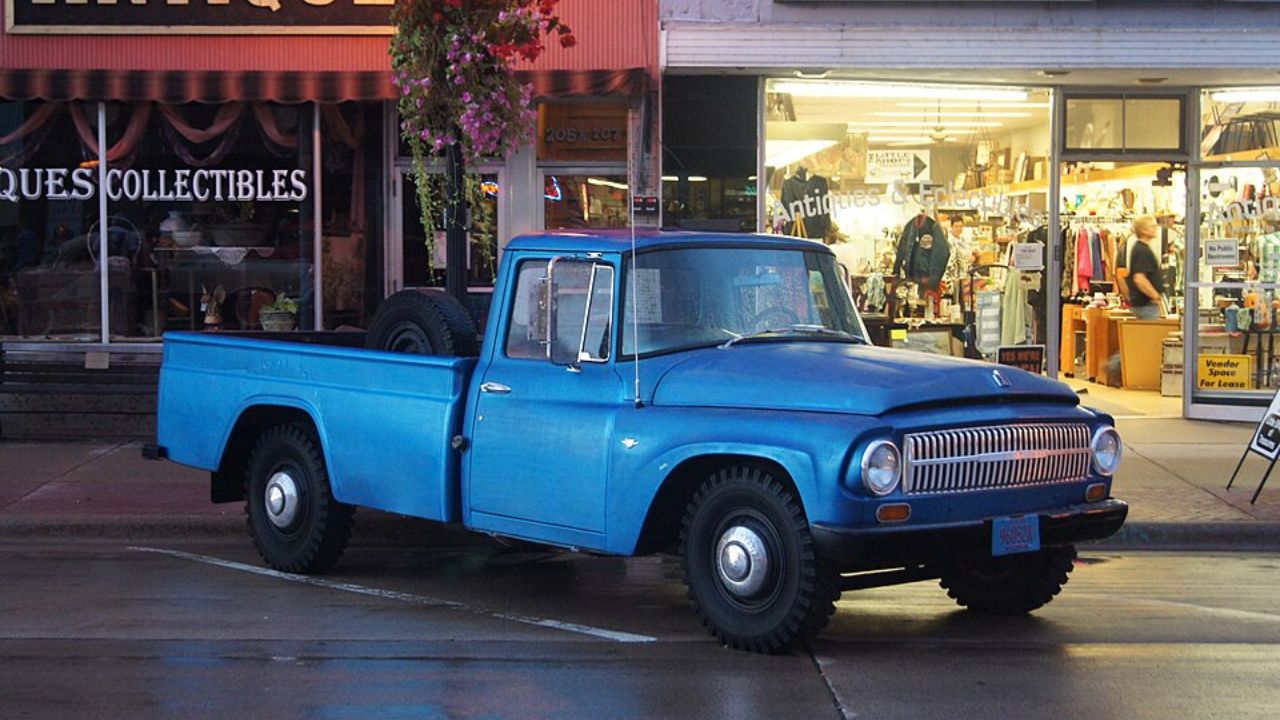
International Harvester built trucks for people who genuinely depended on them, and the C-Series reflected that philosophy. Produced through the 1960s, these pickups were offered in configurations aimed at farming, construction, commercial work, and everyday hauling. Their styling was less flashy than many competitors, but their practical character was the point. The C-Series also included the Travelette crew cab, showing how International was adapting a work-oriented platform to changing customer needs while retaining the rugged fundamentals that defined the brand.
Jeep Gladiator
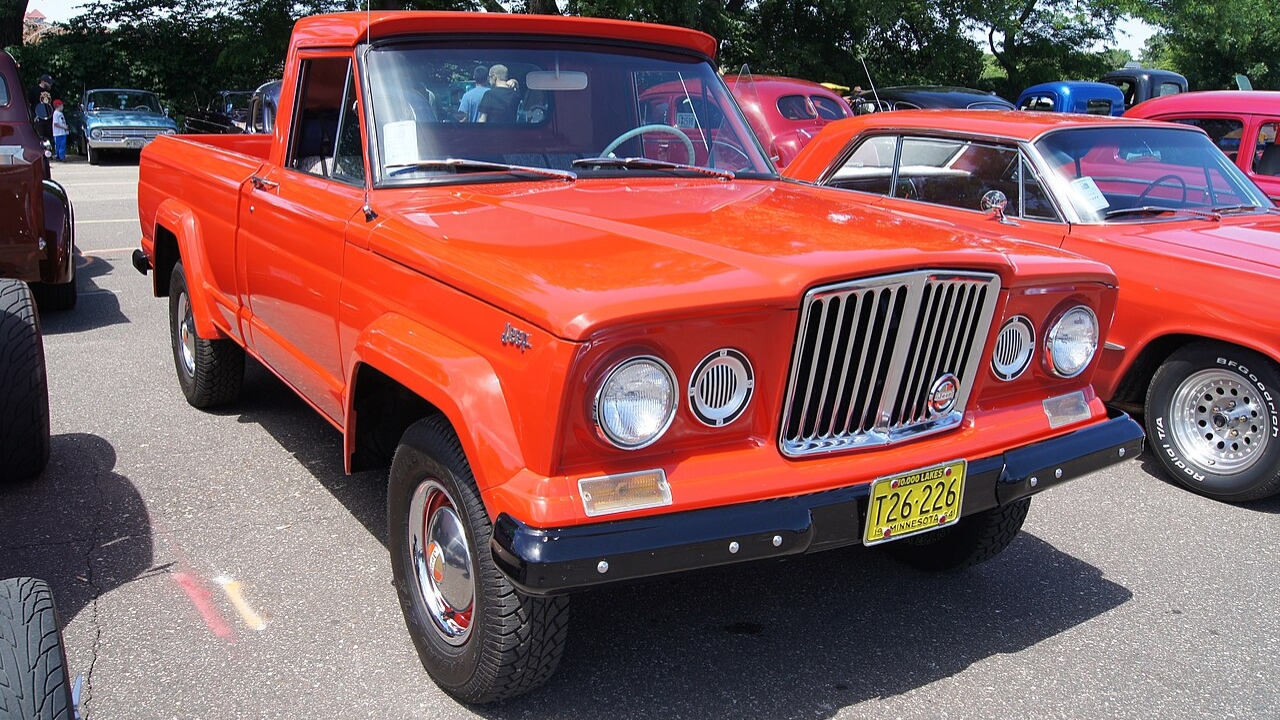
The original Jeep Gladiator was introduced as a full-size pickup during the 1960s, bringing Jeep’s off-road heritage into the working-truck market. Its body-on-frame construction and available four-wheel drive made it useful for buyers who needed something beyond a basic street pickup. The Gladiator was not designed as a luxury vehicle, and that simplicity has become part of its appeal. Today, surviving examples attract attention because they represent a period when a pickup could combine work capability and off-road ability without needing a long list of electronic features.
Toyota Hilux

The Toyota Hilux arrived in 1968 and established itself as a compact pickup built around practical transportation and useful cargo capacity. Toyota’s early design used a separate frame, leaf springs at the rear, and a straightforward manual transmission. Those fundamentals helped the Hilux develop a worldwide reputation for being useful in places where roads, weather, and working conditions could be unforgiving. Its long production history also gave Toyota plenty of opportunities to refine the formula without losing the basic qualities that made the original truck appealing.
Datsun 620
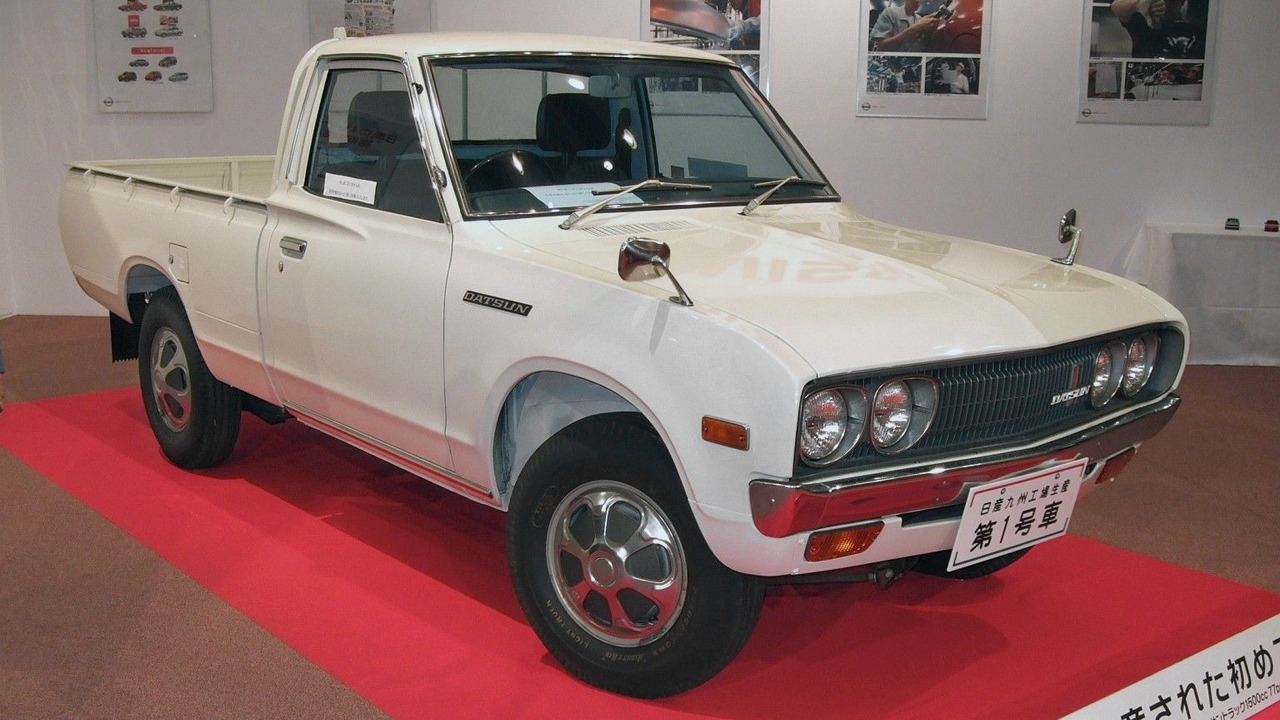
The Datsun 620 arrived when compact pickups were becoming increasingly popular, especially with buyers who wanted a smaller truck that was economical and easy to manage. It brought a relatively compact footprint together with a useful cargo bed and straightforward mechanical design. The 620 became particularly recognizable for its distinctive styling and practical proportions. It was not intended to compete directly with the largest American work trucks, but it demonstrated that durability and usefulness did not necessarily require a massive engine or oversized chassis.
Ford Courier
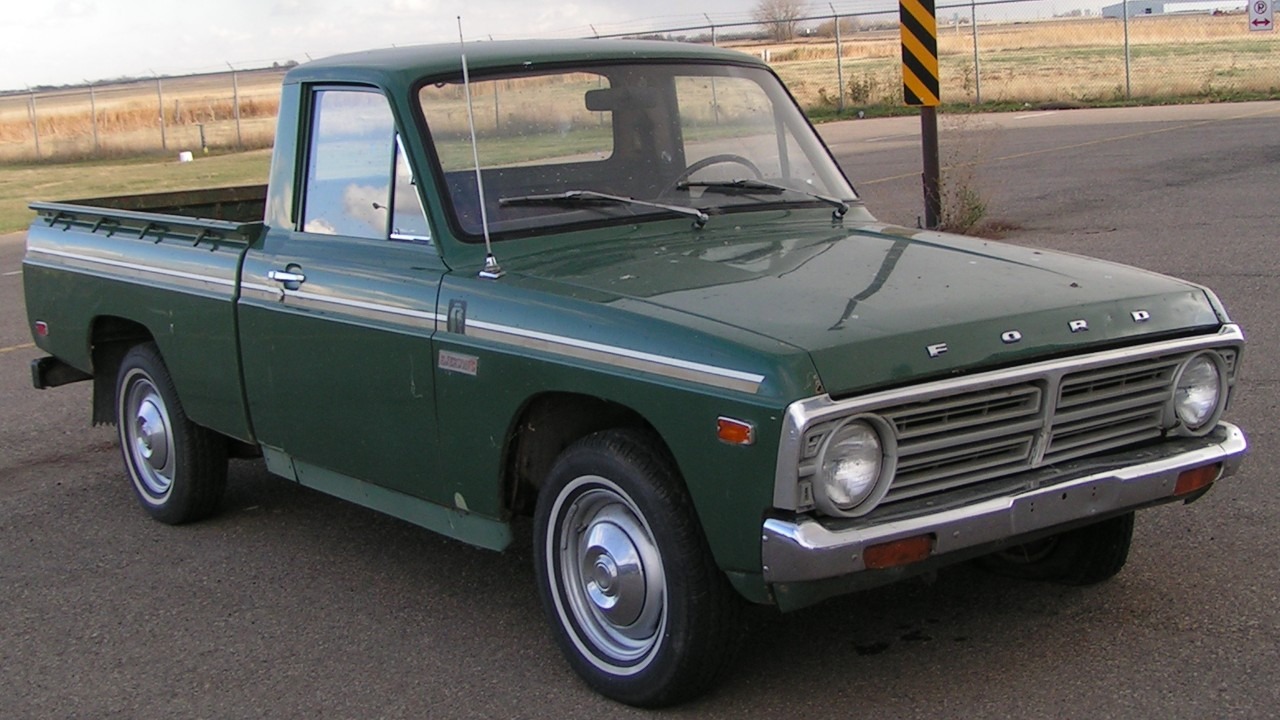
The Ford Courier gave buyers access to a compact pickup during the period when smaller trucks were gaining ground in North America. Rather than developing an entirely new truck from scratch, Ford used a Mazda-based design, creating a practical alternative to larger domestic pickups. Its compact dimensions made it useful for everyday hauling while keeping running costs relatively manageable. The Courier represents an important transition in pickup history, when buyers began realizing that a smaller truck could still handle real work without the size and fuel consumption of a full-size model.
Mazda B-Series
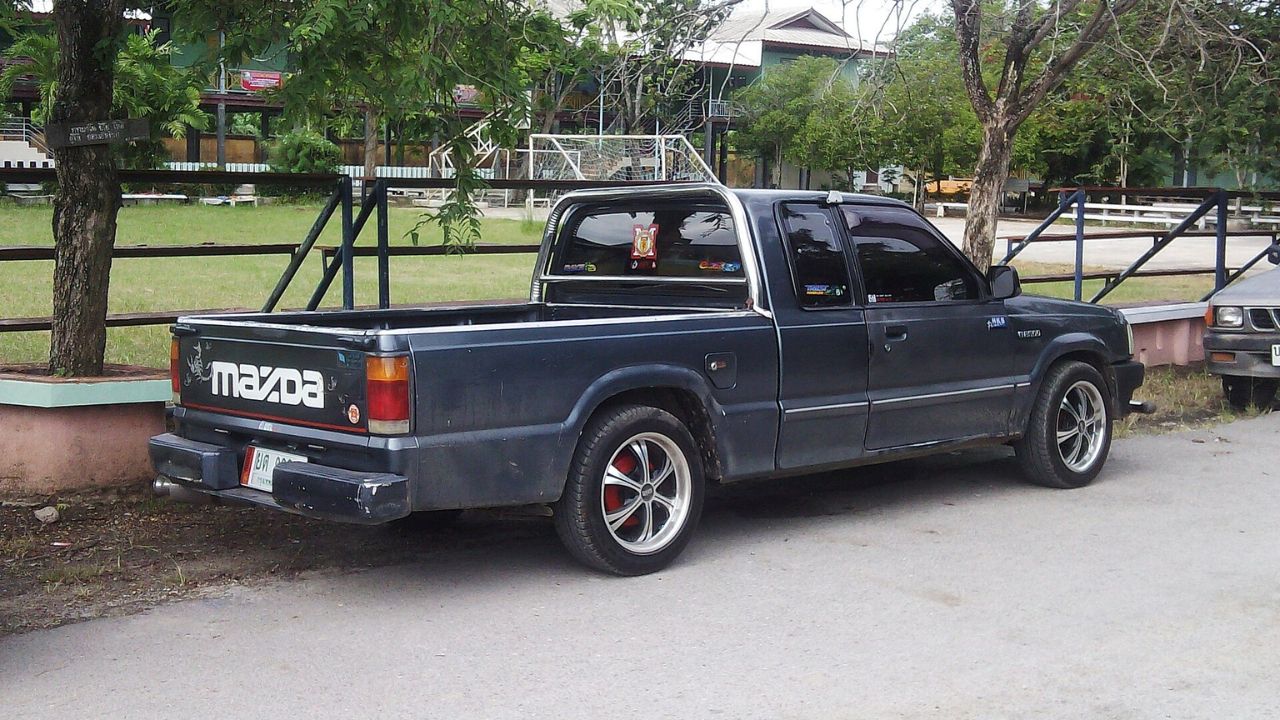
The Mazda B-Series became one of the familiar names in compact pickups, particularly among buyers who wanted a simple truck for everyday use. Its relatively small size made it easier to maneuver than full-size American pickups, while the traditional pickup layout kept it practical. Over the years, Mazda offered numerous versions and configurations, but the basic idea remained consistent. The B-Series was a useful tool rather than a status symbol, and that straightforward mission helped it develop a loyal following.
Chevrolet LUV
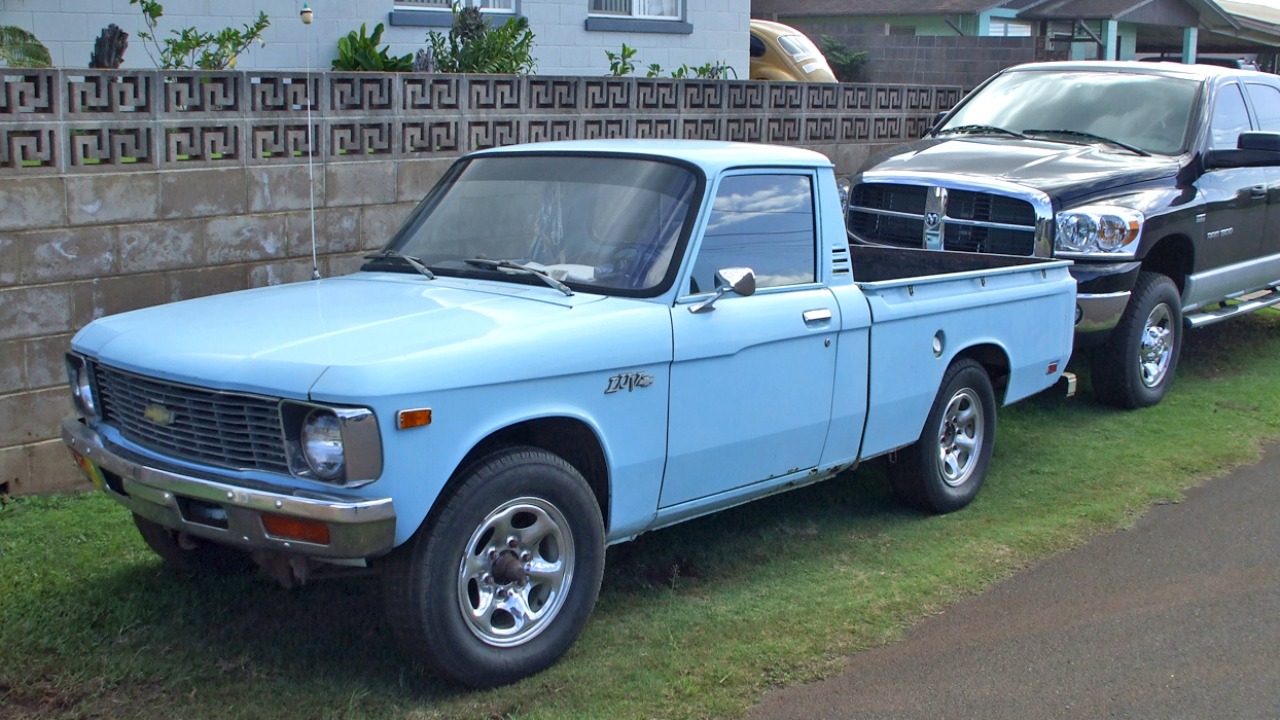
The Chevrolet LUV was one of the early compact pickups offered by a major American manufacturer in response to growing demand for smaller trucks. Built by Isuzu, it gave Chevrolet a practical entry into a market increasingly interested in economical pickups. Its compact dimensions, relatively simple mechanical design, and useful cargo bed made it well suited to light-duty work. The LUV also represents an important moment in pickup history, when American buyers began embracing smaller imported trucks alongside traditional full-size models.
Ford F-250
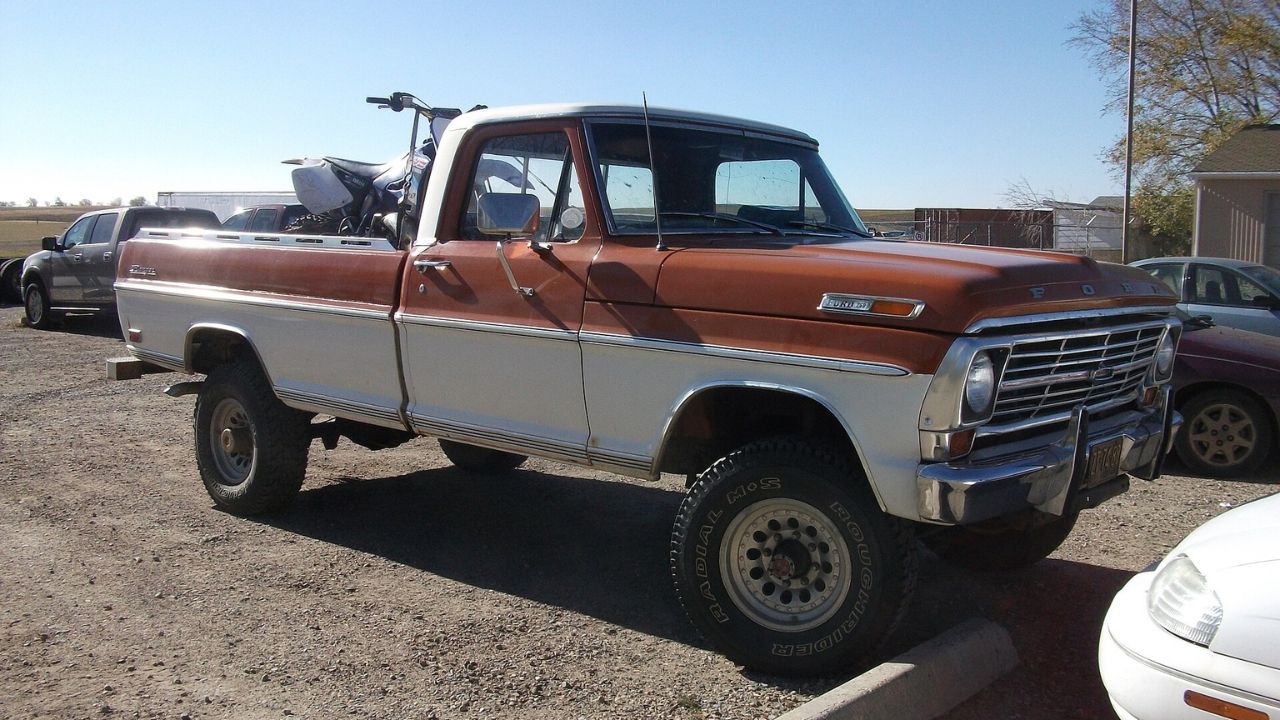
The Ford F-250 occupied an important place between lighter pickups and heavier commercial trucks. It was built for buyers who needed more carrying and towing capability without stepping into a much larger work vehicle. Earlier F-250s relied heavily on traditional truck engineering, with sturdy frames, heavy-duty suspension components, and relatively uncomplicated mechanical systems. That combination made them useful on farms, job sites, and rural roads. Today, older F-250s remain recognizable examples of when a pickup was expected to work hard every day.
Chevrolet K20
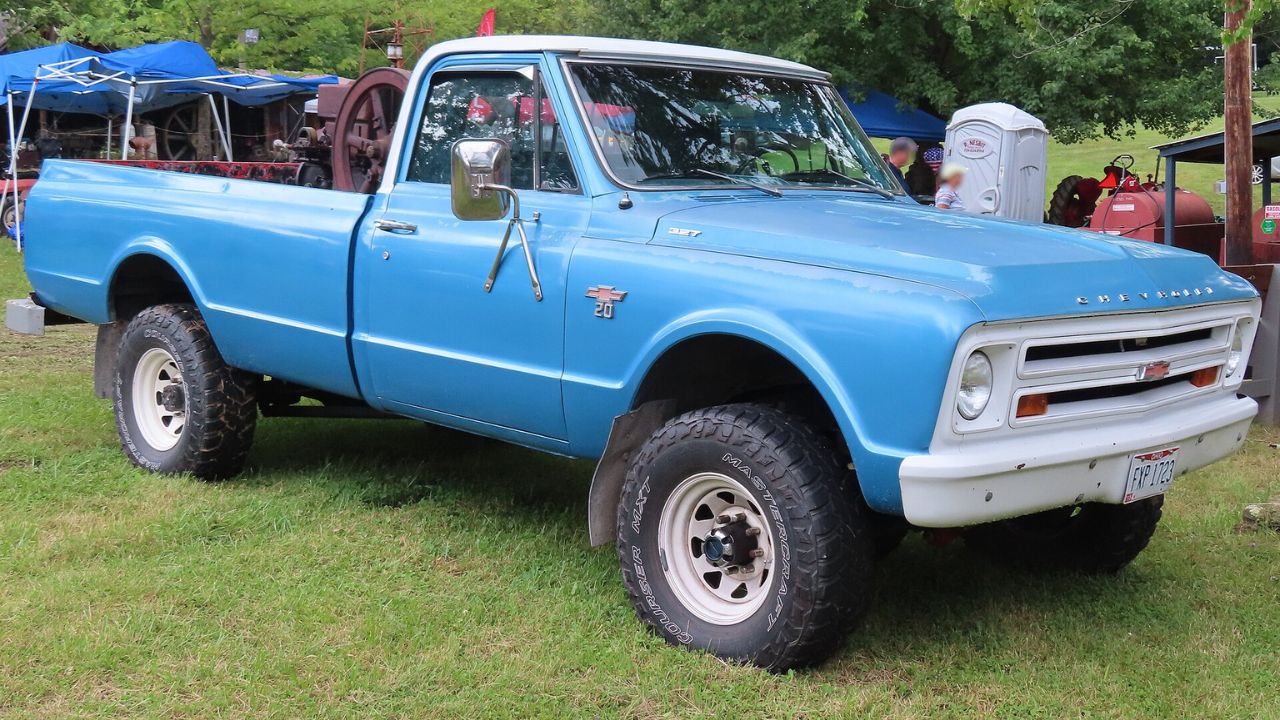
The Chevrolet K20 added four-wheel-drive capability to the traditional Chevrolet pickup formula, giving buyers a truck suited to rough terrain as well as ordinary hauling. These trucks were built during a period when four-wheel drive was primarily a practical tool rather than a lifestyle feature. Their mechanical simplicity made them relatively straightforward to maintain, while their solid construction allowed them to handle demanding conditions. Surviving K20s now appeal to collectors who appreciate the honest, work-focused character of classic American four-wheel-drive pickups.
Ford F-350

The F-350 was designed for buyers whose work demanded more than a half-ton pickup could provide. Its heavier-duty chassis and suspension made it appropriate for serious hauling and towing, particularly in agricultural and commercial settings. Older F-350s were not overloaded with technology, which meant owners could understand and service much of the truck themselves. That approach reflected the expectations of the era. A heavy-duty pickup was supposed to spend its life working, and the F-350 was built around that requirement.
International Harvester Scout Pickup
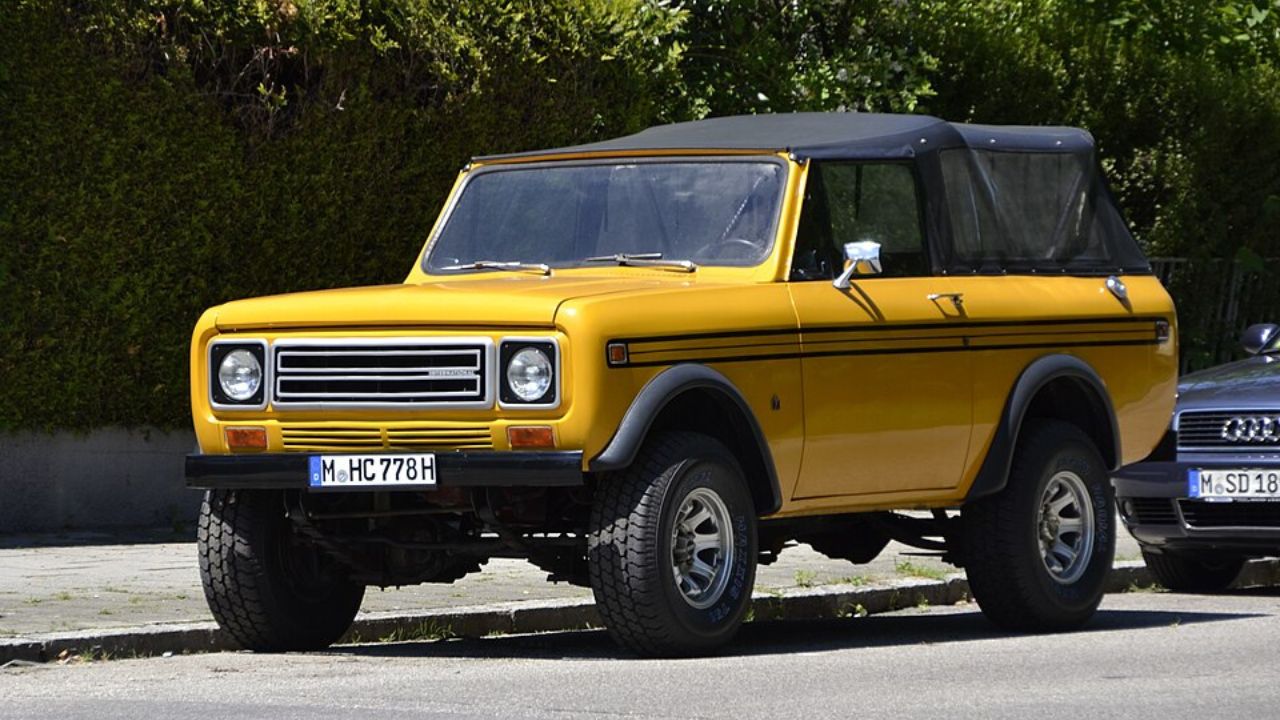
The Scout name is usually associated with rugged utility vehicles, but International Harvester also offered pickup configurations that brought the same practical philosophy to a cargo-bed design. These trucks were aimed at buyers who needed something useful in rural and off-road environments. Their relatively simple construction and four-wheel-drive capability made them particularly suited to farms, ranches, and rough terrain. Today, Scout pickups are considerably less common than mainstream Ford and Chevrolet trucks, giving them additional appeal among classic-truck enthusiasts.
Nissan Hardbody
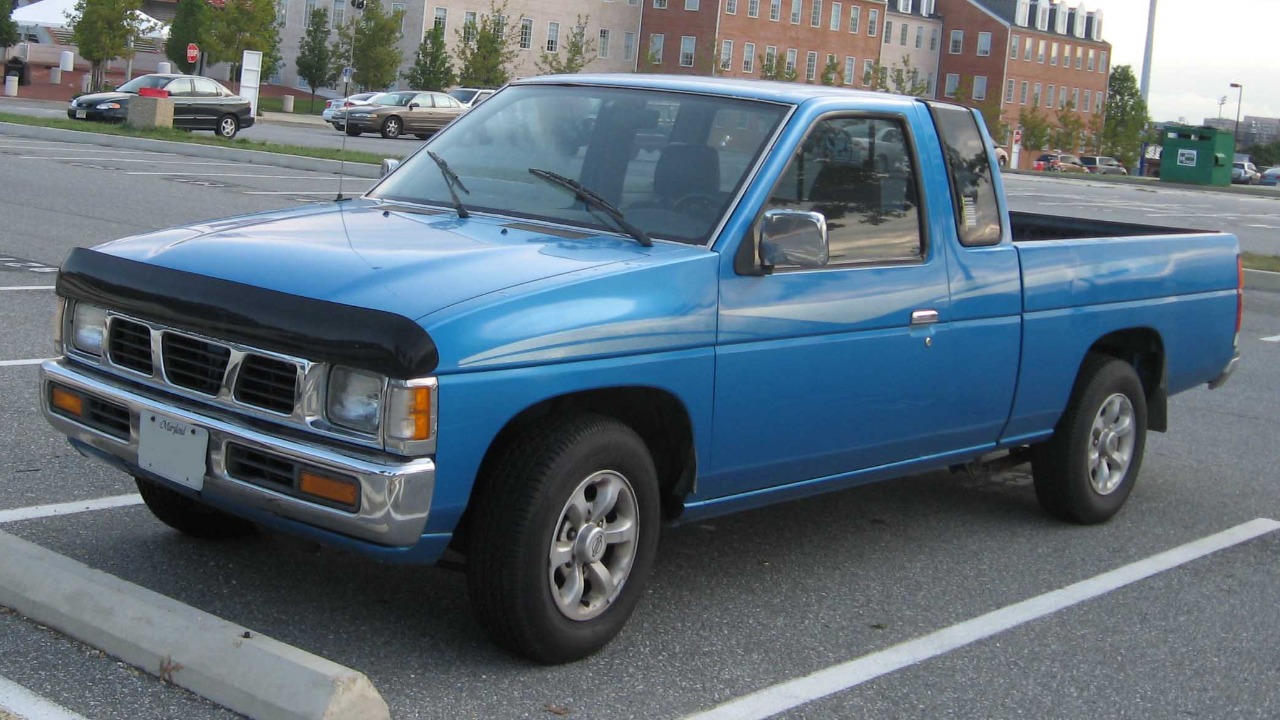
The Nissan Hardbody arrived in the 1980s and quickly became one of the better-known compact pickups for buyers who wanted straightforward transportation and useful capability. Its name became closely associated with a tough, boxy design that emphasized practicality over luxury. The truck was available in two- and four-wheel-drive configurations and was used for everything from personal transportation to light commercial work. Its simple character helped make it a favorite among owners who valued a truck that could be maintained without excessive complexity.
Toyota Pickup

Before the Tacoma name appeared, Toyota’s compact truck was simply known in many markets as the Toyota Pickup. These trucks developed a strong following because they combined manageable size with a reputation for mechanical simplicity and useful off-road capability. The boxy generations from the 1980s and early 1990s are particularly recognizable today. They were not designed to feel like luxury vehicles, and that was part of their appeal. Their straightforward construction suited owners who needed a dependable truck for work, recreation, and everyday transportation.
Mitsubishi Mighty Max
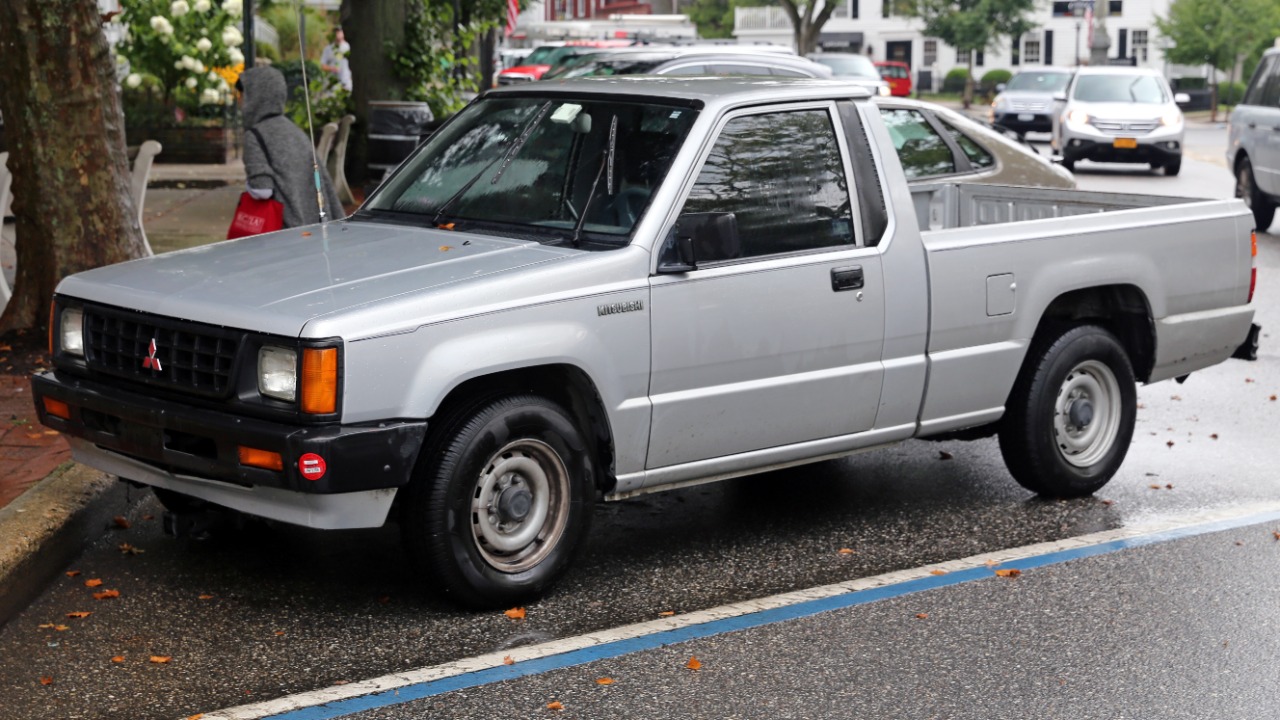
The Mitsubishi Mighty Max was another compact pickup that benefited from the growing demand for smaller trucks. It offered a practical alternative to larger American pickups and was available with configurations aimed at both everyday driving and light-duty work. Its compact dimensions made it useful in urban environments, while four-wheel-drive versions provided additional capability. The Mighty Max may not have achieved the same recognition as the Toyota Pickup or Ford Ranger, but it belongs to the same era of simple, accessible trucks built around basic utility.
Ford Ranger

The original Ford Ranger arrived in the early 1980s as Ford’s dedicated compact pickup for the North American market. It was smaller than the traditional F-Series but still retained the basic qualities buyers expected from a truck, including a separate frame and useful cargo bed. The Ranger became a common sight on farms, job sites, and suburban driveways alike. Its success showed how much the pickup market had changed, with many buyers wanting truck utility without the size of a full-size model.
Jeep Comanche
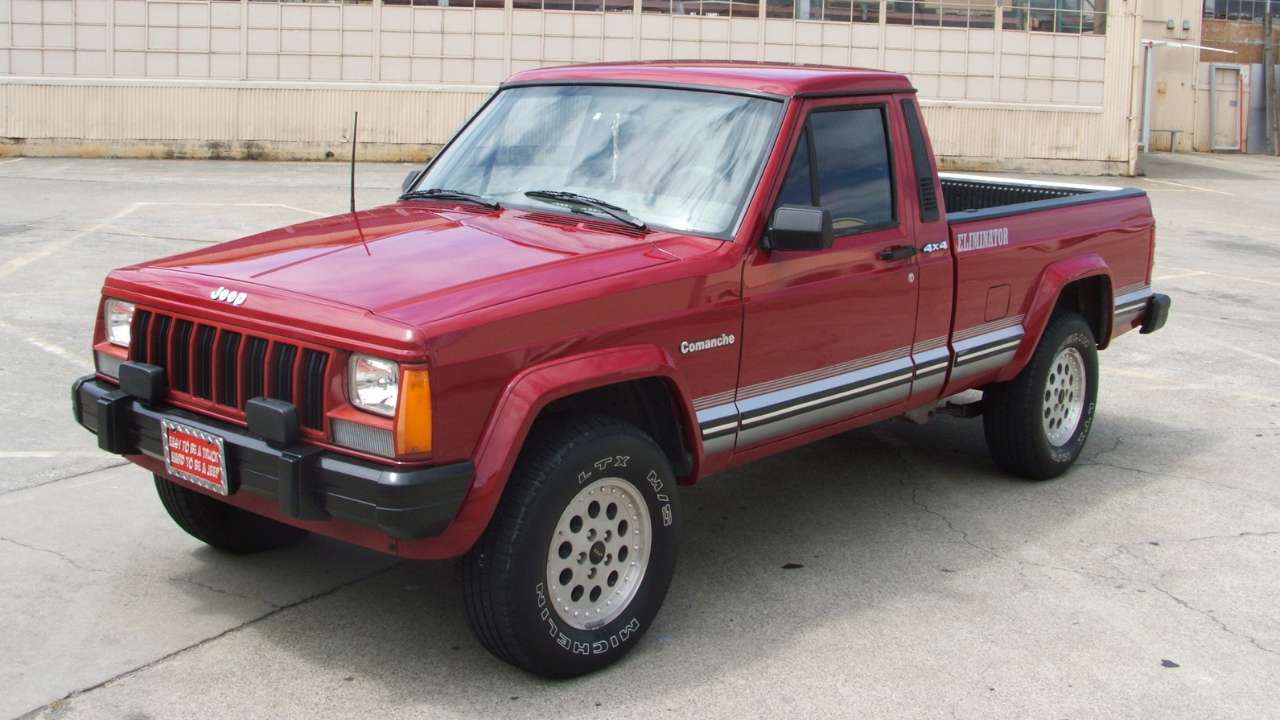
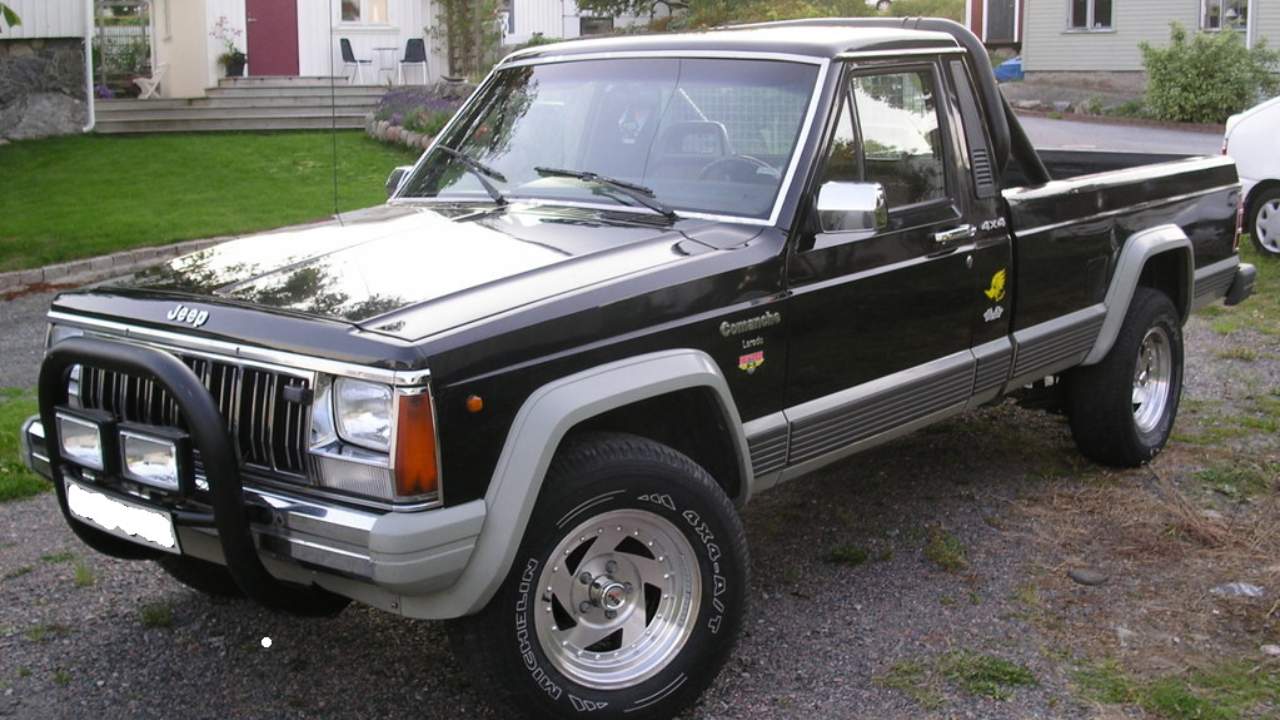
The Jeep Comanche combined compact pickup proportions with Jeep’s four-wheel-drive heritage. Built on a unibody platform rather than the traditional separate-frame construction used by many full-size pickups, it offered a different approach to the small-truck market. Four-wheel-drive versions gave it genuine off-road ability, while its cargo bed made it useful for hauling smaller loads. The Comanche was produced for less than a decade, but its unusual combination of pickup practicality and Jeep capability has made it a memorable part of the classic-truck landscape.
More from Fast Lane Only
- Unboxing the WWII Jeep in a Crate
- 15 rare Chevys collectors are quietly buying
- 10 underrated V8s still worth hunting down
- Police notice this before you even roll window down
*Research for this article included AI assistance, with all final content reviewed by human editors.