Few cars create the kind of attachment that a good roadster can inspire. With two seats, an open roof, and a direct connection between driver and road, these cars turn even an ordinary trip into something memorable. The roadsters on this list earned devoted followings through distinctive styling, enjoyable handling, strong performance, or simply the feeling that there is nothing quite like them.
Chevrolet Corvette C1

The first-generation Corvette established the basic American two-seat roadster formula and remains one of Chevrolet’s most recognizable classics. Its fiberglass body made it unusual for an American production car, while later versions gained increasingly serious V8 performance. Owners who have spent years with a C1 often appreciate its combination of open-air driving and unmistakable 1950s styling. Finding another car with the same proportions, sound, and presence is difficult, which helps explain why well-kept examples tend to stay with their owners.
Mercedes-Benz 300 SL Roadster
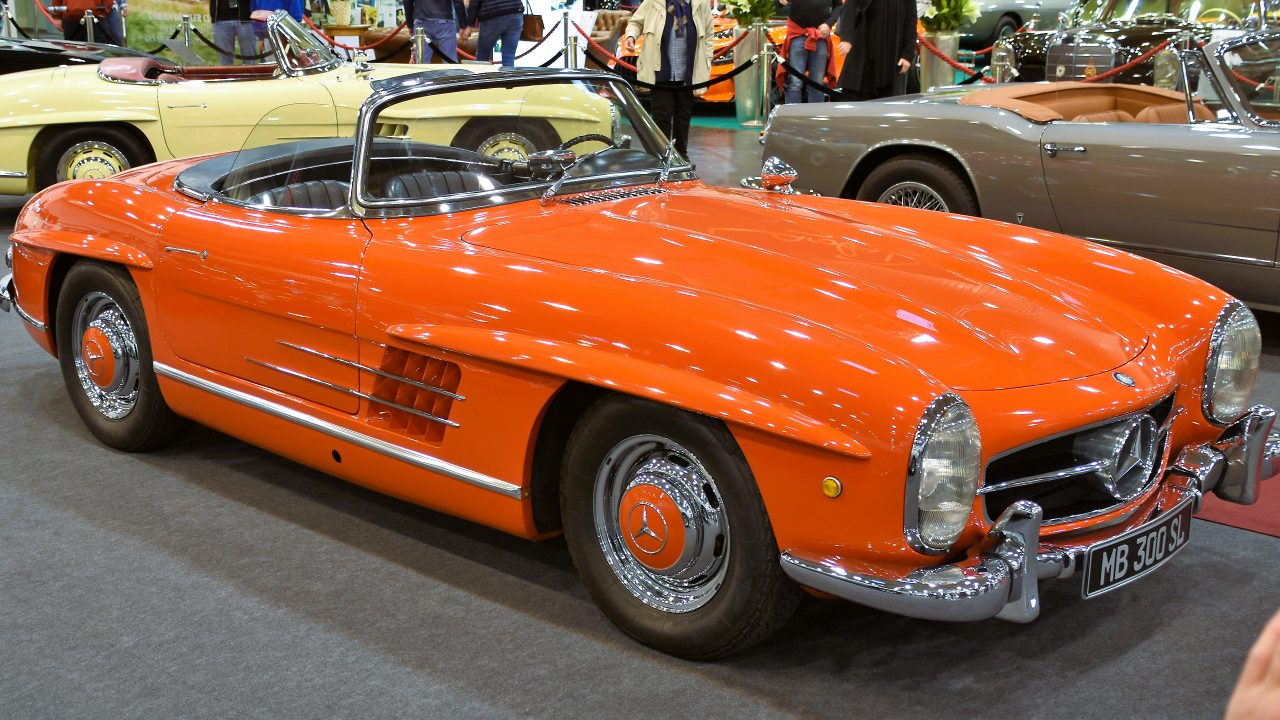
The 300 SL Roadster brought exotic sports-car engineering into a more usable open-top package. Its six-cylinder engine, distinctive bodywork, and sophisticated suspension gave it performance well beyond most ordinary road cars of its era. The Roadster also avoided the extreme impracticality associated with some racing-derived machines. Its combination of engineering, beauty, and rarity has made it one of those cars that owners are reluctant to part with once they have experienced it.
BMW 507
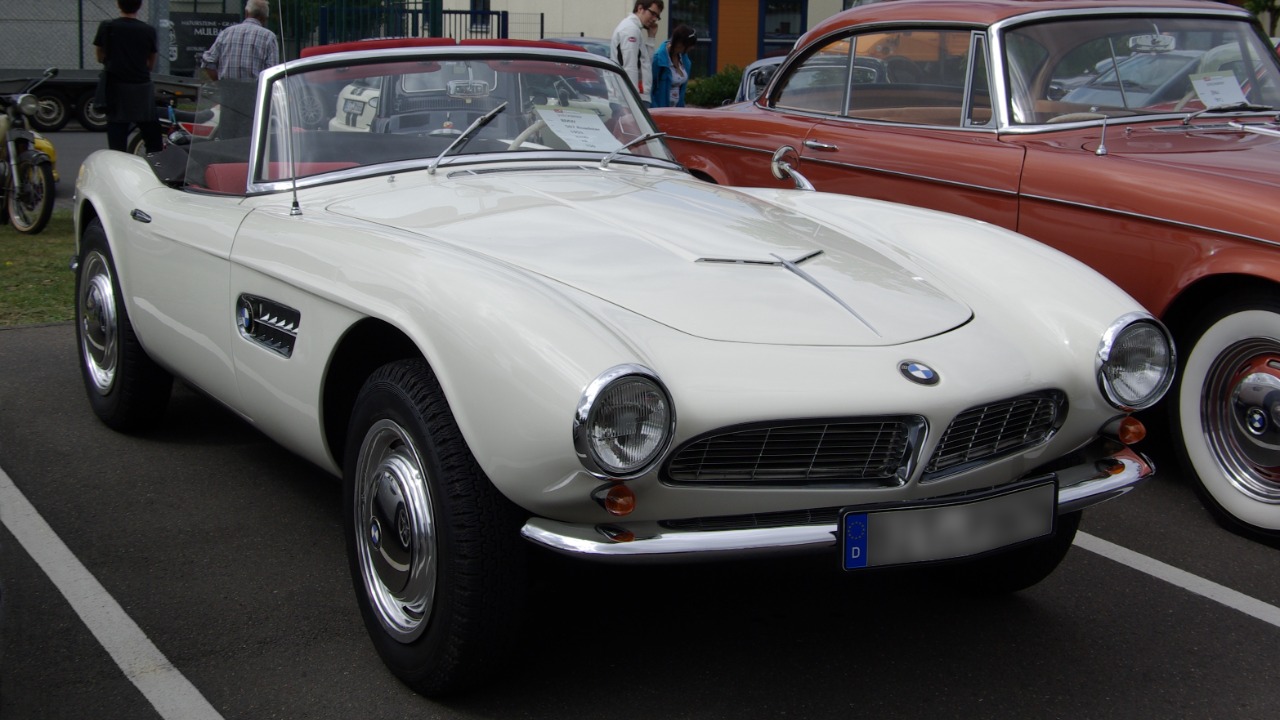
The BMW 507 combined elegant Italian-influenced styling with a sophisticated German mechanical package. Its V8 engine gave the lightweight roadster enough performance to make long-distance driving enjoyable, while the open cabin made it especially appealing on scenic roads. Production numbers were extremely limited, which adds to its desirability today. More importantly, the 507 has a character that is difficult to reproduce with modern cars. Owners who acquire one are often preserving a significant piece of BMW history.
Fiat 850 Spider
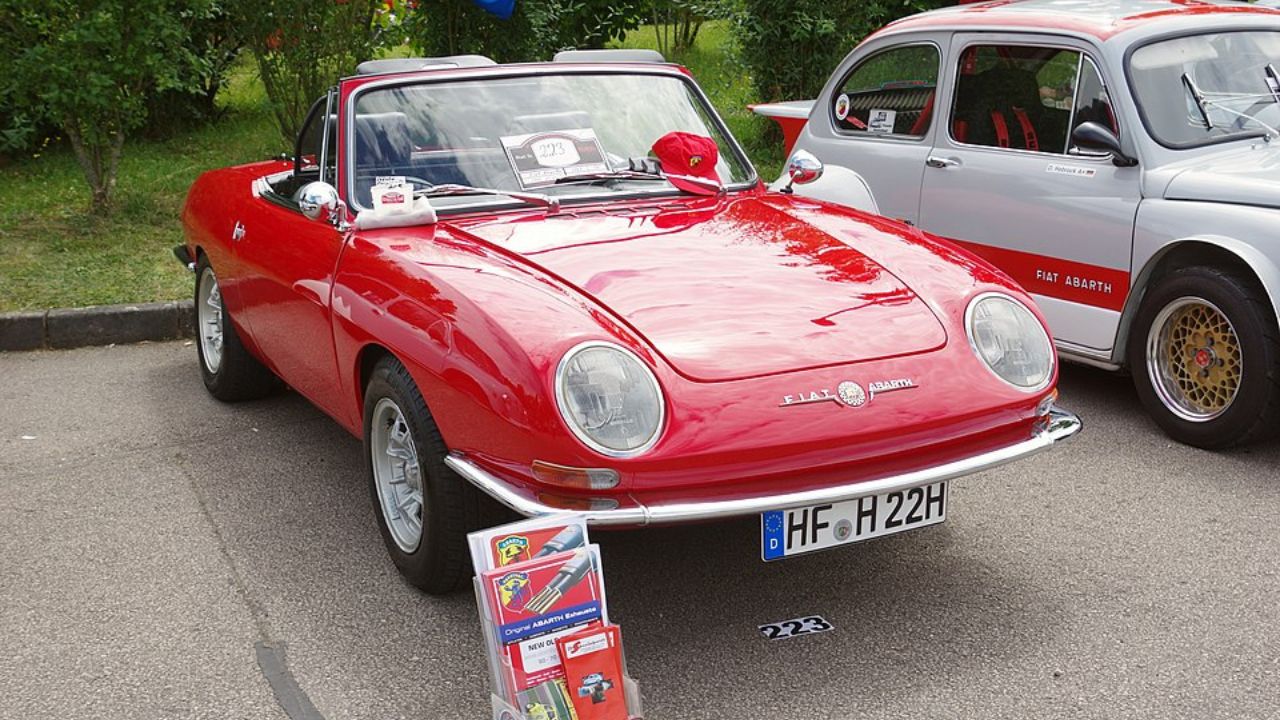
The Fiat 850 Spider offered a compact, lightweight alternative to larger and more expensive European sports cars. Its mid-engine layout gave it excellent balance, while the Bertone-designed body gave it a distinctive Italian appearance. The small dimensions made it easy to enjoy on narrow roads, and the open roof added to its charm. It never needed enormous horsepower to be entertaining. For owners who appreciate lightweight sports cars, that simplicity can make an 850 Spider unusually difficult to replace.
Alfa Romeo Spider
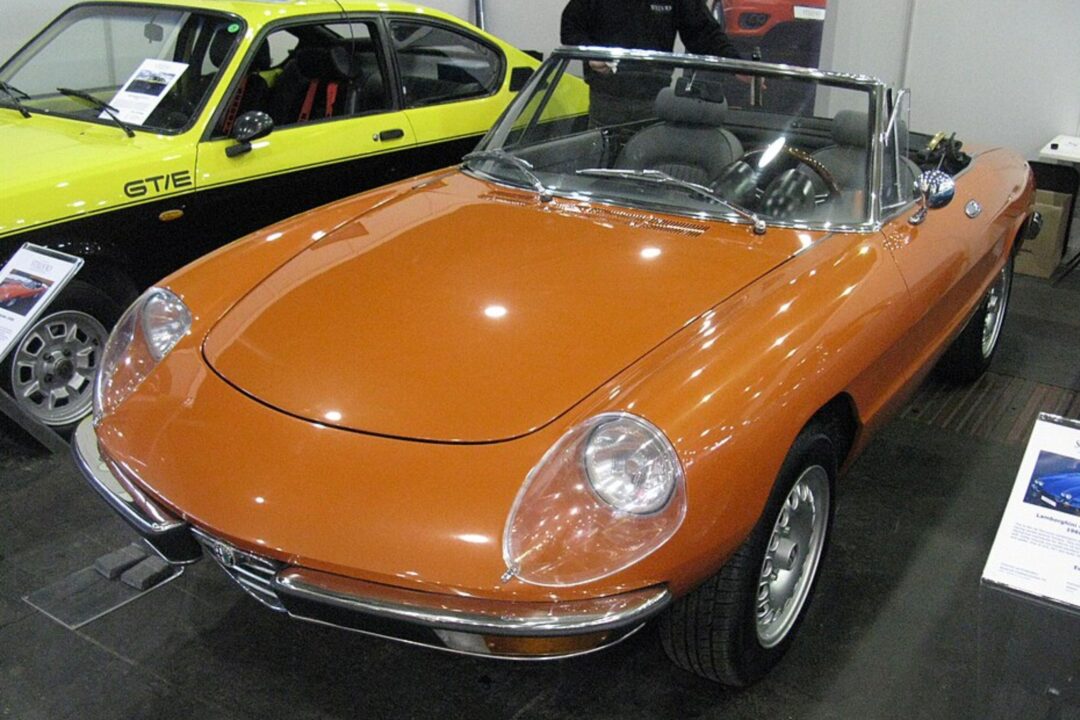
The Alfa Romeo Spider became one of the defining Italian open-top sports cars of its generation. Its long production run allowed several versions to develop different personalities, but the basic formula remained appealing: two seats, an open roof, and a lively driving experience. Its distinctive styling also helped it stand apart from more conventional roadsters. Owners often become attached to the combination of Italian character and relatively straightforward sports-car proportions, making a good Spider a difficult car to let go.
Porsche 356 Cabriolet
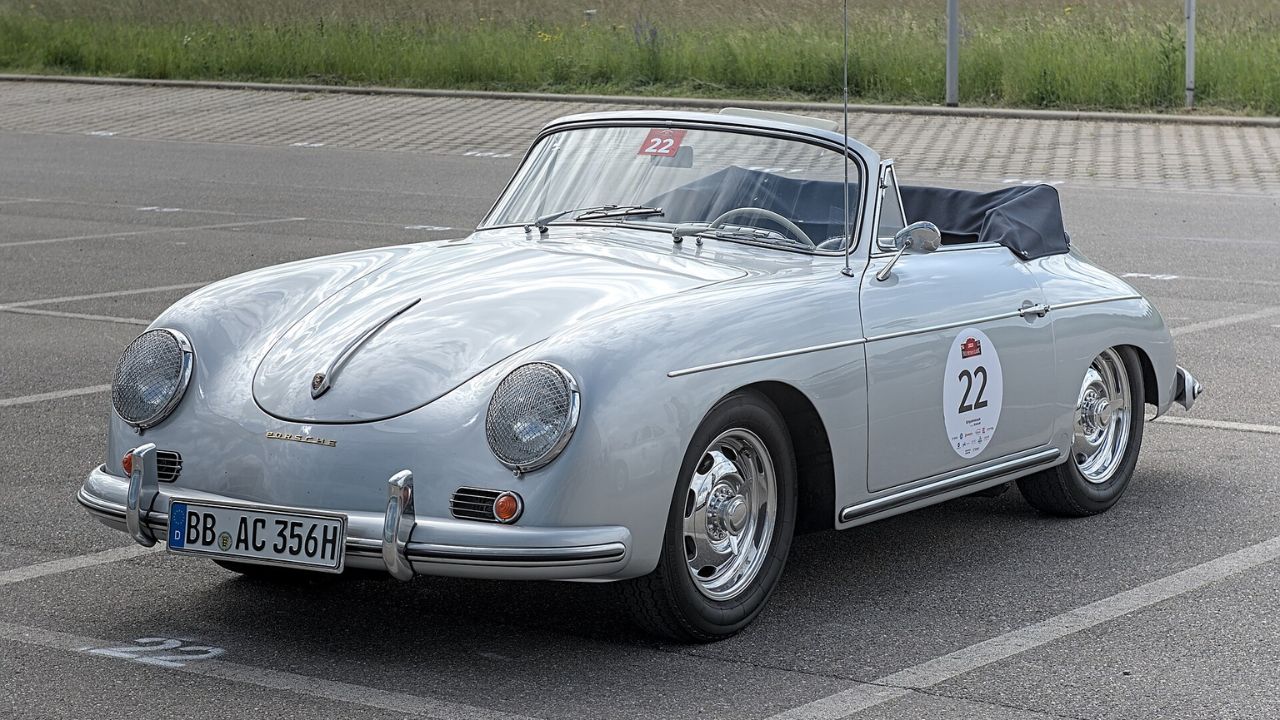
The Porsche 356 Cabriolet combined the compact proportions of the original Porsche sports car with the added appeal of open-air driving. Its lightweight construction and rear-mounted engine gave it a unique personality, while the simple shape has aged remarkably well. The car was never about overwhelming power. Instead, it relied on balance and mechanical character. For collectors, the 356 represents the foundation of Porsche’s sports-car heritage, which makes an original Cabriolet particularly difficult to replace.
MG TF
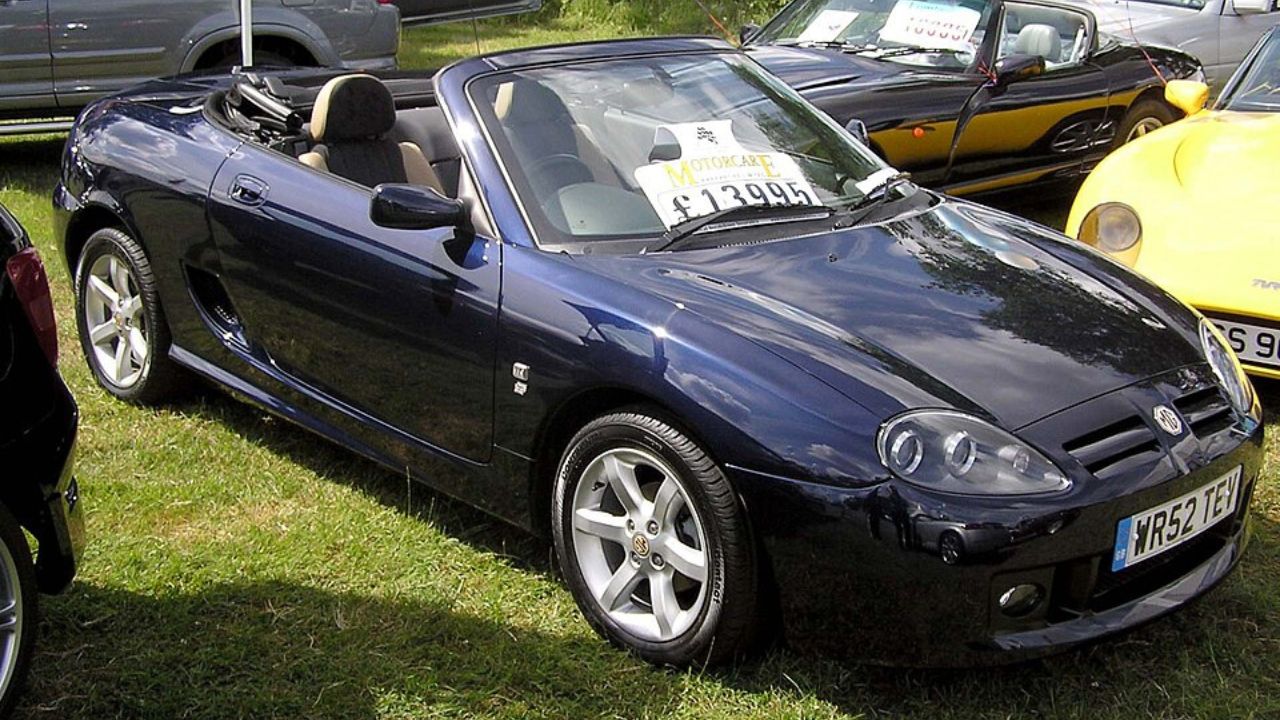
The MG TF was one of the later British sports cars to preserve the traditional two-seat roadster formula. Its compact size, mid-engine layout, and responsive handling made it enjoyable on winding roads, while its folding roof kept the experience firmly connected to classic roadster traditions. It was modern enough to be usable but retained a lightweight sports-car character that many enthusiasts missed in larger performance vehicles. Owners who value that combination often develop a strong attachment to their cars.
Triumph TR7
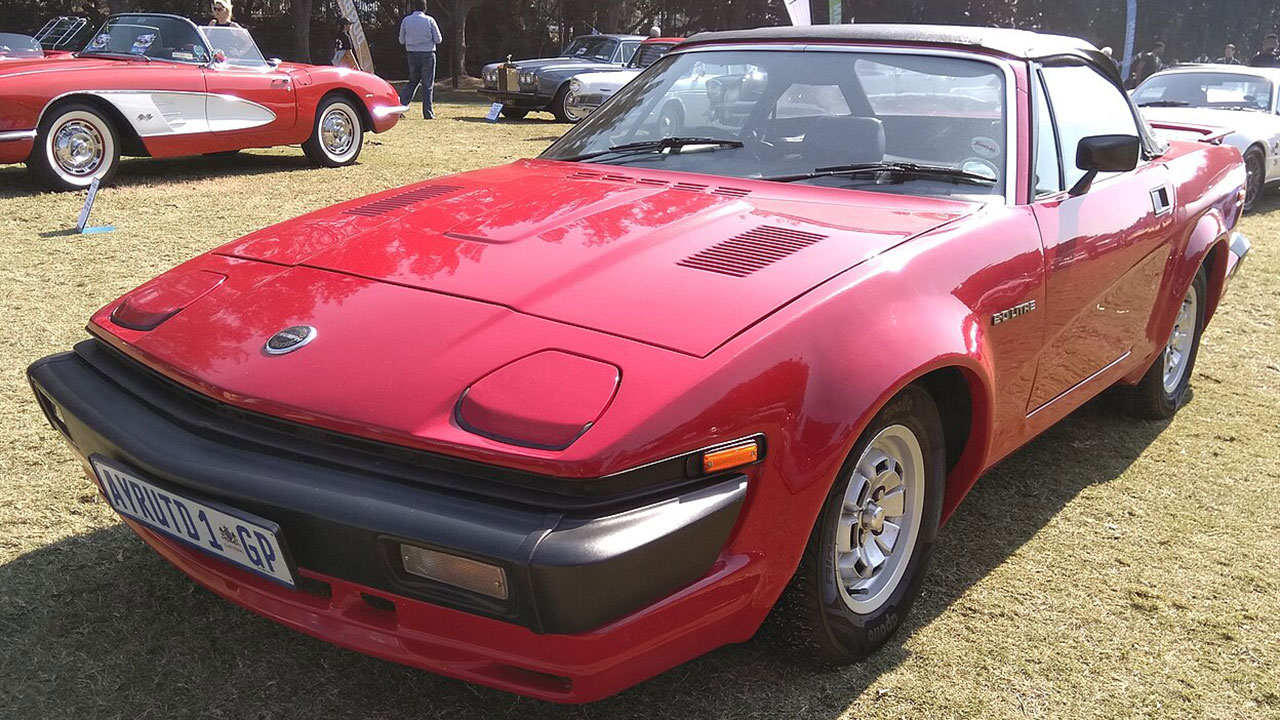
The Triumph TR7 took the traditional British roadster in a dramatically different direction with wedge-shaped styling and a more modern interior. Its shape divided opinion, but that individuality is part of its appeal today. The TR7 also represented an important transition period for Triumph, combining traditional sports-car intentions with a more contemporary design philosophy. Owners who appreciate unusual classics often value the car precisely because it stands apart from the better-known British roadsters.
Triumph GT6
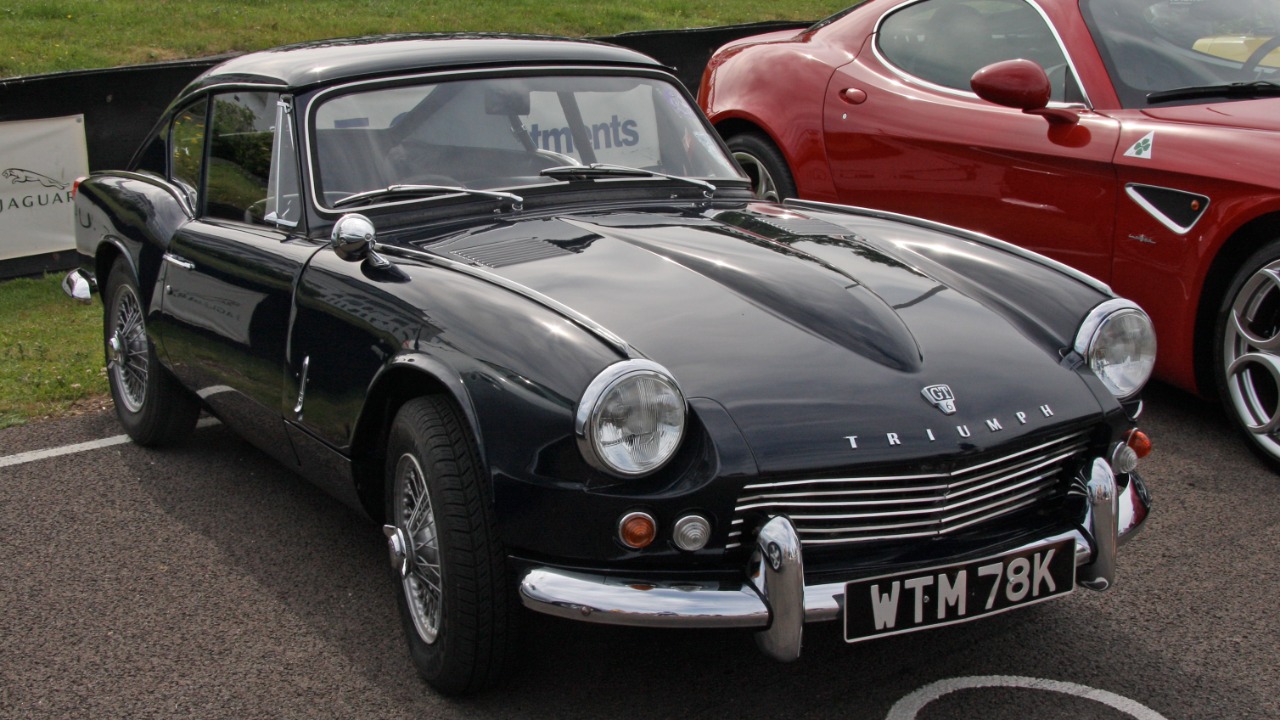
The Triumph GT6 combined the compact chassis of the Spitfire family with a fastback body and a six-cylinder engine. Although technically a fixed-roof sports car rather than a conventional open roadster, its connection to Triumph’s lightweight two-seat sports-car tradition makes it a natural enthusiast favorite. Its compact dimensions and lively engine give it a distinctive character. For owners who enjoy smaller British sports cars, a well-preserved GT6 can be a remarkably satisfying long-term possession.
Austin-Healey 100
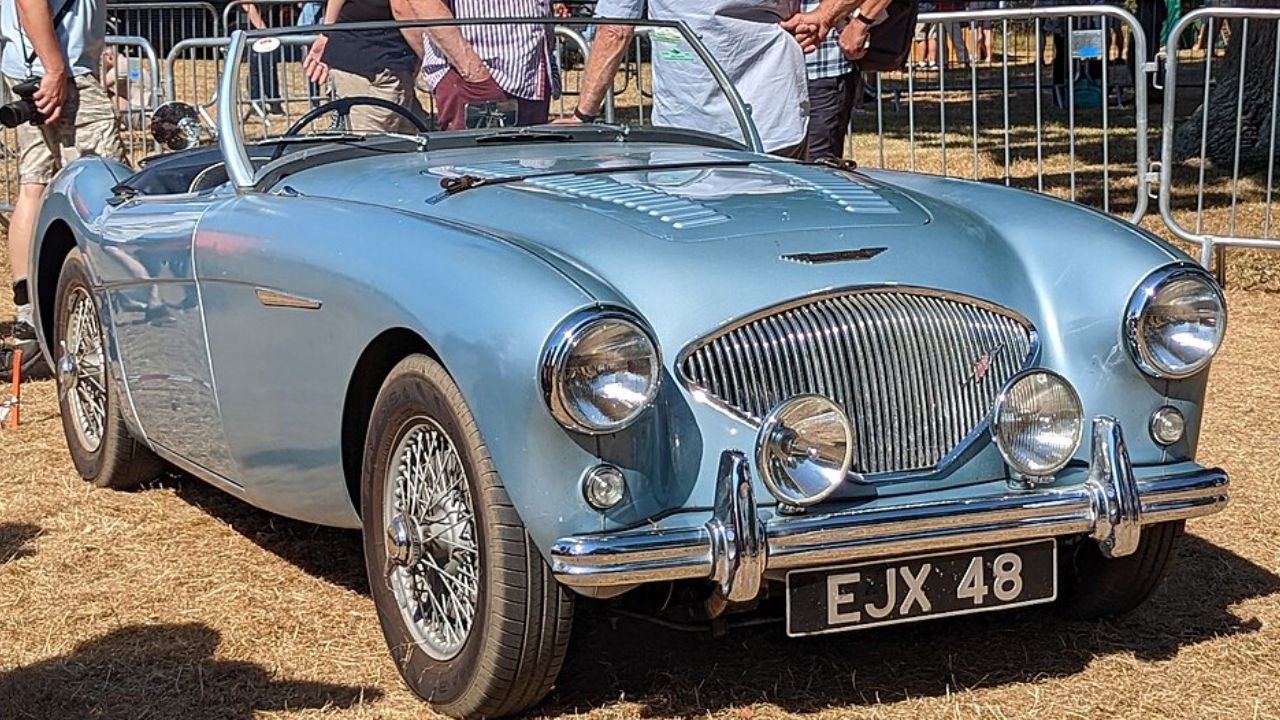
The Austin-Healey 100 established a reputation for combining British roadster simplicity with genuine performance. Its straightforward construction made it engaging to drive, while its muscular proportions gave it more presence than many small European sports cars. The car also helped establish Austin-Healey as a major name in the sports-car world. Owners who enjoy mechanical simplicity often appreciate the fact that the 100 delivers its character without surrounding the driver with unnecessary complexity.
Jaguar XK140 Roadster
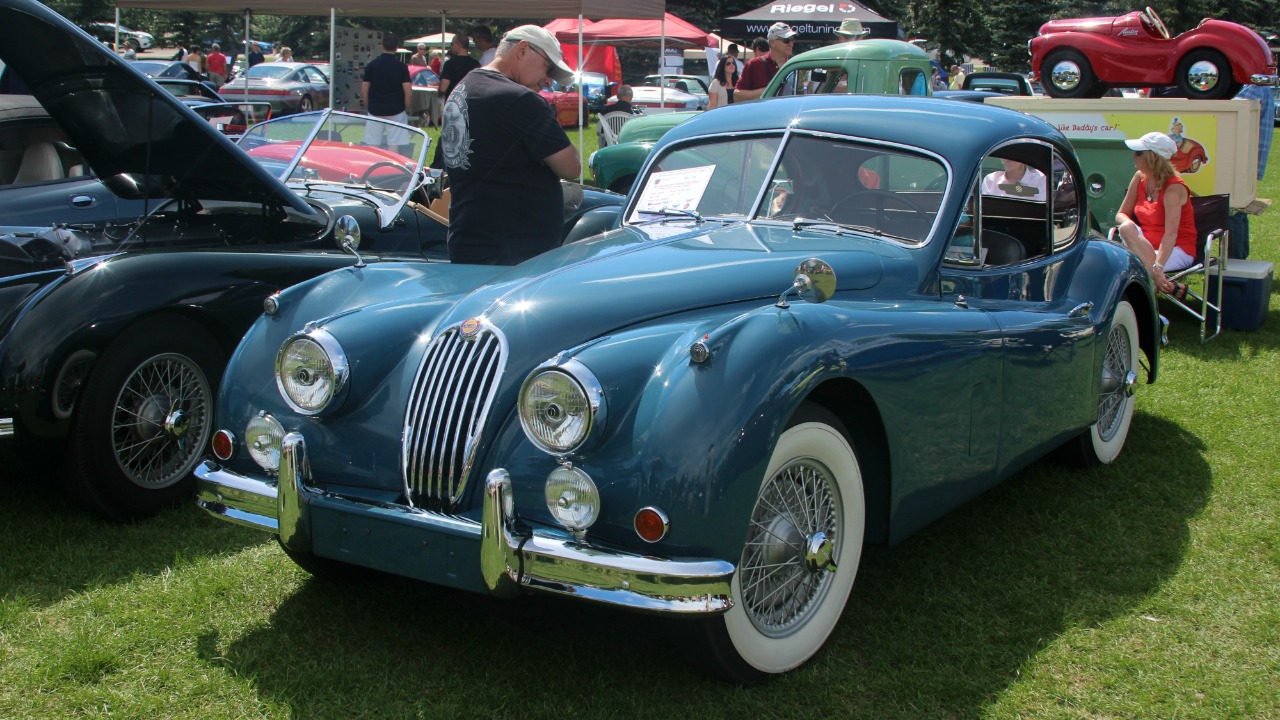
The Jaguar XK140 Roadster blended elegant styling with the performance expected from Jaguar’s XK sports-car family. Its long hood, low seating position, and powerful straight-six gave it a distinctly grand touring character. It was more substantial than some lightweight British roadsters, but that extra size helped make it suitable for longer drives. The combination of graceful styling and genuine performance gives the XK140 an enduring appeal that can make owners reluctant to ever let one leave the garage.
Sunbeam Tiger
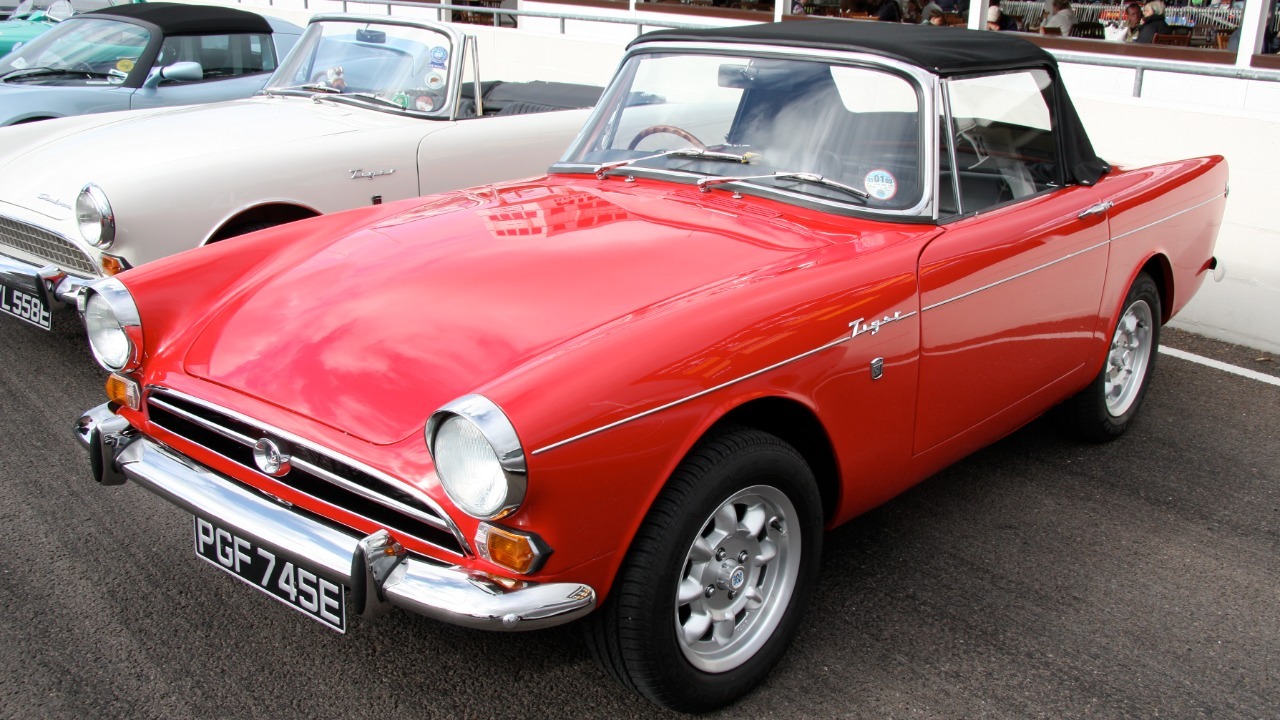
The Sunbeam Tiger took the compact Alpine roadster and gave it an entirely different personality by fitting it with a Ford V8. The result was a small British sports car with American power, producing an unusual combination that enthusiasts still find fascinating. Its relatively compact body made the extra power particularly entertaining. Because the formula was never produced in huge numbers, the Tiger has also become an important collectible. Owners often value its unique blend of British styling and American performance.
Lotus Elan
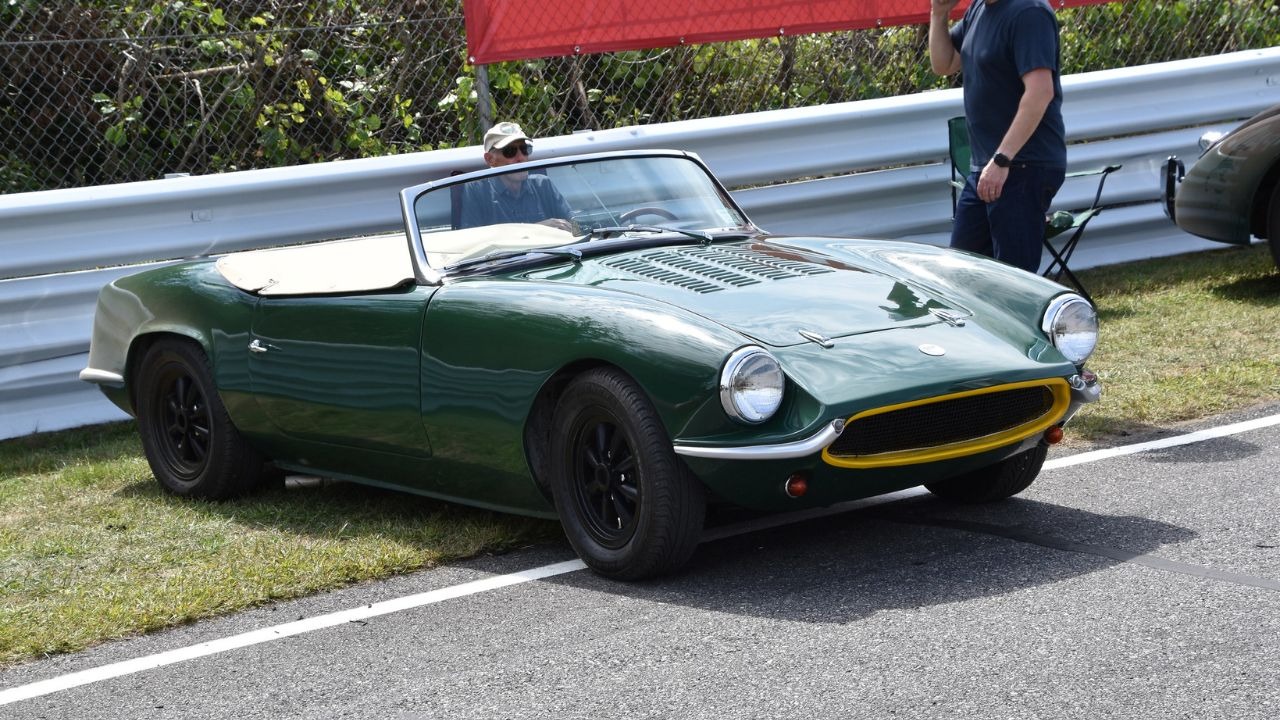
The Lotus Elan represents the classic Colin Chapman philosophy of achieving performance through low weight rather than enormous power. Its tiny dimensions, sharp steering, and lightweight construction make it exceptionally engaging on winding roads. The car feels connected and responsive in a way that many heavier sports cars cannot reproduce. Owners who enjoy driving rather than simply collecting often become especially attached to the Elan because very few modern cars deliver the same combination of simplicity, lightness, and feedback.
Morgan 4/4
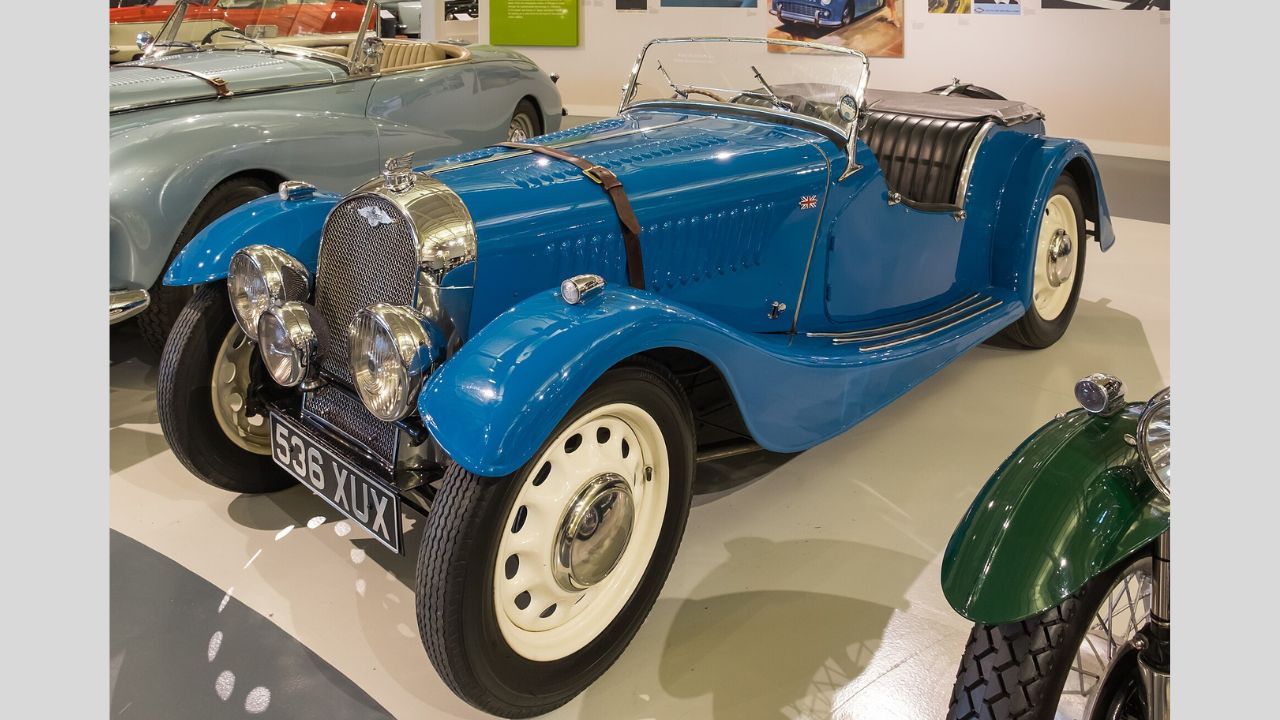
The Morgan 4/4 has remained remarkably faithful to the traditional British sports-car idea. Its upright styling, exposed proportions, compact dimensions, and lightweight construction give it a personality that stands apart from modern performance cars. It is not about outright speed or technological sophistication. Instead, the appeal comes from the sensation of driving something built around an older philosophy. Owners who appreciate that character often have little interest in trading it for a newer and more complicated sports car.
Morgan Plus 4
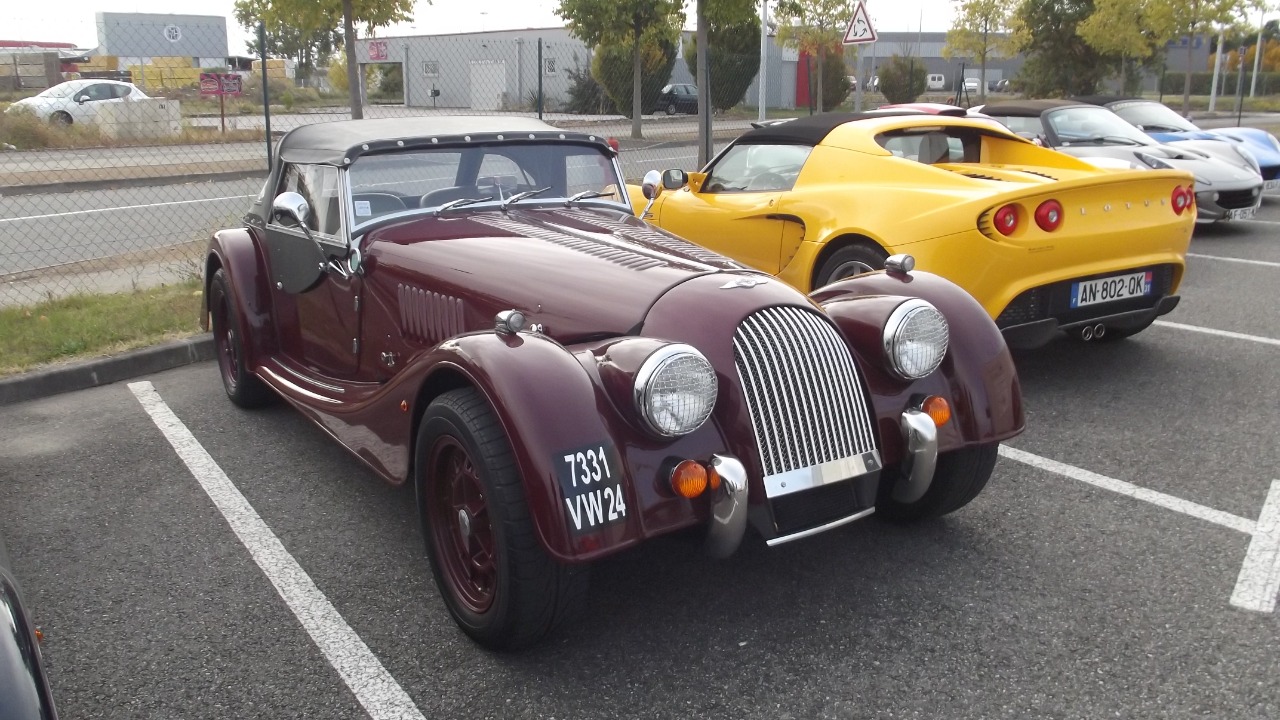
The Morgan Plus 4 offers the same old-school philosophy in a somewhat larger and more powerful package. Its traditional construction and unmistakable bodywork make it feel like a link to an earlier era of motoring. The car is particularly appealing to drivers who value craftsmanship, simplicity, and the physical experience of driving. Modern roadsters may offer considerably more performance, but they cannot easily reproduce the atmosphere of a Morgan. That uniqueness is precisely why owners tend to hold onto them.
TVR M Series
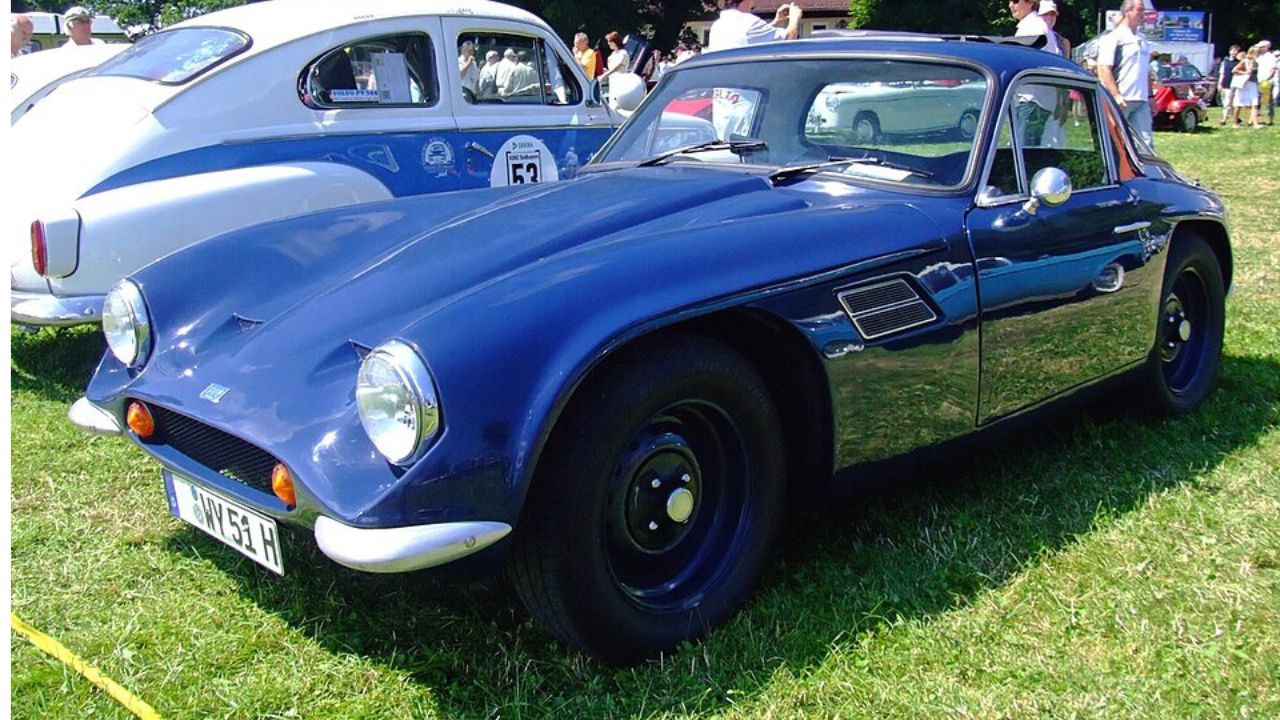
The TVR M Series brought British sports-car performance together with unusual styling and a relatively lightweight construction. These cars were never as common as mainstream sports cars, which helped create a dedicated following among enthusiasts who wanted something different. Their combination of compact dimensions and strong performance gave them plenty of personality. An owner who has spent years with one may be reluctant to sell because replacing it with another car would mean giving up much of what makes the TVR special.
AC Cobra
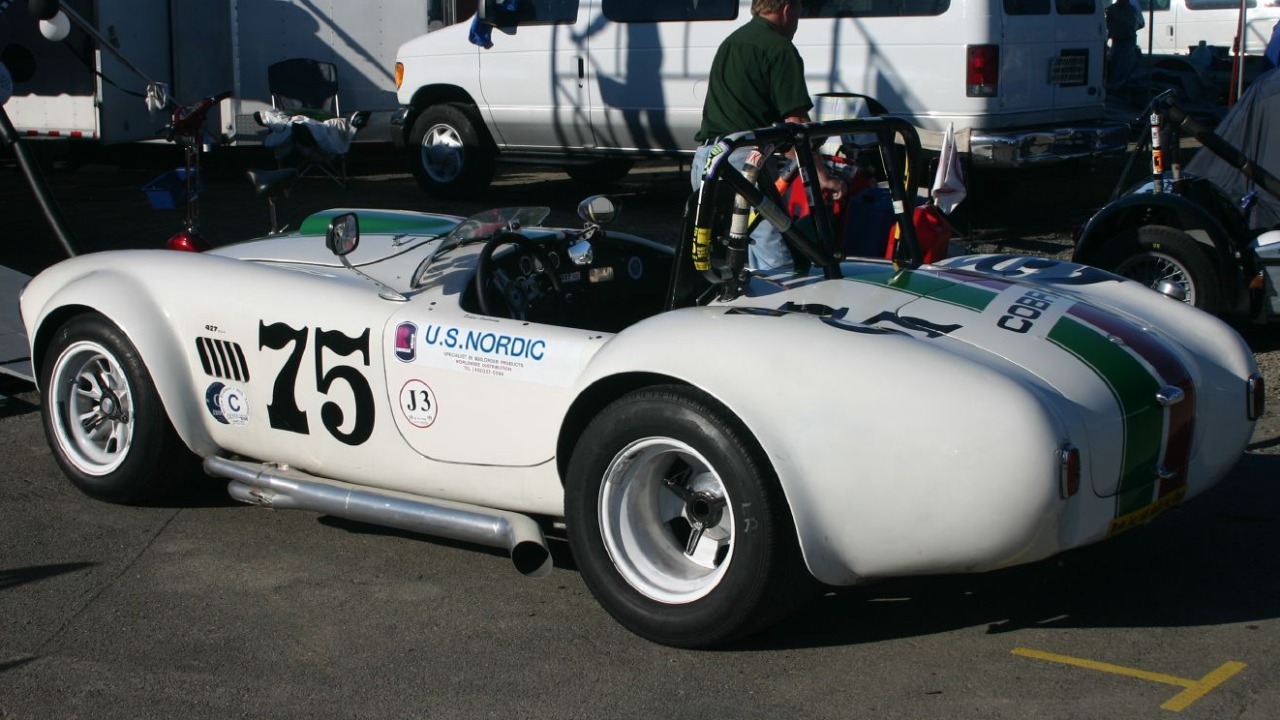
The AC Cobra remains one of the most dramatic combinations of British chassis engineering and American V8 power. Its compact body and enormous performance created a driving experience that was unlike almost anything else available at the time. The Cobra’s reputation has only grown with age, and original examples are now highly significant collector cars. For an owner fortunate enough to possess an authentic Cobra, selling it is not simply giving up an old sports car. It means parting with a landmark piece of performance history.
Caterham Seven

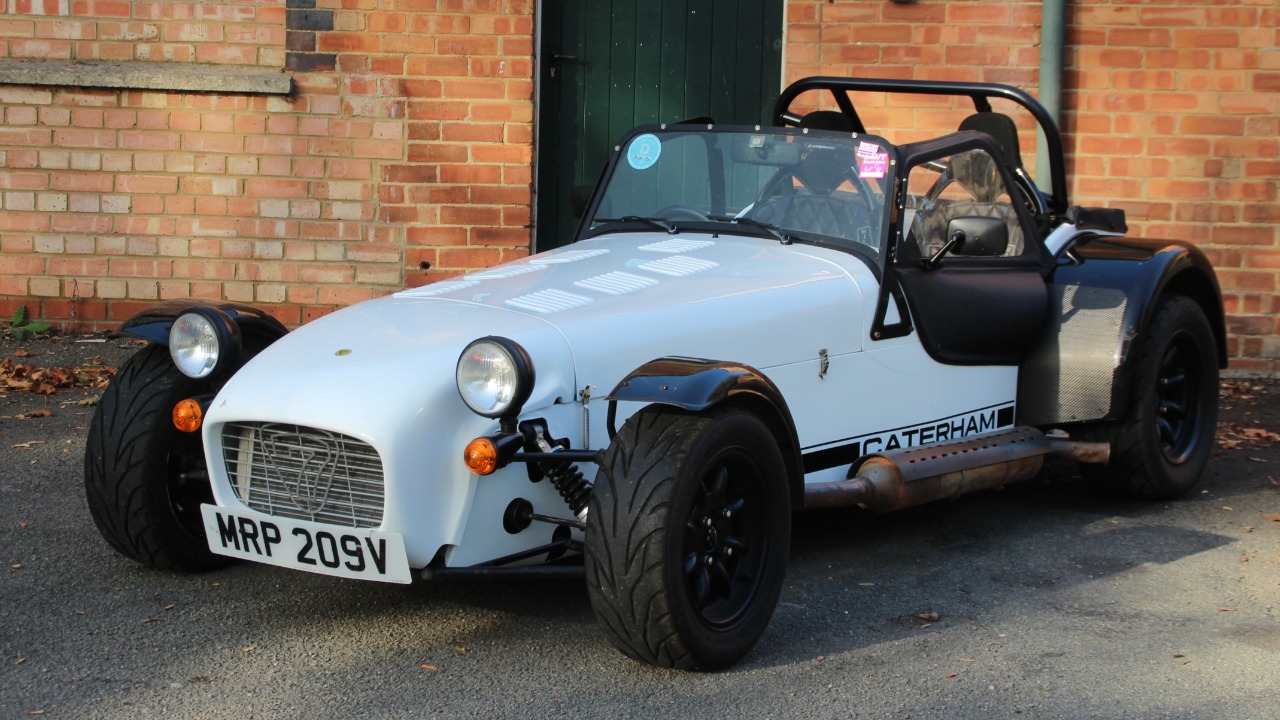
The Caterham Seven carries forward the lightweight philosophy behind the Lotus Seven and strips sports-car driving down to its essentials. There is little unnecessary mass separating the driver from the road, and the open cockpit makes every drive feel more immediate. The car’s narrow body and simple construction also make it fundamentally different from modern performance machines. Owners who enjoy pure driving often value the Seven precisely because few other cars provide such a direct experience.
Mazda MX-5 Miata
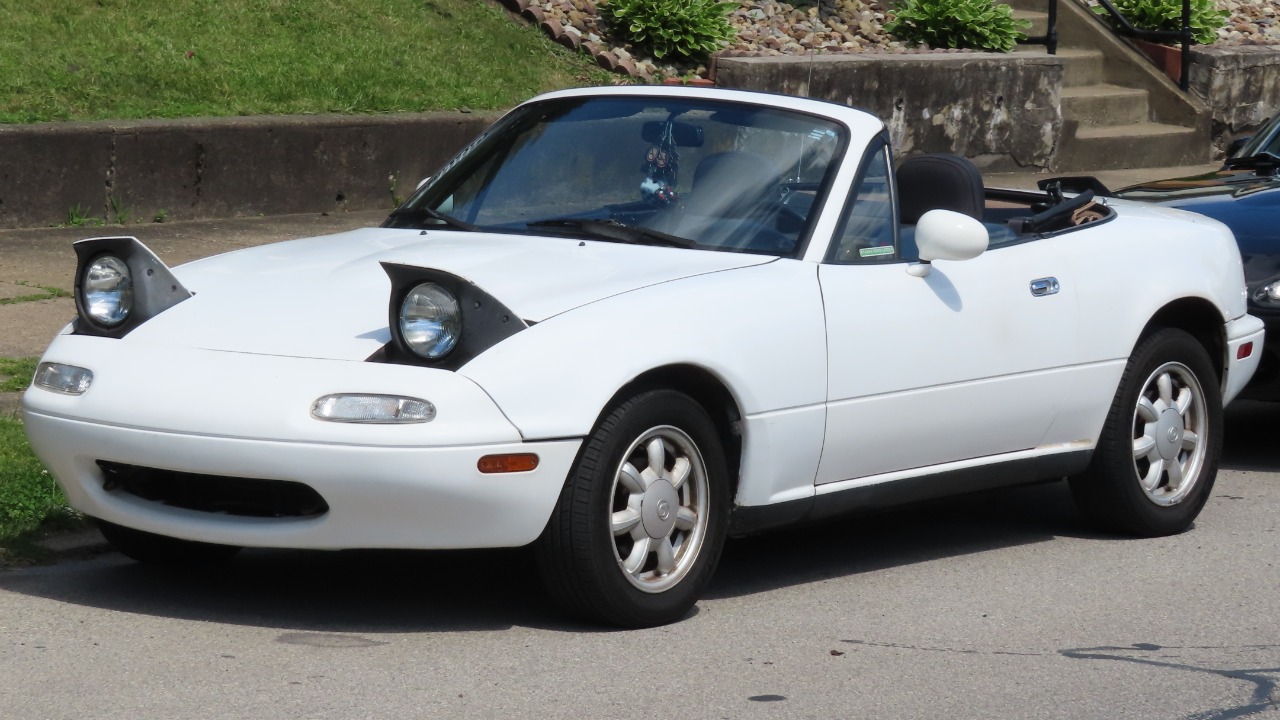
The Mazda MX-5 Miata revived the classic lightweight roadster formula for a modern audience. Its simple proportions, rear-wheel drive, low weight, and compact dimensions made it entertaining without requiring enormous performance. The car also proved that an affordable roadster could be reliable and easy to live with, something that had become increasingly uncommon. For many owners, the appeal comes from the balance between everyday usability and genuine open-top driving fun, making a good Miata particularly hard to replace.
Dodge Viper Roadster
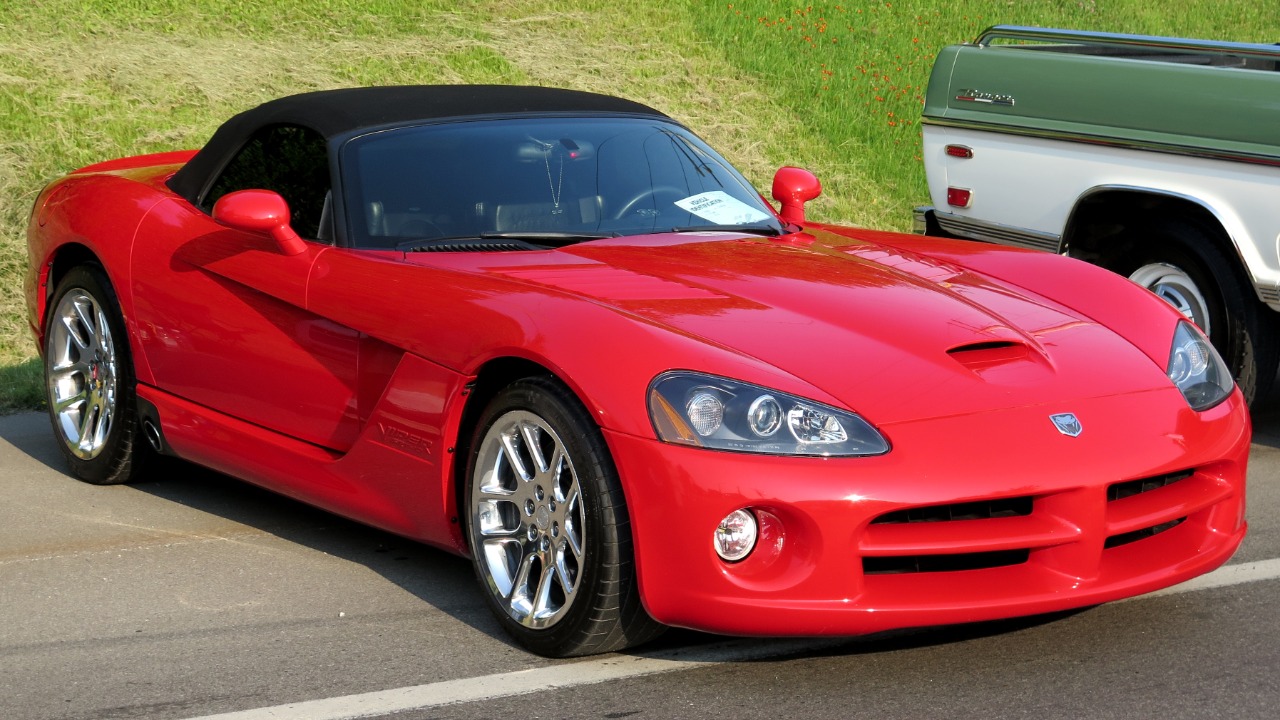
The Dodge Viper Roadster took the traditional American roadster formula and turned the intensity dramatically higher. Its enormous V10, rear-wheel drive, long hood, and minimal electronic intervention gave it a raw personality that separated it from contemporary sports cars. It was never intended to be subtle, and that is part of its lasting appeal. Owners who want a visceral driving experience have few modern alternatives that feel quite as mechanical and uncompromising as an original Viper.
More from Fast Lane Only
- Unboxing the WWII Jeep in a Crate
- 15 rare Chevys collectors are quietly buying
- 10 underrated V8s still worth hunting down
- Police notice this before you even roll window down
*Research for this article included AI assistance, with all final content reviewed by human editors.