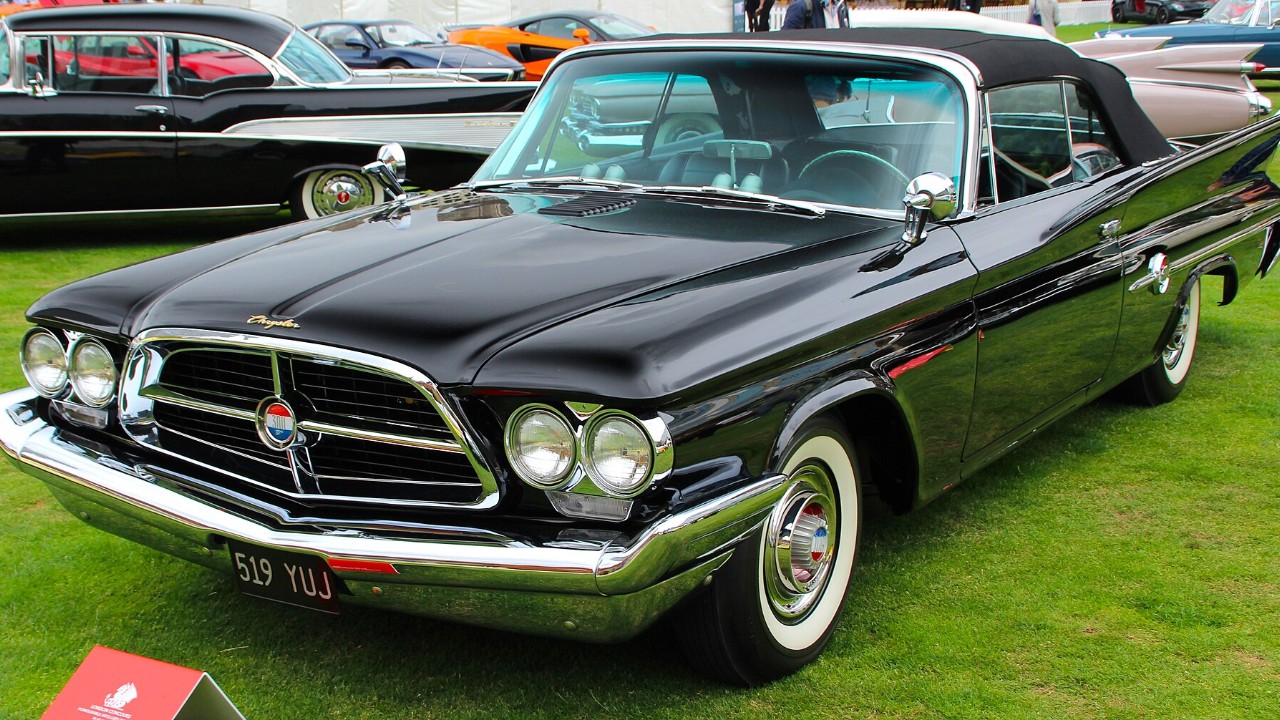
Roadsters have always attracted drivers who care about the experience more than practicality. A low seating position, two seats, rear-wheel drive, a manual gearbox, and an open cockpit can make even an ordinary back road feel special. Plenty of newer cars are faster, quieter, and more comfortable, yet these roadsters continue to hold onto their owners because they deliver a kind of direct driving experience that is increasingly difficult to find.
Mazda MX-5 Miata

The MX-5 Miata became a modern classic by returning to the fundamentals of the traditional roadster. It is small, lightweight, rear-wheel drive, and easy to enjoy without requiring huge speeds. That combination has made the Miata one of the most enduring enthusiast cars of the modern era. Owners also appreciate its approachable mechanical character and enormous enthusiast community. Once someone gets used to how easily the Miata turns an ordinary drive into something entertaining, replacing it with a heavier sports car can feel like missing the point.
Honda S2000
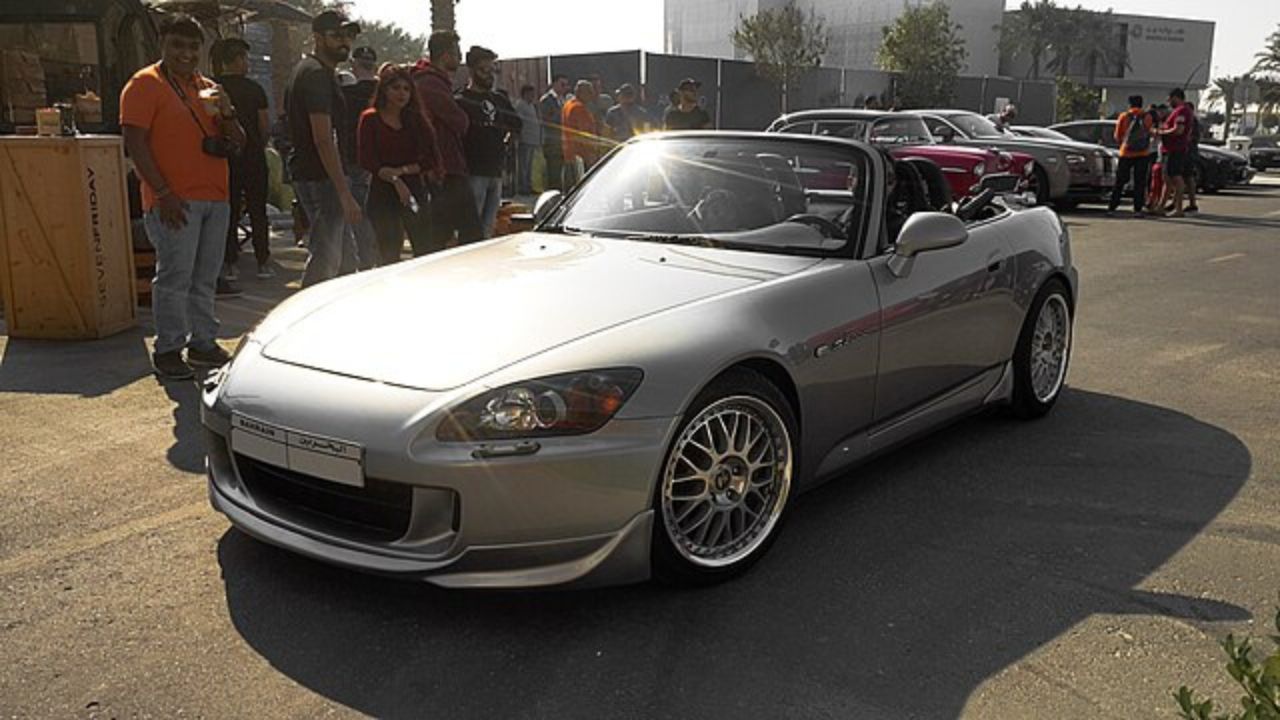
The S2000 remains one of Honda’s most distinctive sports cars because it combines a high-revving naturally aspirated engine with rear-wheel drive and a six-speed manual transmission. Its compact dimensions and precise chassis make it rewarding on winding roads without needing excessive power. The model has also become increasingly difficult to find in original condition as modified examples have disappeared from the market. Enthusiasts who own clean S2000s often have little reason to part with them, particularly as lightweight manual roadsters become increasingly uncommon.
BMW Z3

The Z3 brought traditional roadster proportions back to BMW’s lineup, with a long hood, short rear deck, low seating position, and rear-wheel drive. Four-cylinder versions offered a relatively simple entry into the model, while six-cylinder cars provided more performance. The Z3 also has a character that later, more sophisticated roadsters do not always replicate. Its compact size and straightforward driving experience make it easy to understand why owners become attached to well-kept examples.
Triumph TR6
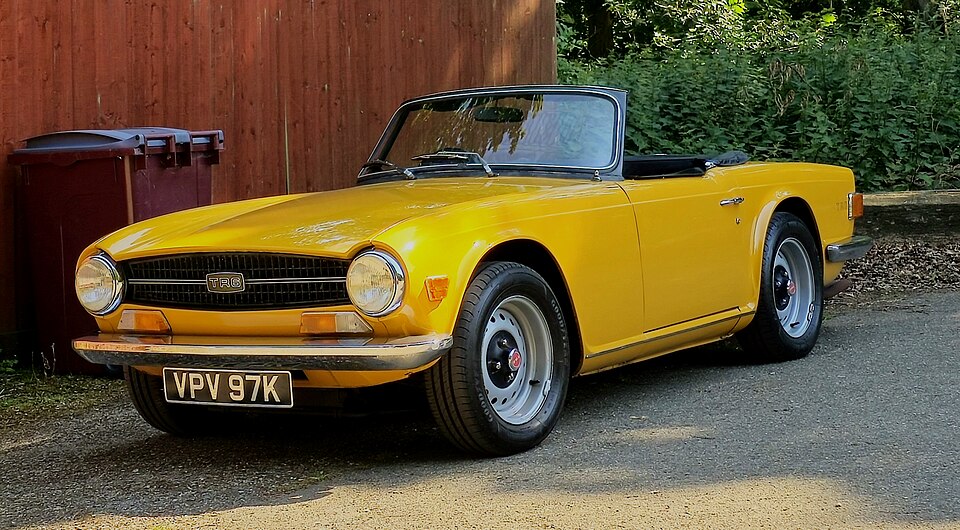
The TR6 delivers the kind of old-school British roadster experience that modern cars rarely attempt to reproduce. Its long hood, open cockpit, manual transmission, rear-wheel drive, and six-cylinder engine create a distinctly mechanical driving experience. The car was never particularly refined, but that is part of its charm. Owners who enjoy classic roadsters often appreciate the sense that they are operating a machine rather than simply piloting a modern vehicle. Well-sorted TR6s remain especially appealing to enthusiasts.
MG MGB
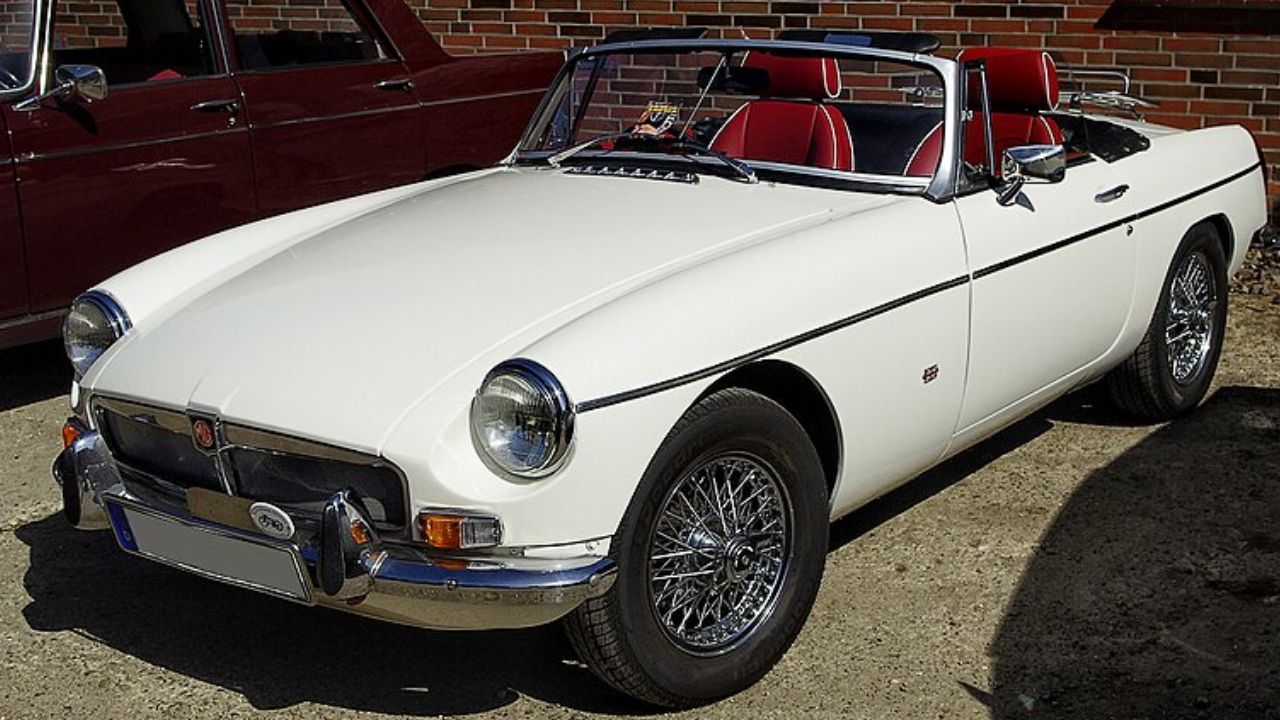
The MGB became one of Britain’s most recognizable roadsters because it combined simple construction with classic sports-car proportions. It is not particularly powerful by modern standards, but its light weight and open cockpit make modest speeds feel entertaining. Parts availability and a large enthusiast community also make ownership more approachable than with many other vintage sports cars. For owners who value character over outright performance, an MGB can be surprisingly difficult to replace with something newer.
Lotus Elise
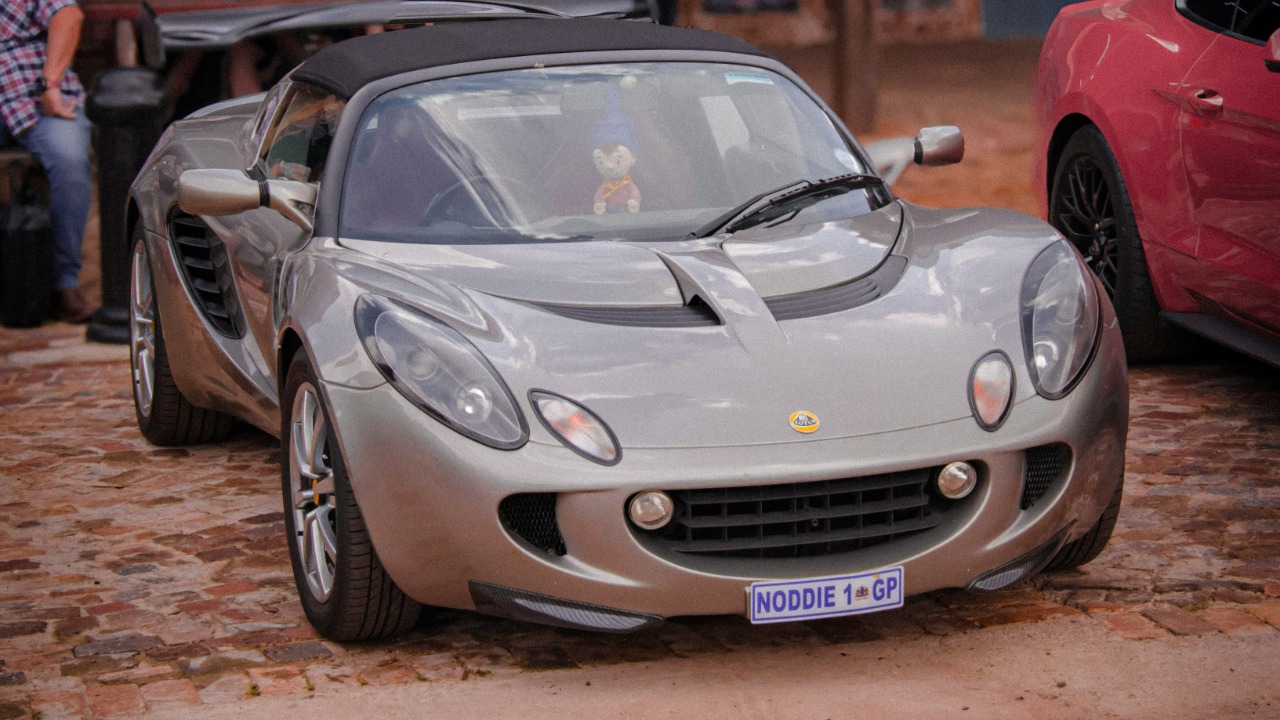
The Elise takes the lightweight roadster philosophy to an extreme. Instead of relying on a huge engine, it focuses on low weight, a rigid structure, sharp steering, and a chassis that communicates almost every change in the road. That directness is what keeps enthusiasts attached to the car. Even modern sports cars with dramatically more power can feel less involving by comparison. The Elise’s compact dimensions and minimalist character make it particularly difficult to replace with a heavier, technology-filled performance car.
Porsche Boxster

The Boxster gave Porsche enthusiasts a mid-engine roadster with excellent balance and everyday usability. Its layout places the car’s mass in a position that helps produce predictable handling, while the open body makes the experience even more engaging. Early examples can now be considered modern classics, particularly when equipped with a manual transmission and maintained properly. Owners often appreciate that the Boxster combines genuine sports-car behavior with enough comfort to be used regularly rather than saved for special occasions.
Alfa Romeo Spider
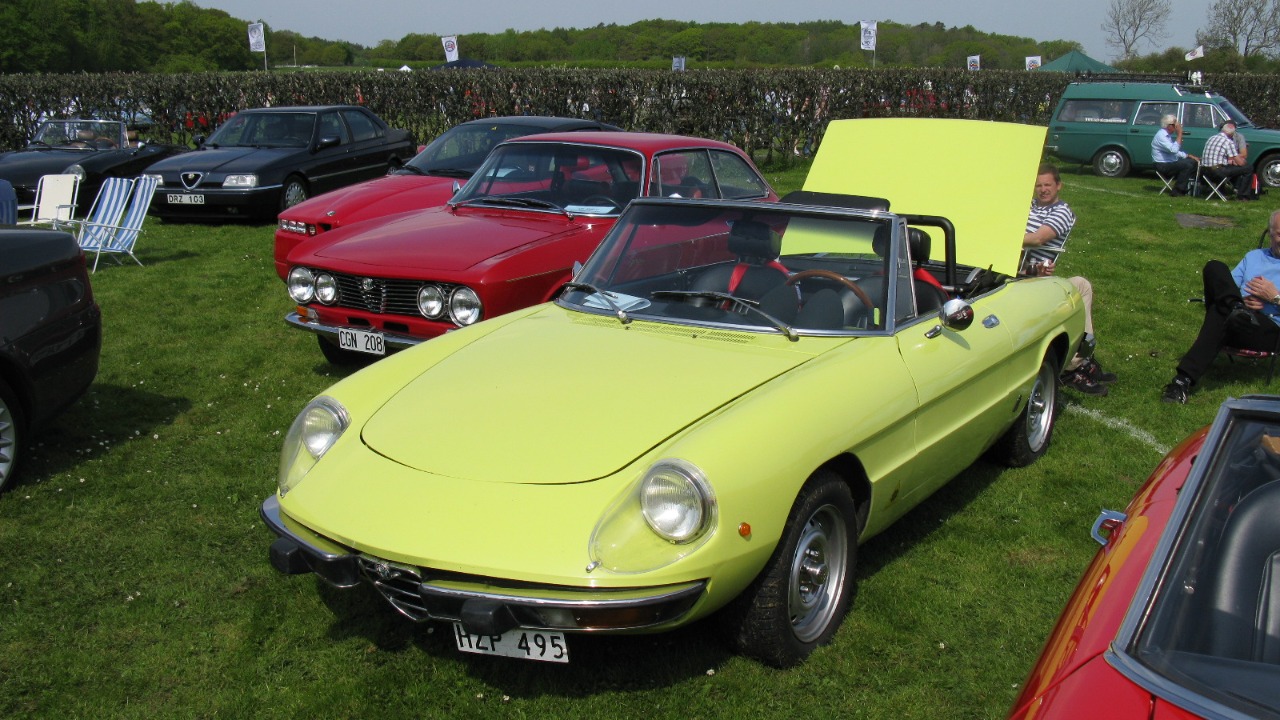
The Alfa Romeo Spider has always offered something that cannot easily be measured in horsepower figures. Its styling, low seating position, open cockpit, and responsive driving character give it a distinctive personality. Different generations brought different mechanical approaches, but the basic appeal remained consistent. Owners who become attached to an Alfa Spider are often attracted as much to its atmosphere as its performance. Few modern roadsters deliver the same combination of Italian styling and traditional open-top character.
Fiat 124 Spider
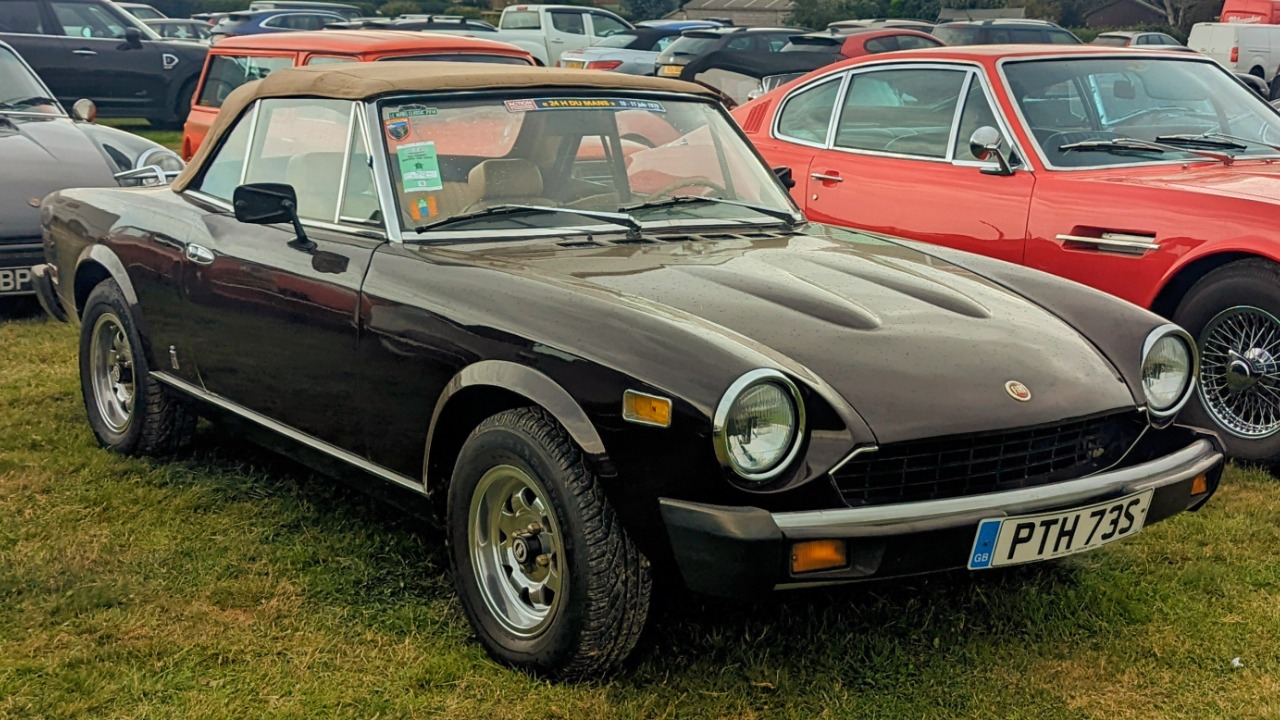
The Fiat 124 Spider combined Italian styling with a compact rear-wheel-drive chassis and a traditional two-seat layout. Its long hood and low body gave it the appearance of a classic sports car without requiring enormous performance. The car was also relatively practical for its class, making it possible to enjoy as more than a weekend toy. Enthusiasts who appreciate approachable vintage roadsters often value the 124 because it provides character without demanding the size or complexity of a larger grand tourer.
Datsun 2000 Roadster
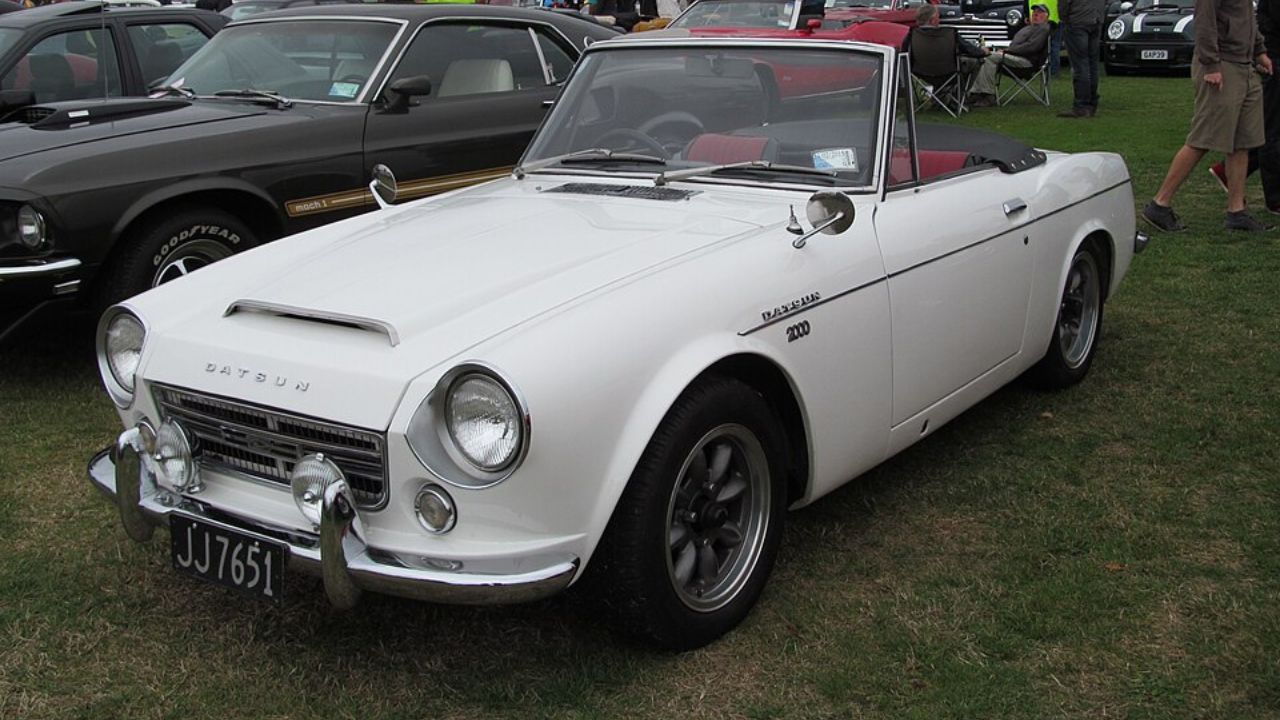
The Datsun 2000 Roadster helped establish Nissan’s reputation among American sports-car enthusiasts before the later Z cars arrived. Its compact body, four-cylinder engine, manual transmission, and rear-wheel-drive layout gave it a direct driving character that appealed to buyers who wanted an alternative to British roadsters. The car’s Japanese construction also helped it stand apart. Today, surviving examples have become increasingly interesting to enthusiasts who appreciate the early history of Japanese performance cars.
Austin-Healey 3000
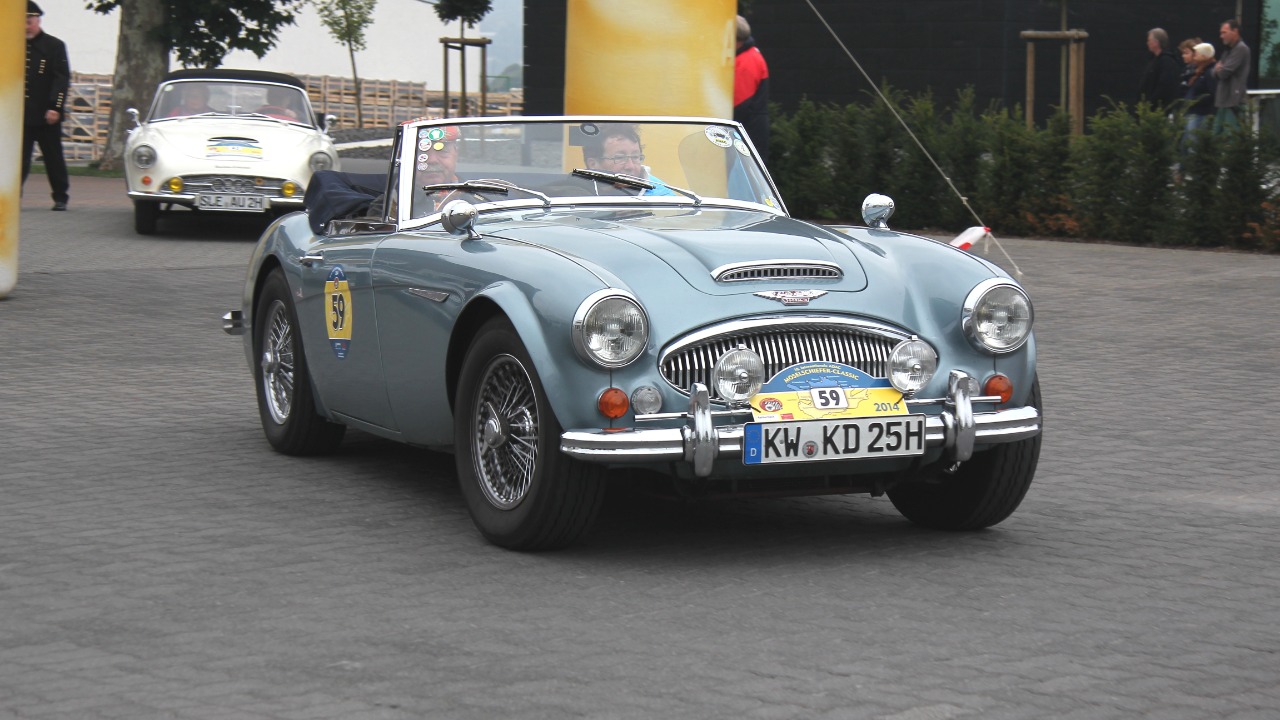
The Austin-Healey 3000 combines classic British styling with a larger six-cylinder engine, giving it more substantial performance than many smaller roadsters of its era. Its long hood, low seating position, wire wheels, and open cockpit create a traditional sports-car experience from another era. Owners often appreciate the car’s mechanical personality as much as its appearance. Driving one is an involving experience, and that direct connection helps explain why enthusiasts continue to hold onto well-preserved examples.
Triumph Spitfire

The Spitfire proved that a small roadster did not need a large engine to be entertaining. Its compact dimensions, low weight, simple mechanical layout, and open cabin make it easy to understand and enjoy. The car also has a distinctive shape that has aged well. Owners who appreciate lightweight sports cars often prefer the Spitfire precisely because it does not try to overwhelm the driver with power. It rewards momentum, smooth inputs, and simply enjoying the road.
Jaguar XK120
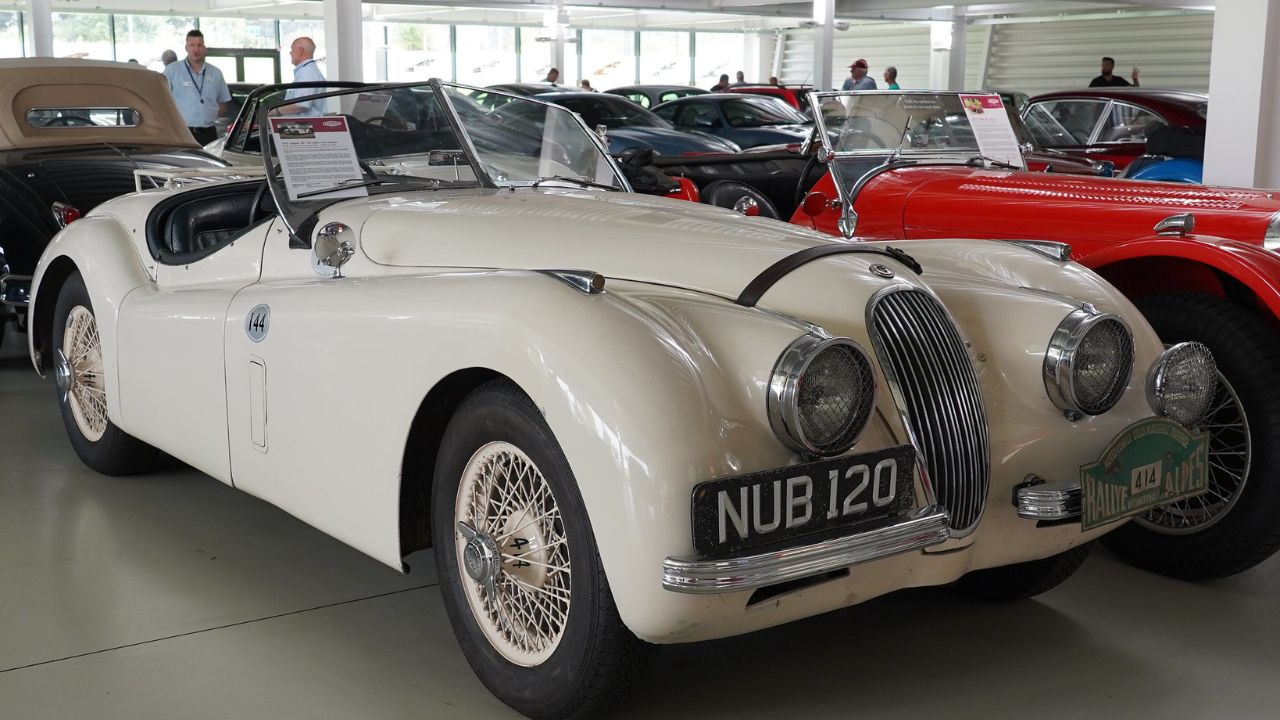
The XK120 brought Jaguar into the postwar sports-car spotlight with its elegant body and strong straight-six performance. It combined long-distance grand-touring ability with the low seating position and open-air experience expected from a roadster. Its beautiful proportions remain a major part of its appeal, but there is genuine engineering underneath the styling. Owners who keep an XK120 are preserving an important chapter in Jaguar history, and the combination of rarity and character makes these cars especially difficult to replace.
Mercedes-Benz 190 SL
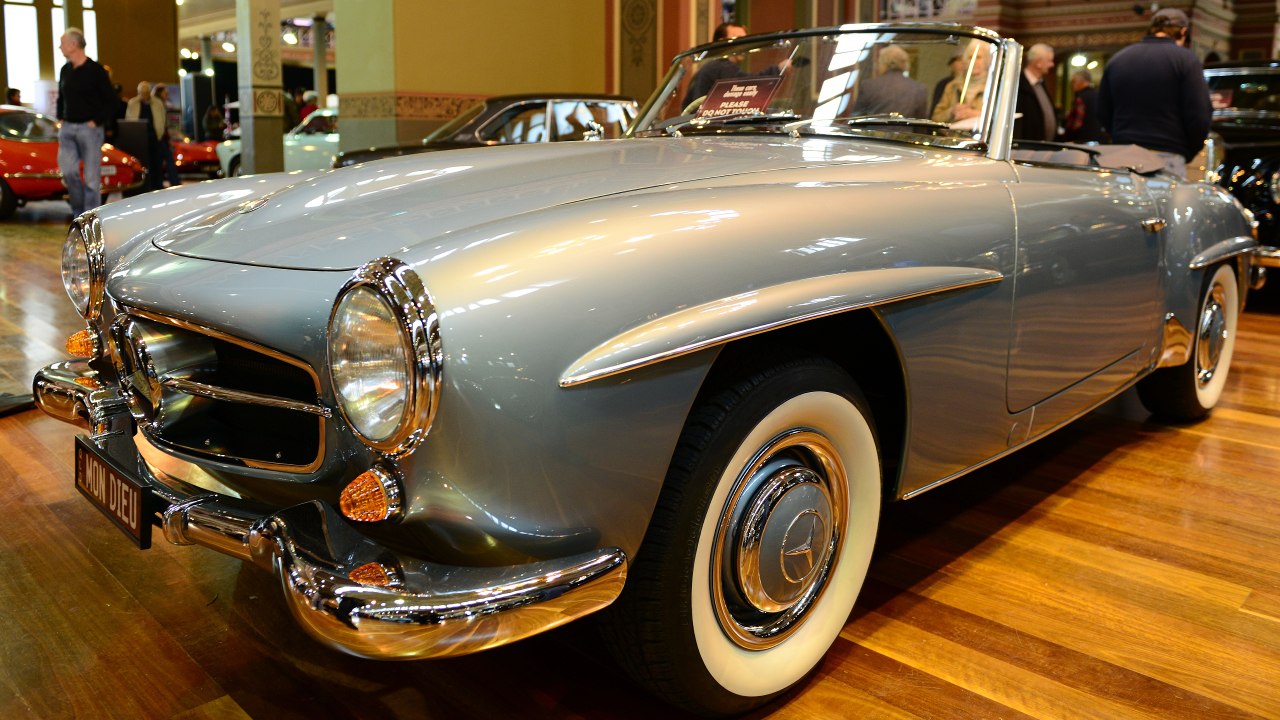
The 190 SL offered a more approachable alternative to the much rarer 300 SL while retaining the elegant proportions associated with Mercedes-Benz roadsters of the era. Its comfortable nature made it well suited to relaxed touring rather than aggressive driving. That distinction has become part of its appeal. Owners who enjoy classic Mercedes-Benz cars often value the 190 SL for its combination of sophistication, open-air driving, and recognizable styling. It feels like a genuine product of its era without being excessively intimidating to drive.
BMW Z8

The Z8 was designed as a modern interpretation of the classic BMW roadster, and its retro-inspired styling remains one of its defining characteristics. Beneath the appearance was serious performance hardware, including a powerful V8 and manual transmission. Its limited production also separated it from more common BMW roadsters. Owners who have one are holding onto a car that combines modern performance with a deliberately old-fashioned visual identity, making it unusually difficult to replace with another BMW.
Morgan Plus 4
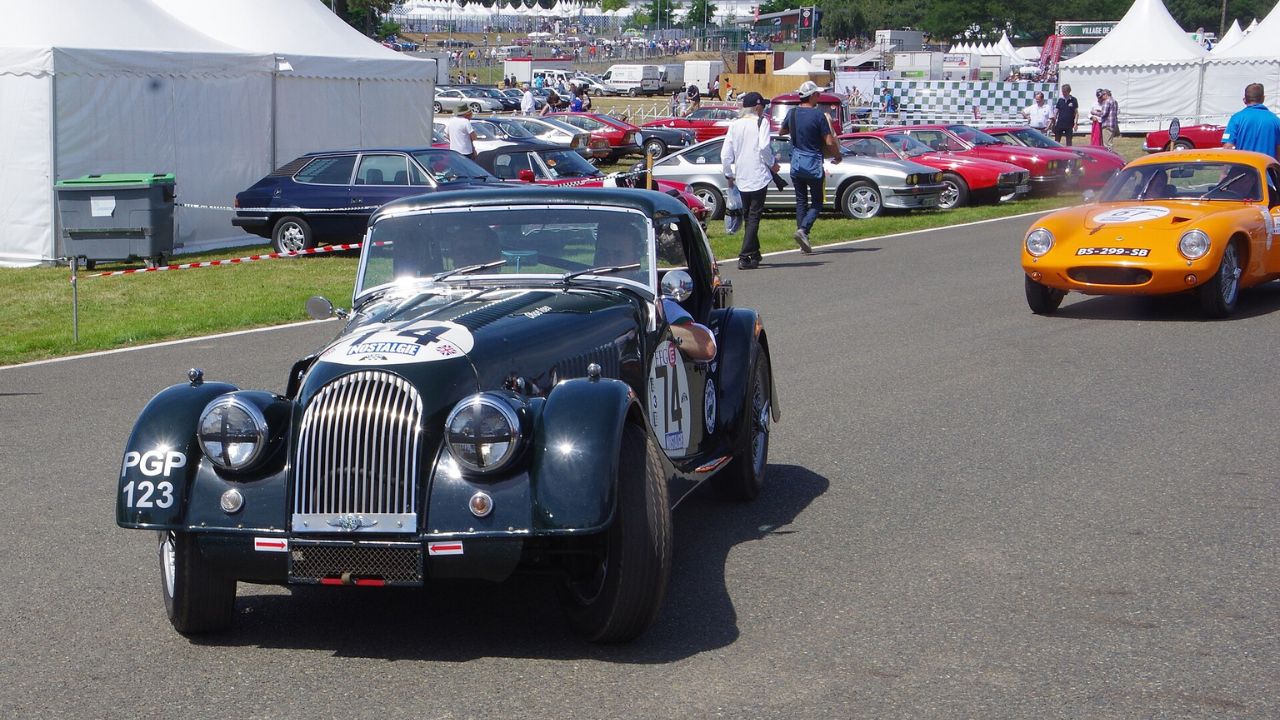
The Morgan Plus 4 has remained remarkably faithful to the traditional roadster formula. Its upright proportions, lightweight construction, rear-wheel drive, and open cockpit provide an experience that feels far removed from most modern sports cars. Morgan’s long-running approach gives the car a distinctive character that enthusiasts either immediately understand or simply do not. For those who love classic driving sensations, that uniqueness is precisely why a Plus 4 can become a permanent fixture in a garage.
Sunbeam Alpine
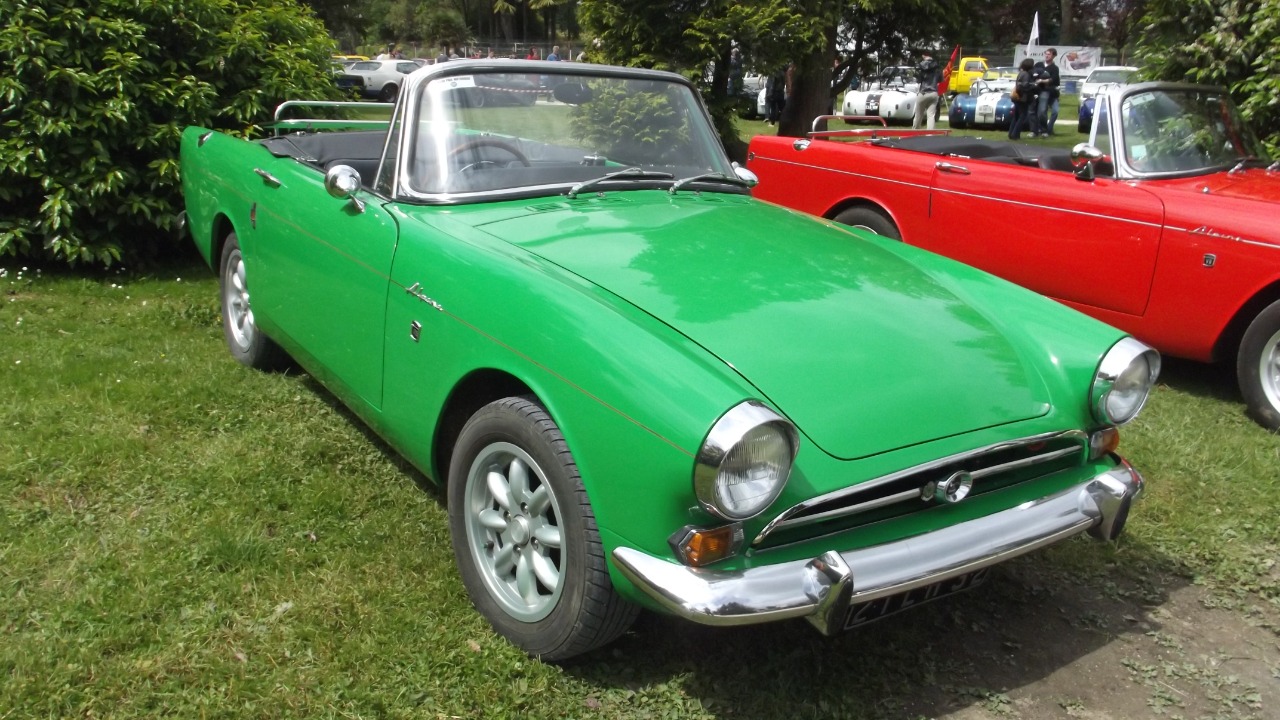
The Sunbeam Alpine offered a compact British roadster formula with a more practical personality than many of its rivals. It combined two-seat open-air motoring with relatively comfortable road manners, making it suitable for touring as well as spirited driving. The Alpine has never had the same recognition as the most famous British sports cars, which makes surviving examples especially interesting. Owners who enjoy overlooked classics often appreciate its blend of simple mechanics, attractive styling, and relatively uncommon presence.
Chevrolet Corvette Convertible
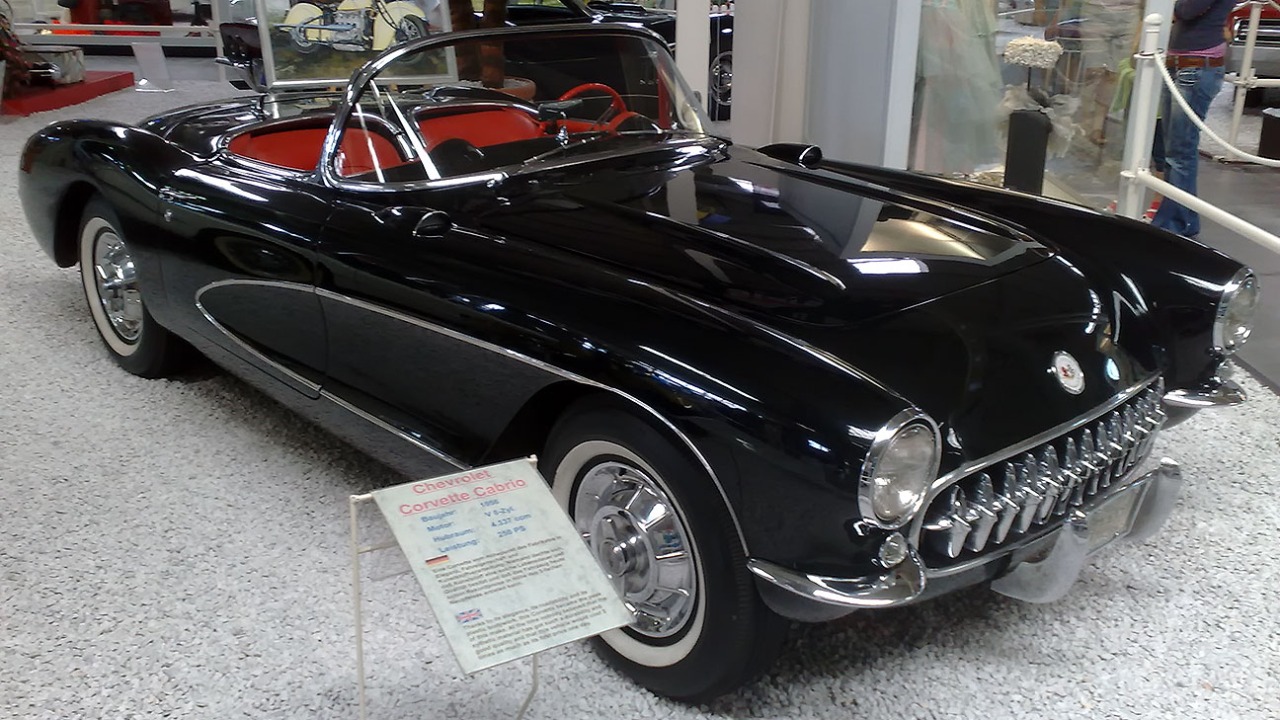
The early Corvette established an American interpretation of the roadster that emphasized styling, performance, and open-air cruising. Later generations became much more capable, but the basic appeal of a two-seat Chevrolet with a folding roof remained. Corvette convertibles have the advantage of being both recognizable and genuinely sporty, while their long history gives enthusiasts plenty of versions to choose from. Owners who love American performance often find that a Corvette convertible provides a combination of sound, speed, and presence that is difficult to duplicate.
Pontiac Solstice
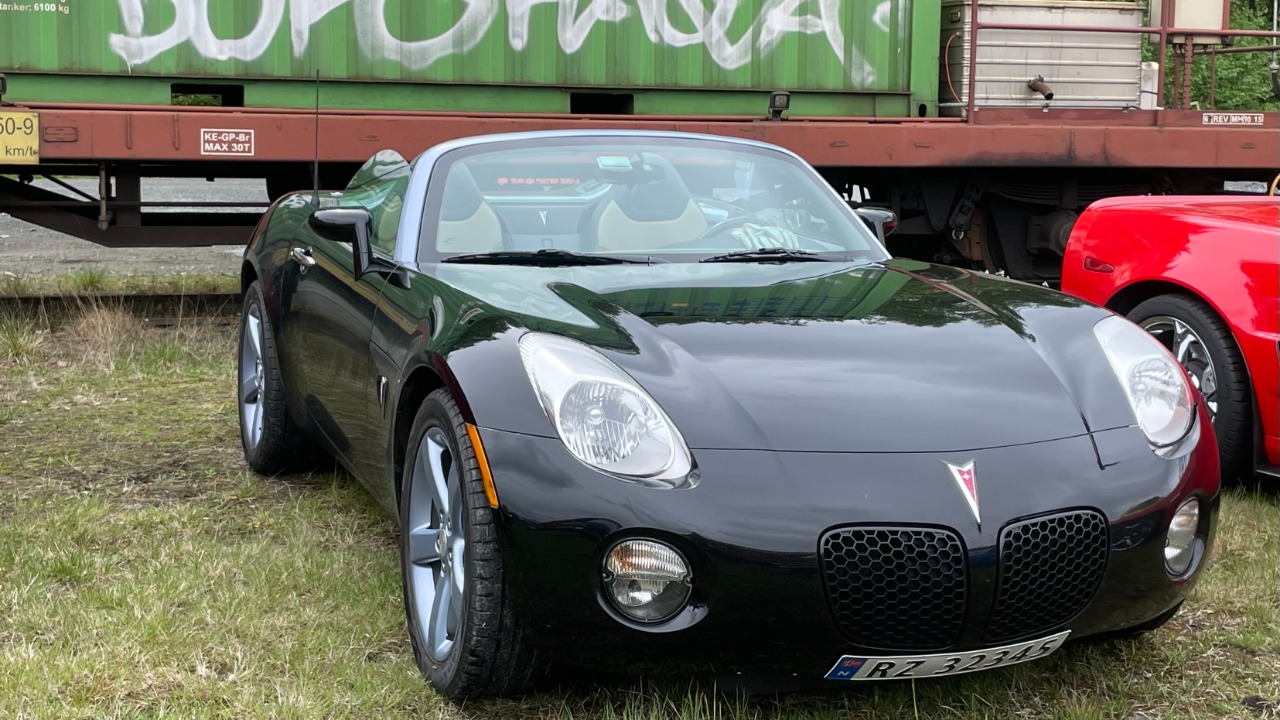
The Solstice brought an affordable two-seat roadster back to the American market at a time when small open-top sports cars were becoming increasingly rare. Its dramatic styling helped it stand out, while rear-wheel drive and a compact chassis gave it genuine enthusiast appeal. The available turbocharged GXP added considerably more performance. Because production was relatively short, the Solstice never became an everyday sight. Owners who enjoy its distinctive shape and unusual place in Pontiac history have plenty of reasons to keep one.
TVR Griffith
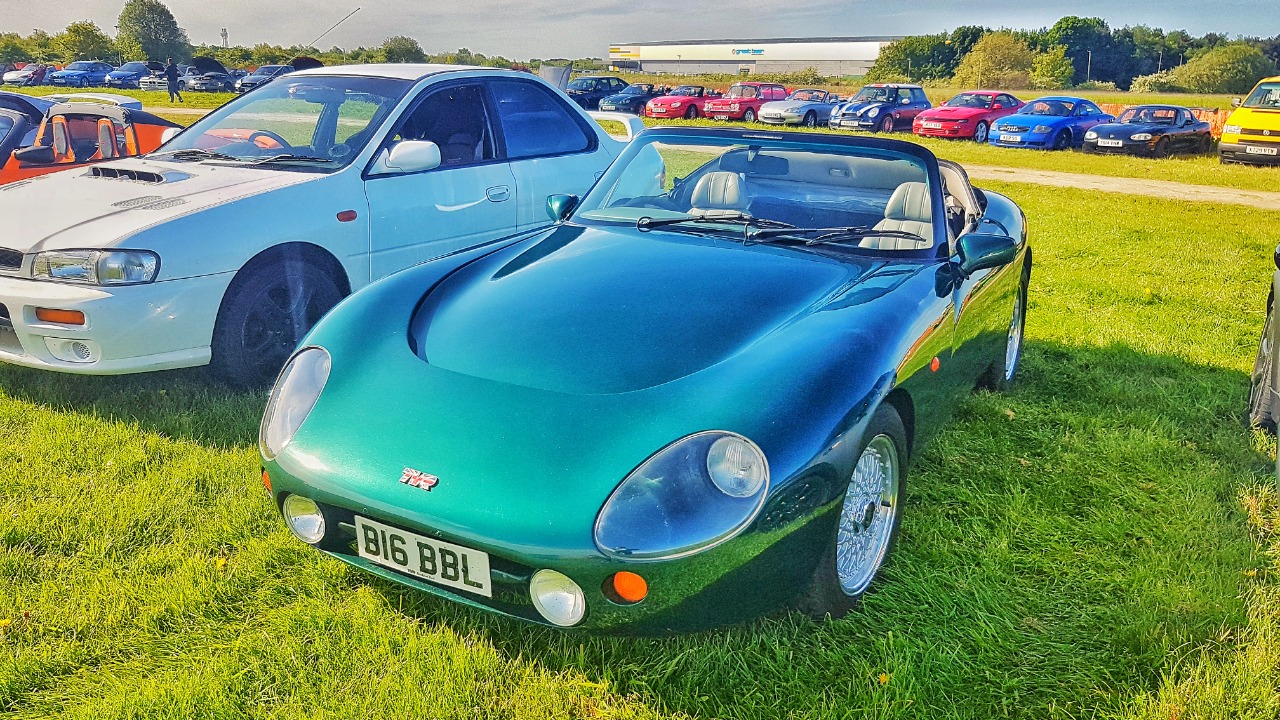
The TVR Griffith represents the uncompromising end of the roadster spectrum. Lightweight construction, a powerful engine, rear-wheel drive, and minimal emphasis on electronic intervention created an experience aimed squarely at enthusiastic drivers. It was not designed to be a quiet commuter or an effortless luxury car. Its appeal came from the sensation of being directly involved with the machine. That raw character has become even more unusual as modern performance cars have grown heavier, more computerized, and more insulated.
More from Fast Lane Only
- Unboxing the WWII Jeep in a Crate
- 15 rare Chevys collectors are quietly buying
- 10 underrated V8s still worth hunting down
- Police notice this before you even roll window down
*Research for this article included AI assistance, with all final content reviewed by human editors.