Automotive prototypes often disappear after testing, but some reveal engineering ideas far ahead of their time. A few were built with unusually sophisticated drivetrains, innovative construction, or practical solutions that influenced later production cars. These nine prototypes stand out as fascinating examples of engineering that deserved far more attention than they received.
Ford X2000
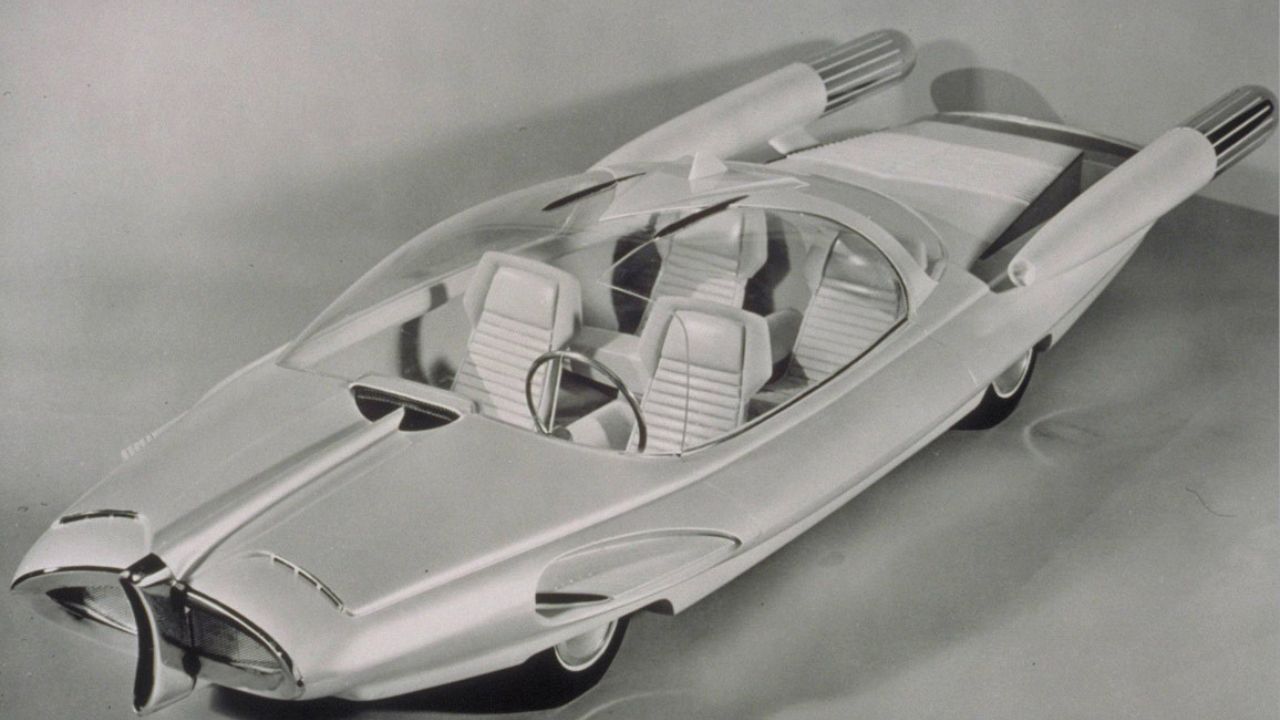
The Ford X2000 looked like it had arrived from another planet when it debuted in the early 1950s. Designed by industrial stylist Alex Tremulis, its futuristic body featured sweeping fins, dramatic rear styling, and a cockpit-like cabin. Although it was never intended for production, the X2000 demonstrated how aggressively Ford designers were exploring the future of automotive styling. Its bold proportions and imaginative details made it one of the most memorable American concept vehicles of the era.
Pontiac Banshee

The Pontiac Banshee was developed as an experimental sports car that could have given Pontiac a much stronger presence in the two-seat performance market. Its sleek proportions, compact dimensions, and driver-focused layout contrasted sharply with Pontiac’s larger muscle cars. Although production plans never fully materialized, the Banshee demonstrated that Pontiac designers were capable of creating a genuinely modern sports-car concept. Its influence can be seen in later Pontiac styling and performance thinking.
Dodge Deora
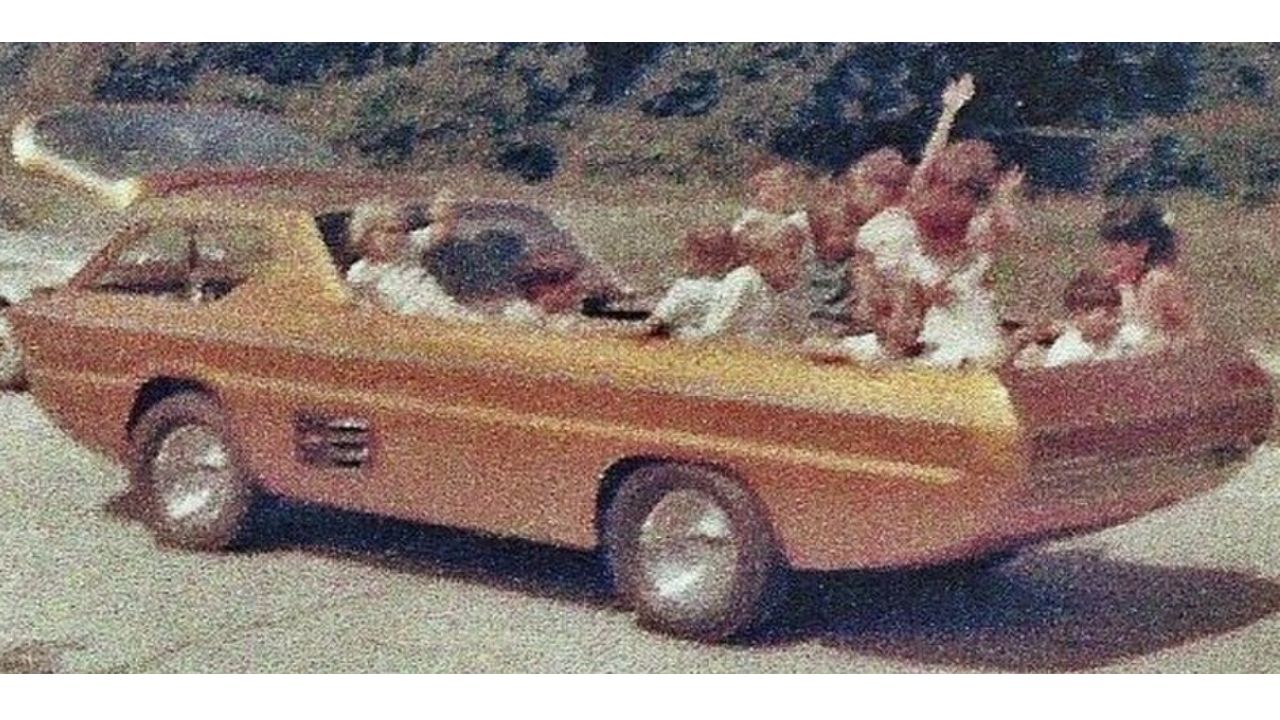
The Dodge Deora was one of the most unusual custom-based prototypes ever associated with Chrysler. Built from a Dodge A100 pickup and transformed by legendary customizers, it featured a futuristic cab-forward appearance and a distinctive front-loading design. The vehicle demonstrated how radically a familiar commercial platform could be reimagined. Although it never became a production model, the Deora became an important piece of custom-car history and an enduring example of unconventional vehicle design.
Buick Y-Job

The Buick Y-Job is widely regarded as one of the earliest true concept cars created to explore future styling rather than immediate production. Designed by Harley Earl, it introduced details such as concealed headlights and streamlined bodywork that looked remarkably modern for the late 1930s. Its significance was not just visual. The Y-Job established the concept car as a tool for experimenting with design ideas before manufacturers committed them to production.
Chrysler Turbine Car
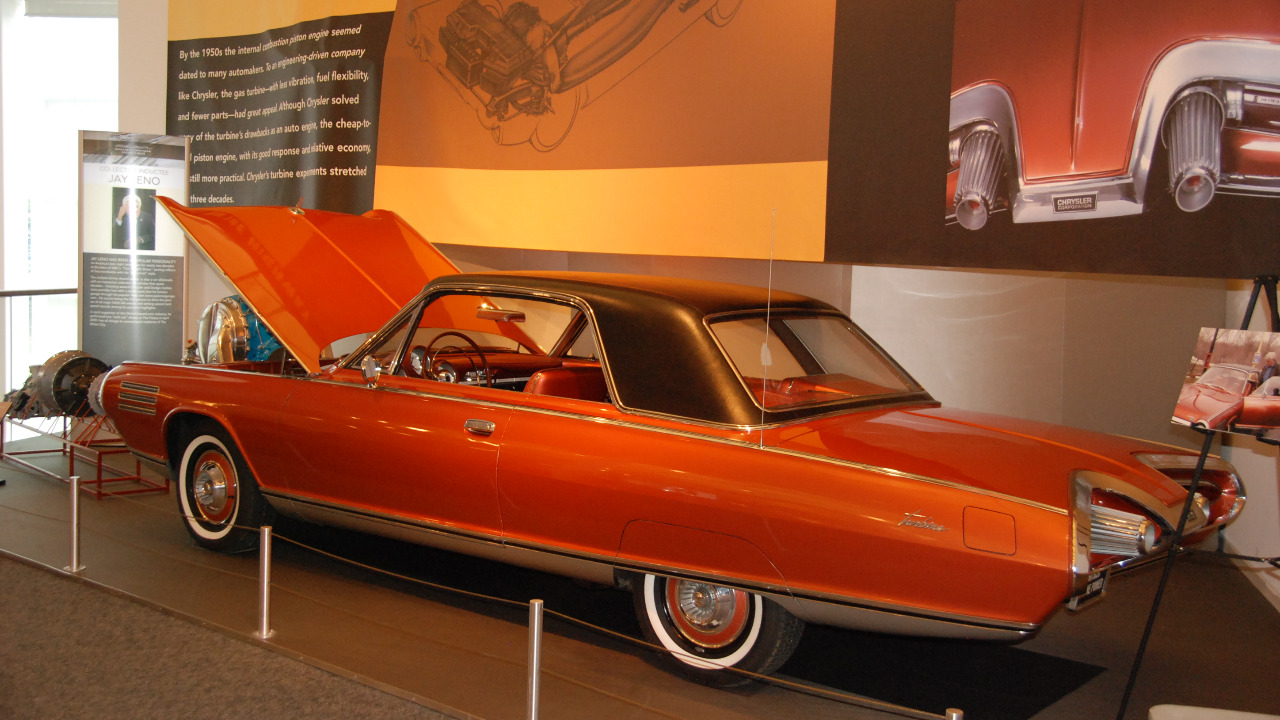
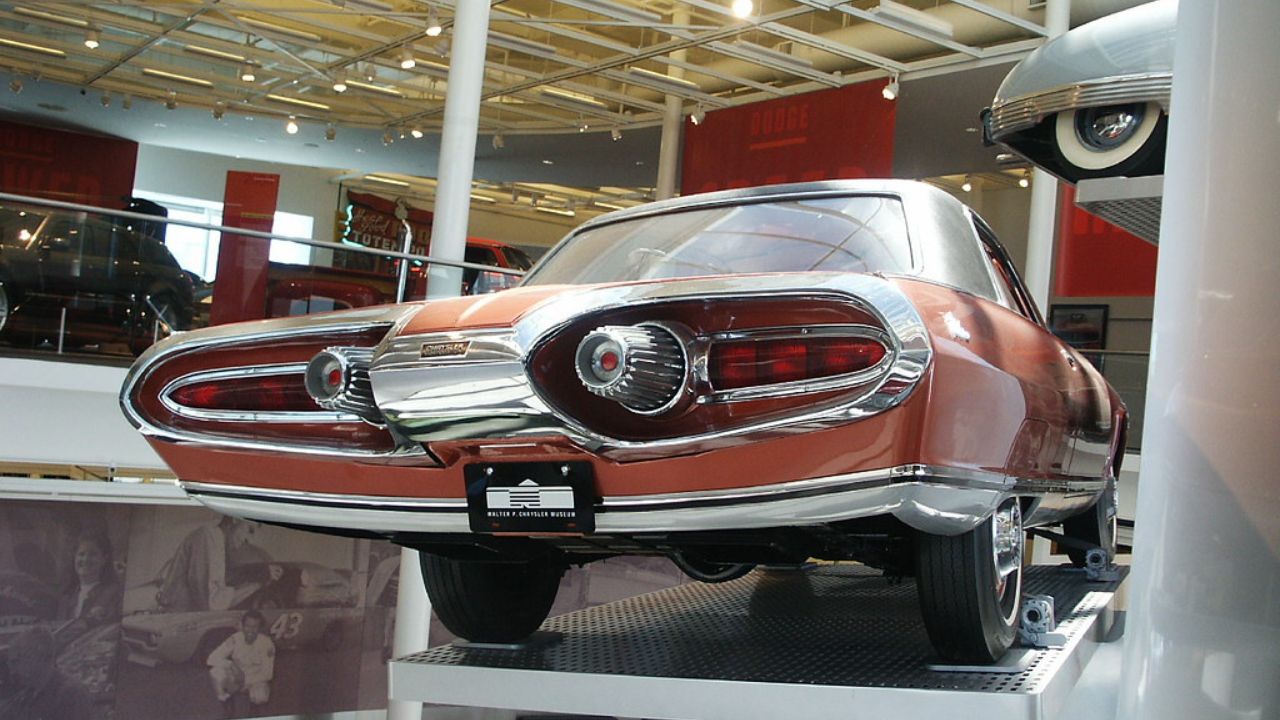
The Chrysler Turbine Car was an experimental vehicle designed to determine whether turbine power could become a practical alternative to piston engines. Its turbine engine could operate on several types of fuel, demonstrating impressive flexibility compared with conventional gasoline engines. Chrysler eventually placed a small fleet with members of the public for real-world testing. Although turbine power never became mainstream, the program provided valuable engineering experience and remains one of the most ambitious experimental automobile projects in American history.
Chevrolet Corvair Monza GT
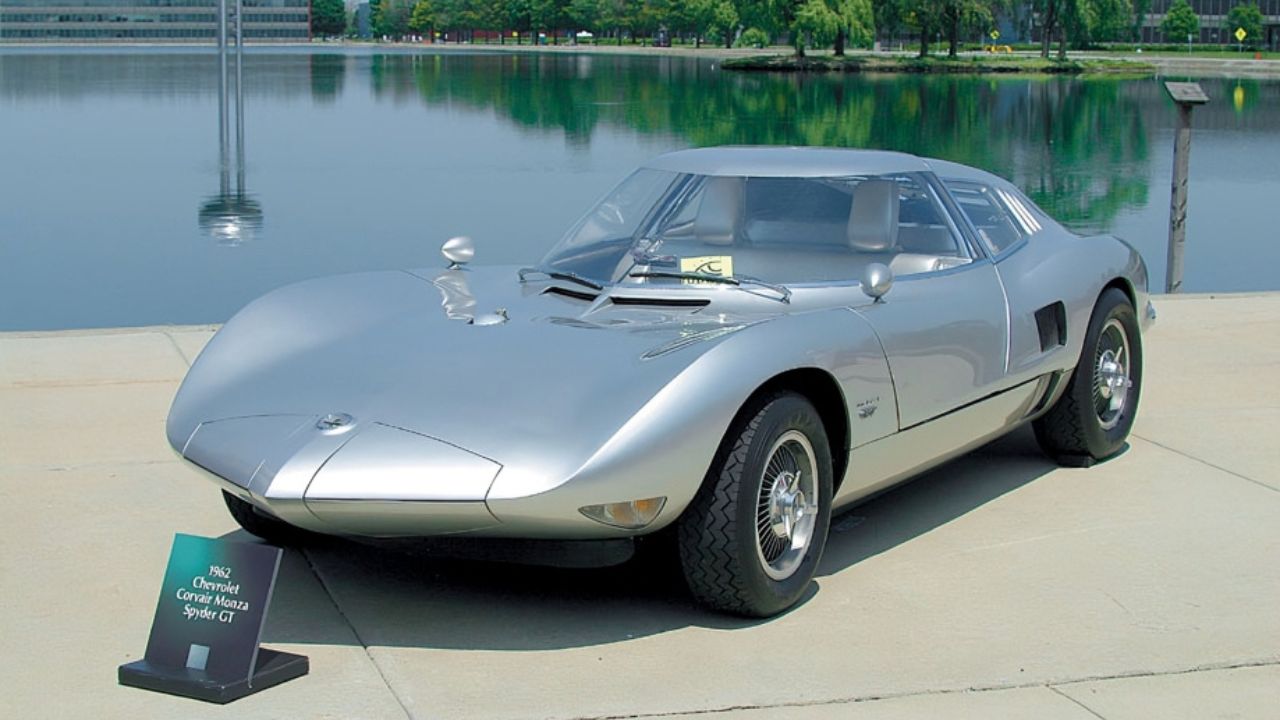
The Chevrolet Corvair Monza GT explored a radically different approach to sports-car packaging using a mid-engine layout derived from the Corvair’s rear-mounted powertrain architecture. Its compact body, low roof, and unusual proportions gave it an appearance unlike most American cars of the period. The prototype demonstrated that Chevrolet was seriously investigating mid-engine performance concepts long before such layouts became common. Its styling and engineering ideas later influenced other experimental GM vehicles.
AMC AMX-2
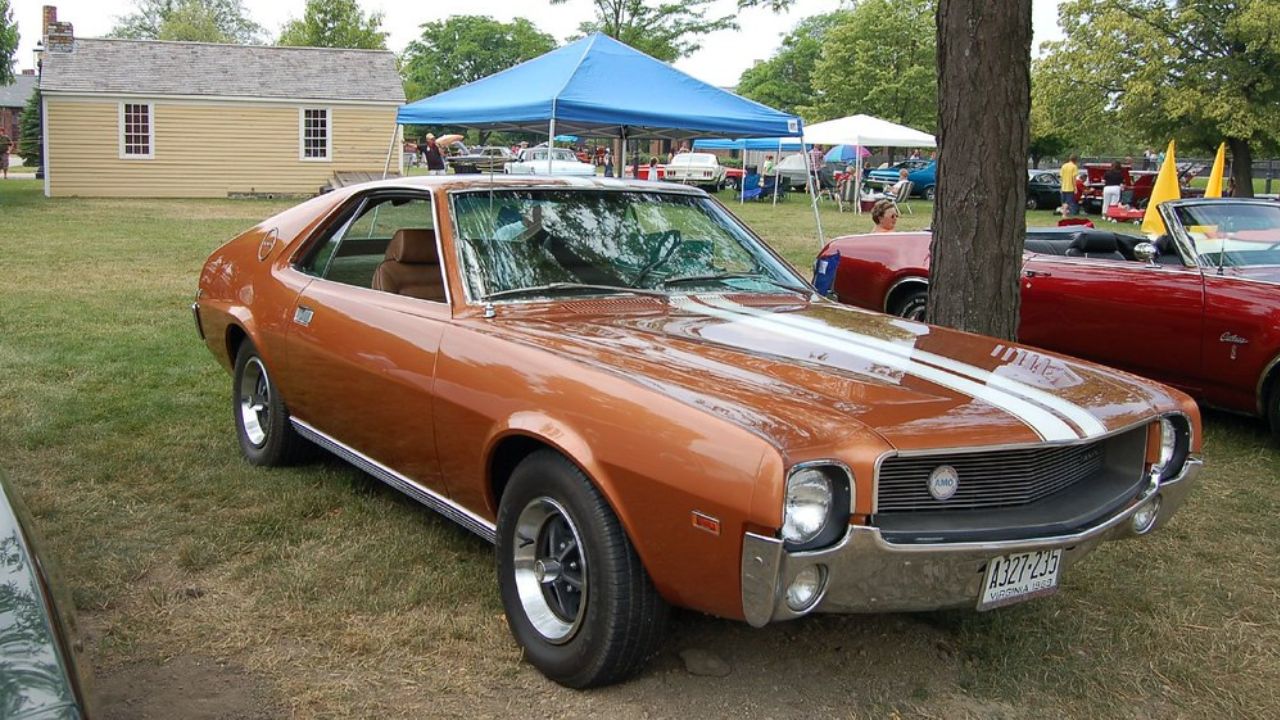
The AMC AMX-2 was an experimental mid-engine sports-car concept that showed American Motors was willing to explore performance ideas beyond its conventional lineup. Its sleek body and unusual proportions represented a dramatic departure from AMC’s practical image. The project reflected growing interest in exotic-style engineering during the early 1970s. Although it never reached production, the AMX-2 remains an intriguing example of how far AMC’s designers were willing to push the company’s performance ambitions.
Volvo ECC
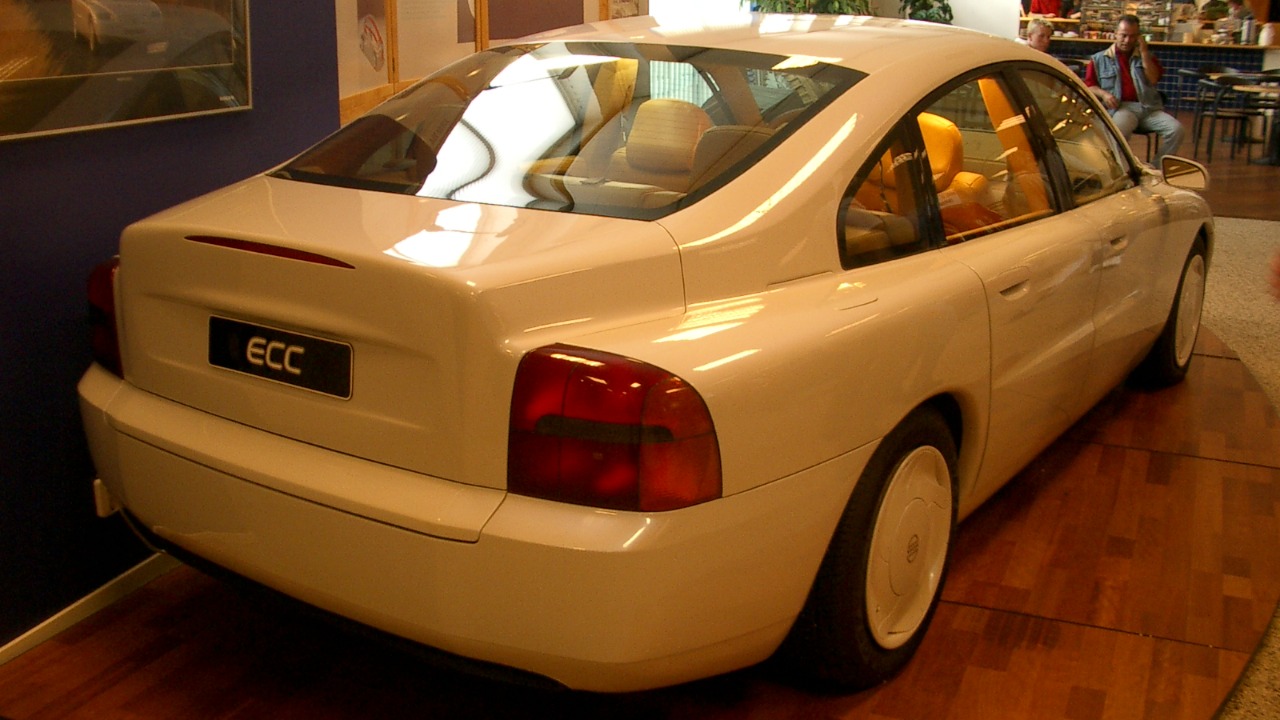
The Volvo ECC demonstrated how a manufacturer could combine futuristic design with serious attention to efficiency and practicality. Introduced in the early 1990s, the concept used a hybrid powertrain combining a gas turbine with an electric drivetrain. Its aerodynamic shape and emphasis on environmentally conscious engineering anticipated themes that became increasingly important decades later. The ECC was never produced as designed, but its approach showed Volvo exploring electrification and efficiency well before they became mainstream automotive priorities.
More from Fast Lane Only
- Unboxing the WWII Jeep in a Crate
- 15 rare Chevys collectors are quietly buying
- 10 underrated V8s still worth hunting down
- Police notice this before you even roll window down
*Research for this article included AI assistance, with all final content reviewed by human editors.