Some factory V8s pushed performance far beyond what their size, price, or class seemed to allow. These engines delivered huge horsepower, massive torque, advanced engineering, or racing technology in production cars. They often challenged the expectations and restrictions of their time, making them some of the most memorable V8s ever built.
426 Hemi
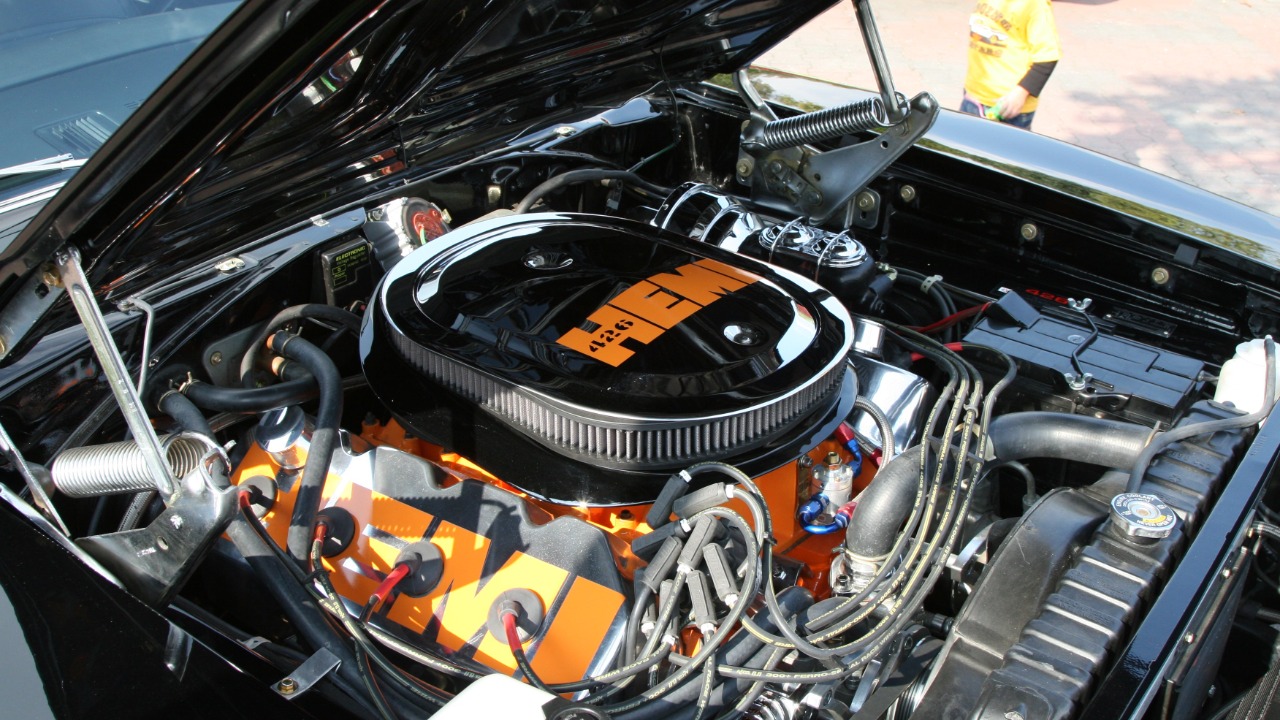
The 426 Hemi became famous for its hemispherical combustion chambers, strong bottom end, and enormous performance potential. Built with racing technology in mind, it produced serious power straight from the factory. The engine quickly became one of the most feared options in American muscle cars. Its reputation was so strong that the Hemi name remains closely connected with high-performance Mopar engines.
427 SOHC
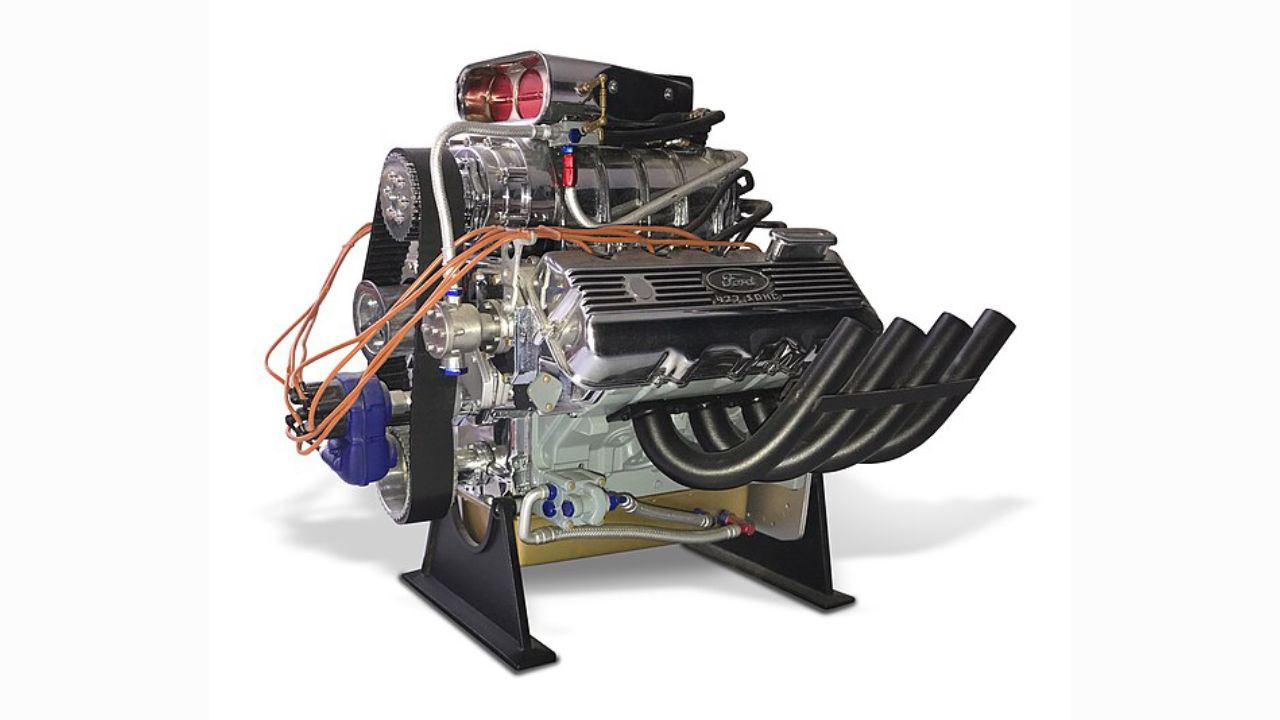
Ford’s 427 SOHC was an extreme version of the FE engine family. Its single overhead camshaft design was developed largely for racing and allowed the engine to operate at high engine speeds. With massive displacement and advanced valvetrain technology for its era, it was far beyond an ordinary production V8. Its racing focus made it one of Ford’s most legendary big-block engines.
426 Max Wedge
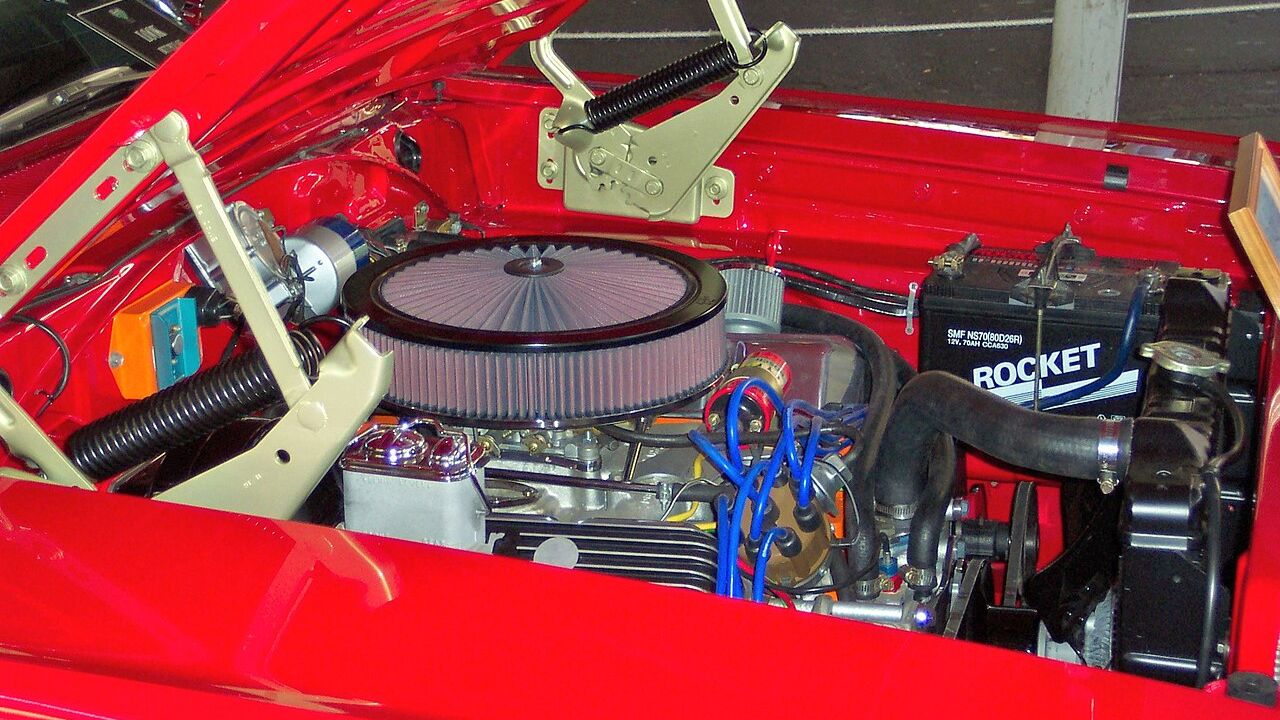
The 426 Max Wedge was built for drivers who wanted serious drag-strip performance from a factory Chrysler product. Its large intake and exhaust passages, aggressive camshaft, and high-flow exhaust system helped it produce impressive power. It was not simply a large engine with more displacement. The Max Wedge used specialized engineering that made it one of the wildest factory Mopar engines of the early muscle-car era.
427 L88

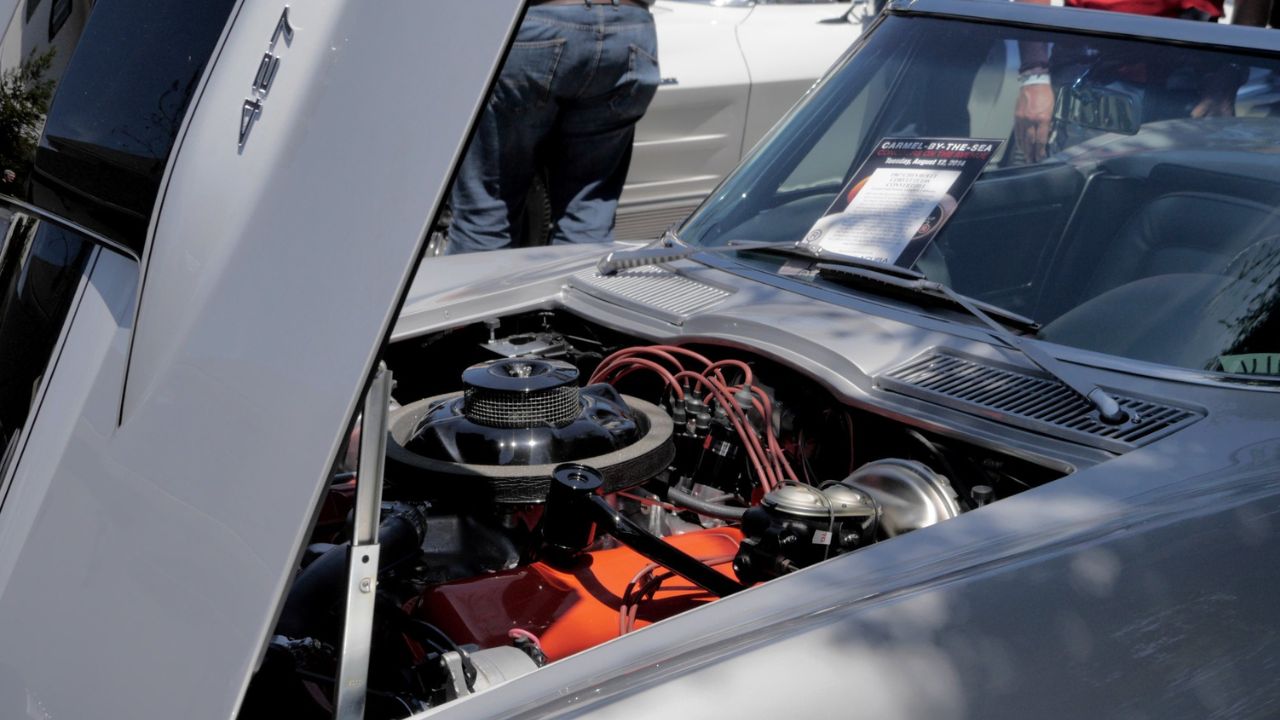
The Chevrolet 427 L88 was essentially a race engine adapted for limited street production. It used a large-displacement big-block with high-compression internals, aggressive cylinder heads, and a performance-focused design. Chevrolet rated it conservatively, but its real capability was much greater. Because only a small number were produced, the L88 became one of the most valuable and legendary factory performance engines from the muscle-car period.
Boss 429
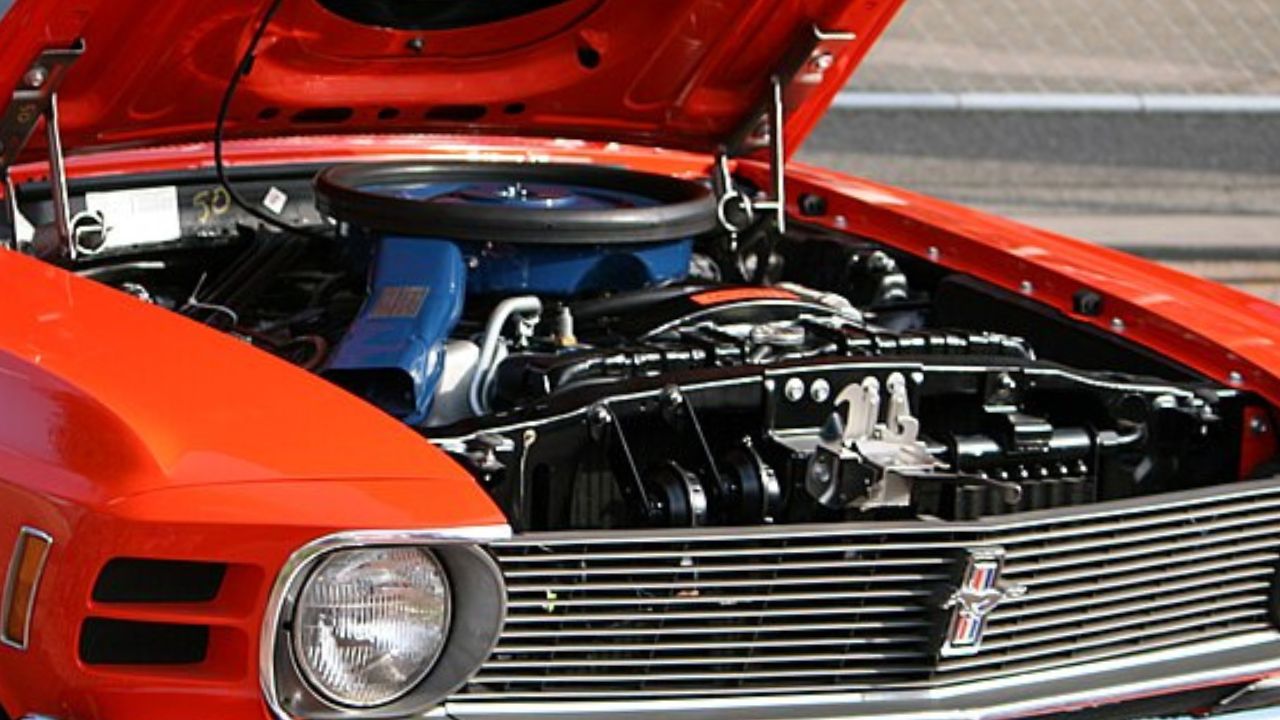
The Ford Boss 429 was built to homologate a powerful engine for NASCAR competition. Its enormous cylinder heads and specialized architecture made it physically difficult to fit inside the Mustang. Ford had to modify the engine bay to accommodate it. The resulting V8 was one of the most intimidating factory engines of the era and remains highly desirable among collectors.
440 Six Pack
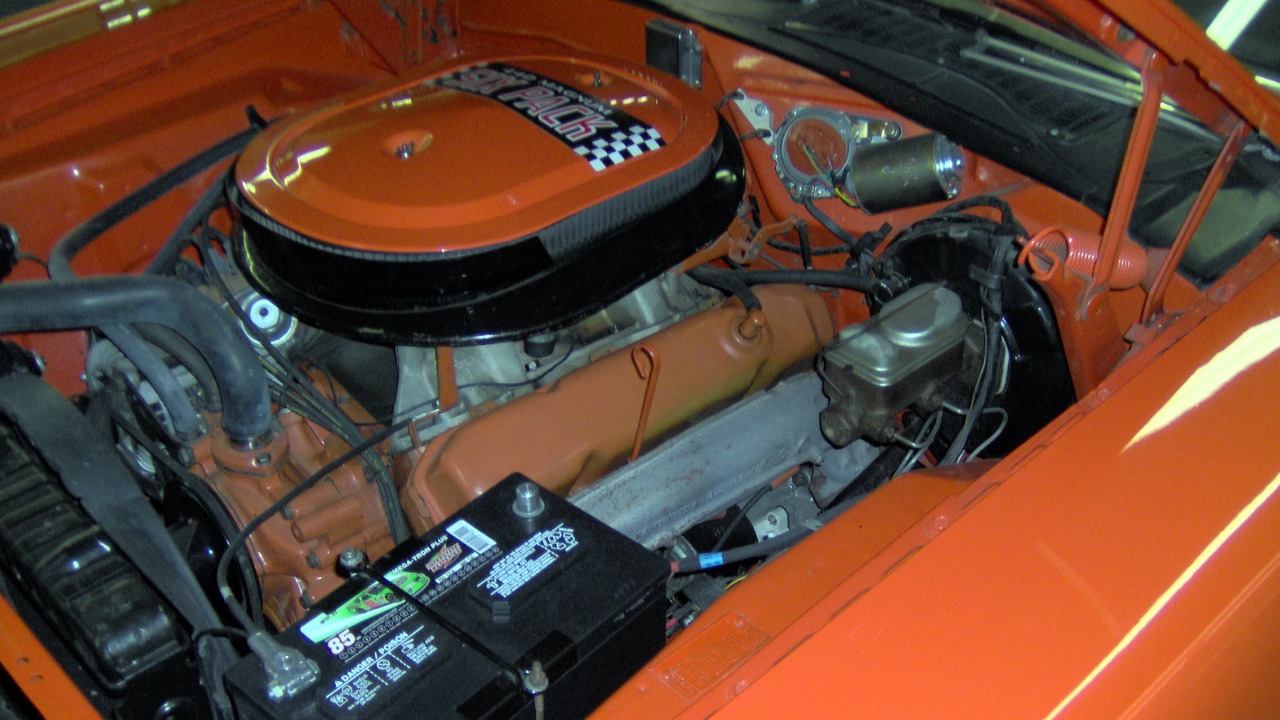
The Mopar 440 Six Pack combined a massive 440-cubic-inch V8 with three two-barrel carburetors. The setup provided enormous airflow when the engine was pushed hard, giving the engine strong high-rpm power while retaining plenty of low-end torque. It became a signature Mopar performance engine and demonstrated how far manufacturers were willing to go with factory induction systems.
340 Six Pack
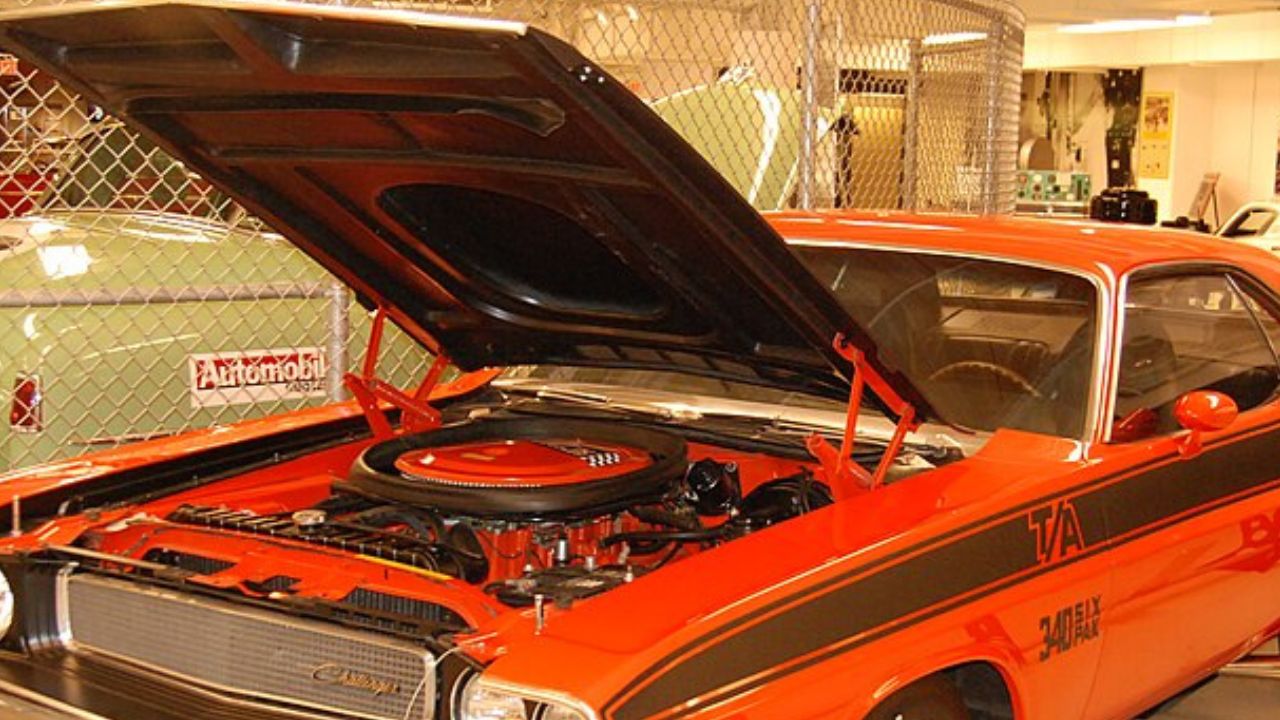
The 340 Six Pack, also known as the 340 Six Barrel in Plymouth applications, gave a small-block Mopar a surprisingly aggressive personality. Its three-carburetor setup improved airflow and helped the engine produce strong performance for its displacement. The combination of relatively compact size and serious output made it an unusual factory package during the height of the muscle-car era.
LS6 454
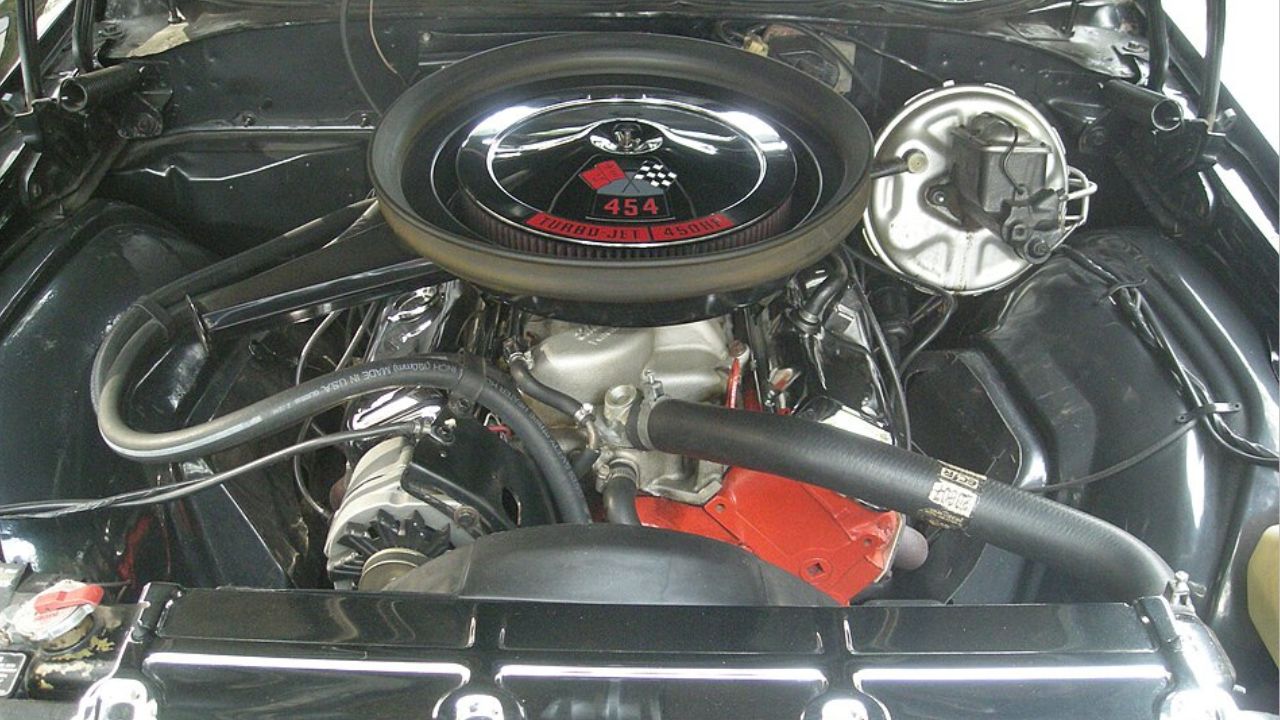
The Chevrolet LS6 454 became one of the most powerful factory big-blocks of the muscle-car era. With high compression, aggressive internals, and excellent cylinder heads, it delivered enormous performance. Installed in cars such as the Chevelle SS, it gave Chevrolet a serious weapon against other American muscle cars. Its combination of torque and horsepower made it legendary.
427 ZL1
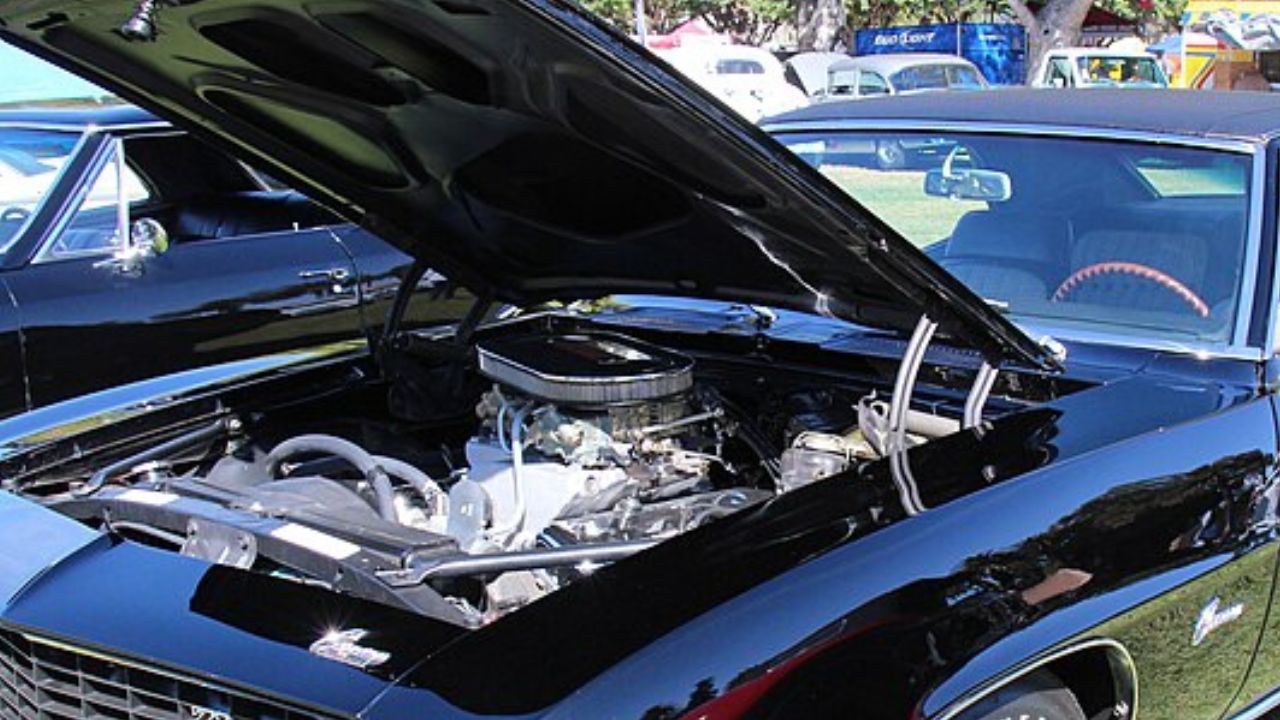
The Chevrolet 427 ZL1 was an extremely rare aluminum-block big-block designed with racing performance in mind. Its lightweight construction helped reduce engine weight while its high-performance components allowed it to produce serious power. Only a very small number were installed in production Camaros, making the ZL1 exceptionally rare. Its combination of factory availability and race-bred engineering made it one of Chevrolet’s wildest V8s.
Ford 428 Cobra Jet

The Ford 428 Cobra Jet became one of the most respected factory V8s of the muscle-car era. It combined a large displacement with high-flow cylinder heads, strong internal components, and aggressive tuning. Available in cars such as the Mustang, it delivered huge torque and strong acceleration. Its drag-strip performance helped make the Cobra Jet name legendary among Ford enthusiasts.
Pontiac 400 Ram Air IV
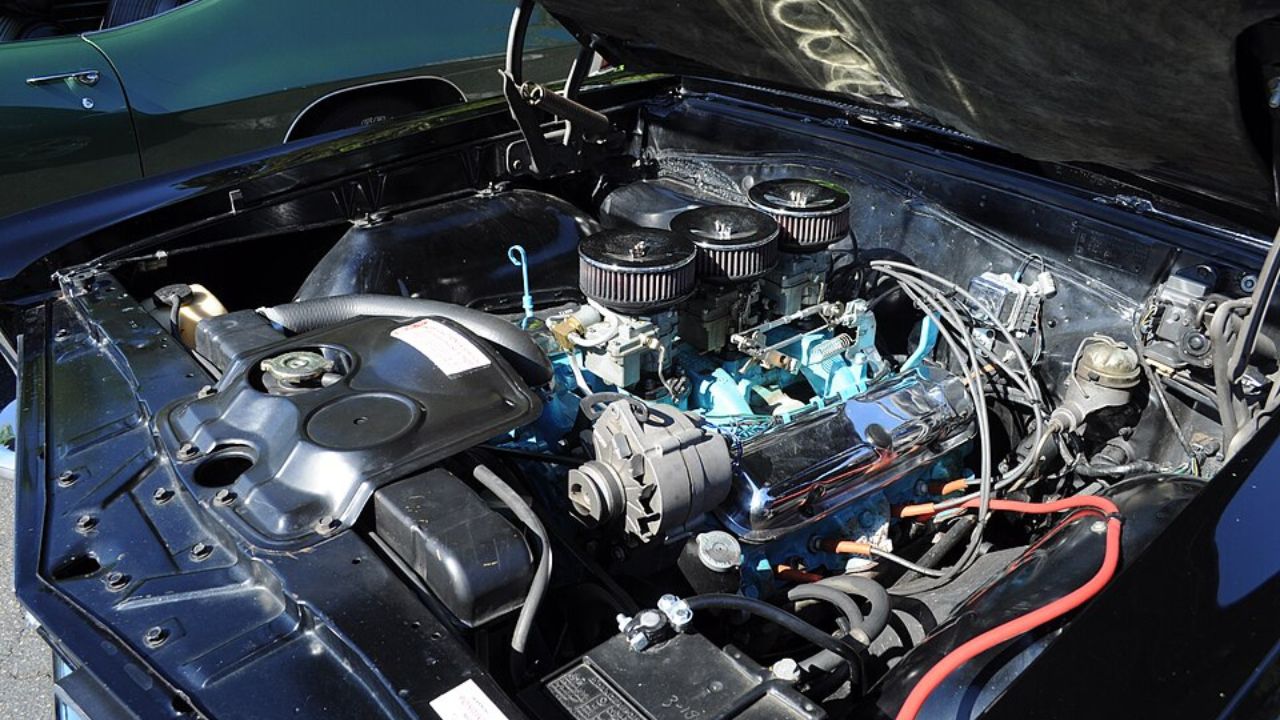
Joe Mabel – CC BY-SA 3.0 / Wiki Commons
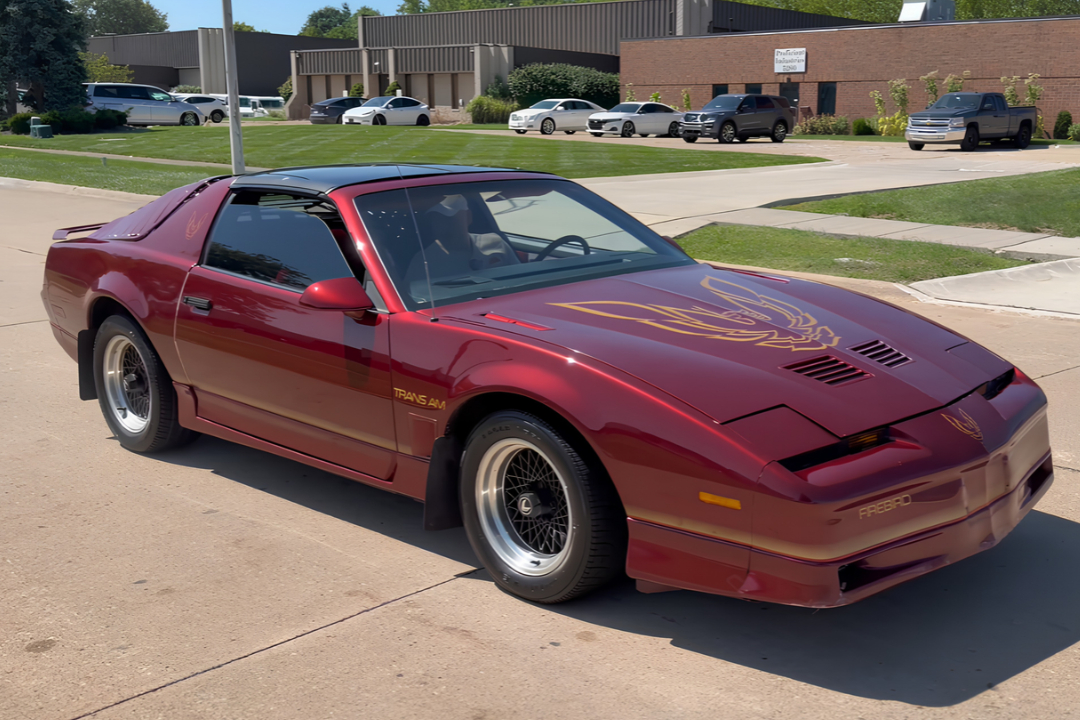
The Pontiac 400 Ram Air IV used high-flow cylinder heads, a performance camshaft, and specialized induction components to produce impressive power. Rather than depending on huge displacement, Pontiac focused on improving airflow and high-rpm performance. The engine became one of the most respected Pontiac V8s and helped give models such as the GTO and Firebird a serious performance reputation.
Oldsmobile 455 W-30
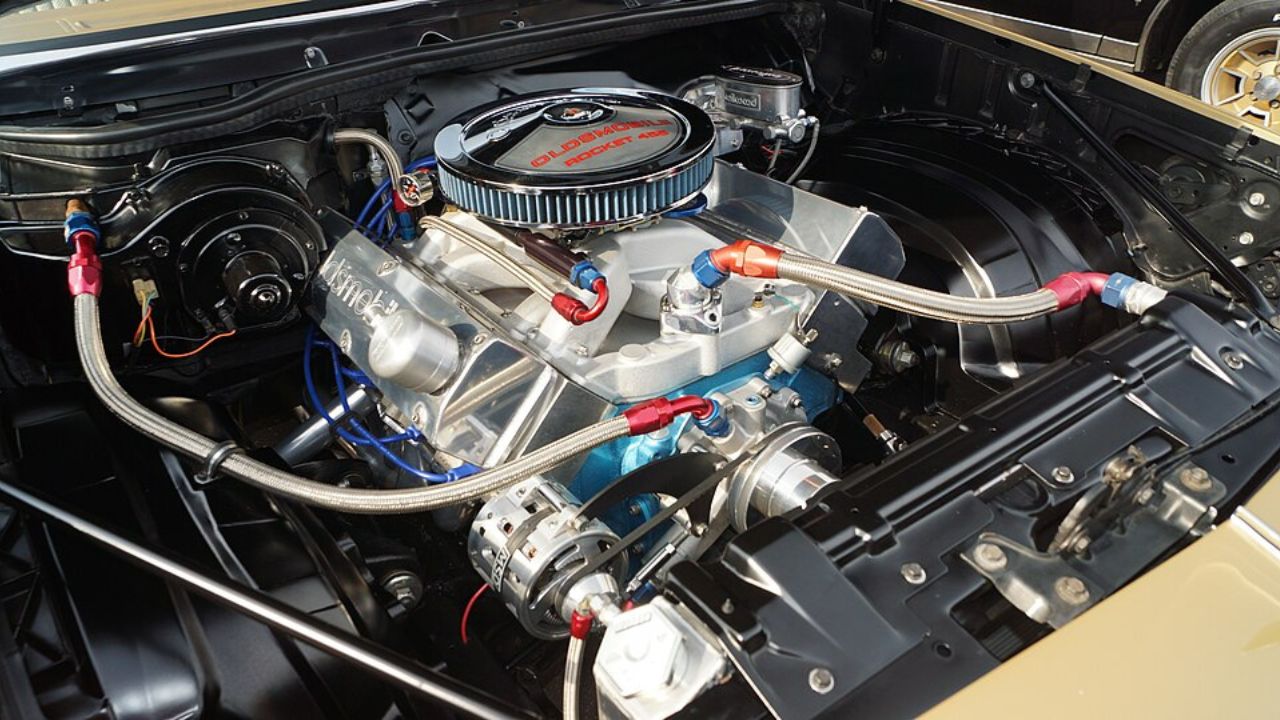
The Oldsmobile 455 W-30 combined large displacement with carefully developed performance hardware. Special cylinder heads, induction components, and a more aggressive camshaft helped it produce tremendous torque. The W-30 package turned Oldsmobile’s large luxury-oriented cars into legitimate muscle machines. Its rarity and strong performance have made it one of the most collectible Oldsmobile engine packages.
Buick 455 Stage 1
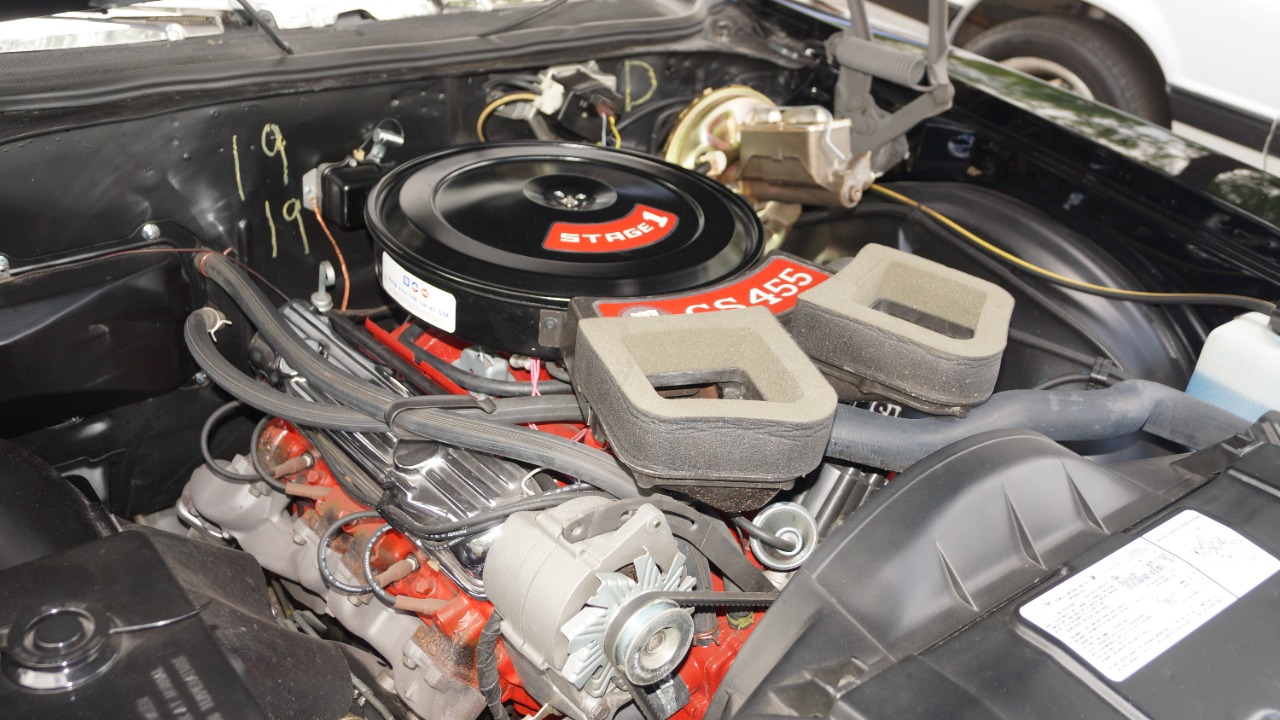
The Buick 455 Stage 1 proved that a luxury-oriented brand could build an extremely powerful muscle engine. Its huge torque output gave Buick cars remarkable acceleration despite their large size. The Stage 1 package included upgraded internal and breathing components that made the engine much more than a standard big-block. It remains one of Buick’s most respected performance engines.
Chrysler 340
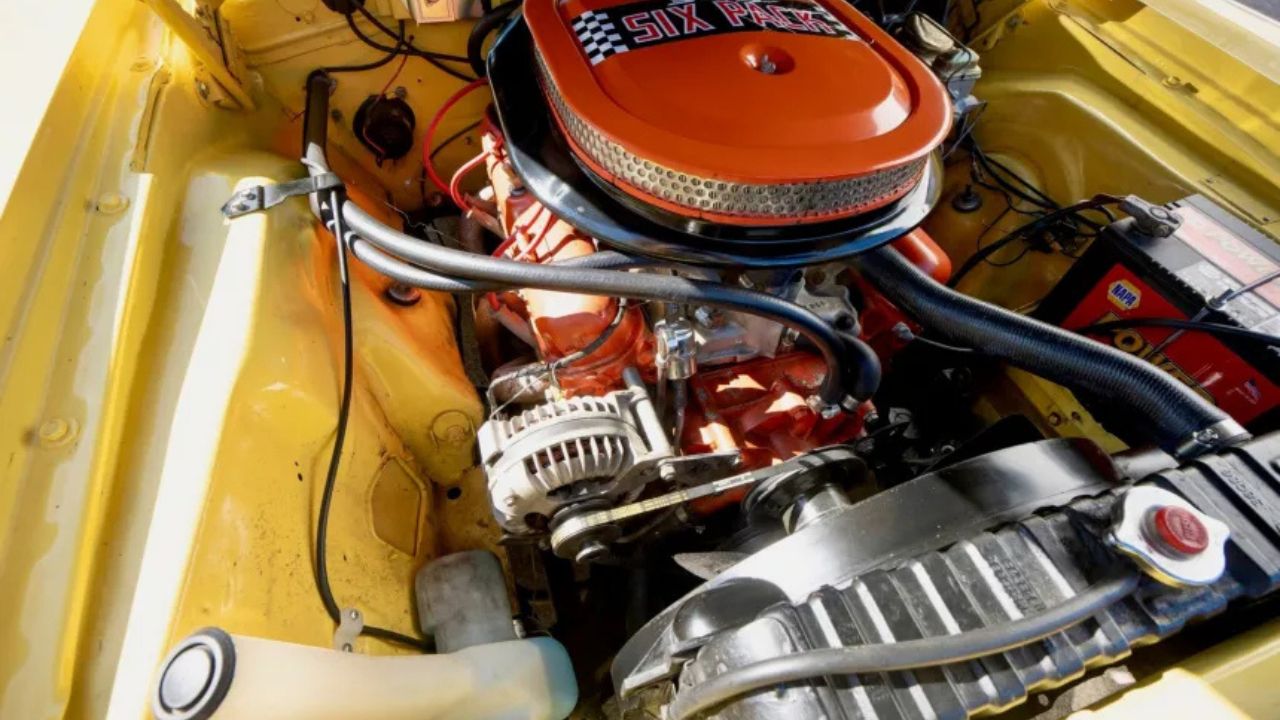
The Chrysler 340 became famous for delivering strong performance from a relatively compact small-block. It used free-flowing cylinder heads, a performance camshaft, and other components designed specifically for high-output operation. Compared with some enormous Mopar big-blocks, the 340 was lighter and more compact. Its ability to make serious power without massive displacement made it especially impressive.
Ford 427 FE

The Ford 427 FE became a dominant performance engine through both factory muscle cars and racing programs. Its large displacement and strong construction allowed it to handle demanding competition. Versions of the 427 powered legendary Ford and Mercury models while also achieving major racing success. Its combination of street availability and competition capability made it one of Ford’s most important big-block V8s.
Ford 351 Cleveland 4V
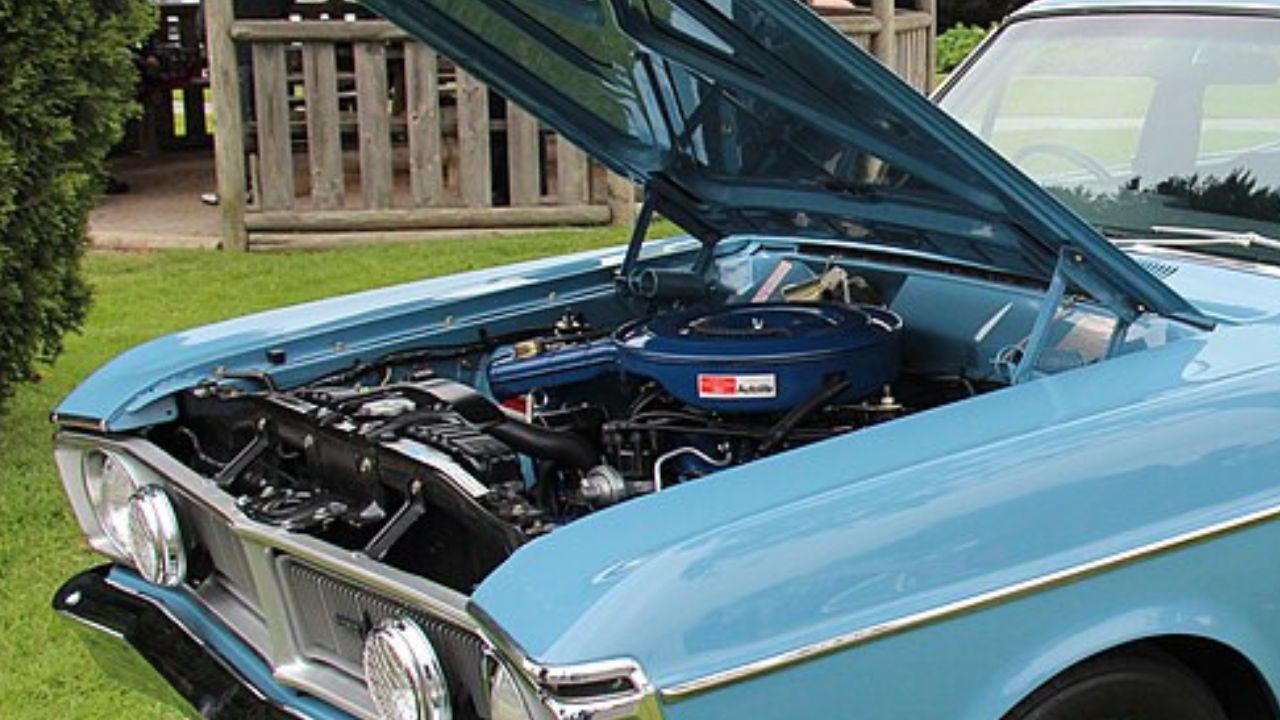
The Ford 351 Cleveland 4V showed how much performance could be extracted from a relatively compact V8. Its large-port cylinder heads and aggressive breathing characteristics made it particularly strong at higher engine speeds. The engine offered a different approach from Ford’s larger big-blocks and became a favorite among performance enthusiasts. Its cylinder-head design remains one of the most notable features of the Cleveland family.
AMC 401

The AMC 401 was a large-displacement V8 that gave American Motors serious performance credentials. Its strong torque and relatively compact package made it useful in both muscle cars and larger vehicles. Models such as the Javelin AMX benefited from its power. The 401 proved that AMC could compete with the much larger manufacturers when it came to factory V8 performance.
Chevrolet 409
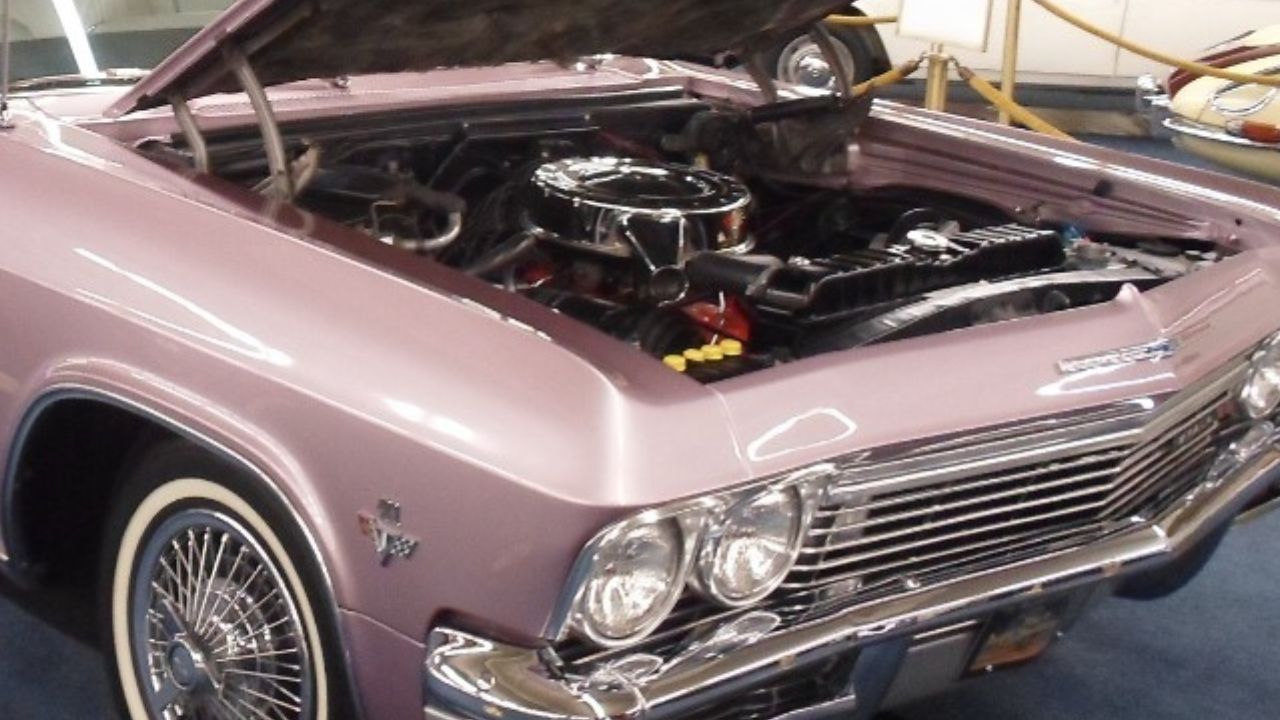
The Chevrolet 409 became famous through both its performance and its place in popular culture. Its large-displacement design and available multiple-carburetor setups gave Chevrolet buyers serious straight-line performance. The engine helped establish Chevrolet as a major player in the early-1960s performance market. Its distinctive design and reputation have kept the 409 memorable decades after production ended.
Pontiac 455 Super Duty
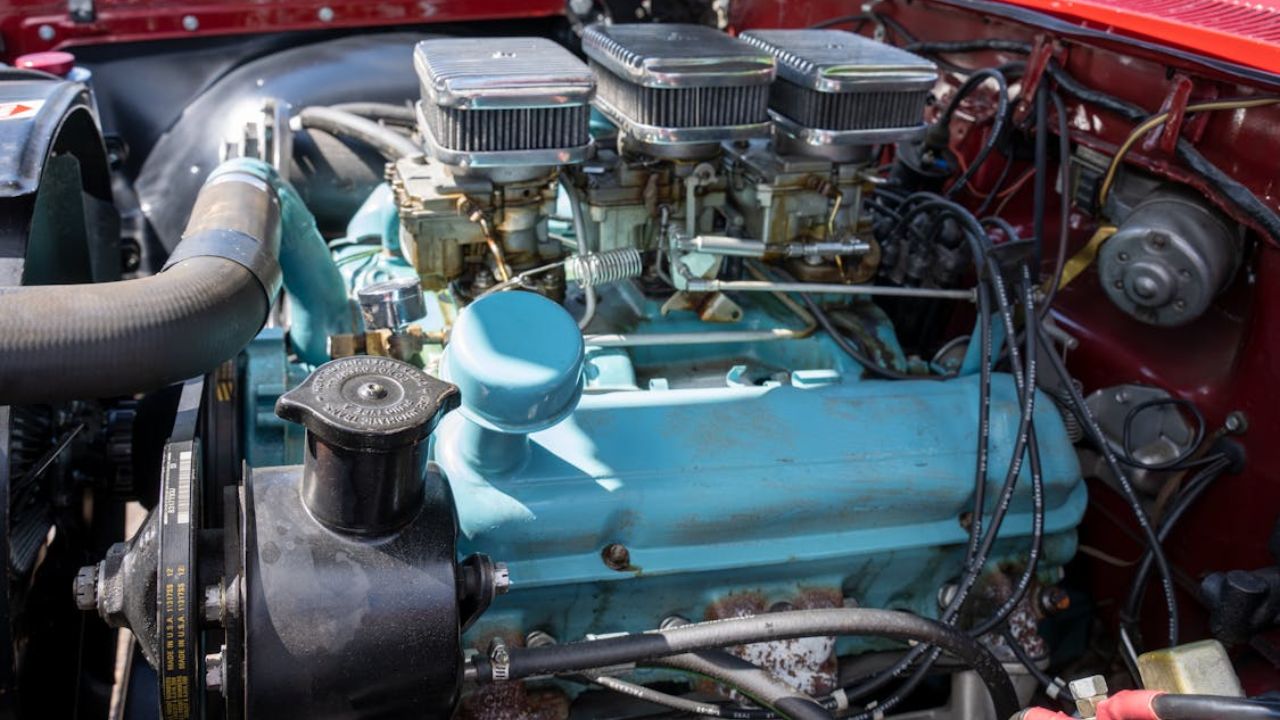
The Pontiac 455 Super Duty arrived near the end of the classic muscle-car era, when emissions regulations and changing fuel requirements had already reduced engine performance. Despite those challenges, Pontiac developed a strong large-displacement V8 with heavy-duty components and impressive torque. Its late arrival made its performance even more remarkable and helped preserve Pontiac’s reputation for building serious factory V8s.
More from Fast Lane Only
- Unboxing the WWII Jeep in a Crate
- 15 rare Chevys collectors are quietly buying
- 10 underrated V8s still worth hunting down
- Police notice this before you even roll window down
*Research for this article included AI assistance, with all final content reviewed by human editors.