The 1940s were a turning point for the automotive world. Cars and trucks had to survive wartime shortages, changing manufacturing priorities, and a rapidly evolving postwar market. Yet many vehicles from the decade still look surprisingly familiar today. Their designs, engineering ideas, and practical features helped shape the vehicles that followed for generations.
Jeep CJ-2A
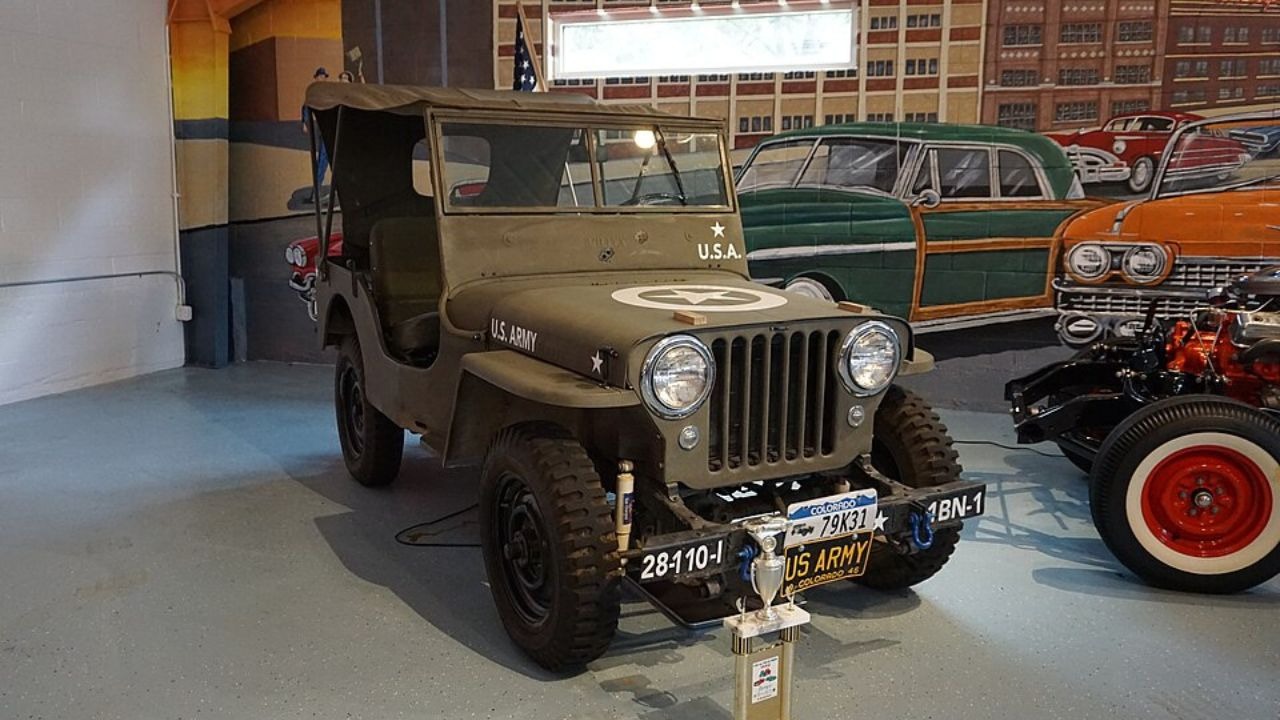
The Jeep CJ-2A helped turn a military vehicle into something ordinary buyers could actually use. Its compact size, four-wheel-drive system, simple controls, and rugged construction made it useful for farms, trails, and basic transportation. The basic idea remains highly relevant today. Modern off-road SUVs still rely on the same combination of compact dimensions, four-wheel drive, and practical utility that made the early civilian Jeep so useful.
Willys Jeep
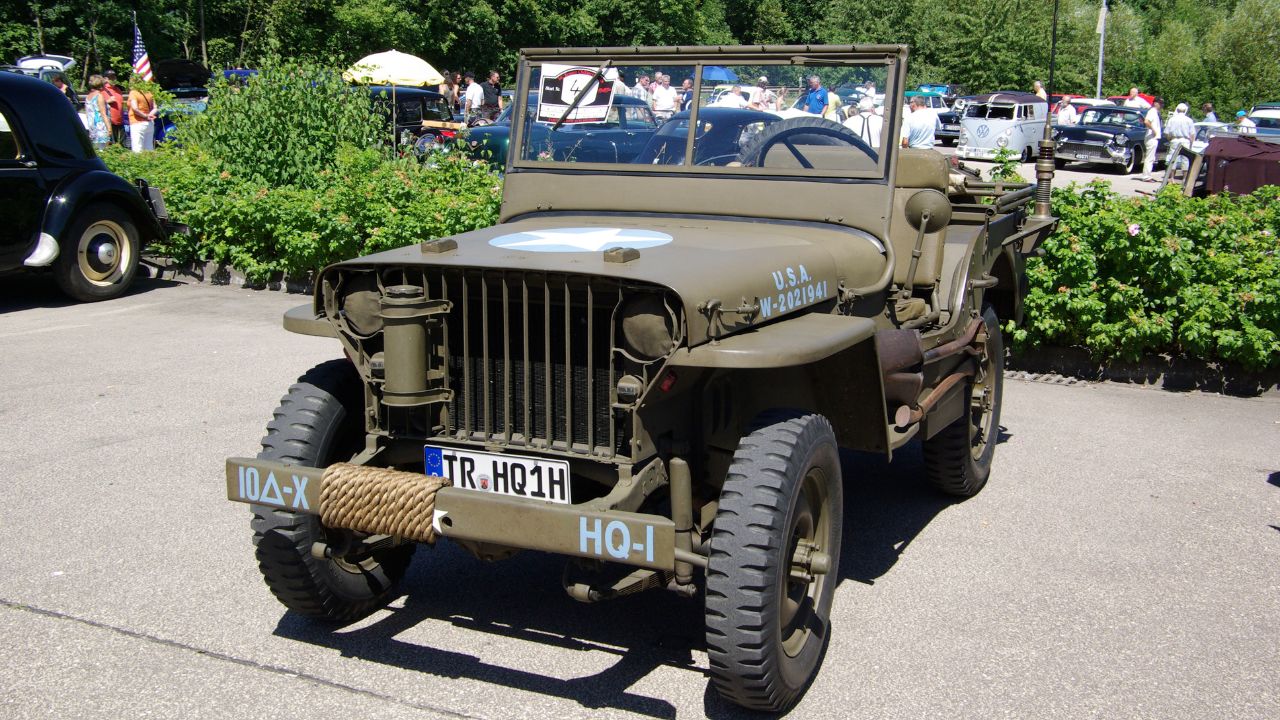
The wartime Willys Jeep became one of the most influential utility vehicles ever produced. Its small footprint, four-wheel drive, high ground clearance, and simple mechanical design allowed it to travel where ordinary cars could not. Modern off-road vehicles are far more comfortable and powerful, but the basic formula remains recognizable. A vehicle that can carry people, equipment, and supplies through difficult terrain is still just as useful today.
Ford Super Deluxe
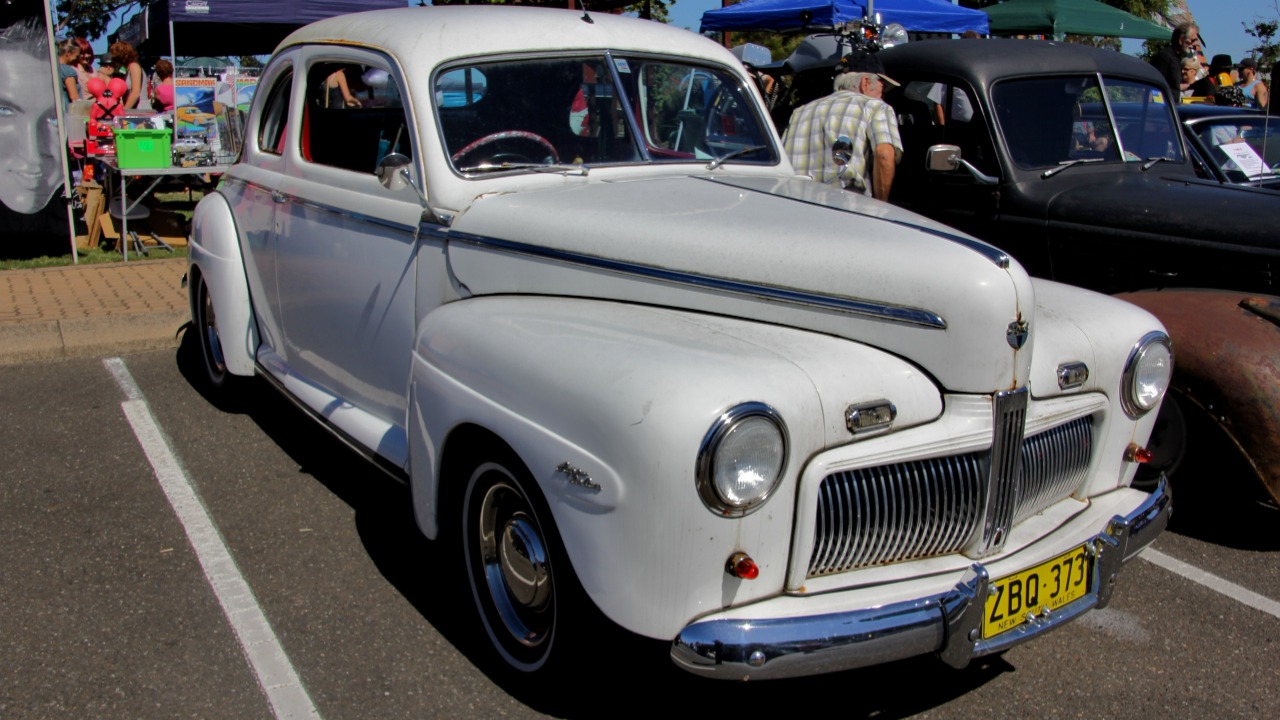
The Ford Super Deluxe represented the more polished side of 1940s American transportation. It offered a comfortable cabin, familiar sedan proportions, and practical mechanical engineering that made it suitable for everyday driving. Its styling also helped establish the visual direction of postwar American cars. Although modern vehicles are vastly more advanced, the Super Deluxe’s basic mission remains unchanged: provide comfortable transportation with enough space and durability for everyday life.
Chevrolet Fleetmaster
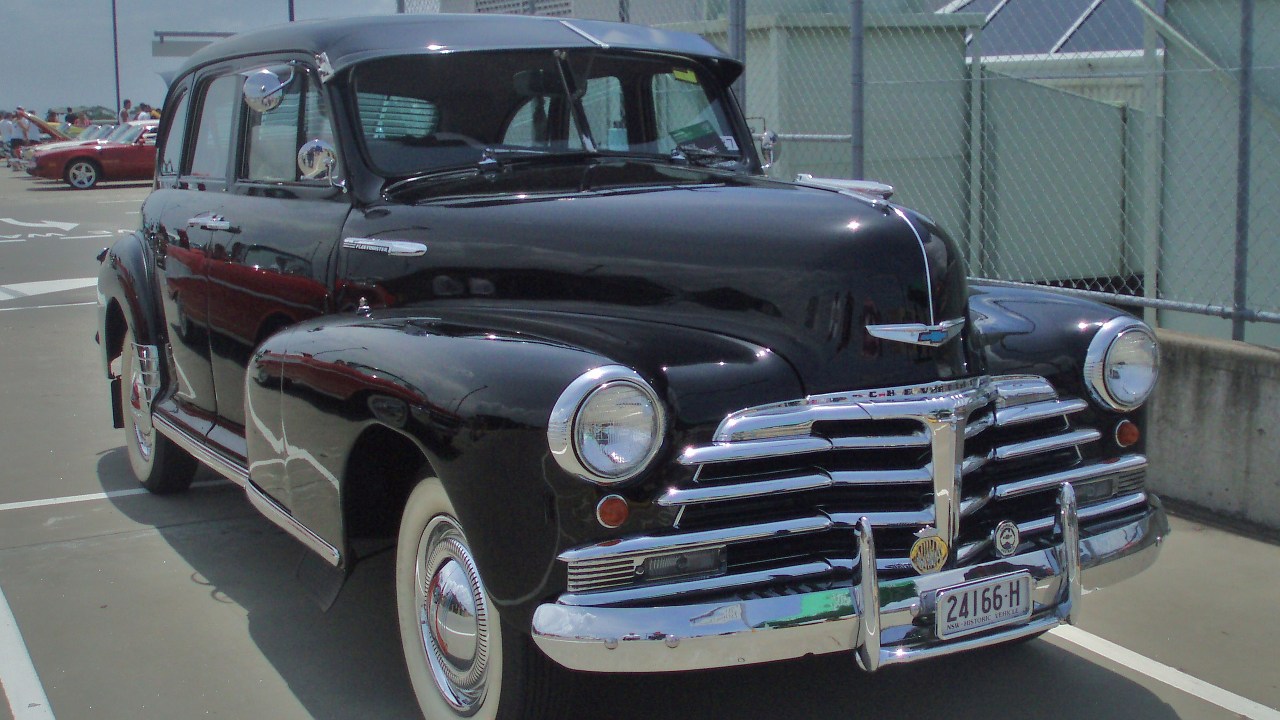
The Chevrolet Fleetmaster was one of Chevrolet’s important civilian models during the early postwar period. Its traditional body-on-frame construction, spacious interior, and straightforward mechanical layout reflected what buyers expected from a full-size American car. The Fleetmaster also showed how manufacturers could take proven prewar engineering and adapt it to changing consumer expectations. Its combination of practicality and comfort remains familiar in today’s mainstream family vehicles.
Buick Roadmaster
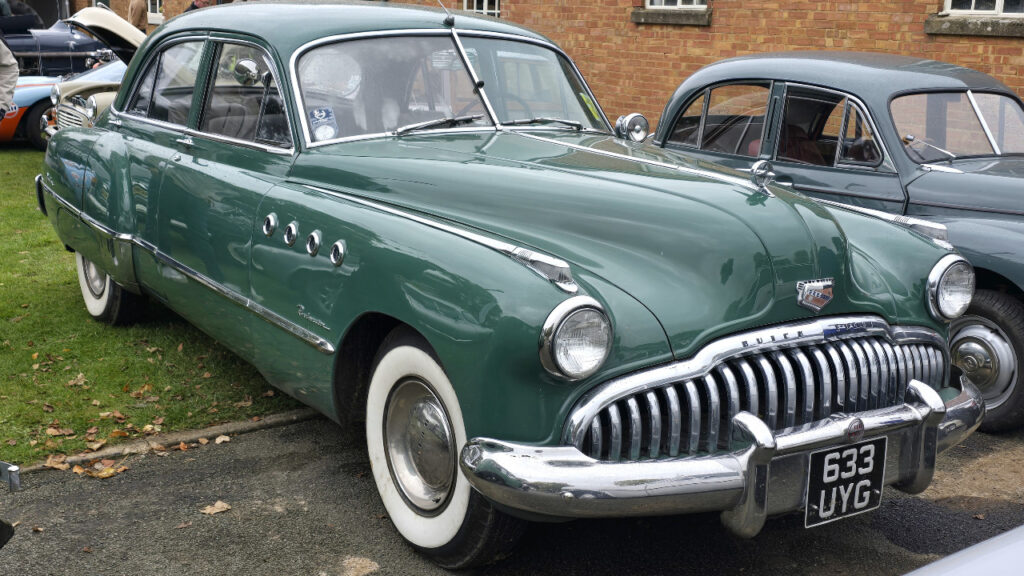
The Buick Roadmaster represented the upper end of Buick’s lineup and emphasized smoothness, comfort, and substantial road presence. Its large body and powerful straight-eight engine made it a serious highway cruiser for its time. The idea of a comfortable, quiet vehicle designed for long-distance travel remains important today. Modern luxury sedans and large touring vehicles may use very different technology, but the basic purpose has changed surprisingly little.
Oldsmobile 98
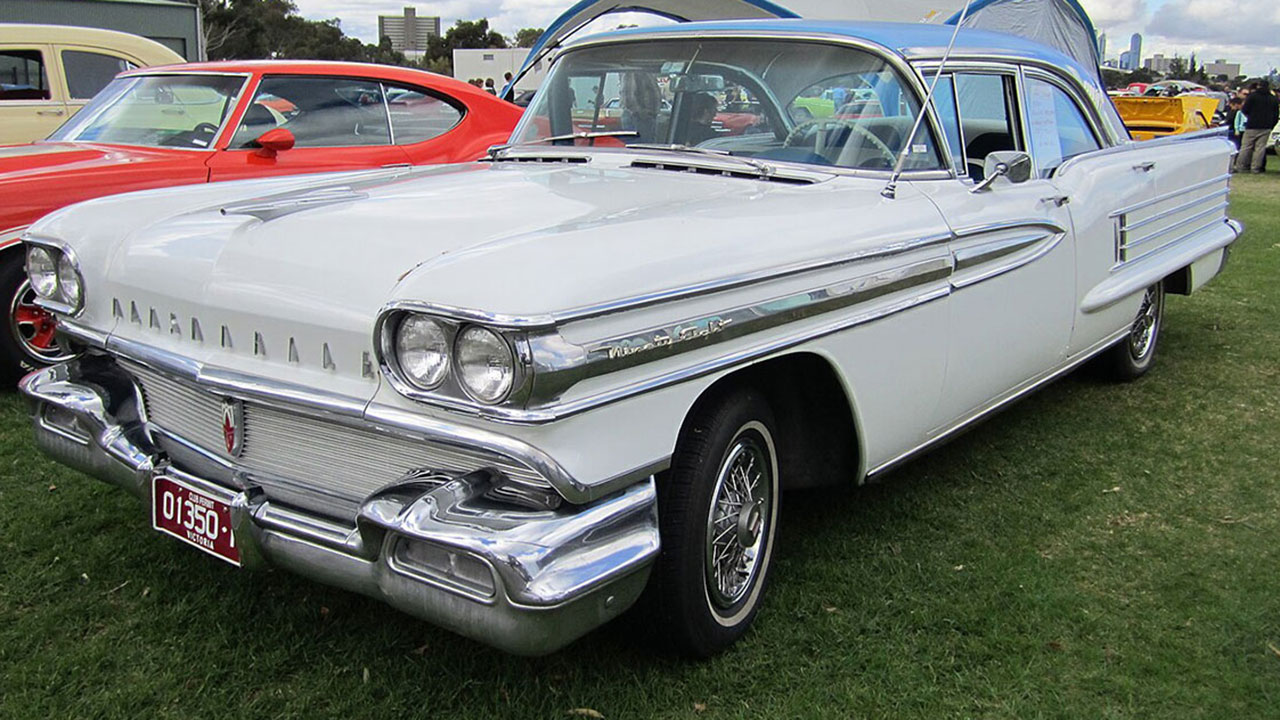
The Oldsmobile 98 was positioned as a large, upscale automobile that offered plenty of room and a more sophisticated driving experience. Its long body and straight-eight power reflected the preferences of the period. Yet the basic concept still exists in modern luxury cars: give buyers more space, stronger performance, and additional comfort than the ordinary family sedan. The 98 helped establish that formula during an important period in American automotive history.
Pontiac Torpedo
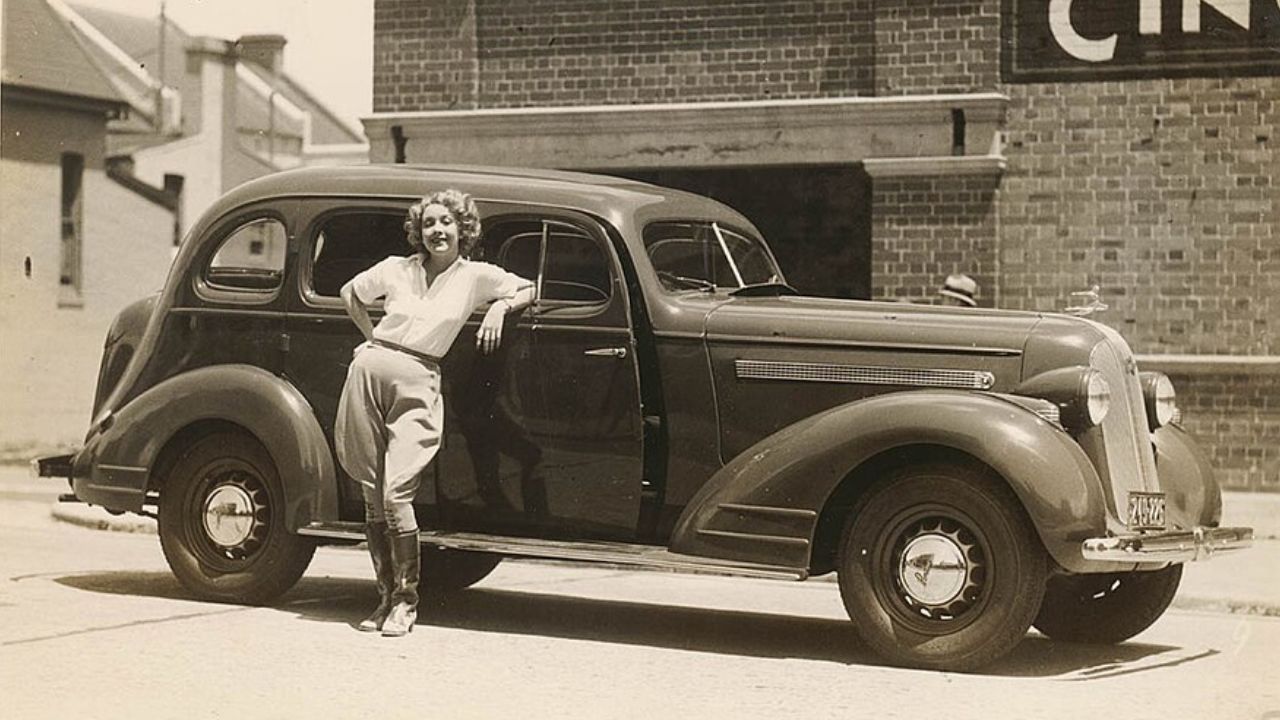
The Pontiac Torpedo brought a more streamlined appearance to the brand while retaining the practical proportions buyers expected from a full-size automobile. Its rounded body and integrated styling represented the industry’s move away from more upright prewar designs. That shift toward smoother, more aerodynamic shapes remains visible in modern vehicles. The Torpedo is an interesting example of how automotive styling began moving toward the forms that dominate today’s roads.
Chrysler Windsor
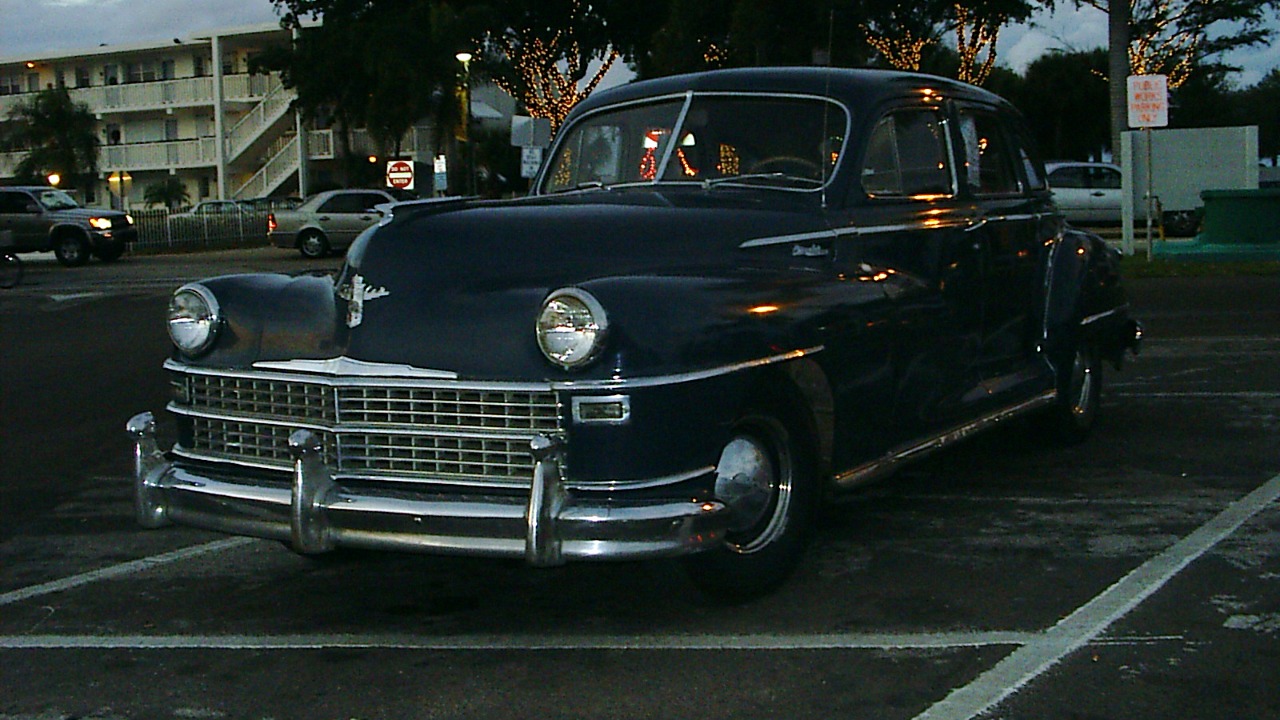
The Chrysler Windsor was a comfortable full-size car that combined substantial proportions with Chrysler’s engineering approach. Its straight-six and V8-era successors gave buyers a balance of smooth performance and everyday usability. More importantly, the Windsor belonged to a generation of cars that helped establish the basic family-sedan formula. Room for passengers, a usable trunk, comfortable seating, and reliable road manners are still central to what buyers expect from a practical car.
Chrysler Town & Country
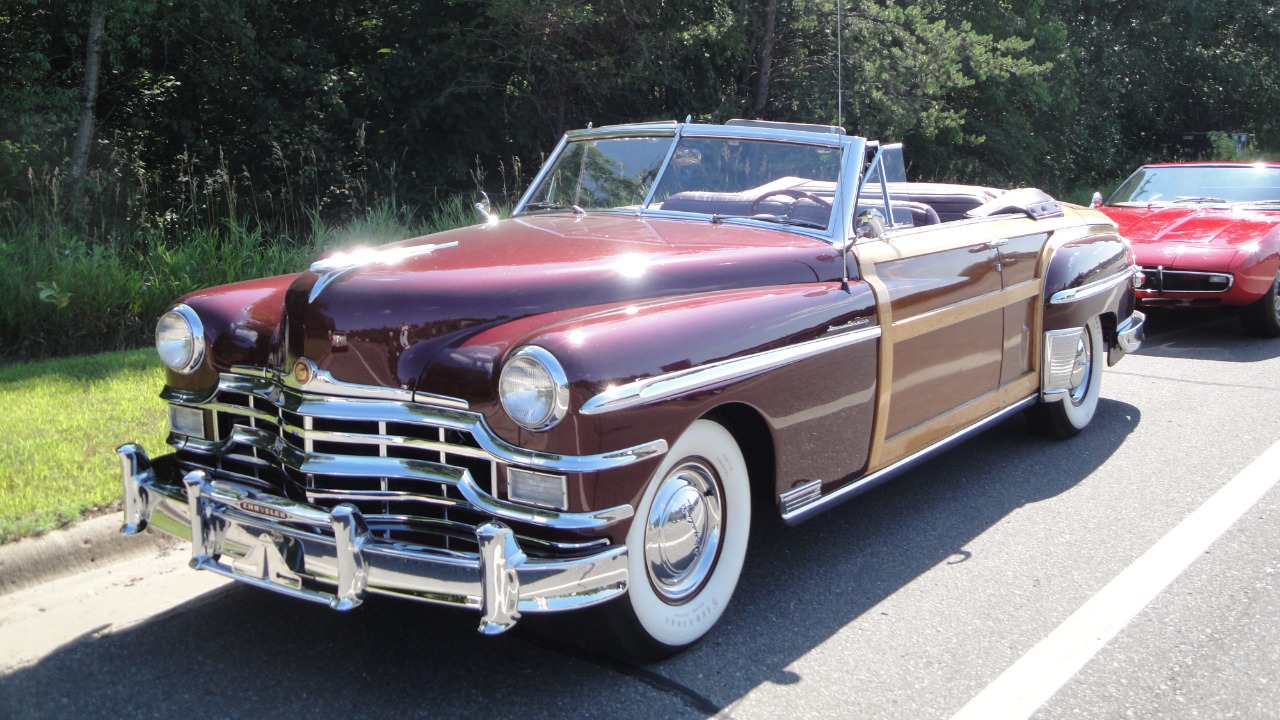
The Chrysler Town & Country became one of the most distinctive American vehicles of the period. Early versions combined a practical station-wagon concept with upscale materials and unusual styling. The idea of creating a vehicle that could carry passengers and cargo without sacrificing comfort remains extremely relevant. Modern luxury crossovers and premium family vehicles follow a surprisingly similar philosophy, even though their construction and technology are completely different.
Ford F-Series
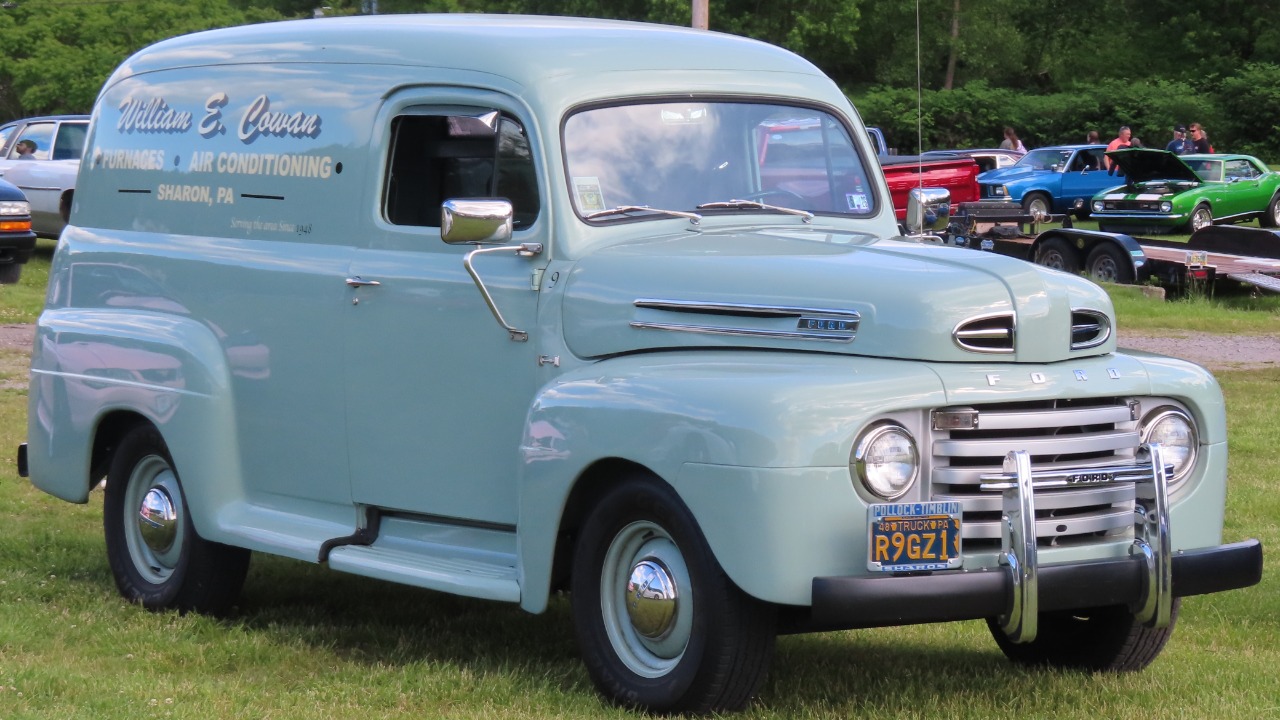
The earliest Ford F-Series trucks established a name that remains one of the most recognizable in the automotive industry. These trucks were designed around useful work rather than luxury, offering practical cargo capacity and straightforward mechanical components. That basic mission has never disappeared. Modern F-Series models are dramatically more powerful and sophisticated, but they still revolve around the same fundamental idea: provide dependable transportation for people who need a truck to work.
Chevrolet AK Series
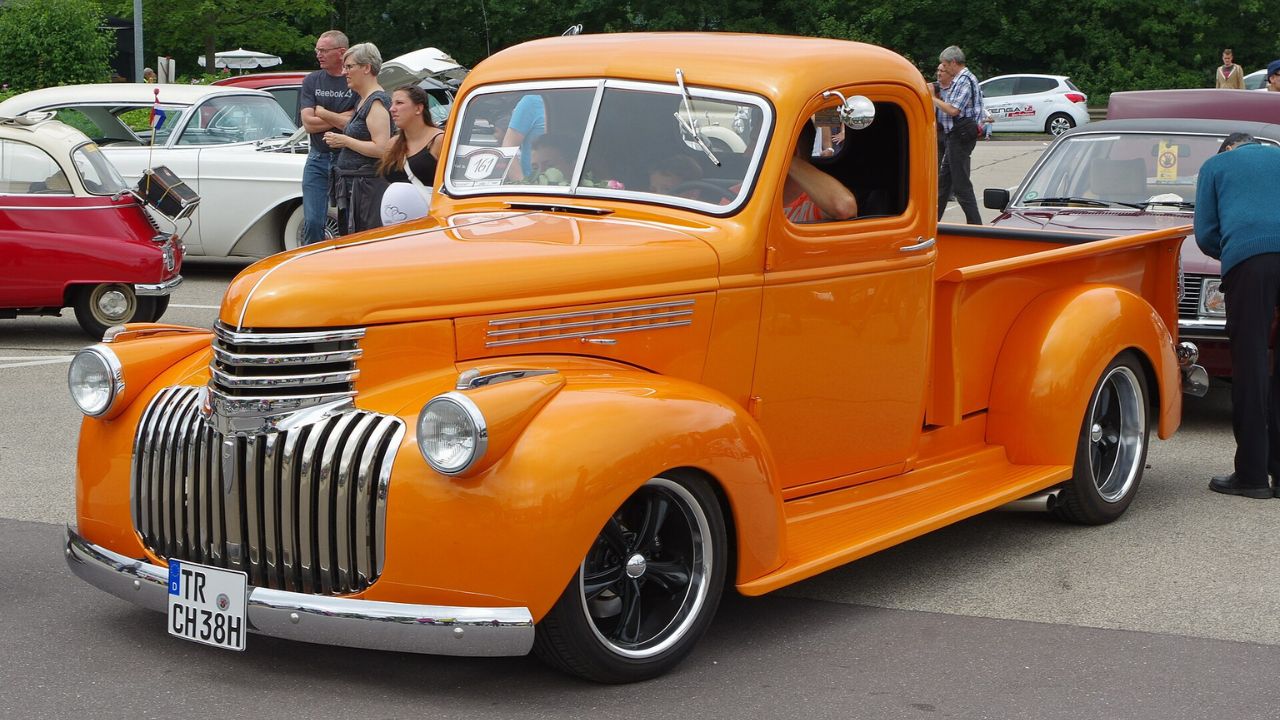
The Chevrolet AK Series was part of the company’s prewar and wartime-era truck development and helped establish the foundation for later Chevrolet pickups. Its straightforward construction made it suitable for farms, businesses, and general hauling. The basic pickup formula remains almost unchanged today. A cab in front, a separate cargo bed behind it, and a sturdy chassis underneath continue to define one of the world’s most popular vehicle categories.
GMC CCKW
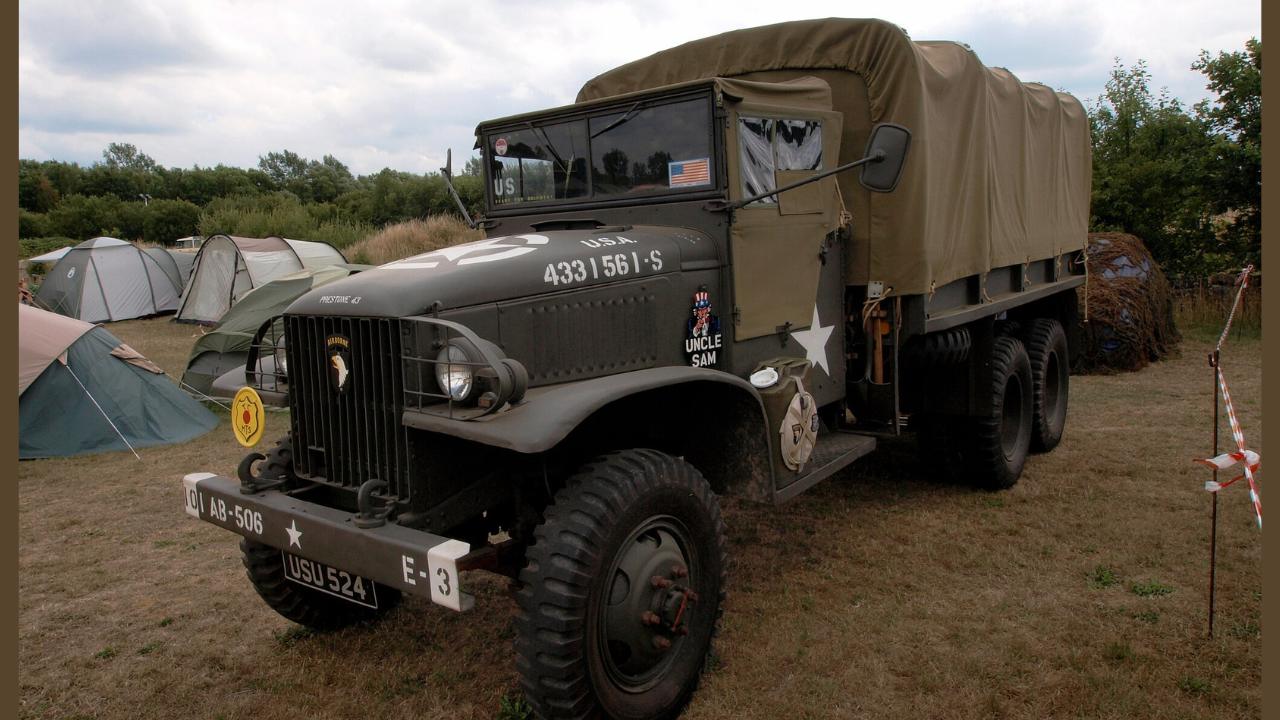
The GMC CCKW was a military truck designed for transporting personnel, equipment, and supplies in demanding conditions. Its emphasis on load carrying and durability made it a vital wartime vehicle. While modern military and commercial trucks are far more advanced, the CCKW demonstrated an important principle that remains relevant: a working vehicle needs a chassis, drivetrain, and suspension capable of handling sustained loads without constant failure.
Dodge WC Series
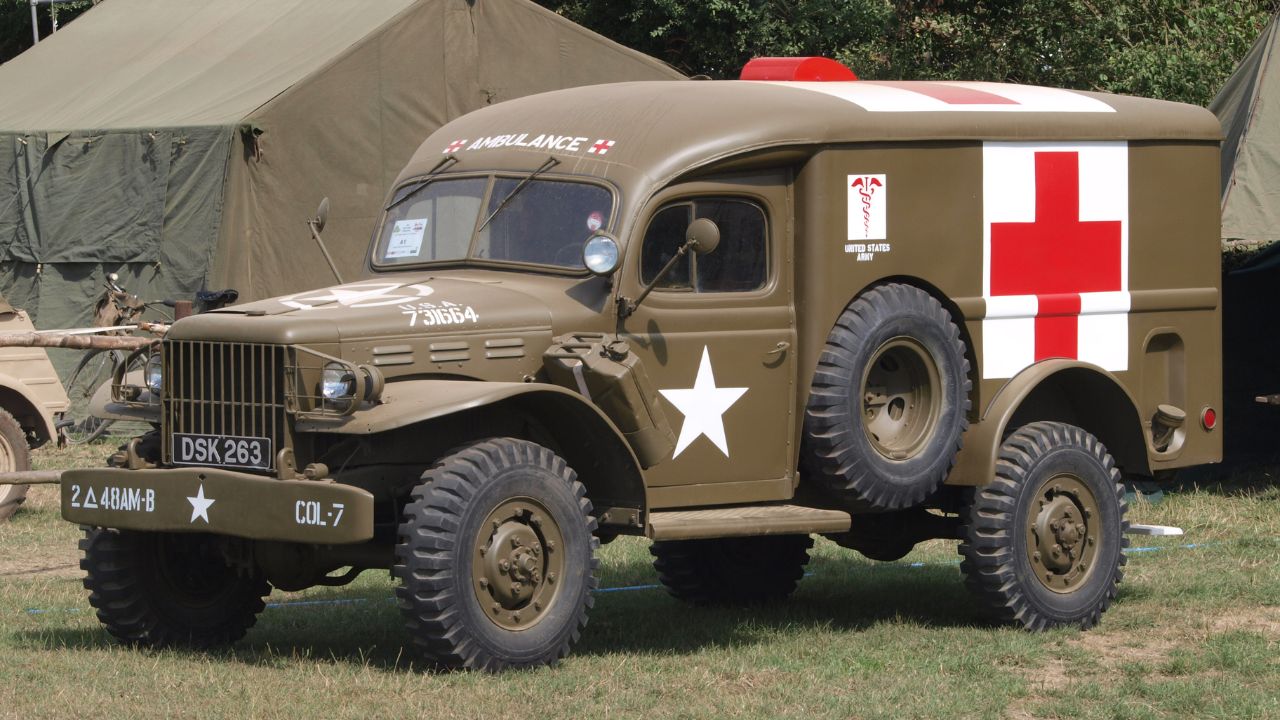
The Dodge WC Series covered a wide range of military vehicles, including pickups, command vehicles, and weapons carriers. Their four-wheel-drive capability and rugged construction made them highly useful in difficult terrain. Many modern utility vehicles still follow the same broad formula. Strong traction, durable mechanical components, practical dimensions, and the ability to carry equipment remain valuable characteristics for military, agricultural, and off-road vehicles.
Chevrolet Suburban
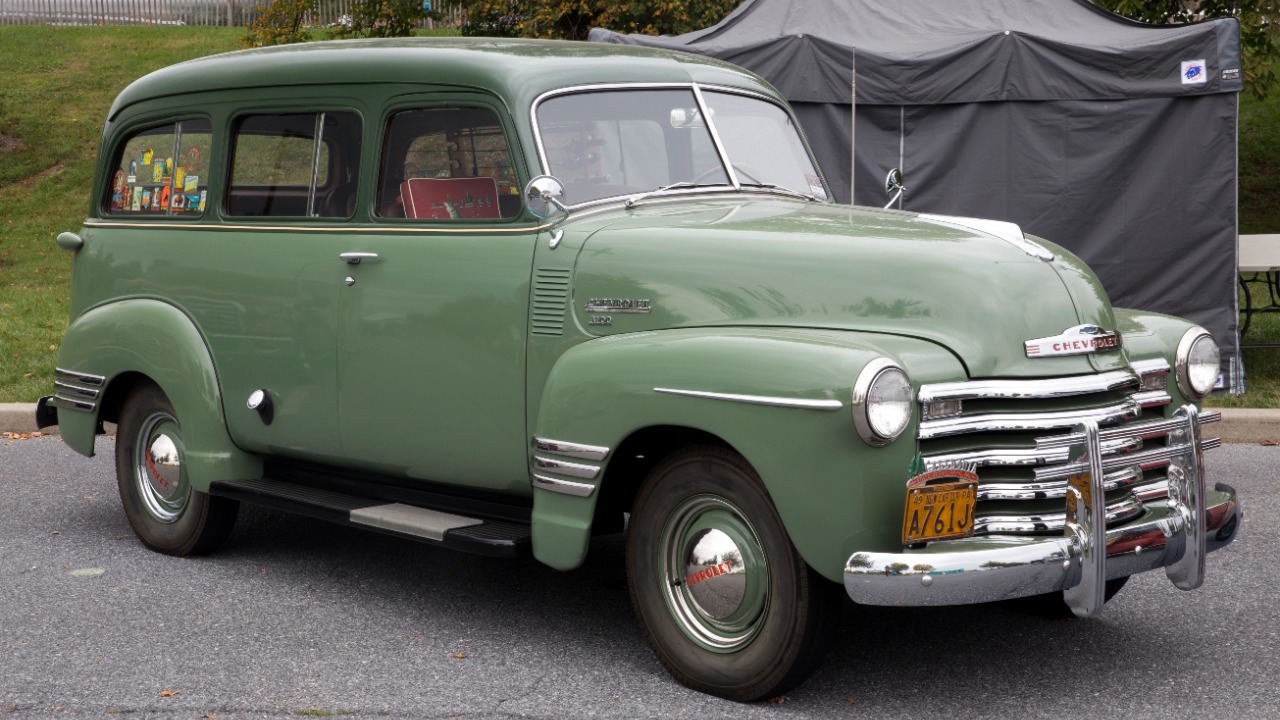
The Chevrolet Suburban was already establishing its reputation as a practical people-and-cargo hauler during the 1940s. Its enclosed body offered space for passengers and equipment, making it useful for families and businesses alike. That basic idea has become more relevant than ever. Modern three-row SUVs and large crossovers continue to combine passenger seating with flexible cargo space, following a concept that Chevrolet had already been refining decades ago.
Plymouth Special Deluxe
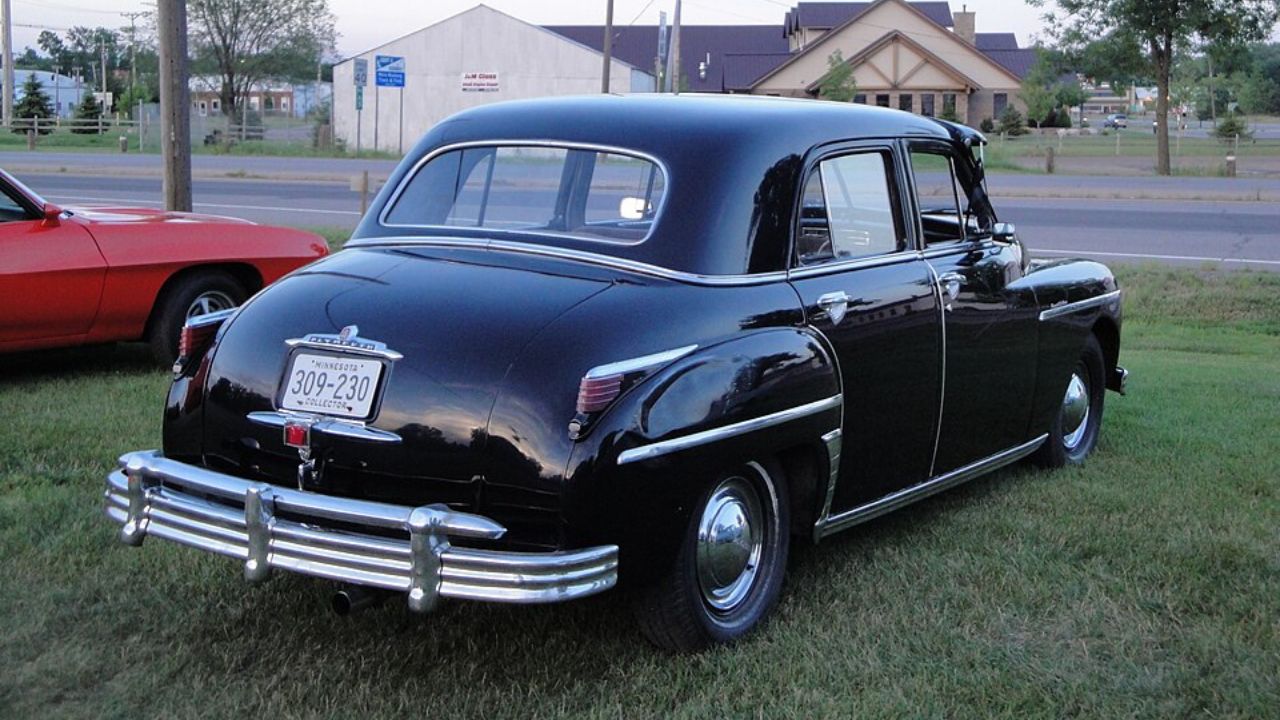
The Plymouth Special Deluxe represented affordable American transportation during an important period. It offered a comfortable interior, conventional mechanical components, and enough space for family use without moving into the most expensive segments. Its approach remains familiar in today’s mainstream vehicles. Buyers still want dependable transportation that offers reasonable comfort, useful space, and manageable running costs without paying for unnecessary luxury.
Mercury Eight
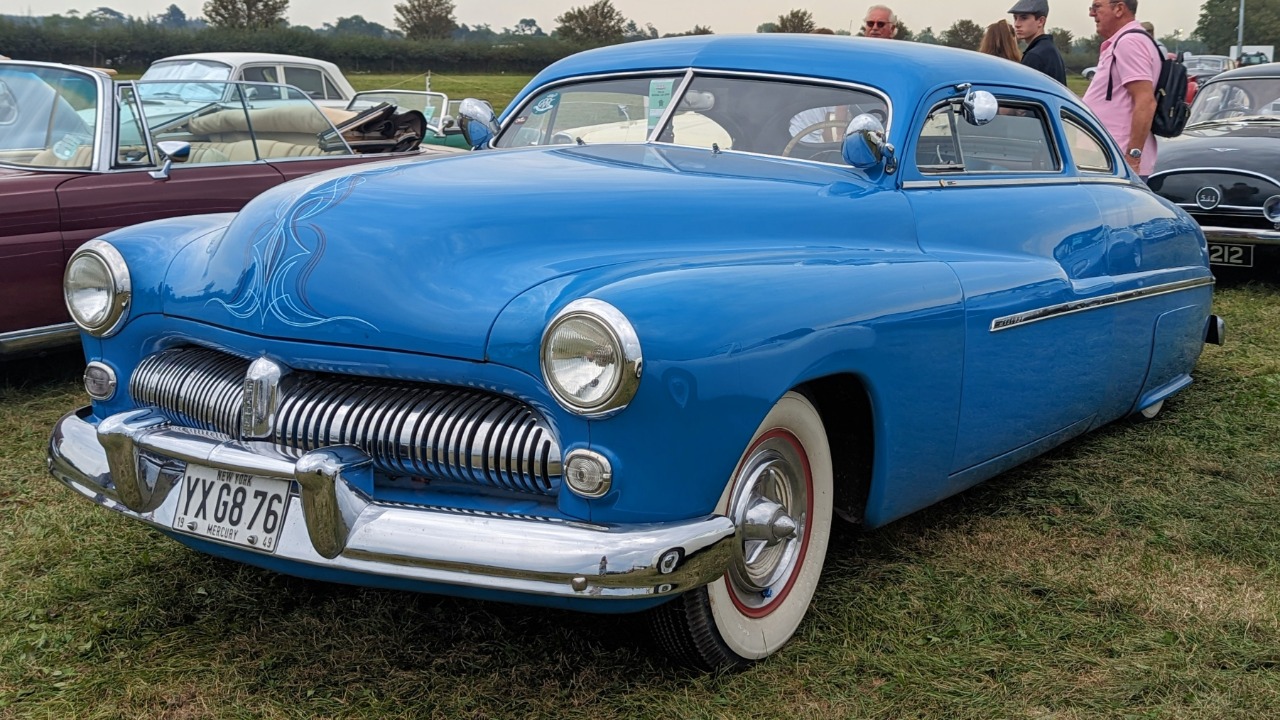
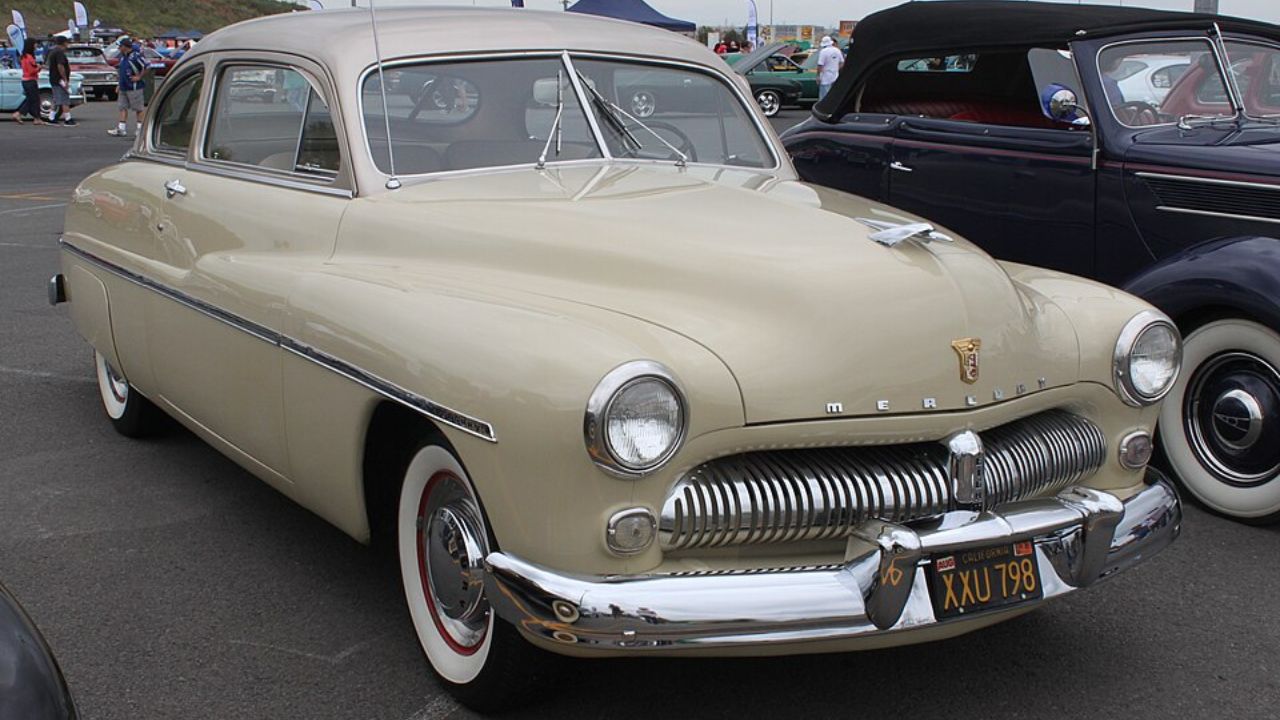
The Mercury Eight occupied a position between Ford’s mainstream models and Lincoln’s luxury offerings. It offered a larger body and more powerful performance while remaining practical enough for everyday use. That middle-ground approach is still common today. Many vehicles are designed to give buyers more performance and comfort than an economy model without the price or complexity of a full luxury car. The Mercury Eight was an early example of that strategy.
Packard Clipper
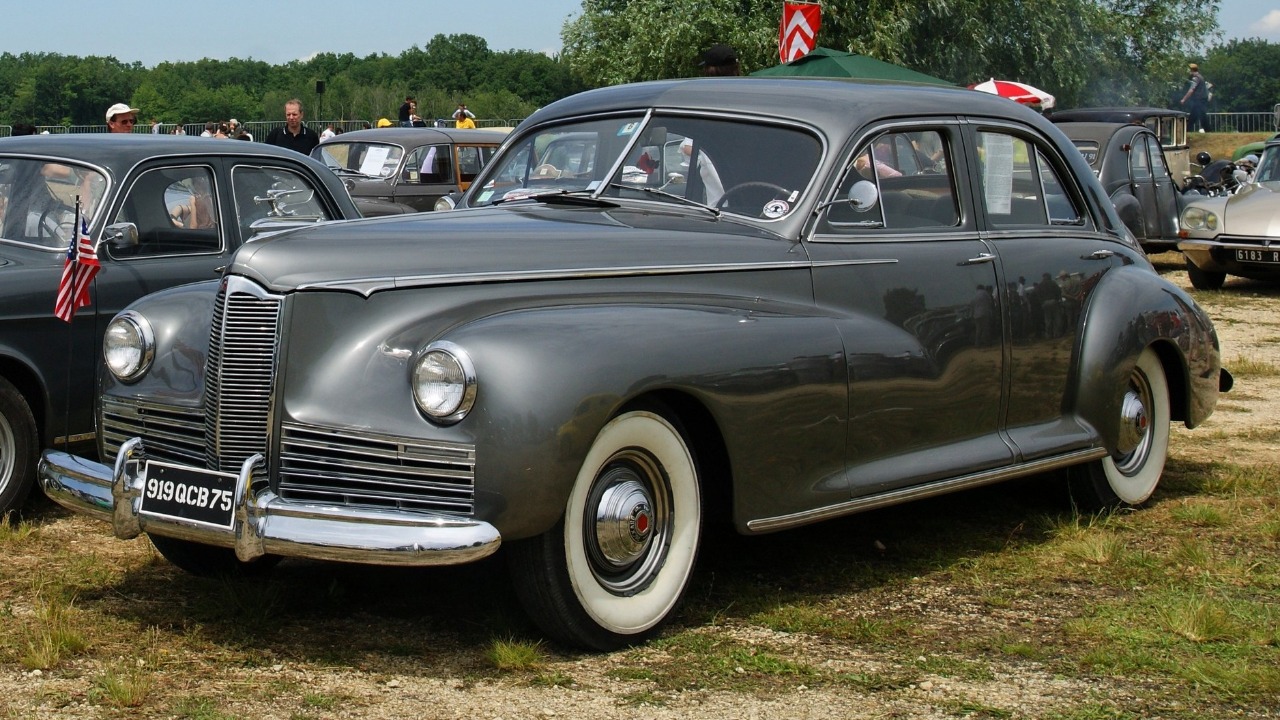
The Packard Clipper represented a major shift toward more streamlined postwar American styling. Its rounded body and integrated fenders gave it a modern appearance compared with many earlier vehicles. The Clipper also demonstrated how manufacturers could combine luxury with a more aerodynamic shape. Today’s cars place enormous emphasis on reducing aerodynamic drag, improving efficiency, and integrating body panels, making the design philosophy behind the Clipper surprisingly relevant.
Studebaker Champion
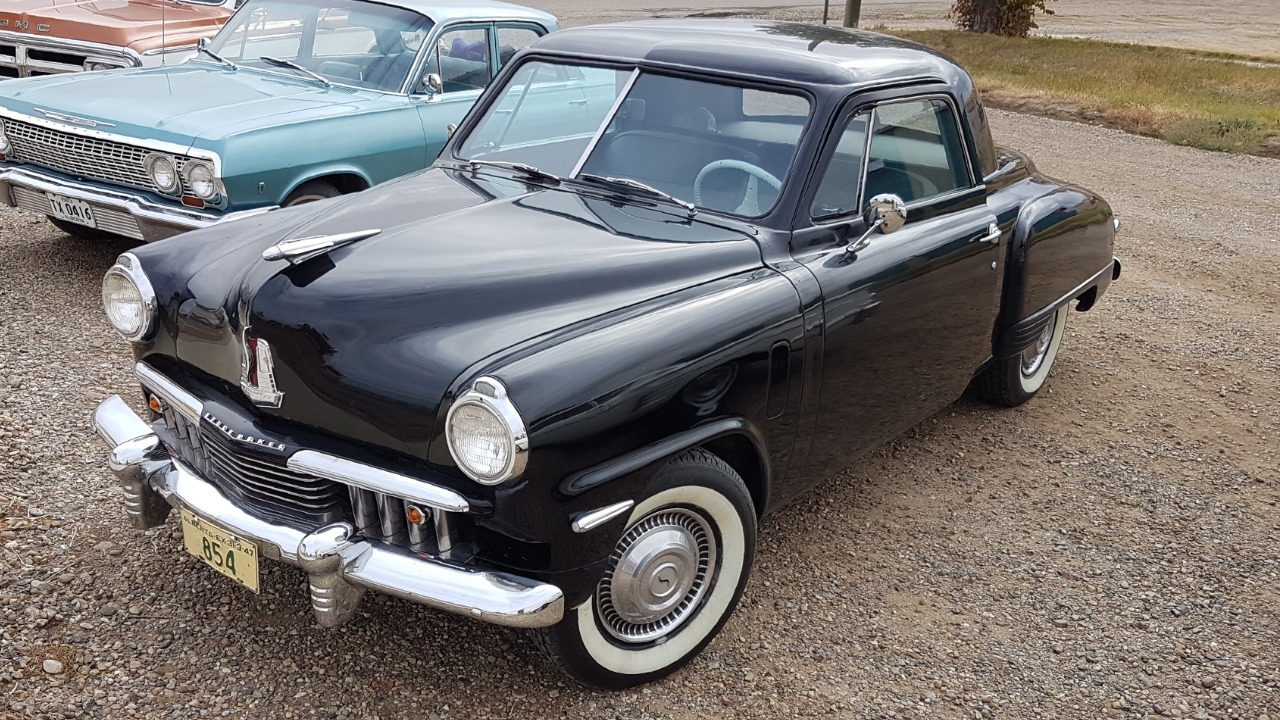
The Studebaker Champion was designed to offer efficient transportation without abandoning attractive styling. Its relatively compact dimensions and attention to aerodynamics helped distinguish it from many larger American cars. The Champion’s philosophy feels particularly modern because manufacturers today are constantly balancing size, efficiency, practicality, and appearance. Its success showed that a vehicle did not necessarily need enormous dimensions to appeal to American buyers.
Hudson Commodore
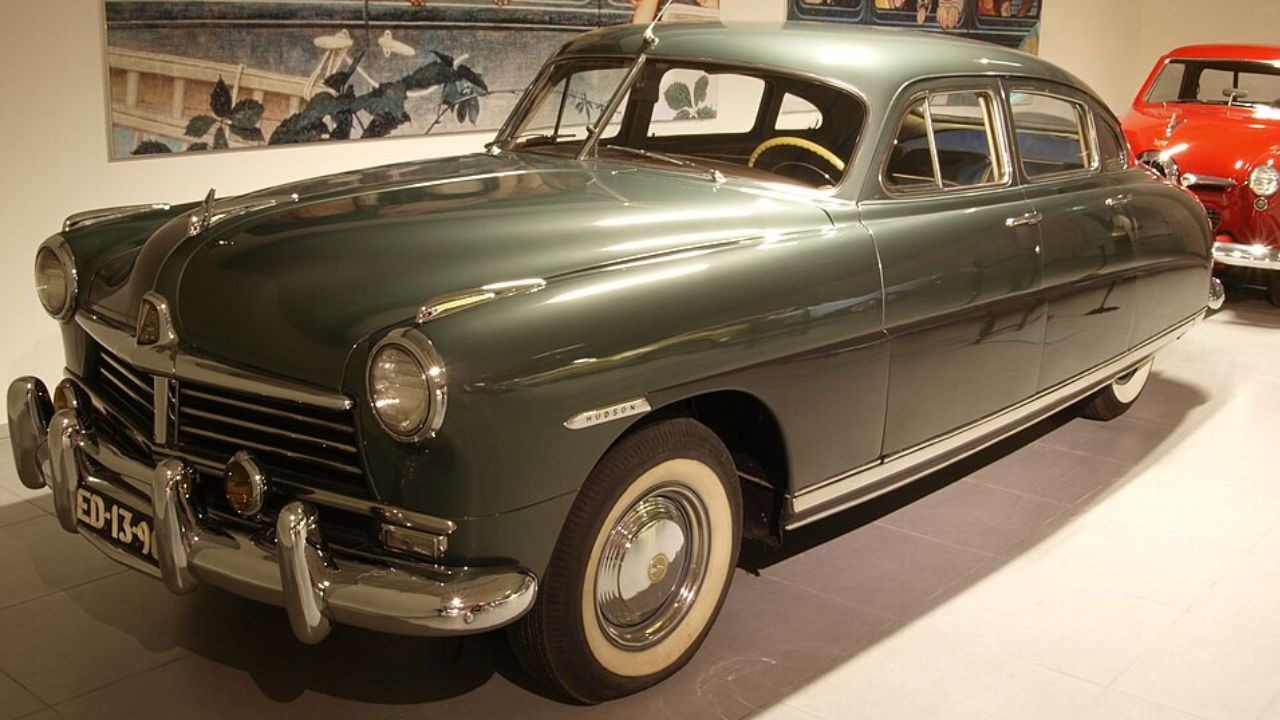
The Hudson Commodore was known for its distinctive styling and innovative approach to body construction. Hudson’s design philosophy emphasized a lower overall profile and unusual packaging compared with many traditional American cars. The company was willing to rethink how components were arranged to improve the vehicle’s proportions. That willingness to challenge conventional packaging remains central to modern automotive design, especially as manufacturers develop vehicles around new powertrains and changing interior needs.
Lincoln Continental
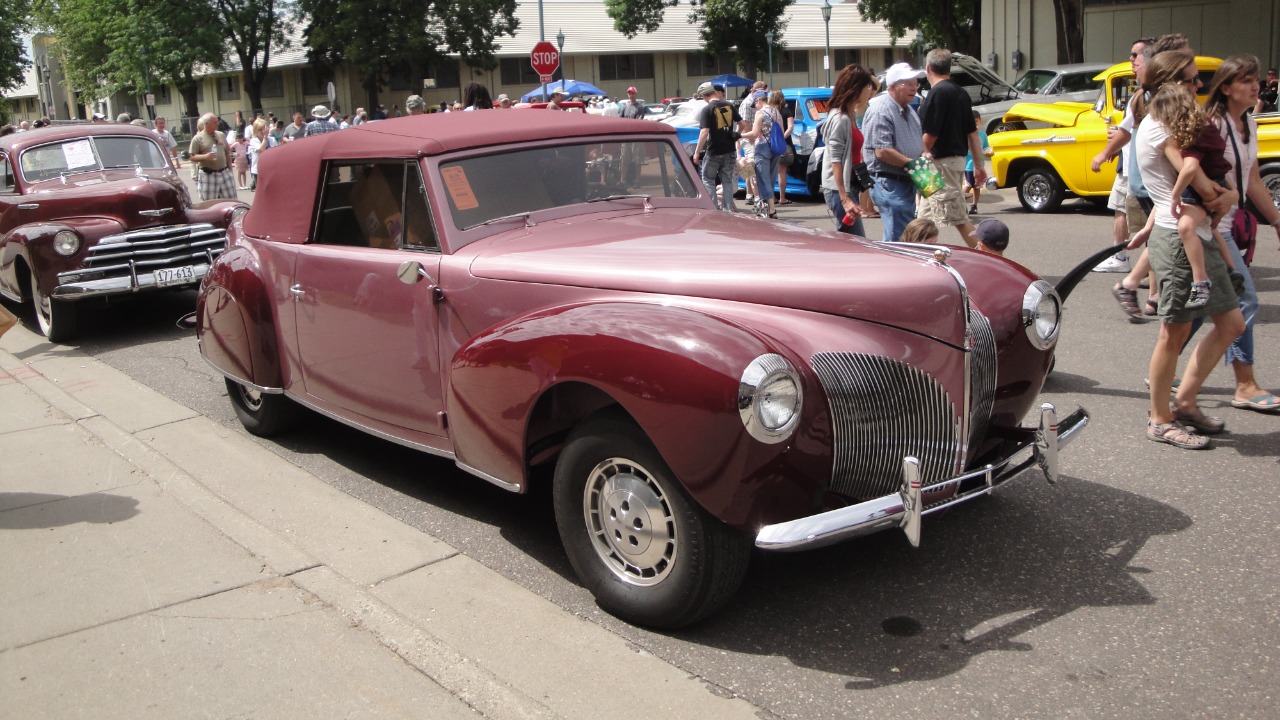
The Lincoln Continental was already an important luxury automobile by the 1940s, combining elegant styling with strong performance and a relatively restrained appearance. Its design became one of the defining American luxury-car shapes of the era. The Continental’s emphasis on effortless cruising, comfortable interiors, and distinctive styling remains relevant to modern luxury vehicles. It demonstrated that a premium car could be impressive without relying entirely on excessive decoration.
More from Fast Lane Only
- Unboxing the WWII Jeep in a Crate
- 15 rare Chevys collectors are quietly buying
- 10 underrated V8s still worth hunting down
- Police notice this before you even roll window down
*Research for this article included AI assistance, with all final content reviewed by human editors.