Some trucks seem to have been built with one goal in mind: keep working no matter how hard life gets. Heavy frames, simple drivetrains, proven engines, and durable suspension components helped certain pickups survive years of hauling, towing, farm work, and rough roads. These are the overbuilt trucks that earned reputations for refusing to quit.
Chevrolet C30
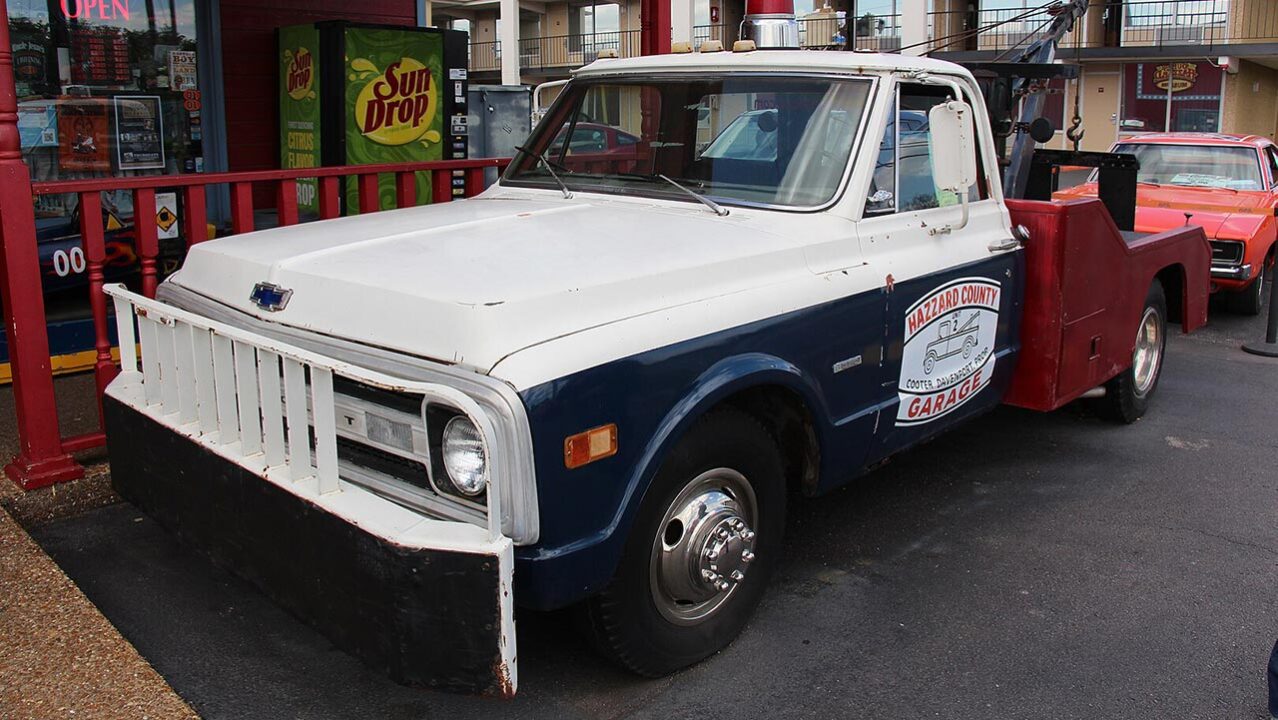
The Chevrolet C30 was built for people who expected their truck to work hard every day. Its heavier-duty chassis and available V8 engines made it well suited to towing, hauling, and commercial use. Unlike lighter pickups designed mainly for personal transportation, the C30 had the hardware to handle serious loads repeatedly. Many surviving examples have spent decades working on farms, job sites, and ranches, which says plenty about the durability built into the platform.
Ford F-350
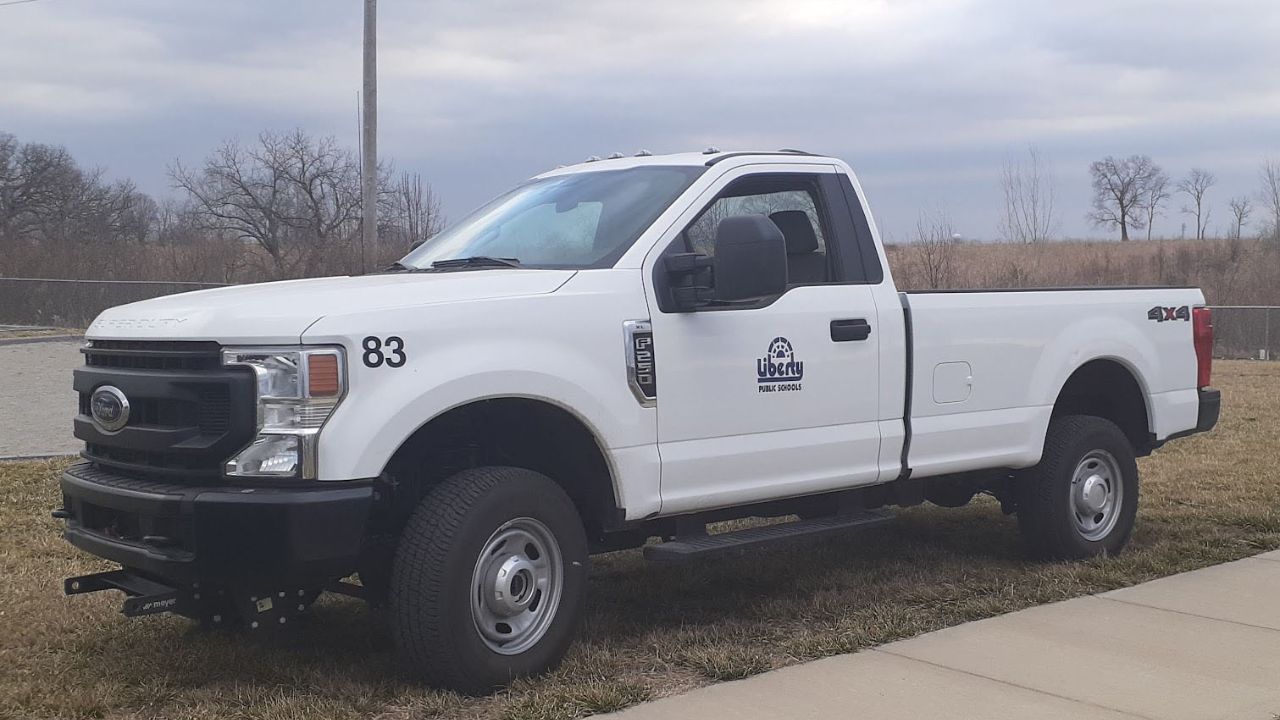
The Ford F-350 has long occupied the heavy-duty end of the F-Series lineup. Its stronger frame, suspension, axles, and available powertrains allowed it to handle jobs that would overwhelm lighter pickups. Older examples were particularly straightforward, making them relatively easy to maintain. Whether used for towing equipment, hauling materials, or working around a farm, the F-350 developed the kind of reputation that makes owners reluctant to replace one that still does its job.
Dodge W250
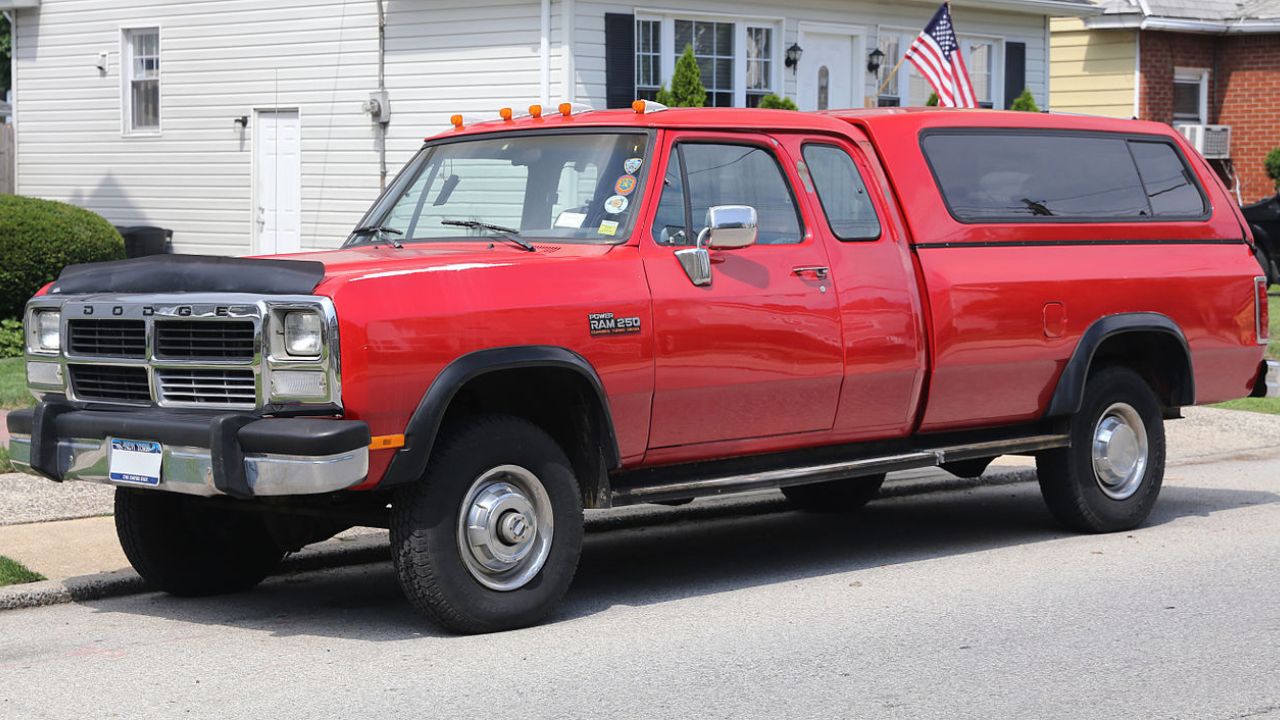
The Dodge W250 was a four-wheel-drive workhorse designed for serious use rather than comfort. Its rugged chassis and available diesel power made it particularly attractive to buyers who needed a dependable truck for towing and off-road work. The mechanical simplicity of many older examples also helped keep repairs manageable. A well-maintained W250 could spend years working in difficult conditions without needing the level of attention demanded by more complicated modern trucks.
Toyota Land Cruiser Pickup
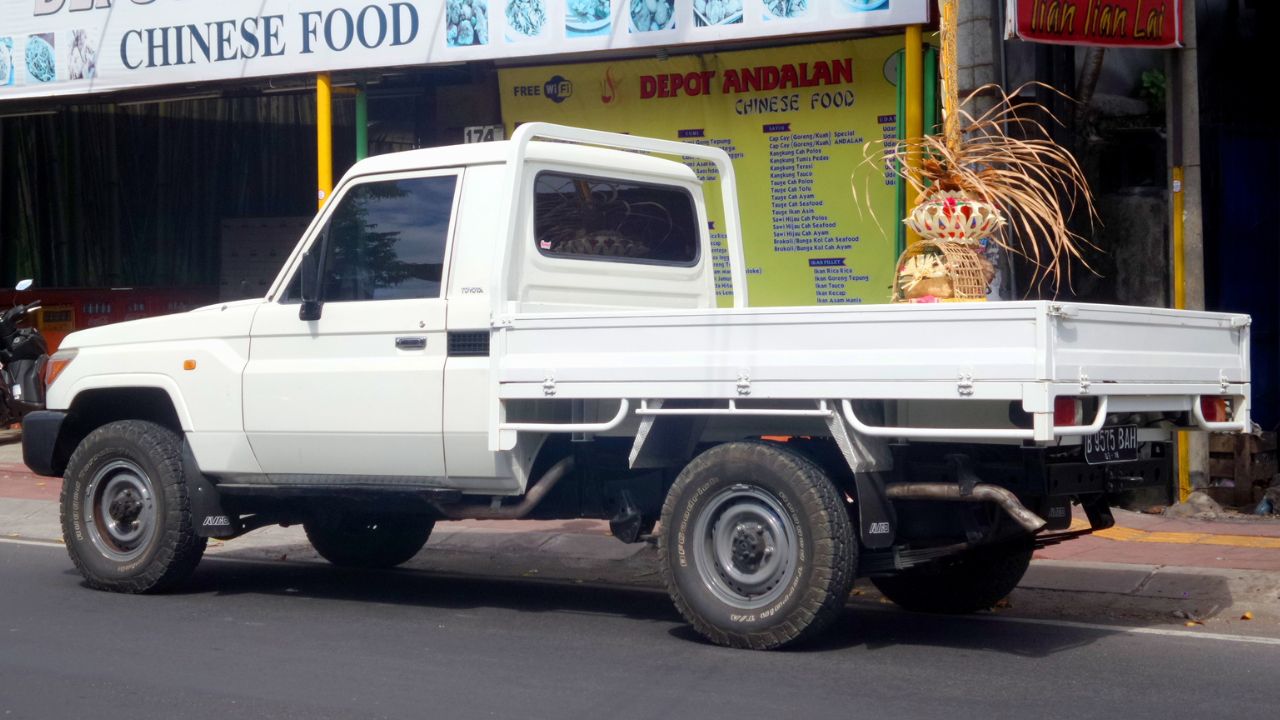
Toyota’s pickup versions of the Land Cruiser were designed for markets where reliability could be a matter of survival. Their simple mechanical layouts, sturdy frames, and durable drivetrains made them highly capable in remote areas. These trucks were frequently exposed to rough terrain, heavy loads, and limited maintenance. Their reputation for continuing to operate in places where other vehicles struggled helped establish Toyota’s older utility trucks as some of the toughest pickups ever produced.
Ford F-250 Super Duty

The F-250 has traditionally occupied an important middle ground between everyday pickups and truly heavy-duty work trucks. Its stronger chassis and suspension allow it to handle substantial loads without being as cumbersome as larger commercial vehicles. With the right powertrain, an F-250 can tow and haul for years. That combination of capability and durability has made the model a common choice for contractors, farmers, ranchers, and people who simply refuse to baby their trucks.
Chevrolet K30
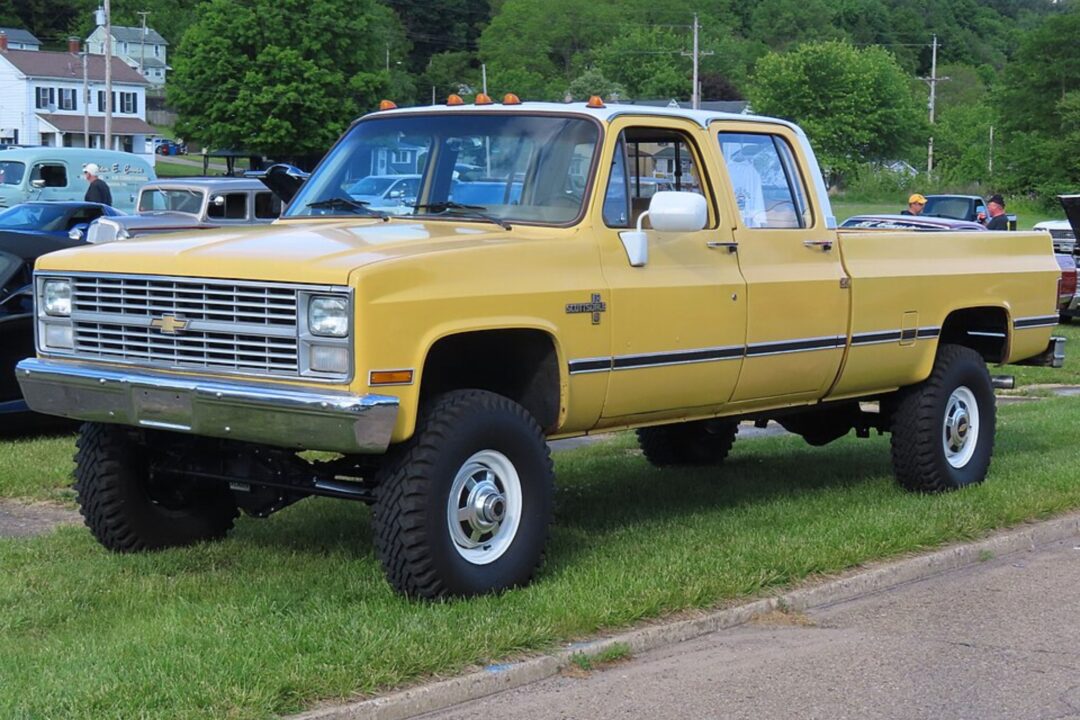
The Chevrolet K30 was built for buyers who needed four-wheel-drive capability without giving up heavy-duty strength. Its substantial frame, robust axles, and available big-block V8s made it capable of handling demanding work. These trucks were often used for towing trailers, carrying equipment, and navigating rough terrain. Their straightforward construction also meant owners could keep them going long after newer trucks had become increasingly dependent on complex electronics and specialized repairs.
GMC Sierra 2500
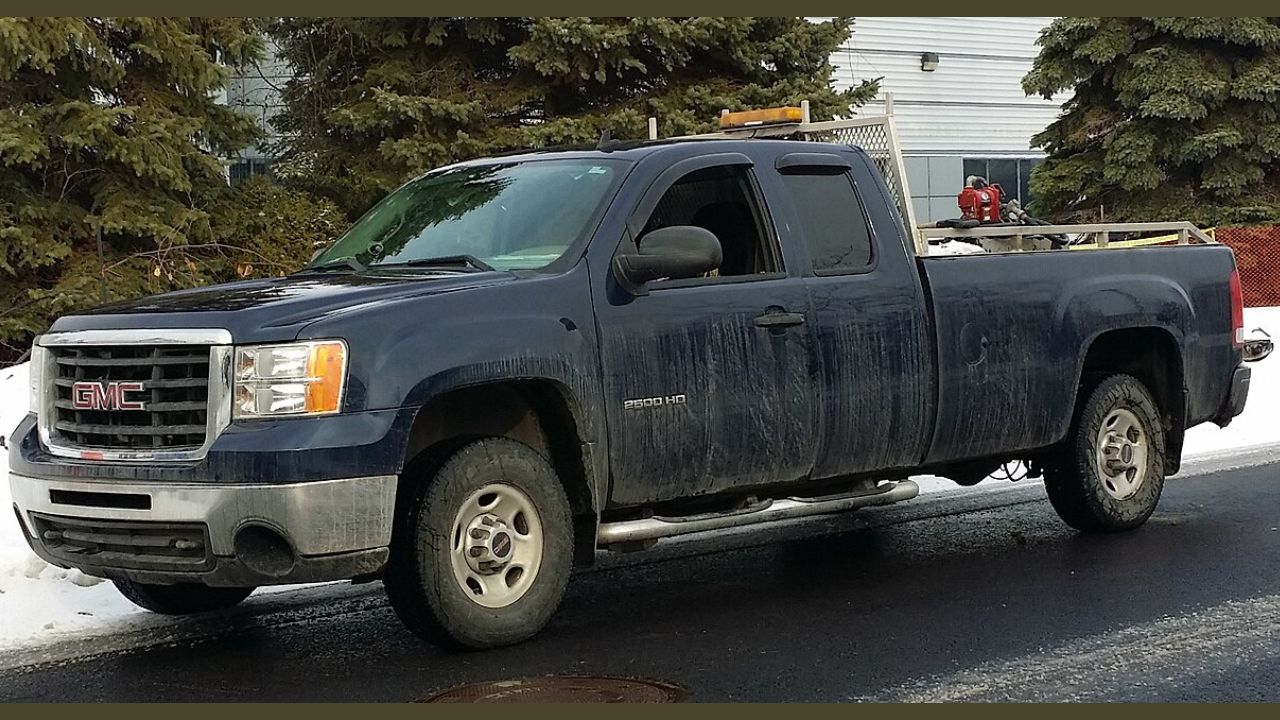
The Sierra 2500 has developed a reputation as a dependable heavy-duty pickup because it was engineered around useful working capability. Strong frames, substantial suspension components, and powerful engines allowed it to handle demanding towing and hauling duties. Older generations also benefited from relatively straightforward mechanical systems. For owners who put their trucks to work rather than simply driving them to the office, the Sierra 2500 offered the kind of durability that could justify keeping one for decades.
Nissan Hardbody
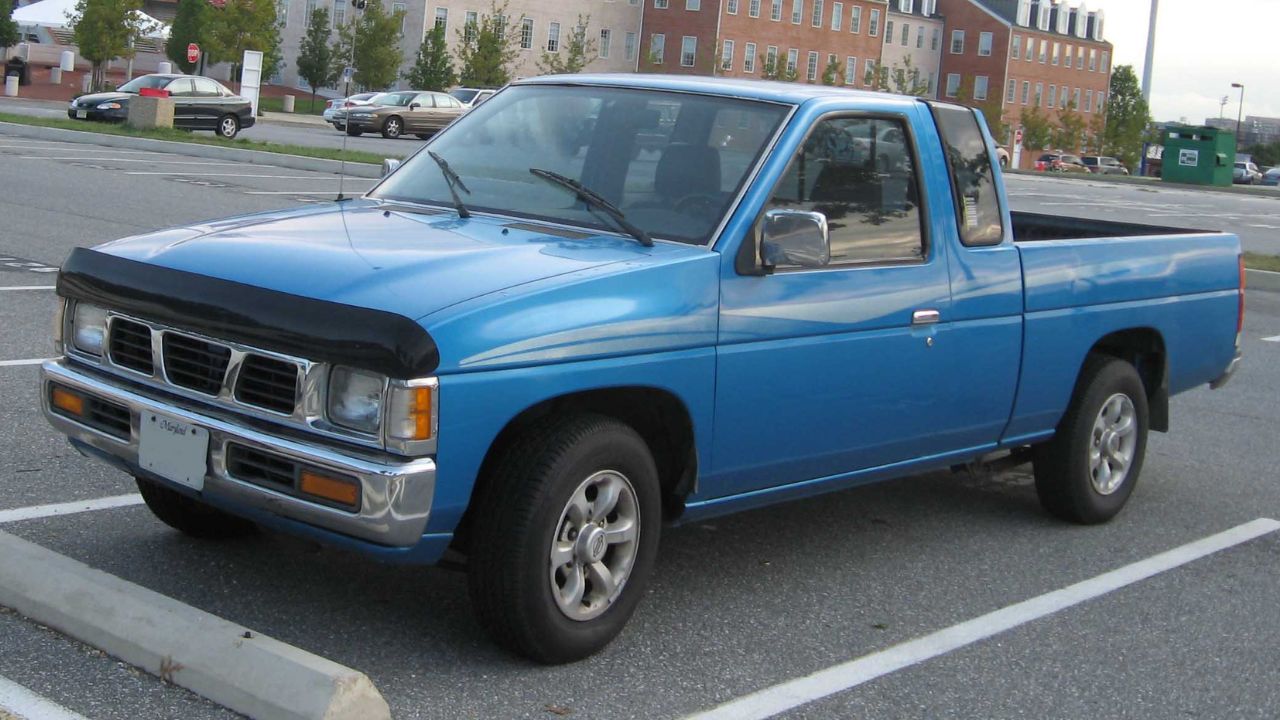
The Nissan Hardbody earned its nickname honestly. These compact pickups became known for simple mechanical systems, sturdy construction, and an ability to tolerate years of daily abuse. Their smaller size did not prevent them from becoming dependable work vehicles. Many were used as farm trucks, delivery vehicles, and basic transportation. Their straightforward design also made them relatively easy to keep running, which helped explain why so many high-mileage examples remained useful long after their newer replacements had arrived.
Toyota T100
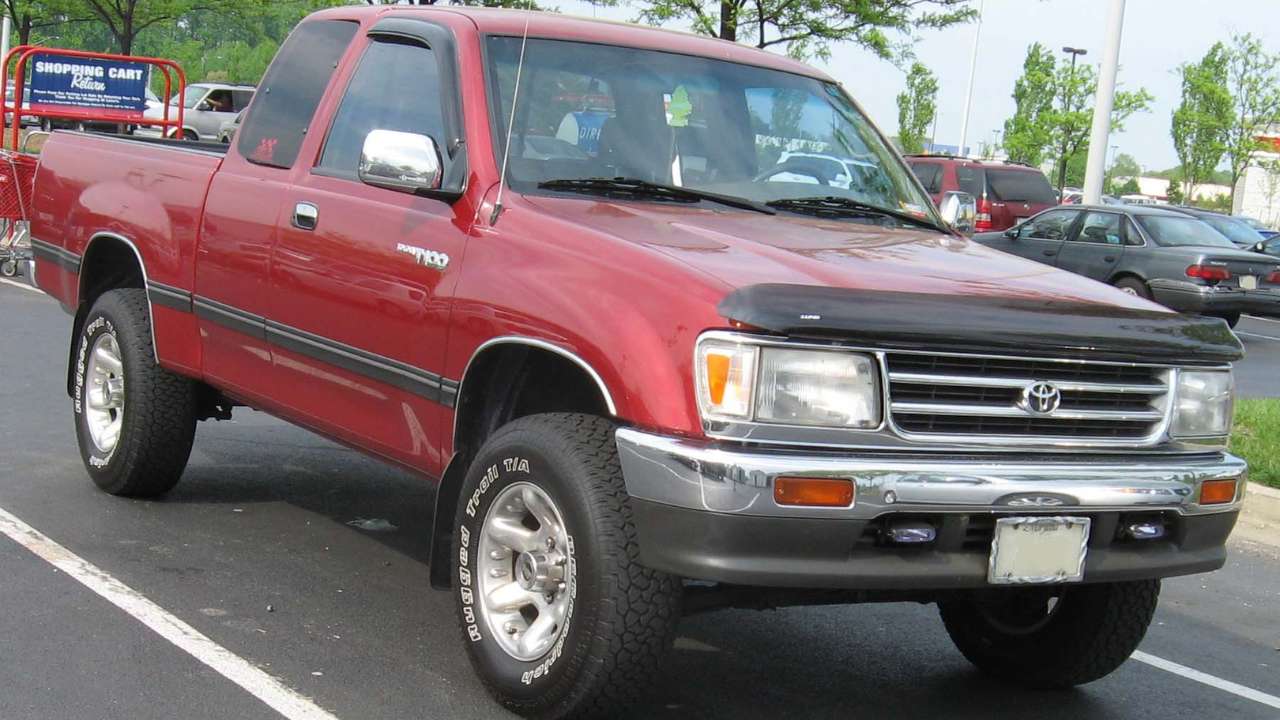
The Toyota T100 was not the largest truck in its class, but its reputation for durability helped establish Toyota’s credibility in the American pickup market. Its straightforward construction and proven Toyota powertrains made it a dependable choice for buyers who wanted a practical truck without excessive complexity. Many examples accumulated substantial mileage while handling normal hauling, towing, and work duties. It helped pave the way for the larger Toyota pickups that followed.
Ford F-450
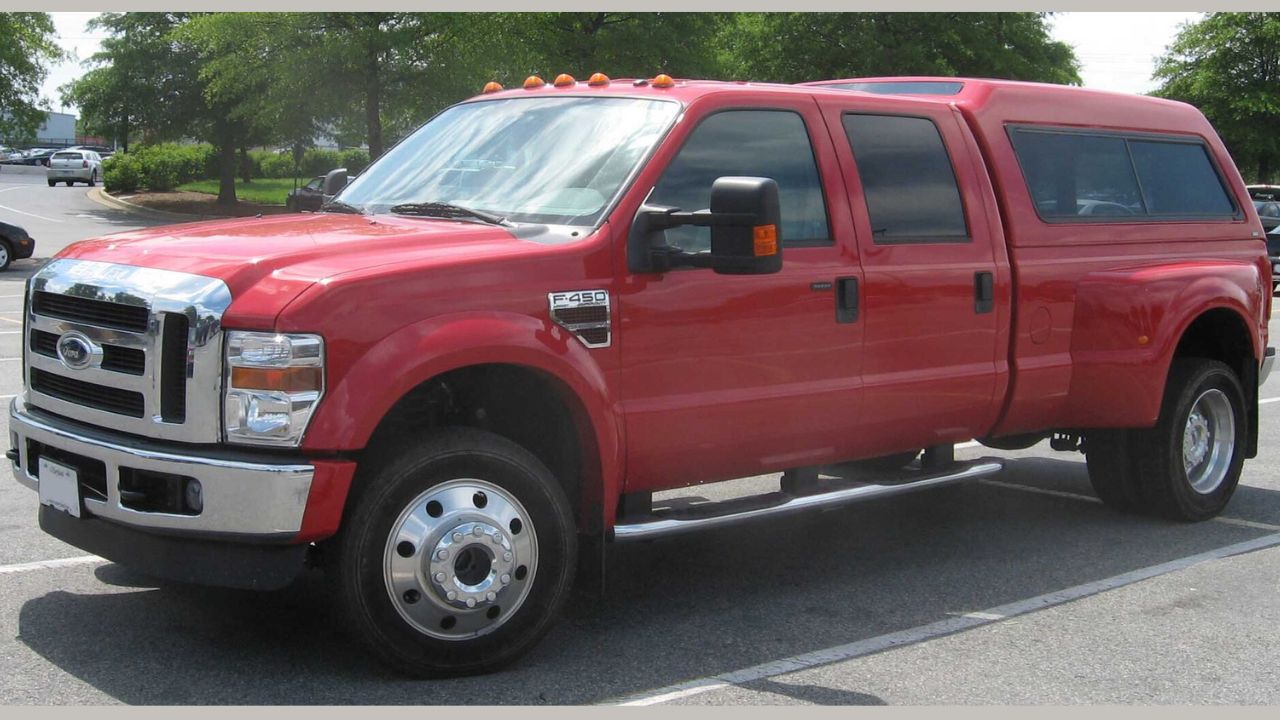
The Ford F-450 sits close to the line between pickup and commercial truck, and its construction reflects that mission. It was designed to handle serious towing and payload demands with heavy-duty axles, brakes, suspension components, and powertrains. This is not a truck built around minimal weight or maximum comfort. It is built around strength. For owners who regularly work with heavy trailers and equipment, that extra engineering can make the difference between a truck that lasts and one that gets overwhelmed.
Chevrolet Silverado 3500
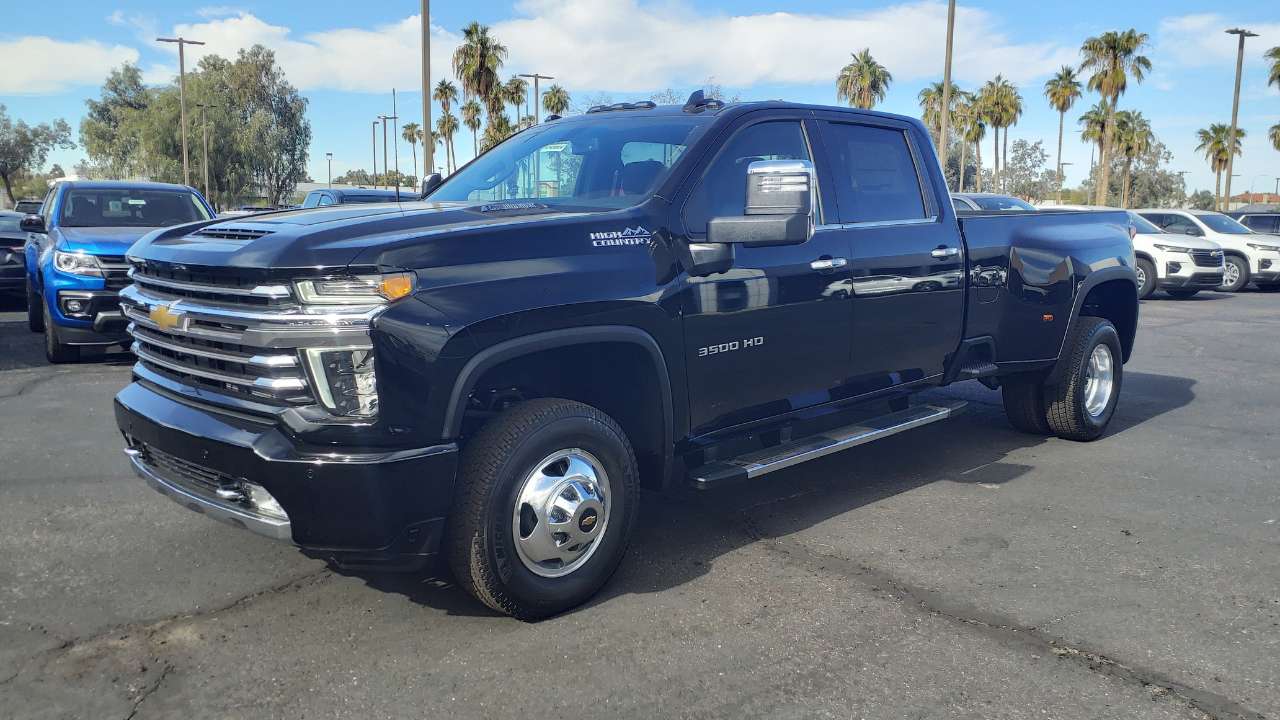
The Silverado 3500 was created for jobs where a half-ton pickup simply was not enough. Its heavy-duty chassis and powerful engine options allowed it to handle substantial trailers and payloads. The truck’s components were designed with repeated heavy use in mind, making it a natural choice for contractors, farmers, and towing businesses. When maintained properly, these trucks can accumulate enormous mileage while continuing to perform the work that smaller pickups were never designed to handle.
GMC Sierra 3500
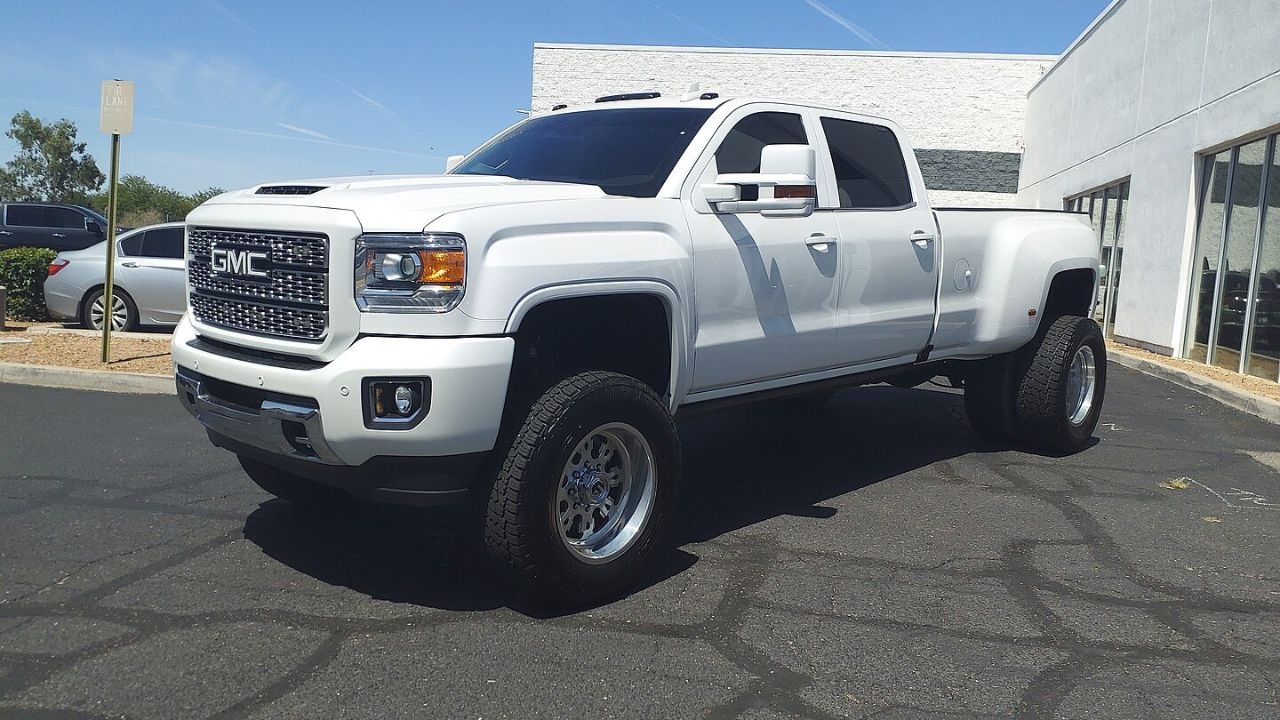
The Sierra 3500 shares the heavy-duty philosophy of its Chevrolet counterpart, combining a strong chassis with substantial powertrain and suspension hardware. These trucks are often purchased because they need to work, not because they need to look impressive sitting in a driveway. Heavy towing, equipment hauling, and long-distance work are exactly the environments where the Sierra 3500 makes sense. Its overbuilt components help explain why well-maintained examples can remain useful for many years.
Toyota Tacoma
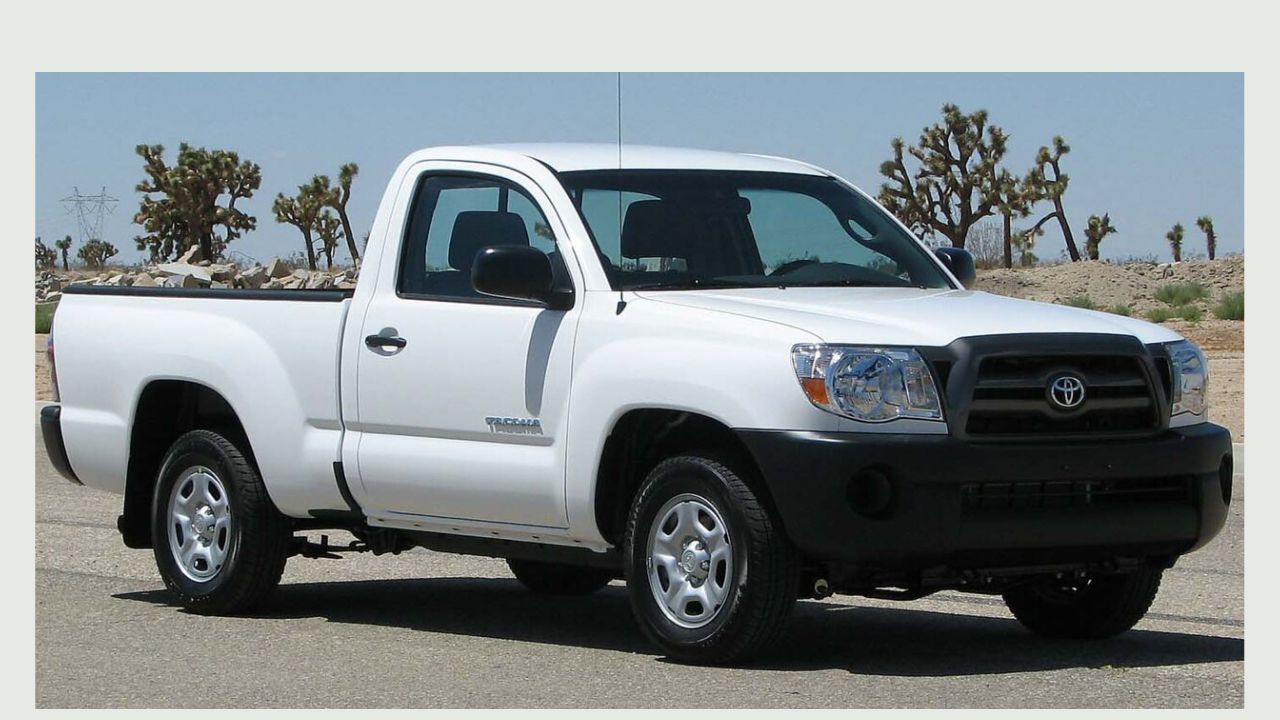
The Tacoma became one of the most recognizable names in the compact and midsize pickup market, partly because of its reputation for durability. Generations of Tacomas have been used for commuting, construction work, off-roading, and hauling. Their relatively simple mechanical layouts and strong drivetrains helped many examples reach high mileage. While no truck is indestructible, the Tacoma has earned an unusually strong reputation for continuing to work long after its exterior has started showing the scars of daily use.
Ford F-450 Super Duty
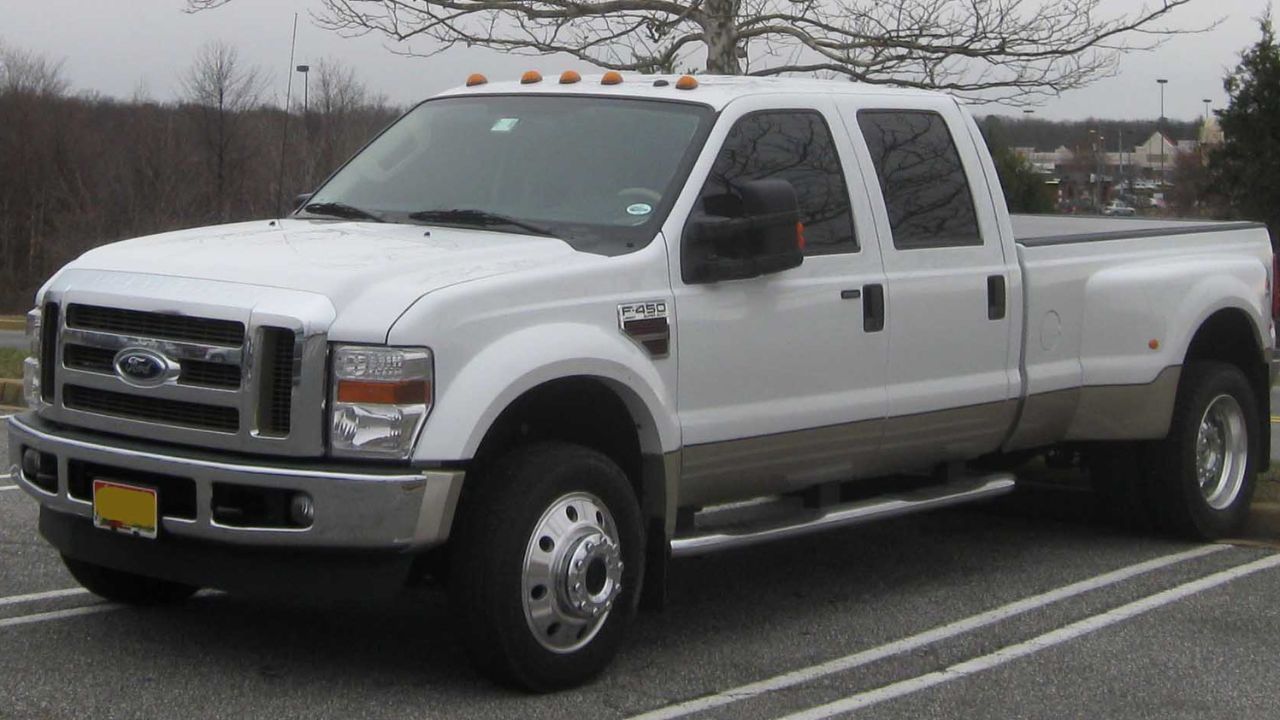
The F-450 Super Duty was designed for owners who routinely ask more from a truck than ordinary pickups can provide. Its heavy-duty running gear, powerful engines, and substantial braking and suspension systems are intended for demanding towing applications. That extra hardware can also translate into long-term durability when the truck is properly maintained. It is the sort of pickup that often remains useful because its basic structure was designed with workloads far beyond ordinary commuting in mind.
Chevrolet Avalanche
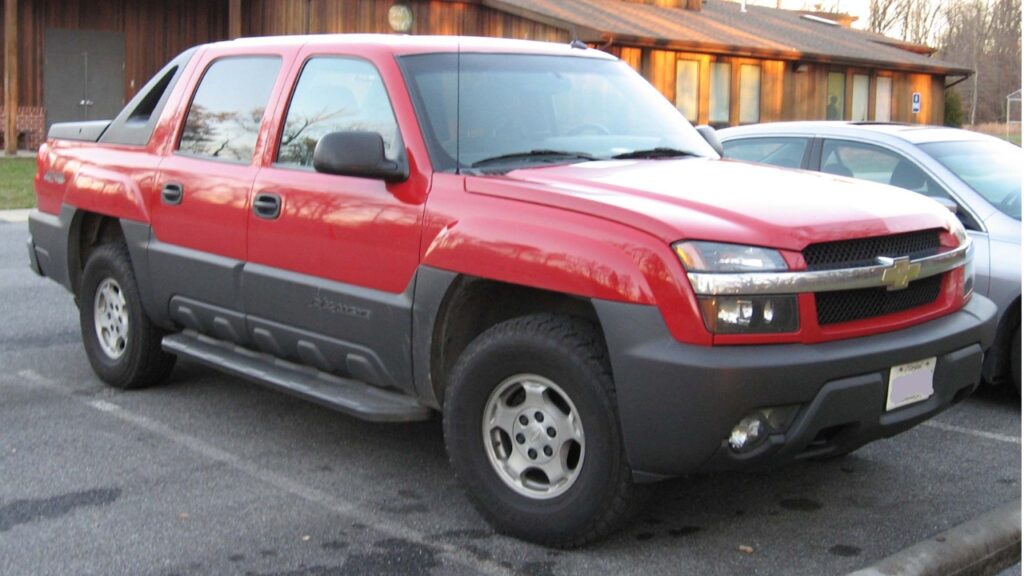
The Chevrolet Avalanche took a different approach to truck utility, combining a pickup bed with a more versatile cabin and cargo arrangement. Despite its unconventional design, it used substantial truck-based hardware underneath. Many examples became daily workhorses for owners who wanted both passenger space and useful cargo capacity. Its body may look unusual today, but the underlying truck architecture gave the Avalanche a reputation for being considerably tougher than its lifestyle-oriented image suggested.
Dodge Ram 3500
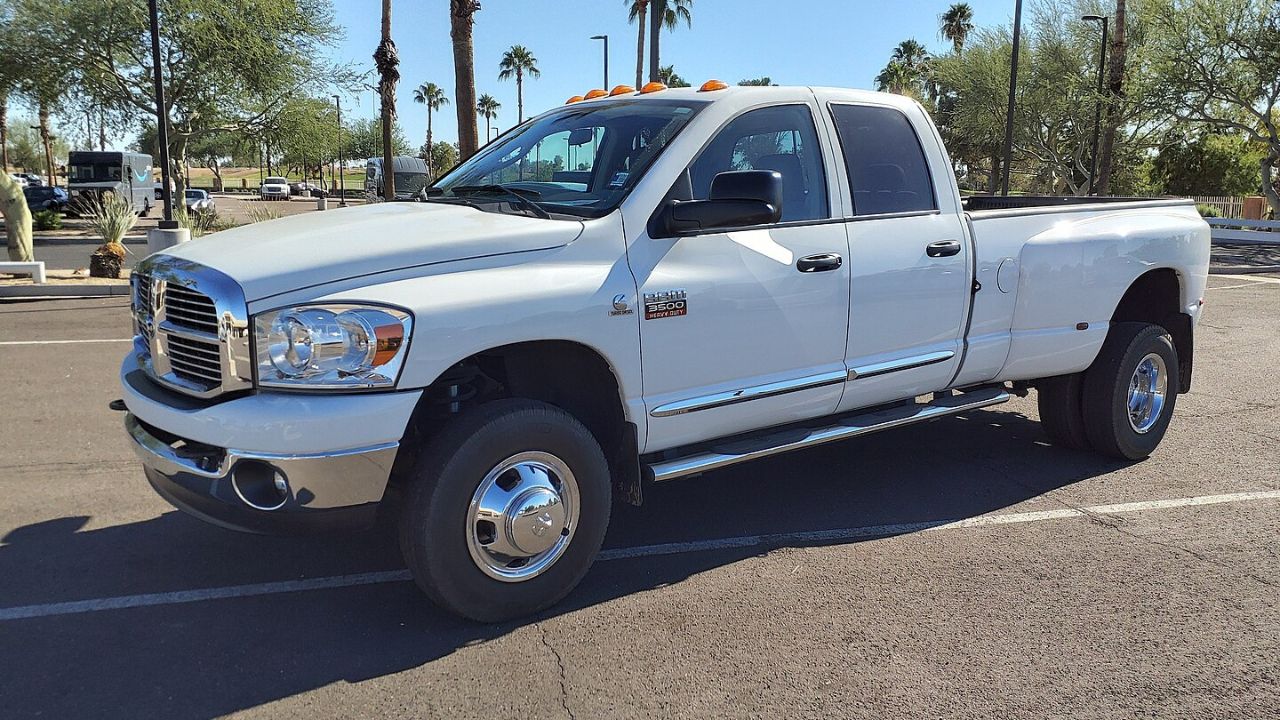
The Ram 3500 was engineered for heavy towing and hauling, and its larger components reflect that purpose. Depending on configuration, buyers could choose powerful gasoline or diesel engines paired with heavy-duty transmissions and axles. These trucks often serve in construction, agriculture, and commercial towing, where downtime is expensive. A properly maintained Ram 3500 can remain useful for years because so many of its major components were designed around sustained heavy workloads.
Toyota Tundra

Toyota entered the full-size pickup market with the Tundra and quickly established a reputation for building a truck that could withstand substantial use. Earlier generations in particular became known for durable V8 powertrains and strong drivetrains. Tundras have been used for towing, hauling, commuting, and off-road adventures, often accumulating impressive mileage in the process. Their combination of full-size capability and Toyota’s emphasis on long-term reliability made them popular with owners who keep vehicles for a very long time.
Nissan Titan XD
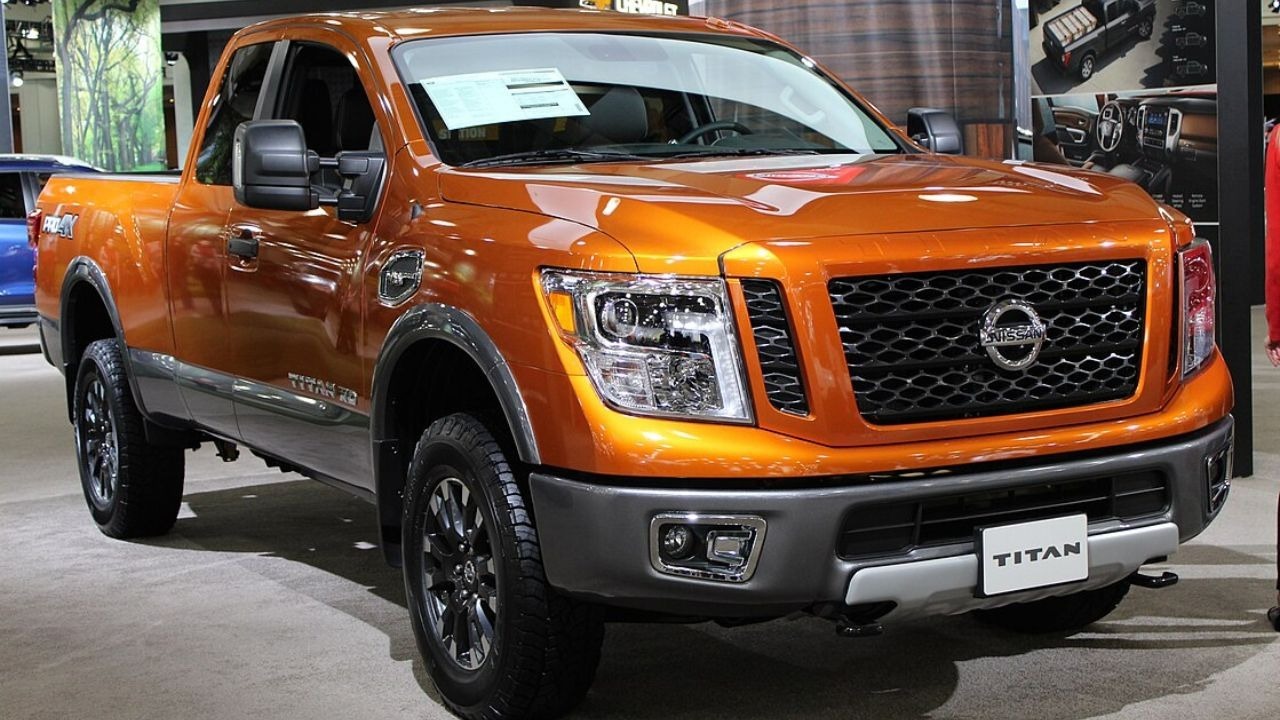
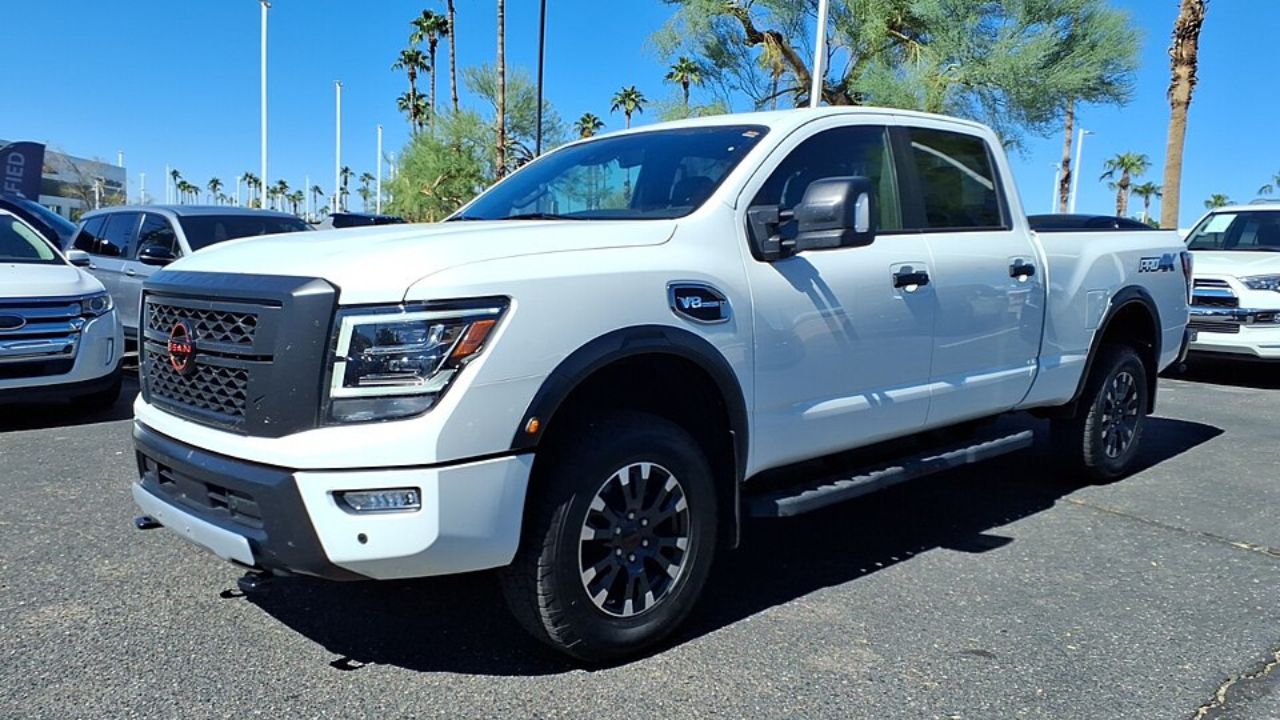
The Titan XD was designed to occupy a space between conventional full-size pickups and heavier-duty work trucks. Its beefier chassis and available diesel power gave it additional towing capability compared with Nissan’s lighter-duty offerings. While it never became as common as the major American heavy-duty pickups, the underlying philosophy was clear: build more strength into the truck than a typical half-ton requires. That made the Titan XD an interesting choice for owners who wanted extra durability without moving completely into commercial-truck territory.
Ford Ranger
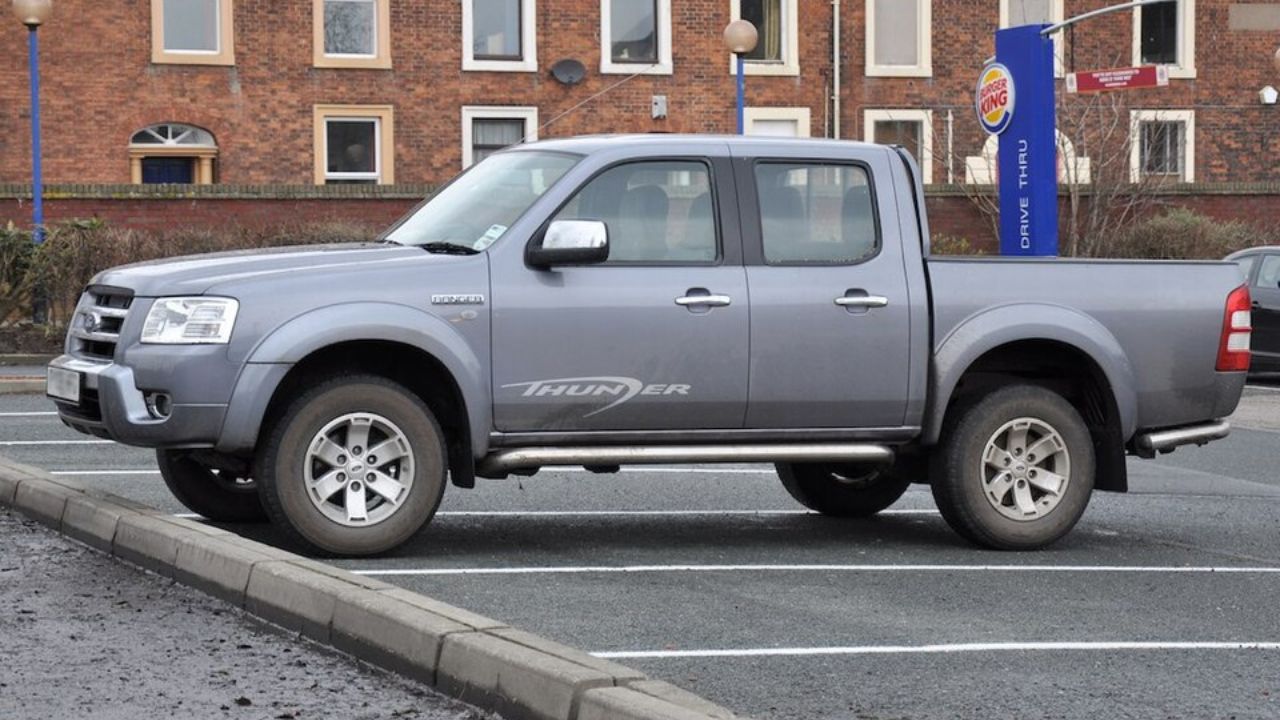
The Ford Ranger has repeatedly demonstrated that a truck does not need enormous dimensions to be durable. Earlier Rangers were compact, relatively simple, and available with engines that were not pushed especially hard. They became common work vehicles because they were inexpensive to operate while still offering useful cargo capacity. Many survived years of rough treatment, making the Ranger a familiar sight in construction fleets, farms, and driveways long after newer compact pickups had appeared.
Chevrolet Colorado
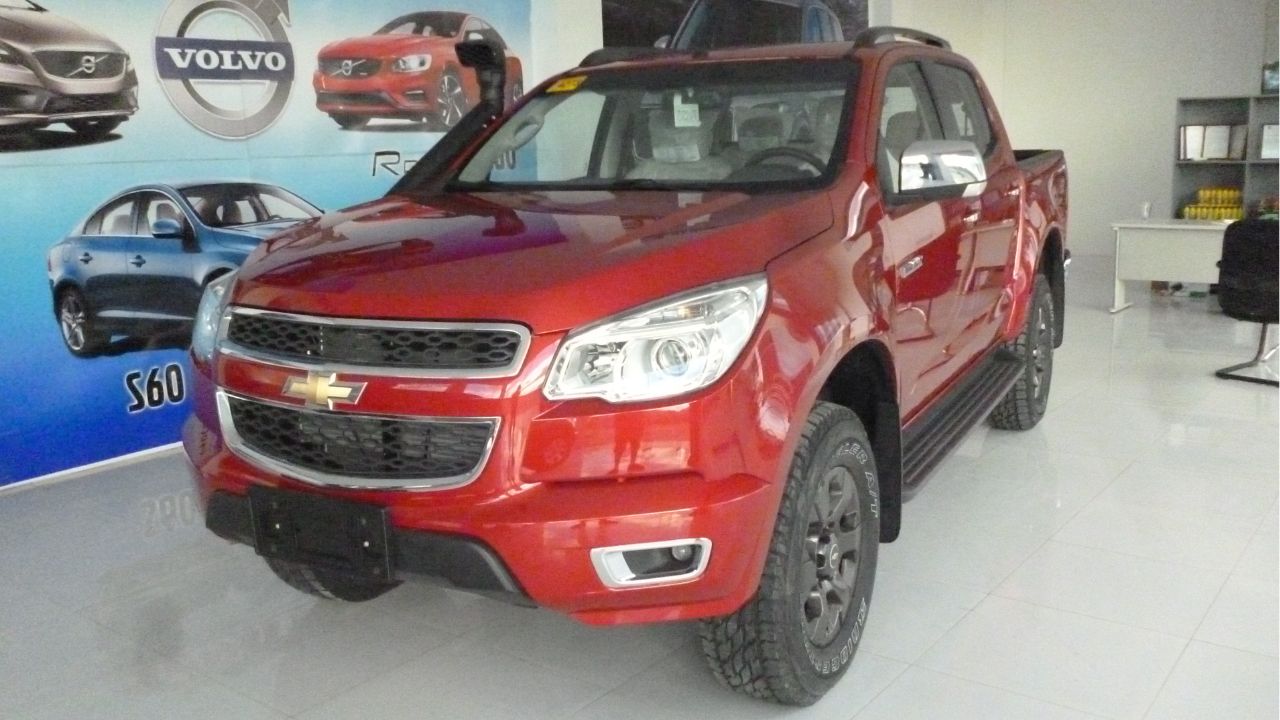
The Chevrolet Colorado has served as a practical alternative to larger pickups while retaining genuine truck capability. Its midsize dimensions make it easier to maneuver, but several versions have offered strong engines and useful towing capacity. Fleet operators and owners who use their trucks for work have put plenty of miles on these vehicles. With routine maintenance, a well-cared-for Colorado can remain a dependable workhorse without requiring the size and operating costs of a full-size heavy-duty pickup.
More from Fast Lane Only
- Unboxing the WWII Jeep in a Crate
- 15 rare Chevys collectors are quietly buying
- 10 underrated V8s still worth hunting down
- Police notice this before you even roll window down
*Research for this article included AI assistance, with all final content reviewed by human editors.