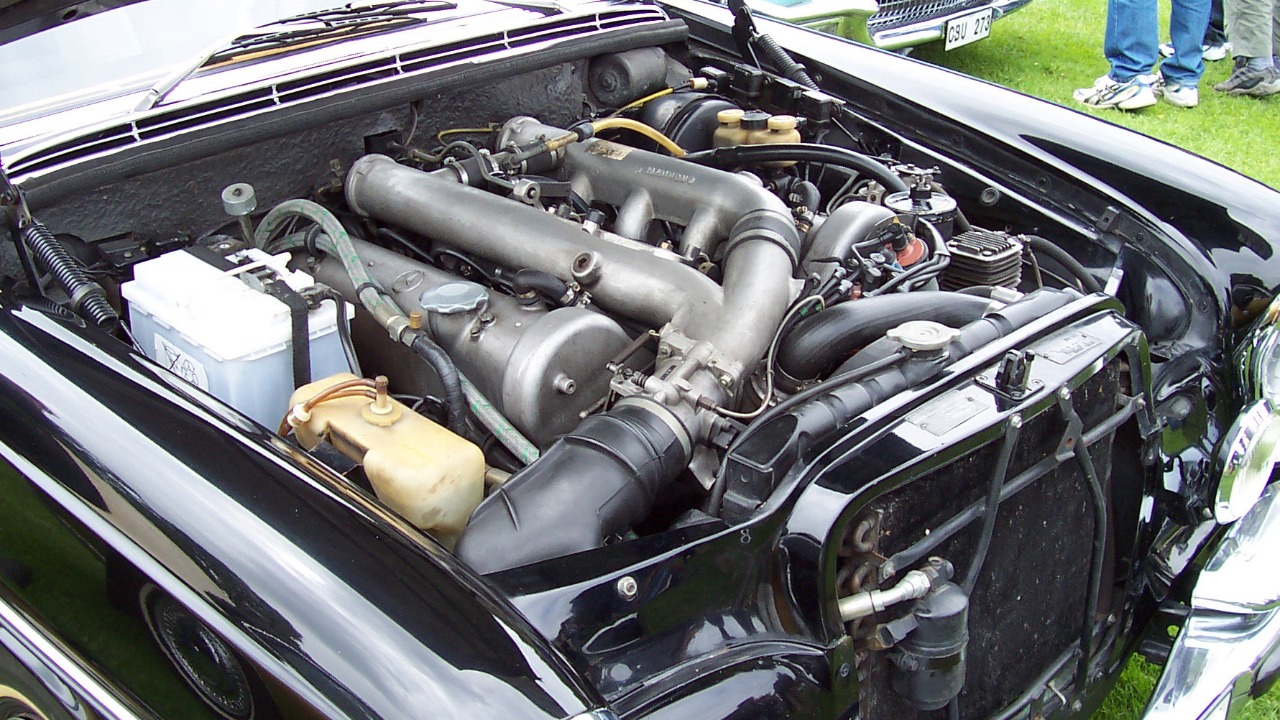
The postwar automotive world was changing quickly, and some engines pushed far beyond what buyers expected from ordinary production cars. Engineers experimented with overhead camshafts, fuel injection, turbocharging, unusual cylinder layouts, aluminum construction, and electronic controls. These 16 engines helped introduce ideas that would become much more common years later.
Chevrolet small-block V8
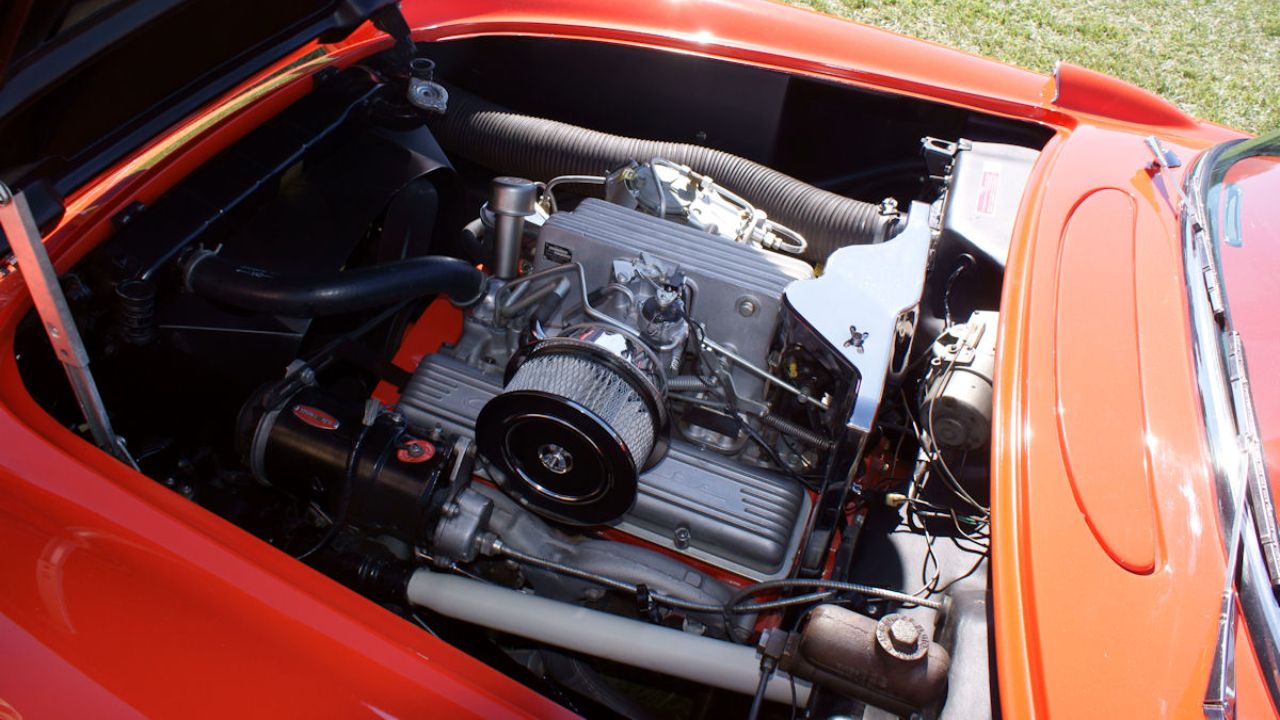
Chevrolet’s small-block V8 became one of the most influential American engines ever produced. Its compact design, lightweight construction, and overhead-valve layout gave automakers a remarkably flexible platform. It could power everything from family cars to sports cars and trucks while remaining relatively easy to modify. Its basic architecture proved so successful that later generations continued evolving the formula for decades.
Chrysler Hemi V8
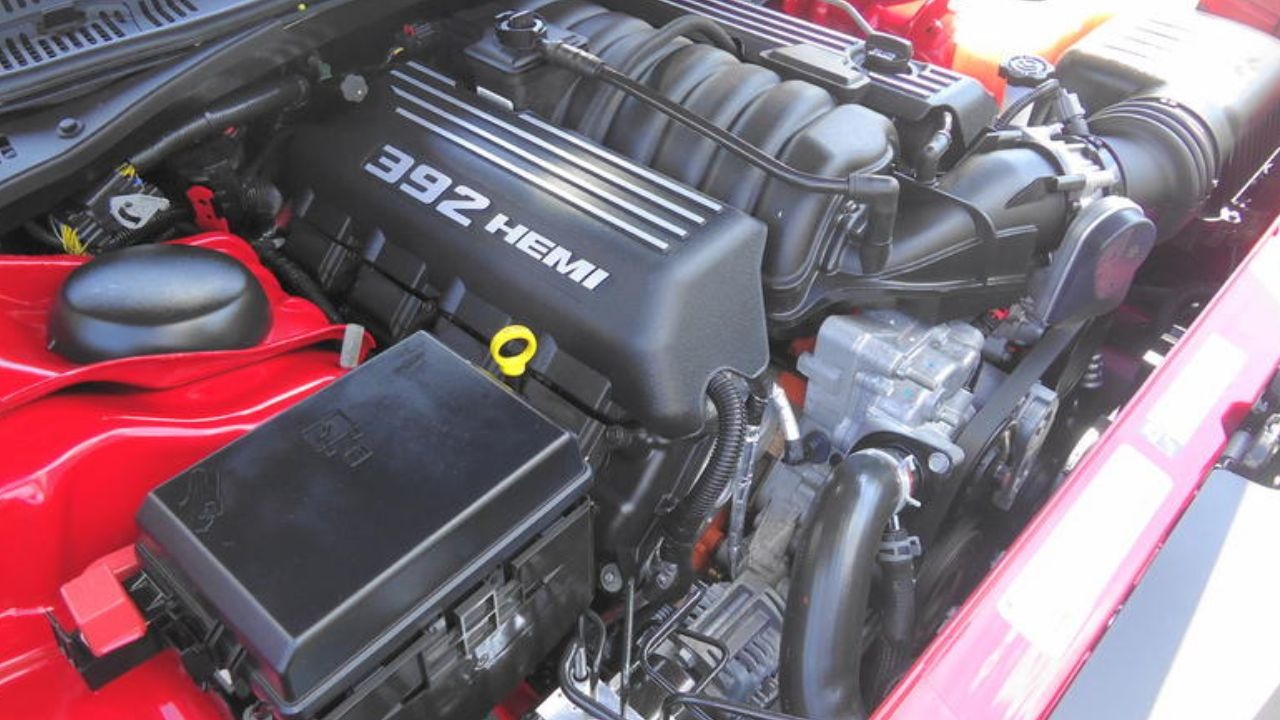
Chrysler’s Hemi V8 brought hemispherical combustion chambers into mainstream American performance. The design allowed large valves and efficient airflow, helping the engine produce impressive power from relatively straightforward mechanical hardware. Later versions became synonymous with muscle cars, but the underlying engineering philosophy was already significant in the postwar period. The Hemi demonstrated how combustion-chamber design could make a major difference in performance.
Mercedes-Benz M100 V8

The M100 represented an entirely different approach to high-end performance. Developed for Mercedes-Benz’s largest luxury cars, the massive all-aluminum V8 combined substantial displacement with sophisticated engineering and impressive refinement. It was not designed simply to produce headline horsepower. Instead, it delivered smooth, effortless power in a package expected to cover enormous distances. Its engineering reflected the growing importance of durability and refinement in high-performance luxury cars.
Jaguar XK straight-six
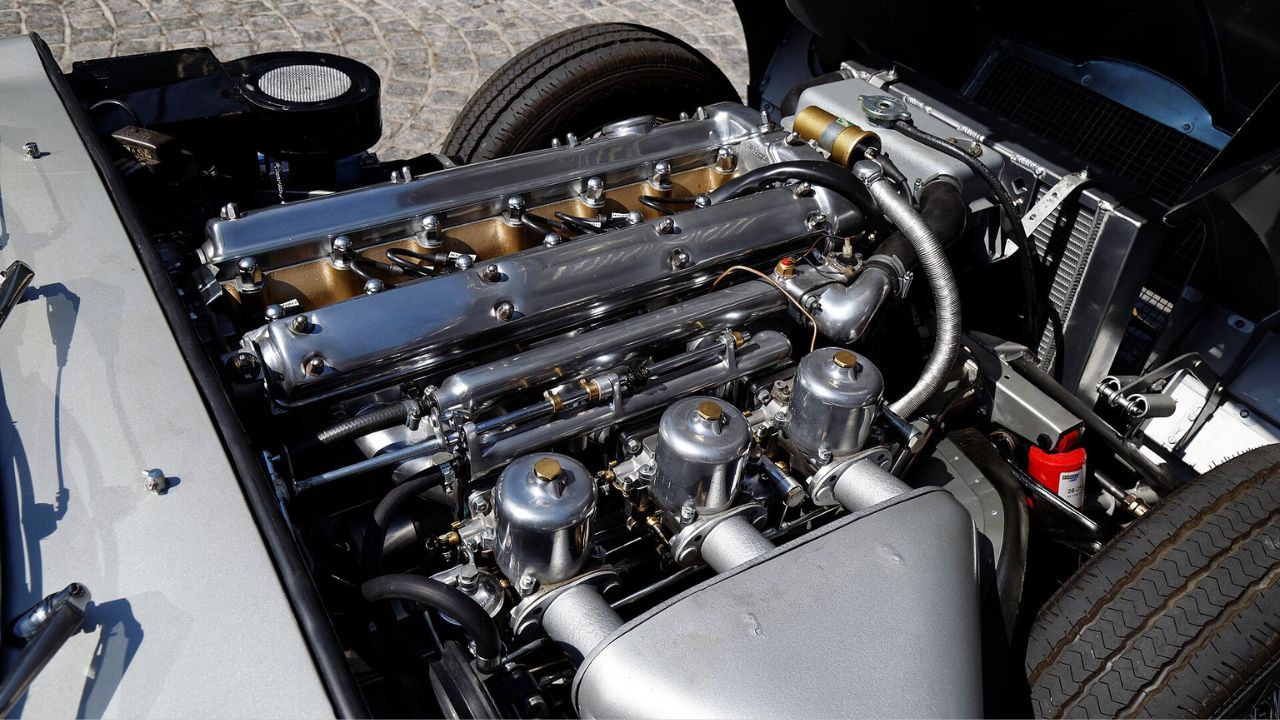
Jaguar’s XK engine was remarkably advanced when it appeared after World War II. Its twin overhead camshafts and hemispherical combustion chambers gave it strong breathing characteristics and impressive performance. The engine powered several generations of Jaguar sports cars and sedans, proving that sophisticated overhead-cam engineering could be durable enough for regular production. Its longevity made it one of Britain’s most important postwar powerplants.
Alfa Romeo Twin Cam
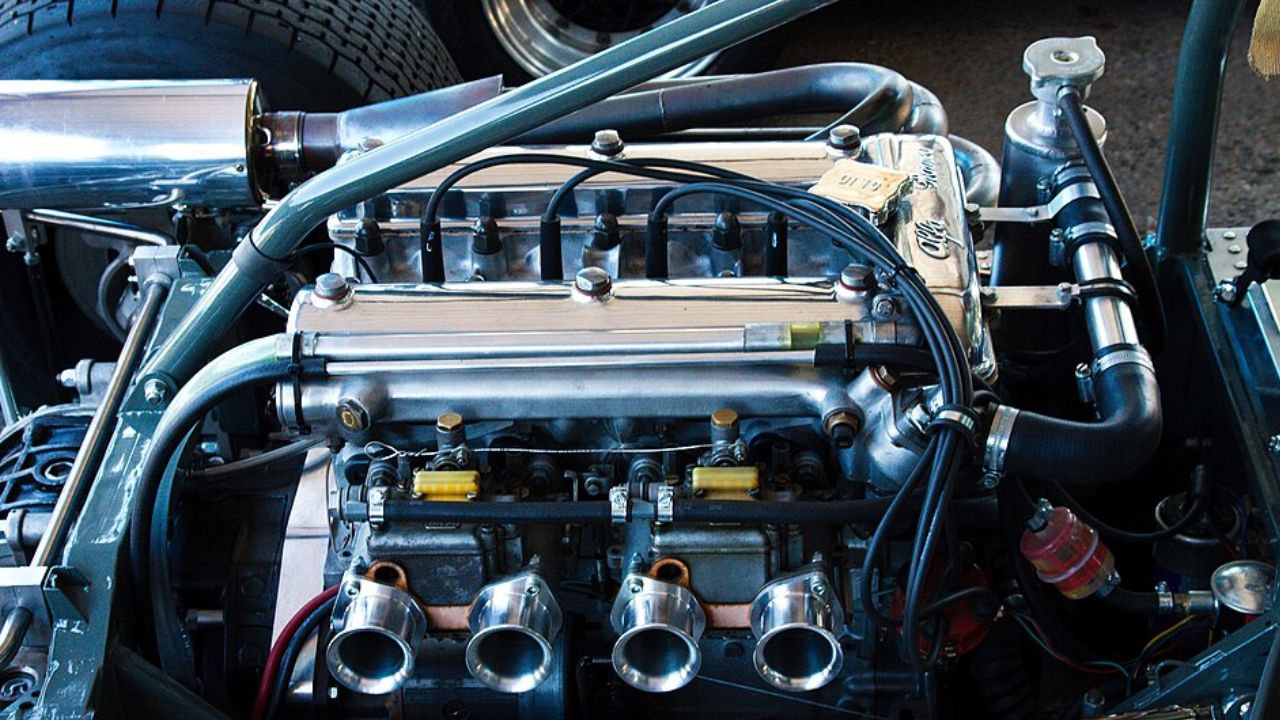
Alfa Romeo’s Twin Cam became a benchmark for compact performance engines. Its aluminum construction, twin overhead camshafts, and hemispherical combustion chambers helped it deliver strong performance without enormous displacement. The engine’s architecture remained relevant for decades, with continual development keeping it competitive as automotive technology changed. It showed that sophisticated engineering did not have to require a large engine.
BMW M10
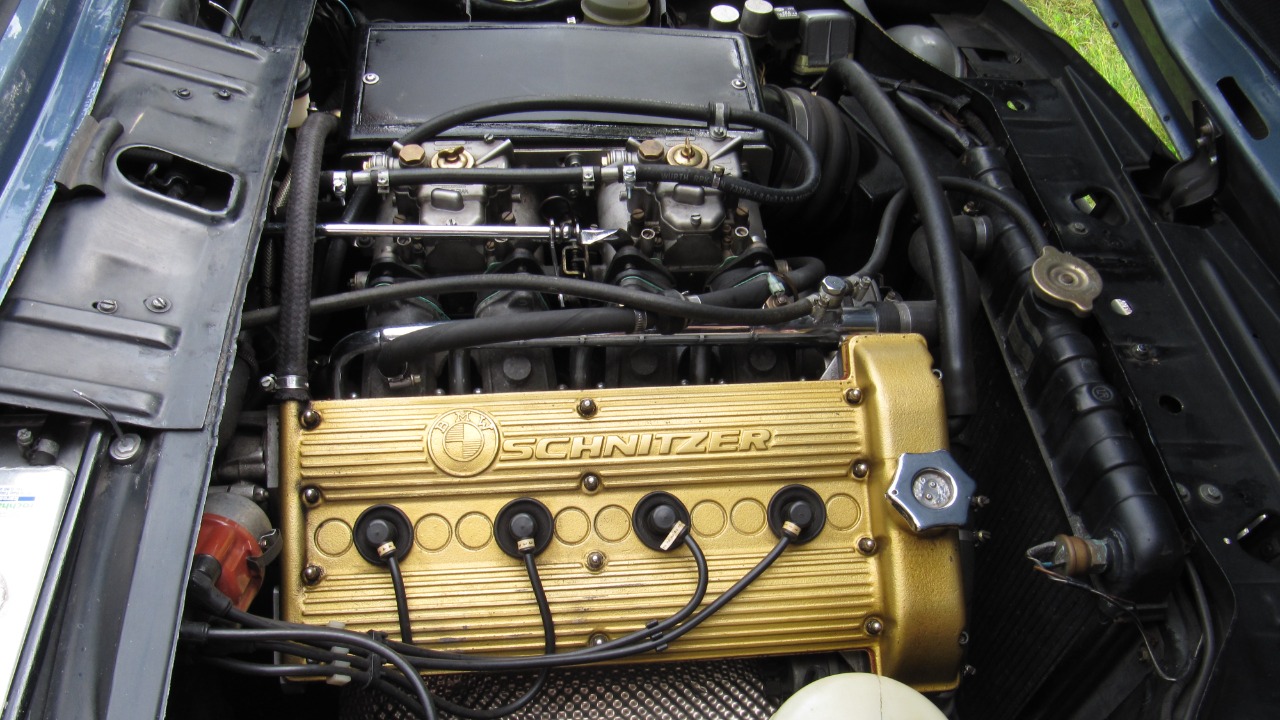
BMW’s M10 was not famous because of enormous power. Its importance came from a strong, adaptable design that could serve ordinary family cars and high-performance applications. The four-cylinder engine used a durable architecture that later supported fuel injection and, in racing applications, turbocharging. Its longevity demonstrated how a well-engineered basic platform could remain useful through changing automotive technology.
Porsche flat-six
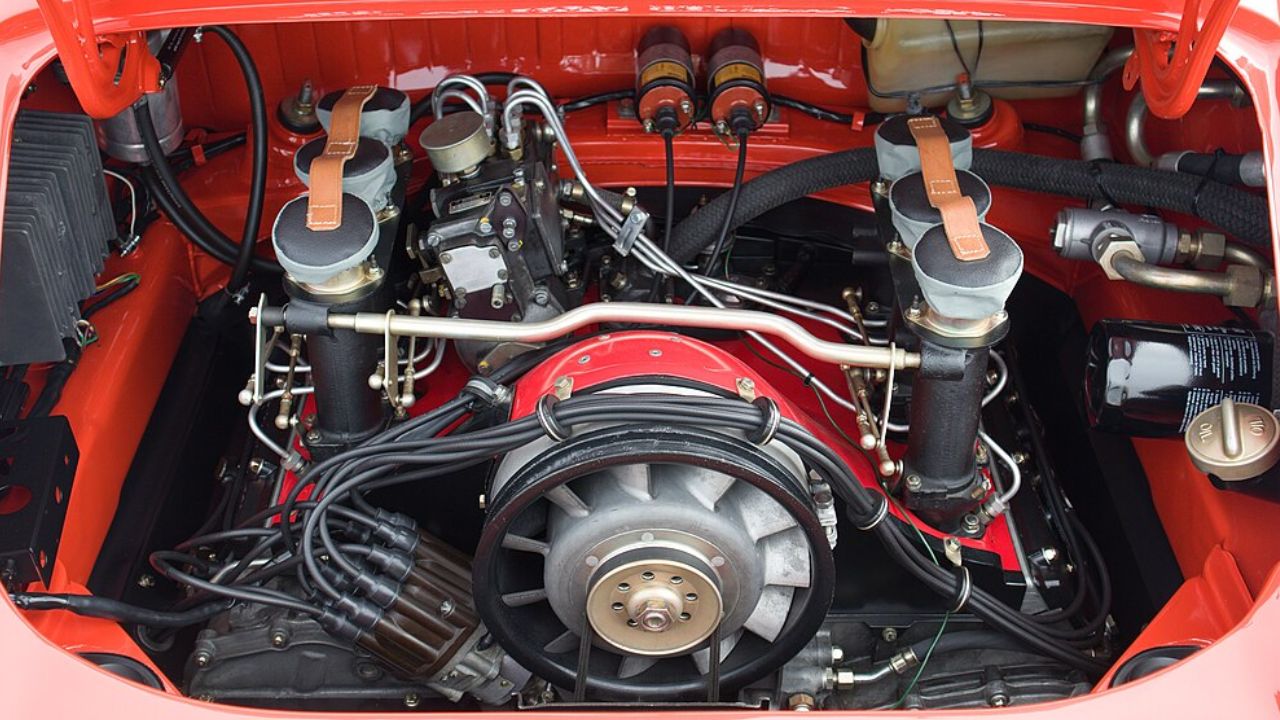
Porsche’s air-cooled flat-six became one of the defining engines of the sports-car world. Its horizontally opposed cylinders helped keep the engine compact and the center of gravity low, while air cooling reduced complexity. Continuous development transformed the original concept into increasingly powerful versions. The engine demonstrated that unconventional layouts could provide both performance and long-term development potential.
Chevrolet Corvair flat-six
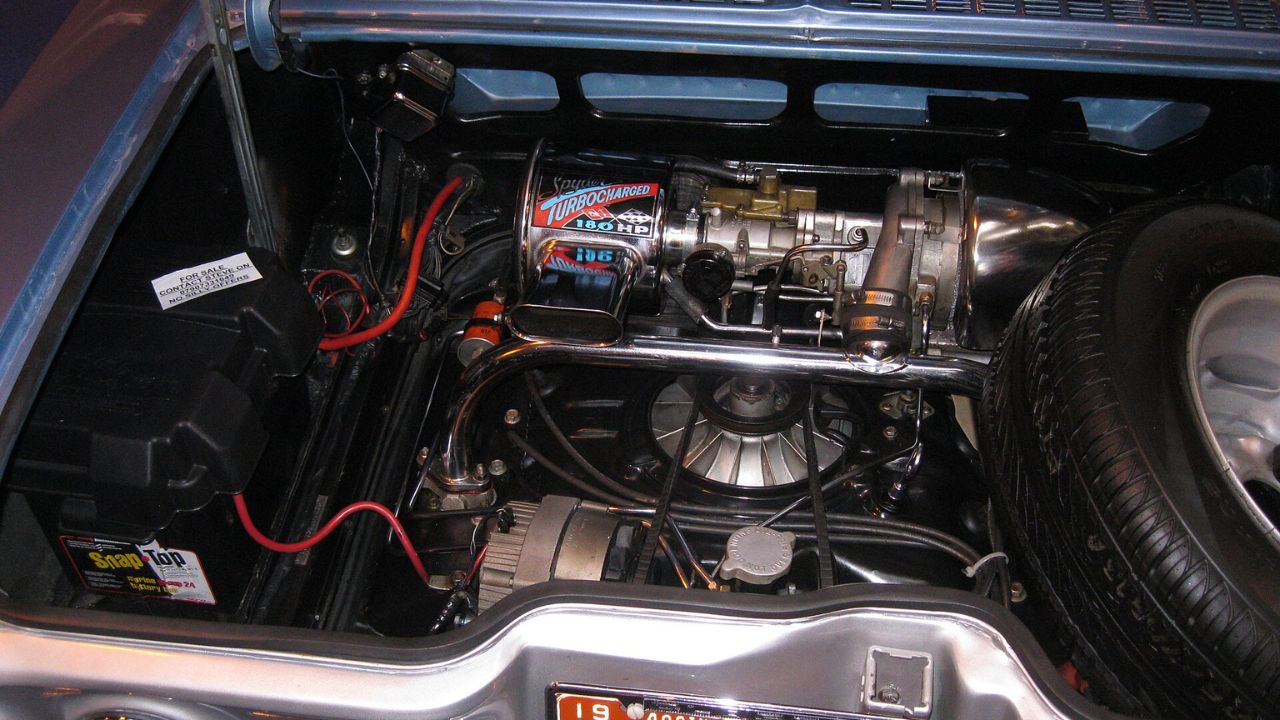
The Corvair’s rear-mounted, air-cooled flat-six was radically different from the conventional American engine layouts of its era. Aluminum construction reduced weight, while the compact engine allowed Chevrolet to build a distinctive rear-engine family car. The architecture was unusual for Detroit and demonstrated that American manufacturers were willing to experiment with packaging and powertrain design when consumer tastes were changing.
Oldsmobile Jetfire V8
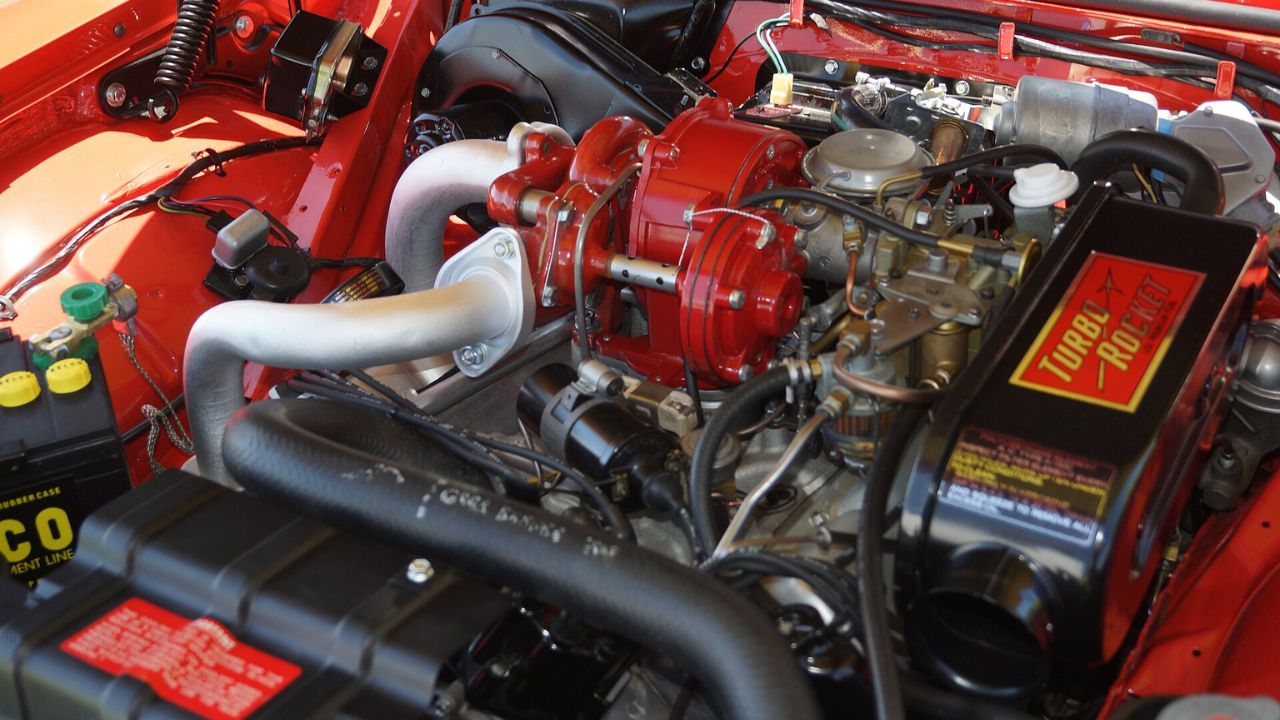
The Jetfire introduced turbocharging to an American production passenger car at a time when forced induction was still unusual. Its small-displacement V8 used a turbocharger to produce stronger performance without simply increasing engine size. The system required additional attention to operation and maintenance, but its significance was enormous. It showed that turbocharging could be applied to a conventional production automobile.
Ford 427 FE

Ford’s 427 FE became one of America’s legendary high-performance engines. Its large displacement, strong construction, and competition-oriented development made it capable of producing serious power in both road and racing applications. The engine’s reputation was built through vehicles such as the Galaxie and Cobra, as well as Ford’s racing programs. It demonstrated how a production-derived engine could become a formidable competition weapon.
BMW M30 straight-six
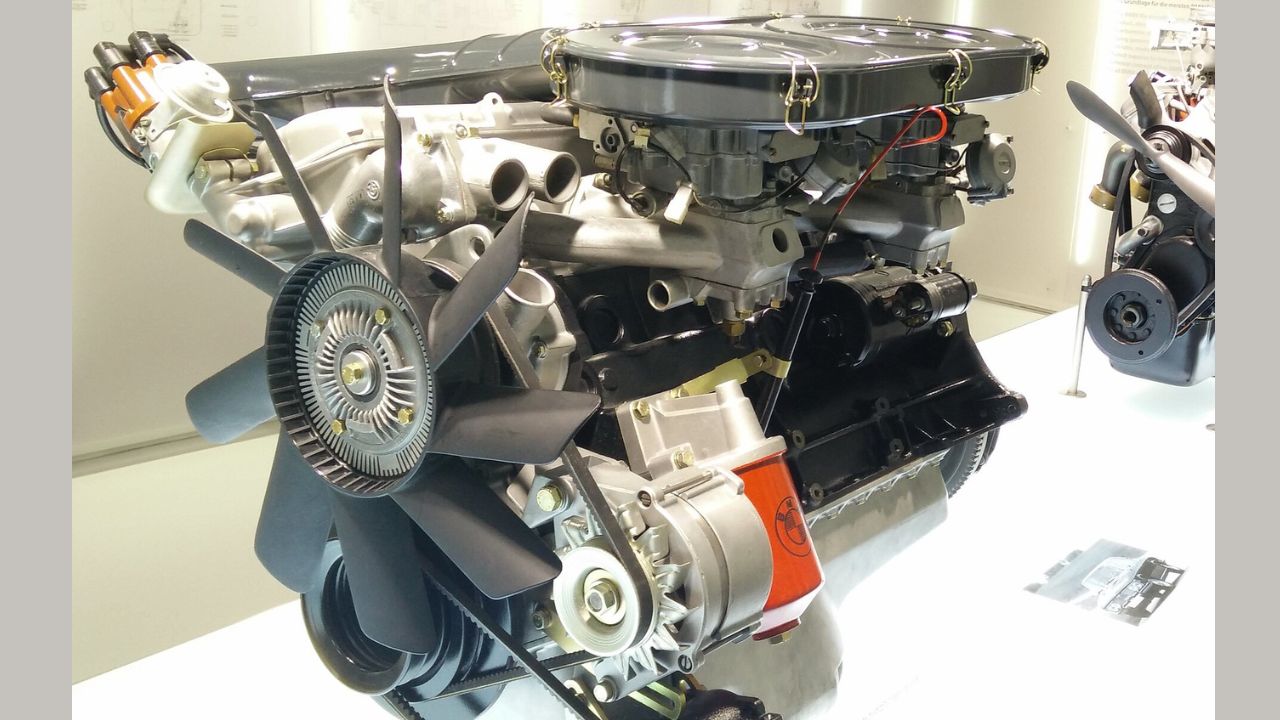
BMW’s M30 combined smoothness, durability, and strong performance in a remarkably versatile package. It powered luxury sedans, grand tourers, and performance models while evolving through several decades of development. Fuel injection and other improvements kept the engine relevant as expectations changed. Its longevity demonstrated the value of developing a fundamentally sound engine architecture instead of constantly replacing it with something entirely new.
Ford Cologne V6

Ford’s Cologne V6 offered a compact alternative to larger American engines and became useful across a wide range of vehicles. Its relatively small dimensions made it suitable for cars where a traditional V8 would have been impractical. Over time, the engine received numerous updates and appeared in European and American applications. It helped demonstrate that V6 engines could provide a useful balance of performance, packaging, and economy.
Buick turbocharged V6

Buick’s turbocharged V6 transformed perceptions of what a relatively small engine could accomplish. Instead of relying on a huge V8, Buick used turbocharging to increase output while retaining a compact six-cylinder package. The technology eventually became central to the Grand National and GNX, turning Buick into an unexpected performance brand. The engine helped establish turbocharging as a serious American performance technology.
Honda CVCC four-cylinder
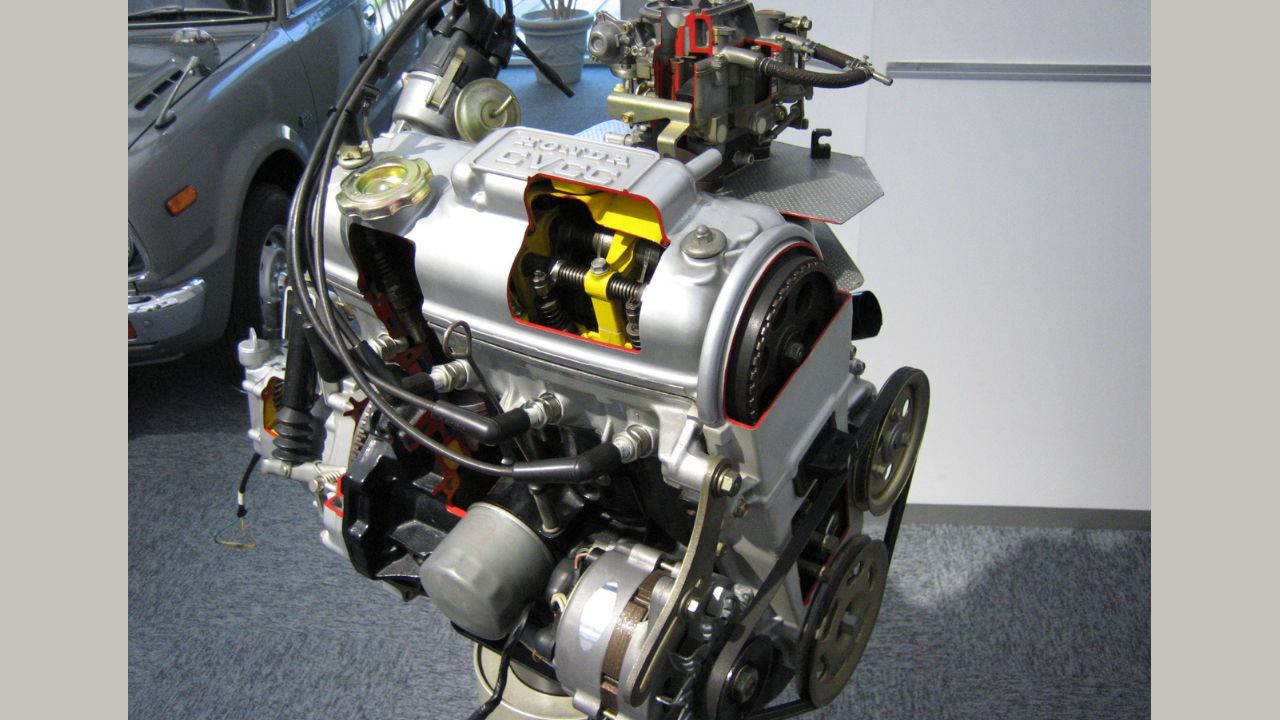
Honda’s CVCC engine addressed emissions regulations with an ingenious combustion strategy rather than relying solely on after-treatment technology. A specially arranged combustion chamber and separate mixture zones allowed the engine to burn fuel efficiently while reducing certain emissions. The system helped Honda meet demanding emissions standards without sacrificing drivability. It was an early example of combustion engineering being used to solve regulatory challenges.
Saab turbocharged four-cylinder
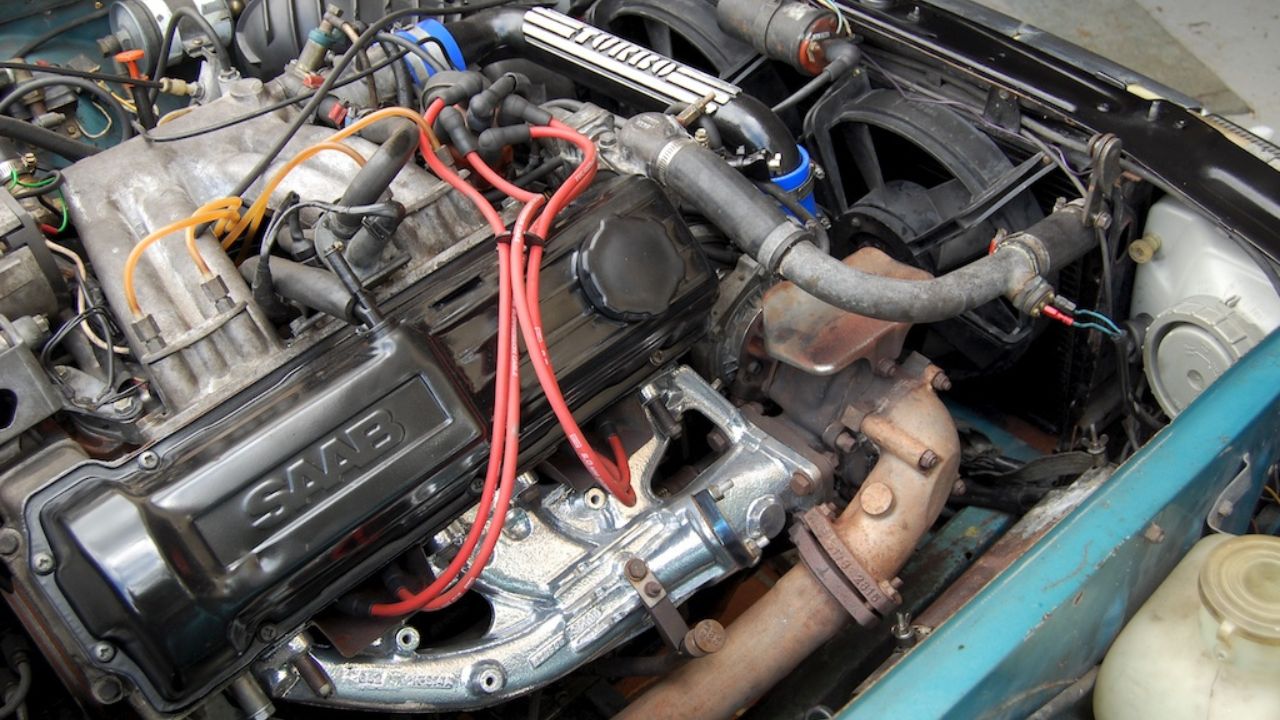
Saab demonstrated that turbocharging did not have to be reserved for exotic sports cars. Its turbocharged four-cylinder engines provided strong performance from modest displacement while maintaining the practicality expected from everyday vehicles. Saab also developed sophisticated boost-control strategies that helped make turbocharged driving more manageable. The company’s work helped make turbocharging increasingly acceptable in ordinary passenger cars.
Mercedes-Benz M102 four-cylinder
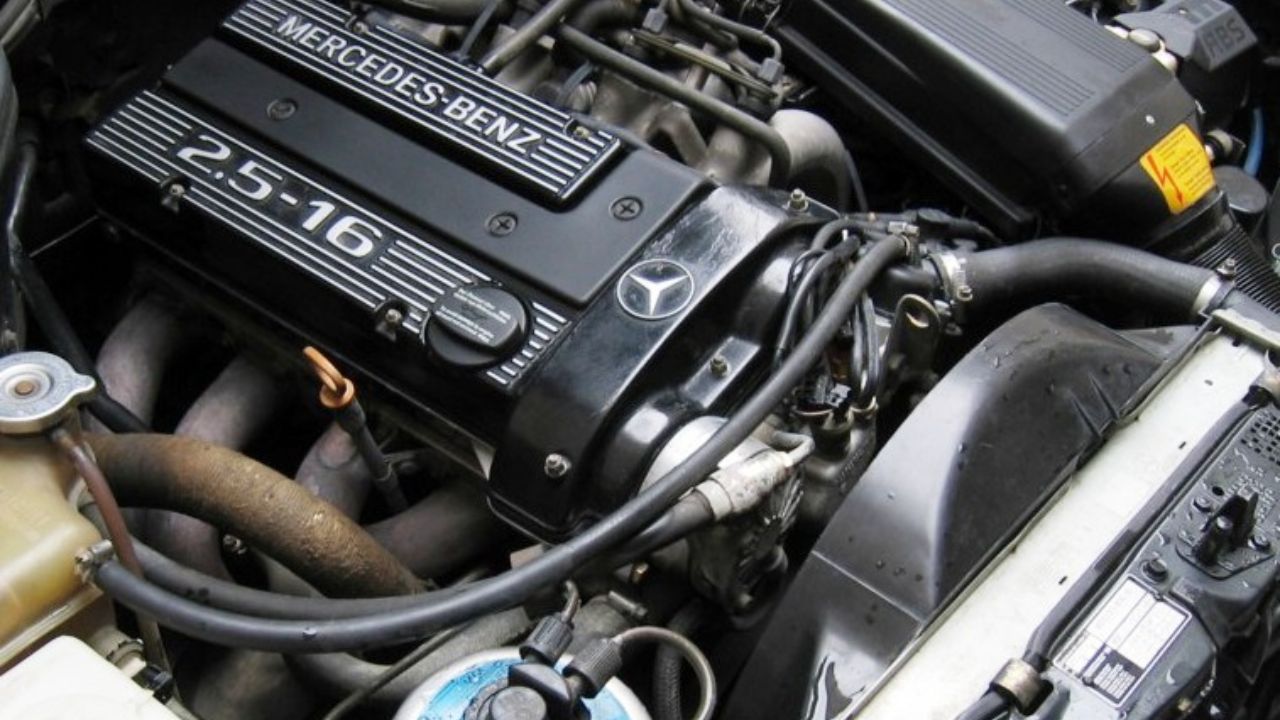
The M102 represented Mercedes-Benz’s move toward more efficient and modern four-cylinder engine technology. Its overhead-camshaft design, lightweight construction, and continual development allowed it to serve several generations of compact and midsize vehicles. Later versions incorporated increasingly sophisticated fuel and emissions systems. The engine reflected a broader shift toward smaller, more efficient powerplants without abandoning the durability expected from Mercedes-Benz.
More from Fast Lane Only
- Unboxing the WWII Jeep in a Crate
- 15 rare Chevys collectors are quietly buying
- 10 underrated V8s still worth hunting down
- Police notice this before you even roll window down
*Research for this article included AI assistance, with all final content reviewed by human editors.